Monosaccaridi
I monosaccaridi sono la forma più semplice dei carboidrati e fungono da blocchi fondamentali per zuccheri più complessi e polisaccaridi. Queste singole molecole di zucchero svolgono ruoli critici nel metabolismo energetico, nella comunicazione cellulare e nei componenti strutturali delle cellule. In questa sezione troverai una vasta gamma di monosaccaridi essenziali per la ricerca in biochimica, biologia molecolare e glicoscienza. Questi composti sono cruciali per studiare le vie metaboliche, i processi di glicosilazione e lo sviluppo di agenti terapeutici. Da CymitQuimica, offriamo monosaccaridi di alta qualità per supportare le tue esigenze di ricerca, garantendo precisione e affidabilità nelle tue indagini scientifiche.
Sottocategorie di "Monosaccaridi"
- Alloses(11 prodotti)
- Arabinosi(21 prodotti)
- Eritrosio(11 prodotti)
- Fruttosio(9 prodotti)
- Fucosio(36 prodotti)
- Galactosamina(41 prodotti)
- Galattosio(261 prodotti)
- Glucosio(365 prodotti)
- Acidi glucuronici(51 prodotti)
- Glicosubstrati per enzima(77 prodotti)
- Gulosio(6 prodotti)
- Idosio(4 prodotti)
- Inositoli(15 prodotti)
- Lixosio(4 prodotti)
- Mannosio(65 prodotti)
- O-Glicani(48 prodotti)
- Psicosi(3 prodotti)
- Rhamnosio(10 prodotti)
- Ribosi(61 prodotti)
- Acidi Sialici(100 prodotti)
- Sorbosio(4 prodotti)
- Zuccheri(173 prodotti)
- Tagatosio(4 prodotti)
- Talosio(8 prodotti)
- Xyloses(20 prodotti)
Mostrare 17 più sottocategorie
Trovati 6090 prodotti di "Monosaccaridi"
Ordinare per
Purezza (%)
0
100
|
0
|
50
|
90
|
95
|
100
L-Glucono-1,4-lactone
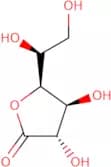
CAS:<p>L-Glucono-1,4-lactone is a substance that belongs to the group of compounds known as alpha hydroxy acids. It is produced in the body by an enzyme called l-gluconolactonase and is present in small quantities in many fruits and vegetables. L-Glucono-1,4-lactone has been shown to prevent skin aging and protect against UV light damage through its antioxidant properties. This compound can be found in sunscreens or it can be taken orally to provide protection from the sun. Clinical data on L-Glucono-1,4-lactone treatments are not yet available.</p>Formula:C6H10O6Purezza:Min. 95%Colore e forma:PowderPeso molecolare:178.14 g/mol2,3-O-Isopropylidene-D-ribonic acid-1,4-lactone
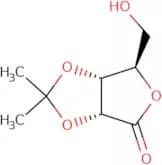
CAS:2,3-O-Isopropylidene-D-ribonic acid-1,4-lactone is an organic compound that belongs to the class of lactones. It is a chiral molecule with two asymmetric carbons and four stereogenic atoms. This compound can be used for the synthesis of optically active compounds. It is also a precursor for the synthesis of morpholines and phosphonates. 2,3-O-Isopropylidene-D-ribonic acid-1,4-lactone can be synthesized by reacting an enolate with an aldehyde in the presence of a base and acid catalyst. The acid catalyst causes elimination of water from the enolate to produce the desired product.Formula:C8H12O5Purezza:Min. 97 Area-%Colore e forma:White PowderPeso molecolare:188.18 g/molMycophenolic acid acyl-b-D-glucuronide
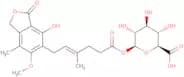
CAS:<p>Mycophenolic acid acyl-b-D-glucuronide is a prodrug of mycophenolic acid that is metabolized by esterases to its active form. This compound has been shown to inhibit the activity of drug receptors, including those for immunosuppressants and anticonvulsants. Mycophenolic acid acyl-b-D-glucuronide has also been found to have a matrix effect on the concentration–time curve of other drugs in human serum. This drug is used for the treatment of bowel disease, autoimmune diseases, and for the prevention of organ transplant rejection. It can be administered orally or intravenously and has been shown to be well tolerated with few adverse effects.</p>Formula:C23H28O12Purezza:Min. 90%Colore e forma:PowderPeso molecolare:496.47 g/mol1,2,3,4,6-Penta-O-galloyl-β-D-glucopyranose
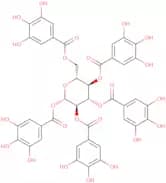
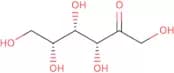
CAS:<p>A gallotannin found in plants, with various biological activities. Its anti-cancer effect has been demonstrated in several cancer cell lines, mediated by inhibition of DNA replication, proliferation and angiogenesis. Elicits anti-inflammatory, antioxidative and anti-diabetic effects. Recently, it has been identified as an inhibitor of c-Myc in hepatocellular carcinoma and multiple myeloma cells.</p>Formula:C41H32O26Purezza:Min. 96 Area-%Colore e forma:PowderPeso molecolare:940.68 g/molD-Fructose
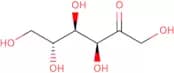
CAS:D-Fructose (Fru) is the most common reducing keto-hexose and is often known as levulose, arabino-hexulose, fruit sugar (Collins, 2006). In an aqueous solution, fructose exhibits mutarotation (approx., 70-75% β-pyranose, 20-23% β-furanose, 5% α-furanose, 2% α-pyranose, 0.7% open chain) (Angyal, 1984). Sucrose from sugar cane and sugar beet is made up of 50% fructose and is found in many fruits and vegetables; it is the predominant sugar in apples, grapes, oranges and watermelon, as well as comprising of up to half of the total sugars in honey. High fructose corn syrup (HFCS) containing around 50% fructose is an important food ingredient produced from glucose syrup by the action of the enzyme glucose isomerase (Hanover, 1993). However, dietary sugars including fructose, have long been implicated in the epidemic of obesity. Evidence to link the relation of foods and beverages containing fructose with overweight or obesity has recently been obtained (Zurbau, 2020).Formula:C6H12O6Purezza:Min. 99 Area-%Colore e forma:White PowderPeso molecolare:180.16 g/mol2,3,4-Tri-O-acetyl-a-D-glucuronide methyl ester trichloroacetimidate
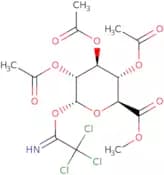
CAS:2,3,4-Tri-O-acetyl-a-D-glucuronide methyl ester trichloroacetimidate (TOG) is a synthetic glycosylation reagent that has been used for the synthesis of complex carbohydrates. It is an O-glycosidase inhibitor and is used in the preparation of saccharides with a high degree of substitution. TOG can be used to modify saccharides, oligosaccharides, and polysaccharides.Formula:C15H18Cl3NO10Purezza:Min. 98 Area-%Colore e forma:White PowderPeso molecolare:478.66 g/mol3-Deoxy-D-glucosone
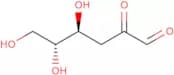
CAS:3-Deoxy-D-glucosone is a compound that belongs to the group of monosaccharides and has a basic structure. It can be found in many types of biological samples, including blood. The x-ray diffraction data for 3-deoxy-D-glucosone shows an asymmetric unit of two molecules with a coordination geometry of 2.3. This compound is known to have high protein oxidation rates, which are caused by dna binding activity. 3-Deoxyglucosone has been shown to be involved in the pathogenic mechanism of many types of cancers.Formula:C6H10O5Purezza:Min. 95%Colore e forma:PowderPeso molecolare:162.14 g/molGDP-L-fucose disodium salt
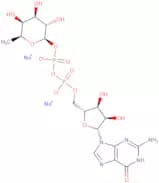
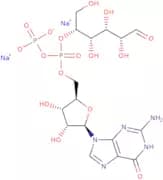
CAS:GDP-L-fucose is a natural fucosyl donor and substrate for fucosyltransferases (FUT) that catalyses the fucosylation of, for example, human milk oligosaccharides or glycoproteins. GDP-L-fucose is widely used in (chemo)enzymatic synthesis of glycans. Cymit Quimicaesis of GDP-L-fucose, a nucleotide sugar consisting of an L-fucose that is β-glycosidically linked to the nucleotide guanosine diphosphate (GDP), is achieved either through de novo synthesis via GDP-mannose or through a salvage pathway from free fucose. Fucosylation is catalysed by fucosyltransferases (~ 13 FUT genes have been identified in the human genome to date) to generate α-1,2, α-1,3, α-1-4 and α-1-6 linkages of fucose to other sugars, as well as direct linkages to peptides, with release of GDP (Lairson, 2008).Formula:C16H23N5O15P2Na2Purezza:Min. 90 Area-%Colore e forma:White Off-White PowderPeso molecolare:633.31 g/molD-Xylose-1-phosphate triethylammonium
CAS:<p>D-Xylose-1-phosphate triethylammonium is a synthetic compound that is used as an intermediate in the synthesis of oligosaccharides and polysaccharides. It has been shown to be a substrate for glycosylation reactions, with the potential to form glycosidic bonds with a variety of monosaccharides and polysaccharides. This product can also be fluorinated or methylated, and can undergo click modification or other modifications to make it suitable for use in various applications. D-Xylose-1-phosphate triethylammonium is available in high purity and can be custom synthesized according to customer specifications.</p>Formula:C5H11O8PPurezza:Min. 95%Colore e forma:PowderPeso molecolare:230.11 g/mol6-O-Malonyldaidzin free acid
CAS:<p>6-O-Malonyldaidzin is a metabolite of the soybean isoflavone daidzein. It is an isoflavonoid that has been shown to activate estrogen receptors in vitro and in vivo. 6-O-Malonyldaidzin has been found to have a protective effect on hepatic steatosis, as well as an anti-inflammatory effect. This compound also appears to have matrix effects on plasma lipoproteins and vascular endothelial cells. 6-O-Malonyldaidzin is absorbed efficiently from the gastrointestinal tract, with its bioavailability being 70% or higher when taken orally. The chemical reaction for the synthesis of 6-O-Malonyldaidzin free acid can be carried out using acetylgenistin as a starting material. The sample preparation for this reaction solution may include distillation, recrystallization, or column chromatography. The analytical method for measuring the concentration of this compound includes UV spectrosc</p>Formula:C24H22O12Purezza:Min. 95%Colore e forma:White PowderPeso molecolare:502.42 g/mol2,4,7,8-Tetra-O-acetyl-9-azido-9-deoxy-N-acetylneuraminic acid methyl ester
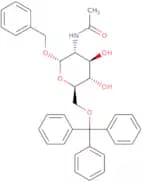
CAS:2,4,7,8-Tetra-O-acetyl-9-azido-9-deoxy-N-acetylneuraminic acid methyl ester is a high purity synthetic compound that has been modified for use in Click chemistry. It is a monosaccharide with an acetyl group on the 2' position and an azido group on the 9' position of the sugar. This compound is used in fluoroination reactions to modify sugars and oligosaccharides. It can also be used in glycosylation reactions to attach monosaccharides and saccharides to proteins or other molecules.Formula:C20H28N4O12Purezza:One SpotColore e forma:White PowderPeso molecolare:516.46 g/molBenzyl 2-acetamido-2-deoxy-6-O-trityl-a-D-glucopyranoside
CAS:<p>Benzyl 2-acetamido-2-deoxy-6-O-trityl-a-D-glucopyranoside is a glycosylation of benzyl 2,3,4,6-tetraacetamido-2,3,4,6-tetra deoxyglucopyranoside. It is a complex carbohydrate that can be modified with methyl groups or fluorine atoms. This product is often used in Click chemistry and as a building block for oligosaccharides and polysaccharides. Benzyl 2-acetamido-2-deoxy 6O trityl a D glucopyranoside has CAS number 33493 71 9 and can be custom synthesized to meet individual requirements.</p>Formula:C34H35NO6Purezza:Min. 95%Colore e forma:White PowderPeso molecolare:553.64 g/molN-Acetyl-D-glucosamine-6-phosphate disodium
CAS:Intracellular form of GlcNAc; substrate for GlcNAc-phosphate deacetylaseFormula:C8H16NO9P•Na2Purezza:Min. 98 Area-%Colore e forma:White Off-White PowderPeso molecolare:347.17 g/mol3-Deoxy-3-fluoro-D-xylopyranose
3-Deoxy-3-fluoro-D-xylopyranose is a carbohydrate, modification, saccharide and oligosaccharide. It is an Oligosaccharide sugar that has a CAS number of 104863-98-2. 3DFX can be custom synthesized in high purity with methylation and glycosylation. This product can be used for click modification with the desired molecule.Purezza:Min. 95%Ethyl 4,6-O-benzylidene-2-O-levulinoyl-b-D-thioglucopyranoside
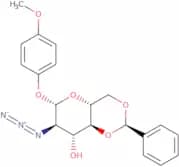
Ethyl 4,6-O-benzylidene-2-O-levulinoyl-b-D-thioglucopyranoside is a highly functionalized glycoside that is synthesized from levulinic acid as the starting material. It is an important chemical intermediate for various applications in biotechnology and medicine. Ethyl 4,6-O-benzylidene-2-O-levulinoyl-b-D-thioglucopyranoside can be used to modify saccharides, oligosaccharides, and polysaccharides with fluorine or methyl groups. This product has been custom synthesized to specifications and is of high purity.Formula:C20H26O7SPurezza:Min. 95%Peso molecolare:410.48 g/mol4-Methoxyphenyl 2-azido-4,6-O-benzylidene-2-deoxy-β-D-glucopyranoside
CAS:The objective of this study is to investigate the efficacy of 4-methoxyphenyl 2-azido-4,6-O-benzylidene-2-deoxy-b-D-glucopyranoside (MPAB) as a vaccine adjuvant for the prevention of esophageal candidiasis. MPAB was shown to induce antigen specific immune responses in vitro and in vivo. In addition, MPAB enhanced the protective efficacy of Covid® 19 pandemic influenza vaccine against gastrointestinal infection by Candida albicans. The results from this study provide proof of concept that MPAB can be used as a vaccine adjuvant for the prevention of esophageal candidiasis.Formula:C20H21N3O6Purezza:Min. 95%Colore e forma:PowderPeso molecolare:399.41 g/molD-Idose, Aqueous solution
CAS:<p>D-Idose is a single-enantiomer sugar with a pyranose ring and an enantiomeric configuration. It is used in the treatment of bacterial infections and has been shown to be effective at inhibiting the growth of bacteria that are resistant to beta-lactam antibiotics, such as methicillin-resistant Staphylococcus aureus (MRSA). D-Idose is active against bacteria that do not produce beta-lactamase enzymes, such as Mycobacterium tuberculosis or Mycobacterium avium complex.</p>Formula:C6H12O6Purezza:Min. 99 Area-%Colore e forma:Clear LiquidPeso molecolare:180.16 g/mol1-O-Methyl-beta-D-galactopyranoside
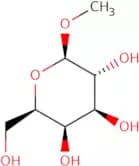
CAS:<p>Inhibitor of Gal-dependent lectin binding; used in synthesis of galactoses</p>Formula:C7H14O6Colore e forma:White PowderPeso molecolare:194.18 g/mol4-Pentenyl 3,6-di-O-benzyl-a-D-mannopyranoside
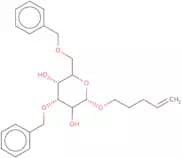
CAS:4-Pentenyl 3,6-di-O-benzyl-a-D-mannopyranoside is a synthetic oligosaccharide containing a single monosaccharide. It is fluorinated at the C4 position and methylated at the C6 position. This product is available for custom synthesis and modification to meet specific customer needs. It has not been evaluated by the FDA and should be used only in research settings.Formula:C25H32O6Purezza:Min. 95%Peso molecolare:428.52 g/mol1,2,3,4-Tetra-O-acetyl-β-D-mannopyranose
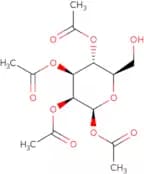
CAS:1,2,3,4-Tetra-O-acetyl-β-D-mannopyranose is a fluorinated monosaccharide that has been synthesized. It is a complex carbohydrate with the molecular formula C12H24O8 and a molecular weight of 256.24 g/mol. 1,2,3,4-Tetra-O-acetyl-β-D-mannopyranose has been modified with glycosylation and polysaccharides to create a click modification. It can be used in custom synthesis and provides high purity.Formula:C14H20O10Purezza:Min. 95%Colore e forma:White Off-White PowderPeso molecolare:348.3 g/molAllyl β-D-galactopyranoside
CAS:<p>Allyl β-D-galactopyranoside is a complex carbohydrate that is modified by methylation, glycosylation, and fluorination. It can be synthesized using the Carbohydrate-Click reaction. Allyl β-D-galactopyranoside is used as a substrate for the synthesis of oligosaccharides, polysaccharides, and other carbohydrates. This product has high purity and is available in custom synthesis.</p>Formula:C9H16O6Purezza:Min. 95%Colore e forma:White PowderPeso molecolare:220.22 g/molN1-α-L-Arabinopyranosylamino-guanidine hydrochloride
CAS:N1-a-L-Arabinopyranosylamino-guanidine HCl is a carbohydrate that belongs to the class of oligosaccharides. It is a synthetic compound, which is custom synthesized for use in research. This product has been shown to be high purity and is methylated, glycosylated, and click modified. The CAS number 109853-78-3 refers to the chemical name of this product. The molecular weight of N1-a-L-Arabinopyranosylamino-guanidine HCl is 597.14 g/mol with an empirical formula C8H23N2O6.Formula:C6H14N4O4•HClPurezza:Min. 95%Colore e forma:White to off-white solid.Peso molecolare:242.66 g/molD-Mannose-6-O-sulphate sodium salt
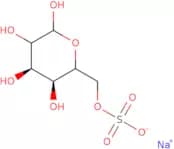
CAS:<p>D-Mannose-6-O-sulphate sodium salt (DMS) is a synthetic sugar that is used in the preparation of biopolymers. It is a complex carbohydrate that is composed of both saccharide and phosphate groups. DMS has been modified to contain methyl groups, which can be used for click chemistry reactions. The CAS number for this compound is 204575-08-6. DMS has been shown to be useful as a fluorination reagent. It has also been synthesized using click chemistry, which allows it to be incorporated into polymers and other organic compounds.</p>Formula:C6H11O9SNaPurezza:Min. 95%Colore e forma:PowderPeso molecolare:282.2 g/molGDP-D-glucose sodium salt
CAS:<p>Substrate for glucosyltransferase</p>Formula:C16H25N5O16P2·2NaPurezza:Min. 95 Area-%Colore e forma:White Off-White PowderPeso molecolare:651.34 g/molGinsenoside Ft1
<p>Ginsenoside Ft1 is a saponin and bioactive compound, which is derived from the roots of Panax notoginseng, a plant known for its traditional medicinal uses. The mode of action of Ginsenoside Ft1 involves multiple biochemical pathways, including the modulation of signaling pathways related to inflammation, apoptosis, and angiogenesis. Its ability to influence these pathways underpins its potential therapeutic applications.</p>Purezza:Min. 95%2,5-Anhydro-1-O-trityl-D-mannitol
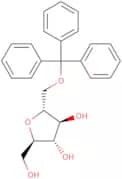
CAS:<p>2,5-Anhydro-1-O-trityl-D-mannitol is a complex carbohydrate with the molecular formula C6H14O6 that has been modified for use in glycosylation reactions. It is a type of sugar that can be modified to create desired properties and can be used as an alternative to other sugars such as glucose. 2,5-Anhydro-1-O-trityl-D-mannitol can be used in the synthesis of oligosaccharides and monosaccharides. This product is available in high purity and has a CAS number of 68774-48-1.</p>Formula:C25H26O5Purezza:Min. 95%Peso molecolare:406.48 g/mol2,3,5-Tri-O-benzyl-β-D-arabinofuranose
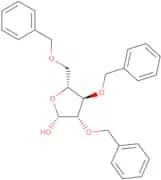
CAS:2,3,5-Tri-O-benzyl-b-D-arabinofuranose is a stereoselective analog that inhibits human maltase glucoamylase and acetylation. It is also a potent nucleophile that reacts with the hydroxyl group of dimethyl fumarate to form an acetal linkage. This compound is used in the stereoselective synthesis of oligosaccharides and carbohydrates.Formula:C26H28O5Purezza:Min. 99 Area-%Colore e forma:White PowderPeso molecolare:420.5 g/mola-Homonojirimycin
CAS:<p>a-Homonojirimycin is a chaperone that is effective in inhibiting HIV infection. It has been shown to inhibit the activity of chymotrypsin, carboxypeptidase A, and aminopeptidase B. The model system used for this compound was the human liver, which showed that a-homonojirimycin had a potent inhibitory activity against these enzymes. This drug also has a dry weight of 1,520 g/mol and an effective dose of 0.01 mg/mL. In vitro studies have shown that a-homonojirimycin inhibits influenza virus by binding to the hemagglutinin protein on the surface of the virus and preventing its attachment to host cells.</p>Formula:C7H15NO5Purezza:Min. 98 Area-%Colore e forma:White PowderPeso molecolare:193.2 g/molMethyl 4-deoxy-4-fluoro-a-D-glucose
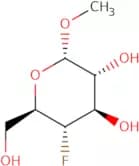
CAS:<p>Methyl 4-deoxy-4-fluoro-a-D-glucose is a synthetic and custom synthesis monosaccharide for use in glycosylation, polysaccharide modification, and click chemistry. It is a fluorinated sugar that can be used in the synthesis of oligosaccharides and complex carbohydrates. Methyl 4-deoxy-4-fluoro-a-D-glucose has CAS number 56926-53-5.</p>Formula:C7H13FO5Purezza:Min. 98 Area-%Colore e forma:PowderPeso molecolare:196.17 g/mol3-O-Acetyl-4-O-methyl-D-glucuronic acid
3-O-Acetyl-4-O-methyl-D-glucuronic acid is a custom synthesis that is used in the preparation of oligosaccharides and polysaccharides. It has been modified by fluorination, which increases its stability. 3-O-Acetyl-4-O-methylglucuronic acid can be used to synthesize saccharides and carbohydrates as well as to modify monosaccharides and sugars. This product is available at high purity with a CAS number.Formula:C9H14O8Purezza:Min. 95%Colore e forma:White SolidPeso molecolare:250.2 g/molPotassium D-erythronate
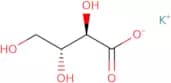
CAS:Versatile resource for organic synthesis, e.g. of the inhibitor swainsonineFormula:C4H7KO5Purezza:Min. 95%Colore e forma:White PowderPeso molecolare:174.19 g/molMethyl 4,6-O-benzylidene-β-D-glucopyranoside
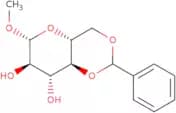
CAS:<p>Methyl 4,6-O-benzylidene-b-D-glucopyranoside is a nitro derivative of methyl b-D-glucopyranoside. The anomeric proton and the nitro group are in the same plane and on opposite sides of the molecule. This compound has been shown to be both a receptor binding agent and a gelation agent. It is used to study biological membranes because it binds to phospholipids in the cell membrane, which alters its physical properties. Methyl 4,6-O-benzylidene-b-D-glucopyranoside is also known for its ability to form hydrogen bonds with water molecules. This is due to its cavity that can accommodate one water molecule per monomer unit. The crystal structure of this compound has been determined by x ray crystallography and shows that it forms dimers through hydrogen bonding between two molecules in each dimer. These interactions are</p>Formula:C14H18O6Purezza:Min. 95%Colore e forma:PowderPeso molecolare:282.29 g/molQuercetin 3-b-galactoside-2'-O-gallate
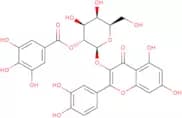
CAS:Quercetin 3-b-galactoside-2'-O-gallate is a compound that has been shown to have hepatoprotective effects, inhibiting the mitochondrial membrane potential and microbial infection. Quercetin 3-b-galactoside-2'-O-gallate also has anti-inflammatory properties and reduces the production of inflammatory cells, such as hepg2 cells. The mechanism of action for its protective effect is due to the inhibition of mapk activation, which leads to decreased necrosis factor and interleukin (IL) production. Quercetin 3-b-galactoside-2'-O-gallate can be used in the treatment of acute liver injury induced by LPS.Formula:C28H24O16Purezza:Min. 95%Colore e forma:Yellow PowderPeso molecolare:616.48 g/molD-Sorbose
CAS:<p>D-Sorbose is a monosaccharide that belongs to the group of sugar alcohols. It is a reducing sugar that can be used as an alternative for sugar in food and pharmaceutical industries. D-Sorbose has been shown to have potential industrial applications due to its high solubility, low melting point, and resistance to crystallization. The enzyme ribitol dehydrogenase from Escherichia coli was found to be active with D-sorbitol, but not with l-sorbitol. This indicates that D-sorbitol is a better substrate for this enzyme than L-sorbitol.</p>Formula:C6H12O6Purezza:Min. 95%Colore e forma:White PowderPeso molecolare:180.16 g/molN-Propanoyl mannosamine
CAS:<p>N-Propanoyl mannosamine is a biochemical that belongs to the group of glycoconjugates. It is an intracellular messenger that modulates the concentration of intracellular calcium and controls the release of gamma-aminobutyric acid (GABA). N-Propanoyl mannosamine has been shown to stimulate axonal growth in cell culture, which is mediated by the polysialic acid receptor. This molecule also has a role in human osteoblast differentiation and bone formation.<br>N-Propanoyl mannosamine can be synthesized from dopamine and erythrose via a series of reactions involving acidification, oxidation, reduction, and decarboxylation. The synthesis of this molecule requires blood group O as an acceptor.</p>Formula:C9H17NO6Purezza:Min. 95%Colore e forma:White To Off-White SolidPeso molecolare:235.23 g/mol2,5-Di-O-acetyl-3-C-methyl-D-lyxono-1,4-lactone
<p>2,5-Di-O-acetyl-3-C-methyl-D-lyxono-1,4-lactone is a hydrogen bonded lactone. The crystal structure of the compound has been determined by X-ray crystallography and found to be a hydrogen bonded dimer with two molecules of water located between the two monomers. This compound is also known as 3,6,9,12,15,18,21 hexaoxahexacontane 1,4-lactone or DAL.</p>Formula:C10H14O7Purezza:Min. 95%Peso molecolare:246.21 g/molL-Arabinaric acid dipotassium salt
CAS:<p>L-Arabinaric acid dipotassium salt is a custom synthesis of an L-arabinaric acid, which is a monosaccharide that is found in the cell wall of bacteria. This compound has been modified to be resistant to fluorination, methylation, and click chemistry. The modification process includes the use of Oligosaccharides, saccharides, and polysaccharides as well as glycosylation and sugar. L-Arabinaric acid dipotassium salt can also be used for the synthesis of complex carbohydrates.</p>Formula:C5H6K2O7Purezza:Min. 98 Area-%Colore e forma:PowderPeso molecolare:256.29 g/molSuberoylanilide-D5 hydroxamic acid b-D-glucuronide
Prodotto controllatoSuberoylanilide-D5 hydroxamic acid b-D-glucuronide is a modification of sucrose. It is a complex carbohydrate that has been modified with an Oligosaccharide and Carbohydrate. This compound is synthesized with Custom synthesis, Synthetic, High purity, CAS No., Monosaccharide, Methylation, Glycosylation, Polysaccharide, sugar and Fluorination. Suberoylanilide-D5 hydroxamic acid b-D-glucuronide is a fluorinated saccharide that can be used as a sugar for glycosylation or methylation.Formula:C20H23N2O9D5Purezza:Min. 95%Colore e forma:White to off-white solid.Peso molecolare:445.47 g/mol3,4-Di-O-acetyl-D-fucal
CAS:<p>3,4-Di-O-acetyl-D-fucal is a synthetic carbohydrate with two orientations. It is a synthon for the synthesis of carbohydrates and can be used as a ligand in biomolecular design. The synthetic carbohydrate has been shown to have chemotherapeutic effects, which may be due to its ability to inhibit glycan synthesis. This synthetic carbohydrate also has conformational parameters that are similar to those of natural fucose, which makes it an attractive candidate as a potential drug target.</p>Formula:C10H14O5Purezza:Min. 95%Colore e forma:PowderPeso molecolare:214.22 g/molMethyl 2,3-di-O-benzyl-α-D-glucopyranoside
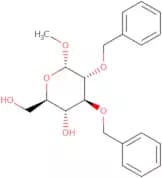
CAS:Methyl 2,3-di-O-benzyl-a-D-glucopyranoside is a chiral sugar that can be synthesized by sulfidation of methyl 1,2,3,4-tetra-O-benzyloxycarbonyl-a-D-glucopyranoside. This sugar was used in the synthesis of oxathianes and sulfones as well as other synthetic methodology.Formula:C21H26O6Purezza:Min. 95%Colore e forma:PowderPeso molecolare:374.43 g/mol2,6-Dideoxy-2-fluoro-L-mannose
<p>2,6-Dideoxy-2-fluoro-L-mannose is a monosaccharide that is a fluorinated glycosylate. It is used in the synthesis of oligosaccharides and has been shown to be useful for click modification of proteins. This compound is also used as a substrate for methylation reactions. 2,6-Dideoxy-2-fluoro-L-mannose contains an oxygen atom at the C1 position and two hydroxyl groups at the C3 and C4 positions on the ring. The molecular weight of this compound is 180.16 g/mol.</p>Purezza:Min. 95%2,4,7,8,9-Penta-O-acetyl N-acetylneuraminic acid
CAS:2,4,7,8,9-Penta-O-acetyl N-acetylneuraminic acid is a modification of the carbohydrate 2,4,7,8,9-penta-O-acetyl N-acetylneuraminic acid. It is a complex carbohydrate that is custom synthesized to meet the needs of specific customers. This product can be used for the synthesis of oligosaccharides and polysaccharides in glycosylation reactions. It can also be modified with methylation and fluorination. 2,4,7,8,9-Penta-O-acetyl N-acetylneuraminic acid has high purity and is monosaccharide. It also has an acetate group on its sugar chain at position 9. This product can be used as a sugar or in click chemistry reactions because it contains an amine group at position 8.Formula:C21H29NO14Purezza:Min. 95%Colore e forma:PowderPeso molecolare:519.45 g/molPhenyl 2-acetamido-3,4,6-tri-O-acetyl-2-deoxy-β-D-glucopyranoside
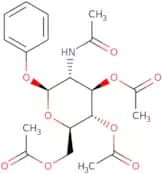
CAS:<p>Phenyl 2-acetamido-3,4,6-tri-O-acetyl-2-deoxy-b-D-glucopyranoside is a custom synthesis of the sugar phenyl 2-acetamido-3,4,6-tri-O-acetyl--2 deoxy--b D glucopyranoside. It is a modification of the monosaccharide and glycosylation. This synthetic compound has a CAS number of 1308921 9 and is used as an intermediate in the production of saccharides. Phenyl 2 acetamido 3,4,6 tri O acetyl 2 deoxy b D glucopyranoside is also classified as an oligosaccharide or complex carbohydrate.</p>Formula:C20H25NO9Purezza:Min. 95%Colore e forma:White solid.Peso molecolare:423.41 g/mol2,3,4,6-Tetra-O-benzyl-D-mannopyranose
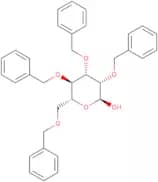
CAS:2,3,4,6-Tetra-O-benzyl-D-mannopyranose is a trisaccharide that consists of two covalently linked glycosyl acceptors and one galacto moiety. This molecule is synthesized by chemoenzymatic synthesis and can be found in the biosynthesis of trehalose. 2,3,4,6-Tetra-O-benzyl-D-mannopyranose is an anomeric form of D-glucopyranose. The anomeric form is determined by the orientation of the hydroxyl group at C1' with respect to the anomeric carbon atom at C2'. This molecule has been isotopically labelled with 13C and 15N for use in studies on carbohydrate metabolism.Formula:C34H36O6Purezza:90%Colore e forma:Yellow PowderPeso molecolare:540.65 g/mol2,3,5-Tri-O-p-chlorobenzoyl-a-D-ribofuranosyl chloride
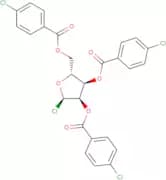
CAS:<p>2,3,5-Tri-O-p-chlorobenzoyl-a-D-ribofuranosyl chloride is a sugar derivatized with chlorine. It is a high purity product that can be custom synthesized to meet your needs. This compound has been used in the synthesis of saccharides and oligosaccharides with click modification, fluorination, glycosylation, methylation, and modification.<br>2,3,5-Tri-O-p-chlorobenzoyl-a-D-ribofuranosyl chloride is an important intermediate for the synthesis of complex carbohydrates. The chemical structure of this molecule consists of three parts: an aromatic ring (benzene), a glycosylation site (glycine), and a carboxylic acid group (carboxylic acid). The aromatic ring allows 2,3,5-Tri-O-p-chlorobenzoyl-a-D</p>Formula:C26H18Cl4O7Purezza:Min. 95%Colore e forma:PowderPeso molecolare:584.23 g/mol3,4,6-Tri-O-acetyl-2-deoxy-2-fluoro-D-mannopyranosyl fluoride
CAS:3,4,6-Tri-O-acetyl-2-deoxy-2-fluoro-D-mannopyranosyl fluoride is an Oligosaccharide that can be used for Glycosylation. It's a sugar that is Synthetic and Fluorinated. This product has Custom synthesis and Methylation. It is a Monosaccharide and Polysaccharide. It is a saccharide that has been Click modified and it has a high purity of 99%. 3,4,6-Tri-O-acetyl-2-deoxy-2-fluoro-D-mannopyranosyl fluoride is CAS No. 29209981.Formula:C12H16F2O7Purezza:Min. 95%Colore e forma:PowderPeso molecolare:310.25 g/molD-Sedoheptulose 7-phosphate lithium
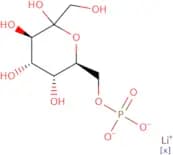
CAS:D-Sedoheptulose 7-phosphate lithium (DSDP) is a substance that is used in the synthesis of ribulose. It provides the carbonyl group for the synthesis of acetyl-CoA and plays an important role in energy metabolism. DSDP has been shown to be effective against streptococcus faecalis, which may be due to its ability to inhibit protein synthesis by binding to ribulose phosphates, thereby preventing the production of ATP. DSDP also inhibits cellular transformation, which may be due to its ability to bind with DNA and block RNA synthesis. In vitro studies have shown that DSDP can inhibit both Streptococcus faecalis and Escherichia coli at concentrations below 10 mM. These effects are likely mediated by enzymatic activities that are involved in bacterial cell physiology.Formula:C7H15O10P•(Li)xPurezza:Min. 95%Colore e forma:PowderPeso molecolare:290.16 g/molDapagliflozin propanediol monohydrate
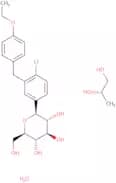
CAS:Dapagliflozin is an oral antidiabetic drug that acts by inhibiting the SGLT2 enzyme. The SGLT2 enzyme is responsible for reabsorbing glucose from the kidney, so by inhibiting this enzyme, glucose will be excreted in the urine and blood glucose levels will decrease. Dapagliflozin also has a low bioavailability in vivo, which can be improved by administration with food. This drug has been shown to have a longer elimination half-life than canagliflozin and empagliflozin. Dapagliflozin has been shown to have a higher potency than metformin hydrochloride in vitro.Formula:C24H35ClO9Purezza:(Hplc) Min. 99.0%Colore e forma:PowderPeso molecolare:502.98 g/molUDP-GalNAc disodium salt
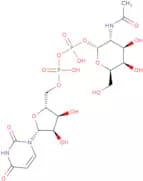
CAS:Substrate for N-acetylgalactosaminyltransferasesFormula:C17H25N3Na2O17P2Purezza:Area-% Min. 95 Area-%Colore e forma:White PowderPeso molecolare:651.32 g/molN-Benzyl-D-glucamine
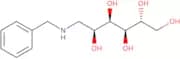
CAS:N-Benzyl-D-glucamine is a metal chelate that binds to lead and other heavy metals. It is used as a transport inhibitor for the elimination of lead from the body. N-Benzyl-D-glucamine has been shown to be effective in lowering blood levels of lead, with an elimination rate of 50% within 4 hours. When administered orally, this drug also has inhibitory effects on the absorption of lead from gastrointestinal tissues, which may be due to its inhibition of urea nitrogen and gastrointestinal toxicities. This drug can also reduce the excretion of cadmium and aromatic hydrocarbons in urine samples.Purezza:Min. 95%