Monosaccaridi
Sottocategorie di "Monosaccaridi"
- Alloses(11 prodotti)
- Arabinosi(21 prodotti)
- Eritrosio(11 prodotti)
- Fruttosio(9 prodotti)
- Fucosio(36 prodotti)
- Galactosamina(41 prodotti)
- Galattosio(261 prodotti)
- Glucosio(365 prodotti)
- Acidi glucuronici(51 prodotti)
- Glicosubstrati per enzima(77 prodotti)
- Gulosio(6 prodotti)
- Idosio(4 prodotti)
- Inositoli(15 prodotti)
- Lixosio(4 prodotti)
- Mannosio(65 prodotti)
- O-Glicani(48 prodotti)
- Psicosi(3 prodotti)
- Rhamnosio(10 prodotti)
- Ribosi(60 prodotti)
- Acidi Sialici(100 prodotti)
- Sorbosio(4 prodotti)
- Zuccheri(173 prodotti)
- Tagatosio(4 prodotti)
- Talosio(8 prodotti)
- Xyloses(20 prodotti)
Trovati 6082 prodotti di "Monosaccaridi"
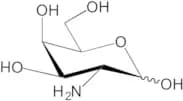
D-Galactosamine hydrochloride - Synthetic origin
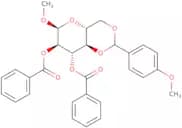
CAS:D-Galactosamine (GalN) is an aldohexose (2-Amino-2-deoxygalactose) in which the hydroxyl group at position 2 is replaced by an amino group (Collins, 2006). Galactosamine (as the N-Acetyl derivative) forms a key part of both N- and O-linked glycoproteins, glycolipids and glycosaminoglycans. Treatment of experimental animals with D-galactosamine / lipopolysaccharide causes lethal liver injury characterized by apoptosis of the hepatocyte and it is used as a laboratory model to study the effect of therapeutic agents (Hirono, 2001).Formula:C6H13NO5·HClPurezza:Min. 98 Area-%Colore e forma:White PowderPeso molecolare:215.63 g/molMethyl 2,3-di-O-benzoyl-4,6-O-(4-methoxybenzylidene)-a-D-glucopyranoside
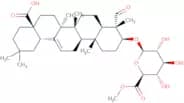
CAS:Methyl 2,3-di-O-benzoyl-4,6-O-(4-methoxybenzylidene)-a-D-glucopyranoside is a synthetic carbohydrate. The chemical name is methyl 2,3-di-O-benzoyl-4,6--O-(4--methoxybenzylidene) -a -D--glucopyranoside. It is a white or off white powder that is soluble in water and methanol. This product can be used as a monosaccharide for glycosylation or polysaccharide for saccharide modification.Formula:C29H28O9Purezza:Min. 95%Peso molecolare:520.54 g/molGypsogenin-3-O-glucuronide
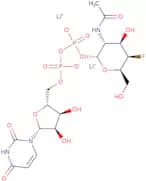
CAS:Gypsogenin-3-O-glucuronide is a saponin found in the roots of Gypsophila paniculata, a plant native to China. It has been shown to have anti-inflammatory and anti-tumor activities. Gypsogenin-3-O-glucuronide has been shown to inhibit tumor growth in mice by inhibiting protein synthesis. The pentasaccharides that make up gypsogenin are present in different proportions, which leads to differences in the biological activity of this compound. This is one of the reasons why saponins have not yet been fully explored for potential use in medicine.Formula:C37H56O10Purezza:Min. 95%Colore e forma:PowderPeso molecolare:660.83 g/molUDP-2-Acetamido-2,4-dideoxy-4-fluorogalactose
CAS:UDP-2-Acetamido-2,4-dideoxy-4-fluorogalactose is a Custom synthesis of a Modification, Fluorination, Methylation, Monosaccharide, Synthetic, Click modification and Oligosaccharide. It is an oligosaccharide with a saccharide and polysaccharide sugar. The Carbohydrate is a complex carbohydrate that has been shown to have anticancer properties in vitro. UDP-2-acetamido-2,4-dideoxy-4-fluorogalactose has been shown to inhibit the growth of cancer cells without harming healthy cells. This can be attributed to its ability to induce apoptosis in cancer cells by inhibiting DNA synthesis and RNA transcription.Formula:C17H24FLi2N3O16P2Purezza:Min. 95%Peso molecolare:621.21 g/mol1-Deoxy- 3- C- methyl- 3, 4- O-isopropylidene -D- psicofuranose
1-Deoxy-3-C-methyl-3,4-O-isopropylidene -D-psicofuranose is a synthetic monosaccharide that contains an OCH2CH2O group at the 3 position. It is also known as 3,4-dimethylpyranose. 1-Deoxy -3 C methyl -3, 4 O isopropylidene -D psicofuranose can be used for the synthesis of polysaccharides and glycosides with various sugar donors.Purezza:Min. 95%Cerebrosides - Kerasin
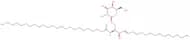
CAS:Cerebrosides are a group of complex carbohydrates that have been modified by glycosylation, methylation, and/or fluorination. These modifications can be used to produce saccharides with different properties. Cerebrosides are found in the brain, central nervous system, and spinal cord. They are also found in the connective tissue of skin and hair follicles.
The CAS number for cerebrosides is 85116-74-1.Formula:C48H91NO8Purezza:Min. 95%Colore e forma:PowderPeso molecolare:810.24 g/mol5,6-O-Isopropylidene-L-ascorbic acid
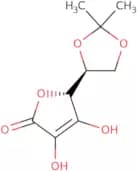
CAS:5,6-O-Isopropylidene-L-ascorbic acid is an access to the vitamin C molecule. It can be synthesized from L-ascorbic acid by reacting with isopropyl iodide and hydrochloric acid. Cryo-electron microscopy has been used to identify the location of 5,6-O-Isopropylidene-L-ascorbic acid in human ganglion cells. This compound has a number of physiological activities and is one of the most powerful antioxidants found in humans. 5,6-O-Isopropylidene-L-ascorbic acid is a precursor to retinoic acid and hydrogen chloride, which are important for erythropoietin production in the kidneys. Dehydroascorbate (DHA) is formed when 5,6-O-Isopropylidene-L-ascorbic acid reacts with hydrogen chloride. DFormula:C9H12O6Purezza:Min. 95%Peso molecolare:216.19 g/molAllyl 2-O-benzoyl-3-O-benzyl-a-L-rhamnopyranoside
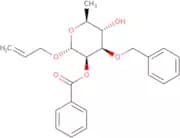
CAS:Allyl 2-O-benzoyl-3-O-benzyl-a-L-rhamnopyranoside is a complex carbohydrate that can be used in the synthesis of saccharides and polysaccharides. It has been modified by methylation, glycosylation, and carbamylation. The CAS number for this product is 940274-21-5.Formula:C23H26O6Purezza:Min. 95%Peso molecolare:398.46 g/molD-Glucose 1-13C
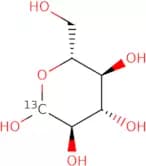
CAS:D-Glucose 1-13C is a kinetic isotope that is used to study the metabolic pathways of glucose. The presence of 13C in the molecule allows for the identification of metabolites and provides an accurate measurement of metabolic rate. This isotope has been used to study lipid metabolism in exudates from animals, as well as fatty acid synthesis in microsomes from rats. D-Glucose 1-13C has also been used in studies on yeast, specifically Saccharomyces cerevisiae strain and Saccharomyces cerevisiae strain.Formula:CC5H12O6Purezza:Min. 95%Colore e forma:White PowderPeso molecolare:181.15 g/mol2-Acetamido-1,3,4,6-tetra-O-acetyl-2-deoxy-a-D-galactopyranose
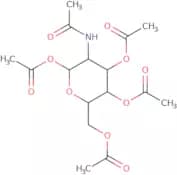
CAS:2-Acetamido-1,3,4,6-tetra-O-acetyl-2-deoxy-a-D-galactopyranose is a chemical that belongs to the class of plant growth regulators. It is a white to off white crystalline powder that has an odorless taste and can be mixed with water or other liquids. The substance is soluble in water and ethanol and has a pH of 7. It is used as an additive for soil mixtures in horticulture and agriculture. 2AATGAP can also be used as a module for research purposes in vitro.Formula:C16H23NO10Purezza:Min. 95%Colore e forma:White To Off-White SolidPeso molecolare:389.36 g/mol3,4,6-Tri-O-allyl-D-glucal
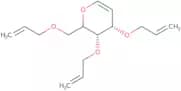
CAS:3,4,6-Tri-O-allyl-D-glucal is a custom synthesis of a complex carbohydrate. It is an Oligosaccharide and Polysaccharide that can be modified by methylation and glycosylation. The product is a Modification of saccharides that has been shown to have Methylation, Glycosylation, Carbohydrate and Click modification. 3,4,6-Tri-O-allyl-D-glucal has CAS No. 434327-45-4 and is available in High purity with Fluorination.Formula:C15H22O4Purezza:Min. 95%Peso molecolare:266.33 g/molD-Talono-1,4-lactone
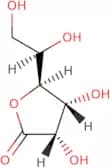
CAS:D-Talono-1,4-lactone is a stereoselective drug that inhibits the synthesis of c-glycosides and is used to study the mechanisms of action of these compounds. It has been shown to have antibacterial activity against gram-negative pathogens such as Escherichia coli, Salmonella typhi, Klebsiella pneumoniae, and Acinetobacter baumannii. D-Talono-1,4-lactone also has inhibitory activities against gram negative bacteria. This compound may be a potential biomarker for the detection of gram negative bacteria in water samples. The mechanism of action of this drug is not known but it is likely due to its ability to inhibit bacterial growth.
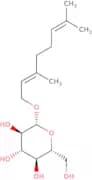
Formula:C6H10O6Purezza:Min. 95%Colore e forma:PowderPeso molecolare:178.14 g/molGeranyl b-D-glucoside
CAS:Geranyl b-D-glucoside is a supramolecular amphiphile that can be used as a biofuel. It is made up of two molecules: geranyl and glucose. Geranyl b-D-glucoside has been shown to form micelles in water with the help of ions, which are complex aggregates of many molecules that have a hydrophobic interior and hydrophilic exterior. The micelles are able to stabilize the fuel and protect it from degradation by sunlight or other environmental factors. The thermodynamics of the system can be quantified through the parameters of this supramolecular amphiphile, which will allow for predictive modelling.
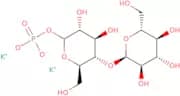
Formula:C16H28O6Purezza:Min. 95 Area-%Colore e forma:White PowderPeso molecolare:316.39 g/molD-Maltose 1-phosphate dipotassium salt
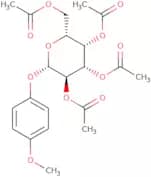
CAS:D-Maltose 1-phosphate dipotassium salt is a disaccharide that can be used in the synthesis of oligosaccharides and polysaccharides. It is also an excellent candidate for further modification.Formula:C12H21O14PK2Purezza:Min. 95%Peso molecolare:498.46 g/mol4-Methoxyphenyl 2,3,4,6-tetra-O-acetyl-β-D-galactopyranoside
CAS:4-Methoxyphenyl 2,3,4,6-tetra-O-acetyl-b-D-galactopyranoside is a white crystalline powder. It is soluble in water and ethanol. This chemical has been used as a reagent for the methylation of saccharides and oligosaccharides with 4-methoxybenzene sulfonate. It is also an excellent substrate for click chemistry reactions.Formula:C21H26O11Purezza:Min. 95%Colore e forma:White to off-white solid.Peso molecolare:454.42 g/mol(2a, 3b, 4a) -N-Benzyl-3- benzyloxy-2, 4-azetidinedimethanol
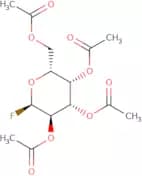
(2a, 3b, 4a) -N-Benzyl-3- benzyloxy-2, 4-azetidinedimethanol is a custom synthesis of glycosylation. It is an oligosaccharide that has been synthesized by reacting methylated glycosylations with a fluorinated saccharide. The molecular weight of this product is approximately 540 g/mol and the CAS No. is 82408-19-8. This product can be used for Methylation and Click modification. This product is highly pure and has been custom synthesized to meet your specifications.Purezza:Min. 95%2,3,4,6-Tetra-O-acetyl-a-D-galactopyranosyl fluoride
CAS:2,3,4,6-Tetra-O-acetyl-a-D-galactopyranosyl fluoride is a custom synthesis of Monosaccharide, Oligosaccharide and Polysaccharides. The product can be modified by Fluorination, Methylation and Click modification. It has CAS No. 4163-44-4. It is used as a Modification in saccharides and Carbohydrates.Formula:C14H19O9FPurezza:Min. 95%Colore e forma:PowderPeso molecolare:350.29 g/mol2-Acetamido-2,6-dideoxy-L-mannose
2-Acetamido-2,6-dideoxy-L-mannose is a deoxyhexose that is found in lipopolysaccharides from Gram-negative bacteria. 2-Acetamido-2,6-dideoxy-L-mannose is the only hexose that can be used for O antigen synthesis, which makes it an important component of LPS and O antigens. It has been sequenced in many organisms including animals, plants, and bacteria. 2-Acetamido-2,6-dideoxy-L-mannose may be involved in the translocation of bacteria across the gut epithelium into the bloodstream. The monosaccharide also plays a role in serogrouping and serotyping of bacteria.Purezza:Min. 95%1,2:4,5-Di-O-cyclohexylidene-b-D-fructopyranose
CAS:1,2:4,5-Di-O-cyclohexylidene-b-D-fructopyranose is a modification of the natural carbohydrate 1,2:4,5-di-O-isopropylidene-b-D-fructopyranose. It is an oligosaccharide composed of three units of b-D-fructofuranose linked by α-(1,2) and β-(1,4) glycosidic bonds. The methylation and glycosylation of this saccharide can be customized to produce a wide range of products with different properties. 1,2:4,5 Di O cyclohexylidene b D fructopyranose can be used in applications such as pharmaceuticals and agrochemicals.
The molecular formula for this compound is C10H14O8 and its CAS number is 18608-92-9.Formula:C18H28O6Purezza:Min. 95%Peso molecolare:340.41 g/mol2,3,4,6-Tetra-O-acetyl-b-D-thiogalactopyranose
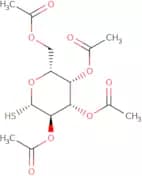
CAS:2,3,4,6-Tetra-O-acetyl-b-D-thiogalactopyranose is a synthetic sugar that is prepared by the fluorination of D-galactopyranose and subsequent acetylation. This compound can be used for glycosylation reactions and as a substrate for click chemistry. It is an oligosaccharide with four monosaccharides in its backbone. The CAS number of 2,3,4,6-Tetra-O-acetyl-b-D-thiogalactopyranose is 50615-66-2.Formula:C14H20O9SPurezza:Min. 95%Colore e forma:PowderPeso molecolare:364.37 g/molL-Galactono-1,4-lactone
CAS:L-Galactono-1,4-lactone is a biochemical compound that is found in plants and some living cells. It is an intermediate in the Krebs cycle and can be used as a nutrient solution for plant science research. L-Galactono-1,4-lactone has been shown to have enzyme activities on chronic exposure to sephadex g-100. This compound also has an optimum pH of 5.2 and shows acid formation with titration calorimetry. L-Galactono-1,4-lactone is also used in vitro assays for polymerase chain reactions (PCR).Formula:C6H10O6Purezza:Min. 98%Colore e forma:White Off-White PowderPeso molecolare:178.14 g/mol2-Amino-2-deoxy-D-fucose
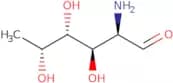
CAS:2-Amino-2-deoxy-D-fucose is a sugar molecule that is found in the cell wall of bacteria, including Staphylococcus aureus. It may be used to treat microbial infections by binding to bacterial cell walls and causing them to lose their ability to adhere to host cells. This sugar molecule may also be effective against Pseudomonas aeruginosa. 2-Amino-2-deoxy-D-fucose has been shown to inhibit the growth of P. aeruginosa in vitro by inhibiting the synthesis of fatty acids and increasing the production of hydrogen fluoride, which leads to cell death.Formula:C6H13NO4Purezza:Min. 95%Peso molecolare:163.17 g/molN-Amyl β-D-glucopyranoside
CAS:N-Amyl b-D-glucopyranoside is a monosaccharide with a glucose residue at the 1 position and an amyl group at the 2 position. It is a synthetic sugar that can be used as a starting material in glycosylation reactions to modify oligosaccharides, saccharides, and complex carbohydrates. N-Amyl b-D-glucopyranoside can also be fluorinated, methylated, or modified by click chemistry to produce novel compounds. N-Amyl b-D-glucopyranoside is typically obtained by the glycosylation of amylamine with dibenzoyl glucose in the presence of an acid catalyst. This reaction produces a mixture of mono-, di-, tri-, tetra-, penta-, hexa-, hepta-, octa-, nona-, deca-, undeca-, dodeca-, and tetradecasaccharides, whichFormula:C11H22O6Purezza:Min. 95%Colore e forma:White to off-white solid.Peso molecolare:250.29 g/molD-Gluconic acid manganese salt
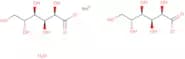
CAS:D-Gluconic acid manganese salt (DGM) is a glycol ether that is used as an antimicrobial agent in the treatment of infectious diseases. It binds to the metal ions in bacterial cell walls and disrupts their function. DGM has been shown to inhibit enzymes such as phosphoglucoisomerase, glucose-6-phosphate dehydrogenase, and pyruvate kinase. DGM also has covalent linkages that may be involved in its antimicrobial activity. The structure of DGM has been determined by X-ray diffraction data and electrochemical impedance spectroscopy, which show that it belongs to group p2.
Formula:C6H11O7·MnPurezza:Min. 98%Colore e forma:PowderPeso molecolare:445.24 g/molMethyl 6-O-tert-butyldiphenylsilyl-2,3,4-tri-O-pivaloyl-a-D-galactopyranoside
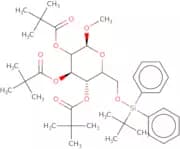
Methyl 6-O-tert-butyldiphenylsilyl-2,3,4-tri-O-pivaloyl-a-D-galactopyranoside is a high purity custom synthesis sugar. The methyl group on the sugar prevents it from being hydrolyzed by esterases and glucuronidases. This product can be used in glycosylation and sialylation reactions to create saccharides with a modified oligosaccharide. This product is synthesized in lab conditions, which includes fluorination, glycosylation, methylation, and modification steps. It has CAS number 1314897-28-5 and molecular weight of 454. Methyl 6-O-tert-butyldiphenylsilyl -2,3,4 -tri - O -pivaloyl -a - D -galactopyranoside is an oligosaccharFormula:C38H56O9SiPurezza:Min. 95%Peso molecolare:684.95 g/molBenzyl 2-acetamido-4,6-O-benzylidene-2-deoxy-β-D-glucopyranoside
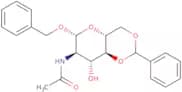
CAS:This product is a computational, experimental, and acoustic expansion of benzyl 2-acetamido-4,6-O-benzylidene-2-deoxy-b-D-glucopyranoside. It is used as an additive to motorcycle fuel, with the purpose of preventing engine knock. The experiment was conducted by measuring the pressure levels in a cylinder at different temperatures. The results showed that the highest pressure level was obtained when the temperature was increased to 220 degrees Celsius and the pressure level decreased when it was lowered to 200 degrees Celsius.Formula:C22H25NO6Purezza:Min. 95%Colore e forma:White to off-white solid.Peso molecolare:399.44 g/mol(2S, 3S, 4S) -2- (Hydroxymethyl) - 2- methyl- 3, 4- pyrrolidinediol
CAS:The product is a Carbohydrate, Modification, saccharide, Oligosaccharide. It is an artificial sugar that has been synthesized and modified for use in the food industry. The material is a complex carbohydrate with a high purity level and custom synthesis. It can be used in the production of sweeteners or as a flavor enhancer. The product is fluorinated to slow down its rate of degradation, which allows it to be used as an ingredient in processed foods. The product also has glycosylation sites that can be methylated or click-modified.Formula:C6H13NO3Purezza:Min. 95%Peso molecolare:147.17 g/molMethyl 2,3,4-tri-O-acetyl-b-D-galactopyranuronosyl azide
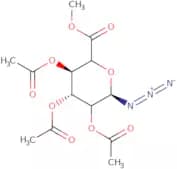
This is a custom synthesis of a carbohydrate. It is a methylated, glycosylated, fluorinated, complex carbohydrate that can be synthesized to any desired degree of substitution. This product has been designed for use as a fluorescent tag or label in biochemistry and cell biology research. It is modified at the anomeric position with an acetyl group and an azide group. The acetyl group confers solubility in water, while the azide group confers fluorescence. The modifications also allow for click chemistry reactions, which are used in protein labeling and activation studies.Formula:C13H17N3O9Purezza:Min. 95%Colore e forma:PowderPeso molecolare:359.29 g/mol2-Deoxy-D-glucose
CAS:Glycolytic inhibitor; pro-apoptotic; anti-cancer agent
Formula:C6H12O5Purezza:Min. 98 Area-%Colore e forma:White Off-White PowderPeso molecolare:164.16 g/mol1-Deoxy-1-(hydroxyethylamino)-D-glucitol
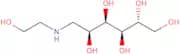
CAS:1-Deoxy-1-(hydroxyethylamino)-D-glucitol (DEG) is a sugar alcohol that has been used as a transport inhibitor for the efflux of galactitol. It competitively inhibits the uptake of galactitol in the cell, resulting in a decrease in intracellular levels of this sugar. The uptake of other sugars is not affected by DEG, which makes it an effective tool for studying the transport mechanisms for these sugars. DEG is also chiral and has been used to study the uptake of chiral molecules. This research was done by using Drosophila melanogaster as an animal model, showing that DEG can be used to investigate how cells take up different molecules. These studies have led to insights into how cells metabolize different sugars and fats.Formula:C8H19NO6Purezza:Min. 95%Colore e forma:PowderPeso molecolare:225.24 g/mol3-Deoxy-3,3-difluoro-1,2-O-Di-O-isopropylidene-a-D-glucofuranose
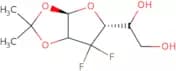
3-Deoxy-3,3-difluoro-1,2-O-Di-O-isopropylidene-a-D-glucofuranose is an alpha, beta unsaturated carbonyl sugar. It can be used as a building block to synthesize oligosaccharides or glycosylations. It has been shown that 3DG reacts with the amino group of proteins and peptides leading to the formation of methylated sugars. This compound can also be used to modify saccharides such as by converting them into click or substitution derivatives. 3DG is readily available in high purity and is stable under a variety of conditions.Formula:C9H14F2O5Purezza:Min. 95%Peso molecolare:240.2 g/mol1,3,5-Tri-O-benzoyl-2-deoxy-2-fluoro-a-D-arabinofuranose
CAS:Resource for the synthesis of Clofarabine and other bioactive arabinosidesFormula:C26H21FO7Purezza:Min. 98 Area-%Colore e forma:White Off-White PowderPeso molecolare:464.44 g/molMethyl 4,6-O-benzylidene-a-D-mannopyranoside
CAS:Methyl 4,6-O-benzylidene-a-D-mannopyranoside is a hexadecanoic acid that is mediated by the target cell. It has been shown to inhibit the growth of bacteria and cancer cells in vitro. Methyl 4,6-O-benzylidene-a-D-mannopyranoside also possesses an antibacterial activity with a low mammalian toxicity. This compound is hydrolyzed by esterases or glucuronidases, oxidized by cytochrome P450 enzymes, reduced by glutathione reductase, or conjugated with glucuronic acid. The residue of this compound has been shown to be carcinogenic in vivo and in vitro. Anticancer activity of this compound may be due to its ability to disrupt DNA synthesis and induce apoptosis of cancer cells.Formula:C14H18O6Purezza:Min. 95%Colore e forma:PowderPeso molecolare:282.29 g/mol1-O-Benzyl-2,3:4,6-di-O-isopropylidene-a-L-sorbofuranoside
1-O-Benzyl-2,3:4,6-di-O-isopropylidene-a-L-sorbofuranoside is an oligosaccharide that is used for the synthesis of saccharides and polysaccharides. It has a molecular weight of 296.1 g/mol and a CAS number of 257874-01-8. The product can be synthesized from 1,2,3,4,6,-O-isopropylidene sorbitol and benzaldehyde via methylation and click modification. This product is also used in the fluorination of complex carbohydrates. 1,2,3,4,6,-O-isopropylidene sorbitol can be modified by various methods to produce different products with different properties. It has a purity level of ≥98% (HPLC) and is made up of one monosaccharide sugar unit with a single reactiveFormula:C19H26O6Purezza:Min. 95%Peso molecolare:350.41 g/mol1,2:5,6-Di-O-isopropylidene-a-D-gulofuranose
CAS:Synthetic building blockFormula:C12H20O6Purezza:Min. 98 Area-%Colore e forma:White PowderPeso molecolare:260.28 g/molBenzyl 3-amino-3-deoxy-a-D-mannopyranoside HCl
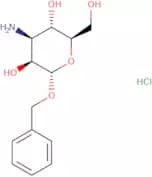
CAS:Benzyl 3-amino-3-deoxy-a-D-mannopyranoside HCl is a high purity, custom synthesized, synthetic carbohydrate. It has been modified with fluorination and glycosylation. Modification of the carbohydrate is done by methylation or oligosaccharide addition. This product is a complex carbohydrate that has been synthesized from monosaccharides and saccharides. The carbohydrates are saccharide chains composed of carbon, hydrogen, and oxygen atoms in a straight or branched chain. Carbohydrates can be classified according to their number of sugar units: mono-, di-, tri-, tetra-, penta-, hexa-, hepta-, octa-, nona-.Formula:C13H19NO5·HClPurezza:Min. 95%Colore e forma:PowderPeso molecolare:305.75 g/mol(2R, 3S, 4S, 5R) -3, 4-Dihydroxy- 5- (hydroxymethyl) - N- methyl-2- pyrrolidinecarboxami de
CAS:(2R, 3S, 4S, 5R) -3, 4-Dihydroxy-5-(hydroxymethyl)-N-methyl-2-pyrrolidinecarboxamide is an oligosaccharide that is synthesized by the glycosylation of 2-amino-2-deoxyribose with a methylated form of glucuronic acid. The glycosylation reaction is catalyzed by the enzyme UDP-glucose: (2R, 3S, 4S, 5R) -3, 4-dihydroxy-5-(hydroxymethyl)-N-methyl-2pyrrolidinecarboxamide N’ 1′ N’’ glycosyltransferase. This compound is a sugar that can be modified to include fluorination or methylation. It has been used as a click modification for complex carbohydrate studies and was found to have a high purity.Purezza:Min. 95%D-Glucosaminic acid
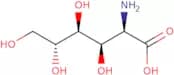
CAS:D-Glucosaminic acid is a monosaccharide that is found in many glycosaminoglycans. It has been shown to have synergistic effects when combined with malonic acid and hydroxyl group. D-Glucosaminic acid can be used for wastewater treatment, as it is able to form stable complexes with the anionic groups of cell walls. D-Glucosaminic acid also shows antibacterial activity against bacterial strains, including Mycoplasma pneumoniae and Streptococcus pyogenes. The wild-type strain of Escherichia coli is not inhibited by this compound.Formula:C6H13NO6Purezza:Min. 96 Area-%Colore e forma:White Off-White PowderPeso molecolare:195.17 g/molL-Erythrono-1,4-lactone
CAS:L-Erythrono-1,4-lactone is a dicarboxylic acid that is synthesized from l-threonic acid and d-arabinose. L-Erythrono-1,4-lactone is biosynthesized by the conversion of l-serine to pyruvate and then to erythrose 4-phosphate. This compound is also produced by the oxidation of ascorbic acid and can be used for the synthesis of dermatan sulfates. The accumulation of L-Erythrono-1,4-lactone in high concentrations has been found in patients with dermatan sulfate deficiency.Formula:C4H6O4Purezza:Min. 95%Colore e forma:PowderPeso molecolare:118.09 g/molD-Tagatose
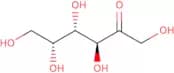
CAS:Low-calorie sweetener; additive in detergents, cosmetics, and pharmaceuticalsFormula:C6H12O6Purezza:Min. 99 Area-%Colore e forma:PowderPeso molecolare:180.16 g/mol2-Deoxy-2-fluoro-L-fucose
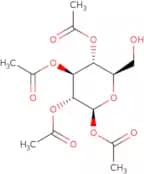
CAS:2-Deoxy-2-fluoro-L-fucose (2FF) is a fluorinated analogue of fucose that can be converted to GDP (Guanosine Diphosphate)-2FF in vitro, a competitive inhibitor of alpha-1,3-fucosyltransferase V. It can also be metabolised inside the cell to a substrate-based inhibitor of fucosyltransferases. 2FF reduces fucosylation of IgG in antibodies, which increases therapeutic efficacies of antibodies that cause antibody-dependent cellular cytotoxicity.Formula:C6H11FO4Purezza:Min. 98.0 Area-%Colore e forma:White PowderPeso molecolare:166.15 g/mol1,2,3,4-Tetra-O-acetyl-β-D-glucopyranose
CAS:Building block for the 6-O-modification of Glc, including 6-O-glycosylationsFormula:C14H20O10Purezza:Min. 98 Area-%Colore e forma:PowderPeso molecolare:348.3 g/molMethyl 4-O-methyl-β-L-arabinopyranoside
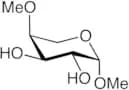
CAS:Methyl 4-O-methyl-β-L-arabinopyranoside is an L-arabinose analogueFormula:C7H14O5Purezza:Min. 95%Colore e forma:PowderPeso molecolare:178.18 g/mol2,3:4,5-Di-O-isopropylidene-L-arabitol
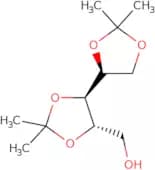
CAS:2,3:4,5-Di-O-isopropylidene-L-arabitol is a modification of an oligosaccharide in which the hydroxyl group at position 4 on the D-ribose moiety has been replaced with an isopropylidene group. The synthesis of 2,3:4,5-Di-O-isopropylidene-L-arabitol can be achieved by methylation and fluorination of L-arabinose. This compound is used in glycosylations and polysaccharide syntheses. 2,3:4,5-Di-O-isopropylidene-L--arabitol is also found as a natural constituent of many plants. 2,3:4,5--Di--O--isopropylidene--L--arabitol is chemically described as α-(1→6)-D--glucopFormula:C11H20O5Purezza:Min. 95%Colore e forma:PowderPeso molecolare:232.27 g/mol1,2,3,6-Tetra-O-methyl-D-glucopyranoside
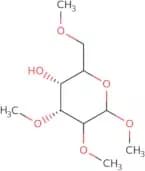
Tetra-O-methylglucose is a sugar that has four methyl groups at the 1,2,3,6 positions. It is a custom synthesis for research purposes and it has not been found in nature. Tetra-O-methylglucose can be synthesized by the fluorination of glucose followed by glycosylation with an acetylating agent and finally methylation with an alkylating agent. Tetra-O-methylglucose has not been used as a food additive or pharmaceutical product.Formula:C10H20O6Purezza:Min. 95%Peso molecolare:236.26 g/mol1,2,3,4-Tetra-O-acetyl-L-fucopyranose
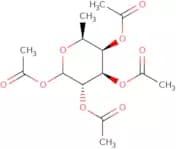
CAS:Intermediate for the anomeric modification of Fuc, including fucosylationFormula:C14H20O9Purezza:Min. 97 Area-%Colore e forma:White PowderPeso molecolare:332.3 g/molD-Lyxose
CAS:Starting material for chiral-pool based synthesis of modified nucleosides
Formula:C5H10O5Purezza:Min. 99 Area-%Colore e forma:White PowderPeso molecolare:150.13 g/molL-Arabinose
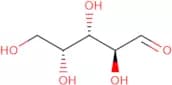
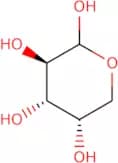
CAS:The aldopentose L-arabinose (Ara) is, after xylose, the second most abundant pentose in nature. It is found in plant cell walls as a component of polysaccharides, including: hemicelluloses, pectin, arabinogalactan-protein complexes and in exudate plant gums, such as: Gum Arabic (Feher, 2018). L-Arabinopyranose is an important component of the mycobacterial cell wall and is involved in the synthesis of arabinogalactan and lipoarabinomannan, which suggests that it can modulate cell wall permeability and drug resistance. Mycobacterium smegmatis is a useful tool for research into Mycobacteria due to it being a "fast grower" and non-pathogenic (Zhou, 2019).Formula:C5H10O5Purezza:Min. 99 Area-%Colore e forma:White PowderPeso molecolare:150.13 g/mol1-Octylamino-1-deoxy-D-glucitol
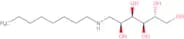
CAS:1-Octylamino-1-deoxy-D-glucitol is a natural product that is extracted from the bark of the tree Streptomyces griseorubens. It has been shown to have a diastereomeric ratio of 97:3 and an optical purity of 98%. The thermodynamic properties of this compound are determined by the reaction time, which can vary from 1 to 24 hours. The enantiomers are separated by chromatography or crystallization, and the solubility data is determined at 25°C.Formula:C14H31NO5Purezza:Min. 95%Colore e forma:PowderPeso molecolare:293.4 g/mol(2R, 3R, 4R) -3- Benzyloxy- 1- benzyl-4- (hydroxymethyl) - 3-methyl-2- azetidinecarboxylic acid methyl ester
(2R, 3R, 4R) -3-Benzyloxy-1-benzyl-4-(hydroxymethyl)-3-methyl-2-azetidinecarboxylic acid methyl ester is a synthetic sugar that is used for the modification of saccharides and oligosaccharides. It also has been shown to be an effective fluorinating agent for carbohydrates.Purezza:Min. 95%