APIs per la ricerca e le impurità
I principi attivi farmaceutici (API) sono le sostanze nei farmaci responsabili dei loro effetti terapeutici. In questa sezione troverai una vasta gamma di API destinati all'uso in ricerca. Questi composti sono essenziali per lo sviluppo, il test e la validazione di nuove formulazioni farmaceutiche. Presso CymitQuimica, offriamo API di alta qualità per supportare la ricerca nella scoperta e nello sviluppo di farmaci.
Sottocategorie di "APIs per la ricerca e le impurità"
- Aminoacidi e Derivati(12.328 prodotti)
- Antrachinoni e Derivati(405 prodotti)
- Derivati del Benzimidazolo e dell’Imidazolo(10.441 prodotti)
- Derivati delle Benzodiazepine(335 prodotti)
- Carboidrati e Glicoconiugati(5.017 prodotti)
- Esteri e Derivati(42.240 prodotti)
- Acidi Grassi e Derivati Lipidici(32.400 prodotti)
- Flavonoidi e Polifenoli(17.087 prodotti)
- Radicali Liberi e Agenti Ossidanti/Riducenti(213 prodotti)
- Chetoni e Derivati(2.404 prodotti)
- Antibiotici Naturali e Semisintetici(6.385 prodotti)
- Nitrili e Derivati Ciano(3.067 prodotti)
- Nitrosammine e Derivati(55 prodotti)
- Nucleosidi e Nucleotidi(3.432 prodotti)
- Fosfati e Fosfonati Organici(1.202 prodotti)
- Solfonati e Solfati Organici(10.435 prodotti)
- Composti Organometallici(4.422 prodotti)
- Altri(6.294 prodotti)
- Peptidi e Proteine(3.159 prodotti)
- Polimeri e Derivati(100 prodotti)
- Derivati delle Purine e Pirimidine(8.948 prodotti)
- Derivati della Chinazolina e Chinolina(65.987 prodotti)
- Chinoni e Derivati(24.349 prodotti)
- Sali e Derivati degli API(79.737 prodotti)
- Steroidi e Derivati(4.976 prodotti)
- Sulfonamidi e Derivati(2.595 prodotti)
- Terpenoidi e Derivati(3.846 prodotti)
- Tiazolidinedioni e Tiopirani(2.752 prodotti)
- Composti β-Adrenergic(230 prodotti)
Mostrare 21 più sottocategorie
Trovati 57049 prodotti di "APIs per la ricerca e le impurità"
Ordinare per
Purezza (%)
0
100
|
0
|
50
|
90
|
95
|
100
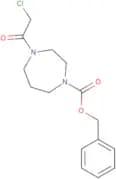
Desmethoxyamino hydroxy gemifloxacin
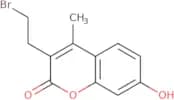
CAS:<p>Desmethoxyamino hydroxy gemifloxacin is a drug product that belongs to the class of fluoroquinolones. It is a synthetic compound with a molecular weight of 551.4 g/mol and an empirical formula of C21H25FN3O2. Desmethoxyamino hydroxy gemifloxacin has been shown to inhibit bacterial DNA gyrase and topoisomerase IV in vitro, which are enzymes that maintain the integrity of bacterial DNA. The compound binds to 16S ribosomal RNA and inhibits protein synthesis, leading to cell death by inhibiting the production of proteins vital for cell division. This drug product is metabolized into gemifloxacin, desmethoxyamino acid, and desmethylgemifloxacin. These metabolites have not been shown to be active against bacterial DNA gyrase or topoisomerase IV in vitro, but may be active against other targets in</p>Formula:C17H19FN4O4Purezza:Min. 95%Peso molecolare:362.40 g/mol3-(2-Bromoethyl)-7-hydroxy-4-methyl-coumarin
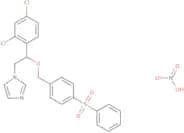
CAS:<p>Please enquire for more information about 3-(2-Bromoethyl)-7-hydroxy-4-methyl-coumarin including the price, delivery time and more detailed product information at the technical inquiry form on this page</p>Formula:C12H11BrO3Purezza:Min. 95%Peso molecolare:283.12 g/molFenticonazole sulfone nitric acid salt
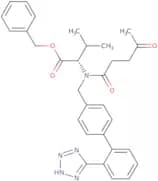
CAS:<p>Fenticonazole sulfone nitric acid salt is an analog of dabigatran, which is a protein kinase inhibitor that has shown potential in the treatment of cancer. It induces apoptosis in human cancer cells and inhibits the activity of various kinases involved in tumor growth and proliferation. Fenticonazole sulfone nitric acid salt has been studied extensively for its anticancer properties, showing promising results in Chinese hamster ovary cells and urine samples from cancer patients. This drug also exhibits inhibitory effects on protein kinases that are involved in the regulation of cell cycle progression, angiogenesis, and metastasis. Overall, Fenticonazole sulfone nitric acid salt holds great promise as a potential anticancer agent.</p>Formula:C24H21Cl2N3O6SPurezza:Min. 95%Peso molecolare:550.4 g/mol4-Oxo valsartan benzyl ester
CAS:<p>4-Oxo valsartan benzyl ester is a drug product that is used for research and development purposes. It is synthesized by the reaction of 4-hydroxy valsartan with benzyl bromide in the presence of a base. 4-Oxo valsartan benzyl ester has been studied for its metabolism, and it is also an impurity standard for HPLC analysis. The purity of this compound is >98% and it has CAS number 188240-32-6.</p>Formula:C31H33N5O4Purezza:Min. 95%Peso molecolare:539.63 g/molRef: 3D-IO26665
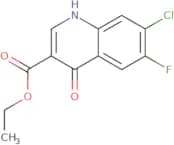
Prodotto fuori produzione7-Chloro-6-fluoro-1,4-dihydro-4-oxo-3-quinolinecarboxylic acid ethyl ester
CAS:<p>7-Chloro-6-fluoro-1,4-dihydro-4-oxo-3-quinolinecarboxylic acid ethyl ester is a synthetic compound that has not been evaluated in humans. Studies have shown that the drug can be hydrolyzed to 7-chloro-6-fluoroquinoline 1,1′-(ethylenedioxy)bis(ethane), which is an impurity of norfloxacin. The ethyl esters of 7-chloroquinoline are also known to condense with formaldehyde and hydrolyze to 7-chloroquinolinic acid. This product may contain solvents such as acetone, chloroform, and alcohols that are used during the synthesis process. Decarboxylation of the drug occurs when it is heated at high temperatures in the presence of a catalyst, such as pyridine or sodium methoxide. It decarboxyl</p>Formula:C12H9ClFNO3Purezza:Min. 95%Peso molecolare:269.65 g/molRef: 3D-ADA07315
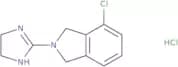
Prodotto fuori produzioneRS 45041-190 hydrochloride
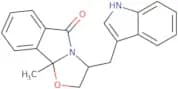
CAS:<p>RS 45041-190 hydrochloride is a selective antagonist of the imidazoline receptor, which is a type of receptor ligand. RS 45041-190 hydrochloride blocks the binding of dopamine to its receptors in the cerebral cortex and blood pressure regulation. This drug also blocks adrenoceptors and 5-hydroxytryptamine (5-HT) receptors. RS 45041-190 hydrochloride is an equated drug that has been shown to be effective for inflammatory pain caused by nerve injury. It has not been proven to be effective for other types of pain.</p>Formula:C11H13Cl2N3Purezza:Min. 95%Peso molecolare:258.14 g/molSLMP53-1
CAS:<p>SLMP53-1 is an anticancer agent that has been shown to induce apoptosis in cancer cells. It works by inhibiting kinases, which are enzymes involved in cell signaling pathways that regulate cell growth and division. SLMP53-1 has been found to be effective against a variety of tumors, including those of the bladder, breast, and lung. In addition, it has shown promising results as a potential treatment for Chinese hamster ovary (CHO) cells and human cancer cell lines. SLMP53-1 is also an analog of hepcidin, a protein that regulates iron metabolism in the body. Its unique structure allows it to bind specifically to cancer cells without affecting healthy cells, making it a promising candidate for targeted cancer therapy.</p>Formula:C20H18N2O2Purezza:Min. 95%Peso molecolare:318.4 g/molRef: 3D-TQC46917
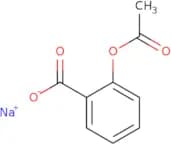
Prodotto fuori produzioneAcetylsalicylic acid sodium salt
CAS:<p>Acetylsalicylic acid sodium salt is a potent inhibitor of kinases in both human and Chinese cells. It is an analog of salicylic acid and has been shown to inhibit the growth of cancer cells in vitro. Acetylsalicylic acid sodium salt also induces apoptosis, or programmed cell death, in cancer cells. Additionally, it has been shown to inhibit heparin-induced platelet aggregation and reduce the risk of blood clots. This drug has potential anticancer properties due to its ability to inhibit chitin synthesis, which is necessary for tumor growth and survival. Acetylsalicylic acid sodium salt may be useful as a therapeutic agent for the treatment of cancer and other diseases associated with abnormal kinase activity.</p>Formula:C9H7NaO4Purezza:Min. 95%Peso molecolare:202.14 g/molaR453588
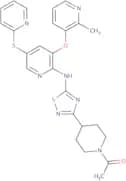
CAS:<p>aR453588 is a human analog of Voriconazole, which has been found to have anticancer properties. This compound is a kinase inhibitor that works by inducing apoptosis in cancer cells. It has been shown to be effective against various types of tumors, including those resistant to other inhibitors. aR453588 also inhibits the growth of cancer cells by blocking protein synthesis and cell division. This compound is derived from cellulose and can be detected in urine samples after administration. Overall, aR453588 shows great promise as a potential treatment for cancer.</p>Formula:C25H25N7O2S2Purezza:Min. 95%Peso molecolare:519.6 g/molRef: 3D-QSB60900
Prodotto fuori produzioneEplivanserin
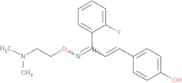
CAS:<p>Eplivanserin is a potent tumor inhibitor that belongs to the class of indirubin kinase inhibitors. It has shown great promise as an anticancer agent due to its ability to induce apoptosis in cancer cells and inhibit their growth cycle. Eplivanserin has been found to be effective against a variety of cancers, including breast, lung, and prostate cancer. This medicinal compound is derived from Chinese herbs and has been extensively studied for its potential in cancer treatment. In addition, eplivanserin has been found in urine samples from humans, indicating that it may have potential as a diagnostic tool for cancer detection. Its protein targets are still being investigated, but it is believed that eplivanserin works by inhibiting key enzymes involved in cell signaling pathways that promote cancer cell growth and survival.</p>Formula:C19H21FN2O2Purezza:Min. 95%Peso molecolare:328.4 g/molPirtenidine
CAS:<p>Pirtenidine is a potent and selective kinase inhibitor that has been shown to inhibit the activity of cyclin-dependent kinases. It has demonstrated promising results in preclinical studies as an anticancer agent, inducing apoptosis in cancer cells. Pirtenidine is an analog of protein kinase inhibitors, which have been used to treat various types of tumors. It has been found to be effective against human cancer cell lines and has shown significant tumor growth inhibition in animal models. Pirtenidine has also been reported to be a potent urine inhibitor of Chinese hamster ovary cells, making it a promising candidate for the treatment of urinary tract cancers.</p>Formula:C21H38N2Purezza:Min. 95%Peso molecolare:318.5 g/molCelosin I
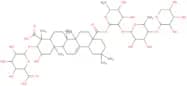
CAS:<p>Celosin I is a potent kinase inhibitor and analog that has been shown to have significant anticancer properties. It works by inhibiting the activity of kinases, which are enzymes involved in cell signaling pathways that regulate cell growth and division. Celosin I has been found to induce apoptosis, or programmed cell death, in cancer cells, making it a promising therapeutic agent for the treatment of various types of tumors. This medicinal compound has been isolated from the urine of Chinese individuals and has been extensively studied for its potential as an anticancer drug. Celosin I is a promising candidate for further development as a cancer therapy due to its high potency and selectivity towards cancer cells.</p>Formula:C53H82O24Purezza:Min. 95%Peso molecolare:1,103.2 g/molRef: 3D-HXC73238
Prodotto fuori produzioneGemcitabine diphosphate triethylamine salt
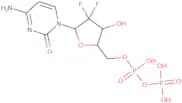
CAS:<p>Gemcitabine diphosphate triethylamine salt is an inhibitor that has been shown to be effective in the treatment of various forms of cancer. It works by inhibiting the activity of kinases, which are enzymes involved in the regulation of cell growth and division. Gemcitabine diphosphate triethylamine salt is a prodrug that is converted to its active form, gemcitabine, in vivo. This drug has been shown to inhibit the uptake of xylose by cancer cells, leading to decreased protein synthesis and induction of apoptosis. In addition, it has been found to be effective against human and Chinese medicinal tumor cells. Gemcitabine diphosphate triethylamine salt is a promising treatment option for patients with cancer who have not responded well to traditional chemotherapy or radiation therapy.</p>Formula:C9H13F2N3O10P2Purezza:Min. 95%Peso molecolare:423.16 g/molRef: 3D-REA37166
Prodotto fuori produzione3-Dodecenal
CAS:<p>3-Dodecenal is a human analog that has been studied for its potential anticancer properties. It has been shown to induce apoptosis, or programmed cell death, in tumor cells. This medicinal compound acts as an inhibitor of protein kinases, which play a crucial role in regulating the cell cycle and are often overactive in cancer cells. 3-Dodecenal has shown promising results in inhibiting cancer cell growth in Chinese hamster ovary cells and may have potential as a natural alternative to traditional cancer treatments. In addition, this compound has been detected in human urine and is believed to have potential health benefits beyond its anticancer properties.</p>Formula:C12H22OPurezza:Min. 95%Peso molecolare:182.3 g/molPiquindone
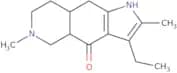
CAS:<p>Piquindone is a medicinal compound that has shown promising anticancer properties in human tumor cells. It acts as an inhibitor of protein kinases, which are enzymes that regulate cell growth and division. Piquindone is an analog of a natural product found in Chinese urine and has been studied for its ability to induce apoptosis, or programmed cell death, in cancer cells. This compound has shown potent activity against various types of cancer cells and may have potential as a therapeutic agent for the treatment of cancer. Its mechanism of action involves the inhibition of specific kinases involved in cancer cell proliferation and survival. Piquindone is being investigated further for its potential as a cancer cell inhibitor.</p>Formula:C15H22N2OPurezza:Min. 95%Peso molecolare:246.35 g/molRef: 3D-DDA54197
Prodotto fuori produzioneTriclosan o-β-D-glucuronide sodium salt
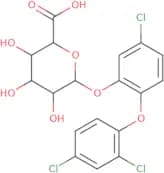
CAS:<p>Triclosan o-β-D-glucuronide sodium salt is an analog of Triclosan, which is a potent inhibitor of bacterial enoyl-acyl carrier protein reductase. It has been shown to have anticancer properties, inhibiting the growth of cancer cells by inducing apoptosis and inhibiting kinase activity. This compound has been found to be effective against a variety of tumors and cancers, including thyroid cancer. Triclosan o-β-D-glucuronide sodium salt has also been shown to inhibit the activity of human protein kinases, making it a potential candidate for the development of new anticancer drugs. This compound can be detected in urine samples from both humans and Chinese hamsters, indicating its potential for use as a diagnostic tool for cancer detection.</p>Formula:C18H15Cl3O8Purezza:Min. 95%Peso molecolare:465.7 g/molRef: 3D-NCA15612
Prodotto fuori produzioneNUC-7738
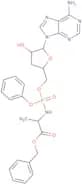
CAS:<p>NUC-7738 is a medicinal compound that has been shown to be an effective inhibitor of cyclin-dependent kinases (CDKs). It has potent anticancer activity and has been studied extensively in Chinese hamster ovary (CHO) cells, human leukemia cells, and other cancer cell lines. NUC-7738 works by selectively inhibiting CDK4/6, which are critical regulators of the cell cycle. This leads to the induction of apoptosis in cancer cells, making it a promising new therapeutic agent for the treatment of various types of cancer. Additionally, NUC-7738 has been shown to have low toxicity and good pharmacokinetic properties in preclinical studies. Overall, this compound holds great promise as a novel anticancer therapy that may help improve outcomes for patients with cancer.</p>Formula:C26H29N6O7PPurezza:Min. 95%Peso molecolare:568.5 g/molRef: 3D-YTD49339
Prodotto fuori produzione3-Chloro-2-hydroxyimipramine
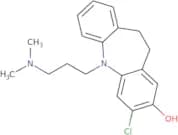
CAS:<p>3-Chloro-2-hydroxyimipramine is a potent anticancer agent that has shown promising results in preclinical studies. This compound is a kinase inhibitor that targets cancer cells and induces apoptosis, leading to tumor regression. It has been found in urine samples of Chinese medicinal herb users and shows an analog structure to imipramine, an antidepressant drug. 3-Chloro-2-hydroxyimipramine inhibits kinases involved in cell proliferation and survival, making it a potential treatment option for various types of cancer in humans. Its anti-cancer properties make it an attractive candidate for further research and development as a potential therapeutic agent.</p>Formula:C19H23ClN2OPurezza:Min. 95%Peso molecolare:330.8 g/molRef: 3D-LCA52375
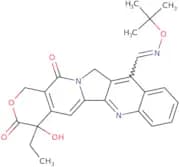
Prodotto fuori produzioneGimatecan
CAS:<p>Gimatecan is a cycle-specific inhibitor that targets kinases and proteins involved in cancer cell growth. It is a medicinal compound that has been shown to be effective against various types of human cancers. Gimatecan works by inhibiting the activity of protein kinases, which are enzymes that promote cell division and proliferation. This inhibition leads to apoptosis, or programmed cell death, in tumor cells. Gimatecan has been tested extensively in Chinese hamster ovary cells and has demonstrated potent anticancer activity. The compound is excreted primarily through urine and has shown promising results as an anticancer agent in preclinical studies.</p>Formula:C25H25N3O5Purezza:Min. 95%Peso molecolare:447.5 g/molRef: 3D-SLA61832
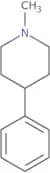
Prodotto fuori produzioneN-Methyl-4-phenylpiperidine
CAS:<p>N-Methyl-4-phenylpiperidine is a synthetic drug that acts as a stimulant. It is a structural analog of the neurotransmitter acetylcholine and has been shown to have similar effects in knockout mice. N-Methyl-4-phenylpiperidine is metabolized by hydrolysis of the amide group, leading to the formation of alphaprodine and hydroxyphenylacetic acid. This drug has been shown to inhibit dopamine and serotonin uptake in rats, which may be related to its psychostimulant effects. Clinical pharmacology studies have shown that this drug can increase blood pressure, heart rate, and respiration rates in humans.</p>Formula:C12H17N·HClPurezza:Min. 95%Peso molecolare:211.73 g/molRef: 3D-IM57897
Prodotto fuori produzione