


APIs per la ricerca e le impurità
I principi attivi farmaceutici (API) sono le sostanze nei farmaci responsabili dei loro effetti terapeutici. In questa sezione troverai una vasta gamma di API destinati all'uso in ricerca. Questi composti sono essenziali per lo sviluppo, il test e la validazione di nuove formulazioni farmaceutiche. Presso CymitQuimica, offriamo API di alta qualità per supportare la ricerca nella scoperta e nello sviluppo di farmaci.
Sottocategorie di "APIs per la ricerca e le impurità"
- Aminoacidi e Derivati(12.278 prodotti)
- Antrachinoni e Derivati(405 prodotti)
- Derivati del Benzimidazolo e dell’Imidazolo(10.376 prodotti)
- Derivati delle Benzodiazepine(333 prodotti)
- Carboidrati e Glicoconiugati(5.014 prodotti)
- Esteri e Derivati(42.045 prodotti)
- Acidi Grassi e Derivati Lipidici(32.246 prodotti)
- Flavonoidi e Polifenoli(17.012 prodotti)
- Radicali Liberi e Agenti Ossidanti/Riducenti(213 prodotti)
- Chetoni e Derivati(2.394 prodotti)
- Antibiotici Naturali e Semisintetici(6.366 prodotti)
- Nitrili e Derivati Ciano(3.045 prodotti)
- Nitrosammine e Derivati(55 prodotti)
- Nucleosidi e Nucleotidi(3.430 prodotti)
- Fosfati e Fosfonati Organici(1.201 prodotti)
- Solfonati e Solfati Organici(10.406 prodotti)
- Composti Organometallici(4.400 prodotti)
- Altri(6.280 prodotti)
- Peptidi e Proteine(3.141 prodotti)
- Polimeri e Derivati(99 prodotti)
- Derivati delle Purine e Pirimidine(8.902 prodotti)
- Derivati della Chinazolina e Chinolina(65.644 prodotti)
- Chinoni e Derivati(24.239 prodotti)
- Sali e Derivati degli API(79.472 prodotti)
- Steroidi e Derivati(4.968 prodotti)
- Sulfonamidi e Derivati(2.592 prodotti)
- Terpenoidi e Derivati(3.839 prodotti)
- Tiazolidinedioni e Tiopirani(2.733 prodotti)
- Composti β-Adrenergic(230 prodotti)
Mostrare 21 più sottocategorie
Trovati 56814 prodotti di "APIs per la ricerca e le impurità"
Ordinare per
Purezza (%)
0
100
|
0
|
50
|
90
|
95
|
100
5-Methoxy-2-[[(3,5-dimethyl-2-pyridinyl)methyl]sulphinyl]-1H-benzimidazole
CAS:<p>5-Methoxy-2-[[(3,5-dimethyl-2-pyridinyl)methyl]sulphinyl]-1H-benzimidazole is a natural product. It is an impurity in the drug development process and may be present as an analytical marker for impurities. 5-Methoxy-2-[(3,5-dimethylpyridinium)methyl]sulfinyl]-1Hbenzimidazole is used as a pharmacopoeia standard and can be synthesized on request.</p>Formula:C16H17N3O2SPurezza:Min. 95%Colore e forma:PowderPeso molecolare:315.39 g/molHomo sildenafil
CAS:<p>Analogue of sildenafil</p>Formula:C23H32N6O4SPurezza:Min. 95%Colore e forma:White PowderPeso molecolare:488.6 g/mol4-[(2,4-Dihydroxy-3,3-dimethylbutanoyl)amino]-butanoic acid
CAS:<p>4-[(2,4-Dihydroxy-3,3-dimethylbutanoyl)amino]-butanoic acid is a white to off-white solid that is soluble in water. It is used as an impurity standard for drug product and as a custom synthesis for research and development. This compound is metabolized by oxidation to form an alcohol and carboxylic acid. The oxidation products are excreted in the urine. 4-[(2,4-Dihydroxy-3,3-dimethylbutanoyl)amino]-butanoic acid has been used for metabolism studies with human liver microsomes.</p>Formula:C20H38CaN2O11Purezza:Min. 95%Peso molecolare:522.6 g/molBisoprolol impurity K
CAS:<p>Bisoprolol impurity K is a drug product that is an analytical standard used for the detection and identification of bisoprolol in pharmaceutical products. It is a synthetic impurity with CAS No. 864544-37-6 that does not have any pharmacological activity. Bisoprolol impurity K is a high purity HPLC standard that can be used to develop analytical methods for the determination of bisoprolol in pharmaceutical products.</p>Formula:C18H29NO5Purezza:Min. 95%Colore e forma:White PowderPeso molecolare:339.43 g/molrac-Diacetolol
CAS:<p>Rac-Diacetolol is a racemic mixture of two isomers, (+) and (-), of acebutolol. Rac-Diacetolol is used to treat bowel disease, chronic oral inflammation and cardiac arrhythmias. It is also used as an experimental solubility probe in the study of the interactions between drugs and biological membranes. Rac-Diacetolol has been shown to have a low affinity for cytochrome P450 enzymes, which are responsible for metabolizing many drugs in the body. Rac-Diacetolol has been found to reduce plasma concentrations of PCSK9 antibody in patients with inflammatory bowel disease. The drug also has anti-inflammatory properties that may be due to its inhibition of prostaglandin synthesis.</p>Formula:C16H24N2O4Purezza:Min. 95%Colore e forma:PowderPeso molecolare:308.37 g/mol6-(2,4-Dichlorophenyl)-1,2,4-triazine-3,5-diamine
CAS:<p>6-(2,4-Dichlorophenyl)-1,2,4-triazine-3,5-diamine is a metabolite that can be found in the urine and blood of humans. It has been shown to have cytotoxic effects on human lymphocytes and erythrocytes. 6-(2,4-Dichlorophenyl)-1,2,4-triazine-3,5-diamine is used as an impurity standard for HPLC analysis and as a reference compound for pharmacopoeia. This chemical is also used in the synthesis of some drugs. 6-(2,4-Dichlorophenyl)-1,2,4-triazine-3,5-diamine is not listed in any pharmacopoeia or natural product database.</p>Formula:C9H7Cl2N5Purezza:Min. 95%Colore e forma:White PowderPeso molecolare:256.09 g/mol11-(1-Piperazinyl)dibenzo[b,f][1,4]thiazepine hydrochloride
CAS:<p>11-(1-Piperazinyl)dibenzo[b,f][1,4]thiazepine hydrochloride is a drug product that is used as an impurity standard in the manufacture of 11-aminoundecanoic acid. It is also used to study the metabolism of this compound. This drug product is not intended for use in humans or animals.</p>Formula:C17H18ClN3SPurezza:Min. 95%Colore e forma:PowderPeso molecolare:331.9 g/molRifaximin Impurity 2
CAS:<p>Rifaximin Impurity 2 is a custom synthesis that is made to the customer's specifications. This compound is used as an impurity standard for drug product. It has a high purity and follows the pharmacopoeia standards. Rifaximin Impurity 2 is used in research and development of new drugs, which includes drug metabolism studies. This compound can be synthesized with natural or synthetic methods, and can be analyzed using HPLC.</p>Purezza:Min. 95%Pravastatin lactone
CAS:<p>Pravastatin lactone is a prodrug of pravastatin that is hydrolyzed in vivo to its active form. It is used for the treatment of bowel disease and has been shown to have concentration-time curves that are linear and dose-dependent. Pravastatin lactone has an acidic pH, which may be due to the presence of carboxyl groups on the molecule. This drug also inhibits the activity of 3-hydroxy-3-methylglutaryl coenzyme A (HMG CoA) reductase, which is an enzyme that catalyzes the conversion of HMG CoA to mevalonate in order to produce cholesterol. Pravastatin lactone also suppresses the production of fatty acids by inhibiting their synthesis at the level of acetyl-coenzyme A (acetyl-CoA). The drug has not shown any evidence of toxicity when administered to rats at doses up to 10 mg/kg body weight per day</p>Formula:C23H34O6Purezza:Min. 98 Area-%Colore e forma:PowderPeso molecolare:406.51 g/molLansoprazole sulfone - Bio-X ™
CAS:<p>Lansoprazole is a proton pump inhibitor that is used in the treatment of gastrointestinal ulcers, symptoms of GERD and to eradicate Helicobacter pylori. This drug works by decreasing gastric acid secretion by targeting H+ and K+ ATPase. It offers pain relief from heartburn and reduces ulcer related pain.</p>Formula:C16H14F3N3O3SPurezza:Min. 95%Colore e forma:PowderPeso molecolare:385.36 g/molCefazolin EP Impurity J
CAS:<p>Cefazolin EP Impurity J is a drug product that is impure and has the CAS number 1675245-00-7. It's used as an analytical standard and metabolite. The purity of this product is high, and it can be used for research and development. This product is natural, with a niche market, synthesized, and an impurity standard. It's also classified as a drug development pharmacopoeia or Metabolite.</p>Formula:C11H12N6O5SPurezza:Min. 95%Peso molecolare:340.32 g/mol6'-Methoxy-2'-acetonaphthone
CAS:<p>6'-Methoxy-2'-acetonaphthone is a reactive chemical that can be used as a reagent in organic synthesis. It is an electron-rich aromatic compound and its reactivity is enhanced by electron-donating groups such as -OH, -NH2, or -SH. 6'-Methoxy-2'-acetonaphthone can be used to form new carbon-carbon bonds in the presence of metal catalysts. This reaction can be done in either the presence or absence of a solvent, although the yield is better when carried out in organic solvents. Oxime derivatives are formed as oxidation products during this reaction. Acetylation may also occur, which would produce acetophenones or phenylacetones.</p>Formula:C13H12O2Purezza:Min. 95%Colore e forma:Off-White PowderPeso molecolare:200.23 g/mol2,3,5-Tri-O-benzyl-D-ribono-1,4-lactone
CAS:<p>2,3,5-Tri-O-benzyl-D-ribono-1,4-lactone is a synthetic building block which can undergo reaction with nucleophilic carbon species to afford C-ribosides (via the corresponding hemiacetal). Treatment of 2,3,5-Tri-O-benzyl-D-ribono-1,4-lactone with stronger reducing agents, such as sodium borohydride, affords ring opened products with a stereo-defined poly-oxygenated carbon chain backbone.</p>Formula:C26H26O5Purezza:Min. 98 Area-%Colore e forma:White Off-White PowderPeso molecolare:418.48 g/mol2-[4-(2-Methylpropanoyl)phenyl] propanoic acid
CAS:<p>2-[4-(2-Methylpropanoyl)phenyl] propanoic acid is a pharmaceutical intermediate that is used for the production of carprofen. It has been found to be an analytical method for the determination of 4-hydroxybenzoic acid and 4-isobutylacetophenone. The compound is analyzed by chromatographic methods and electrophoresis methods. The optimization of the solvent composition, flow rate, and impurities during the synthesis process are also studied in this research. 2-[4-(2-Methylpropanoyl)phenyl] propanoic acid has been found to be a meaningful validation of analytical methods for medicines, with an impurity limit of 0.1%.</p>Formula:C13H16O3Purezza:Min. 98 Area-%Colore e forma:PowderPeso molecolare:220.26 g/mol2-Acetamido-7-[[2-(acetyloxy)ethoxy]methyl]-6,7-dihydro-1H-purin-6-one
CAS:<p>2-Acetamido-7-[[2-(acetyloxy)ethoxy]methyl]-6,7-dihydro-1H-purin-6-one is a drug development impurity that is manufactured by the pharmaceutical company. This impurity has been shown to be a metabolite of the drug.</p>Formula:C12H15N5O5Purezza:Min. 95%Colore e forma:White to off-white solid.Peso molecolare:309.28 g/mola-[3-[[2-(3,4-Dimethoxyphenyl)ethyl]methylamino]propyl]-α-ethyl-3,4-dimethoxy-benzeneacetonitrile
CAS:<p>a-[3-[[2-(3,4-Dimethoxyphenyl)ethyl]methylamino]propyl]-alpha-ethyl-3,4-dimethoxy-benzeneacetonitrile is a new inhibitor of the human p glycoprotein (Pgp). It has been shown to inhibit the function of Pgp in vitro and in vivo. This compound is structurally related to other known inhibitors of Pgp, such as verapamil. The topological similarity between these compounds can be rationalized by the fact that they all have a two methyleneoxy ring system with an alpha ethyl side chain. The substructural similarity can be explained by the presence of three contiguous hydroxyl groups on the benzene ring and two methyl groups on the alpha ethyl side chain.</p>Formula:C26H36N2O4Purezza:Min. 95%Peso molecolare:440.58 g/molBis{2-[(2S-trans)-Methyl 7-chloro-6,7,8-trideoxy-6-[((1-methyl-4-propyl-2-pyrrolidinyl)-carbonyl)amino]-1-thio-L-threo-a-D-galacto-o ctopyranoside]} pyrophosphate
CAS:<p>CAS No. 37450-78-5, drug product, Custom synthesis, High purity, analytical, Metabolism studies, Natural, Drug development, pharmacopoeia, Metabolite, niche, Synthetic</p>Formula:C36H66Cl2N4O15P2S2Purezza:Min. 95%Peso molecolare:991.91 g/molEsomeprazole Impurity Q
<p>Esomeprazole Impurity Q is a drug product. It is an impurity standard of esomeprazole, CAS No. 131428-60-1, which is used in the development of drugs and as an analytical reagent. It is synthesized from natural materials and has a purity of 99%. The metabolite can be found in animal and human metabolism studies. Esomeprazole Impurity Q is used for niche purposes such as HPLC standards, analytical reagents, or pharmacopoeia reference substances.</p>Purezza:Min. 95%3-N-didesmethyl-3-N-tosyl azithromycin
<p>3-N-didesmethyl-3-N-tosyl azithromycin is an impurity of azithromycin. It is a white crystalline solid that is soluble in methanol and acetone, but insoluble in water. 3-N-didesmethylazithromycin has been shown to be a metabolite of azithromycin, which can be found as an impurity in the drug product.</p>Formula:C45H79N3O15SPurezza:Min. 95%Peso molecolare:934.19 g/molAtorvastatin EP Impurity D
CAS:<p>Soluble in Chloroform & in Methanol Confirmed<br>Insoluble in Water</p>Purezza:95.0% MinColore e forma:White or Off-White Crystalline Solid, Light SensitivePeso molecolare:431,46N-(2-Amino-4-thiazolyl)acetyl mirabegron
CAS:<p>N-(2-Amino-4-thiazolyl)acetyl mirabegron is a research chemical that belongs to the category of drugs. It is custom synthesized and purified through analytical methods. N-(2-Amino-4-thiazolyl)acetyl mirabegron has been studied for its metabolism in vivo, including its pharmacokinetics and pharmacodynamics. This drug product is a metabolite of mirabegron, an agent used for the treatment of overactive bladder syndrome (OAB). The metabolite is also present in urine and plasma samples.</p>Formula:C26H28N6O3S2Purezza:Min. 95%Peso molecolare:536.7 g/mol5-Aminolevulinic acid hexyl ester hydrochloride
CAS:<p>5-Aminolevulinic acid hexyl ester hydrochloride is a cytotoxic drug that inhibits the growth of cancer cells. It is used to diagnose and treat certain cancers, including squamous cell carcinoma, skin cancer, and some types of lung cancer. 5-Aminolevulinic acid hexyl ester hydrochloride can be used in conjunction with fluorescein angiography to detect blood vessels in the skin or other tissues. This drug has also been shown to have anti-inflammatory properties that may be useful for the treatment of autoimmune diseases.</p>Formula:C11H22NO3ClPurezza:Min. 95%Colore e forma:White PowderPeso molecolare:251.75 g/mol(1,2-Dimethylpropyl)benzene
CAS:1,2-Dimethylpropylbenzene is an alkenylbenzene that is used as a precursor to other chemicals. It can be synthesized by the dehydrogenation of 1,2-dimethylethylbenzene with a nickel catalyst or by the formylation of benzene with formaldehyde and potassium hydroxide. The cyclohexenyl group in 1,2-dimethylpropylbenzene can be converted to an alkene group by alkylation with acetylene. The linear regression analysis showed that the toolkit of 1,2-dimethylpropylbenzene isomerization reactions are useful for the synthesis of many different compounds and provide a better understanding of their reactivity.Formula:C11H16Purezza:Min. 95%Colore e forma:Clear LiquidPeso molecolare:148.24 g/molNaltrexone impurity A
CAS:Prodotto controllato<p>Naltrexone impurity A is a synthetic, high-purity drug product that is used as an analytical reference standard in the development and manufacture of pharmaceuticals. It is also used as a pharmacopoeia reference standard and to study metabolism. Naltrexone impurity A has been shown to be a major metabolite of naltrexone and can be found in the urine at concentrations of 1-2% following oral administration. This impurity is not active when given orally, but may have activity if injected intravenously or intramuscularly.</p>Formula:C17H17NO5Purezza:Min. 95%Colore e forma:PowderPeso molecolare:315.32 g/molTrazodone hydrochloride impurity C
<p>Trazodone is a psychotropic agent that belongs to the group of antidepressants. Trazodone hydrochloride impurity C is a metabolite of trazodone and can be used as an impurity standard for the drug product in pharmacopoeia. Trazodone hydrochloride impurity C has been found in urine, blood, and saliva after administration of trazodone. It is also found in the plasma of pregnant women who are taking trazodone to treat depression or anxiety during pregnancy. <br>Trazodone hydrochloride impurity C is synthesized using a custom synthesis with high purity. It has been shown to have a niche market as an analytical reference material for HPLC standards.</p>Formula:C19H23Cl2N5OPurezza:Min. 95%Peso molecolare:408.32 g/mol(R)-3-(3-Fluoro-4-(4-morpholinyl)phenyl)-5-(hydroxymethyl)oxazolidin-2-one
CAS:<p>(R)-3-(3-Fluoro-4-(4-morpholinyl)phenyl)-5-(hydroxymethyl)oxazolidin-2-one (FPH) is a synthetic drug product that is used as an impurity standard in the synthesis of pharmaceuticals. It is also used in metabolism studies and research and development. FPH has been shown to be a metabolite of the drug product, 3-(3-fluoro-4-(4-morpholinyl)phenyl)-5-(hydroxymethyl)oxazolidin-2-one, which is classified as an API impurity for pharmacopoeia purposes. FPH has a molecular formula of C11H14FO2N2O and a molecular weight of 222.26 g/mol. The CAS number for FPH is 168828-82-8.</p>Formula:C14H17FN2O4Purezza:Min. 98 Area-%Colore e forma:PowderPeso molecolare:296.29 g/molNLRP3i
CAS:<p>NLRP3i is a molecule that is orally administered and has been shown to have anti-inflammatory effects in the heart. NLRP3i reduces pro-inflammatory cytokines and protects against cardiac dysfunction in mice with chronic kidney disease. It also protects against heart failure caused by ischemia reperfusion. This drug has been shown to be effective as a therapy for cancer, with some patients being resistant to chemotherapy, although it is not yet approved for this use.</p>Formula:C16H17ClN2O4SPurezza:Min. 95%Peso molecolare:368.84 g/molCetirizine propanediol ester impurity
<p>Cetirizine is a drug product that is metabolized to cetirizine propanediol ester. This impurity has been identified in the drug and is not expected to cause any adverse effects in humans. Cetirizine propanediol ester can be synthesized and purified through high-purity, analytical, and natural methods. The pharmacopoeia defines cetirizine propanediol ester as a metabolite of cetirizine. It can also be used as an impurity standard for HPLC analysis.</p>Formula:C24H31ClN2O4Purezza:Min. 95%Peso molecolare:446.97 g/molrac N-Demethyl promethazine hydrochloride
CAS:<p>Rac-N-Demethylpromethazine hydrochloride is a racemic mixture of promethazine. It is an analytical reference material that is offered as a high purity API impurity standard, which can be used for HPLC analysis. Rac-N-Demethylpromethazine hydrochloride is also offered as a drug development and drug product impurity standard for the manufacture of drugs. The racemic mixture of promethazine has been shown to inhibit the growth of bacteria by competitive inhibition of bacterial enzymes. Rac-N-Demethylpromethazine hydrochloride acts on bacterial DNA gyrase and topoisomerase IV, which maintain the integrity of bacterial DNA by inhibiting the production of proteins vital for cell division. Rac-N-Demethylpromethazine hydrochloride has also been shown to have antiinflammatory properties in animal studies.</p>Formula:C16H19ClN2SPurezza:Min. 95%Colore e forma:PowderPeso molecolare:306.86 g/molDes(2-methylbutyryl) pavastatin sodium
CAS:<p>Des(2-methylbutyryl)pavastatin sodium is a synthetic analog of the natural product, pravastatin. It is the methyl ester of the active metabolite of pravastatin and has been shown to be an effective inhibitor of cholesterol biosynthesis. Des(2-methylbutyryl)pavastatin sodium is used in drug development as an analytical standard and as a research and development impurity standard for HPLC. This compound's CAS number is 151061-28-8, making it a niche product that does not require extensive synthesis.</p>Formula:C18H29NaO6Purezza:Min. 95%Peso molecolare:364.41 g/molAmoxicillin trihydrate impurity N
<p>Amoxicillin trihydrate impurity N is a drug product that is an impurity in amoxicillin trihydrate. It is a natural, API impurity, which has been synthesized and tested for use as an impurity standard for HPLC analysis of amoxicillin trihydrate. The CAS number for Amoxicillin trihydrate impurity N is 592-84-1.</p>Purezza:Min. 95%Dapagliflozin Impurity 4
<p>Dapagliflozin Impurity 4 is a research and development impurity standard for the drug Dapagliflozin. Dapagliflozin Impurity 4 is a white crystalline solid with a molecular weight of 646.5 and an empirical formula of C20H22N2O2. It is soluble in water, methanol, ethanol, and acetonitrile. The compound has a melting point of 181°C with decomposition and a boiling point of 254°C at 760 mm Hg. It is not oxidizable under aerobic conditions and does not react with acid or alkali to form any ionizable species.</p>Purezza:Min. 95%Dihydroxy diketo atorvastatin impurity
CAS:<p>Dihydroxy diketo atorvastatin impurity is a synthetic impurity that is generated by the metabolism of atorvastatin. This drug product is an analytical standard for the determination of purity, and can also be used to develop high purity drugs.</p>Formula:C26H24FNO5Purezza:Min. 95%Peso molecolare:449.47 g/molAtorvastatin epoxy tetrahydrofuran impurity
CAS:<p>Atorvastatin epoxy tetrahydrofuran impurity is a byproduct of the synthesis process. It is a white crystalline powder that is soluble in organic solvents and sparingly soluble in water. Atorvastatin epoxy tetrahydrofuran impurity has been shown to be an impurity of atorvastatin. It is not known to have any biological activity, but it may pose a health risk if present in large quantities.</p>Formula:C26H24FNO5Purezza:Min. 95%Colore e forma:PowderPeso molecolare:449.47 g/molFluticasone furoate impurity F
<p>Fluticasone furoate impurity F is a synthetic, high-purity, pharmacopoeia grade drug product. It has been developed for research and development purposes only. Impurity standard: Fluticasone furoate impurity F is a metabolite of fluticasone furoate.<br>Synthetic: Fluticasone furoate impurity F is a synthetic compound that has been custom synthesized to meet your requirements.<br>Drug Development: Fluticasone furoate impurity F has been developed as a drug product to be used in the development of new drugs.<br>Metabolism Studies: Fluticasone furoate impurity F can be used in metabolism studies and analytical determinations.END>></p>Purezza:Min. 95%(RS)-Isopropyl 2-methoxyethyl 1,4-dihydro-2,6-dimethyl-4-(4-nitrophenyl)pyridine-3,5-dicarboxylate
CAS:<p>(RS)-Isopropyl 2-methoxyethyl 1,4-dihydro-2,6-dimethyl-4-(4-nitrophenyl)pyridine-3,5-dicarboxylate is a white to off-white crystalline powder that is soluble in methanol and slightly soluble in water. It can be used as an impurity standard for the API drug product, research and development and metabolism studies. The CAS number for this compound is 2200280-99-3. This compound has a purity of 99% or greater with an analytical purity of 99.9%. This compound has been shown to have a melting point of about 237°C and a density of 1.06 g/cm3. This compound is insoluble in ether and acetone.</p>Formula:C21H26N2O7Purezza:Min. 95%Colore e forma:Light (Or Pale) Yellow To Yellow SolidPeso molecolare:418.44 g/molLenvatinib impurity 10
CAS:<p>Lenvatinib impurity 10 is a synthetic impurity that is used as an analytical standard in HPLC. It is also a metabolite of lenvatinib and has been found to have anti-inflammatory properties. Lenvatinib impurity 10 is available in high purity and can be custom synthesized to meet the needs of your research or development.</p>Formula:C35H26Cl2N6O7Purezza:Min. 95%Colore e forma:PowderPeso molecolare:713.53 g/molBis-[5-[(dimethylamino)methyl]furan-2-yl]methane
<p>Bis-[5-[(dimethylamino)methyl]furan-2-yl]methane is a synthetic compound with the CAS number 16864-73-6. It is used in pharmacological studies and drug development. The purity of this material is greater than 99%.</p>Formula:C15H22N2O2Purezza:Min. 95%Peso molecolare:262.35 g/molTerbinafine dimer impurity dihydrochloride
CAS:<p>Terbinafine is an antifungal agent that belongs to the family of medicines. It is used to treat fungal infections of the skin, nails and scalp. Terbinafine can also be used to treat other types of fungal infections, such as tinea corporis (ringworm), tinea cruris (jock itch), tinea pedis (athlete's foot) and tinea capitis (scalp ringworm). Terbinafine dimer impurity dihydrochloride is a by-product of terbinafine hydrochloride that has been shown to have industrial applications as a dispersant or lubricant in industries such as papermaking.</p>Formula:C36H40N2·2HClPurezza:Min. 95%Colore e forma:White Off-White PowderPeso molecolare:573.64 g/mol5-Benzamidolevulinic acid
CAS:<p>5-Benzamidolevulinic acid is an ethylamine derivative that inhibits the enzyme carbonic anhydrase. It is used as a synthetic intermediate in the production of other drugs, such as dopamine and remoxipride. 5-Benzamidolevulinic acid can be found as a metabolite in the urine of humans exposed to this chemical. The major urinary metabolites are 5-benzamidolevulinate, 5-benzamidoethanol, and 2,5-dihydroxybenzoic acid.</p>Formula:C12H13NO4Purezza:Min. 95%Peso molecolare:235.24 g/molRifaximin Impurity 1
CAS:<p>Rifaximin Impurity 1 is a synthetic impurity standard for Rifaximin. It is a metabolite of rifaximin and is used in research and development to test the purity of drug products. It has a molecular weight of 314.2 g/mol and molecular formula C9H16N4O4S. This product is not manufactured by or for the original equipment manufacturer (OEM).</p>Formula:C43H49N3O11Purezza:Min. 95%Peso molecolare:783.86 g/molDechloro haloperidol decanoate
CAS:<p>Dechloro haloperidol decanoate is a drug product that is custom synthesized to meet the needs of the customer. It is manufactured with high purity and analytical quality. Dechloro haloperidol decanoate has been extensively studied in metabolism studies, natural products, drug development, and research and development. The CAS number for this compound is 1797824-64-6. Dechloro haloperidol decanoate is a metabolite of the drug haloperidol, which is used as an antipsychotic medication. It has been shown to have pharmacopoeia standards and can be used as a synthetic impurity standard in HPLC analysis.</p>Purezza:Min. 95%Dapagliflozin Impurity 30
CAS:<p>Dapagliflozin Impurity 30 is a natural impurity found in the drug Dapagliflozin. It is an analytical standard used for HPLC quantification of dapagliflozin, and it can be used as a pharmacopoeia reference material or research and development material. Dapagliflozin Impurity 30 is synthesized by using a custom synthesis protocol. The CAS number for this compound is 1373321-04-0.</p>Formula:C21H25ClO6Purezza:Min. 95%Colore e forma:PowderPeso molecolare:408.9 g/mol9-Oxo azithromycin B
<p>9-Oxo azithromycin B is a metabolite of azithromycin. It is an analytical standard for the HPLC analysis of azithromycin and its metabolites. 9-Oxo azithromycin B has been shown to bind to the ribosomes of bacteria, and inhibit protein synthesis. This drug also has antibiotic activity against Mycobacterium avium and Mycobacterium tuberculosis. 9-Oxo azithromycin B can be used in niche research or as an API impurity.br><br>br><br>br></p>Formula:C37H68N2O12Purezza:Min. 95%Peso molecolare:732.94 g/molDoxorubicin impurity
CAS:<p>Doxorubicin is an organic compound that belongs to the class of polycyclic aromatic hydrocarbons. It is used as a cancer therapy, primarily in the treatment of breast cancer. The chemical sensing of impurities in doxorubicin can be done using phase transfer methods. The quantification of these impurities can be done using high-performance liquid chromatography (HPLC) or gas chromatography (GC).</p>Formula:C26H27NO11Purezza:Min. 90 Area-%Colore e forma:Red PowderPeso molecolare:529.49 g/molTrazodone hydrochloride impurity H
<p>Trazodone hydrochloride impurity H is an impurity of the drug product Trazodone hydrochloride. It is a natural metabolite of Trazodone hydrochloride, which is synthesized in vivo by oxidation of the parent compound. Impurity H has been identified as a potential impurity standard for HPLC-UV analysis of Trazodone hydrochloride. The purity of this compound is 98.3% and it is available on a custom synthesis basis.</p>Formula:C23H30Cl2N4·HClPurezza:Min. 95%Peso molecolare:469.88 g/mol(S,E)-N-(1-(3-Methylbut-1-enylamino)-1-oxo-3-phenylpropan-2-yl)pyrazine-2-carboxamide
CAS:<p>R-N-(1-(3-methylbut-1-enyl)-1-oxo-3-phenylpropan-2-yl) pyrazine-2-carboxamide is a drug product that is used for the treatment of bacterial infections. The compound is an impurity in the synthesis of other compounds and is also used as an analytical standard. It is synthesized from commercially available starting materials and through custom synthesis. R-N-(1-(3-methylbut-1-enyl)-1--oxo--3--phenylpropan--2--yl)pyrazine--2--carboxamide has been shown to be metabolized by CYP450 enzymes, which are responsible for the metabolism of many drugs. R-(1-(3Methylbut 1Enylamino)-1Oxo 3Phenylpropan 2Yl)Pyrazine 2Carboxamide has not been evaluated as a drug product and therefore does not</p>Formula:C19H22N4O2Purezza:Min. 95%Peso molecolare:338.4 g/molOlsalazine sodium impurity C
CAS:<p>Olsalazine sodium impurity C is a metabolite of olsalazine sodium. It is a natural product that can be custom synthesized for research and development purposes. Olsalazine sodium impurity C has been shown to have pharmacopoeia-grade purity and can be used as an analytical standard or an API impurity in drug products. The CAS number for this substance is 259151-72-9.</p>Formula:C13H10N2O4Purezza:Min. 95%Colore e forma:PowderPeso molecolare:258.23 g/molLisdexamfetamine dimesylate impurity C
<p>Lisdexamfetamine dimesylate impurity C is a research and development chemical with CAS No. 1207-0284-00-6 that belongs to the class of drugs. It is a custom synthesis, high purity, pharmacopoeia grade drug product that exhibits analytical properties similar to the drug product. Lisdexamfetamine dimesylate impurity C has been shown to be a metabolite of lisdexamfetamine dimesylate and is used for metabolism studies.</p>Purezza:Min. 95%2H,5H-Pyrano[4,3-b]pyranyl mupirocin sodium impurity
CAS:<p>2H,5H-Pyrano[4,3-b]pyranyl mupirocin sodium impurity is an impurity standard that has been custom synthesized for research and development purposes. It has a CAS number of 116182-44-6, which is the same as the parent compound. 2H,5H-Pyrano[4,3-b]pyranyl mupirocin sodium impurity is a metabolite of Mupirocin Sodium (CAS No. 99765-92-8). This impurity has been used in pharmacopoeia drug development and for analytical studies such as HPLC.</p>Formula:C26H43NaO9Purezza:Min. 95%Colore e forma:PowderPeso molecolare:522.6 g/mol5-((tert-Butylamino)methyl)-3-(3-fluoro-(2-morpholinyl)phenyl)oxazolidin-2-one
<p>5-((tert-Butylamino)methyl)-3-(3-fluoro-(2-morpholinyl)phenyl)oxazolidin-2-one (5FAMPO) is a metabolite of the drug product, CAS No. 109467-92-6, and has been synthesized for use as an analytical reference standard and impurity standard in drug development studies. 5FAMPO is a synthetic molecule that has not been found in nature, but is structurally similar to natural molecules. 5FAMPO is metabolized by CYP450 enzymes to produce 2-(tert-butylamino)-4'-hydroxyphenylacetic acid (HPA), which can be quantified by HPLC analysis. 5FAMPO is also used as a research and development compound and pharmacopoeia impurity standard.</p>Formula:C18H26FN3O3Purezza:Min. 95%Peso molecolare:351.42 g/molDideiodo amiodarone
CAS:Prodotto controllato<p>Dideiodo amiodarone is a noncompetitive inhibitor of the enzyme, which is expressed in the human heart. It has been shown to interact with the benzofuran derivatives that are responsible for the antiarrhythmic effects of amiodarone. The inhibitory potency of dideiodo amiodarone is dose-dependent and constant. This drug has shown no competitive inhibition against any other analogs, such as quinidine or digitoxin. Dideiodo amiodarone inhibits the enzyme by binding to an allosteric site on the enzyme molecule. This site does not bind any other analogs, such as quinidine or digitoxin, and therefore it does not compete for this site.</p>Formula:C25H31NO3Purezza:Min. 95%Colore e forma:Clear LiquidPeso molecolare:393.52 g/mol4-(4-Amino-6,7-dimethoxy-2-quinazolinyl)-1-piperazinecarboxaldehyde
CAS:<p>4-(4-Amino-6,7-dimethoxy-2-quinazolinyl)-1-piperazinecarboxaldehyde is a synthetic chemical compound that has not been approved by the FDA. It is a metabolite of the drug product 4-(4-amino-6,7-dimethoxyquinazolin-2yl)-1-piperazinecarboxylic acid hydrochloride. The CAS number for this chemical is 102714-74-9. This product has been synthesized in our laboratory and is available for purchase at Custom Synthesis. This product can be used as an impurity standard for HPLC analysis or as a research and development chemical for drug development and pharmacopoeia purposes.</p>Formula:C15H19N5O3Purezza:Min. 95%Peso molecolare:317.34 g/molCimetidine
CAS:<p>Cimetidine is a histamine-2 receptor antagonist that inhibits gastric acid secretion and reduces the activity of stomach enzymes. It is used to treat peptic ulcers, gastroesophageal reflux disease, and Zollinger-Ellison syndrome. Cimetidine has been shown to inhibit the activity of drug-metabolizing enzymes such as cytochrome P450. Cimetidine also inhibits the transport protein P-glycoprotein (P-gp), which leads to increased concentrations of some drugs in the blood and tissues. This inhibition may lead to an increase in cardiac effects with certain drugs, such as x-ray diffraction data with taxol or h1 antagonists.</p>Formula:C10H16N6SPurezza:Min. 95%Colore e forma:White PowderPeso molecolare:252.34 g/mol1-Benzyl-4-(5,6-dimethoxy-1-oxoindan-2-ylidene)methylpiperidine
CAS:<p>1-Benzyl-4-(5,6-dimethoxy-1-oxoindan-2-ylidene)methylpiperidine is an analytical standard and a drug product. It is a synthetic compound that has been shown to have pharmacological effects similar to those of the analgesic or opioid drugs. 1-Benzyl-4-(5,6-dimethoxy-1-oxoindan-2-ylidene)methylpiperidine can be used as an impurity standard for HPLC analyses as well as metabolic studies. This compound is also known to have potential interactions with other drugs.</p>Formula:C24H27NO3Purezza:Min. 98 Area-%Colore e forma:PowderPeso molecolare:377.48 g/molDesethylene Ciprofloxacin hydrochloride
CAS:<p>Desethylene ciprofloxacin hydrochloride is a metabolite of ciprofloxacin that is converted to the active form of the drug. Desethylene ciprofloxacin hydrochloride has a concentration-response relationship, which can be used for in vitro testing of pharmaceutical preparations. The chromatographic evaluation of this metabolite can be used to identify the presence of antibiotics in environmental samples. Desethylene ciprofloxacin hydrochloride is also a substrate for carbonyl reductase and piperazine, which are enzymes that produce an activated form of the metabolite.</p>Formula:C15H16FN3O3·HClPurezza:Min. 95%Colore e forma:Off-White Yellow PowderPeso molecolare:341.77 g/molD-Ala-(19)-Semaglutide
<p>D-Ala(19)-Semaglutide is a semaglutide impurity. The amino acid at position 19 has been replaced by the D-form of the amino acid D-alanine (D-Ala). Semaglutide impurities are structurally related compounds that arise during synthesis, purification, or storage of semaglutide, a long-acting GLP-1 receptor agonist for managing type 2 diabetes and obesity.</p>Formula:C187H291N45O59Peso molecolare:4,113.64 g/molD-Ser(11)-Semaglutide
<p>D-Ser(11)-Semaglutide is a semaglutide impurity. The amino acid at position 11 has been replaced by the D-form of the amino acid D-serine (D-Ser). Semaglutide impurities are structurally related compounds that arise during synthesis, purification, or storage of semaglutide, a long-acting GLP-1 receptor agonist for managing type 2 diabetes and obesity.</p>Formula:C187H291N45O59Peso molecolare:4,113.64 g/molSemaglutide Impurity 29 (beta-Asp-9)
<p>Beta-Asp-(9)-Semaglutide is a semaglutide impurity. The amino acid at position 9 has been replaced by the beta-aspartic acid (also known as isoaspartic, isoAsp, β-Asp or beta-Asp). Semaglutide impurities are structurally related compounds that arise during synthesis, purification, or storage of semaglutide, a long-acting GLP-1 receptor agonist for managing type 2 diabetes and obesity.</p>Formula:C187H291N45O59Peso molecolare:4,113.64 g/molD-Phe(6)-Semaglutide
<p>D-Phe(6)-Semaglutide is a semaglutide impurity. The amino acid at position 6 has been replaced by the D-form of the amino acid D-phenylalanine (D-Phe). Semaglutide impurities are structurally related compounds that arise during synthesis, purification, or storage of semaglutide, a long-acting GLP-1 receptor agonist for managing type 2 diabetes and obesity.</p>Formula:C187H291N45O59Peso molecolare:4,113.64 g/molL-138,037
CAS:<p>Please enquire for more information about L-138,037 including the price, delivery time and more detailed product information at the technical inquiry form on this page</p>Formula:C28H34N4Purezza:Min. 95%Colore e forma:PowderPeso molecolare:426.6 g/molTyrosol glucuronide
CAS:<p>Tyrosol is a phenolic compound found in olive oil and other plant sources. It has been shown to have antioxidant, anti-inflammatory, and anti-cancer activities. Tyrosol glucuronide is the main form of tyrosol found in urine samples. The absorption process of tyrosols is due to their uptake by the liver cells, where they are converted into fatty acids and then conjugated with glucuronic acid. Tyrosols are also metabolized through a number of metabolic transformations, including hydrolysis by esterases or glucuronidases, oxidation by cytochrome P450 enzymes, reduction by glutathione reductase, or conjugation with glucuronic acid. Studies have shown that tyrosols can help lower blood pressure and improve insulin resistance in women.</p>Formula:C14H18O8Purezza:Min. 95%Colore e forma:PowderPeso molecolare:314.29 g/mol(1S)-1-Phenyl-1,2,3,4-tetrahydroisoquinoline
CAS:<p>(1S)-1-Phenyl-1,2,3,4-tetrahydroisoquinoline is a drug used to treat depression. It is an antidepressant drug that inhibits the reuptake of serotonin and norepinephrine in the brain by blocking their transport into the nerve cells. The drug acts as a weak inhibitor of monoamine oxidase (MAO). It also has an effect on bladder function. This compound is synthesized from 1-phenyl-2,5-dihydrothiazole by way of a sequence of reactions that includes the formation of an amine salt via reaction with phosphorus pentoxide and chloroacetic acid followed by conversion to the chloride with thionyl chloride.</p>Formula:C15H15NPurezza:Min. 95%Colore e forma:White PowderPeso molecolare:209.29 g/molD-Ser-(12)-Semaglutide
<p>D-Ser(12)-Semaglutide is a semaglutide impurity. The amino acid at position 12 has been replaced by the D-form of the amino acid D-serine (D-Ser). Semaglutide impurities are structurally related compounds that arise during synthesis, purification, or storage of semaglutide, a long-acting GLP-1 receptor agonist for managing type 2 diabetes and obesity.</p>Formula:C187H291N45O59Peso molecolare:4,113.64 g/molCefazolin impurity A
CAS:<p>Cefazolin impurity A is a by-product in the synthesis of Cefazolin, which is a drug product. It has CAS No. 30246-33-4 and is used as an impurity standard for analytical purposes. The Impurity Standard is also known as Metabolite A. Research and Development (R&D) studies are needed to identify the appropriate analytical impurities for this API, which will be reported on Pharmacopoeia's List of Impurities for reference. The high purity and custom synthesis of this API makes it ideal for use in R&D studies, HPLC standards, or niche markets.<br>CAS No.: 30246-33-4<br>Synonyms: Metabolite A<br>Formula: C11H14N2O5S <br>Molecular weight: 289.24 g/mol <br>Appearance: white solid powder</p>Formula:C11H12N4O3S3Purezza:Min. 95%Colore e forma:PowderPeso molecolare:344.44 g/molN-(Aminosulphonyl)-3-[[[2-[(aminoiminomethyl)amino]-4-thiazolyl]methyl]thio]propanamide, hydrochloride
CAS:<p>Famotidine is a histamine H2 receptor antagonist. It is used to prevent stomach ulcers, heartburn, or "acid indigestion." Famotidine is available in various forms for oral administration: tablets, capsules, and solution. The chemical name for famotidine is N-(aminosulphonyl)-3-[[[2-[(aminoiminomethyl)amino]-4-thiazolyl]methyl]thio]propanamide hydrochloride.</p>Formula:C8H15ClN6O3S3·HClPurezza:Min. 95%Colore e forma:White To Off-White SolidPeso molecolare:411.35 g/mol3-Amino-6-(2,3-dichlorophenyl)-1,2,4-triazin-5(4H)-one
CAS:<p>3-Amino-6-(2,3-dichlorophenyl)-1,2,4-triazin-5(4H)-one is a triazine derivative that is used as an analytical reagent and intermediate. It has been used as a wastewater analysis method to measure the concentration of carbamazepine. 3-Amino-6-(2,3-dichlorophenyl)-1,2,4-triazin-5(4H)-one has also been shown to be useful in developing analytical methods for clinical trials. 3DCTKP has also been used to test the matrix effect of carbamazepine by analyzing it in different matrices such as water and human plasma.</p>Formula:C9H6Cl2N4OPurezza:Min. 95 Area-%Colore e forma:PowderPeso molecolare:257.08 g/molFluticasone furoate impurity I
<p>Fluticasone furoate impurity I is a drug product that is custom synthesized for research and development. It is an analytical standard that is used in metabolism studies. The metabolite of this impurity has been identified as the natural product, 4-fluoro-5-hydroxybenzoic acid. Fluticasone furoate impurity I is a synthetic standard for HPLC that can be used to calibrate the equipment and prepare stock solutions.</p>Purezza:Min. 95%2,3-Dichlorobenzoic acid
CAS:<p>2,3-Dichlorobenzoic acid is an organic compound that belongs to the class of carboxylates. It is used as a drug substance in the treatment of mycobacterial infections. 2,3-Dichlorobenzoic acid has been shown to have antimicrobial activity against Mycobacterium tuberculosis and other mycobacteria. The sensitivity index for this compound was determined using a chromatographic method with human erythrocytes as the test organism. 2,3-Dichlorobenzoic acid displays its antibacterial activity by inhibiting protein synthesis and cell division. This drug also forms crystalline solids that are soluble in organic solvents such as chloroform or benzene.</p>Formula:C7H4Cl2O2Purezza:Min. 95%Colore e forma:PowderPeso molecolare:191.01 g/molBiotin impurity E
<p>Biotin impurity E is a metabolite of biotin that is produced by the metabolism of biotin in humans. It can be detected in urine, saliva, and blood. Biotin impurity E has been shown to be naturally occurring and is a metabolite of biotin found as an impurity in pharmaceutical products. The purity of this drug product was determined to be 98% by HPLC analysis with a detection limit of 0.1%.</p>Formula:C34H44N4O6S2Purezza:Min. 95%Peso molecolare:668.9 g/molAllopurinol impurity C
CAS:Allopurinol impurity C is a product of the reaction between allopurinol and n-butyl alcohol, which occurs in the presence of sodium hydroxide solution and dimethylformamide. The reaction condition is heated to reflux for 12 hours, after which the mixture is filtered and concentrated under reduced pressure. The resultant crude product is purified by column chromatography with ethyl acetate and then recrystallized from methanol. The synthesis scheme can be found in Figure 1.Formula:C6H6N6OPurezza:Min. 95%Colore e forma:Slightly Yellow PowderPeso molecolare:178.15 g/molα-Methyl-1,3-benzodioxole-5-propanamine
CAS:Prodotto controllato<p>α-Methyl-1,3-benzodioxole-5-propanamine (AMEB) is a chemical compound that minimizes the reaction products in industrial reactions. It has been used as an absorption agent and crosslinking agent in bioconjugate chemistry. The hydroxyl group on AMEB can be removed by hydrolysis to yield α-methyl-1,3-benzodioxole, which can then be converted to the amino acid methionine. AMEB has also been shown to have locomotor activity and to increase the synthesis of hyaluronic acid, which is important for maintaining joint health.</p>Formula:C11H15NO2Purezza:Min. 95%Colore e forma:PowderPeso molecolare:193.24 g/molPaclitaxel oxetane ring-opened 3-acetyl 4-benzoyl impurity
CAS:<p>Paclitaxel breakdown product</p>Formula:C47H53NO15Purezza:Min. 95%Colore e forma:PowderPeso molecolare:871.92 g/mol4-(2-Chloroethyl)-1-ethyl-3,3-diphenylpyrrolidin-2-one
CAS:4-(2-Chloroethyl)-1-ethyl-3,3-diphenylpyrrolidin-2-one is a drug product that has not been tested in humans. It is a research chemical and has not been approved by the FDA or any other regulatory agency. 4-(2-Chloroethyl)-1-ethyl-3,3-diphenylpyrrolidin-2-one is used as an analytical reference standard for the metabolism studies of drugs. This compound's natural product status comes from its structural similarity to pyrrolidines found in some plants. The synthetic route to this compound is unknown, but it may be synthesized using the methods detailed in the Chemical Abstracts Service Registry Number 3192-64-1.Formula:C20H22ClNOPurezza:Min. 95%Peso molecolare:327.8 g/molN-[1-(R)-(+)-(2-Naphthyl)ethyl]-3-[3-(trifluoromethyl)phenyl]-1-aminopropane hydrochloride
CAS:<p>N-[1-(R)-(+)-(2-Naphthyl)ethyl]-3-[3-(trifluoromethyl)phenyl]-1-aminopropane hydrochloride is a metabolite that is produced by the metabolism of naphthalene. It is an impurity in the naphthalene standard, which is used as an API to assess the purity of other substances. N-[1-(R)-(+)-(2-Naphthyl)ethyl]-3-[3-(trifluoromethyl)phenyl]-1-aminopropane hydrochloride has been shown to be a substrate for CYP2D6. This metabolite is also found in pharmaceuticals and other drugs.</p>Formula:C22H22F3N•HClPurezza:Min. 95%Peso molecolare:393.87 g/molCephalosporin impurity
CAS:<p>Cephalosporin impurity is an industrial by-product that is generated during the production of cephalosporins. It is a white powder that has no known toxicological effects. Cephalosporin impurity can be used as a supplement in inoculated soil to increase the yield of cephalosporium, which is a fungus that produces cephalosporins.</p>Formula:C8H9ClN2O3SPurezza:Min. 95%Peso molecolare:248.69 g/mol(1R,4S)-N-Desmethyl sertraline hydrochloride
CAS:<p>Sertraline metabolite</p>Formula:C16H16Cl3NPurezza:Min. 95%Colore e forma:PowderPeso molecolare:328.66 g/molFluticasone propionate EP Impurity F
CAS:<p>Fluticasone Propionate EP Impurity F is an impurity of Fluticasone Propionate. Fluticasone Propionate is a synthetic glucocorticoid used in the treatment of asthma and other allergic disorders. Impurity F is a metabolite of Fluticasone Propionate and has been detected in human plasma at low levels (5% of total fluticasone propionate). The metabolism of Fluticasone Propionate to Impurity F has been studied in rat, mouse, dog and man.<br>br>br><br>The following table summarizes the metabolic pathways that have been identified for this impurity:<br>br>br><br>Metabolism studies indicate that Impurity F is mainly metabolized by CYP3A4 to form conjugates with glucuronic acid or sulfates. It may also be hydrolyzed to form 5α-flurostan-3β,17β-d</p>Formula:C25H29F3O5SPurezza:Min. 95%Colore e forma:PowderPeso molecolare:498.56 g/mol3-Ethyl 5-methyl 2-((2-aminoethoxy)methyl)-4-(2-chlorophenyl) -6-methylpyridine-3,5-dicarboxylate 2- butenedioate
CAS:<p>3-Ethyl 5-methyl 2-((2-aminoethoxy)methyl)-4-(2-chlorophenyl) -6-methylpyridine-3,5-dicarboxylate 2- butenedioate is a synthetic compound that has been developed for the treatment of bacterial infections. This drug product is metabolized by hydrolysis to form 3,5-dimethyl 2-(2-(2-(2-(2-(2-(2-(hydroxymethyl)amino)ethoxy) ethoxy)ethoxy)ethoxy)ethoxy)-4,6-dimethylpyridine. The analytical standards for this drug are 3,5-dimethyl 2-(2-(2-(2-(2 (hydroxymethyl)amino)ethoxy)ethoxy)ethoxy)-4,6-dimethylpyridine; 3,5-, 6-, and 8-, 10-, 12-, 14-, 16-, 18-,</p>Formula:C20H23ClN2O5•C4H4O4Purezza:Min. 95%Colore e forma:PowderPeso molecolare:522.93 g/mol2-(3-Hydroxy-2,2-Dimethylpropoxy)-1-(6-Hydroxy-2-Naphthyl)Propan-1-One
<p>The following is a description of an impurity standard for the metabolite 2-(3-Hydroxy-2,2-Dimethylpropoxy)-1-(6-Hydroxy-2-Naphthyl)Propan-1-One:</p>Purezza:Min. 95%(RS)-Di-(2-methoxyethyl) 1,4-dihydro-2,6-dimethyl-4-(3-nitrophenyl)pyridine-3,5-dicarboxylate
CAS:<p>(RS)-Di-(2-methoxyethyl) 1,4-dihydro-2,6-dimethyl-4-(3-nitrophenyl)pyridine-3,5-dicarboxylate is an impurity standard for the API (Active Pharmaceutical Ingredient) Impurity Standard. It may be used as a reference compound in HPLC analyses of analytical samples. This compound has been evaluated by the National Institute of Standards and Technology (NIST) to be a niche HPLC standard. It is also a metabolite of the drug product Metaxalone.</p>Formula:C21H26N2O8Purezza:Min. 95%Colore e forma:Slightly Yellow PowderPeso molecolare:434.44 g/mol8-Fluoro-2,2-dimethyl-9-(4-methyl-1-piperazinyl)-6-oxo-2H,6H-oxazolo[5,4,3-ij]quinoline-5-carboxylic acid
CAS:<p>8-Fluoro-2,2-dimethyl-9-(4-methyl-1-piperazinyl)-6-oxo-2H,6H-oxazolo[5,4,3-ij]quinoline-5-carboxylic acid is a synthetic drug product. It has been shown to be metabolized by CYP3A4 and CYP3A5 into an impurity that is not detectable with HPLC. 8FQCA is also studied for its pharmacological effects on the metabolic pathways of nicotinamide adenine dinucleotide phosphate (NADPH) oxidase and cyclooxygenase 2 (COX2).</p>Formula:C18H20FN3O4Purezza:Min. 95%Peso molecolare:361.37 g/molN-Acetylmemantine
CAS:<p>N-Acetylmemantine is a drug that inhibits the activity of acetylcholinesterase in the brain. It has been shown to inhibit cancer cell growth and induce apoptosis, as well as inhibit the reaction of hydrolysis of acetonitrile with hydrochloric acid in an organic solvent. N-Acetylmemantine is synthesized by heating ethylene in the presence of hydrochloric acid. The synthesis yields a white solid that consists mainly of N-acetylmethamphetamine. This drug interacts with cellular membranes, which may be due to its ability to react with cholesterol or phospholipids. The interaction leads to changes in membrane permeability, which can result in apoptosis.</p>Formula:C14H23NOPurezza:Min. 95%Colore e forma:White PowderPeso molecolare:221.34 g/molKeto bisoprolol hydrochloride
CAS:<p>Please enquire for more information about Keto bisoprolol hydrochloride including the price, delivery time and more detailed product information at the technical inquiry form on this page</p>Formula:C18H30ClNO5Purezza:Min. 95%Peso molecolare:375.9 g/mol3-[[[2-[(Diaminomethylene)amino]thiazol-4-yl]methyl]sulphanyl]propanoic acid
CAS:3-[[[2-[(Diaminomethylene)amino]thiazol-4-yl]methyl]sulphanyl]propanoic acid is a pharmaceutical agent. It is used in the treatment of heartburn, gastroesophageal reflux disease (GERD), and other conditions. 3-[[[2-[(Diaminomethylene)amino]thiazol-4-yl]methyl]sulphanyl]propanoic acid is a prodrug that is hydrolyzed to famotidine, its active form, in the body. Famotidine has been shown to inhibit the H+/K+ ATPase enzyme from gastric parietal cells, which increases intracellular pH and reduces gastric acid secretion. 3-[[[2-[(Diaminomethylene)amino]thiazol-4-yl]methyl]sulphanyl]propanoic acid also inhibitsFormula:C8H12N4O2S2Purezza:Min. 95%Colore e forma:PowderPeso molecolare:260.34 g/molColchicine EP Impurity B
<p>Colchicine EP Impurity B is a synthetic, impurity standard that is used in research and development for drug product development. It is also used as an analytical reagent. Colchicine EP Impurity B has been shown to be a metabolite of colchicine, which is found in the natural environment. This impurity can be synthesized by reacting 4-hydroxybenzaldehyde with nitroethane and sodium nitrite in the presence of hydrochloric acid. Analytical methods to detect this impurity include HPLC and GC-MS.</p>Purezza:Min. 95%2-[[[3-Methyl-4-(methylthio)-2-pyridinyl]methyl]sulfinyl]-1H-benzimidazole
CAS:<p>2-[[[3-Methyl-4-(methylthio)-2-pyridinyl]methyl]sulfinyl]-1H-benzimidazole is a synthetic, nonsteroidal anti-inflammatory drug. It is soluble in methanol and ethanol, not soluble in water. The impurity standard of 2-[[[3-Methyl-4-(methylthio)-2-pyridinyl]methyl]sulfinyl]-1H-benzimidazole is 3-[2-[(3,4,5-trimethoxyphenyl)amino]-1H-benzimidazolium methyl sulfate].</p>Formula:C15H15N3OS2Purezza:Min. 95%Peso molecolare:317.43 g/mol1-Acetate 4-methanesulfonate 1,4-butanediol
CAS:<p>1-Acetate 4-methanesulfonate 1,4-butanediol (1AMB) is a precursor to the hematopoietic stem cell factor G-CSF. It is a white or yellow crystalline powder that is soluble in water and has a sweet taste. The compound can be used as an additive for food products and pharmaceuticals, but it may also cause toxic effects on the liver and other tissues. 1AMB has been shown to have cytotoxic and hepatotoxic effects in animals, so appropriate animal studies should be conducted before using this substance in humans.</p>Formula:C7H14O5SPurezza:Min. 95%Colore e forma:Clear Colourless To Pale Yellow LiquidPeso molecolare:210.25 g/mol6-Epi pravastatin sodium
CAS:<p>6-Epi pravastatin sodium salt is a synthetic compound with the same molecular formula and chemical structure as the natural product. It has been used in pharmacological studies, drug development, and research. 6-Epi pravastatin sodium salt is a metabolite of pravastatin.</p>Formula:C23H36O7•NaPurezza:Min. 92.0 Area-%Peso molecolare:447.51 g/molEthyl 3-(dimethylamino)-2-(4-methoxyphenyl)propanoate
CAS:<p>Ethyl 3-(dimethylamino)-2-(4-methoxyphenyl)propanoate is an impurity standard for drug product. It is a high purity, API impurity, HPLC standard and niche chemical that is found in the CAS No. 323176-93-8. This compound is used in drug development and analytical research. It is a synthetic compound that can be custom synthesized, natural or found in research and development.</p>Formula:C14H21NO3Purezza:(%) Min. 95%Colore e forma:Clear Viscous LiquidPeso molecolare:251.32 g/molAmbroxol hydrochloride impurity D
CAS:<p>Ambroxol hydrochloride impurity D is a diammonium salt with the molecular formula (C6H14N2)2NH4. It has a detection time of 2 minutes and a sensitivity of 0.1 ppm. Chromatographic detection can be used to screen for this impurity in valsartan, which is a drug used to treat high blood pressure. The chromatographic method uses a liquid column with a UV-detection wavelength of 210 nm and an injection volume of 10 μL. The detection method is based on the headspace technique, which involves collecting volatile components from the sample headspace using gas chromatography with flame ionization detection. The hydrogen phosphate ions in the sample react with phosphoric acid to produce hydrogen phosphate and water vapors, which are then measured as an indication of impurities.</p>Purezza:Min. 95%Pantoprazole N-oxide sodium
CAS:<p>Pantoprazole N-oxide sodium is a custom synthesis drug product that is being developed as an impurity standard in the synthesis of Pantoprazole. The compound is also used as a pharmacopoeia analytical standard and a HPLC standard.</p>Formula:C16H15F2N3O5S·NaPurezza:Min. 95%Colore e forma:PowderPeso molecolare:422.36 g/mol(S)-6-(Ethyl(2-(thiophen-2-yl)ethyl)amino)-5,6,7,8-tetrahydronaphthalen-1-ol hydrochloride
CAS:<p>(S)-6-(Ethyl(2-(thiophen-2-yl)ethyl)amino)-5,6,7,8-tetrahydronaphthalen-1-ol hydrochloride is a synthetic compound that has been designed for use as an impurity standard in the validation of analytical methods. It is a custom synthesis product and is not commercially available. It is a white crystalline solid with a melting point of 170°C and its molecular formula is C14H12N2O3S. (S)-6-(Ethyl(2-(thiophen-2-yl)ethyl)amino)-5,6,7,8-tetrahydronaphthalen-1-ol hydrochloride has been shown to have no biological activity in rats.</p>Formula:C18H24ClNOSPurezza:Min. 95%Peso molecolare:337.9 g/molEsomeprazole sodium - EP
CAS:<p>Esomeprazole sodium is a proton pump inhibitor that decreases the production of stomach acid. It is used in the treatment of symptoms such as heartburn, regurgitation, and ulcers caused by gastroesophageal reflux disease (GERD). Esomeprazole sodium has been shown to reduce the amount of acid produced in the stomach and to increase the pH level in the stomach. This drug also has significant interactions with other drugs, which can lead to an increased risk of adverse events. Esomeprazole sodium is excreted from the body through urine and feces. The active form of esomeprazole is also found in wastewater treatment plants and can contribute to antimicrobial resistance.</p>Formula:C17H18N3NaO3SPurezza:Min. 95%Colore e forma:White/Off-White SolidPeso molecolare:367.4 g/mol10,11-Dihydroxy-d10 Carbamazepine
Prodotto controllato<p>10,11-Dihydroxy-d10 Carbamazepine is a drug product that is used as an analytical reference standard. It is natural and synthetic impurity in the API (active pharmaceutical ingredient) Carbamazepine. The CAS number for 10,11-Dihydroxy-d10 Carbamazepine is 513-81-5. This compound has been synthesized by custom synthesis and is an impurity standard for HPLC analysis of carbamazepine. 10,11-Dihydroxy-d10 Carbamazepine is also a research and development chemical for the drug development industry. It has been classified as a niche chemical due to its high purity and pharmacopoeia grade.</p>Purezza:Min. 95%(+/-)-N-Benzyl-N-methyl-3-phenyl-3-[4-(trifluoromethyl)phenoxy]-propylamine hydrochloride
CAS:<p>(+/-)-N-Benzyl-N-methyl-3-phenyl-3-[4-(trifluoromethyl)phenoxy]-propylamine hydrochloride is a synthetic drug product with the chemical name of (+/-)-N-Benzyl-N-methyl-3-phenyl-3-[4-(trifluoromethyl)phenoxy]-propylamine hydrochloride. It is an analytical standard, and its CAS No. is 660414-56-2. It has the purity of 99% and a molecular weight of 377.5. The impurities in this product are less than 1%. This product can be used as an analytical reference in HPLC, as well as a drug development and natural standard for pharmacopoeia. This product was synthesized by a process that included: (1) 3,4-(trifluoromethyl)benzaldehyde; (2) A mixture of</p>Formula:C24H24F3NO·HClPurezza:Min. 95%Colore e forma:PowderPeso molecolare:435.91 g/mol3-(3-(Trifluoromethl)phenyl-N-(R)-1-(naphthalen-1-yl)ethyl)prop-2-en-1-amine hydrochloride
CAS:<p>3-(3-(Trifluoromethl)phenyl-N-(R)-1-(naphthalen-1-yl)ethyl)prop-2-en-1-amine is a synthetic compound, which is not found in nature. It is an API impurity and a metabolite of the drug product. It can be synthesized in high purity and with a custom synthesis. 3-(3-(Trifluoromethl)phenyl-N-(R)-1-(naphthalen-1-yl)ethyl)prop-2-en-1-amine has been found to be involved in metabolism studies and research and development, as well as analytical purposes. This compound can also serve as an impurity standard for HPLC analysis.</p>Formula:C22H20F3N•HClPurezza:Min. 95%Colore e forma:White To Off-White SolidPeso molecolare:391.86 g/mol2-Amino-2-deoxy-β-arabinofuranosyladenine
CAS:<p>2-Amino-2-deoxy-beta-arabinofuranosyladenine is an impurity standard for the synthesis of 2,6-diaminopurine. It is a synthetic compound that can be used to study metabolism. 2-Amino-2-deoxy-beta-arabinofuranosyladenine is a metabolite of nucleosides and nucleotides. It has been shown to have anti-inflammatory properties in animal models. 2,6-Diaminopurine protects the liver from oxidative stress by modulating glutathione biosynthesis and providing sulfur to the cell.</p>Formula:C10H14N6O3Purezza:Min. 95%Peso molecolare:266.26 g/mol2-Amino-5,6-dichloro-3(4H)-quinazolineacetic acid methyl ester monohydrobromide
CAS:<p>2-Amino-5,6-dichloro-3(4H)-quinazolineacetic acid methyl ester monohydrobromide is a metabolite of the drug product 2-amino-5,6-dichloroquinazoline acetic acid methyl ester. It is a synthetic compound that is used as an impurity standard for pharmaceuticals and other products. This chemical can be custom synthesized to meet your needs. It has been shown to have high purity and can be used in research and development or as a pharmacopoeia reference material.</p>Formula:C11H12Cl2BrN3O2Purezza:Min. 95%Colore e forma:Off-White PowderPeso molecolare:369.04 g/molCefdinir impurity E
CAS:<p>Cefdinir impurity E is a research and development, impurity standard, custom synthesis, drug product, synthetic, high purity, pharmacopoeia, drug development and analytical standard. CAS No. 946573-41-7 is the metabolite of cefdinir. It is used to study metabolism of cefdinir in vitro and in vivo. HPLC standards are available for this compound.</p>Purezza:Min. 95%Ritonavir Impurity G
CAS:<p>Ritonavir is a protease inhibitor that prevents HIV from replicating. It binds to the active site of the protease enzyme and inhibits its activity, which prevents the conversion of viral proteins into their respective functional forms. Ritonavir impurity G is a metabolite that is not present in the final drug product. This impurity standard has been characterized by HPLC and NMR spectroscopy.</p>Formula:C37H48N6O7S2Purezza:Min. 95%Peso molecolare:752.9 g/mol3-Bromo-N,N-dimethyl-3-(4-methylbenzoyl)propionamide
CAS:<p>3-Bromo-N,N-dimethyl-3-(4-methylbenzoyl)propionamide is a natural metabolite of the drug 3-(2,6-dichlorobenzoyl)-1,2,3,4-tetrahydroisoquinoline. It is an impurity found in the synthesis of 3-(2,6-dichlorobenzoyl)-1,2,3,4-tetrahydroisoquinoline and has been shown to be a metabolite of this compound. 3-Bromo-N,N-dimethyl-3-(4-methylbenzoyl)propionamide is also used as an analytical reference material for HPLC. This chemical can be synthesized from commercially available starting materials or custom synthesized with your specifications.</p>Formula:C13H16BrNO2Purezza:Min. 95%Colore e forma:PowderPeso molecolare:298.18 g/molN-Methyl zonisamide
CAS:<p>N-Methyl zonisamide is a drug that is an impurity in Zonisamide. It is an analog of the drug and has been used as a research and development standard for Zonisamide. N-Methyl zonisamide can be synthesized from the corresponding nitrobenzene, aminobenzene, and formaldehyde. The synthesis can be performed by converting nitrobenzene to aminobenzene with sodium hydroxide in methanol, followed by conversion to N-methyl zonisamide with formaldehyde in ethanol. Pharmacopoeia standards for this compound are available from Sigma Aldrich, which can be purchased from our website.</p>Formula:C9H10N2O3SPurezza:Min. 95 Area-%Colore e forma:PowderPeso molecolare:226.25 g/mol(3S,5S)-Atorvastatin sodium salt
CAS:<p>Atorvastatin is a statin drug that inhibits the enzyme HMG-CoA reductase, which is responsible for cholesterol synthesis. Atorvastatin is used to lower LDL cholesterol and total cholesterol levels in the blood. It also lowers triglyceride levels and raises HDL cholesterol levels. Atorvastatin has been shown to inhibit fibrinogen production, reduce TNF-α production, and improve body mass index (BMI) in obese patients. This drug has been shown to be effective in reducing the size of atherosclerotic lesions by decreasing the amount of cholesteryl esters transferred from high-density lipoprotein (HDL) to low-density lipoprotein (LDL). It has also been shown to inhibit collagen production and stimulate muscle cell proliferation.</p>Formula:C33H34FN2NaO5Purezza:Min. 95%Colore e forma:PowderPeso molecolare:580.62 g/molBis-[[2-aminoethyl]thio]methane dihydrochloride
CAS:<p>Bis-[[2-aminoethyl]thio]methane dihydrochloride is a research and development metabolite that can be custom synthesized. It is an impurity standard for HPLC analysis of pharmaceutical products. The CAS number for this compound is 22965-82-8. This product is a Synthetic, Natural, and niche chemical with high purity.</p>Formula:C5H14N2S2•(HCl)2Purezza:Min. 95%Peso molecolare:239.23 g/mol5-Methoxy-2-[[(4-methoxy-3,5-dimethyl-2-pyridinyl)methyl]thio]-1H-benzimidazole
CAS:<p>Omeprazole is a drug that belongs to the class of benzimidazole compounds. It is an inhibitor of gastric acid secretion in the stomach, reducing the production of hydrochloric acid and pepsin. Omeprazole has been shown to have greater chemical stability than other proton pump inhibitors (PPIs), with a higher solubility in water and a longer shelf life. Omeprazole also has anti-inflammatory properties, which may be due to its inhibition of prostaglandin synthesis. Omeprazole also exhibits pharmacokinetic properties that are different from other PPIs. Omeprazole is rapidly absorbed following oral administration and has a high bioavailability, which can be attributed to its hydroxyl group. This hydroxyl group allows for esomeprazole (a prodrug) to be formed by hydrolysis in the gut or liver, increasing omeprazole's absorption and bioavailability.</p>Formula:C17H19N3O2SPurezza:Min. 95%Colore e forma:PowderPeso molecolare:329.42 g/mol7-(4-Bromobutoxy)-3,4-dihydroquinolin-2-one
CAS:<p>7-(4-Bromobutoxy)-3,4-dihydroquinolin-2-one is a palladium catalyst that can be used in a Buchwald reaction. This reaction is an industrially scalable process that has been developed to produce high yields of valuable organic compounds from inexpensive starting materials. The catalytic cycle involves the formation of the palladium species Pd(0) followed by its oxidative addition to an alkyl halide. This addition leads to the formation of a palladium(II) species and subsequent reductive elimination of hydrogen halide. 7-(4-Bromobutoxy)-3,4-dihydroquinolin-2-one is used as a catalyst in this process because it selectively reacts with electron rich aromatic substrates to form substituted benzoquinones or phenols. The product distribution is determined by the reactivity of the substrate and the relative rates of competing reactions. Impurities are formed during synthesis due to</p>Formula:C13H16BrNO2Purezza:Min. 95%Peso molecolare:298.18 g/molDehydrocorybulbine chloride
CAS:Dehydrocorybulbine chloride salt is a medicinal compound that has shown potential as an anticancer agent. It is an analog of the Chinese herb Corydalis yanhusuo and has been found to inhibit protein kinases, which are enzymes that play a key role in cancer cell growth and proliferation. Dehydrocorybulbine chloride salt has been shown to induce apoptosis (programmed cell death) in various types of cancer cells, including bladder, lung, and breast cancer cells. This compound also exhibits low toxicity towards normal human cells and has shown promise as a possible treatment for certain types of cancer.Formula:C21H22ClNO4Purezza:Min. 95%Colore e forma:PowderPeso molecolare:352.4 g/molClobetasol Propionate - Impurity B
CAS:Prodotto controllato<p>(11β)-21-Chloro-9-fluoro-11-hydroxy-16-methylpregna-1,4,16-triene-3,20-dione is a chemical compound that can be used as a building block in the synthesis of other chemicals. It is structurally related to progesterone and has been found to have antiandrogenic properties. This product can also be used as a reagent or speciality chemical in research. It is high quality and versatile. (11β)-21-Chloro-9-fluoro-11-hydroxy-16-methylpregna 1,4,16 triene 3,20 dione has been shown to have an effect on the body's reproductive system by binding to the androgen receptor.</p>Formula:C22H26ClFO3Purezza:Min. 95%Colore e forma:PowderPeso molecolare:392.89 g/molN-((-3-(3-Fluoro-4-(4-morpholinyl)phenyl)-2-oxo-5-oxazolidinyl)methyl) acetamide
CAS:<p>N-((-3-(3-Fluoro-4-(4-morpholinyl)phenyl)-2-oxo-5-oxazolidinyl)methyl) acetamide is a custom synthesis, drug product, niche, Metabolite, Drug Development, CAS No. 224323-50-6. It is a natural compound and has pharmacopoeia and API impurity. It is an analytical standard for HPLC and research and development. It is a high purity synthetic with impurity standard.</p>Formula:C16H20FN3O4Purezza:Min. 95%Colore e forma:PowderPeso molecolare:337.35 g/mol2,2-Bis(N-(a,a,a-trifluoro-m-tolyl)antranililoxi)diethylether
CAS:<p>2,2-Bis(N-(a,a,a-trifluoro-m-tolyl)antranililoxi)diethylether is a natural compound that is an impurity in the drug 2,2-Bis(N-(a,a,a-trifluoro-m-tolyl)antranilic acid). It has been used as an analytical reference material and as a standard for HPLC. The synthesis of this compound has not been reported. It has been shown to be metabolized by hydrolysis to form 2-(4'-aminophenyl)-3H-[1]benzopyran and benzeneacetic acid.<br>2,2-Bis(N-(a,a,a-trifluoro-m-tolyl)antranililoxi)diethylether is also known as bis(4'-aminophenyl)-3H-[1</p>Formula:C32H26F6N2O5Purezza:Min. 95%Colore e forma:Slightly Yellow Yellow Clear LiquidPeso molecolare:632.55 g/mol2-Hydroxy-2-{4-[2-(hydroxyethoxy)ethyl]piperazin-1-yl}dithiazepin
CAS:<p>2-Hydroxy-2-{4-[2-(hydroxyethoxy)ethyl]piperazin-1-yl}dithiazepin (LPSE) is a monoclonal antibody that is used in the diagnosis of atrial fibrillation. It binds to the antigenic determinant on the surface of atrial cells and also has high affinity for cardiac troponin I. LPSE has biochemical properties that distinguish it from other antibodies and is not known to have any adverse reactions or interactions with other drugs. The clinical relevance of LPSE has been demonstrated by its ability to detect atrial cells in tissue samples from patients with atrial fibrillation, and to discriminate between samples taken from patients who had undergone catheter ablation or those who had not undergone this procedure. LPSE binds to tetroxide, gamma-aminobutyric acid (GABA), amides, and proteins, as well as hl-60 cells,</p>Formula:C21H27N3O3SPurezza:Min. 97 Area-%Colore e forma:Yellow Clear LiquidPeso molecolare:401.53 g/molOlsalazine sodium impurity H
<p>Olsalazine sodium impurity H is a metabolite of olsalazine sodium. Olsalazine sodium is a drug that is used to treat ulcerative colitis. It belongs to the class of sulfonamides, which inhibit the synthesis of folic acid in bacteria and lead to bacterial cell death. Olsalazine sodium impurity H can be used as an impurity standard for olsalazine sodium, as well as for pharmacopoeia products and API preparations. This metabolite can also be used in drug development, analytical studies, and metabolism studies.</p>Formula:C21H14N4O9Purezza:Min. 95%Peso molecolare:466.36 g/mol(R,S)-N-Methyl 3-benzylamino-1-phenyl-1-propanol
CAS:<p>(R,S)-N-Methyl 3-benzylamino-1-phenyl-1-propanol is an impurity standard for the drug product (R,S)-N-methyl 3-(benzylamino)-1-phenylpropanol. It is a synthetic, analytical and HPLC standard. This compound has shown to possess pharmacopoeia standards and can be custom synthesized for your needs.</p>Formula:C17H21NOPurezza:Min. 95%Colore e forma:Slightly Yellow Clear LiquidPeso molecolare:255.35 g/mol[[5-[[(2-Aminoethyl)thio]methyl]furan-2-yl]methyl]dimethylamine
CAS:<p>[[5-[[(2-Aminoethyl)thio]methyl]furan-2-yl]methyl]dimethylamine is a metabolite of the drug [[5-[[(2-Aminoethyl)thio]methyl]furan-2-yl]methyl]dimethylamine. It is found in the urine of patients taking [[5-[[(2-Aminoethyl)thio]methyl]furan-2-yl]methyl]dimethylamine and has been used as an impurity standard for [[5-[(2-(Aminoethyl)thio]-methyl]-furan-2ylmethyl]-dimethylamine.</p>Formula:C10H18N2OSPurezza:Min. 95%Colore e forma:Colorless Clear LiquidPeso molecolare:214.33 g/molDarunavir urea Impurity
<p>Darunavir Urea Impurity is an impurity of Darunavir which is used in the treatment of HIV. It is produced as a result of the metabolism of Darunavir by Cytochrome P450 enzymes. This impurity has been shown to be present in drug products that contain Darunavir and are manufactured using a process involving the use of urea. The CAS number for this impurity is 557-87-2.</p>Purezza:Min. 95%4-(1-Hydroxy-1-methylethyl)-2-propyl-1-[[2'-[1-(triphenylmethyl)-1H-tetrazol-5-yl][1,1'-biphenyl]-4-yl]methyl]-1H-imidazole-5-carbox ylic acid sodium salt
CAS:<p>4-(1-Hydroxy-1-methylethyl)-2-propyl-1-[[2'-[1-(triphenylmethyl)-1H-tetrazol-5-yl][1,1'-biphenyl]-4-yl]methyl]-1H-imidazole-5-carbox ylic acid sodium salt is a research and development compound that is synthesized using the drug product synthesis method. This compound belongs to the class of Impurity standards, which are used for quality control in analytical chemistry. The CAS number for this compound is 879097–59–3, and the molecular formula is C26H34N6O4S. The molecular weight of this compound is 564.49 g/mol. 4-(1-Hydroxy-1-methylethyl)-2-propyl-[1-[2'-[(1,3,5 -tris(triphenylmethyl</p>Formula:C43H39N6O3·NaPurezza:Min. 95%Peso molecolare:710.8 g/molN-(2-Phenethyl)benzamide
CAS:<p>N-(2-Phenethyl)benzamide (NPEB) is a molecule that belongs to the group of reactive molecules. It has been shown to be toxic to gram-positive bacteria, such as Staphylococcus aureus and Bacillus subtilis, but not gram-negative bacteria such as Escherichia coli. NPEB also has been shown to have locomotor activity in animals, which may be due to its ability to inhibit the mitochondrial electron transport chain and inhibit ATP production. NPEB's biological properties are well characterized. FTIR spectroscopy showed that this molecule has an amide functional group and is a small molecule with a molecular weight of 176.4 g/mol. This molecule was also found to be able to bind to mitochondria in animals.</p>Formula:C15H15NOPurezza:Min. 97 Area-%Colore e forma:PowderPeso molecolare:225.29 g/molCetirizine glycerol ester impurity
CAS:<p>Cetirizine glycerol ester impurity is a drug product that is an analytical impurity. It is a natural, API impurity, and synthetic. The CAS number for this impurity is 1243652-36-9. Research and Development (R&D) of cetirizine glycerol ester impurity is required for the manufacture of pharmaceutical products. High purity cetirizine glycerol ester impurity can be used as a pharmacopoeia standard for HPLC analyses.</p>Formula:C24H31ClN2O5Purezza:Min. 95%Peso molecolare:462.97 g/molAcetylenedicarboxylic acid methyl ester
CAS:<p>Acetylenedicarboxylic acid methyl ester (ADME) is a potent inhibitor of kinases that play a crucial role in cancer cell growth and apoptosis. It has been shown to exhibit anticancer activity against various tumor cell lines, including Chinese hamster ovary cells and human bladder carcinoma cells. ADME has also been found in urine samples from healthy individuals, indicating its presence in the human body. This compound specifically targets D-xylose kinases, which are overexpressed in certain cancer cells, leading to their growth inhibition and apoptosis induction. As an inhibitor of these kinases, ADME has potential as a therapeutic agent for the treatment of cancer.</p>Formula:C5H4O4Purezza:Min. 95%Peso molecolare:128.08 g/molN-Hydroxy riluzole N-b-D-glucuronide
<p>N-Hydroxy riluzole N-b-D-glucuronide (NHRG) is a drug product that has been used as an analytical reference standard in metabolism studies. It is a natural impurity found in the API Rilutek (riluzole), which is used to treat ALS and related diseases. NHRG exhibits a retention time of 9.5 minutes on HPLC, and its purity should be at least 98%. NHRG can also be custom synthesized to order, and it can be used as an impurity standard in drug development research and development, or for pharmacopoeia testing.</p>Formula:C14H13F3N2O8SPurezza:Min. 95%Peso molecolare:426.32 g/molClobetasol propionate EP Impurity F
CAS:Prodotto controllato<p>Please enquire for more information about Clobetasol propionate EP Impurity F including the price, delivery time and more detailed product information at the technical inquiry form on this page</p>Formula:C22H27FO4Purezza:Min. 95%Peso molecolare:374.45 g/mol6-Methylene progesterone acetate
CAS:Prodotto controllato<p>6-Methylene progesterone acetate is a polymerase chain inhibitor that inhibits the synthesis of viral and cellular DNA. It was first isolated from infected cells in tissue culture and has been shown to inhibit the growth of a wide range of viruses, including rabies, herpes simplex, herpes zoster, cytomegalovirus, varicella-zoster virus, and vesicular stomatitis virus. 6MPAA also blocks the production of gene products in mammalian cells by preventing RNA synthesis. This drug can be used as an antiviral agent for treatment of enteritis caused by rotavirus infection. 6MPAA binds to gp2 protein on the surface of virus particles and prevents this protein from interacting with polyclonal antibodies or monoclonal antibodies to prevent antibody response.</p>Formula:C24H32O4Purezza:Min. 95%Colore e forma:PowderPeso molecolare:384.51 g/molChlorthalidone impurity H
CAS:<p>Chlorthalidone impurity H is an impurity standard for chlorthalidone. It is a synthetic chemical and its CAS number is 2200280-98-2. It has the molecular formula C14H14ClN4O4S, molecular weight of 336.36 g/mol, and melting point of 174°C. Chlorthalidone impurity H is soluble in water and ethanol, but insoluble in ether or chloroform. It can be used as an analytical standard for HPLC and as an API impurity in the pharmacopoeia. This drug can also be used in drug development, natural product synthesis, metabolism studies, and drug product manufacturing.</p>Formula:C17H17ClN2O4SPurezza:Min. 95%Colore e forma:White To Off-White SolidPeso molecolare:380.85 g/molLevonorgestrel EP Impurity P
CAS:<p>Soluble in Chloroform & in Methanol Confirmed<br>Insoluble in Wate</p>Purezza:90% minColore e forma:Off White or Beige SolidPeso molecolare:312.453-[[[2-[(Diaminomethylene)amino]-4-thiazolyl]methyl]thio]propanimidamide hydrochloride
CAS:<p>3-[[[2-[(Diaminomethylene)amino]-4-thiazolyl]methyl]thio]propanimidamide hydrochloride is a Custom synthesis, drug product, Metabolite, Synthetic, Drug development, Impurity standard, Metabolism studies, API impurity, Natural and pharmacopoeia. 3-[[[2-[(Diaminomethylene)amino]-4-thiazolyl]methyl]thio]propanimidamide hydrochloride has CAS No. 76833-47-1 and is a High purity.</p>Formula:C8H14N6S2·HClPurezza:Min. 95%Colore e forma:PowderPeso molecolare:294.83 g/molBetamethasone EP Impurity I
CAS:Prodotto controllato<p>Betamethasone EP Impurity I is a synthesized impurity of betamethasone. It is an impurity in the drug product that is used for the treatment of inflammation and allergies, as well as some skin conditions. The main physicochemical properties are: white powder, soluble in methanol, insoluble in water and acetone. This impurity can be obtained by synthetic methods or it can be formed by metabolic degradation of the parent drug.<br>The impurity has been shown to have a niche application in HPLC standards for analytical purposes and research and development of new drugs.</p>Formula:C22H29FO5Purezza:Min. 95%Peso molecolare:392.5 g/molDesmethyl tacrolimus
CAS:<p>Tacrolimus is a macrolide antibiotic that binds to the calcineurin receptor and inhibits the production of cytokines. It is used to treat certain types of autoimmunity and hyperproliferation in patients with cancer, organ transplant recipients, and those who have undergone radiation therapy. The drug is available in two forms: tacrolimus (the natural form) and desmethyl tacrolimus (a metabolite). Desmethyl tacrolimus is produced by microbial transformation, which converts the natural form into a more water-soluble derivative. This conversion can be prevented by adding additives such as proton pump inhibitors or pde5 inhibitors. Symptoms of tacrolimus include hyperglycemia, hyperlipidemia, gastrointestinal disturbances, headache, fever, skin rash, diarrhea, and anemia. Tacrolimus has been shown to inhibit the activity of fk506-binding proteins in vitro and in vivo through competitive inhibition.</p>Formula:C43H67NO12Purezza:Min. 90 Area-%Colore e forma:White PowderPeso molecolare:789.99 g/molSemaglutide Impurity 59
<p>D-Arg(28)-Semaglutide is a semaglutide impurity. The amino acid at position 28 has been replaced by the D-form of the amino acid D-arginine (D-Arg). Semaglutide impurities are structurally related compounds that arise during synthesis, purification, or storage of semaglutide, a long-acting GLP-1 receptor agonist for managing type 2 diabetes and obesity.</p>Formula:C187H291N45O59Peso molecolare:4,113.64 g/molD-Asp(9)-Semaglutide
<p>D-Asp(9)-Semaglutide is a semaglutide impurity. The amino acid at position 9 has been replaced by the D-form of the amino acid D-aspartic acid (D-Asp). Semaglutide impurities are structurally related compounds that arise during synthesis, purification, or storage of semaglutide, a long-acting GLP-1 receptor agonist for managing type 2 diabetes and obesity.</p>Formula:C187H291N45O59Peso molecolare:4,113.64 g/molSemaglutide Impurity 60 (D-Arg 30)
<p>D-Arg(30)-Semaglutide is a semaglutide impurity. The amino acid at position 30 has been replaced by the D-form of the amino acid D-arginine (D-Arg). Semaglutide impurities are structurally related compounds that arise during synthesis, purification, or storage of semaglutide, a long-acting GLP-1 receptor agonist for managing type 2 diabetes and obesity.</p>Formula:C187H291N45O59Peso molecolare:4,113.64 g/molSemaglutide Impurity 51 (D-Thr 7)
<p>D-Thr(7)-Semaglutide is a semaglutide impurity. The amino acid at position 7 has been replaced by the D-form of the amino acid D-threonine (D-Thr). Semaglutide impurities are structurally related compounds that arise during synthesis, purification, or storage of semaglutide, a long-acting GLP-1 receptor agonist for managing type 2 diabetes and obesity.</p>Formula:C187H291N45O59Peso molecolare:4,113.64 g/molD-[Pro]31-Tirzepatide
<p>Tirzepatide impurity.</p>Formula:C225H348N48O68Peso molecolare:4,813.5 g/molSemaglutide Impurity 56 (D-Glu 21)
<p>D-Glu(21)-Semaglutide is a semaglutide impurity. The amino acid at position 21 has been replaced by the D-form of the amino acid D-glutamic acid (D-Glu). Semaglutide impurities are structurally related compounds that arise during synthesis, purification, or storage of semaglutide, a long-acting GLP-1 receptor agonist for managing type 2 diabetes and obesity.</p>Formula:C187H291N45O59Peso molecolare:4,113.64 g/molEthyl 3-aminopyrazole-4-carboxylate
CAS:<p>Ethyl 3-aminopyrazole-4-carboxylate is an anticancer drug that inhibits the growth of cancer cells by inhibiting protein synthesis. It has been shown to inhibit the activity of dpp-iv and pde5, which are enzymes involved in cellular proliferation. Ethyl 3-aminopyrazole-4-carboxylate has also been shown to have antiinflammatory properties, which may be due to inhibition of prostaglandin synthesis. <br>Ethyl 3-aminopyrazole-4-carboxylate is a multinuclear compound that reacts with nitrogen atoms from the pyrazoles to form a stable molecule. Dimethylformamide is used as a solvent for this reaction. The synthesis of ethyl 3-aminopyrazole-4-carboxylate starts with acetylation, which converts the carboxylic acid group into an acetic acid group. The acetic acid group reacts with ammonia and hydrogen cyan</p>Formula:C6H9N3O2Purezza:Min. 95%Colore e forma:PowderPeso molecolare:155.16 g/molD-Thr(5)-Semaglutide
<p>D-Thr(5)-Semaglutide is a semaglutide impurity. The amino acid at position 5 has been replaced by the D-form of the amino acid D-threonine (D-Thr). Semaglutide impurities are structurally related compounds that arise during synthesis, purification, or storage of semaglutide, a long-acting GLP-1 receptor agonist for managing type 2 diabetes and obesity.</p>Formula:C187H291N45O59Peso molecolare:4,113.64 g/mol4-Hydroxy-2H-1,2-benzothiazine-3-carboxylic acid ethyl ester 1,1-dioxide
CAS:<p>Piroxicam is a nonsteroidal anti-inflammatory drug (NSAID) that belongs to the group of carboxylic acid esters. It has been approved for the treatment of pain and inflammation caused by osteoarthritis, rheumatoid arthritis, ankylosing spondylitis, and other conditions. Piroxicam is available in tablets, capsules, injectable solutions, and topical creams. The pharmacokinetics of piroxicam have been studied using intravenous and oral administration in healthy volunteers. Tolerability and side effects are minimal with piroxicam.</p>Formula:C11H11NO5SPurezza:Min. 95%Colore e forma:PowderPeso molecolare:269.27 g/molRosuvastatin impurity B
CAS:<p>Rosuvastatin impurity B is a hydrophilic impurity with a molecular weight of 716.8 that is found in the formulation of rosuvastatin. It is an analyte that can be detected by liquid chromatography and interacts with metformin, one of the analytes in the analysis. The calibration curve for this impurity was generated by adding ammonium formate to the mobile phase at different concentrations and measuring its interaction with rosuvastatin. The validation of this method was done by injecting samples containing known amounts of rosuvastatin impurity B and comparing the results to those obtained from the calibration curve. This method has a flow rate of 1 mL/min, which is sufficient for analyzing compounds that are eluted at low concentrations.</p>Formula:C22H27FN3O6S·NaPurezza:Min. 95%Peso molecolare:503.52 g/molRotogotine EP impurity J
<p>Rotogotine EP impurity J is a synthetic compound that is used as an impurity standard in the manufacture of rotogotine EP. It is a metabolite of rotogotine and has been shown to have pharmacological effects on animals. Rotogotine EP impurity J has been shown to have a high level of purity and is suitable for use as an analytical reference material in drug development, metabolism studies, and HPLC standards.</p>Purezza:Min. 95%Biotin impurity C 2HCl
CAS:<p>Biotin impurity C 2HCl is an analytical standard impurity in drug product. It is a bivalent form of biotin, which is a natural amide with the chemical formula C 20 H 27 ClN 2 O 4 S. It has been synthesized and characterized as a custom synthesis. The purity of this compound meets the requirements of pharmacopoeia.</p>Formula:C9H16N2O2SCl2Purezza:Min. 95%Peso molecolare:287.21 g/molLevonorgestrel EP Impurity O
CAS:<p>Soluble in Chloroform & in Methanol Confirmed<br>Insoluble in Water</p>Purezza:95.0% MinColore e forma:Off White or Beige SolidPeso molecolare:344.49Amoxicillin EP impurity K
CAS:<p>Amoxicillin EP impurity K is a research and development impurity standard. It is a synthetic ampicillin-derived beta-lactam antibiotic that is a metabolite of amoxicillin. Amoxicillin EP impurity K has been shown to be an inhibitor of bacterial protein synthesis, which may be due to its ability to inhibit the activity of ribosomes and 50S subunits. This product can be custom synthesized and is available at high purity. Amoxicillin EP impurity K is used in the manufacture of pharmaceutical products, such as tablets and capsules, for drug development.</p>Purezza:Min. 95%D-Val(10)-Semaglutide
<p>D-Val(10)-Semaglutide is a semaglutide impurity. The amino acid at position 10 has been replaced by the D-form of the amino acid D-valine (D-Val). Semaglutide impurities are structurally related compounds that arise during synthesis, purification, or storage of semaglutide, a long-acting GLP-1 receptor agonist for managing type 2 diabetes and obesity.</p>Formula:C187H291N45O59Peso molecolare:4,113.64 g/mol3-[[[2-[(Diaminomethylene)amino]-4-thiazolyl]methyl]thio]propanamide
CAS:<p>3-[[[2-[(Diaminomethylene)amino]-4-thiazolyl]methyl]thio]propanamide is a synthetic drug product. It is not found in natural products and it has no pharmacopoeia name. 3-[[[2-[(Diaminomethylene)amino]-4-thiazolyl]methyl]thio]propanamide is an impurity standard for the manufacture of pharmaceuticals. It is also used as a research and development reagent and analytical standard. 3-[[[2-[(Diaminomethylene)amino]-4-thiazolyl]methyl]thio]propanamide has not been evaluated by the FDA as a food additive, but it has been evaluated by the European Union as a flavoring agent.</p>Formula:C8H13N5OS2Purezza:Min. 95%Colore e forma:White PowderPeso molecolare:259.35 g/molAtorvastatin methyl ester
CAS:<p>Atorvastatin methyl ester is a statin drug that inhibits the synthesis of cholesterol and other lipids in the body. It is used to reduce high levels of low-density lipoprotein (LDL) cholesterol, which may lead to heart disease or stroke. Atorvastatin methyl ester has been shown to be effective in reducing the uptake of LDL cholesterol into cells by preventing the formation of LDL particles. This drug also decreases the production of biphosphate-containing phospholipids, which are essential for dendritic cell maturation. The crystalline polymorphs have been characterized by X-ray diffraction and microscopy. Impurities can be detected using ultraviolet spectroscopy, infrared spectroscopy, or nuclear magnetic resonance spectroscopy.</p>Formula:C34H37FN2O5Purezza:Min. 95%Colore e forma:PowderPeso molecolare:572.67 g/molDihexyl 3,3'-(pyrazine-2,5-diyl)dipropanoate
CAS:<p>Dihexyl 3,3'-(pyrazine-2,5-diyl)dipropanoate is a drug product that is used as an impurity standard for the determination of metabolites in drug development and metabolism studies. It has been shown to be a metabolite in the human body and is also found in rat urine. The purity of this substance is high and can be custom synthesized to meet specific needs. Dihexyl 3,3'-(pyrazine-2,5-diyl)dipropanoate can be used as an analytical standard for HPLC analysis. This compound can also be used in pharmacopoeia as a reference substance for the determination of purity and impurities.</p>Formula:C22H36N2O4Purezza:Min. 95%Colore e forma:Off-white to yellow liquid.Peso molecolare:392.53 g/molMethyl-3-[5-(2-methoxycarbonylethyl)pyrazin-2-yl]propionate
CAS:<p>Methyl-3-[5-(2-methoxycarbonylethyl)pyrazin-2-yl]propionate is a hydrophobic, colorless liquid with a pungent odor. It is an additive that can be used in the manufacturing of epoxy resins to increase their light resistance and corrosion resistance. This product also has immunity properties and may be used as an immunotherapy agent for the treatment of viral infections. Methyl-3-[5-(2-methoxycarbonylethyl)pyrazin-2-yl]propionate has been shown to activate immune cells and promote cell immunity by increasing the production of cytokines. It may also be used as a virus transfer agent for the prevention of viral infection.</p>Formula:C12H16N2O4Purezza:Min. 95%Colore e forma:White to off-white powder.Peso molecolare:252.27 g/mol3-O-Methyl L-DOPA monohydrate
CAS:Prodotto controllato<p>3-O-Methyl L-DOPA monohydrate is a chromatographic method that is used to diagnose Parkinson's disease. The method separates the catechol-o-methyltransferase (COMT) from plasma samples, which converts dopamine to 3-O-methyl dopamine. The 3-O-methyl dopamine reacts with an electrochemical detector and overlapped peaks can be seen on the chromatogram. This analytical method can be used to detect low levels of dopamine in the blood and diagnose Parkinson's disease.</p>Formula:C10H13NO4·H2OPurezza:Min. 95%Colore e forma:White PowderPeso molecolare:229.23 g/molN-(((5R)-3-(3-Fluoro-4- (4-morpholinyl)phenyl)-2-oxo- 5-oxazolidinyl)methyl) acetamide
CAS:<p>N-(((5R)-3-(3-Fluoro-4-(4-morpholinyl)phenyl)-2-oxo-5-oxazolidinyl)methyl)acetamide (LFMAPO) is an antibacterial agent that inhibits bacterial growth by binding to the active site of bacterial DNA gyrase. LFMAPO has a molecular weight of 552.2 Da and a log P value of 2.6. It was synthesized from acetamide, 3-fluoroaniline, and 4-(4-morpholinyl)benzaldehyde in 60% yield using techniques such as millimolar stoichiometry, electrophoresis method, binding constants, and molecular modeling study. The drug also has chiral properties with two stereocenters at carbons C1 and C5 that have been shown to be important for the activity of this compound against Gram positive bacteria.</p>Formula:C16H20FN3O4Purezza:Min. 95%Colore e forma:PowderPeso molecolare:337.35 g/molrac-2-Cyano-2-phenylbutanamide
CAS:<p>Rac-2-cyano-2-phenylbutanamide is a synthetic molecule that is used as a growth regulator. It has been shown to be toxic to the arthropod Mollusca, with an LD50 of 1.6 µg/cm² (milligrams per square centimeter). Rac-2-cyano-2-phenylbutanamide also inhibits the growth of organisms such as Anisopliae and Metarhizium, and has been shown to have an asymmetric effect on tissue culture cells. Rac-2-cyano-2-phenylbutanamide is chemically related to the antibiotic subtilin, which belongs to the class of aminoglycoside antibiotics. Rac-2-cyano-2-phenylbutanamide may inhibit bacterial protein synthesis by binding to ribosomes and blocking the attachment of aminoacyl tRNA molecules during translation. This compound also inhibits DNA replication in bacteria by preventing DNA</p>Formula:C11H12N2OPurezza:Min. 95 Area-%Colore e forma:White PowderPeso molecolare:188.23 g/molN-Desmethyl galanthamine
CAS:Prodotto controllato<p>N-Desmethyl galanthamine is a plant alkaloid that is found in the Huperzia serrata plant. It has been shown to have cholinergic activity and calcium binding properties. N-Desmethyl galanthamine inhibits acetylcholinesterase, an enzyme responsible for the breakdown of acetylcholine, which is a neurotransmitter. This inhibition leads to increased levels of acetylcholine, which results in increased neuron stimulation and improved memory function. N-Desmethyl galanthamine also binds to β2 nicotinic receptor sites and blocks the binding of nicotine, leading to decreased nicotine dependence.</p>Formula:C16H19NO3Purezza:Min. 95%Peso molecolare:273.33 g/molCimetidine impurity F
CAS:<p>Cimetidine impurity F is a research and development, drug product, analytical, synthetic, natural, niche, HPLC standard and pharmacopoeia impurity.<br>CAS No. 55272-86-1</p>Formula:C16H24N8S2Purezza:Min. 95%Colore e forma:White PowderPeso molecolare:392.55 g/mol2-Methyl-10-(2-nitrophenyl)-10H-benzo[b]thieno[2,3-e] [1,4]diazepin-4-amine
<p>2-Methyl-10-(2-nitrophenyl)-10H-benzo[b]thieno[2,3-e][1,4]diazepin-4-amine is an analytical standard for HPLC. It is a research and development chemical and should be handled with care. 2-Methyl-10-(2-nitrophenyl)-10H-benzo[b]thieno[2,3-e][1,4]diazepin-4-amine is a drug development API impurity that can be found in the drug product. Impurities standards are available for this compound. The CAS number for 2 methyl 10 (2 nitrophenyl) 10H benzo [b] thieno [2,3 - e][1,4] diazepin 4 amine is 71437–05–9.</p>Purezza:Min. 95%4-(1-Hydroxy-1-methylethyl)-2-propyl-1[4-[2-(tetrazol-5-yl)phenyl]phenyl]methyl imidazole-5-carboxylate [4-[2-(tetrazol-5-yl)phenyl] phenyl]methyl
CAS:<p>4-[2-(Tetrazol-5-yl)phenyl] phenyl]methyl is a metabolite of the drug product 4-(1-Hydroxy-1-methylethyl)-2-propyl-1[4-[2-(tetrazol-5-yl)phenyl]phenyl]methyl imidazole-5-carboxylate. 4-[2-(Tetrazol-5-yl)phenyl] phenyl]methyl is a yellowish solid with a melting point of 128°C and a molecular weight of 246.8 g/mol. The impurity standard for 4-[2-(Tetrazol-5-yl)phenyl] phenyl]methyl is available in the form of an analytical grade, HPLC standard, or pharmacopoeia grade.</p>Formula:C38H36N10O3Purezza:Min. 95%Colore e forma:White to off-white solid.Peso molecolare:680.76 g/molBortezomib intermediate I
CAS:<p>Bortezomib intermediate I is a metabolite of bortezomib, which is a research and development drug product. Bortezomib intermediate I is an impurity standard for bortezomib. Bortezomib intermediate I can be synthesized from the corresponding compound. It is an analytical standard used in pharmacopoeia and can be used as an API impurity or synthetic material in drug development. Bortezomib intermediate I has a high purity, natural origin, and a niche application. CAS No. 1248339-44-7</p>Formula:C25H36BN5O4Purezza:Min. 95%Colore e forma:White PowderPeso molecolare:481.4 g/mol(3R)-3-Amino-1-[5,6-dihydro-3-(trifluoromethyl)-1,2,4-triazolo[4,3-α]pyrazin-7(8H)-yl]-4-(2,3,5-trifluorophenyl)-1-butanone
CAS:<p>Please enquire for more information about (3R)-3-Amino-1-[5,6-dihydro-3-(trifluoromethyl)-1,2,4-triazolo[4,3-α]pyrazin-7(8H)-yl]-4-(2,3,5-trifluorophenyl)-1-butanone including the price, delivery time and more detailed product information at the technical inquiry form on this page</p>Formula:C16H15F6N5OPurezza:Min. 95%Peso molecolare:407.31 g/molOlmesartan lactone impurity
CAS:<p>Olmesartan lactone impurity is a high-purity, low-cost, and stable pharmaceutical intermediate. It is an ester of olmesartan and medoxomil. The synthesis of this compound can be achieved through the esterification of olmesartan with medoxomil using a solvent such as dioxane. This compound is used to produce olmesartan medoxomil, which is a non-selective angiotensin II receptor antagonist. Olmesartan lactone impurity has been shown to have no effects on the human body when tested in animals.</p>Formula:C24H24N6O2Purezza:Min. 95%Colore e forma:White PowderPeso molecolare:428.49 g/molPemetrexed related impurity 2
<p>Pemetrexed related impurity 2 is a drug product that is an analytical impurity found in the metabolite of pemetrexed. It has been shown to be naturally occurring and is not toxic at high doses. This impurity has been synthesized as an impurity standard for HPLC. Pemetrexed related impurity 2 is used in research and development studies for drug development, such as pharmacopoeia testing for high purity standards.</p>Formula:C20H21N5O8Purezza:Min. 95%Peso molecolare:459.41 g/mol(S)-Ethyl 2-ethoxy-4-[[[N-[1-(2-piperidinophenyl)-3-methyl-1-butyl]amino]carbonyl]methyl]benzoate
CAS:(S)-Ethyl 2-ethoxy-4-[[[N-[1-(2-piperidinophenyl)-3-methyl-1-butyl]amino]carbonyl]methyl]benzoate is an intermediate in the synthesis of repaglinide. It is a reagent that reacts with ethylamine and carbodiimide hydrochloride to form a urea derivative. This urea derivative is then reacted with filtration to give the desired product, which is recrystallized from dichloromethane solution. The (S)-ethyl 2-ethoxy-4-[(N-[1-(2-piperidinophenyl)-3-methyl-1-butyl]amino)carbonyl]-methyl benzoate can be converted into the ester, phenylacetic acid, through hydrolytic reaction.Formula:C29H40N2O4Purezza:Min. 95%Colore e forma:White PowderPeso molecolare:480.64 g/molLisinopril EP Impurity E
CAS:<p>Lisinopril EP Impurity E is an impurity of lisinopril, which is a prescription drug used to treat high blood pressure. This impurity was found in a preparative high performance liquid chromatography (HPLC) and mass spectroscopy analysis of the drug. The molecular weight of Lisinopril EP Impurity E was determined to be 317.2 amu, which corresponds to the molecular formula C7H13NO2. The FT-IR spectrum showed that this impurity has an ammonium group at 1859 cm-1 and butanoic acid at 1647 cm-1.</p>Formula:C21H31N3O5Purezza:Min. 98 Area-%Colore e forma:PowderPeso molecolare:405.49 g/mol4-Desmethoxy omeprazole sulfide
CAS:<p>4-Desmethoxy omeprazole sulfide is a metabolite of omeprazole, a drug that is used to treat ulcers and gastroesophageal reflux disease. 4-Desmethoxy omeprazole sulfide is not an impurity in the production of omeprazole, but is present as a natural component of omeprazole. This compound has been shown to be an impurity standard for HPLC analysis. The pharmacopoeia defines 4-desmethoxy omeprazole sulfide as an API impurity in drug products. It is also being studied for its potential use in drug development and research and development.</p>Formula:C16H17N3OSPurezza:Min. 95%Colore e forma:White to off-white solid.Peso molecolare:299.39 g/molMethyl 5-benzoyl-2,3-dihydro-1H-pyrrolizine-1-carboxylate, racemic
CAS:<p>Methyl 5-benzoyl-2,3-dihydro-1H-pyrrolizine-1-carboxylate is a particle that is used to treat cardiac arrhythmias. It has been shown to be effective as an antipyretic agent and may also have analgesic properties. Methyl 5-benzoyl-2,3-dihydro-1H-pyrrolizine-1-carboxylate is a white powder that melts at temperatures of about 300°C. This drug can be administered by inhalation in the form of a vaporized liquid. The particle size of this drug is typically less than 10 microns in diameter. Methyl 5-benzoyl-2,3-dihydro-1H pyrrolizine 1 carboxylate can be administered through the respiratory tract as an aerosol or nebulizer. The molecular weight of this</p>Formula:C16H15NO3Purezza:Min. 98 Area-%Colore e forma:PowderPeso molecolare:269.3 g/molPhytofluene
CAS:<p>Phytofluene is a natural compound that has been found to have potential as an anticancer agent. It acts as an inhibitor of cancer cell growth and induces apoptosis, or programmed cell death, in tumor cells. Phytofluene has been shown to inhibit the activity of several important proteins involved in cancer development, including chitinase and heparin-binding protein. It is derived from Chinese medicinal plants and has been used for centuries for its anti-inflammatory and antioxidant properties. In addition to its anticancer effects, phytofluene has also been found to inhibit the activity of kinases in human urine, suggesting a potential role in the treatment of other diseases such as diabetes and cardiovascular disease.</p>Formula:C40H62Purezza:Min. 95%Peso molecolare:542.9 g/molN,N-Dimethyl-2-(1-phenyl-1-(pyridin-2-yl)methoxy)ethanamine
CAS:Prodotto controllato<p>N,N-dimethyl-2-(1-phenyl-1-(pyridin-2-yl)methoxy)ethanamine is a drug impurity that is produced as a result of the metabolism of the drug 1-[(2R)-2-phenylethyl]pyrrolidin-2-one. It is an analytical standard and an impurity in pharmaceutical products. It has been shown to be metabolized by CYP3A4, CYP1A2, and CYP2C19 and excreted unchanged in urine.</p>Formula:C16H20N2OPurezza:Min. 95%Colore e forma:Brown Clear LiquidPeso molecolare:256.34 g/molcis-4-[[[(1,1-Dimethylethoxy)carbonyl]amino]methyl]-cyclohexanecarboxylic acid
CAS:<p>Cis-4-[[[(1,1-Dimethylethoxy)carbonyl]amino]methyl]-cyclohexanecarboxylic acid is a tert-butyl derivative of cis-4-[(dimethylamino)methyl]-cyclohexanecarboxylic acid. It has been shown to interact with plasmin and inhibit both the enzymatic activity and the binding of plasmin to its substrates. Cis-4-[(dimethylamino)methyl]-cyclohexanecarboxylic acid interacts with the side chain of the amino group in plasmin's active site, which is different from other known inhibitors. This compound has also been shown to inhibit urokinase and picolyl plasminogen activator (PPA).</p>Formula:C13H23NO4Purezza:Min. 95%Peso molecolare:257.33 g/molChlorthalidone impurity G
CAS:<p>Chlorthalidone impurity G is a synthetic, high purity, pharmacopoeia grade impurity standard for chlorthalidone. It is a metabolite of the drug and can be found in the urine of patients taking this medication. Chlorthalidone impurity G is used for metabolism studies, as it may have an effect on the excretion of other drugs. Research and Development</p>Formula:C14H9Cl2NO2Purezza:Min. 95 Area-%Colore e forma:PowderPeso molecolare:294.13 g/molN,N'''-(Dithia-2,1-ethanediyl)bis-(N'-cyano-N''-methyl)guanidine
CAS:<p>N,N'''-(Dithia-2,1-ethanediyl)bis-(N'-cyano-N''-methyl)guanidine is a metabolite of guanidine. It is a synthetic compound that is used as an analytical reference standard and impurity in pharmaceutical products. It is also used to create an impurity standard for HPLC analysis. This compound has been found in natural sources such as plants and animal tissues, but it can also be synthesized in the lab. The CAS number for this substance is 74886-59-2.</p>Formula:C10H18N8S2Purezza:Min. 95%Colore e forma:White PowderPeso molecolare:314.43 g/mol2-Acetamido-9-[[2-(acetyloxy)ethoxy]methyl]-6,9-dihydro-1H-purin-6-one
CAS:<p>2-Acetamido-9-[2-(acetyloxy)ethoxy]methyl-6,9-dihydro-1H-purin-6-one (ademetionine) is a prodrug that is metabolized in the liver to form ademetionine. Ademetionine is a potent inhibitor of guanosine deaminase, which is an enzyme that breaks down guanosine into guanine and ammonia. Ademetionine has shown efficacy in cancer treatment and may also be used to treat tuberculosis. The metabolism of this drug takes place in the liver, where it undergoes oxidation by cytochrome P450 enzymes to form the active metabolite ademetionine. Metabolism of this drug can be inhibited by drugs such as trifluoromethanesulfonic acid (TFMS), which are used for the treatment of malaria. TFMS inhibits the formation of ademetionine but does not affect the formation</p>Formula:C12H15N5O5Purezza:Min. 95%Colore e forma:White PowderPeso molecolare:309.28 g/mol4-(Aminomethyl)-1-cyclohexene-1-carboxylic acid
CAS:<p>4-(Aminomethyl)-1-cyclohexene-1-carboxylic acid is an antifibrinolytic agent that can be used to control bleeding. It is a carboxymethyl cellulose with a menthol flavour and it stabilizes the hemostatic effect of tranexamic acid. 4-(Aminomethyl)-1-cyclohexene-1-carboxylic acid has been shown to be effective in controlling bleeding in patients with disorders such as hemophilia and von Willebrand disease. The drug is stable in acidic compositions, making it useful for dental applications as well.</p>Formula:C8H13NO2Purezza:Min. 95%Colore e forma:White PowderPeso molecolare:155.19 g/molClobazam impurity D
<p>Clobazam impurity D is a natural metabolite of clobazam. It is a white crystalline solid that is soluble in methanol, ethanol, and dichloromethane. Clobazam impurity D has been shown to be an analytical standard for HPLC analysis. It has also been used as a reference material for the pharmacopoeia, which is a publication that sets standards for purity or strength of chemicals and drugs. Clobazam impurity D is synthesized by the reaction of 3-chloro-2-(2-oxopyrrolidin-1-yl)benzamide with N,N-dimethylformamide dimethyl acetal.</p>Formula:C18H17ClN2O2Purezza:Min. 95%Peso molecolare:328.79 g/mol1-Benzyl-1,4-diazepan-5-one
CAS:Formula:C12H16N2OPurezza:95%Colore e forma:SolidPeso molecolare:204.2736-FLUORO-[1,4]DIAZEPANE-1-CARBOXYLIC ACID TERT-BUTYL ESTER
CAS:Formula:C10H19FN2O2Purezza:95+%Peso molecolare:218.2725-Oxo-[1,4]diazepane-1-carboxylic acid benzylester
CAS:Formula:C13H16N2O3Purezza:97%Colore e forma:Solid, Tan powderPeso molecolare:248.282(S)-tert-Butyl 3-methyl-1,4-diazepane-1-carboxylate
CAS:Formula:C11H22N2O2Purezza:95%Colore e forma:SolidPeso molecolare:214.3092-(4-((Benzyloxy)carbonyl)-1,4-diazepan-1-yl)acetic acid hydrochloride
Purezza:95%Peso molecolare:328.791-(3-Nitropyridin-2-yl)-1,4-diazepane
CAS:Formula:C10H14N4O2Purezza:95%Colore e forma:Liquid, OilPeso molecolare:222.248Ref: 10-F745755
1g623,00€5g2.793,00€10g4.141,00€2.5g1.429,00€50mg210,00€100mg250,00€250mg386,00€500mg552,00€Benzyl 1,4-diazepane-1-carboxylate
CAS:Formula:C13H18N2O2Purezza:95%Colore e forma:LiquidPeso molecolare:234.299(R)-Benzyl 5-methyl-1,4-diazepane-1-carboxylate
CAS:Formula:C14H20N2O2Purezza:98%Colore e forma:No data available.Peso molecolare:248.3261-(tert-Butoxycarbonyl)-1,4-diazepane-5-carboxylic acid
CAS:Formula:C11H20N2O4Purezza:97%Peso molecolare:244.2915-Oxo-[1,4]diazepane-1-carboxylic acid tert-butylester
CAS:Formula:C10H18N2O3Purezza:95%Colore e forma:SolidPeso molecolare:214.265
![5-Methoxy-2-[[(3,5-dimethyl-2-pyridinyl)methyl]sulphinyl]-1H-benzimidazole](/_next/image/?url=https%3A%2Fstatic.cymitquimica.com%2Fproducts%2F3D%2Fthumb-webp%2FIM57917.webp&w=3840&q=75)

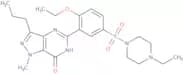
![4-[(2,4-Dihydroxy-3,3-dimethylbutanoyl)amino]-butanoic acid](/_next/image/?url=https%3A%2Fstatic.cymitquimica.com%2Fproducts%2F3D%2Fthumb-webp%2FTAA67990.webp&w=3840&q=75)
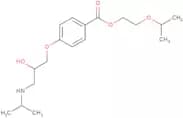
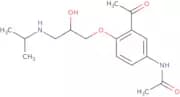
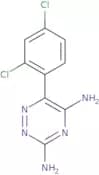
![11-(1-Piperazinyl)dibenzo[b,f][1,4]thiazepine hydrochloride](/_next/image/?url=https%3A%2Fstatic.cymitquimica.com%2Fproducts%2F3D%2Fthumb-webp%2FIN181068.webp&w=3840&q=75)
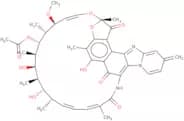
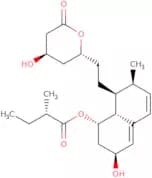
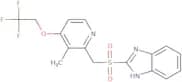
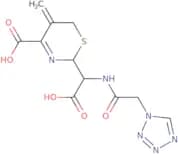

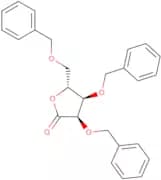
![2-[4-(2-Methylpropanoyl)phenyl] propanoic acid](/_next/image/?url=https%3A%2Fstatic.cymitquimica.com%2Fproducts%2F3D%2Fthumb-webp%2FIM15852.webp&w=3840&q=75)
![2-Acetamido-7-[[2-(acetyloxy)ethoxy]methyl]-6,7-dihydro-1H-purin-6-one](/_next/image/?url=https%3A%2Fstatic.cymitquimica.com%2Fproducts%2F3D%2Fthumb-webp%2FIA58280.webp&w=3840&q=75)
![a-[3-[[2-(3,4-Dimethoxyphenyl)ethyl]methylamino]propyl]-α-ethyl-3,4-dimethoxy-benzeneacetonitrile](/_next/image/?url=https%3A%2Fstatic.cymitquimica.com%2Fproducts%2F3D%2Fthumb-webp%2FID145566.webp&w=3840&q=75)

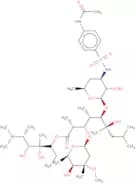

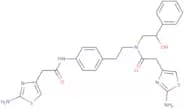
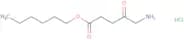
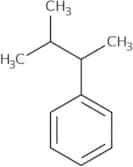
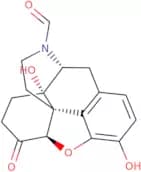
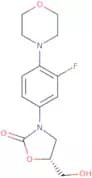
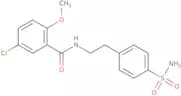
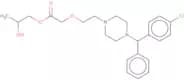
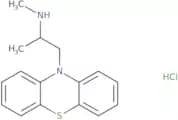
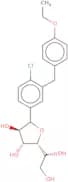
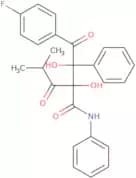

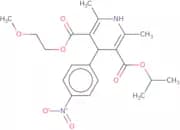
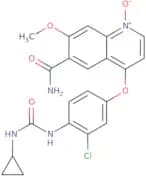
![Bis-[5-[(dimethylamino)methyl]furan-2-yl]methane](/_next/image/?url=https%3A%2Fstatic.cymitquimica.com%2Fproducts%2F3D%2Fthumb-webp%2FIB57835.webp&w=3840&q=75)
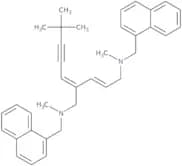
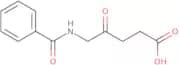
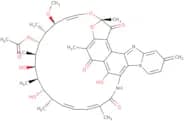
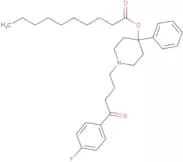
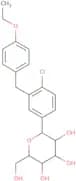

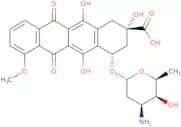
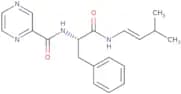
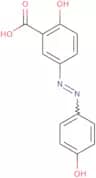
![2H,5H-Pyrano[4,3-b]pyranyl mupirocin sodium impurity](/_next/image/?url=https%3A%2Fstatic.cymitquimica.com%2Fproducts%2F3D%2Fthumb-webp%2FIP27268.webp&w=3840&q=75)
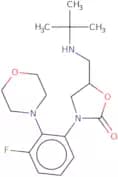

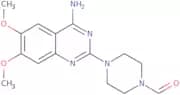
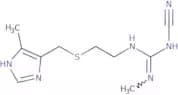
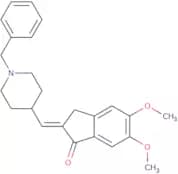
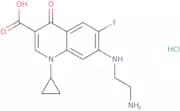
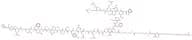
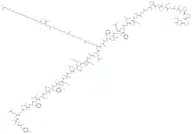


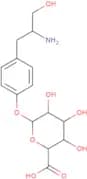
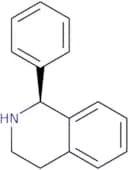
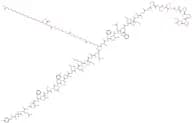

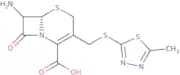
![N-(Aminosulphonyl)-3-[[[2-[(aminoiminomethyl)amino]-4-thiazolyl]methyl]thio]propanamide, hydrochlo…](/_next/image/?url=https%3A%2Fstatic.cymitquimica.com%2Fproducts%2F3D%2Fthumb-webp%2FIA58075.webp&w=3840&q=75)

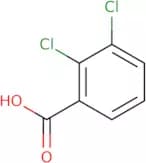
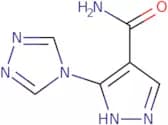
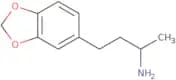
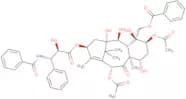
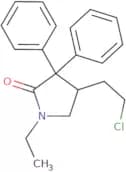
![N-[1-(R)-(+)-(2-Naphthyl)ethyl]-3-[3-(trifluoromethyl)phenyl]-1-aminopropane hydrochloride](/_next/image/?url=https%3A%2Fstatic.cymitquimica.com%2Fproducts%2F3D%2Fthumb-webp%2FIN58182.webp&w=3840&q=75)
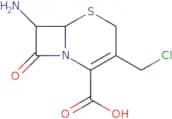
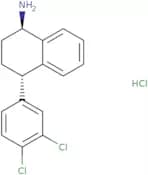
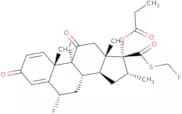
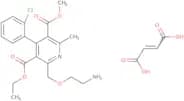
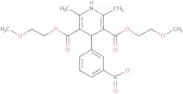
![8-Fluoro-2,2-dimethyl-9-(4-methyl-1-piperazinyl)-6-oxo-2H,6H-oxazolo[5,4,3-ij]quinoline-5-carboxyl…](/_next/image/?url=https%3A%2Fstatic.cymitquimica.com%2Fproducts%2F3D%2Fthumb-webp%2FIF182900.webp&w=3840&q=75)
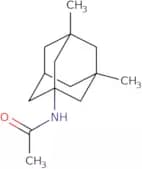
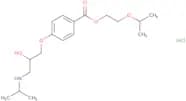
![3-[[[2-[(Diaminomethylene)amino]thiazol-4-yl]methyl]sulphanyl]propanoic acid](/_next/image/?url=https%3A%2Fstatic.cymitquimica.com%2Fproducts%2F3D%2Fthumb-webp%2FID58082.webp&w=3840&q=75)
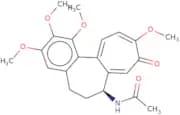
![2-[[[3-Methyl-4-(methylthio)-2-pyridinyl]methyl]sulfinyl]-1H-benzimidazole](/_next/image/?url=https%3A%2Fstatic.cymitquimica.com%2Fproducts%2F3D%2Fthumb-webp%2FIM21229.webp&w=3840&q=75)
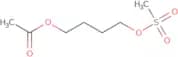


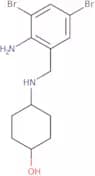
![[D-Phe6]-Tirzepatide](/_next/image/?url=https%3A%2Fstatic.cymitquimica.com%2Fproducts%2F3D%2Fthumb-webp%2FIP11027.webp&w=3840&q=75)
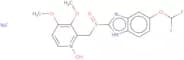
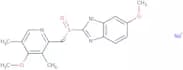
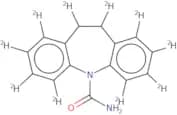
![(+/-)-N-Benzyl-N-methyl-3-phenyl-3-[4-(trifluoromethyl)phenoxy]-propylamine hydrochloride](/_next/image/?url=https%3A%2Fstatic.cymitquimica.com%2Fproducts%2F3D%2Fthumb-webp%2FIB58068.webp&w=3840&q=75)
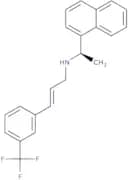
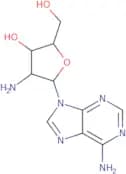
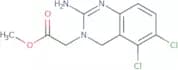
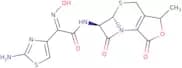
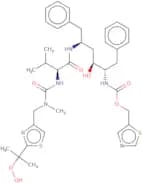
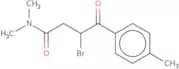
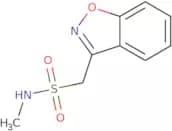
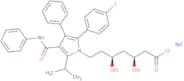
![Bis-[[2-aminoethyl]thio]methane dihydrochloride](/_next/image/?url=https%3A%2Fstatic.cymitquimica.com%2Fproducts%2F3D%2Fthumb-webp%2FIB57860.webp&w=3840&q=75)
![5-Methoxy-2-[[(4-methoxy-3,5-dimethyl-2-pyridinyl)methyl]thio]-1H-benzimidazole](/_next/image/?url=https%3A%2Fstatic.cymitquimica.com%2Fproducts%2F3D%2Fthumb-webp%2FIM57923.webp&w=3840&q=75)
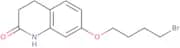
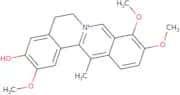
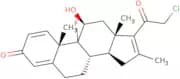

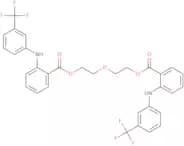
![2-Hydroxy-2-{4-[2-(hydroxyethoxy)ethyl]piperazin-1-yl}dithiazepin](/_next/image/?url=https%3A%2Fstatic.cymitquimica.com%2Fproducts%2F3D%2Fthumb-webp%2FFQ06935.webp&w=3840&q=75)
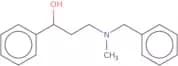
![[[5-[[(2-Aminoethyl)thio]methyl]furan-2-yl]methyl]dimethylamine](/_next/image/?url=https%3A%2Fstatic.cymitquimica.com%2Fproducts%2F3D%2Fthumb-webp%2FIA57830.webp&w=3840&q=75)
![4-(1-Hydroxy-1-methylethyl)-2-propyl-1-[[2'-[1-(triphenylmethyl)-1H-tetrazol-5-yl][1,1'-biphenyl]-…](/_next/image/?url=https%3A%2Fstatic.cymitquimica.com%2Fproducts%2F3D%2Fthumb-webp%2FIH159138.webp&w=3840&q=75)
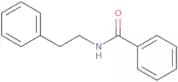
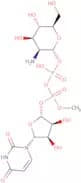
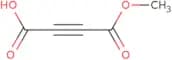
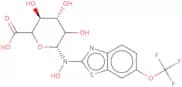
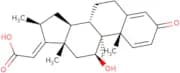
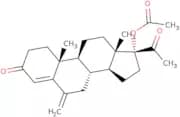
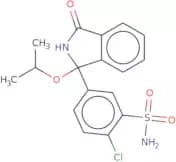
![3-[[[2-[(Diaminomethylene)amino]-4-thiazolyl]methyl]thio]propanimidamide hydrochloride](/_next/image/?url=https%3A%2Fstatic.cymitquimica.com%2Fproducts%2F3D%2Fthumb-webp%2FID58079.webp&w=3840&q=75)



![D-[Ala]18-Tirzepatide](/_next/image/?url=https%3A%2Fstatic.cymitquimica.com%2Fproducts%2F3D%2Fthumb-webp%2FIA11851.webp&w=3840&q=75)
![[D-Phe22]-Tirzepatide](/_next/image/?url=https%3A%2Fstatic.cymitquimica.com%2Fproducts%2F3D%2Fthumb-webp%2FIP11026.webp&w=3840&q=75)
![D-[Pro]31-Tirzepatide](/_next/image/?url=https%3A%2Fstatic.cymitquimica.com%2Fproducts%2F3D%2Fthumb-webp%2FIP11028.webp&w=3840&q=75)
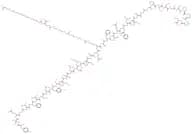
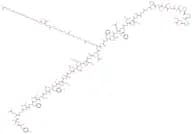
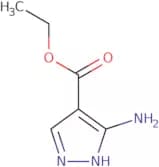

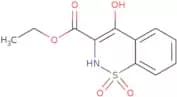
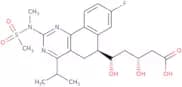



![3-[[[2-[(Diaminomethylene)amino]-4-thiazolyl]methyl]thio]propanamide](/_next/image/?url=https%3A%2Fstatic.cymitquimica.com%2Fproducts%2F3D%2Fthumb-webp%2FID58074.webp&w=3840&q=75)

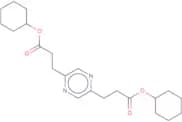
![Methyl-3-[5-(2-methoxycarbonylethyl)pyrazin-2-yl]propionate](/_next/image/?url=https%3A%2Fstatic.cymitquimica.com%2Fproducts%2F3D%2Fthumb-webp%2FIM07158.webp&w=3840&q=75)
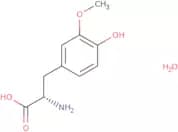

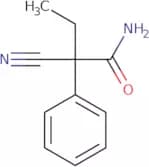
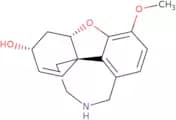
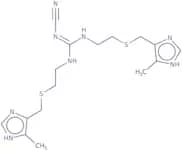
![2-Methyl-10-(2-nitrophenyl)-10H-benzo[b]thieno[2,3-e] [1,4]diazepin-4-amine](/_next/image/?url=https%3A%2Fstatic.cymitquimica.com%2Fproducts%2F3D%2Fthumb-webp%2FIM146328.webp&w=3840&q=75)
![4-(1-Hydroxy-1-methylethyl)-2-propyl-1[4-[2-(tetrazol-5-yl)phenyl]phenyl]methyl imidazole-5-carbox…](/_next/image/?url=https%3A%2Fstatic.cymitquimica.com%2Fproducts%2F3D%2Fthumb-webp%2FIH57927.webp&w=3840&q=75)

![(3R)-3-Amino-1-[5,6-dihydro-3-(trifluoromethyl)-1,2,4-triazolo[4,3-α]pyrazin-7(8H)-yl]-4-(2,3,5-tr…](/_next/image/?url=https%3A%2Fstatic.cymitquimica.com%2Fproducts%2F3D%2Fthumb-webp%2FIA183165.webp&w=3840&q=75)
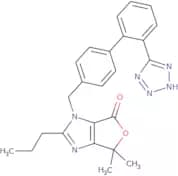
![(S)-Ethyl 2-ethoxy-4-[[[N-[1-(2-piperidinophenyl)-3-methyl-1-butyl]amino]carbonyl]methyl]benzoate](/_next/image/?url=https%3A%2Fstatic.cymitquimica.com%2Fproducts%2F3D%2Fthumb-webp%2FIE27701.webp&w=3840&q=75)
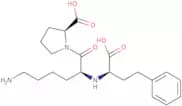
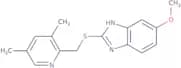
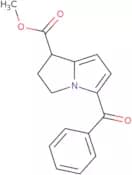
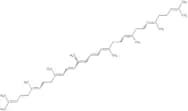
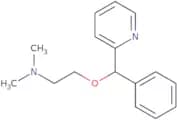
![cis-4-[[[(1,1-Dimethylethoxy)carbonyl]amino]methyl]-cyclohexanecarboxylic acid](/_next/image/?url=https%3A%2Fstatic.cymitquimica.com%2Fproducts%2F3D%2Fthumb-webp%2FID22372.webp&w=3840&q=75)
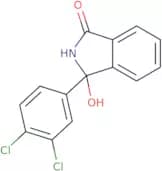
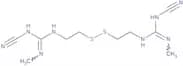
![2-Acetamido-9-[[2-(acetyloxy)ethoxy]methyl]-6,9-dihydro-1H-purin-6-one](/_next/image/?url=https%3A%2Fstatic.cymitquimica.com%2Fproducts%2F3D%2Fthumb-webp%2FIA58282.webp&w=3840&q=75)
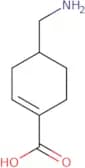
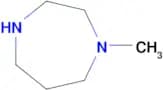

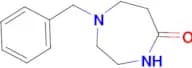
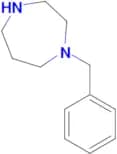
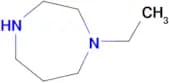
![6-FLUORO-[1,4]DIAZEPANE-1-CARBOXYLIC ACID TERT-BUTYL ESTER](/_next/image/?url=https%3A%2Fstatic.cymitquimica.com%2Fproducts%2F10%2Fthumb-webp%2FF469333.webp&w=3840&q=75)
![5-Oxo-[1,4]diazepane-1-carboxylic acid benzylester](/_next/image/?url=https%3A%2Fstatic.cymitquimica.com%2Fproducts%2F10%2Fthumb-webp%2FF011833.webp&w=3840&q=75)
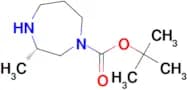
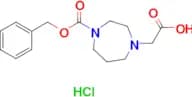
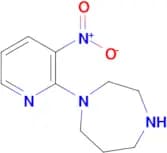
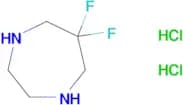
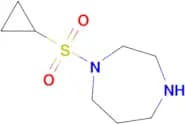
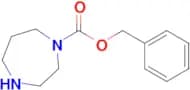

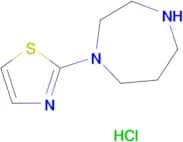
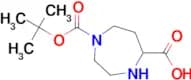
![5-Oxo-[1,4]diazepane-1-carboxylic acid tert-butylester](/_next/image/?url=https%3A%2Fstatic.cymitquimica.com%2Fproducts%2F10%2Fthumb-webp%2FF040633.webp&w=3840&q=75)