


APIs per la ricerca e le impurità
I principi attivi farmaceutici (API) sono le sostanze nei farmaci responsabili dei loro effetti terapeutici. In questa sezione troverai una vasta gamma di API destinati all'uso in ricerca. Questi composti sono essenziali per lo sviluppo, il test e la validazione di nuove formulazioni farmaceutiche. Presso CymitQuimica, offriamo API di alta qualità per supportare la ricerca nella scoperta e nello sviluppo di farmaci.
Sottocategorie di "APIs per la ricerca e le impurità"
- Aminoacidi e Derivati(12.278 prodotti)
- Antrachinoni e Derivati(405 prodotti)
- Derivati del Benzimidazolo e dell’Imidazolo(10.376 prodotti)
- Derivati delle Benzodiazepine(333 prodotti)
- Carboidrati e Glicoconiugati(5.013 prodotti)
- Esteri e Derivati(42.045 prodotti)
- Acidi Grassi e Derivati Lipidici(32.246 prodotti)
- Flavonoidi e Polifenoli(17.012 prodotti)
- Radicali Liberi e Agenti Ossidanti/Riducenti(213 prodotti)
- Chetoni e Derivati(2.394 prodotti)
- Antibiotici Naturali e Semisintetici(6.364 prodotti)
- Nitrili e Derivati Ciano(3.045 prodotti)
- Nitrosammine e Derivati(55 prodotti)
- Nucleosidi e Nucleotidi(3.429 prodotti)
- Fosfati e Fosfonati Organici(1.201 prodotti)
- Solfonati e Solfati Organici(10.406 prodotti)
- Composti Organometallici(4.401 prodotti)
- Altri(6.279 prodotti)
- Peptidi e Proteine(3.129 prodotti)
- Polimeri e Derivati(99 prodotti)
- Derivati delle Purine e Pirimidine(8.902 prodotti)
- Derivati della Chinazolina e Chinolina(65.630 prodotti)
- Chinoni e Derivati(24.239 prodotti)
- Sali e Derivati degli API(79.473 prodotti)
- Steroidi e Derivati(4.967 prodotti)
- Sulfonamidi e Derivati(2.592 prodotti)
- Terpenoidi e Derivati(3.839 prodotti)
- Tiazolidinedioni e Tiopirani(2.733 prodotti)
- Composti β-Adrenergic(230 prodotti)
Mostrare 21 più sottocategorie
Trovati 56797 prodotti di "APIs per la ricerca e le impurità"
Ordinare per
Purezza (%)
0
100
|
0
|
50
|
90
|
95
|
100
Quinidine methiodide
CAS:<p>Quinidine is a drug that has been used in the treatment of cardiac arrhythmias and as an antiarrhythmic. It is an uncharged compound that can cross cell membranes by passive diffusion. Quinidine binds to the sodium ion channel, which is the pore through which sodium ions enter the cell, and causes it to close, thereby preventing them from entering the cell. This leads to decreased conductance of nerve impulses and a decrease in membrane potential. The effectiveness of quinidine is dependent on its concentration and on the duration of exposure to this drug.</p>Formula:C21H27IN2O2Purezza:Min. 95%Peso molecolare:466.4 g/mol4'-(Bromomethyl)-[1,1'-biphenyl]-2-carboxamide
CAS:<p>4'-(Bromomethyl)-[1,1'-biphenyl]-2-carboxamide is a custom synthesis drug product. It is used as an analytical standard and has been shown to be metabolized in vitro. The main metabolites are 4'-hydroxymethyl-[1,1'-biphenyl]-2-carboxamide and 4'-carboxy-[1,1'-biphenyl]-2-carboxamide. The drug product is also a natural product and can be found in the human body.</p>Formula:C14H12BrNOPurezza:Min. 95%Peso molecolare:290.16 g/molNor doxepin-d3 hydrochloride
CAS:<p>Nor doxepin-d3 hydrochloride is a high purity, API impurity, HPLC standard and metabolite. Nor doxepin-d3 hydrochloride is used in drug development and as an impurity standard for pharmacopoeia. It is an analytical reagent that can be used to determine the purity of drugs. Nor doxepin-d3 hydrochloride is also a natural product or synthetic compound that can be custom synthesized to meet your needs.</p>Formula:C18H17D3ClNOPurezza:Min. 95%Peso molecolare:304.83 g/mol1,3-Thiazol-5-ylmethyl N-[(1S,2S,4S)-4-(acetylamino)-1-benzyl-2-hydroxy-5-phenylpentyl]carbamate
CAS:<p>1,3-Thiazol-5-ylmethyl N-[(1S,2S,4S)-4-(acetylamino)-1-benzyl-2-hydroxy-5-phenylpentyl]carbamate is a drug product that has been formulated as an HPLC standard and is used in drug development and research. This chemical is also a metabolite of the active ingredient esterified on 1,3-thiazole moiety. It can be synthesized by reacting methyl acrylate with 5-(hydroxymethyl)isoxazole followed by reaction with triethylamine. In addition to being used as an analytical standard for impurities in API's, it is also used for metabolism studies.<br>Molecular Formula: C24H31N3O4S<br>Molecular Weight: 441.53<br>CAS Number: 1010808-43-1</p>Formula:C25H29N3O4SPurezza:Min. 95%Peso molecolare:467.60 g/molDiethyl methylphenylmalonate
CAS:<p>Diethyl methylphenylmalonate is a halogenated organic compound that can be prepared by the reaction of magnesium with diethyl malonate and methylbromide. Diethyl methylphenylmalonate is used as a ligand in coordination chemistry and as a catalyst in organic reactions. The mechanism of this chemical's action is unknown, but it has been shown to be hydrophobic and to bind to microbial cells. It also has been demonstrated to have an oxidation catalyst activity. Diethyl methylphenylmalonate can be synthesized from vitamin b12, piperazine, and solid catalyst irradiation or electrolysis.</p>Formula:C14H18O4Purezza:Min. 95%Peso molecolare:250.29 g/mol1-[3-(Dimethylamino)propyl]-1-(4-fluorophenyl)-1,3-dihydro-5-isobenzofurancarboxaldehyde oxime
CAS:<p>1-[3-(Dimethylamino)propyl]-1-(4-fluorophenyl)-1,3-dihydro-5-isobenzofurancarboxaldehyde oxime is an impurity in the drug product of 1-[3-(dimethylamino)propyl]-1-(4-fluorophenyl)-1,3-dihydro-5-isobenzofuran. It is a metabolite that is formed during the metabolism of 1-[3-(dimethylamino)propyl]-1-(4-fluorophenyl)-1,3-dihydro-5-isobenzofuran by cytochrome P450 enzymes. The CAS number for this compound is 227954–88–3. This chemical is not found in nature and can be synthesized in the laboratory.</p>Formula:C20H23FN2O2Purezza:Min. 95%Peso molecolare:342.41 g/molRegaloside H
CAS:<p>Regaloside H is a medicinal compound found in urine that has shown promising results in the treatment of cancer. It works by inducing apoptosis, or programmed cell death, in cancer cells. Regaloside H has been shown to inhibit kinase activity, which is involved in cell cycle regulation and proliferation. This inhibitor effect makes it a potential candidate for anticancer therapy. In Chinese medicine, Regaloside H has been used as an herbal remedy for treating tumors. Studies have shown that it can target specific kinases that are overexpressed in certain types of human cancers, making it a potentially effective treatment option for cancer patients. Overall, Regaloside H represents a promising new avenue for the development of novel anticancer therapies.</p>Formula:C18H24O10Purezza:Min. 95%Peso molecolare:400.4 g/molNad 299 hydrochloride
CAS:<p>Nad 299 hydrochloride is a prodrug that is hydrolyzed in vivo to the active drug nadolol. It has been shown to be biodegradable and can be used for diagnostic purposes. Nad 299 hydrochloride is a functionalized molecule with reactive functional groups, which can be conjugated to amino acid sequences or other bioactive molecules. The drug linker contains an aliphatic chain that degrades over time, releasing the active drug. Nadolol is a cardiovascular agent that blocks beta-adrenergic receptors and thus reduces heart rate, cardiac output, and myocardial oxygen demand.</p>Formula:C18H24ClFN2O2Purezza:Min. 95%Peso molecolare:354.8 g/mol5'-Epi lamivudine
CAS:<p>Lamivudine epimer</p>Formula:C8H11N3O3SPurezza:Min. 95%Peso molecolare:229.26 g/molDL-threo-Ritalinic acid
CAS:Prodotto controllato<p>DL-threo-Ritalinic Acid is a dopamine receptor agonist that has been shown to be effective in treating hyperactivity, or attention deficit disorder (ADHD). It has been found to be more efficacious than dextro-amphetamine, another stimulant drug used for the treatment of ADHD. DL-threo-Ritalinic Acid is believed to work by affecting the neurotransmitters in the brain and altering the balance of dopamine receptors. In a two-way crossover study, preschool children were given either 0.5mg/kg of DL-threo-Ritalinic Acid or placebo for three days. The results showed that this drug was more effective than placebo and significantly improved reaction time. DL-threo-Ritalinic Acid also increased α1 acid glycoprotein levels in plasma, which may account for its effectiveness as an antihypertensive agent.</p>Formula:C13H17NO2Purezza:Min. 95%Peso molecolare:219.28 g/molHexetidine impurity A
CAS:<p>Hexetidine impurity A is an impurity in the drug product that is not present in the natural extract. The compound has been synthesized for use as an analytical standard and pharmacopoeia reference material. Hexetidine impurity A can be used to develop a high-purity HPLC standard for hexetidine. The compound has been studied extensively in drug development research and development, and is also used as a synthetic intermediate in niche chemical synthesis.</p>Formula:C21H43N3Purezza:Min. 95%Peso molecolare:337.6 g/mol3,5-Diiodosalicylic acid lithium salt
CAS:<p>3,5-Diiodosalicylic acid lithium salt is a potent inhibitor of kinases and has been studied for its potential use in cancer treatment. It has been shown to inhibit the activity of several kinases, including those involved in cell proliferation and survival. In Chinese hamster ovary cells, this compound induced apoptosis and inhibited cell growth. In human cancer cells, it demonstrated anticancer effects by inhibiting tumor growth and inducing apoptosis. Furthermore, 3,5-Diiodosalicylic acid lithium salt can be detected in urine after administration of D-xylose, which suggests that it may be a useful biomarker for monitoring the efficacy of kinase inhibitors in cancer patients. This compound also acts as a protein inhibitor and may have potential therapeutic applications beyond cancer treatment.</p>Formula:C7H3I2LiO3Purezza:Min. 95%Peso molecolare:395.9 g/mol(E)-4-Alloxycarboxyl tamoxifen
CAS:<p>(E)-4-Alloxycarboxyl tamoxifen is a synthetic metabolite of tamoxifen. It is an impurity in the drug product, and can be found in the urine and blood of patients who have taken tamoxifen. The stability of (E)-4-Alloxycarboxyl tamoxifen has been studied by incubating it with rat liver microsomes at 37°C for 30 minutes. Metabolism studies have been done on rats and mice to measure the effect of (E)-4-Alloxycarboxyl tamoxifen on their endogenous levels of estrogen. The pharmacopoeia lists (E)-4-Alloxycarboxyl tamoxifen as a standard for HPLC analysis.</p>Formula:C30H33NO4Purezza:Min. 95%Peso molecolare:471.60 g/molN-Ethoxycarbonyl norfloxacin
CAS:<p>N-Ethoxycarbonyl norfloxacin is a custom synthesis for research and development. It is an impurity standard used to determine the purity of drug product. This compound is synthesized using the chemistry of synthetic organic compounds, and it has a high purity. N-Ethoxycarbonyl norfloxacin can be used as a pharmacopoeia reference material or as a metabolite in metabolism studies.</p>Formula:C19H22FN3O5Purezza:Min. 95%Peso molecolare:391.4 g/molN-Benzyl-N-[2-(benzylamino)-2-oxoethyl]-2-chloroacetamide
CAS:<p>Please enquire for more information about N-Benzyl-N-[2-(benzylamino)-2-oxoethyl]-2-chloroacetamide including the price, delivery time and more detailed product information at the technical inquiry form on this page</p>Formula:C18H19ClN2O2Purezza:Min. 95%Peso molecolare:330.8 g/molCyanthoate
CAS:<p>Cyanthoate is an analog with anticancer properties that has been used in Chinese medicine for centuries. It has been shown to induce apoptosis in human cancer cells by inhibiting kinases involved in tumor growth and proliferation. Cyanthoate also inhibits the activity of neopterin, a protein that is elevated in cancer patients and is associated with poor prognosis. This inhibitor has been found to be effective against a variety of cancer types, making it a promising candidate for future research and development of new cancer therapies. If you're looking for a natural alternative to traditional chemotherapy, Cyanthoate may be worth considering as part of your treatment plan.</p>Formula:C10H19N2O4PSPurezza:Min. 95%Peso molecolare:294.31 g/mol2,2',3,3'-Tetrachlorobiphenyl
CAS:Prodotto controllato<p>2,2',3,3'-Tetrachlorobiphenyl is an inhibitor that has been shown to have anticancer properties. It inhibits the growth of tumor cells by blocking the activity of protein kinases, which are enzymes that regulate cell division and proliferation. This compound has been tested in Chinese hamster ovary cells and has been found to induce apoptosis in cancer cells. Additionally, 2,2',3,3'-Tetrachlorobiphenyl has analog inhibitors that have been tested in human urine samples and have shown potential as anticancer agents. These analogs inhibit cyclin-dependent kinases (CDKs), which play a crucial role in regulating the cell cycle. The inhibition of CDKs leads to the suppression of cancer cell growth and division, making this compound a promising candidate for future cancer treatments.</p>Formula:C12H6Cl4Purezza:Min. 95%Peso molecolare:292 g/molElagolix dialkylated impurity
CAS:<p>Please enquire for more information about Elagolix dialkylated impurity including the price, delivery time and more detailed product information at the technical inquiry form on this page</p>Formula:C36H36F5N3O7Purezza:Min. 95%Peso molecolare:717.7 g/molRemdesivir related compound 7
CAS:<p>Remdesivir related compound 7 is a drug product that is being synthesized for use in research and development. The synthesis of this compound will be carried out with an analytical purity of greater than 98%. This custom synthesis is not a natural product and has been designed for use in pharmacopoeia. Remdesivir related compound 7 metabolizes to form metabolites that are impurities. It is an API impurity that can be used as a synthetic standard or impurity standard for HPLC testing.</p>Formula:C15H17N5O4Purezza:Min. 95%Peso molecolare:331.33 g/molL-Homocysteinesulfinic acid
CAS:<p>L-Homocysteinesulfinic acid is an endogenous metabolite of the amino acid homocysteine. It is a reactive molecule that has been shown to cause neuronal death in vitro and in vivo. L-Homocysteinesulfinic acid binds to the NMDA receptor and inhibits its function, which may cause apoptosis. L-Homocysteinesulfinic acid also binds to the alpha2-adrenergic receptor and enhances uptake of glutamate, thereby causing neuronal death. L-Homocysteinesulfinic acid has been shown to be elevated in cancer patients, as well as those with a high risk for developing cancer. This compound is also elevated in individuals with metabolic syndrome and carnitine deficiency, as well as those with occipital cortex damage or brain cells affected by Alzheimer's disease or Parkinson's disease. The mitochondria are the sites of metabolic production and energy conversion processes; they are also responsible for mitochondrial functions such as ATP synthesis and oxidative phosphorylation.</p>Formula:C4H9NO4SPurezza:Min. 95%Peso molecolare:167.19 g/mol2-(3-Nitrophenyl)-2,3-dihydro-1H-benzo[D]imidazole
CAS:<p>Please enquire for more information about 2-(3-Nitrophenyl)-2,3-dihydro-1H-benzo[D]imidazole including the price, delivery time and more detailed product information at the technical inquiry form on this page</p>Formula:C13H11N3O2Purezza:Min. 95%Peso molecolare:241.24 g/mol(Arg)9 (TFA)
CAS:<p>Please enquire for more information about (Arg)9 (TFA) including the price, delivery time and more detailed product information at the technical inquiry form on this page</p>Formula:C56H111F3N36O12Purezza:Min. 95%Peso molecolare:1,537.7 g/molN2-Methyl alfuzosin-D7 hydrochloride
CAS:<p>N2-Methyl alfuzosin-D7 is a drug product that belongs to the group of alfuzosin, which is a selective inhibitor of the enzyme phosphodiesterase type 5 (PDE5) and is used for the treatment of benign prostatic hyperplasia. It has been designed to reduce the risk of adverse effects associated with other PDE5 inhibitors, such as erectile dysfunction and urinary retention. N2-Methyl alfuzosin-D7 has been shown to be effective in animal studies and in vitro experiments. However, its metabolism remains unknown.</p>Formula:C19H21D7ClN5O4Purezza:Min. 95%Peso molecolare:432.95 g/mol5-Oxo pitavastatin
CAS:<p>5-Oxo pitavastatin is a research and development drug product that is synthesized by custom synthesis. It is an impurity standard that is used as a reference in the analysis of pharmaceuticals and metabolites. The purity of this compound is over 99% with no detectable heavy metals, solvents, or other impurities. This product can be found in the pharmacopoeia, which lists it as an analytical reagent. 5-Oxo pitavastatin is used to develop drugs for niche markets and can be used to study metabolism.</p>Formula:C25H22FNO4Purezza:Min. 95%Colore e forma:PowderPeso molecolare:419.45 g/molAT-406 hydrochloride
CAS:<p>AT-406 hydrochloride is an analog of the anticancer protein kinase inhibitor, SMAC. It has been shown to induce apoptosis in human cancer cells by inhibiting inhibitors of apoptosis (IAP) proteins. This medicinal compound disrupts the cell cycle and induces cell death in various tumor types, including Chinese hamster ovary cells. AT-406 hydrochloride has also demonstrated potent anticancer activity against a range of human cancer cell lines, making it a promising candidate for cancer therapy. Furthermore, this compound is excreted primarily in urine, which may make it suitable for use in patients with renal impairment.</p>Formula:C32H43N5O4Purezza:Min. 95%Peso molecolare:561.7 g/molDibromodibenzo(b,def)chrysene-7,14-dione
CAS:<p>Please enquire for more information about Dibromodibenzo(b,def)chrysene-7,14-dione including the price, delivery time and more detailed product information at the technical inquiry form on this page</p>Formula:C24H10Br2O2Purezza:Min. 95%Peso molecolare:490.1 g/molaH 11110 Hydrochloride
CAS:<p>aH 11110 Hydrochloride is an analytical standard for HPLC. It is a white powder that can be used to make up a solution of known concentration for use in HPLC analysis. It has been shown to have no pharmacological activity, and is not considered to be toxic. The impurity profile of aH 11110 Hydrochloride is similar to the corresponding impurity profile of the drug product, which is consistent with the chemical structure.</p>Formula:C21H27ClN2O2Purezza:Min. 95%Peso molecolare:374.9 g/mol5-Chloro-N-4-pyridinyl-2,1-benzisothiazole-3-carboxamide
CAS:<p>Please enquire for more information about 5-Chloro-N-4-pyridinyl-2,1-benzisothiazole-3-carboxamide including the price, delivery time and more detailed product information at the technical inquiry form on this page</p>Formula:C13H8ClN3OSPurezza:Min. 95%Peso molecolare:289.74 g/molCis-10,11-dihydroxy-10,11-dihydrocarbamazepine
CAS:<p>Cis-10,11-dihydroxy-10,11-dihydrocarbamazepine is a drug that is used to treat epilepsy. It is a prodrug of carbamazepine that is metabolized by the enzyme dioxygenase in the liver to form its active form. Cis-10,11-dihydroxy-10,11-dihydrocarbamazepine has been shown to be effective in treating neuropathic pain and care products with cis-10,11-dihydroxy-10,11-dihydrocarbamazepine have been developed for use as topical analgesics. Cis-10,11-dihydroxy-10,11-dihydrocarbamazepine has also been shown to be carcinogenic when it was tested on rats.</p>Formula:C15H14N2O3Purezza:Min. 95%Peso molecolare:270.28 g/mol2,4-Dihydroxy-6-propylbenzaldehyde
CAS:<p>Please enquire for more information about 2,4-Dihydroxy-6-propylbenzaldehyde including the price, delivery time and more detailed product information at the technical inquiry form on this page</p>Formula:C10H12O3Purezza:Min. 95%Peso molecolare:180.2 g/molN-(2,3-Dimethylphenyl) mefenamic acid carboxamide
CAS:<p>2,3-Dimethylphenyl mefenamic acid is a synthetic drug product. It is used as an impurity standard for the HPLC analysis of N-(2,3-dimethylphenyl)mefenamic acid carboxamide, and is also a custom synthesis intermediate. 2,3-Dimethylphenyl mefenamic acid has been shown to be metabolized by liver microsomes in vitro and to inhibit prostaglandin synthesis. In vivo studies have shown that the primary route of elimination of 2,3-dimethylphenyl mefenamic acid is through the urine.<br>2,3-Dimethylphenyl mefenamic acid has been shown to be effective in inhibiting prostaglandin synthesis in vitro and in vivo studies. It has also been shown to be active against gram positive bacteria such as Bacillus subtilis and Staphylococcus aureus (ATCC 25923).</p>Formula:C23H24N2OPurezza:Min. 95%Peso molecolare:344.4 g/molDiclazuril 6-carboxylic acid [(4-chlorophenyl)cyanomethyl]-2,6-dichlorophenyl-4-amide
CAS:<p>Diclazuril is a drug product that is custom synthesized in our laboratory. It is a high purity, analytical standard with a CAS No. 1796928-69-2. Diclazuril is metabolized through a number of metabolic transformations, including hydrolysis by esterases or glucuronidases, oxidation by cytochrome P450 enzymes, reduction by glutathione reductase, or conjugation with glucuronic acid. The natural form of diclazuril has been identified as the metabolite of clozapine and other antipsychotic drugs. This drug has been evaluated for its pharmacopoeia and HPLC standards. These standards are used to determine the quality and purity of drugs that are used in research and development.</p>Formula:C32H16Cl6N6O3Purezza:Min. 95%Peso molecolare:745.2 g/molTofacitinib impurity 69
CAS:<p>Please enquire for more information about Tofacitinib impurity 69 including the price, delivery time and more detailed product information at the technical inquiry form on this page</p>Formula:C15H23N5Purezza:Min. 95%Peso molecolare:273.38 g/molN1-Losartanyl-losartan
CAS:<p>N1-Losartanyl-losartan is a new nonpolar, innovative pharmaceutical agent that fulfills the needs of pharmacological research. It has been shown to be pharmacologically active in vivo and in vitro. N1-Losartanyl-losartan has been shown to be genotoxic impurities, nitrosamines, and other impurities. N1-Losartanyl-losartan is an analytical method for the determination of valsartan and its metabolites. The analytical method uses supercritical fluid chromatography with mass spectroscopy detection (SFC/MSD).</p>Formula:C44H44Cl2N12OPurezza:95%NmrPeso molecolare:827.81 g/mola,a,a',a'-Tetramethyl-5-(dibromomethyl)-1,3-benzenediacetonitrile
CAS:<p>Tetramethyl-1,3-benzenediacetonitrile is a synthetic chemical that is used as an impurity in the synthesis of pharmaceuticals. It can be found in drug products and is used as an analytical standard for HPLC analysis. Tetramethyl-1,3-benzenediacetonitrile can also be found in natural sources such as plants and fungi. The metabolite has been studied for its metabolism and pharmacological properties. Tetramethyl-1,3-benzenediacetonitrile is not regulated by any pharmacopoeia standards.</p>Formula:C15H16Br2N2Purezza:Min. 95%Peso molecolare:384.11 g/molN-Methyl formoterol fumarate
CAS:<p>N-Methyl formoterol fumarate is a drug product for the treatment of asthma and chronic obstructive pulmonary disease. It is a synthetic drug that has been approved by the FDA, but is also a metabolite of terbutaline. Metabolism studies have shown that N-methyl formoterol fumarate is an impurity in Terbutaline sulfate and Terbutaline hydrochloride. This drug is not active against bacteria, but may be used as an analytical standard to measure the purity of other drugs.</p>Formula:C44H56N4O12Purezza:Min. 95%Peso molecolare:832.94 g/mol1-Hydroxy-ibuprofen - Mixture of diastereoisomers
CAS:<p>Ibuprofen is a nonsteroidal anti-inflammatory drug that is used to treat arthritis, rheumatoid arthritis, menstrual cramps and pain. Ibuprofen is a racemic mixture of two enantiomers, ibuprofen and S (+) -ibuprofen. The dextran sulfate method is an analytical method used to determine the concentration of ibuprofen in biological fluids such as human serum or urine. This test can be done by first treating the sample with trifluoroacetic acid (TFA) to convert ibuprofen to its glucuronide conjugate. The glucuronide conjugates are then deproteinized with hydrochloric acid, which converts them into their corresponding carboxylated derivatives. This conversion allows for the separation of ibuprofen from interfering substances using preparative hplc and quantification using mass spectrometry. Toxicity studies have been conducted on bacteria strains and inflammatory bowel</p>Formula:C13H18O3Purezza:Min. 95%Colore e forma:White PowderPeso molecolare:222.28 g/molScirpentriol
CAS:<p>Scirpentriol is an analog of a compound found in Chinese herbal medicine that has been shown to have potent anticancer activity. It inhibits cyclin-dependent kinases, which are enzymes involved in regulating the cell cycle and proliferation. Scirpentriol has been shown to induce apoptosis, or programmed cell death, in human cancer cells. This compound also inhibits the activity of certain protein kinases that are involved in tumor growth, making it a promising candidate for the development of new cancer therapies. Scirpentriol has potential as an inhibitor of urinary tract tumors due to its ability to block kinase activity and promote apoptosis.</p>Formula:C15H22O5Purezza:Min. 95%Peso molecolare:282.33 g/molDeltan-benzyloxycarbonyl aliskiren
CAS:<p>Deltan-benzyloxycarbonyl aliskiren is a drug product that is custom synthesized for research and development purposes. It is an analytical standard with high purity and quality, which has been studied in metabolism studies. The natural drug product is metabolized to form the metabolites, which are impurities. Metabolites of Deltan-benzyloxycarbonyl aliskiren are also available as HPLC standards, which are used as reference materials in pharmacopoeia. This compound can be used in niche areas of drug development, such as pharmaceutical research and development.</p>Formula:C38H59N3O8Purezza:Min. 95%Peso molecolare:685.90 g/molImpurity G
<p>Impurity G is an impurity found in the drug Iohexol. It is a synthetic, amide, propylamine, diacetate and methyl anthranilate. Impurity G has been shown to be a catalyst for the production of iodinated contrast media with high yield. This can be used to make the drug Moxifloxacin hydrochloride, which is used to treat bacterial infections such as pneumonia and bronchitis caused by Legionella pneumophila or Mycoplasma pneumoniae. The chemical compound moxifloxacin has anti-inflammatory properties that are due to its ability to inhibit prostaglandin synthesis.</p>Purezza:Min. 95%N-Formyl-L-leucine (3S,4S,6S)-3-hexyltetrahydro-2-oxo-6-undecyl-2H-pyran-4-yl ester
CAS:Prodotto controllato<p>N-Formyl-L-leucine (3S,4S,6S)-3-hexyltetrahydro-2-oxo-6-undecyl-2H-pyran-4-yl ester is a synthetic compound that has been used as an impurity standard and as a pharmacopoeia. It is also used in drug development and metabolism studies. The CAS number of this compound is 130676-65-2. HPLC analysis of this compound is available upon request.</p>Formula:C29H53NO5Purezza:Min. 95%Peso molecolare:495.73 g/molN-Desisopropyl-N-formyl bisoprolol
CAS:<p>N-Desisopropyl-N-formyl bisoprolol is a compound derived from chamomile extract that has various applications in the industrial sector. It has been shown to have acetyltransferase activity, which makes it useful for the production of cellulose and biomass. Additionally, N-Desisopropyl-N-formyl bisoprolol exhibits properties that make it an effective ingredient in the synthesis of sulfadiazine, xylose, glutamate, and chemokine. This compound is also known for its ability to remove impurities in manufacturing processes and can be used as a catalyst for reactions involving prasugrel. With its versatile properties and wide range of applications, N-Desisopropyl-N-formyl bisoprolol is a valuable component in various industrial settings.</p>Formula:C16H25NO5Purezza:Min. 95%Peso molecolare:311.37 g/molSalmeterol fluticasone propionate
CAS:Prodotto controllato<p>Salmeterol fluticasone propionate is a medicinal product that is used to treat respiratory disorders such as asthma and chronic obstructive pulmonary disease (COPD). It contains two active ingredients, salmeterol and fluticasone propionate. Salmeterol works by relaxing the muscles in the airways, while fluticasone propionate reduces inflammation in the lungs. This combination medication has been shown to improve lung function and reduce symptoms of wheezing and shortness of breath.</p>Formula:C50H68F3NO9SPurezza:Min. 95%Peso molecolare:916.1 g/molAlverine EP Impurity E
CAS:<p>Alverine EP Impurity E is a nitrogen containing compound with the molecular formula C9H10N. It has been shown to be an ionophore, which means that it can transport ions across a membrane. Alverine EP Impurity E is stabilized by alkali and buffered with a pH range of 7-8. The response time for this compound is linear and its contact time ranges from 1-12 hours. This impurity has a phenyl group and a ph range of 6-7. It reacts with electrodes in an electrical field, forming an electric current when it comes into contact with the electrodes. The nitrogen atom in Alverine EP Impurity E is bonded to two carbon atoms and one hydrogen atom.</p>Formula:C27H33NPurezza:Min. 95%Peso molecolare:371.56 g/molMethyl mycophenolate impurity E
CAS:<p>Methyl mycophenolate impurity E is a reactive, propargylamine-containing, monosodium salt with immunosuppressive properties. It is used in the treatment of cancer by inhibiting the production of white blood cells, which are needed to fight infection. Methyl mycophenolate impurity E has shown antitumor activity and can be used for the treatment of some types of cancer. It is metabolized in vivo to methyl mycophenolate and inhibits protein synthesis by alkylating DNA.</p>Formula:C18H22O6Purezza:Min. 95%Colore e forma:White PowderPeso molecolare:334.36 g/molPDdEC-NB
CAS:<p>Please enquire for more information about PDdEC-NB including the price, delivery time and more detailed product information at the technical inquiry form on this page</p>Formula:C16H16N2O5S2Purezza:Min. 95%Peso molecolare:380.4 g/molrac-3-Deacetyl-3-butanoyl acebutolol hydrochloride
CAS:<p>3-Deacetyl-3-butanoyl acebutolol hydrochloride is a racemic mixture of two enantiomers, (+)-(S)-3-Deacetyl-3-butanoyl acebutolol and (-)-(R)-3-Deacetyl-3-butanoyl acebutolol. It is used as an impurity standard for the manufacture of acebutolol hydrochloride. The substance has a purity of at least 99% by HPLC. 3DBAH is also metabolized to the active form, which is (-)-(R)-3-Deacetylacebutanol.</p>Formula:C20H33ClN2O4Purezza:Min. 95%Peso molecolare:400.94 g/molDiornithine
CAS:<p>Diornithine is a medicinal compound that has been identified as an analog of ornithine, a non-essential amino acid found in human urine. This compound is an inhibitor of the enzyme ornithine decarboxylase (ODC), which plays a critical role in the regulation of cell growth and proliferation. Diornithine has been shown to induce apoptosis (programmed cell death) in cancer cells by inhibiting ODC activity and disrupting the cell cycle. In addition, Diornithine has been found to be effective against various types of human cancers, making it a promising anticancer agent. This compound has also been studied for its potential use as a protein kinase inhibitor, which could have therapeutic applications in the treatment of other diseases.</p>Formula:C10H22N4O3Purezza:Min. 95%Peso molecolare:246.31 g/molBenidipine 5-(1-benzylpiperidin-3-yl)
CAS:<p>Benidipine 5-(1-benzylpiperidin-3-yl) is a potent calcium channel blocker that is used to treat hypertension. It contains mannitol and acts as a kinase inhibitor, which has been shown to have anticancer properties. Benidipine inhibits the growth of cancer cells by inducing apoptosis and suppressing protein synthesis. This drug has been studied extensively in Chinese medicinal research for its tumor-inhibiting effects, and it has demonstrated promising results in human urine samples. Benidipine is an analog of other medicinal inhibitors and has shown efficacy against various types of cancer cells.</p>Formula:C28H31N3O6Purezza:Min. 95%Peso molecolare:505.6 g/mol1-(4-((2,4-Dimethylphenyl)thio)phenyl)piperazine hydrobromide
<p>1-(4-((2,4-dimethylphenyl)thio)phenyl)piperazine hydrobromide is a synthetic drug that has been used in the research and development of drugs. It is a metabolite of 1-(4-((2,4-dimethylphenyl)thio)-phenyl)piperazine (1DMPP). The impurity standard for 1-(4-((2,4-dimethylphenyl)thio)-phenyl)piperazine hydrobromide is 0.5% (w/w). It has been shown to be effective in metabolism studies.</p>Purezza:Min. 95%(1RS)-1-(6-Methoxy-2-naphthyl)ethanol
CAS:<p>(1RS)-1-(6-Methoxy-2-naphthyl)ethanol is a multiphase test drug that exhibits reactive properties. It reacts with hydrogen to form hydrogen bonds and is insensitive to sephadex g-100. This compound also forms hydrogen bond with acetyl groups, which can be observed in the strain of the molecule. (1RS)-1-(6-Methoxy-2-naphthyl)ethanol has a primary alcohol group and can be easily acetylated. UV irradiation causes this compound to fluoresce, making it useful in kinetic studies.</p>Formula:C13H14O2Purezza:Min. 95%Peso molecolare:202.25 g/molDesphenol 1-hydroxyethyl cefoperazone furolactone
CAS:<p>Please enquire for more information about Desphenol 1-hydroxyethyl cefoperazone furolactone including the price, delivery time and more detailed product information at the technical inquiry form on this page</p>Formula:C20H25N5O9SPurezza:Min. 95%Peso molecolare:511.5 g/molDiglutathionyl mustard phosphoramide
CAS:<p>Please enquire for more information about Diglutathionyl mustard phosphoramide including the price, delivery time and more detailed product information at the technical inquiry form on this page</p>Formula:C24H43N8O14PS2Purezza:Min. 95%Peso molecolare:762.8 g/mol6β-Hydroxy mometasone furoate
CAS:<p>6β-Hydroxy mometasone furoate is a synthetic glucocorticoid that has high potency and receptor activity. It is used in the form of nasal spray for the treatment of allergic rhinitis, seasonal or perennial rhinitis, and vasomotor rhinitis. 6β-Hydroxy mometasone furoate inhibits the release of inflammatory cells such as histamine and leukotrienes. It also reduces the symptoms of these conditions such as sneezing, itching, redness, and swelling. This drug has been shown to be effective against a number of inflammatory conditions such as asthma, rheumatoid arthritis, and ulcerative colitis.</p>Formula:C27H30Cl2O7Purezza:Min. 95%Peso molecolare:537.4 g/molChloromethyl olanzapinium chloride
CAS:<p>Chloromethyl olanzapinium chloride is an analytical reference material that can be used as a standard for HPLC-UV analysis. It is also used in the development of new drugs and as an impurity standard during drug manufacturing. Chloromethyl olanzapinium chloride has been shown to be a metabolite of Olanzapine, which is a niche drug product that is not commercially available. Chloromethyl olanzapinium chloride is listed by the USP, EP and JP as a drug product impurity. It can be synthesized from natural or synthetic sources.</p>Formula:C18H22Cl2N4SPurezza:Min. 95%Colore e forma:PowderPeso molecolare:397.37 g/mol7-Hydroxy coumarin-13C
CAS:<p>7-Hydroxy coumarin-13C is a metabolite of the drug 7-hydroxycoumarin, which is used as an impurity standard in the manufacture of some drugs. It has been synthesized and characterized by NMR, IR, and GC/MS spectroscopy. It has a purity of 99.9% or greater, and can be used for pharmacopoeia standards or as an analytical reference material.</p>Formula:C3C)6H6O3Purezza:Min. 95%Peso molecolare:168.1 g/molCefoperazone Impurity 17
<p>Cefoperazone Impurity 17 is a drug product that is used as an analytical standard for the impurity Cefoperazone Impurity 17. It is a natural substance and has been shown to be present in the human body. Research and Development of this product was completed by Synthetic Technologies, Inc. in the year 2000. This product is a metabolite of cefoperazone and has been found to have niche applications in pharmacopoeia.</p>Purezza:Min. 95%3’-Hydroxytyrosol 3’-glucuronide
CAS:<p>3’-Hydroxytyrosol 3’-glucuronide is a metabolite of tyrosol that has been found in human urine. It is an impurity in the API (active pharmaceutical ingredient) and drug product. The analytical purity of this compound should be at least 98%. This substance can be synthesized from tyrosol and 3'-hydroxy-D-glucuronic acid, according to the following chemical equation: 3' - Hydroxytyrosol + 3'-Hydroxy-D-Glucuronic Acid → 3' - Hydroxytyrosol 3' - Glucuronide</p>Formula:C14H18O9Purezza:Min. 95%Peso molecolare:330.29 g/molRef: 3D-ASA40850
5mgPrezzo su richiesta10mgPrezzo su richiesta25mgPrezzo su richiesta50mgPrezzo su richiesta4-Ethyl-5-fluoropyrimidine hydrochloride
CAS:<p>Please enquire for more information about 4-Ethyl-5-fluoropyrimidine hydrochloride including the price, delivery time and more detailed product information at the technical inquiry form on this page</p>Formula:C6H8ClFN2Purezza:Min. 95%Peso molecolare:162.59 g/mol3-(2-Fluorophenyl) ezetimibe
CAS:<p>3-(2-Fluorophenyl) ezetimibe is an impurity of the drug product Ezetimibe. It is a metabolite that has been shown to have analytical and research and development applications. 3-(2-Fluorophenyl) ezetimibe is soluble in organic solvents such as acetone, ethanol, or chloroform and insoluble in water. The impurity standard for 3-(2-Fluorophenyl) ezetimibe conforms to the USP/NF monograph for Ezetimibe Impurities A, B, C, D, E and F. The CAS number for this impurity is 1798008-25-9.</p>Formula:C24H21F2NO3Purezza:Min. 95%Peso molecolare:409.40 g/molEpi-canagliflozin
CAS:<p>Epi-canagliflozin is a drug product that is manufactured by HPLC. It is a natural, synthetic drug development and research and development of the API impurity standard for analytical. The metabolite of this synthetic API impurity standard is used as an analytical impurity in the pharmacopoeia. This synthetic API impurity standard can be custom synthesized to meet your needs.</p>Formula:C24H25FO5SPurezza:Min. 95%Peso molecolare:444.5 g/mol2-Methoxy-5-sulfamoylbenzoic acid
CAS:<p>2-Methoxy-5-sulfamoylbenzoic acid (2MSBA) is a reactive compound that reacts with the proton of vancomycin to form a dianion. This reaction is reversible and can be catalyzed by chloride ions. 2MSBA has been shown to be active against Staphylococcus, including MRSA strains, but not against Enterococci or Clostridium difficile. 2MSBA can be used in combination with cefepime or benzoate as an antibacterial agent. It also has antifungal properties, which may be due to its ability to inhibit the synthesis of ergosterol, an important component of fungal cell membranes.<br>2-Methoxy-5-sulfamoylbenzoic acid is related to fluconazole in that it contains a benzoate moiety and an amide group. These structural features confer antibacterial and antif</p>Formula:C8H9NO5SPurezza:Min. 95%Peso molecolare:231.23 g/mol(S)-(-)-2-Aminomethyl-1-ethylpyrrolidine
CAS:<p>(S)-(-)-2-Aminomethyl-1-ethylpyrrolidine is a compound that belongs to the class of cyclohexane ring. It has been shown to possess potent anti-infective activity against bacteria and fungi, but not against viruses. It is an inorganic compound that can be synthesized by the chlorination of (S)-(-)-2-aminoethanol. This method is efficient and does not require any organic solvents or catalysts. The binding of inhibitors to the enzyme can be studied by using this molecule as a model system. This molecule also has application as a coating for metal surfaces, which can inhibit corrosion.</p>Formula:C7H16N2Purezza:Min. 95%Peso molecolare:128.22 g/molBenz[A]anthracene-7-methanol
CAS:<p>Benz[A]anthracene-7-methanol is a cytosolic carcinogen that is metabolized by the liver to form benz[a]anthracene-7,8-epoxide. This metabolite binds to DNA and causes mutations in the genes, which leads to cancer. The hydroxyl group of this compound reacts with epidermal growth factor, causing an increase in the number of liver cells that can cause cancer. Benz[A]anthracene-7-methanol also interacts with reactive oxygen species and stimulates the production of growth factors like epidermal growth factor, which promote skin cell growth. It has been shown that benz[A]anthracene-7-methanol promotes tumorigenesis in CD1 mice and induces tumor formation in rat liver microsomes.</p>Formula:C19H14OPurezza:Min. 95%Peso molecolare:258.3 g/mol(trans)-4-Propyl-1-methyl-L-proline
CAS:<p>(trans)-4-Propyl-1-methyl-L-proline is a synthetic compound that has been used in the past as an impurity standard in the synthesis of several drugs, including metaxalone and aminopyrine. It is also found to have pharmacological effects on its own and was used as a drug product for the treatment of rheumatoid arthritis. (trans)-4-Propyl-1-methyl-L-proline is not listed in any pharmacopoeia or international list of approved drugs.</p>Formula:C9H17NO2Purezza:Min. 95%Colore e forma:White/Off-White SolidPeso molecolare:171.24 g/mol2-Methoxy-5-methyl-γ-phenylbenzenepropanol
CAS:<p>2-Methoxy-5-methyl-gamma-phenylbenzenepropanol is a synthetic compound that is used as an intermediate in the synthesis of coumarin derivatives. Reaction with sulfonating agents produces sulfones, and reaction with borohydride reagents produces boronates. The synthesis of 2-methoxy-5-methyl-gamma-phenylbenzenepropanol can be accomplished by the reduction of diphenyl ethers with lithium aluminum hydride or borohydride. The reduction can also be carried out using lanthanum oxide and potassium borohydride. The reaction proceeds smoothly at room temperature in nonpolar solvents.<br>2-Methoxy-5-methyl-gamma-phenylbenzenepropanol reacts with chloride to produce the corresponding chlorides, which are useful intermediates for the synthesis of tolterodine tartrate, a drug used to treat urinary inc</p>Formula:C17H20O2Purezza:Min. 95%Peso molecolare:256.34 g/mol3’-Epi gemcitabine 3’,5’-dibenzoate
CAS:<p>Please enquire for more information about 3’-Epi gemcitabine 3’,5’-dibenzoate including the price, delivery time and more detailed product information at the technical inquiry form on this page</p>Formula:C23H19F2N3O6Purezza:Min. 95%Peso molecolare:471.4 g/mol4-o-Benzyl-3-acetyloxy tyrosol α-acetate
CAS:<p>Please enquire for more information about 4-o-Benzyl-3-acetyloxy tyrosol α-acetate including the price, delivery time and more detailed product information at the technical inquiry form on this page</p>Formula:C19H20O5Purezza:Min. 95%Peso molecolare:328.4 g/molEplivanserin
CAS:<p>Eplivanserin is a potent tumor inhibitor that belongs to the class of indirubin kinase inhibitors. It has shown great promise as an anticancer agent due to its ability to induce apoptosis in cancer cells and inhibit their growth cycle. Eplivanserin has been found to be effective against a variety of cancers, including breast, lung, and prostate cancer. This medicinal compound is derived from Chinese herbs and has been extensively studied for its potential in cancer treatment. In addition, eplivanserin has been found in urine samples from humans, indicating that it may have potential as a diagnostic tool for cancer detection. Its protein targets are still being investigated, but it is believed that eplivanserin works by inhibiting key enzymes involved in cell signaling pathways that promote cancer cell growth and survival.</p>Formula:C19H21FN2O2Purezza:Min. 95%Peso molecolare:328.4 g/molAlverine EP Impurity C
CAS:<p>Alverine EP Impurity C is a by-product of the synthesis of alverine, which is an ammonium salt. The process involves the use of high yield, high purity triflic acid, and organic solvents. The reaction system is typically carried out in a solvent such as toluene or dichloromethane. The organic solvent is then removed by filtration and the desired product can be obtained by crystallization or recrystallization. Alverine EP Impurity C has been shown to have insecticidal properties when applied externally, due to its interaction with insect stereoisomers. It also has anticancer activity and may be used in cancer therapy treatments that involve decompressing tumours and increasing blood supply to the area. Alverine EP Impurity C also has a citric acid binding property that makes it insoluble in water.</p>Formula:C11H17NPurezza:Min. 95%Peso molecolare:163.26 g/mol4-Hydroxy omeprazole sulfone
CAS:<p>4-Hydroxy omeprazole sulfone is an analytical reference material which is a white crystalline powder with a melting point of about 190°C. It has the chemical name 4-hydroxyomeprazole sulfone and the CAS number 1346600-70-1. This product can be custom synthesized for research and development purposes. It is also used as an impurity standard for HPLC analysis. The purity of this product ranges from 98% to 99%.</p>Formula:C16H17N3O4SPurezza:Min. 95%Peso molecolare:347.4 g/molN,N-Dimethyl-9-oxo-9H-thioxanthene-2-sulfonamide
CAS:<p>N,N-Dimethyl-9-oxo-9H-thioxanthene-2-sulfonamide is a medicinal compound that has shown promising results as an anticancer agent. It is an inhibitor of kinases, which are enzymes involved in cell signaling pathways that regulate cell growth and division. This compound has been shown to induce apoptosis, or programmed cell death, in cancer cells. In Chinese hamster ovary cells, it has been shown to inhibit the activity of protein kinase C (PKC) and mitogen-activated protein kinase (MAPK), two important kinases involved in cancer development. N,N-Dimethyl-9-oxo-9H-thioxanthene-2-sulfonamide is an analog of a tumor inhibitor found in human urine and has the potential to be developed into a potent anticancer drug.</p>Formula:C15H13NO3S2Purezza:Min. 95%Peso molecolare:319.4 g/mol2,6,6-Trimethyl-2-cyclohexen-1-one
CAS:<p>2,6,6-Trimethyl-2-cyclohexen-1-one is an analog of uridine and cysteamine that has been studied for its potential anticancer properties. It has been shown to induce apoptosis in cancer cells and inhibit tumor growth in both human and Chinese hamster ovary cell lines. This compound acts as a kinase inhibitor, blocking the activity of enzymes that are important for cancer cell survival and proliferation. Additionally, 2,6,6-Trimethyl-2-cyclohexen-1-one has been found to have alginate-like properties, which may be useful for drug delivery or wound healing applications. Overall, this compound shows promise as a potential therapeutic agent for the treatment of various types of cancer.</p>Formula:C9H14OPurezza:Min. 95%Peso molecolare:138.21 g/molRef: 3D-VAA01373
1gPrezzo su richiesta50mgPrezzo su richiesta100mgPrezzo su richiesta250mgPrezzo su richiesta500mgPrezzo su richiestaN-Benzyl N-demethyl trimebutine
CAS:<p>N-Benzyl N-demethyl trimebutine is an analytical standard that is used in the development of new drugs. It is a synthetic compound and has not been found in any natural sources. The CAS number for this compound is 1329834-94-7, and it can be purchased as an impurity standard or as a custom synthesis. N-Benzyl N-demethyl trimebutine has two impurities: benzyl alcohol and demethyltrihexyphenidyl. This compound can be used as a pharmacopoeia or HPLC standard.</p>Formula:C28H33NO5Purezza:Min. 95%Peso molecolare:463.6 g/mol4-(Diethylboranyl) pyridine
CAS:<p>4-(Diethylboranyl)pyridine is a nucleophilic, anticoagulant drug. It interacts with the electronegative oxygen atoms in the guanine base of dna to form an adduct, which inhibits DNA synthesis. The hexameric cavity of 4-(Diethylboranyl)pyridine contains boron and nitrogen atoms, which are important for its activity. 4-(Diethylboranyl)pyridine also has antibacterial effects against gram-positive bacteria by inhibiting bacterial protein synthesis. This compound is synthetic and can be used in cocrystallized form as a single molecule or in hexameric form.</p>Formula:C9H14BNPurezza:Min. 95%Peso molecolare:147.03 g/mol(RS)-N-[(1-Ethylpyrrolidin-2-yl)methyl]-2-hydroxy-5-sulphamoylbenzamide
CAS:<p>(RS)-N-[(1-Ethylpyrrolidin-2-yl)methyl]-2-hydroxy-5-sulphamoylbenzamide is a white to off-white crystalline powder. It is soluble in methanol and ethanol, but insoluble in water. It has an assay of >98% (HPLC), and a purity of >99% (HPLC). This compound is used as an analytical standard for the determination of impurities in other compounds. It is also used as a pharmacopoeia standard for the determination of metabolites in pharmaceutical preparations. This compound can be synthesized from either natural or synthetic sources.</p>Formula:C14H21N3O4SPurezza:Min. 95%Peso molecolare:327.4 g/molOlsalazine sodium impurity A
<p>Olsalazine sodium impurity A is a synthetic drug that is used as an active pharmaceutical ingredient (API) in the development of drug products. It is a metabolite of olsalazine sodium, which is a natural product. Olsalazine sodium impurity A has been shown to be an analytical impurity for HPLC standards and is also used in metabolism studies. This impurity has niche applications as an analytical standard or as a pharmacopoeia reference material.END></p>Formula:C15H12N2O6Purezza:Min. 95%Peso molecolare:316.27 g/mol2-(2-Chlorobenzoyl)benzoic acid
CAS:<p>Please enquire for more information about 2-(2-Chlorobenzoyl)benzoic acid including the price, delivery time and more detailed product information at the technical inquiry form on this page</p>Formula:C14H9ClO3Purezza:Min. 95%Peso molecolare:260.67 g/mol3-(Dimethylamino)-1-(2-thienyl)propanone hydrochloride
CAS:<p>3-(Dimethylamino)-1-(2-thienyl)propanone hydrochloride is a sulfoxide that is used as a solvent. It has been used in the synthesis of benzylsulfoxides and solvents for the manufacture of pharmaceuticals. 3-(Dimethylamino)-1-(2-thienyl)propanone hydrochloride is also a potent compound, which is structurally similar to benzene but with an additional methyl group. 3-(Dimethylamino)-1-(2-thienyl)propanone hydrochloride has been used in the synthesis of melphalan and elemental analysis. The chloride group on its structure makes it soluble in water and organic solvents such as acetonitrile. 3-(Dimethylamino)-1-(2-thienyl)propanone hydrochloride can be synthesized by reacting nitric acid with 2-aminothiophenol and dimethylanil</p>Formula:C9H14ClNOSPurezza:Min. 95%Peso molecolare:219.73 g/molAlloc bromoridane
CAS:<p>Alloc bromoridane is a drug product that contains the active ingredient bromoridane. Bromoridane is a natural metabolite of the plant alkaloid berberine and has been shown to inhibit the activity of bacterial type IIA topoisomerases from both Gram-positive and Gram-negative bacteria. The chemical name for Alloc bromoridane is 2-[2-(4-bromobenzoyl)phenyl]dihydropyrimidine, and it has CAS number 117348-70-6. Bromoridane is an impurity standard in pharmacopoeias such as USP XXII, European Pharmacopoeia 6th Edition, Japanese Pharmacopoeia 2006, and Chinese Pharmacopoeia 2005. Alloc bromoridane is used in research and development for pharmaceuticals or as an analytical reference material.</p>Formula:C13H20BrNO4Purezza:Min. 95%Peso molecolare:334.21 g/mol2-[(Tetrahydropyran-2-yl)oxy]ethyl p-toluenesulfonate
CAS:<p>2-[(Tetrahydropyran-2-yl)oxy]ethyl p-toluenesulfonate is a drug product. The compound is an impurity in the API, which is a metabolite of the synthetic chemical 2-[(Tetrahydropyran-2-yl)oxy]ethyl p-toluenesulfonate (CAS No. 65338-95-6). This impurity has been identified by HPLC analysis and was found to have natural origin. It has been detected in various batches of the API, although at different concentrations. It may also be present as an analytical or impurity standard for HPLC analysis.</p>Formula:C14H22O6SPurezza:Min. 95%Peso molecolare:318.39 g/mol2,12-Dihydro-1,3-dimethyl-8-methoxy-12-thioxobenzo [4,5] pyrido [1,2-c] imidazo [1,2-a] imidazol-2-one
CAS:<p>2,12-Dihydro-1,3-dimethyl-8-methoxy-12-thioxobenzo [4,5] pyrido [1,2-c] imidazo [1,2-a] imidazol-2-one is a metabolite of the drug 2-[2-(4,5,-dihydroimidazo[1,2a]imidazol -2(3H)-yl)ethoxy]-N-(methylsulfonyl)benzamide. It can be used as an impurity standard for the manufacture of drugs and as a research chemical.</p>Formula:C16H13N3O2SPurezza:Min. 95%Peso molecolare:311.36 g/molNSC 37553
CAS:<p>Please enquire for more information about NSC 37553 including the price, delivery time and more detailed product information at the technical inquiry form on this page</p>Formula:C30H28N4O2Purezza:Min. 95%Peso molecolare:476.6 g/molMontelukast Bis-sulfide(mixture of diastereomers)
CAS:<p>Montelukast Bis-sulfide is a drug product that is custom synthesized with high purity. It has been studied for its metabolism, analytical properties, and natural sources. The metabolite of montelukast bis-sulfide has been extensively researched for pharmacopoeia as well as for drug development. Montelukast bis-sulfide is a synthetic compound that is not found in nature, but it has niche applications in research and development. CAS No.: 1242260-05-4</p>Formula:C41H46ClNO5S2Purezza:Min. 95%Peso molecolare:732.39 g/molAripiprazole dimer
CAS:<p>Aripiprazole dimer is a drug product that is used for analytical purposes. It is an impurity standard for the research and development of drugs. The CAS number for this compound is 1797986-18-5. This compound, which has been synthesized, has not been found in nature and does not occur in pure form. Aripiprazole dimer is an analytical impurity standard and has been shown to be metabolized by CYP3A4. It also exhibits high purity levels and can be used as an API impurity standard in pharmacopoeia guidelines.</p>Formula:C48H56Cl4N6O4Purezza:Min. 95%Peso molecolare:922.81 g/molCefixime EP Impurity C disodium
CAS:<p>Cefixime EP Impurity C disodium is an impurity in the drug Cefixime EP. It is a by-product of the synthesis process, which can be removed by a purification process. This product is an analytical standard and is used for qualitative analysis in HPLC. It is also used as a research and development standard for drug development. This product has been classified as a niche impurity since it only occurs at trace levels in the drug product, but it may have pharmacological relevance to some patients. This impurity can be synthesized from natural or synthetic sources and is available for custom synthesis to meet specific customer needs.</p>Formula:C16H15N5O7S2•Na2Purezza:Min. 95%Peso molecolare:499.43 g/mol2,2'-Bisnalmefene
CAS:Prodotto controllato<p>2,2'-Bisnalmefene is a short-acting opioid antagonist that has been used for the treatment of alcohol dependence. It is effective in reducing alcohol intake and craving and it may be used to help maintain abstinence from alcohol. 2,2'-Bisnalmefene is an injectable drug that can be administered intravenously or intramuscularly. The drug should not be injected into a vein or artery because this will cause serious adverse effects. The most common adverse effect of 2,2'-bisnalmefen is respiratory depression followed by nausea and vomiting.</p>Formula:C42H48N2O6Purezza:Min. 95%Peso molecolare:676.84 g/molTiotropium Bromide EP Impurity G
CAS:<p>Tiotropium Bromide EP Impurity G is an anticholinergic bronchodilator that is used in the treatment of asthma. Tiotropium Bromide EP Impurity G has been shown to have long-acting properties, with a half-life of about 20 hours. It has a high affinity for the muscarinic receptor and acts as a competitive antagonist at this site. Tiotropium Bromide EP Impurity G also has a cavity, which may be necessary for its activity.</p>Formula:C9H6BrNO2Purezza:Min. 95%Peso molecolare:240.05 g/mol(3α)-Allopregnanolone sulfate
CAS:<p>(3α)-Allopregnanolone sulfate is a medicinal compound with potential anticancer properties. It is an analog of the natural hormone allopregnanolone and has been shown to inhibit kinases involved in cancer cell proliferation and survival. This compound induces apoptosis, or programmed cell death, in cancer cells by targeting proteins that regulate cell growth and division. (3α)-Allopregnanolone sulfate has been studied as a potential inhibitor of tumor growth in human cancer cells and has shown promising results. It can be detected in urine samples and has also been used in Chinese traditional medicine for its medicinal properties.</p>Formula:C21H34O5SPurezza:Min. 95%Peso molecolare:398.6 g/molNps alx 4a dihydrochloride
CAS:<p>NPS-ALX-4A is a drug, which has been shown to have cognition-enhancing effects in mice. It is a 5-HT6 receptor antagonist and can be used as an animal model for human cognitive disorders. NPS-ALX-4A was administered orally to control mice and the animals were tested for learning and memory. The study showed that NPS-ALX-4A improved spatial memory in the mouse model. This drug has not been tested on humans, but it has shown cognitive benefits in the mouse model with no significant side effects.</p>Formula:C25H27Cl2N3O2SPurezza:Min. 95%Peso molecolare:504.5 g/molDes(methylpiperazinyl) imatinib dimer piperazinium chloride
CAS:<p>Please enquire for more information about Des(methylpiperazinyl) imatinib dimer piperazinium chloride including the price, delivery time and more detailed product information at the technical inquiry form on this page</p>Formula:C53H51N12O2Purezza:Min. 95%Peso molecolare:888 g/molPropoxyphenyl homohydroxysildenafil
CAS:<p>Propoxyphenyl homohydroxysildenafil is a preparative mass spectrometric analysis of the metabolite of sildenafil, which is a phosphodiesterase type 5 inhibitor. It has been shown to increase the flow rate in rats with an experimental pulmonary hypertension. The product ions of propoxyphenyl homohydroxysildenafil are m/z 409.3, 417.2, and 419.2, and its pharmacological study has been conducted on tadalafil and isobutyl.</p>Formula:C24H34N6O5SPurezza:Min. 95%Peso molecolare:518.6 g/molLeuprolide acetate ep impurity F
CAS:<p>Leuprolide acetate ep impurity F is a drug product that is an impurity standard for the leuprolide acetate API. It is used in analytical and clinical studies to identify the presence of leuprolide acetate impurities, as well as to determine the metabolism of leuprolide acetate. Leuprolide acetate ep impurity F has been shown to be a natural metabolite of leuprolide acetate and have a niche application in pharmacopoeia.</p>Formula:C61H85F3N16O14Purezza:Min. 95%Peso molecolare:1,323.4 g/molM,M-Quaterphenyl
CAS:<p>M,M-Quaterphenyl is a low energy fluorescent molecule that emits light in the near ultraviolet region of the electromagnetic spectrum. It is chemically stable and has a high quantum yield. The structure of M,M-Quaterphenyl consists of a skeleton made up of alternating carbon and chlorine atoms. This molecule can be synthesized from the reaction of biphenyl with hydrochloric acid and sodium carbonate.</p>Formula:C24H18Purezza:Min. 95%Peso molecolare:306.4 g/molDes[2-[(2-hydroxyethyl)amino]ethyl] mitoxantrone
CAS:<p>Des[2-[(2-hydroxyethyl)amino]ethyl] mitoxantrone is a research and development impurity standard for synthesis. It is a synthetic, high purity compound with a CAS number of 89991-52-6. The chemical is not found in nature and does not have any natural metabolites. Des[2-[(2-hydroxyethyl)amino]ethyl] mitoxantrone has been shown to be metabolized by the liver into various metabolites that have been identified through analysis of urine samples. The metabolite of des[2-[(2-hydroxyethyl)amino]ethyl] mitoxantrone may be used as an analytical standard for HPLC methods.</p>Formula:C18H19N3O5Purezza:Min. 95%Peso molecolare:357.36 g/molN-(2,6-Dichlorophenyl)-carbonimidic dichloride
CAS:<p>2,6-Dichlorophenyl carbonimidic dichloride is an analytical reference material that is used as a high purity and drug development API impurity standard. The compound has been found to be a metabolite of the anti-inflammatory drug ibuprofen. It is also used as a pharmacopoeia impurity standard in the United States, Japan, and Europe. CAS No. 21709-18-2 is the assigned number for this compound.</p>Formula:C7H3Cl4NPurezza:Min. 95%Peso molecolare:242.9 g/molcis 5-Fluoro-1-[2-(hydroxymethyl)-1,3-oxathiolan-5-yl]-2,4(1H,3H)- pyrimidinedione
CAS:<p>cis 5-Fluoro-1-[2-(hydroxymethyl)-1,3-oxathiolan-5-yl]-2,4(1H,3H)-pyrimidinedione is a drug product that has been custom synthesized for use as an analytical reference material and an impurity standard. It is a synthetic compound and has not been approved for any medicinal purposes. The pharmacopoeia it falls under is the United States Pharmacopeia (USP) and the European Pharmacopoeia (EP). cis 5-Fluoro-1-[2-(hydroxymethyl)-1,3-oxathiolan-5-yl]-2,4(1H,3H)-pyrimidinedione is used to determine the purity of active pharmaceutical ingredients in finished drug products. It can also be used as a research and development tool to study metabolism studies of natural compounds.</p>Formula:C8H9FN2O4SPurezza:Min. 95%Peso molecolare:248.23 g/mol(7-(4-{4-[4-(2,3-Dichlorophenyl)piperazin-1-yl]butoxy}butoxy)-3,4-dihydroquinolin-2(1H)-one)
CAS:<p>7-(4-{4-[4-(2,3-Dichlorophenyl)piperazin-1-yl]butoxy}butoxy)-3,4-dihydroquinolin-2(1H)-one is an analytical reference standard for HPLC. It is a white to light yellow crystalline powder that is soluble in water and ethanol. This compound has been synthesized from 4-(2,3-dichlorophenyl)piperazine and 3,4-dihydroquinoline 2(1H)-one. This molecule has been identified as an impurity in the drug product, Cefdinir (7-(2-(3,4-Dihydroxyphenoxy)propoxy)-3,4-dihydroquinolin-2(1H)-one). The purity of this chemical has been shown to be greater than 99.5% by high performance liquid chromatography (HPLC).</p>Formula:C27H35Cl2N3O3Purezza:Min. 95%Peso molecolare:520.50 g/molLiriope muscari saponin C
CAS:<p>Liriope muscari saponin C is a saponin from the roots of Liriope muscari. The stereoisomers of this compound have been shown to be effective in reversing leukemia cells in mice. Moreover, it has been shown to have anticancer properties in a clinical study that was conducted on human subjects. This compound also has antibacterial properties, which are due to its ability to form conjugates with bacterial cell wall proteins and organic solvents. Furthermore, Liriope muscari saponin C has an anti-inflammatory effect that is mediated by inhibition of prostaglandin synthesis.</p>Formula:C44H70O17Purezza:Min. 95%Peso molecolare:871 g/molR-Amisulpride
CAS:Prodotto controllato<p>R-Amisulpride is an antipsychotic drug that has been shown to be effective in the treatment of schizophrenia. It is used as a long-term treatment for depression and other neurodegenerative diseases. R-Amisulpride also binds to gamma-aminobutyric acid (GABA) receptors, which are located on the outer surface of cells in the brain. This binding reduces the activity of these cells and leads to an increase in neurotransmitter release from presynaptic neurons, resulting in a sedative effect. R-Amisulpride is soluble in water and alcohol, but insoluble in ether or chloroform. It is metabolized by conjugation with glucuronic acid and sulphate, which results in its elimination from the body through urine.<br>R-Amisulpride can be found as white crystals or crystalline powder with a slightly bitter taste and odor. The drug is only available for oral administration at this time</p>Formula:C17H27N3O4SPurezza:Min. 95%Peso molecolare:369.5 g/molTianeptine ethyl ester
CAS:<p>Tianeptine is a drug product that belongs to the group of antidepressants. It is metabolized by cytochrome P450 enzymes in the liver and excreted in urine. Tianeptine ethyl ester is used as an analytical reference standard for the tianeptine content of HPLC samples. The CAS number for tianeptine ethyl ester is 66981-77-9.</p>Formula:C23H29ClN2O4SPurezza:Min. 95%Peso molecolare:465.00 g/molRavidasvir
CAS:<p>Ravidasvir is a protein inhibitor that targets tumor kinases to induce apoptosis in cancer cells. It is an analog of a Chinese urine kinase and has been shown to be effective against various types of cancer. Ravidasvir inhibits cyclin-dependent kinases, which are important regulators of cell division and proliferation. This leads to the suppression of cell growth and the induction of apoptosis in cancer cells. Ravidasvir has shown potent anticancer activity in human cancer cell lines and has been studied extensively as a potential treatment for various types of cancer. Its unique mechanism of action makes it a promising candidate for further development as an anticancer agent.</p>Formula:C42H50N8O6Purezza:Min. 95%Peso molecolare:762.9 g/mol2-Methyl-Celecoxib
CAS:<p>CAS No. 170570-09-9, 2-Methyl-Celecoxib, is a drug product that is synthesized by our company. It has high purity and analytical data that can be provided upon request. Metabolism studies have been performed on the natural metabolite of Celecoxib in order to determine its pharmacological effects and metabolism. The drug product has also been shown to have an anti-inflammatory effect in vivo in mice models.<br>2-Methyl-Celecoxib is a synthetic compound which is used as a reference standard for HPLC analysis of other compounds in research and development or for impurity standards in the pharmaceutical industry.</p>Formula:C18H16F3N3O2SPurezza:Min. 95%Peso molecolare:395.4 g/mol13-Chloro-2-(piperidin-4-ylidene)-4-azatricyclo[9.4.0.0,3,8]pentadeca-1(15),3,5,7,9,11,13-heptaene
CAS:<p>Please enquire for more information about 13-Chloro-2-(piperidin-4-ylidene)-4-azatricyclo[9.4.0.0,3,8]pentadeca-1(15),3,5,7,9,11,13-heptaene including the price, delivery time and more detailed product information at the technical inquiry form on this page</p>Formula:C19H17ClN2Purezza:Min. 95%Peso molecolare:308.8 g/mol6-Iodo-2-propoxy-3-propylquinazolin-4(3H)-one
CAS:<p>6-Iodo-2-propoxy-3-propylquinazolin-4(3H)-one is a potent anticancer agent that inhibits the activity of specific kinases involved in cancer cell growth and proliferation. It has been shown to induce apoptosis, or programmed cell death, in cancer cells by blocking the activity of certain proteins. This compound is structurally similar to other kinase inhibitors used in medicinal chemistry, such as gefitinib and erlotinib. 6-Iodo-2-propoxy-3-propylquinazolin-4(3H)-one has been tested on human and Chinese hamster ovarian cells and has demonstrated significant antitumor activity. It is a promising candidate for the development of new cancer therapies due to its potent inhibitory effects on kinases involved in tumor growth and progression. Additionally, this chemical analog can be detected in urine samples, making it a useful tool for studying kinase activities in vivo.</p>Formula:C14H17IN2O2Purezza:Min. 95%Peso molecolare:372.2 g/molDesethylcarbamoyl cabergoline
CAS:Prodotto controllato<p>Please enquire for more information about Desethylcarbamoyl cabergoline including the price, delivery time and more detailed product information at the technical inquiry form on this page</p>Formula:C23H32N4OPurezza:Min. 95%Peso molecolare:380.53 g/molSambacolignoside
CAS:<p>Sambacolignoside is a natural compound that has been shown to have bioactivities. Sambacolignoside has been shown to inhibit the growth of cancer cells in vitro, including bladder, prostate and breast cancer cells. This compound is also able to induce apoptosis in these cells. Sambacolignoside can be used as a dietary supplement or as part of a profiling study for bladder cancer.</p>Formula:C43H54O22Purezza:Min. 95%Peso molecolare:922.9 g/molDiethyl (1-naphthylmethyl)malonate
CAS:<p>Diethyl (1-naphthylmethyl)malonate is an impurity of the drug product. It is a metabolite that has been found in rat urine and feces. Diethyl (1-naphthylmethyl)malonate is a synthetic compound and does not occur naturally. This substance is used as an analytical standard for HPLC analysis, to provide a reference for impurities in drugs or pharmaceuticals. It is also used as a chemical intermediate in the synthesis of other compounds. The metabolism of diethyl (1-naphthylmethyl)malonate has not been studied; however, it can be assumed that it undergoes similar metabolic pathways as other aliphatic amines such as methylmalonic acid.</p>Formula:C18H20O4Purezza:Min. 95%Peso molecolare:300.35 g/mol2,3,3',4'-Tetrachlorobiphenyl
CAS:Prodotto controllato<p>2,3,3',4'-Tetrachlorobiphenyl is an inhibitor that has been shown to induce apoptosis in human and Chinese hamster cancer cells. It inhibits the activity of kinases, which are enzymes that play a critical role in regulating cell growth and division. The inhibition of these enzymes leads to the activation of apoptotic pathways, resulting in cell death. Additionally, 2,3,3',4'-Tetrachlorobiphenyl has been found to inhibit the uptake of d-xylose by cells and decrease protein synthesis. This compound has potential medicinal applications for the treatment of tumors and cancers. It can be detected in urine samples and is considered a marker for exposure to environmental pollutants.</p>Formula:C12H6Cl4Purezza:Min. 95%Peso molecolare:292 g/mol(±)-Voriconazole
CAS:<p>(±)-Voriconazole is an analog of voriconazole, which is a potent inhibitor of kinases that play a role in cancer cell growth and apoptosis. It has been shown to be effective against tumors in human and Chinese hamster cells. (±)-Voriconazole also inhibits angiotensin-converting enzyme (ACE), which may play a role in its anticancer activity. This drug has been found to have a low potential for toxicity and is well-tolerated by patients. It is excreted primarily through the urine and has been shown to be effective as an inhibitor of multiple kinases involved in cancer progression.</p>Formula:C16H14F3N5OPurezza:Min. 95%Peso molecolare:349.31 g/mol4-Epiminocycline
CAS:<p>4-Epiminocycline is a pharmaceutical preparation that belongs to the class of antibiotics. It is a drug substance that is used in the manufacture of other drugs and as an individual drug for the treatment of various skin conditions and for the prevention of malaria. 4-Epiminocycline has been shown to be effective against bacteria by binding to DNA, preventing transcription and replication. The drug binds to plasma proteins and erythrocytes with high affinity, but it does not bind well to intestinal cells or lung tissue. 4-Epiminocycline has been shown to be effective against Mycobacterium tuberculosis, Mycobacterium avium complex, Staphylococcus aureus, Streptococcus pyogenes, and Enterococcus faecalis. This antibiotic also prevents the formation of biofilms by these bacteria.</p>Formula:C23H27N3O7Purezza:Min. 95%Colore e forma:Yellow PowderPeso molecolare:457.48 g/molTriclosan o-β-D-glucuronide sodium salt
CAS:<p>Triclosan o-β-D-glucuronide sodium salt is an analog of Triclosan, which is a potent inhibitor of bacterial enoyl-acyl carrier protein reductase. It has been shown to have anticancer properties, inhibiting the growth of cancer cells by inducing apoptosis and inhibiting kinase activity. This compound has been found to be effective against a variety of tumors and cancers, including thyroid cancer. Triclosan o-β-D-glucuronide sodium salt has also been shown to inhibit the activity of human protein kinases, making it a potential candidate for the development of new anticancer drugs. This compound can be detected in urine samples from both humans and Chinese hamsters, indicating its potential for use as a diagnostic tool for cancer detection.</p>Formula:C18H15Cl3O8Purezza:Min. 95%Peso molecolare:465.7 g/molDonepezil benzyl bromide (donepezil impurity)
CAS:<p>Donepezil benzyl bromide is a by-product of donepezil hydrochloride, which is an industrially important drug used to treat Alzheimer's disease. It has been shown to be more efficient than its hydrochloride form. Donepezil benzyl bromide is a crystalline substance that is insoluble in water and soluble in organic solvents such as acetone or ethanol. The compound can be purified through recrystallization from an appropriate solvent.</p>Formula:C31H36BrNO3Purezza:Min. 95%Peso molecolare:550.53 g/mol9-(Sulfooxy)dibenz[b,f][1,4]oxazepin-11(10H)-one
CAS:<p>Please enquire for more information about 9-(Sulfooxy)dibenz[b,f][1,4]oxazepin-11(10H)-one including the price, delivery time and more detailed product information at the technical inquiry form on this page</p>Formula:C13H9NO6SPurezza:Min. 95%Peso molecolare:307.28 g/mol(2R)-3-Hydroxyisovaleroyl carnitine
CAS:<p>(2R)-3-Hydroxyisovaleroyl carnitine is a synthetic drug product that is used as an analytical reagent for the detection of (R)-3-hydroxyisovaleryl carnitine in metabolism studies. It has a CAS number of 99159-87-2 and a molecular weight of 212.29 g/mol. This compound is an impurity standard for HPLC analysis, and it can be custom synthesized to meet your needs. Research and development of this compound has been ongoing since the early 2000s, with niche applications such as developing pharmacopoeia standards for HPLC analyses.</p>Formula:C12H23NO5Purezza:Min. 95%Peso molecolare:261.31 g/molN-(4-Methoxy-3,5-dimethyl-2-pyridinyl)methyl omeprazole sulfone
CAS:<p>N-(4-Methoxy-3,5-dimethyl-2-pyridinyl)methyl omeprazole sulfone is a synthetic product that can be used as an impurity standard for HPLC. It is a metabolite of omeprazole and its CAS number is 1346599-74-3. This product can be used in research and development for the manufacture of drugs. N-(4-Methoxy-3,5-dimethyl-2-pyridinyl)methyl omeprazole sulfone has been shown to have niche applications in pharmacopoeia.</p>Formula:C26H30N4O5SPurezza:Min. 95%Peso molecolare:510.61 g/molBiprofen-d3
CAS:<p>Biprofen-d3 is a potent inhibitor of kinases that has shown promising results in the treatment of cancer. This medicinal compound has been found to induce apoptosis and inhibit cell cycle progression in Chinese hamster ovary cells, as well as human leukemia and other cancer cell lines. Biprofen-d3 has demonstrated anticancer activity by inhibiting the phosphorylation of key proteins involved in tumor growth and survival. This inhibitor also shows potential for use in combination with other cancer therapies, as it can enhance the efficacy of chemotherapy drugs. Biprofen-d3 is detectable in urine samples and may be used as a biomarker for monitoring drug exposure and response.</p>Formula:C15H14O2Purezza:Min. 95%Peso molecolare:229.29 g/mol2,2-Bis[4-(2-diethylaminoethoxy)phenyl]-1,2-diphenylethanone
CAS:Prodotto controllato<p>2,2-Bis[4-(2-diethylaminoethoxy)phenyl]-1,2-diphenylethanone (bis-DEA) is a synthetic metabolite that has been shown to inhibit human liver microsomal cytochrome P450 enzymes. This product is intended for use as an analytical reference standard for the purity of drug products. It is also used in pharmacological and metabolic studies.</p>Formula:C38H46N2O3Purezza:Min. 95%Peso molecolare:578.78 g/mol2-(Dibenzylamino)-3',4'-dihydroxy-acetophenone
CAS:Prodotto controllato<p>2-(Dibenzylamino)-3',4'-dihydroxy-acetophenone is a drug product that is used as an analytical reference standard for the metabolism studies of acetaminophen. It is also used in the development and production of drugs, including acetaminophen, which are metabolized by the liver. 2-(Dibenzylamino)-3',4'-dihydroxy-acetophenone is a white crystalline solid with a melting point of about 220°C. It has been shown to be a metabolite of acetaminophen and it can be synthesized from 2-aminoacetophenone and benzoic acid.</p>Formula:C22H21NO3Purezza:Min. 95%Peso molecolare:347.41 g/mol2,2-Bis(3-methylthiophen-2-yl)tetrahydrofuran
CAS:<p>Please enquire for more information about 2,2-Bis(3-methylthiophen-2-yl)tetrahydrofuran including the price, delivery time and more detailed product information at the technical inquiry form on this page</p>Formula:C14H16OS2Purezza:Min. 95%Peso molecolare:264.4 g/molLevofloxacin carboxylic acid
CAS:<p>Levofloxacin is a synthetic molecule with an asymmetric carbon atom in its heterocycle. It is synthesized by reacting chloroform with 2-fluoro-5-nitrobenzaldehyde, which reacts further with sodium hydroxide and hydrochloric acid to form the levofloxacin carboxylic acid. Impurities can be found in the reaction product due to chlorine atoms that are formed during the synthesis. The amount of impurities present in the final product can be determined using a titration method or through HPLC analysis. Levofloxacin has been shown to be effective against methicillin-resistant Staphylococcus aureus (MRSA) and Clostridium perfringens, although is not active against acid-fast bacteria such as Mycobacterium tuberculosis or Mycobacterium avium complex.</p>Formula:C13H9F2NO4Purezza:Min. 95%Colore e forma:PowderPeso molecolare:281.21 g/molN-[(2R)-3-{[3-Fluoro-4-(4-morpholinyl)phenyl]amino}-2-hydroxypropyl]acetamide
CAS:<p>N-[(2R)-3-{[3-Fluoro-4-(4-morpholinyl)phenyl]amino}-2-hydroxypropyl]acetamide is an impurity in a high purity analytical reference standard of 3-fluoro-4-(4-morpholinyl)aniline. It is also a metabolite that may be present in drug products containing 3-fluoro-4-(4-morpholinyl)aniline as the active ingredient, such as fluoroquinolones. N-[(2R)-3-{[3-Fluoro-4-(4-morpholinyl)phenyl]amino}-2-hydroxypropyl]acetamide has been shown to inhibit DNA gyrase and topoisomerase IV, which are enzymes that maintain the integrity of bacterial DNA. It binds to bacterial 16S ribosomal RNA and inhibits protein synthesis, leading to cell death by inhib</p>Formula:C15H22FN3O3Purezza:Min. 95%Peso molecolare:311.35 g/molo-Chlorobenzyl methyl sulfoxide
CAS:<p>o-Chlorobenzyl methyl sulfoxide is a potent inhibitor of kinases, which are enzymes that play a crucial role in cell signaling and regulation. This compound has been shown to induce apoptosis, or programmed cell death, in human cancer cells. It is an analog of o-chlorobenzyl methyl sulfone, which has been found in urine samples from Chinese individuals with cancer. o-Chlorobenzyl methyl sulfoxide inhibits the activity of elastin kinase and other protein kinases, making it a potential anticancer agent. Its ability to inhibit tumor growth makes it a promising candidate for further research into cancer treatment.</p>Formula:C8H9ClOSPurezza:Min. 95%Peso molecolare:188.67 g/molIvacaftor carboxylic acid lactone
CAS:<p>Ivacaftor is a drug product that is used for the treatment of cystic fibrosis. It is an active ingredient of Kalydeco, which is a combination therapy to treat cystic fibrosis. Ivacaftor is the first FDA-approved drug for the treatment of CF in patients with specific mutations. The metabolism of ivacaftor has been studied by analytical methods and it has been shown to have natural impurities. The API impurity and synthetic impurity standards are available for custom synthesis and can be ordered from a specialty manufacturer. Ivacaftor requires high purity and pharmacopoeia-grade standards for research and development as well as niche markets, such as HPLC standard or high purity.</p>Formula:C24H24N2O4Purezza:Min. 95%Peso molecolare:404.5 g/molL-Threo-hex-2-enaric acid 1,4-lactone 6-methyl ester
CAS:<p>L-Threo-hex-2-enaric acid 1,4-lactone 6-methyl ester is a research and development compound. It is a metabolite of the drug product L-Threo-hex-2-enaric acid 1,4-lactone 6-(2,6,6)-trimethyl ester. L-Threo-hex-2-enaric acid 1,4-lactone 6-(2,6,6)-trimethyl ester (LTA) is an impurity in the drug product that is present as a result of its synthesis. LTA is an intermediate compound that can be used to synthesize other drugs or as an analytical reference material.</p>Formula:C7H8O7Purezza:Min. 95%Peso molecolare:204.13 g/molFosfomycin trometamol EP impurity A disodium
CAS:<p>Fosfomycin trometamol EP impurity A disodium is a research and development impurity standard. It is a custom synthesis that is used as a drug product, synthetic, high purity, pharmacopoeia, drug development, metabolite, niche, analytical and natural. Fosfomycin trometamol EP impurity A disodium has been shown to have an HPLC standard and CAS No. 84954-80-3(free base).</p>Purezza:Min. 95%Olivil 4'-o-β-D-glucopyranoside
CAS:<p>Olivil is a natural compound that belongs to the class of catechins. It is found in Eucommia, Ajugol and other plants. Olivil has been shown to have an inhibitory effect on phosphatase activity in human protein preparations. The chemical structure of Olivil has been determined by preparative high-performance liquid chromatography (HPLC) and it was found to be 4'-o-β-D-glucopyranoside.</p>Formula:C26H34O12Purezza:Min. 95%Peso molecolare:538.54 g/mol(S)-2-Amino-3-(4-(4-hydroxy-3,5-diiodophenoxy)-3,5-diiodophenyl)-N-methylpropanamide
CAS:<p>(S)-2-Amino-3-(4-(4-hydroxy-3,5-diiodophenoxy)-3,5-diiodophenyl)-N-methylpropanamide is an analytical standard that is used as an impurity in the synthesis of a drug product. The purity of this compound is greater than 99%. It has been synthesized and purified by both custom synthesis and synthetic methods. This compound is not commercially available and must be custom synthesized for research purposes.</p>Formula:C16H14I4N2O3Purezza:Min. 95%Peso molecolare:789.91 g/mol(S)-4,5,6,7-Tetrahydro-N2,N6-propionyl-2,6-benzothiazolediamine
CAS:<p>(S)-4,5,6,7-Tetrahydro-N2,N6-propionyl-2,6-benzothiazolediamine is an analytical standard that is used in the research and development of drugs. It has a purity of 99.9%, and the CAS number is 1346617-47-7. This compound can be used as a reference substance to identify other impurities in drug products. The compound is also used as an HPLC standard for verifying the purity of raw materials or intermediates on a high performance liquid chromatography system.</p>Formula:C13H19N3O2SPurezza:Min. 95%Peso molecolare:281.38 g/molSalbutamol EP impurity C
CAS:<p>Salbutamol EP Impurity C is an impurity of Salbutamol EP, which is an active pharmaceutical ingredient. It is a hydrophilic interaction chromatography and reverse-phase high-performance liquid chromatography method that can be used to screen for the presence of impurities in this product. The detection method is based on the use of a diode array detector with a synchronous detection mode. The column used in this screening process is a liquid chromatography column with a particle size of 5 microns and a length of 250 mm, which has been packed with 5% phenyl-95% dimethyl polysiloxane stationary phase. This process requires acetonitrile as the mobile phase, and the detection wavelength ranges from 220 nm to 240 nm.</p>Formula:C13H21NO2Purezza:Min. 95%Colore e forma:PowderPeso molecolare:223.31 g/mol11,11-Dichloro oxcarbazepine
CAS:<p>Please enquire for more information about 11,11-Dichloro oxcarbazepine including the price, delivery time and more detailed product information at the technical inquiry form on this page</p>Formula:C15H10Cl2N2O2Purezza:Min. 95%Peso molecolare:321.2 g/mol(+/-)-trans-Lamivudine
CAS:<p>Lamivudine is an antiviral drug that belongs to the group of nucleoside analogues. It can be used as a single agent or in combination with other antiviral drugs for the treatment of HIV infection. Lamivudine is a prodrug that is converted to its active form, which inhibits viral DNA synthesis by competing with natural substrates for incorporation into viral DNA by inhibiting viral polymerase activity and causing chain termination. The long-term toxicity of lamivudine has been studied in animals and humans. Although it does not cause any serious side effects, it can cause hepatitis and reactivation of hepatitis B virus (HBV). Lamivudine has been shown to inhibit the IL-2 receptor on T cells, which may contribute to its beneficial effect on HBV.</p>Formula:C8H11N3O3SPurezza:Min. 95%Peso molecolare:229.26 g/molBenzyl (2R)-2-chlorocarbonylpyrrolidine-1-carboxylate
CAS:<p>Please enquire for more information about Benzyl (2R)-2-chlorocarbonylpyrrolidine-1-carboxylate including the price, delivery time and more detailed product information at the technical inquiry form on this page</p>Formula:C13H14ClNO3Purezza:Min. 95%Peso molecolare:267.71 g/molN-(4-Benzyloxy)benzyl o-tert-butyldimethylsilyl ractopamine
CAS:<p>N-(4-Benzyloxy)benzyl o-tert-butyldimethylsilyl ractopamine is a compound that contains impurities commonly found in chamomile extract, ticagrelor, methanol, tocopherol, sulfadiazine, xylose, basic proteins, growth factors, chemokines, glutamate, industrial chemicals, cellulose, fatty acids, and acetyltransferases. This compound is used in various industries for different purposes due to its versatility and wide range of applications. It can be utilized in the production of pharmaceuticals, cosmetics, and other consumer goods. Its unique chemical composition makes it an essential component in many manufacturing processes.</p>Formula:C38H49NO4SiPurezza:Min. 95%Peso molecolare:611.9 g/molN-(1-Hydroxy-9H-fluoren-2-yl)-acetamide
CAS:<p>N-(1-Hydroxy-9H-fluoren-2-yl)-acetamide is an anticancer agent that functions as a kinase inhibitor. It has been shown to inhibit the growth of cancer cells in both Chinese hamster ovary and human cell lines. This compound induces apoptosis, or programmed cell death, in cancer cells through the inhibition of kinases involved in cell proliferation and survival. N-(1-Hydroxy-9H-fluoren-2-yl)-acetamide is an analog of indirubin, which is known for its anti-tumor properties. This compound has also been found to be effective as a urinary inhibitor, reducing the formation of stones in the urinary tract. Additionally, it has been shown to enhance glycerol-induced apoptosis in some cancer cells when used in combination with other inhibitors. Overall, N-(1-Hydroxy-9H-fluoren-2-yl)-acetamide holds great promise as a potential treatment option for various types of</p>Formula:C15H13NO2Purezza:Min. 95%Peso molecolare:239.27 g/molPencyclovir Impurity 1
CAS:<p>Pencyclovir Impurity 1 is a drug product that is used as an analytical reference for metabolism studies. It is not a natural product, but it can be custom synthesized and has been shown to inhibit the growth of certain types of viruses. Pencyclovir Impurity 1 binds with DNA and inhibits the synthesis of RNA and protein, which are necessary for cell division. The purity level of this drug product should be at least 98%. This impurity can be found in the CAS number 100199-40-4.</p>Formula:C10H14CIN5O2Purezza:Min. 95%Peso molecolare:375.17 g/molVarenicline N-oxide
CAS:<p>Varenicline N-oxide is a synthetic drug product. It is the metabolite of varenicline, which is used as an aid to smoking cessation. Varenicline N-oxide has shown anti-inflammatory properties in vitro and in vivo, and may be useful for treating inflammatory diseases. Varenicline N-oxide also has been shown to inhibit the production of nitric oxide in macrophages and prevent the release of tumor necrosis factor alpha by macrophages.</p>Formula:C13H13N3OPurezza:Min. 95%Peso molecolare:227.26 g/mol5-(4-Amidinophenoxy)-1-pentanol
CAS:<p>Please enquire for more information about 5-(4-Amidinophenoxy)-1-pentanol including the price, delivery time and more detailed product information at the technical inquiry form on this page</p>Formula:C12H18N2O2Purezza:Min. 95%Peso molecolare:222.28 g/mol7-Desmethyl-9-(5-oxohexyl) pentoxifylline
CAS:Prodotto controllato<p>Please enquire for more information about 7-Desmethyl-9-(5-oxohexyl) pentoxifylline including the price, delivery time and more detailed product information at the technical inquiry form on this page</p>Formula:C18H26N4O4Purezza:Min. 95%Peso molecolare:362.4 g/mol3-(3-Aminopropyl)benzoic acid hydrochloride
CAS:<p>3-(3-Aminopropyl)benzoic acid hydrochloride is a chemical compound that is commonly used as an impurity in various industries. It has been found to have inhibitory effects on the growth of Pseudomonas aeruginosa, a common pathogenic bacteria. Additionally, it has been shown to interact with other compounds such as sulfadiazine, glutamate, fatty acids, and basic proteins. This compound is soluble in methanol and has been used in the production of chemokines, ticagrelor, chamomile extract, cellulose biomass, xylose, and tocopherol. Its versatile nature makes it a valuable component in many industrial processes.</p>Formula:C10H14ClNO2Purezza:Min. 95%Peso molecolare:215.67 g/molTovinontrine
CAS:<p>Tovinontrine is a potent Chinese anticancer drug that targets the kinase pathway in cancer cells. It has been shown to inhibit cell cycle progression and induce apoptosis in cancer cells, making it a promising candidate for cancer treatment. Tovinontrine also has protein kinase inhibitory activity and can be used as an inhibitor of tumor growth. This drug is highly effective against various types of human cancers, including breast, lung, prostate, and colon cancer. Additionally, Tovinontrine has been shown to have synergistic effects with other anticancer drugs such as betamethasone and vitamin D3. The urine concentration of Tovinontrine can be used as a biomarker for the diagnosis and monitoring of cancer patients undergoing treatment with this drug.</p>Formula:C21H26N6O2Purezza:Min. 95%Peso molecolare:394.5 g/mol(7α,17β)-7-[9-[(R)-(4,4,5,5,5-Pentafluoropentyl)sulfinyl]nonyl]estra-1,3,5(10)-triene-3,17-diol
CAS:Prodotto controllato<p>Estradiol is a steroid hormone that belongs to the estrogens group. It is used for the treatment of breast cancer, metastatic breast cancer and estrogen receptor-positive breast cancer. Estradiol has been shown to inhibit the growth of human breast cancer cells in vitro and in vivo. It binds to estrogen receptors, which leads to a decrease in the production of other hormones. This drug also has anti-estrogenic effects on breast tissue, which may be due to its ability to bind with estrogen receptors and act as an antagonist.</p>Formula:C32H47F5O3SPurezza:Min. 95%Peso molecolare:606.8 g/molN-Boc-(R)-2-(3-thiazolidinylcarbonyl)pyrrolidine
CAS:<p>N-Boc-(R)-2-(3-thiazolidinylcarbonyl)pyrrolidine is a molecule that is used to develop analytical methods. It is a key intermediate in the synthesis of metformin hydrochloride, an anti-diabetic drug. N-Boc-(R)-2-(3-thiazolidinylcarbonyl)pyrrolidine can be used as a surrogate for impurities in pharmaceuticals and other substances. This product can be used to validate analytical methods and has been shown to have high sensitivity. <br>N-Boc-(R)-2-(3-thiazolidinylcarbonyl)pyrrolidine can be synthesized by reacting acetonitrile with melamine, which is an impurity found in products such as milk powder, baby formula, and wheat gluten. The compound is then purified using RP-HPLC.</p>Formula:C13H22N2O3SPurezza:Min. 95%Peso molecolare:286.39 g/molEthyl 3,6-dioxocyclohexa-1,4-diene-1-sulfonate
CAS:<p>Ethyl 3,6-dioxocyclohexa-1,4-diene-1-sulfonate is an analog that has shown potential as an anticancer agent. It works by inhibiting kinases that are involved in cancer cell growth and proliferation. Studies have shown that this compound induces apoptosis in human tumor cells, making it a promising candidate for cancer treatment. Ethyl 3,6-dioxocyclohexa-1,4-diene-1-sulfonate has also been found to be a potent inhibitor of protein kinase D (PKD), which plays a key role in cancer cell survival and proliferation. This compound has been compared to the well-known kinase inhibitor saxagliptin and found to be more effective at inhibiting PKD activity. Additionally, Chinese hamster ovary cells treated with Ethyl 3,6-dioxocyclohexa-1,4-diene-1-sulfonate showed reduced levels of urinary ex</p>Formula:C12H12CaO11S2Purezza:Min. 95%Peso molecolare:436.4 g/molN-[(2E)-6,6-Dimethyl-2-hepten-4-ynyl]-1-naphthalenemethanamine
CAS:<p>N-[(2E)-6,6-Dimethyl-2-hepten-4-ynyl]-1-naphthalenemethanamine (DHEA) is a human metabolite and an endogenous hormone. DHEA has been shown to have antifungal activity against Candida albicans in vitro. It also possesses an inhibitory effect on the growth of some fungi that are resistant to azole drugs, such as Coccidioides immitis, Cryptococcus neoformans and Blastomyces dermatitidis. DHEA has been used in the treatment of pediatric patients with chronic granulomatous disease and is currently being evaluated for use in other pediatric conditions.</p>Formula:C20H23NPurezza:Min. 95%Peso molecolare:277.4 g/molEthylenediamine p-toluenesulfonate
CAS:<p>Ethylenediamine p-toluenesulfonate is an inhibitor of various kinases that have been implicated in cancer cell replication and tumor growth. This chemical compound has been shown to induce apoptosis, or programmed cell death, in human cancer cells. Ethylenediamine p-toluenesulfonate has also been studied as a potential treatment for methotrexate-induced nephrotoxicity, a common side effect of chemotherapy. Additionally, it has been identified as a potent analog of astaxanthin, which is a naturally occurring carotenoid with antioxidant properties. The use of ethylenediamine p-toluenesulfonate as a kinase inhibitor may hold promise for the development of novel cancer therapies.</p>Formula:C9H16N2O3SPurezza:Min. 95%Peso molecolare:232.3 g/molHomo sildenafil-d5
CAS:<p>Sildenafil is the active ingredient in a prescription drug called Viagra. It is an inhibitor of cGMP-specific phosphodiesterase type 5 (PDE5) and it is used to treat erectile dysfunction. Sildenafil has been shown to be metabolized by CYP3A4 and CYP2C9 into N-desmethylsildenafil, which has lower affinity for PDE5 than sildenafil. The metabolism of sildenafil can also be inhibited by drugs that inhibit either CYP3A4 or CYP2C9, such as erythromycin, ketoconazole, and grapefruit juice.</p>Formula:C23H27D5N6O4SPurezza:Min. 95%Peso molecolare:493.63 g/mol2,3,3',4',6-Pentachlorobiphenyl
CAS:Prodotto controllato<p>2,3,3',4',6-Pentachlorobiphenyl (PCB-126) is an inhibitor of tumor growth and cancer cell proliferation. It has been shown to induce apoptosis in Chinese hamster ovary cells and inhibit protein kinase C activity. PCB-126 is an analog of caffeine and has been found in human urine samples. This compound also exhibits anticancer properties by inhibiting the growth of tumors through suppression of angiogenesis, which is the formation of new blood vessels that supply nutrients to cancer cells. Additionally, PCB-126 has been shown to inhibit the secretion of oxytocin, which may contribute to its anticancer effects. Overall, PCB-126 is a potent inhibitor with promising potential for cancer treatment.</p>Formula:C12H5Cl5Purezza:Min. 95%Peso molecolare:326.4 g/mol3,4-o-Isopropylidenelincomycin
CAS:<p>Please enquire for more information about 3,4-o-Isopropylidenelincomycin including the price, delivery time and more detailed product information at the technical inquiry form on this page</p>Formula:C21H38N2O6SPurezza:Min. 95%Peso molecolare:446.6 g/mol2-(2,3-Dichlorophenyl)-2-(guanidinoimino) acetonitrile
CAS:<p>Lamotrigine is a chemically unrelated compound, which is the active ingredient of a new class of adjuvant drugs for epilepsy. This drug has been found to be effective against seizures in patients with partial seizures and generalized seizures. Lamotrigine is an orally administered suspensoid that can be mixed with water or other liquids to form a suspension. It has been used as a flavouring agent and an adjuvant in pharmaceuticals, including tablets and capsules. The chemical structure of lamotrigine includes two 2,3-dichlorophenyl groups connected by an amino group (guanidinoimino). This structure gives lamotrigine its chemical name: 2-(2,3-dichlorophenyl)-2-(guanidinoimino) acetonitrile.</p>Formula:C9H7Cl2N5Purezza:Min. 95%Peso molecolare:256.09 g/molAcetylsalicylic acid sodium salt
CAS:<p>Acetylsalicylic acid sodium salt is a potent inhibitor of kinases in both human and Chinese cells. It is an analog of salicylic acid and has been shown to inhibit the growth of cancer cells in vitro. Acetylsalicylic acid sodium salt also induces apoptosis, or programmed cell death, in cancer cells. Additionally, it has been shown to inhibit heparin-induced platelet aggregation and reduce the risk of blood clots. This drug has potential anticancer properties due to its ability to inhibit chitin synthesis, which is necessary for tumor growth and survival. Acetylsalicylic acid sodium salt may be useful as a therapeutic agent for the treatment of cancer and other diseases associated with abnormal kinase activity.</p>Formula:C9H7NaO4Purezza:Min. 95%Peso molecolare:202.14 g/mol6β-Phthalimidopenicillanic acid
CAS:<p>6β-Phthalimidopenicillanic acid is an analog of penicillin that acts as an inhibitor of cyclin-dependent kinases (CDKs). It has been shown to have potent anticancer activity and induce apoptosis in tumor cells. This medicinal compound specifically targets CDKs, which are important regulators of the cell cycle and have been implicated in cancer development. 6β-Phthalimidopenicillanic acid has been tested in Chinese hamster ovary cells and human cancer cell lines, where it has demonstrated significant inhibition of CDK activity. This inhibitor also exhibits potential as a protein kinase inhibitor, making it a promising candidate for further development as an anticancer agent.</p>Formula:C16H14N2O5SPurezza:Min. 95%Peso molecolare:346.4 g/mol2,3,3',4,4',5,5'-Heptachlorobiphenyl
CAS:Prodotto controllato<p>2,3,3',4,4',5,5'-Heptachlorobiphenyl is an analog of polychlorinated biphenyls (PCBs) that has been shown to have tumor-inhibiting properties. It acts as a kinase inhibitor and disrupts the cell cycle in cancer cells. Studies have also shown that it inhibits elastase activity and reduces the level of certain proteins in urine, indicating its potential use as an anticancer agent. Additionally, 2,3,3',4,4',5,5'-Heptachlorobiphenyl induces apoptosis in Chinese hamster ovary cells and human leukemia cells. Its unique characteristics make it a promising candidate for further research into cancer treatment options.</p>Formula:C12H3Cl7Purezza:Min. 95%Peso molecolare:395.3 g/molAnhydrovinblastine N’B-oxide sulfate salt
CAS:<p>Please enquire for more information about Anhydrovinblastine N’B-oxide sulfate salt including the price, delivery time and more detailed product information at the technical inquiry form on this page</p>Formula:C46H58N4O13SPurezza:Min. 95%Peso molecolare:907 g/mol(E)-4-(((2S,4R)-1-([1,1'-Biphenyl]-4-yl)-5-ethoxy-4-methyl-5-oxopentan-2-yl)amino)-4-oxobut-2-enoic acid
<p>(E)-4-(((2S,4R)-1-([1,1'-Biphenyl]-4-yl)-5-ethoxy-4-methyl-5-oxopentan-2-yl)amino)-4-oxobut-2-enoic acid is an organic compound that is a metabolite of the drug product. It is a synthetic chemical compound and does not occur in nature. It has been used as an analytical standard for HPLC and LC/MS. It has also been used as an impurity standard for API's. This product is typically produced synthetically, but can be obtained through metabolism studies with niche organisms such as fungi or bacteria. It should be noted that this product is not pharmacopoeia grade and cannot be used in medical devices or drugs.br>br><br>This product has been classified by the International Union of Pure and Applied Chemistry (IUPAC) as a 2-(3-(aminoc</p>Purezza:Min. 95%Diosmin impurity 8
CAS:<p>Please enquire for more information about Diosmin impurity 8 including the price, delivery time and more detailed product information at the technical inquiry form on this page</p>Formula:C30H38O15Purezza:Min. 95%Peso molecolare:638.6 g/molα-Glycerophosphoric acid dicyclohexylammonium salt
CAS:<p>Please enquire for more information about α-Glycerophosphoric acid dicyclohexylammonium salt including the price, delivery time and more detailed product information at the technical inquiry form on this page</p>Formula:C9H22NO6PPurezza:Min. 95%Peso molecolare:271.25 g/mol[6-Hydroxy-2-(4-hydroxyphenyl)-7-[4-(2-piperidin-1-yl-ethoxy)benzoyl]-benzo[b]thien-3-yl]-[4-[2-(1-piperidinyl)ethoxy]phenyl]methano ne
CAS:<p>(6-Hydroxy-2-(4-hydroxyphenyl)-7-[4-(2-piperidin-1-yl-ethoxy)benzoyl]-benzo[b]thien-3-yl]-[4-[2-(1-piperidinyl)ethoxy]phenyl]methano ne) is a synthetic drug product that has been custom synthesized for the purpose of research and development. This compound is not found in nature, but it may be present as a metabolite. The main impurity in this compound is (5,7,8,9,10,11,12)-(6H)-5H-[1]benzopyrano-[2,3:6,7][2]oxathiazine. Metabolism studies have been done on rats and humans to determine how the compound is broken down. It was determined that the liver enzyme CYP3A4 was responsible for the</p>Formula:C42H44N2O6SPurezza:Min. 95%Peso molecolare:704.87 g/molDisodium monooctyl sulfosuccinate
CAS:<p>Disodium monooctyl sulfosuccinate (DSMS) is a sodium-based surfactant that is used as an excipient in tablets and capsules. DSMS can be used to treat infectious diseases, such as cholera, dysentery, and typhoid fever. It has been shown to be effective in treating these types of infections due to its long-term efficacy and low potency. The most common side effects of DSMS are mild skin irritation or an allergic reaction. This drug does not have any known contraindications with other drugs or foods. It is also biocompatible with a variety of polymers and fatty acids.</p>Formula:C12H20Na2O7SPurezza:Min. 95%Peso molecolare:354.33 g/molKaempferol di-o-methoxymethyl ether
CAS:<p>Kaempferol di-O-methoxymethyl ether is a natural product that has been identified as a metabolite of kaempferol. It is an API impurity in the drug product and can also be found in the synthesis of kaempferol. Kaempferol di-O-methoxymethyl ether is a synthetic compound that can be used for drug development, research and development, and analytical purposes. It is an HPLC standard for pharmacopoeia.</p>Formula:C19H18O8Purezza:Min. 95%Peso molecolare:374.3 g/molN,N,α-Trimethyl-10H-phenothiazine-10-acetamide
CAS:<p>Phenothiazines are antipsychotic drugs that belong to the thioxanthene class. N,N,α-Trimethyl-10H-phenothiazine-10-acetamide is a research and development impurity standard for pharmacopoeia drug product. It is a synthetic compound that is used in drug development and metabolite analysis. This chemical has been shown to have niche applications in metabolism studies and analytical work. It also has a high purity and is used as an HPLC standard. CAS No. 86382-43-6</p>Formula:C17H18N2OSPurezza:Min. 95%Peso molecolare:298.4 g/molOxybutynin EP impurity A
CAS:<p>Oxybutynin EP impurity A is a metabolite of oxybutynin, an antispasmodic drug. It has been shown to have immunomodulatory effects in a rat model of adjuvant arthritis. Oxybutynin EP impurity A is the major metabolite of oxybutynin and has been shown to be pharmacologically active in humans.</p>Purezza:Min. 95%1,4-Bis(trichloromethyl)-2,5-dichlorobenzene
CAS:<p>Please enquire for more information about 1,4-Bis(trichloromethyl)-2,5-dichlorobenzene including the price, delivery time and more detailed product information at the technical inquiry form on this page</p>Formula:C8H2Cl8Purezza:Min. 95%Peso molecolare:381.7 g/mol(17α)-13-Ethyl-3-methoxy-18,19-dinorpregna-2,5(10)-dien-20-yn-17-ol (levonorgestrel impurity T)
CAS:Prodotto controllato<p>(17α)-13-Ethyl-3-methoxy-18,19-dinorpregna-2,5(10)-dien-20-yn-17-ol (levonorgestrel impurity T) is an analog of levonorgestrel with potent anticancer properties. It has been shown to induce apoptosis in human cancer cell lines by inhibiting kinase and elastase activities. This compound has also been tested against a variety of tumor cell lines and has demonstrated significant anticancer activity. In Chinese hamster ovary cells, levonorgestrel impurity T was found to arrest the cell cycle at the G1 phase, leading to decreased protein synthesis and ultimately cell death. As an inhibitor of kinases and other enzymes involved in cellular signaling pathways, this compound may have potential as a therapeutic agent for the treatment of cancer.</p>Formula:C22H30O2Purezza:Min. 95%Peso molecolare:326.5 g/molSerotonin β-D-glucuronide
CAS:Prodotto controllato<p>Serotonin β-D-glucuronide (5-HIAA) is a major metabolite of serotonin that is excreted in the urine. It can be used as an indicator for the presence of serotonin in tissues and other substances. 5-HIAA is mainly formed by the hydrolysis of serotonin by β-glucosidase, which converts it to 5-hydroxyindoleacetic acid (5-HIAA). This compound is also found in some foods, such as bananas and avocados. Serotonin β-D-glucuronide must undergo conjugation with glucuronic acid before it can be excreted from the body. The physiological effects of this compound are not well understood, but it may have a role in controlling blood sugar levels.</p>Formula:C16H20N2O7Purezza:Min. 95%Peso molecolare:352.34 g/molDexamethasone EP Impurity K
CAS:Prodotto controllato<p>Dexamethasone EP Impurity K is an analytical standard for impurities in the drug product Dexamethasone EP. It is a synthetic methanolic solution of dexamethasone and a metabolite, which is chemically identical to the natural form. The purity of this impurity standard is 99.9%. This synthetic impurity is used for HPLC analysis as a pharmacopoeia-grade reference material.</p>Formula:C22H26O4Purezza:Min. 95%Peso molecolare:354.44 g/molCl2 linker
CAS:<p>The Cl2 linker is an analog of saxagliptin, a kinase inhibitor that has shown promise in the treatment of tumors and cancer. It has been studied extensively in Chinese hamster ovary cells and human urine, where it has demonstrated potent inhibitory activity against a variety of kinases. The Cl2 linker has also been shown to induce apoptosis in cancer cells, making it a potential therapeutic agent for the treatment of cancer. Additionally, it has been investigated as an inhibitor of xylanase, an enzyme involved in the breakdown of plant cell walls. The Cl2 linker may also have potential as an inhibitor of other kinases, such as those targeted by aprepitant, which is used to treat chemotherapy-induced nausea and vomiting.</p>Formula:C68H103N11O22Purezza:Min. 95%Peso molecolare:1,426.6 g/molFlutianil
CAS:<p>Flutianil is an analog of a medicinal compound that has been shown to have potent anticancer activity. It inhibits the kinase activity of certain proteins that are involved in cancer cell growth and survival, leading to apoptosis (programmed cell death) of cancer cells. Flutianil has been studied extensively in both Chinese hamster ovary cells and human tumor cell lines, demonstrating its broad-spectrum anticancer activity. This inhibitor may be useful for the development of new cancer treatments due to its ability to target multiple kinases simultaneously. Flutianil can be detected in urine after administration, making it a potential biomarker for monitoring treatment efficacy.</p>Formula:C19H14F4N2OS2Purezza:Min. 95%Peso molecolare:426.5 g/molTRV120055
CAS:<p>TRV120055 is a medicinal compound that acts as a kinase inhibitor, specifically targeting the cell cycle and protein synthesis in cancer cells. It has been shown to be effective against leukemia and various types of tumors in human and Chinese hamster cell lines. TRV120055 inhibits the activity of specific proteins involved in cancer cell growth and proliferation, leading to apoptosis or programmed cell death. This compound has potential as an anti-cancer drug due to its ability to selectively target cancer cells while leaving healthy cells unharmed. Its efficacy as a cancer treatment is currently being studied in clinical trials.</p>Formula:C34H54N12O7Purezza:Min. 95%Peso molecolare:742.9 g/mol2,2',3,4,4',5,6,6'-Octabromodiphenyl ether
CAS:Prodotto controllato<p>Please enquire for more information about 2,2',3,4,4',5,6,6'-Octabromodiphenyl ether including the price, delivery time and more detailed product information at the technical inquiry form on this page</p>Formula:C12H2Br8OPurezza:Min. 95%Peso molecolare:801.4 g/molDi(N-desethyl) amiodarone hydrochloride
CAS:<p>Di(N-desethyl) amiodarone hydrochloride is an impurity of Amiodarone Hydrochloride, which is a drug that is used to treat and prevent serious ventricular arrhythmias. Di(N-desethyl) amiodarone hydrochloride can be synthesized from the corresponding parent compound by desmethylation with trifluoroacetic acid. It has been shown to have a low solubility in water and it is soluble in acetones, ethers, and chloroform. This impurity can be used as a HPLC standard for the analysis of Amiodarone Hydrochloride or as an analytical reference material for other liquid chromatography methods.</p>Formula:C21H22ClI2NO3Purezza:Min. 95%Peso molecolare:625.67 g/mol3-O-Desethyl-5-O-desmethyl amlodipine
CAS:<p>3-O-Desethyl-5-O-desmethyl amlodipine is a drug product that can be used as an analytical reference standard. It is metabolized in vivo to form 5-O-desmethyl amlodipine, which is the active form of this drug. 3-O-Desethyl-5-O-desmethyl amlodipine is also an impurity in the drug product Amlodipine besylate and its CAS number is 1821498-25-2. The synthetic route for this compound starts with the reaction of 2,3,4,6 trichlorobenzeneethanol with sodium hydroxide followed by hydrogenation of the intermediate to yield 3-(2,6 dichlorophenyl) propanoic acid. This acid was then reacted with methylamine to yield 3-(2,6 dichlorophenyl)-N-[(methylamino) methyl]propionamide.</p>Formula:C17H19ClN2O5Purezza:Min. 95%Peso molecolare:366.8 g/molPyrimisulfan
CAS:<p>Pyrimisulfan is a medicinal compound that has shown potent anticancer activity in both human and Chinese hamster cancer cell lines. It is an analog of pyrimidine, a naturally occurring compound found in urine. Pyrimisulfan works by inhibiting the activity of protein kinases, which are enzymes that regulate cell cycle progression and promote cell growth. This inhibition leads to apoptosis, or programmed cell death, in cancer cells. Pyrimisulfan has been shown to be a highly selective inhibitor of certain protein kinases, making it a promising candidate for the development of targeted cancer therapies. Its unique mechanism of action and specificity make it a valuable addition to the arsenal of anticancer inhibitors currently available.</p>Formula:C16H19F2N3O6SPurezza:Min. 95%Peso molecolare:419.4 g/mol7-o-Benzyl luteolin
CAS:<p>7-o-Benzyl luteolin is a synthetic compound that is used as an impurity standard for the pharmaceutical industry. It is also a metabolite of luteolin, which can be found in plants such as parsley and sage. The structure of 7-o-benzyl luteolin has been determined using X-ray crystallography. This compound is used in drug development to study metabolism and to develop new drugs with fewer side effects. 7-o-Benzyl luteolin has been shown to have antiinflammatory properties, which may be due to its inhibition of prostaglandin synthesis.END></p>Formula:C22H16O6Purezza:Min. 95%Peso molecolare:376.4 g/mol4-(1-Hydroxy-1-methylethyl)-2-propyl-1-[[2'-[2-(triphenylmethyl)-2H-tetrazol-5-yl][1,1'-biphenyl]-4-yl]methyl]-(5-methyl-2-oxo-1,3-d ioxol-4-yl)1H-Imidazole-5-carboxylic acid methyl ester
CAS:<p>Medoxomil is a magnetic resonance imaging contrast agent that belongs to the class of organic compounds called tetrazoles. Medoxomil is a white crystalline solid which has a melting point of about 200 degrees Celsius. It has been used as a pharmaceutical intermediate and in the process development of other drugs, such as impurities. Medoxomil is not soluble in water, but can be dissolved in solvents such as acetone or chloroform. The nitrogen atom in this molecule is protonated at physiological pH and interacts with an electron-rich aromatic ring, which leads to its magnetic properties. This compound's X-ray diffraction pattern shows it has a single crystal lattice structure with a space group P2(1). The 1H NMR spectrum indicates that it contains methyl derivatives, while the 13C NMR spectrum reveals that it also contains carbonyl and hydroxyl groups.</p>Formula:C48H44N6O6Purezza:Min. 95%Peso molecolare:800.9 g/mol6-Bromo-6-dehydro-17a-acetoxy progesterone
CAS:Prodotto controllato<p>6-Bromo-6-dehydro-17a-acetoxy progesterone is a drug product that can be used as an HPLC standard or as a synthetic intermediate. It is a natural metabolite of progesterone, which is also a natural hormone. 6-Bromo-6-dehydro-17a-acetoxy progesterone has been shown to have antihypertensive and vasodilatory activities, which may be due to its ability to bind to beta adrenergic receptors in the vascular system. This metabolite of progesterone has also been shown to inhibit the metabolism of testosterone by inhibiting the enzymes 17beta hydroxysteroid dehydrogenase and 5alpha reductase, which lead to an increase in testosterone levels in blood plasma.</p>Formula:C23H29BrO4Purezza:Min. 95%Peso molecolare:449.38 g/molN-Carbomethoxyamoxapine
CAS:<p>N-Carbomethoxyamoxapine is an analytical standard and impurity in the synthesis of a drug product. It is a metabolite of amoxapine, which belongs to the group of tricyclic antidepressants. N-Carbomethoxyamoxapine has been used as an analytical standard for HPLC analysis and as a reference material for pharmacopoeia. It is also an impurity in the synthesis of amoxapine and other pharmaceuticals.</p>Formula:C19H18ClN3O3Purezza:Min. 95%Peso molecolare:371.80 g/mol(±)-Mandelic-2,3,4,5,6-d5 acid
CAS:Prodotto controllato<p>Mandelic acid is a naturally occurring organic compound that is the simplest aromatic carboxylic acid. It is used as an intermediate in chemical synthesis, and as a reagent in analytical chemistry. Mandelic acid can be produced synthetically by the oxidation of benzaldehyde or benzoic acid. Mandelic acid has been shown to inhibit the metabolism of many drugs, including diazepam, phenobarbital and propranolol. It also shows anti-inflammatory effects due to its ability to inhibit prostaglandin synthesis.</p>Formula:C8H3D5O3Purezza:Min. 95%Peso molecolare:157.18 g/molHydroxymethyl tolperisone
CAS:<p>Hydroxymethyl tolperisone is a medicinal compound that has been identified as a kinase inhibitor with potential anticancer properties. It has shown promising results in inhibiting the growth of leukemia cells and tumor cell lines in human studies. Hydroxymethyl tolperisone works by interfering with protein synthesis, disrupting the cell cycle, and inducing apoptosis in cancer cells. This compound has also been found to be effective against various types of cancer, including breast, lung, and colon cancer. Hydroxymethyl tolperisone is an analog of tolperisone, a muscle relaxant that is excreted primarily through urine. The use of this compound as an anticancer agent is still under investigation, but it holds great promise for the future of cancer treatment.</p>Formula:C16H23NO2Purezza:Min. 95%Peso molecolare:261.36 g/mol(S)-Ibu-phox
CAS:<p>Please enquire for more information about (S)-Ibu-phox including the price, delivery time and more detailed product information at the technical inquiry form on this page</p>Formula:C25H26NOPPurezza:Min. 95%Peso molecolare:387.5 g/molTrans-2'-deoxy-3'-oxa-4'-thiocytidine (apricitabine)
CAS:<p>Please enquire for more information about Trans-2'-deoxy-3'-oxa-4'-thiocytidine (apricitabine) including the price, delivery time and more detailed product information at the technical inquiry form on this page</p>Formula:C8H11N3O3SPurezza:Min. 95%Peso molecolare:229.26 g/molBortezomib impurity 76
CAS:<p>Bortezomib impurity 76 is an analytical reference material that is used in the development and production of pharmaceuticals. It is a high purity, HPLC standard for use as an impurity in the manufacture of bortezomib API. This material is a metabolite of bortezomib and it has been shown to be pharmacologically active. Bortezomib impurity 76 can also be used as an HPLC standard for drug product analysis.</p>Formula:C21H44BNO2Si2Purezza:Min. 95%Colore e forma:PowderPeso molecolare:409.56 g/molBrilacidin tetrahydrochloride
CAS:<p>Brilacidin tetrahydrochloride is an analog of a naturally occurring peptide that has been shown to have anticancer properties. It works by inhibiting the activity of kinases, which are enzymes that play a critical role in cancer cell growth and survival. Brilacidin tetrahydrochloride has been shown to induce apoptosis, or programmed cell death, in tumor cells. In addition to its anticancer effects, this compound also has potential as an inhibitor of protein kinase C (PKC), which is involved in a variety of signaling pathways. Brilacidin tetrahydrochloride has been studied in Chinese hamster ovary cells and human urine samples, and it shows promising results as a potential anticancer agent. It may also have potential therapeutic applications for other diseases such as dabigatran-induced nephropathy.</p>Formula:C40H54Cl4F6N14O6Purezza:Min. 95%Peso molecolare:1,082.7 g/molrac-Ibuprofen amide
CAS:<p>Ibuprofen amide is a nonsteroidal anti-inflammatory drug that belongs to the class of amides. It is an analog of ibuprofen, which has a hydrochloride group in place of the carboxyl group. Ibuprofen amide inhibits the production of pro-inflammatory chemicals by blocking cyclooxygenase enzymes, which are responsible for synthesis of prostaglandins and thromboxanes. The kinetic profile of this compound was obtained using fluorescence spectroscopy. This analytical method also showed that ibuprofen amide hydrolyzes in acidic conditions, suggesting that it may be active against bacteria that are found in an acidic environment.</p>Formula:C13H19NOPurezza:Min. 98 Area-%Peso molecolare:205.3 g/mol2-Demethoxy-2-chloro urapidil
CAS:<p>2-Demethoxy-2-chloro urapidil is an analytical standard that is used in drug development and research. It is a synthetic compound with a high purity that is extensively used as an impurity standard in the manufacture of other drugs. The CAS number for 2-demethoxy-2-chloro urapidil is 34661-73-9.</p>Formula:C19H26ClN5O2Purezza:Min. 95%Peso molecolare:391.89 g/mol5-Hydroxyindole-3-acetic acid-d2
CAS:<p>5-Hydroxyindole-3-acetic acid-d2 is a drug product that can be used as an analytical reference standard for HPLC. It is also used as a metabolite in the metabolism studies of 5-hydroxyindole-3-acetic acid, a natural and synthetic compound. This product is manufactured synthetically and has been shown to have a purity of >98%. It is also manufactured for use in pharmacopoeias and can be used as an API impurity standard.</p>Formula:C10H7D2NO3Purezza:Min. 95%Colore e forma:PowderPeso molecolare:193.2 g/mol3-Methyl pseudoephedrine
CAS:Prodotto controllato<p>3-Methyl pseudoephedrine is a psychoactive substance that is found in the leaves of the plant Ephedra sinica. 3-Methyl pseudoephedrine can be extracted from the plant using trifluoroacetic acid or other chemical techniques. It can be used to treat asthma and nasal congestion. 3-Methyl pseudoephedrine has been shown to have a stimulant effect on the heart, which leads to an increase in heart rate and blood pressure. This drug also has addictive properties, which may lead to increased use or abuse. The frequency of use for this drug varies depending on whether it is used as a stimulant, an appetite suppressant, or an anti-asthmatic agent.</p>Formula:C11H18ClNOPurezza:Min. 95%Peso molecolare:215.72 g/molEthyl 4-(2-N-Boc-2-aminoethyl)benzenesulfonamide carbamate
CAS:<p>Please enquire for more information about Ethyl 4-(2-N-Boc-2-aminoethyl)benzenesulfonamide carbamate including the price, delivery time and more detailed product information at the technical inquiry form on this page</p>Formula:C16H24N2O6SPurezza:Min. 95%Peso molecolare:372.4 g/molN-(4-Amino-3-pyridinyl)-acetamide hydrochloride
CAS:<p>N-(4-Amino-3-pyridinyl)-acetamide hydrochloride is a white, crystalline solid. It is soluble in water, methanol and ethanol. The chemical formula for this compound is C6H8N2O2. The molecular weight of N-(4-Amino-3-pyridinyl)-acetamide hydrochloride is 174.16. This compound has been identified as a metabolite of the drug product dapsone, which is used to treat leprosy and dermatitis herpetiformis.</p>Formula:C7H10ClN3OPurezza:Min. 95%Peso molecolare:187.63 g/molCXCR2-IN-2
CAS:<p>Please enquire for more information about CXCR2-IN-2 including the price, delivery time and more detailed product information at the technical inquiry form on this page</p>Formula:C18H23ClN2O5SPurezza:Min. 95%Peso molecolare:414.9 g/mol2-Deschloro aripiprazole
CAS:<p>2-Deschloro aripiprazole is a drug that belongs to the class of antipsychotics. It is an atypical antipsychotic with a high affinity for human albumin and α1-acid glycoprotein, which are plasma proteins. 2-Deschloro aripiprazole has been shown to interact with human albumin and α1-acid glycoprotein in vitro, and it has been suggested that this interaction may be responsible for its pharmacological effects. 2-Deschloro aripiprazole has also been shown to bind to the dopamine D2 receptor, which is thought to be responsible for its therapeutic effects as an antipsychotic. The molecular interactions between 2-deschloro aripiprazole and human albumin have been studied using isothermal titration calorimetry (ITC) and molecular docking studies. These studies have helped us understand how 2-deschloro aripiprazole binds to human album</p>Formula:C23H28ClN3O2Purezza:Min. 95%Peso molecolare:413.94 g/mol(10E,12E)-10,12-Hexadecadienol
CAS:<p>(10E,12E)-10,12-Hexadecadienol is an analog of a Chinese herbal compound that has been shown to have anticancer properties. It acts as an inhibitor of kinases, which are enzymes involved in cell signaling pathways that regulate cell growth and division. This compound has been found to induce apoptosis, or programmed cell death, in cancer cells. (10E,12E)-10,12-Hexadecadienol has also been shown to inhibit the growth of tumors in human studies. Additionally, this compound has been identified in urine samples from individuals taking the diabetes medication vildagliptin, suggesting its potential use as a biomarker for drug efficacy. Overall, (10E,12E)-10,12-Hexadecadienol shows promising potential as a natural anticancer agent with multiple therapeutic applications.</p>Formula:C16H30OPurezza:Min. 95%Peso molecolare:238.41 g/mol6-Amino-N-(2,6-dimethylphenyl)hexanamide
CAS:<p>Please enquire for more information about 6-Amino-N-(2,6-dimethylphenyl)hexanamide including the price, delivery time and more detailed product information at the technical inquiry form on this page</p>Formula:C14H22N2OPurezza:Min. 95%Peso molecolare:234.34 g/mol2-Desethoxy-2-methyl N-trityl candesartan cilexetil
CAS:<p>Please enquire for more information about 2-Desethoxy-2-methyl N-trityl candesartan cilexetil including the price, delivery time and more detailed product information at the technical inquiry form on this page</p>Formula:C51H46N6O5Purezza:Min. 95%Peso molecolare:822.9 g/molMesalamine impurity S
CAS:<p>Mesalamine impurity S is a mesalamine metabolite that has been identified as an impurity in the drug product. Mesalamine impurity S is an analytical standard that is used for HPLC analysis and can be used as a reference material for the pharmacopoeia. Mesalamine impurity S can also be synthesized from natural or synthetic sources.</p>Formula:C14H12N2O5Purezza:Min. 95%Colore e forma:Green SolidPeso molecolare:288.26 g/molImidafenacin metabolite M4
CAS:<p>Imidafenacin metabolite M4 is a synthetic impurity of imidafenacin. It is an API impurity as it is produced during the synthesis of this drug. Imidafenacin metabolite M4 has been shown to be present in high purity and is used as a pharmacopoeia standard. The compound has been studied for its metabolism, which includes studies on its ability to inhibit cytochrome P450 enzymes and other drug-metabolizing enzymes, as well as its potential to cause drug interactions.</p>Formula:C18H19N3O3Purezza:Min. 95%Peso molecolare:325.40 g/mol3’,4’-Bis(hydroxyethyl)rutoside
CAS:<p>Please enquire for more information about 3’,4’-Bis(hydroxyethyl)rutoside including the price, delivery time and more detailed product information at the technical inquiry form on this page</p>Formula:C31H38O18Purezza:Min. 95%Peso molecolare:698.6 g/molFura red, am
CAS:<p>Fura Red, AM is an inhibitor that has been shown to induce apoptosis in tumor cells. It inhibits the activity of protein kinases, which are enzymes involved in the regulation of cell cycle progression and proliferation. Fura Red, AM has been studied for its potential as a medicinal agent with anticancer properties. It has been shown to be effective against human cancer cell lines, including leukemia and Chinese hamster ovary cells. Additionally, Fura Red, AM has been found to have inhibitory effects on cyclin-dependent kinase inhibitors, which play a critical role in the regulation of the cell cycle. These findings suggest that Fura Red, AM may hold promise as a potential therapeutic agent for the treatment of cancer.</p>Formula:C41H44N4O20SPurezza:Min. 95%Peso molecolare:944.9 g/molEmpagliflozin tetraacetate
CAS:<p>Empagliflozin tetraacetate is a drug product that has been manufactured by chemical synthesis. It is a white to off-white crystalline powder with a molecular weight of 597.7 and a purity of 98.2%. Empagliflozin tetraacetate has been formulated as the hydrochloride salt, which is soluble in water and alcohols. The USP/BP/EP specifications for this drug are 5% impurity standard, analytical, API impurity, Synthetic, Metabolism studies, niche, High purity>. This drug product can be used in research and development as well as for manufacturing pharmaceutical products. It is not intended for use in humans or animals.</p>Formula:C27H29ClO10Purezza:Min. 95%Peso molecolare:548.97 g/mol1-[4-[4-(2,3-Dichlorophenyl)piperazin-1-yl]butyl]-7-hydroxy-1,2,3,4-tetrahydro-carbostyril
CAS:<p>1-[4-[4-(2,3-Dichlorophenyl)piperazin-1-yl]butyl]-7-hydroxy-1,2,3,4-tetrahydro-carbostyril (1HHC) is a synthetic drug that is used as a research tool in the study of metabolism. It has been shown to be metabolized through a number of metabolic transformations, including hydrolysis by esterases or glucuronidases, oxidation by cytochrome P450 enzymes, reduction by glutathione reductase, or conjugation with glucuronic acid. 1HHC also specifically binds to markers expressed at high levels in Mycobacterium tuberculosis strains (e.g., ESX-1 secretion system protein) and inhibits cell growth in culture.</p>Formula:C23H29Cl2N3O2Purezza:Min. 95%Peso molecolare:450.40 g/mol
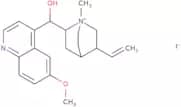

![4'-(Bromomethyl)-[1,1'-biphenyl]-2-carboxamide](/_next/image/?url=https%3A%2Fstatic.cymitquimica.com%2Fproducts%2F3D%2Fthumb-webp%2FIB19246.webp&w=3840&q=75)
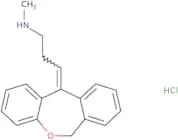
![1,3-Thiazol-5-ylmethyl N-[(1S,2S,4S)-4-(acetylamino)-1-benzyl-2-hydroxy-5-phenylpentyl]carbamate](/_next/image/?url=https%3A%2Fstatic.cymitquimica.com%2Fproducts%2F3D%2Fthumb-webp%2FKQB80843.webp&w=3840&q=75)
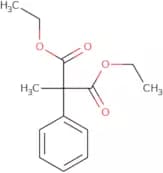
![1-[3-(Dimethylamino)propyl]-1-(4-fluorophenyl)-1,3-dihydro-5-isobenzofurancarboxaldehyde oxime](/_next/image/?url=https%3A%2Fstatic.cymitquimica.com%2Fproducts%2F3D%2Fthumb-webp%2FID182715.webp&w=3840&q=75)
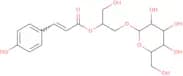
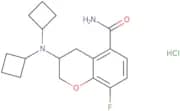
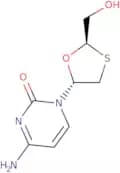
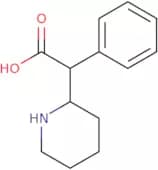
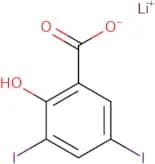
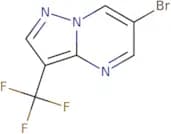
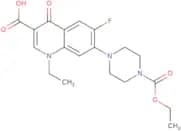
![N-Benzyl-N-[2-(benzylamino)-2-oxoethyl]-2-chloroacetamide](/_next/image/?url=https%3A%2Fstatic.cymitquimica.com%2Fproducts%2F3D%2Fthumb-webp%2FRFC05179.webp&w=3840&q=75)
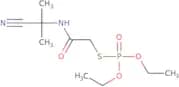
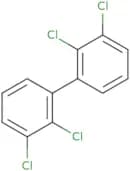
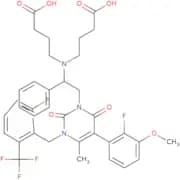
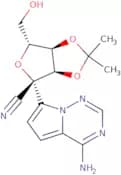
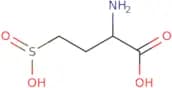
![2-(3-Nitrophenyl)-2,3-dihydro-1H-benzo[D]imidazole](/_next/image/?url=https%3A%2Fstatic.cymitquimica.com%2Fproducts%2F3D%2Fthumb-webp%2FYHA06924.webp&w=3840&q=75)
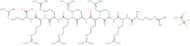
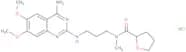

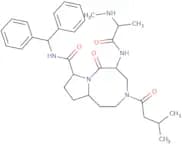
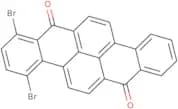
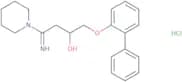
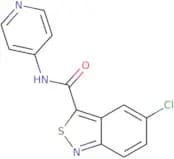
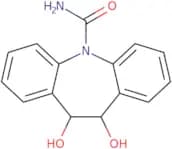
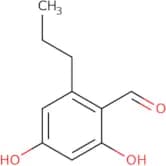
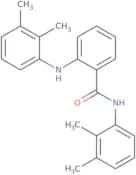
![Diclazuril 6-carboxylic acid [(4-chlorophenyl)cyanomethyl]-2,6-dichlorophenyl-4-amide](/_next/image/?url=https%3A%2Fstatic.cymitquimica.com%2Fproducts%2F3D%2Fthumb-webp%2FWWC92869.webp&w=3840&q=75)
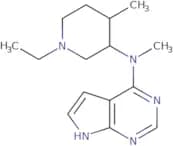
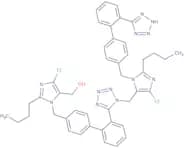
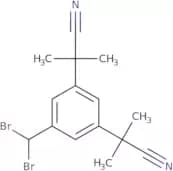
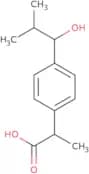
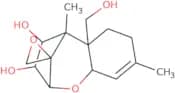


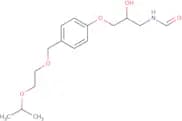
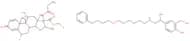
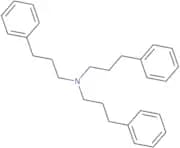
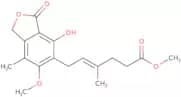
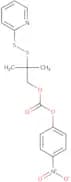
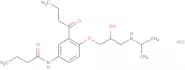
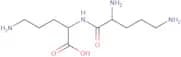
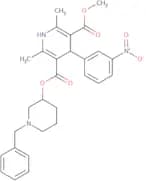

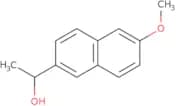
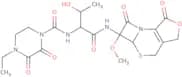
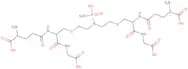
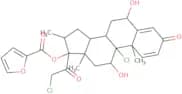


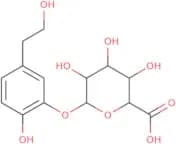
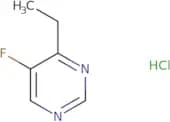
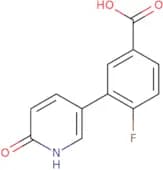
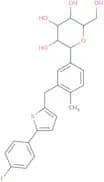

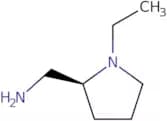
![Benz[A]anthracene-7-methanol](/_next/image/?url=https%3A%2Fstatic.cymitquimica.com%2Fproducts%2F3D%2Fthumb-webp%2FRAA11013.webp&w=3840&q=75)
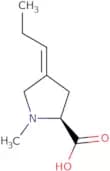
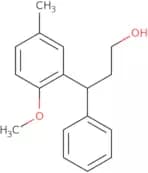
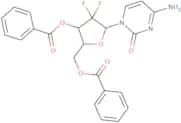

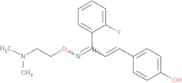
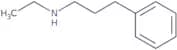
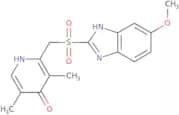
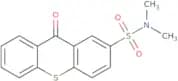
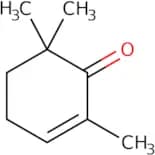
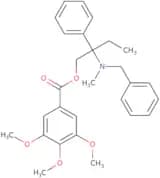
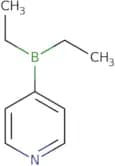
![(RS)-N-[(1-Ethylpyrrolidin-2-yl)methyl]-2-hydroxy-5-sulphamoylbenzamide](/_next/image/?url=https%3A%2Fstatic.cymitquimica.com%2Fproducts%2F3D%2Fthumb-webp%2FIE145489.webp&w=3840&q=75)

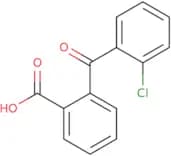
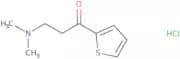
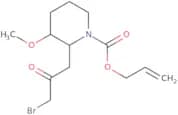
![2-[(Tetrahydropyran-2-yl)oxy]ethyl p-toluenesulfonate](/_next/image/?url=https%3A%2Fstatic.cymitquimica.com%2Fproducts%2F3D%2Fthumb-webp%2FQCA33895.webp&w=3840&q=75)
![2,12-Dihydro-1,3-dimethyl-8-methoxy-12-thioxobenzo [4,5] pyrido [1,2-c] imidazo [1,2-a] imidazol-2…](/_next/image/?url=https%3A%2Fstatic.cymitquimica.com%2Fproducts%2F3D%2Fthumb-webp%2FID57924.webp&w=3840&q=75)
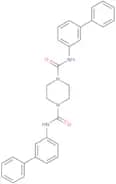
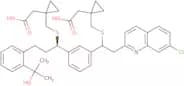


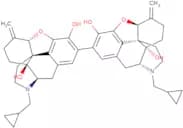
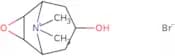
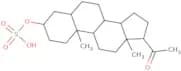
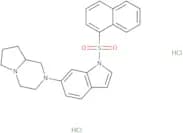
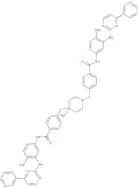
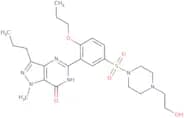
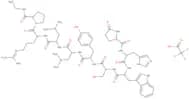
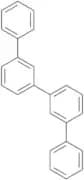
![Des[2-[(2-hydroxyethyl)amino]ethyl] mitoxantrone](/_next/image/?url=https%3A%2Fstatic.cymitquimica.com%2Fproducts%2F3D%2Fthumb-webp%2FID21105.webp&w=3840&q=75)
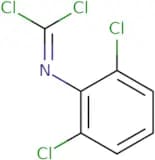
![cis 5-Fluoro-1-[2-(hydroxymethyl)-1,3-oxathiolan-5-yl]-2,4(1H,3H)- pyrimidinedione](/_next/image/?url=https%3A%2Fstatic.cymitquimica.com%2Fproducts%2F3D%2Fthumb-webp%2FFF23363.webp&w=3840&q=75)
![(7-(4-{4-[4-(2,3-Dichlorophenyl)piperazin-1-yl]butoxy}butoxy)-3,4-dihydroquinolin-2(1H)-one)](/_next/image/?url=https%3A%2Fstatic.cymitquimica.com%2Fproducts%2F3D%2Fthumb-webp%2FWWC92863.webp&w=3840&q=75)
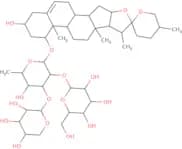
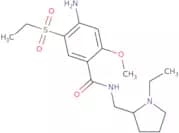
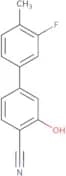

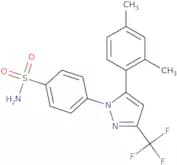
![13-Chloro-2-(piperidin-4-ylidene)-4-azatricyclo[9.4.0.0,3,8]pentadeca-1(15),3,5,7,9,11,13-heptaene](/_next/image/?url=https%3A%2Fstatic.cymitquimica.com%2Fproducts%2F3D%2Fthumb-webp%2FSEA81120.webp&w=3840&q=75)
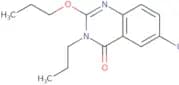
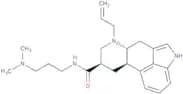
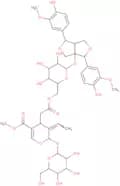
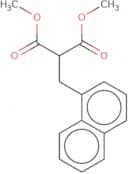
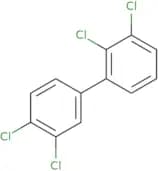

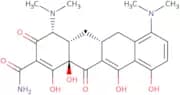
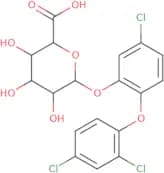

![9-(Sulfooxy)dibenz[b,f][1,4]oxazepin-11(10H)-one](/_next/image/?url=https%3A%2Fstatic.cymitquimica.com%2Fproducts%2F3D%2Fthumb-webp%2FNDA37318.webp&w=3840&q=75)
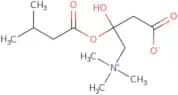
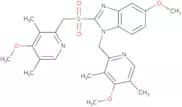
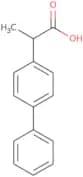
![2,2-Bis[4-(2-diethylaminoethoxy)phenyl]-1,2-diphenylethanone](/_next/image/?url=https%3A%2Fstatic.cymitquimica.com%2Fproducts%2F3D%2Fthumb-webp%2FOB166693.webp&w=3840&q=75)
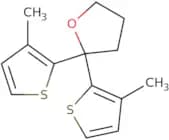
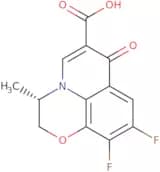
![N-[(2R)-3-{[3-Fluoro-4-(4-morpholinyl)phenyl]amino}-2-hydroxypropyl]acetamide](/_next/image/?url=https%3A%2Fstatic.cymitquimica.com%2Fproducts%2F3D%2Fthumb-webp%2FIF58040.webp&w=3840&q=75)

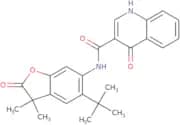
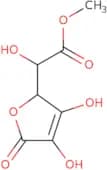

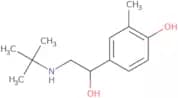
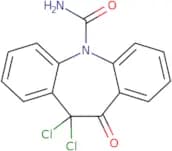
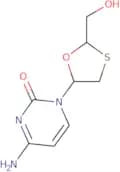
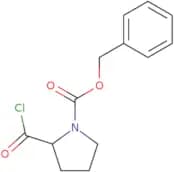
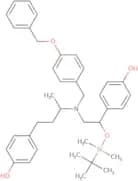
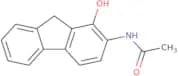
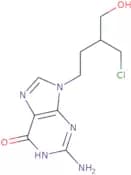
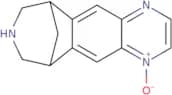

![(7α,17β)-7-[9-[(R)-(4,4,5,5,5-Pentafluoropentyl)sulfinyl]nonyl]estra-1,3,5(10)-triene-3,17-diol](/_next/image/?url=https%3A%2Fstatic.cymitquimica.com%2Fproducts%2F3D%2Fthumb-webp%2FHXC90080.webp&w=3840&q=75)
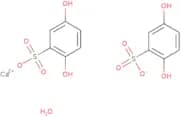
![N-[(2E)-6,6-Dimethyl-2-hepten-4-ynyl]-1-naphthalenemethanamine](/_next/image/?url=https%3A%2Fstatic.cymitquimica.com%2Fproducts%2F3D%2Fthumb-webp%2FID21330.webp&w=3840&q=75)
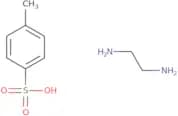
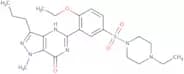
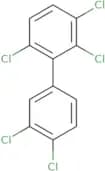
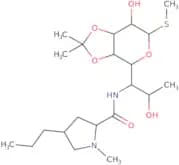
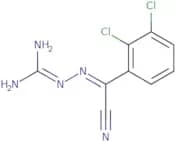
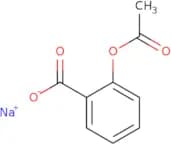
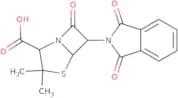
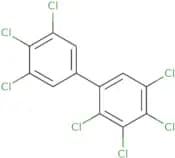

![(E)-4-(((2S,4R)-1-([1,1'-Biphenyl]-4-yl)-5-ethoxy-4-methyl-5-oxopentan-2-yl)amino)-4-oxobut-2-enoi…](/_next/image/?url=https%3A%2Fstatic.cymitquimica.com%2Fproducts%2F3D%2Fthumb-webp%2FIB181151.webp&w=3840&q=75)
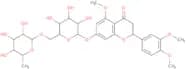
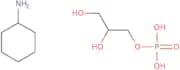
![[6-Hydroxy-2-(4-hydroxyphenyl)-7-[4-(2-piperidin-1-yl-ethoxy)benzoyl]-benzo[b]thien-3-yl]-[4-[2-(1…](/_next/image/?url=https%3A%2Fstatic.cymitquimica.com%2Fproducts%2F3D%2Fthumb-webp%2FIH45164.webp&w=3840&q=75)
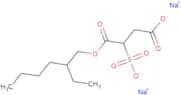

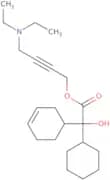
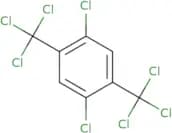
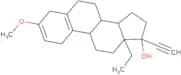
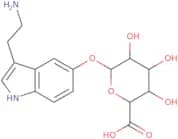
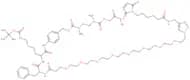
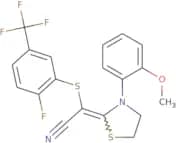
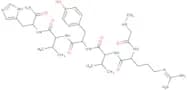
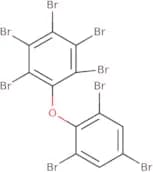
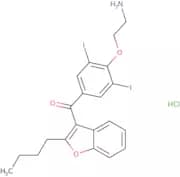
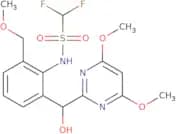
![4-(1-Hydroxy-1-methylethyl)-2-propyl-1-[[2'-[2-(triphenylmethyl)-2H-tetrazol-5-yl][1,1'-biphenyl]-…](/_next/image/?url=https%3A%2Fstatic.cymitquimica.com%2Fproducts%2F3D%2Fthumb-webp%2FIH139102.webp&w=3840&q=75)
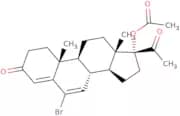
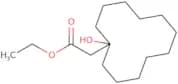
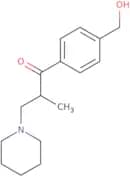
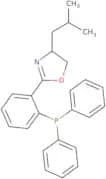
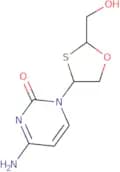
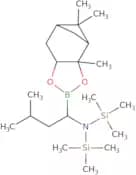
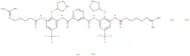
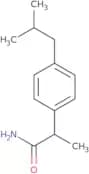
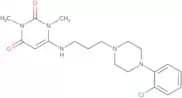

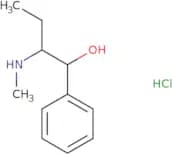
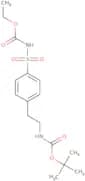
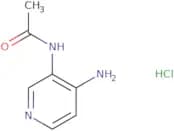
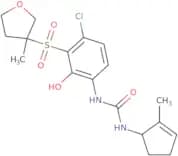
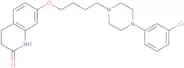


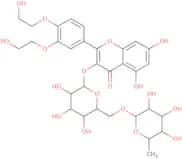
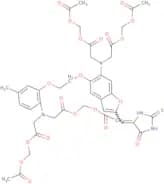
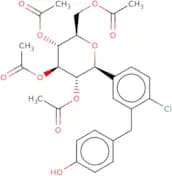
![1-[4-[4-(2,3-Dichlorophenyl)piperazin-1-yl]butyl]-7-hydroxy-1,2,3,4-tetrahydro-carbostyril](/_next/image/?url=https%3A%2Fstatic.cymitquimica.com%2Fproducts%2F3D%2Fthumb-webp%2FRFC05474.webp&w=3840&q=75)