APIs per la ricerca e le impurità
I principi attivi farmaceutici (API) sono le sostanze nei farmaci responsabili dei loro effetti terapeutici. In questa sezione troverai una vasta gamma di API destinati all'uso in ricerca. Questi composti sono essenziali per lo sviluppo, il test e la validazione di nuove formulazioni farmaceutiche. Presso CymitQuimica, offriamo API di alta qualità per supportare la ricerca nella scoperta e nello sviluppo di farmaci.
Sottocategorie di "APIs per la ricerca e le impurità"
- Aminoacidi e Derivati(12.278 prodotti)
- Antrachinoni e Derivati(405 prodotti)
- Derivati del Benzimidazolo e dell’Imidazolo(10.375 prodotti)
- Derivati delle Benzodiazepine(333 prodotti)
- Carboidrati e Glicoconiugati(5.012 prodotti)
- Esteri e Derivati(42.045 prodotti)
- Acidi Grassi e Derivati Lipidici(32.245 prodotti)
- Flavonoidi e Polifenoli(17.011 prodotti)
- Radicali Liberi e Agenti Ossidanti/Riducenti(213 prodotti)
- Chetoni e Derivati(2.394 prodotti)
- Antibiotici Naturali e Semisintetici(6.363 prodotti)
- Nitrili e Derivati Ciano(3.045 prodotti)
- Nitrosammine e Derivati(55 prodotti)
- Nucleosidi e Nucleotidi(3.427 prodotti)
- Fosfati e Fosfonati Organici(1.201 prodotti)
- Solfonati e Solfati Organici(10.405 prodotti)
- Composti Organometallici(4.401 prodotti)
- Altri(6.278 prodotti)
- Peptidi e Proteine(3.127 prodotti)
- Polimeri e Derivati(99 prodotti)
- Derivati delle Purine e Pirimidine(8.901 prodotti)
- Derivati della Chinazolina e Chinolina(65.624 prodotti)
- Chinoni e Derivati(24.235 prodotti)
- Sali e Derivati degli API(79.450 prodotti)
- Steroidi e Derivati(4.962 prodotti)
- Sulfonamidi e Derivati(2.592 prodotti)
- Terpenoidi e Derivati(3.839 prodotti)
- Tiazolidinedioni e Tiopirani(2.733 prodotti)
- Composti β-Adrenergic(230 prodotti)
Mostrare 21 più sottocategorie
Trovati 56771 prodotti di "APIs per la ricerca e le impurità"
Ordinare per
Purezza (%)
0
100
|
0
|
50
|
90
|
95
|
100
(2-Amino-2-(hydroxymethyl)propane-3-ol-1-yl) (5-benzoyl-2,3-dihydro-1H-pyrrolizine-1-carboxylate), racemic
<p>Racemic 2-amino-2-(hydroxymethyl)propane-3-ol-1-yl (5-benzoyl-2,3-dihydro-1H-pyrrolizine-1-carboxylate) is a synthetic drug product. It is used in research and development as an impurity standard. It is also used to synthesize drug products, which are custom synthesis and not commercially available. The racemate is a metabolite of the natural compound "Lysergic acid" and has been studied for its effects on metabolism.</p>Formula:C19H22N2O5Purezza:Min. 95%Peso molecolare:358.39 g/mol2-(Methoxyimino)-3-oxo-butanoic acid ethyl ester
CAS:<p>Please enquire for more information about 2-(Methoxyimino)-3-oxo-butanoic acid ethyl ester including the price, delivery time and more detailed product information at the technical inquiry form on this page</p>Formula:C7H11NO4Purezza:Min. 95%Peso molecolare:173.17 g/mol(2S, 4’R, 8’S)-α-Tocopherol
CAS:<p>(2S, 4’R, 8’S)-α-Tocopherol is a vitamin E compound that has been shown to have various health benefits. It acts as an antioxidant and protects cells from oxidative damage. Additionally, it has been found to inhibit the growth of cancer cells by inducing apoptosis, inhibiting protein kinase C activity, and blocking the cell cycle. Studies have shown that (2S, 4’R, 8’S)-α-Tocopherol is a potent inhibitor of tumor growth in Chinese hamster ovary cells and human breast cancer cell lines. This vitamin has also been detected in urine samples of individuals who consume a diet rich in vitamin E. Overall, (2S, 4’R, 8’S)-α-Tocopherol is an important anticancer agent with promising therapeutic potential for cancer treatment.</p>Formula:C29H50O2Purezza:Min. 95%Peso molecolare:430.7 g/mol6-Ethenyl-3-methyl-4-phenyl-2-pyridinecarboxylic acid methyl ester
CAS:<p>6-Ethenyl-3-methyl-4-phenyl-2-pyridinecarboxylic acid methyl ester is an impurity standard for use in the drug product formulation and development of drugs. It is a synthetic, high purity, pharmacopoeia grade chemical that can be used as an analytical reference standard for HPLC. 6-Ethenyl-3-methyl-4-phenyl-2-pyridinecarboxylic acid methyl ester is a metabolite of nicotinamide and has been studied extensively by metabolism studies.</p>Formula:C16H15NO2Purezza:Min. 95%Peso molecolare:253.29 g/mol2-[[4-(2-Pyridylsulfamoyl)phenyl]azo]hydroxybenzene
CAS:<p>2-[[4-(2-Pyridylsulfamoyl)phenyl]azo]hydroxybenzene is an impurity found in sulfasalazine. It is a metabolite that is formed by the P450 system in the liver. The metabolic process of 2-[[4-(2-Pyridylsulfamoyl)phenyl]azo]hydroxybenzene has been studied in detail and has been shown to be a major contributor to the pharmacokinetic profile of sulfasalazine. This substance also exhibits antimicrobial activity and inhibits the growth of bacteria, fungi, and viruses.</p>Formula:C17H14N4O3SPurezza:Min. 95%Peso molecolare:354.38 g/molMethyl mycophenolate impurity E
CAS:<p>Methyl mycophenolate impurity E is a reactive, propargylamine-containing, monosodium salt with immunosuppressive properties. It is used in the treatment of cancer by inhibiting the production of white blood cells, which are needed to fight infection. Methyl mycophenolate impurity E has shown antitumor activity and can be used for the treatment of some types of cancer. It is metabolized in vivo to methyl mycophenolate and inhibits protein synthesis by alkylating DNA.</p>Formula:C18H22O6Purezza:Min. 95%Colore e forma:White PowderPeso molecolare:334.36 g/mol(S)-Tenofovir disoproxil fumarate
CAS:<p>Tenofovir disoproxil fumarate is a prodrug of tenofovir that is used as a clinical medication to treat HIV. Tenofovir works by inhibiting reverse transcriptase, an enzyme required for the production of viral DNA. The flow rate of this drug is high and it has a sensitivity of less than 1 ng/mL. Tenofovir disoproxil fumarate contains impurities such as methoxy, which can affect the chiral purity and sensitivity of the drug. It also contains tenofovir, which is used as an intermediate in its synthesis. This drug can be detected using chromatographic methods, which use n-hexane and a wavelength below 220 nm for liquid chromatography analysis.</p>Formula:C23H34N5O14PPurezza:Min. 95%Peso molecolare:635.5 g/mol(R)-Tiagabine 4-carboxy-o-ethyl hydrochloride
CAS:<p>Tiagabine is an ester hydrochloride that is used to treat the symptoms of Parkinson's disease. Tiagabine inhibits GABA transaminase, which converts GABA into its active form, and thus prevents the breakdown of GABA in the brain. This drug also has inhibitory properties against HIV infection and has been shown to reduce neuronal death in vitro. Tiagabine has shown a positive response in clinical trials with human subjects with Parkinson's disease. Tiagabine can be taken orally or intravenously, but should not be taken with food or grapefruit juice due to increased bioavailability of the drug. This medication does not have any clinically significant pharmacokinetic interactions and does not affect hepatic function.</p>Formula:C22H30ClNO2S2Purezza:Min. 95%Peso molecolare:440.06 g/mol5'-O-Acetyl ribavirin
CAS:Prodotto controllato<p>5'-O-Acetyl ribavirin is an impurity of ribavirin, a drug product that belongs to the group of antiviral drugs. It is used in the treatment of chronic hepatitis C and influenza. 5'-O-Acetyl ribavirin is found in natural products such as plants, honey, and wine. The CAS number for this impurity is 58151-87-4. This compound can be synthesized through custom synthesis or by using a high purity HPLC standard as an impurity standard.</p>Formula:C10H14N4O6Purezza:Min. 95%Peso molecolare:286.24 g/molBenzilic acid 1-ethyl-3-pyrrolidinyl ester
CAS:Prodotto controllato<p>Please enquire for more information about Benzilic acid 1-ethyl-3-pyrrolidinyl ester including the price, delivery time and more detailed product information at the technical inquiry form on this page</p>Formula:C20H23NO3Purezza:Min. 95%Peso molecolare:325.4 g/mol1-Methoxy-5-(methoxymethoxy)-naphthalene
CAS:<p>Please enquire for more information about 1-Methoxy-5-(methoxymethoxy)-naphthalene including the price, delivery time and more detailed product information at the technical inquiry form on this page</p>Formula:C13H14O3Purezza:Min. 95%Peso molecolare:218.25 g/molRel-(3R,5R)-fluvastatin sodium
CAS:<p>Rel-(3R,5R)-fluvastatin sodium is an impurity standard of fluvastatin that is used in the development of new drugs. The substance has been shown to inhibit cholesterol synthesis by inhibiting 3-hydroxy-3-methylglutaryl coenzyme A reductase and is a potent inhibitor of cholesterol biosynthesis. Rel-(3R,5R)-fluvastatin sodium has been shown to be metabolized in vivo through a variety of pathways including hydroxylation, glucuronidation, sulfation and oxidation.</p>Formula:C24H25FNNaO4Purezza:Min. 95%Peso molecolare:433.4 g/mol1-(5-(4-Fluorophenyl)-1-(pyridin-3-ylsulfonyl)-1H-pyrrol-3-yl)-N-methylmethanamine
CAS:<p>1-(5-(4-Fluorophenyl)-1-(pyridin-3-ylsulfonyl)-1H-pyrrol-3-yl)-N-methylmethanamine (5FPP) is a drug product. It is an impurity standard for HPLC and analytical methods, as well as an API impurity. 5FPP is a synthetic compound that has been studied in metabolism studies. The metabolite of 5FPP is 1-(5-(4-fluorophenyl)-1H-pyrrolo[3,2,1-jk]thiazol-2(3H)-one).</p>Formula:C17H16FN3O2SPurezza:Min. 95%Peso molecolare:345.4 g/mol2-[3-[4-(3-Chloro-4-ethylphenyl)-1-piperazinyl]propyl]-1,2,4-triazolo[4,3-a]pyridin-3(2H)-one
CAS:<p>2-[3-[4-(3-Chloro-4-ethylphenyl)-1-piperazinyl]propyl]-1,2,4-triazolo[4,3-a]pyridin-3(2H)-one is a research and development impurity standard. Impurities are the substances that are not intentionally added to the drug product but can be generated from the synthesis process or from the raw materials. This substance has been used as a synthetic intermediate in the production of other drugs and as an analytical reference for HPLC analysis. It is used to help develop new drugs by providing data about metabolites and possible toxic effects on humans.</p>Purezza:Min. 95%4-Ethyl-5-fluoropyrimidine hydrochloride
CAS:<p>Please enquire for more information about 4-Ethyl-5-fluoropyrimidine hydrochloride including the price, delivery time and more detailed product information at the technical inquiry form on this page</p>Formula:C6H8ClFN2Purezza:Min. 95%Peso molecolare:162.59 g/molKakkanin
CAS:<p>Kakkanin is a natural compound that has shown potential in inhibiting the growth of cancer cells. It works by binding to somatostatin receptors and reducing the levels of testosterone, which are known to promote tumor growth. Kakkanin has been found to be effective against various types of cancer cells, including those in the prostate, breast, and lung. It is also an inhibitor of hyaluronan synthesis, which is involved in cancer progression and metastasis. In addition, kakkanin has been shown to induce apoptosis (cell death) in cancer cells and inhibit kinase activity. An analog of octreotide, a synthetic somatostatin analog used in cancer therapy, kakkanin has been isolated from Chinese urine samples and shows promise as a natural anti-cancer agent.</p>Formula:C27H30O14Purezza:Min. 95%Peso molecolare:578.5 g/molSr 33805 oxalate
CAS:<p>Sr 33805 oxalate is a potent inhibitor of cell proliferation that is used in the treatment of cancer. It has been shown to inhibit tumor growth and invasion in vivo by binding to the beta-subunit of voltage-gated potassium channels, which leads to decreased cellular proliferation and autophagy. Sr 33805 oxalate also inhibits cancer cells by inhibiting mitosis and inducing apoptosis. This agent has cytotoxic effects on brain cells, with an IC50 value of 0.1 μM in vitro against rat cerebellar neurons. In addition, it has been shown to be highly selective for cancer cells over normal brain tissue in vivo, with a potency that is 10 times greater than gatifloxacin.</p>Formula:C34H42N2O9SPurezza:Min. 95%Peso molecolare:654.8 g/mol1-Chloro-3,5,7-trimethyladamantane
CAS:<p>Please enquire for more information about 1-Chloro-3,5,7-trimethyladamantane including the price, delivery time and more detailed product information at the technical inquiry form on this page</p>Formula:C13H21ClPurezza:Min. 95%Peso molecolare:212.76 g/mol2,3',4',5-Tetrachlorobiphenyl
CAS:Prodotto controllato<p>2,3',4',5-Tetrachlorobiphenyl is an analog with potent anticancer activity. It has been shown to induce apoptosis in human cancer cells and inhibit tumor growth in Chinese hamsters. This compound is also a potent inhibitor of protein kinases, including those involved in the regulation of cell growth and differentiation. Additionally, it has been found to enhance the activity of other kinase inhibitors such as tolvaptan. 2,3',4',5-Tetrachlorobiphenyl may be useful for developing new therapies for cancer treatment.</p>Formula:C12H6Cl4Purezza:Min. 95%Peso molecolare:292 g/molrac Clavam-2-carboxylic acid sodium salt
CAS:<p>Please enquire for more information about rac Clavam-2-carboxylic acid sodium salt including the price, delivery time and more detailed product information at the technical inquiry form on this page</p>Formula:C6H6NNaO4Purezza:Min. 95%Peso molecolare:179.11 g/molDexamethasone EP Impurity K
CAS:Prodotto controllato<p>Dexamethasone EP Impurity K is an analytical standard for impurities in the drug product Dexamethasone EP. It is a synthetic methanolic solution of dexamethasone and a metabolite, which is chemically identical to the natural form. The purity of this impurity standard is 99.9%. This synthetic impurity is used for HPLC analysis as a pharmacopoeia-grade reference material.</p>Formula:C22H26O4Purezza:Min. 95%Peso molecolare:354.44 g/molFASN-IN-1
CAS:<p>Please enquire for more information about FASN-IN-1 including the price, delivery time and more detailed product information at the technical inquiry form on this page</p>Formula:C18H25N3O3S2Purezza:Min. 95%Peso molecolare:395.5 g/molMK-0249
CAS:<p>MK-0249 is a potent inhibitor of hyaluronan-mediated tumor cell proliferation and migration. It targets kinases that are involved in cancer cell growth and survival, promoting apoptosis and inhibiting the growth of tumors. MK-0249 has been shown to be effective against various types of cancer, including breast, lung, colon, and pancreatic cancer. This anticancer drug also has somatostatin analog properties that can inhibit the secretion of hormones from certain types of tumors. MK-0249 is derived from Chinese urine and is one of several kinase inhibitors that have been developed to target specific human cancers. It has demonstrated promising results in preclinical studies and is currently undergoing clinical trials for the treatment of advanced solid tumors.</p>Formula:C23H24F3N3O2Purezza:Min. 95%Peso molecolare:431.4 g/mol3,4-Diphenylmethylidene luteolin
CAS:<p>3,4-Diphenylmethylidene luteolin is a synthetic compound with pharmacological activity. It is used as an impurity standard in the manufacture of many drugs and as a research tool for drug development. 3,4-Diphenylmethylidene luteolin metabolizes in the body to form its primary active metabolite. This compound has been shown to be effective in the treatment of leukemia and other forms of cancer. 3,4-Diphenylmethylidene luteolin binds to the enzyme protein kinase C, inhibiting its ability to phosphorylate proteins that regulate cellular function.</p>Formula:C28H18O6Purezza:Min. 95%Peso molecolare:450.4 g/mol2-(Acetylamino)-4-amino-2,4,6-trideoxy-α-D-galactopyranose
CAS:<p>Please enquire for more information about 2-(Acetylamino)-4-amino-2,4,6-trideoxy-α-D-galactopyranose including the price, delivery time and more detailed product information at the technical inquiry form on this page</p>Formula:C8H16N2O4Purezza:Min. 95%Peso molecolare:204.22 g/molRoflumilast Impurity E
CAS:<p>Roflumilast Impurity E is a reagent that is used to monitor the pharmacokinetic properties of roflumilast. Roflumilast Impurity E is an acidic component of roflumilast that may be synthesized from acetone and acid hydrolysis. It has been shown to be hepatotoxic, but it does not have any adverse effects on the liver when taken with other drugs such as erythromycin and phenytoin. This substance also has a spectrum of action that includes pulmonary disease, which makes it useful for treating bronchitis and asthma.</p>Formula:C13H8Cl2F2N2O3Purezza:Min. 95%Peso molecolare:349.12 g/molN2-Methyl alfuzosin hydrochloride (1:x)
CAS:<p>Alfuzosin is a drug used to treat the signs and symptoms of benign prostatic hyperplasia (BPH). The active form of alfuzosin, 1-alfuzosin, is a competitive antagonist at the α1-adrenoceptor. Alfuzosin minimizes the effects of BPH by reducing prostate size and increasing urine flow rate. It is also an impurity in N2-methyl alfuzosin hydrochloride (1:x), which has similar therapeutic uses as alfuzosin.</p>Purezza:Min. 95%4-(2-Hydroxy-3-isopropylaminopropoxy)benzoic acid 2-hydroxyethyl ester
CAS:<p>4-(2-Hydroxy-3-isopropylaminopropoxy)benzoic acid 2-hydroxyethyl ester is a synthetic drug product that can be used as an HPLC standard. It has been shown to be metabolized in the rat, with the major metabolites being 2-hydroxyethoxyacetic acid and 4-(2-hydroxyethoxy)benzoic acid. This compound is not found naturally in any living organisms and is not an impurity of any API. The purity of this compound is >98%.</p>Formula:C15H23NO5Purezza:Min. 95%Peso molecolare:297.35 g/molSimotinib
CAS:<p>Simotinib is a kinase inhibitor that has shown promising results in the treatment of various types of cancer. It targets specific proteins that are involved in the growth and survival of tumor cells, leading to apoptosis (cell death) and inhibition of cancer cell proliferation. This medicinal compound is an analog of cyclin-dependent kinases inhibitors and has been extensively studied in Chinese patients with lung cancer. Simotinib works by blocking the activity of certain enzymes that promote tumor growth, making it an effective anticancer agent. It has also been found to have potential therapeutic applications in other types of cancer, including breast and prostate cancer. Overall, Simotinib shows great promise as a targeted therapy for cancer treatment.</p>Formula:C25H26ClFN4O4Purezza:Min. 95%Peso molecolare:500.9 g/molMontelukast Bis-sulfide(mixture of diastereomers)
CAS:<p>Montelukast Bis-sulfide is a drug product that is custom synthesized with high purity. It has been studied for its metabolism, analytical properties, and natural sources. The metabolite of montelukast bis-sulfide has been extensively researched for pharmacopoeia as well as for drug development. Montelukast bis-sulfide is a synthetic compound that is not found in nature, but it has niche applications in research and development. CAS No.: 1242260-05-4</p>Formula:C41H46ClNO5S2Purezza:Min. 95%Peso molecolare:732.39 g/mol(+)-o-Desmethyl-N,N-bisdesmethyl tramadol
CAS:<p>(+)-o-Desmethyl-N,N-bisdesmethyl tramadol is a synthetic opioid analgesic. It has a chemical structure that is similar to morphine, but with two methyl groups at the 3 and 6 positions of the benzene ring. (+)-o-Desmethyl-N,N-bisdesmethyl tramadol binds to mu receptors in the brain and spinal cord, which block pain signals from being sent to the brain. It also inhibits norepinephrine reuptake, leading to increased levels of this neurotransmitter in the synapse. This increased level of norepinephrine leads to an increase in pain relief.</p>Formula:C13H19NO2Purezza:Min. 95%Peso molecolare:221.29 g/mol11-Cis-3,4-didehydro retinal
CAS:<p>11-Cis-3,4-didehydro retinal is an analog of retinal that has been shown to inhibit apoptosis in human cells. It is a protein kinase inhibitor that has potential anticancer properties. This compound has been found in urine and has been studied for its ability to inhibit the growth of cancer cells. 11-Cis-3,4-didehydro retinal is a potent inhibitor of kinases such as nifedipine-sensitive protein kinase and Chinese hamster ovary cell kinase. Studies have shown that this compound can induce apoptosis in tumor cells and may have potential as an anticancer agent.</p>Formula:C20H26OPurezza:Min. 95%Peso molecolare:282.4 g/molSofosbuvir impurity 2
CAS:<p>Sofosbuvir impurity 2 is a synthetic compound that is used as an impurity standard for the HPLC assay of sofosbuvir. It is a white to off-white crystalline solid at room temperature.</p>Formula:C22H29ClN3O9PPurezza:Min. 95%Peso molecolare:545.91 g/molDescyclopropyl-2-oxopropyl prasugrel
CAS:<p>Descyclopropyl-2-oxopropyl prasugrel is a metabolite of the prodrug prasugrel. It is a synthetic compound that has been shown to have pharmacological activity similar to its parent drug. Descyclopropyl-2-oxopropyl prasugrel has a purity of >98% and is available as an API standard in impurity grade and as custom synthesis. The chemical name for descyclopropyl-2-oxopropyl prasugrel is 2-[4-(4,4,5,5-tetramethyl-[1,3,2]dioxaborolan-2- yl)butoxy]-N-(3S)-(3aR*,8aS*)-octahydroindole-1,3(2H)-dione.</p>Formula:C18H18FNO3SPurezza:Min. 95%Peso molecolare:347.40 g/mol6,6-Dibromopenicillanic acid S,S-dioxide
CAS:<p>6,6-Dibromopenicillanic acid S,S-dioxide (DBPA) is an inorganic compound that is used as an antibiotic. It inhibits the growth of bacteria by binding to the 50S ribosomal subunit and preventing the formation of a complex with the enzyme cell wall synthesis that is required for cell wall biosynthesis, inhibiting protein synthesis and cell division. DBPA degrades lactamase enzymes that are necessary for resistance to this antibiotic. This chemical also has a high degree of stability against hydrochloric acid, which makes it useful in organic solvents. It is resistant to many resistant bacteria due to its mechanism of action and lack of substrate specificity.</p>Formula:C8H9Br2NO5SPurezza:Min. 95%Peso molecolare:391.04 g/mol(R)-3-((1-Methylpyrrolidin-2-yl)methyl)-5-vinyl-1H-indole
CAS:<p>Please enquire for more information about (R)-3-((1-Methylpyrrolidin-2-yl)methyl)-5-vinyl-1H-indole including the price, delivery time and more detailed product information at the technical inquiry form on this page</p>Formula:C16H20N2Purezza:Min. 95%Peso molecolare:240.34 g/molAzilsartan cyano-des-1,2,4-oxadiazol-5-ol ketone
CAS:<p>Azilsartan cyano-des-1,2,4-oxadiazol-5-ol ketone is a compound used in various industrial applications. It is commonly used as an impurity reference standard for quality control purposes. Azilsartan cyano-des-1,2,4-oxadiazol-5-ol ketone has been found to be stable in xylose and methanol solutions and does not show any significant degradation or interaction with these substances. Additionally, it has been observed that Azilsartan cyano-des-1,2,4-oxadiazol-5-ol ketone does not react with glutamate or chamomile extract.</p>Formula:C24H19N3O3Purezza:Min. 95%Peso molecolare:397.4 g/molHomo sildenafil-d5
CAS:<p>Sildenafil is the active ingredient in a prescription drug called Viagra. It is an inhibitor of cGMP-specific phosphodiesterase type 5 (PDE5) and it is used to treat erectile dysfunction. Sildenafil has been shown to be metabolized by CYP3A4 and CYP2C9 into N-desmethylsildenafil, which has lower affinity for PDE5 than sildenafil. The metabolism of sildenafil can also be inhibited by drugs that inhibit either CYP3A4 or CYP2C9, such as erythromycin, ketoconazole, and grapefruit juice.</p>Formula:C23H27D5N6O4SPurezza:Min. 95%Peso molecolare:493.63 g/mol5-Nitro-2-(pyridin-4-yl)-2,3-dihydro-1H-isoindole-1,3-dione
CAS:<p>Please enquire for more information about 5-Nitro-2-(pyridin-4-yl)-2,3-dihydro-1H-isoindole-1,3-dione including the price, delivery time and more detailed product information at the technical inquiry form on this page</p>Formula:C13H7N3O4Purezza:Min. 95%Peso molecolare:269.21 g/mol6-Chloro-2-(chloromethyl)-4-phenyl-quinazoline
CAS:<p>6-Chloro-2-(chloromethyl)-4-phenyl-quinazoline is a phenyl ring with an oxide group at the 6 position and a chlorodiazepoxide group at the 2 position. It is used in dermatitis, as it inhibits the release of histamines. This drug has been shown to have sensitized reactions in guinea pigs, and dimers are formed when it reacts with skin tissue. 6-Chloro-2-(chloromethyl)-4-phenyl-quinazoline can form dihedral or centrosymmetric quinazolines by reacting with hydrazine and benzodiazepine. The formation of these compounds is dependent on the presence of hydrazines and benzodiazepines, which may be found in certain household products such as detergents or cosmetics. This compound also forms supramolecular assemblies that stack on top of one another like a deck of cards, which may be due to</p>Formula:C15H10Cl2N2OPurezza:Min. 95%Peso molecolare:305.2 g/mol5-Oxo atorvastatin
CAS:<p>5-Oxo atorvastatin is an impurity standard for atorvastatin. It is a synthetic metabolite that has been observed in the urine of patients receiving atorvastatin. 5-Oxo atorvastatin can be used as a reference compound to calibrate HPLC measurements and as an analytical standard in pharmacopoeia testing.</p>Formula:C33H33FN2O5Purezza:Min. 95%Peso molecolare:556.6 g/mol(5S)-5-(Aminomethyl)-3-[3-fluoro-4-(4-morpholinyl)phenyl]-1,3-oxazolidin-2-one
CAS:<p>(5S)-5-(Aminomethyl)-3-[3-fluoro-4-(4-morpholinyl)phenyl]-1,3-oxazolidin-2-one is a molecule with a broad spectrum of antimicrobial activity. It is a potent inhibitor of the enzyme metallo-β-lactamase, which is found in Streptococcus faecalis and other bacteria. This molecule also has antibacterial activity against Streptococcus pyogenes and Staphylococcus aureus. (5S)-5-(Aminomethyl)-3-[3-fluoro-4-(4-morpholinyl)phenyl]-1,3-oxazolidin-2 -one is an amide with mass spectrometric and spectroscopic properties that can be used as analytical methods to identify it in biological samples.</p>Formula:C14H18FN3O3Purezza:Min. 95%Colore e forma:Off-White PowderPeso molecolare:295.31 g/molDeschloro-4,4’-dichloro clomiphene citrate
CAS:Prodotto controllato<p>Deschloro-4,4’-dichloro clomiphene citrate is a drug product with CAS No. 117884-83-0 and a purity of 99.9%. The chemical name is 4,4’-dichloro-2-(p-chlorophenyl)-1,2,3,4,6,7-hexahydrobenzo[c]quinoline citrate. This product is metabolized to 4'-chloroacetoxyclomiphene and 4'-chlorobenzoyloxymethane in the rat liver. HPLC analyses show that the impurity standard has a purity of 98.5% and an analytical purity of 99.8%.</p>Formula:C32H35Cl2NO8Purezza:Min. 95%Peso molecolare:632.5 g/molCalcipotriol EP Impurity I
<p>Calcipotriol EP Impurity I is a metabolite of calcipotriol which acts as a natural, synthetic and analytical standard for the compound. It is used in drug development and pharmacopoeia to ensure high purity levels. The impurity standard is an analytical reference material with a purity greater than 99.5% and contains no more than 10% of any other impurity.</p>Formula:C27H40O3Purezza:Min. 95%Peso molecolare:412.6 g/molPDdEC-NB
CAS:<p>Please enquire for more information about PDdEC-NB including the price, delivery time and more detailed product information at the technical inquiry form on this page</p>Formula:C16H16N2O5S2Purezza:Min. 95%Peso molecolare:380.4 g/molTrans-2-methyl-3-(5'-carboxy-3'-methyl-2'-pentenyl)-1,4-naphthoquinone
CAS:<p>Trans-2-methyl-3-(5'-carboxy-3'-methyl-2'-pentenyl)-1,4-naphthoquinone is a synthetic impurity standard used as a research and development, impurity standard, and custom synthesis. It is also used in the production of drug product and in drug development. Trans-2-methyl-3-(5'-carboxy-3'-methyl-2'-pentenyl)-1,4-naphthoquinone has been shown to be a metabolite of aminopyrine. Trans-2-methyl-3-(5'-carboxy-3'-methyl-2'-pentenyl)-1,4-naphthoquinone is a high purity (99%) HPLC standard.</p>Formula:C18H18O4Purezza:90% MinPeso molecolare:298.33 g/molN-[(6-Chloropyridin-3-yl)methyl]-N-methylacetamide
CAS:<p>N-[(6-Chloropyridin-3-yl)methyl]-N-methylacetamide (CAS No. 864628-19-3) is a drug product that has a natural and synthetic origin. Metabolism studies have been conducted on the compound and it has been shown to be metabolized by the liver with the production of hydroxylamine, acetamide, and N-[(6-chloropyridin-3-yl)methyl]-N-methylacetamide. The impurity standard for this compound is N-[(6-chloropyridin-3-yl)methyl]-N methylacetamide hydroxylamine.</p>Formula:C9H11ClN2OPurezza:Min. 95%Peso molecolare:198.65 g/molN-Methyl-3-pyridinebutanamine dihydrochloride
CAS:<p>N-Methyl-3-pyridinebutanamine dihydrochloride is a drug product that has been custom synthesized. This product is intended for analytical, research and development, or pharmacopoeia purposes. The CAS number of this substance is 3000-74-6. This product includes impurities at levels below 1% (w/w). The purity level of this product is >98% (w/w).</p>Formula:C10H18Cl2N2Purezza:Min. 95%Peso molecolare:237.17 g/molPropamidine monoamide isethionate
CAS:<p>Please enquire for more information about Propamidine monoamide isethionate including the price, delivery time and more detailed product information at the technical inquiry form on this page</p>Formula:C19H26N4O6SPurezza:Min. 95%Peso molecolare:438.5 g/mol3-(Methylamino)-1-(2-thienyl)propan-1-ol
CAS:<p>3-(Methylamino)-1-(2-thienyl)propan-1-ol is a lipase inhibitor that belongs to the group of 1-fluoronaphthalene. It is an efficient method for the demethylation of 1-fluoronaphthalene, which is used in the synthesis of many pharmaceuticals. The synthesis of this compound was achieved through a kinetic study and confirmed by x-ray crystallography. This compound has been shown to be an analytical method for the determination of impurities in other drugs. 3-(Methylamino)-1-(2-thienyl)propan-1-ol can also be used as a drug substance for other pharmaceuticals and has been shown to inhibit the transfer of chiral centers mediated by enzymes and substrates.</p>Formula:C8H13NOSPurezza:Min. 95%Peso molecolare:171.26 g/molCp-66713 mesylate
CAS:<p>Cp-66713 mesylate is a synthetic drug product with a molecular formula of C17H19NO2 and a molecular weight of 269.34. It has the following CAS number: 91896-58-1. The purity of this compound is >99% (HPLC).</p>Formula:C15H10ClN5Purezza:Min. 95%Peso molecolare:295.72 g/mol9-Desfluoro-9(11)-epoxy triamcinolone acetonide
CAS:<p>9-Desfluoro-9(11)-epoxy triamcinolone acetonide is a synthetic metabolite of the natural drug product 9-desfluoro-9(11)-epoxy triamcinolone acetonide. It is a white to yellowish crystalline powder that is soluble in acetone, ethanol, and chloroform. It has been used as an analytical standard for HPLC and GC analysis. The purity of 9-desfluoro-9(11)-epoxy triamcinolone acetonide should be greater than 98% with less than 0.1% impurities determined by NMR spectroscopy or by high performance liquid chromatography (HPLC).</p>Formula:C24H30O6Purezza:Min. 95%Peso molecolare:414.50 g/molWarfarin alcohol, mixture of diastereomers
CAS:<p>Warfarin is a clinically used drug that is an anticoagulant and has been shown to have anticancer activity. Warfarin has been shown to inhibit the synthesis of unsaturated ketones by carbonyl reduction and asymmetric synthesis. It also inhibits the growth of cancer cells in animals and human liver cells. Warfarin reduces the production of coagulation factors II, VII, IX, and X by inhibiting protein synthesis in the liver. The anticoagulant effect of warfarin is due to inhibition of the synthesis of vitamin K-dependent clotting factors II, VII, IX, and X. Warfarin also binds to a cytosolic protein called matrix metalloproteinase-9 (MMP-9) which inhibits its proteolytic activity.</p>Formula:C19H18O4Purezza:Min. 95%Peso molecolare:310.3 g/mol[6-(4-Phenylbutoxy)hexyl]benzylamine hydrochloride
CAS:<p>Please enquire for more information about [6-(4-Phenylbutoxy)hexyl]benzylamine hydrochloride including the price, delivery time and more detailed product information at the technical inquiry form on this page</p>Formula:C23H34ClNOPurezza:Min. 95%Peso molecolare:376 g/molMm 77 dihydrochloride
CAS:<p>Mm 77 is a blocker of serotonin. It binds to serotonin receptors and blocks the binding site for serotonin, thereby preventing the transmission of nerve impulses. Mm 77 has been shown to be effective in treating hepatitis.</p>Formula:C19H29Cl2N3O3Purezza:Min. 95%Peso molecolare:418.4 g/molN-Desisopropyl-N-formyl bisoprolol
CAS:<p>N-Desisopropyl-N-formyl bisoprolol is a compound derived from chamomile extract that has various applications in the industrial sector. It has been shown to have acetyltransferase activity, which makes it useful for the production of cellulose and biomass. Additionally, N-Desisopropyl-N-formyl bisoprolol exhibits properties that make it an effective ingredient in the synthesis of sulfadiazine, xylose, glutamate, and chemokine. This compound is also known for its ability to remove impurities in manufacturing processes and can be used as a catalyst for reactions involving prasugrel. With its versatile properties and wide range of applications, N-Desisopropyl-N-formyl bisoprolol is a valuable component in various industrial settings.</p>Formula:C16H25NO5Purezza:Min. 95%Peso molecolare:311.37 g/mol(S,S)-Dihydro bupropion hydrochloride
CAS:Prodotto controllato<p>(S,S)-Dihydro bupropion hydrochloride (Bupropion) is an antidepressant that is used for the treatment of major depressive disorder and seasonal affective disorder. It is a racemic mixture of the two enantiomers, (S,S) and (R,R), with the former being more active than the latter. The drug product contains a racemic mixture of (S,S) and (R,R) in a ratio of approximately 97:3. The analytical impurity in this product is N-desmethyl-bupropion. This impurity has not been found to be pharmacologically active. Bupropion may be synthesized by reacting benzaldehyde with propargyl bromide in presence of sodium hydroxide in ethanol to form a cyclic imine intermediate which is then hydrolyzed to yield bupropion</p>Formula:C13H20ClNO·HClPurezza:Min. 95%Peso molecolare:241.76 g/mol6-Amino-2-(1-(2-fluorobenzyl)-1H-pyrazolo[3,4-b]pyridin-3-yl)-7,9-dimethyl-7H-purin-8(9H)-one
CAS:<p>6-Amino-2-(1-(2-fluorobenzyl)-1H-pyrazolo[3,4-b]pyridin-3-yl)-7,9-dimethyl-7H-purin-8(9H)-one is a drug product that belongs to the class of purine derivatives. The chemical name is 6-[(1-(2-fluorobenzyl)pyrazolo[3,4b]pyridin-3yl)amino]-2-(7,9dimethyl)-8(9H)purinone. It has been shown to be metabolized by esterases or glucuronidases, oxidation by cytochrome P450 enzymes, reduction by glutathione reductase, or conjugation with glucuronic acid. This active form is also bound to markers expressed at high levels in Mycobacterium tuberculosis strains (e.g., ESX</p>Formula:C20H17FN8OPurezza:Min. 95%Peso molecolare:404.4 g/molOxo Simvastatin
CAS:<p>Oxo Simvastatin is a synthetic drug product that belongs to the class of statins. It is used as a research and development impurity standard in pharmacopoeia, and as a high-purity analytical standard in niche applications. Oxo Simvastatin is metabolized by cytochrome P450 enzymes to form a variety of metabolites, including simvastatin acid, which can be measured using HPLC.</p>Formula:C25H36O5Purezza:Min. 95%Peso molecolare:416.55 g/molBrobactam
CAS:<p>Brobactam is a potent inhibitor of beta-lactamase enzymes and is often used in combination with other antibiotics to enhance their efficacy. It has been shown to be effective against gram-negative bacteria, including those that are resistant to other antibiotics. Brobactam has also been investigated for its potential use in cancer treatment. Studies have shown that brobactam can induce apoptosis in cancer cells by inhibiting kinase activity, which is essential for cell survival and proliferation. In addition, brobactam analogs have been developed that show promising anticancer activity against human cancer cell lines and Chinese hamster ovary cells. Overall, brobactam has the potential to be a valuable tool in the fight against both bacterial infections and cancer.</p>Formula:C8H10BrNO3SPurezza:Min. 95%Peso molecolare:280.14 g/molEsmolol isopropyl amine hydrochloride
CAS:<p>Esmolol is a drug product that has been developed for the treatment of cardiac arrhythmias. It is an ester prodrug of esmolol, which is metabolized by hydrolysis to produce esmolol. Esmolol isopropyl amine hydrochloride (ESA) is an analytical standard used as a reference compound in HPLC methods. ESA is an impurity standard for API esmolol and CAS number 83356-59-6. Research on ESA has shown that it undergoes rapid metabolism to form metabolites that are detectable in plasma. Metabolism studies have shown that this drug has niche applications in the field of pharmacopoeia and high purity pharmaceuticals.</p>Formula:C18H28N2O3·HClPurezza:Min. 95%Peso molecolare:322.44 g/molBupivacaine N-oxide hydrochloride
CAS:<p>Bupivacaine N-oxide is a synthetic local anesthetic drug. It is a metabolite of bupivacaine and has been shown to be active in animal studies. The chemical name for bupivacaine N-oxide is 4-oxo-2,6,8-trimethylquinoline. Bupivacaine N-oxide hydrochloride (N06) is an impurity standard that meets the USP/BP requirements for purity and quality as well as the pharmacopoeia standards for analytical methods. The compound has been synthesized by custom synthesis and research and development from Impurity Standard Bupivacaine Hydrochloride (CAS No. 1796927-05-3). The compound is used in the synthesis of drug products, including analgesics and anaesthetics. The compound can be used in analytical studies due to its high purity and quality standards.</p>Formula:C18H29ClN2O2Purezza:Min. 95%Peso molecolare:340.9 g/molCefazolin EP Impurity G
CAS:<p>Cefazolin EP Impurity G is a synthetic, impure drug product of cefazolin. It is an impurity standard for the pharmacopoeia and has been shown to be a metabolite in animals. The purity of this compound is unknown. Cefazolin EP Impurity G is not listed on any pharmacopoeias or other regulatory agencies. CAS No.: 1172998-53-6</p>Formula:C11H10N6O4SPurezza:Min. 95%Peso molecolare:322.3 g/mola,a'-[[[2-(3,4-Dimethoxyphenyl)ethyl]imino]di-3,1-propanediyl]bis[3,4-dimethoxy-α-(1-methylethyl)-benzeneacetonitrile
CAS:<p>2,3,4-Trimethoxybenzaldehyde is an organic compound that is used as a chemical intermediate in the synthesis of pharmaceuticals. It is also used as a reagent in the chemical industry and as a flavoring agent. 2,3,4-Trimethoxybenzaldehyde has been shown to be metabolized by human liver microsomes to yield metabolites that are not well characterized. The impurities found in this drug product are 2-methoxy-5-methylphenol and 2,6-dimethoxyphenol.</p>Formula:C42H57N3O6Purezza:Min. 95%Peso molecolare:699.92 g/molTilnoprofen arbamel
CAS:<p>Tilnoprofen arbamel is a synthetic drug with antipyretic and analgesic properties, which is made in the laboratory. It is a metabolite of tilnoprofen that has been synthesized to meet the pharmacopoeia standards for purity. Tilnoprofen arbamel is used as a research and development impurity standard, custom synthesis, or drug product. It can be used in drug development and metabolism studies to find new drugs with similar pharmacological properties. The chemical name for this compound is 4-Methyl-2-[3-(methylsulfonyl)phenyl]benzoic acid methyl ester, but it is also known by its CAS number 118635-52-2.</p>Formula:C20H22N2O4Purezza:Min. 95%Peso molecolare:354.40 g/mol17-Deoxyprednisolone
CAS:Prodotto controllato<p>17-Deoxyprednisolone is a synthetic glucocorticoid that binds to the mineralocorticoid receptor, which is found in cells of the adrenal gland and other tissues. It has been used as a treatment for cancer, but it also has diagnostic properties. 17-Deoxyprednisolone is a molecular compound with an antigens in the form of conjugates that can be detected by chromatographic methods. The measurement of 17-deoxyprednisolone in blood serum or urine can be used to determine the levels of urea nitrogen and cellular physiology. 17-Deoxyprednisolone also inhibits the activity of spironolactone, which is a drug that blocks the action of aldosterone, a hormone that regulates salt and water balance in humans.</p>Formula:C21H28O4Purezza:Min. 95%Peso molecolare:344.44 g/mol1-[2-[2-Hydroxy-3-(propylamino)propoxy]phenyl]-3-phenyl-2-propen-1-one
CAS:<p>N-Propyl-1-[2-[2-hydroxy-3-(propylamino)propoxy]phenyl]-3-phenyl-2-propenamide is a drug that belongs to the group of beta blockers. It inhibits the action of catecholamines on β receptors, which in turn reduces cardiac output, heart rate and myocardial oxygen consumption. N-Propyl-1-[2-[2-hydroxy-3-(propylamino)propoxy]phenyl]-3-phenyl-2-propenamide has been used in experimental studies to investigate its effects on metabolism.</p>Formula:C21H25NO3Purezza:Min. 95%Peso molecolare:339.43 g/mol8-Hydroxy-6,9-diphenyl-10H-pyrido[1,2-a]quinoxalin-10-one
CAS:<p>Please enquire for more information about 8-Hydroxy-6,9-diphenyl-10H-pyrido[1,2-a]quinoxalin-10-one including the price, delivery time and more detailed product information at the technical inquiry form on this page</p>Formula:C24H16N2O2Purezza:Min. 95%Peso molecolare:364.4 g/molCefixiMe EP IMpurity A
CAS:<p>Cefixime is a broad-spectrum oral antibiotic used to treat bacterial infections, including respiratory tract and ear infections. Cefixime is the prodrug of cefixime acid, which is hydrolyzed in vivo to cefixime. This impurity is an analytical standard that can be used for research and development, high purity drug product, API impurity, HPLC standard and niche drugs. It can also be used as a metabolite and an impurity standard. The CAS number for this compound is 1335475-08-5. This chemical has natural or synthetic origins but is not specified.</p>Formula:C16H17N5O8S2Purezza:Min. 95%Peso molecolare:471.47 g/molMethyl 2-(4-biphenylyl)propionate
CAS:<p>Methyl 2-(4-biphenylyl)propionate is a custom synthesis that is used for metabolism studies. It is a natural product, although it can be synthesized. Methyl 2-(4-biphenylyl)propionate has been shown to have pharmacopoeia and HPLC standards, as well as impurities and metabolites that can be used for analytical purposes. Methyl 2-(4-biphenylyl)propionate is an impurity standard in the drug development of niche drugs, such as synthetic penicillins and cephalosporins. Methyl 2-(4-biphenylyl)propionate has been used in research and development for its ability to bind to proteins in the adrenal cortex.</p>Formula:C16H16O2Purezza:Min. 95%Peso molecolare:240.3 g/molZanubrutinib impurity-3
CAS:<p>Please enquire for more information about Zanubrutinib impurity-3 including the price, delivery time and more detailed product information at the technical inquiry form on this page</p>Formula:C29H33N5O3Purezza:Min. 95%Peso molecolare:499.6 g/mol4-Hydroxy azithromycin
CAS:<p>4-Hydroxy azithromycin is an impurity of Azithromycin that is a metabolite of the drug. 4-Hydroxy azithromycin is a synthetic product, which has been synthesized for use as an analytical standard for HPLC and LC-MS/MS. It has also been used as a pharmacopoeia standard for testing antibiotic purity and quality. Metabolism studies have shown that 4-hydroxy azithromycin is not absorbed from the gastrointestinal tract, but is found in the urine and feces.</p>Formula:C38H72N2O13Purezza:Min. 95%Peso molecolare:764.98 g/molrac N-Demethyl promethazine
CAS:<p>Rac-N-Demethylpromethazine is an inorganic compound with a diameter of 0.15 nm. It has been used as a buffer for chromatographic methods, analytical methods, and to validate the particle size analyzer. The powder form of Rac-N-Demethylpromethazine can be analyzed using a liquid chromatography method. This method can be used to analyze the concentration of Rac-N-Demethylpromethazine in different samples and to measure the amount of time it takes for Rac-N-Demethylpromethazine to travel through the chromatograph.</p>Formula:C16H18N2SPurezza:Min. 95%Peso molecolare:270.4 g/mol[4-(4-Amino-6-hydroxy-7-methoxy-2-quinazolinyl)-1-piperazinyl](tetrahydro-2-furanyl)-methanone
CAS:<p>4-(4-Amino-6-hydroxy-7-methoxy-2-quinazolinyl)-1-piperazinyl](tetrahydro-2-furanyl)-methanone (CAS No. 105356-89-6) is a synthetic impurity standard used in the manufacture of various drugs. Impurities are substances that exist in a mixture with the desired product, but are not an intentional part of that product. Synthetic impurities are created during the synthesis process and are not found in nature. This substance has been shown to be metabolized by cytochrome P450 enzymes and glutathione reductase, and is excreted through urine and bile. It also binds to markers expressed at high levels in Mycobacterium tuberculosis strains (e.g., ESX-1 secretion system protein) and inhibits cell growth in culture.</p>Formula:C18H23N5O4Purezza:Min. 95%Peso molecolare:373.41 g/mol1-Benzyl-4-phenylpiperidine-4-carboxylic acid
CAS:Prodotto controllato<p>1-Benzyl-4-phenylpiperidine-4-carboxylic acid (1BPPC) is a soluble guanylate cyclase activator that is used as a research tool. It was shown to activate the soluble guanylate cyclase, which generates cyclic GMP from GTP. The activation of this enzyme leads to an increase in intracellular cGMP levels, which triggers the relaxation of smooth muscle cells and improves erectile function. 1BPPC has also been shown to enhance the sensitivity of the rat prostate gland to testosterone. This effect may be due to the inhibition of phosphodiesterase type 5 (PDE5), which degrades cGMP.</p>Formula:C18H21NO2Purezza:Min. 95%Peso molecolare:283.36 g/molZm 306416 hydrochloride
CAS:<p>Zm 306416 hydrochloride is a new synthetic compound with antimicrobial activities. It has been shown to be active against gram-positive bacteria, gram-negative bacteria, and fungi. Zm 306416 hydrochloride can also protect mice from carbon tetrachloride-induced liver damage by reducing serum bilirubin levels and inhibiting lipid peroxidation. This compound can also be used as a photocatalyst in organic synthesis.</p>Formula:C16H14Cl2FN3O2Purezza:Min. 95%Peso molecolare:370.2 g/molN-Piperacillinyl ampicillin
CAS:<p>N-Piperacillinyl ampicillin is a drug product that is used for research and development. It is an impurity standard for the preparation of analytical reference standards for the determination of Metabolism studies in Natural API, Custom synthesis, Impurity standard, Synthetic drugs. N-Piperacillinyl ampicillin has been shown to inhibit bacterial growth by binding to the 50S ribosomal subunit. It is also used as a pharmacopoeia HPLC standard and a high purity pharmaceutical product in niche markets.</p>Formula:C39H44N8O10S2Purezza:Min. 95%Peso molecolare:848.9 g/molMethyl 4-hydroxy-2H-1,2-benzothiazine-3-carboxylate 1,1-dioxide
CAS:<p>Methyl 4-hydroxy-2H-1,2-benzothiazine-3-carboxylate 1,1-dioxide (MTBC) is a drug target that is a carboxylate. MTBC has been shown to have potent inhibition activity against benzothiazine oxidases. MTBC can be used as an inhibitor of enzymes involved in the biosynthesis of benzothiazines and may be useful for the treatment of diseases such as Parkinson's disease and schizophrenia. The inhibition potential of MTBC has been unraveled through its interaction with peroxidases and other oxidases. In vitro studies have shown that MTBC can inhibit the oxidation of low molecular weight compounds by acting as a scavenger for hydrogen peroxide. This drug also exhibits unsymmetrical dehydration to produce methyl 4-(hydroxyamino)-2H-1,2-benzothiazine 1,1-dioxoate (MTBA), which is an</p>Formula:C10H9NO5SPurezza:Min. 95 Area-%Colore e forma:PowderPeso molecolare:255.25 g/mol(2R)-2-(3,4-Dimethoxyphenyl)-5-[2-(3,4-dimethoxyphenyl)ethyl-methylamino]-2-isopropylpentanenitrile hydrochloride
CAS:<p>(2R)-2-(3,4-Dimethoxyphenyl)-5-[2-(3,4-dimethoxyphenyl)ethyl-methylamino]-2-isopropylpentanenitrile hydrochloride (ZD4054) is a drug that has been shown to be sensitive to the efflux pump in Escherichia coli. It is also able to inhibit multidrug resistance in nematodes and cross-resistance in humans. ZD4054 inhibits multidrug resistance by inhibiting the efflux of drugs from cells. This prevents the development of resistance to antibiotics and other drugs. The mechanism of action for this drug is unknown, but it may affect chloride channels that are found on the cell membrane. ZD4054 has also been shown to be effective against C.elegans and Drosophila melanogaster, two species commonly used for research purposes.</p>Formula:C27H39ClN2O4Purezza:Min. 95%Peso molecolare:491.06 g/molN-Demethyl pazopanib
CAS:<p>N-Demethyl pazopanib is a synthetic drug that has been researched and developed for the treatment of cancer. It is an impurity standard, custom synthesis, and drug product. Synthetic N-demethyl pazopanib is used in clinical trials as a research and development tool to explore the metabolism of this drug and its metabolites. High purity N-demethyl pazopanib is used as a pharmacopoeia reference material for HPLC analysis in pharmacological studies. The metabolite of N-demethyl pazopanib has been found to be carcinogenic in animal studies. Metabolism studies have shown that N-demethyl pazopanib undergoes extensive hydroxylation and glucuronidation, which are detoxification pathways for xenobiotics in mammals.</p>Formula:C20H21N7O2SPurezza:Min. 95%Peso molecolare:423.5 g/mol2-[3,5-Dichloro-4-(4-chlorobenzoyl)phenyl]-1,2,4-triazine-3,5(2H,4H)-dione
CAS:<p>2-[3,5-Dichloro-4-(4-chlorobenzoyl)phenyl]-1,2,4-triazine-3,5(2H,4H)-dione is a research and development impurity standard. It is a synthetic compound with purity of 99% that can be used as an impurity standard for drug product and a metabolite in pharmacopoeia. 2-[3,5-Dichloro-4-(4-chlorobenzoyl)phenyl]-1,2,4-triazine-3,5(2H,4H)-dione has been used in metabolism studies to demonstrate the formation of 2-[3,5-dichloro-4-(4-fluorobenzoyl)phenyl]-1,2,4-triazine 3,5(2H, 4H)-dione.</p>Formula:C16H8Cl3N3O3Purezza:Min. 95%Peso molecolare:396.6 g/mol2-[2-[4-(5,5-Dioxidodibenzo[b,f][1,4]thiazepin-11-yl)-1-piperazinyl]ethoxy]ethanol
CAS:<p>Quetiapine is a drug that belongs to the class of sulfoxides. It is usually administered orally, but can also be given intravenously or intramuscularly. Quetiapine has been studied for its clinical use in the treatment of schizophrenia and bipolar disorder. The plasma concentrations of quetiapine are determined by high-performance liquid chromatography (HPLC) with tandem mass spectrometry (LC-MS/MS) detection. Validation studies have shown that the HPLC-MS/MS method is accurate and precise, with good linearity over a range of concentrations. Analysis was performed on plasma samples from healthy volunteers who were administered either 2 mg or 10 mg doses of quetiapine by intravenous injection. Concentrations were calculated and compared to those found in patients with schizophrenia and bipolar disorder who had been given oral doses of 300 mg per day for four weeks, yielding a therapeutic plasma concentration range from 100 to 300 ng/mL.</p>Formula:C21H25N3O4SPurezza:Min. 95%Peso molecolare:415.51 g/molJTE 013
CAS:<p>JTE 013 is a medicinal compound that acts as an inhibitor of kinases, which are enzymes involved in cell cycle regulation and tumor growth. It has been shown to induce apoptosis, or programmed cell death, in cancer cells and has potential as an anticancer agent. JTE 013 has been tested on human cancer cell lines and found to be effective at inhibiting protein expression related to the growth of tumors. This compound has also been found in urine samples of Chinese patients with various forms of cancer, indicating its potential for use as a diagnostic tool. Overall, JTE 013 shows promise as a potent inhibitor of kinases for use in the treatment of cancer.</p>Formula:C17H19Cl2N7OPurezza:Min. 95%Peso molecolare:408.3 g/mol6-Defluoro-piperazinyl 7-depiperazinyl-chloro norfloxacin hydrochloride
CAS:<p>6-Defluoro-piperazinyl 7-depiperazinyl-chloro norfloxacin hydrochloride is a drug product that is Custom synthesized and has High purity. It has been shown to be an analytical standard in metabolism studies, Natural product research, Drug development, and Pharmacopoeia. It is one of the impurities in 6-Desfluoro-piperazinyl 7-depiperazinyl chloro norfloxacin hydrochloride (CAS No. 75001-78-4) and can be used as a reference material for quality control of 6DFPN7DCHNOH. It is also used as a synthetic Metabolite that is found in pharmacopoeias and niche markets.</p>Formula:C16H18ClN3O3Purezza:Min. 95%Peso molecolare:335.78 g/mol(+)-Cis-phenothrin
CAS:<p>Cis-phenothrin is a carbamate insecticide that is used in agriculture, public health, and veterinary medicine. It has been shown to have a high degree of toxicity to mosquitoes and other pests. Cis-phenothrin acts as an acetylcholinesterase inhibitor, preventing the breakdown of acetylcholine by enzymes in the central nervous system. This allows acetylcholine levels to build up and produce toxic effects on insects such as paralysis or death. Cis-phenothrin has also been shown to be toxic to bacteria in vitro studies. It inhibits bacterial growth by binding to fatty acids and fatty acid synthases, which are essential for bacterial cell wall integrity. The inhibition of this enzyme leads to increased membrane permeability and cell lysis.</p>Formula:C23H26O3Purezza:Min. 95%Peso molecolare:350.4 g/mol(+)-Papaveroxinoline acetate
CAS:<p>Please enquire for more information about (+)-Papaveroxinoline acetate including the price, delivery time and more detailed product information at the technical inquiry form on this page</p>Formula:C26H31NO9Purezza:Min. 95%Peso molecolare:501.5 g/mol1-Methoxy amiodarone
CAS:Prodotto controllato<p>1-Methoxy amiodarone is a drug product that is a custom synthesis. It has CAS No. 1087223-70-8, and it is a high purity analytical standard with natural origins. Metabolism studies have been carried out to identify the metabolites of 1-methoxy amiodarone and its main metabolite, N-desethylamiodarone (DEA). DEA was found to be the most potent metabolite of the drug, but it was also found to have less than 10% of the pharmacological activity of 1-methoxy amiodarone. Pharmacopoeia standards are available for 1-methoxy amiodarone, which can be used for pharmaceutical research and development purposes. HPLC standards are also available for this compound.</p>Formula:C26H31I2NO4Purezza:Min. 95%Colore e forma:Clear LiquidPeso molecolare:675.34 g/mol9,10-Dioxo ketotifen
CAS:<p>9,10-Dioxo ketotifen is a drug product that belongs to the category of HPLC standards. It has been shown to be a metabolite of ketotifen and also an impurity in ketotifen. 9,10-Dioxo ketotifen has been shown to possess antihistamine activity and may have potential as a lead compound for the development of new drugs.</p>Formula:C19H17NO2SPurezza:Min. 95%Colore e forma:PowderPeso molecolare:323.41 g/mol1-Desmethyl granisetron
CAS:Prodotto controllato<p>1-Desmethyl granisetron is an impurity found in the synthesis of granisetron hydrochloride. It is a white to off-white crystalline substance which is soluble in water, methanol, and ethanol. 1-Desmethyl granisetron has a molecular weight of 328.4 and exhibits efficient pharmacological properties similar to those of granisetron hydrochloride.</p>Formula:C17H22N4OPurezza:Min. 95%Peso molecolare:298.38 g/molFlucloxacillin sodium monohydrate impurity E
<p>Flucloxacillin sodium monohydrate impurity E is an analytical reference material that is used in the pharmaceutical and research industries. Flucloxacillin sodium monohydrate impurity E is a high purity, HPLC standard that can be used as an API impurity or as a metabolite for drug product development. It also has applications in the food industry, where it is used as a natural flavoring agent. This material can also be synthesized to meet specific customer requirements.</p>Formula:C27H27ClFN5O7S2Purezza:Min. 95%Peso molecolare:652.11 g/molNileprost
CAS:<p>Nileprost is a medicinal inhibitor of protein kinases that has shown promising results in the treatment of cancer. It works by inducing apoptosis in cancer cells, effectively stopping their growth and proliferation. Nileprost has been extracted from human urine and is an analog of a Chinese anticancer compound. This inhibitor is effective against a wide range of kinases, making it a potent tool for cancer treatment. Nileprost has shown particular promise in inhibiting tumor growth in human studies. Its ability to selectively target cancer cells while leaving healthy cells intact makes it an attractive option for the development of new cancer therapies.</p>Formula:C22H33NO5Purezza:Min. 95%Peso molecolare:391.5 g/mol(R)-Pramipexole 2HCl
CAS:Prodotto controllato<p>Dopamine (D2 and D3) receptor agonist; has anti-parkinsonian effects</p>Formula:C10H19Cl2N3SPurezza:Min. 95%Peso molecolare:283.06767Ivacaftor carboxylic acid lactone
CAS:<p>Ivacaftor is a drug product that is used for the treatment of cystic fibrosis. It is an active ingredient of Kalydeco, which is a combination therapy to treat cystic fibrosis. Ivacaftor is the first FDA-approved drug for the treatment of CF in patients with specific mutations. The metabolism of ivacaftor has been studied by analytical methods and it has been shown to have natural impurities. The API impurity and synthetic impurity standards are available for custom synthesis and can be ordered from a specialty manufacturer. Ivacaftor requires high purity and pharmacopoeia-grade standards for research and development as well as niche markets, such as HPLC standard or high purity.</p>Formula:C24H24N2O4Purezza:Min. 95%Peso molecolare:404.5 g/molDesacetyl cefathiamidine
CAS:<p>Desacetyl cefathiamidine is a preparation of desacetyl cefathiamidine. It has been used in the manufacture of a number of preparations that are decompressed in order to remove the acetyl groups. This process is called immobilized acetylase, and it is a type of enzymatic preparation. Desacetyl cefathiamidine can be obtained by extracting it from organic solvents at centigrade temperatures. Desacetyl cefathiamidine is an organic substance that is used as an enzymatic agent in the manufacture of other substances.</p>Formula:C17H26N4O5S2Purezza:Min. 95%Peso molecolare:430.5 g/mol(+/-)-trans-Lamivudine
CAS:<p>Lamivudine is an antiviral drug that belongs to the group of nucleoside analogues. It can be used as a single agent or in combination with other antiviral drugs for the treatment of HIV infection. Lamivudine is a prodrug that is converted to its active form, which inhibits viral DNA synthesis by competing with natural substrates for incorporation into viral DNA by inhibiting viral polymerase activity and causing chain termination. The long-term toxicity of lamivudine has been studied in animals and humans. Although it does not cause any serious side effects, it can cause hepatitis and reactivation of hepatitis B virus (HBV). Lamivudine has been shown to inhibit the IL-2 receptor on T cells, which may contribute to its beneficial effect on HBV.</p>Formula:C8H11N3O3SPurezza:Min. 95%Peso molecolare:229.26 g/molFosfomycin trometamol EP impurity A disodium
CAS:<p>Fosfomycin trometamol EP impurity A disodium is a research and development impurity standard. It is a custom synthesis that is used as a drug product, synthetic, high purity, pharmacopoeia, drug development, metabolite, niche, analytical and natural. Fosfomycin trometamol EP impurity A disodium has been shown to have an HPLC standard and CAS No. 84954-80-3(free base).</p>Purezza:Min. 95%N-(4-Amino-6,7-dimethoxyquinazol-2-yl)-N-methylpropylenediamine formamide hydrochloride
CAS:<p>N-(4-Amino-6,7-dimethoxyquinazol-2-yl)-N-methylpropylenediamine formamide hydrochloride is an impurity in the synthesis of N-(4-amino-6,7-dimethoxyquinazol-2-yl)-N'-methylpropylenediamine formamide hydrochloride. It is a white solid that can be used as an analytical reference standard for HPLC. It has been detected in the urine of people taking this drug and can be used to identify the presence of this drug in urine samples.</p>Formula:C14H17N5O2·HClPurezza:Min. 95%Peso molecolare:323.78 g/mol2-Phenylbutyramide
CAS:<p>2-Phenylbutyramide is a drug that acts as a potent, nonselective agonist at adenosine A3 receptors. It has been shown to have therapeutic potential for the treatment of bowel disease and cardiac diseases. 2-Phenylbutyramide binds to the adenosine A3 receptor and triggers an increase in intracellular calcium levels, which leads to smooth muscle relaxation in the gut. This drug also has been found to be effective against autoimmune diseases and organometallic toxicity. It is not active against bacterial infections such as hepatitis or inflammatory bowel disease.</p>Formula:C10H13NOPurezza:Min. 95%Peso molecolare:163.22 g/mol(2E)-3-[4-(Acetyloxy)-3-methoxyphenyl]-2-propenoyl chloride
CAS:<p>Please enquire for more information about (2E)-3-[4-(Acetyloxy)-3-methoxyphenyl]-2-propenoyl chloride including the price, delivery time and more detailed product information at the technical inquiry form on this page</p>Formula:C12H11ClO4Purezza:Min. 95%Peso molecolare:254.66 g/mol1-Hydroxy-ibuprofen - Mixture of diastereoisomers
CAS:<p>Ibuprofen is a nonsteroidal anti-inflammatory drug that is used to treat arthritis, rheumatoid arthritis, menstrual cramps and pain. Ibuprofen is a racemic mixture of two enantiomers, ibuprofen and S (+) -ibuprofen. The dextran sulfate method is an analytical method used to determine the concentration of ibuprofen in biological fluids such as human serum or urine. This test can be done by first treating the sample with trifluoroacetic acid (TFA) to convert ibuprofen to its glucuronide conjugate. The glucuronide conjugates are then deproteinized with hydrochloric acid, which converts them into their corresponding carboxylated derivatives. This conversion allows for the separation of ibuprofen from interfering substances using preparative hplc and quantification using mass spectrometry. Toxicity studies have been conducted on bacteria strains and inflammatory bowel</p>Formula:C13H18O3Purezza:Min. 95%Colore e forma:White PowderPeso molecolare:222.28 g/molDL-threo-Ritalinic acid
CAS:Prodotto controllato<p>DL-threo-Ritalinic Acid is a dopamine receptor agonist that has been shown to be effective in treating hyperactivity, or attention deficit disorder (ADHD). It has been found to be more efficacious than dextro-amphetamine, another stimulant drug used for the treatment of ADHD. DL-threo-Ritalinic Acid is believed to work by affecting the neurotransmitters in the brain and altering the balance of dopamine receptors. In a two-way crossover study, preschool children were given either 0.5mg/kg of DL-threo-Ritalinic Acid or placebo for three days. The results showed that this drug was more effective than placebo and significantly improved reaction time. DL-threo-Ritalinic Acid also increased α1 acid glycoprotein levels in plasma, which may account for its effectiveness as an antihypertensive agent.</p>Formula:C13H17NO2Purezza:Min. 95%Peso molecolare:219.28 g/molPrilocaine hydrochloride
CAS:<p>Prilocaine is a synthetic chemical that is used as an active ingredient in some local anesthetic preparations. It is a metabolite of lidocaine and has been shown to be more potent than lidocaine in animal studies. Prilocaine hydrochloride is the free base form of prilocaine, which is soluble in water and alcohol. This product can be used as a reference standard for quality control purposes or as an analytical impurity standard for the analysis of drug products containing prilocaine.</p>Formula:C13H21ClN2OPurezza:Min. 95%Peso molecolare:256.77 g/molBLM-IN-1
CAS:<p>Please enquire for more information about BLM-IN-1 including the price, delivery time and more detailed product information at the technical inquiry form on this page</p>Formula:C28H35FN4OPurezza:Min. 95%Peso molecolare:462.6 g/molAmoxicillin EP Impurity G
CAS:<p>Amoxicillin EP Impurity G is an impurity of Amoxicillin. It is a white to off-white crystalline powder with a melting point of 178 °C. The compound is soluble in alcohol, chloroform, ether, and acetone. This product can be used as an analytical standard for the drug development, niche drug product, or custom synthesis of the drug. Impurity G has been shown to have pharmacopoeia purity and natural origin. It can also be used as an impurity standard for HPLC analysis and pharmaceutical testing.</p>Formula:C24H26N4O7SPurezza:Min. 95%Peso molecolare:514.55 g/mol(R)-7-(But-2-yn-1-yl)-8-(3-(1,3-Dioxoisoindolin-2-yl)piperidin-1-yl)-3-methyl-1-((4-methylquinazolin-2-yl)methyl)-1H-purine-2,6(3H,7 H)-dione
CAS:<p>7-(But-2-yn-1-yl)-8-(3-(1,3-Dioxoisoindolin-2-yl)piperidin-1-yl)-3-methyl-1-(4-methylquinazolin-2(4H)-yl)methyl)-1H -purine-2,6(3H,7H)-dione is a synthetic drug that has been modified to have a higher flow rate. It is used in the synthesis of other drugs. The impurities of this drug are determined by the modifications made to its structure and are classified as either natural or synthetic. Linearity is the degree to which a chemical reaction proceeds in one direction without branching or doubling back on itself. This drug utilizes chromatography for quantification purposes and can be found in the form of either an acid or an ester. Formic acid and acetonitrile are two solvents that can be utilized for this drug's elution from</p>Formula:C33H30N8O4Purezza:Min. 95%Peso molecolare:602.64 g/mol1-C-4-Chloro-3-[(4-ethoxyphenyl)methyl]phenyl]-D-glucopyranose
CAS:<p>1-C-4-Chloro-3-[(4-ethoxyphenyl)methyl]phenyl]-D-glucopyranose is a natural product. It is an API impurity that has been synthesized by the custom synthesis process. 1-C-4-Chloro-3-[(4-ethoxyphenyl)methyl]phenyl]-D-glucopyranose has been shown to have pharmacological activity in research and development studies and as a potential drug product.</p>Formula:C21H25ClO7Purezza:Min. 95%Peso molecolare:424.87 g/molDecarbazolyl desmethyl carvedilol
CAS:<p>Decarbazolyl desmethyl carvedilol is a potent anticancer agent that inhibits elastase and protein kinases, which are involved in cancer cell growth and tumor progression. It induces apoptosis, or programmed cell death, in cancer cells by inhibiting the activity of specific kinases. Decarbazolyl desmethyl carvedilol has been shown to be effective against a variety of human cancers, including lung, breast, and prostate cancers. It is also an inhibitor of Chinese hamster ovary (CHO) cell kinase activity and can be detected in urine samples. This analog of carvedilol has potential as a therapeutic agent for the treatment of cancer.</p>Formula:C11H17NO4Purezza:Min. 95%Peso molecolare:227.26 g/molCetirizine dihydrochloride impurity C
CAS:<p>Cetirizine dihydrochloride impurity C is a drug that is metabolized to cetirizine, which is an antihistamine. It is used to relieve the symptoms of allergies and hay fever. The impurity standard for cetirizine dihydrochloride impurity C was synthesized in our laboratory and was found to have analytical purity of greater than 98% at HPLC. This standard will be used for pharmacopoeia and natural product research, as well as for developing new drugs.</p>Formula:C21H27Cl3N2O3Purezza:Min. 95%Peso molecolare:461.81 g/molCaptopril EP Impurity H
CAS:<p>Captopril EP Impurity H is a drug product that is used as an analytical reference standard. It is not intended for administration to humans or animals. Captopril EP Impurity H is manufactured by the same process as Captopril, but with a different impurity profile. The purity of this product is 99.5% at 25°C, and it has an impurity profile of less than 0.5%. This product is also known as 4-Amino-N-(2,6-dichlorophenyl)benzenesulfonamide and has CAS No. 205521-07-9.</p>Formula:C15H23NO5S2Purezza:Min. 95%Peso molecolare:361.48 g/molN,N'-Bis[3-acetyl-4-[3-[(1,1-dimethylethyl)amino]-2-hydroxypropoxy]phenyl]-urea
CAS:<p>N,N'-Bis[3-acetyl-4-[3-[(1,1-dimethylethyl)amino]-2-hydroxypropoxy]phenyl]-urea is a synthetic drug product that is used in research and development for the treatment of various diseases. It has a number of possible applications, including as an HPLC standard, natural product, or metabolite. N,N'-Bis[3-acetyl-4-[3-[(1,1-dimethylethyl)amino]-2-hydroxypropoxy]phenyl]-urea can be used to study the metabolism of drugs and may also be used as an API impurity or a pharmacopoeia.</p>Formula:C31H46N4O7Purezza:Min. 95%Peso molecolare:586.7 g/molPropylidine Ropinirole Hydrochloride
CAS:<p>Propylidine ropinirole hydrochloride is a synthetic drug product that is used to treat Parkinson's disease. It has a high purity, analytical, and research and development. The CAS number for this compound is 221264-43-3. This compound is metabolized in the body by cytochrome P450 enzymes. Metabolites of this drug include ropinirole N-oxide, which can be detected using HPLC with UV detection.</p>Formula:C19H29ClN2OPurezza:Min. 95%Peso molecolare:336.9 g/mol(9Z)-Roxithromycin
CAS:<p>Roxithromycin is a macrolide antibiotic that inhibits protein synthesis in bacteria. It binds to the 50S ribosomal subunit, thereby inhibiting bacterial growth. Roxithromycin has been used to diagnose intestinal and esophageal diseases, inflammatory diseases, and cancer. There are some cardiac effects associated with Roxithromycin that may be related to its ability to inhibit serotonin reuptake. This drug also has anti-inflammatory properties and has been shown to be effective against influenza virus infections as well as other infectious diseases such as tuberculosis and HIV/AIDS.</p>Formula:C41H76N2O15Purezza:Min. 95%Peso molecolare:837.05 g/molFR900359
CAS:<p>FR900359 is a drug product that is custom synthesized and characterized. It has a purity of 99% and CAS No. 107530-18-7. This product is used in metabolism studies, natural drug development, pharmacopoeia, and research and development. The impurity standard for this product is HPLC standard.</p>Formula:C49H75N7O15Purezza:Min. 95%Peso molecolare:1,002.20 g/mol(3S,4R)-3-((Benzo[D][1,3]dioxol-5-yloxy)methyl)-4-(4-fluorophenyl)piperidine hydrochloride
CAS:Prodotto controllato<p>(3S,4R)-3-((Benzo[D][1,3]dioxol-5-yloxy)methyl)-4-(4-fluorophenyl)piperidine hydrochloride is a potent inhibitor of kinase proteins in humans. It is an analog of tumor inhibitors that induce apoptosis in cancer cells. This compound has been shown to be a selective inhibitor of cyclin-dependent kinases (CDKs) and can be used as an anticancer drug. It has been tested on Chinese hamster ovary cells and has demonstrated strong inhibition of CDK activity. In addition, it has been shown to inhibit the growth of cancer cells and promote apoptosis in vitro. This compound also has potential therapeutic applications for certain types of cancers and is excreted in urine after administration.</p>Formula:C19H21ClFNO3Purezza:Min. 95%Peso molecolare:365.8 g/mol2-Cyclohexyl-2-(4-methoxyphenyl)-N,N-dimethylethanamine
CAS:Prodotto controllato<p>2-Cyclohexyl-2-(4-methoxyphenyl)-N,N-dimethylethanamine is a synthetic research and development impurity standard. This compound is used as an analytical reference in pharmacopoeia to determine the purity of synthesized drugs. 2-Cyclohexyl-2-(4-methoxyphenyl)-N,N-dimethylethanamine is also a metabolite of other compounds and can be used for metabolism studies.</p>Formula:C17H27NOPurezza:Min. 95%Peso molecolare:261.4 g/molNilotinib N-oxide
CAS:<p>Nilotinib N-oxide is a bosutinib metabolite that is categorized as a profile 1B inhibitor. It has a chemical structure similar to imatinib and dasatinib. The metabolite of nilotinib N-oxide, which is an active form, focuses on the inhibition of chronic myeloid leukemia (CML) cells by targeting the oncoprotein BCR-ABL. Nilotinib N-oxide has been shown to have cardiac toxicity, which may be due to its ability to inhibit the synthesis of uridine and reduce thrombocytopenia. It also has the potential for toxicities such as pancreatitis and hepatotoxicity.</p>Formula:C28H22F3N7O2Purezza:Min. 95%Peso molecolare:545.5 g/molEnzalutamide Carboxylic Acid
CAS:<p>Enzalutamide Carboxylic Acid is a potent n-oxide derivative of Enzalutamide, which is used in the treatment of metastatic castration-resistant prostate cancer. It works by blocking the androgen receptor, thereby inhibiting the growth and spread of prostate cancer cells. Enzalutamide Carboxylic Acid is a carboxylic acid metabolite of Enzalutamide and abiraterone acetate. It has been shown to be effective in treating patients with castration-resistant prostate cancer who have failed previous treatments. This drug is also used in combination with other medications to treat metastatic castration-resistant prostate cancer. Enzalutamide Carboxylic Acid sulfate has been identified as a potential biomarker for predicting response to therapy in patients with metastatic castration-resistant prostate cancer.</p>Formula:C20H13F4N3O3SPurezza:Min. 95%Peso molecolare:451.39 g/moltrans-trans-4,4'-Iminodimethylenedi(cyclohexanecarboxylic acid)
CAS:<p>Trans-trans-4,4'-Iminodimethylenedi(cyclohexanecarboxylic acid) is a hydrophobic particle that is soluble in water. It has an average particle diameter of 20 nm and a viscosity of 10 cps. Trans-trans-4,4'-Iminodimethylenedi(cyclohexanecarboxylic acid) is used in skin care products as a thickener and viscosity enhancer. It provides a silky feel to the skin and improves the skin's elasticity. This product also helps to protect the skin from UV radiation by forming a barrier on the surface of the skin. The natural polymer can be produced from glycerin or amide to produce different properties for different applications. Trans-trans-4,4'-Iminodimethylenedi(cyclohexanecarboxylic acid) is an amphoteric molecule that can react with both acidic</p>Formula:C16H27NO4Purezza:Min. 95%Peso molecolare:297.39 g/molSceptrin dihydrochloride
CAS:<p>Sceptrin dihydrochloride is a natural product that is the first asymmetric synthesis of the sceptrin molecule. It has been shown to have anti-inflammatory properties and can be used for the treatment of inflammatory bowel disease. Sceptrin dihydrochloride inhibits the activity of leukotriene A4 hydrolase, which is an enzyme that controls the production of leukotrienes. This inhibition leads to decreased levels of leukotrienes and reduced inflammation in the gastrointestinal tract. Sceptrin dihydrochloride has also been shown to have an effect on skeleton cells, where it can inhibit bone resorption by activating osteoclasts and inhibiting osteoblasts.<br>Sceptrin dihydrochloride belongs to a group of compounds called fatty acid esters and has a chemical structure consisting of nitrogen atoms with two chiral centers. The synthesis was carried out using an asymmetric synthesis method that involved reaction with a chiral catalyst and</p>Formula:C22H26Br2Cl2N10O2Purezza:Min. 95%Peso molecolare:693.2 g/mol1-Glycoloyl-L-prolinamide
CAS:<p>1-Glycoloyl-L-prolinamide is a drug product that is an analytical standard for the impurity 1-glycoloyl-L-proline (CAS No. 96166-39-1) in the API 1,4,5,6-tetrahydrobenzothiazole (CAS No. 86687-93-0). It has been synthesized to be used as an impurity standard and is provided at a purity of 98.0% or greater by weight. This chemical compound can be used in research and development for the production of drugs as well as in pharmaceutical manufacturing.</p>Formula:C7H12N2O3Purezza:Min. 95%Peso molecolare:172.18 g/molLp-PLA2-IN-3
CAS:<p>Please enquire for more information about Lp-PLA2-IN-3 including the price, delivery time and more detailed product information at the technical inquiry form on this page</p>Formula:C20H13ClF3N3O3SPurezza:Min. 95%Peso molecolare:467.8 g/molMoncrotophos
CAS:Prodotto controllato<p>Moncrotophos is an anticancer agent that has been shown to inhibit the activity of kinases, enzymes that play a crucial role in cell growth and proliferation. This inhibitor has been found to induce apoptosis, or programmed cell death, in cancer cells. Moncrotophos is a synthetic analog of ghrelin, a hormone that regulates appetite and energy balance in humans. It has been shown to have potent inhibitory effects on tumor growth in animal models and human cancer cell lines. In addition to its anticancer properties, Moncrotophos has also been investigated as a potential treatment for other diseases such as diabetes and obesity due to its ability to regulate glucose metabolism. However, caution should be exercised when using this product as it can be toxic if not used properly.</p>Formula:C7H14NO5PPurezza:Min. 95%Peso molecolare:223.16 g/mol5α,6α-Epoxycholestanol-d7
CAS:Prodotto controllato<p>5α,6α-Epoxycholestanol-d7 is an impurity of a cholestatic drug product. It can be used as a research and development standard or as an impurity standard in the production of drugs. 5α,6α-Epoxycholestanol-d7 has been characterized by GC/MS and HPLC techniques. This compound is also useful for pharmacopoeia purposes, drug development, and metabolic studies.</p>Formula:C27H39O2D7Purezza:Min. 95%Peso molecolare:409.69 g/molDaunorubicinol hydrochloride
CAS:<p>Daunorubicin metabolite</p>Formula:C27H31NO10•HClPurezza:Min. 95 Area-%Colore e forma:PowderPeso molecolare:566 g/molN-[2-(Diphenylmethoxy)ethyl]-N,N',N'-trimethyl-ethylenediamine dimaleate
CAS:<p>N-[2-(Diphenylmethoxy)ethyl]-N,N',N'-trimethyl-ethylenediamine dimaleate is a drug product that is used as an analytical standard. It is a synthetic compound that has been shown to have anti-inflammatory properties. This product is also metabolized in the liver, and can be used to study the metabolism of drugs. CAS No. 2718-46-9, API impurity, Synthetic, Metabolism studies, niche, High purity</p>Formula:C28H36N2O9Purezza:Min. 95%Peso molecolare:544.59 g/mol4-Descyano-4-bromo-letrozole
CAS:<p>4-Descyano-4-bromo-letrozole is a white crystalline powder with a purity of 99.5% or greater. This product is used as an analytical reference standard in the detection of impurities in pharmaceutical products and as a research and development intermediate in the synthesis of other organic compounds. 4-Descyano-4-bromo-letrozole is a metabolite that can be produced by cytochrome P450 enzymes, such as CYP1A2, CYP3A4, and CYP3A5. The chemical name for this drug product is 4-[(2,6-dichlorophenyl)amino]-4-[(2,6-dichlorophenyl)amino]benzoic acid bromide. CAS No. 143030-54-0</p>Formula:C16H11BrN4Purezza:Min. 95%Peso molecolare:339.19 g/mola,a,a',a'-Tetramethyl-5-bromomethyl-1,3-benzenediacetonitrile
CAS:<p>Tetramethyl-5-bromomethyl-1,3-benzenediacetonitrile (TMBDAC) is an impurity standard and a metabolite of the drug product. It is an analytical standard for HPLC. Tetramethyl-5-bromomethyl-1,3-benzenediacetonitrile is a high purity research and development chemical that can be custom synthesized to meet specific needs. This synthetic compound has shown potential as a niche metabolite in metabolism studies. CAS No. 120511-84-4.</p>Formula:C15H17BrN2Purezza:Min. 95%Peso molecolare:305.21 g/molMSC2360844
CAS:<p>MSC2360844 is a Chinese medicinal analog that has shown potent anticancer activity against various types of tumors. It functions as an inhibitor of kinases, which are proteins involved in cell signaling and growth regulation. MSC2360844 induces apoptosis, or programmed cell death, in cancer cells by inhibiting the activity of specific kinases. This inhibitor has been shown to be effective against multiple cancer cell lines and has potential therapeutic applications for the treatment of cancer. MSC2360844 is excreted through urine after administration and shows promising results in preclinical studies as a potential anticancer agent.</p>Formula:C26H27FN4O5SPurezza:Min. 95%Peso molecolare:526.6 g/molTalsupram hydrochloride
CAS:<p>Talsupram is an alkynyl alkenyl compound that is a selective serotonin reuptake inhibitor. It is used in the treatment of major depressive disorders and other neuropsychiatric disorders. Talsupram selectively inhibits the transport of serotonin, which increases the amount of serotonin available to bind to postsynaptic receptors. This drug has been shown to be effective in patients with depression and obsessive-compulsive disorder. Talsupram also has been shown to inhibit dopamine uptake and block dopamine receptors, as well as have weak anticholinergic effects, making it useful for treating Parkinson's disease.</p>Formula:C20H26ClNSPurezza:Min. 95%Peso molecolare:347.9 g/molLiotrix
CAS:<p>Liotrix is a drug that acts as an inhibitor of apoptosis and has been shown to have anticancer properties. It is derived from Chinese urine and works by inhibiting kinase activity, which is essential for the survival of cancer cells. Liotrix is an analog of quetiapine, a drug used to treat schizophrenia and bipolar disorder, and has been found to be effective against various types of tumors in human cancer cell lines. This drug specifically targets kinases, which are enzymes involved in the regulation of cellular processes such as growth and differentiation. By inhibiting these kinases, Liotrix can prevent the proliferation and survival of cancer cells, making it a promising candidate for the treatment of various forms of cancer.</p>Formula:C30H21I7N2Na2O8Purezza:Min. 95%Peso molecolare:1,471.8 g/molN-Methyltaxol C
CAS:<p>N-Methyltaxol C is an amide derivative of the taxane family. It has been shown to increase systolic pressure in animal models and acts as a cardiac depressant. N-Methyltaxol C also has arrhythmogenic properties, which may be due to its ability to inhibit the inward flow of potassium ions through the cardiac membrane. This drug is being studied for its potential use in cancer treatment, specifically for cancer that arises from breast cells. N-Methyltaxol C has been shown to inhibit the growth of human breast cancer cells in vitro and to induce apoptosis in these cells. The mechanism by which it does this is not yet known, but it is thought that it may work by interfering with cell cycle progression or DNA synthesis by inhibiting protein synthesis or DNA replication.</p>Formula:C47H59NO14Purezza:Min. 95%Peso molecolare:861.97 g/mol6,7-Dihydro canrenone lactol
CAS:<p>Please enquire for more information about 6,7-Dihydro canrenone lactol including the price, delivery time and more detailed product information at the technical inquiry form on this page</p>Formula:C22H32O3Purezza:Min. 95%Peso molecolare:344.5 g/molLosartan azide
CAS:<p>Please enquire for more information about Losartan azide including the price, delivery time and more detailed product information at the technical inquiry form on this page</p>Formula:C22H22ClN9Purezza:Min. 95%Peso molecolare:447.93 g/molDisodium monooctyl sulfosuccinate
CAS:<p>Disodium monooctyl sulfosuccinate (DSMS) is a sodium-based surfactant that is used as an excipient in tablets and capsules. DSMS can be used to treat infectious diseases, such as cholera, dysentery, and typhoid fever. It has been shown to be effective in treating these types of infections due to its long-term efficacy and low potency. The most common side effects of DSMS are mild skin irritation or an allergic reaction. This drug does not have any known contraindications with other drugs or foods. It is also biocompatible with a variety of polymers and fatty acids.</p>Formula:C12H20Na2O7SPurezza:Min. 95%Peso molecolare:354.33 g/mol2-[(4-Chlorophenyl)methylene]-N-phenylhydrazinecarbothioamide
CAS:<p>2-[(4-Chlorophenyl)methylene]-N-phenylhydrazinecarbothioamide is a potent Chinese medicinal compound that has been shown to be an effective inhibitor of cancer cell growth. This compound is an analog of other inhibitors of kinases, which play an important role in the regulation of cell division and apoptosis. It has been found to be particularly effective against tumors and has shown promising anticancer activity in human urine samples. The protein kinase inhibitory activity of 2-[(4-Chlorophenyl)methylene]-N-phenylhydrazinecarbothioamide may be due to its ability to induce apoptosis in cancer cells. This makes it a valuable tool for the development of new cancer therapies.</p>Formula:C14H12ClN3SPurezza:Min. 95%Peso molecolare:289.8 g/molN,5-Dibenzyl-5-hydroxy-indole-3-glyoxylamide
CAS:<p>N,5-Dibenzyl-5-hydroxy-indole-3-glyoxylamide is a drug product that can be used as an analytical reference standard and an impurity standard. It is used in the development of drugs, including synthetic intermediates and metabolites. N,5-Dibenzyl-5-hydroxy-indole-3-glyoxylamide is a natural metabolite. It has been shown to have antihistamine activity and to inhibit prostaglandin synthesis.</p>Formula:C24H20N2O3Purezza:Min. 95%Peso molecolare:384.43 g/molDesmethyl dehydro lercanidipine
CAS:<p>Desmethyl dehydro lercanidipine is a metabolite of lercanidipine, an antihypertensive agent. Lercanidipine is a dihydropyridine calcium channel blocker that inhibits the influx of calcium ions into cardiac muscle cells and vascular smooth muscle cells. The desmethyl form of lercanidipine has been shown to have anti-inflammatory effects in rats with experimental arthritis. It has also been shown to inhibit the production of inflammatory cytokines in lipopolysaccharide-stimulated human peripheral blood mononuclear cells.</p>Formula:C35H37N3O6Purezza:Min. 95%Peso molecolare:595.70 g/mol1-[4-Chloro-2-(2-fluorobenzoyl)phenyl]-2-methyl-1H-imidazole-5-carboxylic acid
CAS:<p>Please enquire for more information about 1-[4-Chloro-2-(2-fluorobenzoyl)phenyl]-2-methyl-1H-imidazole-5-carboxylic acid including the price, delivery time and more detailed product information at the technical inquiry form on this page</p>Formula:C18H12ClFN2O3Peso molecolare:358.75 g/mol2-(4-(3-(2-(Trifluoromethyl)-10H-phenothiazin-10-yl)piperazin-1-yl)ethyl undecanoate
CAS:<p>2-(4-(3-(2-(Trifluoromethyl)-10H-phenothiazin-10-yl)piperazin-1-yl)ethyl undecanoate is an analytical standard used as a reference compound in the drug development process. It is also used as a pharmacopoeia standard and a custom synthesis. 2-(4-(3-(2-(Trifluoromethyl)-10H-phenothiazin-10-yl)piperazin-1-yl)ethyl undecanoate is synthesized from natural or synthetic sources. This product has been shown to have an impurity level of less than 1%. 2-(4-(3-(2-(Trifluoromethyl)-10H-phenothiazin-10-yl)piperazin-1-yl)ethyl undecanoate is not known to be metabolized by the human body and does not produce any metabolites.</p>Formula:C33H46F3N3O2SPurezza:Min. 95%Peso molecolare:605.80 g/molTrandolaprilat diketopiperazine
CAS:<p>Trandolaprilat diketopiperazine is an analog of trandolapril, a medication used to treat high blood pressure. Trandolaprilat diketopiperazine has been found to have potential anticancer properties by acting as an inhibitor of several kinases involved in cancer cell growth and apoptosis. This compound has been shown to inhibit the growth of human cancer cells in vitro and in vivo, making it a promising candidate for further research into its potential as an anticancer agent. Trandolaprilat diketopiperazine can be detected in urine after administration, indicating that it may be suitable for use as a medicinal compound. Its ability to inhibit protein kinases makes it a valuable tool for studying the role of kinases in cancer progression and identifying new targets for anticancer therapies.</p>Formula:C22H28N2O4Purezza:Min. 95%Peso molecolare:384.5 g/molBenzyl (4-(4-(4-hydroxyphenyl)piperazin-1-yl)phenyl)carbamate
CAS:<p>Please enquire for more information about Benzyl (4-(4-(4-hydroxyphenyl)piperazin-1-yl)phenyl)carbamate including the price, delivery time and more detailed product information at the technical inquiry form on this page</p>Formula:C24H25N3O3Purezza:Min. 95%Peso molecolare:403.5 g/mol(17α)-13-Ethyl-3-methoxy-18,19-dinorpregna-2,5(10)-dien-20-yn-17-ol (levonorgestrel impurity T)
CAS:Prodotto controllato<p>(17α)-13-Ethyl-3-methoxy-18,19-dinorpregna-2,5(10)-dien-20-yn-17-ol (levonorgestrel impurity T) is an analog of levonorgestrel with potent anticancer properties. It has been shown to induce apoptosis in human cancer cell lines by inhibiting kinase and elastase activities. This compound has also been tested against a variety of tumor cell lines and has demonstrated significant anticancer activity. In Chinese hamster ovary cells, levonorgestrel impurity T was found to arrest the cell cycle at the G1 phase, leading to decreased protein synthesis and ultimately cell death. As an inhibitor of kinases and other enzymes involved in cellular signaling pathways, this compound may have potential as a therapeutic agent for the treatment of cancer.</p>Formula:C22H30O2Purezza:Min. 95%Peso molecolare:326.5 g/molrac 2-Isopropyl pentanoic acid
CAS:<p>Rac 2-isopropyl pentanoic acid (rac-2IP) is a natural product that has been shown to induce apoptosis in cancer cells. Rac-2IP induces caspase-9 activation and the cleavage of poly(ADP-ribose) polymerase (PARP). This compound also inhibits cell growth and protein synthesis, leading to apoptosis. Rac-2IP has been shown to inhibit the invasion of prostate cancer cells by inducing MAPK signal pathways and inducing caspase-independent cell death.</p>Formula:C8H16O2Purezza:Min. 95%Colore e forma:PowderPeso molecolare:144.21 g/mol3-[[[2-[(Aminoiminomethyl)amino]-4-thiazolyl]methyl]sulfinyl]-N-(aminosulfonyl)propanimidamide
CAS:<p>3-[[[2-[(Aminoiminomethyl)amino]-4-thiazolyl]methyl]sulfinyl]-N-(aminosulfonyl)propanimidamide is a drug product that is custom synthesized. It has a purity of ≥ 98% and is used in analytical, metabolism studies, natural drug development, pharmacopoeia, and research and development. 3-[[[2-[(Aminoiminomethyl)amino]-4-thiazolyl]methyl]sulfinyl]-N-(aminosulfonyl)propanimidamide has an impurity standard of 5% and can be found under CAS No. 90237-03-9.</p>Formula:C8H15N7O3S3Purezza:Min. 95%Peso molecolare:353.45 g/molTriacetyl aloe-emodin (impurity A)
CAS:<p>Triacetyl aloe-emodin (impurity A) is an impurity found in the Triacetyl Aloe-Emodin HPLC standard, which is a drug product. It is not approved for use as a drug and should be used only for research and development purposes. The impurity can be custom synthesized or purchased from a specialty chemical supplier. Impurities are not typically found in the final drug product but can occur during synthesis or purification of the API. This impurity is not present in any pharmacopoeia and has no known biological activity. The CAS number of this impurity is 25395-11-3.</p>Formula:C21H16O8Purezza:Min. 95%Peso molecolare:396.35 g/molN-9H-Fluoren-2-yl-N-hydroxy-acetamide
CAS:<p>N-9H-Fluoren-2-yl-N-hydroxyacetamide is a prodrug that is hydrolyzed in vivo to form 2-(2,6-dichloro-4-(p-nitrophenoxy)phenoxy)-N,N-dimethylethylene diamine (N,9H-diiodofluorene). N,9H-diiodofluorene is an active metabolite that inhibits the activity of the enzyme glutamate dehydrogenase. This inhibition leads to accumulation of ammonia and cell death. N,9H Diiodofluorene has been shown to inhibit the growth of typhimurium in vitro.</p>Formula:C15H13NO2Purezza:Min. 95%Peso molecolare:239.27 g/molCl2 linker
CAS:<p>The Cl2 linker is an analog of saxagliptin, a kinase inhibitor that has shown promise in the treatment of tumors and cancer. It has been studied extensively in Chinese hamster ovary cells and human urine, where it has demonstrated potent inhibitory activity against a variety of kinases. The Cl2 linker has also been shown to induce apoptosis in cancer cells, making it a potential therapeutic agent for the treatment of cancer. Additionally, it has been investigated as an inhibitor of xylanase, an enzyme involved in the breakdown of plant cell walls. The Cl2 linker may also have potential as an inhibitor of other kinases, such as those targeted by aprepitant, which is used to treat chemotherapy-induced nausea and vomiting.</p>Formula:C68H103N11O22Purezza:Min. 95%Peso molecolare:1,426.6 g/mol(E)-2-Furaldehyde, (2,4-dinitrophenyl)hydrazone
CAS:<p>Please enquire for more information about (E)-2-Furaldehyde, (2,4-dinitrophenyl)hydrazone including the price, delivery time and more detailed product information at the technical inquiry form on this page</p>Formula:C11H8N4O5Purezza:Min. 95%Peso molecolare:276.2 g/molMetamizole EP impurity E
CAS:<p>Metamizole EP impurity E is a synthetic research and development impurity standard for the drug product. Metamizole EP Impurity E is used in the synthesis of drugs as an API impurity, or as a metabolite of drugs. The chemical purity is typically greater than 98%. Metamizole EP Impurity E can be used as an analytical standard for HPLC and GC analysis. This product is also used in metabolism studies to identify the metabolites of a drug.</p>Formula:C12H15N3O4SPurezza:Min. 95%Colore e forma:PowderPeso molecolare:297.33 g/mol2-Dodecenol
CAS:<p>2-Dodecenol is an analog of a natural compound found in Chinese medicinal herbs. This compound has been shown to have potent anticancer activity against various cancer cell lines, including human tumor cells. 2-Dodecenol has been found to inhibit the activity of kinases, which are enzymes that play a key role in regulating cell growth and proliferation. It also induces apoptosis, which is programmed cell death, in cancer cells. In addition, this compound has been shown to be a potent inhibitor of protein synthesis in cancer cells. Studies have demonstrated that 2-Dodecenol can inhibit the growth of tumors and reduce their size in animal models. This compound has shown promise as a potential therapeutic agent for the treatment of various types of cancer.</p>Formula:C12H24OPurezza:Min. 95%Peso molecolare:184.32 g/molOlsalazine sodium impurity E
<p>CAS No. is a drug product that has been custom synthesized for research and development purposes. It is a white crystalline powder with a melting point of 256-258°C. Metabolism studies have shown that olsalazine sodium impurity E is metabolized to sulfapyridine, which is an active metabolite of olsalazine sodium. Impurity standard A has been synthesized as an analytical standard for HPLC analysis. This impurity standard exhibits the same retention time as olsalazine sodium in the HPLC system and can be used for the quantitative determination of this impurity in olsalazine sodium samples.</p>Formula:C15H12N2O8SPurezza:Min. 95%Peso molecolare:380.33 g/mol4-[1,5-Bis-(2-methylsulfamoylethyl)-1H-indol-3-yl]-1-methylpyridinium chloride
CAS:<p>Please enquire for more information about 4-[1,5-Bis-(2-methylsulfamoylethyl)-1H-indol-3-yl]-1-methylpyridinium chloride including the price, delivery time and more detailed product information at the technical inquiry form on this page</p>Formula:C20H27N4O4S2•ClPurezza:Min. 95%Peso molecolare:487.04 g/mol2-Amino-3H,4H,7H-pyrrolo[2,3-d]pyrimidine-4-thione
CAS:<p>Please enquire for more information about 2-Amino-3H,4H,7H-pyrrolo[2,3-d]pyrimidine-4-thione including the price, delivery time and more detailed product information at the technical inquiry form on this page</p>Formula:C6H6N4SPurezza:Min. 95%Peso molecolare:166.21 g/molLevofloxacin carboxylic acid
CAS:<p>Levofloxacin is a synthetic molecule with an asymmetric carbon atom in its heterocycle. It is synthesized by reacting chloroform with 2-fluoro-5-nitrobenzaldehyde, which reacts further with sodium hydroxide and hydrochloric acid to form the levofloxacin carboxylic acid. Impurities can be found in the reaction product due to chlorine atoms that are formed during the synthesis. The amount of impurities present in the final product can be determined using a titration method or through HPLC analysis. Levofloxacin has been shown to be effective against methicillin-resistant Staphylococcus aureus (MRSA) and Clostridium perfringens, although is not active against acid-fast bacteria such as Mycobacterium tuberculosis or Mycobacterium avium complex.</p>Formula:C13H9F2NO4Purezza:Min. 95%Colore e forma:PowderPeso molecolare:281.21 g/molImidapril tert-butyl ester
CAS:<p>Imidapril tert-butyl ester is a drug product that is custom synthesized. It has a purity of >98% and analytical data available. Imidapril has been shown to be metabolized in vivo through hydrolysis by esterases or glucuronidases, oxidation by cytochrome P450 enzymes, reduction by glutathione reductase, or conjugation with glucuronic acid. There is also an impurity standard for this compound. Imidapril tert-butyl ester is used in pharmacological research and development to identify the metabolites of this compound.</p>Formula:C24H35N3O6Purezza:Min. 95%Peso molecolare:461.60 g/molDapagliflozin Impurity 2
CAS:<p>Dapagliflozin impurity 2 is an impurity of dapagliflozin. It has been shown to be metabolized by erythrocytes and to be excreted in urine. Dapagliflozin impurity 2 has been identified in the USP Reference Standard for Dapagliflozin Impurity 2 (1830346-16-1). This material is available for custom synthesis, research, and development.</p>Formula:C15H14BrClOPurezza:Min. 95%Peso molecolare:325.63 g/mol1-[4-Chloro-2-(2-fluorobenzoyl)phenyl]-2-methyl-1H-imidazole-5-carboxaldehyde
CAS:<p>Please enquire for more information about 1-[4-Chloro-2-(2-fluorobenzoyl)phenyl]-2-methyl-1H-imidazole-5-carboxaldehyde including the price, delivery time and more detailed product information at the technical inquiry form on this page</p>Formula:C18H12ClFN2O2Peso molecolare:342.75 g/molNeratinib-d6
CAS:<p>Neratinib-d6 is a potent inhibitor of cancer cell growth and is used in the treatment of various types of cancer. It induces apoptosis, or programmed cell death, in cancer cells by inhibiting specific proteins that are required for their survival. This anticancer drug has been shown to be effective against a variety of tumors and is being studied for its potential use in treating other types of cancer as well. Neratinib-d6 is a medicinal inhibitor that works by blocking the action of certain enzymes involved in the cell cycle, such as Chinese hamster ovary kinase and human epidermal growth factor receptor 2 (HER2). It is also an analog of neratinib, which is another anticancer drug that has been approved for use in humans. Neratinib-d6 can be detected in urine samples, making it useful for monitoring patients undergoing treatment with this drug.</p>Formula:C30H29ClN6O3Purezza:Min. 95%Peso molecolare:563.1 g/molOxybutynin EP Impurity E
CAS:<p>Oxybutynin EP Impurity E is a research and development impurity standard that is used in the synthesis of Oxybutynin. It can be synthesized by reacting 2-chloro-4-nitroaniline with potassium tert-butoxide, followed by acetylation with acetic anhydride. The purity and structure of this compound have been verified by gas chromatography, mass spectrometry, and melting point analysis. This impurity standard has a CAS number of 1215677-72-7.<br>Oxybutynin EP Impurity E is used as a drug product for the treatment of overactive bladder, urinary incontinence, and painful bladder syndrome/interstitial cystitis. It also helps to reduce pain due to spinal cord injury or multiple sclerosis. <br>The pharmacopoeia name for this compound is 4-(2-Chloroethyl)-1H-imidazoleacetic acid. It has been found to be</p>Formula:C23H33NO3Purezza:Min. 95%Peso molecolare:371.51 g/molVinorelbine N-methiodide
CAS:<p>Vinorelbine N-methiodide is a drug product that is used for the treatment of various types of cancer. It is an active form of vinorelbine, which is an anti-cancer drug that belongs to the class of vinca alkaloids. Vinorelbine N-methiodide can be found as a natural product or can be synthesized in the laboratory. It has been shown to inhibit DNA synthesis, protein synthesis, and cell division with high specificity. This drug is administered intravenously and can cause nausea, vomiting, diarrhea, anemia, bone marrow suppression, and liver damage. The most common side effects are anemia and constipation.</p>Formula:C46H57IN4O8Purezza:Min. 95%Peso molecolare:920.87 g/molPropafenone β-D-glucuronide
CAS:<p>Propafenone beta-D-glucuronide is a drug product that is used as an analytical reference standard. It has been shown to be metabolized in the rat, dog, and human by hydrolysis of the glucuronide group. The natural form of propafenone is found in various plants and fruits. Research and Development includes the synthesis of Propafenone beta-D-glucuronide from synthetic precursors. CAS No. 91411-76-6 is a Metabolite impurity standard for API Impurities testing which is found in pharmaceuticals, including propafenone, as an impurity.</p>Formula:C27H35NO9Purezza:Min. 95%Peso molecolare:517.60 g/molMch-1 antagonist 1
CAS:<p>Mch-1 antagonist 1 is a drug product that is custom synthesized and is available in high purity. This compound is analytical, and it has been shown to be metabolized in vivo. Metabolism studies have been performed using this compound for the purposes of drug development. CAS No. 1039825-68-7 is the unique identification number for this compound, and it appears on the U.S. Drug Enforcement Administration's list of controlled substances as a natural product. It can be found in the pharmacopoeia as both a synthetic and natural product, with its synthetic form being an impurity standard for HPLC analysis. Mch-1 antagonist 1 has also been studied for its potential use in niche areas such as research and development of drugs or as an analytical standard for HPLC analysis.</p>Formula:C25H26N4O2Purezza:Min. 95%Peso molecolare:414.5 g/mol[6-Hydroxy-2-(4-hydroxyphenyl)-benzo[b]thien-7-yl][4-[2-(1-piperidinyl)ethoxy]phenyl]methanone
CAS:<p>6-Hydroxy-2-(4-hydroxyphenyl)-benzo[b]thien-7-yl][4-[2-(1-piperidinyl)ethoxy]phenyl]methanone is a synthetic impurity standard that is used as a reference material in the analytical, natural and drug development, and metabolite studies. 6-Hydroxy-2-(4-hydroxyphenyl)-benzo[b]thien-7-yl][4-[2-(1-piperidinyl)ethoxy]phenyl]methanone has a molecular weight of 390.27 and chemical formula C26H28N2O3S. It is also referred to by its CAS number 1391054-73-1.6</p>Formula:C28H27NO4SPurezza:Min. 95%Peso molecolare:473.58 g/molPseudomonic acid B
CAS:<p>Pseudomonic acid B is a metabolite of pseudomonic acid A and is used as an impurity standard for the pharmacopoeia. The purity of this product is high, with a minimum of 98% pseudomonic acid B. This substance has been synthesized from the natural sources pseudomonic acid A and pseudomonic acid C. Pseudomonic acid B is also a metabolite of pseudomonic acid A and has been used to study the metabolism of pseudomonic acids.</p>Formula:C26H44O10Purezza:Min. 95%Peso molecolare:516.60 g/mol3-(2-Fluorophenyl) ezetimibe
CAS:<p>3-(2-Fluorophenyl) ezetimibe is an impurity of the drug product Ezetimibe. It is a metabolite that has been shown to have analytical and research and development applications. 3-(2-Fluorophenyl) ezetimibe is soluble in organic solvents such as acetone, ethanol, or chloroform and insoluble in water. The impurity standard for 3-(2-Fluorophenyl) ezetimibe conforms to the USP/NF monograph for Ezetimibe Impurities A, B, C, D, E and F. The CAS number for this impurity is 1798008-25-9.</p>Formula:C24H21F2NO3Purezza:Min. 95%Peso molecolare:409.40 g/mol2-Hydroxy cephalexin
CAS:<p>2-Hydroxy cephalexin is a metabolite of cephalexin. It is an impurity that is present in the final drug product. 2-Hydroxy cephalexin has been used as an analytical standard and as a HPLC standard for quantification of cephalexin. 2-Hydroxy cephalexin is also used as a research and development tool for drug development.</p>Formula:C16H17N3O5SPurezza:Min. 95%Peso molecolare:363.40 g/mol(5aR,10aR)-Tetrahydro-3H,5H,8H,10H-bisthiazolo[3,4-a:3',4'-d]pyrazine-5,10-dione
CAS:<p>(5aR,10aR)-Tetrahydro-3H,5H,8H,10H-bisthiazolo[3,4-a:3',4'-d]pyrazine-5,10-dione is a drug product that is an impurity standard for the API (Active Pharmaceutical Ingredient) 5α-tetrahydrospiro[benzofuran-1(3H),2'(3'H)]pyrido-[2,1'-cyclohexan]-6β,7β-(1'H)-dione. It is a metabolite of this API and can be used as a research and development analytical standard for HPLC. The CAS number for this compound is 72744-67-3. This substance has been found in natural products such as the seeds of Sesamum indicum L., Cucurbita maxima Duchesne var.</p>Formula:C8H10N2O42S2Purezza:Min. 95%Peso molecolare:870.29 g/molAsenapine 11-hydroxysulfate
CAS:<p>Asenapine 11-hydroxysulfate is a metabolite of asenapine. It is a synthetic drug that can be synthesized from asenapine by reacting with hydrogen sulfide. Asenapine 11-hydroxysulfate may be used for the production of asenapine, or it may be used in analytical research to determine the purity and identity of asenapine.</p>Formula:C17H16ClNO5SPurezza:Min. 95%Peso molecolare:381.80 g/moltrans-4-(Aminomethyl)cyclohexanecarboxylic acid
CAS:<p>Trans-4-(aminomethyl)cyclohexanecarboxylic acid (AMCA) is a histamine antagonist that is used to treat bowel disease. It may also be useful for the treatment of other inflammatory diseases and as an anticoagulant. AMCA has been shown to be safe and effective for the prevention of postoperative bleeding in patients who are undergoing major surgery. This drug is a potent inhibitor of platelet aggregation, but does not affect the function of erythrocytes or leukocytes. AMCA inhibits platelet aggregation by blocking the binding of adenosine diphosphate (ADP) to its receptor on platelets, thus inhibiting ADP-mediated activation of phospholipase A2 and arachidonic acid release from membranes. An increase in blood levels of AMCA may lead to cardiac toxicity and bleeding events.</p>Formula:C8H15NO2Purezza:Min. 95%Peso molecolare:157.21 g/mol1,3-Bis[4-(2-methoxyethyl)phenoxy]-2-propanol
CAS:<p>1,3-Bis[4-(2-methoxyethyl)phenoxy]-2-propanol is a synthetic compound that is used as an impurity standard in the manufacture of drug products. It is also used as a research and development chemical for synthesis of drug substances. 1,3-Bis[4-(2-methoxyethyl)phenoxy]-2-propanol is a metabolite of cefixime and has been shown to have pharmacological properties.</p>Formula:C21H28O5Purezza:Min. 95%Peso molecolare:360.4 g/molToremifene-N-oxide
CAS:<p>Toremifene-N-oxide is a drug that has been shown to have genotoxic effects in human liver cells in an incubated system. Toremifene-N-oxide is the active form of toremifene, which is a selective estrogen receptor modulator (SERM). Toremifene-N-oxide is metabolized by peroxidases and can react with reactive oxygen species (ROS) to produce DNA damage. It also binds to DNA at the site of supercoiled DNA, leading to changes in the molecule's structure. Toremifene-N-oxide has been shown to have an optimum pH of 7.4 and ionization mass of 367. This drug binds to lactoperoxidase found in human liver cells and produces reactive molecules that cause oxidative DNA damage.</p>Formula:C26H28ClNO2Purezza:Min. 95%Peso molecolare:421.96 g/molN-[2-(2,4-Dichlorophenyl)-2-[(2,4-dichlorophenyl)methoxy]ethyl]-formamide
CAS:<p>N-[2-(2,4-Dichlorophenyl)-2-[(2,4-dichlorophenyl)methoxy]ethyl]-formamide is an analytical standard that is used for the determination of formamide in pharmaceutical formulations. N-[2-(2,4-Dichlorophenyl)-2-[(2,4-dichlorophenyl)methoxy]ethyl]-formamide is a synthetic compound and has a natural impurity which may be present at levels up to 10%. The CAS number for this compound is 911805-54-4. N-[2-(2,4-Dichlorophenyl)-2-[(2,4-dichlorophenyl)methoxy]ethyl]-formamide is an impurity standard for HPLC analysis. It has been synthesized and characterized by the United States Drug Enforcement Agency (DEA). It can be used as a reference substance in pharmacopoeia standards.</p>Formula:C16H13Cl4NO2Purezza:Min. 95%Peso molecolare:393.1 g/molFluphenazine decanoate EP impurity E
<p>Fluphenazine decanoate EP impurity E is an impurity found in Fluphenazine decanoate, a drug product. Fluphenazine decanoate EP impurity E is a natural metabolite of Fluphenazine decanoate that has been synthesized for use as an analytical reference standard and as an Impurity Standard for HPLC. The CAS number for Fluphenazine decanoate EP impurity E is</p>Purezza:Min. 95%Exicorilant
CAS:<p>Exicorilant is an analog of capsaicin, which has been shown to have anticancer properties. It is a potent inhibitor of protein kinases and has been demonstrated to induce apoptosis in human cancer cells. Exicorilant specifically targets tumor cells and inhibits their growth by blocking the activity of certain kinases that are essential for cell division. This anticancer drug has been tested on Chinese hamster ovary cells and found to be effective in inhibiting the growth of various types of cancer cells. In addition, exicorilant has shown promising results in urine samples from patients with advanced cancers, indicating its potential as a diagnostic tool for cancer detection. Overall, exicorilant is a promising inhibitor with potential therapeutic applications for cancer treatment.</p>Formula:C26H23F4N7O3SPurezza:Min. 95%Peso molecolare:589.6 g/molFinasteride 2-(2-methylpropanol)amide β-D-glucuronide
CAS:<p>Finasteride 2-(2-methylpropanol)amide β-D-glucuronide is an inhibitor that has been shown to induce apoptosis in cancer cells. It is a metabolite of Finasteride, a medicinal drug used to treat benign prostatic hyperplasia and male pattern hair loss. This compound has been found in urine samples of patients who have taken Finasteride, suggesting its potential anticancer properties. Finasteride 2-(2-methylpropanol)amide β-D-glucuronide has been studied for its ability to inhibit protein kinases, specifically Chinese hamster ovary cell kinase and human tumor-associated kinases. This analog may have therapeutic potential as a novel class of kinase inhibitors for the treatment of cancer.</p>Formula:C29H44N2O9Purezza:Min. 95%Peso molecolare:564.7 g/molHydroxyvarenicline N-oxide
CAS:<p>Hydroxyvarenicline N-oxide is a drug product with a purity of 98.0%. It is an analytical standard used in metabolism studies, drug development, and pharmacopoeia. It has been shown to be metabolized by CYP450 enzymes to form its metabolite hydroxyvarenicline N-oxide sulfate. The CAS number for this compound is 2306217-11-6.</p>Purezza:Min. 95%Erlotinib-3-vinyl hydrochloride
CAS:<p>Erlotinib-3-vinyl hydrochloride is a drug product that is used in the treatment of cancer, including non-small cell lung cancer. It is an impurity standard for HPLC and analytical testing. Erlotinib-3-vinyl hydrochloride is also used as an API impurity and metabolite in metabolism studies. Erlotinib-3-vinyl hydrochloride can be synthesized from 4-(4'-vinylphenoxy)butanal, which is a natural compound obtained from plants like apple trees. This synthetic process can be done by the reduction of 4-(4'-vinylphenoxy)butanal with sodium borohydride, followed by reaction with vinyl chloride. The compound is also found as a metabolite in humans after oral administration of erlotinib, which has been shown to inhibit protein synthesis and DNA synthesis.</p>Formula:C22H26ClN3O4Purezza:Min. 95%Peso molecolare:431.9 g/molAcetamido-5-benzylthio-1,3,4-thiadiazole
CAS:<p>Acetamido-5-benzylthio-1,3,4-thiadiazole is an impurity that is found in the drug product acetamido-5-(2,6-dichlorobenzyl)thio-1,3,4-thiadiazole. It has been used as an analytical standard for HPLC and as a pharmacopoeia impurity standard. Acetamido-5-benzylthio-1,3,4-thiadiazole is also a metabolite of acetamido-5-(2,6 dichlorobenzyl)thio-1,3,4 thiadiazole. This compound has been detected in natural sources such as plants and animals. Acetamido-5-(2,6 dichlorobenzyl)thio 1,3,4 thiadiazole can be synthesized by reacting 2 chloroacet</p>Formula:C11H11N3OS2Purezza:Min. 95%Peso molecolare:265.4 g/mol3-(Aminocarbonyl)-1,6-dimethyl-pyridinium iodide
CAS:<p>Please enquire for more information about 3-(Aminocarbonyl)-1,6-dimethyl-pyridinium iodide including the price, delivery time and more detailed product information at the technical inquiry form on this page</p>Formula:C8H11IN2OPurezza:Min. 95%Peso molecolare:278.09 g/molFumarranol
CAS:<p>Fumarranol is a potent inhibitor of kinases that play a crucial role in cancer cell growth and proliferation. It has been shown to inhibit the growth of tumor cells by inducing apoptosis, or programmed cell death. Fumarranol is effective against various types of cancer, including leukemia, and has been tested on human cell lines. This compound works by blocking the activity of kinases that are essential for the progression of the cell cycle, preventing cancer cells from dividing and multiplying. Fumarranol has also been found in urine samples and may have potential as a biomarker for cancer detection. With its ability to target specific proteins involved in cancer development, fumarranol shows promise as a potential treatment option for various types of cancer.</p>Formula:C16H24O4Purezza:Min. 95%Peso molecolare:280.36 g/molDeterenol-d7 hydrochloride
CAS:<p>Deterenol-d7 hydrochloride is a drug product that is an analytical standard. Deterenol-d7 hydrochloride is used in metabolism studies and has been shown to be natural, with the CAS number of 1246817-36-6. Deterenol-d7 hydrochloride also has impurities that are identified as synthetic, which may have an impact on its potency. Deterenol-d7 hydrochloride can be used for Custom synthesis and Drug development, as well as Research and Development. The drug product is a niche compound, with a high purity level of 99%. Deterenol-d7 hydrochloride is a HPLC standard and complies with pharmacopoeia guidelines.</p>Formula:C11H18ClNO2Purezza:Min. 95%Peso molecolare:238.76 g/molDemethylchloro citalopram hydrochloride
CAS:<p>Please enquire for more information about Demethylchloro citalopram hydrochloride including the price, delivery time and more detailed product information at the technical inquiry form on this page</p>Formula:C19H20Cl2N2OPurezza:Min. 95%Peso molecolare:363.3 g/mol1-(4-Aza-8-hydroxy-6-oxo)oct-2-en-1-oylimidazole
CAS:<p>The 1-aza-8-hydroxy-6-oxo-oct-2-en-1-oylimidazole is a prodrug that is hydrolyzed to form the active compound clavulanate. It can be used for the treatment of infections caused by beta lactamase producing bacteria such as penicillinase producing staphylococci and beta lactamase producing streptococci. The 1-(4-Aza)8-(6-oxo)oct-(2)en-(1)-oylimidazole binds to penicillin binding proteins, which prevents the formation of an antibiotic inhibitor complex with the enzyme cell wall synthesis that is required for cell wall biosynthesis, inhibiting protein synthesis and cell division. The clavulanic acid moiety in this drug also inhibits beta lactamases produced by bacteria, resulting in increased efficacy against these organisms.</p>Formula:C10H13N3O3Purezza:Min. 95%Colore e forma:PowderPeso molecolare:223.23 g/mol2,2'-Methylenebis[4-[2-(dimethylamino)-1-(1-hydroxycyclohexyl)ethyl]phenol
CAS:<p>2,2'-Methylenebis[4-[2-(dimethylamino)-1-(1-hydroxycyclohexyl)ethyl]phenol] is a synthetic drug product that is used as a reference standard for HPLC and GC analyses. It is also a metabolite of the drug product 2,2'-methylenebis[4-[2-(dimethylamino)-1-(1-hydroxycyclohexyl)ethyl]phenol], which is used in pharmaceuticals. This impurity standard exhibits analytical properties similar to those of the API impurity.<br>The chemical structure of this compound consists of an aromatic ring with two methyl groups and two methoxy groups attached to it.</p>Formula:C33H50N2O4Purezza:Min. 95%Peso molecolare:538.76 g/molNSC 116339
CAS:<p>Please enquire for more information about NSC 116339 including the price, delivery time and more detailed product information at the technical inquiry form on this page</p>Formula:C26H34O7Purezza:Min. 95%Peso molecolare:458.5 g/molEtoricoxib impurity 5
CAS:<p>Etoricoxib impurity 5 is an impurity of etoricoxib. Etoricoxib is a nonsteroidal anti-inflammatory drug (NSAID) that belongs to the class of selective COX-2 inhibitors. It inhibits the production of prostaglandins and has been shown to reduce inflammation, swelling, and pain in animal studies. Etoricoxib impurity 5 is an impurity standard for HPLC analysis. This compound has not been evaluated by the FDA or other regulatory agencies.</p>Formula:C20H21N3O2SPurezza:Min. 95%Peso molecolare:367.5 g/molPhenyl di-p-tert-butylphenyl phosphate
CAS:<p>Phenyl di-p-tert-butylphenyl phosphate is a synthetic compound that is used in the optimization of analytical methods, such as sample preparation, and for the analysis of chlorine levels in water samples. Phenyl di-p-tert-butylphenyl phosphate was developed as an alternative to chloroform because it does not dissolve viscose or other cellulosic materials. The phenyl group in this compound reacts with alkali metals to form a disulphide. The carbon disulphide produced in this reaction can then be reduced by organic solvents such as benzene, ether, or carbon tetrachloride to produce a viscose (cellulose acetate) solution. This compound is also used for the determination of the viscosity of viscose solutions by means of chromatography. Sensitivity tests have been performed on phenyl di-p-tert-butylphenyl phosphate using gas chromatography and mass spectrom</p>Formula:C26H31O4PPurezza:Min. 95%Peso molecolare:438.5 g/mol3,4-Dihydro naratriptan
CAS:<p>3,4-Dihydro naratriptan is a medicinal compound that is used as an anti-migraine drug. It is a hydrogenated form of the parent molecule naratriptan and has been shown to have a reaction time of about 30 minutes when catalyzed by palladium. The impurity, 3,4-dihydro naratriptan sulfonamide, has been found to be less potent than the target compound and can be eliminated from the synthesis by using catalytic hydrogenation. 3,4-Dihydro naratriptan sulfonamide can also be reduced by catalytic hydrogenation to yield 3,4-dihydro naratriptan.</p>Formula:C17H23N3O2SPurezza:Min. 95%Peso molecolare:333.45 g/mol4'-[(1,4'-Dimethyl-2'-propyl[2,6'-bi-1H-benzimidazol]-1'-yl)methyl][1,1'-biphenyl]-2-carboxamide
CAS:<p>Imatinib is a drug substance that belongs to the class of imidazole and phenylpiperidine derivatives. It is used in the treatment of leukemia and other cancers. Imatinib has been shown to inhibit tumor cell proliferation by inhibiting protein synthesis via inhibition of ribosomal activity, leading to cell death. Imatinib also inhibits the activation of PPARγ, an important transcription factor involved in lipid metabolism. The presence of impurities may affect the therapeutic efficacy or safety of this drug, so it is important to know what impurities are present in order to avoid unexpected side effects.</p>Formula:C33H31N5OPurezza:Min. 95%Peso molecolare:513.63 g/molValdecoxib impurity I
CAS:<p>Valdecoxib impurity I is a synthetic compound that is used as an impurity standard for the drug product Valdecoxib. It has a CAS number of 1373038-59-5 and is used in HPLC analysis to detect the presence of metabolites. Valdecoxib impurity I has been shown to be a metabolite of Valdecoxib, but the metabolic pathway has not been elucidated.</p>Formula:C16H15N3O5S2Purezza:Min. 95%Peso molecolare:393.44 g/molDes[(5-ethyl-2-pyridinyl)ethyl] pioglitazone dimer ether impurity
CAS:<p>Des[(5-ethyl-2-pyridinyl)ethyl] pioglitazone dimer ether impurity is a research and development impurity standard. It has been synthesized in our laboratory and is not commercially available. Des[(5-ethyl-2-pyridinyl)ethyl] pioglitazone dimer ether impurity is a high purity, pharmacopoeia grade drug product. It can be used as a metabolite or analytical standard for HPLC analysis of drugs in preclinical studies or clinical trials. The CAS number for this compound is 1391052-15-5. Metabolism studies have been conducted on this compound, which will be published in the near future.</p>Formula:C20H16N2O5S2Purezza:Min. 95%Peso molecolare:428.50 g/mol2-Methoxy-5-sulfamoylbenzamide
CAS:<p>2-Methoxy-5-sulfamoylbenzamide is a white crystalline solid that is soluble in water. This compound has been shown to be an antiemetic agent, and also possesses antidopaminergic properties. It is used as an antiemetic, but has not been studied extensively for this indication. 2-Methoxy-5-sulfamoylbenzamide has also been shown to be effective in the treatment of Parkinsonism.</p>Formula:C8H10N2O4SPurezza:Min. 95%Peso molecolare:230.24 g/molDapagliflozin Impurity 17
CAS:<p>Dapagliflozin Impurity 17 is a research and development impurity standard for HPLC. It is a natural product and is registered under CAS No. 1807632-93-4. Dapagliflozin Impurity 17 is a metabolite of dapagliflozin, an oral anti-diabetic drug that has been shown to be effective in the treatment of type 2 diabetes. This impurity standard has been synthesized as a research tool for the study of metabolism and pharmacokinetics, as well as analytical methods validation.</p>Formula:C15H14Br2OPurezza:Min. 95%Peso molecolare:370.08 g/molOxaliplatin Impurity E
CAS:<p>Oxaliplatin Impurity E is a drug product, which is an impurity that was discovered in the synthesis of oxaliplatin. It is a metabolite and an impurity standard for HPLC. Oxaliplatin Impurity E has been shown to inhibit the growth of cancer cells and may be used as a chemopreventive agent. Research is currently being conducted to determine how this compound interacts with the body's natural processes.</p>Formula:C12H30N6O8Pt2Purezza:Min. 95%Colore e forma:White/Off-White SolidPeso molecolare:776.57 g/mol7-Methoxy-N-[2-(7-methoxy-1-naphthalenyl)ethyl]-1-naphthaleneethanamine
CAS:<p>7-Methoxy-N-[2-(7-methoxy-1-naphthalenyl)ethyl]-1-naphthaleneethanamine is a drug product that is a synthetic compound. It has the following analytical data:</p>Formula:C26H27NO2Purezza:Min. 95%Peso molecolare:385.5 g/molN-Demethyl lincomycin hydrochloride
CAS:<p>N-Demethyl lincomycin hydrochloride is a drug product that is used in the synthesis of pharmaceuticals. It is an analytical standard for natural lincomycin and an impurity in the synthetic production of lincomycin. N-Demethyl lincomycin hydrochloride is synthesized from the drug product, 4-demethyllincomycin, which is obtained from fermentation of Streptomyces lincolnensis. This drug product has been shown to inhibit bacterial protein synthesis by inhibiting ribosomal protein S12. N-Demethyl lincomycin hydrochloride has a purity greater than 98% and can be used as a high purity HPLC standard or as a pharmacopoeia standard.</p>Formula:C17H32N2O6S•HClPurezza:Min. 95%Peso molecolare:392.51 g/mol2,5-Thiazolylmethyl diacarbonate
CAS:<p>2,5-Thiazolylmethyl diacarbonate is a pure chemical intermediate used in the manufacture of pharmaceuticals. It has been shown to inhibit the growth of bacteria and fungi. This product is an impurity in some drugs and is also used as a reference material for HPLC analysis. 2,5-Thiazolylmethyl diacarbonate is manufactured synthetically or it can be isolated from natural sources such as plants.</p>Formula:C28H30N4O5S2Purezza:Min. 95%Peso molecolare:566.70 g/molTolvaptan γ-oxobutanoic acid impurity
CAS:<p>Tolvaptan is a drug that is used for the treatment of hyponatremia. It is classified as an anti-diuretic, which blocks the release of water from the kidneys and can lead to increased levels of sodium in the blood. Tolvaptan has been shown to be metabolized by cytochrome P450 enzymes, forming the gamma-oxobutanoic acid impurity (tolvaptan-goc). This impurity has been found to have similar pharmacological activity to tolvaptan, but with a longer half-life. The gamma-oxobutanoic acid impurity may be detected in urine using HPLC techniques and can be used as an analytical standard or as a reference material for research and development purposes.</p>Formula:C26H23ClN2O5Purezza:Min. 95%Peso molecolare:478.90 g/molMe 1207E
CAS:<p>Me 1207E is a potent protein kinase inhibitor that has shown promising results in the treatment of various types of cancer. This analog of a Chinese medicinal compound has been found to induce apoptosis and inhibit cell replication in human cancer cells. Me 1207E has also been shown to be effective as an anticancer agent in animal models, with significant tumor growth inhibition observed in mice. This inhibitor can be detected in urine after administration, making it a convenient option for monitoring therapeutic levels. With its potent activity against cancer cells and promising preclinical data, Me 1207E represents a promising avenue for the development of novel cancer therapies.</p>Formula:C25H28N6O7S3Purezza:Min. 95%Peso molecolare:620.7 g/mol6-Bromo-8-cyclopentyl-5-methylquinazoline-2,7(3H,8H)-dione
CAS:<p>6-Bromo-8-cyclopentyl-5-methylquinazoline-2,7(3H,8H)-dione is a compound with antiviral properties. It belongs to the class of tenofovir and has been shown to inhibit the replication of certain viruses. This compound also exhibits calpain inhibitory activity, which may have potential therapeutic applications in conditions related to calpain dysregulation. Additionally, 6-Bromo-8-cyclopentyl-5-methylquinazoline-2,7(3H,8H)-dione has been studied for its impurities and interactions with other compounds such as etoricoxib, blonanserin, 27-hydroxycholesterol, peptidoglycan, cellulose, oxysterols, proton pump inhibitors like omeprazole or esomeprazole, dopamine antagonists like haloperidol or risperidone and nonsteroidal anti</p>Formula:C13H14BrN3O2Purezza:Min. 95%Peso molecolare:324.17 g/mol
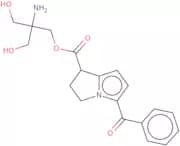

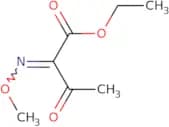
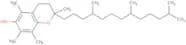
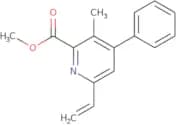
![2-[[4-(2-Pyridylsulfamoyl)phenyl]azo]hydroxybenzene](/_next/image/?url=https%3A%2Fstatic.cymitquimica.com%2Fproducts%2F3D%2Fthumb-webp%2FIP27340.webp&w=3840&q=75)
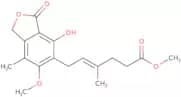
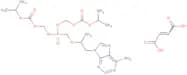
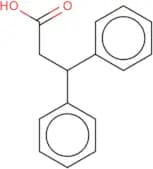
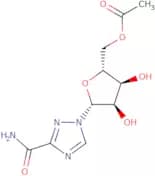
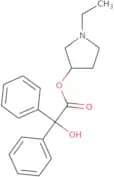
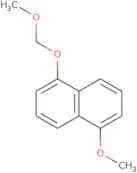
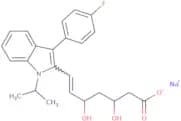
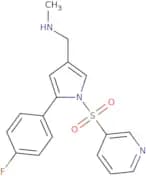
![2-[3-[4-(3-Chloro-4-ethylphenyl)-1-piperazinyl]propyl]-1,2,4-triazolo[4,3-a]pyridin-3(2H)-one](/_next/image/?url=https%3A%2Fstatic.cymitquimica.com%2Fproducts%2F3D%2Fthumb-webp%2FIC171026.webp&w=3840&q=75)
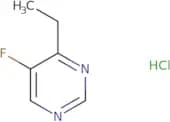
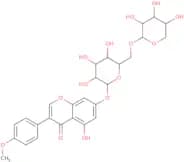
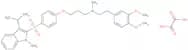
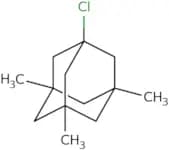
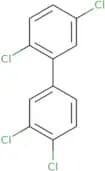


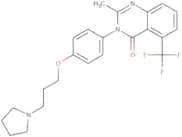
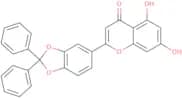
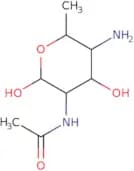
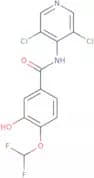

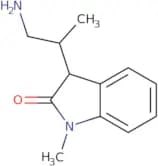
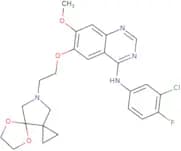
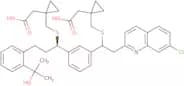
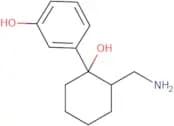
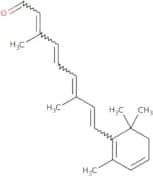
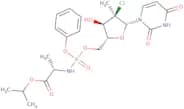
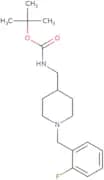
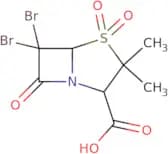
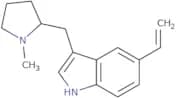
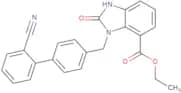
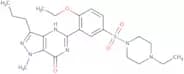
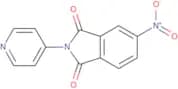
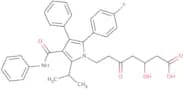
![(5S)-5-(Aminomethyl)-3-[3-fluoro-4-(4-morpholinyl)phenyl]-1,3-oxazolidin-2-one](/_next/image/?url=https%3A%2Fstatic.cymitquimica.com%2Fproducts%2F3D%2Fthumb-webp%2FIA58038.webp&w=3840&q=75)
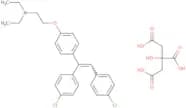
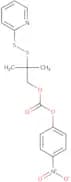
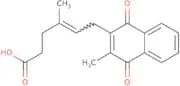
![N-[(6-Chloropyridin-3-yl)methyl]-N-methylacetamide](/_next/image/?url=https%3A%2Fstatic.cymitquimica.com%2Fproducts%2F3D%2Fthumb-webp%2FIC171311.webp&w=3840&q=75)
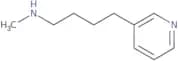

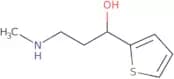
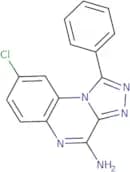
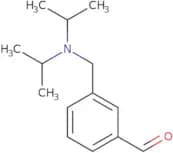
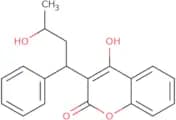
![[6-(4-Phenylbutoxy)hexyl]benzylamine hydrochloride](/_next/image/?url=https%3A%2Fstatic.cymitquimica.com%2Fproducts%2F3D%2Fthumb-webp%2FNGA92318.webp&w=3840&q=75)
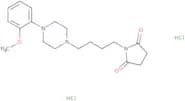
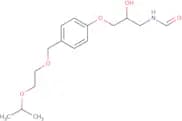
![6-Amino-2-(1-(2-fluorobenzyl)-1H-pyrazolo[3,4-b]pyridin-3-yl)-7,9-dimethyl-7H-purin-8(9H)-one](/_next/image/?url=https%3A%2Fstatic.cymitquimica.com%2Fproducts%2F3D%2Fthumb-webp%2FLEC56923.webp&w=3840&q=75)
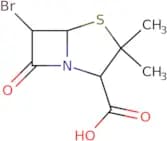
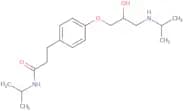
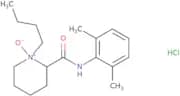
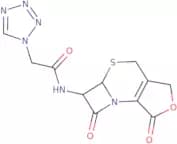
![a,a'-[[[2-(3,4-Dimethoxyphenyl)ethyl]imino]di-3,1-propanediyl]bis[3,4-dimethoxy-α-(1-methylethyl)-…](/_next/image/?url=https%3A%2Fstatic.cymitquimica.com%2Fproducts%2F3D%2Fthumb-webp%2FID145565.webp&w=3840&q=75)
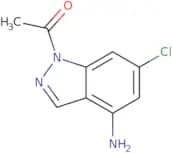
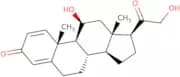
![1-[2-[2-Hydroxy-3-(propylamino)propoxy]phenyl]-3-phenyl-2-propen-1-one](/_next/image/?url=https%3A%2Fstatic.cymitquimica.com%2Fproducts%2F3D%2Fthumb-webp%2FIH63816.webp&w=3840&q=75)
![8-Hydroxy-6,9-diphenyl-10H-pyrido[1,2-a]quinoxalin-10-one](/_next/image/?url=https%3A%2Fstatic.cymitquimica.com%2Fproducts%2F3D%2Fthumb-webp%2FMCA63850.webp&w=3840&q=75)
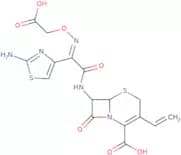
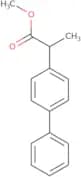
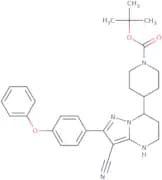
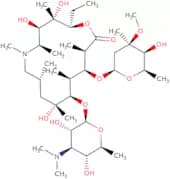
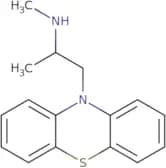
-methanone](/_next/image/?url=https%3A%2Fstatic.cymitquimica.com%2Fproducts%2F3D%2Fthumb-webp%2FIA63846.webp&w=3840&q=75)
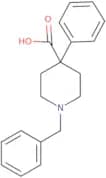
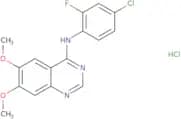
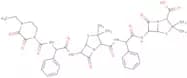
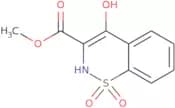
![(2R)-2-(3,4-Dimethoxyphenyl)-5-[2-(3,4-dimethoxyphenyl)ethyl-methylamino]-2-isopropylpentanenitril…](/_next/image/?url=https%3A%2Fstatic.cymitquimica.com%2Fproducts%2F3D%2Fthumb-webp%2FID28684.webp&w=3840&q=75)
![2-[3,5-Dichloro-4-(4-chlorobenzoyl)phenyl]-1,2,4-triazine-3,5(2H,4H)-dione](/_next/image/?url=https%3A%2Fstatic.cymitquimica.com%2Fproducts%2F3D%2Fthumb-webp%2FIFA64881.webp&w=3840&q=75)
![2-[2-[4-(5,5-Dioxidodibenzo[b,f][1,4]thiazepin-11-yl)-1-piperazinyl]ethoxy]ethanol](/_next/image/?url=https%3A%2Fstatic.cymitquimica.com%2Fproducts%2F3D%2Fthumb-webp%2FID27366.webp&w=3840&q=75)
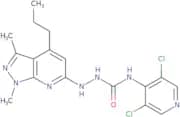
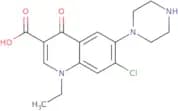
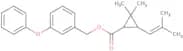

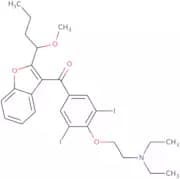
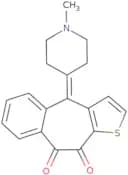
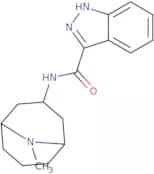

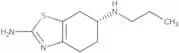
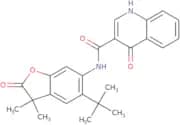
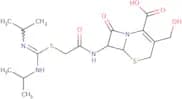
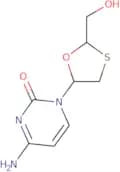
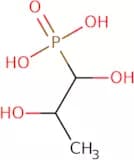
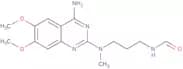
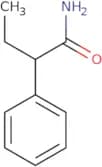
![(2E)-3-[4-(Acetyloxy)-3-methoxyphenyl]-2-propenoyl chloride](/_next/image/?url=https%3A%2Fstatic.cymitquimica.com%2Fproducts%2F3D%2Fthumb-webp%2FFCA88265.webp&w=3840&q=75)
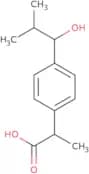
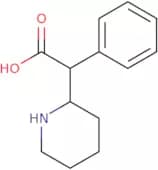
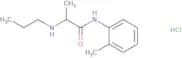
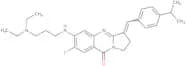
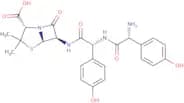
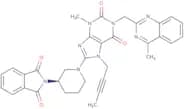
![1-C-4-Chloro-3-[(4-ethoxyphenyl)methyl]phenyl]-D-glucopyranose](/_next/image/?url=https%3A%2Fstatic.cymitquimica.com%2Fproducts%2F3D%2Fthumb-webp%2FIC181108.webp&w=3840&q=75)

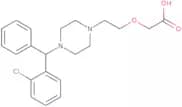
![N,N'-Bis[3-acetyl-4-[3-[(1,1-dimethylethyl)amino]-2-hydroxypropoxy]phenyl]-urea](/_next/image/?url=https%3A%2Fstatic.cymitquimica.com%2Fproducts%2F3D%2Fthumb-webp%2FAFA57940.webp&w=3840&q=75)
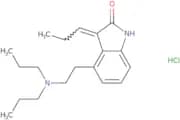
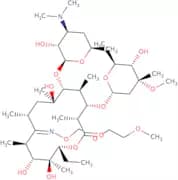
![(3S,4R)-3-((Benzo[D][1,3]dioxol-5-yloxy)methyl)-4-(4-fluorophenyl)piperidine hydrochloride](/_next/image/?url=https%3A%2Fstatic.cymitquimica.com%2Fproducts%2F3D%2Fthumb-webp%2FFFA85516.webp&w=3840&q=75)
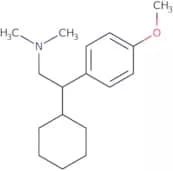
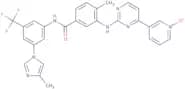
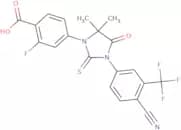
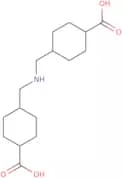
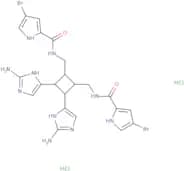
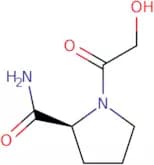
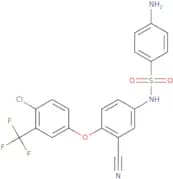

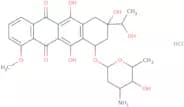
![N-[2-(Diphenylmethoxy)ethyl]-N,N',N'-trimethyl-ethylenediamine dimaleate](/_next/image/?url=https%3A%2Fstatic.cymitquimica.com%2Fproducts%2F3D%2Fthumb-webp%2FCAA71846.webp&w=3840&q=75)
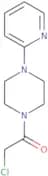
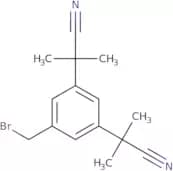
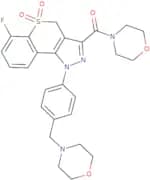
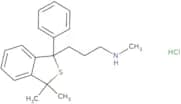
![2-[(4-Chlorophenyl)methylene]-N-phenylhydrazinecarbothioamide](/_next/image/?url=https%3A%2Fstatic.cymitquimica.com%2Fproducts%2F3D%2Fthumb-webp%2FZCA95965.webp&w=3840&q=75)
![1-[4-Chloro-2-(2-fluorobenzoyl)phenyl]-2-methyl-1H-imidazole-5-carboxylic acid](/_next/image/?url=https%3A%2Fstatic.cymitquimica.com%2Fproducts%2F3D%2Fthumb-webp%2FIC184413.webp&w=3840&q=75)
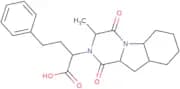
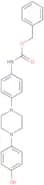
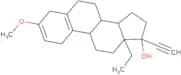
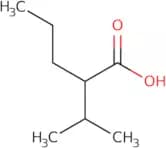
![3-[[[2-[(Aminoiminomethyl)amino]-4-thiazolyl]methyl]sulfinyl]-N-(aminosulfonyl)propanimidamide](/_next/image/?url=https%3A%2Fstatic.cymitquimica.com%2Fproducts%2F3D%2Fthumb-webp%2FIA182983.webp&w=3840&q=75)
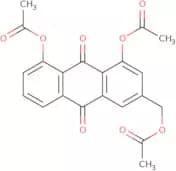
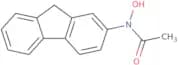


![4-[1,5-Bis-(2-methylsulfamoylethyl)-1H-indol-3-yl]-1-methylpyridinium chloride](/_next/image/?url=https%3A%2Fstatic.cymitquimica.com%2Fproducts%2F3D%2Fthumb-webp%2FIB183365.webp&w=3840&q=75)
![2-Amino-3H,4H,7H-pyrrolo[2,3-d]pyrimidine-4-thione](/_next/image/?url=https%3A%2Fstatic.cymitquimica.com%2Fproducts%2F3D%2Fthumb-webp%2FEHA82229.webp&w=3840&q=75)
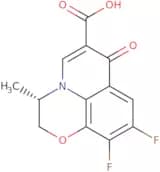
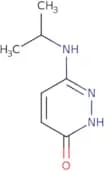
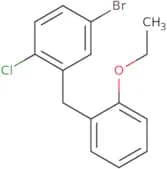
![1-[4-Chloro-2-(2-fluorobenzoyl)phenyl]-2-methyl-1H-imidazole-5-carboxaldehyde](/_next/image/?url=https%3A%2Fstatic.cymitquimica.com%2Fproducts%2F3D%2Fthumb-webp%2FIC184412.webp&w=3840&q=75)
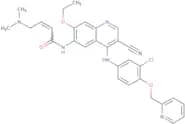
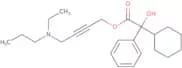
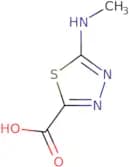
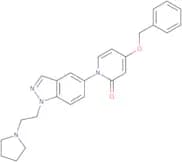
![[6-Hydroxy-2-(4-hydroxyphenyl)-benzo[b]thien-7-yl][4-[2-(1-piperidinyl)ethoxy]phenyl]methanone](/_next/image/?url=https%3A%2Fstatic.cymitquimica.com%2Fproducts%2F3D%2Fthumb-webp%2FIH45348.webp&w=3840&q=75)
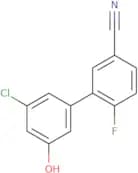
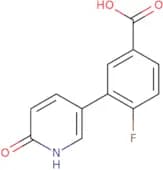

![(5aR,10aR)-Tetrahydro-3H,5H,8H,10H-bisthiazolo[3,4-a:3',4'-d]pyrazine-5,10-dione](/_next/image/?url=https%3A%2Fstatic.cymitquimica.com%2Fproducts%2F3D%2Fthumb-webp%2FIT145578.webp&w=3840&q=75)
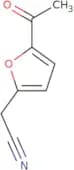
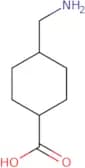
![1,3-Bis[4-(2-methoxyethyl)phenoxy]-2-propanol](/_next/image/?url=https%3A%2Fstatic.cymitquimica.com%2Fproducts%2F3D%2Fthumb-webp%2FFJA97530.webp&w=3840&q=75)
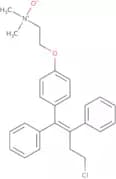
![N-[2-(2,4-Dichlorophenyl)-2-[(2,4-dichlorophenyl)methoxy]ethyl]-formamide](/_next/image/?url=https%3A%2Fstatic.cymitquimica.com%2Fproducts%2F3D%2Fthumb-webp%2FLLB80554.webp&w=3840&q=75)
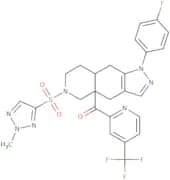
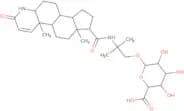
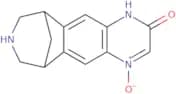
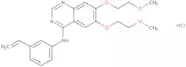
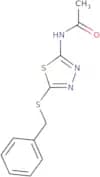

![2,2'-Methylenebis[4-[2-(dimethylamino)-1-(1-hydroxycyclohexyl)ethyl]phenol](/_next/image/?url=https%3A%2Fstatic.cymitquimica.com%2Fproducts%2F3D%2Fthumb-webp%2FIM21345.webp&w=3840&q=75)
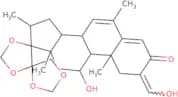
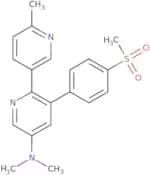
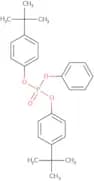
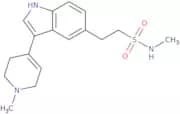
![4'-[(1,4'-Dimethyl-2'-propyl[2,6'-bi-1H-benzimidazol]-1'-yl)methyl][1,1'-biphenyl]-2-carboxamide](/_next/image/?url=https%3A%2Fstatic.cymitquimica.com%2Fproducts%2F3D%2Fthumb-webp%2FID28022.webp&w=3840&q=75)
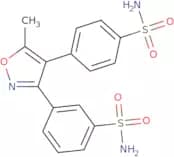
![Des[(5-ethyl-2-pyridinyl)ethyl] pioglitazone dimer ether impurity](/_next/image/?url=https%3A%2Fstatic.cymitquimica.com%2Fproducts%2F3D%2Fthumb-webp%2FRFC05215.webp&w=3840&q=75)
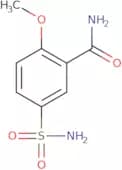
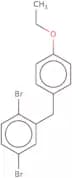
![7-Methoxy-N-[2-(7-methoxy-1-naphthalenyl)ethyl]-1-naphthaleneethanamine](/_next/image/?url=https%3A%2Fstatic.cymitquimica.com%2Fproducts%2F3D%2Fthumb-webp%2FKFC01857.webp&w=3840&q=75)