


Peptidi
Sottocategorie di "Peptidi"
Trovati 29610 prodotti di "Peptidi"
SIGLEC12 Blocking Peptide
A synthetic peptide for use as a blocking control in assays to test for specificity of SIGLEC12 antibody, catalog no. 70R-6149Purezza:Min. 95%FBXL4 Blocking Peptide
A synthetic peptide for use as a blocking control in assays to test for specificity of FBXL4 antibody, catalog no. 70R-9290Purezza:Min. 95%VPS16 Blocking Peptide
A synthetic peptide for use as a blocking control in assays to test for specificity of VPS16 antibody, catalog no. 70R-9525
Purezza:Min. 95%IGSF1 Blocking Peptide
A synthetic peptide for use as a blocking control in assays to test for specificity of IGSF1 antibody, catalog no. 70R-6035Purezza:Min. 95%STEAP3 Blocking Peptide
A synthetic peptide for use as a blocking control in assays to test for specificity of STEAP3 antibody, catalog no. 70R-6280Purezza:Min. 95%PDHB Blocking Peptide
A synthetic peptide for use as a blocking control in assays to test for specificity of PDHB antibody, catalog no. 70R-3744Purezza:Min. 95%Crystallin Alpha B Blocking Peptide
A synthetic peptide for use as a blocking control in assays to test for specificity of CRYAB antibody, catalog no. 70R-1016Purezza:Min. 95%Neuroplastin Blocking Peptide
A synthetic peptide for use as a blocking control in assays to test for specificity of NPTN antibody, catalog no. 70R-1874Purezza:Min. 95%Cyb5r2 Blocking Peptide
A synthetic peptide for use as a blocking control in assays to test for specificity of Cyb5r2 antibody, catalog no. 70R-9244Purezza:Min. 95%Mcm10 Blocking Peptide
A synthetic peptide for use as a blocking control in assays to test for specificity of Mcm10 antibody, catalog no. 70R-8186Purezza:Min. 95%FAM14A Blocking Peptide
A synthetic peptide for use as a blocking control in assays to test for specificity of FAM14A antibody, catalog no. 70R-7153Purezza:Min. 95%FCRL6 Blocking Peptide
A synthetic peptide for use as a blocking control in assays to test for specificity of FCRL6 antibody, catalog no. 70R-6657Purezza:Min. 95%NAT2 Blocking Peptide
A synthetic peptide for use as a blocking control in assays to test for specificity of NAT2 antibody, catalog no. 70R-1804Purezza:Min. 95%PRKY Blocking Peptide
A synthetic peptide for use as a blocking control in assays to test for specificity of PRKY antibody, catalog no. 70R-3691Purezza:Min. 95%PDK4 Blocking Peptide
A synthetic peptide for use as a blocking control in assays to test for specificity of PDK4 antibody, catalog no. 70R-2477Purezza:Min. 95%AGPAT4 Blocking Peptide
A synthetic peptide for use as a blocking control in assays to test for specificity of AGPAT4 antibody, catalog no. 70R-10193Purezza:Min. 95%CYP4A22 Blocking Peptide
A synthetic peptide for use as a blocking control in assays to test for specificity of CYP4A22 antibody, catalog no. 70R-7014
Purezza:Min. 95%CLCNKB Blocking Peptide
A synthetic peptide for use as a blocking control in assays to test for specificity of CLCNKB antibody, catalog no. 70R-5058
Purezza:Min. 95%CCDC25 Blocking Peptide
A synthetic peptide for use as a blocking control in assays to test for specificity of CCDC25 antibody, catalog no. 70R-3622Purezza:Min. 95%ZNF589 Blocking Peptide
A synthetic peptide for use as a blocking control in assays to test for specificity of ZNF589 antibody, catalog no. 70R-8218Purezza:Min. 95%Intrinsic Factor, human, recombinant
This is a vivitide catalogue product. Please send your vivitide product enquiry to sales@vivitide.com for an up-to-date price and availability.Purezza:Min. 95%Phthalimidooxy-dPEG®4-NHS Ester
Phthalimidooxy-dPEG®4-NHS Ester is a PEG compound with two different functional groups (also known as heterobifunctional). Unlike homobifunctional PEG compounds (same functional group on both ends), this type of compounds are more versatile as have two different anchor points. Phthalimidooxy-dPEG®4-NHS Ester is used as a linker and spacer to add a PEG moiety, via pegylation (a bioconjugation technique) to proteins, peptides, oligonucleotides, small molecules and nanoparticles.Formula:C23H28N2O11Purezza:Min. 95%Peso molecolare:508.48 g/molmonoFITC INSL3
monoFITC INSL3 is a fluorescent peptide that can be used as a research tool. It is an activator of the Ligand-Receptor interaction and has been shown to inhibit Ion channels. The high purity of this product is suitable for use in Cell Biology, Antibodies, and Protein interactions. This ligand has also been shown to bind to Receptors and is used in Pharmacology and Peptides. monoFITC INSL3 has been shown to have anti-inflammatory properties in the body, which may be due to its inhibition of Prostaglandin synthesis.Purezza:Min. 95%monoFITC RLN1
Mono-fluoro-4-carboxylic acid, N-(3,6-dioxo-1,2,3,6-tetrahydro-7H-purin-9yl) ester (FITC RLN1) is a fluorescent ligand for the receptor. It binds to the receptor and activates it by increasing the frequency of opening of ion channels on the cell membrane. This ligand can be used as a pharmacological tool in research into ion channels and ligands.Purezza:Min. 95%Joining Peptide (Rat)
CAS:Joining peptide is a peptide that activates the receptor. It consists of two parts: a receptor-binding domain and a cell-penetrating domain. The receptor-binding domain is designed to bind to specific receptors on cells, while the cell-penetrating domain allows the peptide to cross the plasma membrane and penetrate into the cytoplasm. Joining peptide is used as an activator for ion channels and ligands for antibodies or receptors. Joining peptide can be used in research as a tool for investigating protein interactions, pharmacology, and cell biology.
Formula:C75H119N25O32Purezza:Min. 95%Peso molecolare:1,882.9 g/molAnti Galanin (15-29) (Rat) Serum
Anti Galanin (15-29) (Rat) Serum is a recombinant protein that is used as a research tool and has been shown to inhibit the activity of ion channels. It has been used to study the interactions between proteins, peptides, and receptors. This product has not been evaluated by the FDA for use in humans.
Purezza:Min. 95%Cbz-N-Amido-dPEG®8-Acid
Cbz-N-Amido-dPEG®8-Acid is a PEG compound with two different functional groups (also known as heterobifunctional). Unlike homobifunctional PEG compounds (same functional group on both ends), this type of compounds are more versatile as have two different anchor points. Cbz-N-Amido-dPEG®8-Acid is used as a linker and spacer to add a PEG moiety, via pegylation (a bioconjugation technique) to proteins, peptides, oligonucleotides, small molecules and nanoparticles.Purezza:Min. 95%CD3 γ , human, recombinant
CD3 γ is a receptor protein that belongs to the immunoglobulin superfamily. It is involved in signal transduction and provides co-stimulation for T cells. CD3 γ is found on the surface of T cells, where it can bind to other proteins, including CD2, CD28, and members of the B7 family. The antibody against CD3 γ can be used as a research tool to study protein interactions, such as ligand-receptor binding or protein-protein interactions.Purezza:Min. 95%Salusin-Beta, Human Antiserum
Salusin-beta is a peptide that is used as a research tool for the study of ion channels and protein interactions. Salusin-beta inhibits potassium currents in cells, which may be due to its ability to bind to receptor sites on the cell membrane. It also inhibits the activity of protein kinase C and calcium channels. Salusin-beta has been shown to be an inhibitor of protein interactions, such as those between α-synuclein and synaptotagmin, which are involved in Parkinson's disease.
Purezza:Min. 95%Neuromedin B (Human, Porcine, Rat)
Neuromedin B is a neuropeptide that is found in the central nervous system and peripheral tissues. It activates ligand-gated ion channels, including nicotinic acetylcholine receptors. Neuromedin B has been shown to inhibit the activity of voltage-gated potassium channels and calcium channels, which are involved in neurotransmission. It also inhibits the activation of phospholipase C, which is involved in cellular signaling pathways. This peptide can be used as a research tool for studying the pharmacology of peptides and as an antibody for immunohistochemistry studies.
Formula:C52H73N15O12S•CH3COOH•5H2OPurezza:Min. 95%Peso molecolare:1,282.43 g/molVasoactive Intestinal Peptide (VIP) Antiserum
Vasoactive Intestinal Peptide (VIP) Antiserum is a research tool that can be used to investigate the function of VIP in different cell types. VIP Antiserum is also an inhibitor of Protein interactions and may have applications in pharmacology.Purezza:Min. 95%CPN-116
CPN-116 is an ion channel ligand that binds to the voltage-gated sodium channels of excitable cells. It is used for research purposes in pharmacology and cell biology. CPN-116 has been shown to activate the TRPM8 receptor, which is a ligand-gated cation channel expressed in cold sensing neurons. The purified peptide is supplied as a lyophilized powder containing at least 98% CPN-116 by weight.Purezza:Min. 95%IL 5 Human
IL-5 is a cytokine that belongs to the group of hematopoietic cytokines. It is an activator of B cells and eosinophils, which are involved in the immune response to infection. IL-5 also stimulates the production of immunoglobulin E (IgE), a type of antibody that plays an important role in allergic reactions. IL-5 has been shown to inhibit ion channels and protein interactions. This molecule is a receptor for a ligand called stem cell factor, which plays an important role in the development and function of white blood cells. The CAS number for IL-5 is 57748-87-6.
Purezza:Min. 95%Bis-dPEG®25-TFP Ester
Bis-dPEG®25-TFP Ester is a PEG polymer categorised as homobifunctional PEG (X-PEG X). Used as a linker, bis-dPEG®25-TFP Ester is used to attached PEG to proteins, peptides, oligonucleotides, nanoparticles and small molecules via pegylation, a bioconjugation technique.Formula:C66H106F8O29Purezza:Min. 95%Peso molecolare:1,515.52 g/molIGHG1 MS Calibrator-7 (25nmol)
IGHG1 MS Calibrator-7 is a 25nmol peptide that is derived from the C region of Ig gamma-1 chain. It is a tryptic peptide that corresponds to the sequence of IGHG1. The molecular weight of this peptide is 584.6Da and its theoretical pI is 9.26. This calibrator can be used in various proteomics applications, including proteomics tools such as TrypTides and Proteomics Tools from New England Peptide Company.Purezza:Min. 95%Obestatin (Mouse, Rat)-EIA Kit (1ea)
Obestatin is a neuropeptide that was first isolated from the mouse and rat hypothalamus. The Obestatin (Mouse, Rat)-EIA Kit is an in-house ELISA assay for the detection of mouse and rat obestatin. This kit can be used to detect obestatin in serum, plasma, or cell culture supernatant samples. It is a useful tool for studying the role of this peptide in various biological processes.
Purezza:Min. 95%FGF 9 Human
FGF 9 is a protein that belongs to the FGF family. It is a ligand of FGFR3 and FGFR4, which are receptor tyrosine kinases. FGF 9 has been shown to have many biological activities, including the ability to activate other ligands such as EGF and PDGF. FGF 9 also has been shown to be able to stimulate the proliferation of cells, promote cell migration, and regulate ion channels. This protein may also be involved in angiogenesis by stimulating endothelial cell proliferation and migration.Purezza:Min. 95%MAL-dPEG®4-Tris(-TFP Ester)3
MAL-dPEG®4-Tris(-TFP Ester)3 is a PEG compound with two different functional groups (also known as heterobifunctional). Unlike homobifunctional PEG compounds (same functional group on both ends), this type of compounds are more versatile as have two different anchor points. MAL-dPEG®4-Tris(-TFP Ester)3 is used as a linker and spacer to add a PEG moiety, via pegylation (a bioconjugation technique) to proteins, peptides, oligonucleotides, small molecules and nanoparticles.Formula:C49H49F12N3O17Purezza:Min. 95%Peso molecolare:1,179.9 g/molAnti Peptide YY (PYY) (Porcine, Rat) Serum
Anti Peptide YY (PYY) (Porcine, Rat) Serum is a research tool for the study of ion channels, receptor-ligand interactions and protein interactions. This product is also used in pharmacology to study peptides and proteins. It has a CAS number of 3138-04-4 and an antibody of PYY1-36. The purity of this serum is high at >98%.Purezza:Min. 95%γ-Glutamyl Hydrolase , human, recombinant
The enzyme is a glycohydrolase that catalyzes the hydrolysis of gamma-glutamyl peptide bonds. It is a member of the family of enzymes that catalyze the hydrolysis of peptide bonds in proteins, polypeptides, and oligopeptides. The enzyme has been purified from Escherichia coli and characterized by chromatographic techniques and molecular mass determination. The gene encoding this protein has been cloned into prokaryotic expression vectors or eukaryotic expression vectors for use in protein studies or other investigations.Purezza:Min. 95%Anti Gastrin 17 (G17) (Dog) Serum
Anti Gastrin 17 (G17) is a recombinant peptide that is used to study the gastrin receptor. It is an activator of the gastrin receptor, which belongs to the class of G protein-coupled receptors. The binding of G17 to gastrin receptor induces conformational changes in it and stimulates adenylate cyclase activity. This leads to increased levels of cAMP and activation of protein kinase A (PKA). Anti Gastrin 17 has a high purity, with a yield up to 95%. It can be used as a research tool or as an antibody in Western blot analysis.Purezza:Min. 95%Magainin 1
Magainin 1 is a research tool that belongs to the class of activators. It binds to receptor and ligand, which are proteins in cells. Magainin 1 is used as a tool in cell biology to study protein interactions and pharmacology, as well as for the study of ion channels. It has high purity and can be used with other reagents, such as antibodies or peptides, in research.
Purezza:Min. 95%Anti Neurotensin (Bovine) Serum
Anti Neurotensin (Bovine) Serum is an antibody that blocks the action of neurotensin, a peptide that has been implicated in several physiological and pathological processes. It binds to neurotensin and prevents it from binding to its receptor. Anti Neurotensin (Bovine) Serum can be used as a research tool to study protein interactions and as a pharmacological reagent for the treatment of diseases such as obesity, hypertension, and diabetes.Purezza:Min. 95%Scyllatoxin
CAS:This Scyllatoxin product is a synthetic scorpion (Leiurus quinquestriatus hebraeus) toxin with disulfide bonds between Cys3-Cys21, Cys8-Cys26, and Cys12-Cys28. It can be used as a small conductance Ca2+-activated K+ channel blocker and may assist in pharmacology receptor studies. This product is available as a 0.1mg vial.Formula:C142H237N45O39S7Purezza:Min. 95%Peso molecolare:3,423.1 g/molGlicentin (Rat)-EIA Kit (1ea)
Glicentin is a rat-specific serum protein that is the major component of the alpha-2 macroglobulin (A2M) in the rat. Glicentin binds to various peptides, including beta-endorphin, vasopressin, angiotensin II, and oxytocin. This kit contains 1 vial of antibody against glicentin. The antibody has been purified by immunoaffinity chromatography on a column of immobilized peptide-glicentin complex. This kit can be used for detection of glicentin in rats.Purezza:Min. 95%Azido-dPEG®4-OH
Azido-dPEG®4-OH is a PEG polymer categorised as monofunctional (OH-PEG-X). Used as a linker, azido-dPEG®4-OH is used to attached PEG to proteins, peptides, oligonucleotides, nanoparticles and small molecules via pegylation, a bioconjugation technique.Formula:C40H60F4N2O17Purezza:Min. 95%Peso molecolare:916.9 g/molAmyloid Beta-Protein (Human, 34-40) Antiserum
This product is an antiserum targeting amino acids 34-40 of the amyloid beta-protein which is a key component of extracellular plaques found in the brains of patients with Alzheimer’s disease (AD). It may also be involved in the pathogenesis of other neurodegenerative diseases such as Huntington’s disease and Parkinson’s disease. Targeting this protein may be key to drug discovery and the treatment of AD and other diseases this protein is associated with. Furthermore amyloid beta peptides located in the cerebrospinal fluid are well known biomarkers used to diagnose AD. Although AD is not yet curable, an early diagnosis can be useful in that patients can be treated to delay or improve symptoms.
Purezza:Min. 95%PLTX-II
A synthetic spider toxin, sourced from the spider, Plectreurys tristes. It can be applied as a presynaptic Ca2+ channel blocker. The disulfide bonds are undetermined.Formula:C208H313N61O70S10Purezza:Min. 95%Peso molecolare:5,108.7 g/molDOTA-tris(Acid)-Amido-dPEG®12-TFP Ester
DOTA-tris(Acid)-Amido-dPEG®12-TFP Ester is a PEG compound with two different functional groups (also known as heterobifunctional). Unlike homobifunctional PEG compounds (same functional group on both ends), this type of compounds are more versatile as have two different anchor points. DOTA-tris(Acid)-Amido-dPEG®12-TFP Ester is used as a linker and spacer to add a PEG moiety, via pegylation (a bioconjugation technique) to proteins, peptides, oligonucleotides, small molecules and nanoparticles.
Purezza:Min. 95%Peso molecolare:1,380.23 g/mol1-Deoxyfructosyl-Gly
CAS:1-Deoxyfructosyl-Gly is a multifunctional inhibitor that has been shown to inhibit the activity of protein interactions, activator, ligand, and receptor. It is a research tool used to investigate the role of ion channels in cell biology. The antibody has high purity and is suitable for use in life science research.
Formula:C8H15NO7Purezza:Min. 95%Peso molecolare:237.21 g/molDynorphin A (Human)
CAS:Dynorphin A is a peptide that belongs to the dynorphin family and has affinity for all three of the opioid receptors. However it has been found that Dynorphin A favors kappa-opioid receptors which are expressed in the brain, peripheral tissues and the spinal cord and are located in areas involved in pain. For example when Dynorphin A binds to kappa-opioid receptors, dopamine is inhibited in areas of the brain prevalent in drug addiction, thus demonstrated Dynorphin A to have antagonistic effects on the brain reward circuit. Dynorphin A could be a useful research tool for studying analgesia, reward and addiction. This product is available as a 0.5mg vial.Formula:C99H155N31O23Purezza:Min. 95%Peso molecolare:2,147.5 g/molTentaGel® HL-Br Resin
A gelatinous resin, an important support for solid phase synthesis. TentaGel; resins are constructed with a backbone of low crosslinked polystyrene grafted with polyoxyethylene (polyethylene glycol). The typical chain length of POE (n) is approximately 68 ethylene oxide units or an average MW of 3000. This long chain creates a spacer that effectively separates the reactive site (X) from the crosslinked backbone matrix.
TentaGel; HL (High Load) (mean particle size 75 µm: capacity 04-06 meq/g)
Substitution Functional Group: -O-CH2-CH2-BrTentaGelPurezza:Min. 95%BMP 7 Human
BMP 7 is a cytokine that belongs to the transforming growth factor beta (TGF-β) superfamily. It is produced by many cell types, including E. coli, in response to TGF-β and IL-1. BMP 7 has been shown to be involved in the regulation of cell proliferation and differentiation. BMP 7 has also been shown to be a potent inducer of cytokines such as IL-8, IL-6, IL-1β, and TNF-α from human mononuclear cells.Purezza:Min. 95%Biotin-dPEG®4-amido-dPEG®24-amido-dPEG®24-DSPE
Biotin-dPEG®4-amido-dPEG®24-amido-dPEG®24-DSPE is a PEG compound with two different functional groups (also known as heterobifunctional). Unlike homobifunctional PEG compounds (same functional group on both ends), this type of compounds are more versatile as have two different anchor points. Biotin-dPEG®4-amido-dPEG®24-amido-dPEG®24-DSPE is used as a linker and spacer to add a PEG moiety, via pegylation (a bioconjugation technique) to proteins, peptides, oligonucleotides, small molecules and nanoparticles.Purezza:Min. 95%Peso molecolare:3,478.33 g/molTentaGel® B NH2 / Boc Resin (130 um)
TentaGel B resins represent a line of bifunctional resins that are useful for orthogonal synthesis. TentaGel is a gelatinous resin, an important support for solid phase synthesis. TentaGel resins are constructed with a backbone of low crosslinked polystyrene grafted with polyoxyethylene (polyethylene glycol). The typical chain length of POE (n) is approximately 68 ethylene oxide units or an average MW of 3000. This long chain creates a spacer that effectively separates the reactive site (X) from the crosslinked backbone matrix. Particle size 130 µm; capacity: 02-03 meq/g Inside: NH2 Outside: BocPurezza:Min. 95%Dnp-Pro-Gln-Gly-Ile-Ala-Gly-Gln-D-Arg
CAS:Dnp-Pro-Gln-Gly-Ile-Ala-Gly-Gln-D-Arg is a synthetic peptide that is used as a research tool, an activator, and an inhibitor. This peptide is not expected to have any adverse effects on the environment or on animal or human health. It can be used in antibody production and has been shown to inhibit the activity of ion channels. Dnp-Pro-Gln-Gly-Ile-Ala-Gly-Gln-D-Arg binds to receptors and ligands, which may be involved in protein interactions.Formula:C40H61N15O15Purezza:Min. 95%Peso molecolare:992 g/molTentaGel® MB RAM, particle size: 200 - 250 µm
Please enquire for more information about TentaGel® MB RAM, particle size: 200 - 250 µm including the price, delivery time and more detailed product information at the technical inquiry form on this page
Purezza:Min. 95%TentaGel® HL HMBA Resin
TentaGel® HL HMBA Resin is a polystyrene-based solid support that is used for peptide synthesis and building blocks. It provides reactive sites for the attachment of side chains and has an average particle size of 3.5 µm. TentaGel® HL HMBA Resin can be used in crosslinked or non-crosslinked form.Purezza:Min. 95%IL 7 Human
IL-7 is a colony-stimulating factor that is expressed in the stromal cells of human cells. IL-7 has been shown to have modulatory effects on neutrophils and myeloid cells, which are important for immune responses. IL-7 stimulates phagocytosis and the production of reactive oxygen species by neutrophils and myeloids. IL-7 also has autocrine and paracrine effects on lymphoblasts and amplifies their proliferation. This protein may be used as a tumor marker for some malignant tumors because it can be detected in autocrine loops and in the circulation of patients with cancer.Purezza:Min. 95%Glu17,Gla21,24-Osteocalcin, human
CAS:Glu17,Gla21,24-Osteocalcin is a peptide that is used as a research tool to study ion channels and receptor interactions. It has been shown to bind to the human insulin receptor and act as an agonist. Glu17,Gla21,24-Osteocalcin also binds to the calcitonin receptor with high affinity. This peptide can be used in pharmacology studies as an inhibitor of insulin-mediated glucose uptake or as an activator of calcium release from intracellular stores.
Formula:C268H381N67O80S2Purezza:Min. 95%Peso molecolare:5,885.4 g/molGhrelin Human
Ghrelin is a peptide hormone that is synthesized by ghrelin cells in the stomach. Ghrelin stimulates appetite and plays an important role in regulating food intake. It also regulates energy balance and has been shown to increase blood pressure, heart rate, and gastric motility. The secretion of ghrelin increases before meals and decreases after meals. Ghrelin can be measured in the blood or urine of humans and animals. Ondansetron hydrochloride (OND) is a drug used for the treatment of nausea and vomiting caused by chemotherapy or radiation therapy. Sildenafil citrate (Viagra) is a phosphodiesterase inhibitor that is used for the treatment of erectile dysfunction (ED). Imatinib mesylate (Gleevec) is a tyrosine kinase inhibitor that inhibits cancer cell growth and prevents relapse in patients with chronic myelogenous leukemia who have not responded to other therapies. Tiagabine hydrochloride (Purezza:Min. 95%Neuromedin C (Human, Porcine, Canine)
Neuromedin C is a peptide hormone that is involved in the regulation of feeding behavior. It is found in humans, pigs, and dogs. Neuromedin C has been shown to be involved in the regulation of gastric acid secretion and pancreatic secretion. The peptide also plays a role in the regulation of insulin release from the pancreas. In addition, neuromedin C has been shown to be an effective treatment for diabetes-related neuropathy.Formula:C50H73N17O11S•2CH3COOH•5H2OPurezza:Min. 95%Peso molecolare:1,330.49 g/molDnp-Gln-Gly-Ile-Ala-Gly-Gln-D-Arg
CAS:Dnp-Gln-Gly-Ile-Ala-Gly-Gln-D-Arg is a peptide that has been shown to be an inhibitor of protein interactions. It has been shown to activate the G protein and inhibit the enzyme phospholipase C, which may provide a potential treatment for Alzheimer's Disease. Dnp-Gln-Gly-Ile-Ala-Gly-Gln-D-Arg also has a high purity and is used as a research tool in life science.
Formula:C35H54N14O14Purezza:Min. 95%Peso molecolare:894.89 g/molPeptide YY (Human)-EIA Kit (1ea)
Peptide YY (Human)-EIA Kit (1ea) is an EIA kit for the quantitative analysis of human peptide YY. Peptide YY is a neuropeptide with a role in the regulation of food intake and energy expenditure. The kit contains one vial each of peptide YY antiserum, peptide YY antibody, and standard reference material. The assay can be used to detect the level of peptide YY in tissue samples or cell culture supernatants.
Purezza:Min. 95%IGF1 Rat
IGF1 Rat is a recombinant IGF-1 receptor ligand that is a member of the insulin-like growth factor family. It activates the IGF-1 receptor and has been used as a research tool for studying protein interactions, such as those with G-protein coupled receptors and ion channels. The recombinant IGF-1 rat peptide is an excellent choice for pharmacological studies because it is highly purified and contains no contaminants.Purezza:Min. 95%Methoxytrityl-S-dPEG®12-Acid
CAS:Please enquire for more information about Methoxytrityl-S-dPEG®12-Acid including the price, delivery time and more detailed product information at the technical inquiry form on this pageFormula:C47H70O15SPurezza:Min. 95%Peso molecolare:907.11 g/molTentaGel® HL-NH2 Resin
TentaGel® is a gelatinous resin, an important support for solid phase synthesis. TentaGel® resins are constructed with a backbone of low crosslinked polystyrene grafted with polyoxyethylene (polyethylene glycol). The typical chain length of POE (n) is approximately 68 ethylene oxide units or an average MW of 3000. This long chain creates a spacer that effectively separates the reactive site (X) from the crosslinked backbone matrix. TentaGel® HL (High Load) (mean particle size 75 µm: capacity 04-06 meq/g) Substitution Functional Group: -O-CH2-CH2-NH2TentaGel®Purezza:Min. 95%Midkine (Human, 60-121)
Midkine belongs to the group of peptides and is found in human brain, bone marrow, and peripheral blood. It is an activator of ion channels and has a high affinity for receptors. Midkine is a ligand that binds to receptors on cells. This protein may be used as a research tool to study the function of ion channels or as an antibody in cell biology experiments.Formula:C292H483N91O87S4Purezza:Min. 95%Peso molecolare:6,788.8 g/molTentaGel® R NH2 Resin (90 um)
This resin is specially designed for difficult and long sequences. TentaGel is a gelatinous resin, an important support for solid phase synthesis. TentaGel resins are constructed with a backbone of low crosslinked polystyrene grafted with polyoxyethylene (polyethylene glycol) as shown below. The typical chain length of POE (n) is approximately 68 ethylene oxide units or an average MW of 3000. This long chain creates a spacer that effectively separates the reactive site (X) from the crosslinked backbone matrix. Particle size 90 µm; capacity: 0.18-0.22 meq/g. Substiution Functional Group: -O-CH2-CH2-NH2Purezza:Min. 95%Pyr-Pro-Val-pNA
CAS:Pyr-Pro-Val-pNA is a research tool that can be used to study protein interactions. It is an activator ligand that binds to the receptor and can activate ion channels. Pyr-Pro-Val-pNA has been shown to inhibit the binding of antibodies to their antigen. This ligand can be used as a pharmacological agent for the treatment of various diseases, including cancer.Formula:C21H27N5O6Purezza:Min. 95%Peso molecolare:445.47 g/molPolystyrene AM NH2 (particle size: 250 - 315 µm capacity: 0.8 - 1.2 mmol/g)
Please enquire for more information about Polystyrene AM NH2 (particle size: 250 - 315 µm capacity: 0.8 - 1.2 mmol/g) including the price, delivery time and more detailed product information at the technical inquiry form on this pagePurezza:Min. 95%Endokinin C, human
Endokinin C is a peptide that is an inhibitor of protein interactions. It has a CAS number of 52783-30-4. Endokinin C has been shown to have the ability to inhibit the activity of ion channels, such as potassium channels, sodium channels, and calcium channels. This peptide also activates ligands and receptors in the body, including epidermal growth factor receptor (EGFR), insulin-like growth factor receptor (IGF1R), and nerve growth factor receptor (NGFR). Endokinin C is purified from human urine. It has high purity with a protein content of less than 5%.Formula:C78H123N21O20Purezza:Min. 95%Peso molecolare:1,674.9 g/molCA-125 Heavy Tryptic Peptide Standard (4nmol)
Cancer antigen 125 (CA 125) heavy tryptic peptide standard for proteomics studies. CA 125 is an antigenic tumor marker which can be used to diagnose epithelial ovarian cancers. It is expressed by epithelial ovarian neoplasms and cells lining the fallopian tubes, endometrium, pericardium, peritoneum and pleura.Purezza:Min. 95%Biotin-dPEG®23-Lipoamide
Biotin-dPEG®23-Lipoamide is a PEG compound with two different functional groups (also known as heterobifunctional). Unlike homobifunctional PEG compounds (same functional group on both ends), this type of compounds are more versatile as have two different anchor points. Biotin-dPEG®23-Lipoamide is used as a linker and spacer to add a PEG moiety, via pegylation (a bioconjugation technique) to proteins, peptides, oligonucleotides, small molecules and nanoparticles.Formula:C66H126N4O26S3Purezza:Min. 95%Peso molecolare:1,487.92 g/molAnti VIP (Human, Porcine) Serum
Anti VIP (Human, Porcine) Serum is a research tool for the study of protein interactions. It inhibits the binding of VIP to its receptor. Anti VIP (Human, Porcine) Serum is an inhibitor and activator of ion channels. It has been shown to bind to a wide variety of receptors and ligands, including those involved in cell biology and pharmacology. This product is highly purified and can be used in life science research as well as antibody production.Purezza:Min. 95%Anti G-Protein: Galpha olf (23-38), Human Serum
Anti G-Protein: Galpha olf (23-38), humanSerum is a research tool that is used to study protein interactions. It can be used for the investigation of ion channels, cell biology, and pharmacology. The antibody reacts with the specific antigen for which it was raised. The antibody may be used in immunohistochemistry on tissue sections or in ELISA as a detection tool.
Purezza:Min. 95%[Sar1,Ala8]-Angiotensin II
Sar1,Ala8]-Angiotensin II is a peptide that has been shown to bind to the angiotensin receptor and activate it. This peptide is a research tool for studying ion channels, ligand-receptor interactions, and protein interactions. The peptide can be used to study the pharmacology of the angiotensin receptor, as well as its role in cell biology and other biological processes. Sar1,Ala8]-Angiotensin II binds to the angiotensin receptor with high affinity, making it an excellent candidate for use in antibody production against this receptor.Formula:C43H67N13O10Purezza:Min. 95%Peso molecolare:926.07 g/molFGF 8 Human
FGF 8 is a protein that is involved in the regulation of cell growth, differentiation and survival. It can bind to FGF receptors on cells, which triggers a signal transduction pathway. The activation of this pathway leads to the inhibition of GSK3β activity and the activation of Akt. FGF 8 also binds to FGFR4, which activates phospholipase C (PLC) and increases intracellular Ca2+. This leads to the activation of PKC and calpain, which then activate nitric oxide synthases (NOS). Activation of NOS leads to increased production of nitric oxide, which causes vasodilation.Purezza:Min. 95%Galanin (Rat) Antiserum
Galanin is a peptide that is involved in the regulation of many physiological processes, including the regulation of food intake, water balance, and pain perception. The rat galanin antiserum reacts with both human and rat galanin. Galanin is a member of the family of G protein-coupled receptors (GPCRs).Purezza:Min. 95%MAL-dPEG®4-Glu(OH)-NH-m-dPEG®24
MAL-dPEG®4-Glu(OH)-NH-m-dPEG®24 is a peptide containing polyethylene glycol (PEG) as spacer to alter their pharmacokinetic properties and pharmodynamics.
Formula:C72H134N4O35Purezza:Min. 95%Peso molecolare:1,615.84 g/molGlucagon-HS ELISA (Kit) (1ea)
The Glucagon-HS ELISA (Kit) is a sandwich ELISA for the quantitative measurement of human glucagon in serum. The kit contains an antibody specific to human glucagon, and a detection antibody that has been pre-coated onto the wells of the microtiter plate. Standards are provided in order to generate a standard curve. A sample is added to each well and any human glucagon present will bind to the antibody. After incubation and washing, a substrate solution is added which will react with the bound human glucagon, resulting in a color change proportional to the amount of human glucagon present in the sample. The color change is measured by absorbance at 450 nm and compared against known concentrations of human glucagon on a standard curve. br>br> The Glucagon-HS ELISA (Kit) provides an accurate means for measuring serum levels of human glucagon in clinical, research, or veterinary settings. It can be used as a diagnostic aidPurezza:Min. 95%DOTA-tris(Acid)-Amido-dPEG®23-Maleimide
DOTA-tris(Acid)-Amido-dPEG®23-Maleimide is a PEG compound with two different functional groups (also known as heterobifunctional). Unlike homobifunctional PEG compounds (same functional group on both ends), this type of compounds are more versatile as have two different anchor points. DOTA-tris(Acid)-Amido-dPEG®23-Maleimide is used as a linker and spacer to add a PEG moiety, via pegylation (a bioconjugation technique) to proteins, peptides, oligonucleotides, small molecules and nanoparticles.Purezza:Min. 95%Peso molecolare:1,838.88 g/molTTR MS Calibrator (1ea)
TTR MS Calibrator is a research tool that is used to calibrate the mass spectrometer for TTR peptide analysis. It has an excellent purity and is provided as a lyophilized powder. This calibrator contains high-quality TTR peptides with a low level of impurities. The product can be used for pharmacological or proteomic studies, as well as other research applications.Purezza:Min. 95%HER-2 Light Tryptic Peptide Standard (4nmol)
This HER-2 Light Tryptic Peptide standard can be applied to protein identification and quantitation studies. HER-2 is the human epidermal growth factor receptor 2, which has tyrosine kinase activity and is involved the control of epithelial cell growth and differentiation. The overexpression of HER2 has been implicated with adenocarcinomas such as cervix, lung, ovary and breast.Purezza:Min. 95%Anti Met-Enkephalin-Arg6-Gly7-Leu8 Serum
Anti Met-Enkephalin-Arg6-Gly7-Leu8 Serum is a research tool for the study of ion channels, ligands and receptors. Anti Met-Enkephalin-Arg6-Gly7-Leu8 Serum blocks the binding of peptides to receptors and can be used to determine the specificity of receptor binding. Anti Met-Enkephalin-Arg6-Gly7-Leu8 Serum is also a useful reagent in cell biology, as it can be used to block peptide interactions with proteins such as ion channels or membrane receptors. The antibody has been shown to inhibit the activity of the enzyme tyrosine phosphatase, which regulates cellular growth and differentiation.Purezza:Min. 95%t-boc-NH-dPEG®12-Tris(-TFP Ester)3
t-boc-NH-dPEG®12-Tris(-TFP Ester)3 is a PEG compound with two different functional groups (also known as heterobifunctional). Unlike homobifunctional PEG compounds (same functional group on both ends), this type of compounds are more versatile as have two different anchor points. t-boc-NH-dPEG®12-Tris(-TFP Ester)3 is used as a linker and spacer to add a PEG moiety, via pegylation (a bioconjugation technique) to proteins, peptides, oligonucleotides, small molecules and nanoparticles.Formula:C63H84F12N2O24Purezza:Min. 95%Peso molecolare:1,481.32 g/molMAGE-3 Antigen (271-279) (human) trifluoroacetate salt
CAS:ALPHA FACTOR SIGNALING PEPTIDEFormula:C53H79N13O10Purezza:Min. 95%Peso molecolare:1,058.28 g/molAlkyne-agarose
Alkyne-Agarose targets azide-modified proteins with an activation level of 10-20 umol alkyne groups per mL resin. Alkyne-Agarose is a 6% crosslinked agarose resin that is activated with terminal alkyne functional groups for covalent capturing azide-tagged biomolecules. This product is adequate to work in batch or column purification (low pressure).Colore e forma:Powder2-NBDG
CAS:2-NBDG is a fluorescent dye that exhibits high affinity for nucleic acid and protein. It has been used as an inhibitor of protein interactions, activator of ligands, and research tool in the study of ion channels. 2-NBDG has also been used as an antibody to identify receptors, and can be used to measure the concentration of proteins, lipids, and carbohydrates. 2-NBDG is listed by CAS No. 186689-07-6.
Formula:C12H14N4O8Purezza:Min. 95%Peso molecolare:342.26 g/molCCK-Octapeptide (26-33) (Sulfated Form)
CAS:CCK-Octapeptide (26-33) (Sulfated Form) is a peptide that has been shown to have a variety of biological effects. It has been found to enhance the activity of rifampicin against tuberculosis by increasing the activity of the kinase protein. CCK-Octapeptide (26-33) (Sulfated Form) also has natriuretic peptide-like activity, which means it can regulate blood pressure and fluid balance in the body. In addition, it has been shown to inhibit tumor growth and metastasis in animal models, possibly through its ability to modulate guanosine triphosphate-binding proteins. CCK-Octapeptide (26-33) (Sulfated Form) also exhibits trypsin inhibitory activity and thymidine uptake inhibition. Furthermore, it has been studied as a potential treatment for cancer and as an alternative to vasopressin or nesiritide in certain medical conditions where natriuretic peptides are used therFormula:C49H62N10O16S3Purezza:Min. 95%Peso molecolare:1,143.3 g/molDCCD (Redistilled for Solid-Phase Synthesis)
CAS:DCCD is a chemical inhibitor of the enzyme pyruvate dehydrogenase kinase that is used to study metabolic pathways. It inhibits the activity of this enzyme by binding reversibly to its active site, thereby blocking its phosphorylation of pyruvate dehydrogenase and thus inhibiting the conversion of pyruvate into acetyl-CoA. DCCD also has been shown to have antidiabetic effects in an experimental model. This drug has been used as a reagent for polymyxin B and other chemical inhibitors in vitro experiments.Formula:C13H22N2Purezza:Min. 95%Peso molecolare:206.33 g/molm-dPEG®12-Azide (Azido-m-dPEG®12)
CAS:m-dPEG®12-Azide (Azido-m-dPEG®12) is a PEG compound with two different functional groups (also known as heterobifunctional). Unlike homobifunctional PEG compounds (same functional group on both ends), this type of compounds are more versatile as have two different anchor points. m-dPEG®12-Azide (Azido-m-dPEG®12) is used as a linker and spacer to add a PEG moiety, via pegylation (a bioconjugation technique) to proteins, peptides, oligonucleotides, small molecules and nanoparticles.Purezza:Min. 95%Peso molecolare:585.69 g/molBoc-Leu-Gly-Arg-AMC
CAS:Boc-Leu-Gly-Arg-AMC is a peptide that binds to the receptor for N-methyl-D-aspartate (NMDA) and inhibits the ion channel. It has been used as a research tool to study NMDA receptor interactions, as well as in cell biology and pharmacology. Boc-Leu-Gly-Arg-AMC is a high purity, ionic analog of glutamate that binds to the NMDA receptor without activating it, thereby inhibiting ion flow through the channel. This inhibition can be reversed by adding excess glutamate or glycine. The binding of this compound to the NMDA receptor has been shown to block activation of voltage gated calcium channels and reduce neuronal excitation, which may provide an alternative therapeutic strategy for controlling seizures or other neurological disorders.
Formula:C29H43N7O7Purezza:Min. 95%Peso molecolare:601.69 g/molAc-Phe-OEt
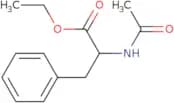
CAS:Ac-Phe-OEt is a covalently conjugated bifunctional peptide that has been synthesized by linking the amino acid phenylalanine to the amino acid ethyl ester of oleic acid. Ac-Phe-OEt exhibits a high affinity for bacterial serine proteases (Km=0.1 μM) and lysine residues (Ki=4 μM). This peptide also binds to immobilized cytochalasin, which prevents the formation of amyloid fibrils. Ac-Phe-OEt can be used in enzyme catalysis as an inhibitor or competitive inhibitor, as well as being immobilized on surfaces. The kinetic data suggests that Ac-Phe-OEt competes with lysine residues for binding to bacterial serine proteases and inhibits their activity.Formula:C13H17NO3Purezza:Min. 95%Peso molecolare:235.28 g/molMagainin I
Magainins, also known as PGS (peptide glycine serine) are anti-microbial peptides originally isolated from the skin of the African clawed frog Xenopus laevis, they belong to a large family of amphibian amphipathic alpha-helical cationic anti-microbial peptides (CAMPs). Magainin I is active against a wide spectrum of pathogens including Gram-positive and Gram-negative bacteria, fungi and protozoa and has anti-viral properties against HIV and herpes simplex virus. Magainins also displays anti-tumour activities and are known to facilitate wound closure and to reduce inflammation.Magainin peptides act by first binding to and then causing eventual collapse of the membrane. Magainins, carry several positive charges, and interact best with membranes with a negative surface charge, such as bacteria or tumour cells. However they are non-toxic to healthy eukaryotic cells which are charge-neutral at their outer membrane. The physical mode of action of these peptides reduces the ability of target organisms to develop resistance to them, suggesting good therapeutic potential.Colore e forma:PowderPeso molecolare:2,321.3 g/molCRAMP (6-39)
Amino acids 6-39 of the cathelicidin-related anti-microbial peptide (CRAMP), the mouse homologue of the human LL-37 anti-microbial peptide.CRAMP possesses potent anti-bacterial activity against Gram-positive and Gram-negative bacterial strains with no haemolytic activity. As well as displaying direct anti-microbial activity, CRAMP also binds to lipopolysaccharide (LPS) to neutralise its activity.CRAMP is a cationic peptide, encoded for by the Camp gene and is highly expressed in bone marrow. Its expression is up-regulated by infectious and inflammatory signals and it is secreted by cells such as neutrophils-epithelial cells-and macrophages.Peso molecolare:3,878.61 g/mol[Cys(AF647)]-Jak2/3 substrate
This peptide is phosphorylated by Janus kinase 2 and 3 (JAK2 and JAK3) and is an ideal substrate for use in kinase assays. The JAK family of kinases is essential for the signalling of a host of immune modulators in tumour, stromal, and immune cells where they are highly expressed. JAK family proteins mediate the signalling of the interferon (IFN), IL-6, and IL-2 families of cytokines.JAK kinases are associated with cytokine receptors. Cytokine binding to these receptors results in activation of JAK kinases and receptor phosphorylation. Phosphorylated cytokine receptors recruit STAT proteins, which are then phosphorylated by the activated JAK kinases. Phosphorylated STAT proteins form homo- and hetero-dimers that translocate into the nucleus and function as transcription factors.This peptide contains an N-terminal Alexa Fluor 647 florescent dye. A cysteine residue has been added to the N-terminus for conjugation of the dye via the cysteine thiol moiety. AF647 is a bright, far-red-fluorescent dye with excitation between 594 nm and 633 nm, and is pH-insensitive over a wide molar range.Ac-Arg-OMe • HCl
CAS:Ac-Arg-OMe • HCl is a labile peptide that has been shown to be homologous to the human Arg-Gly-Asp (RGD) sequence. Ac-Arg-OMe • HCl is activated by trypsin and trypsin-like proteases, but inactivated by hemolytic activity and conformation. Ac-Arg-OMe • HCl is an enzyme substrate for peptidases such as trypsin and trypsin like proteases. It has been shown to be a molecule that interacts with various proteins, including hemoglobin.
Formula:C9H18N4O3•HCIPurezza:Min. 95%Peso molecolare:266.72 g/molAmino-dPEG®36-t-Butyl Ester
CAS:Amino-dPEG®36-t-Butyl Ester is a PEG compound with two different functional groups (also known as heterobifunctional). Unlike homobifunctional PEG compounds (same functional group on both ends), this type of compounds are more versatile as have two different anchor points. Amino-dPEG®36-t-Butyl Ester is used as a linker and spacer to add a PEG moiety, via pegylation (a bioconjugation technique) to proteins, peptides, oligonucleotides, small molecules and nanoparticles.Formula:C79H159NO38Purezza:Min. 95%Peso molecolare:1,731.09 g/mol




































![[Sar1,Ala8]-Angiotensin II](/_next/image/?url=https%3A%2Fstatic.cymitquimica.com%2Fproducts%2F3D%2Fthumb-webp%2FPAN-4035-V.webp&w=3840&q=75)










![[Cys(AF647)]-Jak2/3 substrate](/_next/image/?url=https%3A%2Fstatic.cymitquimica.com%2Fproducts%2F3D%2Fthumb-webp%2FCRB1110313.webp&w=3840&q=75)

