Peptidi
Sottocategorie di "Peptidi"
Trovati 29729 prodotti di "Peptidi"
H-TLQALEFHTVPFQLLAR^-OH
Peptide H-TLQALEFHTVPFQLLAR^-OH is a Research Peptide with significant interest within the field academic and medical research. This peptide is available for purchase at Cymit Quimica in multiple sizes and with a specification of your choice.
H-GTFTASQNYLR^-OH
Peptide H-GTFTASQNYLR^-OH is a Research Peptide with significant interest within the field academic and medical research. This peptide is available for purchase at Cymit Quimica in multiple sizes and with a specification of your choice.
H-R^F^-OH
Peptide H-R^F^-OH is a Research Peptide with significant interest within the field academic and medical research. This peptide is available for purchase at Cymit Quimica in multiple sizes and with a specification of your choice.
cAC 253
Cyclic AC253 is an antagonist of the amylin receptor with neuroprotective effects against Aβ toxicity. Cyclic AC253 eliminates Aβ-induced impairment of hippocampal long-term potentiation and is able to penetrate the blood-brain barrier.Peso molecolare:3,007.5 g/molLCBiot-IPESSELTLQELLGEERR-NH2
Peptide LCBiot-IPESSELTLQELLGEERR-NH2 is a Research Peptide with significant interest within the field academic and medical research. This peptide is available for purchase at Cymit Quimica in multiple sizes and with a specification of your choice.
H-TVLDSGISEVR^-OH
Peptide H-TVLDSGISEVR^-OH is a Research Peptide with significant interest within the field academic and medical research. This peptide is available for purchase at Cymit Quimica in multiple sizes and with a specification of your choice.Acetyl-HIV-1 reverse transcriptase (A2-YI9)
HIV-1 replication is rapid and error prone which is beneficial to the virus as it allows mutations to arise that aid evasion of the host immune system and resistance to drug treatment. RT is the key target for most anti-HIV drugs and therefore conserved sequences are useful to aid further research into new less toxic antiviral treatments. HIV-1 reverse transcriptase (RT) converts the RNA genome into DNA during retroviral replication. HIV-1 RT is a heterodimer composed of 2 subunits, p66 and p51. HIV-1 RT heterodimer has 2 enzymatic functions, DNA polymerase and Rnase H resulting in nucleic acid translation to a linear DNA duplex. Complete inhibition of viral replication is the only known method of preventing HIV-1 drug resistance and disease progression.HIV RT epitopes have become a useful research tool as an in vitro antigenic challenge to study cytotoxic T lymphocyte (CTL) responses to retroviruses. The HIV-1 RT A2-YI9 sequence has been shown to be an effective epitope for CTL recognition leading to lysis of HIV-infected T cells. The A2-YI9 is also considered a potential for vaccine development due to it being a well conserved sequence. Synthesised HIV-1 RT A2-YI9 is provided here with N-terminal acetylation to mimic the charge of the native peptide more closely. The epitope is also available without acetylation from our catalogue.
H-IP^TTFENGR^-OH
Peptide H-IP^TTFENGR^-OH is a Research Peptide with significant interest within the field academic and medical research. This peptide is available for purchase at Cymit Quimica in multiple sizes and with a specification of your choice.Vitronectin (367-378)
CAS:Peptide derived from vitronectin, the mammalian glycoprotein which plays a key role in tissue repair and remodelling. Its properties as an adhesive protein allow mammalian cells in serum to interact with culture vessels.
Formula:C70H122N32O16Peso molecolare:1,667.93 g/molH-HGEGTFTSDLSKQMEEEAVRLFIEWLKNGGPSSGAPPPS-NH2
Exendin-4 is a 39-amino acid peptide incretin mimetic. Exendin-4, also known as Exenatide, was originally isolated from the venom of Gila monster lizard called Heloderma suspectum1. Exendin-4 is a long-acting analog of the mammalian intestinal hormone glucagon-like peptide I (GLP-1) and therefore exhibits glucoregulatory activities to control plasma glucose levels2. Exendin-4 enhances insulin synthesis and secretion in a glucose-dependent manner, while downregulating inappropriately high glucagon release, slowing gastric emptying and decreasing appetite2. The increase in maximum insulin secretion is due to a greater increase in cAMP production in pancreatic β cells3. Exendin-4 is a potent agonist of the Glucagon-Like Peptide-1 Receptor (GLP-1R ; Kd = 136pM).Mouse-ESC-derived cardiomyocyte-targeting peptide
The progress of cardiovascular disease (CVD) comes from the damage and necrosis of cardiomyocytes. Although treatment has improved, once these cells are damaged, they cannot be recovered. Therefore, further research into cardiomyocytes is vital. Cardiomyocytes need to be in an exceedingly pure culture for research work. However, this requires identification of these cells from the ESCs present. With the use of a phage biopanning library, this sequence has been shown to have a high affinity to a receptor on the membrane surface of mouse ESC-derived cardiomyocytes. The functionality of this sequence allows it to be used a conjugate for drug or gene delivery to target cardiomyocytes or to purify cardiomyocytes in a research setting.
Peso molecolare:1,314.7 g/molH-LNIPTDVLK^-OH
Peptide H-LNIPTDVLK^-OH is a Research Peptide with significant interest within the field academic and medical research. This peptide is available for purchase at Cymit Quimica in multiple sizes and with a specification of your choice.
NY-ESO-1 (161-180)
Custom research peptide; min purity 95%. For different specs please use the Peptide Quote ToolLCBiot-KFRKAFKRFF-OH
Peptide LCBiot-KFRKAFKRFF-OH is a Research Peptide with significant interest within the field academic and medical research. This peptide is available for purchase at Cymit Quimica in multiple sizes and with a specification of your choice.Biot-KKLNRTLSFAEPG-NH2
Peptide Biot-KKLNRTLSFAEPG-NH2 is a Research Peptide with significant interest within the field academic and medical research. This peptide is available for purchase at Cymit Quimica in multiple sizes and with a specification of your choice.Neuropeptide Y (free acid) (human)
CAS:Custom research peptide; min purity 95%. For different specs please use the Peptide Quote Tool
Formula:C189H284N54O58S1Peso molecolare:4,272.8 g/molCONSENSUS B Tat - 02
Custom research peptide; min purity 95%. For different specs please use the Peptide Quote ToolPeso molecolare:1,772 g/molAc-RDGY-NH2
Peptide Ac-RDGY-NH2 is a Research Peptide with significant interest within the field academic and medical research. This peptide is available for purchase at Cymit Quimica in multiple sizes and with a specification of your choice.[Sar0, D-Phe8, Des-Arg9]-Bradykinin (Human, Rat, Mouse)
Custom research peptide; min purity 95%. For different specs please use the Peptide Quote ToolPeso molecolare:975.11 g/molMHC class II antigen E alpha (52-68)-Biotin
Eα antigen peptide, known to bind with high affinity to the major histocompatibility complex (MHC) class II molecule IAb. MHC class II molecules are normally found on antigen presenting cells such as dendritic cells, mononuclear phagocytes, endothelial cells, thymic epithelial cells and B cells and they present antigens derived from extracellular proteins. Eα peptide bound to IAb is specifically recognized by Y-Eα antibody.This peptide contains a C-terminal biotin tag for simple detection and purification. The linker is ethylenediamine.
Colore e forma:PowderPeso molecolare:1,943 g/molCTLA-4 isoform 5 / sCTLA (157-174) (Human)
Custom research peptide; min purity 95%. For different specs please use the Peptide Quote ToolPeso molecolare:2,077.36 g/molHIV - 1 MN ENV - 23
Custom research peptide; min purity 95%. For different specs please use the Peptide Quote Tool
Peso molecolare:1,916.2 g/molH-IDSLLENDR^-OH
Peptide H-IDSLLENDR^-OH is a Research Peptide with significant interest within the field academic and medical research. This peptide is available for purchase at Cymit Quimica in multiple sizes and with a specification of your choice.beta-Amyloid (1-28) human
Represents the extracellular region of amyloid β peptide (Aβ). This region may be responsible for the conformational changes seen in Aβ and is cytotoxic in vitro.Aβ has been identified as the key subunit of the extracellular plaques found in the brains of patients with Alzheimer disease (AD) and Down syndrome (DS). Aβ has therefore been extensively studied as a potential target for treatment of AD.Aβ is formed from the cleavage of the large, transmembrane protein- APP (amyloid precursor protein). Cleavage of APP by β- and then &γ-secretases results in the formation of Aβ. Aβ can aggregate to produce amyloid-β oligomers, which are thought to be highly neurotoxic. Over time Aβ can further aggregate to produce the characteristic senile plaques present in AD and DS. Aβ can be degraded by enzymes such as neprilysin, insulin degrading enzyme or endothelin converting enzyme. At physiological levels Aβ may be involved in controlling synaptic activity and neuronal survival.
Peso molecolare:3,260.5 g/molH-EVQGFESATFLGYFK^-OH
Peptide H-EVQGFESATFLGYFK^-OH is a Research Peptide with significant interest within the field academic and medical research. This peptide is available for purchase at Cymit Quimica in multiple sizes and with a specification of your choice.H-YTFAFGGNYDR^-OH
Peptide H-YTFAFGGNYDR^-OH is a Research Peptide with significant interest within the field academic and medical research. This peptide is available for purchase at Cymit Quimica in multiple sizes and with a specification of your choice.PTH (1-13) Human
N-terminal tryptic peptide of parathyroid hormone (PTH), used for quantification and optimisation in LC-MS/MS assays.PTH is an 84-amino-acid polypeptide hormone (PTH 1-84) which is secreted by the parathyroid glands along with its fragments (such as PTH 1-34 and PTH 7-84). PTH increases calcium and decrease phosphate levels in the blood and the abundance of PTH-derived peptides is regulated by blood calcium levels. PTH inhibits the bone growth-promoting activity of osteoblasts and induces osteoclasts to resorb bone and release calcium and phosphate ions into the blood. PTH binds to and activates the receptor parathyroid hormone receptor 1 (PTHR1). PTHR1 is a G-protein-coupled receptor (GPCR) which regulates mineral ion homeostasis, bone turnover and skeletal development
Peso molecolare:1,454.8 g/molCMVpp65 - 53 (ENTRATKMQVIGDQY)
Custom research peptide; min purity 95%. For different specs please use the Peptide Quote ToolPeso molecolare:1,754 g/molH-RLL^GTEFQV-OH
Peptide H-RLL^GTEFQV-OH is a Research Peptide with significant interest within the field academic and medical research. This peptide is available for purchase at Cymit Quimica in multiple sizes and with a specification of your choice.
H-FFVAPFPEVFGK^-OH
Peptide H-FFVAPFPEVFGK^-OH is a Research Peptide with significant interest within the field academic and medical research. This peptide is available for purchase at Cymit Quimica in multiple sizes and with a specification of your choice.Ala-Asp-Ser-Asp-Pro-Arg
CAS:Custom research peptide; min purity 95%. For different specs please use the Peptide Quote ToolFormula:C25H41N9O12Peso molecolare:659.65 g/molH-GAHWQFNAL^-OH
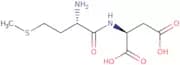
Peptide H-GAHWQFNAL^-OH is a Research Peptide with significant interest within the field academic and medical research. This peptide is available for purchase at Cymit Quimica in multiple sizes and with a specification of your choice.H-Met-Asp-OH
CAS:H-Met-Asp-OH is a synthetic formyl peptide that was designed to be hydrolyzed by proteolytic enzymes. It has been shown to be able to inhibit the formation of β-amyloid, which is associated with Alzheimer's disease. H-Met-Asp-OH also has been shown to have physicochemical properties similar to aspirin, and can be used as an antiplatelet agent. In addition, it has been shown to act as a catalase inhibitor in vitro and may have some therapeutic potential for the treatment of diabetes mellitus type 2.
Formula:C9H16N2O5SPurezza:Min. 95%Colore e forma:White PowderPeso molecolare:264.3 g/molLCBiot-PKYVKQNTLKLAT-OH
Peptide LCBiot-PKYVKQNTLKLAT-OH is a Research Peptide with significant interest within the field academic and medical research. This peptide is available for purchase at Cymit Quimica in multiple sizes and with a specification of your choice.
H-Glu{Glu[Cyclo(Arg-Gly-Asp-D-Phe-Lys)]2}2
H-Glu{Glu[Cyclo(Arg-Gly-Asp-D-Phe-Lys)]2}2 is a tetrameric peptide that has been shown to have a broad spectrum of biological activity. This peptide may be involved in the regulation of cell growth and proliferation, which may contribute to its anti-inflammatory effects. H-Glu{Glu[Cyclo(Arg-Gly-Asp-D-Phe-Lys)]2}2 also inhibits the production of nitric oxide, which may contribute to its antimicrobial properties against bacteria and fungi.Formula:C123H179N39O34Purezza:Min. 95%Peso molecolare:2,748.04 g/molH-Glu(Leu-OH)-OH
CAS:H-Glu(Leu-OH)-OH is a postprandial plasma metabolite that is produced by the hydrolysis of proteins and peptides. The profile of H-Glu(Leu-OH)-OH in plasma can be used to characterize the metabolism of these compounds and has been found to be useful for the diagnosis of metabolic disorders. H-Glu(Leu-OH)-OH levels are increased in patients with metabolic syndrome, obesity, diabetes mellitus type 2, chronic kidney disease, and cancer. This metabolite can also be used as an indicator for bacterial enzyme activity in the gut. H-Glu(Leu-OH)-OH levels are correlated with glutamate and sodium hydroxide solution levels in plasma or urine samples. H-Glu(Leu-OH)-OH may play a role in the pathogenesis of cancer due to its ability to inhibit DNA synthesis and protein synthesis.Formula:C11H20N2O5Purezza:Min. 95 Area-%Colore e forma:PowderPeso molecolare:260.29 g/molSuc-Ala-Ala-Ala-AMC
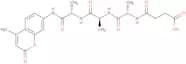
CAS:Suc-Ala-Ala-Ala-AMC is a fluorogenic substrate that can be used to measure the activity of serine proteases. Suc-Ala-Ala-Ala-AMC has been shown to have high values in mammalian tissue. It also has high activity against many bacteria and fungi, as well as proteolytic enzymes such as collagenase and matrix metalloproteinase. This substrate is activated by phorbol esters and has an optimum pH of 5.5. Suc-Ala-Ala-Ala AMC is a model protein for determining the antibacterial efficacy of various antibiotics.Formula:C23H28N4O8Purezza:Min. 95%Colore e forma:PowderPeso molecolare:488.49 g/molAc-Lys-AMC acetate salt
CAS:Ac-Lys-AMC acetate salt is a fine chemical that is used as a building block in biological research. It is a versatile building block that can be used in the synthesis of complex compounds, and as a reaction component for the production of useful intermediates. Ac-Lys-AMC acetate salt is also used as a reagent in the detection of nucleic acids.Formula:C18H23N3O4•C2H4O2Purezza:Min. 98 Area-%Colore e forma:PowderPeso molecolare:405.44 g/molPAR-2 receptor agonist
Protease activated receptors (PARs) are a distinctive four-member family of seven transmembrane G protein-coupled receptors (GPCRs) widely expressed in inflammatory cells. PARs are cleaved by certain serine proteases to expose a tethered ligand domain, this ligand domain then binds to and activates the receptors to initiate multiple signalling cascades. These PAR-activating proteases therefore represent PAR agonists. This PAR-2 agonist peptide represents the sequence of the 'tethered ligand' and is therefore capable of activating the receptor independently of N-terminal proteolysis.This peptide has been shown to elicit a range of cellular responses including- histamine release from skin mast cells- IL-8 and lactoferrin secretion from peripheral blood neutrophils- increased vascular cell adhesion molecule-1 (VCAM-1) expression- release of IL-8 and granulocyte colony-stimulating factor (G-CSF) from bronchial fibroblasts- secretion of granulocyte-macrophage colony-stimulating factor (GM-CSF), intercellular adhesion molecule 1 (ICAM-1), tumour necrosis factor alpha (TNF-α), matrix metalloproteinase-1 (MMP-1), and MMP-10 from epithelial cells- and production of thymic stromal lymphopoietin (TSLP) in the skin of mice and its release from T cells.PAR activation has been linked to inflammation and an increase in PAR-2 expression is seen in patients with septic shock.- Therefore compounds that-mimic or interfere with the PAR-activating processes are attractive therapeutic candidates.
Colore e forma:PowderPeso molecolare:614.4 g/molH-Ala-Ala-NH2·HCl
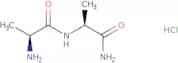
CAS:H-Ala-Ala-NH2·HCl is a chiral liquid reagent that can be used in the determination of enantiomeric purity by chiral chromatography. It is also used as an amide, intramolecular hydrogen, hydroxyalkyl and aralkyl reagent. H-Ala-Ala-NH2·HCl is produced from alanine, which has been treated with fluorine gas to produce an optically active compound. This compound is then reacted with hydrochloric acid to yield the desired product.
Formula:C6H13N3O2·HClPurezza:Min. 95 Area-%Colore e forma:White Off-White PowderPeso molecolare:195.65 g/molH-Orn-AMC hydrochloride salt
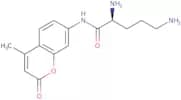
CAS:H-Orn-AMC hydrochloride salt is a white solid with a melting point of about 150°C. It is used as a reactant in the manufacture of pharmaceuticals, research chemicals and other speciality chemicals. H-Orn-AMC hydrochloride salt is also an intermediate for the synthesis of complex compounds, useful as building blocks for chemical synthesis, and can be used as a reagent in analytical chemistry.Formula:C15H20ClN3O3Purezza:Min. 98 Area-%Colore e forma:PowderPeso molecolare:325.79 g/molBalteatide
Balteatide is a novel antimicrobial peptide (AMP) isolated from the skin secretion of wild Peruvian purple-sided leaf frogs,-Phyllomedusa baltea. Balteatide has activity against the Gram-positive bacterium,-Staphylococcus aureus- the Gram-negative bacterium,-Escherichia coli- and the yeast,-Candida albicans- against which, unusually, it is most potent. Bateatide is also devoid of haemolytic activity up to concentrations of 512 mg/L.Balteatide is C-terminally amidated which is common in AMP as it effectively removes a membrane-repelling negative charge and replaces it with a hydrophobic membrane-interacting group. AMPs are a fundamental component of innate immunity/molecular defence across most forms of life and act in a membranolytic fashion to destroy the integrity of microorganisms.Balteatide differs from the myotropic peptide, sauvatide, by just one amino acid (I at position 9 in balteatide and T in sauvatide), however sauvatide displayed little or no antimicrobial activity and balteatide is devoid of myotropic activity.
Peso molecolare:1,176.8 g/molBoc-Val-Pro-Arg-AMC
Boc-VPR-AMC is a fluorogenic peptide substrate composed of the short peptide chain, Valine-Proline-Arginine (VPR) and the fluorophore, 7-amino-4-methlycoumarin (AMC). Fluorogenic peptide substrates such as Boc-VPR-AMC have high sensitivity and specificity and therefore can be used to detect molecules of interest. For example within the field of scientific forensics, Boc-VPR-AMC can be used to investigate deposits of saliva in situ. When Fluorogenic peptide substrates are incubated with specific enzymes, fluorescence is emitted due to the release of the fluorophore from the peptide-fluorophore bond. When Boc-APR-AMC interacts with its target enzyme, the 7-amino-4-methylcoumarin fluorophore is released causing a fluorescent emission at 440nm.
Peso molecolare:627.3 g/molSARS-CoV-2 Nucleoprotein (271-285)
The coronavirus (CoV) nucleoprotein is the major component of CoV structural proteins. The nucleoprotein has a critical role in virus assembly and RNA transcription. The nucleoprotein is essential in the formation of helical ribonucleoproteins and in regulating viral RNA synthesis. The nucleoprotein can also regulate infected host cellular mechanisms. It is highly expressed during infection and may induce protective immune responses against SARS-CoV and SARS-CoV-2.The nucleoprotein residues TQAFGRRGPEQTQGN (271-285) from SARS-CoV-2 have been identified as a T-cell epitope with a predicted HLA restriction. Immune targeting of confirmed epitopes may potentially offer protection against SARS-CoV-2 and help the development of vaccines for long-lasting immunity.
Peso molecolare:1,645.8 g/molH-Glu(Gln-OH)-OH
CAS:Glutamate is a nonessential amino acid that is an important neurotransmitter in the central nervous system. It is found in many foods and can be synthesized by the body from other amino acids. Glutamate is also an excitatory neurotransmitter that binds to glutamate receptors, causing depolarization of the postsynaptic cell. This leads to increased intracellular calcium levels and eventually to neuronal death. Glutamate can be taken up by cells through both facilitated diffusion and active transport and converted into glutamine by glutaminase. The uptake of glutamate into cells may have clinical relevance in diseases such as hepatic steatosis, schizophrenia, or Alzheimer's disease.
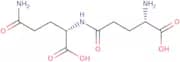
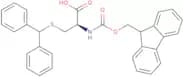
Glu(Gln-OH)-OH (HGG) is a synthetic compound that has been shown to inhibit enzymes involved in the shikimate pathway, which converts chorismate into aromatic amino acids such as phenylalanine, tyrosine, and tryptophan. HGG has beenFormula:C10H17N3O6Purezza:Min. 95%Colore e forma:White PowderPeso molecolare:275.26 g/molFmoc-Cys(Dpm)-OH
CAS:Fmoc-Cys(Dpm)-OH is a chemical that belongs to the group of reaction components. It is a high quality reagent for research and development and can be used as a building block in the synthesis of other fine chemicals. Fmoc-Cys(Dpm)-OH is also an intermediate for the synthesis of complex compounds such as peptides, proteins, and antibiotics. This compound has a broad range of applications in biomedicine, organic chemistry, and pharmaceuticals.
Formula:C31H27NO4SPurezza:Min. 95%Colore e forma:White SolidPeso molecolare:509.62 g/molMotilin (1-16)
Residues 1-16 of the gastrointestinal hormone motilin, secreted from endocrine cells in the small intestines, mainly from the jejunum and duodenum, in response to the fasting, drinking water or the mechanical stimulus of eating.
Peso molecolare:1,985 g/molHLA-A*02:01 Polymerase (400-408)
HLA-A*02 is a class I major histocompatibility complex (MHC) allele which is part of the HLA-A group of human major histocompatibility complex (MHC) leukocyte antigens (HLA). HLA-A is a human MHC class I cell surface receptor and is involved in presenting short polypeptides to the immune system. These polypeptides are typically 7-11 amino acids in length and originate from proteins being expressed by the cell. Cytotoxic T cells in the blood "read" the peptide presented by the complex and should only bind to non-self peptides. If binding occurs, a series of events is initiated culminating in cell death via apoptosis. Hepatitis B virus (HBV) polymerase is a multifunctional enzyme that can use both RNA and DNA as a template for amplification and also has an RNase H function. First the polymerase acts on the HBV pre-genomic RNA (pgRNA) to reverse transcribe it to form the (-) DNA strand. Simultaneously the RNA template is degraded by the polymerases RNase H activity, except for a stretch of RNA at 5' end of the pgRNA which is used to prime the synthesis of the (+) DNA strand. This process results in a new partially double-stranded relaxed circular DNA molecule (rcDNA) within a new capsid.
Peso molecolare:1,014.6 g/molPantinin-3
Pantinin-3, like other pantinin peptides, has high activity against Gram-positive bacteria yet weak activity against Gram-negative bacteria. With the exception of S. aureus, pantinin-3 displays the highest activity against all Gram-negative bacteria for which it has been tested. Pantinin-3 also displays activity against Candida tropicalis and has relatively mild haemolytic activity against human red blood cells.Colore e forma:PowderPeso molecolare:1,491.77 g/molSARS-CoV-2 NSP13 (556-570)
The SARS-CoV-2 non-structural protein 13 (NSP13) has been identified as a target for anti-viral therapeutics due to its highly conserved sequence and is essential for viral replication. NSP13 is part of the helicase superfamily 1B. As an NTPase and RNA helicase, NSP13 binds to RNA-dependent RNA polymerase and acts in concert with the replication-transcription complex to stimulate backtracking and further activate NSP13 helicase activity. These factors make NSP13 a good target for developing new antiviral drugs. In addition, the identification of epitopes within the NSP13 sequence can help design more effective SARS-CoV-2 vaccines.Models have predicted epitopes exhibiting antigenicity, stability and interactions with MHC class-I and class-II molecules. NSP13 (556-570) is an epitope candidate with various HLA restrictions. This epitope can be used to better vaccine design for more durable CD4+ and CD8+ T cell responses for long-lasting immunity.Peso molecolare:1,717.9 g/mol



















![[Sar0, D-Phe8, Des-Arg9]-Bradykinin (Human, Rat, Mouse)](/_next/image/?url=https%3A%2Fstatic.cymitquimica.com%2Fproducts%2F3D%2Fthumb-webp%2FPP50597.webp&w=3840&q=75)














![H-Glu{Glu[Cyclo(Arg-Gly-Asp-D-Phe-Lys)]2}2](/_next/image/?url=https%3A%2Fstatic.cymitquimica.com%2Fproducts%2F3D%2Fthumb-webp%2FPCI-3975-PI.webp&w=3840&q=75)