Peptidi
Sottocategorie di "Peptidi"
Trovati 29595 prodotti di "Peptidi"
H-VSVFVPPR^-OH
Peptide H-VSVFVPPR^-OH is a Research Peptide with significant interest within the field academic and medical research. This peptide is available for purchase at Cymit Quimica in multiple sizes and with a specification of your choice.
H-Ser-Phe-Asn-Gly-Gly-Pro-NH2
CAS:H-Ser-Phe-Asn-Gly-Gly-Pro-NH2 is a peptide that activates Protease Activated Receptor 1 (PAR1) and Protease Activated Receptor 3 (PAR3). It also has been shown to decrease blood pressure in mice, inhibit coagulation, and increase the breakdown of fibrin clots. This product is a ligand for PAR1 and PAR3. It has been shown to activate these receptors by binding to them through its amino acid sequence. HSPNP binds to proteases that cleave the peptide from the receptor, which leads to activation of the receptor. HSPNP can also bind to PAR3 and PAR4.Formula:C25H36N8O8Purezza:Min. 95%Peso molecolare:576.61 g/mol(Pro-Hyp-Gly)5 • 10 H2O
Prolyl Endopeptidase is a polypeptide that belongs to the family of enzymes known as endopeptidases. It is involved in peptide degradation and has been shown to be inhibited by synthetic products. Prolyl Endopeptidase is structurally similar to other members of the serine protease family and has been shown to hydrolyze the polypeptide bond adjacent to proline residues.Formula:C60H87N15O21•10H2OPurezza:Min. 95%Peso molecolare:1,534.55 g/molZ-Val-Lys-Met-MCA
CAS:Z-Val-Lys-Met-MCA is a synthetic peptide that can act as an inhibitor or activator. Z-Val-Lys-Met-MCA binds to the receptor and inhibits the receptor from binding with its ligand, which prevents activation of the receptor. It also has been shown to activate other receptors, such as ion channels, by binding to them. This makes it an important research tool for understanding protein interactions.
Formula:C34H45N5O7SPurezza:Min. 95%Peso molecolare:667.82 g/molBoc-p-Aminobenzoic Acid
CAS:Boc-p-Aminobenzoic Acid is an extracellular peptidase inhibitor that has been shown to be damaging to cells. It is a conjugate of p-aminobenzoic acid with the unusual amino acid Boc, which inhibits the activity of proteinases and peptidases. This drug is used for the treatment of emphysema, an autoimmune disease, and prostate carcinoma. It has also been shown to inhibit the growth of some tumor cells by blocking cell division and DNA synthesis. The enzyme carbonic anhydrase II (CAII) is responsible for the conversion of carbon dioxide into bicarbonate ions in tissues. Boc-p-Aminobenzoic Acid can inhibit CAII, which may lead to tissue damage or death.
Formula:C12H15NO4Purezza:Min. 95%Peso molecolare:237.26 g/molBoc-Phe-OH
CAS:Boc-Phe-OH is a group P2, amide compound. It has been shown to exhibit anti-cancer activity and has been used in the synthesis of peptides. Boc-Phe-OH is an inhibitor of aminopeptidases and has been shown to inhibit the growth of herpes simplex virus. As a result, it is a useful tool for studying the biological function of these enzymes.
Formula:C14H19NO4Purezza:Min. 95%Peso molecolare:265.3 g/molOctreotide
CAS:Octreotide is a drug that belongs to the macrocycle class of polymers. It is used in the treatment of cancer, as well as for diseases such as diabetes mellitus and acromegaly. Octreotide has been shown to inhibit p-glycoprotein (P-gp) and other drug transporters, which leads to an increase in oral bioavailability. In addition, octreotide also inhibits cellular proliferation by interfering with intracellular signalling pathways and protein synthesis. This drug has been shown to have a wide range of biochemical properties and is being investigated as an investigational agent for the treatment of various cancers.
Formula:C49H66N10O10S2Purezza:Min. 95%Peso molecolare:1,019.24 g/molBoc-Cys(Acm)-OH
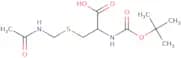
CAS:Boc-Cys(Acm)-OH is a peptide that is used as a research tool in cell biology. It can be used to activate an antibody and is frequently used in studies of ion channels. Boc-Cys(Acm)-OH binds to the receptor, which leads to the activation of ligand binding, leading to pharmacological activity. The chemical formula for this compound is C24H38N6O7 with a molecular weight of 498.09 g/mol.Formula:C11H20N2O5SPurezza:Min. 95%Peso molecolare:292.35 g/molDes 1-10 Obestatin (Rat, Mouse)
A truncated analog of Obestatin, a 23 amino acid gastrointestinal peptide, encoded for by the ghrelin gene and is known to reduce food intake through supressing appetite. This peptide has been found to influence the pancreas, cardiovascular system and adipose tissues as well as the gastrointestinal system. One study showed that when high-fat diet fed rats were given chronic administration of obestatin it prevented the development of non-alcoholic fatty liver disease. Consequently Obestatin has the potential to be used in preventing obesity-related diseases.
Formula:C61H98N22O18Purezza:Min. 95%Peso molecolare:1,427.6 g/mol[Ala353,357]-Presenilin 1 (349-361)
This is a peptide fragment of presenilin 1 (349-361) with an amino acid sequence of Ala353,357. It has a molecular weight of 4.1 kDa and a pI of 5.2. The peptide is synthesized by the enzyme glycogen synthase and may be used as a substrate for this enzyme.Formula:C56H93N21O17Purezza:Min. 95%Peso molecolare:1,332.5 g/molHXB2 gag NO-122
Custom research peptide; min purity 95%. For different specs please use the Peptide Quote ToolPeso molecolare:1,718.9 g/molFmoc-D-Glu(OtBu)-Wang Resin (100-200 mesh) 1% DVB
Fmoc-D-Glu(OtBu)-Wang resin is a solid support for peptide synthesis. It is used to synthesize peptides with the Fmoc or O-benzyl protecting group. The resin has a 1% DVB content and an average particle size of 100-200 mesh.Purezza:Min. 95%Amastatin
CAS:Amastatin is a synthetic product that inhibits peptidases. It is an inhibitor of the protease enzyme and can be used in the treatment of bladder infections caused by Chlamydia parvum. Amastatin has also been shown to inhibit Aminopeptidase, which is an enzyme that cleaves amino acids from proteins, thereby inhibiting protein synthesis. Amastatin has been shown to have an inhibitory effect on proteases in the striatal membranes of rats and may be useful in treating neurodegenerative disorders such as Parkinson's disease.
Formula:C21H38N4O8Purezza:Min. 95%Peso molecolare:474.55 g/mol(Met(O)5)-Enkephalin
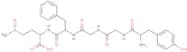
CAS:Enkephalins are a group of endogenous peptides that are the most potent natural analgesic and have been shown to relieve pain by inhibiting neurotransmitters. The (Met(O)5)-enkephalin analog is a structural analog of the enkephalin peptide with a sulfoxide linkage at position 5. This analog has been shown to inhibit acetylcholine release from intestinal ganglia, which may be related to its effects on postsynaptic potentials and glutamate release. This compound also absorbs in the small intestine, where it is taken into the blood stream and transported to the brain. The (Met(O)5)-enkephalin analog has been shown to reduce pain in Sprague-Dawley rats, as well as inhibit intestinal transit time and stimulate intestinal motility.
Formula:C27H35N5O8SPurezza:Min. 95%Peso molecolare:589.67 g/molH-WLGLSAEYGNLYR^-OH
Peptide H-WLGLSAEYGNLYR^-OH is a Research Peptide with significant interest within the field academic and medical research. This peptide is available for purchase at Cymit Quimica in multiple sizes and with a specification of your choice.Boc-D-Trp-OH
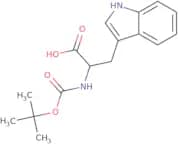
CAS:Boc-D-Trp-OH is a trisubstituted, enantiomerically pure, excitatory amino acid. It has been shown to stimulate the release of neurotransmitters in the central nervous system and to have potent antitumor activity. Boc-D-Trp-OH is an unsaturated ketone that can be used as a building block for peptide synthesis. The disulfide bond present in this molecule may be reduced by the addition of DTT or DTE. This compound has also been shown to have cardiac hypertrophy inhibiting effects, due to its ability to inhibit PDE5 enzyme activity.
Formula:C16H20N2O4Purezza:Min. 95%Peso molecolare:304.34 g/molFmoc-Pro-OH
CAS:Fmoc-Pro-OH is a peptide that contains the Fmoc protecting group. It is used in the synthesis of peptides and has been shown to be effective against microbial infections with marine sponges. The synthesis of this compound can be carried out on an on-line automated peptide synthesizer. The Fmoc protecting group is removed by treatment with trifluoroacetic acid (TFA) in dichloromethane, which leaves the side chain unprotected. This compound has a high binding affinity for the receptor site of fibrinogen and can potentially inhibit the growth of bacteria that cause bacterial infection, such as Staphylococcus aureus and Pseudomonas aeruginosa.
Fmoc-Pro-OH can also be used to synthesize other functional groups such as sulfamoyl groups or acetonitrile groups, depending on the desired outcome.Formula:C20H19NO4Purezza:Min. 98 Area-%Peso molecolare:337.38 g/molUrate Oxidase Recombinant
Urate oxidase is a flavoenzyme that catalyses the oxidation of uric acid to allantoin. It is present in many organisms, including fungi and primates. Urate oxidase catalyzes the oxidation of uric acid to allantoin via the reduction of oxygen to water with concomitant production of hydrogen peroxide. There are four forms of urate oxidase found in nature: tetrameric, dimeric, monomeric, and recombinant. The recombinant form has been shown to be effective against hyperuricaemia in primates and humans with lymphoid malignancies.
Formula:C1523H2383N417O462S7Purezza:>90% By Sds-PageHA peptide
CAS:Haptens are small-molecule drugs that bind to the toll-like receptor. Haptens can be used as a vaccine adjuvant and have been shown to be effective in the prevention of pandemic influenza. Haptens also inhibit viral replication by binding to surface glycoproteins, which prevents them from attaching to host cells. This process triggers the production of reactive oxygen species (ROS) and other inflammatory cytokines, which ultimately result in significant cytotoxicity. Haptens are capable of transferring immune responses from one animal to another, but this transfer is not always successful due to the basic protein structure of haptens.Formula:C53H67N9O17Purezza:Min. 95%Peso molecolare:1,102.18 g/molFmoc-Val-Wang Resin (100-200 mesh) 1% DVB
Fmoc-Val-Wang Resin (100-200 mesh) 1% DVB is a resin that is used in the synthesis of peptides. The resin contains Fmoc-protected amino acids, which are cleaved by the use of hydrogen fluoride to release the free acid form. This resin is characterized by its high purity and low viscosity. It has been shown to be an excellent building block for peptide synthesis, as well as a useful tool for biological studies.Purezza:Min. 95%Myelin Basic Protein (111-129)
The myelin sheath which is located in both the Central Nervous System (CNS) and the Peripheral Nervous System is crucial for neural insulation and the salutatory conduction of nerve impulses. When this myelin sheath is destroyed neurodegeneration and conduction failure occur and theses occurrences can be observed in demyelinating diseases in the CNS such as: acute disseminated encephalomyelitis and multiple sclerosis and within the PNS: Guillain–Barré syndrome and Charcot–Marie–Tooth disease.Myelin Basic Protein (MBP) from which this product is derived is the second most abundant protein in myelin. It has been found to be an intrinsically disordered protein and depending on the environmental conditions it can change its conformation. It also folds into ⍺-helical structures which allow MBP to bind tightly to lipid bilayer surfaces. MBP also interacts with other proteins, namely cytoskeletal proteins and calmodulin and may be involved in signalling pathways. Although more research needs to be carried out, it is thought that MBP significantly contribute to the pathogenesis of multiple sclerosis. As MBP is an autoantigen it can be recognized and cleaved by autoantibodies and is a substrate for the immunoproteasome. Additional research has found that post-translational modifications of MBP such as the removal of arginine are increased and may be involved in the pathogenesis of multiple sclerosis. Therefore this protein derived from MBP can be used to mimic Neurodegenerative disease phenotypes in research and animal models. One-Letter Formula: LSRFSWGAEGQRPGFGYGGFormula:C92H129N27O26Purezza:Min. 95%Peso molecolare:2,029.22 g/molBMP 4 Human
BMP 4 Human is a recombinant human protein that is a member of the TGF-β superfamily. It interacts with Ligand, Receptor, and Activator and has been shown to inhibit Ion channels in vitro. BMP 4 Human is a research tool for studying signaling pathways in pharmacology and cell biology.Purezza:>95% By Sds-Page And Rp-Hplc[FITC]-Ahx-(KKEEE)3K carrier peptide
The [FITC]-Ahx-(KKEEE)3K carrier peptide contains the fluorescent label fluorescein isothiocyanate (FITC), where the isothiocyanate can generate a stable thiourea linkage through reacting with the amine group present on protein molecules. The Ahx group (1,6-aminohexanoic acid) is used as a spacer to N-terminally link the FITC to the (KKEEE)3K carrier peptide. The (KKEEE)3K peptide sequence has shown significant specific renal targeting, thus giving it kidney-specific drug carrier properties. In particular its ability to target drugs to the proximal tubule cells of the kidney suggests potential to aid in the treatment of renal diseases.
Peso molecolare:2,578.83 g/molBiotin SBP2
Truncated version of SBP1, the fragment of the angiotensin-converting enzyme 2 (ACE2) peptidase domain (PD) α1 helix important for the interaction of ACE2 with the severe acute respiratory syndrome (SARS coronavirus receptor binding domain (SARS-CoV-2-RBD). Unlike SBP1, SBP2 does not associate with the spike RBD protein.This peptide has a covalently bonded N-terminal Biotin tag that can be used for detection and purification and contains a polyethylene glycol spacer (PEG4).
Peso molecolare:1,936.9 g/molAlpha-synuclein (1-13)
Alpha-synuclein (1-13) is derived from the alpha-synuclein intrinsically disordered protein which is found in neurons and presynaptic terminals. Encoded by the SNCA1/PARK1 gene alpha-synclein is structurally composed of 140 amino acids, making up the three domains: N-terminal membrane binding domain, a hydrophobic non-amyloid-β component domain and a hydrophilic C-terminal domain. Usually alpha-synuclein plays a role in protecting neurons from apoptotic stimuli and is involved in synaptic vesical trafficking.Accumulation of alpha-synuclein aggregates can lead to neurodegenerative diseases such as Parkinson disease, dementia with Lewy bodies and multiple system atrophy. It is further involved in the fibrilisation of amyloid β and tau which play a major role in Alzheimer disease. Amyloid fibrils are formed from alpha synuclein monomers within the cytosol and when bound to membranes these monomers can undergo conformational changes to form protofibrils and then ring like oligomers. This can result in the formation of transmembrane pores which disrupts the membrane, calcium homeostasis and signalling.In familial Parkinson disease the SNCA1 gene, can be subjected to point mutations such as A30P, E46K and A53T, or over expression. These can result in the increased aggregation of alpha-synuclein.
Peso molecolare:1,482.8 g/molNX 210
SCO-spondin is a large multi-domain glycoprotein of the extracellular matrix, widely distributed in the central nervous system (CNS). SCO-spondin is expressed and secreted in early development by the subcommissural organ (SCO), an ependymal differentiation of the brain. SCO-spondin is part of the Reissner's fiber (RF), a thread-like structure in the spinal cord and is involved in axonal pathfinding, development of brain commissural fibres and spinal cord regeneration in vertebrates. SCO-spondin also interferes with several developmental processes including: neuronal development- axonal pathfinding- neuronal survival- neurite extension- neuronal aggregation, and fasciculation.SCO-spondin has several conserved domains, including 26 thrombospondin type 1 repeats (TSR), nine low-density lipoprotein receptor (LDLr) type A domains, two epidermal growth factor (EGF)-like domains, and N- and C-terminal von Willebrand factor (vWF) cysteine-rich domains. The TSR motifs are highly important in many of SCO-spondins neuronal responses.NX210 corresponds to part of the SCO-spondin TSR sequence, it can increase adhesivity and neuritic outgrowth and is involved in cell-cell and cell-matrix interactions. NX210 can increase cell survival and induce neurite outgrowth.
Peso molecolare:1,301.5 g/molExendin 4 (4-39)
This is a truncated exendin-4 peptide, the original peptide was identified in Gila monster lizard (Heloderma suspectum). Exendin-4 is an incretin mimetic, an analog of glucagon-like-peptide-1 (GLP-1), it stimulates insulin secretion and modulates gastric emptying to slow the entry of ingested sugars into the bloodstream. Exendin-4 is resistant to cleavage by plasma DPP-IV unlike GLP-1. This gives it a longer half-life and duration of action than GLP-1, as well as greater potency in vivo. Exendin-4 increases insulin sensitivity and improves glucose tolerance and is currently used for the treatment of Type 2 diabetes mellitus in its synthetic form Exenatide.Exendin-4 also promotes the production and proliferation of β-cells leading to regeneration of the pancreas. It is a ligand to the exendin receptor and increases pancreatic acinar cell cAMP levels. However, the GLP-1 analog was found to have a toxic effect by inducing hypotension due to relaxation of the cardiac smooth muscle.Colore e forma:PowderPeso molecolare:3,860.9 g/molSakamototide
Sakamototide is phosphorylated by members of the 5'-adenosine monophosphate-activated protein kinase (AMPK) family of kinases as is therefore ideal for use in kinase assays to test the activity of AMPK family members. The AMPK family includes- salt inducible kinases (SIKs), NUAK's, sucrose non-fermenting (Snf1)-related kinase (SNRK), microtubule affinity regulating kinases (MARKs) and brain specific kinase/BR serine/threonine kinase (BRSK). The kinase activity of AMPK and AMPK-related kinases, is dependent on its phosphorylation at Thr175 by the upstream kinase LKB1 (also known as STK11).Colore e forma:PowderPeso molecolare:1,738.9 g/molFibrinopeptide
Fibrinogen is a large plasma glycoprotein with a complex structure, and one of the most abundant proteins in blood. Fibrinogen is important in fibrin clot formation, haemostasis, and inflammatory responses. Increased plasma fibrinogen indicates a proinflammatory state and is a risk factor for vascular inflammatory diseases including hypertension and atherosclerosis. Fibrinogen cleavage products act as inflammatory activators in the pathophysiology of allergic asthma.The conversion of monomeric fibrinogen into polymeric fibrin is mediated by thrombin, which binds to fibrinogen and catalyses cleavage of fibrinopeptide A (FpA) and fibrinopeptide B (FpB). Fibrinopeptide B is protected from modifications such as carbamylation by pyroglutamination of the N-terminal amino acid.Colore e forma:PowderPeso molecolare:1,551.7 g/molSpexin
Spexin is a neuropeptide that is conserved amongst humans and rodents. Spexin activates galanin2/3 receptors, inducing a different active conformation of GalR2 to galanin. The broad distribution of spexin suggests multiple physiological roles including as a regulating factor in obesity and energy metabolism. Spexin is ubiquitously expressed in human tissue, however, a correlation has been found with obesity and age. Obese patients had significantly lower levels of circulating spexin than those with a healthy weight range. The significance of this suggests spexin regulates appetite, feeding behaviour, and energy expenditure. Spexin also specifically inhibits the uptake of long-chain fatty acids by adipocytes.Spexin is a central modulator of cardiovascular and renal function and can elicit central nervous system behavioural responses. As spexin levels decrease with age there is research to understand if it plays a role in age-related pathophysiology of cardiometabolic conditions. Spexin is also being considered an early biomarker for cardiovascular disease due to the magnitude with which it decreases as the pathophysiology progresses.Peso molecolare:1,618.8 g/molPAR-4 Agonist (Mouse)
CAS:Thrombin is the main effector of the coagulation cascade- it is a serine protease. Thrombin binds to active protease activated receptor (PAR) which belongs to a subfamily of G-protein coupled receptors (GPCR). Thrombin activation of mouse PAR-4 reveals an amino terminus sequence of GYPGKF. This is the natural ligand for PAR-4. GYPGKF binds internally to the receptor and leads to signalling activation. Identification of GYPGKF as a PAR-4 agonist has allowed better understand of the function of PAR. Addition of GYPGKF to PAR-4 expressing cell lines achieved 55% of the maximal response of thrombin. GYPGKF can provide understanding of PAR-4 and a template for more potent agonists.
Formula:C33H46N8O7Colore e forma:PowderPeso molecolare:666.3 g/molAcetyl-Histone H4 (1-21)
Histone 4 (H4) is one of the four core histones (H2A, H2B, H3 and H4) which are essential for compacting eukaryotic DNA into the nucleosome. Due to the high lysine and arginine content, histones have a net positive charge and therefore electrostatically interact with negatively charged DNA. The nucleosome arises when 147 base pairs of DNA wrap around a H3-H4 tetramer and two H2A-H2B dimers, forming the histone octamer core. Like other core histones, H4 has a globular domain and a flexible N-terminal domain, the histone tail, which can undergo modifications such as acetylation, methylation, phosphorylation and ubiquitination.Gene transcriptional activation or inactivation is controlled by ATP-dependent chromatin remodelling factors and histone modifying enzymes. Both processes function to alter the positioning of the nucleosome, allowing the DNA within to be either accessible to the transcription machinery or inaccessible. H4 lysine rich tail plays a role in the higher order chromatin folding.Acetyl-Histone H4 (1-21)-has an uncharged C-terminal amide and is protected from N-terminal modifications by a covalently bonded acetyl group.Peso molecolare:2,131.3 g/molSETD8 Peptide
Setd8 is a member of the SET domain containing family of proteins and is the sole methyltransferase that catalyses monomethylation of lysine 20 on histone H4 (H4K20me1). This histone modification is involved in regulating DNA replication, chromosome condensation and gene expression.Setd8 is widely expressed and in addition to modifying histone H4, it can modify non-histone proteins, including p53. Setd8 has been shown to play a role in maintaining skin differentiation and is dysregulated in multiple cancer types.Peso molecolare:1,076.7 g/molbeta-Amyloid (1-11) Human
Amyloid β-peptide (Aβ) has been identified as the key subunit of the extracellular plaques found in the brains of patients with Alzheimer's disease (AD) and Down's syndrome (DS). Aβ has therefore been extensively studied as a potential target for treatment of AD. Aβ is formed from the cleavage of the large, transmembrane protein APP (amyloid precursor protein). Cleavage of APP by β- and then γ-secretases results in the formation of Aβ. Aβ can aggregate to produce amyloid-β oligomers, which are thought to be highly neurotoxic. Over time Aβ can further aggregate to produce the characteristic senile plaques present in AD and DS. Aβ can be degraded by enzymes such as neprilysin, insulin degrading enzyme or endothelin converting enzyme. At physiological levels Aβ may be involved in controlling synaptic activity and neuronal survival.
Peso molecolare:1,325.3 g/molSMAC/DIABLO [Lys(5-FAM)]
SMAC/DIABLO [Lys(5-FAM)] is a pro-apoptotic peptide that is derived from the mitochondrial protein known either as Second Mitochondria-Derived Activator of Caspases (Smac) or Direct IAP Binding Protein with low isoelectric point, pI (DIABLO). During apoptosis the mitochondria has increased permeability to Smac/DIABLO, which causes the protein to diffuse into the cytosol. Here, Smac/DIABLO adheres to Inhibitors of apoptosis proteins (IAPs) and prevents them from binding to caspases, which in turn accentuates apoptosis.This peptide has a C-terminal lysine linker labelled with 5-Carboxyfluorescein (5-FAM), a widely used, green fluorescent tag.
Formula:C68H93N13O21Colore e forma:PowderPeso molecolare:1,428.54 g/molh-Chemerin-9 (149-157)
A Chemerin-9 peptide derived from chemerin, a protein that is involved in a variety of functions such as autocrine, angiogenic, reproductive and chemotactic processes. Chemerin-9 binds to the chemerin receptor 23 (G-protein coupled receptor) and causes the receptors internalisation.Peso molecolare:1,063.5 g/molHLA-A*02:01 HBV core (18-27)
HLA-A*02 is a class I major histocompatibility complex (MHC) allele which is part of the HLA-A group of human major histocompatibility complex (MHC) leukocyte antigens (HLA). HLA-A is a human MHC class I cell surface receptor and is involved in presenting short polypeptides to the immune system. These polypeptides are typically 7-11 amino acids in length and originate from proteins being expressed by the cell. Cytotoxic T cells in the blood "read" the peptide presented by the complex and should only bind to non-self peptides. If binding occurs, a series of events is initiated culminating in cell death via apoptosis. This peptide corresponds to the Hepatitis B variant (HBV) core sequence which is presented on the MHC class I antigen HLA-A*02.Peso molecolare:1,154.6 g/molUrumin
Urumin is a veridical host defence peptide against influenza A virus.The peptide specifically targets the evolutionarily conserved H1 hemagglutinin stalk region of H1-containing influenza A viruses.Urumin has been used against drug-resistant influenza A viruses that are resistant against oseltamivir, zanamivir and peramivir. While its mechanism of action is not fully understood, urumin seems to inhibit viral growth by physically destroying influenza A virions, and is able to protect naive mice from doses of influenza A infection as high as 2 times the LD50. Because of its specific targeting of the hemagglutinin stalk region of the influenza A virus, the mechanism of action of urumin is similar to that of antibodies induced in the body by universal influenza vaccines.Peso molecolare:2,959.4 g/molAlbumin (mouse, rat)
Albumin is a family of globular, water soluble, un-glycosylated proteins commonly found in blood plasma. Albumins generally act as transport proteins that bind to various ligands to transport them around.The most common member of this family is serum albumin. Serum albumin is produced by the liver and is the most abundant plasma protein, it provides oncotic pressure, transports bilirubin, steroids, fatty acids, thyroid hormones and other hormones, and serves as an extracellular antioxidant agent.Too much or too little circulating serum albumin may be harmful. Perturbations in serum albumin concentration is associated with both type 2 diabetes and metabolic syndrome (MetS). Increase in serum albumin concentration might protect against early glycemic deterioration and progression to type 2 diabetes even in subjects without MetS. Albumin in the urine usually denotes the presence of kidney disease.Peso molecolare:1,055.7 g/molHIV p17 Gag (77-85)
The HIV gag gene encodes p17 and p24. P17 Gag is a matrix protein that is vital to HIV life cycle, it targets viral RNA to the nucleus and Gag polyproteins to the cell membrane- p17 Gag accumulates in the extracellular space of tissue while interacting with receptors on various cell types to deregulate cell function.During HIV infection the cytotoxic T lymphocyte (CTL) response is key to attenuating viral replication. CTL recognition epitope of p17 Gag is identified as residues 77-85 to activate the immune response. HIV p17 Gag CTL epitope has been used in IgG titres and has been suggested as a suitable prognostic tool for onset of AIDS. A high affinity of IgG for p17 Gag was correlated to patients remaining in an asymptomatic state. p17 Gag epitope has been shown to induce a strong CTL response in the majority of chronically infected HIV patients. This makes the p17 Gag epitope a target for molecular therapy for HIV treatment and potentially a vaccine development.Colore e forma:PowderPeso molecolare:980.5 g/molHistone H4 (1-23)
Histone 4 (H4) is one of the four core histones (H2A, H2B, H3 and H4) which are fundamental in compacting eukaryotic DNA into the nucleosome. Due to the high lysine and arginine content, histones have a net positive charge and therefore electrostatically interact with negatively charged DNA. The nucleosome arises when 147 base pairs of DNA wrap around a H3-H4 tetramer and two H2A-H2B dimers, forming the histone octamer core. Like other core histones, H4 has a globular domain and a flexible N-terminal domain, the histone tail, which can undergo modifications such as acetylation, methylation, phosphorylation and ubiquitination.Gene transcriptional activation or inactivation is controlled by ATP-dependent chromatin remodelling factors and histone modifying enzymes. Both processes function to alter the positioning of the nucleosome, allowing the DNA within to be either accessible to the transcription machinery or inaccessible. H4's lysine rich tail plays a role in the higher order chromatin folding.Colore e forma:PowderPeso molecolare:2,400.5 g/molAra h 2 (147-155) peanut Allergen
Ara h 2 is one of the major allergenic proteins from peanut (Arachis hypogaea) which contains approximately 13 potential allergenic proteins.Ara h 2 is a member of the 2S albumins (conglutinins) belonging to the prolamin superfamily which also includes Ara h 6. 2S albumins contain major food allergens from seeds of many mono- and dicotyledon plants and share a common compact structure that renders the proteins highly resistant to proteolysis.In mouse models Ara h 2 and Ara h 6 are the main cause of effector responses such as mast cell degranulation and anaphylaxis. Ara h 2 has a high predictive value for diagnosis of clinical peanut allergy and is also more potent than Ara h 1 or Ara h 3 in histamine release assays and skin prick tests.This peptide represents a tryptic peptide of Ara h 2.Colore e forma:PowderPeso molecolare:1,027.5 g/molANP (13-26)
ANP (13-26) is derived from the atrial natriuretic peptide (ANP) which is a cardiac hormone involved in maintaining cardio-renal homeostasis. This occurs through the activation of the guanylyl cyclase-coupled receptor, resulting in the increased concentration of cyclic guanylate monophosphate. Moreover its function in the processes of anti-proliferation and anti-angiogenesis allow it to take part in the cardiovascular remodelling process.ANP is a member of the natriuretic peptide family and it is encoded by the NPPA gene, located on chromosome 1. Once synthesized from the 151 amino acid pre-prohormone into its biologically active form, ANP is secreted by the atrial cardiomyocytes in the circulating forms: ANP (1-98) and ANP (99-126). This synthesis process involves the signal peptide being removed from the pre-prohormone resulting in proANP (1-126) which is converted into the circulating forms by the type II transmembrane serine protease Corin.
Colore e forma:PowderPeso molecolare:1,423.7 g/molbeta-Amyloid (1-14)
Aβ has been identified as the key subunit of the extracellular plaques found in the brains of patients with Alzheimer disease (AD) and Down syndrome (DS). Aβ has therefore been extensively studied as a potential target for treatment of AD.Aβ is formed from the cleavage of the large, transmembrane protein- APP (amyloid precursor protein). Cleavage of APP by β- and then &γ--secretases results in the formation of Aβ. Aβ can aggregate to produce amyloid-β oligomers, which are thought to be highly neurotoxic. Over time Aβ can further aggregate to produce the characteristic senile plaques present in AD and DS. Aβ can be degraded by enzymes such as neprilysin, insulin degrading enzyme or endothelin converting enzyme. At physiological levels Aβ may be involved in controlling synaptic activity and neuronal survival.
Peso molecolare:1,696.7 g/molBMAP-28
Numerous studies have found BMAP-28 to have AMP activity against various bacteria, fungi, and some parasites such as Leishmania. Of note, studies show it inhibits multi-drug resistant (pan-resistant) species of both Gram-negative and Gram-positive bacteria including Acinetobacter baumanniim, Pasteurella multocida, and MRSA. With the rise in antibiotic-resistant species, BMAP-28 is a useful discovery for creating new more potent analogues.In mammalian studies BMAP-28 induces cancer cell death and prevents growth, via inducing mitochondrial pore opening and depolarisation leading to cell apoptosis making it a target for future cancer treatment.
Peso molecolare:3,071.9 g/molSARS-CoV-2 NSP13 (551-565)
The SARS-CoV-2 non-structural protein 13 (NSP13) has been identified as a target for anti-viral therapeutics due to its highly conserved sequence and is essential for viral replication. NSP13 is part of the helicase superfamily 1B. As an NTPase and RNA helicase, NSP13 binds to RNA-dependent RNA polymerase and acts in concert with the replication-transcription complex to stimulate backtracking and further activate NSP13 helicase activity. These factors make NSP13 a good target for developing new antiviral drugs. In addition, the identification of epitopes within the NSP13 sequence can help design more effective SARS-CoV-2 vaccines.Models have predicted epitopes exhibiting antigenicity, stability and interactions with MHC class-I and class-II molecules. NSP13 (551-565) is an epitope candidate with various HLA restrictions. This epitope can be used to better vaccine design for more durable CD4+ and CD8+ T cell responses for long-lasting immunity.Peso molecolare:1,673.8 g/molCoV Main Protease (Mpro) Substrate
Substrate for the severe acute respiratory syndrome coronavirus main protease (SARS-CoV Mpro). The substrate sequence is derived from residues P4-P5' of the SARS-CoV Mpro N-terminal autoprocessing site and was identified by a docking study. This substrate binds to and acts as a competitive inhibitor of SARS-CoV Mpro, (3CLpro).Experiments show that the octapeptide AVLQSGFR is bound to SARS-CoV Mpro through six hydrogen bonds. It is an effective inhibitor of SARS coronavirus with an EC50 of 2.7 x 10⁻² mg/L and is able to block replication of the virus. The octapeptide also shows no detectable toxicity in the host cells.



![[Ala353,357]-Presenilin 1 (349-361)](/_next/image/?url=https%3A%2Fstatic.cymitquimica.com%2Fproducts%2F3D%2Fthumb-webp%2FSPR-3630-PI.webp&w=3840&q=75)






![[FITC]-Ahx-(KKEEE)3K carrier peptide](/_next/image/?url=https%3A%2Fstatic.cymitquimica.com%2Fproducts%2F3D%2Fthumb-webp%2FCRB1100440.webp&w=3840&q=75)

![SMAC/DIABLO [Lys(5-FAM)]](/_next/image/?url=https%3A%2Fstatic.cymitquimica.com%2Fproducts%2F3D%2Fthumb-webp%2FCRB1100325.webp&w=3840&q=75)