Substrati enzimatici
I substrati enzimatici sono molecole su cui agiscono gli enzimi per catalizzare reazioni chimiche. Il substrato si lega al sito attivo dell'enzima, dove subisce una trasformazione specifica per formare il prodotto della reazione. I substrati enzimatici sono strumenti essenziali nella ricerca per studiare la cinetica enzimatica, la specificità e il meccanismo d'azione. Sono utilizzati anche in saggi diagnostici e studi biochimici. Presso CymitQuimica, offriamo una selezione diversificata di substrati enzimatici di alta qualità per supportare le vostre ricerche in enzimologia e biochimica.
Sottocategorie di "Substrati enzimatici"
Trovati 1527 prodotti di "Substrati enzimatici"
Ordinare per
Purezza (%)
0
100
|
0
|
50
|
90
|
95
|
100
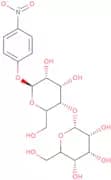
2-Chloro-4-nitrophenyl b-D-maltoside
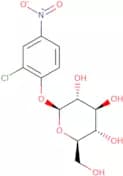
<p>2-Chloro-4-nitrophenyl b-D-maltoside is a fluorescent substrate used in diagnostic kits. It is used to detect the presence of beta-glucuronidase enzymes, which are found in many bacteria and fungi. 2-Chloro-4-nitrophenyl b-D-maltoside has been shown to be a superior substrate for beta-glucuronidase as it can be used at lower concentrations and is more stable than other substrates. The enzyme hydrolyzes the 2,4 nitrophenyl ester bond and releases the fluorogenic product 4-(2'-hydroxyethyl)benzene diazonium chloride (HED). This product emits light under ultraviolet light, making it ideal for use in Bioluminescence Assays.</p>Purezza:Min. 95%Coelenterazine e
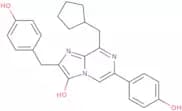
CAS:<p>Coelenterazine e is a synthetic, fluorescent amino acid that can be used to measure calcium ion concentration. It binds to calcium ions and emits light when excited with blue light. Coelenterazine e is an analog of coelenteramide, which is a luminescent protein found in jellyfish. Coelenterazine e has been shown to emit fluorescence when it interacts with calcium ions, while coelenteramide emits bioluminescence instead. The emission of light from coelenterazine e is due to the stabilization of the molecule by calcium ions.</p>Formula:C28H23N3O3Purezza:Min. 90.0 Area-%Peso molecolare:449.51 g/molIPTG
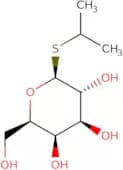
CAS:<p>Isopropyl-beta-D-thiogalactopyranoside (IPTG) is a non-metabolizable allolactose analogue, widely used in molecular biology for overexpression of recombinant proteins from inducible systems under the control of lac promoter. IPTG binds to the LacI repressor and causes its release from the lac operator, allowing gene expression of lac operon to take place. IPTG is present in vectors of pGEX, pGEM-T, pET, pRSET, pMAL class and others.</p>Formula:C9H18O5SPurezza:Min. 99 Area-%Colore e forma:White PowderPeso molecolare:238.3 g/molN-Acetyl-3,7-dihydroxyphenoxazine
CAS:<p>N-Acetyl-3,7-dihydroxyphenoxazine is a fluorescent probe, which is synthesized from chemical precursors and used primarily in biochemical research. This compound acts by undergoing a chemical reaction with hydrogen peroxide, resulting in the formation of resorufin, a highly fluorescent compound. The distinctive property of this probe is its capacity to produce a measurable fluorescent signal upon interaction with hydrogen peroxide, making it an invaluable tool for detecting and quantifying this reactive oxygen species.</p>Formula:C14H11NO4Peso molecolare:257.24 g/molRef: 3D-J-100008
1gPrezzo su richiesta5gPrezzo su richiesta250mgPrezzo su richiesta500mgPrezzo su richiesta2500mgPrezzo su richiesta-Unit-ggPrezzo su richiesta5-Bromo-6-chloro-3-indoxyl sulfate, potassium salt
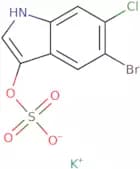
CAS:<p>5-Bromo-6-chloro-3-indoxyl sulfate, potassium salt is a fluorogenic substrate for the enzyme alkaline phosphatase. This compound is used in the detection of alkaline phosphatase activity as well as in many other applications such as diagnostic tests and environmental testing. 5-Bromo-6-chloro-3-indoxyl sulfate, potassium salt is available at high purity and quality.</p>Formula:C8H4BrClKNO4SPurezza:Min. 98 Area-%Peso molecolare:364.65 g/mol4-Nitrophenyl phosphate disodium hexahydrate
CAS:<p>4-Nitrophenyl phosphate disodium salt hexahydrate is a substrate of the hydrolase alkaline phosphatase. The products of the enzymatic reaction are 4-nitrophenol and phosphate.</p>Formula:C6H16NNa2O12PColore e forma:PowderPeso molecolare:371.15 g/mol2-Chloro-4-nitrophenyl-α-L-fucopyranoside
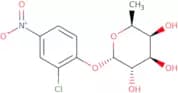
CAS:<p>Alternative chromogenic substrate for alpha-D-galactosidase</p>Formula:C12H14ClNO7Purezza:Min. 98 Area-%Colore e forma:White PowderPeso molecolare:319.69 g/molGlycyl-glycine 7-amido-4-methylcoumarin hydrochloride
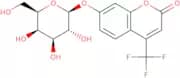
CAS:<p>Glycyl-glycine 7-amido-4-methylcoumarin hydrochloride (Gly-Gly-AMC) is a fluorescent compound that can be used as a probe for the transfer of glycine in the brain. Gly-Gly-AMC binds to Langerhans cells and is transferred by an anterograde axonal transport mechanism from the peripheral nervous system to the central nervous system. The binding of Gly-Gly-AMC to Langerhans cells has been shown to activate them, which induces the release of inflammatory mediators into the surrounding tissue. This activity may be due to increased levels of calcium ions, which are known to induce exocytosis in these cells. Glycine is also involved in depression and other mental disorders, as well as muscle and brain activity.</p>Formula:C14H16ClN3O4Peso molecolare:325.75 g/mol4-Trifluoromethylumbelliferyl b-D-glucopyranoside
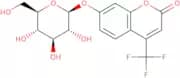
CAS:<p>4-Trifluoromethylumbelliferyl b-D-glucopyranoside is a fluorogenic substrate for beta-glucosidase. Upon hydrolysis, the fluorogenic moiety (blueish) 4-trifluoromethylumbelliferone (also known as TFMU) is released. 4-Trifluoromethylumbelliferyl b-D-glucopyranoside is commonly used in bacterial detection and in Gaucher disease diagnosis.</p>Purezza:Min. 95%Colore e forma:White To Off-White SolidPeso molecolare:392.28 g/mol6-(b-D-Galactopyranosyloxy)-9-(4-methoxy-2-methylphenyl)-3H-xanthen-3-one
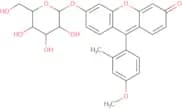
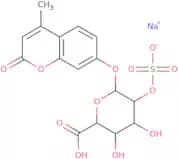
CAS:<p>6-(b-D-Galactopyranosyloxy)-9-(4-methoxy-2-methylphenyl)-3H-xanthen-3-one (MGBG) is a hydrophilic activatable fluorescence probe that has been shown to be effective in photodynamic therapy. MGBG is activated by light and has a high affinity for esterases, which are found in many tissues. The fluorescence of the MGBG is quenched by the esterase enzymes, but when it is exposed to light and oxygen, the probe becomes activated and its fluorescence increases. MGBG can be used as a fluorescent probe for intraperitoneal tumor resection or as a fluorescent imaging agent in optical microscopy.</p>Purezza:Min. 95%Peso molecolare:494.49 g/mol4-Methylumbelliferyl 2-acetamido-2-deoxy-b-D-glucopyranoside-6-sulfate sodium salt
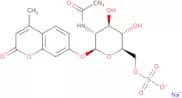
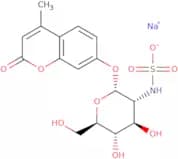
CAS:<p>4-Methylumbelliferyl 2-acetamido-2-deoxy-beta-D-glucopyranoside-6-sulfate sodium salt is a high-quality fluorogenic substrate specifically designed for the detection and quantification of various enzymes, including beta-glucosidases and sulfatases. Upon hydrolysis by the target enzyme, this substrate releases the highly fluorescent 4-methylumbelliferone, allowing for real-time monitoring and accurate measurement of enzyme activities in biochemical assays, diagnostic tests, and research applications. 4-Methylumbelliferyl 2-acetamido-2-deoxy-beta-D-glucopyranoside-6-sulfate sodium salt has excellent solubility in water, ensuring a consistent and reliable performance in different experimental conditions. This versatile substrate is an essential tool for researchers and industry professionals who require a sensitive and reproducible detection method for enzymes of interest.</p>Formula:C18H20NO11SNaPurezza:Min. 98 Area-%Colore e forma:White PowderPeso molecolare:481.41 g/molLuc-Enterococcus K
<p>Luc-Enterococcus K (LK) is a Chromogenic substrate that can be used for the detection of Enterococcus. LK is a conjugate of beta-lactamase and luciferase, which are both enzymes. LK is used in diagnostics to detect the presence of Enterococcus in food and environmental samples. LK can also be used as a chemiluminescent substrate for the detection of Enterococcus in clinical specimens or as an enzyme substrate for the detection of Enterococcus in clinical specimens. CAS No.: 64739-74-8</p>Formula:C17H17KN2O8S2Purezza:Min. 94 Area-%Peso molecolare:480.55 g/molCoelenterazine - lyopholised
CAS:<p>Coelenterazine is a bio-luminescent substrate of luciferases such as Renilla luciferase (Rluc) and Gaussia luciferase (Gluc). The main applications of Coelenterazine are monitoring of reporter genes and chemiluminescence-based methods for Calcium detection. The substrate is also used in bioluminescence resonance energy transfer (BRET), ELISA, HTS and chemiluminescent detection of superoxide anion and peroxynitritein cells or tissues. About this grade Coelenterazine, native, dried (C-7002): in order to provide milligram and sub-milligram quantities of native Coelenterazine we pre-dissolve the substance; defined amounts of Coelenterazine are subsequently dried under nitrogen in individual vials. Coelenterazine, native, dried is identical in quality and chemistry to our product Coelenterazine, native which is provided as a powder.<br>Information to the user: since Coelenterazine is sensitive to oxygen, degas your solvents for stock solutions, if possible. To dissolve Coelenterazine, native, dried please proceed as follows. 1) Add the appropriate amount of solvent. If possible through the septum using a needle. Otherwise open the cap with pliers. 2) Vortex the closed vial briefly to completely dissolve the content of the vial. 3) Take out the solution, if possible with a needle through the septum.</p>Formula:C26H21N3O3Purezza:Min. 95 Area-%Peso molecolare:423.48 g/mol4-Methylumbelliferyl-α-D-glucopyranoside
CAS:<p>Fluorogenic substrate for α-D-glucosidase. It has been used in studies of Pompe's disease (Glycogen Storage Disease). Used for differentiation and enumeration of Enterobactersakazakii based on α-glucosidase activity.</p>Formula:C16H18O8Purezza:Min. 99 Area-%Peso molecolare:338.32 g/molLuciferin-α-D-galactoside, sodium salt
<p>Luciferin-alpha-D-galactoside, sodium salt (LDA) is a bioluminescence substrate. It is used in diagnostic tests for the detection of bacteria and fungi. LDA is also used to measure the effectiveness of biocides and disinfectants. This product has been shown to be a potent fluorogenic substrate in chemiluminescent assays that can be used effectively with firefly luciferase.</p>Formula:C17H17NaN2O8S2Purezza:Min. 94 Area-%Peso molecolare:464.44 g/molRef: 3D-L-8126
5mgPrezzo su richiesta10mgPrezzo su richiesta25mgPrezzo su richiesta50mgPrezzo su richiesta100mgPrezzo su richiesta-Unit-mgmgPrezzo su richiesta2-Naphthyl-α-L-fucopyranoside
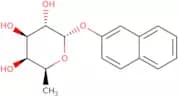
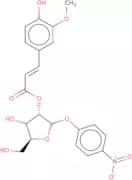
CAS:<p>Chromogenic substrate for α-L-Fucosidase. 2-naphthol is released upon hydrolyzation. By simultaneous coupling with a suitable staining reagent, such as hexazonium p-rosaniline, the corresponding azo-dye is formed. Naphthols can also be detected by fluorescence analysis.</p>Formula:C16H18O5Purezza:Min. 98 Area-%Peso molecolare:290.32 g/mol4-Nitrophenyl 2-O-trans-feruloyl-a-L-arabinofuranoside
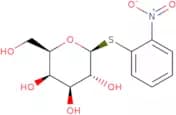
CAS:<p>4-Nitrophenyl 2-O-trans-feruloyl-alpha-L-arabinofuranoside is a chromogenic substrate for alpha-L-arabinofuranosidase. Upon hydrolysis, para-nitrophenol is released yielding a yellowish colour. 4-Nitrophenyl 2-O-trans-feruloyl-alpha-L-arabinofuranoside is used in different applications such as the Plant biomass analysis, bacterial arabinan degradation assays</p>Formula:C21H21NO10Purezza:Min. 95%Colore e forma:PowderPeso molecolare:447.39 g/mol2-Nitrophenyl-β-D-thiogalactopyranoside
CAS:<p>2-Nitrophenyl-beta-D-thiogalactopyranoside is a chromogenic substrate used to detect the presence of galactosidase enzymes in various biological and biochemical assays. It consists of a nitrophenyl group attached to a galactose sugar molecule through a thioglycosidic bond. When acted upon by enzymes such as galactosidases, it releases the colored nitrophenyl group, which can be detected using spectrophotometry. This substrate is commonly used in assays for the detection of LacZ activity in bacterial cultures, as lacZ encodes for β-galactosidase.</p>Formula:C12H15NO7SPurezza:Min. 98 Area-%Colore e forma:Yellow PowderPeso molecolare:317.32 g/molL-Leucine 7-amido-4-methylcoumarin hydrochloride
CAS:<p>Sensitive fluorogenic substrate for leucine aminopeptidase or a broad specificity aminopeptidase like aminopeptidase M that releases a bright blue fluorescent dye, 7-amino-4-methylcoumarin upon enzyme activity (excitation 380nm emission 440nm).</p>Formula:C16H21ClN2O3Purezza:Min. 97.5 Area-%Peso molecolare:324.81 g/molRef: 3D-L-2800
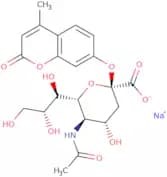
1gPrezzo su richiesta100mgPrezzo su richiesta250mgPrezzo su richiesta500mgPrezzo su richiesta2500mgPrezzo su richiesta-Unit-ggPrezzo su richiesta2'-(4-Methylumbelliferyl)-α-D-N-acetylneuraminic acid, sodium salt
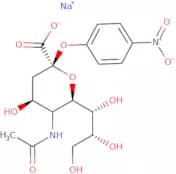
CAS:<p>4-Methylumbelliferyl N-acetyl-a-D-neuraminic acid sodium salt (4-MUNANA) is a fluorogenic substrate of neuraminidase. 4-Methylumbelliferone is released from 4-MUNANA by neuraminidase in the assay and can be detected fluorometrically with excitation at 365-380 nm and emission at 445-454 nm. It can also be used for fluorescent staining of sialidases in PAGE.</p>Formula:C21H24NNaO11Purezza:Min. 98 Area-%Peso molecolare:489.42 g/molAldol® 515 acetate, Biosynth Patent: EP 2427431 and US 8940909
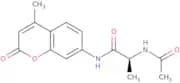
CAS:<p>Aldol® 515 acetate is a chromogenic and fluorogenic substrate, used for detection of esterase activity. The colorless product is cleaved by purified esterase, or esterase secreted by microorganisms in liquid or solid media, yielding a red color and red fluorescence signal when Aldol® 355 fluorescence enhancer or a suitable matrix is present. Aldol® 515 acetate can be used under aerobic and anaerobic conditions. Well detectable color/fluorescence of bacterial colonies or liquid cultures is obtained within 16-48 h. In the presence of a purified esterase, color and fluorescence develops within minutes to few hours.</p>Formula:C25H22N2O3Purezza:Min. 95.0 Area-%Peso molecolare:398.45 g/molAcetyl-L-alanine 7-amido-4-methylcoumarin
CAS:<p>Acetyl-L-alanine 7-amido-4-methylcoumarin is a fluorogenic substrate for aminopeptidase. The enzyme cleaves the N-terminal amino acids, yielding a blue fluorescent solution.</p>Formula:C15H16N2O4Purezza:Min. 98 Area-%Colore e forma:PowderPeso molecolare:288.3 g/mol5-Nitro-3-indolyl-b-D-galactopyranoside
<p>5-Nitro-3-indolyl-b-D-galactopyranoside is a substrate for a number of enzymes, including beta-galactosidase, beta-glucuronidase, and beta-mannosidase. It is used as an enzyme substrate in diagnostics to measure the activity of these enzymes. 5N3IG was also used to study the effects of conjugation on enzyme activity. 5N3IG is available in high purity and high quality at CAS No.</p>Purezza:Min. 95%4-Nitrophenyl-α-L-fucopyranoside
CAS:<p>Chromogenic substrate yielding a soluble yellow chromophor for the colorimetric assay of α-L-fucosidase, especially in human serum.</p>Formula:C12H15NO7Purezza:Min. 98 Area-%Peso molecolare:285.26 g/mol5-Bromo-4-chloro-3-indoxyl-α-D-N-acetylneuraminic acid, cyclohexylammonium salt
<p>5-Bromo-4-chloro-3-indoxyl-alpha-D-N-acetylneuraminic acid, cyclohexylammonium salt is a Fluorogenic substrate used for the detection of an enzyme that converts sialic acid to fluorescein. This product has a high quality and purity with a CAS number. It is used in Culture media as a conjugate, Enzyme substrate, Food testing, High purity, Diagnostics, ligand, Chromogenic substrate, Environmental testing. The product has been tested and found to be safe for use with animals and humans.</p>Formula:C25H35BrClN3O9Purezza:Min. 99.5 Area-%Peso molecolare:636.92 g/mol6-Chloro-3-indoxyl-N-acetyl-β-D-galactosaminide
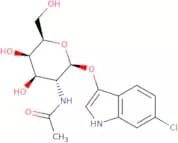
CAS:<p>Chromogenic substrate for N-Acetyl-β-D-galactosaminidase yielding a salmon-colored precipitate.</p>Formula:C16H19ClN2O6Purezza:Min. 98.0 Area-%Peso molecolare:370.79 g/mol4-Methylumbelliferyl-2-O-(α-L-fucopyranosyl)-β-L-fucopyranoside
<p>4-Methylumbelliferyl-2-O-(alpha-L-fucopyranosyl)-beta-L-fucopyranoside is a fluorogenic substrate for alpha-L-fucosidase. After enzymatic cleaveage, free 4-methylumbelliferone (also known as hymecromone) is released, exhibiting blue fluorescence upon excitation with UV light. The strongest fluorescence of 4-methylumbelliferone requires deprotonation of the hydroxyl group (thus requires alkaline pH), with a maximal fluorescence intensity obtained with excitation at 350 to 370 nm and emission at 440 to 470 nm. The use of 4-methylumbelliferyl-2-O-(alpha-L-fucopyranosyl)-beta-L-fucopyranosideas a substrate for measuring the alpha-L-fucosidase activity is used for diagnosis of fucosidosis (defficiency of L-fucosidase).</p>Purezza:Min. 95%Colore e forma:White/Off-White SolidPeso molecolare:468.45 g/molN-Acetyl-glycine p-nitroanilide
CAS:<p>Substrate for hydrolases</p>Formula:C10H10N2O5Purezza:Min. 95%Colore e forma:Yellow powder.Peso molecolare:238.2 g/mol4-Methylumbelliferyl 2-O-(a-L-fucopyranosyl)-b-D-galactopyranoside
CAS:<p>4-Methylumbelliferyl 2-O-(a-L-fucopyranosyl)-b-D-galactopyranoside is an enzyme substrate used in chromogenic assays of alpha-fucosidases. It is also used for glycoprocessing enzymes in synthesis.</p>Purezza:Min. 95%Peso molecolare:484.45 g/mol6-Bromo-2-naphthyl b-D-glucuronide
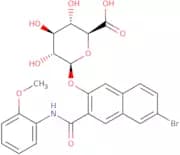
CAS:<p>6-Bromo-2-naphthyl beta-D-glucuronide is a substrate for beta-glucuronidase, an enzyme involved in detoxification and bacterial metabolism. Upon enzymatic hydrolysis, it releases 6-bromo-2-naphthol, which forms a detectable dye when reacted with diazonium salts. This compound is widely used in microbiology to detecting E. coli in water testing and histochemical staining. 6-Bromo-2-naphthyl beta-D-glucuronide is also been used in cancer research studies. It has been found that some tumors are related to a high activity of beta-glucuronidase, responsible to reactivate the carcinogens and promote tumor progression, developing a drug resistance to chemotherapy.</p>Formula:C16H15BrO7Purezza:Min 97%Colore e forma:White Off-White PowderPeso molecolare:399.2 g/mol4-Nitrophenyl b-L-arabinopyranoside
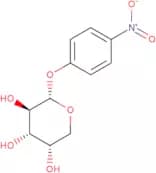
CAS:<p>4-Nitrophenyl beta-L-arabinopyranoside is a chromogenic substrate for beta-L-arabinosidase. Upon hydrolysis, para-nitrophenol is released yielding a yellowish colour. 4-Nitrophenyl beta-L-arabinopyranoside is used in different applications such as the Bacterial arabinan degradation assays, gut microbiome analysis</p>Formula:C11H13NO7Purezza:Min. 98 Area-%Colore e forma:White PowderPeso molecolare:271.22 g/molLipase substrate
CAS:<p>Synthetic chromogenic substrate for detection of lipase enzyme activity that produces a red coloured product, Suitable for use in serum of plasma matrices. This lipase substrate is commonly used in veterinary diagnostics for monitoring and detecting canine pancreatitis,</p>Formula:C45H69NO8Peso molecolare:752.03 g/mol3-(7-Hydroxycoumarin-3-carboxamido)propyl 4-O-(b-D-galactopyranosyl)-b-D-glucopyranoside
<p>3-(7-Hydroxycoumarin-3-carboxamido)propyl 4-O-(b-D-galactopyranosyl)-b-D-glucopyranoside is a fluorogenic substrate that is used for the detection of beta-galactosidase. It has been shown to be an efficient substrate for the enzyme beta galactosidase and can be used to detect this enzyme in cell culture media and other diagnostic applications. 3-(7-Hydroxycoumarin-3-carboxamido)propyl 4-O-(b-D-galactopyranosyl)-b-D-glucopyranoside can also be used as a chromogenic substrate, which is added to a reaction mixture containing beta galactosidase, where it is hydrolyzed by the enzyme to produce a blue color. This product also has food testing and environmental testing applications.</p>Purezza:Min. 95%N-CBZ-L-Lysyl-L-lysyl-L-arginine 7-amido-4-methylcoumarin triacetate
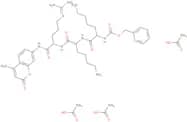
CAS:Prodotto controllato<p>N-CBZ-L-Lysyl-L-lysyl-L-arginine 7-amido-4-methylcoumarin triacetate is a synthetic peptide substrate used as a fluorogenic substrate for aminopeptidase.</p>Formula:C35H51N9O7•(C2H4O2)3Purezza:Min. 95%Colore e forma:PowderPeso molecolare:903.03 g/mol4-Methylumbelliferyl 2-acetamido-2-deoxy-a-D-galactopyranoside - Moscerdam™ biochemical purity
CAS:<p>A fluorogenic substrate for the detection of lysosomal enzyme N-acetyl-α-D-galactopyranosiaminidase (NAGA), which is driving the pathogenesis of Schindler disease. Also substrate for endo-α-N-acetylgalactosaminidase (O-glycosidase), which cleaves O-linked core 1 and core 3 disaccharides from glycoproteins.</p>Formula:C18H21NO8Purezza:Min. 98 Area-%Colore e forma:White PowderPeso molecolare:379.36 g/mol4-Methylumbelliferyl-β-D-ribofuranoside
CAS:<p>4-Methylumbelliferyl-beta-D-ribofuranoside is a chemical compound that belongs to the class of phenols. It has been found in Australian plants and animals. 4-Methylumbelliferyl-beta-D-ribofuranoside is used as a corrosion inhibitor. This chemical has been shown to be effective against corrosion in mammals.br>br><br>4-Methylumbelliferyl-beta-D-ribofuranoside can also be used as a fluorescent probe for studying cell membrane activity.</p>Formula:C15H16O7Purezza:Min. 99 Area-%Peso molecolare:308.29 g/molRef: 3D-M-6190
1gPrezzo su richiesta5gPrezzo su richiesta250mgPrezzo su richiesta500mgPrezzo su richiesta2500mgPrezzo su richiesta-Unit-ggPrezzo su richiesta4-Nitrophenyl 2-acetamido-2-deoxy-a-D-glucopyranoside
CAS:<p>4-Nitrophenyl 2-acetamido-2-deoxy-a-D-glucopyranoside is a chromogenic pNP substrate specifically designed for the analysis of N-acetylglucosaminidase activity. Upon enzyme action, the substrate releases 4-nitrophenol, a yellow compound that can be detected by spectrophotometric methods, providing a reliable and sensitive means of quantifying enzyme activity. This versatile substrate is widely used in biochemical studies, disease diagnostics, and the enzyme production industry.</p>Formula:C14H18N2O8Colore e forma:White Off-White PowderPeso molecolare:342.3 g/mol7-((4'-L-Alaninamido)-rac-3'-hydroxybutyloxy) coumarin hydrochloride
<p>This Clips-O substrate 7-((4'-L-Alaninamido)-rac-3'-hydroxybutyloxy) coumarin allows the detection of single and dual enzymatic activity (L-alanine aminopetidase and oxidation of 4-amino-3-hydroxybutyloxy spacer either enzymatically or by exposure to sodium periodate) with a single substrate resulting in a fluorescent signal. The main virtues of Clips-O substrates are an increased stability towards non-enzymatic hydrolysis that results in a reduced background and high sensitivity.</p>Formula:C16H21ClN2O5Purezza:Min. 95%Colore e forma:PowderPeso molecolare:356.8 g/mol4-Methylumbelliferyl-N-acetyl-β-D-glucosaminide
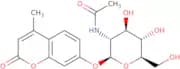
CAS:<p>Fluorogenic substrate for N-Acetyl-β-D-glucosaminidase yielding a blue fluorescent solution. Used for rapid identification of Salmonella species.</p>Formula:C18H21NO8Purezza:Min. 99 Area-%Peso molecolare:379.37 g/molRef: 3D-M-5504
5gPrezzo su richiesta10gPrezzo su richiesta25gPrezzo su richiesta50gPrezzo su richiesta2500mgPrezzo su richiesta-Unit-ggPrezzo su richiesta4-Methylumbelliferyl sulfate, potassium salt
CAS:<p>4-Methylumbelliferyl sulfate, potassium salt is a metabolite of 4-methylumbelliferone and has been used as a human serum marker. This molecule is conjugated with glucuronide and p-hydroxybenzoic acid to form the sulfate, glucuronide conjugate. The reaction mechanism of this compound is not known, but it is thought that the metabolism may involve oxidation at the methyl group. The analytical method for this compound can be performed using liquid chromatography coupled with tandem mass spectrometry (LC-MS/MS). This method can also be used in vitro to test antimicrobial activity against bacteria such as Escherichia coli, Staphylococcus aureus and Pseudomonas aeruginosa.</p>Formula:C10H7KO6SPurezza:Min. 99.0 Area-%Peso molecolare:294.33 g/molRef: 3D-M-6200
5gPrezzo su richiesta10gPrezzo su richiesta25gPrezzo su richiesta50gPrezzo su richiesta100gPrezzo su richiesta-Unit-ggPrezzo su richiestaLuc-S.aureus K
<p>Luc-S.aureus K is an enzyme conjugate containing luciferase and a specific antibody against Staphylococcus aureus. It is used for detection of S.aureus in laboratory cultures, food, and environmental samples. The light produced by this product is proportional to the amount of bacteria present in the sample. This product can be used as a chemiluminescent substrate for detecting alkaline phosphatase activity or as a fluoro-luminescent substrate for detecting beta-galactosidase activity. Luc-S.aureus K has high purity and high quality, with 100% specific binding affinity for S.aureus and no cross reactivity with other bacteria or host cells, making it suitable for use in diagnostic applications.</p>Formula:C17H17KN2O8S2Purezza:Min. 85 Area-%Peso molecolare:480.55 g/molRef: 3D-L-8274
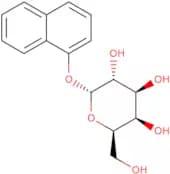
5mgPrezzo su richiesta10mgPrezzo su richiesta25mgPrezzo su richiesta50mgPrezzo su richiesta100mgPrezzo su richiesta-Unit-mgmgPrezzo su richiesta1-Naphthyl a-D-galactopyranoside
CAS:<p>1-Naphthyl a-D-galactopyranoside is a chromogenic substrate use to detect alpha-galactosidase activity.</p>Formula:C16H18O6Purezza:Min. 95%Colore e forma:PowderPeso molecolare:306.31 g/mol5-Cyano-3-indoxyl-β-D-galactopyranoside
<p>For detection of beta-galactosidase activity. <br>The colors of the chromogen can be adjusted by incorporating different functional groups, e.g. cyano or nitro group, which yields purple or black green colonies with beta-galactosidase positive strain.</p>Formula:C15H16N2O6Peso molecolare:320.3 g/mol4-Nitrophenyl O-(N-acetyl-a-neuraminosyl)-(2,3)-O-b-D-galactopyranosyl-(1,3)-2-acetamido-2-deoxy-a-D-galactopyran oxide
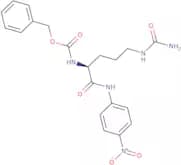
CAS:<p>4-Nitrophenyl O-(N-acetyl-a-neuraminosyl)-(2,3)-O-b-D-galactopyranosyl-(1,3)-2-acetamido-2-deoxy-a-D-galactopyran oxide is a fluorogenic substrate that is used in the detection of glycosidases. It has been shown to be an excellent ligand for the enzyme beta galactosidase, which cleaves the glycan substrate 4NPOBGPA into 4NP and O-(N acetyl) neuraminic acid. 4NPOBGPA can be used as a chromogenic substrate for detecting beta galactosidase activity and can also be conjugated to other fluorescent molecules. This product is high purity and high quality.</p>Purezza:Min. 95%Peso molecolare:795.7 g/molN-α-CBZ-L-citrulline-p-nitroanilide
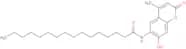
CAS:<p>Nalpha-CBZ-L-Citrulline-p-nitroanilide is a synthetic chromogenic enzyme substrate used in protease enzymatic stutides. After hydrolysis, p-nitroaniline is released, which produces a yellow color detectable spectrophotometrically at 405 nm.</p>Formula:C20H23N5O6Purezza:Min. 95%Peso molecolare:429.43 g/mol6-Hexadecanoylamino-4-methylumbelliferone
CAS:<p>Fluorochrome for calibration of fluorimeters. Used with corresponding fluorogenic substrates for the diagnosis of Krabbe - and Niemann-Pick A/B disease.</p>Formula:C26H39NO4Purezza:Min. 95%Colore e forma:White PowderPeso molecolare:429.59 g/mol4-Nitrophenyl-α-D-galactopyranoside
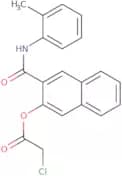
CAS:<p>Chromogenic substrate yielding a soluble chromophore for the colorimetric assay of α-D-galactosidase upon cleavage. Used for the detection of hydrolases in tissues and membranes.</p>Formula:C12H15NO8Purezza:Min. 99.0 Area-%Peso molecolare:301.26 g/molNaphthol AS-D chloroacetate
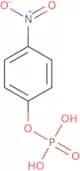
CAS:<p>Histochemical substrate for esterase</p>Formula:C20H16ClNO3Purezza:Min. 98 Area-%Colore e forma:PowderPeso molecolare:353.8 g/molPhosphoric acid, mono(4-nitrophenyl) ester
CAS:<p>Phosphoric acid, mono(4-nitrophenyl) ester is an inhibitor that binds to the human serum albumin (HSA), thereby preventing it from binding to the transcriptional regulatory protein. This leads to a decrease in the activity of this protein and consequently less inhibition of gene expression. The structural analysis of this inhibitor has shown that it forms hydrogen bonding interactions with basic proteins, while its reactivity is mainly dependent on Michaelis–Menten kinetics. The inhibitor also inhibits enzyme activities by binding to their active sites, reducing the enzyme's ability to catalyze reactions.</p>Formula:C6H6NO6PPeso molecolare:219.09 g/molRef: 3D-P-6460
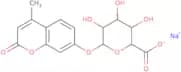
1kgPrezzo su richiesta50gPrezzo su richiesta100gPrezzo su richiesta250gPrezzo su richiesta500gPrezzo su richiesta-Unit-kgkgPrezzo su richiesta4-Methylumbelliferyl a-L-idopyranosiduronic acid sodium salt
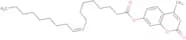
CAS:<p>PAIRED PRODUCT AVAILABLE: alpha-L-iduronidase Enzyme, FI179383.<br>4MU-alpha-L-idopyranosiduronic acid is a fluorogenic substrate for alpha-L-iduronidase. Active alpha-L-iduronidase cleaves the MU moiety from the synthetic substrate, which results in release of a fluorescent signal (Ex 360 nm / Em 455 nm). The reaction is stopped by the addition of sodium carbonate. 4MU-alpha-L-idopyranosiduronic acid is used in alpha-L-iduronidase assays in the context of biochemical characterisation of samples from patients affected by lysosomal storage disease mucopolysaccharidosis I (MPS I).</p>Formula:C16H15NaO9Purezza:Min. 98 Area-%Colore e forma:White PowderPeso molecolare:374.27 g/mol4-Methylumbelliferyl oleate
CAS:<p>Methylumbelliferyl oleate is a MOSCERDAM® substrate targeting the lipase enzyme</p>Formula:C28H40O4Purezza:Min. 90 Area-%Colore e forma:White PowderPeso molecolare:440.61 g/mol4-Trifluoromethylumbelliferyl β-D-galactopyranoside
CAS:<p>4-Trifluoromethylumbelliferyl β-D-galactopyranoside is a fluorogenic substrate for beta-galactosidase	. Upon hydrolysis, the fluorogenic moiety (blueish) 4-trifluoromethylumbelliferone (also known as TFMU) is released. 4-Trifluoromethylumbelliferyl β-D-galactopyranoside is commonly used in bacterial detection and in LacZ gene expression assays.</p>Formula:C16H15F3O8Purezza:Min. 95%Colore e forma:PowderPeso molecolare:392.28 g/mol4-Trifluoromethylumbelliferyl-β-D-galactopyranoside
CAS:<p>4-Trifluoromethylumbelliferyl-beta-D-galactopyranoside is a fluorogenic substrate for beta-galactosidase. It is used in the detection of beta-galactosidase activity in cell lysates and culture media, as well as in food testing. This compound has been shown to be highly pure, with a purity greater than 98%. 4-Trifluoromethylumbelliferyl-beta-D-galactopyranoside has also been shown to have high chemiluminescence, making it an ideal candidate for use in diagnostics.</p>Formula:C16H15F3O8Peso molecolare:392.29 g/mol4-Methylumbelliferyl nonanoate
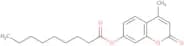
CAS:<p>4-Methylumbelliferyl nonanoate is a fluorogenic substrate for lipase. After enzymatic cleaveage, free 4-methylumbelliferone (also known as hymecromone) is released, exhibiting blue fluorescence upon excitation with UV light. The strongest fluorescence of 4-methylumbelliferone requires deprotonation of the hydroxyl group (thus requires alkaline pH), with a maximal fluorescence intensity obtained with excitation at 350 to 370 nm and emission at 440 to 470 nm. The use of 4-methylumbelliferyl nonanoateas a substrate for measuring the lipase activity is used for the detection of lipase deficiency that could lead to pancreatic insufficiency.</p>Formula:C19H24O4Purezza:Min. 95%Colore e forma:PowderPeso molecolare:316.39 g/mol5-Bromo-4-chloro-3-indoxyl phosphate p-toluidine, micronized
CAS:<p>A substrate for alkaline phosphatase yielding a blue insoluble product upon cleavage. Colour can be further enhanced when used together with Nitroblue tetrazolium. The substrate system is versatile and has functions in a variety of applications, including Northern, Southern, and Western blotting, in situ hybridization, ELISAs, microarray and immunohistochemistry. The micronized structure enhances solubility.</p>Formula:C8H6BrClNO4P•C7H9NPurezza:Min. 95%Colore e forma:PowderPeso molecolare:433.63 g/mol4-Methylumbelliferyl b-D-cellotrioside
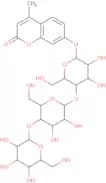
CAS:<p>Fluorogenic cellulose analogue</p>Formula:C28H38O18Purezza:Min. 95%Colore e forma:PowderPeso molecolare:662.6 g/molD-Luciferin Firefly, potassium salt
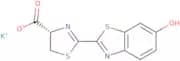
CAS:<p>Water soluble substrate for firefly luciferase. Used for imaging the expression of the LUC marker gene and luciferase-fusion conjugates in living cells, tissues and organisms. Extensively utilized in reporter gene assays, immunoassays and hygiene monitoring.</p>Formula:C11H7KN2O3S2Purezza:Min. 99.0 Area-%Peso molecolare:318.42 g/mol4-Methylumbelliferone
CAS:<p>4-Methylumbelliferone is a coumarin derivative that inhibits the activity of enzymes such as p-nitrophenyl phosphate oxidase and aminopeptidase. It is used in vitro to study oxidative injury, which plays a role in the pathogenesis of inflammatory diseases, including primary sclerosing cholangitis and bone marrow transplantation. 4-Methylumbelliferone has been shown to induce apoptosis by increasing reactive oxygen species levels and activating toll-like receptor 4 (TLR4). It also has inhibitory effects on osteosarcoma cell proliferation in vitro.</p>Formula:C10H8O3Peso molecolare:176.17 g/mol6-Chloro-3-indoxyl caprylate
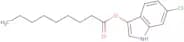
CAS:<p>6-Chloro-3-indoxyl caprylate is a high quality, enzyme substrate, chromogenic substrate, bioluminescence, chemiluminescence ligand, staining and diagnostics reagent. It has CAS No. 159954-35-5 and is used in food testing, culture media and environmental testing. 6-Chloro-3-indoxyl caprylate is also a fluorogenic substrate that is used for high purity applications such as conjugation with other molecules.</p>Formula:C16H20ClNO2Peso molecolare:293.80 g/molFLsharp™ - Phosphate, disodium salt
<p>FLsharp™ - Phosphate, disodium salt is a fluorogenic water-soluble substrate for phosphatase enzymes. Its chemical name is 6-Chloro-2-[5-chloro-2-(phosphonooxy)phenyl]-4(1H)-quinazolinone disodium salt and was developed by Molecular Probes in the 1990s. After cleavage of the substrate by phosphatase activity, an insoluble product is formed that is highly fluorescent in the solid state. Upon UV irradiation this very stable fluorophore emits green light in the 530 nm range for an extended period of time. FLsharp™ is a unique substrate - optimized for the detection of phosphatase activity in solid matrices such as agar media, tissue sections or microscopic preparations. FLsharp™ - Phosphate, disodium salt is used in microbiology as a substrate for bacterial phosphatases.</p>Purezza:Min. 95%4-Nitrophenyl-β-D-xylopyranoside
CAS:<p>Chromogenic β-xylosidase substrate yielding a yellow solution upon cleavage.</p>Formula:C11H13NO7Purezza:Min. 99 Area-%Peso molecolare:271.23 g/mol2-Fluoro-4-nitrophenyl b-D-galactopyranoside
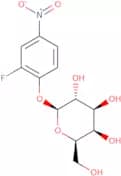
CAS:<p>2-Fluoro-4-nitrophenyl b-D-galactopyranoside is a chromogenic substrate in enzymatic assays with β-galactosidase. Commonly abbreviated as PFONPG, it is a hydrophilic compound that can be dissolved in saline and blood samples, which makes it a suitable candidate for diagnostic applications as a gene reporter probe by simple analytic methodologies. 2-Fluoro-4-nitrophenyl b-D-galactopyranoside have been used to detect and monitor the growth of prostate tumor cells.</p>Purezza:Min. 95%Colore e forma:PowderPeso molecolare:319.24 g/mol2-O-(4-Nitrophenyl)-a-D-N-glycolylneuraminic acid
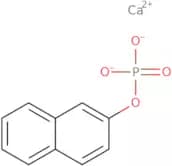
CAS:<p>2-O-(4-Nitrophenyl)-a-D-N-glycolylneuraminic acid is commonly used to measure the activity of sialidase enzymes, specifically those that cleave glycoconjugates containing 2-O-(4-nitrophenyl)-alpha-D-N-glycolylneuraminic acid. The resulting product can be detected by measuring the absorbance at a specific wavelength using a spectrophotometer. This substrate offers a high degree of specificity for glycolylneuraminic acid-containing substrates and is useful for both research and diagnostic purposes.</p>Purezza:Min. 95%Colore e forma:PowderPeso molecolare:446.36 g/molCalcium 2-naphthylphosphate
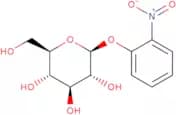
CAS:<p>Calcium 2-naphthylphosphate, which is the calcim salt of 2-naphthylphosphate, is a chromogenic substrate to measure alkaline phosphatase activity. After enzymatic cleavage, the product yielded (2-naphthol) generates a red-colored complex upon reaction with a diazonium salt like Fast Blue RR or Fast Garnet GBC.</p>Purezza:(%) Min. 95%Colore e forma:PowderPeso molecolare:282.24 g/mol2-Nitrophenyl-β-D-glucopyranoside
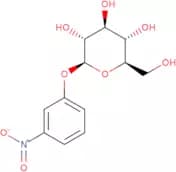
CAS:<p>Chromogenic beta-Glucosidase substrate yielding a yellow solution upon cleavage.</p>Formula:C12H15NO8Peso molecolare:301.26 g/molRef: 3D-N-4320
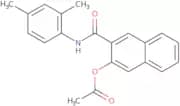
5gPrezzo su richiesta10gPrezzo su richiesta25gPrezzo su richiesta50gPrezzo su richiesta2500mgPrezzo su richiesta-Unit-ggPrezzo su richiestaNaphthol AS-MX acetate
CAS:<p>Modified naphtol AS substrate used in histochemical and cytochemical staining</p>Formula:C21H19NO3Purezza:Min. 80%Colore e forma:White Off-White PowderPeso molecolare:333.38 g/mol4-Methylumbelliferyl phosphate, disodium salt trihydrate
CAS:<p>Sensitive fluorogenic substrate for fluorometric and UV-spectrophotometric assays of phosphatases.</p>Formula:C10H13Na2O9PPeso molecolare:354.16 g/molLuc-Listeria Na
<p>Luc-Listeria Na is a conjugated substrate for the detection of Listeria monocytogenes in food, environmental and clinical samples. It is a high purity product that can be used for the detection of Listeria monocytogenes from culture media, bioluminescence, chromogenic substrate, and fluorogenic substrate. Luc-Listeria Na is also a ligand for ELISA and IHC assays.</p>Formula:C17H18N2NaO11PS2Purezza:Min. 94 Area-%Peso molecolare:544.42 g/molRef: 3D-L-8250
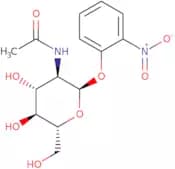
5mgPrezzo su richiesta10mgPrezzo su richiesta25mgPrezzo su richiesta50mgPrezzo su richiesta100mgPrezzo su richiesta-Unit-mgmgPrezzo su richiesta2-Nitrophenyl 2-acetamido-2-deoxy-a-D-glucopyranoside
CAS:<p>2-Nitrophenyl 2-acetamido-2-deoxy-alpha-D-glucopyranoside is a chromogenic substrate used to assay the activity of enzymes that cleave N-acetyl-alpha-D-glucosaminide, such as chitinases and lysozymes. Upon cleavage by the enzyme of interest, the substrate releases a yellow-colored 2-nitrophenol that can be measured spectrophotometrically. This substrate is widely used in the food industry to monitor the activity of lysozyme in cheese, as well as in biomedical research for studying cellular and molecular mechanisms involved in conditions such as inflammation and cancer.</p>Purezza:Min. 95%Colore e forma:PowderPeso molecolare:342.3 g/mol5-Bromo-4-chloro-3-indolyl a-L-rhamnoside
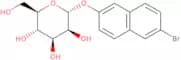
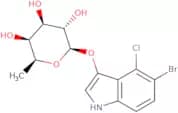
<p>5-Bromo-4-chloro-3-indolyl a-L-rhamnoside is a chromogenic substrate used to detect the specific enzymatic activity of alpha-L-rhamnosidase. After cleavage, 5-bromo-4-chloro-indoxyl is released, resulting in a blue to blue-green color change in bacterial colonies or media. 5-Bromo-4-chloro-3-indolyl a-L-rhamnoside is used in bacterial rhamnose metabolism studies (e.g. E. coli).</p>Formula:C14H15BrClNO5Purezza:Min. 95%Colore e forma:SolidPeso molecolare:392.63 g/mol6-Bromo-2-naphthyl α-D-mannopyranoside
CAS:<p>Chromogenic substrate to visualize the activity of alpha-D-mannopyranoside; red color produced</p>Formula:C16H17BrO6Purezza:Min. 95%Colore e forma:PowderPeso molecolare:385.21 g/molAminoseleno-D-luciferin
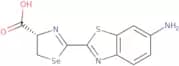
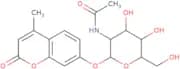
CAS:<p>Selenium analogue of firefly luciferin with red-shifted bioluminescence</p>Formula:C11H9N3O2SSePurezza:Min. 95%Peso molecolare:326.23 g/mol4-Methylumbelliferyl 2-acetamido-2-deoxy-a-D-glucopyranoside
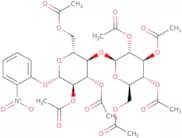
CAS:<p>4-Methylumbelliferyl 2-acetamido-2-deoxy-alpha-D-glucopyranoside is a fluorogenic substrate for alpha-N-acetylglucosaminidase. After enzymatic cleaveage, free 4-methylumbelliferone (also known as hymecromone) is released, exhibiting blue fluorescence upon excitation with UV light. The strongest fluorescence of 4-methylumbelliferone requires deprotonation of the hydroxyl group (thus requires alkaline pH), with a maximal fluorescence intensity obtained with excitation at 350 to 370 nm and emission at 440 to 470 nm. The use of 4-methylumbelliferyl 2-acetamido-2-deoxy-alpha-D-glucopyranosideas a substrate for measuring the alpha-N-acetylglucosaminidase activity is used for Sanfilippo syndrome B screening and mucopolysaccharidosis diagnosis.</p>Formula:C18H21NO8Purezza:Min. 98 Area-%Colore e forma:PowderPeso molecolare:379.36 g/mol2-Nitrophenyl b-D-cellobioside heptaacetate
CAS:<p>2-Nitrophenyl b-D-cellobioside heptaacetate is a chromogenic enzyme substrate used to assay for cellobiohydrolase activity. The substrate undergoes enzymatic hydrolysis, releasing 2-nitrophenol which can then be detected via absorbance at 400 nm. This type of substrate is also used for the analysis of cellulose and hemicelluloses in plant materials. The heptaacetate modification enhances solubility, making it ideal for use in organic solvents, and it also protects against unwanted hydrolysis by acid or alkali. The substrate can be used in a variety of applications, including enzyme assay development, screening for inhibitors or activators, and in the study of the mode of action and substrate specificity of cellulase enzymes.</p>Purezza:Min. 95%Colore e forma:PowderPeso molecolare:757.65 g/molGlycyl-glycine 7-amido-4-methylcoumarin hydrochloride
CAS:<p>Glycyl-glycine 7-amido-4-methylcoumarin hydrochloride is a synthetic peptide substrate used as a fluorogenic substrate for aminopeptidase.</p>Formula:C14H16ClN3O4Purezza:Min. 95%Colore e forma:PowderPeso molecolare:325.75 g/mol4-Methylumbelliferyl 6-O-(N-acetylneuraminyl)-b-D-glucopyranoside
<p>4-Methylumbelliferyl 6-O-(N-acetylneuraminyl)-b-D-glucopyranoside is a fluorescent substrate for the enzyme β-D-galactosidase. It is used in the detection of β-D-galactosidase activity in the diagnosis of various diseases, including celiac disease and AIDS. 4-Methylumbelliferyl 6-O-(N-acetylneuraminyl)-b-D-glucopyranoside can also be used as a chromogenic or fluorogenic substrate for chemiluminescent detection of β-D-galactosidase activity. The conjugate with horseradish peroxidase can be used to detect hydrogen peroxide in water samples, such as drinking water, wastewater, and surface waters. 4MUG has been shown to have high purity and is CAS No. 78761–35–4.</p>Purezza:Min. 95%Dehydroluciferin
CAS:<p>Dehydroluciferin is a synthetic analogue of luciferin, which is naturally found in fireflies. It has a high resistance to degradation by the target enzymes and is used as a substrate in chemiluminescent assays. Dehydroluciferin reacts with luciferase to produce light that can be measured using a photomultiplier tube. The light emission is proportional to the amount of enzyme activity present in the sample and may be used to determine the presence of specific enzymes in test samples. This compound also reacts with disulfide bonds, which are found in proteins, such as cytochrome P450, that are involved in metabolism.</p>Formula:C11H6N2O3S2Purezza:Min. 97.0 Area-%Peso molecolare:278.31 g/molRef: 3D-W-201759
25mgPrezzo su richiesta50mgPrezzo su richiesta100mgPrezzo su richiesta250mgPrezzo su richiesta500mgPrezzo su richiesta-Unit-ggPrezzo su richiesta2-Naphthyl caprylate
CAS:<p>Chromogenic substrate for carboxylesterase and lipase. 2-naphthol is released upon hydrolyzation. By simultaneous coupling with a diazonium salt, the corresponding azo-dye is formed. Naphthols can also be detected by fluorescence analysis. Used in an colorimetric assay for the extracellular lipase of Pseudomonas fluorescens B52.</p>Formula:C18H22O2Purezza:Min. 98.0 Area-%Peso molecolare:270.37 g/molRef: 3D-N-2220
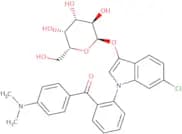
1gPrezzo su richiesta5gPrezzo su richiesta250mgPrezzo su richiesta500mgPrezzo su richiesta2500mgPrezzo su richiesta-Unit-ggPrezzo su richiestaAldol® 467 β-D-galactopyranoside, Biosynth Patent: EP 2427431 and US 8940909
CAS:<p>Aldol® 467 beta-D-galactopyranoside is a chromogenic and fluorogenic enzyme substrate used for detection of beta-galactosidase activity. The colorless product is cleaved by lactose-utilizing bacteria grown in liquid or solid media, yielding yellow coloration and green fluorescence. Aldol® 467 beta-D-galactopyranoside can also be used in beta-galactosidase gene reporter assays or immunoassay applications (ELISA). Aldol® 467 beta-D-galactopyranoside can be used under aerobic and anaerobic conditions.</p>Formula:C29H28ClNO9Purezza:Min. 95%Colore e forma:PowderPeso molecolare:570 g/mol2-Naphthyl-β-D-galactopyranoside
CAS:<p>2-Naphthyl-β-D-galactopyranoside is a substrate for β-galactosidase. 2-Naphthol is released upon hydrolyzation. By simultaneous coupling with a suitable staining reagent, such as hexazonium p-rosaniline, the corresponding reddish-brown azo-dye is formed. Naphthols can also be detected by fluorescence analysis.</p>Formula:C16H18O6Purezza:Min. 99 Area-%Peso molecolare:306.32 g/mol4-Nitrophenyl myristate
CAS:<p>4-Nitrophenyl myristate (NphOMy) is a chromogenic enzyme substrate used as a diagnosis tool for detection of β-lactamase hydrolysis activities. In the presence of certain drugs, 4-nitrophenyl myristate HSA-Tyr411-catalyzed hydrolysis seems to be inhibited.</p>Formula:C20H31NO4Purezza:Min. 95 Area-%Colore e forma:White PowderPeso molecolare:349.46 g/molMonofluoresceinated mannitol
<p>Monofluoresceinated mannitol is a fluorescently labeled form of mannitol. It is used as a tracer for metabolism studies.</p>Formula:C27H24O12Purezza:Min. 95%Colore e forma:PowderPeso molecolare:540.46 g/molAldol® 515 4-acetoxybutyrate solution, 0.75 M in DMSO, Biosynth Patent: EP 2427431 and US 8940909
CAS:Prodotto controllato<p>Aldol® 515 4-acetoxybutyrate solution, 0.75 M in DMSO, is a chromogenic substrate that can be used to measure the activity of aldolase. It is a liquid at room temperature and has a pH of 7.2. The Aldol® 515 4-acetoxybutyrate solution, 0.75 M in DMSO, is soluble in water and organic solvents such as DMSO and ethanol. This product does not contain any preservatives or additives and is suitable for use with humans and animals. Aldol® 515 4-acetoxybutyrate solution, 0.75 M in DMSO, is manufactured by Cymit Quimica under patents EP 2427431 and US 8940909.br>br><br>Aldolase catalyzes the conversion of dihydroxyacetone phosphate (DHAP) to glyceraldehyde 3-phosphate</p>Formula:C29H28N2O5Purezza:Min. 95 Area-%Peso molecolare:484.54 g/mol4-Methylumbelliferyl β-D-apiofuranoside
<p>4-Methylumbelliferyl beta-D-apiofuranoside is a fluorescent substrate that is used in the detection of enzyme activity. It is a yellow crystalline powder with a melting point of 132°C and an optical rotation of +27°. 4-Methylumbelliferyl beta-D-apiofuranoside can be used as a conjugate for fluorescence, chemiluminescence, or bioluminescence detection of enzymes such as β-galactosidase, phosphatases, esterases, and peroxidases. It is also used to stain cells and tissues for microscopic analysis. This product has been tested for its effects on the environment and found to have little potential for harm to the environment. 4-Methylumbelliferyl beta-D-apiofuranoside has been shown to be high purity with no significant impurities detected in testing. The chemical has shown high quality characteristics in</p>Formula:C15H16O7Purezza:Min. 95 Area-%Peso molecolare:308.29 g/mol5-Bromo-4-chloro-3-indoxyl phosphate, dilithium salt hydrate
<p>5-Bromo-4-chloro-3-indoxyl phosphate, dilithium salt hydrate is a chromogenic substrate used to detect the specific enzymatic activity of alkaline phosphatase. After cleavage, 5-bromo-4-chloro-indoxyl is released, resulting in a blue to blue-green color change in bacterial colonies or media. 5-Bromo-4-chloro-3-indoxyl phosphate, dilithium salt hydrate is used in ELISA and molecular biology assays such as lacZ reporter systems.</p>Formula:C8H4BrClLi2NO4P(anhydrousbasis)Purezza:Min. 98 Area-%Colore e forma:PowderPeso molecolare:338.34 g/mol3-Indoxyl phosphate p-toluidine Salt
CAS:Prodotto controllato<p>3-Indoxyl phosphate p-toluidine salt is a secretor of blood group A. It is used in the detection of the presence of alkaline phosphatase in serum and other body fluids. This compound has been shown to be an isoform of 3-indoxyl phosphate with a molecular mass of about 4,000 daltons. It is also used as a substrate for gel electrophoresis and filtration experiments. The purified form of this compound has been shown to have an alkaline phosphatase activity that is ˜4 times greater than that found in human serum and intestinal extracts.</p>Formula:C8H8NO4P·C7H9NPurezza:Min. 98 Area-%Colore e forma:PowderPeso molecolare:320.28 g/molNaphthol AS-E acetate
CAS:<p>Modified naphtol AS substrate used in histochemical and cytochemical staining</p>Formula:C19H14ClNO3Purezza:Min. 95%Peso molecolare:339.77 g/mol4-Nitrophenyl 3-O-(β-D-glucopyranosyl)-β-D-glucopyranoside
CAS:<p>Chromogenic substrate for beta-glucanase</p>Formula:C18H25NO13Purezza:Min. 95 Area-%Colore e forma:PowderPeso molecolare:463.39 g/mol4-Nitrophenyl 2-acetamido-4-O-(2-acetamido-2-deoxy-b-D-glucopyranosyl)-2-deoxy-a-D-galactopyranoside
<p>4-Nitrophenyl 2-acetamido-4-O-(2-acetamido-2-deoxy-b-D-glucopyranosyl)-2-deoxy-a-D-galactopyranoside is an enzyme substrate that is used in the detection of phenylalanine, tyrosine, and tryptophan. It is also used for environmental testing, bioluminescence, culture media, chemiluminescence, fluorogenic substrate, food testing, diagnostics and other applications.</p>Purezza:Min. 95%Colore e forma:Off-White PowderPeso molecolare:545.49 g/mol2-Naphthyl butyrate
CAS:<p>2-Naphthyl butyrate is used as a chromogenic substrate in hematological studies via measuring esterase activity. This type of assays are important as it can help in distinguishing acute leukemias with monocytic or granulocytic differentiation. After hydrolysis of 2-naphthyl butyrate by the esterase (for example acylase), b-napthol is released that can be quantified spectrophotometrically (Exc 320 nm; Em 410 nm).</p>Formula:C14H14O2Purezza:Min. 98 Area-%Colore e forma:Colorless Clear LiquidPeso molecolare:214.26 g/mol5-Bromo-4-chloro-3-indolyl 5-O-feruloyl a-L-arabinofuranoside
<p>5-Bromo-4-chloro-3-indolyl 5-O-feruloyl a-L-arabinofuranoside is a chemiluminescent ligand that is used in the detection of DNA, RNA, and proteins. It has been shown to be an efficient fluorescence substrate for DNA and RNA polymerases. 5-Bromo-4-chloro-3-indolyl 5-O-feruloyl a-L-arabinofuranoside is suitable for use in diagnostic tests for bacteria, fungi, viruses, parasites, and toxins. This compound has been extensively tested for toxicity and carcinogenicity.</p>Purezza:Min. 95%BCM® Staphylococcus aureus Plating medium
<p>Please enquire for more information about BCM® Staphylococcus aureus Plating medium including the price, delivery time and more detailed product information at the technical inquiry form on this page</p>Ref: 3D-C-0437
1kgPrezzo su richiesta5kgPrezzo su richiesta10kgPrezzo su richiesta500gPrezzo su richiesta2500gPrezzo su richiesta-Unit-kgkgPrezzo su richiesta5-Bromo-4-chloro-3-indolyl b-D-glucuronide sodium salt
CAS:<p>Chromogenic substrate for beta-glucuronidase</p>Formula:C14H12BrClNNaO7Purezza:Min. 98 Area-%Colore e forma:White Off-White PowderPeso molecolare:444.59 g/molAldol® 470 butyrate, Biosynth Patent: EP 2427431 and US 8940909
CAS:Prodotto controllato<p>Aldol® 470 butyrate, a chromogenic substrate manufactured by Cymit Quimica and used for enzymatic assays that produces a yellow-orange color upon enzymatic cleavage.</p>Formula:C27H25NO5Purezza:Min. 95%Colore e forma:PowderPeso molecolare:443.5 g/molLuc-phosphate Na enhanced
<p>Luc-phosphate Na enhanced is a bioluminescent substrate used to detect phosphatase activity in bacterial assays.</p>Formula:C18H12N2Na3O7PS2Purezza:Min. 97 Area-%Peso molecolare:531.95 g/molAc-Abu-Tle-Leu-Gln-AMC TFA salt
<p>A fluorogenic substrate for detection of enzymatic activity of the SARS-CoV-2 Mpro protease. The fluorophore 7-Amino-4-methylcoumarin (AMC) is linked to the tetrapeptide via a peptide bond at the C-terminal of the glutamine residue. Following the hydrolytic activity of the Mpro protease, the fluorogenic AMC group get released from the substrate, generating a fluorescent signal (Ex 380 nm / Em 455 nm).</p>Formula:C33H48N6O8(freebase)Purezza:Min. 95.0 Area-%Peso molecolare:656.77 g/molDDAO galactoside
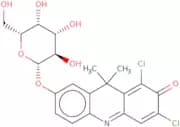
CAS:<p>The DDAO molecule [7-hydroxy-9H-(1, 3-dichloro-9, 9 dimethylacridin-2-one] is used as a stain and a dye in molecular biology, due to its ability to bind intracellular and extracellular DNA. DDAO galactoside is a fluorogenic substrate for galactosidase.</p>Purezza:Min. 95%Colore e forma:PowderPeso molecolare:470.3 g/molAldol® 458 nonanoate, Biosynth Patent: EP 2427431 and US 8940909
CAS:Prodotto controllato<p>Aldol 458 nonanoate is a fluorogenic substrate that can be used in the detection of enzyme activity particularly C8/C9-esterases, lipases activity producing a yellow/green-orange color. Aldol 458 nonanoate reacts with enzymes, such as oxidoreductases and hydrolases, to produce light. This product is a conjugate of aldol 458 nonanoate and an enzyme substrate for the detection of these enzymes. It has been shown to be useful in food testing, staining, fluorogenic substrate, environmental testing, chromogenic substrate, conjugate, high purity, enzyme substrate for diagnostics and ligand.</p>Formula:C25H29NO4Purezza:Min. 95%Peso molecolare:407.5 g/mol3-(4,4-Difluoro-5,7-dimethyl-4-bora-3a,4a-diaza-s-indacene-3-propionamido)propyl b-D-lactoside
<p>3-(4,4-Difluoro-5,7-dimethyl-4-bora-3a,4a-diaza-s-indacene-3-propionamido)propyl b -D -lactoside (FDPBP) is a substrate for alkaline phosphatase. It reacts with the enzyme to produce a blue color. FDPBP is used in diagnostic applications such as food testing and bioluminescence.</p>Purezza:Min. 95%Colore e forma:PowderPeso molecolare:675.48 g/mol4-Methylumbelliferyl phosphate, bis(cyclohexylammonium) salt, trihydrate
CAS:<p>Sensitive fluorogenic substrate for fluorometric and UV-spectrophotometric assays of phosphatases. This may also be used for in-gel assays</p>Formula:C22H41N2O9PPeso molecolare:508.55 g/molRef: 3D-M-5900
5gPrezzo su richiesta10gPrezzo su richiesta25gPrezzo su richiesta50gPrezzo su richiesta100gPrezzo su richiesta-Unit-ggPrezzo su richiesta4-Methylumbelliferyl 4-O-(α-L-fucopyranosyl)-β-D-galactopyranoside
CAS:<p>4-Methylumbelliferyl 4-O-(alpha-L-fucopyranosyl)-beta-D-galactopyranoside is a fluorogenic substrate for alpha-L-fucosidase. After enzymatic cleaveage, free 4-methylumbelliferone (also known as hymecromone) is released, exhibiting blue fluorescence upon excitation with UV light. The strongest fluorescence of 4-methylumbelliferone requires deprotonation of the hydroxyl group (thus requires alkaline pH), with a maximal fluorescence intensity obtained with excitation at 350 to 370 nm and emission at 440 to 470 nm. The use of 4-methylumbelliferyl 4-O-(alpha-L-fucopyranosyl)-beta-D-galactopyranosideas a substrate for measuring the alpha-L-fucosidase activity is used for fucosidosis diagnosis and in screening studies of glycoprotein metabolism disorders.</p>Formula:C22H28O12Purezza:Min. 95 Area-%Colore e forma:PowderPeso molecolare:484.45 g/mol5-Bromo-6-chloro-3-indolyl sulfate potassium salt
CAS:<p>5-Bromo-6-chloro-3-indolyl sulfate potassium salt is a fluorogenic substrate that can be used for food testing. It is a conjugate of 5-bromo-6-chloroindolylsulfate and potassium, which is dissolved in buffer solution. This product can also be used as a chromogenic substrate in environmental testing, an enzyme substrate in diagnostics, and a ligand for bioluminescence. It has high purity and quality, and can be used for chemiluminescence or bioluminescence. The CAS number for this product is 6581-24-4.</p>Formula:C8H4BrClNO4S·KPurezza:Min. 95%Colore e forma:PowderPeso molecolare:364.64 g/molLuc-S.aureus K
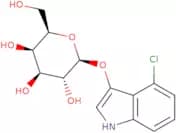
<p>Luc-S.aureus K is a fluoro-ligand that is used as a diagnostic to detect and quantify the activity of S.aureus in any given sample. It is a detection substrate for the enzyme β-galactosidase, which catalyzes the hydrolysis of the luciferin. When luciferin is cleaved by β-galactosidase, it emits light that can be detected using a luminometer to measure the amount of light produced and calculate the quantity of bacteria present in the sample. Luc-S.aureus K has been approved for use as a detector for bioluminescence in food testing, environmental testing, and other diagnostic applications.</p>Purezza:Min. 95%4-Chloro-3-indolyl β-D-galactopyranoside
CAS:<p>2-Chloro-4-nitrophenyl b-D-lactoside is a chromogenic enzyme substrate used to study the activity of enzymes. It produces a color when hydrolyzed, which makes it a valuable tool in screening for enzyme activity and studying enzyme kinetics.</p>Formula:C14H16ClNO6Purezza:Min. 95%Colore e forma:SolidPeso molecolare:329.73 g/mol4-Nitrophenyl laurate
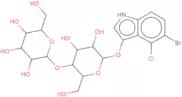
CAS:<p>4-Nitrophenyl laurate is a chromogenic substrate for lipase. Upon hydrolysis, para-nitrophenol is released yielding a yellowish colour. 4-Nitrophenyl laurate is used in different applications such as the Lipase activity screening, clinical diagnostics</p>Formula:C18H27NO4Purezza:Min. 95%Colore e forma:White PowderPeso molecolare:321.41 g/mol5-Bromo-4-chloro-3-indolyl a-D-maltopyranoside
CAS:<p>5-Bromo-4-chloro-3-indolyl a-D-maltopyranoside is a chromogenic substrate used to detect the specific enzymatic activity of alpha-glucosidase. After cleavage, 5-bromo-4-chloro-indoxyl is released, resulting in a blue to blue-green color change in bacterial colonies or media. 5-Bromo-4-chloro-3-indolyl a-D-maltopyranoside is used in Pompe disease screening and glycogen storage disorder diagnosis.</p>Formula:C20H25BrClNO11Purezza:Min. 95%Colore e forma:PowderPeso molecolare:570.77 g/molAldol® 458 nonanoate solution, 0.75 M in DMSO, Biosynth Patent: EP 2427431 and US 8940909
CAS:Prodotto controllato<p>Aldol 458 nonanoate solution (0.75 M) is a substrate for enzymes and ligands, which is used in various applications such as food testing, staining, fluorogenic substrate, environmental testing, chromogenic substrate and conjugate. Aldol 458 nonanoate solution (0.75 M) has high purity and is highly stable at pH 2-12. This product can be used as a chemiluminescence or bioluminescence substrate. The CAS number for this product is 2484873-15-4.</p>Formula:C25H29NO4Purezza:Min. 95%Colore e forma:Clear LiquidPeso molecolare:407.51 g/molα-N-Bz-L-Arg-aminoluciferin
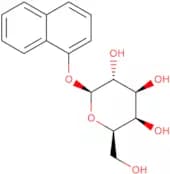
<p>alpha-N-Bz-L-Arg-aminoluciferin is a modified form of D-luciferin used as a luminescent enzyme substrate for protease.</p>Formula:C24H25N7O4S2Purezza:Min. 95 Area-%Peso molecolare:539.63 g/mol1-Naphthyl β-D-galactopyranoside
CAS:<p>1-Naphthyl b-D-galactopyranoside is a chromogenic substrate used to detect the presence of beta-galactosidase enzymes. The enzyme cleaves the substrate to produce a colored product that can be quantified and visualized. This substrate is commonly used in applications such as the detection of lacZ gene expression in bacterial colonies or in histochemical staining of tissues to identify beta-galactosidase activity.</p>Formula:C16H18O6Purezza:Min. 95%Colore e forma:PowderPeso molecolare:306.32 g/mol5-Bromo-4-chloro-3-indolyl-D-thymidine-3'-phosphate cyclohexylammonium salt
CAS:<p>5-Bromo-4-chloro-3-indolyl-D-thymidine-3'-phosphate cyclohexylammonium salt is a chromogenic substrate used to detect the specific enzymatic activity of alkaline phosphatase. After cleavage, 5-bromo-4-chloro-indoxyl is released, resulting in a blue to blue-green color change in bacterial colonies or media. 5-Bromo-4-chloro-3-indolyl-D-thymidine-3'-phosphate cyclohexylammonium salt is used in immunohistochemistry (IHC) and Western blot detection, immunoassays used to detect proteins.</p>Formula:C18H17BrClN3O8P·C6H14NPurezza:Min. 95%Colore e forma:White PowderPeso molecolare:649.86 g/mol5-Bromo-6-chloro-3-indolyl a-D-galactopyranoside
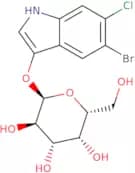
CAS:<p>5-Bromo-6-chloro-3-indolyl a-D-galactopyranoside is a chromogenic substrate that yields a magenta-colored product after cleavage. The chromophore 5-bromo-6-chloro-indoxyl is released, generating the observable color. It is used in glycolipid metabolism studies.</p>Formula:C14H15BrClNO6Colore e forma:White to off-white solid.Peso molecolare:408.63 g/mol2,4-Dinitrophenyl β-D-glucopyranoside
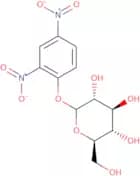
CAS:<p>2,4-Dinitrophenyl-beta-D-glucopyranoside is a chromogenic substrate used to assay enzymes, such as glucosidases. These enzymes catalyze the hydrolysis of glycosidic bonds in sugars.</p>Formula:C12H14N2O10Purezza:Min. 95%Colore e forma:PowderPeso molecolare:346.25 g/mol4-Methylumbelliferyl-α-D-mannopyranoside
CAS:<p>4-Methylumbelliferyl alpha-D-mannopyranoside (4-MU-a-D-Man) is a fluorogenic substrate used in activity assays for alpha-mannosidase. When it is hydrolyzed by alpha-mannosidase, it produces a fluorescent compound, 4-methylumbelliferone (4-MU). 4-MU-a-D-Man is often used in medical research to monitor the activity of alpha-mannosidase, which is important in lysosomal storage diseases. In addition, 4-Methylumbelliferyl alpha-D-mannopyranoside has been used to study the the activity of concanavalin A, a lectin that specifically binds to alpha-D-mannopyranosyl and alpha-D-glucopyranosyl residues on various glycoproteins. The use of this fluorogenic enzyme substrate permits study the degree of alpha-D-mannosidic linkage cleavage by the enzyme.</p>Formula:C16H18O8Purezza:Min. 98 Area-%Peso molecolare:338.32 g/molRef: 3D-M-5730
1gPrezzo su richiesta5gPrezzo su richiesta10gPrezzo su richiesta500mgPrezzo su richiesta2500mgPrezzo su richiesta-Unit-ggPrezzo su richiesta4-Nitrophenyl β-D-xylobioside
CAS:<p>4-Nitrophenyl beta-D-xylobioside is a chromogenic substrate for xylanase. Upon hydrolysis, para-nitrophenol is released yielding a yellowish colour. 4-Nitrophenyl beta-D-xylobioside is used in different applications such as the Xylan degradation studies, paper/pulp industry applications</p>Formula:C16H21NO11Purezza:Min. 95%Colore e forma:White PowderPeso molecolare:403.34 g/mol4-Methylumbelliferyl b-D-ribofuranoside
CAS:<p>The 4-Methylumbelliferyl b-D-ribofuranoside is a top-notch fluorogenic substrate for glycosidase activity detection. Upon hydrolysis by enzymes, it generates a strongly fluorescent 4-methylumbelliferone molecule, enabling rapid assay results and real-time monitoring of enzymatic reactions. This product is suitable for many biological research applications, such as in vitro analysis, diagnostic testing, and drug discovery. With its high sensitivity and specificity, it delivers consistent and accurate results, making it an essential tool for scientists and researchers.</p>Formula:C15H16O7Purezza:Min. 95%Colore e forma:White PowderPeso molecolare:308.28 g/mol4-Methylumbelliferyl a-D-glucosaminide
CAS:<p>4-Methylumbelliferyl alpha-D-glucosaminide is a fluorogenic substrate for alpha-N-acetylglucosaminidase. After enzymatic cleaveage, free 4-methylumbelliferone (also known as hymecromone) is released, exhibiting blue fluorescence upon excitation with UV light. The strongest fluorescence of 4-methylumbelliferone requires deprotonation of the hydroxyl group (thus requires alkaline pH), with a maximal fluorescence intensity obtained with excitation at 350 to 370 nm and emission at 440 to 470 nm. The use of 4-methylumbelliferyl alpha-D-glucosaminideas a substrate for measuring the alpha-N-acetylglucosaminidase activity is used for Sanfilippo syndrome B and Mucopolysaccharidosis IIIB (MPS IIIB) diagnosis.</p>Formula:C16H19NO7Purezza:Min. 90 Area-%Colore e forma:White PowderPeso molecolare:337.32 g/mol4-Methylumbelliferyl 3-O-(N-acetylneuraminyl)-b-D-glucopyranoside
<p>4-Methylumbelliferyl 3-O-(N-acetylneuraminyl)-b-D-glucopyranoside is a chromogenic substrate. It is used for the detection of glycoproteins and glycolipids in food testing, staining, environmental testing, and diagnostics. It can also be used as a fluorogenic substrate for the detection of glycoproteins and glycolipids in fluorescence microscopy. 4-methylumbelliferyl 3-O-(N-acetylneuraminyl)-b-D-glucopyranoside has been shown to be a ligand for the lectin receptor Galectin 9, which is involved in inflammation and cancer cell growth. 4-methylumbelliferyl 3-O-(N-acetylneuraminyl)-b-D-glucopyranoside has been shown to be an enzyme substrate for alkaline phosphatase, β</p>Purezza:Min. 95%L-Pro-PAB-Resorufin
<p>L-Pro-PAB-Resorufin is a highly sensitive chromogenic and fluorogenic indicator for L-proline aminopeptidase activity and related enzymes occurring in prokaryotic as well as eukaryotic organisms. After removal of the L-proline amide substructure by enzymatic hydrolysis and spontaneous elimination of the para-amino-benzyl (PAB) spacer, the initially orange colored compound yields an intense pink color. In addition, the released chromophor is an excellent fluorophor showing red fluorescence at an emission wavelength of 580 to 600 nm when excited at 560 to 570 nm.</p>Formula:C24H21N3O4Purezza:Min. 70 Area-%Colore e forma:PowderPeso molecolare:415 g/mol4-Methylumbelliferyl dodecanoate
CAS:<p>4-Methylumbelliferyl dodecanoate is a fluorogenic substrate for lipase. After enzymatic cleaveage, free 4-methylumbelliferone (also known as hymecromone) is released, exhibiting blue fluorescence upon excitation with UV light. The strongest fluorescence of 4-methylumbelliferone requires deprotonation of the hydroxyl group (thus requires alkaline pH), with a maximal fluorescence intensity obtained with excitation at 350 to 370 nm and emission at 440 to 470 nm. The use of 4-methylumbelliferyl dodecanoateas a substrate for measuring the lipase activity is used for detecting pancreatic insufficiency in diagnosis assays as well as the screening of lipase deficiency.</p>Formula:C22H30O4Purezza:Min. 95%Colore e forma:PowderPeso molecolare:358.47 g/molCelluchrome
<p>Celluchrome (short name for remazol brilliant blue carboxymethyl cellulose or RBB-CMC) is a chromogenic substrate for cellulases. With a higher sensitivity, RBB-CMC allows for the detection of the enzyme activity even when small amounts are present.</p>Purezza:Min. 95%Colore e forma:Powder4-Methylumbelliferyl phosphate, bis(2-amino-2-methyl-1,3-propanediol) salt
CAS:<p>Sensitive fluorogenic substrate for fluorometric and UV-spectrophotometric assays of phosphatases.</p>Formula:C18H31N2O10PPurezza:Min. 98.0 Area-%Peso molecolare:466.43 g/mol4-Methylumbelliferyl-α-L-rhamnopyranoside
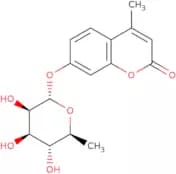
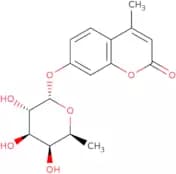
CAS:<p>4-Methylumbelliferyl-alpha-L-rhamnopyranoside is a fluorogenic substrate for alpha-L-rhamnosidase. After enzymatic cleaveage, free 4-methylumbelliferone (also known as hymecromone) is released, exhibiting blue fluorescence upon excitation with UV light. The strongest fluorescence of 4-methylumbelliferone requires deprotonation of the hydroxyl group (thus requires alkaline pH), with a maximal fluorescence intensity obtained with excitation at 350 to 370 nm and emission at 440 to 470 nm. The use of 4-methylumbelliferyl-alpha-L-rhamnopyranosideas a substrate for measuring the alpha-L-rhamnosidase activity is used for detection of bacterial infection.</p>Formula:C16H18O7Purezza:Min. 98 Area-%Colore e forma:PowderPeso molecolare:322.32 g/mol4-Nitrophenyl-α-D-glucopyranoside, β-Anomer < 0.1%
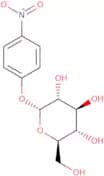
CAS:<p>4-Nitrophenyl-alpha-D-glucopyranoside, beta-Anomer is a chromogenic sugar that can be used as an indicator for the presence of 4-nitrophenol. It is a highly reactive compound that spontaneously reacts with nitrobenzene to form a dinitroaniline. This anomeric structure is easily oxidized by air and light to form the corresponding o-dinitroaniline. When this reaction occurs, this substance changes color from yellow to red.</p>Formula:C12H15NO8Purezza:Min. 99.0 Area-%Peso molecolare:301.26 g/molNucleic Acid Dye Green I, 10,000X in DMSO
CAS:<p>Green I is a nucleic acid dye that has been shown to have antioxidative properties. It inhibits protein synthesis in mammalian cells by binding to the DNA and blocking transcription. Green I has also been shown to inhibit the growth of tumor cells and to cause cell death by oxidative damage. Green I is not genotoxic, but it can cause false positive results in genotoxicity tests. Green I has also been shown to be a potential biomarker for renal cell cancer, as well as a prognostic marker for this cancer. This dye enhances polymerase chain reaction (PCR) and is used in biological research because of its ability to bind with proteins and form complexes with DNA.</p>Formula:C32H37N4SPeso molecolare:509.27 g/molBCM® Histamine-producing bacteria Broth
<p>Growth medium for the detection of histamine-producing bacteria in food and water samples. The medium contains an indicator that turns orange/red (absorbance at 555 nm) due to metabolites released by histidine decarboxylase. The BCM® Histamine-producing bacteria Broth contains tryptone (FT09555) and yeast extract, together with the chromogenic agent. High-level histamine-producing bacteria yield orange to red coloration in less than 2 days and even after 24 hours, while cultures of other bacteria remain yellow.</p>Purezza:Min. 95%L-Lysyl-L-alanine 7-amido-4-methylcoumarin dihydrochloride
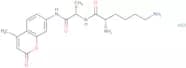
CAS:<p>L-Lysyl-L-alanine 7-amido-4-methylcoumarin dihydrochloride is a fluorogenic peptide substrate for aminopeptidase. This AMC peptide substrate is normally used to rapidly profile the N-terminal specificity of proteases.</p>Purezza:Min. 98.0 Area-%Colore e forma:Powder6-Chloro-3-indoxyl nonanoate
CAS:<p>6-Chloro-3-indoxyl nonanoate is a fluorescent substrate that is used in the detection of beta-galactosidase activity. It has been used to detect the enzyme levels in various culture media and as a high quality, food testing, and environmental testing. The product is also used as a ligand for enzyme inhibition studies. 6-Chloro-3-indoxyl nonanoate has shown to be an excellent fluoroquinolone substrate for chemiluminescence assays. This product is CAS No. 133950-72-8 and is of high purity and high quality.</p>Purezza:Min. 95%Peso molecolare:307.81 g/molNaphthol AS-BI β-L-fucopyranoside
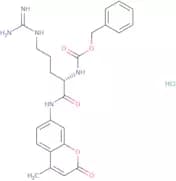
CAS:<p>Substrate for the detection of beta-D-fucosidase</p>Formula:C24H24BrNO7Purezza:Min. 95%Peso molecolare:518.35 g/molN-α-CBZ-L-Arginine 7-amido-4-methylcoumarin hydrochloride
CAS:<p>N-alpha-CBZ-L-Arginine 7-amido-4-methylcoumarin hydrochloride is a high quality and highly purified substrate for enzymes that catalyze the release of light when they react with their specific substrates. It is used in a variety of applications, including diagnostics and food testing. NACBZLAMC hydrochloride is an excellent ligand for chemiluminescence reactions and can be used to detect the presence of various analytes. It can also be used as a staining agent to detect proteins on Western blots or to stain bacterial cultures for identification. This product has been shown to be effective against numerous bacteria, including Staphylococcus aureus and Pseudomonas aeruginosa, as well as fungi like Candida albicans.</p>Formula:C24H28ClN5O5Purezza:Min. 99 Area-%Peso molecolare:501.97 g/mol1-Naphthyl b-D-glucuronide sodium salt
CAS:<p>1-Naphthyl b-D-glucuronide sodium salt is a chromogenic substrate commonly used to assay the activity of beta-glucuronidase enzymes. It is hydrolyzed by beta-glucuronidase to yield a yellow-colored product, 1-naphthol, which can be quantified spectrophotometrically. This substrate is widely used in diagnostic tests for detection of beta-glucuronidase activity, particularly in clinical microbiology for the identification of E. coli and other enteric bacteria. With its sodium salt form, it boasts increased solubility in aqueous solutions, ensuring seamless integration into various experimental settings.</p>Formula:C16H15NaO7Purezza:Min. 95%Colore e forma:PowderPeso molecolare:342.28 g/molAldol® 484 α-D-glucopyranoside, Biosynth Patent: EP 2427431 and US 8940909
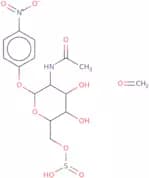
CAS:<p>Aldol® 484 alpha-D-glucopyranoside is a chromogenic and fluorogenic enzyme substrate for alpha-glucosidase activity (EC 3.2.1.20, alpha-1,4-glucosidase, also known as maltase). The colorless enzyme substrate is cleaved by bacteria producing this enzyme in liquid or solid media, yielding orange color. Green fluorescence is also generated if a suitable matrix is present such as: cellulose acetate filters, polypropylene tubes or microplates and polyethylene vials. Aldol® 484 alpha-D-glucopyranoside can be used under aerobic and anaerobic conditions.</p>Formula:C26H24ClFN2O7Purezza:Min. 95%Colore e forma:PowderPeso molecolare:530.93 g/mol4-Nitrophenyl 2-acetamido-2-deoxy-b-D-glucopyranoside-6-sulfate
<p>4-Nitrophenyl 2-acetamido-2-deoxy-b-D-glucopyranoside is a chemiluminescent substrate that can be used in the detection of various enzymes. This product has been tested for sterility and purity, and it has passed all tests. It is also free of any detectable levels of heavy metals or other contaminants. 4NP2AG6S is a high quality bioluminescent substrate with CAS No. 71498-92-5. It is a fluorescent compound that reacts with an enzyme to produce light. The reaction can be detected by measuring the emitted light intensity at 680 nm (max).</p>Purezza:Min. 95%3,4-Cyclohexenoesculetine β-D-glucopyranoside
CAS:<p>Chromogenic substrate for beta-glucosidase</p>Formula:C19H22O9Purezza:Min. 95%Colore e forma:PowderPeso molecolare:394.37 g/molL-Arginyl-L-arginine 7-amido-4-methylcoumarin trihydrochloride
CAS:<p>Fluorogenic substrate for cathepsin B or aminopeptidase III. Yields a blue fluorescent solution upon cleavage.</p>Formula:C22H36Cl3N9O4Purezza:Min. 98 Area-%Peso molecolare:596.95 g/molLuc-coliforms Na
CAS:<p>Luc-coliforms Na is a fluorogenic substrate that is used in the diagnosis of bacterial contamination. It is a conjugate of the enzyme luciferase and the substrate coelenterazine, which are combined in a buffer solution. Luc-coliforms Na is used to detect bacteria by adding it to a culture broth or other growth media. The bacteria will emit light as they break down the luc-coliforms Na and produce ATP, which can then be measured with an appropriate detector. Luc-coliforms Na can also be used as a stain for gram-negative rods, such as coliforms, e.g., Escherichia coli, Enterobacter aerogenes, Klebsiella pneumoniae, Proteus mirabilis.</p>Formula:C17H17NaN2O8S2Purezza:Min. 95 Area-%Peso molecolare:464.44 g/molRef: 3D-L-8263
5mgPrezzo su richiesta10mgPrezzo su richiesta25mgPrezzo su richiesta50mgPrezzo su richiesta100mgPrezzo su richiesta-Unit-mgmgPrezzo su richiestaIsopropyl-β-D-thiogalactopyranoside
CAS:<p>A non-metabolizable allolactose analogue, widely used in molecular biology for overexpression of recombinant proteins from inducible systems under the control of lac promoter. IPTG binds to the LacI repressor and causes its release from the lac operator, allowing gene expression to take place. Present in vectors of pGEX, pGEM-T, pET, pRSET, pMAL class and others.</p>Formula:C9H18O5SPurezza:Min. 99 Area-%Peso molecolare:238.3 g/molRef: 3D-I-8020
25gPrezzo su richiesta50gPrezzo su richiesta100gPrezzo su richiesta250gPrezzo su richiesta500gPrezzo su richiesta-Unit-ggPrezzo su richiesta4-Methylumbelliferyl a-L-idopyranosiduronic acid 2-sulphate disodium salt - Moscerdam™ biochemical purity
CAS:<p>PAIRED PRODUCT AVAILABLE: alpha-L-iduronidase Enzyme, FI1793834MU-alpha-L-iduronide-2-sulphate (M2) is a fluorogenic substrate of iduronate-2-sulphatase (IDS), used in a 2-step assay coupled with alpha-L-iduronidase. The assay is used in biochemical testing for Hunter syndrome (mucopolysaccharidosis II / MPS II). In a first step, IDS from biological samples cleaves the sulphate group from M2. In a second step, exogeneous alpha-L-iduronidase which cleaves the 4-MU moiety is added to the reaction, resulting in release of a fluorescent signal (Ex 360 nm / Em 455 nm). The reaction is stopped by the addition of sodium carbonate.</p>Formula:C16H14Na2O12SPurezza:Min. 99 Area-%Colore e forma:White PowderPeso molecolare:476.32 g/molResorufin N-acetyl-b-D-glucosamine
CAS:<p>Resorufin N-acetyl-b-D-glucosamine is fluorogenic substrate for N-acetyl-beta-D-glucosaminidase (NAG).</p>Formula:C20H20N2O8Purezza:Min. 98 Area-%Colore e forma:Orange PowderPeso molecolare:416.38 g/mol4-Nitrophenyl-α-D-maltopyranoside
CAS:<p>Chromogenic α-maltosidase substrate yielding a yellow solution upon cleavage.</p>Formula:C18H25NO13Purezza:Min. 98.0 Area-%Peso molecolare:463.40 g/molPhosphoric acid, mono(4-nitrophenyl) ester
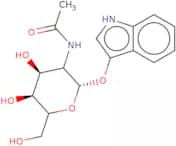
CAS:<p>Phosphatase substrate</p>Formula:C6H6NO6PPurezza:Min. 95%Colore e forma:White PowderPeso molecolare:219.09 g/mol3-Indolyl β-D-galactopyranoside
CAS:<p>Chromogenic substrate for β-D-galactosidase, yielding a blue precipitate upon cleavage.</p>Formula:C14H17NO6Purezza:Min. 95%Colore e forma:PowderPeso molecolare:295.29 g/mol2-O-(4-Nitrophenyl)-a-D-N-acetylneuraminic acid sodium salt
CAS:<p>2-O-(4-Nitrophenyl)-alpha-D-N-acetylneuraminic acid sodium salt is a chromogenic substrate used to detect the enzymatic activity of neuraminidase or sialidase. After cleavage, the nitrophenyl moiety is released exhibiting a light yellowish color. 2-O-(4-Nitrophenyl)-alpha-D-N-acetylneuraminic acid sodium salt is used in bacterial neuraminidase activity assays.</p>Purezza:Min. 95%Colore e forma:Yellow PowderPeso molecolare:452.35 g/mol4-Methylumbelliferyl-α-L-fucopyranoside
CAS:<p>Fluorogenic substrate for α-L-Fucosidase yielding a blue fluorescent solution upon cleavage.</p>Formula:C16H18O7Peso molecolare:322.32 g/molRef: 3D-M-5539
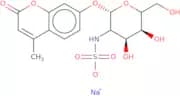
50mgPrezzo su richiesta100mgPrezzo su richiesta250mgPrezzo su richiesta-Unit-mgmgPrezzo su richiesta4-Methylumbelliferyl 2-deoxy-2-sulfamino-a-D-glucopyranoside sodium salt - Moscerdam™ biochemical purity
CAS:<p>4-Methylumbelliferyl 2-deoxy-2-sulfamino-a-D-glucopyranoside sodium salt (M3A or MU-GlcNS) is a fluorogenic substrate of heparin sulfamidase, used in the diagnosis of Mucopolysaccharidosis III type A (MPS III A). MPS III A, also known as Sanfilippo syndrome type A, is caused by the deficiency of heparan N-sulfatase. Heparin sulfamidase in the assay desulfates MU-GlcNS to 4-methylumbelliferyl 2-amino-2-deoxy-α-D-glucopyranoside (MU-GlcNH2). To release fluorometrically measurable 4-methylumbelliferone (MU) and by-product glucosamine, MU-GlcNH2 is further hydrolysed by an enzyme such as yeast α-glucosidase during a second incubation.</p>Formula:C16H18NO10SNaPurezza:Min. 95 Area-%Colore e forma:White PowderPeso molecolare:439.37 g/mol4-Nitrophenyl 2-acetamido-2-deoxy-3-O-(b-D-galactopyranosyl)-b-D-glucopyranoside
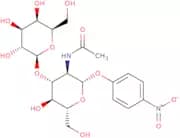
CAS:<p>Chromogenic substrate for fucosyltransferases</p>Formula:C20H28N2O13Purezza:Min. 98 Area-%Colore e forma:White PowderPeso molecolare:504.44 g/mol4-Nitrophenyl β-D-galactofuranoside
CAS:<p>Chromogenic substrate for beta-galactofuranosidase</p>Formula:C12H15NO8Purezza:Min. 98 Area-%Colore e forma:White PowderPeso molecolare:301.25 g/molN,N,N',N'-Tetramethyl-p-phenylenediamine dihydrochloride
CAS:<p>Reducing co-substrate for heme peroxidases; test reagent in microbiology</p>Formula:C10H16N2·2HClPurezza:Min. 95%Colore e forma:White PowderPeso molecolare:237.17 g/mol4-Nitrophenyl-β-D-maltopyranoside
CAS:<p>Chromogenic β-maltosidase substrate yielding a yellow solution upon cleavage.</p>Formula:C18H25NO13Purezza:Min. 99.0 Area-%Peso molecolare:463.40 g/molRef: 3D-N-4492
1gPrezzo su richiesta5gPrezzo su richiesta10gPrezzo su richiesta500mgPrezzo su richiesta2500mgPrezzo su richiesta-Unit-ggPrezzo su richiesta4-Methylumbelliferyl palmitate
CAS:<p>Fluorogenic substrate for esterase yielding a blue fluorescent solution upon cleavage.</p>Formula:C26H38O4Purezza:Min. 99 Area-%Peso molecolare:414.59 g/molRef: 3D-M-5750
1gPrezzo su richiesta5gPrezzo su richiesta250mgPrezzo su richiesta500mgPrezzo su richiesta2500mgPrezzo su richiesta-Unit-ggPrezzo su richiestaL-Ala-PAB-Resorufin
CAS:<p>L-Ala-PAB-resorufin is a highly sensitive chromogenic and fluorogenic indicator for L-alanine aminopeptidase activity and related enzymes occurring in prokaryotic as well as eukaryotic organisms. After removal of the L-alanyl substructure by enzymatic hydrolysis and spontaneous elimination of the para-aminobenzyl spacer, the initially orange colored compound yields an intense pink color and red fluorescence.</p>Formula:C22H19N3O4Purezza:Min. 70 Area-%Colore e forma:PowderPeso molecolare:389.4 g/mol4-Nitrophenyl b-L-arabinofuranoside
CAS:<p>Chromogenic substrate targeting alpha-L-arabinofuranosidase</p>Purezza:Min. 95%Colore e forma:White/Off-White SolidPeso molecolare:271.22 g/molAldol® 484 acetate, Biosynth Patent: EP 2427431 and US 8940909
CAS:Prodotto controllato<p>Aldol® 484 acetate is a chromogenic substrate for carboxylesterases yielding a red precipitate. In contrast to classical indoxyl substrates, Aldol® substrates can be used under aerobic and anaerobic conditions.</p>Formula:C22H16ClFN2O3Purezza:Min. 95%Colore e forma:PowderPeso molecolare:410.83 g/mol5-Bromo-4-chloro-3-indolyl b-L-fucopyranoside
CAS:<p>5-Bromo-4-chloro-3-indolyl β-L-fucopyranoside (X-Fuc) is a chromogenic substrate specifically designed for the identification and detection of fucosidase enzyme activity. Upon cleavage by fucosidase, it generates a blue-colored 5-Bromo-4-chloro-3-hydroxy-indole precipitate, which can be easily observed under a microscope or spectrophotometer. This feature makes X-Fuc an invaluable tool across various applications, such as biochemical analysis, histochemical staining, cell biology, and enzyme kinetic assays. By providing a fast, sensitive, and reliable readout for fucosidase activity, 5-Bromo-4-chloro-3-indolyl β-L-fucopyranoside facilitates essential research in the understanding of biological processes and the development of therapeutic interventions.</p>Formula:C14H15BrClNO5Purezza:Min. 95%Colore e forma:White PowderPeso molecolare:392.63 g/mol6-Chloro-3-indolyl β-D-cellobioside
CAS:<p>6-Chloro-3-indolyl b-D-cellobioside is a chromogenic substrate that produces a salmon-pink color after enzymatic cleavage. It is used for detecting the activity of beta-D-cellobiosidase in enzyme assays.</p>Purezza:Min. 95%Colore e forma:White To Off-White SolidPeso molecolare:491.87 g/molDehydroluciferin
CAS:<p>Dehydroluciferin is a bioluminescence probe that is a potent inhibitor of the firefly luciferase reaction. It is a byproduct of the oxidation of luciferin, the substrate for firefly luciferase, which catalyzes the bioluminescence reaction. It can also form during the synthesis or storage of luciferin. Its presence can potentially lead to issues in bioluminescent assays.</p>Formula:C11H6N2O3S2Purezza:Min. 97 Area-%Colore e forma:PowderPeso molecolare:278.31 g/mol2-(N-Hexadecanoylamino)-4-nitrophenylphosphocholine hydroxide
CAS:<p>2-(N-Hexadecanoylamino)-4-nitrophenylphosphocholine hydroxide, often abbreviated as HDA-PC, is a chromogenic substrate for acid sphingomyelinase enzyme. HDA-PC is used as a key substrate for measuring the activity of this enzyme, responsible for catalyzing the hydrolysis of sphingomyelin to ceramide. The activity assay for this measuring this enzyme's acitivy is to detect a deficiency (or lack) of the enzyme which is directly related to the Niemann-Pick disease.</p>Formula:C27H50N3O8PPurezza:Min. 95%Colore e forma:Off-White PowderPeso molecolare:575.68 g/mol4-Nitrophenyl a-L-arabinopyranoside
CAS:<p>Substrate for a-L-arabinopyranosidase</p>Formula:C11H13NO7Purezza:Min. 98 Area-%Colore e forma:White PowderPeso molecolare:271.22 g/mol3-Indolyl 2-acetamido-2-deoxy-b-D-glucopyranoside
CAS:<p>3-Indolyl 2-acetamido-2-deoxy-b-D-glucopyranoside is a substrate used for the detection of the enzyme N-acetylglucosaminidase (NAG). The enzyme hydrolyzes the NAG conjugate, releasing indole that can be detected through a colorimetric assay. This method is commonly used in clinical chemistry to evaluate kidney function, as NAG is excreted in urine and increased levels may indicate renal injury or disease. The indole NAG assay is also used in microbiology to detect the presence of NAG-producing bacteria.</p>Purezza:Min. 95%Peso molecolare:336.34 g/mol4-Nitrophenyl a-D-mannopyranoside
CAS:<p>4-Nitrophenyl a-D-mannopyranoside is a chromogenic pNP enzyme substrate that enables the detection and quantification of a-D-mannosidase activity in various biological samples through a colorimetric assay. The hydrolysis of the substrate by the enzyme releases 4-nitrophenol, a yellow compound whose absorption can be measured spectrophotometrically. Applications for this substrate span biomedical research, disease diagnostics, and industrial enzyme production.</p>Formula:C12H15NO8Purezza:Min. 98.0 Area-%Colore e forma:Off-White PowderPeso molecolare:301.25 g/mol3,4-Cyclohexenoesculetin β-D-glucuronide
<p>Chromogenic substrate for beta-glucuronidase</p>Purezza:Min. 95%β-Naphthyl stearate
CAS:<p>Beta-naphthyl stearate is a chromogenic substrate for measuring enzymatic activity.</p>Purezza:Min. 95%Colore e forma:PowderPeso molecolare:410.63 g/molL-Histidine 7-amido-4-methylcoumarin hydrochloride
CAS:<p>L-Histidine 7-amido-4-methylcoumarin hydrochloride is a synthetic peptide substrate used as a fluorogenic substrate for histidine aminopeptidase.</p>Formula:C16H17ClN4O3Purezza:Min. 95%Peso molecolare:348.79 g/molAldol® 518 α-D-galactopyranoside, Biosynth Patent: EP 2427431 and US 8940909
CAS:<p>Aldol® 518 alpha-D-galactopyranoside is a chromogenic and fluorogenic enzyme substrate used for detection of alpha-galactosidase activity. The enzyme substrate is cleaved by alpha-galactosidase positive bacteria and yeasts in liquid or solid media, yielding red color and red fluorescence signal. Aldol® 518 alpha-D-galactopyranoside can also be used to detect alpha-galactosidase (encoded by the Mel1 gene) in yeast gene reporter assays or for identification of alpha-gal positive transformants on agar plates. Aldol® 518 alpha-D-galactopyranoside can be used under aerobic and anaerobic conditions.</p>Formula:C29H29ClN2O7Purezza:Min. 95.0 Area-%Peso molecolare:553.01 g/mol2-Chloro-4-nitrophenyl a-D-maltotrioside
CAS:<p>2-Chloro-4-nitrophenyl a-D-maltotrioside (2CNP) is a potent hypoglycemic agent that has been shown to decrease postprandial blood glucose levels in humans. 2CNP is a white crystalline solid that is soluble in water and ethanol. The transfer reactions of 2CNP are enhanced by benzalkonium chloride, which forms an organic complex with the drug. The optimum concentration for the hypoglycemic effect of 2CNP is determined to be 10 μM, which can be detected using an optical sensor. This compound also inhibits α-amylase and other enzymes involved in carbohydrate metabolism, leading to the accumulation of glycogen and lowering the blood glucose level.</p>Formula:C24H34CiNO18Purezza:Min. 95%Colore e forma:Off-White Yellow PowderPeso molecolare:659.98 g/molLuc-Salmonella
<p>Luc-Salmonella is a conjugate of the enzyme luciferase and the substrate 5-bromo-4-chloro-3-indolyl phosphate. Luc-Salmonella has been used for diagnostic purposes in the detection of bacteria in culture media, as well as in environmental and food testing. Luc-Salmonella can be used to detect Salmonella, which is a bacterium that can cause gastrointestinal disease. Luminescence is measured using a luminometer or fluorimeter with an excitation wavelength of 485 nm and emission wavelengths at 510 nm. Luminescence from Luc-Salmonella is typically measured after 1 hour incubation with bacterial cells.<br>Luc-Salmonella has been shown to have high purity and quality due to its unique composition of enzyme substrate. This product has been tested for contamination by sensitive assays such as chemiluminescence, bioluminescence, or fluorescence. The purity level of Luc-Sal</p>Purezza:Min. 96 Area-%Ref: 3D-L-8281
5mgPrezzo su richiesta10mgPrezzo su richiesta25mgPrezzo su richiesta50mgPrezzo su richiesta100mgPrezzo su richiesta-Unit-mgmgPrezzo su richiesta1-Naphthyl β-D-glucuronide
CAS:<p>1-Naphthyl beta-D-glucuronide (NPG) is a chromogenic enzyme substrate used to detect the presence of β-glucuronidase activity. Upon hydrolysis by the enzyme, it produces a yellow product that can be detected by spectrophotometry or visually. It is commonly used in clinical assays to detect the presence of the enzyme in urine samples, as elevated levels can indicate liver or urinary tract diseases. It is also utilized in environmental testing, as some bacteria strains can produce the enzyme as a by-product, making NPG a useful tool for detecting these strains in contaminated water or food sources.</p>Formula:C16H16O7Purezza:Min. 95%Colore e forma:White PowderPeso molecolare:320.29 g/mol4-Methylumbelliferyl 2-deoxy-2-sulfamino-b-D-glucopyranoside sodium salt
<p>4-Methylumbelliferyl 2-deoxy-2-sulfamino-beta-D-glucopyranoside sodium salt is a fluorogenic substrate for N-sulfoglucosamine sulfohydrolase. After enzymatic cleaveage, free 4-methylumbelliferone (also known as hymecromone) is released, exhibiting blue fluorescence upon excitation with UV light. The strongest fluorescence of 4-methylumbelliferone requires deprotonation of the hydroxyl group (thus requires alkaline pH), with a maximal fluorescence intensity obtained with excitation at 350 to 370 nm and emission at 440 to 470 nm. The use of 4-methylumbelliferyl 2-deoxy-2-sulfamino-beta-D-glucopyranoside sodium saltas a substrate for measuring the N-sulfoglucosamine sulfohydrolase activity is used for screening of Mucopolysaccharidosis IIIA (MPS IIIA) and diagnosis of Sanfilippo A syndrome.</p>Formula:C16H19NO10SNaPurezza:Min. 95%Colore e forma:PowderPeso molecolare:439.37 g/mol4-Methylumbelliferyl-α-L-rhamnopyranoside
CAS:<p>4-Methylumbelliferyl-alpha-L-rhamnopyranoside is a fluorogenic substrate used in enzyme assays. It is a substrate of the enzyme beta-galactosidase, which catalyzes the hydrolysis of terminal galactose residues from polysaccharides and glycoproteins. The fluorescent product 4-methylumbelliferone (4MU) is formed by cleavage of the terminal galactose residue and can be measured spectrophotometrically at 360 nm. 4-Methylumbelliferone has been used for chemiluminescent detection in immunoassays and as a substrate for bioluminescence reactions.</p>Formula:C16H18O7Purezza:Min. 98.0 Area-%Peso molecolare:322.32 g/molRef: 3D-M-6185
1gPrezzo su richiesta5gPrezzo su richiesta10gPrezzo su richiesta500mgPrezzo su richiesta2500mgPrezzo su richiesta-Unit-ggPrezzo su richiesta3-Acetylumbelliferyl b-D-glucopyranoside
CAS:<p>3-Acetylumbelliferyl beta-D-glucopyranoside is a fluorogenic enzyme substrate for beta-galactosidase-6-phosphatase. It is used in in diagnostic assays such as Gaucher disease.</p>Formula:C17H18O9Purezza:Min. 95%Colore e forma:PowderPeso molecolare:366.32 g/mol4-Methylumbelliferyl b-D-glucuronide trihydrate
CAS:<p>Fluorogenic substrate for beta-glucuronidase GUS</p>Formula:C16H22O12Purezza:Min. 98 Area-%Colore e forma:White PowderPeso molecolare:406.34 g/molAldol® 518 myo-inositol-1-phosphate - Biosynth Patent: EP 2427431 and US 8940909
CAS:<p>Aldol® 518 myo-inositol-1-phosphate is a chromogenic and fluorogenic enzyme substrate used for detection of phosphatidyl-inositol specific phospholipase C activity (PI-PLC, EC 4.6.1.13). The colorless enzyme substrate is cleaved by PI-PLC or PI-PLC-positive microorganisms grown in liquid or solid media, yielding an intense red coloration. In combination with Aldol® 355 fluorescence enhancer, red fluorescence can also obtained. Aldol® 518 myo-inositol-1-phosphate is suitable for use in liquid and solid media, under aerobic as well as anaerobic conditions.</p>Formula:C29H33ClN3O10PPurezza:Min. 95 Area-%Colore e forma:PowderPeso molecolare:650.02 g/molFluorescein-dipalmitoylphosphatidylethanolamine triethylammonium salt
CAS:<p>Fluorescein-dipalmitoylphosphatidylethanolamine triethylammonium salt is a fluorescent phospholipid derivative for phospholipase. This substrate consists of a fluorescein conjugated to DPPE (dipalmitoylphosphatidylethanolamine), a key component of biological membranes. This compound is frequently used in membrane dynamics studies and lipid metabolism research. The fluorescein moiety allows visualization of lipid interactions in model membranes, liposomes, or live-cell imaging applications. The triethylammonium salt form enhances solubility and stability, property that facilitates its use in aqueous and lipid-based environments.</p>Purezza:Min. 95%Colore e forma:PowderPeso molecolare:1,182.53 g/mol4-Methylumbelliferyl-a-D-mannopyranoside-2-phosphoethanolamine
<p>4-Methylumbelliferyl-a-D-mannopyranoside-2-phosphoethanolamine is a fluorescent substrate used in enzyme assays. It is an analog of the natural substrate, 4-methylumbelliferyl-alpha-D-mannopyranoside, which is a phosphoethanolamine linked to alpha-D-mannose. This product can be used as a chromogenic or fluorogenic substrate for various enzymes, including beta glucosidase, beta galactosidase, and beta lactonase. 4MUMPE can also be used for bioluminescent studies and has been shown to have high purity and quality.</p>Purezza:Min. 95%4-Nitrophenyl sulfate potassium salt
CAS:<p>4-Nitrophenyl sulfate potassium salt is a chromogenic substrate for arylsulfatase. Upon hydrolysis, para-nitrophenol is released yielding a yellowish colour. 4-Nitrophenyl sulfate potassium salt is used in different applications such as the Metachromatic leukodystrophy diagnosis, sulfatase activity assays</p>Formula:C6H4KNO6SPurezza:Min. 95%Colore e forma:PowderPeso molecolare:257.26 g/molAquaSpark® 515 Singlet Oxygen Probe, Ramot at Tel-Aviv University Ltd. Patent family WO 2017/130191
CAS:<p>Singlet Oxygen Chemiluminescence Probe, SOCL</p>Formula:C21H23ClO4Purezza:Min. 95 Area-%Colore e forma:PowderPeso molecolare:374.13 g/molVargulin trifluoroacetate
CAS:<p>Bioluminescent substrate for cypridina luciferase</p>Formula:C22H27N7O·C2F3O2HPurezza:Min. 95%Colore e forma:Red PowderPeso molecolare:519.52 g/molL-Luciferin, potassium salt
CAS:<p>L-Luciferin is an enzyme substrate that is used in the detection of bioluminescence. It is a fluorogenic substrate that can be used to detect the presence of glucose in urine. L-Luciferin is also a chemiluminescent substrate that can be used to detect ATP, which is required for cell metabolism. L-Luciferin has been shown to be stable at pH levels ranging from 2.5 to 9 and can be stored for up to 3 years when stored at 4°C with no light or oxygen exposure. This product has CAS No. 754978-59-1, indicating high purity and quality. L-Luciferin will not stain or react with other compounds, making it highly suitable for use as a conjugate in diagnostic tests or as a ligand in fluorescent staining reactions.</p>Formula:C11H7KN2O3S2Purezza:Min. 98.0 Area-%Peso molecolare:318.42 g/molN-Methylindoxyl-β-D-galactopyranoside monohydrate
CAS:<p>N-Methylindoxyl-beta-D-galactopyranoside monohydrate (MG) is a chromogenic probe that interacts with galactose residues found on glycoproteins, which are found on cell surfaces, leading to activation of cells. MG also binds specifically to the surface of lung cells and can inhibit the development of certain types of infections..</p>Formula:C15H21NO7Purezza:Min. 98 Area-%Colore e forma:PowderPeso molecolare:327.33 g/mol4-Nitrophenyl-β-D-glucopyranoside
CAS:<p>Chromogenic β-glucosidase substrate yielding a yellow solution upon cleavage.</p>Formula:C12H15NO8Purezza:Min. 99.0 Area-%Peso molecolare:301.25 g/mol6-Chloro-4-(trifluoromethyl)umbelliferyl β-D-cellotrioside
<p>6-Chloro-4-(trifluoromethyl)umbelliferyl b-D-cellotrioside is a fluorogenic substrate for cellulases and beta-glucosidases. After hydrolisis, the fluorophore TFMU is released generating a blue fluorescence.</p>Formula:C28H34ClF3O18Purezza:Min. 95%Colore e forma:White to off-white powder.Peso molecolare:751.01 g/molCoelenterazine cp
CAS:<p>Coelenterazine cp is a coelenterazine analog for Renilla luciferase. In certain studies, it has been shown to be highly sensitive for the detection of human papilloma virus (HPV) and can be used in the diagnosis of cervical cancer.</p>Formula:C25H25N3O3Purezza:Min. 95%Peso molecolare:415.48 g/molResorufin b-D-cellobioside
CAS:<p>Resorufin b-D-cellobioside is a fluorogenic substrate for measurement of cellulase activity. The product of enzyme reaction, resorufin, exhibits fluorescence emission at 585 nm with excitation at 571 nm at or near physiological pH values.</p>Formula:C24H27NO13Purezza:Min. 95 Area-%Colore e forma:Brown Orange PowderPeso molecolare:537.47 g/molNaphthol AS-BI b-D-glucuronide
CAS:<p>Chromogenic substrate to visualize beta-glucuronidase activity; produces a red color</p>Formula:C24H22BrNO9Purezza:Min. 98 Area-%Colore e forma:White PowderPeso molecolare:548.34 g/mol4-Methylumbelliferyl cholin phosphate
CAS:<p>4-Methylumbelliferyl phosphocholine, commonly known as 4-MUPC, is a synthetic phosphodiester used as an enzyme substrate for phospholipase enzymes. 4-MUPC is used as a fluorogenic substrate to measure the activity of phopholipases, which are important mediators of cell signalling.</p>Formula:C15H20NO6PPurezza:Min. 99.0 Area-%Peso molecolare:341.30 g/mol3-Nitrophenyl β-D-glucopyranoside
CAS:<p>3-Nitrophenyl beta-D-glucopyranoside is a chromogenic enzyme substrate commonly used to assay for beta-glucosidase activity. Upon hydrolysis by the enzyme, it produces a yellow product that can be easily detected by spectrophotometry. This substrate is often used in the field of carbohydrate chemistry and biochemistry to study enzyme kinetics and inhibition in both in vitro and in vivo systems.</p>Formula:C12H15NO8Purezza:Min. 95%Colore e forma:White Yellow PowderPeso molecolare:301.25 g/mol3-Indoxyl sulfate, potassium salt
CAS:<p>3-Indoxyl sulfate, potassium salt (3ISK) is a chemical compound that is soluble in water. It has been used as a marker for bowel disease, and it has been shown to react with analytical methods such as titration calorimetry and lc-ms/ms. 3ISK can be used to determine the optimum concentration for pharmacological treatment of bowel disease. The metabolic fate of 3ISK has been studied extensively and it is found that 3ISK is metabolized by microbial enzymes in the gut, which may lead to an increased incidence of bowel disease in patients with low levels of microbial metabolism. 3ISK also plays an important physiological function by maintaining mitochondrial membrane potential, which could have implications for pharmacological treatment of bowel disease.</p>Formula:C8H6KNO4SPurezza:Min. 98.0 Area-%Peso molecolare:251.31 g/molL-Alanine-7-amido-4-methylcoumarin hydrochloride
CAS:<p>L-Alanine-7-amido-4-methylcoumarin hydrochloride is a synthetic peptide substrate used as a fluorogenic substrate for alanine aminopeptidase.</p>Formula:C13H14N2O3·HClPurezza:Min. 90%Colore e forma:PowderPeso molecolare:282.72 g/molAldol® 484 β-D-galactopyranoside, Biosynth Patent: EP 2427431 and US 8940909
CAS:<p>Aldol® 484 beta-D-galactopyranoside is a chromogenic enzyme substrate for beta-galactosidase activity. The colorless product is cleaved by lactose-utilizing bacteria in liquid or solid media, yielding intense red color. Aldol® 484 beta-D-galacto-pyranoside can also be used in beta-gal reporter gene assays or for identification of beta-gal positive transformants on agar. Aldol® 484 beta-D-galactopyranoside can be used under aerobic and anaerobic conditions.</p>Formula:C26H24ClFN2O7Purezza:Min. 95%Colore e forma:PowderPeso molecolare:530.93 g/mol2-Chloro-4-nitrophenyl β-D-glucopyranoside
CAS:<p>2-Chloro-4-nitrophenyl β-D-glucopyranoside is a chromogenic substrate for beta-glucosidases. In biochemical enzyme assays and in vitro diagnostics analysis, the substrate is used to monitor the glycosyltransferase activity. When 2-chloro-4-nitrophenyl β-D-glucopyranoside is cleaved by beta-glucosidase, 2-chloro-4-nitrophenol is released and quantified.</p>Formula:C12H14ClNO8Purezza:Min. 95%Colore e forma:White PowderPeso molecolare:335.69 g/mol4-Methylumbelliferyl-β-D-xylopyranoside
CAS:<p>Fluorogenic substrate for β-D-xylosidase. Identification within the family of Enterobacteriaceae.</p>Formula:C15H16O7Purezza:Min. 99.0 Area-%Peso molecolare:308.29 g/molL-Proline 7-amido-4-methylcoumarin hydrobromide
CAS:<p>L-Proline 7-amido-4-methylcoumarin hydrobromide is a fluorogenic substrate that is used to measure esterase and peptidase activity in a variety of animal and microbial sources. This compound has been shown to have a lipase activity. L-Proline 7-amido-4-methylcoumarin hydrobromide is also used as an enzyme preparation and as an enzyme source.</p>Formula:C15H17BrN2O3Peso molecolare:353.22 g/molRef: 3D-P-7280
1gPrezzo su richiesta5gPrezzo su richiesta10gPrezzo su richiesta500mgPrezzo su richiesta2500mgPrezzo su richiesta-Unit-ggPrezzo su richiesta4-Methylumbelliferyl b-D-glucosaminide - Moscerdam™ biochemical purity
CAS:<p>A substrate used for the diagnosis of Sanfilippo disease C (MPS III C).</p>Formula:C16H19NO7Purezza:Min. 98 Area-%Colore e forma:White PowderPeso molecolare:337.32 g/mol4-Methylumbelliferyl-N-acetyl-β-D-glucosaminide-6-sulfate, sodium salt
CAS:<p>4-Methylumbelliferyl 2-acetamido-2-deoxy-beta-D-glucopyranoside-6-sulfate sodium salt is a high-quality fluorogenic substrate specifically designed for the detection and quantification of various enzymes, including beta-glucosidases and sulfatases. Upon hydrolysis by the target enzyme, this substrate releases the highly fluorescent 4-methylumbelliferone, allowing for real-time monitoring and accurate measurement of enzyme activities in biochemical assays, diagnostic tests, and research applications. 4-Methylumbelliferyl 2-acetamido-2-deoxy-beta-D-glucopyranoside-6-sulfate sodium salt has excellent solubility in water, ensuring a consistent and reliable performance in different experimental conditions. This versatile substrate is an essential tool for researchers and industry professionals who require a sensitive and reproducible detection method for enzymes of interest.</p>Formula:C18H20NNaO11SPurezza:Min. 98.0 Area-%Peso molecolare:481.41 g/molRef: 3D-M-5505
5mgPrezzo su richiesta25mgPrezzo su richiesta50mgPrezzo su richiesta100mgPrezzo su richiesta250mgPrezzo su richiesta-Unit-ggPrezzo su richiesta4-Nitrophenyl-β-D-glucuronic acid
CAS:<p>Chromogenic β-glucuronidase substrate yielding a yellow solution upon cleavage. Used to detect E. coli contamination in food and drinking water due to their β-glucuronidase activity.</p>Formula:C12H13NO9Purezza:Min. 98.0 Area-%Peso molecolare:315.24 g/molAc-DEVD-6-Amino-D-Luciferin
<p>Caspases are a family of protease enzymes playing essential roles in programmed cell death and inflammation. The acronym caspase stands for Cysteine Aspartic Acid Specific Protease due to their specific cleavage of an aspartic acid residue, by mean of a cysteine in the catalytic site of the enzyme._x000D_About 11 or 12 different caspases are known in humans and 10 in mice, participating in numerous different cellular functions. Caspase deficiency, for example, has been identified as a cause of tumor development, while over-activation of some caspases such as caspase-3 can lead to excessive apoptosis that can be observed in several neurodegenerative diseases. Caspases cleave proteins at specific peptide recognition sequences. Ac-DEVD-6-Amino-D-Luciferin (Ac-Asp-Glu-Val-Asp-6-Amino-D-Luciferin, Cat.No_x000D_L-8282) is a synthetic chemiluminescent peptide for the determination of caspase-3 and caspase-7activity.</p>Formula:C31H37N7O13S2Peso molecolare:779.79 g/molRef: 3D-L-8282
10mgPrezzo su richiesta25mgPrezzo su richiesta50mgPrezzo su richiesta100mgPrezzo su richiesta250mgPrezzo su richiesta-Unit-ggPrezzo su richiesta4-Nitrophenyl-β-D-galactopyranoside
CAS:<p>Chromogenic β-galactosidase substrate yielding a yellow solution upon cleavage. Can be used for the detection of coliforms due to their β-galactosidase activity.</p>Formula:C12H15NO8Purezza:Min. 98.0 Area-%Peso molecolare:301.26 g/mol4-Methylumbelliferyl-β-D-glucuronic acid dihydrate
CAS:<p>4-Methylumbelliferyl beta-D-glucuronide (MUG) is commonly used as a substrate for detecting beta-glucuronidase. MUG is used for identifying E. coli contamination in food, drinking water, clinical samples and for rapid bacterial identification in blood cultures. It is recommended in international normatives (ISO, DIN) as a fluorogenic substrate for detection of E. coli. MUG is also a tool assaying the glucuronidase gene in plants.</p>Formula:C16H20O11Purezza:Min. 99 Area-%Peso molecolare:388.33 g/molIsopropyl-β-D-thiogalactopyranoside, <5ppm dioxane, plant origin (ex peach gum)
CAS:<p>A non-metabolizable allolactose analogue, widely used in molecular biology for overexpression of recombinant proteins from inducible systems under the control of lac promoter. IPTG binds to the LacI repressor and causes its release from the lac operator, allowing gene expression to take place. Present in vectors of pGEX, pGEM-T, pET, pRSET, pMAL class and others.</p>Formula:C9H18O5SPurezza:Min. 99.0 Area-%Peso molecolare:238.30 g/molRef: 3D-I-8070
1kgPrezzo su richiesta50gPrezzo su richiesta100gPrezzo su richiesta250gPrezzo su richiesta500gPrezzo su richiesta-Unit-ggPrezzo su richiestaD-Luciferin Firefly, sodium salt monohydrate
CAS:<p>Water soluble substrate for firefly luciferase.</p>Formula:C11H9N2NaO4S2Purezza:Min. 99.0 Area-%Peso molecolare:320.32 g/molLuc-Enterobacteria Na
<p>Luc-Enterobacteria Na is a fluorogenic substrate that can be used for the detection of Enterobacteriaceae. This product has been shown to have high purity and a CAS number. Luc-Enterobacteria Na is also conjugated with an enzyme substrate, making it suitable for detecting the presence of bacterial colonies in culture media.</p>Purezza:Min. 95%