CAS 107-43-7
:Betaína
Descrição:
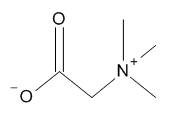
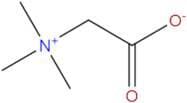
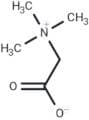
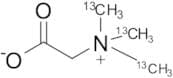
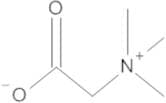
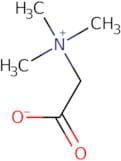
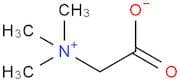
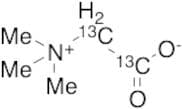
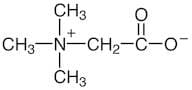
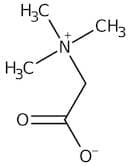
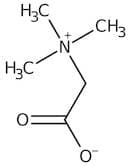
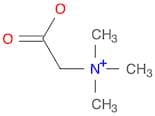
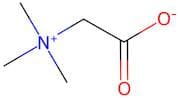
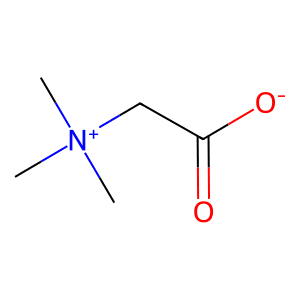
Betaína, com o número CAS 107-43-7, é um composto que ocorre naturalmente classificado como um derivado de aminoácido zwitteriônico. É caracterizado por sua estrutura química, que inclui um grupo de amônio quaternário e um grupo carboxilato, tornando-se carregado positiva e negativamente em pH fisiológico. Betaína é solúvel em água e exibe propriedades higroscópicas, permitindo-lhe atrair umidade. É comumente encontrado em beterrabas, espinafre e outras plantas, e muitas vezes é usado como aditivo na alimentação de animais para melhorar o crescimento e a eficiência alimentar. Na nutrição humana, Betaína é reconhecido por seu papel nos processos de metilação e como um potencial osmoprotetor, ajudando as células a manter sua estrutura e função em condições de estresse. Além disso, tem atraído atenção por seus potenciais benefícios no desempenho atlético e na saúde metabólica. No geral, Betaína é valorizado por suas propriedades multifuncionais tanto em sistemas biológicos quanto em várias aplicações industriais.
Fórmula:C5H11NO2
InChI:InChI:1S/C5H11NO2/c1-6(2,3)4-5(7)8/h4H2,1-3H3
Chave InChI:InChIKey=KWIUHFFTVRNATP-UHFFFAOYSA-N
SMILES:C([N+](C)(C)C)C([O-])=O
Sinónimos:- (Carboxymethyl)trimethylammonium hydroxide inner salt
- (Trimethylammonio)Acetate
- (Trimethylammonio)Acetate-Glycine (1:1)
- 2-(Trimethylammonio)ethanoic acid, hydroxide, inner salt
- 2-(Trimethylazaniumyl)acetate
- Abromine
- Aminocoat
- Ammonium compounds, substituted, (carboxymethyl)trimethyl-, hydroxide, inner salt
- Aquadew AN 100
- Auqadew AN 100
- Betafin
- Betafin BCR
- Betafin BP
- Betafin BP 20
- Betain
- Betaina
- Betaine anhydrous
- Bluestim
- Cystadane
- Fencaijian
- FinnStim
- Genecare OSMS BA
- Genencare OSMS BA
- Glycine betaine
- Glycine, trimethylbetaine
- Glycocoll betaine
- Glycylbetaine
- Greenstim
- Intracell
- Loramine AMB 13
- Lycine
- Methanaminium, 1-carboxy-N,N,N-trimethyl-, hydroxide, inner salt
- Methanaminium, 1-carboxy-N,N,N-trimethyl-, inner salt
- N,N,N-Trimethylglycine
- Oxyneurine
- Rubrine C
- Trimethylbetaine
- Trimethylglycine
- Trimethylglycocoll
- carboxy-N,N,N-trimethylmethanaminium
- α-Earleine
- Betaine
- Dimethylsarcosine
- BET
- (CARBOXYMETHYL)TRIMETHYLAMMONIUM HYDROXIDE ANHYDRIDE
- glycocollbetaine
- 1-Carboxy-N,N,N-trimethylmethanaminium inner salt
- BETAINE BASE
- N-TRIMETHYLGLYCINE HYDROXIDE
- Ver mais sinónimos
Ordenar por
Pureza (%)
0
100
|
0
|
50
|
90
|
95
|
100
Betaine Anhydrous
CAS:Fórmula:C5H11NO2Pureza:>97.0%(T)Cor e Forma:White to Almost white powder to crystalPeso molecular:117.15Betaine, 5M Solution, Molecular Biology Grade, Ultrapure
CAS:Thermo Scientific Betaine Molecular Biology Grade UltrapureFórmula:C5H11NO2Peso molecular:117.15Betaine, anhydrous, 98%
CAS:Betaine is an active ingredient in toothpaste to control the symptoms of dryness of the mouth. It is used to treat homocystinuria, which is a defect in the major pathway of methionine biosynthesis. It is also used for boosting the immune system and for improving athletic performance. It is helpfulFórmula:C5H11NO2Pureza:98%Cor e Forma:White, Crystals or powder or crystalline powder or granulesPeso molecular:117.15Betaine
CAS:Quaternary ammonium salts and hydroxides, whether or not chemically defined, nesoiFórmula:C5H11NO2Cor e Forma:White Crystalline PowderPeso molecular:117.07898Methanaminium, 1-carboxy-N,N,N-trimethyl-, inner salt
CAS:Fórmula:C5H11NO2Pureza:96%Cor e Forma:SolidPeso molecular:117.1463Betaine, anhydrous
CAS:Fórmula:C5H11NO2Pureza:98.0 - 102.0 % (dried basis)Cor e Forma:White to off-white crystalline powderPeso molecular:117.15Betaine Anhydrous [for Biochemical Research]
CAS:Fórmula:C5H11NO2Pureza:>97.0%(T)Cor e Forma:White to Almost white powder to crystalPeso molecular:117.15Betaine
CAS:Fórmula:C5H11NO2Pureza:98.0%Cor e Forma:Solid, Crystalline Powder or PowderPeso molecular:117.148Betaine
CAS:Betaine, a glycine derivative from sugar beets, may aid muscle gain, fat loss, and heart health by enhancing protein synthesis.Fórmula:C5H11NO2Pureza:99.9% - 99.96%Cor e Forma:SolidPeso molecular:117.15Betaine
CAS:Applications Betaine, is the product of the enzyme oxidation of choline. It can also be used as an organic osmolytes. Betain is a methyl donor of increasingly recognized significance in biology. It can also be used for the treatment of homocystinuria which is an inherited disorder of the metabolism of amino acid methionine.
References J. Biol. Chem., 234, 1171 (1959); Alex, N. et al.: Org. Chem., (1987); Rees, W. et al.: Biochem., 32, 137 (1993);Fórmula:C5H11NO2Cor e Forma:NeatPeso molecular:117.15Betaine
CAS:Osmolyte giving cellular protection against environmental stress
Fórmula:C5H11NO2Pureza:99.0 To 101.0%Cor e Forma:White Off-White PowderPeso molecular:117.15 g/molBetaine (Glycine Betaine) pure, 98%
CAS:Fórmula:C5H11NO2Pureza:min. 98%Cor e Forma:White, Crystalline powderPeso molecular:117.15







![Betaine Anhydrous [for Biochemical Research]](/_next/image/?url=https%3A%2Fstatic.cymitquimica.com%2Fproducts%2F3B%2Fthumb%2FB6796.jpg&w=3840&q=75)