CAS 1198-33-0
:3,9-Diidro-9-metil-1H-purina-2,6-diona
Descrição:
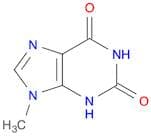
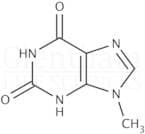
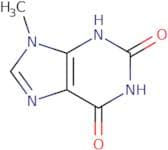
3,9-Diidro-9-metil-1H-purina-2,6-diona, comumente conhecido como teobromina, é um composto de metilxantina com características notáveis. É um pó cristalino branco a off-white que é solúvel em água e tem um sabor ligeiramente amargo. A estrutura molecular apresenta uma base de purina, que é um componente chave em várias moléculas biológicas, incluindo DNA e RNA. A teobromina é encontrada principalmente em grãos de cacau e é conhecida por suas propriedades estimulantes, semelhantes à cafeína, embora seja menos potente. Atua como um estimulante suave do sistema nervoso central, vasodilatador e diurético. O composto tem várias aplicações, incluindo seu uso em produtos alimentícios, farmacêuticos e como um potencial agente terapêutico para certas condições médicas. Além disso, a teobromina tem sido estudada por suas propriedades antioxidantes e potenciais benefícios à saúde, como a melhoria da saúde cardiovascular. No entanto, é importante notar que a teobromina pode ser tóxica para certos animais, particularmente cães, devido ao seu metabolismo mais lento do composto.
Fórmula:C6H6N4O2
InChI:InChI=1S/C6H6N4O2/c1-10-2-7-3-4(10)8-6(12)9-5(3)11/h2H,1H3,(H2,8,9,11,12)
Chave InChI:InChIKey=DHNIKYWYTSMDDA-UHFFFAOYSA-N
SMILES:O=C1C2=C(NC(=O)N1)N(C)C=N2
Sinónimos:- 1H-Purine-2,6-dione, 3,9-dihydro-9-methyl-
- 3,9-Dihydro-9-methyl-1H-purine-2,6-dione
- 9-methyl-3,9-dihydro-1H-purine-2,6-dione
- NSC 4917
- Xanthine, 9-methyl-
- 9-Methylxanthine
Ordenar por
Pureza (%)
0
100
|
0
|
50
|
90
|
95
|
100
4 produtos.
1H-Purine-2,6-dione, 3,9-dihydro-9-methyl-
CAS:Fórmula:C6H6N4O2Cor e Forma:SolidPeso molecular:166.13749-Methylxanthine
CAS:Produto Controlado9-Methylxanthine is a purine alkaloid that is structurally related to caffeine. It is used as a bronchodilator and to treat cardiac arrhythmias. 9-Methylxanthine has been shown to have an effect on the rate of DNA replication by binding to the enzyme xanthosine phosphorylase, which converts xanthosine monophosphate (XMP) to xanthosine diphosphate (XDP). The drug's effect on other nucleobases, such as adenosine monophosphate (AMP), cannot be ruled out. 9-Methylxanthine also has a strong affinity for macrochelates, which are compounds that contain chelating agents with a large number of ethylenediaminetetraacetic acid (EDTA) groups. This property is due to the high number of nitrogen atoms in the molecule and its ability to form hydrogen bonds between water moleculesFórmula:C6H6N4O2Pureza:Min. 95%Cor e Forma:PowderPeso molecular:166.14 g/mol