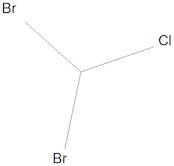
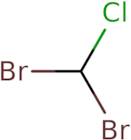
CAS 124-48-1
:Dibromoclorometano
- Dibromchlormethan
- Dibromochloromethane
- Dibromoclorometano
- Dibromomonochloromethane
- Methane, dibromochloro-
- Monochlorodibromomethane
- Chlorodibromomethane
Volatiles Target Compounds Mixture 887 1000 µg/mL in Methanol
CAS:Produto Controlado- 100-41-4
- 100-42-5
- 10061-01-5
- 10061-02-6
- 106-42-3
- 107-06-2
- 108-10-1
- 108-38-3
- 108-88-3
- 108-90-7
- 124-48-1
- 127-18-4
- 156-59-2
- 156-60-5
- 56-23-5
- 591-78-6
- 67-64-1
- 67-66-3
- 71-43-2
- 71-55-6
- 74-83-9
- 74-87-3
- 75-00-3
- 75-01-4
- 75-09-2
- 75-15-0
- 75-25-2
- 75-27-4
- 75-34-3
- 75-35-4
- 78-87-5
- 78-93-3
- 79-00-5
- 79-01-6
- 79-34-5
- 95-47-6
Cor e Forma:MixtureDibromochloromethane
CAS:Produto ControladoApplications A volatile halogenated methane present in trace amounts in drinking water as a result of the water treatment process. It is useful as chain transfer agents in PVC polymerization.
References Stanaback, R.J.: Tech. Pap. Soc. Plast. Engin., 23, 262 (1977); Nestmann, E.R. et al.: Water Chlorin. Env. Impact Health. Eff., 4, 1151 (1983);Fórmula:CHBr2ClCor e Forma:NeatPeso molecular:208.28Dibromochloromethane (stabilized with ethanol)
CAS:Dibromochloromethane (DBCM) is a chemical that is used as a solvent and cleaning agent. It was found to be genotoxic, with the potential to cause cancer in humans. DBCM causes cardiac effects in animals, including arrhythmias and an increase in heart rate. DBCM is not volatile and has a low vapor pressure, which makes it hazardous if inhaled or ingested. DBCM can also cause renal toxicity and liver injury in rats. Dibromochloromethane has been shown to have a toxic effect on the heart, lungs, kidneys and liver when administered at high doses in animals. It has been shown to damage DNA by causing mutations or cross-linking with DNA strands.
Fórmula:CHBr2ClPureza:Min. 95%Peso molecular:208.28 g/mol