CAS 126055-13-8
:CP 102
Descrição:
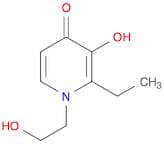
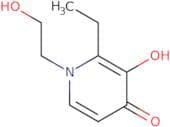
CP 102, com o número CAS 126055-13-8, é um composto químico que pertence a uma classe de substâncias conhecidas por suas potenciais aplicações em vários campos, incluindo farmacêuticos e ciência dos materiais. Embora os detalhes específicos sobre suas características possam variar, compostos como CP 102 normalmente exibem propriedades como uma estrutura molecular definida, solubilidade específica em vários solventes e perfis de reatividade distintos. Essas características podem influenciar seu comportamento em reações químicas, estabilidade sob diferentes condições e interações com sistemas biológicos. Além disso, CP 102 pode possuir grupos funcionais únicos que contribuem para sua reatividade química e potenciais aplicações. Fichas de dados de segurança e literatura científica fornecem informações essenciais sobre sua toxicidade, precauções de manuseio e impacto ambiental, que são cruciais para pesquisadores e indústrias que trabalham com este composto. Para aplicações e características precisas, é recomendável consultar bancos de dados especializados ou artigos revisados por pares, pois eles fornecem insights detalhados sobre o comportamento e usos do composto em vários contextos.
Fórmula:C9H13NO3
InChI:InChI=1/C9H13NO3/c1-2-7-9(13)8(12)3-4-10(7)5-6-11/h3-4,11,13H,2,5-6H2,1H3
Sinónimos:- CP-102
- 4(1H)-Pyridinone, 2-ethyl-3-hydroxy-1-(2-hydroxyethyl)-
- 2-ethyl-3-hydroxy-1-(2-hydroxyethyl)pyridin-4(1H)-one
- 2-Ethyl-3-hydroxy-1-(2-hydroxyethyl)-4(1H)-pyridinone
Ordenar por
Pureza (%)
0
100
|
0
|
50
|
90
|
95
|
100
5 produtos.
2-Ethyl-3-hydroxy-1-(2-hydroxyethyl)-1,4-dihydropyridin-4-one
CAS:2-Ethyl-3-hydroxy-1-(2-hydroxyethyl)-1,4-dihydropyridin-4-one (MAH) is a monoclonal antibody that is used to detect IgG and IgA in human serum. MAH binds to the Fc region of human immunoglobulin G (IgG) antibodies, which are found in the blood of humans and other mammals. The Fc region is an important part of the antibody molecule because it contains an antigen binding site that recognizes specific antigens. MAH has been shown to bind to a variety of animal tissues, including liver, kidney, spleen, brain, heart, muscle, and bone marrow cells. MAH also binds to crystalline cellulose and Pichia pastoris cells. This compound has minimal toxicity when administered orally and was shown to be effective against Coccidioides glabrata in mice. The structure of this compoundFórmula:C9H13NO3Pureza:Min. 95%Peso molecular:183.2 g/molCP102
CAS:CP102, an iron chelator, effectively reduces total non-heme and ferritin-stored iron levels in the livers of mice when provided through drinking water at a concentration of 2 mg/ml.Fórmula:C9H13NO3Cor e Forma:SolidPeso molecular:183.2044