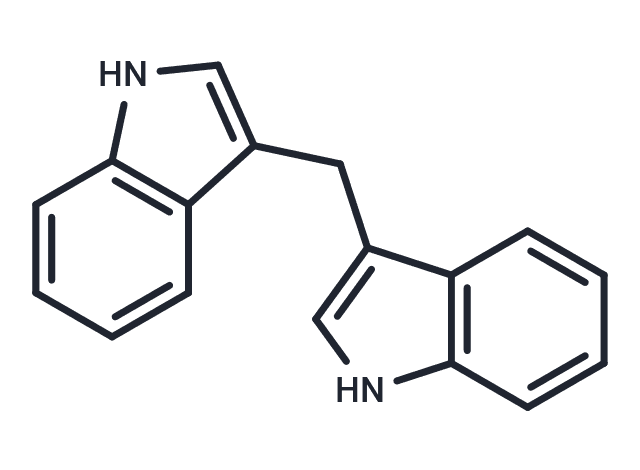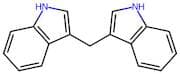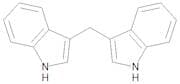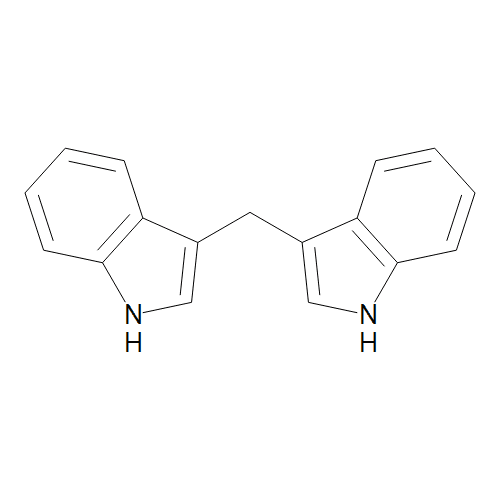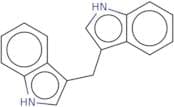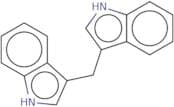
CAS 1968-05-4
:3,3'-Diindolilmetano
- 1H-Indole, 3,3′-methylenebis-
- 3,3'-Methylenebisindole
- 3,3'-methanediylbis(1H-indole)
- 3,3'Diindolemethane
- 3,3-Methylenediindole
- 3,3′-Bisindolylmethane
- 3,3′-Methanediyldi(1H-indole)
- 3,3′-Methylenebis[1H-indole]
- 3-[(1H-Indol-3-yl)methyl]-1H-indole
- Arundine
- Bis(1H-indol-3-yl)methane
- Bis(3-indolyl)methane
- Cervicon-DIM
- DIM
- DIM (AhR agonist)
- DIM (diindolylmethane)
- Di(1H-indol-3-yl)methane
- Diindolylmethane
- Diindoylmethane
- Hb 236
- Indole, 3,3′-methylenedi-
- Infemin
- 3,3-Diindolylmethane
- Ver mais sinónimos
3,3'-Methylenediindole
CAS:Fórmula:C17H14N2Pureza:>98.0%(N)Cor e Forma:White to Light yellow to Light red powder to crystalPeso molecular:246.313,3'-Diindolylmethane
CAS:3,3'-Diindolylmethane (DIM), a small molecule compound, is a proposed Y preventive agent.Fórmula:C17H14N2Pureza:99.09%Cor e Forma:SolidPeso molecular:246.313,3''-Diindolylmethane
CAS:Fórmula:C17H14N2Pureza:≥ 98.0% (anhydrous basis)Cor e Forma:White to off-white crystalline powderPeso molecular:246.313,3'-Diindolylmethane
CAS:Produto ControladoApplications 3,3'-Diindolylmethane is an activator of Chk2 that causes G2/M cell cycle arrest in various cancer cell lines. 3,3'-Diindolylmethane is an antiproliferative and inducer of apoptosis; promotes proteasomal degradation of Cdc25C and Cdk1. Inhibits phosphorylation of EGFR and downstream activation of ERK.
References Kandala, et al.: Mol.Pharmacol., 78, 297 (2010), Kandala, et al.: J. Pharmacol. Exp. Ther., 341 24 (2012),Fórmula:C17H14N2Cor e Forma:NeatPeso molecular:246.31Bis (3-indolyl)methane
CAS:Fórmula:C17H14N2Pureza:98%Cor e Forma:Solid, White to pale reddish yellow powderPeso molecular:246.3133,3'-Diindolymethane (synthetic)
CAS:3,3'-Diindolylmethane, also known as DIM, is natural compound derived from indole. In a recent study, DIM was evaluated as a potential agent for preventing biofilm formation by Streptococcus mutans, which is a major cause of dental caries. The researchers found that DIM significantly inhibited biofilm formation (by 92%) and reduced the production of extracellular polymeric substances (EPS), which are important for biofilm stability particularly under acidic conditions. The study suggests that 3,3'-diindolylmethane has anti-biofilm and anti-virulence properties against S. mutans, and it is a potential candidate for reducing biofilm formation and preventing dental caries.
It has been also reported that 3,3'-diindolymethane can act as a chemopreventive agent. DIM has estrogenic effects without interacting with the binding domain of the estrogen receptors. This study found that DIM could suppress cell growth and disrupt cell cycle progression of young adult mouse colonocytes (YAMCs) in vitro. Moreover, DIM altered gene expression associated with apoptosis and cell proliferation, and it induced transcriptional activity of the estrogen receptor (ER), which was inhibited by an ER antagonist.Fórmula:C17H14N2Pureza:Min. 95%Cor e Forma:PowderPeso molecular:246.31 g/mol3,3'-Diindolymethane (natural)
CAS:3,3'-Diindolylmethane, also known as DIM, is natural compound derived from indole. In a recent study, DIM was evaluated as a potential agent for preventing biofilm formation by Streptococcus mutans, which is a major cause of dental caries. The researchers found that DIM significantly inhibited biofilm formation (by 92%) and reduced the production of extracellular polymeric substances (EPS), which are important for biofilm stability particularly under acidic conditions. The study suggests that 3,3'-diindolylmethane has anti-biofilm and anti-virulence properties against S. mutans, and it is a potential candidate for reducing biofilm formation and preventing dental caries. It has been also reported that 3,3'-diindolymethane can act as a chemopreventive agent. DIM has estrogenic effects without interacting with the binding domain of the estrogen receptors. This study found that DIM could suppress cell growth and disrupt cell cycle progression of young adult mouse colonocytes (YAMCs) in vitro. Moreover, DIM altered gene expression associated with apoptosis and cell proliferation, and it induced transcriptional activity of the estrogen receptor (ER), which was inhibited by an ER antagonist.Fórmula:C17H14N2Pureza:Min. 95%Cor e Forma:PowderPeso molecular:246.31 g/mol