


CAS 217082-60-5
:(Pyr1)-Apelina-13 (humano, bovino)
Descrição:
(Pyr1)-Apelina-13 é um peptídeo que serve como um ligante para o receptor de apelina, que está envolvido em vários processos fisiológicos, incluindo regulação cardiovascular, homeostase de fluidos e metabolismo energético. Esta substância é uma forma modificada do peptídeo de apelina-13 que ocorre naturalmente, onde o primeiro resíduo de prolina é substituído por um anel de pirrolidina, aumentando sua estabilidade e bioatividade. O peptídeo é caracterizado por seu tamanho relativamente pequeno, consistindo de 13 aminoácidos, e exibe uma alta afinidade pelo receptor de apelina, tornando-o significativo na pesquisa relacionada à saúde cardiovascular e distúrbios metabólicos. Seu papel na promoção da vasodilatação e na influência da regulação do apetite despertou interesse em aplicações terapêuticas. Além disso, (Pyr1)-Apelina-13 é estudado por suas potenciais implicações em condições como insuficiência cardíaca e obesidade. O número CAS 217082-60-5 identifica exclusivamente este composto, facilitando seu reconhecimento na literatura científica e em bancos de dados. No geral, (Pyr1)-Apelina-13 representa uma ferramenta valiosa na pesquisa biomédica, particularmente na compreensão da via de sinalização da apelina.
Fórmula:C69H108N22O16S
Sinónimos:- (Pyr1)apelin-13
- (pGlu1)apelin-13
- Pyr-apelin-13
- L-Phenylalanine,5-oxo-L-prolyl-L-arginyl-L-prolyl-L-arginyl-L-leucyl-L-seryl-L-histidyl-L-lysylglycyl-L-prolyl-L-methionyl-L-prolyl-
- Pyr-Arg-Pro-Arg-Leu-Ser-His-Lys-Gly-Pro-Met-Pro-Phe-OH
Ordenar por
Pureza (%)
0
100
|
0
|
50
|
90
|
95
|
100
8 produtos.
(Pyr¹)-Apelin-13 (human, bovine, mouse, rat)
CAS:The pyroglutamyl form of apelin-13 exhibited a high activity with an EC₅₀ value of 0.30 nM. pERPRLSHKGPMPF is probably the final product of the post-translational modification of apelin and the biologically active endogenous ligand. (Pyr¹)-Apelin-13 has been identified as the predominant apelin isoform in the human heart. Pyr-Apelin-13 stimulates glucose utilization in normal and obese insulin-resistant mice. It could be required for the maintenance of insulin sensitivity.Fórmula:C69H108N22O16SPureza: 97.7%Cor e Forma:White LyophilisatePeso molecular:1533.82(Pyr¹)-Apelin-13 (human, bovine, mouse, rat)
CAS:Bachem ID: 4104812.
Fórmula:C69H108N22O16SPureza:98.2301%Cor e Forma:White PowderPeso molecular:1533.82PYR-ARG-PRO-ARG-LEU-SER-HIS-LYS-GLY-PRO-MET-PRO-PHE-OH
CAS:Fórmula:C69H108N22O16SPureza:97%Cor e Forma:SolidPeso molecular:1533.7986[Pyr1]-Apelin-13
CAS:[Pyr1]-Apelin-13 ([pGlu1]-Apelin-13) is a potent and selective endogenous Apelin receptor (APJ) agonist.Fórmula:C69H108N22O16SPureza:99.71%Cor e Forma:SolidPeso molecular:1533.8(Pyr 1)-Apelin-13
CAS:Endogenous ligand for apelin APJ receptor
Fórmula:C69H108N22O16SPureza:Min. 95%Cor e Forma:White PowderPeso molecular:1,533.8 g/mol[Pyr]-Apelin-13
CAS:[Pyr1]-Apelin-13 acts as a ligand for the apelin receptor (APJ) G protein-coupled receptor and is a substrate for angiotensin-converting enzyme 2. Apelin is a member of the adipokine hormone family from adipose tissue. Adipokines are involved in processes such as vascular homeostasis and angiogenesis.Apelin and the apelin receptor are widely distributed throughout the body. Apelin is associated with cardiovascular diseases, obesity, diabetes and cancer. Apelin is expressed in the spinal cord and the human brain. Immunohistochemistry shows that apelin-17 is significantly expressed in the human heart, brain, lungs and endothelial cells. Studies show myocardial infarction apelin mRNA expression is greater during human heart failure than in healthy tissue. Apelin protects against heart failure due to the pyroglutamic form of apelin, [Pyr1]-Apelin-13, which decreases infarct size of myocardial infarctions. Furthermore, rats with hypertension have reduced levels of apelin and APJ. [Pyr1]-Apelin-13 exhibits higher APJ agonist potency than Apelin-13. We also have the alternative available.Fórmula:C69H108N22O16SCor e Forma:PowderPeso molecular:1,533.8 g/mol[Pyr1]-Apelin-13 (Human, Bovine)
CAS:Apelin-13 is a peptide that belongs to the class of activators. It has been shown to activate the ATP-sensitive potassium ion channels and inhibit the calcium ion channels in cells. Apelin-13 also binds to receptors on cells, which leads to activation of signaling pathways. The affinity for these receptors has been determined using an antibody. In addition, it has been shown that Apelin-13 interacts with other proteins and ligands in a variety of ways through protein interactions and receptor binding.Fórmula:C69H108N22O16SPureza:Min. 95%Peso molecular:1,533.8 g/mol
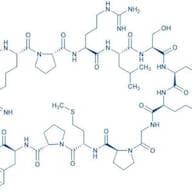


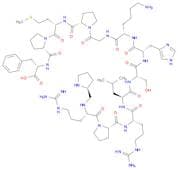

![[Pyr1]-Apelin-13](/_next/image/?url=https%3A%2Fstatic.cymitquimica.com%2Fproducts%2F54%2Fthumb%2FBUP01859.jpg&w=3840&q=75)

![[Pyr1]-Apelin-13](/_next/image/?url=https%3A%2Fstatic.cymitquimica.com%2Fproducts%2FTM%2Fthumb%2FTP1260.jpg&w=3840&q=75)


![[Pyr]-Apelin-13](/_next/image/?url=https%3A%2Fstatic.cymitquimica.com%2Fproducts%2F3D%2Fthumb%2FCRB1000443.jpg&w=3840&q=75)
![[Pyr1]-Apelin-13 (Human, Bovine)](/_next/image/?url=https%3A%2Fstatic.cymitquimica.com%2Fproducts%2F3D%2Fthumb%2FPAP-4361-V.jpg&w=3840&q=75)