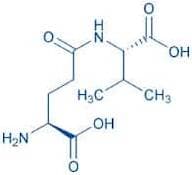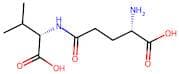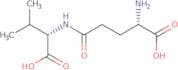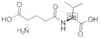
CAS 2746-34-1
:γ-Glutamilvalina
- L-Valine, L-γ-glutamyl-
- L-Valine, N-L-γ-glutamyl-
- Valine, N-L-γ-glutamyl-, L-
- Valine, N-L-γ-glutamyl-
- L-γ-Glutamyl-L-valine
H-Glu(Val-OH)-OH
CAS:γ-Glu-Val is a main contributor to the “kokumi” taste of edible beans (Phaseolus vulgaris L.)Fórmula:C10H18N2O5Pureza:> 99%Cor e Forma:WhitePeso molecular:246.26N5-((S)-1-Carboxy-2-methylpropyl)-L-glutamine
CAS:N5-((S)-1-Carboxy-2-methylpropyl)-L-glutaminePureza:97%Peso molecular:246.26g/molG-Glu-Val
CAS:G-Glu-Val (γ-glutamyl-L-valine, H-Glu-Val -OH), a flavour-regulating dipeptide, is a major contributor to "mellow".
Fórmula:C10H18N2O5Cor e Forma:SolidPeso molecular:246.26L-γ-Glutamyl-L-valine
CAS:Applications H-Glu(Val-OH)-OH (CAS# 2746-34-1) is a useful research chemical compound.
Fórmula:C10H18N2O5Cor e Forma:NeatPeso molecular:246.26H-Glu(Val-OH)-OH
CAS:H-Glu(Val-OH)-OH is a synthetic form of l-glutamic acid. It increases the activity of glutamyl synthetase, which is an enzyme that regulates the synthesis of glutathione. H-Glu(Val-OH)-OH has been shown to have anticarcinogenic effects in animal studies. This compound also inhibits the synthesis of alpha-tocopherol, which is a molecule that protects against oxidative stress and is essential for maintaining cell membranes. H-Glu(Val-OH)-OH may be useful as a dietary supplement for individuals with low body mass index (BMI) or cancer patients undergoing chemotherapy. H-Glu(Val-OH)-OH may be used to treat obesity by increasing energy expenditure and decreasing appetite, although it does not affect glucose levels in mice. The mechanism by which this compound affects obesity is yet unknown, but it may be due to its ability to activate proinflammatory cytokines such as TNFα
Fórmula:C10H18N2O5Pureza:Min. 98 Area-%Cor e Forma:White Off-White PowderPeso molecular:246.26 g/mol