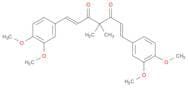
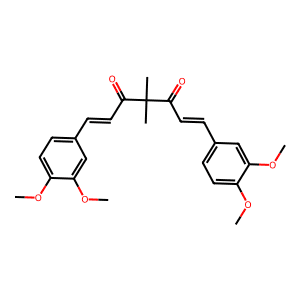
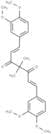
CAS 52328-97-9
:FLLL31
Descrição:
FLLL31, com o número CAS 52328-97-9, é um composto químico que despertou interesse no campo da química medicinal, particularmente por seu papel como um inibidor seletivo de certas quinases de proteínas. Este composto é caracterizado por sua capacidade de modular vias de sinalização celular, o que pode ter implicações na pesquisa e tratamento do câncer. Sabe-se que FLLL31 exibe uma afinidade específica por suas quinases-alvo, potencialmente levando à redução da proliferação celular e ao aumento da apoptose em células cancerosas. Sua estrutura molecular geralmente inclui grupos funcionais que melhoram suas propriedades de ligação e biodisponibilidade. Além disso, FLLL31 tem sido estudado por suas propriedades farmacocinéticas, que são cruciais para determinar sua eficácia e perfil de segurança em aplicações terapêuticas. Assim como muitos compostos nesta categoria, a pesquisa em andamento visa elucidar seu mecanismo de ação completo, otimizar suas propriedades farmacológicas e avaliar seus potenciais efeitos colaterais em ambientes clínicos.
Ordenar por
Pureza (%)
0
100
|
0
|
50
|
90
|
95
|
100
6 produtos.
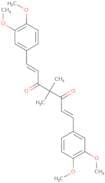
Tetramethylcurcumin
CAS:Tetramethylcurcumin is a novel curcumin analog, is an effective inhibitors of STAT3 phosphorylation, DNA binding activity, and transactivation in vitro.it alsoFórmula:C25H28O6Pureza:97.69% - 99.94%Cor e Forma:SolidPeso molecular:424.49FLLL31
CAS:FLLL31 is a growth factor that regulates the proliferation of cells. It is a molecule that has been shown to have chemotherapeutic properties. FLLL31 binds to the surface of cells, where it activates polymerase chain reactions and induces cell death by signaling apoptosis. This molecule has been demonstrated to be involved in chemotherapeutic treatment for autoimmune diseases and inflammatory conditions. FLLL31 can also inhibit the growth of viruses, such as HIV and Epstein-Barr virus, and tumor cells in humans. The mechanism for these activities is not well understood, but may involve its ability to bind IL-17a, a cytokine involved in the immune system's response to infection or injury. FLLL31 has also been shown to induce cell death in leukemia inhibitory factor (LIF) and epidermal growth factor receptor (EGFR) cancer cell lines with no significant toxicity on normal cell lines.Fórmula:C25H28O6Pureza:Min. 95%Peso molecular:424.49 g/mol