CAS 58-73-1
:Difenidramina
Descrição:
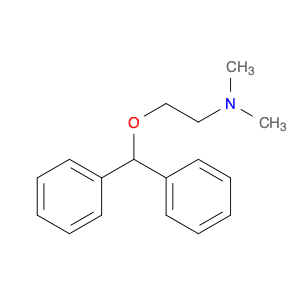
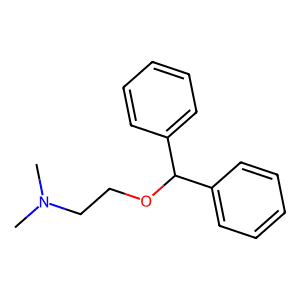
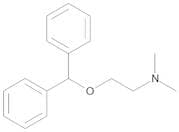
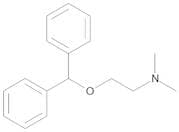
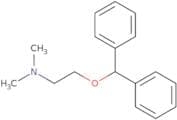
Difenidramina é um antihistamínico comumente usado para aliviar os sintomas de alergia, febre do feno e resfriados comuns. É classificado como um antagonista do receptor H1 de primeira geração, o que significa que bloqueia a ação da histamina, uma substância no corpo que causa sintomas alérgicos. Quimicamente, Difenidramina é caracterizado por sua estrutura, que inclui dois anéis fenólicos conectados por uma cadeia de etilamina. Essa estrutura contribui para sua capacidade de atravessar a barreira hematoencefálica, levando a efeitos sedativos, razão pela qual também é usado como tratamento de curto prazo para insônia. Difenidramina tem uma solubilidade relativamente baixa em água, mas é solúvel em solventes orgânicos. Seus efeitos farmacológicos podem incluir sonolência, boca seca, tontura e, em alguns casos, reações paradoxais, como excitabilidade, especialmente em crianças. Devido às suas propriedades sedativas, é aconselhável ter cautela ao operar máquinas ou dirigir após o consumo. Além disso, pode interagir com outros medicamentos, por isso é importante consultar profissionais de saúde antes do uso.
Fórmula:C17H21NO
InChI:InChI=1/C17H21NO/c1-18(2)13-14-19-17(15-9-5-3-6-10-15)16-11-7-4-8-12-16/h3-12,17H,13-14H2,1-2H3
Chave InChI:InChIKey=ZZVUWRFHKOJYTH-UHFFFAOYSA-N
SMILES:C(OCCN(C)C)(C1=CC=CC=C1)C2=CC=CC=C2
Sinónimos:- 2-(Benzhydryloxy)-N,N-dimethylethanamine
- 2-(Benzhydryloxy)-N,N-dimethylethylamine
- 2-(Diphenylmethoxy)-N,N-dimethylethanamine
- 2-(Diphenylmethoxy)-N,N-dimethylethylamine
- 2-Benzhydryloxyethyldimethylamine
- Benzhydramine
- DPH
- Difenhidramina
- Dimedrol base
- Diphenhydramin
- Ethanamine, 2-(diphenylmethoxy)-N,N-dimethyl-
- Ethylamine, 2-(diphenylmethoxy)-N,N-dimethyl-
- Far 90X2
- N,N-Dimethyl-2-(diphenylmethoxy)ethylamine
- N-[2-(Diphenylmethoxy)ethyl]-N,N-dimethylamine
- Nsc 665800
- O-Benzhydryldimethylaminoethanol
- Probedryl
- Restamin
- α-(2-Dimethylaminoethoxy)diphenylmethane
- β-Dimethylaminoethanol diphenylmethyl ether
- β-Dimethylaminoethyl benzhydryl ether
- β-Dimethylaminoethylbenzhydrylether
- Diphenylhydramine
- Allergeval
- 2-(Diphenylmethoxy)-N,N-dimethylethanam-ine
- Allergical
- Aleryl
- Allergival
- Allergan B
- 2-(diphenylmethoxy)-n,n-dimethyl-ethanamin
- DIPHENHYDRAMINE BASE
- 2-(Benzohydryloxy)-N,N-dimethylethylamine
- AURORA KA-7664
- 2-(diphenylmethoxy)-n,n-dimethyl-ethylamin
- Alledryl
- DIPHENHYDRAMINE
- Ver mais sinónimos
Ordenar por
Pureza (%)
0
100
|
0
|
50
|
90
|
95
|
100
11 produtos.
Diphenhydramine
CAS:Fórmula:C17H21NOPureza:>98.0%(GC)(T)Cor e Forma:Colorless to Yellow clear liquidPeso molecular:255.36Ethanamine, 2-(diphenylmethoxy)-N,N-dimethyl-
CAS:Fórmula:C17H21NOPureza:98%Cor e Forma:LiquidPeso molecular:255.3547Orphenadrine EP Impurity D (Diphenhydramine)
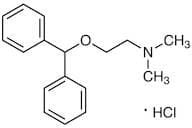
CAS:Fórmula:C17H21NOCor e Forma:Yellow LiquidPeso molecular:255.36Diphenhydramine Hydrochloride
CAS:Fórmula:C17H21NO·HClPureza:>98.0%(T)(HPLC)Cor e Forma:White powder to crystalPeso molecular:291.82Diphenhydramine
CAS:Diphenhydramine (Syntedril): first-gen antihistamine for allergies, antiemetic, antitussive, anticholinergic, sedative, treats drug-induced parkinsonism.Fórmula:C17H21NOPureza:98.07%Cor e Forma:SolidPeso molecular:255.35Diphenhydramine
CAS:Produto ControladoApplications Diphenhydramine can be used for improving dry skin with itching.
References Takeshima, H., et.al.: Jpn. Kokai Tokkyo Koho, 12, (2021);Fórmula:C17H21NOCor e Forma:NeatPeso molecular:255.3612-(Benzhydryloxy)-N,N-dimethylethanamine
CAS:Fórmula:C17H21NOPureza:95%Cor e Forma:LiquidPeso molecular:255.361Diphenhydramine
CAS:Produto ControladoDiphenhydramine is a drug that belongs to the class of antihistamines, and is used to treat allergic symptoms such as hay fever, urticaria, and other allergic reactions. It has been shown to inhibit the production of hydrogen fluoride in analytical methods for measuring this compound. Diphenhydramine is also known to have potential interactions with other drugs, including α1-adrenergic antagonists (i.e., h1-antagonists), cyclic peptides, and surfactants. In addition, it has been shown to bind to the α1 subunit of G protein receptors within the gastrointestinal tract in a reaction mechanism that is not yet fully understood. This binding inhibits the response of these receptors to certain stimuli from neurotransmitters and hormones, which can lead to bowel disease.Fórmula:C9H18CINOPureza:Min. 95%Peso molecular:295.16 g/mol