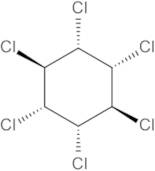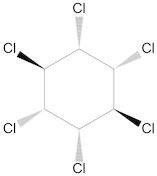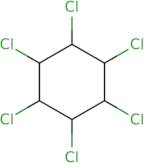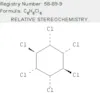
CAS 58-89-9
:Lindano
- (1α,2α,3β,4α,5α,6β)-1,2,3,4,5,6-Hexachlorocyclohexane
- 1,2,3,4,5,6-G-Hexachlorocyclohexane
- 1,2,3,4,5,6-Hexachlorocyclohexane
- 666
- Aalindan
- Aficide
- Agrocide
- Aparasin
- Aphtiria
- Aplidal
- Arbitex
- BBH
- BHC
- Ben-Hex
- Benhexol
- Bexol
- Celanex
- Chloresene
- Codechine
- DBH
- Devoran
- Entomoxan
- Esoderm
- Forst-Nexen
- Gamacid
- Gamacide
- Gamene
- Gamma-HCH
- Gammalin
- Gammaterr
- Gammaxene
- Gammexane
- Gamoline
- Geobilan
- Gexane
- HCC
- HCH
- HGI
- Hcch
- Heclotox
- Hexa
- Hexachloran
- Hexachlorane
- Hexachlorocyclohexane
- Hexatin
- Hexaverm
- Hexicide
- Hexyclan
- Hilbeech
- Hortex
- Inexit
- Jacutin
- Kanodane
- Kokotine
- Kwell
- Lasochron
- Lendine
- Lentox
- Lidenal
- Lindafor
- Lindane
- Lindatox
- Lindex
- Lindosep
- Lintox
- Linvur
- Lorexane
- Mszycol
- Neo-Scabicidol
- Nexit
- Nicochloran
- Omnitox
- Ovadziak
- Owadziak
- PLK
- Pedraczak
- Pflanzol
- Prodactif
- Quellada
- Sang-gamma
- Scabecid
- Scabene
- Spritz-Rapidin
- Spritzlindane
- Spruehpflanzol
- Streunex
- Tri-6
- Viton
- Γ-666
- γ-1,2,3,4,5,6-Hexachlorocyclohexane
- γ-BHC
- γ-Benzohexachloride
- γ-HCH
- γ-Hexachloran
- γ-Hexachlorane
- γ-Hexachlorobenzene
- γ-Hexachlorocyclohexane
- γ-Lindane
- Cyclohexane, 1,2,3,4,5,6-hexachloro-, (1α,2α,3β,4α,5α,6β)-
- Cyclohexane, 1,2,3,4,5,6-hexachloro-, γ-
- Ver mais sinónimos
- Preços em ordem crescente
- Preços em ordem decrescente
- Menor grau de pureza
- Maior grau de pureza
- Estimativa de entrega mais rápida
Pesticide Mix 13 10 µg/mL in Toluene
CAS:Produto Controlado- 1024-57-3
- 118-74-1
- 2385-85-5
- 27304-13-8
- 28044-83-9
- 309-00-2
- 319-84-6
- 319-85-7
- 319-86-8
- 33213-65-9
- 3424-82-6
- 35065-27-1
- 35065-28-2
- 35065-29-3
- 35693-99-3
- 37680-73-2
- 465-73-6
- 50-29-3
- 5103-71-9
- 5103-74-2
- 53-19-0
- 58-89-9
- 60-57-1
- 6108-10-7
- 7012-37-5
- 72-20-8
- 72-43-5
- 72-54-8
- 72-55-9
- 76-44-8
- 789-02-6
- 959-98-8
Fórmula:C12H4Cl6Cor e Forma:MixturePeso molecular:360.88HJ 699-2014 Organochlorine Pesticides & Chlorobenzenes Mixture 11 100 µg/mL in Acetone
CAS:Produto Controlado- 1024-57-3
- 1031-07-8
- 108-70-3
- 115-32-2
- 118-74-1
- 120-82-1
- 28044-83-9
- 309-00-2
- 319-84-6
- 319-85-7
- 319-86-8
- 33213-65-9
- 3424-82-6
- 50-29-3
- 5103-71-9
- 5103-74-2
- 53-19-0
- 53494-70-5
- 58-89-9
- 60-57-1
- 608-93-5
- 634-66-2
- 634-90-2
- 72-20-8
- 72-43-5
- 72-54-8
- 72-55-9
- 7421-93-4
- 76-44-8
- 789-02-6
- 82-68-8
- 87-61-6
- 95-94-3
- 959-98-8
Cor e Forma:MixturePesticide-Mix 323 20-40 µg/mL in Isooctane
CAS:Produto Controlado- 1024-57-3
- 1031-07-8
- 10606-46-9
- 115-32-2
- 118-74-1
- 1897-45-6
- 27304-13-8
- 309-00-2
- 319-84-6
- 319-85-7
- 319-86-8
- 33213-65-9
- 3424-82-6
- 50-29-3
- 5103-71-9
- 5103-74-2
- 53-19-0
- 58-89-9
- 60-57-1
- 72-20-8
- 72-54-8
- 72-55-9
- 76-44-8
- 789-02-6
- 959-98-8
Fórmula:C14H10Cl4Cor e Forma:MixturePeso molecular:320.04HJ 699-2014 Organochlorine Pesticides Mixture 517 10 µg/mL in n-Hexane
CAS:Produto Controlado- 1024-57-3
- 1031-07-8
- 115-32-2
- 28044-83-9
- 309-00-2
- 319-84-6
- 319-85-7
- 319-86-8
- 33213-65-9
- 3424-82-6
- 50-29-3
- 5103-71-9
- 5103-74-2
- 53-19-0
- 53494-70-5
- 58-89-9
- 60-57-1
- 72-20-8
- 72-43-5
- 72-54-8
- 72-55-9
- 7421-93-4
- 76-44-8
- 789-02-6
- 82-68-8
- 959-98-8
Cor e Forma:MixturePesticide-Mix 13 10 µg/mL in Cyclohexane
CAS:Produto Controlado- 1024-57-3
- 118-74-1
- 2385-85-5
- 27304-13-8
- 28044-83-9
- 309-00-2
- 319-84-6
- 319-85-7
- 319-86-8
- 33213-65-9
- 3424-82-6
- 35065-27-1
- 35065-28-2
- 35065-29-3
- 35693-99-3
- 37680-73-2
- 465-73-6
- 50-29-3
- 5103-71-9
- 5103-74-2
- 53-19-0
- 58-89-9
- 60-57-1
- 6108-10-7
- 7012-37-5
- 72-20-8
- 72-43-5
- 72-54-8
- 72-55-9
- 76-44-8
- 789-02-6
- 959-98-8
Fórmula:C12H4Cl6Cor e Forma:MixturePeso molecular:360.88Pesticide-Mix 33 10 µg/mL in Isooctane
CAS:Produto Controlado- 1024-57-3
- 118-74-1
- 1194-65-6
- 28044-83-9
- 297-78-9
- 309-00-2
- 31508-00-6
- 319-84-6
- 319-85-7
- 35065-27-1
- 35065-28-2
- 35065-29-3
- 35693-99-3
- 37680-73-2
- 465-73-6
- 50-29-3
- 58-89-9
- 60-57-1
- 7012-37-5
- 72-20-8
- 72-54-8
- 72-55-9
- 76-44-8
- 82-68-8
- 87-68-3
- 959-98-8
Fórmula:C12H4Cl6Cor e Forma:MixturePeso molecular:360.88Lindane
CAS:Produto ControladoApplications Lindane is an insecticide that is used as a treatment for scabies and lice. Lindane has been used as a broad-spectrum insecticide for seed and soil treatment, foliar applications, tree and wood treatment and against ectoparasites in both veterinary and human applications. Lindane is persistent, bioaccumulates easily in the food chain and bioconcentrates rapidly. There is evidence for long-range transport and toxic effects (immunotoxic, reproductive and developmental effects) in laboratory animals and aquatic organisms. One of the new POPs under the Stockholm Convention.
Not a dangerous good if item is equal to or less than 1g/ml and there is less than 100g/ml in the package
References Bist, R., et al.: Int. J. Pharm. Pharma. Sci., 4, 117 (2012); Heinz, M., et al.: Human. Health. Handbook., 1, 355 (2012); Bay, S.M., et al.: Enviro. Toxciol. Chem., 31, 2711 (2012);Fórmula:C6H6Cl6Cor e Forma:NeatPeso molecular:290.83γ-HCH (Lindane) in Isooctane (Solution CRM)
CAS:Produto ControladoFórmula:C6H6Cl6Peso molecular:290.8Lindane
CAS:Produto ControladoLindane is an organochlorine insecticide that has been used to control lice, fleas, and other pests. Lindane is a neurotoxin that can cause long-term toxicity in humans and animals. It is genotoxic, with the potential to cause mutations and cancer. Lindane has also been shown to have a high reactivity with DNA, which may be due to its tendency to form covalent bonds at the methyl ethyl group. Lindane's mechanism of action involves the inhibition of two enzymes: acetylcholinesterase (AChE) and butyrylcholinesterase (BChE). The inhibition of these enzymes leads to accumulation of acetylcholine in nerve cells, leading to paralysis and death.
Fórmula:C6H6Cl6Pureza:Min. 95%Peso molecular:290.83 g/mol