CAS 61199-83-5
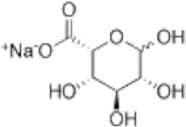
:L-Iduronic acid sodium salt
CAS:L-Iduronic acid sodium salt is a monosaccharide that is an important component of glycosaminoglycans (GAGs) such as heparin, heparan sulfate, and dermatanFórmula:C6H9NaO7Cor e Forma:SolidPeso molecular:216.12L-Iduronic Acid Sodium Salt
CAS:Stability Hygroscopic
Applications A constituent of certain mucopolysaccharides.
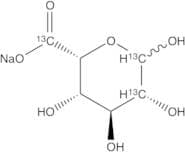
References Hoffman, P., et al.: Science, 124, 1252 (1956), Meyer, K: Biochim et Biophys. Acta, 21, 506 (1956), Cifonelli, J.A., et al.: Federation Proc., 16, 165 (1957), Cifonelli, J.A., et al.: J. Biol. Chem., 233, 541 (1958)Fórmula:C6H9NaO7Cor e Forma:Light Orange Colour To Dark BrownPeso molecular:216.12L-Iduronic Acid-13C3 Sodium Salt
CAS:Produto ControladoApplications A labelled constituent of certain mucopolysaccharides.
References Hoffman, P., et al.: Science, 124, 1252 (1956), Meyer, K: Biochim et Biophys. Acta, 21, 506 (1956), Cifonelli, J.A., et al.: Federation Proc., 16, 165 (1957), Cifonelli, J.A., et al.: J. Biol. Chem., 233, 541 (1958)Fórmula:C3C3H9NaO7Cor e Forma:NeatPeso molecular:219.099L-Iduronic acid sodium salt
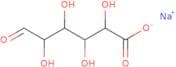
CAS:L-iduronic acid (IdoA) (Collins, 2006) is the major uronic acid component of the glycosaminoglycans dermatan sulfate, chondroitin sulfate and heparin. Iduronic acid is also present in heparan sulfate, although in a minor amount relative to glucuronic acid. Glycosaminoglycans represent a physiologically important group of molecules involved in a variety of biological functions, such as, cell proliferation, cell-to-cell communication, wound healing, coagulation, morphogenesis, and pathogenesis. Glycosaminoglycans present an intriguing target for the design of new approaches for diagnostic and therapeutic agents against various infectious diseases (Kamhi, 2013).
Fórmula:C6H9NaO7Pureza:Min. 95%Cor e Forma:Slightly Yellow PowderPeso molecular:216.12 g/molRef: 3D-MI05148
Produto descontinuado