CAS 625-56-9
:Acetato de clorometilo
Descrição:
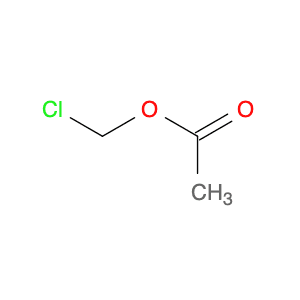
Acetato de clorometilo é um composto orgânico com a fórmula molecular C4H7ClO2. É caracterizado pela presença de um grupo acetato e um grupo clorometila, tornando-se um reagente versátil na síntese orgânica. Este líquido incolor a amarelo pálido tem um odor doce e frutado e é conhecido por sua reatividade, particularmente como agente alquilante. Acetato de clorometilo é solúvel em solventes orgânicos como éter e álcool, mas tem solubilidade limitada em água. É utilizado principalmente na síntese de vários intermediários químicos, incluindo produtos farmacêuticos e agroquímicos. Devido à sua natureza reativa, pode apresentar riscos à saúde, incluindo irritação da pele, olhos e sistema respiratório, e é classificado como um potencial carcinógeno. O manuseio adequado e as precauções de segurança são essenciais ao trabalhar com este composto. Além disso, é importante armazená-lo em um local fresco e seco, longe de substâncias incompatíveis para evitar reações perigosas.
Fórmula:C3H5ClO2
InChI:InChI=1S/C3H5ClO2/c1-3(5)6-2-4/h2H2,1H3
Chave InChI:InChIKey=SMJYMSAPPGLBAR-UHFFFAOYSA-N
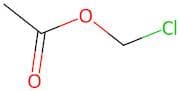
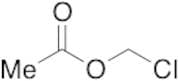
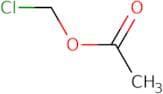
SMILES:O(C(C)=O)CCl
Sinónimos:- (Acetyloxy)methyl chloride
- 2-Chloropropanoate
- Acetic acid, chloromethyl ester
- Acetoxymethyl chloride
- Chloromethanol acetate
- Methanol, 1-chloro-, 1-acetate
- Methanol, chloro-, acetate
- Chloromethyl acetate
Ordenar por
Pureza (%)
0
100
|
0
|
50
|
90
|
95
|
100
5 produtos.
Chloromethyl acetate
CAS:<p>Chloromethyl acetate is a potent antibacterial agent that inhibits the growth of bacteria by inhibiting the synthesis of fatty acids. It also has an inhibitory effect on adenosine receptors and is used to treat congestive heart failure, inflammatory diseases, metabolic disorders, and other conditions. Chloromethyl acetate has been shown to be effective against a number of bacterial strains, including methicillin-resistant Staphylococcus aureus (MRSA), Streptococcus pneumoniae, and Mycobacterium tuberculosis. Chloromethyl acetate binds to the cyanoformate group in the bacterial cell wall by competitive inhibition. This binding prevents the formation of an antibiotic-inhibitor complex with the enzyme fatty acid synthase that is required for fatty acid biosynthesis, inhibiting protein synthesis and cell division.</p>Fórmula:C3H5ClO2Pureza:Min. 95%Peso molecular:108.52 g/mol