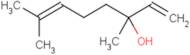
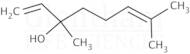
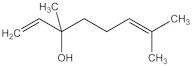
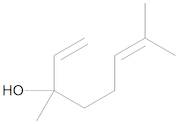
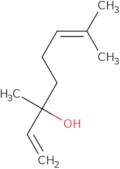
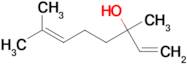
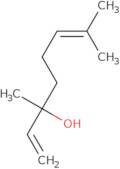
CAS 78-70-6
:(±)-Linalol
- .beta.-Linalool
- 1,2-Dihydrolinalool
- 1,6-Octadien-3-Ol, 3,7-Dimethyl-
- 2,6-Dimethyl-2,7-octadien-6-ol
- 2,6-Dimethyl-2,7-octadiene-6-ol
- 2,6-Dimethylocta-2,7-Dien-6-Ol
- 2,7-Octadien-6-ol, 2,6-dimethyl-
- 2-Methyl-1-prenyl-3-buten-2-ol
- 3,7-Dimethyl-1,6-octadien-3-ol
- 3,7-Dimethyl-1,6-octadiene-3-ol
- 3,7-Dimethyl-3-hydroxy-1,6-octadiene
- 3,7-Dimethyl-3-ol-1,6-octadiene
- 3,7-Dimethylocta-1,6-Dien-3-Ol
- L 260-2
- Linalol
- Linalool Synthethic
- Linalyl alcohol
- Linanool
- Nsc 3789
- Octa-1,6-Dien-3-Ol, 3,7-Dimethyl-
- Phantol
- dl-Linalool
- β-Linalool
- Linalool
- (±)-Linalool
- Ver mais sinónimos
Canada Terpene Mixture 1 2500 µg/mL in Hexane
CAS:- 106-24-1
- 123-35-3
- 13466-78-9
- 13877-91-3
- 18172-67-3
- 23089-26-1
- 489-86-1
- 586-62-9
- 5989-27-5
- 6753-98-6
- 7212-44-4
- 78-70-6
- 79-92-5
- 80-56-8
- 87-44-5
- 89-79-2
- 99-85-4
- 99-86-5
- 99-87-6
Fórmula:C10H16Cor e Forma:MixturePeso molecular:136.23Linalool
CAS:Linalool, in essential oils, offers antinociceptive, antimicrobial, and anti-inflammatory effects, protects the liver, and boosts plant defense.Fórmula:C10H18OPureza:98.22%Cor e Forma:SolidPeso molecular:154.25Linalool
CAS:Acyclic terpene alcoholFórmula:C10H18OPureza:≥ 95.0 % (GC)Cor e Forma:LiquidPeso molecular:154.25Linalool
CAS:Applications Linalool is a naturally occurring terpene alcohol chemical found in many flowers and spice plants with many commercial applications, the majority of which are based on its pleasant scent (floral, with a touch of spiciness).Linalool is used as a scent in 60–80% of perfumed hygiene products and cleaning agents including soaps, detergents, shampoos, and lotions.
References Klimánková, E., et al.: Food Chem., 107, 464 (2008); Nakamura, A., et al.: J. Agric. Food Chem., 57, 5480 (2009);Fórmula:C10H18OCor e Forma:NeatPeso molecular:154.249Linalool - Natural grade
CAS:Linalool - Natural grade is a terpene alcohol, which is a naturally occurring compound found in over 200 plant species, including lavender, mint, and cinnamon. This compound is extracted from essential oils of these plants through steam distillation or solvent extraction, ensuring the retention of its natural properties.Fórmula:C10H18OPureza:Min. 98 Area-%Cor e Forma:Colorless Clear LiquidPeso molecular:154.25 g/mol3,7-Dimethylocta-1,6-dien-3-ol
CAS:Fórmula:C10H18OPureza:97% (stabilized with MEHQ)Cor e Forma:Liquid, ClearPeso molecular:154.253Linalool - synthetic grade
CAS:Linalool - synthetic grade is a versatile terpene alcohol, which is synthetically produced from petrochemicals. Its mode of action involves interacting with olfactory receptors, which contributes to its characteristic floral aroma. Additionally, linalool is involved in various biochemical transformations, often acting as an intermediate in chemical reactions due to its reactive functional groups.
Fórmula:C10H18OPureza:Min. 95%Cor e Forma:Colorless Clear LiquidPeso molecular:154.25 g/mol