CAS 86784-80-7
:fator liberador de corticotropina humano
- Corticotropin-Releasing Factor, Human and Rat
- Crf (Human, Rat)
- Corticotropin-Releasing Factor, human, rat
- corticotropin-releasinghormone(human)
- humancrf(1-41)
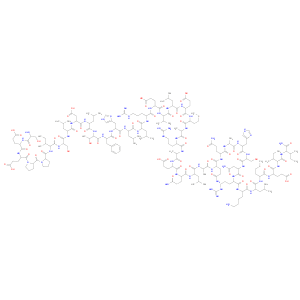
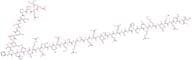
- H-SER-GLU-GLU-PRO-PRO-ILE-SER-LEU-ASP-LEU-THR-PHE-HIS-LEU-LEU-ARG-GLU-VAL-LEU-GLU-MET-ALA-ARG-ALA-GLU-GLN-LEU-ALA-GLN-GLN-ALA-HIS-SER-ASN-ARG-LYS-LEU-MET-GLU-ILE-ILE-NH2
- CRF(human,Rat) Acetate
- Corticotropin-releasing factor (sheep), 2-L-glutamic acid-22-L-alanine-23-L-arginine- 25-L-glutamic acid-38-L-methionine-39-L-glutamic acid-41-L-isoleucinamide-
- CRH
- ratcorticotropin-releasingfactor-41
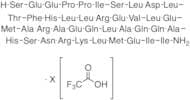
- Corticotropin-releasing Factor TFA Salt (Human, rat) (Technical Grade)
- H-Ser-Glu-Glu-Pro-Pro-Ile-Ser-Leu-Asp-Leu-Thr-Phe-His-Leu-Leu-Arg-Glu-Val-Leu-Glu-Met-Ala-Arg-Ala-Glu-Gln-Leu-Ala-Gln-Gln-Ala-His-Ser-Asn-Arg-Lys-Leu-Met-Glu-Ile-Ile-NH2 acetate salt
- SER-GLU-GLU-PRO-PRO-ILE-SER-LEU-ASP-LEU-THR-PHE-HIS-LEU-LEU-ARG-GLU-VAL-LEU-GLU-MET-ALA-ARG-ALA-GLU-GLN-LEU-ALA-GLN-GLN-ALA-HIS-SER-ASN-ARG-LYS-LEU-MET-GLU-ILE-ILE-NH2
- humancorticotropin-releasinghormone
- CorticotropinReleasingFactorhuMan,rat,CorticotropinReleasingFactorhuMan
- mci028
- CORTICOTROPIN RELEASING FACTOR (CRF), HUMAN, RAT
- CORTICOTROPIN RELEASING FACTOR, HUMAN
- Rat/human corticotropin-releasing factor
- corticotropin-releasingfactor(rat)
- CRF-41, CRH, Corticoliberin, Corticorelin
- ratacth-releasinghormone
- humancorticotropin-releasinghormone-41
- CRF (HUMAN, RAT) USP/EP/BP
- (Human CRF)
- rathypothalamiccrf
- Corticotropin-releasing factor (human)
- CRF (human, rat) acetate salt
- corticobiss
- SEEPPISLDLTFHLLREVLEMARAEQLAQQAHSNRKLMEII-NH2
- Ser-Glu-Glu-Pro-Pro-IleSer-Leu-Asp-Leu-Thr-Phe-His-Leu-Arg-Glu-Val-Leu-Glu-Met-Ala-Arg-Ala-Glu-Gln-Leu-Ala-Gln-Gln-Ala-His-Ser-Asn-Arg-Lys-Leu-Met-Glu-Ile-Ile-NH2
- Corticotropin Releasing Factor, Human and Rat - CAS 86784-80-7 - Calbiochem
- crf41
- humancrf
- ratcorticotropin-releasingfactor
- humancorticotropin-releasingfactor
- corticotropin-releasingfactor(horse)
- corticotropin-releasingfactor(sheep),2-l-glutamicacid-22-l-alanine-23-l-arg
- ratcrf
- Corticotropin Releasing Factor human, rat, ≥95% (HPLC)
- ratcrf(1-41)
- CORTICOTROPIN RELEASING FACTOR
- M.W. 4757.45 C208H344N60O63S2
- CRF Acetate
- CRF, HUMAN AND RAT
- CRF(human,rat), CRH
- inine-25-l-glutamicacid-38-l-methionine-39-l-glutamicacid-41-l-isoleucinamid
- Ver mais sinónimos
Corticotropin-Releasing Factor, human, rat
CAS:Corticotropin-Releasing Factor, human, ratCor e Forma:White to off-white, Powder or crystals or crystalline powderCorticotropin-releasing factor (human)
CAS:Fórmula:C208H344N60O63S2Pureza:95%Cor e Forma:SolidPeso molecular:4757.4512Corticotropin-releasing factor (human)
CAS:Human CRF is a neuropeptide that releases ACTH, stimulates the nervous system, and antagonizes inflammation.Fórmula:C208H344N60O63S2Pureza:98%Cor e Forma:SolidPeso molecular:4757.45Corticotropin-releasing Factor Trifluoroacetic Acid Salt (Human, rat) (Technical Grade)
CAS:Produto ControladoApplications Corticotropin-releasing Factor (Human, rat) is a 41-amino-acid neuropeptide responsible for endocrine, autonomic, immunology and behavioral responses of mammals to stress. Corticotropin-releasing Factor (Human, rat) has an inhibitory effect on in vitro fertilized oocytes, resulting from cultured preantral follicles at all stages of preimplantation embryo development
References Dinopoulou, V., et. al.: Endocrin., 154, 222 (2013)Fórmula:C208H344N60O63S2·xC2HF3O2Cor e Forma:NeatPeso molecular:4757.45CRF (human, rat)
CAS:Custom research peptide; min purity 95%. For different specs please use the Peptide Quote ToolFórmula:C208H344N60O63S2Peso molecular:4,758 g/molCRF (human, rat) acetate
CAS:CRF (human, rat) acetate is a synthetic chemical that has been shown to produce long-term changes in the brain. It is chemically similar to CRF, which is an endogenous hormone produced by the hypothalamus. This drug is used for the treatment of cerebral edema and intracranial hypertension caused by various conditions, such as cancer. The effects of CRF (human, rat) acetate on humans are not well understood as this drug has only been tested in women who have undergone surgery to remove their ovaries. These women had increased levels of corticotropin-releasing hormone (CRH), which could be due to CRF (human, rat) acetate or its metabolites. There is also some evidence that it may cause corrosion in long-term use.
Fórmula:C208H344N60O63S2Pureza:Min. 95%Cor e Forma:White PowderPeso molecular:4,757.46 g/molCRF (Human, Rat)
CAS:A (Human, Rat) Corticotropin-Releasing Factor (CRF) product available as a 0.1mg vial. As a peptide hormone CRF regulates the hypothalamic-pituitary adrenal (HPA) axis. The hypothalamus releases CRF during stress and in turn CRF stimulates the production of stress hormones such as glucocorticoids and adrenocorticotropin (ACTH). Glucocorticoids are then involved in a negative feedback loop, in that they prevent the pituitary gland and hypothalamus from exhibiting any further endocrine activity. The overproduction of CRF due to the overstimulation of the hypothalamic-pituitary adrenal axis has been shown to cause symptoms seen in patients with depression. Furthermore studies have shown the expression of CRF receptors in glial cells and T-cells and elevated levels of CRF and glucocorticoids prevent T-cell proliferation. During stress cytokines can also stimulate the secretion of CRF. However CRF can also regulate these cytokines. CRF has the potential to be used in the research into depression treatments.
Fórmula:C208H344N60O63S2Pureza:Min. 95%Peso molecular:4,757.5 g/molCRF (Human, Rat)
CAS:Corticotropin-Releasing Factor (CRF) (Human, Rat) is a peptide hormone product that is available as a 0.5mg vial and has the potential to be used as a research tool to study the effects of CRF in the body. CRF is a natural hormone that regulates many physiological processes, such as blood pressure, temperature control, and food intake. CRF binds to receptors on cells and triggers a number of cellular responses within the cell. This peptide can be used for pharmacological studies or for antibody production.Fórmula:C208H344N60O63S2Pureza:Min. 95%Peso molecular:4,757.5 g/molCRF (human, rat)
CAS:CRF (corticotropin-releasing factor) is a 41-peptide produced mainly in the hypothalamus. The peptide hormone stimulates ACTH release from the anterior lobe of the pituitary gland. CRH plays an important role in the endocrine, behavioral, and immune response to stress and probably as well in the regulation of energy balance. The human sequence EEPPISLDLTFHLLREVLEMARAEQLAQQAHSNRKLMEII amide also corresponds to the sequence of canine, feline, murine, and porcine CRH.Fórmula:C208H344N60O63S2Pureza:≥ 99%Cor e Forma:WhitePeso molecular:4757.52