CAS 9003-09-2
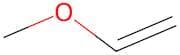
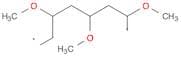
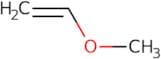
:Poli(éter vinílico metílico)
- Ether, methyl vinyl, homopolymer
- Ether, methyl vinyl, polymers
- Gantrez M
- Gantrez M 093
- Gantrez M 094
- Gantrez M 154
- Gantrez M 155
- Gantrez M 555
- Gantrez M 556
- Gantrez M 574
- Lubasin S
- Lutanol M 40
- Lutonal A 40
- Lutonal M 40
- Lutonal M 42
- Methoxyethene homopolymer
- Methoxyethylene homopolymerise
- Methyl vinyl ether homopolymer
- Methyl vinyl ether polymer
- P 0384
- PVM
- Poly(Methyl Vinyl Ether)
- Poly(methoxyethene)
- Poly(vinyl methyl ether)
- Pvm 30W
- Texapret WL
- Vinyl methyl ether homopolymer
- Vinyl methyl ether polymer
- Ver mais sinónimos
Poly(vinyl methyl ether)
CAS:Poly(vinyl methyl ether) is a polymer with a low glass transition temperature (Tg). Polymers with low Tg are typically used as hydrophilic polymers in biomedical applications. The biological properties of poly(vinyl methyl ether) are affected by its phase transition temperature. Above the Tg, poly(vinyl methyl ether) becomes more hydrophobic, while below the Tg, it becomes more hydrophilic. Poly(vinyl methyl ether) has been shown to be an effective barrier for heart tissue and skin models. It is also a cationic polymer that can form stable complexes with anionic and cationic surfactants at high concentrations. Poly(vinyl methyl ether) has been shown to have anti-inflammatory effects on skin cells due to its ability to inhibit fatty acid synthesis and reduce inflammation in the skin model.
Fórmula:(C3H6O)xCor e Forma:Clear LiquidPeso molecular:174.24 g/mol