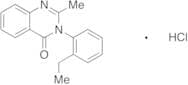
CAS 97979-65-2
:Etaqualone Hydrochloride
CAS:Produto ControladoApplications An analogue of Methaqualone (M225900) with sedative and hypnotic properties, and used for the treatment of insomnia.
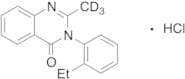
References Squires, R. et al.: Neurochem. Res., 25, 1587 (2000); Pflegel, P. et al.: Pharmazie, 22, 643 (1967); Kuhnert-Brandstaetter, M. et al.: Microchem. J., 17, 739 (1972);Fórmula:C17H17ClN2OCor e Forma:NeatPeso molecular:300.78Etaqualone-d3 Hydrochloride (Major)
CAS:Produto ControladoApplications The labelled derivative of a Methaqualone (M225900) analogue with sedative and hypnotic properties, and used for the treatment of insomnia.
References Squires, R. et al.: Neurochem. Res., 25, 1587 (2000); Pflegel, P. et al.: Pharmazie, 22, 643 (1967); Kuhnert-Brandstaetter, M. et al.: Microchem. J., 17, 739 (1972);Fórmula:C17D3H13N2O·HClCor e Forma:NeatPeso molecular:303.801Etaqualone hydrochloride
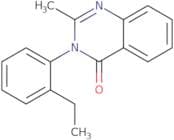
CAS:Produto ControladoEtaqualone is a water-soluble, white crystalline powder that is soluble in alcohol, acetone, chloroform, ethers, and petroleum ether. It has no odor or taste and does not burn the skin. Etaqualone has been used to treat inflammatory bowel disease and for the treatment of infectious diseases such as malaria. The drug binds to the D2 dopamine receptor and stimulates the release of dopamine in the brain. This action leads to side effects such as drowsiness, dizziness, nausea, vomiting, blurred vision, and convulsions.
The name etaqualone is derived from its chemical structure: 2-(2-chlorophenyl)-3-(2-methoxyphenyl)-5-methyloxazolidin-4-one hydrochloride.Fórmula:C17H16N2OPureza:Min. 95%Peso molecular:264.32 g/molRef: 3D-FE22845
Produto descontinuado