Corantes, Pigmentos, Tinturas, Imagens Fluorescentes
Corantes, colorações e tinturas são ferramentas essenciais na biologia molecular, cruciais para visualizar e estudar o DNA, cromossomos e núcleos celulares. Esses compostos permitem que os pesquisadores destaquem componentes celulares específicos, facilitando a observação e análise detalhadas ao microscópio. Nesta categoria, você encontrará uma ampla gama de corantes e colorações de alta qualidade usados em várias técnicas de coloração, incluindo corantes fluorescentes para análise de DNA e cromossomos, colorações histológicas para amostras de tecido e corantes específicos para estruturas celulares. Essas ferramentas são indispensáveis em pesquisas genéticas, citologia, histologia e diagnósticos, proporcionando clareza e contraste em amostras biológicas. Na CymitQuimica, oferecemos uma seleção abrangente de corantes, colorações e tinturas para apoiar sua pesquisa em biologia molecular e garantir resultados precisos e confiáveis em seus estudos.
Subcategorias de "Corantes, Pigmentos, Tinturas, Imagens Fluorescentes"
- Corantes Ácidos(49 produtos)
- Azobenzenos(270 produtos)
- Corantes azóicos(7 produtos)
- Corantes básicos(27 produtos)
- Corantes de Cumarina(71 produtos)
- Corantes de cianina, corantes de Squarylium(53 produtos)
- Corantes de DCM(4 produtos)
- Diariletenos(12 produtos)
- Corantes de Dipirrometeno(26 produtos)
- Corantes directos(17 produtos)
- Corantes dispersos(2 produtos)
- Sensibilizadores de corantes(12 produtos)
- Corantes(416 produtos)
- Corantes e pigmentos(911 produtos)
- Geração de corantes insolúveis(14 produtos)
- Geração de corantes solúveis(11 produtos)
- Hexaarilbiimidazol(4 produtos)
- Indicadores(575 produtos)
- Corantes Mordente(10 produtos)
- Corantes de Infravermelhos-próximo (NIR)(28 produtos)
- Corantes a óleo(15 produtos)
- Outros Pigmentos e Corantes(2 produtos)
- Corantes de Perileno(17 produtos)
- Corantes fotocrómicos(40 produtos)
- Corantes de Ftalocianina, Corantes de Porfirina(101 produtos)
- Corantes de Quinacridona(8 produtos)
- Espiropirano(16 produtos)
- Pigmentos e Corantes(243 produtos)
- Pigmentos e Corantes para Microscopia(5 produtos)
- Corantes Vat(5 produtos)
- Corante Xanteno(65 produtos)
Exibir 23 mais subcategorias
Foram encontrados 755 produtos de "Corantes, Pigmentos, Tinturas, Imagens Fluorescentes"
Ordenar por
Pureza (%)
0
100
|
0
|
50
|
90
|
95
|
100
WST-5
CAS:<p>WST-5 is a colourless compounds which become coloured when reduced to WST-5 formazan forming a blue colour. Traditionally used as an indicator of cell metabolism in eukaryotes and prokaryotes, WST-5 functions as an artificial electron acceptor and thus detects dehydrogenase activities. The production of coloured formazan is irreversible and can be quantified using spectrophotometry.</p>Fórmula:C52H46N12O16S6•Na2Pureza:Min. 95%Cor e Forma:PowderPeso molecular:1,333.37 g/mol5-Carboxy-X-rhodamine, succinimidyl ester
CAS:<p>Single isomer of 5(6)-ROX. It is a fluorescent dye used in RT-PCR methods as an internal reference to determine fluorescence variation that is not associated with the amplification process (plastic of the wells, small differences in concentration or volume, instrument measurements). It produces a constant fluorescence emission signal during the PCR process that is used to normalise the emission produced by the reporter. The fluorescence signal is compatible with that of most reporters. It is used to label the 5â end of oligonucleotides as a reporter in the presence of a quencher at the 3â end (dual labelled probe). During amplification, the dye is cleaved, and the fluorescence increases proportionally with the amount of the specific sequence amplified during the PCR process. The development of the fluorescence signal is therefore specifically related to the amplification of the target sequence. 6-ROX with NHS-activated carboxylic acids reacts with primary amines.</p>Fórmula:C37H33N3O7Pureza:Min. 95%Cor e Forma:Red To Violet To Black SolidPeso molecular:631.67 g/molDimidium bromide
CAS:<p>Dimidium bromide is a cationic surfactant that is used in detergent compositions. It is a magnesium salt of a fatty acid and has been shown to be effective against infectious diseases when it is used to clean contaminated surfaces. Dimidium bromide has been shown to be an effective antimicrobial agent, even in the presence of benzalkonium chloride, which is an inhibitor of antimicrobial agents. When dimidium bromide is combined with nitrogen atoms, it can enhance the antimicrobial activity against resistant bacteria. This compound also shows anti-inflammatory properties and can be used for wastewater treatment as well as for cell culture.</p>Fórmula:C20H18BrN3Pureza:Min. 95%Cor e Forma:Red PowderPeso molecular:380.28 g/molSolvent yellow 2
CAS:<p>Solvent yellow 2 (SY2) is a fluorescent dye that can be used as a fluorescence probe in analytical methods. SY2 is an inhibitor of the polymerase chain reaction, which suggests that it may have inhibitory properties. SY2 binds to basic protein and inhibits enzymatic activity. It has been shown to have genotoxic activity and may cause DNA damage, but it does not affect cell viability. In addition, SY2 has been shown to be photostable and is not affected by matrix effects or biological studies.</p>Fórmula:C14H15N3Pureza:Min. 95%Cor e Forma:Yellow PowderPeso molecular:225.29 g/molAlizarin Yellow GG
CAS:<p>Acid-base indicator dye, textile dye, histology and staining, yellow/red color</p>Fórmula:C13H8N3NaO5Pureza:Min. 95%Peso molecular:309.21 g/molTetranitroblue tetrazolium chloride
CAS:<p>Tetranitroblue tetrazolium chloride (TNBT) is a reagent that is used to measure the activity of enzymes in biological samples. TNBT can be used as a histological stain for myocardial infarcts and other areas of necrosis. It has been shown to be reactive with toll-like receptors, which are proteins that play a role in the immune response. The reaction mechanism of TNBT starts with its conversion to blue formazan crystals by peroxidase or other oxidizing enzymes. These crystals are reduced back to their original colorless form by reducing agents such as NADH or glutathione, which are present in most cells. This reduction process generates an electron that is then transferred to NAD+, forming NADH and releasing H2O2 as a byproduct.</p>Fórmula:C40H28Cl2N12O10Pureza:Min. 95%Cor e Forma:PowderPeso molecular:907.63 g/molTetrazolium blue chloride
CAS:<p>Tetrazolium blue chloride is a chemical compound that is used in the diagnosis of leukemia. It is a tetrazolium salt that reacts with reduced nicotinamide adenine dinucleotide (NADH) and produces an insoluble blue product. Tetrazolium blue chloride has been shown to be effective in treating human leukemic cells by causing DNA damage, which leads to cell death. Tetrazolium blue chloride has also been found to be an anti-inflammatory agent due to its ability to inhibit prostaglandin synthesis and production of reactive oxygen species.</p>Fórmula:C40H32N8O2·2ClPureza:90 To 110%Cor e Forma:Yellow PowderPeso molecular:727.64 g/molDirect yellow PG
CAS:<p>Direct yellow PG is a reactive dye with a medium-fast rate of migration in the presence of an electrolyte. It is used as a yellow dye for cotton and other cellulosic materials. Direct yellow PG has very high light resistance and is also resistant to washing, perspiration, and rubbing. The dye solution has a pH value between 6.5 and 8.5.</p>Fórmula:C13H13N3O4S·NAPureza:Min. 95%Cor e Forma:PowderPeso molecular:330.32 g/molAlizarin
CAS:<p>Alizarin, traditionally obtained from the roots of the madder plant, has been used to dye textiles since early days. Alizarin red is used in histology and medicine to stain calcium-containing specimens, e.g. bones and calcifications. Chromogenic substrates for enzymes based on alizarin have been developed and, as an example, alizarin-beta-D-galactoside (Aliz-gal) has been reported for the detection of bacterial beta-galactosidase by researchers at the University of Northumbria and the Freeman Hospital, Newcastle upon Tyne in the UK (James, 2000)</p>Fórmula:C14H8O4Pureza:Min. 95%Cor e Forma:Yellow PowderPeso molecular:240.21 g/molSolvent Blue 5
CAS:<p>Solvent Blue 5 is a film-forming polymer that is used in the production of radiation-sensitive materials. It is soluble in many organic solvents and can be used as a coating for paper, textiles, metals, and plastics. Solvent Blue 5 has been found to be an excellent solvent for the removal of aliphatic hydrocarbons from water. The optical properties of Solvent Blue 5 are dependent on the length of the polymers chains and the concentration of sulfonic acids. This chemical also has a liquid crystal composition that has been shown to have metal ion activity. The functional groups on this polymer are mainly basic dyes that react with other substances to create new compounds.</p>Fórmula:C33H41N3OPureza:Min. 95%Cor e Forma:Blue PowderPeso molecular:495.7 g/mol6α-Methyl prednisolone 21-acetate
Produto Controlado<p>6a-Methyl prednisolone 21-acetate is a corticosteroid that binds to the glucocorticoid receptor, which regulates gene transcription. It has been used as an injection solution for bowel disease, but has also been shown to have anti-inflammatory and immunosuppressive effects. 6a-Methyl prednisolone 21-acetate reduces the production of inflammatory cytokines and may be a useful treatment for patients with inflammatory bowel disease (IBD). 6a-Methyl prednisolone 21-acetate has also been shown to decrease inflammation in experimental models of tissue infection, such as sepsis in mice. This drug may be useful as an adjuvant therapy for the treatment of sepsis in humans. 6a-Methyl prednisolone 21-acetate is not recommended for use in patients with congestive heart failure or severe kidney impairment because it can cause fluid retention and aggravation of these conditions.</p>Fórmula:C24H32O6Pureza:Min. 95%Cor e Forma:PowderPeso molecular:416.51 g/molN-Succinimidyl 7-Hydroxycoumarin-3-carboxylate
CAS:Fórmula:C14H9NO7Pureza:>96.0%(T)(HPLC)Cor e Forma:Light orange to Yellow to Green powder to crystalPeso molecular:303.23Pigment yellow 95
CAS:<p>Pigment Yellow 95 is a yellow colorant that is used in paints and plastics. It has been shown to have a high thermal expansion and good light resistance, which makes it an ideal candidate for coatings. Pigment Yellow 95 can be cross-linked with glycol esters or polycarboxylic acids to form a thermosetting plastic. Pigment Yellow 95 is also used as a radiation absorber in some types of smoke detectors. This pigment has been found to be toxic to aquatic organisms and has been associated with environmental pollution in the past.</p>Fórmula:C44H38Cl4N8O6Cor e Forma:PowderPeso molecular:916.63 g/molAcid Blue 9
CAS:<p>Acid Blue 9 is a reactive dye that is used in the textile industry. It has been shown to decrease photosynthetic activity and cause long-term toxicity in aquatic organisms, although it has not been found to be toxic to humans. Acid Blue 9 adsorbs onto surfaces of wastewater treatment plants and may be responsible for the degradation of enzyme activities. Acid Blue 9 is often used as an analytical method for electrochemical impedance spectroscopy.</p>Fórmula:C37H36N2O9S3·2NH3Pureza:Min. 95%Cor e Forma:PowderPeso molecular:782.95 g/molOrange IV
CAS:<p>Orange IV is a surfactant that is used to remove nitrogen from wastewater. It has been shown to be effective in removing nitrogen from wastewater, and can be used as a substitute for sodium dodecyl sulfate (SDS). Orange IV has been shown to have similar properties as SDS, but does not contain any sulfur atoms. This surfactant has been shown to have less of an effect on the ph of the water being treated, and can be considered for use in natural water where the ph is already acidic. The surface methodology for this surfactant includes flow assay, which uses fluorescence spectrometry and synchronous fluorescence. Fluorescence spectrometry involves measuring the amount of light emitted by a substance when irradiated with light of a certain wavelength. Synchronous fluorescence involves using two lasers with different wavelengths to measure how quickly or slowly molecules react with each other. In this case, it measures how quickly or slowly Orange IV reacts with other substances in order to determine</p>Fórmula:C18H14N3O3SNaCor e Forma:PowderPeso molecular:375.38 g/molPigment Red 23 - Technical
CAS:<p>Pigment Red 23 - Technical is a pigment that is used in the textile industry. It has a particle size of 0.1-1 micron, and it is activated with nitrogen atoms. Pigment Red 23 - Technical has high values for analytical methods and it can be used to measure enzyme activities. Pigment Red 23 - Technical is an organic compound that reacts with glycol esters by a reaction mechanism involving hydroxyl groups. This reaction is catalyzed by basic structure, which may be water or an alcohol molecule. Pigment Red 23 - Technical can also be used in wastewater treatment to remove color and other pollutants from wastewater, as well as being used in radiation protection to absorb energy and convert it into heat.</p>Fórmula:C24H17N5O7Pureza:Min. 95%Cor e Forma:PowderPeso molecular:487.42 g/molCresol Red Sodium Salt
CAS:<p>Cresol Red Sodium Salt is a reagent, complex compound, and useful intermediate. It is CAS No. 62625-29-0 and has the molecular formula C10H8O4Na2S. It can be used as a building block for the synthesis of speciality chemicals, research chemicals, and versatile building blocks. This chemical can be used as a reaction component in organic syntheses.</p>Fórmula:C21H17NaO5SCor e Forma:PowderPeso molecular:404.41 g/molBasic Green 4
CAS:<p>Malachite green is an ionic dye that is used as an antifungal in aquatic systems and as a colorant, with an absorption maximum of 617nm and a pKa of 6.9. The dye is green as a solid but is partially converted to a colorless nonionic form in neutral-pH solutions. The dye is completely ionised to a blue-green color under acidic conditions (pH<4) and converted to the colorless nonionic form under basic conditions (pH>10.1). Water solubility decreases as pH increases, as the nonionic form of the dye is more lipophilic.</p>Fórmula:C23H25ClN2Pureza:Min. 99%Cor e Forma:Green PowderPeso molecular:364.91 g/molDisperse yellow 3, dye content 30%
CAS:<p>Disperse Yellow 3 is an organic compound that is used in wastewater treatment. It is a yellow, non-volatile dye with genotoxic activity and can be used as an analytical method for determining the concentration of fatty acids in a sample. Disperse Yellow 3 has been shown to have allergic reactions and is believed to be carcinogenic. The particle size of this substance is 6-8 microns. Disperse Yellow 3 can also be found in basic dyes and chemical analyses.</p>Fórmula:C15H15N3O2Pureza:Min. 95%Cor e Forma:PowderPeso molecular:269.3 g/mol6-Carboxytetramethyl rhodamine
CAS:<p>6-Carboxytetramethyl rhodamine is a fluorescent dye that is used to measure the presence of cancer cells in urine samples. It binds to human protein and has been shown to be a useful probe for fluorescence measurements. 6-Carboxytetramethyl rhodamine has also been used as a fluorescence probe for the detection of proliferative diabetic retinopathy and michaelis–menten kinetics in cyclic peptides.</p>Fórmula:C25H22N2O5Pureza:Min. 95%Cor e Forma:PowderPeso molecular:430.45 g/molAcid Orange 3
CAS:<p>Acid Orange 3 is a cationic surfactant that belongs to the family of dyes. It is used as a granulosa cell stain in histology, with the basic structure of a monosodium salt. Acid Orange 3 exhibits chronic oral toxicity in rats and mice, but does not show liver lesions at doses up to 4000 mg/kg. It has been shown to cause increased incidence of fatty acid oxidation, carcinogenic potential, and carcinogenesis studies in rats. Acid Orange 3 may also cause allergic reactions, such as skin irritation and erythema when applied topically. In some cases, it has been reported to cause contact dermatitis.</p>Fórmula:C18H13N4NaO7SPureza:Min. 95%Cor e Forma:PowderPeso molecular:452.37 g/molNile blue chloride
CAS:<p>Nile blue chloride is a dye used in wastewater treatment. It can be used to measure the dry weight of a sample of material. Nile blue chloride has been shown to be a reliable fluorescent probe for bacterial detection in cell culture and tissue culture, as well as for the detection of infectious diseases. This compound has also been shown to have an effect on the oxygen transport in living cells, which may be due to its high affinity for fatty acids.</p>Fórmula:C20H20N3OClPureza:Min. 95%Cor e Forma:PowderPeso molecular:353.85 g/molPigment red 210
CAS:<p>Pigment Red 210 (PR210) is a chemical with an orange-red color. PR210 is a hydroxyl compound with a glycol ether and glycol ester as the major components. It has been used as a control agent for plasma mass spectrometry. PR210 has good chemical stability and does not react with nitrogen atoms. It is also a molecule that consists of particles with a diameter of about 1 micrometer. The radiation from this pigment can cause allergic reactions in some people, and it may be toxic if inhaled or ingested because it can cross-link proteins in the body.<br>PR210 was first synthesized in the 1930s by reacting phenol with 2,4-dichloro-1,3-benzenediol to produce hydroquinone monomethyl ether and 2,4-dichloro-1,3-benzenediol monomethyl ether. The reaction products are then mixed in an acid solution</p>Fórmula:C20H10Cl2N2O2Cor e Forma:PowderPeso molecular:381.21 g/molPigment Yellow 83 - Technical grade
CAS:<p>Pigment Yellow 83 is an organic compound that belongs to the group of glycol esters. It is a reactive dye that can be used for coloring textiles, plastics, and other materials. Pigment Yellow 83 has been shown to contain nitrogen atoms in its chemical structure and contains a reactive hydrogen atom (H) on the hydroxyl group. This reactive form may have carcinogenic potential due to its ability to cause DNA damage. Pigment Yellow 83 also contains a hydroxyl group (-OH) attached to an amine (-NH2). The presence of this amine makes this compound chemically reactive and capable of forming bonds with other molecules or particles.</p>Fórmula:C36H32Cl4N6O8Pureza:Min. 95%Cor e Forma:PowderPeso molecular:818.49 g/molSolvent red 27
CAS:<p>Solvent Red 27 is a dye that reacts with α7 nicotinic acetylcholine receptors. It inhibits the activity of ATP-binding cassette transporter, which is an enzyme that transports various molecules across cell membranes, and prevents the development of atherosclerotic lesions. Solvent Red 27 also inhibits the activities of enzymes such as dapagliflozin and dpp-iv inhibitors. It also has been shown to be involved in energy metabolism and body formation by inhibiting leukemia inhibitory factor. This compound has been used in experimental models to study 3t3-l1 preadipocytes and human serum.</p>Fórmula:C26H24N4OCor e Forma:PowderPeso molecular:408.5 g/molDisperse Orange 11
CAS:<p>Disperse Orange 11 is a diazo dye that is used in wastewater treatment. It has been shown to have genotoxic effects and is capable of damaging DNA. Disperse Orange 11 is also toxic, causing damage to the liver and kidneys. Disperse Orange 11 has been shown to be highly reactive in supercritical water and can react with other molecules to form new compounds. The reaction mechanism of Disperse Orange 11 involves intramolecular hydrogen transfer from the nitrogen atom on the diazonium group to an electron-deficient carbon atom on the dye molecule, forming a new compound with a different structure. Experimental solubility data for Disperse Orange 11 shows that it has higher solubility in orange juice than water.</p>Fórmula:C15H11NO2Pureza:Min. 95%Cor e Forma:Orange To Amber To Dark Red SolidPeso molecular:237.07898Aniline Blue W/S Certified
CAS:<p>Aniline blue is a dye that is used in microbiological testing. It is used to detect the presence of aromatic and aliphatic hydrocarbons, as well as to diagnose skin conditions. Aniline blue has been shown to have an inhibitory effect on the growth of bacteria and has been used in clinical studies to test for infectious diseases such as tuberculosis. The dye binds with nucleic acids, which prevents further synthesis of DNA, RNA, or protein. Aniline blue also reacts with carbonyl groups in proteins and light exposure can lead to cross-linking between amino acid residues, which can reduce its effectiveness against bacteria.</p>Fórmula:C32H25N3O9S3Na2Pureza:(%) Min. 98%Cor e Forma:Brown PowderPeso molecular:737.73 g/molAcid red 88, technical grade
CAS:<p>Acid red 88 is a synthetic dye that has been used as a colorant in food, textiles and cosmetics. It is also used in wastewater treatment to remove organic pollutants from water. Acid red 88 has shown to be toxic to aquatic organisms, including fish and crustaceans. It has also shown to be highly adsorptive and stable in the environment. The hydrochloric acid-catalyzed conversion of Acid red 88 yields stable complexes with metals such as nickel, copper and zinc. These metal complexes are more resistant to degradation by biological treatment than other metal complexes with Acid red 88. Synchronous fluorescence spectroscopy showed that diazonium salt reacts with Acid Red 88 to form a diazo compound that can react with amines or ammonia gas to form an azoxy compound. This reaction can be catalyzed by activated carbon or detergent compositions containing an amine or ammonia gas. The hydrogen bond between the hydroxyl group on the dye molecule and the hydrogen atom</p>Fórmula:C20H13N2NaO4SPureza:Min. 95%Cor e Forma:PowderPeso molecular:400.38 g/molC.I.Disperse Orange 76
CAS:<p>C.I.Disperse Orange 76 (CIDO76) is a photostable, fluorescent dye that is used as a particle marker in analytical chemistry and other fields. It has shown to be genotoxic and carcinogenic in animal models, but the clinical relevance of these findings is unclear. CIDO76 can be prepared by reacting amines with diazonium salt, which produces azo dyes. It is also used as an optical sensor for thermally activated reactions and can be detected using chromatographic methods. CIDO76 emits light at 675 nm when irradiated with ultraviolet light, which makes it useful for many applications including wastewater treatment and detection of model systems.</p>Fórmula:C17H15Cl2N5O2Pureza:Min. 95%Cor e Forma:Orange To Red SolidPeso molecular:392.24 g/molOil blue A - Technical grade
CAS:<p>Oil Blue A is a blue pigment that is used as an initiator for the polymerization of thermoset plastics. It is synthesized by combining copper oxide and methylene blue in a microassay, which then undergoes thermal polymerization. The particle size of Oil Blue A ranges from 10 to 30 μm, with an average diameter of 15 μm. This product has a hydrophilic nature and can be used in the manufacture of paint and ink.</p>Pureza:Min. 95%Cor e Forma:PowderPeso molecular:322.4Indoine Blue
CAS:<p>Indoine blue is a dye that can be used for the staining of cell nuclei in tissue sections. Indoine blue is a molecule with an acidic and basic dye group, which can be titrated with hydrochloric acid and amines to produce different colors. Indoine blue has been shown to have affinity values of 0.06 to 0.1 M in agarose gels and polymer films, respectively. Indoine blue is also an electron-rich molecule with an oxidation potential of -0.36 V (versus SCE).</p>Fórmula:C30H24N5OClPureza:Min. 95%Cor e Forma:Brown PowderPeso molecular:506 g/molC.I.Direct Blue 6
CAS:<p>Direct Blue 6 is a reactive dye that is used in wastewater treatment. It is used for the removal of basic dyes and other contaminants from industrial wastewater. Direct Blue 6 is a reactive dye that has been shown to have carcinogenic potential. Direct Blue 6 has been shown to bind with aminotransferase activity and amines, which may lead to toxicity in mammals. The optimum concentration of Direct Blue 6 is 0.5 parts per million (ppm). This product can be hazardous if inhaled or ingested, and should not be handled without gloves or safety glasses.</p>Fórmula:C32H20N6Na4O14S4Pureza:Min. 75 Area-%Cor e Forma:Brown PowderPeso molecular:932.76 g/molBasic red 46, technical grade
CAS:<p>Basic red 46 is a basic dye that can be used in the treatment of wastewater. It is cationic and has a high affinity for nitrogen atoms, which are often found in organic compounds. It has been shown to exhibit good stability while adsorbing to phosphorus pentoxide at pH > 10. Basic red 46 also has the ability to bind to polymerase chain reaction (PCR) products when present in an experimental model. The mechanism of this binding is still not well understood, but it may occur through adsorption or by chemical reactions with the DNA bases. Basic red 46's adsorption properties have been studied using surface methodology, which revealed that its kinetic energy was greater than that of other dyes.</p>Fórmula:C18H21N6·BrPureza:Min. 95%Cor e Forma:Red PowderPeso molecular:401.3 g/molPigment orange 13, technical grade
CAS:<p>Pigment orange 13 is a methoxylated, advances, photosensitive pigment. It is used in the manufacture of plastics and paints. Pigment orange 13 has been shown to be resistant to ionization mass spectrometry and laser desorption ionization techniques. This pigment is analyzed using analytical techniques such as ionization mass spectrometry and laser desorption ionization with a macroscopic approach. Pigment orange 13 can be dimerized into other compounds by heat or acid treatment.</p>Fórmula:C32H24Cl2N8O2Cor e Forma:PowderPeso molecular:623.49 g/molDirect Red 28
CAS:<p>Direct Red 28 is a dye that can be used in wastewater treatment. It can be adsorbed onto activated sludge, which reduces the amount of sludge needing to be treated. Direct Red 28 reacts with hydrogen peroxide to form a fluorescent derivative that has antimicrobial properties. Direct Red 28 also has been shown to have an effect on the enzyme activities of kidney bean extract and to inhibit the growth of bacteria in model systems. This dye is not toxic for body formation. However, it can react with potassium dichromate and hl-60 cells, which may lead to side effects such as skin irritation.</p>Fórmula:C32H24N6O6S2·2NaPureza:Min. 95%Cor e Forma:Red PowderPeso molecular:698.68 g/molAcid Orange 74
CAS:<p>Acid Orange 74 is a reactive dye that is used in wastewater treatment. It is a water-soluble dye that can be used to measure the rate of water permeability and hydrogen bond. Acid Orange 74 has been shown to induce apoptosis through its interaction with the survivin protein. The reactivity of Acid Orange 74 to wild-type cells is higher than its reactivity with mutant cells, which may be due to its ability to form hydrogen bonds in wild-type cells more easily than mutant cells. Acid Orange 74 was found to bind monoclonal antibodies and guanine nucleotide-binding proteins, which are involved in DNA replication and repair. This dye also induces reactive oxygen species (ROS) production, leading to oxidative stress in cells.</p>Fórmula:C16H10CrN5NaO8SPureza:Min. 85%Cor e Forma:PowderPeso molecular:507.34 g/molRIPA Protein Extraction Reagent
<p>RIPA (Radio-Immuno Precipitation Assay) Buffer is a ready- to-use versatile solution and widely used lysis buffer for preparing cell lysates for a variety of protein-related applications. Radio Immuno Precipitation Assay buffer (RIPA buffer) is used for rapid, efficient cell lysis and solubilization of proteins from both adherent and suspension cultured mammalian cells. RIPA lysis extraction buffer contains non-ionic and ionic detergents which are able to extract protein from wide variety of cell types and membrane structuresProtein lysis can be completed within 45 to 60 minutes. </p>Pureza:Suits BCA assayCor e Forma:Colourless, Liquid, ClearBiolit SpryBlue Stain for SDS Page
<p>SpryBlue stain is a staining solution used for staining SDS Polyacrylamide gels. It is a ready-to-use stain for proteins that is quick and sensitive. Based on Coomassie blue G-250 dye’s properties, the stain is more sensitive than Coomassie blue R-250. The added advantage is that it requires no destaining procedures. <br><br><br>Quick staining procedure <br>- Bands are seen with good intensity within one hour. <br>- Faint bands seen within 15 minutes of addition of the stain <br>- No destaining procedures, thus reducing time and effort<br>- No shrinkage of gels, no background from overnight staining. <br>- Optional wash with water helps increase sensitivity of fainter bands.</p>Cor e Forma:Liquid, BlueBorate Buffer (20X) (Amine-free)
<p>20X Borate Buffer is a stock solution that is ideal for preparing sodium borate buffer solutions for use in protein modification procedures requiring amine-free buffer at alkaline pH. Simply dilute the stock solution with pure water and proceed with your experiment. The 20X Borate Buffer pH remains 8.5, when diluted to 1X with water.</p>Cor e Forma:Liquid, Clear, ColourlessSDS PAGE Sample Buffer (2X) (Reducing) (Laemmli Buffer 2X)
<p>A ready-to-use 2X solution with beta-mercaptoethanol as a reducing agent. Used in SDS-PAGE for loading of conventional proteins. The use of Laemmli sample buffer ensures optimal band resolution when preparing proteins for SDS-PAGE with Tris-glycine-SDS running buffer. <br> Role of 2X SDS PAGE Sample buffer :<br> 1 .Tris-HCl is a buffer and it’s pH plays an essential role in preserving peptide bonds from breaking apart.<br> 2. Sodium dodecyl sulphate is an anionic detergent that helps in linearizing (by denaturing) the proteins and bringing a net negative charge to the proteins irrespective of the initial charge.<br> 3. The high density of glycerol ensures the sample moves down into the well.<br> 4. Beta-mercaptoethanol, along with SDS, ensure the bands are individual polypeptide instead of molecular complexes.<br> 5. The dye visually indicates the location (tracking) of the sample in the gel. </p>Cor e Forma:Liquid, Dark Blue, ClearSDS PAGE Sample Buffer (5X) (Reducing) w/ DTT w/ BPB
<p>It is the most commonly used sample buffer for SDS-PAGE of denatured proteins. It is a ready-to-use 5X solution with dithiothreitol (DTT) as a reducing agent. It can be used for SDS-PAGE protein loading of conventional proteins. The use of sample buffer ensures optimal band resolution when preparing proteins for SDS-PAGE with Tris-glycine-SDS running buffer. :It is the most commonly used sample buffer for SDS-PAGE of denatured proteins. It is a ready-to-use 5X solution with dithiothreitol (DTT) as a reducing agent. It can be used for SDS-PAGE protein loading of conventional proteins. The use of sample buffer ensures optimal band resolution when preparing proteins for SDS-PAGE with Tris-glycine-SDS running buffer. :It is the most commonly used sample buffer for SDS-PAGE of denatured proteins. It is a ready-to-use 5X solution with dithiothreitol (DTT) as a reducing agent. It can be used for SDS-PAGE protein loading of conventional proteins. The use of sample buffer ensures optimal band resolution when preparing proteins for SDS-PAGE with Tris-glycine-SDS running buffer.Role of reagents: <br> Tris-HCl: as a buffering substance. The pH play an essential role in preserving peptide bonds from breaking apart. <br> SDS: Proteins comes in different sizes and charges. SDS is an anionic detergent that helps in linearizing (by denaturing) the proteins and bringing a net negative charge to the proteins irrespective of the initial charge. <br> Glycerol: The high density (thickening of the solution) of glycerol ensures the sample moves down into the well. <br> DL-Dithiothreitol (DTT): is a strong reducing agent. Its specific role in sample denaturation is to remove the last bit of tertiary and quaternary structure by reducing disulfide bonds.<br> Bromophenol Blue: visually indicates the location (tracking dye) of the sample in the gel. </p>Cor e Forma:Liquid, Dark Blue, ClearSDS PAGE Sample Buffer (5X) (Non-Reducing) w/o DTT w/ BPB
<p>It is the most commonly used sample buffer for SDS-PAGE of non-denatured proteins It is a ready-to-use 5X solution without dithiothreitol (DTT) and Beta-mercaptoethanol (BME) as a reducing agent. This buffer can be used as a loading buffer in all kinds of denaturing gels and are compatible with Coomassie, silver staining and Western blotting. The 5X concentration of this buffer facilitates the loading of larger sample volume per well compared to the traditional 2X loading buffer.Role of reagents: <br> Tris-HCl: as a buffering substance. The pH play an essential role in preserving peptide bonds from breaking apart. <br> SDS: Proteins comes in different sizes and charges. SDS is an anionic detergent that helps in linearizing (by denaturing) the proteins and bringing a net negative charge to the proteins irrespective of the initial charge. <br> Glycerol: The high density (thickening of the solution) of glycerol ensures the sample moves down into the well. <br> Bromophenol Blue: visually indicates the location (tracking dye) of the sample in the gel. </p>Cor e Forma:Liquid, Dark Blue, ClearSDS PAGE Sample Buffer (5X) (Reducing) (Laemmli Buffer 5X)
<p>A ready-to-use 5X solution with beta-mercaptoethanol as a reducing agent. Used in SDS-PAGE for loading of conventional proteins. The use of Laemmli sample buffer ensures optimal band resolution when preparing proteins for SDS-PAGE with Tris-glycine-SDS running buffer. Role of 5X SDS PAGE Sample buffer :1. Tris is a buffer and it’s pH plays an essential role in preserving peptide bonds from breaking apart.<br> 2. Sodium dodecyl sulphate is an anionic detergent that helps in linearizing (by denaturing) the proteins and bringing a net negative charge to the proteins irrespective of the initial charge.<br> 3. The high density of glycerol ensures the sample moves down into the well.<br> 4. Beta-mercaptoethanol, along with SDS, ensure the bands are individual polypeptide instead of molecular complexes.<br> 5. The dye visually indicates the location (tracking) of the sample in the gel. </p>Cor e Forma:Liquid, Dark Blue, ClearFast green FCF
CAS:<p>Fast green FCF is a light green dye that is soluble in water and ethanol. It has been used as an analytical reagent, a dye, and a pigment. Fast green FCF exhibits its fluorescence in the presence of ultraviolet light. The mechanism of this reaction is not well understood but it may be due to the hydroxyl group on the molecule. Fast green FCF has been shown to activate toll-like receptor 2 and 4, which are proteins found on leukocytes that are involved in innate immunity. This compound also possesses anti-inflammatory effects in Chinese medicine.</p>Fórmula:C37H34N2Na2O10S3Pureza:Min. 95%Cor e Forma:PowderPeso molecular:808.85 g/molPigment Yellow 111
CAS:<p>Pigment Yellow 111 is a hydrophobic, micrometer-sized pigment with a bathochromic color. It has functional groups and additives that impart metal ion tolerance and pH stability. Pigment Yellow 111 also has an acidic surface and is soluble in fatty acids, chlorine, and silicon. Pigment Yellow 111 can be used as a coating or as an additive to produce electrostatic toner in electrophotographic applications.</p>Fórmula:C18H17CIN4O6Pureza:Min. 95%Peso molecular:524.27 g/molMartius Yellow
CAS:<p>Martius Yellow is a yellow pigment that is soluble in organic solvents and water. It is a member of the hydroxyl group and has an intramolecular hydrogen. Martius Yellow can polymerize with other molecules to form polymers, which are insoluble in water. This dye is used as a food colouring agent and has been shown to have anti-inflammatory properties when injected into the cell cytoplasm. Martius Yellow has also been shown to protect against ischemia reperfusion injury in cells by preventing the release of nitric oxide. Martius Yellow can be synthesized from nitrobenzene and phenol using the analytical method called Tollens' reagent, which consists of mixing the two compounds together followed by adding concentrated sulfuric acid and then heating the solution until it turns yellow.</p>Fórmula:C10H6N2O5Pureza:(%) Min. 85%Cor e Forma:Yellow PowderPeso molecular:234.17 g/molPrednisolone 21-Hemisuccinate
CAS:Produto Controlado<p>Prednisolone 21-hemisuccinate is a synthetic glucocorticoid that has antiinflammatory activity. Prednisolone 21-Hemisuccinate is used in the treatment of inflammatory bowel disease, as well as various other types of inflammatory conditions, such as autoimmune diseases and infectious diseases. It is also used to treat myocardial infarcts and various types of cancer (e.g., leukemia). Prednisolone 21-hemisuccinate acts by binding to the glucocorticoid receptor, which alters gene expression and protein synthesis in cells. Prednisolone 21-Hemisuccinate binds to the Toll-like receptor 4 (TLR4), thereby inhibiting inflammation in mouse models of colitis. Prednisolone 21-Hemisuccinate also decreases glucose levels by decreasing insulin secretion from pancreatic beta cells.</p>Pureza:Min. 95%Disperse red 1 methacrylate
CAS:<p>Disperse Red 1 methacrylate is a gel permeation chromatography agent that has been shown to be useful in regenerative medicine. This compound can be used as a fluorescent label for optical sensors that are designed to detect angiogenic processes. Disperse Red 1 methacrylate can also be used for confocal microscopy imaging and coverslips. It has a vibrational frequency of about 2800 cm-1 and an absorption spectrum with a maximum at 594 nm, which is red in colour. Disperse Red 1 methacrylate has been shown to have anti-cancer properties, which may be due to its ability to interfere with the cellular microenvironment by binding to proteins, affecting their conformation and function.</p>Fórmula:C20H22N4O4Pureza:Min. 95%Cor e Forma:Red PowderPeso molecular:382.41 g/molC.I.Acid Red 35
CAS:<p>C.I. Acid Red 35 is a diacid with a hydroxyl group that belongs to the group of dyes. It is used in cosmetics for its color and as a polymerization initiator for polyesters, epoxy resins and silicone elastomers. C.I. Acid Red 35 is also used as a control agent in textile dyeing, papermaking, and leather tanning to prevent the formation of unwanted color reactions or cross-linking reactions with other chemicals. The dye has been shown to react with metal hydroxides to form metal complexes and reactive molecules when exposed to ammonia or acidified sodium nitrite. C.I. Acid Red 35 is soluble in organic solvents, but insoluble in water due to its intramolecular hydrogen bonding and intermolecular hydrogen bonding with fatty acids on the surface of cellulose fibers or unsaturated alkyl chains on the surface of nylon fibers. This dye has been shown to be reactive with carb</p>Pureza:Min. 95%Cloprednol
CAS:Produto Controlado<p>Cloprednol is an anti-infective agent that belongs to the group of aziridine derivatives. It is a synthetic analog of prednisolone, which has been shown to inhibit the inflammatory response in the intestine. Cloprednol has been shown to be highly biocompatible and its long-term efficacy against microbial infection has been demonstrated by kinetic data. This drug also inhibits choroidal neovascularization, which is a major cause of blindness in patients with age-related macular degeneration. Cloprednol is used for the treatment of bowel diseases such as Crohn’s disease and ulcerative colitis. It also has been shown to be effective in treating autoimmune diseases such as psoriasis, rheumatoid arthritis, and systemic lupus erythematosus.</p>Fórmula:C21H25ClO5Pureza:Min. 95%Peso molecular:392.87 g/molMordant black 11 - Technical
CAS:<p>Mordant Black 11 is a water-soluble dye that is used in the treatment of wastewater. Mordant Black 11 binds to surface particles and enhances the removal of organic matter from wastewater. It has been shown to be effective for the treatment of human serum, which contains high levels of proteins and other macromolecules. Mordant Black 11 efficiently adsorbs onto the surface of these macromolecules, leading to a decrease in the amount of protein adsorbed on the surface. The kinetic data for this process have been obtained by electrochemical impedance spectroscopy (EIS) and by measuring changes in pH due to ionization. A magnesium salt is required for the synthesis of Mordant Black 11, as well as potassium dichromate or other chromium salts and fatty acids.</p>Fórmula:C20H12N3NaO7SPureza:Min. 95%Peso molecular:461.38 g/molC.I.Acid green 41
CAS:<p>C.I. Acid Green 41 is a deodorizing agent that contains a hydroxyl group and a functional group. It is used as an anti-viral agent in medical and dental applications, as well as for flow assay control agents in the laboratory. The color of this substance has been shown to be yellowish green by spectroscopic analysis. C.I. Acid Green 41 is activated with radiation, which causes it to form a coordination complex with metal ions such as copper and silver ions. This complex gives the substance its green coloration and also increases its stability against oxidation by air or water. The solubility of this product can be increased by adding deionized water to it.END></p>Fórmula:C28H20N2Na2O10S2Pureza:Min. 95%Peso molecular:654.58 g/mol16a-Methyl prednisolone 21-acetate
CAS:Produto Controlado<p>Please enquire for more information about 16a-Methyl prednisolone 21-acetate including the price, delivery time and more detailed product information at the technical inquiry form on this page</p>Fórmula:C24H32O6Pureza:Min. 95%Peso molecular:416.51 g/molSanodure grey NL
<p>Please enquire for more information about Sanodure grey NL including the price, delivery time and more detailed product information at the technical inquiry form on this page</p>Pureza:Min. 95%Benzo[k]fluoranthene
CAS:Produto Controlado<p>Benzo[k]fluoranthene is a polycyclic aromatic hydrocarbon that is used as an optical sensor for transcriptional regulation. It has been shown to activate the transcription factor NF-κB, which induces expression of inflammatory genes in cells. Benzo[k]fluoranthene can be used to measure changes in gene expression and protein levels. The antibody response to benzo[k]fluoranthene was studied using a kinetic data analysis method. Benzo[k]fluoranthene has also been shown to induce genotoxic effects in liver cells and human hepatoma cell line HepG2. This compound also causes light emission when it is excited with light, which can be measured with synchronous fluorescence.</p>Fórmula:C20H12Pureza:Min. 95%Cor e Forma:SolidPeso molecular:252.31 g/molFluprednisolone
CAS:Produto Controlado<p>Fluprednisolone is an anti-inflammatory corticosteroid that has been used for the treatment of a number of conditions, such as autoimmune diseases and eye disorders. This drug is administered topically and can be used to treat eye disorders such as choroidal neovascularization. Fluprednisolone has been shown to inhibit the production of growth factors in animal models, which may be due to its interaction with mineralocorticoid receptors. It also has a detergent effect on proteins, which may help to dissolve protein aggregates that can form in ocular tissues.</p>Fórmula:C21H27FO5Pureza:Min. 95%Cor e Forma:White PowderPeso molecular:378.43 g/molAcid alizarin blue 2b
CAS:<p>For the identification of acidophilic cells, blue color</p>Fórmula:C14H8NaO14S2Pureza:Min. 95%Peso molecular:487.3 g/molPigment Yellow 120
CAS:<p>Pigment Yellow 120 is a pigment that belongs to the group of amide colorants. It has a yellow-orange hue and high thermal stability. Pigment Yellow 120 has been shown to be soluble in organic solvents, such as n-propyl ether, but insoluble in water. The molecular weight of pigment yellow 120 ranges from 800 to 1200 g/mol. Pigment Yellow 120 is produced by the polymerization reaction of monomers containing an amide group and a hydroxyl or basic group with a metal ion, such as copper or nickel, as a catalyst. This process also produces polycarboxylic acid groups and particles with diameters ranging from 0.1 micrometers to 2 micrometers.</p>Fórmula:C21H19N5O7Pureza:Min. 95%Cor e Forma:PowderPeso molecular:453.41 g/molAcid Green 50
CAS:<p>Acid Green 50 is a reactive dye that is used for wastewater treatment and in the pharmaceutical industry. It has been shown to be an effective treatment for infectious diseases, such as herpes simplex virus. Acid Green 50 binds to biological surfaces and forms a film-forming polymer. The adsorption mechanism of Acid Green 50 has been studied using kinetic data and kinetic studies. The acylation reaction of Acid Green 50 with collagen gel has also been investigated. This dye is able to emit light when excited by UV radiation and can be used in a flow system. In addition, this dye can be synthesized using a polymerase chain reaction (PCR).</p>Pureza:Min. 95%Cor e Forma:PowderPeso molecular:577.63 g/molAcridine orange hydrochloride hydrate
CAS:<p>Acridine orange hydrochloride hydrate is a fine chemical that can be used as a reagent or building block in research and other chemical reactions. It is used as a speciality chemical with CAS number 1704465-79-1. Acridine orange hydrochloride hydrate has versatile applications and is used as a reaction component or intermediate. Acridine orange hydrochloride hydrate is also useful as a scaffold to make complex compounds.</p>Fórmula:C17H19N3·HCl·xH2OPureza:Min. 98 Area-%Cor e Forma:Orange PowderPeso molecular:301.81Af488-alkyne
CAS:<p>Please enquire for more information about Af488-alkyne including the price, delivery time and more detailed product information at the technical inquiry form on this page</p>Fórmula:C24H17N3O10S2Pureza:Min. 95%Peso molecular:571.5 g/mol5-Chloro-2-methyl-3-isothiazolone - Active Ingredient >14%, CMI/MI 2.5 - 4.0
CAS:<p>5-Chloro-2-methyl-3-isothiazolone (CMIT) is a highly water-soluble apoptotic agent and preservative with numerous applications. It is used in anti-microbial coatings, latex formulations, hydraulic fracturing fluids, pesticides and cosmetics. CMIT in conjunction with 2-methyl-4-isothiazolin-3-one (MIT) is marketed as Kathon. CMIT is also an allergen. CMIT is active against gram-positive and gram-negative bacteria, yeasts and fungi. CMIT is believed to form mixed disulfides with protein thiol groups which then undergo thiol-disulfide exchange reactions to give mixed protein thiol disulfides leading to cell apoptosis and necrosis.</p>Fórmula:C4H4ClNOSCor e Forma:Yellow Clear LiquidPeso molecular:149.6 g/molMethylene violet
CAS:<p>Please enquire for more information about Methylene violet including the price, delivery time and more detailed product information at the technical inquiry form on this page</p>Fórmula:C14H12N2OSPureza:65%Peso molecular:256.32 g/mol6β-Hydroxy prednisolone
Produto Controlado<p>6b-Hydroxy prednisolone is a metabolite of prednisolone. The metabolism of prednisolone to 6b-hydroxy prednisolone is catalyzed by the enzyme CYP3A4, which results in the formation of 6β-hydroxyprednisolone and a hydrogen peroxide that reacts with catalase to form water and oxygen. The conversion is dependent on the concentration of galactose, as it provides substrate for CYP3A4. If cyclosporine or other drugs are taken concurrently, they may inhibit the metabolism of 6b-hydroxy prednisolone. The kinetics of 6β-hydroxyprednisolone have been investigated in tissues and plasma samples, and it has been shown that this metabolite has a short half-life in both tissues and plasma samples. This drug can be analysed using chromatography, but endogenous substances such as cortisol can interfere with the process.</p>Fórmula:C21H28O6Pureza:Min. 95%Cor e Forma:Light (Or Pale) Yellow SolidPeso molecular:376.44 g/mol9,10-Bis[2-(4-methoxyphenyl)ethynyl]anthracene
CAS:<p>9,10-Bis[2-(4-methoxyphenyl)ethynyl]anthracene is a reagent for chemiluminescence research.</p>Fórmula:C32H22O2Pureza:Min. 98.0 Area-%Peso molecular:438.52 g/molMethyl orange
CAS:<p>Methyl orange is a dye that is used as an indicator in acid-base titrations. It has a basic structure and can be prepared by the oxidation of para-aminobenzoic acid with hydrogen peroxide. Methyl orange has been shown to exhibit synergistic effects with other antimicrobial agents, such as phenol, methylene blue, and chlorhexidine at pH levels of 4.5 to 7.0. The optimum concentration for the matrix effect is 0.01% at pH range from 2.5 to 4.5 and 1% at pH range from 5 to 7.5. Methyl orange is activated by light with wavelengths between 300 nm and 500 nm and can be used in wastewater treatment processes where there are high levels of organic matter or radiation, such as carthamus tinctorius or zirconium oxide.</p>Fórmula:C14H15N3O3S•NaPureza:Min. 95%Cor e Forma:PowderPeso molecular:328.34 g/molRhodamine WT, 20% aqueous solution
CAS:<p>Rhodamine is a fluorescent compound that, in a 20% aqueous solution, serves as an effective fluorescent probe for detecting nitrite ions (NO2). When exposed to ultraviolet light, it undergoes a remarkable color change in response to nitrite presence. Beyond nitrite detection, rhodamine also interacts with various chemical substances, including organic solvents commonly found in wastewater treatment systems, which shows its potential, especially in environmental monitoring and analytical chemistry applications. This 20% solution is 20% w/w. Our sales mass in g is the final mass of the solution.</p>Fórmula:C29H29N2O5·Cl·2NaPureza:Min. 95%Cor e Forma:Clear LiquidPeso molecular:567 g/molDulbecco's phosphate buffered saline
Produto Controlado<p>Dulbecco's phosphate buffered saline is a sterile solution of the following components: • Sodium chloride • Potassium chloride • Calcium chloride • Magnesium chloride • Disodium phosphate dodecahydrate • Monopotassium phosphate • Potassium dihydrogenphosphate • Sodium dihydrogenphosphate • Glucose • Dextrose • Sodium pyruvate • L-Lysine hydrochloride Dulbecco's phosphate buffered saline is commonly used in cardiovascular research to simulate the fluid environment of the heart. It is also used for blood sampling and as a culture medium for animal cells. This solution has been shown to have high cholesterol concentrations, which may be due to its uptake of fatty acids from the environment.</p>Pureza:Min. 95%Cor e Forma:Clear Liquid(E)-8-Methyl-6-nonenoic acid - predominantly trans
CAS:<p>(E)-8-Methyl-6-nonenoic acid is a fatty acid that is found in the acetate extract of Capsicum annuum. It is an analog of the natural compound (E)-8-methyl-6-nonenal, which has been shown to have anticancer properties. The synthesis of this compound has been achieved using a novel approach based on enzymatic reactions and chemical transformations. This compound has been shown to have potential anticancer activity against human prostate cancer cells in vitro and to inhibit the growth of triticum aestivum seeds.</p>Fórmula:C10H18O2Pureza:Min. 95%Peso molecular:170.25 g/molPrednisolone disodium phosphate
CAS:<p>Prednisolone is a corticosteroid that is used to treat inflammation and reduce the body's immune response. Prednisolone disodium phosphate (PDSP) is an enteric-coated tablet that releases prednisolone in the small intestine, where it can be absorbed into the bloodstream. It has been shown to be effective at reducing bowel disease activity in patients with inflammatory bowel disease. Prednisolone disodium phosphate may also have a role in controlling infectious diseases, such as tuberculosis, due to its ability to inhibit toll-like receptor 4 signaling. The drug has been studied as a model system for predicting drug interactions by monitoring the rate constant for benzalkonium chloride binding to human serum albumin.</p>Fórmula:C21H29O8P•Na2Pureza:Min. 95%Cor e Forma:PowderPeso molecular:486.4 g/molBrilliant cresyl blue
CAS:<p>Brilliant cresyl blue is a reactive dye that is used as a model system for mitochondrial membrane potential. It is injected into the oocyte and polymerase chain reaction (PCR) is performed to detect mitochondrial functions. The dye can be detected with optical sensors, which are sensitive to UV light. When the dye migrates from the mitochondria to the cytoplasm, it can be detected by UV-sensitive sensors. This process can help scientists determine if there are any defects in mitochondrial membrane potential.</p>Fórmula:(C17H21N4O)2•ZnCl4Cor e Forma:Green PowderPeso molecular:400.97 g/molSolvent yellow 98
CAS:<p>Solvent Yellow 98 is a fluorescent dye that belongs to the class of organic solvents. It is used in a variety of applications, such as deionized water, emulsions, and fluorescent light. The Solvent Yellow 98 molecule consists of an aliphatic hydrocarbon chain with a cationic surfactant at one end. This surfactant is responsible for the fluorescence of this compound.</p>Fórmula:C36H45NO2SPureza:Min. 95%Cor e Forma:PowderPeso molecular:555.81 g/molMetanil yellow, 95%
CAS:<p>Please enquire for more information about Metanil yellow, 95% including the price, delivery time and more detailed product information at the technical inquiry form on this page</p>Fórmula:C18H15N3O3S•NaPureza:Min. 95%Peso molecular:376.39 g/molSandoal gold 4N
<p>Please enquire for more information about Sandoal gold 4N including the price, delivery time and more detailed product information at the technical inquiry form on this page</p>Pureza:Min. 95%16α-Butyloxyprednisolone
CAS:Produto Controlado<p>Please enquire for more information about 16alpha-Butyloxyprednisolone including the price, delivery time and more detailed product information at the technical inquiry form on this page</p>Fórmula:C25H34O7Pureza:Min. 95%Cor e Forma:PowderPeso molecular:446.53 g/molVictoria Blue R
CAS:<p>Victoria Blue R is a dye that is used in histology and cytology to stain tissue sections and cell smears. It binds to the amyloid protein in the extracellular matrix of cells, which causes them to turn blue when stained with this dye. Victoria Blue R is a synthetic dye that has been prepared by various methods, including synthesis from diazotized benzidine and phenol. The specific antibody for Victoria Blue R binds to an epitope on the amyloid protein, which is then stained by the dye. The main use of Victoria Blue R is as a counterstain in immunohistochemistry, where it can be used to identify glandular cells or tissues containing mitochondria. Victoria Blue R can also be used as an analytical method for determining phosphotungstic acid-haematoxylin reactions or as a reaction mechanism for polymeric matrix formation.</p>Fórmula:C29H32N3ClCor e Forma:PowderPeso molecular:458.04 g/molDisperse Yellow 23, technical grade dye content
CAS:<p>Disperse Yellow 23 is a synthetic, industrial dye that is used in the manufacturing of plastics, textiles, and paper. It has a molecular formula of C10H16ClN2O and an x-ray crystal structure with one molecule in the asymmetric unit. Disperse Yellow 23 reacts with hydroxyl groups to form a diazonium salt. It is soluble in water and has a neutral pH. Disperse Yellow 23 is highly reactive and should be handled with care as it may cause burns on contact. The chemical structures of Disperse Yellow 23 are shown below:</p>Fórmula:C18H14N4OPureza:Min. 95%Peso molecular:302.33 g/molFast blue RR salt
CAS:<p>Fast blue RR salt is a phosphatase inhibitor that belongs to the group of diazonium salts. It is used as an indicator for damaged cells, and it can be used in cell culture. Fast blue RR salt can also be used in biological samples for radiation detection. Fast blue RR salt has been shown to inhibit p-nitrophenyl phosphate (PNPP) phosphatase activity in erythrocytes and lymphocytes from healthy humans. The inhibition is due to the binding of the molecule to the enzyme's active site, which prevents the binding of phosphate ions. This results in a decrease in PNPP hydrolysis, leading to a build-up of PNPP and a decrease in ATP levels. Fast blue RR salt has been shown to have low energy radiation properties, making it more suitable for use with biological samples than other diazonium salts such as Fast red TR salt or Fast green BB salt.</p>Fórmula:C15H14CIN3O3•(ZnCl2)0Cor e Forma:PowderPeso molecular:491.35 g/molPigment Red 169
CAS:Produto Controlado<p>Pigment Red 169 is a red dye that is soluble in both water and organic solvents. It has a particle size of 10-40 nm and a molecular weight of approximately 600 g/mol. Pigment Red 169 absorbs light at the maximum wavelength of 659 nm, with an optimum concentration of 0.5%, and can be used as a thermal expansion agent or as a solid catalyst. Pigment Red 169 is polymerized by thermal decomposition, which produces polymers with low molecular weights. The pigment is also used in the production of microspheres for use in industrial applications such as aliphatic hydrocarbons or fatty acids.</p>Fórmula:C66H70CuFeN10O6Pureza:Min. 95%Peso molecular:1,218.72 g/mol2,7-Dichlorofluorescein
CAS:<p>Fluorophore used in biological assays and for labeling cells and tissues</p>Fórmula:C20H10Cl2O5Pureza:Min. 95%Cor e Forma:PowderPeso molecular:401.2 g/molBasic violet 3
CAS:<p>Basic violet 3 is a light-sensitive dye that can be used for the detection of metals. It is a basic dye with a high resistance to water vapor and other solvents. Basic violet 3 has been shown to be carcinogenic in animal studies, but has not been shown to have any adverse effects on humans. The dye reacts with metal hydroxides such as aluminum hydroxide, iron(III) oxide, and calcium hydroxide by absorbing UV radiation. This reaction produces an increased amount of light that can be detected using a spectrophotometer. Basic violet 3 is used in surface methodology because it is able to react with particles and then bind to them through van der Waals forces. Basic violet 3 is also used for kinetic experiments because it provides data about the rate of chemical reactions or chemical processes. Kinetic data from these experiments can be used to determine the mechanism of the reaction or process being studied.</p>Fórmula:C25H30N3·C2H3O2Cor e Forma:PowderPeso molecular:431.57 g/molBrooker's merocyanine dye
CAS:<p>Brooker's merocyanine dye is a fluorescent dye that has been used in analytical chemistry and fluorescence spectrometry. It is an organic compound that is soluble in water, alcohol, and ether. The complexation of Brooker's merocyanine dye with other molecules or solutes can be determined using fluorescence spectroscopy. This dye binds to the cavity of the molecule and stabilizes the dipole moment, which leads to significant interactions between Brooker's merocyanine dye and molecules or solutes.</p>Fórmula:C14H13NOPureza:Min. 95%Peso molecular:211.26 g/molDisperse yellow 49, technical grade dye content
CAS:<p>Disperse yellow 49 is a synthetic dye that is used in the diagnosis of skin cancer. It binds to DNA-binding proteins and is used as a counterstain for H&E staining. Disperse yellow 49 has been shown to inhibit sucrase activity and inhibit kinase signaling pathways, which are involved in cell function, dna replication, and myosin phosphatase regulation. The dye has also been shown to bind to tropomyosin and homologues of the virus SV40. Disperse yellow 49 is not active against viruses or cells without myosin phosphatase activity.</p>Fórmula:C21H22N4O2Pureza:Min. 95 Area-%Cor e Forma:Yellow PowderPeso molecular:362.43 g/molAlizarin blue S
CAS:<p>Acid-base indicator dye, copper detection, blue color</p>Fórmula:C17H11NNa2O10S2Pureza:Min. 95%Peso molecular:499.4 g/mol11-Deoxy prednisolone
CAS:Produto Controlado<p>11-Deoxy prednisolone is a synthetic steroid that is used in the treatment of inflammatory conditions. It is the active form of prednisolone, which is converted to 11-deoxy prednisolone by deuteration. 11-Deoxy prednisolone has been shown to be effective in a clinical setting as a result of its ability to suppress the immune system. The deuterium isotope can be used to calibrate instruments with mass spectrometry and provide more accurate measurements. The use of 11-deoxy prednisolone in pediatric patients has been shown to have fewer side effects than other steroids, such as dexamethasone and methylprednisolone. The use of stable isotopes can be used for biochemical investigations, diagnostic profiles, and monitoring of therapeutic responses.</p>Fórmula:C21H28O4Pureza:Min. 94 Area-%Cor e Forma:PowderPeso molecular:344.44 g/molAlizarin Yellow R sodium salt
CAS:<p>Acid-base indicator dye; textile dye; yellow color</p>Fórmula:C13H8N3O5NaPureza:Min. 95%Peso molecular:309.21 g/molAcid Alizarin Violet N
CAS:<p>Darkred/purple acid-base indicator dye</p>Fórmula:C16H11N2NaO5SPureza:Min. 95%Peso molecular:366.3 g/molReactive Yellow 3 - Technical
CAS:<p>Reactive Yellow 3 is a synthetic dye that exhibits properties of a reactive dye. It is used in the surface methodology for the detection and quantification of biological activity. Reactive Yellow 3 is activated by hydroxyl groups on surfaces, which can be found in wastewater treatment plants. Reactive Yellow 3 reacts with enzyme activities, such as cyclic nucleotide phosphodiesterase, to form a product with increased fluorescence. This product can be detected using kinetic or structural analysis methods.</p>Fórmula:C21H17ClN8O7S2Pureza:Min. 95%Peso molecular:592.99 g/molResazurin
CAS:<p>Weakly fluorescent blue dye; indicator of mitochondrial activity. The reduction of resazurin has been ascribed to a putative reductase or diaphorase-type enzymes from the mitochondria and cytosol but also it might play a role as an intermediate electron acceptor in the electron transport chain between the final reduction of oxygen and cytochrome oxidase.</p>Fórmula:C12H7NO4Pureza:Min. 95%Peso molecular:229.19 g/mol3-(4-Hydroxyphenyl)-1-propanol
CAS:<p>Produces a fluorogenic signal in the presence of peroxidase</p>Fórmula:C9H12O2Pureza:Min. 95%Peso molecular:152.19 g/molIodophenol blue
CAS:<p>Iodophenol blue is a dye that has been used in biological research. It is used to stain DNA samples, as it binds to phosphoenolpyruvate (PEP) and sodium carbonate. Iodophenol blue can be used to differentiate tumor cells from the surrounding tissue in biopsy samples. The dye also interacts with amines, resulting in the release of bromophenols and cleavage products. Iodophenol blue can be used as a visual indicator for chemical reactions.</p>Fórmula:C19H10I4O5SPureza:Min. 80 Area-%Cor e Forma:PowderPeso molecular:857.96 g/molAcid Red 111
CAS:<p>Acid Red 111 is a basic dye that is soluble in water. It has an acid pH, which can be activated by acid catalysts. Acid Red 111 has been shown to be reactive with functional groups and to polymerize with hydroxyl groups. This dye has been shown to have protease activity and potential use as a colorant for polymers. Acid Red 111 has also been found to inhibit the growth of ganoderma lucidum and fatty acids.</p>Pureza:Min. 95%BP Fluor 488 hydrazide
CAS:<p>Green fluorescent dye used for labelling aldehydes or ketones in polysaccharides or glycoproteins with an excitation peak at 499 nm and an emission peak at 520 nm. Frequently employed in microscopy and flow cytometry.</p>Fórmula:C21H16N4O10S2Peso molecular:548.51 g/molFluorescent Brightener 28
CAS:<p>Fluorescent Brightener 28 is a fluorescent dye that is used for the diagnosis of opportunistic fungal infections. It is also used as a marker for cell proliferation in tissue culture. Fluorescent Brightener 28 binds to the signal-peptide region of RNA polymerase II and can be detected using immunofluorescence microscopy. The fluorescent signal is observed in the nucleus, cytoplasm, or both. Fluorescent Brightener 28 has been shown to bind to human α1-acid glycoprotein (AAG) and α2-macroglobulin, which can affect drug interactions. This dye has no effect on fatty acid metabolism and does not interfere with the test results when testing samples such as blood or urine.</p>Fórmula:C40H44N12O10S2Pureza:Min. 95%Cor e Forma:PowderPeso molecular:916.99 g/molXylenol orange
CAS:<p>Xylenol orange is a dye used as a pH indicator. It is typically present as the monosodium salt of xylenol and has an optimum concentration of 0.2-0.5 mg/L. Xylenol orange is highly soluble in water and can be used in aqueous solutions, but it should not be used with strong acids or alkalis, as they will cause the dye to precipitate out of solution. Xylenol orange reacts with acidic substances and changes colour from orange to yellow at pH 7.0 or higher. The mechanism behind this reaction involves the deprotonation of xylenol by acid, followed by protonation of the conjugate base, which then undergoes electrophilic substitution by hydroxide ions (OH−). This reaction is shown below: XO+H+→XO−+H+ XO−+OH−→HO−+X The Langmuir</p>Fórmula:C31H32N2O13SPureza:Min. 95%Peso molecular:672.66 g/molVat green 9
CAS:<p>Vat green 9 is a high-stability pigment that is used in many industries to add highlighting effects. It is also used as a dye for textiles, plastics, and paper. Vat green 9 has been shown to be toxic to daphnia when tested at long-term exposure levels. This chemical belongs to the class of silico compounds, which are chemicals that are ecotoxicological active. The experimental results show that this compound can cause an ecological imbalance in the environment and can lead to changes in the population of aquatic organisms.</p>Fórmula:C34H14N2O6Pureza:Min. 95%Cor e Forma:PowderPeso molecular:546.48 g/molC.I.Solvent red 197
CAS:<p>C.I.Solvent Red 197 is a dye that is soluble in organic solvents and has a particle size of less than 10 microns. It is used in the textile industry as an extracellular dye and can be used for the production of polyols, uv irradiation, corrosion inhibitor, high concentrations, condensation products, high resistance, organic solvent, volatile oil, substrate film and polymerization initiator. The dye also exhibits affinity ligand properties which are used in microcapsules to bind to substances such as proteins or nucleic acids.</p>Fórmula:C23H19N5OPureza:Min. 85 Area-%Peso molecular:381.43 g/molPatent blue V Calcium salt
CAS:<p>Patent Blue V calcium salt is a calcium salt of Patent Blue V, which is a light-sensitive dye with an absorption peak at 450 nm. It has been used in analytical chemistry to measure the fatty acid content of oils and fats. Patent Blue V calcium salt has also been used as a reagent in kinetic studies to measure the rate of reactions involving detergent compositions, cationic surfactants, and hydroxyl groups. The lymphatic vessels react to this dye by showing an increase in permeability. The activation energies for these reactions have been determined using kinetic data.</p>Fórmula:C27H31N2O7S2·5CaPureza:Min. 85.0 Area-%Cor e Forma:PowderPeso molecular:582.7 g/molNew methylene blue NX
CAS:<p>New methylene blue NX is a versatile building block that can be used in the synthesis of many different compounds. It can be used as a reagent to produce research chemicals or as a reactant for the production of high quality, useful intermediates. The compound is also a useful scaffold for the synthesis of complex compounds. New methylene blue NX has CAS number 6586-05-6 and is registered under the Chemical Abstracts Service (CAS).</p>Fórmula:C18H22N3S•(Cl2Zn)x•ClPureza:Min. 95%Cor e Forma:Brown SolidPeso molecular:832.1Indigo
CAS:<p>Indigo is a dye that has been used for centuries in the textile industry for its unique blue color.</p>Fórmula:C16H10N2O2Pureza:Min. 95%Cor e Forma:Blue PowderPeso molecular:262.26 g/molAmyloid Dan Protein (1-34) (reduced) trifluoroacetate salt
CAS:<p>Please enquire for more information about Amyloid Dan Protein (1-34) (reduced) trifluoroacetate salt including the price, delivery time and more detailed product information at the technical inquiry form on this page</p>Fórmula:C185H270N48O51S2Pureza:Min. 95%Peso molecular:4,046.55 g/molPigment Red 52:1
CAS:<p>6-Fluoro-3-indoxyl-beta-D-galactopyranoside is a potent antituberculosis drug that falls under the class of rifamycins. It is highly effective in treating tuberculosis infections due to its bactericidal activity. This active compound works by inhibiting bacterial growth through binding to DNA-dependent RNA polymerase, which prevents transcription and replication. Its efficacy has been demonstrated through transcription-quantitative polymerase chain reactions and patch-clamp techniques on human erythrocytes. In terms of metabolism, it undergoes various transformations such as hydrolysis by esterases or glucuronidases, oxidation by cytochrome p450 enzymes, reduction by glutathione reductase, or conjugation with glucuronic acid. Additionally, 6-Fluoro-3-indoxyl-beta-D-galactopyranoside specifically targets markers expressed at high levels in Mycobacterium tuberculosis strains and inhibits their cell growth in culture</p>Pureza:Min. 95%Fluorol yellow 088
CAS:<p>Please enquire for more information about Fluorol yellow 088 including the price, delivery time and more detailed product information at the technical inquiry form on this page</p>Fórmula:C22H16OPureza:Min. 95%Peso molecular:296.36 g/molGlutathione-monoethyl ester (reduced)
CAS:<p>Glutathione-monoethyl ester (reduced) H-Glu(Cys-Gly-OEt)-OH is a polymerase chain reaction (PCR) enhancer that consists of a glutathione monoester and an ethyl ester. Glutathione monoethyl ester (reduced) H-Glu(Cys-Gly-OEt)-OH is used as a cancer therapeutics agent in the treatment of cells with high levels of reactive oxygen species. It also inhibits drug efflux from cells and induces apoptosis in endothelial cells, which can lead to the inhibition of tumor growth. Glutathione monoethyl ester (reduced) H-Glu(Cys-Gly-OEt)-OH has been shown to cause changes in intracytoplasmic sperm and protein thiols in PC12 cells, which may be related to its ability to inhibit cell proliferation.</p>Fórmula:C12H21N3O6SPureza:Min. 95%Peso molecular:335.38 g/molLys(Dabsyl)-(Asn670,Leu671)-Amyloid β/A4 Protein Precursor770 (667-676)-Gln-Lucifer Yellow ammonium salt
CAS:<p>Please enquire for more information about Lys(Dabsyl)-(Asn670,Leu671)-Amyloid beta/A4 Protein Precursor770 (667-676)-Gln-Lucifer Yellow ammonium salt including the price, delivery time and more detailed product information at the technical inquiry form on this page</p>Fórmula:C89H122N24O31S3Pureza:Min. 95%Peso molecular:2,120.26 g/molGraphitized carbon black - Partical size 100-300um
CAS:<p>Graphitized; Particle size 100-300 µm</p>Fórmula:CPureza:Min. 95%Cor e Forma:Black SolidPeso molecular:12.01 g/molPigment Yellow 138;3,4,5,6-Tetrachloro-N-[2-(4,5,6,7-tetrachloro-2,3-dihydro-1,3-dioxo-1H-inden-2-yl)-8-Quinolyl]phthalimide
CAS:<p>Pigment Yellow 138 is a polycarboxylic acid with the chemical formula C8H6Cl4O2. Pigment Yellow 138 has a molecular weight of 434.07 and can be used as a yellow pigment in paint, plastics, and textiles. Pigment Yellow 138 has an acidic pH and can be prepared by reacting phthalic anhydride with sodium hydroxide in aqueous solution to produce the sodium salt of pigment yellow 138. Pigment Yellow 138 is also soluble in hydroxide solutions, which makes it an excellent cross-linking agent for polymers. The color of pigments depends on the size of their particles; pigments with larger particle sizes are more opaque than those with smaller particle sizes.</p>Fórmula:C26H6Cl8N2O4Pureza:Strengh Min 95%.Peso molecular:693.96 g/molMethylprednisolone hemisuccinate
CAS:Produto Controlado<p>Meghylprednisolone hemisuccinate is a nonsteroidal anti-inflammatory drug (NSAID) that belongs to the group of pharmacological agents. It is used for pain relief in cases of inflammatory bowel disease, and has been shown to be effective against human immunoglobulin A (IgA) nephropathy. Meghylprednisolone hemisuccinate inhibits prostaglandin synthesis by binding to the enzyme cyclooxygenase and blocking the conversion of arachidonic acid to prostaglandins. This drug also blocks the production of leukotrienes, which are mediators of inflammation and tissue injury. Meghylprednisolone hemisuccinate has been shown to be less toxic than methylprednisolone sodium succinate in rats when given at low doses orally, although it has not been studied in humans.</p>Fórmula:C26H34O8Pureza:Min. 95%Peso molecular:474.54 g/molBrilliant green
CAS:<p>Brilliant green is a polymerase chain reaction (PCR) reagent that is used to monitor the progress of DNA amplification. It has been shown to bind specifically to double-stranded DNA and prevent the RNA polymerase from binding, thereby preventing transcription and replication. This dye may be used as an antimicrobial agent in wastewater treatment, where it can inhibit the growth of Aerobacter aerogenes. The adsorption properties of Brilliant green have been studied using an electrochemical impedance spectroscopy and Langmuir adsorption isotherm techniques. The hydrophobic interactions between this dye and the anhydrous sodium surface have also been investigated by structural analysis.</p>Fórmula:C27H34N2O4SCor e Forma:Green PowderPeso molecular:482.64 g/molDisperse Blue 14, technical grade dye content
CAS:<p>Disperse Blue 14 is a dye that is used as a colorant. It has been shown to have good optical properties, such as high solubility, low toxicity, and low cost. Disperse Blue 14 has been used in the textile industry and in the production of paints and coatings. The dye can also be used in wastewater treatment because it can reduce the amount of bacteria present by absorbing light energy from ultraviolet radiation. Disperse Blue 14 has also been shown to bind with fatty acids, which are known for their ability to activate reactive oxygen species (ROS). This reactive property may be due to its ability to bind with styryl dyes, which are often activated by UV radiation or heat. A molecular docking analysis was conducted using Disperse Blue 14 and found that it binds with the electron-rich region of cytochrome c oxidase, a protein involved in respiration in mitochondria. This binding inhibits electron transfer between cofactors Q and cytochrome c oxidase</p>Fórmula:C16H14N2O2Pureza:Min. 95%Peso molecular:266.29 g/molPigment Red 13
CAS:<p>Pigment Red 13 is a diazonium salt that is used as a cross-linking agent in the preparation of substrate film. It is also utilized as an electrophotographic developer for high detection of molecules and has a viscosity of 5,000 cps. Pigment Red 13 has a hydroxyl group with a diameter of 0.5 nm and low energy radiation with particle size of 25 nm. Pigment Red 13 contains functional groups such as carboxylic acid and amide, which are cationic surfactants.</p>Fórmula:C25H20N4O4Pureza:Min. 95%Cor e Forma:PowderPeso molecular:440.45 g/molMethylene blue
CAS:<p>Methylene blue is a basic dye that has been used as an antibacterial agent. It binds to DNA and inhibits the synthesis of proteins and cell division. Methylene blue has been shown to be effective against Gram-positive bacteria, including Bacillus subtilis and Staphylococcus aureus, but not Gram-negative bacteria. Methylene blue also has optical properties that allow it to be detected by an optical sensor. This dye is sensitive to water vapor and light, which may limit its effectiveness in humid environments. The rate constant for methylene blue's adsorption on the surface of bacterial cells was determined using x-ray diffraction data from squamous cell carcinomas in mice. The rate constant for methylene blue's antimicrobial activity was determined by measuring the concentration–time curve for inhibiting growth of Escherichia coli K12 bacteria in a synchronized fluorescence assay. Nitrite ion levels were found to correlate with methylene blue's antimicrobial activity</p>Fórmula:C16H18ClN3SPureza:Min. 95%Cor e Forma:Green PowderPeso molecular:319.85 g/molDisperse red 277
CAS:<p>Please enquire for more information about Disperse red 277 including the price, delivery time and more detailed product information at the technical inquiry form on this page</p>Pureza:Strength 100%±3%Cor e Forma:PowderDirect Blue 15
CAS:<p>Direct Blue 15 is a water-soluble organic dye that is used in electrochemical impedance spectroscopy for wastewater treatment. The high salt and physiological effects of Direct Blue 15 have been studied in dose groups of rats. Direct Blue 15 was not found to be carcinogenic to rats, but did cause liver lesions at high doses. However, it did not cause DNA damage or induce mutations in the calf-thymus DNA. The hydroxyl group on the molecule allows it to bind to amines, which may explain its toxicity and mutagenicity.</p>Fórmula:C34H24N6O16S4Na4Pureza:Min. 95%Peso molecular:992.81 g/molPigment Red 48:1
CAS:<p>Pigment Red 48:1 is a red pigment that is used in coatings, plastics, and inks. Pigment Red 48:1 is non-toxic to humans, and has been shown to be lightfast and resistant to pollution. The red pigment has been analysed for its potential to cause skin irritation. Pigment Red 48:1 does not cause skin irritation when tested on human volunteers. It was found that the pigment did not produce any irritation or sensitization reactions when applied to the skin of rabbits at a concentration of 0.5% for four weeks.</p>Fórmula:C18H11BaClN2O6SPureza:Min. 95%Cor e Forma:PowderPeso molecular:556.14 g/molMethylprednisolone EP impurity E
CAS:Produto Controlado<p>Please enquire for more information about Methylprednisolone EP impurity E including the price, delivery time and more detailed product information at the technical inquiry form on this page</p>Fórmula:C21H28O4Pureza:Min. 95%Cor e Forma:PowderPeso molecular:344.44 g/molC.I.Solvent Orange 45
CAS:<p>Please enquire for more information about C.I.Solvent Orange 45 including the price, delivery time and more detailed product information at the technical inquiry form on this page</p>Fórmula:C32H24CoN8O10•HPureza:Min. 95%Cor e Forma:PowderPeso molecular:740.52 g/molC.I.Reactive Red 120
CAS:<p>C.I.Reactive Red 120 is a reactive dye that has been shown to adsorb onto the crystal structure of formic acid and react at a temperature of 50°C. C.I.Reactive Red 120 is also catalytic, with an efficiency of up to 80%. The antibacterial activity of this dye has been shown to be comparable to that of other dyes, such as Reactive Yellow 3 and Reactive Blue 15. This dye is used in the detection, identification, and quantification of bacteria by liquid chromatography (LC) with UV-visible spectroscopy or LC-MS/MS analysis. It can be used for bacterial identification in the presence of escherichia coli and bovine serum albumin (BSA) proteins as well as other interfering substances in biological samples.</p>Fórmula:C44H30O20N14S6Cl2Pureza:Min. 95%Cor e Forma:PowderPeso molecular:1,338.09 g/molSomatostatin-14 (reduced)
CAS:<p>Somatostatin-14 (reduced) H-Ala-Gly-Cys-Lys-Asn-Phe-Phe-Trp-Lys-Thr-Phe-Thr-Ser-Cys is a synthetic peptide that is an adjuvant for vaccines. It induces a biphasic response by increasing the humoral immune response and decreasing the cellular immune response. Somatostatin has been shown to decrease the severity of symptoms in patients with psychiatric disorders and can be used as a long term treatment for these conditions. Somatostatin also has effects on the pancreas, such as inhibiting insulin release, leading to decreased blood glucose levels. Its disulfide bond in its structure may be important for its activity and stability.</p>Fórmula:C76H106N18O19S2Pureza:Min. 95%Peso molecular:1,639.9 g/molTetrabromophenol blue
CAS:<p>Tetrabromophenol blue is a model system for the study of the mechanism of action of protein-inhibiting drugs. It has been shown to inhibit cancer cells and human pathogens by binding to basic proteins in the cell membrane, thereby preventing their activity. Tetrabromophenol blue inhibits polymerase chain reaction (PCR) by acting as a competitive inhibitor with respect to DNA, and also inhibits fluorescein angiography by reducing the rate at which dye is taken up by cells. Tetrabromophenol blue binds to wild-type strains of bacteria and halts protein synthesis, but does not bind to mutant strains or human serum. This drug has been shown to be effective against hl-60 cells when used at physiological levels.</p>Fórmula:C19H6Br8O5SPureza:Min. 95%Cor e Forma:Brown PowderPeso molecular:985.55 g/molVictoria blue B
CAS:<p>Victoria Blue B is a compound that contains potassium dichromate and sodium citrate. It has been shown to have high resistance against many types of bacteria, including human serum and cell nuclei. Victoria Blue B has been shown to adsorb nitrite ions from wastewater, which can be useful for the treatment of sewage or as an antimicrobial agent in biological samples. The mechanism by which Victoria Blue B does this is not yet fully understood.</p>Fórmula:C33H32N3ClPureza:Min. 70 Area-%Cor e Forma:PowderPeso molecular:506.08 g/molReactive black 39
CAS:<p>Reactive black 39 is a benzalkonium chloride molecule that penetrates bacterial cell walls and reacts with the hydroxy groups, resulting in the formation of a reactive intermediate. This intermediate interacts with other molecules on the surface of bacteria, leading to the production of oxygen radicals. The radical initiates reactions such as oxidation and nitration, which damage the DNA and proteins in the cell. Reactive black 39 is used as a conditioning agent for wastewater treatment because it can be used to remove organic matter and heavy metals from wastewater. It also has been shown to have interactive effects with methyl glycine when treating water contaminated with phenols.</p>Fórmula:C25H19ClN10O16S5•Na5Pureza:Min. 95%Peso molecular:1,026.21 g/mol([15N]Gly)-Glutathione (reduced)
CAS:<p>Please enquire for more information about ([15N]Gly)-Glutathione (reduced) including the price, delivery time and more detailed product information at the technical inquiry form on this page</p>Pureza:Min. 95%Evans blue
CAS:<p>Evans blue is a basic protein that binds to the active site of metalloproteinases, such as MMP-9. It is used in the study of enzyme activities and in biological samples for determining levels of MMP-9 activity. Caproic acid is capable of chelating metal ions and is often used as a substrate for measuring water permeability. Evans blue has been shown to have a hypoglycemic effect and can be used as a pharmacological agent for treating conditions such as ischemia-reperfusion injury, congestive heart failure, and toll-like receptor 4 (TLR4) mediated inflammation.</p>Fórmula:C34H24N6O14S4Na4Pureza:Min. 95%Peso molecular:960.81 g/mol(Z-Asp-Glu-Val-Asp)2-Rhodamine 110
CAS:<p>Fluorogenic dye targeting caspase 3</p>Fórmula:C72H78N10O27Pureza:Min. 95%Peso molecular:1,515.44 g/molReactive Blue 4
CAS:<p>Reactive Blue 4 is a reactive dye that is used in the treatment of wastewater. It has been shown to be effective against microbial and fungal infections. Reactive Blue 4 binds to the cell membrane, preventing the transport of ions and other essential components into the cell, leading to its death. The binding mechanism is thought to involve steric interactions and hydrogen bonding. This dye also inhibits enzymes such as benzalkonium chloride and sodium carbonate, which are involved in bacterial processes such as photosynthesis or respiration.</p>Fórmula:C23H14Cl2N6O8S2Pureza:Min. 95%Cor e Forma:PowderPeso molecular:637.43 g/molVat Blue 6 - Technical grade
CAS:<p>Vat Blue 6 is a reactive dye that can be used in the production of textiles and paper. The name Vat Blue 6 comes from the vat dyeing process, which is a type of textile dyeing. It reacts with sulfonic acids and light exposure to form a hydroxyl group. This reactive dye also has a glycol ester in its molecule, which makes it soluble and more reactive than other types of dyes. Vat Blue 6 is anhydrous and has a diameter between 0.1-0.3 microns, making it small enough to be used as a cross-linking agent or as a particle for surface treatment. Vat Blue 6 has been shown to have high reactivity in the presence of monocarboxylic acids and fatty acids, which are both found in natural fibers such as wool or silk.</p>Fórmula:C28H12Cl2N2O4Pureza:Min. 95%Cor e Forma:Blue PowderPeso molecular:511.31 g/molC.I.Direct Red 83:1
CAS:<p>C.I.Direct Red 83:1 is a dye that has been used in wastewater treatment to remove color. It is a polymerized dye that has been shown to be more efficient than the decolouration process, which is the traditional method of removing color from wastewater. The light source for this process must be within the range of 350-500 nm and at least 100 mW/cm2 intensity. This dye has also been shown to be an effective photolysis agent for organic compounds such as phenols, amines, and sulfides.</p>Pureza:Min. 95%Fast Yellow
CAS:<p>Fast Yellow is a liquid crystal composition that is used in the production of devices and liquid crystal compositions. It has a high molecular weight, low surface tension, and excellent solvency and dispersing properties. Fast Yellow is also a disinfectant with good water absorption, which makes it suitable for use as an additive in polymer films. Fast Yellow consists of arylalkyl groups that are hydrophobic, making this product highly suitable for use in devices with hydrophobic surfaces.</p>Fórmula:C17H16N4O4Pureza:Min. 95%Cor e Forma:PowderPeso molecular:340.33 g/molTetrabromophenol blue sodium salt
CAS:<p>Tetrabromophenol blue sodium salt is a dye that is used as an additive in the production of vinyl alcohol polymer films. Tetrabromophenol blue sodium salt can be used to measure albumin concentration and postexposure by adding phenyl groups to the molecule. The color of tetrabromophenol blue sodium salt changes upon exposure to radiation, which makes it useful for diagnostic purposes. It also has a hydrocarbon group that transforms into an insoluble form when exposed to evaporation, making it useful for titration methods. Tetrabromophenol blue sodium salt is relatively stable and labile in nature, making it susceptible to techniques such as pyrolysis, oxidation, or reduction.</p>Fórmula:C19H5Br8NaO5SPureza:Min. 95%Peso molecular:1,007.53 g/molPigment Red 112
CAS:<p>Pigment Red 112 is a hydroxylated derivative of the low molecular weight glycol ester, polyethylene glycol. It is used as a control agent in the manufacture of paints and plastics. Pigment Red 112 is soluble in organic solvents such as acetone, which makes it useful for coating metal surfaces. It is also water-soluble and can be used to produce transparent coatings. Pigment Red 112 has been shown to inhibit lipid biosynthesis by binding to fatty acids and particle formation due to its chemical crosslinking properties. Pigment Red 112 may cause allergic reactions in some people who are sensitive or have skin conditions such as eczema.</p>Fórmula:C24H16O2N3Cl3Cor e Forma:Red Clear LiquidPeso molecular:484.76 g/molC.I.Reactive Black 5
CAS:<p>C.I.Reactive Black 5 is a reactive dye that can be used to detect bacterial growth in the presence of sodium carbonate, which is added to the reaction solution at a concentration of 0.1M. The dye has been shown to inhibit enzyme activities, such as nitrogen atoms and anhydrous sodium, and disrupt bacterial growth by binding to cell surfaces. This dye is also able to photobind with bacterial cells in nutrient solutions and kinetic experiments, leading to inhibition of cell division through the disruption of DNA replication.</p>Fórmula:C26H21N5O19S6Na4Pureza:Min. 95%Cor e Forma:Brown PowderPeso molecular:991.82 g/molC.I.Vat green 2
CAS:<p>C.I. Vat green 2 is a synthetic dye that has been shown to have genotoxic potential and is therefore considered carcinogenic. It is soluble in water, but not in organic solvents such as acetone or chloroform. C.I. Vat green 2 can be used in the textile industry as a colorant for nylon fibers, polyester yarns, rayon fabrics, and acrylic fibers, among others. The stability of this dye depends on temperature and pH; it decomposes at temperatures above 120 °C and pH above 10. This compound is commonly used to produce an emerald green color when dissolved in water or alcohol with the help of an acidifier or base catalyst such as sodium hydroxide, ammonium hydroxide, or hydrogen peroxide.</p>Fórmula:C36H18Br2O4Pureza:Min. 95%Peso molecular:674.33 g/molPigment orange 34
CAS:<p>Pigment orange 34 is a cross-linking agent that can be used as a hydroxyl radical scavenger. It has also been shown to have an inhibitory effect on the reaction of formaldehyde with protein, and is a molecule that contains both a hydroxyl group and a carboxylic acid group. Pigment orange 34 reacts with various substances such as glycol esters, fatty acids, or phenols to produce reaction products. This product is synergistic with other control agents such as magnetic particles or radiation. Pigment orange 34 is in its bound form when it is synthesized, but becomes reactive when it is mixed with other agents during surface methodology.</p>Fórmula:C34H28Cl2N8O2Cor e Forma:PowderPeso molecular:651.54 g/mol4,4'-(4,5,6,7-Tetrabromo-1,1-dioxido-3H-2,1-benzoxathiol-3-ylidene)bis[2-iodo-6-nitrophenol]
CAS:<p>Dye for detection of human serum albumin in urine</p>Fórmula:C19H6Br4I2N2O9SPureza:Min. 95 Area-%Cor e Forma:PowderPeso molecular:1,011.75 g/molAcid blue 182
CAS:<p>Acid blue 182 is an alkali metal salt of a polycarboxylic acid. It is used as a detergent builder, where it regulates the pH and viscosity of hard water. Acid Blue 182 is bactericidal and has been shown to have good detergency properties at low concentrations. This compound also has surfactant properties, which make it effective in removing oils, fats, greases and other organic substances from surfaces. Acid Blue 182 is often used in laundry detergent compositions because it does not cause color fading or bleeding.</p>Fórmula:C23H17N3O9S2·2NaPureza:Min. 95%Cor e Forma:Blue PowderPeso molecular:589.51 g/molC.I.Reactive Red 180
CAS:<p>C.I.Reactive Red 180 is a reactive dye with a red color that is used in experiments to monitor the electrochemical oxidation of metal ions, such as copper and iron. The dye is also used in the textile industry for coloring fabrics and paper. Reactive Red 180 has a density of 1.00 g/cm3 and an optimum pH of 4.0-5.5 depending on the environment it is exposed to. It has been shown to have an efficiency of around 80% when used as an electrode in electrolysis reactions and can be electrochemically oxidized at an optimum voltage of 0.2 V. The color produced by this dye ranges from yellow-red to deep red depending on the concentration of the solution or amount of exposure time to light or heat.</p>Fórmula:C29H23N3O17S5·4NaPureza:Min. 95%Cor e Forma:Red PowderPeso molecular:937.79 g/molDirect black 38
CAS:<p>Direct Black 38 (DB38) is a carbonate pigment with the chemical formula of Na2CO3. It has been used as a black pigment in paints, textiles, and plastics. DB38 has been shown to be genotoxic, meaning that it can cause mutations in cells by interacting with DNA. DB38 has also been shown to be toxic to animals and humans when ingested or inhaled at high concentrations. DB38 is not mutagenic, meaning that it does not cause genetic changes in cells or organisms. The toxicity of DB38 is dose-dependent: the higher the concentration of DB38, the more toxic it becomes.</p>Fórmula:C34H27N9O7S2·2NaPureza:Min. 95%Cor e Forma:Brown PowderPeso molecular:783.75 g/molPigment blue 60 - technical grade
CAS:<p>Pigment blue 60 is a water-soluble dye that is used as a pigment in paints, inks, and textiles. Pigment blue 60 is also used as an indicator of the presence of alkanoic acids in wastewater. The reaction mechanism for the formation of pigment blue 60 has not been fully elucidated; however, it is thought to involve the oxidation of benzalkonium chloride by hydroxyl radicals from hydrogen peroxide. This reaction solution can be analysed using phosphorus pentoxide or nitrogen atoms to determine the quantity of pigment blue 60 present. Pigment blue 60 has been shown to have antibacterial activity against several bacterial strains including Escherichia coli and Staphylococcus aureus. Pigment blue 60 is also used as an analytical method for measuring the amount of oxygen in air or other gasses by reacting with nitrogen oxides at elevated temperatures.</p>Fórmula:C28H14N2O4Pureza:(With Total Nitrogen) Min. 97.0%Cor e Forma:PowderPeso molecular:442.42 g/molAcid red 26
CAS:<p>Acid Red 26 is a water-soluble dye that can be used in the textile industry and as an indicator for wastewater treatment. It has been shown to have significant up-regulation in biological samples, such as human serum and human immunoglobulin. Acid Red 26 has been tested for its toxicity in a number of studies, with little evidence of carcinogenic potential. The rate constant is not available for this compound.</p>Fórmula:C18H14N2Na2O7S2Pureza:Min. 95%Peso molecular:480.42 g/molSanodure fiery red ML
<p>Please enquire for more information about Sanodure fiery red ML including the price, delivery time and more detailed product information at the technical inquiry form on this page</p>Pureza:Min. 95%1,9-Dimethyl-methylene blue zinc chloride
CAS:<p>1,9-Dimethyl-methylene blue zinc chloride double salt is a fluorescent dye that has been used in the study of hyaluronic acid and mesenchymal stem cells. The compound absorbs light at a wavelength of 580 nm, which is the same as the absorption wavelength for hyaluronic acid and mesenchymal stem cells. 1,9-Dimethyl-methylene blue zinc chloride double salt can be used to measure the amount of these compounds in tissues. This dye also shows sensitivity to artifacts such as hemolysis and lipemia, making it useful for research purposes.</p>Fórmula:(C18H22ClN3S)2•ZnCl2Pureza:Min. 95%Cor e Forma:PowderPeso molecular:832.11 g/molC.I.Disperse Orange 25
CAS:<p>C.I. Disperse Orange 25 is a dye that has been used in the textile industry for over 30 years. It is soluble in water and has low toxicity, and is not considered hazardous to health. C.I. Disperse Orange 25 is used as an optical sensor and fluorescent agent in kinetic studies of biological treatment of wastewater, and it can also be used as a reactive or activated antimicrobial agent. The dye can be synthesized using supercritical fluid technology, which makes it a potential candidate for use with radiation-sensitive polymers to form polymer matrices with antimicrobial properties that are resistant to microbial attack by radiation.</p>Fórmula:C17H17N5O2Pureza:Min. 95%Peso molecular:323.35 g/molAcid Yellow 3 Aluminum Lake
CAS:<p>Please enquire for more information about Acid Yellow 3 Aluminum Lake including the price, delivery time and more detailed product information at the technical inquiry form on this page</p>Pureza:Min. 95%Cor e Forma:PowderXTT sodium
CAS:<p>XTT sodium salt is a tetrazolium salt, which forms water-soluble formazan on bioreduction and has been used to assess cell viability by production of an orange colour.</p>Fórmula:C22H17N7O13S2•NaPureza:Min. 95%Cor e Forma:PowderPeso molecular:674.53 g/molPigment red 48 (C.I. 15865)
CAS:<p>Pigment Red 48 (C.I. 15865) is a red organic pigment that is soluble in water and most organic solvents. It has a melting point of 200°C and is used in paints, plastics, textiles, paper, and other products. Pigment Red 48 (C.I. 15865) can be synthesized by the diazonium salt coupling reaction between an aromatic amine and an acid chloride. The pigment also has a hydroxyl group that enables it to form covalent bonds with other molecules such as polymers or proteins. Pigment Red 48 (C.I. 15865) is used in many products because of its high stability, excellent heat resistance, low toxicity, non-irritating properties, high transparency, and good color fastness to light and washing.BR> Pigment Red 48 (C.I. 15865) is not considered hazardous according to the Globally Harmonized System of Classification and Lab</p>Fórmula:C18H11ClN2Na2O6SPureza:Min. 95%Peso molecular:464.79 g/molBenz[b]indeno[1,2-d]pyran-3,4,6a,9,10(6H)-pentol, 7,11b-dihydro-,(6aS,11bR)-
CAS:Fórmula:C16H14O6Pureza:97%Cor e Forma:SolidPeso molecular:302.27876Reactive orange 35
CAS:<p>Reactive orange 35 is a functional group that is used as an analytical reagent in organic solvents. It is also used to introduce additives into polymers, oligosaccharides, and other compounds. Reactive orange 35 has been shown to react with amide groups in the presence of an amine or ammonia at elevated temperatures. This reaction system can be used to produce a variety of compounds, including pharmaceuticals and pesticides. The reactive nature of this compound makes it an excellent plant cell penetrant.</p>Fórmula:C27H19ClN9Na3O9S3Pureza:Min. 95%Peso molecular:814.12 g/molFluorescein Isothiocyanate (mixture of 5- and 6- isomers)
CAS:Fórmula:C21H11NO5SPureza:>97.0%(T)(HPLC)Cor e Forma:Light yellow to Brown powder to crystalPeso molecular:389.38Patent Blue A
CAS:<p>Patent Blue A is a blue pigment with a deep color, which is used in detergent compositions. This pigment has a hydroxyl group on the surface and can be synthesized by reacting zirconium oxide with quinoline derivatives in an acidic solution. Patent Blue A has been shown to have good dispersibility and stability. It is insoluble in water but soluble in organic solvents such as chloroform and benzene. It also shows good radiation resistance and thermodynamic stability, making it suitable for use in medical devices or other products exposed to radiation, such as blood culture plates.</p>Fórmula:C37H35N2O6S2NaPureza:Min. 95%Cor e Forma:PowderPeso molecular:690.81 g/molRef: 3D-FP52704
Produto descontinuadoMercuric oxide red
CAS:Produto Controlado<p>Mercuric oxide red is a dinucleotide phosphate that has been used as an oxidation catalyst in organic synthesis. Mercuric oxide red is also used as a reagent for the conversion of glycoside derivatives to their corresponding mercuric salts. It can be used in the determination of certain metabolites, such as amino acids and fatty acids, in biological samples. In addition, it can be used to detect lipid peroxidation and oxidative stress. For example, Mercuric oxide red has been shown to have the ability to bind to Toll-like receptor 4 (TLR4). This binding induces the production of pro-inflammatory cytokines, including IL-6. Mercuric oxide red also inhibits plasma mass spectrometry by suppressing ionization and reducing fragmentation.</p>Fórmula:HgOPureza:Min. 95%Cor e Forma:PowderPeso molecular:216.60 g/molRef: 3D-FM44545
Produto descontinuadoSilicon nitride - predominantly β-phase, -325 mesh
CAS:<p>Silicon nitride is a compound of silicon and nitrogen. It is used in the preparation of high purity silicon, as well as in the production of semiconductors, electronic devices, and other products. Silicon nitride is also used to make parts for aircraft engines and turbines. The thermal expansion coefficient of silicon nitride is typically 5x10⁻⁶/°C, which makes it ideal for use in high-temperature environments. Silicon nitride has antimicrobial properties that may be due to its ability to release hydrogen fluoride and water vapor when heated. These compounds are toxic to bacteria and fungi, making silicon nitride a potential candidate for use in biomedical implants or medical devices such as catheters or prosthetic joints. Silicon nitride is chemically stable at temperatures up to 1000°C, making it an excellent material for high-temperature applications such as aerospace engine components. Silicon nitride can also be used as a sample preparation tool because it can remove impurities from samples without</p>Fórmula:N4Si3Pureza:Min. 95%Cor e Forma:PowderPeso molecular:140.28 g/molRef: 3D-FS168689
Produto descontinuadoIron oxide black
CAS:Produto Controlado<p>Iron oxide black is a reactive dye that is used in wastewater treatment. It is an oxide of iron that can be synthesized from sodium carbonate and langmuir adsorption isotherm. Iron oxide black has been shown to have a colloidal gold-like color, chemical stability, and constant pressure. The particle size of this compound ranges from 10-1000 nm and it reacts with a solution containing anhydrous sodium carbonate to form magnetite nanoparticles. Iron oxide black also has an asymmetric synthesis reaction with ferric chloride and nitric acid, which produces magnetic nanoparticles.</p>Fórmula:Fe3O4Pureza:Min. 95%Cor e Forma:PowderPeso molecular:231.53 g/molRef: 3D-FI41084
Produto descontinuado
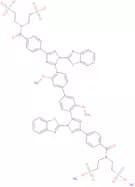

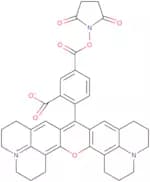
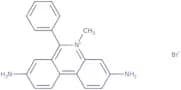
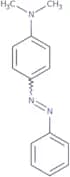


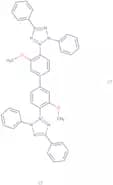
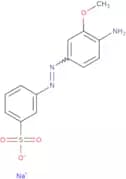
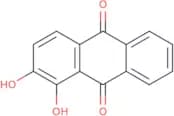
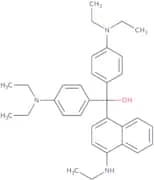
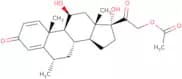
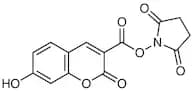

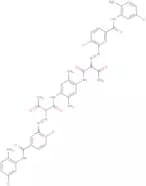
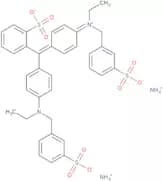

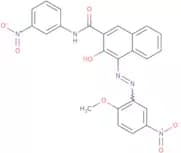
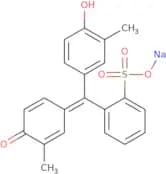
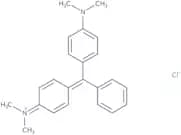
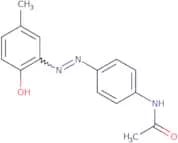


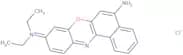
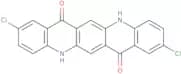
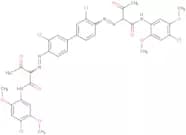
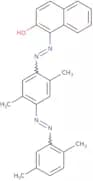

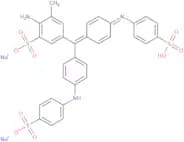
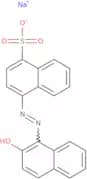
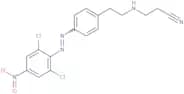
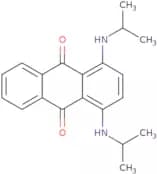
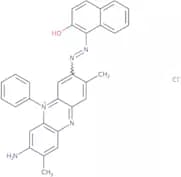
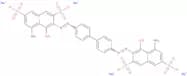


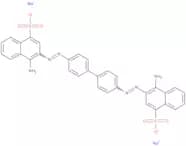
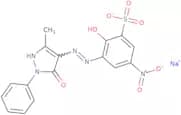


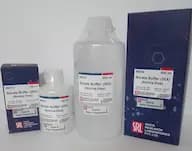
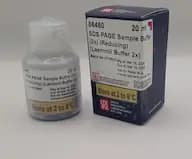
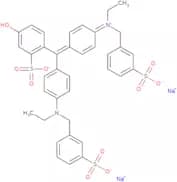
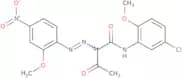
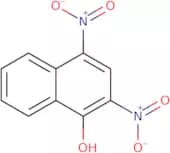
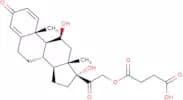
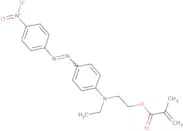
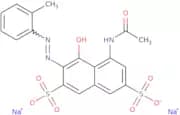
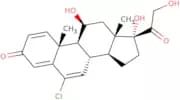
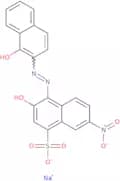
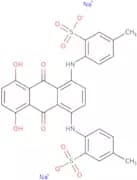
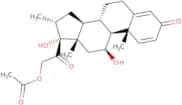
![Benzo[k]fluoranthene](/_next/image/?url=https%3A%2Fstatic.cymitquimica.com%2Fproducts%2F3D%2Fthumb-webp%2FFB157375.webp&w=3840&q=75)
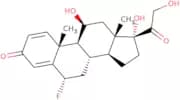
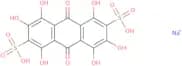

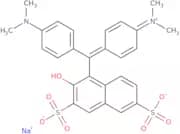


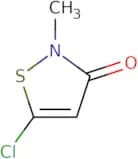

![9,10-Bis[2-(4-methoxyphenyl)ethynyl]anthracene](/_next/image/?url=https%3A%2Fstatic.cymitquimica.com%2Fproducts%2F3D%2Fthumb-webp%2FJ-650272.webp&w=3840&q=75)
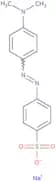
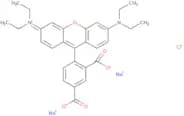
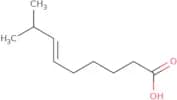
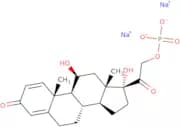
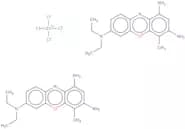

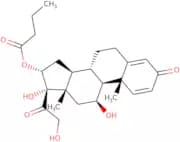
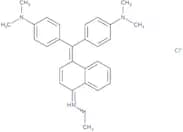
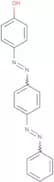
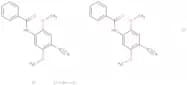
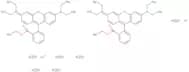
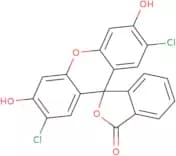
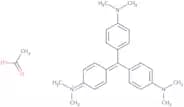
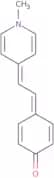
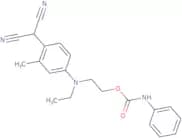

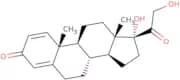

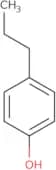
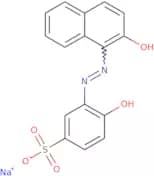
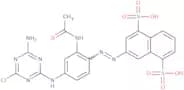
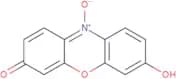
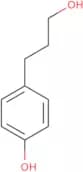
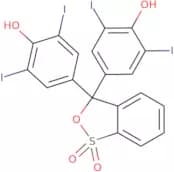
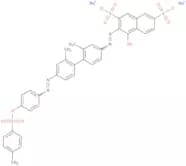
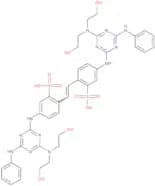
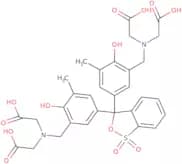
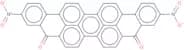
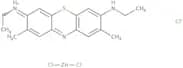


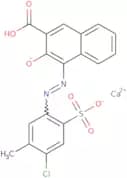




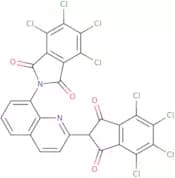
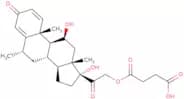
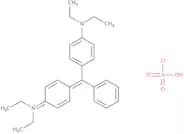
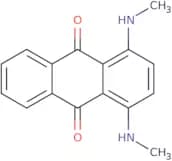
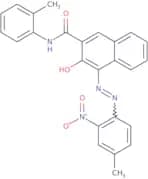
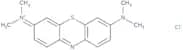

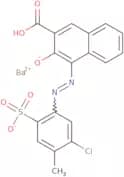
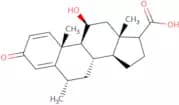

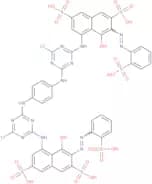
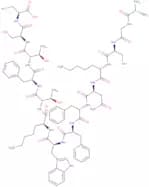


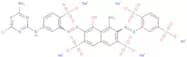
![([15N]Gly)-Glutathione (reduced)](/_next/image/?url=https%3A%2Fstatic.cymitquimica.com%2Fproducts%2F3D%2Fthumb-webp%2FFG109306.webp&w=3840&q=75)
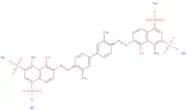
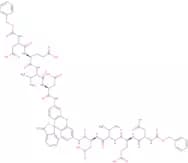

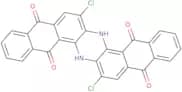
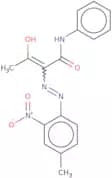
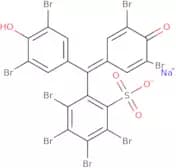
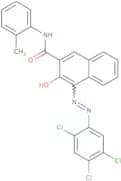
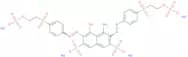
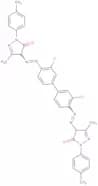
![4,4'-(4,5,6,7-Tetrabromo-1,1-dioxido-3H-2,1-benzoxathiol-3-ylidene)bis[2-iodo-6-nitrophenol]](/_next/image/?url=https%3A%2Fstatic.cymitquimica.com%2Fproducts%2F3D%2Fthumb-webp%2FFT76467.webp&w=3840&q=75)
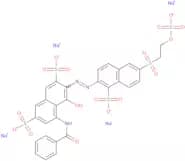
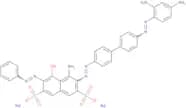
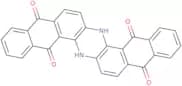
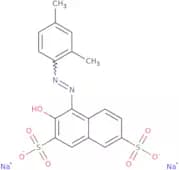
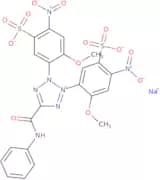
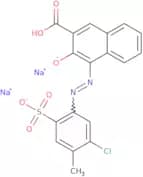
![Benz[b]indeno[1,2-d]pyran-3,4,6a,9,10(6H)-pentol, 7,11b-dihydro-,(6aS,11bR)-](/_next/image/?url=https%3A%2Fstatic.cymitquimica.com%2Fproducts%2FIN%2Fthumb-webp%2FDA00I98R.webp&w=3840&q=75)