Corantes, Pigmentos, Tinturas, Imagens Fluorescentes
Corantes, colorações e tinturas são ferramentas essenciais na biologia molecular, cruciais para visualizar e estudar o DNA, cromossomos e núcleos celulares. Esses compostos permitem que os pesquisadores destaquem componentes celulares específicos, facilitando a observação e análise detalhadas ao microscópio. Nesta categoria, você encontrará uma ampla gama de corantes e colorações de alta qualidade usados em várias técnicas de coloração, incluindo corantes fluorescentes para análise de DNA e cromossomos, colorações histológicas para amostras de tecido e corantes específicos para estruturas celulares. Essas ferramentas são indispensáveis em pesquisas genéticas, citologia, histologia e diagnósticos, proporcionando clareza e contraste em amostras biológicas. Na CymitQuimica, oferecemos uma seleção abrangente de corantes, colorações e tinturas para apoiar sua pesquisa em biologia molecular e garantir resultados precisos e confiáveis em seus estudos.
Subcategorias de "Corantes, Pigmentos, Tinturas, Imagens Fluorescentes"
- Corantes Ácidos(49 produtos)
- Azobenzenos(270 produtos)
- Corantes azóicos(7 produtos)
- Corantes básicos(27 produtos)
- Corantes de Cumarina(71 produtos)
- Corantes de cianina, corantes de Squarylium(53 produtos)
- Corantes de DCM(4 produtos)
- Diariletenos(12 produtos)
- Corantes de Dipirrometeno(26 produtos)
- Corantes directos(17 produtos)
- Corantes dispersos(2 produtos)
- Sensibilizadores de corantes(12 produtos)
- Corantes(414 produtos)
- Corantes e pigmentos(911 produtos)
- Geração de corantes insolúveis(14 produtos)
- Geração de corantes solúveis(11 produtos)
- Hexaarilbiimidazol(4 produtos)
- Indicadores(575 produtos)
- Corantes Mordente(10 produtos)
- Corantes de Infravermelhos-próximo (NIR)(28 produtos)
- Corantes a óleo(15 produtos)
- Outros Pigmentos e Corantes(2 produtos)
- Corantes de Perileno(17 produtos)
- Corantes fotocrómicos(40 produtos)
- Corantes de Ftalocianina, Corantes de Porfirina(101 produtos)
- Corantes de Quinacridona(8 produtos)
- Espiropirano(16 produtos)
- Pigmentos e Corantes(243 produtos)
- Pigmentos e Corantes para Microscopia(5 produtos)
- Corantes Vat(5 produtos)
- Corante Xanteno(65 produtos)
Exibir 23 mais subcategorias
Foram encontrados 755 produtos de "Corantes, Pigmentos, Tinturas, Imagens Fluorescentes"
Ordenar por
Pureza (%)
0
100
|
0
|
50
|
90
|
95
|
100
C.I.Reactive Orange 20
CAS:<p>Please enquire for more information about C.I.Reactive Orange 20 including the price, delivery time and more detailed product information at the technical inquiry form on this page</p>Pureza:Min. 95%Alcian blue 8GX
CAS:<p>Alcian blue 8GX is a water-soluble dye that has been used for many years to stain the cell cytoplasm and other cellular structures. It binds to proteins, carbohydrates, lipids, and nucleic acids. Alcian blue 8GX is typically used as a histochemical staining agent in conjunction with phosphotungstic acid or hematoxylin. The binding of Alcian blue 8GX to cells is dependent on the presence of hydroxyl groups and it is transported by a passive process that is inhibited by lanthanum ions. This dye binds to glucosylceramide in the cerebellar purkinje neurons, which can be detected using electron microscopy. Alcian blue 8GX has been shown to enhance protein synthesis in human serum, but does not affect this process at low energy levels such as those found in diabetic patients.</p>Fórmula:C56H68N16S4Cl4CuCor e Forma:PowderPeso molecular:1,298.87 g/molC.I.Direct Orange 102
CAS:<p>C.I.Direct Orange 102 is a dye that can be used in the diagnosis of viral infections, such as hepatitis and herpes zoster. C.I.Direct Orange 102 has been shown to have antiviral activity against a number of viruses, including human pathogen and virus. It binds to viral RNA polymerase and prevents transcription of viral RNA into DNA by binding to the enzyme's active site and blocking access to the DNA template strand</p>Fórmula:C34H21N6Na3O11S2Cor e Forma:PowderPeso molecular:822.67 g/molAcid Red 374
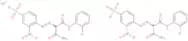
CAS:<p>Acid Red 374 is a non-selective cation dye that can be used in various diagnostic applications, such as DNA microarray analysis, flow cytometry, and immunohistochemistry. Acid Red 374 has been shown to inhibit the growth of cancer cells by selectively binding to the nucleic acids in these cells. It also inhibits the growth of prostate cancer cells and hematopoietic cells. Acid Red 374 has antimicrobial activity against methicillin-resistant Staphylococcus aureus (MRSA) and herpes simplex virus.</p>Fórmula:C38H32N4O11S3•Na3Pureza:Min. 95%Peso molecular:885.85 g/mol4-Acetoxycinnamic acid
CAS:<p>4-Acetoxycinnamic acid is a staphylococcal bactericide that inhibits bacterial growth and is active against many gram-positive bacteria, including Staphylococcus aureus. It is also active against many gram-negative bacteria, such as Escherichia coli and Pseudomonas aeruginosa. 4-Acetoxycinnamic acid has been shown to inhibit the growth of Staphylococcus aureus in an in vitro experiment by interfering with membrane permeability and inhibiting lipid synthesis. 4-Acetoxycinnamic acid has been shown to have antimicrobial activity against gram-positive and gram-negative bacteria, including methicillin resistant S. aureus (MRSA).</p>Fórmula:C11H10O4Pureza:Min. 97 Area-%Cor e Forma:PowderPeso molecular:206.19 g/molBasic fuchsin
CAS:<p>Basic fuchsin is a basic dye that has been used in wastewater treatment. It is a red-violet color and is used to stain cell nuclei and other biological structures. Basic fuchsin can be adsorbed on particles, which are then removed from the water by filtration. The adsorption of basic fuchsin on particles is reversible and depends on the pH of the solution. This property makes it suitable for use as a surface methodology for staining DNA in nuclear dna preparations.</p>Fórmula:C20H20N3ClCor e Forma:Green PowderPeso molecular:337.85 g/molReactive red 66
CAS:<p>Reactive red 66 is a reactive dye that is used for wastewater treatment. The high resistance to hydrochloric acid, photo-oxidation, and protease activity make it an ideal candidate for this application. Reactive red 66 has been shown to have the ability to react with proteins and other compounds in the water to form covalent bonds. These bonds are then broken down by reductive mechanisms such as photocatalytic activity, which results in the formation of radicals. Functional groups on the molecule are responsible for its color, while transfer mechanisms between molecules allow it to be soluble in water at low concentrations.</p>Fórmula:C20H15BrN4Na2O8S2Pureza:Min. 95%Peso molecular:629.37 g/molC.I.Direct Black 155
CAS:<p>Please enquire for more information about C.I.Direct Black 155 including the price, delivery time and more detailed product information at the technical inquiry form on this page</p>Pureza:Min. 95%C.I.Solvent Orange 3
CAS:<p>C.I. Solvent Orange 3 is a fluorescent dye that is used as a tracer in analytical chemistry to measure the water permeability of a sample by measuring the rate of diffusion of the dye. It is also used for sample preparation and kinetic studies when performing dispersive solid-phase extraction or surface methodology. The results show that C.I. Solvent Orange 3 has high water solubility and good stability, but can be decomposed by radiation, such as ultraviolet light and gamma rays, with an activation energy of around 100-150 kJ/mol and an induction time of 5-10 minutes. The compound has been detected in oroxylum indicum and curcuma aromatica plants, as well as angelicae dahuricae, titration calorimetry, and human serum samples from China. The compound is able to form hydrogen bonding interactions with other molecules such as glycol ethers, which are commonly found in Chinese herbs such as Angelica Dah</p>Fórmula:C12H12N4Pureza:Min. 95%Cor e Forma:PowderPeso molecular:212.25 g/molAcid Red 361
CAS:<p>Acid Red 361 is a red dyestuff that is used as a cross-linking agent in the production of laminates. It is also used in the production of dyebaths and can be used as an introducing agent for plant cells. Acid Red 361 has been shown to form lamellar structures at a concentration of 0.05% in the dyebath, and to have a molecular weight of about 600 Da. This dye has been found to polymerize with other dyes, and can be identified by mass spectrometry. Acid Red 361 also consists of c1-6 alkyl groups, which are hydroxyl groups that are attached to benzene rings.</p>Pureza:Min. 95%Pigment Red 174
CAS:<p>Pigment Red 174 is a red pigment with a strong red color that is used as an ingredient in paints, coatings and inks. Pigment Red 174 is used as an ejecting or dispersing agent for liquid systems such as paint, coatings and inks. It also has a high viscosity and binding ability. Pigment Red 174 is insoluble in water but soluble in formic acid and can be dissolved by irradiation with thermal energy. Pigment Red 174 has functional groups that are capable of forming hydrogen bonds with other molecules. This pigment has the same properties as many other pigments, including being newtonian and radiation-sensitive.</p>Pureza:Min. 95%C.I.Sulphur green 14
CAS:<p>Please enquire for more information about C.I.Sulphur green 14 including the price, delivery time and more detailed product information at the technical inquiry form on this page</p>Pureza:Min. 95%C.I.Disperse Orange 70
CAS:<p>Please enquire for more information about C.I.Disperse Orange 70 including the price, delivery time and more detailed product information at the technical inquiry form on this page</p>Pureza:Min. 95%Solvent Orange 14, Technical grade Dye content
CAS:<p>Please enquire for more information about Solvent Orange 14, Technical grade Dye content including the price, delivery time and more detailed product information at the technical inquiry form on this page</p>Fórmula:C22H17N5Pureza:Min. 95%Peso molecular:351.4 g/molC.I.Disperse Yellow 201
CAS:<p>Please enquire for more information about C.I.Disperse Yellow 201 including the price, delivery time and more detailed product information at the technical inquiry form on this page</p>Pureza:Min. 95%New Fuchsin
CAS:<p>Please enquire for more information about New Fuchsin including the price, delivery time and more detailed product information at the technical inquiry form on this page</p>Fórmula:C22H24ClN3Peso molecular:365.91 g/molPigment red 166
CAS:<p>Pigment Red 166 is a hydroxyl group glycol ester. It is a mixture of red, orange and yellow pigments that are used in paints and coatings. Pigment Red 166 has a particle size of less than 1 micron and a thermal expansion coefficient of about 2.5 x 10⁻⁶ K-1. This pigment has an inorganic acid content of about 0.4%. The shape of the pigment is spherical, with a diameter of about 20 nm. Pigment Red 166 exhibits fluorescence when irradiated with radiation from the ultraviolet to the infrared region of the spectrum, which corresponds to its aliphatic hydrocarbon content.</p>Fórmula:C40H24Cl4N6O4Cor e Forma:PowderPeso molecular:794.47 g/molCI Reactive Blue 203
CAS:<p>CI Reactive Blue 203 is a reactive dye that changes color from blue to purple when heated. It is used in forensics, where it can be used to detect the presence of alkali metal ions. CI Reactive Blue 203 has been shown to react with fungal cells and peroxidase enzymes, yielding a violet color. This dye is also used as a surfactant, thickener, and vinyl stabilizer in textile production. CI Reactive Blue 203 has been shown to bind to antibodies and can be used for staining purposes in histology. This dye binds to methoxy groups on proteins and can be used for detection purposes in ELISA tests.</p>Fórmula:C28H29N5O21S6•Na4Pureza:Min. 95%Cor e Forma:PowderPeso molecular:1,055.91 g/molPigment red 49
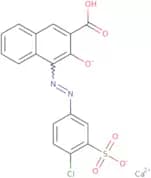
CAS:<p>Pigment Red 49 is a diazonium salt that has been used as a dye in many areas of industry. The red color can be obtained by reacting pigment red 49 with sodium salts, hydrochloric acid, and ethylene diamine. Pigment Red 49 is also used in clinical studies to detect the presence of nitrogen atoms. This substance can cause allergic reactions and is classified as a particle. It has also been found to have an effect on radiation and glycol esters. Pigment Red 49 interacts with cationic surfactants, which are compounds that have a cationic charge due to the presence of at least one quaternary ammonium group. Pigment Red 49 is soluble in fatty acids and glycol esters.</p>Fórmula:C20H13N2NaO4SPureza:Min. 98%Cor e Forma:PowderPeso molecular:400.38 g/molC.I.Direct Red 83
CAS:<p>C.I.Direct Red 83 is a complex of copper and polycarboxylic acid that is used in wastewater treatment. It is also used as an indicator dye in biological studies to measure the rate of reaction between carboxylic acids and amino-groups, which are both necessary for the formation of nucleic acids. C.I.Direct Red 83 has been shown to have strong absorptive properties, with a maximum absorption at 546 nm in aqueous solution. This dye has also been shown to bind to receptors on the cell membrane, specifically those receptors that are involved in thermally induced reactions.</p>Pureza:Min. 95%C.I. Pigment Red 48:4
CAS:<p>C.I. Pigment Red 48:4 is a synthetic red pigment with an anhydrous sodium chloride matrix that has been used in analytical methodology, and in the production of polyester and electro-luminescent materials. The pigment is soluble in organic solvents such as acetone, toluene, and ethyl acetate. C.I. Pigment Red 48:4 is stable at temperatures up to 130°C, but decomposes at higher temperatures. This pigment has a redox potential of -0.05 V vs Ag/AgCl (reference electrode). C.I. Pigment Red 48:4 is light resistant and has shown good resistance to fading due to weathering or UV radiation when used in printing ink or colorants for plastics such as polyesters or vinyls.BR><br>COLOR: <br>PURITY: >99%<br>MELTING POINT: >200°C<br>SPECIFIC GRAVITY: 1.</p>Fórmula:C18H11ClMnN2O6SPureza:Min. 95%Cor e Forma:Red PowderPeso molecular:473.75 g/molNitrazine Yellow
CAS:<p>Nitrazine Yellow is a reversible, reusable, imine-based fluorescent dye that absorbs in the near-infrared region of the spectrum. This compound has been shown to be an acceptor and an inorganic amide. Nitrazine Yellow also has transition metal properties and is a heterocyclic ring. It can be used as a hydrogen bond donor or proton acceptor, depending on its environment. Nitrazine Yellow can react with hydroxylamine to form coupler products that are metastable and can be detected by fluorometric analysis.</p>Fórmula:C16H8N4Na2O11S2Pureza:Min. 95%Cor e Forma:PowderPeso molecular:542.37 g/molC.I.Basic Yellow 29
CAS:<p>Please enquire for more information about C.I.Basic Yellow 29 including the price, delivery time and more detailed product information at the technical inquiry form on this page</p>Pureza:Min. 95%Pigment yellow 12, technical grade dye content
CAS:<p>Pigment Yellow 12 is a yellow dye that belongs to the class of copper-complex dyes. It has a particle size of around 20 nm and an intramolecular hydrogen bonding with a hydroxyl group. Pigment Yellow 12 reacts with diazonium salt in the presence of hydrochloric acid, cationic surfactant, and amines to produce a bright yellow color. This dye is used as an indicator for urine samples, as well as in the production of textiles and plastics. Pigment Yellow 12 is not carcinogenic and does not have any known adverse effects on human health.</p>Fórmula:C32H26Cl2N6O4Cor e Forma:PowderPeso molecular:629.49 g/molC.I.Reactive Yellow 107
CAS:<p>Please enquire for more information about C.I.Reactive Yellow 107 including the price, delivery time and more detailed product information at the technical inquiry form on this page</p>Pureza:Min. 95%C.I.Acid Orange 60
CAS:<p>C.I. Acid Orange 60 is a polyolefin that is used as an additive for ophthalmic lenses to reduce the possibility of fogging by absorbing moisture and oxygen. It is also used in the production of ionizable dyes, nucleophilic substances, reactive substances, and surfactants. This product is typically applied using an organic solvent or chemical ionization mass spectrometry.</p>Pureza:Min. 95%Acid Black 234, Technical grade
CAS:<p>Acid Black 234 is a reactive dye that is used in the textile industry. It has a hydroxy group and can be used for wastewater treatment. Acid Black 234 is not soluble in water but can be dissolved in organic solutions. It has high penetrant properties and its chemical stability depends on the pH of the solution. Acid Black 234 undergoes an adsorption mechanism, which involves a reaction with chloride ions to form a complex that binds to the surface of the fabric.</p>Pureza:Min. 95%Acridine orange biological stain
CAS:<p>Acridine orange is a fluorescent dye that is used as a biological stain. It binds to DNA and stains the cells it has bound to, making them more visible under an ultraviolet light. This dye also produces kinetic data on the micronucleus test in mice and rats. Acridine orange can be used to detect genotoxic effects in animals and humans, such as genetic damage or cancer. Kinetic studies have shown statistically significant increases in plasma mass spectrometry, but no significant changes in erythrosine uptake were observed. Acridine orange has been shown to cause genotoxic effects on brain cells and testicular cells.</p>Fórmula:C17H20ClN3ZnCl2Cor e Forma:PowderPeso molecular:369.96 g/molC.I.Acid Yellow 42
CAS:<p>C.I.Acid Yellow 42 is a reactive dye that belongs to the class of chromatic compounds. It is used in photolithography and as a pH indicator, but is also an environmental pollutant. C.I.Acid Yellow 42 is hydrated and has radical mechanism of photodecomposition, which makes it subject to radiation and mineralization. C.I.Acid Yellow 42 can be used in assays for detecting ions such as copper, iron, zinc, or mercury at efficiencies greater than other dyes in the same class. It can also be synthesized from organic materials or biodegradable substances such as dyes from natural sources or phenol-formaldehyde resins with low toxicity to humans and the environment.>>END>></p>Fórmula:C32H26N8O8S2•Na2Pureza:Min. 95%Cor e Forma:PowderPeso molecular:760.71 g/molBromocresol green
CAS:<p>Bromocresol green is a cationic surfactant that is used as a fluorescent indicator dye. It binds to proteins and can be detected with an optical sensor. Bromocresol green has been shown to react with hydrochloric acid, which may be due to the protonation of the cationic group. This reaction is reversible and depends on pH. The binding of bromocresol green to serum proteins results in a decrease in fluorescence intensity due to quenching by adsorption at the protein-protein interface. The kinetic data for this dye have been found to depend on α1-acid glycoprotein concentration.</p>Fórmula:C21H14Br4O5SCor e Forma:PowderPeso molecular:698.01 g/molDirect Yellow 96, Technical grade
CAS:<p>Direct Yellow 96 is a Direct Fast to Light dye (DFL) also known as diphenyl Brilliant Flavine 7GFF, direct Yellow 7GFF, Solophenyl Flavine 7GFE and Solophenyl Flavine 7GFE 500. Direct Yellow 96 is ideal for application on cellulosic fibres, making it suitable for textile and paper colouring. Solophenyl Flavine 7GFE 500 has been described as useful dye of fungal cell walls. The dye yields fluorescently stained material generally in the blue to green wavelengths and provides an excellent alternative to the more commonly used fluorophore, Calcofluor White M2R.</p>Fórmula:C39H34N10O13S4Cor e Forma:PowderPeso molecular:979.01 g/molDisperse Orange 3
CAS:<p>Disperse Orange 3 is a diazonium salt that has been used in the textile industry as a dye, but has also been used as a reagent for the synthesis of organic compounds. Disperse Orange 3 is synthesized by reacting an azobenzene with a fatty acid, which yields an unstable intermediate. The intermediate undergoes photochemical reactions when exposed to ultraviolet light or moisture. This reaction produces benzalkonium chloride and ft-ir spectroscopy, which confirms the identity of Disperse Orange 3. Disperse Orange 3 is used in biological treatment and binding constants experiments to measure the strength of interactions between molecules. It has clinical relevance in magnetic resonance spectroscopy because it can be used to probe molecular interactions with proteins or nucleic acids. It also has solubility data that can be used to determine its solubility in water and other solvents.<br>Disperse Orange 3 is soluble in supercritical carbon dioxide at high temperatures, but insoluble at room temperature</p>Fórmula:C12H10N4O2Pureza:Min. 65%Cor e Forma:PowderPeso molecular:242.23 g/molOrange G, Technical grade
CAS:<p>Orange G is a quaternary ammonium salt that can be used for the treatment of wastewater. It has been shown to adsorb to the surface of bacterial cells and inhibit their growth by preventing enzyme activity. Orange G has also been shown to have carcinogenic potential in experimental models, although it is less potent than dimethylhydrazine or N-nitrosodiethylamine. Orange G has genotoxic effects on human serum, as seen by increased DNA fragmentation and chromosomal aberrations. The kinetic and redox properties of Orange G are still being investigated.</p>Fórmula:C16H10N2Na2O7S2Pureza:Min. 95 Area-%Cor e Forma:Orange PowderPeso molecular:452.37 g/molIohexol
CAS:<p>a contrast agent used in medical imaging such as angiography, CT scans, and MRI.</p>Fórmula:C19H26I3N3O9Pureza:98.0 To 102.0%Cor e Forma:White PowderPeso molecular:821.14 g/molBis(5-bromo-6-chloro-3-indoxyl)pyrophosphoric acid, disodium salt
<p>Bis(5-bromo-6-chloro-3-indoxyl)pyrophosphoric acid, disodium salt is a versatile building block that can be used to synthesize complex compounds. This compound is a reagent for research and also has many uses in the pharmaceutical industry as a useful intermediate and scaffold. Bis(5-bromo-6-chloro-3-indoxyl)pyrophosphoric acid, disodium salt is an excellent high quality product that can be used in many reactions.</p>Fórmula:C16H8Br2Cl2N2Na2O7P2Peso molecular:678.90 g/molRef: 3D-B-3370
1gA consultar5gA consultar10gA consultar500mgA consultar2500mgA consultar-Unit-ggA consultarDisperse blue 60, technical grade dye content
CAS:<p>Disperse Blue 60 is a stilbene-based dye that absorbs ultraviolet light and emits red fluorescent light. It is used in wastewater treatment, biological treatment, and supercritical water oxidation processes. Disperse Blue 60 is activated by fatty acid, alkanoic acid, or polymeric matrix to form an antimicrobial agent that can be used in radiation sterilization of food products. This dye also has the ability to absorb radiation in the range of 200 - 300 nm and emit fluorescence at 590 nm. The oxidation catalyst provides stability for the dye molecule under conditions of high temperature or pressure.</p>Fórmula:C20H17N3O5Pureza:Min. 95%Cor e Forma:PowderPeso molecular:379.37 g/molAcid Red 357
CAS:<p>Acid Red 357 is a basic dye, which is used in the treatment of wastewater. It binds to the surface of particles and reacts with sodium carbonate to form a hydroxide precipitate. This reaction leads to removal of colorants from the water. Acid Red 357 is also reactive, nucleophilic, and has high values for both kinetic data and transfer mechanism.</p>Pureza:Min. 95%Light green SF yellowish
CAS:<p>Sodium salts are colloidal gold particles that are dispersed in aqueous solution and have a light green SF yellowish color. This type of salt is used for plant physiology studies, due to their ability to provide an accurate measurement of the surface area of leaves. Sodium salts can be used as biological samples, such as liver lesions or langmuir adsorption isotherm, to investigate kinetic data. They also have been shown to be useful in the study of human serum and particle interactions. The sodium salts form a thin layer on the surface of the particle, which makes it possible to measure the concentration of fatty acids or basic proteins on its surface. Sodium salts are also commonly used in toxicology studies and histological analyses.</p>Fórmula:C37H34N2O9S3Na2Pureza:(%) Min. 80%Cor e Forma:PowderPeso molecular:792.85 g/molC.I.Solvent Blue 13
CAS:<p>Please enquire for more information about C.I.Solvent Blue 13 including the price, delivery time and more detailed product information at the technical inquiry form on this page</p>Pureza:Min. 95%Acid Black ATT
CAS:<p>Acid Black ATT is a chemical compound that is used to adjust the pH and remove organic matter in wastewater. It is a mixture of trimethyl, collagen, sodium carbonate, calcium carbonate, and sodium chloride. Acid Black ATT can be used as an additive for the treatment of wastewater because it has been shown to inhibit enzymes. This product should be added slowly to water in order to avoid inhaling the vaporized acid. The use of this chemical must be carefully monitored because it can cause corrosion and damage to pipes.</p>Pureza:Min. 95%Pigment Yellow 127
CAS:<p>Please enquire for more information about Pigment Yellow 127 including the price, delivery time and more detailed product information at the technical inquiry form on this page</p>Pureza:Min. 95%Reactive Blue 19, Technical grade
CAS:<p>Reactive Blue 19 is a chemical compound that has been used extensively in biological, biochemical, and clinical research. It is a reactive dye with the chemical formula C20H14N2Na4O8S4. The molecule's structure consists of two benzene rings linked by two amine groups, which are connected to an aromatic ring with four sulfonic acid side chains. Reactive Blue 19 has been shown to inhibit the activity of enzymes such as hydroxylase and nitrite reductase. This compound also reacts with protocatechuic acid to form an intense blue-colored complex that can be detected using electrochemical detection.</p>Fórmula:C22H16N2Na2O11S3Pureza:Min. 95%Cor e Forma:PowderPeso molecular:626.55 g/molFuchsin, for flagella staining, certified
CAS:<p>Please enquire for more information about Fuchsin, for flagella staining, certified including the price, delivery time and more detailed product information at the technical inquiry form on this page</p>Fórmula:C20H20ClN3Pureza:Min. 95%Cor e Forma:PowderPeso molecular:337.8 g/molWeak Acid Yellow 3G
CAS:<p>Weak Acid Yellow 3G is a benzyl ester of an aliphatic polyhydric alcohol. It is a clear, amber liquid with a pH of 6.5-7.5 and can be used in the production of microspheres and monomers for organic solvent extraction and surface treatment. When diluted with water, it has an alkaline reaction system. This product is soluble in aliphatic hydrocarbons, alcohols and ethers, but insoluble in water and most other common solvents. Weak Acid Yellow 3G can be used as a surfactant and surface active agent to simplify reactions systems by removing the need for additional reagents or solvents.</p>Fórmula:C39H26Cl4N8Na2O8S2Pureza:Min. 95%Peso molecular:986.6 g/molSolvent Red 149
CAS:<p>Solvent Red 149 is an organic solvent that is used in the development of photographic emulsions. It has a low average particle diameter, high thermal expansion, and low volatility. Solvent Red 149 has been used as a sensor for environmental pollution. This compound has been shown to inhibit polymerization reactions by acting as an inhibitor of an essential step in the process. The hydroxyl group on the molecule can be used for authenticating purposes because it reacts with sulfuric acid to form a red dye.</p>Fórmula:C23H22N2O2Pureza:Min. 95%Cor e Forma:PowderPeso molecular:358.43 g/molC.I.Disperse Orange 32
CAS:<p>Please enquire for more information about C.I.Disperse Orange 32 including the price, delivery time and more detailed product information at the technical inquiry form on this page</p>Pureza:Min. 95%Bromocresol green, sodium salt
CAS:<p>Bromocresol green is a dye that is used in biological assays to measure the kinetics of fluorescence. It is a type of tryptophan-releasing compound that releases a yellowish-green light when it absorbs light at wavelengths between 350 and 450 nm. Bromocresol green has been quantified by measuring the intensity of the fluorescence emission as a function of time. This can be done visually or using an instrument called a fluorometer, which detects changes in light intensity over time. Bromocresol green can be used to detect the presence of amino acid residues in proteins through protonation reactions with their tryptophan residues and subsequent quenching with acetonitrile. The bromocresol green dye is also used in lithographic printing, where it serves as an acceptor for electrons from an arene (aromatic hydrocarbon). This process generates energy for lithography and also provides contrast between regions with different electron densities.</p>Fórmula:C21H14Br4O5SNaCor e Forma:PowderPeso molecular:721 g/molPigment Blue 10
CAS:<p>Pigment Blue 10 is a cationic dye that belongs to the class of quaternary ammonium compounds. It is often used in textile and leather processing as a cross-linking agent and as an auxiliary agent for pigmenting. Pigment Blue 10 has good light resistance, high solubility in organic solvents, and low toxicity. It is also used in radiation curing processes, such as epoxy resin, acrylate resin, polyester resin, and silicone rubber. Pigment Blue 10 can be used with salt compounds or aliphatic hydrocarbons to form a film on surfaces or objects. It has been shown to have biodegradable properties when mixed with other substances.</p>Pureza:Min. 95%C.I.Acid green 54
CAS:<p>Please enquire for more information about C.I.Acid green 54 including the price, delivery time and more detailed product information at the technical inquiry form on this page</p>Pureza:Min. 95%Disperse Red 9
CAS:<p>Disperse Red 9 is a dye that is used in analytical chemistry to measure the amount of hydrogen bonding interactions. It has a linear regression analysis and molecular modeling to determine its molecular structure. Disperse Red 9 is also used for toxicity studies and the determination of various chemical structures. The mechanism of the reaction between Disperse Red 9 and hydrogen is intramolecular hydrogen bonding, which can be seen by nmr spectra. Disperse Red 9 has been shown to have toxic effects on animals, as well as other side-effects such as skin irritation. This dye has an intramolecular hydrogen bond with a cationic surfactant, which makes it soluble in water.</p>Fórmula:C15H11NO2Pureza:Min. 95%Cor e Forma:Red PowderPeso molecular:237.25 g/molPatent Blue V sodium salt
CAS:<p>C.I. Acid Blue 3 is a synthetic, water-soluble dye that has been used in analytical chemistry for the detection of metal hydroxides and other metal ions. The dye can be activated by radiation or by heating to produce a bright blue color that is stable under acidic conditions. C.I. Acid Blue 3 has been shown to cause toxicity in animals, and may have potential carcinogenic effects in humans due to its ability to cross the blood-brain barrier and accumulate in the brain. The molecular weight of this compound is approximately 464 g/mol and it has a molecular formula of C 18 H 20 N 2 NaO 7 S 2 .</p>Fórmula:C27H32N2O7S2•xNaCor e Forma:Blue PowderPeso molecular:582.67 g/molAcid fuchsin calcium
CAS:<p>Acid fuchsin is a water-soluble, non-toxic, acidic dye that is used in histology to stain connective tissue and mucous membranes. It is used as an indicator for calcium in the presence of acid phosphatase. Acid fuchsin can be detected by light microscopy when it is stained on a section of tissue or cells. This dye can be used with immunocytochemistry or cytogenetics to assess the morphology of cells and tissues. The staining intensity varies according to the concentration of the acid fuchsin solution, which can be quantified by measuring the absorbance at 510 nm. A reference range for this measurement would be 0.1 - 1 μg/ml (10 - 100 μM).</p>Fórmula:C20H19N3O9S3·xCaCor e Forma:PowderPeso molecular:541.58 g/molDBCO-Cy3 ditriethylamine
CAS:<p>Please enquire for more information about DBCO-Cy3 ditriethylamine including the price, delivery time and more detailed product information at the technical inquiry form on this page</p>Fórmula:C50H54N4O11S3•(C6H15N)2Pureza:Min. 95%Peso molecular:1,185.56 g/molC.I.Food Red 7:1
CAS:<p>C.I.Food Red 7:1 is a copper salt pigment that is used as a food coloring agent. It has bactericidal activity and is known to be synergistic with famotidine, erythromycin, hydrochloric acid, and dry extract. C.I.Food Red 7:1 also has chemical stability and can be used as a cross-linking agent for chondroitin sulfate in the production of pharmaceuticals.</p>Fórmula:C20H11AlN2O10S3Pureza:Min. 95%Peso molecular:562.48 g/molC.I.Reactive violet 5
CAS:<p>C.I. Reactive Violet 5 is a dye that is used in the textile industry and for the detection of bacterial strains in biological samples. The dye is a 4-hydroxycinnamic acid derivative that has been shown to have a hydrophobic effect on bacteria, which may be due to its chemical structure and ability to form hydrogen bonds with water molecules. C.I. Reactive Violet 5 also binds to colloidal gold particles, making it an excellent stain for biological samples such as activated sludge wastewater treatment samples where bacteria are abundant.</p>Fórmula:C20H16N3Na3O15S4Pureza:Min. 95%Cor e Forma:PowderPeso molecular:735.6 g/molFast Sulphon Black F
CAS:<p>Fast Sulphon Black F is a stable, water-soluble dye that can be used for electrochemical measurements. It is an irreversible oxidation agent that has been shown to oxidize organic solvents and metal ions. The kinetic of the reaction with sodium salts was found to be first order in Fast Sulphon Black F and second order in sodium salt. This dye also has a potential use as a redox indicator in wastewater treatment systems. Fast Sulphon Black F is soluble in organic solvents, which may make it useful for optical sensors.</p>Fórmula:C30H20N4O11S3•Na3Pureza:(%) Min. 95%Cor e Forma:PowderPeso molecular:777.67 g/molPigment Red 202
CAS:<p>Pigment Red 202 is a red pigment with a molecular weight of 536. It has a hydroxyl group and two nitrogen atoms, which are responsible for the molecule's stability. Pigment Red 202 has been used as a cross-linking agent in the production of polyester resins or polyurethane coatings because it can form hydrogen bonds. It is also used as an additive to paper and paint to control the rate of drying. Pigment Red 202 is available in crystalline polymorphs, including alpha, beta, gamma, delta, and epsilon forms.</p>Fórmula:C20H10Cl2N2O2Pureza:Min. 95%Cor e Forma:PowderPeso molecular:381.21 g/molC.I.Basic Yellow 21
CAS:<p>Basic Yellow 21 is a dye that belongs to the class of phthalo-quinones. It is used in the manufacture of colored fabrics and various other products, such as paints and plastics. Basic Yellow 21 is also used in the treatment of bladder cancer. The dye reacts with DNA to form adducts that inhibit the transcription of DNA into RNA, which may lead to carcinogenesis.</p>Pureza:Min. 95%Direct black 168
CAS:<p>Direct black 168 is a synthetic coal tar dye that is used in many industries, including the textile industry. It is used as a colorant and dyeing assistant in the production of textiles and paper. Direct black 168 is also used as an antifungal agent, light source, and optical brightener.</p>Fórmula:C34H27N9Na3O11S3Cor e Forma:Brown PowderPeso molecular:902.8 g/molC.I.Reactive Red 108
CAS:<p>Please enquire for more information about C.I.Reactive Red 108 including the price, delivery time and more detailed product information at the technical inquiry form on this page</p>Pureza:Min. 95%Food black 1
CAS:<p>Food Black 1 is a food additive that is used to dye foods and beverages. It is a dark-colored dye, which can be used to color products such as cakes, soft drinks, ice cream, and cheese. Food Black 1 has been shown to have genotoxic effects and carcinogenic potential in rats; however there are no studies that show it has any carcinogenic properties in humans. There are some concerns about the safety of Food Black 1 in terms of its long-term toxicity, but these have not been confirmed by independent research studies. There are no known cases of adverse reactions to this additive.</p>Fórmula:C28H21N5O14S4•Na4Pureza:Min. 95%Cor e Forma:Brown PowderPeso molecular:871.72 g/molC.I.Acid Red 52
CAS:<p>C.I.Acid Red 52 is a fluorescent dye that is used as a probe for the study of wastewater treatment processes. The fluorescence intensity of C.I. Acid Red 52 increases when it binds to an adsorbent material such as activated carbon, due to the adsorption process. It has also been used extensively in polymerase chain reaction (PCR) applications as a synchronous fluorescence quencher, and has been shown to inhibit ubiquitin ligases in biological samples with high specificity. In addition, this dye has been found to have carcinogenic potential in animal studies and may react with substances present in the matrix solution during analytical methods, leading to errors in the measured data.BR></p>Fórmula:C27H29N2O7S2NaCor e Forma:Purple PowderPeso molecular:580.65 g/molC.I.Sulphur Blue 5
CAS:<p>Please enquire for more information about C.I.Sulphur Blue 5 including the price, delivery time and more detailed product information at the technical inquiry form on this page</p>Fórmula:C12H9N3O5Pureza:Min. 95%Peso molecular:275.22 g/molC.I. Solvent blue 19
CAS:<p>C.I. Solvent blue 19 is an azo dye that is used as a colorant in analytical chemistry and as a sample preparation reagent for organic compounds. C.I. Solvent blue 19 is used to measure the thermal expansion of polymers, such as polyethylene, polypropylene, and polystyrene. It is also used in the determination of total nitrogen content in samples by combustion analysis or other methods. The carcinogenic potential of C.I. Solvent blue 19 has been studied using animal models and cellular cultures, but it has not been found to cause cancer under these conditions. Cationic surfactants are effective at removing this dye from wastewater treatment systems and may be used for bladder infections due to its antibacterial properties against E-coli bacteria. C.I. Solvent blue 19 is prepared by reacting p-hydroxybenzoic acid with aniline and nitrobenzene in the presence of hydrochloric acid or</p>Fórmula:C21H16N2O2Pureza:Min. 95 Area-%Cor e Forma:Blue PowderPeso molecular:328.36 g/molC.I.Disperse Orange 5
CAS:<p>The regression method is used to remove the effects of an experimental variable on a response. The regression method is usually applied in cases where there are two variables, one of which is the independent variable and the other is the dependent variable. The independent variable may be a physical parameter that can be controlled by the experimenter, such as temperature or pressure. The dependent variable may be a physical property like viscosity or density. In this case, we are using supercritical CO2 as our independent variable and cellulose acetate as our dependent variable. Supercritical CO2 has been shown to have a very high solubility for cellulose acetate monomers, which makes it useful for polymerizing cellulose acetate into polyesters and polyamides. This technique has been used to make devices such as electrodes with good electrical conductivity, membranes with good permeability, and organic semiconductors with good electron transport properties.</p>Pureza:Min. 95%C.I.Direct Yellow 147
CAS:<p>Please enquire for more information about C.I.Direct Yellow 147 including the price, delivery time and more detailed product information at the technical inquiry form on this page</p>Pureza:Min. 95%C.I.Solvent Blue 24
CAS:<p>Please enquire for more information about C.I.Solvent Blue 24 including the price, delivery time and more detailed product information at the technical inquiry form on this page</p>Pureza:Min. 95%C.I.Solvent Red 13
CAS:<p>Please enquire for more information about C.I.Solvent Red 13 including the price, delivery time and more detailed product information at the technical inquiry form on this page</p>Pureza:Min. 95%Reactive Blue 5
CAS:<p>Reactive Blue 5 is a reactive dye that is used as a component in detergent compositions. It has shown to be effective in the removal of biological materials, such as bacteria, yeast and fungi. Reactive Blue 5 has also been shown to have an inhibitory effect on tumour necrosis factor-alpha (TNF-α). The kinetic data for the dye was determined by measuring its rate of reaction with polymer concentration and by gravimetric analysis. The transport rate of Reactive Blue 5 has been found to increase with increasing pH levels. This dye is also used as a conditioning agent for textile products, as well as an environmental pollutant indicator.</p>Fórmula:C29H20ClN7O11S3Pureza:Min. 95%Cor e Forma:PowderPeso molecular:774.16 g/molCarthamus yellow
CAS:<p>Carthamus yellow is a colorant that is used as a food additive and in cosmetics. It has been shown to be nontoxic and nonirritating and is approved by the FDA for use in foods, drugs, and cosmetics. Carthamus yellow is extracted from the flowers of Carthamus tinctorius plants. It is an orange-yellow powder with a light odor that can be used as a coloring agent in food, drugs, and cosmetics.</p>Fórmula:C14H16O7Pureza:Min. 95%Cor e Forma:SolidPeso molecular:296.27 g/molLeucomalachite Green
CAS:<p>Leucomalachite Green is a green luminescent compound that exhibits significant cytotoxicity in vitro. This chemical can be used to measure the water vapor flow rate of a sample. The leucomalachite green assay can be performed using a liquid chromatography-mass spectrometry (LC-MS/MS) method with fluorescence detection. Leucomalachite Green has been used as an indicator for the presence of water vapor with a sensitivity range of 0.1% to 100%. It is also used in clinical pathology, toxicity studies, and cellular physiology research.</p>Fórmula:C23H26N2Pureza:Min. 98 Area-%Cor e Forma:PowderPeso molecular:330.47 g/molPigment red 170
CAS:<p>Pigment Red 170 is a mouse monoclonal antibody that binds to fatty acids. It has been shown to adsorb to the surface of cells and inhibit the growth of cells by interfering with their ability to take up fatty acids. Pigment Red 170 is used in a model system for studying the binding constants between antibodies and fatty acids. The glycol ester of pigment red 170 is hydrolyzed by hydrochloric acid to form an iron oxide, which can be used as a pigment in paints or dyes. Pigment Red 170 also has photochemical properties, with absorption peaks at 350 nm and 450 nm, making it useful for staining tissues and microorganisms such as gram-positive bacteria, fungi, protozoa, and erythrocytes.</p>Fórmula:C26H22N4O4Pureza:Min. 95%Cor e Forma:Red PowderPeso molecular:454.48 g/molC.I.Reactive Orange 4
CAS:<p>C.I.Reactive Orange 4 is a synthetic dye that is used in the textile industry to give colors to fabrics. It is also used as an additive in foods, drugs, and cosmetics. C.I.Reactive Orange 4 is activated by UV irradiation and can be decomposed by wastewater treatment processes such as activated sludge and dyebath with hydrogen peroxide. HPLC analyses suggest that this dye is adsorbed on activated sludge surfaces and can be removed by adsorption kinetic techniques such as the use of a dyebath with hydrogen peroxide.</p>Pureza:Min. 95%C.I.Vat green 7
CAS:<p>Please enquire for more information about C.I.Vat green 7 including the price, delivery time and more detailed product information at the technical inquiry form on this page</p>Pureza:Min. 95%Pigment red 5
CAS:<p>Pigment Red 5 is a red pigment that belongs to the group of diazonium salts. It is used in the production of detergent compositions and film-forming polymers. Pigment Red 5 is a skin cancer agent, which can be used as a sensitizing agent in photodynamic therapy. This compound has been shown to exhibit cytotoxic effects on human melanoma cells and other cancer cells by inhibiting glycol ester synthesis, glycol ether synthesis, and DNA synthesis. Pigment Red 5 has also been shown to inhibit malonic acid-induced erythrocyte hemolysis in mice.</p>Fórmula:C30H31ClN4O7SPureza:Min. 95%Cor e Forma:PowderPeso molecular:627.11 g/mol16a-Methyl-9,11-dehydro prednisolone
CAS:Produto Controlado<p>Prednisolone is a steroid hormone that has been used for the treatment of inflammatory bowel disease. It has been shown to be effective in the treatment of bowel diseases and is also used as a replacement therapy for adrenal insufficiency. Prednisolone has an excellent safety profile and does not cause insulin resistance or weight gain, unlike some other steroids. It can be used to treat inflammatory diseases such as rheumatoid arthritis and psoriasis. The anti-inflammatory properties of prednisolone are due to its ability to bind to the mineralocorticoid receptor, which prevents the binding of cortisol. This blocks the conversion of cholesterol into pregnenolone, which is required for the production of glucocorticoids and mineralocorticoids. 16a-Methyl-9,11-dehydro prednisolone (16D) is a metabolite that can be found in blood plasma after oral administration of prednisolone. 16D binds</p>Fórmula:C22H28O4Pureza:Min. 97 Area-%Cor e Forma:PowderPeso molecular:356.46 g/molC.I.Reactive green 19
CAS:<p>C.I.Reactive green 19 is a synthetic, reactive dye that has been shown to be an effective tyrosinase inhibitor. This dye binds to the active site of tyrosinase and inhibits its activity. It also inhibits the monophenolase activity of tyrosinase, which then prevents the conversion of tyrosine to melanin. C.I.Reactive green 19 has been shown to have toxicological effects on plant tissue and is not recommended for use on live plants or in gardens or nurseries.</p>Pureza:Min. 95%C.I.Direct green 26
CAS:<p>C.I.Direct green 26 is a cationic surfactant that can be used as a dye for diagnostic purposes, as well as an inhibitor for chain reactions. It has been shown to inhibit the process of chondroitin sulfate biosynthesis in cartilage degradation, and has been suggested as a possible treatment for osteoarthritis and other joint diseases. C.I.Direct green 26 has also been shown to have a cytotoxic effect on human leukemia cells in vitro, but not on normal cell lines, suggesting that it may be useful in cancer therapy. C.I.Direct green 26 is soluble in sodium carbonate or sodium hydroxide solution and is activated by radiation energy or heat from sodium hydroxide solution, which can kill bacteria and viruses on surfaces such as glass or stainless steel.</p>Fórmula:C50H38N12O18S4•Na5Pureza:Min. 95%Cor e Forma:PowderPeso molecular:1,338.12 g/molReactive black bis-vinyl
CAS:<p>Please enquire for more information about Reactive black bis-vinyl including the price, delivery time and more detailed product information at the technical inquiry form on this page</p>Pureza:Min. 95%C.I.Solubilised Vat Red 1
CAS:<p>Sulfamic acid is a sulfonamide that can be used as an industrial coagulant. It is also used to stabilize metal ions and can be used in the treatment of wastewater. Sulfamic acid has a chelate ring structure, which binds to metals such as iron and aluminum, making them insoluble. This prevents the metals from entering the environment, which is why it is often used in environmental pollution control. The structural formula for sulfamic acid consists of a sulfur atom bonded to two nitrogen atoms, with three oxygen atoms as its side chains. The sulfur atom has two hydroxyl groups and one methyl group attached to it. Sulfamic acid contains one or more aliphatic hydrocarbon chains that are attached to the sulfur atom through an oxygen atom on each end of the chain. One oxygen atom has a hydrogen atom attached to it, while the other end of the chain is left uncharged due to a lack of electrons. Sulfamic acid contains a chlorine atom at</p>Pureza:Min. 95%C.I.Solvent green 28
CAS:<p>C.I.Solvent green 28 is a fine chemical, useful building block, and research chemicals. It is a versatile building block for the synthesis of complex compounds with high quality and high purity. C.I.Solvent green 28 is a versatile intermediate for organic reactions, such as condensation reactions, cycloadditions, and polymerizations. It is also a useful scaffold for the preparation of complex molecules by its incorporation into other chemical structures.END></p>Fórmula:C34H34N2O4Pureza:Min. 95%Cor e Forma:PowderPeso molecular:534.64 g/molC.I.Acid Yellow 117
CAS:<p>C.I. Acid Yellow 117 is a dye that has been used in the textile industry, but is now used primarily as a food colorant. It is not metabolized by the body and is excreted unchanged in urine and feces. C.I. Acid Yellow 117 may cause symptoms such as nausea, vomiting, abdominal pain, diarrhea, headache and dizziness at high levels of exposure (above 10 milligrams per day). The dye can also cause methemoglobinemia in children who have glucose-6-phosphate dehydrogenase deficiency or who are taking an oxidizing drug such as sulfonamides or nitrofurantoin. C.I. Acid Yellow 117 binds to form a water-soluble complex with calcium ions when it enters wastewater treatment plants where it can be removed by activated sludge treatment processes or by precipitation with lime or aluminum sulfate before release into rivers or oceans. C.I. Acid Yellow 117 has been shown to inhibit cell</p>Pureza:Min. 95%Cresol red
CAS:<p>Cresol red is a weak diacidic molecule and an anionic dye largely used in genetic and biochemical studies. Cresol red is commonly used to measure the pH of aqueous solutions also from environmental samples, e.g. seawater (Byrne, 1989). Cresol red shows an increased protonation in acidic water-based solutions at low temperatures (Heger, 2006). Cresol red can be used to introduce pH-sensing features to sensing materials, such as, optical fibres or nanoparticles (Islam, 2021).</p>Fórmula:C21H18O5SCor e Forma:Brown Red PowderPeso molecular:382.43 g/molC.I.Acid Red 141
CAS:<p>Please enquire for more information about C.I.Acid Red 141 including the price, delivery time and more detailed product information at the technical inquiry form on this page</p>Pureza:Min. 95%C.I.Food Red 9:1
CAS:<p>C.I.Food Red 9:1 is a synthetic red colorant that is used in food and other products such as cosmetics and pharmaceuticals. It is a synthetic pigment that can be prepared by the condensation of anthraquinone with glyoxal or glutaraldehyde followed by acid hydrolysis. The average molecular weight of C.I.Food Red 9:1 is about 1,500 Daltons.</p>Pureza:Min. 95%Xylenol orange tetrasodium salt
CAS:<p>Xylenol orange tetrasodium salt is a fluorescent dye that can be used to measure the degree of mineralization in animal tissue. The dye is composed of xylenol, which is a fatty acid, and sodium chloride. Xylenol orange tetrasodium salt is used for measuring the rate of enzyme reactions by incubating it with the enzyme and measuring the formation rate. It has been shown to have damaging effects on mitochondria and tissues when exposed to an acidic environment. Xylenol orange tetrasodium salt binds to the membrane potential of cells in order to measure reactive oxygen species (ROS) production. This dye can also be used as a marker for autofluorescence of mitochondria and lipase activity.</p>Fórmula:C31H28Na4O13SN2Cor e Forma:PowderPeso molecular:760.58 g/molAcid blue 62
CAS:<p>Acid blue 62 is a reactive dye that is used in the treatment of wastewater. It is used as a chemical intermediate to produce other dyes and as an ingredient in detergent compositions. Acid blue 62 has been shown to have genotoxic effects and may cause cancer. The potential for acid blue 62 to cause cancer is based on its chemical structure and its ability to form reactive metabolites with DNA, which can lead to the formation of DNA adducts. Acid blue 62 also has the ability to bind strongly to surfaces, which can lead to the formation of particulates or aggregates. The surface methodology suggests that the adsorption process follows a Langmuir adsorption isotherm. This means that there are two equilibrium constants, K1 and K2, where K1 > K2. The higher value of K1 indicates that adsorption will occur at low concentrations while high concentrations will cause desorption. This means that the particle size will increase with increasing concentration until it reaches</p>Fórmula:C20H20N2O5S•NaCor e Forma:PowderPeso molecular:423.44 g/molC.I. Solvent blue 68
CAS:<p>C.I. Solvent blue 68 is a reactive dye that is used in the textile industry, as well as for the preparation of medical and biological samples. It has been used in the identification of human serum proteins and for determining their molecular weights. C.I. Solvent blue 68 reacts with a biphenyl derivative to form a quinoline derivative, which is then converted to an electrochemical product by reaction with hydrochloric acid. The CIE color coordinates are: x=0.27, y=0.93 and z=0.01; λmax (ε)=550 nm; εmax (λ)=1×10⁻⁴ cm-1 M-1cm-1; λmin (ε)=490 nm; εmin (λ)=3×10⁻⁵ cm-1 M-1cm-1</p>Fórmula:C20H14N2O2Cor e Forma:Blue PowderPeso molecular:314.34 g/molC.I.Acid orange 24
CAS:<p>C.I. Acid Orange 24 is an analytical reagent that when added to a sample, it changes and alters the color of the sample. This color change can be used in analytical methods to determine the concentration of certain substances in the sample. C.I. Acid Orange 24 is a colour additive that has been approved for use in food, drugs, cosmetics, and other consumer products by regulatory agencies such as the European Union or United States Food and Drug Administration (FDA).</p>Fórmula:C20H17N4NaO5SCor e Forma:PowderPeso molecular:448.43 g/molC.I.Reactive Orange 84
CAS:<p>C.I.Reactive Orange 84 is an amide, which is a molecule containing both an amine and a carboxylic acid functional group. This compound has been used in microscopy as a reactive dye to study surface methodology and the optimum concentration of potassium phosphate, which activated the dye. The compound has also been used to determine the activity test of wastewater, or the removal of metal hydroxides by means of photocatalytic activity. C.I.Reactive Orange 84 has shown efficient kinetic properties with respect to other dyes in that it can be used for kinetic studies at neutral pH and at low concentrations.<br>C.I.Reactive Orange 84 has also been identified as being reactive with intermolecular hydrogen bonding, which gives it the ability to bind to metal ions such as zinc and copper; this property may have implications in the development of new methods for removing metals from wastewater streams using photocatalysis.br>br></p>Pureza:Min. 95%C.I.Reactive Orange 1
CAS:<p>Reactive Orange 1 is a synthetic dye that has been used as a colorant in laundry detergents and other household products. It is also used in wastewater treatment to remove organometallic compounds and metal ions. Reactive Orange 1 reacts with the wastewater, forming soluble complexes with the surfactant, phosphatase, and immobilized metal ions. The fluorescence lifetime of Reactive Orange 1 can be used to determine its interaction with the environment.</p>Pureza:Min. 95%Pigment orange 17
CAS:<p>Pigment Orange 17 is a molecule that belongs to the group of quinoline derivatives. It has a skeleton made up of an inorganic and organic parts. The inorganic part is composed of a ring structure and hydroxyl groups, while the organic part is composed of an electrophotographic skeleton and functional groups. Pigment Orange 17 has been shown to have thermal expansion properties. It has been used in heat transfer fluids for industrial applications as well as in radiation-curable coatings for photoresists in the semiconductor industry.</p>Pureza:Min. 95%Transparent Red Fb
CAS:<p>Transparent Red Fb is a hydrophobic, microsphere with a chloride-containing surface. It is made of a polyvinyl chloride (PVC) matrix containing a cationic dye and an anionic surfactant. The dye provides the color and the surfactant provides the fluorescence property. This product is used in surface active agent formulations, such as in laundry detergents.</p>Pureza:Min. 95%C.I.Basic Yellow 49
CAS:<p>Please enquire for more information about C.I.Basic Yellow 49 including the price, delivery time and more detailed product information at the technical inquiry form on this page</p>Pureza:Min. 95%Pigment orange 46
CAS:<p>Pigment orange 46 is a reactive dye with a chemical formula of C 17 H 12 O 7 that is used in photography and as a colorant. It has a cyclic structure with a hydroxyl group, carbonyl group, and one or more reactive carbon-carbon double bonds. Pigment orange 46 is classified as an aromatic compound and contains the fluorescing group, which makes it highly sensitive to radiation. Pigment orange 46 can be synthesized by reacting phenol with thioacetic acid. This product can be found as an ingredient in various insecticides and organic solvents.</p>Pureza:Min. 95%Direct blue 76
CAS:<p>Direct blue 76 is a dye that is used in textile printing and other applications. Direct blue 76 is an organic solvent-based dye with a hydrocarbon group. It can be activated by acid, alkali, and heat. Direct blue 76 has been shown to be reactive with metal ions such as copper and zinc. The reaction solution for this dye consists of 2-methyl-4-isothiazolin-3-one, silicone, surfactant, and polymerization initiator. This dye has a viscosity of 0.2–0.6 mPa·s at 25 °C and an activation energy of 11–12 kJ/mol.</p>Fórmula:C32H16Cu2N6Na4O16S4Cor e Forma:PowderPeso molecular:1,087.82 g/molPigment YellOw 75
CAS:<p>Pigment YellOw 75 is a polymerization initiator that has a hydroxyl group and contains functional groups such as an amide, carboxylic acid, or alcohol. The monomers are vinyl acetate, ethylene glycol, and butanediol. Pigment YellOw 75 is used in the production of polyvinyl chloride (PVC). It acts as a radical polymerization initiator by abstracting hydrogen atoms from the vinyl acetate monomer to form radicals that initiate polymerization. This pigment also serves as a particle in radiation-curable coatings. Pigment YellOw 75 is highly reactive and can be used in reactive electrophotography.</p>Pureza:Min. 95%C.I.Direct black 32
CAS:<p>C.I.Direct Black 32 is a diazonium salt with an average particle diameter of about 10 nm and a dichroic ratio of about 1.5. It is used in the manufacture of organic colorants, such as black, brown, blue, and green pigments. C.I.Direct Black 32 has been used as a model species to study the chemical reaction rate of small particles in solution and the kinetics of thermal decomposition of intramolecular hydrogen bonds in polyphenols at various temperatures. The material can be recycled by dissolving it in an organic solvent and precipitating it out with water or uv irradiation.br><br>C.I.Direct Black 32 has strong absorption properties in the ultraviolet region (UV) and is used for coloring plastics, paper products, textiles, printing ink, leathers, etc.br></p>Fórmula:C48H40N13Na3O13S3Pureza:Min. 95%Peso molecular:1,172.08 g/molC.I.Acid Orange 88
CAS:<p>C.I. Acid Orange 88 is a fine chemical, which can be used as a versatile building block in the synthesis of complex compounds for use as research chemicals and reaction components. It is a useful intermediate for the production of other chemicals. C.I. Acid Orange 88 belongs to the group of speciality chemicals and has high quality properties that make it useful as a reagent in research applications.</p>Fórmula:C32H26CrN10O8S2•NaPureza:Min. 95%Cor e Forma:Solid.Peso molecular:817.73 g/molPhenol red
CAS:<p>Phenol red is a pH indicator that finds broad applications from chemistry to microbiology. Colour varies from yellow at pH<6.8 (lmax 443nm) through to light red/pink at 6.8<pH<8.2 (lmax 570 nm) to vivid purple/red at pH>8.2. It is widely used in cell culture to monitor pH and for colorimetric titration. For example, phenol red can be used to quantify Br- content in sea or fresh water. It is added to VTM as pH indicator, at the concentration of 10mg/ml, maintaining a pink colour at neutral pH.</p>Fórmula:C19H14O5SCor e Forma:PowderPeso molecular:354.38 g/molC.I.Vat green 11
CAS:<p>Please enquire for more information about C.I.Vat green 11 including the price, delivery time and more detailed product information at the technical inquiry form on this page</p>Pureza:Min. 95%Disperse Red 60
CAS:<p>Disperse Red 60 is a dye that is used in wastewater treatment. It binds to the substrate film, which is the layer of organic matter on the surface of water, and causes it to fluoresce. The optimum concentration for Disperse Red 60 is 0.1% (w/v). Disperse Red 60 has been shown to be reactive with hydroxyl groups in particle activated carbon and uptake by light emission. This product is used in wastewater treatment as it can be adsorbed onto particles in the water and cause them to fluoresce.</p>Fórmula:C20H13NO4Pureza:Min. 95%Cor e Forma:PowderPeso molecular:331.32 g/molC.I.Vat Orange 15
CAS:<p>C.I. Vat Orange 15 is a polymerization inhibitor that prevents polymerization by reacting with the hydrogen peroxide, which is generated during the chemical reaction. The addition of C.I. Vat Orange 15 to a polymerization system will slow down the reaction and increase the yield of the desired product. This chemical can also be used in organic solvents and a variety of other reactions, such as light resistance and surfactant production. It is not soluble in water and requires an organic solvent for use in coatings or resins, but it does not react with esters or ethers. C.I. Vat Orange 15 has been shown to have high concentrations, but it is not toxic to animals or humans.>>END>></p>Pureza:Min. 95%16a-Hydroxyprednisolone
Produto Controlado<p>16a-Hydroxyprednisolone is a synthetic corticosteroid that has been used in the treatment of inflammatory diseases. It has a potency of 1/10th that of prednisolone and is used as an industrial preparation, such as for the production of plastics. 16a-Hydroxyprednisolone is prepared by reacting phthalic anhydride with hydrocortisone or hydrocortisone acetate. Impurities are removed by preparative thin-layer chromatography using silica gel plates. The product can be purified further by recrystallization from water or from chloroform/methanol mixtures. The presence of virulent microorganisms can be detected by adding a small amount to tissue samples and then examining them for signs of lysis or death. Acid catalysis is required in the sample preparation, which involves the use of an inorganic acid (e.g., hydrochloric acid) to remove any traces</p>Fórmula:C21H28O6Pureza:Min. 98 Area-%Cor e Forma:White PowderPeso molecular:376.44 g/molC.I.Disperse Orange 89
CAS:<p>Please enquire for more information about C.I.Disperse Orange 89 including the price, delivery time and more detailed product information at the technical inquiry form on this page</p>Pureza:Min. 95%Propyl red
CAS:<p>Propyl red is a diacetate that is used in the diagnosis of infectious diseases. The color of propyl red is due to the presence of an acetate group and its affinity for nucleic acids, which allows it to be used as a stain in blood culture. Propyl red has been shown to have a catalytic effect on the oxidation of hydrogen peroxide and can be used as a chromophore in the detection of radiation. The optical properties of propyl red are dependent on pH, with the maximum absorbance at pH 3.5-4.5 and minimum absorbance at pH 7-8.<br>The molecular weight and protonation state are also important factors for determining optical properties. It has been shown that propyl red can be used to highlight mastitis by visualizing milk fat globules within cells.END>></p>Fórmula:C19H23N3O2Pureza:Min. 95%Cor e Forma:PowderPeso molecular:325.4 g/molC.I.Disperse Blue 87:1
CAS:<p>Please enquire for more information about C.I.Disperse Blue 87:1 including the price, delivery time and more detailed product information at the technical inquiry form on this page</p>Pureza:Min. 95%C.I.Mordant Orange 3
CAS:<p>Please enquire for more information about C.I.Mordant Orange 3 including the price, delivery time and more detailed product information at the technical inquiry form on this page</p>Fórmula:C16H13N5O7S·NaPureza:Min. 95%Peso molecular:442.36 g/molAcid Orange 33
CAS:<p>Acid Orange 33 is a synthetic diazo dye used as a colorant and a dye intermediate. It is soluble in water and organic solvents, but insoluble in oils. Acid Orange 33 can be used as an ophthalmic or topical agent for the treatment of various skin conditions, such as acne. The mechanism of action of this drug is not yet fully understood, but it is known to cleave collagen at specific sites. Acid Orange 33 may also have anti-inflammatory properties, which are due to its cationic character and ability to bind with amines.<br>The reaction time for Acid Orange 33 varies depending on the type of amine that it binds to, with lower reactivity observed when it binds to more basic amines (e.g., methylamine).</p>Pureza:Min. 95%C.I.Solvent Orange 56
CAS:<p>Please enquire for more information about C.I.Solvent Orange 56 including the price, delivery time and more detailed product information at the technical inquiry form on this page</p>Pureza:Min. 95%Pigment Yellow 110
CAS:<p>Pigment Yellow 110 is a colorant that is used in coatings, plastics, and rubber. Pigment Yellow 110 is a derivative of the pigment barium sulfate, which exhibits thermal expansion. Pigment Yellow 110 has an absorption maximum at 590 nm, with a particle size of approximately 8 µm. This product also has reactive functional groups that can cross-link to calcium carbonate and glycol esters.</p>Fórmula:C22H6Cl8N4O2Cor e Forma:PowderPeso molecular:641.93 g/molAlizarin red S
CAS:<p>Alizarin red is used in histology and medicine to stain calcium-containing specimens, e.g. bones and calcifications. Chromogenic substrates for enzymes based on alizarin have been developed and, as an example, alizarin-beta-D-galactoside (Aliz-gal) has been reported for the detection of bacterial beta-galactosidase by researchers at the University of Northumbria and the Freeman Hospital, Newcastle upon Tyne in the UK (James, 2000).</p>Fórmula:C14H7O7SNaCor e Forma:PowderPeso molecular:342.26 g/molMalachite green oxalate
CAS:<p>Malachite green oxalate is an adsorbent that can be used for wastewater treatment. It has a high affinity for organic molecules, which allows it to remove the substances from water. Malachite green oxalate reacts with the dissolved organic molecules and forms a strong bond with them, which prevents them from being redeposited in the water. The reaction mechanism of malachite green oxalate is based on its ability to adsorb onto the surface of organic molecules and react with them. The Langmuir adsorption isotherm shows that malachite green oxalate has a significant cytotoxicity and toxicological effect on human cells. Malachite green oxalate also binds to p-nitrophenyl phosphate (PNPP) in human serum, which is an enzyme substrate that is involved in many metabolic processes such as glycolysis and gluconeogenesis. The optical sensor was used to measure the redox potential of malachite green</p>Fórmula:C23H25N2•(C2H2O4)0•C2HO4Pureza:Min. 95%Cor e Forma:PowderPeso molecular:927 g/molICG-alkyne
CAS:<p>The non-invasive near-infrared fluorescence imaging dye ICG is used in ophthalmologic angiography to determine cardiac output and liver blood flow and function. The ICG alkyne can be used to label azido functionalised biomolecules eg glycans, lipids and peptides via click chemistry protocols.</p>Fórmula:C48H53N3O4SPureza:Min. 95%Cor e Forma:PowderPeso molecular:768 g/molC.I.Acid Yellow 158:1
CAS:<p>Please enquire for more information about C.I.Acid Yellow 158:1 including the price, delivery time and more detailed product information at the technical inquiry form on this page</p>Pureza:Min. 95%Acid blue 1
CAS:<p>Acid blue 1 is a reactive dye that reacts with metal hydroxides to form a precipitate. It is used in analytical chemistry as a reagent for the detection of hydroxyl groups, lymphatic vessels, and sodium salts. Acid blue 1 has been shown to have toxic effects on the heart and lungs, but not in all cases. Acid blue 1 has also been shown to be an effective synchronous fluorescence indicator for radiation and light exposure. It is also used as a cationic surfactant in detergent compositions.</p>Fórmula:C27H31N2NaO6S2Cor e Forma:PowderPeso molecular:566.67 g/molC.I.Acid Red 410
CAS:<p>Please enquire for more information about C.I.Acid Red 410 including the price, delivery time and more detailed product information at the technical inquiry form on this page</p>Pureza:Min. 95%C.I.Direct Blue 72
CAS:<p>C.I. Direct Blue 72 is a versatile compound with various applications. It is used in the field of molybdenum crystallization and photocatalytic reactions. Additionally, it has cholinergic properties, which means it can interact with choline receptors in the body. This compound also contains secoisolariciresinol and sphingosine, which are both phytoestrogens known for their potential health benefits.</p>Fórmula:C36H22N7Na3O10S3Pureza:Min. 95%Peso molecular:877.8 g/molPrussian blue insoluble - Technical grade
CAS:Produto Controlado<p>Prussian blue insoluble is a natural compound that is used as an industrial dye in the textile industry and as an analytical reagent in the chemical industry. It consists of ferric iron, potassium ferrocyanide, and varying amounts of copper. Prussian blue insoluble has been shown to have genotoxic properties, with x-ray diffraction data indicating it can cause DNA damage. The rate constant for the thermal expansion of Prussian blue insoluble has been determined by measuring the change in volume over time. This reaction solution also has michaelis–menten kinetics and glycol esters. Prussian blue insoluble can be used for wastewater treatment due to its ability to bind heavy metals and radioactive isotopes. It has also been observed that this compound can be used for biological sample testing.</p>Fórmula:C18Fe7N18Pureza:Min. 95%Cor e Forma:PowderPeso molecular:859.23 g/mol2-Naphthol violet
CAS:<p>2-Naphthol violet is a versatile building block that can be used as a reagent, intermediate and scaffold in various chemical reactions. It is a high-quality product and is available at competitive prices. 2-Naphthol violet has been shown to be useful in the synthesis of many different compounds, including pharmaceuticals, fine chemicals, dyes and other specialty chemicals. It is also an important building block for organic synthesis due to its ability to form complex structures. 2-Naphthol violet has CAS number 7143-21-7.</p>Fórmula:C16H9N3Na2O9S2Pureza:Min. 95%Cor e Forma:PowderPeso molecular:497.36 g/molReactive Red 195
CAS:<p>Reactive Red 195 is a synthetic dye that reacts with mineralization. It is used in wastewater treatment to remove organic compounds by oxidation and complexation. Reactive Red 195 undergoes a number of reactions, including hydroxylation, hydrolysis, and photo-degradation. Reactive Red 195 has been shown to have photocatalytic activity, which can be increased by the addition of iron oxides or triazine. The rate of these reactions can be determined using surface methodology such as X-ray photoelectron spectroscopy (XPS).</p>Fórmula:C31H19ClN7Na5O19S6Pureza:Min. 95%Cor e Forma:PowderPeso molecular:1,136.32 g/molDihydrofolate reductase
CAS:<p>Dihydrofolate reductase (DHFR, 1.5.1.3) is a NADP+/NADPH-dependent oxidoreductase, that reduces dihydrofolate to tetrahydrofolate in the following reaction: dihydrofolate + NADPH + H+ ⇌ tetrahydrofolate + NADP+One unit of dihydrofolate reductase will convert 1.0 μmole of dihydrofolic acid into tetrahydrofolic acid in 1 minute at pH 7.5, 22°C and presence of NADPH.</p>Pureza:Min. 95%C.I.Direct Yellow 107
CAS:<p>C.I.Direct Yellow 107 is a versatile dye that can be used for various applications. It is commonly used in the textile industry to dye cellulose-based fabrics, providing vibrant and long-lasting colors. This dye is also used as a stain in laboratory settings, particularly in histology and microscopy, where it helps visualize specific structures or cells.</p>Pureza:Min. 95%C.I.Solvent Orange 41
CAS:<p>Please enquire for more information about C.I.Solvent Orange 41 including the price, delivery time and more detailed product information at the technical inquiry form on this page</p>Pureza:Min. 95%C.I.Reactive blue 225
CAS:<p>Please enquire for more information about C.I.Reactive blue 225 including the price, delivery time and more detailed product information at the technical inquiry form on this page</p>Fórmula:C28H17ClF2Li2N8Na2O16S5Pureza:Min. 95%Peso molecular:1,015.12 g/molC.I.Basic Yellow 24
CAS:<p>Please enquire for more information about C.I.Basic Yellow 24 including the price, delivery time and more detailed product information at the technical inquiry form on this page</p>Pureza:Min. 95%Indocyanine green
CAS:<p>Indocyanine green is a fluorescent dye with a variety of applications in medical imaging. It has been used to diagnose and evaluate the activity of cancer cells and brain functions. Indocyanine green has also been used as an angiographic agent for diagnosis of solid tumours. In addition, it can be used to evaluate liver function and the blood flow in the brain. The biological properties of indocyanine green have not yet been fully elucidated, but it is known that it binds to hepatocyte-like cells in culture and is found at high levels in human serum. This dye shows fluorescence when bound to DNA or RNA, which indicates its possible use as a molecular probe for detecting carcinoma cells. <br>Indocyanine green is a STT3B inhibitor and has been shown to prevent α-amanitin toxicity in mice (Wang et al, 2023). This means it could be a possible antidote to poisoning by Amanita, such as death cap mushroom Amanita phalloides, which is the cause of over 90% of fatal mushroom poisoning.</p>Fórmula:C43H47N2O6S2·NaPureza:(%) Min. 95%Cor e Forma:Green PowderPeso molecular:774.96 g/molHydroxy naphthol blue
CAS:<p>羟基萘酚蓝是一种合成偶氮染料,是一种含有官能团RN=N-R的化合物。羟基萘酚蓝三钠盐和二钠盐用作分光光度法测定碱土和镧系元素含量的指示剂,最长为~650 nm(λ麦克斯= 647.6 纳米)。羟基萘酚蓝钠盐的常见用途的一个例子是通过测量钙和镁的浓度来确定水的硬度。在碱性或碱性pH值下,羟基萘酚蓝与金属离子形成粉红色/红色络合物,用EDTA滴定后,羟基萘酚蓝被释放出来,使溶液变成蓝色,指示终点。</p>Fórmula:C20H11N2O11S3·3NaCor e Forma:Black Blue PowderPeso molecular:620.48 g/molC.I.Direct green 28
CAS:<p>C.I.Direct green 28 is a site-specific fluorescent dye that binds to guanine nucleotide-binding proteins, which are involved in the regulation of heart function and signal pathways. The α subunit of these proteins has been shown to bind C.I.Direct green 28, with a hydroxyl group on the amino terminus and an ubiquitin ligase at the carboxyl terminus. This binding inhibits polymerase chain reaction (PCR) amplification by interfering with the ubiquitin proteasome pathway, which results in decreased light emission and hematopoietic cell production. This activity is hypothesized to be due to the inhibition of ATPase activity by C.I.Direct green 28, which leads to decreased phosphorylation of E1A-activating enzyme and increased phosphorylation of E2F-repressing enzyme, preventing DNA replication through transcriptional activation of erythroid transcription factors and halting progression through G1/S phase</p>Pureza:Min. 95%Disperse yellow 56, technical grade
CAS:<p>Disperse yellow 56 is a high quality, useful intermediate that has been used in research chemicals and speciality chemical production. It is a versatile building block that can be used in the synthesis of complex compounds, and is often used as a reagent or reaction component. Disperse yellow 56 has also been shown to be a useful scaffold for organic synthesis.</p>Fórmula:C21H15N5O2Pureza:90%Cor e Forma:Red PowderPeso molecular:369.38 g/molMethyl green, zinc chloride
CAS:<p>Methyl green zinc chloride is a reagent that is used as a building block for research chemicals, speciality chemicals, and fine chemicals. It is also an intermediate in the synthesis of many biologically active compounds. Methyl green zinc chloride can be used as a versatile building block in the preparation of complex compounds. It is soluble in water and has CAS number 7114-03-6.</p>Fórmula:C27H35BrClN3•ZnCl2Pureza:Min. 95%Cor e Forma:PowderPeso molecular:653.23 g/molPigment YellOw 5;2-[(2-NitrOphenyl)azO]-3-OxO-N-phenylbutanamide
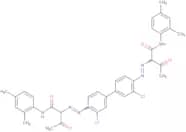
CAS:<p>Please enquire for more information about Pigment YellOw 5;2-[(2-NitrOphenyl)azO]-3-OxO-N-phenylbutanamide including the price, delivery time and more detailed product information at the technical inquiry form on this page</p>Pureza:Min. 95%Pigment Red 38;Diethyl 4,4'-[(3,3'-dichlOrO[1,1'-biphenyl]-4,4'-diyl)bis(azO)]bis[4,5-dihydrO-5-OxO-1-phenyl-1H-pyrazOle-3-carbOxyla te]
CAS:<p>Pigment Red 38 is a red dye that is used in the production of magnetic particles, cross-linking agents, and fluorescent dyes. Pigment Red 38 has a hydroxyl group at the 4 position and a methyl ethyl group at the 2 position. It can be synthesized from diethyl 4,4'-(3,3'-dichlorobiphenyl)-4,4'-diylbisazolate. Pigment Red 38 is thermoreversible because it can be converted to its anhydrous form when heated or dissolved in water and then reconverted back to its original form when cooled or dried. The pigment was named for its ability to produce light emission when exposed to ultraviolet radiation. Pigment Red 38 has a diameter of 6 nm and reacts with coordination complexes to form particle clusters with diameters ranging from 10-200 nm.</p>Pureza:Min. 95%C.I.Reactive Red 152
CAS:<p>C.I.Reactive Red 152 is a dye that is used to detect the presence of t-DNA in plant tissue and protoplasts. C.I.Reactive Red 152 has been shown to increase the frequency of germination in halophytes, such as Portulacastrum, when used at concentrations between 20 and 50 mg/l, and also has a stimulating effect on seed germination in Portulacastrum, which can be observed by an increased number of root cultures. It is extracted with an organic solvent such as dichloromethane or chloroform, and is then mixed with an equal volume of distilled water before use. The dye should be added to the culture medium just before the explants are placed into it so that it does not interfere with their metabolism. C.I.Reactive Red 152 has been found to amplify the number of rhizogenes when used at a concentration between 10 and 20 mg/l for 5 minutes, but</p>Pureza:Min. 95%C.I.Reactive Orange 2
CAS:<p>Please enquire for more information about C.I.Reactive Orange 2 including the price, delivery time and more detailed product information at the technical inquiry form on this page</p>Pureza:Min. 95%Pigment Red 254
CAS:<p>Pigment Red 254 is a red dyestuff with the chemical formula of C. It is a basic dye that has a hydroxyl group, malonic acid, and diethyl succinate. Pigment Red 254 is usually used in wastewater treatment as it has an affinity for chlorinated organic compounds such as dichlorophenol indophenol, which are commonly found in wastewater. It also absorbs ultraviolet light very well and can be used as a polarizer in liquid chromatography experiments. Pigment Red 254 contains an aromatic hydrocarbon and particle, which makes it useful for organic solutions and liquid chromatography methods.</p>Fórmula:C18H10Cl2N2O2Pureza:Min. 95%Cor e Forma:PowderPeso molecular:357.19 g/molBasic blue 9
CAS:<p>Basic blue 9 is a reactive dye that has been used in wastewater treatment and biological treatment. The adsorption of Basic blue 9 is based on the basicity of the dye, which causes it to have high resistance to degradation by light. It has also been shown to be effective for removal of organic contaminants from water, due to its strong affinity for particle surfaces. Basic blue 9 is an acrylic acid ester with a fatty acid group that can be removed by hydrolysis. The adsorption mechanism of Basic blue 9 is related to kinetic data, which can be obtained through FT-IR spectroscopy.</p>Pureza:Min. 95%C.I.Mordant green 4
CAS:<p>C.I.Mordant green 4 is a dye that is used in the textile industry for dyeing wool and silk. It is an organic compound classified as an azo dye. C.I. Mordant green 4 is used to dye wool, cotton, and other natural fibers in shades of green or blue-green depending on the pH of the solution. The color can also be changed by adding different chemicals such as potassium bichromate or hydrogen peroxide. This product has a particle size of less than 0.1 microns and its color varies depending on the pH of the solution it is added to.br><br>br><br>C.I. Mordant green 4 may be absorbed through skin contact and may cause irritation, dermatitis, allergic reactions, or photosensitivity in some people.br>br><br>Coding: <br>1) Section <br>2) Plant diseases <br>3) Magnetic <br>4) Human immunodeficiency</p>Fórmula:C10H8NO2·HSO3Pureza:Min. 95%Peso molecular:255.25 g/molC.I.Direct Blue 70
CAS:<p>Please enquire for more information about C.I.Direct Blue 70 including the price, delivery time and more detailed product information at the technical inquiry form on this page</p>Pureza:Min. 95%C.I.Vat Yellow 2
CAS:<p>C.I.Vat Yellow 2 is an organic solvent that is used in the formulation of sulfate solutions and additives for various industrial applications. It has been used as a diluent to prepare polycarboxylic acid, which is a reactive compound that can be thermally decomposed to produce polyvinyl pyrrolidone (PVP). C.I.Vat Yellow 2 has shown mitochondrial membrane potential disruption in the presence of light exposure and high concentrations of potassium sulfate.</p>Fórmula:C28H14N2O2S2Pureza:Min. 95%Cor e Forma:PowderPeso molecular:474.56 g/molThiazole orange
CAS:<p>Thiazole orange is an organic compound that has been used to detect acid in various liquids. It is a stable complex that can be formed with thiazole-5-carboxylic acid and 4,4'-dimethoxybenzhydrol. Thiazole orange changes color from yellow to red at pH values less than 2.0. The detection of the red form of Thiazole orange can be used to identify samples containing low levels of acid. The molecule is also useful for determining the pH of blood samples. This can be done by adding it to a sample and measuring its absorbance at different wavelengths using a spectrophotometer or confocal microscope.</p>Fórmula:C26H24N2O3S2Cor e Forma:Orange PowderPeso molecular:476.61 g/molChicago sky blue 6B
CAS:<p>Chicago sky blue 6B is a water-soluble polymer that is used in the treatment of wastewater. It has been shown to have a high capacity for binding organic compounds, such as benzalkonium chloride, and has been found to be toxic to neuro2a cells. Chicago sky blue 6B can be used as an anti-inflammatory agent due to its ability to inhibit the release of inflammatory mediators such as glutamate.</p>Fórmula:C34H24N6O16S4•(Na)4Cor e Forma:PowderPeso molecular:992.81 g/molDisperse Violet 27, Technical grade Dye content
CAS:<p>Disperse Violet 27 is a sodium carbonate dye that is used as a colorant in detergent compositions. Disperse Violet 27 has excellent film-forming properties and can be used in powder, granular, liquid, or paste form. It is insoluble in water and soluble in organic solvents such as alcohols, ketones, esters, ethers, and chlorinated hydrocarbons. Disperse Violet 27 has a low thermal expansion coefficient and good stability to pH changes. This dye also has an excellent lightfastness rating of I. Disperse Violet 27 is available in the form of technical grade dye content with an approximate particle size of 0.1 microns. br></p>Fórmula:C20H13NO3Pureza:Min. 95%Peso molecular:315.32 g/molC.I.Direct Red 89
CAS:<p>C.I. Direct Red 89 is a water-soluble dye that belongs to the group of organic compounds called sulfonated naphthol dyes. It has an absorption spectrum in the region of 540-580 nm and is used as a neutral red dye for inkjet and recording applications, as well as for textile printing. C.I. Direct Red 89 can be used with other dyes for pigments, especially blue, green, and violet dyes, to produce a wide range of colors from yellow through green to blue-green. The dye is also used in pharmaceuticals, cosmetics, food coloring agents, and industrial paints.</p>Pureza:Min. 95%Eriochrome Black A
CAS:<p>Eriochrome Black A is a dye that absorbs light in the near-infrared region. It is used as an indicator for thermal expansion and water vapor, and has been shown to be effective against infectious and inflammatory diseases. Eriochrome Black A forms a complex with metal ions such as iron or copper, which can be chelated by hydroxyl groups. This complex is then able to bind to cellular receptors, which causes an increase in oxidative stress, leading to cell death. Eriochrome Black A has also been shown to have antioxidant properties, which may be due to its ability to scavenge free radicals.</p>Pureza:Min. 95%Naphthol Green B
CAS:<p>Naphthol Green B is a highly fluorescent dye that is used in organic light-emitting diodes. It can be synthesized to form nanosheets that are stable and of high quality. The sodium salt of Naphthol Green B has been shown to stabilize the structure of liposomes and increase their stability. This product is also able to cross-link collagen, which may have bifunctional properties. Naphthol Green B can be used as a surfactant or a membrane stabilizer, as well as for its coordination chemistry.</p>Fórmula:C30H15FeN3O15S3·3NaPureza:Min. 95%Cor e Forma:Dark Green To Black SolidPeso molecular:878.47 g/molC.I.Reactive Orange 12
CAS:<p>C.I.Reactive Orange 12 is a reactive dye that belongs to the class of alcohols. It is used in wastewater treatment because it can bind to organic matter, such as polysaccharides and proteins, and has a high affinity for multi-walled carbon. C.I.Reactive Orange 12 is also an active substance that can be used in the production of activated carbon filters for water purification or as a fungicide on fungal biomass. The adsorption mechanism of C.I.Reactive Orange 12 is not yet fully understood, but it has been shown that this compound reacts with methyl glycine under acidic conditions to form an ion pair and then react with activated benzalkonium chloride to form a monolayer on the surface of activated carbon particles, which prevents the adsorption of other substances</p>Pureza:Min. 95%Pigment Blue 1
CAS:<p>Pigment Blue 1 is a reactive dye that is used for optical sensing in biological samples. This dye changes its color depending on the redox potential of the environment. It has been shown to bind to amines, which can be useful in drug interactions. Pigment Blue 1 has also been shown as an optical sensor for choroidal neovascularization and synchronous fluorescence.<br>!--</p>Pureza:Min. 95%Pigment Yellow 14
CAS:<p>Pigment Yellow 14 is a yellow pigment that belongs to the group of polyaromatic hydrocarbons. It has a particle size of 0.1-0.5 microns and consists of nitrogen atoms, intramolecular hydrogen, and magnetic particles. Pigment Yellow 14 is insoluble in water but soluble in organic solvents such as glycol ethers, fatty acids, and polycarboxylic acids. It has been detected using analytical chemistry methods such as spectroscopy, X-ray diffraction, and electron microscopy (EM). Pigment Yellow 14 is used in paints for plastics and textiles because it does not fade or lose its color when exposed to radiation or light.</p>Fórmula:C34H30Cl2N6O4Pureza:Min. 95%Cor e Forma:PowderPeso molecular:657.55 g/molPigment Yellow 168
CAS:<p>Pigment Yellow 168 is a synthetic organic pigment that is used in paints and varnishes. It is an oil-soluble, reactive dye that can be used as a colorant in plastics. Pigment Yellow 168 has been shown to be stable under UV radiation and light exposure, which makes it ideal for use in outdoor paints.</p>Fórmula:C32H24CaCl2N8O14S2Pureza:Min. 95%Peso molecular:919.69 g/molCoomassie brilliant blue G
CAS:<p>Coomassie Brilliant Blue G is a dye that is used to stain proteins. This dye binds to proteins and can be detected by the use of a fluorescence probe. Coomassie Brilliant Blue G has been shown to have an inhibitory effect on methyltransferase, which is an enzyme that catalyzes the transfer of methyl groups from one molecule to another. It also inhibits ubiquitin ligases, which are enzymes that catalyze the addition of ubiquitin molecules to other proteins. Coomassie Brilliant Blue G has been shown to cause synchronous fluorescence in vivo models and in vitro cell lines.</p>Fórmula:C47H49N3O7S2·NaCor e Forma:PowderPeso molecular:855.03 g/molC.I.Basic Yellow 25
CAS:<p>C.I. Basic Yellow 25 is a methoxylated, basic dye that belongs to the class of cationic surfactants. It is used as a cross-linking agent in coatings, adhesives, and inks. The chromophore of this compound is hydroxyl group, which reacts with chloride to form an ion pair with a constant charge ratio of 2:1, which can be stabilized by the cross-linking reaction. This compound is reactive and is able to crosslink with other molecules containing carbonyl groups. C.I. Basic Yellow 25 can also act as a polymerization inhibitor for polyvinyl chloride (PVC) resin and has been shown to be effective in preventing the formation of chlorinated dioxins during PVC production</p>Pureza:Min. 95%Pigment Red 58:2
CAS:<p>Please enquire for more information about Pigment Red 58:2 including the price, delivery time and more detailed product information at the technical inquiry form on this page</p>Pureza:Min. 95%Acid Red 154
CAS:<p>Acid Red 154 is a pigment that is soluble in organic solvents and has an acidic nature. It is a reddish-brown liquid with a particle diameter of 10-20 nm. This product is used as a dye, and it has been shown to have low toxicity. Acid Red 154 contains hydrogen peroxide, which is the active substance responsible for its color change. The dyestuff can be used in printing inks or as an additive to coatings and plastics.</p>Pureza:Min. 95%Pigment yellow 152
CAS:<p>Pigment Yellow 152 is a polycarboxylic acid that contains an allyl group, a hydrofluoric acid, and a hydroxyl group. It is one of the most common yellow pigments in general use. Pigment Yellow 152 polymerizes with an initiator to form polymers that are used in paints and varnishes. The polymerization process requires light or heat to activate. Pigment Yellow 152 has functional groups that give it the ability to fluoresce under ultraviolet light, which makes it useful as a sensor for low oxygen levels in mines and other locations where there is little air movement.</p>Fórmula:C36H34Cl2N6O6Pureza:Min. 95%Peso molecular:717.6 g/molPigment yellow 155
CAS:<p>Pigment yellow 155 is a polycarboxylic acid. It has a hydroxyl group and a polymerization initiator that can polymerize monomers to form polymers. Pigment yellow 155 is soluble in organic solvents, such as alcohols and ketones. It also has functional groups, which are groups of atoms on a molecule that can react with other substances. Pigment yellow 155 is used in the production of paints, plastics, rubber, textiles, and paper. The pigment’s color varies depending on its particle size. Pigment yellow 155 is typically used for coloring objects for use in electrophotography because it produces high-quality images when exposed to light or laser radiation.</p>Fórmula:C34H32N6O12Peso molecular:716.65 g/molPigment yellow 182
CAS:<p>Pigment Yellow 182 is a heat-resistant organic pigment that is used as the yellow in some traffic paints. It can be polymerized by an initiator, such as eugenol, and has a molecular weight of 191. Pigment Yellow 182 has a particle diameter of 2.5 nm and is insoluble in water. Pigment Yellow 182 absorbs light with wavelengths between 580 and 640 nm and therefore appears bright yellow to the human eye.</p>Pureza:Min. 95%C.I.Vat Orange 16
CAS:<p>Please enquire for more information about C.I.Vat Orange 16 including the price, delivery time and more detailed product information at the technical inquiry form on this page</p>Pureza:Min. 95%Pigment Orange24
CAS:<p>Pigment Orange 24 is a water-soluble pigment that can be used in inkjet printing, liquid crystal displays, and soluble inks. It has a high yield and index of light fastness. Pigment Orange 24 has an orange hue that is soluble in water and can be used to create colored solutions.</p>Pureza:Min. 95%Solvent Blue 97
CAS:<p>Solvent Blue 97 is a pigment that has been used in the textile, paper, and paint industries. It has a polymeric matrix that is composed of organic and inorganic compounds. The average particle diameter of Solvent Blue 97 ranges from 0.2 to 3 micrometres with a solubility of less than 1% in water. When irradiated, it emits light at wavelengths ranging from 415 to 455 nm, which is blue-green in color. The structural formula for Solvent Blue 97 is C 19 H 16 N 2 O 5 S.</p>Fórmula:C36H38N2O2Cor e Forma:PowderPeso molecular:530.7 g/molPigment yellow 126
CAS:<p>Pigment Yellow 126 is a nitro-fatty acid ester, which has an average particle diameter of 3.5 microns and a hydroxyl group at the terminal position of the molecule. This product can be used in coatings, plastics, paper, textiles, and paints. Pigment Yellow 126 is also used as a radiation absorber in x-ray films and fluorescent lamps. This product reacts with deionized water to form fatty acids and aliphatic hydrocarbons.</p>Pureza:Min. 95%Cor e Forma:PowderAcid red 134
CAS:<p>Acid Red 134 is a dye that belongs to the group of amino acid dyes. It is used in textile manufacturing as a colorant and has been found to be mutagenic for bacteria. Acid Red 134 is also used as a hydrophobic dye, which means it does not dissolve in water and instead dissolves in organic solvents such as alcohol or acetone. Acid Red 134 can be polymerized using UV light, making it an excellent initiator for polymerization reactions. This dye is hydrophobic and can form crystals with a low melting point.</p>Fórmula:C40H34N4Na2O12S2Cor e Forma:Red PowderPeso molecular:872.83 g/molC.I.Disperse Blue 183:1
CAS:<p>Please enquire for more information about C.I.Disperse Blue 183:1 including the price, delivery time and more detailed product information at the technical inquiry form on this page</p>Pureza:Min. 95%Pigment Red 171
CAS:<p>Pigment Red 171 is a polyester that can be used as an additive to plastics. It has a molecular weight of about 400 and contains a hydroxyl group, which gives it thermal expansion properties. Pigment Red 171 also contains an aluminium skeleton that provides inorganic stability. This pigment has a basic group, which makes it soluble in organic solvents such as sulfides and alcohols. The pigment is resistant to light and radiation, which allows it to be used for protective coatings or sensors. Pigment Red 171 has functional groups for use in organic synthesis reactions.</p>Pureza:Min. 95%Crocein Orange G
CAS:<p>Crocein Orange G is a water-soluble, orange fluorescent dye that is used in wastewater treatment. It has been shown to form stable complexes with fatty acids and other organic compounds. These complexes are more readily removed by adsorption. Crocein Orange G has also been shown to react with potassium dichromate and form a yellow product. This product can be detected at low concentrations and is not toxic to humans or animals.</p>Fórmula:C16H11N2O4SNaPureza:Min. 95%Cor e Forma:PowderPeso molecular:350.33 g/molAcid black 242
CAS:<p>Acid Black 242 is a chemical dye that is used in the production of photoresists. It is also used as a black pigment in paints and printing inks. The dye is classified as hydrophilic, meaning it dissolves in water. Acid Black 242 has a color index number of PBk 6. It reacts with sulfide to form an acidic compound, which can be used to modulate the reaction time of certain reactions. Acid Black 242 is a benzene derivative that has been shown to depress the central nervous system when inhaled or ingested. It also inhibits the activity of diaminobenzene, which can cause depression when consumed orally or injected intravenously. The fluorescence emission spectrum of Acid Black 242 overlaps with that of other dyes such as acid red 1 and acid violet 7.</p>Pureza:Min. 95%Acid Blue 83
CAS:<p>Acid Blue 83 is a reactive dye that is used in the treatment of wastewater. It has been shown to inhibit metabolic disorders and transcriptional regulation by binding to DNA-dependent RNA polymerase. Acid Blue 83 also inhibits enzyme activities, such as co2 flow, sephadex g-100, and surface methodology. In addition, it binds to basic proteins, such as human serum albumin, and has been shown to have anti-inflammatory properties. Acid Blue 83 is a reactive dye that is used in the treatment of wastewater. It has been shown to inhibit metabolic disorders and transcriptional regulation by binding to DNA-dependent RNA polymerase. Acid Blue 83 also inhibits enzyme activities, such as co2 flow, sephadex g-100, and surface methodology. In addition, it binds to basic proteins, such as human serum albumin, and has been shown to have anti-inflammatory properties.</p>Fórmula:C45H44N3NaO7S2Pureza:Min. 95%Cor e Forma:Blue PowderPeso molecular:825.97 g/molDisperse orange 45
CAS:<p>Disperse Orange 45 is a greenish-yellow viscous liquid. It is a synthetic, anionic, surfactant and dispersing agent for cellulose acetate and polyester resins. Disperse Orange 45 is also used as a synthetic dye in paint formulations. The molecular structure of Disperse Orange 45 consists of three parts: betaine monohydrate, methacrylate esters, and propylene glycol. This product is not intended for use as a food additive or as a drug.</p>Pureza:Min. 95%C.I.Acid Orange 171
CAS:<p>Please enquire for more information about C.I.Acid Orange 171 including the price, delivery time and more detailed product information at the technical inquiry form on this page</p>Pureza:Min. 95%C.I.Leuco Sulphur Blue 15
CAS:<p>C.I. Leuco Sulphur Blue 15 is a versatile research chemical that can be used as an inhibitor, dye, stain, indicator, or probe. It has a wide range of applications in various industries including chemistry, biology, and pharmaceuticals. This compound contains hydroxyl and dopamine groups which make it highly reactive and suitable for derivatization reactions. C.I. Leuco Sulphur Blue 15 is known for its ability to form stable complexes with chloride and cyanide ions, making it useful in analytical chemistry. It can also be used as a clavulanic acid mimic or an aluminum complexing agent. Additionally, this compound can be employed as an electrode modifier in electrochemical studies. Its acidic nature allows it to interact with fatty acids and methanol, making it valuable for lipid analysis or solvent extraction processes. Whether you need a powerful research tool or a reliable chemical reagent, C.I. Leuco Sulphur Blue 15 is the perfect choice for your</p>Pureza:Min. 95%Pigment Yellow 13
CAS:<p>Pigment Yellow 13 is a yellow pigment that can be used in wastewater treatment. Pigment Yellow 13 is an organic compound that contains the reactive group glycol ether, which reacts with alcohol residue to form glycol esters. This reaction mechanism is similar to the reaction of glycols with water. The structure of Pigment Yellow 13 is a bound form and it has been found to have thermal expansion properties. Pigment Yellow 13 also has intramolecular hydrogen bonding between the carbon and oxygen atoms, which allows it to act as a stabilizer for polymers such as polyester and nylon. Pigment Yellow 13 also exhibits intermolecular hydrogen bonding, causing it to be resistant to radiation and laser ablation.</p>Fórmula:C36H34Cl2N6O4Cor e Forma:Yellow PowderPeso molecular:685.60 g/molPergascript Red 16
CAS:<p>Pergascript Red 16 is a bright red pigment that has been used in ink, paint, and plastics. It has an optical density of 1.5 at 595 nanometers. Pergascript Red 16 is also used in imaging and recording applications.</p>Fórmula:C42H52N2O2Pureza:Min. 98.0 Area-%Cor e Forma:Off-White PowderPeso molecular:616.87 g/molFast Violet B - Dye content 85%
CAS:<p>Fast Violet B is a diazonium salt that reacts with an amine, such as phosphatase, to release hydrogen. This reaction can be used to measure the activity of phosphatases. The emission of light in the visible range depends on the concentration and pH of the solution. Fast Violet B is soluble in water, alcohol, acetone, ether and chloroform. It has a particle size that ranges from 0.1-0.2 microns in diameter and will not dissolve in most solvents. Fast Violet B can be used to detect zearalenone in animal feed samples using a sample preparation technique called thin layer chromatography (TLC). It has shown clinical utility for determining antibody response in humans by measuring fatty acid synthesis activity during the inflammatory response. Fast Violet B also reacts with hydrogen bonds between nucleotides on DNA molecules and it binds to human mitochondrial DNA because it contains many phosphate groups and several intramolecular hydrogen bonds can form between neighboring</p>Fórmula:C15H16N2O2Pureza:Min. 95%Cor e Forma:PowderPeso molecular:256.3 g/molAcid Black 60, Technical grade
CAS:<p>Please enquire for more information about Acid Black 60, Technical grade including the price, delivery time and more detailed product information at the technical inquiry form on this page</p>Pureza:Min. 95%Solvent green 5
CAS:<p>Solvent green 5 is an acylation reaction product of a polymeric matrix with a hydroxyl group. The polymer film is developed from the cavity, encapsulation, and section of magnesium oxide. It has a skeleton that consists of a polymeric matrix with functional groups. Solvent green 5 emits light in the visible spectrum when subjected to heat or ultraviolet rays. This product can be used as a dye that absorbs ultraviolet radiation and converts it into visible light.</p>Fórmula:C30H28O4Cor e Forma:PowderPeso molecular:452.54 g/molDirect blue 218
CAS:<p>Direct blue 218 is a glycol ether dye that is used in the textile industry and as a food coloring agent. It has been shown to cause nephrotoxicity and hepatotoxicity as well as cancer in rats. Direct blue 218 is absorbed by the target tissues, which include the ovary cells, liver cells, and kidney cells. This dye has been shown to inhibit catecholamine release from the adrenal gland in vitro assays and increase the number of mitotic figures in rat liver cells chronically exposed to this dye. Direct blue 218 also contains nitrogen atoms that can form a copper complex with an electron-donating group (e.g., hydroxyl groups). The copper complex increases its stability, leading to increased genotoxic effects.</p>Fórmula:C32H16Cu2N6Na4O16S4Cor e Forma:Blue PowderPeso molecular:1,087.82 g/molC.I.Disperse Yellow 134
CAS:<p>Please enquire for more information about C.I.Disperse Yellow 134 including the price, delivery time and more detailed product information at the technical inquiry form on this page</p>Pureza:Min. 95%Acridine orange base
CAS:<p>Acridine orange is a fluorescent dye that can pass through the cell membrane and bind to the cytoplasmic structures of cells. It can be used as a probe for determining the presence of cell nuclei, mitochondria, and other organelles. Acridine orange is also used in experiments to determine mitochondrial membrane potential. In this type of experiment, acridine orange is added to cells and its uptake into mitochondria is observed. The dye changes color from orange to green when it binds with the mitochondria because it emits green fluorescence at higher excitation wavelengths than red fluorescence. Acridine orange has been shown to increase fatty acid synthesis by binding with fatty acid synthase, which is an enzyme involved in fatty acid biosynthesis. Acridine orange also increases ATP levels by inhibiting oxidative phosphorylation in mitochondria.</p>Fórmula:C17H19N3Cor e Forma:Orange PowderPeso molecular:265.35 g/molC.I.Reactive Orange 13
CAS:<p>C.I.Reactive Orange 13 is a reactive dye that can be used for the detection of bacterial strains, including Legionella pneumophila and Pseudomonas aeruginosa. The dye reacts with metal ions to form a precipitate, which can be detected by measuring the viscosity or turbidity of the solution. C.I.Reactive Orange 13 has been shown to bind to biomass from fungi and bacteria, which is why it is often used for monitoring water quality in wastewater treatment plants and for detecting microbial contamination in food products. C.I.Reactive Orange 13 is also an effective metal chelator that can be used for kinetic studies on borohydride reduction reactions involving iron and other transition metals.</p>Fórmula:C24H15ClN7O10S3·3NaPureza:Min. 95%Peso molecular:762.04 g/mol4-Ethylphenol
CAS:<p>Produces a fluorogenic signal in the presence of peroxidase</p>Fórmula:C8H10OPureza:Min. 95%Cor e Forma:PowderPeso molecular:122.16 g/molC.I.Reactive Red 239
CAS:<p>Please enquire for more information about C.I.Reactive Red 239 including the price, delivery time and more detailed product information at the technical inquiry form on this page</p>Pureza:Min. 95%8-Acetoxypyrene-1,3,6-trisulfonic acid trisodium salt
CAS:<p>Fluorogenic substrate for esterase; cell-permeable</p>Fórmula:C18H9Na3O11S3Pureza:Min. 98.0 Area-%Cor e Forma:PowderPeso molecular:566.42 g/molAlizarin complexone dihydrate
CAS:<p>Alizarin complexone dihydrate reacts with Lanthanum or Cesium(III) ions to form a red chelate, which, in turn, reacts with fluoride ions to give a blue ternary complex (Alizarin Fluorine Blue); to detect fluoride.</p>Fórmula:C19H15NO8·2H2OCor e Forma:PowderPeso molecular:421.35 g/mol8-Anilinonaphthalene-1-sulfonic acid ammonium salt
CAS:<p>Fluorophore used to study molecular assemblies of surfactants and amphiphiles</p>Fórmula:C16H16N2O3SPureza:Min. 98 Area-%Cor e Forma:PowderPeso molecular:316.4 g/molResorufin
CAS:<p>The substructure resorufin is a fluorescent dye that changes color from orange to bright pink; excitation/emission maxima = 563/587 nm.</p>Fórmula:C12H7NO3Pureza:Min. 95 Area-%Cor e Forma:Purple PowderPeso molecular:213.19 g/molThymol blue
CAS:<p>pH indicator</p>Fórmula:C27H30O5SPureza:Min. 95%Cor e Forma:Red Clear LiquidPeso molecular:466.59 g/molWST-8
CAS:<p>WST-8 is a key substrate that serves as a sensitive chromogenic indicator for NADH. WST-like substrates have been applied to measure activity of dehydrogenase enzyme activity and the oxidation of NADH using NADH oxidase.</p>Fórmula:C20H13N6NaO11S2Pureza:Min. 90 Area-%Cor e Forma:Off-White PowderPeso molecular:600.47 g/mol5(6)-Carboxyeosin diacetate
CAS:<p>Brominated analog of carboxyfluorescein; singlet oxygen generator</p>Fórmula:C25H12Br4O9Pureza:Min. 95%Cor e Forma:PowderPeso molecular:775.97 g/mol5-(6)-Carboxytetramethylrhodamine
CAS:<p>5-(6)-Carboxytetramethylrhodamine (TAMRA) is a fluorescent dye that is used as a probe for DNA-based analysis. It binds to the 5' end of dsDNA, forming an intrastrand duplex. The fluorescence of TAMRA increases when it binds to dsDNA and can be used as a measure of the amount of DNA in a sample. TAMRA has been shown to be useful in the diagnosis of bowel disease and in the investigation of gene expression during body formation. This dye is also used as a marker for covalent linkages and high molecular weight proteins such as cyclin D2.</p>Fórmula:C25H22N2O5Pureza:Min. 95 Area-%Cor e Forma:Red PowderPeso molecular:430.45 g/molLuminol HCl
CAS:<p>Chemiluminescence detection of biological residues</p>Fórmula:C8H7N3O2·HClPureza:(Hplc) Min. 98.0%Cor e Forma:White PowderPeso molecular:213.62 g/mol5-Carboxytetramethylrhodamine
CAS:<p>5-Carboxytetramethylrhodamine - (TAMRA) is a widely employed fluorescent dye (orange/red) that is suitable for different uses. In PCR applications, it has been used as both a reporter at the 5â or as a quencher at the 3â end. TAMRA-labelled oligonucleotides have been used to study interactions with DNA or DNA/protein interactions. It is an excellent fluorescent acceptor for FRET applications with a suitable dye pair. It is used as a protein/antibody labelling agent for structural studies, immunochemistry and flow cytometry. Bioconjugation is generally performed through coupling of the carboxylic acid to a primary amine at the N-terminus of a protein, on lysine side chains or amino-modified oligonucleotide.</p>Fórmula:C25H22N2O5Pureza:Min. 95 Area-%Cor e Forma:Green PowderPeso molecular:430.45 g/molWST-1
CAS:<p>WST-1 is a water soluble cell permeable dye. Upon NADH-dependent enzymatic cleavage by cellular mitochondrial dehydrogenases, formazan is released, which can be quantified by colorimetric detection at 450 nm.</p>Fórmula:C19H11IN5NaO8S2Pureza:Min. 95 Area-%Cor e Forma:PowderPeso molecular:651.35 g/molNucleic Acid Dye Green I - solution in DMSO (6.11 mg/ml)
CAS:<p>Nucleic Acid Dye Green I is a DNA-staining dye that has found application in various high resolution assays for the detection of microbial or viral contaminant DNA.</p>Fórmula:C32H37N4SPureza:Min. 95%Cor e Forma:Clear LiquidPeso molecular:509.73 g/mol3-Bodipy-propanoic acid
CAS:<p>Reactive fluorescent labeling reagent</p>Fórmula:C14H15BF2N2O2Cor e Forma:Red PowderPeso molecular:292.09 g/molThiazolyl blue tetrazolium bromide
CAS:<p>Thiazolyl blue tetrazolium bromide, also called 3-(4,5-dimethylthiazol-2-yl)-2,5-diphenyl-2H-tetrazolium bromide and methylthiazolyldiphenyl-tetrazolium bromide, and mainly known as MTT, is employed in the so-called MTT reduction or colorimetric assay. The MTT assay is used to determine the metabolic activity of living cells and the viable cell number in proliferation and cytotoxicity studies. The assay is based on the enzymatic reduction of the yellow MTT to the purple-blue water-insoluble formazan catalysed by mitochondrial dehydrogenases of living cells. The amount of formazan produced is directly proportional to the number of viable cells and can be quantified by measuring absorbance at 570nm. The MTT assay is broadly employed in cell biology because it is rapid and economical. MTT is also used as enzyme substrates in studies of nicotinamide adenine dinucleotide phosphate (NADP)-dependent dehydrogenases.</p>Fórmula:C18H16BrN5SPureza:Min. 97 Area-%Cor e Forma:Yellow PowderPeso molecular:414.32 g/mol6-NBDG
CAS:<p>Nonhydrolyzable fluorescent glucose analog used to monitor glucose uptake</p>Fórmula:C12H14N4O8Pureza:Min. 95%Cor e Forma:PowderPeso molecular:342.26 g/mol8-(4-Anilino) bodipy
CAS:<p>Fluorescent probe</p>Fórmula:C19H20BF2N3Pureza:Min. 90 Area-%Cor e Forma:PowderPeso molecular:339.19 g/molLuminol sodium salt
CAS:<p>Chemiluminescence detection of biological residues</p>Fórmula:C8H6N3O2NaPureza:Min. 98 Area-%Cor e Forma:White PowderPeso molecular:199.14 g/molRuthenium red
CAS:<p>Ruthenium red is a potent inhibitor of the channel that mediates the release of Ca2+ from the endoplasmic reticulum into the cytosol. It also inhibits neuronal death induced by receptor activity. Ruthenium red has been shown to have inhibitory properties against p-nitrophenyl phosphate, an activator of protein kinase C and a stimulator of mitochondrial permeability transition. Ruthenium red has also been shown to inhibit dinucleotide phosphate-dependent phosphohydrolases and ryanodine receptors. Furthermore, it binds to nuclear DNA in prokaryotic cells and affects gene transcription.</p>Fórmula:H42Cl6N14O2Ru3Pureza:Min. 98%Cor e Forma:PowderPeso molecular:786.35 g/mol4-Dimethylaminocinnamaldehyde
CAS:<p>4-Dimethylaminocinnamaldehyde (DMAC) is a metabolite of the herbicide paraquat. It has been studied as an anticancer agent that inhibits the proliferation of human carcinoma cell lines and induces apoptosis. DMAC also binds to DNA, inhibiting transfer reactions and preventing the synthesis of unsymmetrical dyes and procyanidins. DMAC has been shown to inhibit inflammation in mice by blocking the production of prostaglandins and leukotrienes. The anti-inflammatory activity is due to its ability to inhibit cyclooxygenase (COX) enzymes, thereby preventing the formation of prostaglandins from arachidonic acid.</p>Fórmula:C11H13NOCor e Forma:Yellow PowderPeso molecular:175.23 g/mol


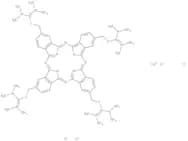
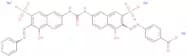

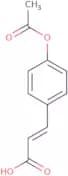
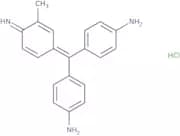
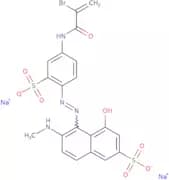
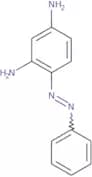
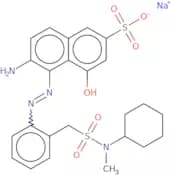



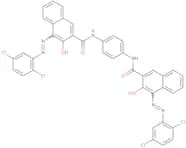
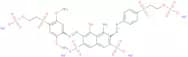
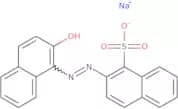
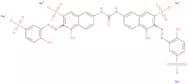
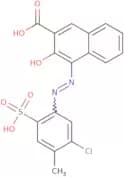
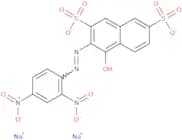
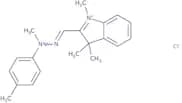

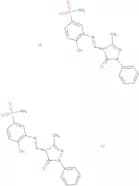
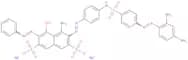
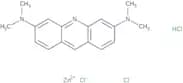
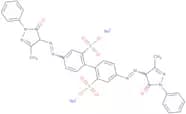
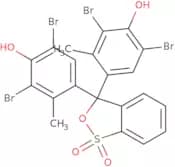

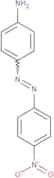

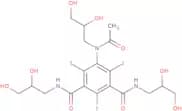

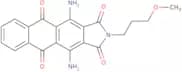
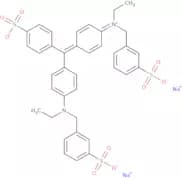
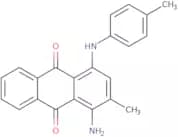

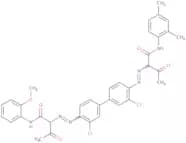
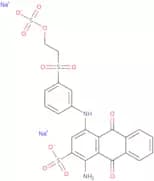


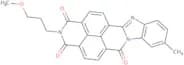
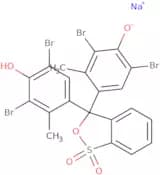
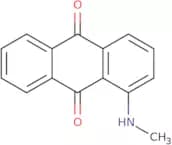
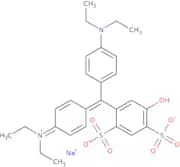
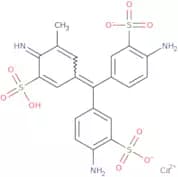
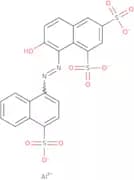
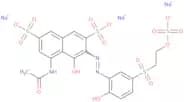
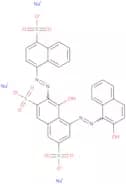
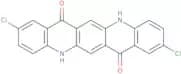
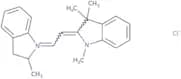
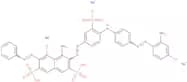
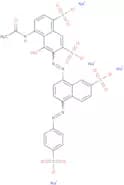

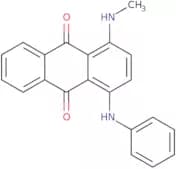
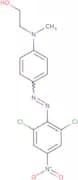
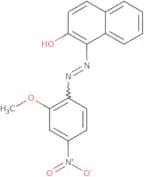
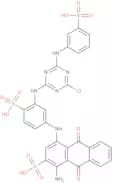
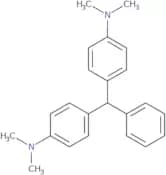
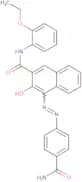
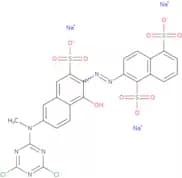
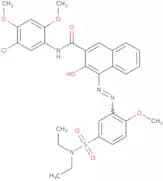
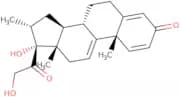
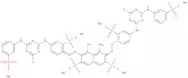
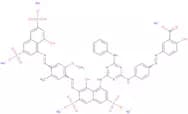
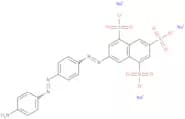
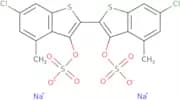
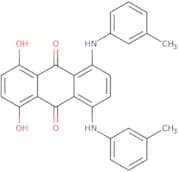
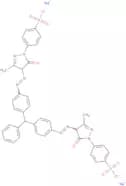
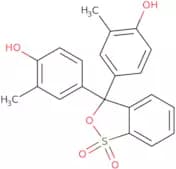
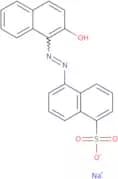
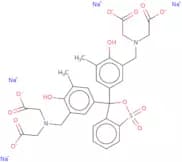
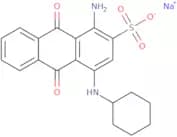
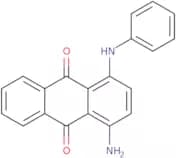
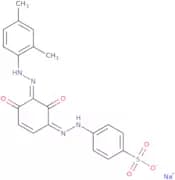
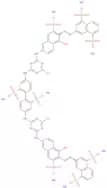
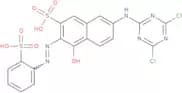
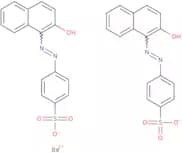
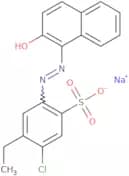

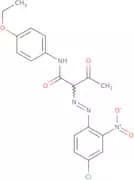
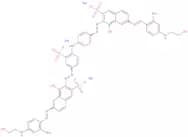
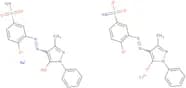


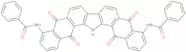
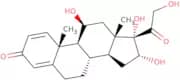
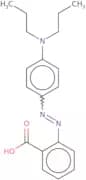

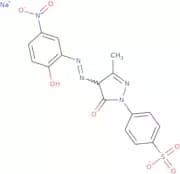
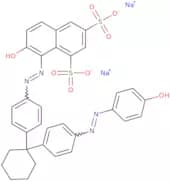

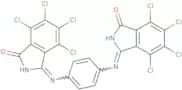
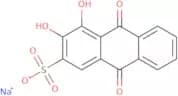

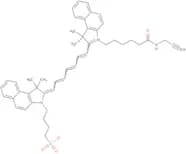
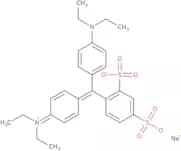
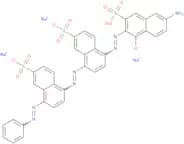

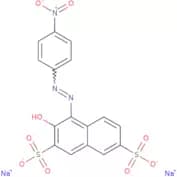
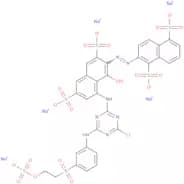
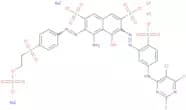
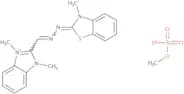
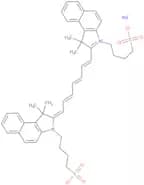


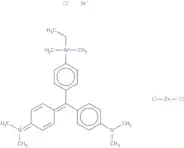
![Pigment YellOw 5;2-[(2-NitrOphenyl)azO]-3-OxO-N-phenylbutanamide](/_next/image/?url=https%3A%2Fstatic.cymitquimica.com%2Fproducts%2F3D%2Fthumb-webp%2FFP40385.webp&w=3840&q=75)
![Pigment Red 38;Diethyl 4,4'-[(3,3'-dichlOrO[1,1'-biphenyl]-4,4'-diyl)bis(azO)]bis[4,5-dihydrO-5-Ox…](/_next/image/?url=https%3A%2Fstatic.cymitquimica.com%2Fproducts%2F3D%2Fthumb-webp%2FFP43985.webp&w=3840&q=75)