Corantes, Pigmentos, Tinturas, Imagens Fluorescentes
Corantes, colorações e tinturas são ferramentas essenciais na biologia molecular, cruciais para visualizar e estudar o DNA, cromossomos e núcleos celulares. Esses compostos permitem que os pesquisadores destaquem componentes celulares específicos, facilitando a observação e análise detalhadas ao microscópio. Nesta categoria, você encontrará uma ampla gama de corantes e colorações de alta qualidade usados em várias técnicas de coloração, incluindo corantes fluorescentes para análise de DNA e cromossomos, colorações histológicas para amostras de tecido e corantes específicos para estruturas celulares. Essas ferramentas são indispensáveis em pesquisas genéticas, citologia, histologia e diagnósticos, proporcionando clareza e contraste em amostras biológicas. Na CymitQuimica, oferecemos uma seleção abrangente de corantes, colorações e tinturas para apoiar sua pesquisa em biologia molecular e garantir resultados precisos e confiáveis em seus estudos.
Subcategorias de "Corantes, Pigmentos, Tinturas, Imagens Fluorescentes"
- Corantes Ácidos(49 produtos)
- Azobenzenos(270 produtos)
- Corantes azóicos(7 produtos)
- Corantes básicos(27 produtos)
- Corantes de Cumarina(71 produtos)
- Corantes de cianina, corantes de Squarylium(53 produtos)
- Corantes de DCM(4 produtos)
- Diariletenos(12 produtos)
- Corantes de Dipirrometeno(26 produtos)
- Corantes directos(17 produtos)
- Corantes dispersos(2 produtos)
- Sensibilizadores de corantes(12 produtos)
- Corantes(416 produtos)
- Corantes e pigmentos(911 produtos)
- Geração de corantes insolúveis(14 produtos)
- Geração de corantes solúveis(11 produtos)
- Hexaarilbiimidazol(4 produtos)
- Indicadores(575 produtos)
- Corantes Mordente(10 produtos)
- Corantes de Infravermelhos-próximo (NIR)(28 produtos)
- Corantes a óleo(15 produtos)
- Outros Pigmentos e Corantes(2 produtos)
- Corantes de Perileno(17 produtos)
- Corantes fotocrómicos(40 produtos)
- Corantes de Ftalocianina, Corantes de Porfirina(101 produtos)
- Corantes de Quinacridona(8 produtos)
- Espiropirano(16 produtos)
- Pigmentos e Corantes(243 produtos)
- Pigmentos e Corantes para Microscopia(5 produtos)
- Corantes Vat(5 produtos)
- Corante Xanteno(65 produtos)
Exibir 23 mais subcategorias
Foram encontrados 755 produtos de "Corantes, Pigmentos, Tinturas, Imagens Fluorescentes"
Ordenar por
Pureza (%)
0
100
|
0
|
50
|
90
|
95
|
100
Coomassie brilliant blue G
CAS:<p>Coomassie Brilliant Blue G is a dye that is used to stain proteins. This dye binds to proteins and can be detected by the use of a fluorescence probe. Coomassie Brilliant Blue G has been shown to have an inhibitory effect on methyltransferase, which is an enzyme that catalyzes the transfer of methyl groups from one molecule to another. It also inhibits ubiquitin ligases, which are enzymes that catalyze the addition of ubiquitin molecules to other proteins. Coomassie Brilliant Blue G has been shown to cause synchronous fluorescence in vivo models and in vitro cell lines.</p>Fórmula:C47H49N3O7S2·NaCor e Forma:PowderPeso molecular:855.03 g/molC.I.Basic Yellow 25
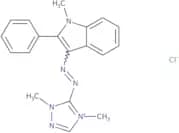
CAS:<p>C.I. Basic Yellow 25 is a methoxylated, basic dye that belongs to the class of cationic surfactants. It is used as a cross-linking agent in coatings, adhesives, and inks. The chromophore of this compound is hydroxyl group, which reacts with chloride to form an ion pair with a constant charge ratio of 2:1, which can be stabilized by the cross-linking reaction. This compound is reactive and is able to crosslink with other molecules containing carbonyl groups. C.I. Basic Yellow 25 can also act as a polymerization inhibitor for polyvinyl chloride (PVC) resin and has been shown to be effective in preventing the formation of chlorinated dioxins during PVC production</p>Pureza:Min. 95%Pigment Red 58:2
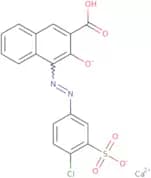
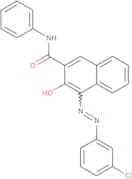
CAS:<p>Please enquire for more information about Pigment Red 58:2 including the price, delivery time and more detailed product information at the technical inquiry form on this page</p>Pureza:Min. 95%Acid Red 154
CAS:<p>Acid Red 154 is a pigment that is soluble in organic solvents and has an acidic nature. It is a reddish-brown liquid with a particle diameter of 10-20 nm. This product is used as a dye, and it has been shown to have low toxicity. Acid Red 154 contains hydrogen peroxide, which is the active substance responsible for its color change. The dyestuff can be used in printing inks or as an additive to coatings and plastics.</p>Pureza:Min. 95%Pigment yellow 152
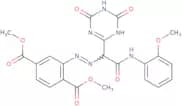
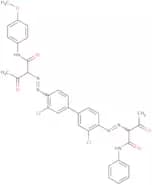
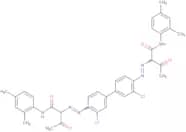
CAS:<p>Pigment Yellow 152 is a polycarboxylic acid that contains an allyl group, a hydrofluoric acid, and a hydroxyl group. It is one of the most common yellow pigments in general use. Pigment Yellow 152 polymerizes with an initiator to form polymers that are used in paints and varnishes. The polymerization process requires light or heat to activate. Pigment Yellow 152 has functional groups that give it the ability to fluoresce under ultraviolet light, which makes it useful as a sensor for low oxygen levels in mines and other locations where there is little air movement.</p>Fórmula:C36H34Cl2N6O6Pureza:Min. 95%Peso molecular:717.6 g/molPigment yellow 155
CAS:<p>Pigment yellow 155 is a polycarboxylic acid. It has a hydroxyl group and a polymerization initiator that can polymerize monomers to form polymers. Pigment yellow 155 is soluble in organic solvents, such as alcohols and ketones. It also has functional groups, which are groups of atoms on a molecule that can react with other substances. Pigment yellow 155 is used in the production of paints, plastics, rubber, textiles, and paper. The pigment’s color varies depending on its particle size. Pigment yellow 155 is typically used for coloring objects for use in electrophotography because it produces high-quality images when exposed to light or laser radiation.</p>Fórmula:C34H32N6O12Peso molecular:716.65 g/molPigment yellow 182
CAS:<p>Pigment Yellow 182 is a heat-resistant organic pigment that is used as the yellow in some traffic paints. It can be polymerized by an initiator, such as eugenol, and has a molecular weight of 191. Pigment Yellow 182 has a particle diameter of 2.5 nm and is insoluble in water. Pigment Yellow 182 absorbs light with wavelengths between 580 and 640 nm and therefore appears bright yellow to the human eye.</p>Pureza:Min. 95%C.I.Vat Orange 16
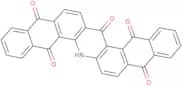
CAS:<p>Please enquire for more information about C.I.Vat Orange 16 including the price, delivery time and more detailed product information at the technical inquiry form on this page</p>Pureza:Min. 95%Pigment Orange24
CAS:<p>Pigment Orange 24 is a water-soluble pigment that can be used in inkjet printing, liquid crystal displays, and soluble inks. It has a high yield and index of light fastness. Pigment Orange 24 has an orange hue that is soluble in water and can be used to create colored solutions.</p>Pureza:Min. 95%Solvent Blue 97
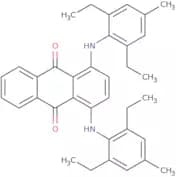
CAS:<p>Solvent Blue 97 is a pigment that has been used in the textile, paper, and paint industries. It has a polymeric matrix that is composed of organic and inorganic compounds. The average particle diameter of Solvent Blue 97 ranges from 0.2 to 3 micrometres with a solubility of less than 1% in water. When irradiated, it emits light at wavelengths ranging from 415 to 455 nm, which is blue-green in color. The structural formula for Solvent Blue 97 is C 19 H 16 N 2 O 5 S.</p>Fórmula:C36H38N2O2Cor e Forma:PowderPeso molecular:530.7 g/molPigment yellow 126
CAS:<p>Pigment Yellow 126 is a nitro-fatty acid ester, which has an average particle diameter of 3.5 microns and a hydroxyl group at the terminal position of the molecule. This product can be used in coatings, plastics, paper, textiles, and paints. Pigment Yellow 126 is also used as a radiation absorber in x-ray films and fluorescent lamps. This product reacts with deionized water to form fatty acids and aliphatic hydrocarbons.</p>Pureza:Min. 95%Cor e Forma:PowderAcid red 134
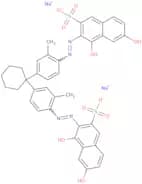
CAS:<p>Acid Red 134 is a dye that belongs to the group of amino acid dyes. It is used in textile manufacturing as a colorant and has been found to be mutagenic for bacteria. Acid Red 134 is also used as a hydrophobic dye, which means it does not dissolve in water and instead dissolves in organic solvents such as alcohol or acetone. Acid Red 134 can be polymerized using UV light, making it an excellent initiator for polymerization reactions. This dye is hydrophobic and can form crystals with a low melting point.</p>Fórmula:C40H34N4Na2O12S2Cor e Forma:Red PowderPeso molecular:872.83 g/molC.I.Disperse Blue 183:1
CAS:<p>Please enquire for more information about C.I.Disperse Blue 183:1 including the price, delivery time and more detailed product information at the technical inquiry form on this page</p>Pureza:Min. 95%Pigment Red 171
CAS:<p>Pigment Red 171 is a polyester that can be used as an additive to plastics. It has a molecular weight of about 400 and contains a hydroxyl group, which gives it thermal expansion properties. Pigment Red 171 also contains an aluminium skeleton that provides inorganic stability. This pigment has a basic group, which makes it soluble in organic solvents such as sulfides and alcohols. The pigment is resistant to light and radiation, which allows it to be used for protective coatings or sensors. Pigment Red 171 has functional groups for use in organic synthesis reactions.</p>Pureza:Min. 95%Crocein Orange G
CAS:<p>Crocein Orange G is a water-soluble, orange fluorescent dye that is used in wastewater treatment. It has been shown to form stable complexes with fatty acids and other organic compounds. These complexes are more readily removed by adsorption. Crocein Orange G has also been shown to react with potassium dichromate and form a yellow product. This product can be detected at low concentrations and is not toxic to humans or animals.</p>Fórmula:C16H11N2O4SNaPureza:Min. 95%Cor e Forma:PowderPeso molecular:350.33 g/molAcid black 242
CAS:<p>Acid Black 242 is a chemical dye that is used in the production of photoresists. It is also used as a black pigment in paints and printing inks. The dye is classified as hydrophilic, meaning it dissolves in water. Acid Black 242 has a color index number of PBk 6. It reacts with sulfide to form an acidic compound, which can be used to modulate the reaction time of certain reactions. Acid Black 242 is a benzene derivative that has been shown to depress the central nervous system when inhaled or ingested. It also inhibits the activity of diaminobenzene, which can cause depression when consumed orally or injected intravenously. The fluorescence emission spectrum of Acid Black 242 overlaps with that of other dyes such as acid red 1 and acid violet 7.</p>Pureza:Min. 95%Acid Blue 83
CAS:<p>Acid Blue 83 is a reactive dye that is used in the treatment of wastewater. It has been shown to inhibit metabolic disorders and transcriptional regulation by binding to DNA-dependent RNA polymerase. Acid Blue 83 also inhibits enzyme activities, such as co2 flow, sephadex g-100, and surface methodology. In addition, it binds to basic proteins, such as human serum albumin, and has been shown to have anti-inflammatory properties. Acid Blue 83 is a reactive dye that is used in the treatment of wastewater. It has been shown to inhibit metabolic disorders and transcriptional regulation by binding to DNA-dependent RNA polymerase. Acid Blue 83 also inhibits enzyme activities, such as co2 flow, sephadex g-100, and surface methodology. In addition, it binds to basic proteins, such as human serum albumin, and has been shown to have anti-inflammatory properties.</p>Fórmula:C45H44N3NaO7S2Pureza:Min. 95%Cor e Forma:Blue PowderPeso molecular:825.97 g/molDisperse orange 45
CAS:<p>Disperse Orange 45 is a greenish-yellow viscous liquid. It is a synthetic, anionic, surfactant and dispersing agent for cellulose acetate and polyester resins. Disperse Orange 45 is also used as a synthetic dye in paint formulations. The molecular structure of Disperse Orange 45 consists of three parts: betaine monohydrate, methacrylate esters, and propylene glycol. This product is not intended for use as a food additive or as a drug.</p>Pureza:Min. 95%C.I.Acid Orange 171
CAS:<p>Please enquire for more information about C.I.Acid Orange 171 including the price, delivery time and more detailed product information at the technical inquiry form on this page</p>Pureza:Min. 95%C.I.Leuco Sulphur Blue 15
CAS:<p>C.I. Leuco Sulphur Blue 15 is a versatile research chemical that can be used as an inhibitor, dye, stain, indicator, or probe. It has a wide range of applications in various industries including chemistry, biology, and pharmaceuticals. This compound contains hydroxyl and dopamine groups which make it highly reactive and suitable for derivatization reactions. C.I. Leuco Sulphur Blue 15 is known for its ability to form stable complexes with chloride and cyanide ions, making it useful in analytical chemistry. It can also be used as a clavulanic acid mimic or an aluminum complexing agent. Additionally, this compound can be employed as an electrode modifier in electrochemical studies. Its acidic nature allows it to interact with fatty acids and methanol, making it valuable for lipid analysis or solvent extraction processes. Whether you need a powerful research tool or a reliable chemical reagent, C.I. Leuco Sulphur Blue 15 is the perfect choice for your</p>Pureza:Min. 95%Pigment Yellow 13
CAS:<p>Pigment Yellow 13 is a yellow pigment that can be used in wastewater treatment. Pigment Yellow 13 is an organic compound that contains the reactive group glycol ether, which reacts with alcohol residue to form glycol esters. This reaction mechanism is similar to the reaction of glycols with water. The structure of Pigment Yellow 13 is a bound form and it has been found to have thermal expansion properties. Pigment Yellow 13 also has intramolecular hydrogen bonding between the carbon and oxygen atoms, which allows it to act as a stabilizer for polymers such as polyester and nylon. Pigment Yellow 13 also exhibits intermolecular hydrogen bonding, causing it to be resistant to radiation and laser ablation.</p>Fórmula:C36H34Cl2N6O4Cor e Forma:Yellow PowderPeso molecular:685.60 g/molPergascript Red 16
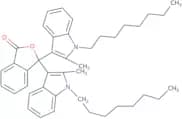
CAS:<p>Pergascript Red 16 is a bright red pigment that has been used in ink, paint, and plastics. It has an optical density of 1.5 at 595 nanometers. Pergascript Red 16 is also used in imaging and recording applications.</p>Fórmula:C42H52N2O2Pureza:Min. 98.0 Area-%Cor e Forma:Off-White PowderPeso molecular:616.87 g/molFast Violet B - Dye content 85%
CAS:<p>Fast Violet B is a diazonium salt that reacts with an amine, such as phosphatase, to release hydrogen. This reaction can be used to measure the activity of phosphatases. The emission of light in the visible range depends on the concentration and pH of the solution. Fast Violet B is soluble in water, alcohol, acetone, ether and chloroform. It has a particle size that ranges from 0.1-0.2 microns in diameter and will not dissolve in most solvents. Fast Violet B can be used to detect zearalenone in animal feed samples using a sample preparation technique called thin layer chromatography (TLC). It has shown clinical utility for determining antibody response in humans by measuring fatty acid synthesis activity during the inflammatory response. Fast Violet B also reacts with hydrogen bonds between nucleotides on DNA molecules and it binds to human mitochondrial DNA because it contains many phosphate groups and several intramolecular hydrogen bonds can form between neighboring</p>Fórmula:C15H16N2O2Pureza:Min. 95%Cor e Forma:PowderPeso molecular:256.3 g/molAcid Black 60, Technical grade
CAS:<p>Please enquire for more information about Acid Black 60, Technical grade including the price, delivery time and more detailed product information at the technical inquiry form on this page</p>Pureza:Min. 95%Solvent green 5
CAS:<p>Solvent green 5 is an acylation reaction product of a polymeric matrix with a hydroxyl group. The polymer film is developed from the cavity, encapsulation, and section of magnesium oxide. It has a skeleton that consists of a polymeric matrix with functional groups. Solvent green 5 emits light in the visible spectrum when subjected to heat or ultraviolet rays. This product can be used as a dye that absorbs ultraviolet radiation and converts it into visible light.</p>Fórmula:C30H28O4Cor e Forma:PowderPeso molecular:452.54 g/molDirect blue 218
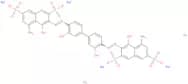
CAS:<p>Direct blue 218 is a glycol ether dye that is used in the textile industry and as a food coloring agent. It has been shown to cause nephrotoxicity and hepatotoxicity as well as cancer in rats. Direct blue 218 is absorbed by the target tissues, which include the ovary cells, liver cells, and kidney cells. This dye has been shown to inhibit catecholamine release from the adrenal gland in vitro assays and increase the number of mitotic figures in rat liver cells chronically exposed to this dye. Direct blue 218 also contains nitrogen atoms that can form a copper complex with an electron-donating group (e.g., hydroxyl groups). The copper complex increases its stability, leading to increased genotoxic effects.</p>Fórmula:C32H16Cu2N6Na4O16S4Cor e Forma:Blue PowderPeso molecular:1,087.82 g/molC.I.Disperse Yellow 134
CAS:<p>Please enquire for more information about C.I.Disperse Yellow 134 including the price, delivery time and more detailed product information at the technical inquiry form on this page</p>Pureza:Min. 95%Acridine orange base
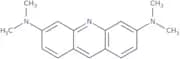
CAS:<p>Acridine orange is a fluorescent dye that can pass through the cell membrane and bind to the cytoplasmic structures of cells. It can be used as a probe for determining the presence of cell nuclei, mitochondria, and other organelles. Acridine orange is also used in experiments to determine mitochondrial membrane potential. In this type of experiment, acridine orange is added to cells and its uptake into mitochondria is observed. The dye changes color from orange to green when it binds with the mitochondria because it emits green fluorescence at higher excitation wavelengths than red fluorescence. Acridine orange has been shown to increase fatty acid synthesis by binding with fatty acid synthase, which is an enzyme involved in fatty acid biosynthesis. Acridine orange also increases ATP levels by inhibiting oxidative phosphorylation in mitochondria.</p>Fórmula:C17H19N3Cor e Forma:Orange PowderPeso molecular:265.35 g/molC.I.Reactive Orange 13
CAS:<p>C.I.Reactive Orange 13 is a reactive dye that can be used for the detection of bacterial strains, including Legionella pneumophila and Pseudomonas aeruginosa. The dye reacts with metal ions to form a precipitate, which can be detected by measuring the viscosity or turbidity of the solution. C.I.Reactive Orange 13 has been shown to bind to biomass from fungi and bacteria, which is why it is often used for monitoring water quality in wastewater treatment plants and for detecting microbial contamination in food products. C.I.Reactive Orange 13 is also an effective metal chelator that can be used for kinetic studies on borohydride reduction reactions involving iron and other transition metals.</p>Fórmula:C24H15ClN7O10S3·3NaPureza:Min. 95%Peso molecular:762.04 g/mol4-Ethylphenol
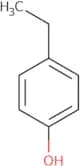
CAS:<p>Produces a fluorogenic signal in the presence of peroxidase</p>Fórmula:C8H10OPureza:Min. 95%Cor e Forma:PowderPeso molecular:122.16 g/molC.I.Reactive Red 239
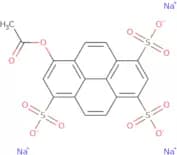
CAS:<p>Please enquire for more information about C.I.Reactive Red 239 including the price, delivery time and more detailed product information at the technical inquiry form on this page</p>Pureza:Min. 95%8-Acetoxypyrene-1,3,6-trisulfonic acid trisodium salt
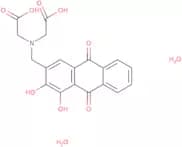
CAS:<p>Fluorogenic substrate for esterase; cell-permeable</p>Fórmula:C18H9Na3O11S3Pureza:Min. 98.0 Area-%Cor e Forma:PowderPeso molecular:566.42 g/molAlizarin complexone dihydrate
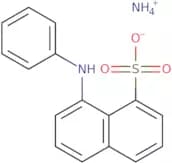
CAS:<p>Alizarin complexone dihydrate reacts with Lanthanum or Cesium(III) ions to form a red chelate, which, in turn, reacts with fluoride ions to give a blue ternary complex (Alizarin Fluorine Blue); to detect fluoride.</p>Fórmula:C19H15NO8·2H2OCor e Forma:PowderPeso molecular:421.35 g/mol8-Anilinonaphthalene-1-sulfonic acid ammonium salt
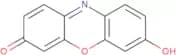
CAS:<p>Fluorophore used to study molecular assemblies of surfactants and amphiphiles</p>Fórmula:C16H16N2O3SPureza:Min. 98 Area-%Cor e Forma:PowderPeso molecular:316.4 g/molResorufin
CAS:<p>The substructure resorufin is a fluorescent dye that changes color from orange to bright pink; excitation/emission maxima = 563/587 nm.</p>Fórmula:C12H7NO3Pureza:Min. 95 Area-%Cor e Forma:Purple PowderPeso molecular:213.19 g/molThymol blue
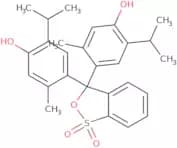
CAS:<p>pH indicator</p>Fórmula:C27H30O5SPureza:Min. 95%Cor e Forma:Red Clear LiquidPeso molecular:466.59 g/molWST-8
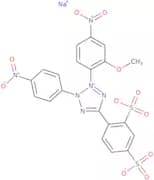
CAS:<p>WST-8 is a key substrate that serves as a sensitive chromogenic indicator for NADH. WST-like substrates have been applied to measure activity of dehydrogenase enzyme activity and the oxidation of NADH using NADH oxidase.</p>Fórmula:C20H13N6NaO11S2Pureza:Min. 90 Area-%Cor e Forma:Off-White PowderPeso molecular:600.47 g/mol5(6)-Carboxyeosin diacetate
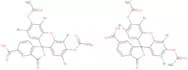
CAS:<p>Brominated analog of carboxyfluorescein; singlet oxygen generator</p>Fórmula:C25H12Br4O9Pureza:Min. 95%Cor e Forma:PowderPeso molecular:775.97 g/mol5-(6)-Carboxytetramethylrhodamine
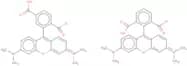
CAS:<p>5-(6)-Carboxytetramethylrhodamine (TAMRA) is a fluorescent dye that is used as a probe for DNA-based analysis. It binds to the 5' end of dsDNA, forming an intrastrand duplex. The fluorescence of TAMRA increases when it binds to dsDNA and can be used as a measure of the amount of DNA in a sample. TAMRA has been shown to be useful in the diagnosis of bowel disease and in the investigation of gene expression during body formation. This dye is also used as a marker for covalent linkages and high molecular weight proteins such as cyclin D2.</p>Fórmula:C25H22N2O5Pureza:Min. 95 Area-%Cor e Forma:Red PowderPeso molecular:430.45 g/molLuminol HCl
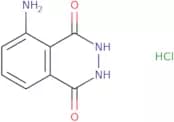
CAS:<p>Chemiluminescence detection of biological residues</p>Fórmula:C8H7N3O2·HClPureza:(Hplc) Min. 98.0%Cor e Forma:White PowderPeso molecular:213.62 g/mol5-Carboxytetramethylrhodamine
CAS:<p>5-Carboxytetramethylrhodamine - (TAMRA) is a widely employed fluorescent dye (orange/red) that is suitable for different uses. In PCR applications, it has been used as both a reporter at the 5â or as a quencher at the 3â end. TAMRA-labelled oligonucleotides have been used to study interactions with DNA or DNA/protein interactions. It is an excellent fluorescent acceptor for FRET applications with a suitable dye pair. It is used as a protein/antibody labelling agent for structural studies, immunochemistry and flow cytometry. Bioconjugation is generally performed through coupling of the carboxylic acid to a primary amine at the N-terminus of a protein, on lysine side chains or amino-modified oligonucleotide.</p>Fórmula:C25H22N2O5Pureza:Min. 95 Area-%Cor e Forma:Green PowderPeso molecular:430.45 g/molWST-1
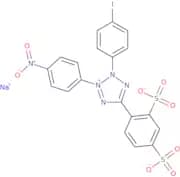
CAS:<p>WST-1 is a water soluble cell permeable dye. Upon NADH-dependent enzymatic cleavage by cellular mitochondrial dehydrogenases, formazan is released, which can be quantified by colorimetric detection at 450 nm.</p>Fórmula:C19H11IN5NaO8S2Pureza:Min. 95 Area-%Cor e Forma:PowderPeso molecular:651.35 g/molNucleic Acid Dye Green I - solution in DMSO (6.11 mg/ml)
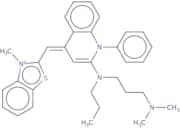
CAS:<p>Nucleic Acid Dye Green I is a DNA-staining dye that has found application in various high resolution assays for the detection of microbial or viral contaminant DNA.</p>Fórmula:C32H37N4SPureza:Min. 95%Cor e Forma:Clear LiquidPeso molecular:509.73 g/mol3-Bodipy-propanoic acid
CAS:<p>Reactive fluorescent labeling reagent</p>Fórmula:C14H15BF2N2O2Cor e Forma:Red PowderPeso molecular:292.09 g/molThiazolyl blue tetrazolium bromide
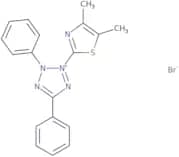
CAS:<p>Thiazolyl blue tetrazolium bromide, also called 3-(4,5-dimethylthiazol-2-yl)-2,5-diphenyl-2H-tetrazolium bromide and methylthiazolyldiphenyl-tetrazolium bromide, and mainly known as MTT, is employed in the so-called MTT reduction or colorimetric assay. The MTT assay is used to determine the metabolic activity of living cells and the viable cell number in proliferation and cytotoxicity studies. The assay is based on the enzymatic reduction of the yellow MTT to the purple-blue water-insoluble formazan catalysed by mitochondrial dehydrogenases of living cells. The amount of formazan produced is directly proportional to the number of viable cells and can be quantified by measuring absorbance at 570nm. The MTT assay is broadly employed in cell biology because it is rapid and economical. MTT is also used as enzyme substrates in studies of nicotinamide adenine dinucleotide phosphate (NADP)-dependent dehydrogenases.</p>Fórmula:C18H16BrN5SPureza:Min. 97 Area-%Cor e Forma:Yellow PowderPeso molecular:414.32 g/mol6-NBDG
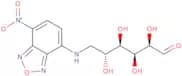
CAS:<p>Nonhydrolyzable fluorescent glucose analog used to monitor glucose uptake</p>Fórmula:C12H14N4O8Pureza:Min. 95%Cor e Forma:PowderPeso molecular:342.26 g/mol8-(4-Anilino) bodipy
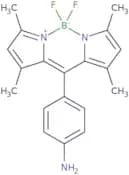
CAS:<p>Fluorescent probe</p>Fórmula:C19H20BF2N3Pureza:Min. 90 Area-%Cor e Forma:PowderPeso molecular:339.19 g/molLuminol sodium salt
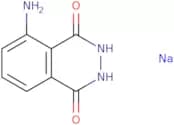
CAS:<p>Chemiluminescence detection of biological residues</p>Fórmula:C8H6N3O2NaPureza:Min. 98 Area-%Cor e Forma:White PowderPeso molecular:199.14 g/molRuthenium red
CAS:<p>Ruthenium red is a potent inhibitor of the channel that mediates the release of Ca2+ from the endoplasmic reticulum into the cytosol. It also inhibits neuronal death induced by receptor activity. Ruthenium red has been shown to have inhibitory properties against p-nitrophenyl phosphate, an activator of protein kinase C and a stimulator of mitochondrial permeability transition. Ruthenium red has also been shown to inhibit dinucleotide phosphate-dependent phosphohydrolases and ryanodine receptors. Furthermore, it binds to nuclear DNA in prokaryotic cells and affects gene transcription.</p>Fórmula:H42Cl6N14O2Ru3Pureza:Min. 98%Cor e Forma:PowderPeso molecular:786.35 g/mol4-Dimethylaminocinnamaldehyde
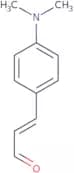
CAS:<p>4-Dimethylaminocinnamaldehyde (DMAC) is a metabolite of the herbicide paraquat. It has been studied as an anticancer agent that inhibits the proliferation of human carcinoma cell lines and induces apoptosis. DMAC also binds to DNA, inhibiting transfer reactions and preventing the synthesis of unsymmetrical dyes and procyanidins. DMAC has been shown to inhibit inflammation in mice by blocking the production of prostaglandins and leukotrienes. The anti-inflammatory activity is due to its ability to inhibit cyclooxygenase (COX) enzymes, thereby preventing the formation of prostaglandins from arachidonic acid.</p>Fórmula:C11H13NOCor e Forma:Yellow PowderPeso molecular:175.23 g/mol