Corantes, Pigmentos, Tinturas, Imagens Fluorescentes
Corantes, colorações e tinturas são ferramentas essenciais na biologia molecular, cruciais para visualizar e estudar o DNA, cromossomos e núcleos celulares. Esses compostos permitem que os pesquisadores destaquem componentes celulares específicos, facilitando a observação e análise detalhadas ao microscópio. Nesta categoria, você encontrará uma ampla gama de corantes e colorações de alta qualidade usados em várias técnicas de coloração, incluindo corantes fluorescentes para análise de DNA e cromossomos, colorações histológicas para amostras de tecido e corantes específicos para estruturas celulares. Essas ferramentas são indispensáveis em pesquisas genéticas, citologia, histologia e diagnósticos, proporcionando clareza e contraste em amostras biológicas. Na CymitQuimica, oferecemos uma seleção abrangente de corantes, colorações e tinturas para apoiar sua pesquisa em biologia molecular e garantir resultados precisos e confiáveis em seus estudos.
Subcategorias de "Corantes, Pigmentos, Tinturas, Imagens Fluorescentes"
- Corantes Ácidos(49 produtos)
- Azobenzenos(270 produtos)
- Corantes azóicos(7 produtos)
- Corantes básicos(27 produtos)
- Corantes de Cumarina(71 produtos)
- Corantes de cianina, corantes de Squarylium(53 produtos)
- Corantes de DCM(4 produtos)
- Diariletenos(12 produtos)
- Corantes de Dipirrometeno(26 produtos)
- Corantes directos(17 produtos)
- Corantes dispersos(2 produtos)
- Sensibilizadores de corantes(12 produtos)
- Corantes(416 produtos)
- Corantes e pigmentos(911 produtos)
- Geração de corantes insolúveis(14 produtos)
- Geração de corantes solúveis(11 produtos)
- Hexaarilbiimidazol(4 produtos)
- Indicadores(575 produtos)
- Corantes Mordente(10 produtos)
- Corantes de Infravermelhos-próximo (NIR)(28 produtos)
- Corantes a óleo(15 produtos)
- Outros Pigmentos e Corantes(2 produtos)
- Corantes de Perileno(17 produtos)
- Corantes fotocrómicos(40 produtos)
- Corantes de Ftalocianina, Corantes de Porfirina(101 produtos)
- Corantes de Quinacridona(8 produtos)
- Espiropirano(16 produtos)
- Pigmentos e Corantes(243 produtos)
- Pigmentos e Corantes para Microscopia(5 produtos)
- Corantes Vat(5 produtos)
- Corante Xanteno(65 produtos)
Exibir 23 mais subcategorias
Foram encontrados 755 produtos de "Corantes, Pigmentos, Tinturas, Imagens Fluorescentes"
Ordenar por
Pureza (%)
0
100
|
0
|
50
|
90
|
95
|
100
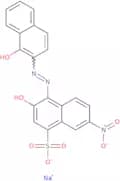
Mordant black 11 - Technical
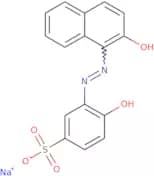
CAS:<p>Mordant Black 11 is a water-soluble dye that is used in the treatment of wastewater. Mordant Black 11 binds to surface particles and enhances the removal of organic matter from wastewater. It has been shown to be effective for the treatment of human serum, which contains high levels of proteins and other macromolecules. Mordant Black 11 efficiently adsorbs onto the surface of these macromolecules, leading to a decrease in the amount of protein adsorbed on the surface. The kinetic data for this process have been obtained by electrochemical impedance spectroscopy (EIS) and by measuring changes in pH due to ionization. A magnesium salt is required for the synthesis of Mordant Black 11, as well as potassium dichromate or other chromium salts and fatty acids.</p>Fórmula:C20H12N3NaO7SPureza:Min. 95%Peso molecular:461.38 g/molC.I.Acid green 41
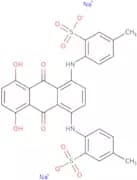
CAS:<p>C.I. Acid Green 41 is a deodorizing agent that contains a hydroxyl group and a functional group. It is used as an anti-viral agent in medical and dental applications, as well as for flow assay control agents in the laboratory. The color of this substance has been shown to be yellowish green by spectroscopic analysis. C.I. Acid Green 41 is activated with radiation, which causes it to form a coordination complex with metal ions such as copper and silver ions. This complex gives the substance its green coloration and also increases its stability against oxidation by air or water. The solubility of this product can be increased by adding deionized water to it.END></p>Fórmula:C28H20N2Na2O10S2Pureza:Min. 95%Peso molecular:654.58 g/mol16a-Methyl prednisolone 21-acetate
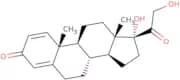
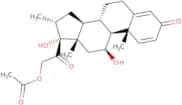
CAS:Produto Controlado<p>Please enquire for more information about 16a-Methyl prednisolone 21-acetate including the price, delivery time and more detailed product information at the technical inquiry form on this page</p>Fórmula:C24H32O6Pureza:Min. 95%Peso molecular:416.51 g/molSanodure grey NL
<p>Please enquire for more information about Sanodure grey NL including the price, delivery time and more detailed product information at the technical inquiry form on this page</p>Pureza:Min. 95%Benzo[k]fluoranthene
CAS:Produto Controlado<p>Benzo[k]fluoranthene is a polycyclic aromatic hydrocarbon that is used as an optical sensor for transcriptional regulation. It has been shown to activate the transcription factor NF-κB, which induces expression of inflammatory genes in cells. Benzo[k]fluoranthene can be used to measure changes in gene expression and protein levels. The antibody response to benzo[k]fluoranthene was studied using a kinetic data analysis method. Benzo[k]fluoranthene has also been shown to induce genotoxic effects in liver cells and human hepatoma cell line HepG2. This compound also causes light emission when it is excited with light, which can be measured with synchronous fluorescence.</p>Fórmula:C20H12Pureza:Min. 95%Cor e Forma:SolidPeso molecular:252.31 g/molFluprednisolone
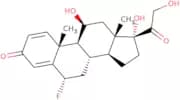
CAS:Produto Controlado<p>Fluprednisolone is an anti-inflammatory corticosteroid that has been used for the treatment of a number of conditions, such as autoimmune diseases and eye disorders. This drug is administered topically and can be used to treat eye disorders such as choroidal neovascularization. Fluprednisolone has been shown to inhibit the production of growth factors in animal models, which may be due to its interaction with mineralocorticoid receptors. It also has a detergent effect on proteins, which may help to dissolve protein aggregates that can form in ocular tissues.</p>Fórmula:C21H27FO5Pureza:Min. 95%Cor e Forma:White PowderPeso molecular:378.43 g/molAcid alizarin blue 2b
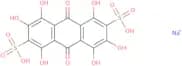
CAS:<p>For the identification of acidophilic cells, blue color</p>Fórmula:C14H8NaO14S2Pureza:Min. 95%Peso molecular:487.3 g/molPigment Yellow 120
CAS:<p>Pigment Yellow 120 is a pigment that belongs to the group of amide colorants. It has a yellow-orange hue and high thermal stability. Pigment Yellow 120 has been shown to be soluble in organic solvents, such as n-propyl ether, but insoluble in water. The molecular weight of pigment yellow 120 ranges from 800 to 1200 g/mol. Pigment Yellow 120 is produced by the polymerization reaction of monomers containing an amide group and a hydroxyl or basic group with a metal ion, such as copper or nickel, as a catalyst. This process also produces polycarboxylic acid groups and particles with diameters ranging from 0.1 micrometers to 2 micrometers.</p>Fórmula:C21H19N5O7Pureza:Min. 95%Cor e Forma:PowderPeso molecular:453.41 g/molAcid Green 50
CAS:<p>Acid Green 50 is a reactive dye that is used for wastewater treatment and in the pharmaceutical industry. It has been shown to be an effective treatment for infectious diseases, such as herpes simplex virus. Acid Green 50 binds to biological surfaces and forms a film-forming polymer. The adsorption mechanism of Acid Green 50 has been studied using kinetic data and kinetic studies. The acylation reaction of Acid Green 50 with collagen gel has also been investigated. This dye is able to emit light when excited by UV radiation and can be used in a flow system. In addition, this dye can be synthesized using a polymerase chain reaction (PCR).</p>Pureza:Min. 95%Cor e Forma:PowderPeso molecular:577.63 g/molAcridine orange hydrochloride hydrate
CAS:<p>Acridine orange hydrochloride hydrate is a fine chemical that can be used as a reagent or building block in research and other chemical reactions. It is used as a speciality chemical with CAS number 1704465-79-1. Acridine orange hydrochloride hydrate has versatile applications and is used as a reaction component or intermediate. Acridine orange hydrochloride hydrate is also useful as a scaffold to make complex compounds.</p>Fórmula:C17H19N3·HCl·xH2OPureza:Min. 98 Area-%Cor e Forma:Orange PowderPeso molecular:301.81Af488-alkyne
CAS:<p>Please enquire for more information about Af488-alkyne including the price, delivery time and more detailed product information at the technical inquiry form on this page</p>Fórmula:C24H17N3O10S2Pureza:Min. 95%Peso molecular:571.5 g/mol5-Chloro-2-methyl-3-isothiazolone - Active Ingredient >14%, CMI/MI 2.5 - 4.0
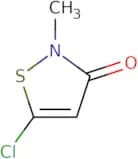
CAS:<p>5-Chloro-2-methyl-3-isothiazolone (CMIT) is a highly water-soluble apoptotic agent and preservative with numerous applications. It is used in anti-microbial coatings, latex formulations, hydraulic fracturing fluids, pesticides and cosmetics. CMIT in conjunction with 2-methyl-4-isothiazolin-3-one (MIT) is marketed as Kathon. CMIT is also an allergen. CMIT is active against gram-positive and gram-negative bacteria, yeasts and fungi. CMIT is believed to form mixed disulfides with protein thiol groups which then undergo thiol-disulfide exchange reactions to give mixed protein thiol disulfides leading to cell apoptosis and necrosis.</p>Fórmula:C4H4ClNOSCor e Forma:Yellow Clear LiquidPeso molecular:149.6 g/molMethylene violet
CAS:<p>Please enquire for more information about Methylene violet including the price, delivery time and more detailed product information at the technical inquiry form on this page</p>Fórmula:C14H12N2OSPureza:65%Peso molecular:256.32 g/mol6β-Hydroxy prednisolone
Produto Controlado<p>6b-Hydroxy prednisolone is a metabolite of prednisolone. The metabolism of prednisolone to 6b-hydroxy prednisolone is catalyzed by the enzyme CYP3A4, which results in the formation of 6β-hydroxyprednisolone and a hydrogen peroxide that reacts with catalase to form water and oxygen. The conversion is dependent on the concentration of galactose, as it provides substrate for CYP3A4. If cyclosporine or other drugs are taken concurrently, they may inhibit the metabolism of 6b-hydroxy prednisolone. The kinetics of 6β-hydroxyprednisolone have been investigated in tissues and plasma samples, and it has been shown that this metabolite has a short half-life in both tissues and plasma samples. This drug can be analysed using chromatography, but endogenous substances such as cortisol can interfere with the process.</p>Fórmula:C21H28O6Pureza:Min. 95%Cor e Forma:Light (Or Pale) Yellow SolidPeso molecular:376.44 g/mol9,10-Bis[2-(4-methoxyphenyl)ethynyl]anthracene
CAS:<p>9,10-Bis[2-(4-methoxyphenyl)ethynyl]anthracene is a reagent for chemiluminescence research.</p>Fórmula:C32H22O2Pureza:Min. 98.0 Area-%Peso molecular:438.52 g/molMethyl orange
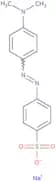
CAS:<p>Methyl orange is a dye that is used as an indicator in acid-base titrations. It has a basic structure and can be prepared by the oxidation of para-aminobenzoic acid with hydrogen peroxide. Methyl orange has been shown to exhibit synergistic effects with other antimicrobial agents, such as phenol, methylene blue, and chlorhexidine at pH levels of 4.5 to 7.0. The optimum concentration for the matrix effect is 0.01% at pH range from 2.5 to 4.5 and 1% at pH range from 5 to 7.5. Methyl orange is activated by light with wavelengths between 300 nm and 500 nm and can be used in wastewater treatment processes where there are high levels of organic matter or radiation, such as carthamus tinctorius or zirconium oxide.</p>Fórmula:C14H15N3O3S•NaPureza:Min. 95%Cor e Forma:PowderPeso molecular:328.34 g/molRhodamine WT, 20% aqueous solution
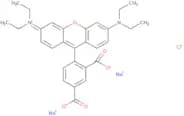
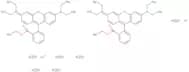
CAS:<p>Rhodamine is a fluorescent compound that, in a 20% aqueous solution, serves as an effective fluorescent probe for detecting nitrite ions (NO2). When exposed to ultraviolet light, it undergoes a remarkable color change in response to nitrite presence. Beyond nitrite detection, rhodamine also interacts with various chemical substances, including organic solvents commonly found in wastewater treatment systems, which shows its potential, especially in environmental monitoring and analytical chemistry applications. This 20% solution is 20% w/w. Our sales mass in g is the final mass of the solution.</p>Fórmula:C29H29N2O5·Cl·2NaPureza:Min. 95%Cor e Forma:Clear LiquidPeso molecular:567 g/molDulbecco's phosphate buffered saline
Produto Controlado<p>Dulbecco's phosphate buffered saline is a sterile solution of the following components: • Sodium chloride • Potassium chloride • Calcium chloride • Magnesium chloride • Disodium phosphate dodecahydrate • Monopotassium phosphate • Potassium dihydrogenphosphate • Sodium dihydrogenphosphate • Glucose • Dextrose • Sodium pyruvate • L-Lysine hydrochloride Dulbecco's phosphate buffered saline is commonly used in cardiovascular research to simulate the fluid environment of the heart. It is also used for blood sampling and as a culture medium for animal cells. This solution has been shown to have high cholesterol concentrations, which may be due to its uptake of fatty acids from the environment.</p>Pureza:Min. 95%Cor e Forma:Clear Liquid(E)-8-Methyl-6-nonenoic acid - predominantly trans
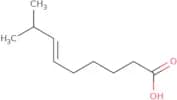
CAS:<p>(E)-8-Methyl-6-nonenoic acid is a fatty acid that is found in the acetate extract of Capsicum annuum. It is an analog of the natural compound (E)-8-methyl-6-nonenal, which has been shown to have anticancer properties. The synthesis of this compound has been achieved using a novel approach based on enzymatic reactions and chemical transformations. This compound has been shown to have potential anticancer activity against human prostate cancer cells in vitro and to inhibit the growth of triticum aestivum seeds.</p>Fórmula:C10H18O2Pureza:Min. 95%Peso molecular:170.25 g/molPrednisolone disodium phosphate
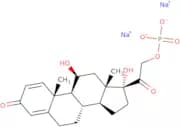
CAS:<p>Prednisolone is a corticosteroid that is used to treat inflammation and reduce the body's immune response. Prednisolone disodium phosphate (PDSP) is an enteric-coated tablet that releases prednisolone in the small intestine, where it can be absorbed into the bloodstream. It has been shown to be effective at reducing bowel disease activity in patients with inflammatory bowel disease. Prednisolone disodium phosphate may also have a role in controlling infectious diseases, such as tuberculosis, due to its ability to inhibit toll-like receptor 4 signaling. The drug has been studied as a model system for predicting drug interactions by monitoring the rate constant for benzalkonium chloride binding to human serum albumin.</p>Fórmula:C21H29O8P•Na2Pureza:Min. 95%Cor e Forma:PowderPeso molecular:486.4 g/molBrilliant cresyl blue
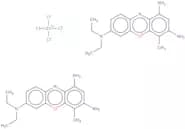
CAS:<p>Brilliant cresyl blue is a reactive dye that is used as a model system for mitochondrial membrane potential. It is injected into the oocyte and polymerase chain reaction (PCR) is performed to detect mitochondrial functions. The dye can be detected with optical sensors, which are sensitive to UV light. When the dye migrates from the mitochondria to the cytoplasm, it can be detected by UV-sensitive sensors. This process can help scientists determine if there are any defects in mitochondrial membrane potential.</p>Fórmula:(C17H21N4O)2•ZnCl4Cor e Forma:Green PowderPeso molecular:400.97 g/molSolvent yellow 98
CAS:<p>Solvent Yellow 98 is a fluorescent dye that belongs to the class of organic solvents. It is used in a variety of applications, such as deionized water, emulsions, and fluorescent light. The Solvent Yellow 98 molecule consists of an aliphatic hydrocarbon chain with a cationic surfactant at one end. This surfactant is responsible for the fluorescence of this compound.</p>Fórmula:C36H45NO2SPureza:Min. 95%Cor e Forma:PowderPeso molecular:555.81 g/molMetanil yellow, 95%
CAS:<p>Please enquire for more information about Metanil yellow, 95% including the price, delivery time and more detailed product information at the technical inquiry form on this page</p>Fórmula:C18H15N3O3S•NaPureza:Min. 95%Peso molecular:376.39 g/molSandoal gold 4N
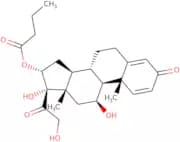
<p>Please enquire for more information about Sandoal gold 4N including the price, delivery time and more detailed product information at the technical inquiry form on this page</p>Pureza:Min. 95%16α-Butyloxyprednisolone
CAS:Produto Controlado<p>Please enquire for more information about 16alpha-Butyloxyprednisolone including the price, delivery time and more detailed product information at the technical inquiry form on this page</p>Fórmula:C25H34O7Pureza:Min. 95%Cor e Forma:PowderPeso molecular:446.53 g/molVictoria Blue R
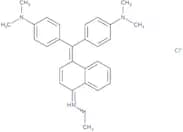
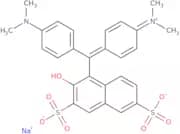
CAS:<p>Victoria Blue R is a dye that is used in histology and cytology to stain tissue sections and cell smears. It binds to the amyloid protein in the extracellular matrix of cells, which causes them to turn blue when stained with this dye. Victoria Blue R is a synthetic dye that has been prepared by various methods, including synthesis from diazotized benzidine and phenol. The specific antibody for Victoria Blue R binds to an epitope on the amyloid protein, which is then stained by the dye. The main use of Victoria Blue R is as a counterstain in immunohistochemistry, where it can be used to identify glandular cells or tissues containing mitochondria. Victoria Blue R can also be used as an analytical method for determining phosphotungstic acid-haematoxylin reactions or as a reaction mechanism for polymeric matrix formation.</p>Fórmula:C29H32N3ClCor e Forma:PowderPeso molecular:458.04 g/molDisperse Yellow 23, technical grade dye content
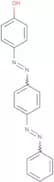
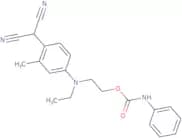
CAS:<p>Disperse Yellow 23 is a synthetic, industrial dye that is used in the manufacturing of plastics, textiles, and paper. It has a molecular formula of C10H16ClN2O and an x-ray crystal structure with one molecule in the asymmetric unit. Disperse Yellow 23 reacts with hydroxyl groups to form a diazonium salt. It is soluble in water and has a neutral pH. Disperse Yellow 23 is highly reactive and should be handled with care as it may cause burns on contact. The chemical structures of Disperse Yellow 23 are shown below:</p>Fórmula:C18H14N4OPureza:Min. 95%Peso molecular:302.33 g/molFast blue RR salt
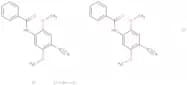
CAS:<p>Fast blue RR salt is a phosphatase inhibitor that belongs to the group of diazonium salts. It is used as an indicator for damaged cells, and it can be used in cell culture. Fast blue RR salt can also be used in biological samples for radiation detection. Fast blue RR salt has been shown to inhibit p-nitrophenyl phosphate (PNPP) phosphatase activity in erythrocytes and lymphocytes from healthy humans. The inhibition is due to the binding of the molecule to the enzyme's active site, which prevents the binding of phosphate ions. This results in a decrease in PNPP hydrolysis, leading to a build-up of PNPP and a decrease in ATP levels. Fast blue RR salt has been shown to have low energy radiation properties, making it more suitable for use with biological samples than other diazonium salts such as Fast red TR salt or Fast green BB salt.</p>Fórmula:C15H14CIN3O3•(ZnCl2)0Cor e Forma:PowderPeso molecular:491.35 g/molPigment Red 169
CAS:Produto Controlado<p>Pigment Red 169 is a red dye that is soluble in both water and organic solvents. It has a particle size of 10-40 nm and a molecular weight of approximately 600 g/mol. Pigment Red 169 absorbs light at the maximum wavelength of 659 nm, with an optimum concentration of 0.5%, and can be used as a thermal expansion agent or as a solid catalyst. Pigment Red 169 is polymerized by thermal decomposition, which produces polymers with low molecular weights. The pigment is also used in the production of microspheres for use in industrial applications such as aliphatic hydrocarbons or fatty acids.</p>Fórmula:C66H70CuFeN10O6Pureza:Min. 95%Peso molecular:1,218.72 g/mol2,7-Dichlorofluorescein
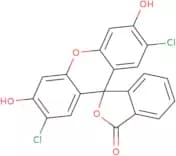
CAS:<p>Fluorophore used in biological assays and for labeling cells and tissues</p>Fórmula:C20H10Cl2O5Pureza:Min. 95%Cor e Forma:PowderPeso molecular:401.2 g/molBasic violet 3
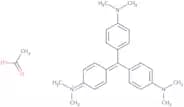
CAS:<p>Basic violet 3 is a light-sensitive dye that can be used for the detection of metals. It is a basic dye with a high resistance to water vapor and other solvents. Basic violet 3 has been shown to be carcinogenic in animal studies, but has not been shown to have any adverse effects on humans. The dye reacts with metal hydroxides such as aluminum hydroxide, iron(III) oxide, and calcium hydroxide by absorbing UV radiation. This reaction produces an increased amount of light that can be detected using a spectrophotometer. Basic violet 3 is used in surface methodology because it is able to react with particles and then bind to them through van der Waals forces. Basic violet 3 is also used for kinetic experiments because it provides data about the rate of chemical reactions or chemical processes. Kinetic data from these experiments can be used to determine the mechanism of the reaction or process being studied.</p>Fórmula:C25H30N3·C2H3O2Cor e Forma:PowderPeso molecular:431.57 g/molBrooker's merocyanine dye
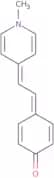
CAS:<p>Brooker's merocyanine dye is a fluorescent dye that has been used in analytical chemistry and fluorescence spectrometry. It is an organic compound that is soluble in water, alcohol, and ether. The complexation of Brooker's merocyanine dye with other molecules or solutes can be determined using fluorescence spectroscopy. This dye binds to the cavity of the molecule and stabilizes the dipole moment, which leads to significant interactions between Brooker's merocyanine dye and molecules or solutes.</p>Fórmula:C14H13NOPureza:Min. 95%Peso molecular:211.26 g/molDisperse yellow 49, technical grade dye content
CAS:<p>Disperse yellow 49 is a synthetic dye that is used in the diagnosis of skin cancer. It binds to DNA-binding proteins and is used as a counterstain for H&E staining. Disperse yellow 49 has been shown to inhibit sucrase activity and inhibit kinase signaling pathways, which are involved in cell function, dna replication, and myosin phosphatase regulation. The dye has also been shown to bind to tropomyosin and homologues of the virus SV40. Disperse yellow 49 is not active against viruses or cells without myosin phosphatase activity.</p>Fórmula:C21H22N4O2Pureza:Min. 95 Area-%Cor e Forma:Yellow PowderPeso molecular:362.43 g/molAlizarin blue S
CAS:<p>Acid-base indicator dye, copper detection, blue color</p>Fórmula:C17H11NNa2O10S2Pureza:Min. 95%Peso molecular:499.4 g/mol11-Deoxy prednisolone
CAS:Produto Controlado<p>11-Deoxy prednisolone is a synthetic steroid that is used in the treatment of inflammatory conditions. It is the active form of prednisolone, which is converted to 11-deoxy prednisolone by deuteration. 11-Deoxy prednisolone has been shown to be effective in a clinical setting as a result of its ability to suppress the immune system. The deuterium isotope can be used to calibrate instruments with mass spectrometry and provide more accurate measurements. The use of 11-deoxy prednisolone in pediatric patients has been shown to have fewer side effects than other steroids, such as dexamethasone and methylprednisolone. The use of stable isotopes can be used for biochemical investigations, diagnostic profiles, and monitoring of therapeutic responses.</p>Fórmula:C21H28O4Pureza:Min. 94 Area-%Cor e Forma:PowderPeso molecular:344.44 g/molAlizarin Yellow R sodium salt
CAS:<p>Acid-base indicator dye; textile dye; yellow color</p>Fórmula:C13H8N3O5NaPureza:Min. 95%Peso molecular:309.21 g/molAcid Alizarin Violet N
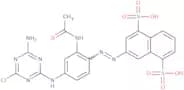
CAS:<p>Darkred/purple acid-base indicator dye</p>Fórmula:C16H11N2NaO5SPureza:Min. 95%Peso molecular:366.3 g/molReactive Yellow 3 - Technical
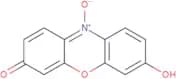
CAS:<p>Reactive Yellow 3 is a synthetic dye that exhibits properties of a reactive dye. It is used in the surface methodology for the detection and quantification of biological activity. Reactive Yellow 3 is activated by hydroxyl groups on surfaces, which can be found in wastewater treatment plants. Reactive Yellow 3 reacts with enzyme activities, such as cyclic nucleotide phosphodiesterase, to form a product with increased fluorescence. This product can be detected using kinetic or structural analysis methods.</p>Fórmula:C21H17ClN8O7S2Pureza:Min. 95%Peso molecular:592.99 g/molResazurin
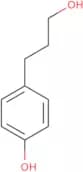
CAS:<p>Weakly fluorescent blue dye; indicator of mitochondrial activity. The reduction of resazurin has been ascribed to a putative reductase or diaphorase-type enzymes from the mitochondria and cytosol but also it might play a role as an intermediate electron acceptor in the electron transport chain between the final reduction of oxygen and cytochrome oxidase.</p>Fórmula:C12H7NO4Pureza:Min. 95%Peso molecular:229.19 g/mol3-(4-Hydroxyphenyl)-1-propanol
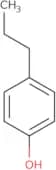
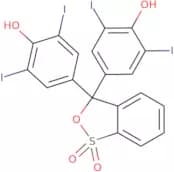
CAS:<p>Produces a fluorogenic signal in the presence of peroxidase</p>Fórmula:C9H12O2Pureza:Min. 95%Peso molecular:152.19 g/molIodophenol blue
CAS:<p>Iodophenol blue is a dye that has been used in biological research. It is used to stain DNA samples, as it binds to phosphoenolpyruvate (PEP) and sodium carbonate. Iodophenol blue can be used to differentiate tumor cells from the surrounding tissue in biopsy samples. The dye also interacts with amines, resulting in the release of bromophenols and cleavage products. Iodophenol blue can be used as a visual indicator for chemical reactions.</p>Fórmula:C19H10I4O5SPureza:Min. 80 Area-%Cor e Forma:PowderPeso molecular:857.96 g/molAcid Red 111
CAS:<p>Acid Red 111 is a basic dye that is soluble in water. It has an acid pH, which can be activated by acid catalysts. Acid Red 111 has been shown to be reactive with functional groups and to polymerize with hydroxyl groups. This dye has been shown to have protease activity and potential use as a colorant for polymers. Acid Red 111 has also been found to inhibit the growth of ganoderma lucidum and fatty acids.</p>Pureza:Min. 95%BP Fluor 488 hydrazide
CAS:<p>Green fluorescent dye used for labelling aldehydes or ketones in polysaccharides or glycoproteins with an excitation peak at 499 nm and an emission peak at 520 nm. Frequently employed in microscopy and flow cytometry.</p>Fórmula:C21H16N4O10S2Peso molecular:548.51 g/molFluorescent Brightener 28
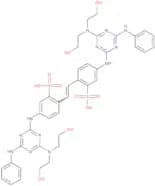
CAS:<p>Fluorescent Brightener 28 is a fluorescent dye that is used for the diagnosis of opportunistic fungal infections. It is also used as a marker for cell proliferation in tissue culture. Fluorescent Brightener 28 binds to the signal-peptide region of RNA polymerase II and can be detected using immunofluorescence microscopy. The fluorescent signal is observed in the nucleus, cytoplasm, or both. Fluorescent Brightener 28 has been shown to bind to human α1-acid glycoprotein (AAG) and α2-macroglobulin, which can affect drug interactions. This dye has no effect on fatty acid metabolism and does not interfere with the test results when testing samples such as blood or urine.</p>Fórmula:C40H44N12O10S2Pureza:Min. 95%Cor e Forma:PowderPeso molecular:916.99 g/molXylenol orange
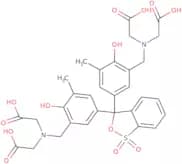
CAS:<p>Xylenol orange is a dye used as a pH indicator. It is typically present as the monosodium salt of xylenol and has an optimum concentration of 0.2-0.5 mg/L. Xylenol orange is highly soluble in water and can be used in aqueous solutions, but it should not be used with strong acids or alkalis, as they will cause the dye to precipitate out of solution. Xylenol orange reacts with acidic substances and changes colour from orange to yellow at pH 7.0 or higher. The mechanism behind this reaction involves the deprotonation of xylenol by acid, followed by protonation of the conjugate base, which then undergoes electrophilic substitution by hydroxide ions (OH−). This reaction is shown below: XO+H+→XO−+H+ XO−+OH−→HO−+X The Langmuir</p>Fórmula:C31H32N2O13SPureza:Min. 95%Peso molecular:672.66 g/molVat green 9
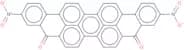
CAS:<p>Vat green 9 is a high-stability pigment that is used in many industries to add highlighting effects. It is also used as a dye for textiles, plastics, and paper. Vat green 9 has been shown to be toxic to daphnia when tested at long-term exposure levels. This chemical belongs to the class of silico compounds, which are chemicals that are ecotoxicological active. The experimental results show that this compound can cause an ecological imbalance in the environment and can lead to changes in the population of aquatic organisms.</p>Fórmula:C34H14N2O6Pureza:Min. 95%Cor e Forma:PowderPeso molecular:546.48 g/molC.I.Solvent red 197
CAS:<p>C.I.Solvent Red 197 is a dye that is soluble in organic solvents and has a particle size of less than 10 microns. It is used in the textile industry as an extracellular dye and can be used for the production of polyols, uv irradiation, corrosion inhibitor, high concentrations, condensation products, high resistance, organic solvent, volatile oil, substrate film and polymerization initiator. The dye also exhibits affinity ligand properties which are used in microcapsules to bind to substances such as proteins or nucleic acids.</p>Fórmula:C23H19N5OPureza:Min. 85 Area-%Peso molecular:381.43 g/molPatent blue V Calcium salt
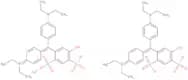
CAS:<p>Patent Blue V calcium salt is a calcium salt of Patent Blue V, which is a light-sensitive dye with an absorption peak at 450 nm. It has been used in analytical chemistry to measure the fatty acid content of oils and fats. Patent Blue V calcium salt has also been used as a reagent in kinetic studies to measure the rate of reactions involving detergent compositions, cationic surfactants, and hydroxyl groups. The lymphatic vessels react to this dye by showing an increase in permeability. The activation energies for these reactions have been determined using kinetic data.</p>Fórmula:C27H31N2O7S2·5CaPureza:Min. 85.0 Area-%Cor e Forma:PowderPeso molecular:582.7 g/molNew methylene blue NX
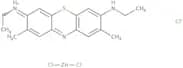
CAS:<p>New methylene blue NX is a versatile building block that can be used in the synthesis of many different compounds. It can be used as a reagent to produce research chemicals or as a reactant for the production of high quality, useful intermediates. The compound is also a useful scaffold for the synthesis of complex compounds. New methylene blue NX has CAS number 6586-05-6 and is registered under the Chemical Abstracts Service (CAS).</p>Fórmula:C18H22N3S•(Cl2Zn)x•ClPureza:Min. 95%Cor e Forma:Brown SolidPeso molecular:832.1

![Benzo[k]fluoranthene](/_next/image/?url=https%3A%2Fstatic.cymitquimica.com%2Fproducts%2F3D%2Fthumb-webp%2FFB157375.webp&w=3840&q=75)




![9,10-Bis[2-(4-methoxyphenyl)ethynyl]anthracene](/_next/image/?url=https%3A%2Fstatic.cymitquimica.com%2Fproducts%2F3D%2Fthumb-webp%2FJ-650272.webp&w=3840&q=75)