Compostos Policiclícos
Subcategorias de "Compostos Policiclícos"
- Acridinas(98 produtos)
- Antraquinonas(538 produtos)
- Ácidos antraquinonasulfónicos(16 produtos)
- Azobenzenos(270 produtos)
- Azonaftalenos(98 produtos)
- Azoxibenzenos(12 produtos)
- Azulenos(11 produtos)
- Benzimidazóis(1.476 produtos)
- Benzodioxanos(27 produtos)
- Benzofuranos(928 produtos)
- Benzotiofenos(701 produtos)
- Benzotriazóis(438 produtos)
- Binaftil(133 produtos)
- Carbazóis(464 produtos)
- Cromanos, Cromenos(482 produtos)
- Cumarinas(1.138 produtos)
- Ciclofanos(11 produtos)
- Fluorenos e Fluorenonas(384 produtos)
- Imidazopiridinas(10 produtos)
- Indans(118 produtos)
- Indazóis(2.043 produtos)
- Indenos(22 produtos)
- Indóis(4.022 produtos)
- Indolinas(119 produtos)
- Isatinas(234 produtos)
- Isobenzofuranos(17 produtos)
- Ftalimidas N-Substituída(154 produtos)
- Naftalenos(2.440 produtos)
- Naftiridina(17 produtos)
- Naftoquinona(2 produtos)
- Perilenos(36 produtos)
- Fenazinas(26 produtos)
- Ftalazinas(33 produtos)
- Ftalimida(154 produtos)
- Hidrocarbonetos aromáticos policíclicos (PAHs)(566 produtos)
- Polifenol(270 produtos)
- Pteridinas(52 produtos)
- Pireno(87 produtos)
- Quinuclidina(1 produtos)
- Tetracenos(7 produtos)
Foram encontrados 4585 produtos de "Compostos Policiclícos"
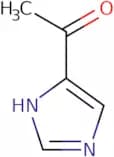
4-Acetylimidazole
CAS:4-Acetylimidazole is a histidine analogue that has been shown to have anticancer activity in breast cancer cells. It can react with amines and form imidazoles. The hydroxyl group on the 4-position of the imidazole ring is able to undergo dehydration, which leads to the formation of a chloride ion. This reaction mechanism is reversible and can be used in organic synthesis. 4-Acetylimidazole can also act as an h2 receptor antagonist, although it does not bind to the zwitterionic site of the h2 receptor. NMR spectra show that 4-acetylimidazole exists as a zwitterion in water solution, but becomes a monovalent ion when dissolved in an organic solvent such as methanol or acetone. 4-Acetylimidazole is chemically stable and does not react with poloxamer.
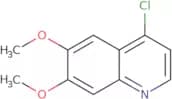
Fórmula:C5H6N2OPureza:Min. 95%Cor e Forma:Yellow PowderPeso molecular:110.11 g/mol4-Chloro-6,7-dimethoxyquinoline
CAS:4-Chloro-6,7-dimethoxyquinoline (4C6DMQ) is a potent inhibitor of the growth of prostate cancer cells. 4C6DMQ is an analog of chloropropyl chloride, which inhibits the growth of epidermal growth factor receptor (EGFR). The binding site for 4C6DMQ on EGFR is the same as that for chloropropyl chloride. 4C6DMQ inhibits EGFR by preventing the activation of downstream signaling cascades, leading to a decrease in cell proliferation and tumor size. The IC50 values for 4C6DMQ are approximately 10 times higher than those for chloropropyl chloride. This drug has been shown to be more potent than other inhibitors of EGFR such as erlotinib and gefitinib.Fórmula:C11H10ClNO2Pureza:Min. 95%Cor e Forma:White PowderPeso molecular:223.66 g/mol4-Bromoisoindoline hydrochloride
CAS:4-Bromoisoindoline hydrochloride (BII) is a chemical compound that can be used as a building block for making other chemicals. It can also be used to make research chemicals or as a reaction component in the synthesis of other compounds. It has been shown to be an effective reagent and is useful for the production of fine chemicals with high purity.
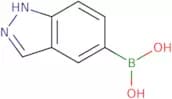
Fórmula:C8H9BrClNPureza:Min. 95%Cor e Forma:PowderPeso molecular:234.52 g/mol1H-Indazole-5-boronic acid
CAS:1H-Indazole-5-boronic acid is a potent compound that belongs to the class of indazole compounds. It has been shown to inhibit protein phosphorylation and induce morphological changes in cells. This compound also inhibits the activity of a number of different cellular enzymes, including protein phosphatases, protein kinases, and protein tyrosine phosphatases. 1H-Indazole-5-boronic acid has been shown to be a promising lead compound for the discovery of novel inhibitors of these enzymes.Fórmula:C7H7BN2O2Pureza:Min. 95%Peso molecular:161.95 g/mol10H-[1,2,5,8,11,14,17,20,23,26,29,32,35]Dithiaundecaazacyclooctatriacontino[11,10-b]isoquinoline,cyclic peptide derivative
CAS:Please enquire for more information about 10H-[1,2,5,8,11,14,17,20,23,26,29,32,35]Dithiaundecaazacyclooctatriacontino[11,10-b]isoquinoline,cyclic peptide derivative including the price, delivery time and more detailed product information at the technical inquiry form on this pageFórmula:C69H116N26O15S2Pureza:Min. 95%Peso molecular:1,613.96 g/mol2,2'-Biquinoline
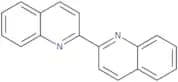
CAS:2,2'-Biquinoline is a coordination compound that has been used as an analytical reagent in the determination of copper and nitrogen. It has been shown to be stable in a variety of matrices, including human serum and copper chloride. 2,2'-Biquinoline is also used as an antimicrobial agent against Gram-positive bacteria, including Staphylococcus aureus. The redox potentials of this compound are dependent on the number of nitrogen atoms present.
Fórmula:C18H12N2Pureza:Min. 95%Peso molecular:256.3 g/mol7-Chloro-4-piperazinylquinoline
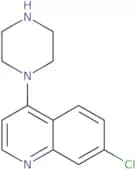
CAS:7-Chloro-4-piperazinylquinoline is a quinoline derivative that belongs to the group of organic solvents. It has anticancer activity and is used as a medicine. 7-Chloro-4-piperazinylquinoline is used as an intermediate in the preparation of sorafenib, which is a potent inhibitor of the protein tyrosine kinase. Sorafenib inhibits cancer cell proliferation and tumor growth by blocking the activity of tyrosine kinases, which are necessary for cellular proliferation and survival. It also inhibits phospholipase A2, which leads to cell death by apoptosis.Fórmula:C13H14ClN3Pureza:Min. 95%Peso molecular:247.72 g/mol6,7-Dihydro-5H-quinolin-8-one
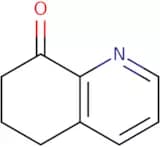
CAS:6,7-Dihydro-5H-quinolin-8-one is a quinoline derivative that can be used to treat cancer. It is an inhibitor of topoisomerase II, which is an enzyme that catalyzes the formation of single stranded breaks in DNA and then reseals them. The inhibition of topoisomerase II leads to the accumulation of single strand breaks, which causes cell death. 6,7-Dihydro-5H-quinolin-8-one has been shown to have inhibitory activity against cancer cells in laboratory tests and also inhibits the growth of breast cancer cells in mice. This compound also has a number of other biological effects including being a ligand for some receptors and amine oxidases as well as having antihistamine properties.
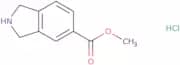
Fórmula:C9H9NOPureza:Min. 95%Cor e Forma:White PowderPeso molecular:147.17 g/molMethyl isoindoline-5-carboxylate HCl
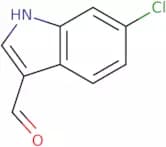
CAS:Please enquire for more information about Methyl isoindoline-5-carboxylate HCl including the price, delivery time and more detailed product information at the technical inquiry form on this pageFórmula:C10H12ClNO2Pureza:Min. 95%Peso molecular:213.66 g/mol6-Chloroindole-3-carboxaldehyde
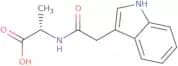
CAS:6-Chloroindole-3-carboxaldehyde is a natural compound with the molecular formula C8H6ClNO2. It has been shown to have anticancer activity against lung cancer cells and has been found to inhibit the growth of metastatic lung cancer cells in mice. 6-Chloroindole-3-carboxaldehyde inhibits the proliferation of human lung cancer cells by arresting cells in the G1 phase of the cell cycle, which may be due to its ability to bind to deoxyhexose and form a complex. This compound also has antimicrobial activity against bacterial strains such as Streptococcus pneumoniae and Mycoplasma pneumoniae.Fórmula:C9H6ClNOPureza:Min. 95%Peso molecular:179.6 g/molIndole-3-acetic-L-alanine
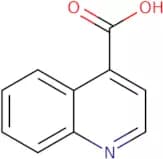
CAS:Indole-3-acetic-L-alanine is a plant hormone that regulates root formation and transport. It is found in all plants, but the concentration varies depending on the plant, tissue type, and growth conditions. It has been shown to regulate root formation in triticum aestivum by inhibiting auxin transport to the roots. Indole-3-acetic acid also inhibits auxin transport to the shoot apex, leading to increased branching in triticum aestivum. This compound is hydrolyzed by root cell enzymes into indole-3-acetate and L-alanine. Genetic mechanisms underlying this phenomenon are not well understood at this time.Fórmula:C13H14N2O3Pureza:Min. 95%Cor e Forma:PowderPeso molecular:246.26 g/molQuinoline-4-carboxylic acid
CAS:Quinoline-4-carboxylic acid is a natural compound that is derived from the amino acid tryptophan. It has been shown to have antiinflammatory activity and to be an inhibitor of prostaglandin synthesis. Quinoline-4-carboxylic acid inhibits the growth of carcinoma cells in culture by inducing apoptosis, which is mediated by inhibition of protein synthesis. Quinoline-4-carboxylic acid also has pharmacokinetic properties, including a low volume of distribution, low clearance rate and high bioavailability.
Fórmula:C10H7NO2Pureza:Min. 97 Area-%Peso molecular:173.17 g/mol2,2,4-Trimethyl-1,2-dihydroquinoline
CAS:2,2,4-Trimethyl-1,2-dihydroquinoline is a chemical compound with the formula C8H10N2. It is a white solid that is insoluble in water but soluble in nonpolar solvents such as benzene, toluene and hexane. 2,2,4-Trimethyl-1,2-dihydroquinoline has been shown to induce liver lesions in rats at doses of 1.25 g/kg/day. It also reacts with hydrogen fluoride to form calcium stearate. This compound is also used as a precursor for the synthesis of diazonium salts and has been shown to be carcinogenic in animal studies.
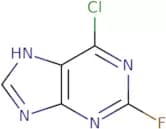
Fórmula:C12H15NPureza:Min. 95%Cor e Forma:Clear Viscous LiquidPeso molecular:173.25 g/mol6-Chloro-2-fluoropurine
CAS:6-Chloro-2-fluoropurine is an analytical reagent with a monoclonal antibody that binds to the nucleic acid of HL-60 cells and can be used for optical analysis. 6-Chloro-2-fluoropurine has been shown to have significant cytotoxicity against HL-60 cells, which may be due to its ability to bind to intracellular targets. 6-Chloro-2-fluoropurine has also been shown to inhibit the growth of HL-60 cells in a fluorescein angiography study and is used as a diagnostic agent for diagnosis of cancer.Fórmula:C5H2ClFN4Pureza:Min. 98 Area-%Cor e Forma:Off-White PowderPeso molecular:172.55 g/mol2-Aminoindole hydrochloride
CAS:2-Aminoindole hydrochloride is a heterocyclic amine that is formed by the reaction of benzene and an aminoindole. It is a difunctional compound that can react with alcohols to form amides, carbonyl groups to form ketones, or carbamate groups to form ureas. This compound has been shown to act as an activated aromatic amine that reacts with oxygen in the atmosphere to form a variety of products, including chlorinated aromatic amines. 2-Aminoindole hydrochloride has been shown to have carcinogenic effects in rats when administered orally at high doses.
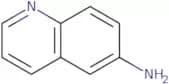
Fórmula:C8H9ClN2Pureza:Min. 95%Cor e Forma:Slightly Yellow PowderPeso molecular:168.62 g/mol6-Aminoquinoline
CAS:6-Aminoquinoline is a chemical compound that is used as an intermediate in the synthesis of other compounds. It has been found to be effective in inhibiting the growth of human cancer cells and cell lines by binding to amines, which are important for cell proliferation. 6-Aminoquinoline also inhibits epidermal growth factor (EGF) and its receptor, which may be due to its ability to inhibit the transfer of phosphate groups from ATP to EGF. 6-Nitroquinoline, which is derived from 6-aminoquinoline, has been shown to have antiinflammatory activity.
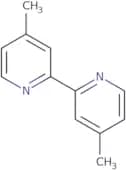
Fórmula:C9H8N2Pureza:Min. 95%Cor e Forma:Yellow PowderPeso molecular:144.17 g/mol4,4'-Dimethyl-2,2'-bipyridine
CAS:4,4'-Dimethyl-2,2'-bipyridine is a molecule that belongs to the group of p2 metal complexes. It has been shown to have synergistic effects with ruthenium complexes in analytical chemistry and electrochemical studies. Theoretical calculations have been performed for 4,4'-dimethyl-2,2'-bipyridine and its derivatives. These calculations show that the molecule is planar and that it can be considered as a diazonium salt. The photochemical properties of 4,4'-dimethyl-2,2'-bipyridine have also been studied in detail. This substance emits light when excited by ultraviolet light or visible light, which makes it an excellent candidate for use as a luminescent material in optical displays.Fórmula:C12H12N2Pureza:Min. 98%Cor e Forma:Slightly Yellow PowderPeso molecular:184.24 g/mol5-Chloro-8-hydroxyquinoline
CAS:5-Chloro-8-hydroxyquinoline (5-CQ) is a quinoline derivative that has been used as an anticancer agent. It binds to DNA and inhibits the synthesis of RNA and proteins, leading to cell death. 5-CQ has been shown to be cytotoxic against skin cells in vitro by inhibiting mitochondrial oxidative phosphorylation and decreasing the mitochondrial membrane potential. This compound also has genotoxic effects on cultured choroidal neovascularization cells through the inhibition of DNA synthesis.
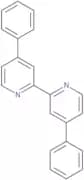
5-CQ binds to DNA via hydrogen bonds with nitrogen atoms in the purine ring of nucleobases. The overall geometry is that of a distorted octahedron with two faces, each containing six nitrogens in square planar coordination geometry. The binding constants are low for purines but high for pyrimidines, which is why 5-CQ preferentially targets purine rich regions of the genome.Fórmula:C9H6ClNOPureza:Min. 95%Cor e Forma:Green To Grey SolidPeso molecular:179.6 g/mol4,4'-Diphenyl-2,2'-bipyridine
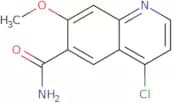
CAS:4,4'-Diphenyl-2,2'-bipyridine is a ligand that can be used to produce more efficient magnesium peroxide catalysts. The efficiency of the catalyst was found to increase with increasing concentrations of the ligand. 4,4'-Diphenyl-2,2'-bipyridine has been shown to bind strongly to chloride ions and may have potential applications in animal health as a supplement. This compound is also useful in electrochemical data studies because it has a relatively high oxidation potential and electrochemical stability. It can also be used for photophysical studies due to its strong fluorescence. 4,4'-Diphenyl-2,2'-bipyridine can be synthesized by reacting carbon tetrachloride with an animal or vegetable oil or fat.Fórmula:C22H16N2Pureza:Min. 95 Area-%Cor e Forma:PowderPeso molecular:308.38 g/mol4-Chloro-7-methoxyquinoline-6-carboxamide
CAS:Intermediate in the synthesis of lenvatinibFórmula:C11H9ClN2O2Pureza:Min. 95%Peso molecular:236.65 g/mol8-Quinolinesulfonyl chloride
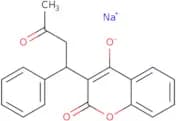
CAS:8-Quinolinesulfonyl chloride (8QSC) is a quinoline derivative that has been shown to have anticancer activity. 8QSC binds to the receptor site of cells and inhibits the production of amines, which are important for cell growth and proliferation. It also binds to hydrogen bonds, which may be involved in the cytotoxicity observed in pancreatic cancer cells. 8QSC shows significant cytotoxicity against Panc-1 cells, but not against NIH 3T3 cells. This may be due to its ability to form supramolecular aggregates with copper ions and quinoline derivatives.Pureza:Min. 95%3-(α-Acetonylbenzyl)-4-hydroxycoumarin sodium
CAS:3-(α-Acetonylbenzyl)-4-hydroxycoumarin sodium is an anticoagulant compound, which is a synthetic derivative of coumarin. It is primarily sourced via chemical synthesis in laboratory settings. Its mode of action involves inhibiting the synthesis of vitamin K-dependent clotting factors, specifically factors II, VII, IX, and X. This inhibition impairs blood coagulation, leading to uncontrolled bleeding.Fórmula:C19H15NaO4Pureza:Min. 95%Cor e Forma:White PowderPeso molecular:330.31 g/molPeucedanol methyl ether
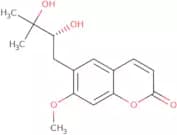
CAS:Peucedanol methyl ether is a bioactive natural compound, which is derived from certain species of the Peucedanum genus, commonly found in various geographic regions. This compound is predominantly obtained from natural extracts through advanced chromatographic techniques. Its molecular structure is characterized by its functional groups, which contribute to its biological activities.
Fórmula:C15H18O5Pureza:Min. 95%5-Fmoc-amino-10,11-dihydro-5H-dibenzo[a,d]-cycloheptenyl-2-oxyacetyl-DL-Nle-4- methyl-benzhydrylamide resin
Please enquire for more information about 5-Fmoc-amino-10,11-dihydro-5H-dibenzo[a,d]-cycloheptenyl-2-oxyacetyl-DL-Nle-4- methyl-benzhydrylamide resin including the price, delivery time and more detailed product information at the technical inquiry form on this page
Pureza:Min. 95%4,4'-Bis(hydroxymethyl)-2,2-bipyridine
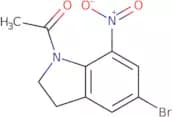
CAS:4,4'-Bis(hydroxymethyl)-2,2-bipyridine is a replication inhibitor that has been used in the treatment of cancer. It has also been shown to be effective in the treatment of metabolic disorders and chronic bronchitis. 4,4'-Bis(hydroxymethyl)-2,2-bipyridine binds to the active site of human HMG-CoA reductase, which is an enzyme involved in cholesterol synthesis. This binding prevents the formation of HMG-CoA, preventing the conversion of acetyl coenzyme A into cholesterol. The drug also binds to microbial metabolism enzymes such as fatty acid synthase and alkanoic acid oxidoreductases and has significant cytotoxicity.Fórmula:C12H12N2O2Pureza:Min. 95%Cor e Forma:PowderPeso molecular:216.24 g/mol1-Acetyl-5-bromo-7-nitro-2,3-dihydro-1H-indole
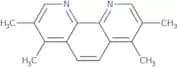
CAS:The 1-Acetyl-5-bromo-7-nitro-2,3-dihydro-1H-indole is a water soluble molecule. It has a molecular weight of 230.3 and a chemical formula of C8H6N2O2Br. The 1A5B7N1 is an aromatic heterocyclic compound that contains a ring with five carbon atoms, three nitrogens, and one oxygen. The 1A5B7N1 is also known as the 5 Bromo 7 Nitro 2,3 Dihydro 1 H Indole or the 5 Bromo 7 Nitro 2,3 Dihydroindole. This molecule has been seen to have bioactive properties in many different ways including photolysis efficiency and molecular orbital.Fórmula:C10H9BrN2O3Pureza:Min. 95%Peso molecular:285.09 g/mol3,4,7,8-Tetramethyl-1,10-phenanthroline
CAS:Metal-chelating agent
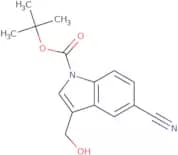
Fórmula:C16H16N2Pureza:Min. 98 Area-%Cor e Forma:White PowderPeso molecular:236.31 g/mol1-Boc-5-Cyano-3-hydroxymethylindole
CAS:Please enquire for more information about 1-Boc-5-Cyano-3-hydroxymethylindole including the price, delivery time and more detailed product information at the technical inquiry form on this page
Fórmula:C15H16N2O3Pureza:Min. 95%Peso molecular:272.3 g/mol7-Bromo-1H-indazole
CAS:7-Bromo-1H-indazole is a brominated indazole with an unusual amino acid sequence. It can be used as a building block for the synthesis of new compounds that have potential as medicines. 7-Bromo-1H-indazole has been investigated in cancer cell lines, and it has been shown to inhibit the growth of these cells by inhibiting the production of chloride ions. The molecular modeling of this compound has also shown that it may bind to the chloride channel on cancer cells, preventing chloride ions from entering or leaving the cell. The X-ray crystal structures show that 7-bromoindazole binds with hydrogen bonds to azobisisobutyronitrile (AIBN) and ruthenium complex, which are both potential anticancer drugs.Fórmula:C7H5BrN2Pureza:Min. 95%Peso molecular:197.03 g/mol2-[3-(S)-[3-(2-(7-Chloro-2-quinolinyl)ethenyl)phenyl]-3-hydroxypropyl]benzoic acid methyl ester
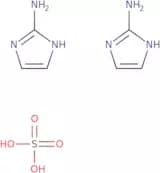
CAS:2-[3-(S)-[3-(2-(7-Chloro-2-quinolinyl)ethenyl)phenyl]-3-hydroxypropyl]benzoic acid methyl ester is a synthetic compound that can be used as a reagent in the synthesis of polynucleotides and polypeptides. It can also be used as an inhibitor of ketoreductase, which is an enzyme involved in the synthesis of fatty acids and ketones. 2-[3-(S)-[3-(2-(7-Chloro-2-quinolinyl)ethenyl)phenyl]-3-hydroxypropyl]benzoic acid methyl ester has been shown to inhibit the growth of wild type and mutant strains of E. coli. The molecular weight of this compound is 439.Fórmula:C28H24ClNO3Pureza:Min. 95%Peso molecular:457.95 g/mol2-Aminoimidazole sulfate
CAS:2-Aminoimidazole sulfate is a chemical compound that is used as a transfection reagent. It has been shown to have high transfection efficiency with low cytotoxicity. The diameter of the molecule is in the range of 2 - 3 nm, which allows it to be taken up by cells and thus be active in them. This chemical can be dehydrogenated to form imidazole-2-sulfonic acid, which may interact with other molecules. There have been many advances in this area, including modifications and gaseous forms of the molecule. Research into the interactions of this compound with other chemicals and their effects on cellular uptake are ongoing.
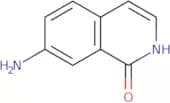
Fórmula:C3H5N3•(H2O4S)0Pureza:Min. 95%Cor e Forma:Off-White PowderPeso molecular:264.26 g/mol7-Amino-1(2h)-isoquinolinone
CAS:Please enquire for more information about 7-Amino-1(2h)-isoquinolinone including the price, delivery time and more detailed product information at the technical inquiry form on this page
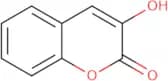
Fórmula:C9H8N2OPureza:Min. 95%Peso molecular:160.17 g/mol3-Hydroxycoumarin
CAS:3-Hydroxycoumarin is a coumarin derivative, which is a type of organic compound with significant pharmacological interest. It is derived from the parent structure of coumarin, naturally found in various plant sources such as tonka beans and sweet clover. Its molecular structure includes a hydroxyl group added at the third position of the coumarin backbone, conferring distinct chemical properties.Fórmula:C9H6O3Pureza:Min. 95%Cor e Forma:PowderPeso molecular:162.14 g/molMarmesinin
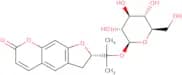
CAS:Marmesinin is a furanocoumarin compound, which is a type of phytochemical derived from certain plant species. It is specifically obtained from the plant Aegle marmelos, commonly known as the bael tree. Marmesinin acts primarily through mechanisms that are characteristic of coumarins, such as influencing biochemical pathways involved in cellular growth and immune response modulation.Fórmula:C20H24O9Pureza:Min. 95%Peso molecular:408.4 g/mol5-Bromoquinolin-6-amine
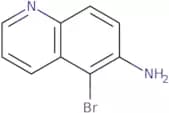
CAS:Please enquire for more information about 5-Bromoquinolin-6-amine including the price, delivery time and more detailed product information at the technical inquiry form on this pageFórmula:C9H7BrN2Pureza:Min. 95%Peso molecular:223.07 g/moltert-Butyl 6-amino-3-azabicyclo[3.1.0]hexane-3-carboxylate
CAS:Please enquire for more information about tert-Butyl 6-amino-3-azabicyclo[3.1.0]hexane-3-carboxylate including the price, delivery time and more detailed product information at the technical inquiry form on this pageFórmula:C10H18N2O2Pureza:Min. 95%Peso molecular:198.26 g/mol4-Methylindole
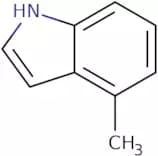
CAS:4-Methylindole is an anthranilic acid derivative that inhibits the polymerase chain reaction (PCR) by binding to the polymerase and preventing DNA replication. 4-Methylindole has been shown to inhibit the production of human liver proteins in vitro, but its effects on other tissues have not been determined. 4-Methylindole is a low toxicity compound that is metabolized by hydrolysis, which can be reversed with acid or base. It also binds to and irreversibly oxidizes human protein, which may be due to its reversible oxidation properties. This chemical has been found in capsicum annuum, which produces it as a natural defense against herbivores.Fórmula:C9H9NPureza:Min. 95%Cor e Forma:LiquidPeso molecular:131.17 g/mol5-Formyltetrahydropteroic acid
CAS:5-Formyltetrahydropteroic acid is a labile, water soluble compound that can be used as a chromatographic standard. It has been used to determine the purity of water by measuring the concentration of this impurity in the sample. 5-Formyl tetrahydropterin has been shown to inhibit tumor growth and induce apoptosis in cancer cells. This compound also inhibits protein synthesis in cells by inhibiting ribosomal RNA processing and decreasing the rate of protein synthesis. 5-Formyltetrahydropteroic acid is also used to prevent bone marrow from producing red blood cells when given with leucovorin, which prevents the breakdown of bone marrow cells caused by radiation therapy or chemotherapy.
Fórmula:C15H16N6O4Pureza:Min. 95%Peso molecular:344.33 g/mol1-Methyl-1H-indazole-7-carbaldehyde
CAS:1-Methyl-1H-indazole-7-carbaldehyde is a 1,3,5-substituted indazole derivative that can be used as a building block for the synthesis of complex compounds. It is an intermediate in the synthesis of various pharmaceuticals and it has been shown to have potential applications in research chemicals. 1-Methyl-1H-indazole-7-carbaldehyde can be used as a versatile building block after conversion to other derivatives. This chemical is also being investigated as a possible treatment for Parkinson's disease and Alzheimer's disease.Fórmula:C9H8N2OPureza:Min. 95%Cor e Forma:Yellow PowderPeso molecular:160.17 g/molTricyclohexylphosphine
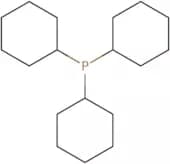
CAS:Tricyclohexylphosphine is a compound that is used in organic synthesis to form stable complexes with reactive functional groups such as trifluoroacetic acid, glycol ethers, and sodium carbonate. The reaction solution of these compounds forms a complex with copper chloride and fluorescence probe, which can be analyzed by x-ray crystallography. The reaction mechanism of this compound involves coordination geometry and hydroxyl group. Its basic structure is a trivalent phosphorus atom coordinated to three ligands. Structural analysis of this compound has been done using kinetic data and the results have indicated that the reaction proceeds through an SN2-like mechanism.
Fórmula:C18H33PPureza:Min. 95%Cor e Forma:White PowderPeso molecular:280.43 g/mol2,2', 2'' -Terpyridine
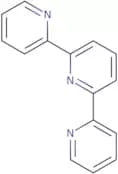
CAS:2,2', 2'' -Terpyridine is a chelate ligand that is used in wastewater treatment. It can be synthesized by reacting 2-aminopyridine with ethylene diamine and 2,4-dichloro-1,3-dithiolane. The x-ray crystal structures of the ligand show that it has a coordination geometry of octahedral and its reaction mechanism is an oxidation. The chelate ligand binds to the metal ion in the same way as other ligands and stabilizes it by forming hydrogen bonds. This compound has significant cytotoxicity against carcinoma cell lines and also inhibits the mitochondrial membrane potential (MMP). 2,2', 2'' -Terpyridine is classified as group p2 due to its redox potentials and cytotoxicity.
Fórmula:C15H11N3Pureza:Min. 95%Peso molecular:233.27 g/mol8-Boc-3,8-diaza-bicyclo[3.2.1]octane
CAS:8-Boc-3,8-diaza-bicyclo[3.2.1]octane is a functional group that can be used in the preparation of pharmaceutical preparations. It is insoluble in water and soluble in organic solvents. This compound has been shown to be effective in the treatment of neurodegenerative diseases such as Alzheimer's disease and Parkinson's disease. 8-Boc-3,8-diaza-bicyclo[3.2.1]octane has also been shown to have protective effects against sae-cd induced cytotoxicity by upregulating the expression of antiapoptotic proteins Bcl2 and Bclxl, which are important for neuronal cell survival.Fórmula:C11H20N2O2Pureza:Min. 95%Peso molecular:212.29 g/molVinaxanthone
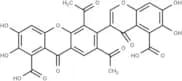
CAS:Vinaxanthone (SM-345431), an extract from Penicillium chrysogenum, is a semaphorin3A inhibitor with antimicrobial activity.Fórmula:C28H16O14Pureza:82.56% - 97.8%Cor e Forma:SolidPeso molecular:576.42Isopropyl 2-amino-4-hydroxy-5,8-dihydropyrido[3,4-d]pyrimidine-7(6H)-carboxylate
CAS:Please enquire for more information about Isopropyl 2-amino-4-hydroxy-5,8-dihydropyrido[3,4-d]pyrimidine-7(6H)-carboxylate including the price, delivery time and more detailed product information at the technical inquiry form on this page
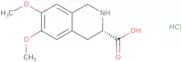
Fórmula:C11H16N4O3Pureza:Min. 95%Peso molecular:252.27 g/mol(S)-(-)-6,7-Dimethoxy-1,2,3,4-tetrahydroisoquinoline-3-carboxylic acid hydrochloride
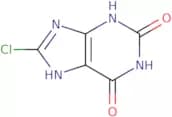
CAS:(S)-(-)-6,7-Dimethoxy-1,2,3,4-tetrahydroisoquinoline-3-carboxylic acid hydrochloride is a synthetic chiral compound that is used to study the role of glyoxylate in biochemical reactions. This drug is an enolate and alkylating agent that can react with nucleophiles such as amines and thiols. It has been shown to be effective against perchlorates by hydrolyzing them into chlorine and oxygen gas. This drug has also been shown to inhibit the growth of Rhodobacter sphaeroides by inhibiting glyoxylate metabolism.Fórmula:C12H15NO4·HClPureza:Min. 95%Cor e Forma:White PowderPeso molecular:273.71 g/mol8-Chloro-3,7-dihydro-1H-purine-2,6-dione
CAS:8-Chloro-3,7-dihydro-1H-purine-2,6-dione is a reactive molecule that binds to the active site of bacterial cyclic nucleotide phosphodiesterases and inhibits their activity. This inhibition prevents the breakdown of cAMP and cGMP, which are important second messengers in eukaryotic cells. 8-Chloro-3,7-dihydro-1H-purine-2,6-dione is also a potent inhibitor of protein synthesis and has been used in research studies on wheat leaves.
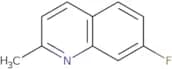
Fórmula:C5H3N4O2ClPureza:Min. 95%Cor e Forma:PowderPeso molecular:186.56 g/mol7-Fluoro-2-methylquinoline
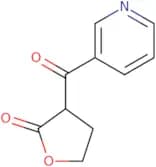
CAS:7-Fluoro-2-methylquinoline is a multistep synthetic compound that belongs to the family of quinoxalines. It has been shown to have potent antibacterial activity against a wide range of bacteria, including methicillin-resistant Staphylococcus aureus (MRSA) and Mycobacterium tuberculosis. 7-Fluoro-2-methylquinoline was developed as an analog of the natural product quinoxaline. The key step in its synthesis is the reaction between an aldehyde and hydroxyalkylating reagent in the presence of iron catalyst. This process results in the formation of functional groups such as hydroxyls, alkoxy, or halogens.Fórmula:C10H8FNPureza:Min. 95%Cor e Forma:White PowderPeso molecular:161.18 g/molDihydro-3-(3-pyridoyl)-2-(3H)-furanone
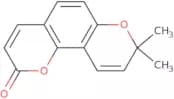
CAS:Please enquire for more information about Dihydro-3-(3-pyridoyl)-2-(3H)-furanone including the price, delivery time and more detailed product information at the technical inquiry form on this pageFórmula:C10H9NO3Pureza:Min. 95%Peso molecular:191.18 g/molSeselin
CAS:Seselin is a furanocoumarin, a type of organic compound, which is typically sourced from various plant species, particularly those in the Apiaceae family. This compound is characterized by a furan ring fused with a coumarin core, contributing to its unique chemical structure.
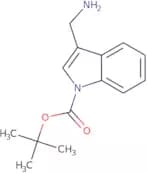
Fórmula:C14H12O3Pureza:Min. 95%Peso molecular:228.24 g/moltert-Butyl 3-(aminomethyl)-1H-indole-1-carboxylate hydrochloride
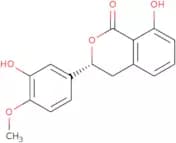
CAS:Please enquire for more information about tert-Butyl 3-(aminomethyl)-1H-indole-1-carboxylate hydrochloride including the price, delivery time and more detailed product information at the technical inquiry form on this pageFórmula:C14H18N2O2Pureza:Min. 95%Peso molecular:246.31 g/mol(+)-Phyllodulcin
CAS:(+)-Phyllodulcin is a natural sweetener, which is predominantly derived from the leaves of the Hydrangea macrophylla var. thunbergii, commonly referred to as the sweet hydrangea. As a compound, it functions primarily as a sweetening agent by interacting with taste receptors on the human tongue, offering a sweetness intensity significantly greater than sucrose.Fórmula:C16H14O5Pureza:Min. 95%Peso molecular:286.28 g/molDebacarb
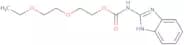
CAS:Debacarb is a subtilis mutant strain that produces the active substances debacarb and debacin. Debacarb inhibits the mitochondrial cytochrome b-245, which is an enzyme in the electron transport chain of mitochondria. It also inhibits bacterial growth by binding to nicotinic acetylcholine, which is an enzyme involved in the synthesis of bacterial cell walls. The target enzymes for this compound are not yet known. The bacterium Agrobacterium tumefaciens was found to be sensitive to Debacarb, but resistant strains were also obtained. Debacarb has been used as an agrochemical against bacterial strains such as Pseudomonas syringae and Erwinia carotovora. The effective dose for Debacarb varies depending on the bacterial strain. The most common effective doses are between 2 and 5 ppm, but higher concentrations may be needed against some bacteria.br> Debacarb can inhibit polymerase chain reactions, which
Fórmula:C14H19N3O4Pureza:Min. 95%Peso molecular:293.32 g/mol7-[(2S,3R)-3-Amino-2-methyl-azetidin-1-yl]-1-(2,4-difluorophenyl)-6-fluoro-4-oxo-quinoline-3-carboxylic acid
CAS:7-[(2S,3R)-3-Amino-2-methyl-azetidin-1-yl]-1-(2,4-difluorophenyl)-6-fluoro-4-oxo-quinoline-3-carboxylic acid (ABT) is a drug that binds to bacterial enzymes and inhibits their ability to synthesize proteins. ABT is a conjugate of fluoroquinolone and an amino acid. As the drug is degradable by hydrolysis, it has been shown to be less toxic in Sprague Dawley rats than other fluoroquinolones. This drug has been used in diagnostic tests as a ligand for affinity ligands, but has not been approved for human use. The drug also possesses functional groups that are important for binding to reconstituted enzymes.br>br>ABT's ester linkages are degradable by hydrolysis and can beFórmula:C20H16F3N3O3Pureza:Min. 95%Peso molecular:403.35 g/mol5-[(1-Methylindole-3-yl)carbonyl]-4,5,6,7-tetrahydro-1H-bezimidazole
CAS:Produto Controlado5-[(1-Methylindole-3-yl)carbonyl]-4,5,6,7-tetrahydro-1H-bezimidazole is a reactive heterocyclic compound. It is a carboxylic acid and an amide with a peptic and cephalalgic effect. The symptoms of 5-[(1-methylindole-3-yl)carbonyl]-4,5,6,7-tetrahydro-1H-bezimidazole are hemicrania and amnesia. It has been expressed in the calf thymus DNA.
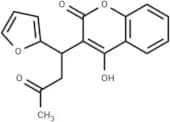
Fórmula:C17H17N3OPureza:Min. 95%Peso molecular:279.34 g/molCoumafuryl
CAS:Coumafuryl is a coumarin-based rodenticide. It inhibits the metabolic cycle of vitamin K, thereby interfering with the biosynthesis of vitamin K-dependent clotting factors (factors II, VII, IX, and X) in the liver.Fórmula:C17H14O5Cor e Forma:SolidPeso molecular:298.29Elsamicin B
CAS:Elsamicin B is an antitumor antibiotic belonging to the Chartreusin group.Fórmula:C26H22O10Cor e Forma:SolidPeso molecular:494.447(+)(1S,2S,4R)-Bicyclo[2.2.1]heptane-2-amine
CAS:(+)(1S,2S,4R)-Bicyclo[2.2.1]heptane-2-amine is a heterocyclic compound that contains a nitrogen atom and an amine group. It has been shown to be a potent inhibitor of the enzyme activities of malonic acid decarboxylase and acetylcholinesterase. This compound can be used as a diagnostic tool for chronic kidney disease, specifically in cases of renal failure and polycystic kidney disease. The palladium complexes can be used for the synthesis of (+)(1S,2S,4R)-bicyclo[2.2.1]heptane-2-amine in high yield from malonic acid and ammonia.
Fórmula:C7H13NPureza:Min. 95%Peso molecular:111.18 g/molMethyl 6-nitropyrido[1,2-a]benzimidazole-8-carboxylate
CAS:Please enquire for more information about Methyl 6-nitropyrido[1,2-a]benzimidazole-8-carboxylate including the price, delivery time and more detailed product information at the technical inquiry form on this pageFórmula:C13H9N3O4Pureza:Min. 95%Peso molecular:271.23 g/molIsatin-5-sulfonic acid sodium salt dihydrate
CAS:Isatin-5-sulfonic acid sodium salt dihydrate is a potent inhibitor of caspases. It has been shown to inhibit the activity of caspase-3 in vitro, thereby inhibiting apoptosis. Isatin-5-sulfonic acid sodium salt dihydrate has also been shown to increase survival rates in animal models of neurodegenerative diseases such as Parkinson's disease and Huntington's disease. Isatin-5-sulfonic acid sodium salt dihydrate may have neuroprotective effects by inhibiting the release of proinflammatory cytokines and nitric oxide, which are associated with neuronal death. This drug also inhibits monoamine oxidase A (MAO-A) and zymosterone B (ZVAD).Fórmula:C8H4NNaO5S·2H2OPureza:Min. 95%Cor e Forma:PowderPeso molecular:285.21 g/mol2-Hydroxyamino-3-methyl-3H-imidazo[4,5-f]quinoline
CAS:2-Hydroxyamino-3-methyl-3H-imidazo[4,5-f]quinoline (2HAIQ) is a reactive compound that binds to DNA. It has been shown to be a potent inhibitor of the enzyme cytosolic protein kinase C, which plays an important role in regulating cellular metabolism. 2HAIQ also inhibits the activity of enzymes such as hydroxylases and polymerases. The binding of 2HAIQ to DNA is thought to inhibit transcription by preventing RNA polymerase from transcribing DNA. 2HAIQ may also inhibit replication by binding to the dinucleotide phosphate molecule, which is essential for DNA synthesis.Fórmula:C11H10N4OPureza:Min. 95%Peso molecular:214.22 g/molPhosphine, tricyclohexyl-
CAS:Purity 95%
Fórmula:C18H33PPureza:98%Cor e Forma:SolidPeso molecular:280.42841,4-Diazoniabicyclo[2.2.2]octane, 1,4-disulfino-, bis(inner salt)
CAS:Fórmula:C6H12N2O4S2Pureza:97%Cor e Forma:SolidPeso molecular:240.30051-Azabicyclo[2.2.2]octan-3-one, hydrochloride (1:1)
CAS:Fórmula:C7H12ClNOPureza:98%Cor e Forma:SolidPeso molecular:161.6293(1S,4S,5S)-4,7,7-Trimethyl-6-thiabicyclo[3.2.1]octane
CAS:Fórmula:C10H18SPureza:98%Cor e Forma:LiquidPeso molecular:170.31498-Oxa-3-azabicyclo[3.2.1]octane
CAS:Fórmula:C6H11NOPureza:98%Cor e Forma:LiquidPeso molecular:113.1576Ref: IN-DA003NGW
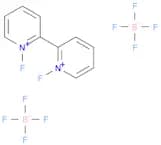
Produto descontinuado2,2'-Bipyridinium, 1,1'-difluoro-, tetrafluoroborate(1-) (1:2)
CAS:Fórmula:C10H8B2F10N2Pureza:95%Cor e Forma:SolidPeso molecular:367.7900Umbelliferone
CAS:Umbelliferone or 7-hydroxycoumarin is a widespread natural product of the coumarin family. It occurs in many familiar plants from the umbelliferae family. Umbelliferone can be used as a fluorescence indicator for metal ions such as copper and calcium. It acts as a pH indicator in the range 6.5-8.9.
Fórmula:C9H6O3Pureza:Min. 98.0 Area-%Peso molecular:162.15 g/molH-Imidazoleacetic acid
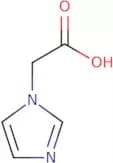
CAS:H-Imidazoleacetic acid is a synthetic compound that can be used to produce other compounds. It is soluble in water and has a hydrophilic interaction with calcium carbonate. H-Imidazoleacetic acid may be recycled, as it is easily synthesized from ethyl bromoacetate by reaction with hydrochloric acid. This substance has shown anticancer activity and may be used to treat blood pressure. The chromatographic method for H-Imidazoleacetic acid involves the use of extracellular medium to remove the organic solvent, followed by reversed phase chromatography on an ion exchange column. H-Imidazoleacetic acid is soluble in water and has a hydrophilic interaction with calcium carbonate. It may be recycled, as it is easily synthesized from ethyl bromoacetate by reaction with hydrochloric acid. This substance has shown anticancer activity and may be used to treat blood pressure. The
Fórmula:C5H6N2O2Pureza:Min. 95%Cor e Forma:PowderPeso molecular:126.11 g/molDL-Indole-3-lactic acid
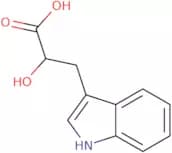
CAS:Indole-3-lactic acid is a plant hormone that is produced in the leaves of the plant when they are under stress. It has been shown to have activity against bowel diseases and metabolic disorders. Indole-3-lactic acid has been isolated from plants like Caproicum album, which is used in vitro to measure its effect on caproic acid production. This compound has also been detected in human serum and wastewater treatment. Indole-3-lactic acid inhibits tryptophan degradation by competing with indolecarboxylase for substrate. The effect of indole-3-lactic acid on dextran sulfate and glomerular filtration rate was studied using a rat model, where it was found that it had no significant effects.
Fórmula:C11H11NO3Pureza:Min. 95%Cor e Forma:PowderPeso molecular:205.21 g/mol2-Phenyl-4-quinolinecarboxylic acid
CAS:2-Phenyl-4-quinolinecarboxylic acid is a nonsteroidal anti-inflammatory drug that is commonly used to treat bronchoconstrictor response and inflammatory bowel disease. It is also an antimicrobial agent, which can be used to treat infectious diseases. The compound was found to have structural similarity to other nonsteroidal anti-inflammatory drugs, such as ibuprofen and naproxen. 2-Phenyl-4-quinolinecarboxylic acid has shown the ability to inhibit leukemia inhibitory factor (LIF) production by lymphocytes, which may have a role in the development of leukemia. This drug also possesses antioxidative properties and has been shown to have high values in group P2 polymerase chain reactions.
Fórmula:C16H11NO2Pureza:Min. 98.5%Cor e Forma:PowderPeso molecular:249.26 g/molRef: 3D-FP44219
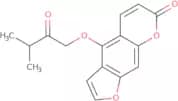
Produto descontinuadoIso-oxypeucedanin
CAS:Iso-oxypeucedanin is a naturally occurring furanocoumarin compound, which is isolated from various plant species, particularly those belonging to the Apiaceae family. It exhibits a range of biological activities, primarily attributable to its structural properties that allow it to interact with various molecular targets.
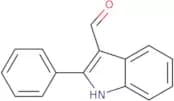
Pureza:Min. 95%2-Phenylindole-3-carboxaldehyde
CAS:2-Phenylindole-3-carboxaldehyde is an organic compound that belongs to the class of bioactive molecules. It is a nitrogen heterocycle that has been shown to inhibit the growth of cancer cells in culture. 2-Phenylindole-3-carboxaldehyde has also been shown to have anti-inflammatory and antimicrobial properties. This molecule can be used in the treatment of cancer, as it inhibits the growth of tumor cells by inhibiting DNA synthesis, which leads to cell death. The molecular structure can be altered by allylation or replacement with other functional groups. The 2-phenylindole moiety can be modified at its C2 position, altering its pharmacological properties and may lead to new anticancer drugs.
Fórmula:C15H11NOPureza:Min. 95%Cor e Forma:PowderPeso molecular:221.25 g/mol6-Fluoro-5-Methyl-2-[(5-Methyl-1H-Imidazol-4-Yl)Methyl]-2,3,4,5-Tetrahydro-1H-Pyrido[4,3-b]Indol-1-One
CAS:Produto Controlado6-Fluoro-5-Methyl-2-[(5-Methyl-1H-Imidazol-4-Yl)Methyl]-2,3,4,5-Tetrahydro-1H-Pyrido[4,3-b]Indol-1-One is a drug that belongs to the class of fatty acid esters. It has been shown to be effective in clinical trials for the treatment of symptoms of dry eye syndrome. 6FMETI has a low safety profile and does not cause any adverse effects in humans. The drug can be administered by intravenous injection or oral administration and has a long elimination half life of 36 hours. 6FMETI is metabolized by hydrolysis to its active form, 5FMTI, which is then conjugated with glucuronic acid or methyl glutaryl coenzyme A to form an inactive metabolite. This drug also has good pharmacokinetic properties
Fórmula:C17H17FN4OPureza:Min. 95%Peso molecular:312.34 g/molSuberosin
CAS:Suberosin is a naturally occurring sesquiterpene lactone, which is isolated from members of the Rutaceae family, such as the plant Feronia limonia. The compound exhibits diverse biological activities, primarily attributed to its complex structure that facilitates interaction with various biological targets. Suberosin's mode of action involves disrupting microbial cell membranes and interfering with critical biochemical pathways, effectively inhibiting microbial growth and propagation.
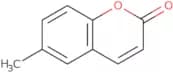
Fórmula:C15H16O3Pureza:Min. 95%Peso molecular:244.29 g/mol6-Methylcoumarin
CAS:The 6-methylcoumarin is a benzalkonium chloride that can be used as a stabilizer for biological samples. It has been shown to inhibit the activity of coumarin derivatives, which are receptors that are involved in the transmission of pain signals in the brain. The 6-methylcoumarin is also able to inhibit signal peptide, which is a protein that is secreted by cells and functions as a messenger between cells. This compound was found to have hypoglycemic effects due to its ability to stimulate glucose uptake in the body.
Fórmula:C10H8O2Pureza:Min. 95%Cor e Forma:PowderPeso molecular:160.17 g/mol2-Butyl-1,3-diazaspiro[4.4]non-1-en-4-one Hydrochloride
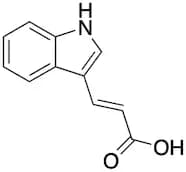
CAS:Fórmula:C11H18N2O·HClPureza:>98.0%(T)(HPLC)Cor e Forma:White to Almost white powder to crystalPeso molecular:230.743-Indoleacrylic Acid
CAS:Produto ControladoApplications 3-Indoleacrylic Acid (cas# 1204-06-4) is a useful research chemical.
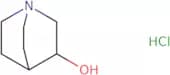
Fórmula:C11H9NO2Cor e Forma:NeatPeso molecular:187.193-Quinuclidinol HCl
CAS:Produto Controlado3-Quinuclidinol HCl is a cholinergic drug that inhibits the enzyme acetylcholinesterase. This action prevents the breakdown of the neurotransmitter acetylcholine, which causes an increase in its concentration in the synaptic cleft. 3-Quinuclidinol HCl has been shown to have a dose-dependent effect on increasing acetylcholine levels, which is believed to be due to its ability to inhibit butyrylcholinesterase. In addition, this drug has been shown to have pharmacokinetic properties that are consistent with those of other cholinergic drugs. 3-Quinuclidinol HCl also interacts with other substances and can block nicotinic receptors at high doses.
Fórmula:C7H13NO·HClPureza:Min. 95%Peso molecular:163.64 g/mol


![10H-[1,2,5,8,11,14,17,20,23,26,29,32,35]Dithiaundecaazacyclooctatriacontino[11,10-b]isoquinoline,c…](/_next/image/?url=https%3A%2Fstatic.cymitquimica.com%2Fproducts%2F3D%2Fthumb-webp%2FFA108858.webp&w=3840&q=75)




![5-Fmoc-amino-10,11-dihydro-5H-dibenzo[a,d]-cycloheptenyl-2-oxyacetyl-DL-Nle-4- methyl-benzhydrylam…](/_next/image/?url=https%3A%2Fstatic.cymitquimica.com%2Fproducts%2F3D%2Fthumb-webp%2FFT111711.webp&w=3840&q=75)


![2-[3-(S)-[3-(2-(7-Chloro-2-quinolinyl)ethenyl)phenyl]-3-hydroxypropyl]benzoic acid methyl ester](/_next/image/?url=https%3A%2Fstatic.cymitquimica.com%2Fproducts%2F3D%2Fthumb-webp%2FFC20038.webp&w=3840&q=75)
![tert-Butyl 6-amino-3-azabicyclo[3.1.0]hexane-3-carboxylate](/_next/image/?url=https%3A%2Fstatic.cymitquimica.com%2Fproducts%2F3D%2Fthumb-webp%2FFM161190.webp&w=3840&q=75)


![8-Boc-3,8-diaza-bicyclo[3.2.1]octane](/_next/image/?url=https%3A%2Fstatic.cymitquimica.com%2Fproducts%2F3D%2Fthumb-webp%2FFB29382.webp&w=3840&q=75)

![Isopropyl 2-amino-4-hydroxy-5,8-dihydropyrido[3,4-d]pyrimidine-7(6H)-carboxylate](/_next/image/?url=https%3A%2Fstatic.cymitquimica.com%2Fproducts%2F3D%2Fthumb-webp%2FFI135088.webp&w=3840&q=75)
![7-[(2S,3R)-3-Amino-2-methyl-azetidin-1-yl]-1-(2,4-difluorophenyl)-6-fluoro-4-oxo-quinoline-3-carbo…](/_next/image/?url=https%3A%2Fstatic.cymitquimica.com%2Fproducts%2F3D%2Fthumb-webp%2FFA30404.webp&w=3840&q=75)
![5-[(1-Methylindole-3-yl)carbonyl]-4,5,6,7-tetrahydro-1H-bezimidazole](/_next/image/?url=https%3A%2Fstatic.cymitquimica.com%2Fproducts%2F3D%2Fthumb-webp%2FFM148522.webp&w=3840&q=75)
![(+)(1S,2S,4R)-Bicyclo[2.2.1]heptane-2-amine](/_next/image/?url=https%3A%2Fstatic.cymitquimica.com%2Fproducts%2F3D%2Fthumb-webp%2FFB163197.webp&w=3840&q=75)
![Methyl 6-nitropyrido[1,2-a]benzimidazole-8-carboxylate](/_next/image/?url=https%3A%2Fstatic.cymitquimica.com%2Fproducts%2F3D%2Fthumb-webp%2FFM132139.webp&w=3840&q=75)
![2-Hydroxyamino-3-methyl-3H-imidazo[4,5-f]quinoline](/_next/image/?url=https%3A%2Fstatic.cymitquimica.com%2Fproducts%2F3D%2Fthumb-webp%2FFH24305.webp&w=3840&q=75)

![2-Oxa-6-azaspiro[3.4]octane](/_next/image/?url=https%3A%2Fstatic.cymitquimica.com%2Fproducts%2FIN%2Fthumb-webp%2FDA00367X.webp&w=3840&q=75)
![2-oxa-6-azaspiro[3.3]heptane](/_next/image/?url=https%3A%2Fstatic.cymitquimica.com%2Fproducts%2FIN%2Fthumb-webp%2FDA001ZDD.webp&w=3840&q=75)
![1,4-Diazoniabicyclo[2.2.2]octane, 1,4-disulfino-, bis(inner salt)](/_next/image/?url=https%3A%2Fstatic.cymitquimica.com%2Fproducts%2FIN%2Fthumb-webp%2FDA000PLR.webp&w=3840&q=75)
![BICYCLO[3.2.0]HEPT-2-EN-6-ONE](/_next/image/?url=https%3A%2Fstatic.cymitquimica.com%2Fproducts%2FIN%2Fthumb-webp%2FDA000ZN2.webp&w=3840&q=75)
![1-Azabicyclo[2.2.2]octan-3-one, hydrochloride (1:1)](/_next/image/?url=https%3A%2Fstatic.cymitquimica.com%2Fproducts%2FIN%2Fthumb-webp%2FDA000IK0.webp&w=3840&q=75)
![(1S,4S,5S)-4,7,7-Trimethyl-6-thiabicyclo[3.2.1]octane](/_next/image/?url=https%3A%2Fstatic.cymitquimica.com%2Fproducts%2FIN%2Fthumb-webp%2FDA003BJS.webp&w=3840&q=75)
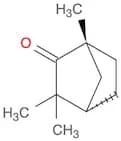
![8-Oxa-3-azabicyclo[3.2.1]octane](/_next/image/?url=https%3A%2Fstatic.cymitquimica.com%2Fproducts%2FIN%2Fthumb-webp%2FDA003NIX.webp&w=3840&q=75)
![7-Oxabicyclo[2.2.1]heptane](/_next/image/?url=https%3A%2Fstatic.cymitquimica.com%2Fproducts%2FIN%2Fthumb-webp%2FDA003NGW.webp&w=3840&q=75)
![3,7-dioxabicyclo[4.1.0]heptane](/_next/image/?url=https%3A%2Fstatic.cymitquimica.com%2Fproducts%2FIN%2Fthumb-webp%2FDA002VTX.webp&w=3840&q=75)


![6-Fluoro-5-Methyl-2-[(5-Methyl-1H-Imidazol-4-Yl)Methyl]-2,3,4,5-Tetrahydro-1H-Pyrido[4,3-b]Indol-1…](/_next/image/?url=https%3A%2Fstatic.cymitquimica.com%2Fproducts%2F3D%2Fthumb-webp%2FFF102588.webp&w=3840&q=75)

![2-Butyl-1,3-diazaspiro[4.4]non-1-en-4-one Hydrochloride](/_next/image/?url=https%3A%2Fstatic.cymitquimica.com%2Fproducts%2F3B%2Fthumb-webp%2FB3291.webp&w=3840&q=75)