Compostos Policiclícos
Subcategorias de "Compostos Policiclícos"
- Acridinas(97 produtos)
- Antraquinonas(533 produtos)
- Ácidos antraquinonasulfónicos(16 produtos)
- Azobenzenos(270 produtos)
- Azonaftalenos(98 produtos)
- Azoxibenzenos(12 produtos)
- Azulenos(11 produtos)
- Benzimidazóis(1.475 produtos)
- Benzodioxanos(27 produtos)
- Benzofuranos(924 produtos)
- Benzotiofenos(700 produtos)
- Benzotriazóis(438 produtos)
- Binaftil(133 produtos)
- Carbazóis(462 produtos)
- Cromanos, Cromenos(480 produtos)
- Cumarinas(1.122 produtos)
- Ciclofanos(11 produtos)
- Fluorenos e Fluorenonas(381 produtos)
- Imidazopiridinas(10 produtos)
- Indans(118 produtos)
- Indazóis(2.037 produtos)
- Indenos(22 produtos)
- Indóis(3.988 produtos)
- Indolinas(119 produtos)
- Isatinas(234 produtos)
- Isobenzofuranos(17 produtos)
- Ftalimidas N-Substituída(153 produtos)
- Naftalenos(2.437 produtos)
- Naftiridina(17 produtos)
- Naftoquinona(2 produtos)
- Perilenos(36 produtos)
- Fenazinas(25 produtos)
- Ftalazinas(33 produtos)
- Ftalimida(153 produtos)
- Hidrocarbonetos aromáticos policíclicos (PAHs)(270 produtos)
- Polifenol(261 produtos)
- Pteridinas(52 produtos)
- Pireno(87 produtos)
- Quinuclidina(1 produtos)
- Tetracenos(7 produtos)
Foram encontrados 4574 produtos de "Compostos Policiclícos"
Hypoxanthine
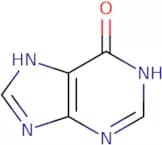
CAS:Hypoxanthine is a nucleoside that is found in human cells. It is synthesized from guanine by the enzyme, xanthine oxidoreductase. Hypoxanthine is also produced from xanthine by adenosine deaminase and converted back to xanthine, which can then be reused for DNA synthesis. Hypoxanthine has been shown to inhibit the growth of photosynthetic bacteria, such as Rhodopseudomonas viridis and Rhodobacter sphaeroides. This inhibition may be due to an equilibrative nucleotide effect on the folate receptor. The x-ray diffraction data collected from the chrysanthemum flower (a source of hypoxanthine) showed that hypoxanthine has a calcium salt structure.
Fórmula:C5H4N4OPureza:Min. 95%Cor e Forma:White PowderPeso molecular:136.11 g/mol2-Hydroxyisoquinoline-1,3(2H,4H)-dione
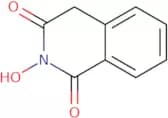
CAS:2-Hydroxyisoquinoline-1,3(2H,4H)-dione (2HIQ) is a potent anti-viral agent that has been shown to inhibit the replication of viruses in cell cultures. 2HIQ inhibits viral replication by binding to the enzyme reverse transcriptase and inhibiting its ability to synthesize DNA from RNA. This drug also has inhibitory properties against human immunodeficiency virus type 1 (HIV-1) and hepatitis C virus (HCV). 2HIQ binds to the active site of the enzyme HIV reverse transcriptase, which is a key enzyme in viral replication. It also binds to HCV NS5B polymerase, which is an essential protein in HCV replication. These interactions lead to inhibition of viral replication and thus prevention of disease progression.Fórmula:C9H7NO3Pureza:Min. 95%Cor e Forma:Off-White To Brown SolidPeso molecular:177.16 g/molColumbianadin
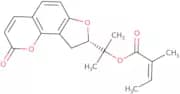
CAS:Columbianadin is a coumarin derivative, which is a natural compound primarily extracted from plants in the Apiaceae family, such as Angelica species. This natural product possesses a unique molecular structure characterized by the presence of a coumarin skeleton, which is responsible for its diverse biological activities.
Fórmula:C19H20O5Pureza:Min. 98 Area-%Cor e Forma:PowderPeso molecular:328.36 g/mol5-Ethylindole-2-carboxylic acid
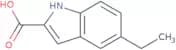
CAS:5-Ethylindole-2-carboxylic acid is an organic compound that is a decarboxylation product of indole. It can be obtained by catalytic dehydrogenation of ethyl ester or 5-ethylindole-2-carboxylic acid. It has been shown to inhibit the growth of bacteria and fungi, as well as to have anti-inflammatory properties.
Fórmula:C11H11NO2Pureza:Min. 95%Peso molecular:189.21 g/molFerene disodium salt
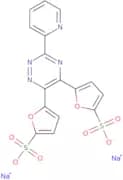
CAS:Ferene is an iron chelate that has been shown to have a number of beneficial effects on iron homeostasis. Ferene has been used in the treatment of chronic viral hepatitis, and it has also been shown to be effective against galleria mellonella. Ferene is a metal chelate, which means that it is a type of molecule that contains two metal ions. The metal ions are usually connected by a central atom, such as oxygen or nitrogen. Ferene disodium salt can be synthesized in the lab using the chemiluminescence method and polymerase chain reaction (PCR). It is also possible to isolate ferene from human serum or from a model system.Fórmula:C16H8N4Na2O8S2Pureza:Min. 95 Area-%Cor e Forma:Yellow PowderPeso molecular:494.37 g/mol6-(Dimethylamino)purine
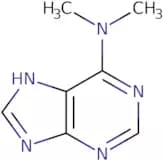
CAS:6-(Dimethylamino)purine (6-DAP) is a purine nucleoside that acts as an inhibitor of the transcription factor leukemia inhibitory factor (LIF). 6-DAP binds to the response element in the promoter region of LIF and blocks the binding of LIF to this site. This prevents transcription of LIF, which leads to cell cycle arrest. 6-DAP also has inhibitory effects on skin cells and inhibits the formation of fetal bovine serum protein in a model system. 6-DAP binds to nuclear DNA and alters its structure, which may cause problems with DNA replication or transcription.Fórmula:C7H9N5Pureza:Min. 98 Area-%Cor e Forma:White PowderPeso molecular:163.18 g/mol(R)-(+)-3-Aminoquinuclidine dihydrochloride
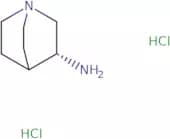
CAS:A building block; used for synthesis tryptophan 2,?3-?dioxygenase inhibitorsFórmula:C7H14N2•(HCl)2Pureza:Min. 95%Cor e Forma:PowderPeso molecular:199.12 g/mol7-Methylindole
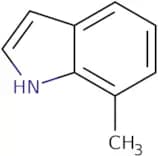
CAS:7-Methylindole is a biochemical substance that is synthesized in the body. It is produced in the liver, and it can be found in the brain, heart, and kidney. 7-Methylindole has been shown to have cancer-fighting properties. 7-Methylindole binds to DNA by methylating nucleic acid bases, which causes a change in the genetic code. This leads to tumor cells being more sensitive to treatment with other substances that inhibit DNA synthesis or repair, such as anthranilate and 5-methoxyindole.
Fórmula:C9H9NPureza:Min 98%Cor e Forma:PowderPeso molecular:131.17 g/mol5-Chloro-1,10-phenanthroline
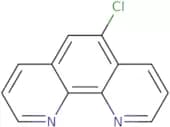
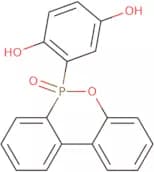
CAS:5-Chloro-1,10-phenanthroline (5CP) is a molecule that has been used in the study of DNA oxidation. 5CP has been shown to be an effective inhibitor of oxidative dna damage and can be used for the prevention of mutations caused by reactive oxygen species. This compound was also found to inhibit the growth of L1210 murine leukemia cells, which is due to its ability to bind to potassium ions. 5CP has been shown to have significant binding constants with DNA and protein molecules. It also has a very high level of ancillary activity and can be used as a catalyst in transfer reactions.Fórmula:C12H7ClN2Pureza:Min. 97.5 Area-%Cor e Forma:Red PowderPeso molecular:214.65 g/mol10-(2,5-Dihydroxyphenyl)-10H-9-oxa-10-phospha-phenanthrene-10-oxide
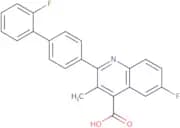
CAS:10-(2,5-Dihydroxyphenyl)-10H-9-oxa-10-phospha-phenanthrene-10-oxide is a synthetic compound that has an orange color and a molecular weight of 568. It is soluble in chloroform, ethanol, acetone, ether and benzene. The compound does not react with water or hydrochloric acid. It has been shown to have synergistic interactions with chloride and glycol ethers. 10-(2,5-Dihydroxyphenyl)-10H-9-oxa-10-phospha phenanthrene 10 oxide can be synthesized using a polymeric matrix as the reaction medium.Fórmula:C18H13O4PPureza:Min. 95%Cor e Forma:White Off-White PowderPeso molecular:324.27 g/mol6-Fluoro-2-(2'-fluorobiphenyl-4-yl)-3-methylquinoline-4-carboxylic acid
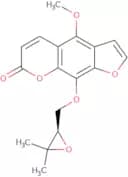
CAS:Brequinar sodium is a drug that belongs to the class of quinoline carboxylic acid derivatives. It has been shown to be effective in the treatment of infectious diseases and bowel disease. Brequinar sodium inhibits bacterial growth by binding to DNA-dependent RNA polymerase, thereby preventing transcription and replication. The high frequency of human activity has been shown using a patch-clamp technique on human erythrocytes. This active form is metabolized through a number of metabolic transformations, including hydrolysis by esterases or glucuronidases, oxidation by cytochrome P450 enzymes, reduction by glutathione reductase, or conjugation with glucuronic acid. Brequinar also specifically binds to markers expressed at high levels in Mycobacterium tuberculosis strains (e.g., ESX-1 secretion system protein) and inhibits cell growth in culture.Fórmula:C23H15F2NO2Pureza:Min. 97 Area-%Cor e Forma:White/Off-White SolidPeso molecular:375.37 g/molByakangelicol
CAS:Byakangelicol is a naturally occurring furanocoumarin, which is a type of organic compound found predominantly in the roots of certain plants, such as Angelica dahurica. This compound is synthesized through the plant's secondary metabolic pathways, primarily as a defense mechanism against herbivores and pathogens. Byakangelicol exerts its biological effects primarily through the inhibition of various enzymatic pathways, such as cytochrome P450s and monoamine oxidase, which are key in processes like drug metabolism and neurotransmitter regulation.
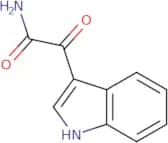
Fórmula:C17H16O6Pureza:Min. 98 Area-%Cor e Forma:PowderPeso molecular:316.31 g/molIndole-3-glyoxylamide
CAS:Indole-3-glyoxylamide is a synthetic compound that was originally developed as a potential anti-cancer drug. It has been shown to inhibit glycogen synthase kinase 3 (GSK-3) and thereby reduce the production of proinflammatory cytokines in bowel disease. Indole-3-glyoxylamide also inhibits inflammatory bowel disease by inhibiting secretory phospholipase A2, which prevents the release of arachidonic acid from phospholipids. This synthesis is required for the production of prostaglandins and leukotrienes, which are involved in the inflammatory process. The compound has been shown to have immunomodulatory effects in chronic bronchitis, with an inhibitory effect on neutrophil chemotaxis, macrophage activity, and cytokine production. Indole-3-glyoxylamide has also been shown to be effective against cancer cells in vitro and in vivo animal models. It is metabolized through
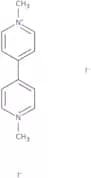
Fórmula:C10H8N2O2Pureza:Min. 95%Cor e Forma:PowderPeso molecular:188.18 g/mol1,1'-Dimethyl-4,4'-bipyridinium diiodide
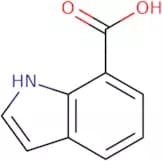
CAS:1,1'-Dimethyl-4,4'-bipyridinium diiodide (DMBI) is a hydrophobic compound that is soluble in organic solvents. It has been validated as a new optical probe for the detection of hydrogen peroxide by spectroscopic techniques. DMBI reacts with hydrogen peroxide to form an excited state molecule (a radical species) which produces a photocurrent when irradiated with light. The wavelength of the photogenerated current can be used to determine the concentration of hydrogen peroxide present. DMBI can also be used to detect hydrophilic compounds such as urea or creatinine. The reduction products formed by the reaction with these compounds are more hydrophilic and can be detected by this technique.Fórmula:C12H14N2·I2Pureza:Min. 95%Cor e Forma:PowderPeso molecular:440.06 g/molIndole-7-carboxylic acid
CAS:Indole-7-carboxylic acid is a tetrahydropyridine that can be prepared by formylation of indole-7-carboxylic acid with formaldehyde and hydroxylamine. It is also the reaction product of dimethoxybenzene and cyanoindole in the presence of a base. Indole-7-carboxylic acid has been used in the synthesis of several drugs, including metronidazole and nitrofurantoin.
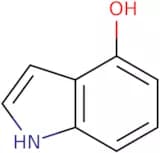
Fórmula:C9H7NO2Pureza:Min. 95%Peso molecular:161.16 g/mol4-Hydroxyindole
CAS:4-Hydroxyindole is an inorganic acid that is produced by the oxidation of 4-hydroxyphenylacetic acid. It is a metabolite of the synthetic cannabinoids, JWH-018 and JWH-073. The production of 4-hydroxyindole has been shown to be dependent on the presence of a nucleophilic attack on the diazonium salt, which leads to protonation. The fluorescence properties of this molecule are dependent on its hydroxyl group, which allows for detection using magnetic resonance spectroscopy. Hydrochloric acid can be used as an alternate solvent to produce 4-hydroxyindole from 4-hydroxyphenylacetic acid. 4-Hydroxyindole has been shown to have pharmacokinetic properties that are similar to those of THC, but it does not bind well to cannabinoid receptors or activate them.br> br> The structure of this molecule can be seen belowFórmula:C8H7NOCor e Forma:White PowderPeso molecular:133.15 g/mol3-(1,1-Dimethylethyl)-3α,8β-dihydro-8β-hydroxy-4H-indeno[2,1-d]isoxazol-4-one
CAS:Please enquire for more information about 3-(1,1-Dimethylethyl)-3α,8β-dihydro-8β-hydroxy-4H-indeno[2,1-d]isoxazol-4-one including the price, delivery time and more detailed product information at the technical inquiry form on this pageFórmula:C14H15NO3Pureza:Min. 95%Cor e Forma:PowderPeso molecular:245.27 g/molAlloisoimperatorin
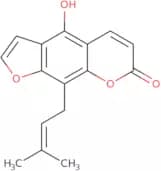
CAS:Alloisoimperatorin is a naturally occurring furanocoumarin compound, which is extracted from certain plant species, primarily those belonging to the Apiaceae family. As a type of coumarin derivative, it is synthesized through intricate plant metabolic pathways involving the precursors umbelliferone and isopentenyl pyrophosphate, among others.Fórmula:C16H14O4Pureza:Min. 95%Peso molecular:270.28 g/mol6-Chloroisatin
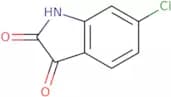
CAS:6-Chloroisatin is a potent inhibitor of bacterial growth that binds to the 50S ribosomal subunit. It has been shown to have strong inhibitory activity against tuberculosis and sulphamethoxazole-resistant strains of Mycobacterium tuberculosis. 6-Chloroisatin inhibits bacterial growth by binding to the 50S ribosomal subunit, thereby preventing protein synthesis and cell division. The electron deficient form of 6-chloroisatin reacts with the electron rich sulphamethoxazole by displacement of chloride ion from the sulphonamide ring, forming a regiospecific product that inhibits bacterial respiration. This reaction system is inhibited by activated carbon, which may be a potential therapeutic strategy for patients with drug resistant tuberculosis.
Fórmula:C8H4ClNO2Pureza:Min. 95%Peso molecular:181.58 g/mol6-Methylcoumarin
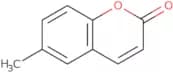
CAS:The 6-methylcoumarin is a benzalkonium chloride that can be used as a stabilizer for biological samples. It has been shown to inhibit the activity of coumarin derivatives, which are receptors that are involved in the transmission of pain signals in the brain. The 6-methylcoumarin is also able to inhibit signal peptide, which is a protein that is secreted by cells and functions as a messenger between cells. This compound was found to have hypoglycemic effects due to its ability to stimulate glucose uptake in the body.
Fórmula:C10H8O2Pureza:Min. 95%Cor e Forma:PowderPeso molecular:160.17 g/mol

![3-(1,1-Dimethylethyl)-3α,8β-dihydro-8β-hydroxy-4H-indeno[2,1-d]isoxazol-4-one](/_next/image/?url=https%3A%2Fstatic.cymitquimica.com%2Fproducts%2F3D%2Fthumb-webp%2FFA169676.webp&w=3840&q=75)