Compostos Policiclícos
Subcategorias de "Compostos Policiclícos"
- Acridinas(98 produtos)
- Antraquinonas(533 produtos)
- Ácidos antraquinonasulfónicos(16 produtos)
- Azobenzenos(270 produtos)
- Azonaftalenos(98 produtos)
- Azoxibenzenos(12 produtos)
- Azulenos(11 produtos)
- Benzimidazóis(1.476 produtos)
- Benzodioxanos(27 produtos)
- Benzofuranos(928 produtos)
- Benzotiofenos(701 produtos)
- Benzotriazóis(438 produtos)
- Binaftil(133 produtos)
- Carbazóis(464 produtos)
- Cromanos, Cromenos(480 produtos)
- Cumarinas(1.124 produtos)
- Ciclofanos(11 produtos)
- Fluorenos e Fluorenonas(384 produtos)
- Imidazopiridinas(10 produtos)
- Indans(118 produtos)
- Indazóis(2.039 produtos)
- Indenos(22 produtos)
- Indóis(3.986 produtos)
- Indolinas(119 produtos)
- Isatinas(234 produtos)
- Isobenzofuranos(17 produtos)
- Ftalimidas N-Substituída(153 produtos)
- Naftalenos(2.438 produtos)
- Naftiridina(17 produtos)
- Naftoquinona(2 produtos)
- Perilenos(36 produtos)
- Fenazinas(25 produtos)
- Ftalazinas(33 produtos)
- Ftalimida(153 produtos)
- Hidrocarbonetos aromáticos policíclicos (PAHs)(292 produtos)
- Polifenol(269 produtos)
- Pteridinas(52 produtos)
- Pireno(87 produtos)
- Quinuclidina(1 produtos)
- Tetracenos(7 produtos)
Foram encontrados 4575 produtos de "Compostos Policiclícos"
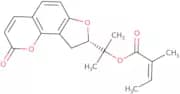
Columbianadin
CAS:Columbianadin is a coumarin derivative, which is a natural compound primarily extracted from plants in the Apiaceae family, such as Angelica species. This natural product possesses a unique molecular structure characterized by the presence of a coumarin skeleton, which is responsible for its diverse biological activities.
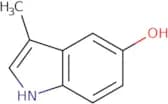
Fórmula:C19H20O5Pureza:Min. 98 Area-%Cor e Forma:PowderPeso molecular:328.36 g/mol5-Hydroxy-3-methylindole
CAS:5-Hydroxy-3-methylindole (5HMI) is a metabolite of the drug tamoxifen, which is used for the treatment of breast cancer. It is also found in urine samples and has been shown to be reactive with cytochrome P450 2E1 (CYP2E1). 5HMI has been shown to inhibit the activity of CYP2E1 in humans, rats, and mice. 5HMI has also been shown to have anti-epileptic properties in epileptics. This active form is metabolized by adipose tissue or liver cells through oxidation and conjugation with glucuronic acid. The human liver cells show constitutive androstane receptor (CAR) activation, which may be due to its ability to act as an agonist or partial agonist.
Fórmula:C9H9NOPureza:Min. 96%Cor e Forma:PowderPeso molecular:147.17 g/mol5-Methylindole
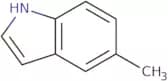
CAS:5-Methylindole is a molecule that has been found to be active against Staphylococcus aureus. This drug interferes with the synthesis of glycogen, which is an important energy storage molecule in animals. 5-Methylindole inhibits glycogen synthase kinase 3 (GSK-3) activity and thereby reduces the production of proinflammatory cytokines. This drug has also been shown to have cardiac effects, such as tachycardia and arrhythmias in mice. The optical properties of 5-methylindole are characterized by fluorescence and absorbance spectra, as well as its chemical reactions. 5-Methylindole is detectable at concentrations of 10 µg/mL and reacts with aminoglycosides by forming an adduct that can be detected using chromatographic methods.Fórmula:C9H9NPureza:Min. 95%Cor e Forma:PowderPeso molecular:131.17 g/mol9-Fluoro-3-methyl-7-oxo-10-(1-piperazinyl)-2,3-dihydro-7H-[1,4]oxazino[2,3,4-Ij]quinoline-6-carboxylic acid
CAS:9-Fluoro-3-methyl-7-oxo-10-(1-piperazinyl)-2,3-dihydro-7H-[1,4]oxazino[2,3,4-Ij]quinoline (FQ) is a fluoroquinolone antibiotic. It inhibits the DNA gyrase and topoisomerase IV enzymes that maintain the integrity of bacterial DNA. FQ has been used to treat urinary tract infections in humans and other animals. This drug is also effective against methicillin resistant Staphylococcus aureus (MRSA) and Clostridium perfringens. FQ binds to bacterial 16S ribosomal RNA and inhibits protein synthesis leading to cell death by inhibiting the production of proteins vital for cell division. The 9 position on the quinoline ring can be detected using UV detection at 260 nm. FQ can be analyzed using mass spectrometry with fluorFórmula:C17H18FN3O4Pureza:Min. 95 Area-%Cor e Forma:White PowderPeso molecular:347.34 g/mol3,4-Dihydro-7-hydroxy-2(1H)-quinolinone
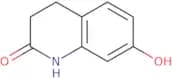
CAS:3,4-Dihydro-7-hydroxy-2(1H)-quinolinone is a synthetic compound that has been shown to have antidiabetic activity in vitro. It binds to the alpha2A receptor subtype and inhibits the uptake of chloride ions by cells. 3,4-Dihydro-7-hydroxy-2(1H)-quinolinone also inhibits the uptake of aluminium ions and has been shown to inhibit tumor growth in human nasopharyngeal carcinoma cells. The synthesis of 3,4-dihydro-7-hydroxy-2(1H)-quinolinone is accomplished by reacting aniline with acetophenone and hydrochloric acid in the presence of aluminium chloride and carbostyril. This reaction yields a 50% yield of the desired product.Fórmula:C9H9NO2Pureza:Min. 98 Area-%Cor e Forma:PowderPeso molecular:163.17 g/mol7-Fluoro-1H-indole
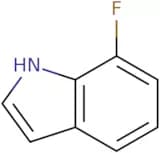
CAS:7-Fluoro-1H-indole is a molecule that belongs to the class of antimicrobial agents. It has been shown to be effective against human pathogens such as P. aeruginosa and S. aureus, and has also shown hemolytic activity against erythrocytes. 7-Fluoro-1H-indole inhibits bacterial growth by binding to siderophores, which are molecules produced by bacteria in response to iron starvation, thereby blocking their uptake of iron from the environment. It has also been shown to have protease activity against Gram negative bacteria. This compound can be synthesized using an in vivo model, where it was shown that 7-fluoro-1H-indole was able to bind to the cytoplasmic membrane and inhibit protein synthesis in Gram negative bacteria cells.Fórmula:C8H6FNPureza:Min. 95%Cor e Forma:PowderPeso molecular:135.14 g/mol3,6-Diamino-9(10H)-acridone
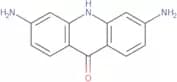
CAS:3,6-Diamino-9(10H)-acridone is a nucleophilic compound that is used as a catalyst in peptide synthesis. It can be used to selectively introduce an acridine group into a peptide or other organic molecule. 3,6-Diamino-9(10H)-acridone is an example of a hypervalent organometallic compound that has been shown to catalyze the iodocyclization of aromatic rings. It also has been shown to catalyze the substitution of electron-deficient alkenes with electrophiles.Fórmula:C13H11N3OPureza:Min. 97 Area-%Cor e Forma:Yellow PowderPeso molecular:225.25 g/molFmoc-L-octahydroindole-2-carboxylic acid
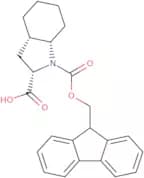
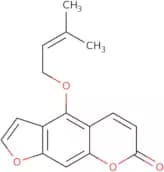
CAS:Fmoc-L-octahydroindole-2-carboxylic acid is a synthetic amino acid that is used in the synthesis of peptides and proteins. It has been shown to be an agonistic ligand for the acetylcholine receptor and may be used as an anti-inflammatory drug. Fmoc-L-octahydroindole-2-carboxylic acid is synthesized by combining piperidine and fmoc-glycine, followed by condensation with iminoacetic acid. The synthesis of this compound can be achieved through solid phase synthesis or chemical methods. The removal of the FMOC group requires acidic conditions such as trifluoroacetic acid or hydrochloric acid.Fórmula:C24H25NO4Pureza:Min. 98 Area-%Cor e Forma:White PowderPeso molecular:391.46 g/mol8-Geranyloxypsoralen
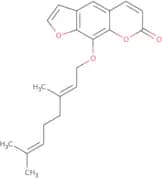
CAS:8-Geranyloxypsoralen is a natural furanocoumarin, which is a secondary metabolite typically derived from plants, particularly those in the Rutaceae family. Its source lies predominantly in certain fruits and herbs, where it functions as a natural defense compound.
Fórmula:C21H22O4Pureza:Min. 95 Area-%Cor e Forma:Off-White PowderPeso molecular:338.4 g/mol7-Methylxanthine
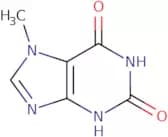
CAS:Produto Controlado7-Methylxanthine is a purine alkaloid that is the primary metabolite of caffeine. It is structurally related to theobromine, which is found in chocolate. 7-Methylxanthine has been shown to have hypoglycemic effects and may be useful for the treatment of myopia. The optimum concentration of 7-methylxanthine for inhibiting carotenoid biosynthesis has been determined as 10 μM. It also inhibits axial elongation in cultured chick retinal cells by reducing carotenoid levels and increasing p-hydroxybenzoic acid levels in the retina. The analytical method for quantifying 7-methylxanthine relies on high performance liquid chromatography with ultraviolet detection (HPLC/UV).Fórmula:C6H6N4O2Pureza:Min. 96 Area-%Cor e Forma:White PowderPeso molecular:166.14 g/molMethyl indole-5-carboxylate
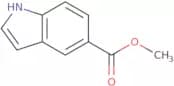
CAS:Methyl indole-5-carboxylate is a hdac inhibitor that has been shown to have anticancer activity. It has been shown to inhibit the growth of hCT116 cells and xenograft tumors in mice. Methyl indole-5-carboxylate is also an active analog for other anticancer agents, such as 5-azacytidine and 5-aza-2'-deoxycytidine. The drug is cytotoxic to L6 cells and increases the expression of p21 protein, which inhibits tumor cell proliferation. This compound is metabolized by cytochrome P450 enzymes into methyl indole carboxylate, which can be further converted into a reactive intermediate that binds DNA.Fórmula:C10H9NO2Cor e Forma:PowderPeso molecular:175.18 g/mol6-Benzyloxyindole-3-carboxaldehyde
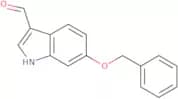
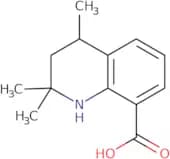
CAS:6-Benzyloxyindole-3-carboxaldehyde is a benzyl compound that is produced by the catalytic hydrogenolysis of benzyl alcohol. The debenzylation product of 6-benzyloxyindole-3-carboxaldehyde is known as benzene.Fórmula:C16H13NO2Pureza:Min. 95%Cor e Forma:PowderPeso molecular:251.28 g/mol2,2,4-Trimethyl-1,2,3,4-tetrahydroquinoline-8-carboxylic acid
CAS:2,2,4-Trimethyl-1,2,3,4-tetrahydroquinoline-8-carboxylic acid is a versatile building block that can be used as a reagent or speciality chemical in research and development. It is also an intermediate for the synthesis of complex compounds with various properties. This compound has been shown to be useful as a building block for the synthesis of new compounds with potential pharmaceutical applications.Fórmula:C13H17NO2Pureza:Min. 95%Cor e Forma:White Off-White PowderPeso molecular:219.28 g/molIsoimperatorin
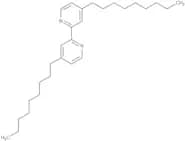
CAS:Isoimperatorin is a naturally occurring furanocoumarin, which is a phytochemical compound found in certain plants, particularly within the Apiaceae family, such as Angelica dahurica. It is extracted from these botanical sources through processes like solvent extraction. Isoimperatorin exhibits a diverse mode of action, including the inhibition of various enzymes and modulation of signaling pathways. It has demonstrated significant effects on cytochrome P450 enzymes, potentially influencing drug metabolism. Additionally, Isoimperatorin has shown antioxidant properties and the ability to interfere with cell proliferation and apoptosis mechanisms.Fórmula:C16H14O4Pureza:Min. 98 Area-%Cor e Forma:PowderPeso molecular:270.29 g/mol4,4'-Dinonyl-2,2'-bipyridine
CAS:4,4'-Dinonyl-2,2'-bipyridine is a high-yield transfer reagent that is used in organic synthesis. It can be used to transfer aryl or alkyl groups from ancillary to the functional group on the substrate. 4,4'-Dinonyl-2,2'-bipyridine is also used for the production of polymers and organic semiconductors. In addition, this compound has been shown to be useful in the production of silicon solar cells and as a catalyst for photovoltaic devices. 4,4'-Dinonyl-2,2'-bipyridine has been shown to be thermostable and can be used in temperatures up to 200°C. This compound is also a ligand with ruthenium complex properties and can be used as an electron acceptor in radiation therapy procedures.
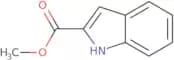
Fórmula:C28H44N2Pureza:Min. 98 Area-%Cor e Forma:White PowderPeso molecular:408.68 g/molIndole-2-carboxylic acid methyl ester
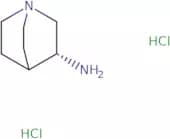
CAS:Indole-2-carboxylic acid methyl ester is a carbazole that can be synthesized from indole and hydrogen chloride. It has been shown to inhibit the production of β-amyloid, an important factor in the pathogenesis of Alzheimer’s disease. Indole-2-carboxylic acid methyl ester has also been shown to have inhibitory effects on ion-exchange, melatonin synthesis, and yields of aziridines. The affinity of indole-2-carboxylic acid methyl ester for aldehydes was found to be very high. It is also able to cross the blood brain barrier into the brain and has been shown to be effective against pancreatic cancer cells in vitro.Fórmula:C10H9NO2Pureza:Min. 95%Cor e Forma:Slightly Brown PowderPeso molecular:175.18 g/mol(R)-(+)-3-Aminoquinuclidine dihydrochloride
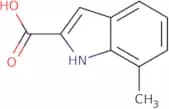
CAS:A building block; used for synthesis tryptophan 2,?3-?dioxygenase inhibitorsFórmula:C7H14N2•(HCl)2Pureza:Min. 95%Cor e Forma:PowderPeso molecular:199.12 g/mol7-Methylindole-2-carboxylic acid
CAS:7-Methylindole-2-carboxylic acid (7MICA) is an indole that can be synthesized by the condensation of phenylhydrazine and pyruvic acid. It has been used as a precursor in the synthesis of styphnates, picrates, and ethyl pyruvate. 7MICA is also known to have antimicrobial activity against gram positive bacteria.Fórmula:C10H9NO2Pureza:Min. 95%Cor e Forma:PowderPeso molecular:175.18 g/mol3-Isobutyl-1-methylxanthine
CAS:Produto ControladoA non-specific inhibitor of cAMP and cGMP phosphodiesterases (PDEs) with IC50 values between 2 and 50 µM. 2-isobutyl-1-methylxanthine (IBMX) has also been found to inhibit phenylephrine-induced 5-HT release by neuroendocrine epithelial cells and IBMX-mediated increase in cAMP and upregulation of Ca2+ channels promotes neuronal differentiation. Additionally IBMX stimulates secretion of thyroid hormones, resulting in cAMP-mediated activation of glycogenolysis and reduced glycogen storage.Fórmula:C10H14N4O2Cor e Forma:Slightly Yellow PowderPeso molecular:222.24 g/molTris(4,7-diphenyl-1,10-phenanthroline)ruthenium bis(hexafluorophosphate)
CAS:Tris(4,7-diphenyl-1,10-phenanthroline)ruthenium bis(hexafluorophosphate) is a fluorescent dye that can be used to measure oxygen concentration. It has been shown to inhibit the transfer of oxygen at low concentrations. Tris(4,7-diphenyl-1,10-phenanthroline)ruthenium bis(hexafluorophosphate) is used as a calibration standard for the measurement of oxygen concentration in liquids by fluorescence.Fórmula:C72H48N6Ru·2F6PPureza:(¹H-Nmr) Min. 95 Area-%Cor e Forma:Orange PowderPeso molecular:1,388.19 g/mol

![9-Fluoro-3-methyl-7-oxo-10-(1-piperazinyl)-2,3-dihydro-7H-[1,4]oxazino[2,3,4-Ij]quinoline-6-carbox…](/_next/image/?url=https%3A%2Fstatic.cymitquimica.com%2Fproducts%2F3D%2Fthumb-webp%2FFF102861.webp&w=3840&q=75)