Ligas Organometálicas
Nesta categoria, você encontrará um grande número de moléculas organometálicas usadas como ligantes em biomoléculas. Esses ligantes organometálicos podem ser usados em química orgânica e síntese no laboratório. Eles desempenham um papel crucial na formação de complexos de coordenação e na catálise de várias reações químicas. Na CymitQuimica, oferecemos uma seleção diversificada de ligantes organometálicos de alta qualidade para apoiar suas pesquisas e necessidades industriais.
Subcategorias de "Ligas Organometálicas"
- Ligantes de Buchwald(22 produtos)
- DPEN(4 produtos)
- DPHEN(4 produtos)
- JOSIPHOS(4 produtos)
- Fosfina(497 produtos)
- Porfirinas(75 produtos)
Foram encontrados 2887 produtos de "Ligas Organometálicas"
Ordenar por
Pureza (%)
0
100
|
0
|
50
|
90
|
95
|
100
MBMT (136-147) human
<p>MGMT, known as O6-methylguanine-DNA methyltransferase, is a DNA repair enzyme that plays an important role in chemoresistance to alkylating agents. MGMT repairs the toxic DNA O6-Methylguanine lesion caused by Temozolomide (TMZ), an oral alkylating agent used for the treatment of glioblastoma. MGMT repairs damaged guanine nucleotides by transferring the methyl at O6 site of guanine to its cysteine residues, thus avoiding gene mutation, cell death and tumorigenesis. The expression of MGMT gene is mainly regulated by epigenetic modification. Loss of MGMT expression is due to methylation of the CpG island of MGMT promoter.</p>Pureza:Min. 95%Peso molecular:1,314.7 g/molPARP1 (487-496)
<p>Amino acids 487-496 of Poly(ADP-ribose) polymerase 1 (PARP1). PARP1 is a nuclear DNA repair enzyme that binds to DNA when damage is detected. PARP1 coordinates double and single strand break repair by first cleaving NAD+ into nicotinamide and ADP-ribose, and then synthesising poly-(ADP-ribose) (PAR) chains from ADP-ribose on target proteins (PARylation). PARylation of histone proteins mediates relaxation of the chromatin and recruitment of DNA-break repair enzymes.PARP1 can also act as a transcriptional co-activator, modulating the expression of itself and many other genes by direct binding to or PARylation of enhancers and promoters. PARP1 is also involved in maintaining mtDNA.PARP1 belongs to the PARP family which has 7 known and 10 putative members. PARP1 accounts for >85% of the PARP activity in cellular systems.</p>Pureza:Min. 95%Peso molecular:1,065.6 g/molJak2 substrate
<p>This peptide is phosphorylated by Janus kinase 2 (JAK2) and is an ideal substrate for use in kinase assays. The JAK family of kinases is essential for the signalling of a host of immune modulators in tumour, stromal, and immune cells where they are highly expressed. JAK family proteins mediate the signalling of the interferon (IFN), IL-6, and IL-2 families of cytokines.JAK kinases are associated with cytokine receptors. Cytokine binding to these receptors results in activation of JAK kinases and receptor phosphorylation. Phosphorylated cytokine receptors recruit STAT proteins, which are then phosphorylated by the activated JAK kinases. Phosphorylated STAT proteins form homo- and hetero-dimers that translocate into the nucleus and function as transcription factors.</p>Pureza:Min. 95%Cor e Forma:PowderPeso molecular:1,555.7 g/molLRRKtide amide
<p>LRRKtide (also called moesin) is a peptide substrate for leucine-rich repeat kinase 2 (LRRK2). The sequence of LRRKtide has been derived from the ERM proteins: Ezrin (amino acids 561-573), radixin (amino acids 558-570) and moesin (amino acids 539-553). These proteins influence cytoskeletal dynamics by anchoring the cytoskeleton to the plasma membrane. LRRK2 phosphorylates LRRKtide at its Thr558 site.LRRK2 is a large, ubiquitous protein of unknown function. LRRK2 has GTPase and kinase activity, and is located in multiple areas of the cell where it is found associated with intracellular membranes and vesicular structures. Its multiple cellular locations suggest that LRRK2 may be involved in several cellular pathways. LRRK2 is also found in most organs and mutations in LRRK2 have been identified in Parkinson's disease.This peptides has an amidated C-terminal end.</p>Pureza:Min. 95%Peso molecular:1,929.1 g/molPhosphorylated LRRKtide
<p>LRRKtide (also called moesin) is a peptide substrate for leucine-rich repeat kinase 2 (LRRK2). The sequence of LRRKtide has been derived from the ERM proteins: Ezrin (amino acids 561-573), radixin (amino acids 558-570) and moesin (amino acids 539-553). These proteins influence cytoskeletal dynamics by anchoring the cytoskeleton to the plasma membrane. LRRK2 phosphorylates LRRKtide at its Thr558 site. This peptide contains the phosphorylated threonine residue.LRRK2 is a large, ubiquitous protein of unknown function. LRRK2 has GTPase and kinase activity, and is located in multiple areas of the cell, associated with intracellular membranes and vesicular structures- suggesting LRRK2 may be involved in several cellular pathways. LRRK2 is also found in most organs and mutations in LRRK2 have been identified in Parkinson's disease.The threonine residue at position 9 of this peptide has been phosphorylated.</p>Pureza:Min. 95%Cor e Forma:PowderPeso molecular:2,009.1 g/mol[G]-JAK1 peptide (1015-1027)
<p>This peptide is phosphorylated by Janus kinase 1 (JAK1) and is an ideal substrate for use in kinase assays. The JAK family of kinases is essential for the signalling of a host of immune modulators in tumour, stromal, and immune cells where they are highly expressed. JAK family proteins mediate the signalling of the interferon (IFN), IL-6, and IL-2 families of cytokines.JAK kinases are associated with cytokine receptors. Cytokine binding to these receptors results in activation of JAK kinases and receptor phosphorylation. Phosphorylated cytokine receptors recruit STAT proteins, which are then phosphorylated by the activated JAK kinases. Phosphorylated STAT proteins form homo- and hetero-dimers that translocate into the nucleus and function as transcription factors.This JAK1 substrate peptide contains an N-terminal glycine-residue.</p>Pureza:Min. 95%Cor e Forma:PowderPeso molecular:1,630.8 g/molPTP1B Substrate
<p>Substrate peptide for protein tyrosine phosphatase 1B (PTP1B)- an ubiquitously expressed non-receptor tyrosine phosphatase. PTP1B negatively regulates signalling pathways controlling metabolic homeostasis, cell proliferation and immunity (such as leptin and insulin receptor signalling), making PTP1B an interesting target for type 2 diabetes mellitus (T2DM) and obesity treatment. PTP1B also has important leptin-independent metabolic effects, playing a critical role in the regulation of inflammation, cell proliferation, differentiation and invasion. Therefore PTP1B is also interesting as a therapeutic target for inflammatory and autoimmune diseases and cancer.-For application data please see: Figure 2 supplement 1C.</p>Pureza:Min. 95%Peso molecular:1,327.5 g/molGlasstide
<p>A protein kinase G selective substrate for use in kinases assays, with a preference for PKG Ialpha over PKG II. PKG is a serine/threonine-specific protein kinase activated by cyclin guanosine monophosphate (cGMP). PKG is involved in several signalling pathways including: smooth muscle relaxation, platelet function, cell division, nucleic acid synthesis and sperm metabolism.</p>Pureza:Min. 95%Peso molecular:901.5 g/molCDK7/9 tide Substrate
<p>Cyclin-dependent kinases (CDKs) are a family of kinases that regulate the cell cycle and gene transcription. Cyclin-dependent kinase 7 (CDK7) forms a trimeric complex with cyclin H and MAT1, which functions as a Cdk-activating kinase (CAK) and promotes cell cycle progression. CDK7 is an essential component of the transcription factor TFIIH, involved in DNA repair. CDK7 is also implicated in mRNA processing, transcription activation, pause induction, and pause release.CDK8 associates with the mediator complex and regulates transcription via several mechanisms, including influencing binding of RNA polymerase II to the mediator complex. CDK8 phosphorylates the Notch intracellular domain, SREBP, and STAT1. Its regulatory subunit is cyclin C. CDK9 is a component of the TAK/P-TEFb complex, which phosphorylates the part of RNA polymerase II. Its regulatory subunit is cyclin T or cyclin K. CDK9 interacts with HIV-1 Tat protein and TRAF2, and is involved in the differentiation of skeletal muscle.CDKs are often over expressed in cancers and may correlate with poor prognosis. This peptide is based on the C-terminal of RNA polymerase II and is used in kinase assays.</p>Pureza:Min. 95%Cor e Forma:PowderPeso molecular:2,688.3 g/molAbltide
<p>Abltide represents the optimal substrate peptide of Abl (or c-Abl), a non-receptor tyrosine kinase (NRTK) and the oncogenic Bcr-Abl tyrosine kinase (TK) (formed via a fusion between the Abelson (Abl) TK gene and the break point cluster region protein Brc). Abl was discovered as the gene from which the Abelson leukaemia virus derived its Gag-v-Abl oncogene.TKs are critical enzymes involved in multiple signalling pathways. However, Tks can promote cancer progression when deregulated, for example deregulated TK, Bcr-Abl gives rise to chronic myeloid leukaemia (CML) and Philadelphia chromosome-positive acute lymphocytic leukaemia (Ph+ ALL).Abl is activated by various signals including: growth factors, cytokines, cell adhesion, DNA damage and oxidative stress and results in the stimulation of both pro- and anti-apoptotic roles, cell proliferation or differentiation, retraction, or migration. Abl phosphorylates a large number of functionally diverse substrates, in part due to its ability to shuttle between the cytosol and the nucleus and bind both DNA and actin&mdash-two biopolymers with fundamental roles in almost all biological processes.</p>Pureza:Min. 95%Cor e Forma:PowderPeso molecular:1,263.7 g/molRNase A (8-13)
<p>H-FERQHM-OH peptide, corresponding to RNase A 8-13 (Chain A of bovine pancreatic ribonuclease) is a non-amyloidogenic peptide, that can be used as a negative control in amyloid formation experiments together with CRB1001320.</p>Pureza:Min. 95%Peso molecular:846.4 g/molAKTide-2T
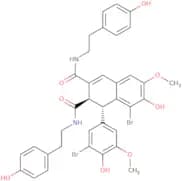
<p>AKTide-2T is a 14-mer peptide which has the ability to bind to the substrate binding domain of Akt1 with a Ki of 12mM. AKt1 is part of the Akt kinase family which are serine/threonine kinase and it is ubiquitously expressed. AKt1 performs roles such as promoting endothelial neoplasms and through phosphorylating angiogenic substrates AKt1 plays a role in angiogenesis. AKT kinases as a whole perform functional roles in cell proliferation, cell growth, survival and intermediary metabolism.During peptide library screening, AKTide-2T was found to contain the optimal motif for successful binding to AKT. When phosphoamino acid analysis of AKTide-2T was carried out it was observed that although AKTide-2T contained two potential AKT phosphorylation sites: serine or threonine, AKT only phosphorylated the serine site. Furthermore it was found that AKTide-2T exhibits properties of being a competitive inhibitor for example it competitively inhibits histone H2B from being phosphorylated by AKT.</p>Pureza:Min. 95%Cor e Forma:PowderPeso molecular:1,714.9 g/molrel-(1R,2S)-8-Bromo-1-(3-bromo-4-hydroxy-5-methoxyphenyl)-1,2-dihydro-7-hydroxy-N2,N3-bis[2-(4-hydroxyphenyl)ethyl]-6-methoxy-2,3-na phthalenedicarboxamide
CAS:<p>rel-(1R,2S)-8-Bromo-1-(3-bromo-4-hydroxy-5-methoxyphenyl)-1,2-dihydro-7-hydroxy-N2,N3-bis[2-(4-hydroxyphenyl)ethyl]-6-methoxy-2,3-naphthalenedicarboxamide is a synthetic chemical compound, which is derived through targeted organic synthesis and structural optimization efforts. Its source lies in advanced laboratory methodologies designed to enhance specific pharmacological properties. The mode of action is expected to involve selective interaction with particular molecular targets, potentially modulating distinct pathways related to cellular function or signaling processes.</p>Fórmula:C36H34Br2N2O8Pureza:Min. 95%Cor e Forma:PowderPeso molecular:782.47 g/molVardenafil HCl - Bio-X ™
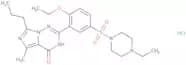
CAS:<p>Vardenafil is a phosphodiesterase type 5 inhibitor that binds to intracellular targets and competitively inhibits cyclic guanosine monophosphate (cGMP) hydrolysis thus increasing cGMP levels. Vardenafil can be used for the research of erectile dysfunction, hepatitis and diabetes.</p>Fórmula:C23H33ClN6O4SPureza:Min. 95%Cor e Forma:PowderPeso molecular:525.07 g/molNrf2 (69-84)
<p>Nuclear Factor Erythroid 2-Related Factor 2 (Nrf2) and its negative regulator Kelch-Like ECH-Associated Protein 1 (Keap1) provide vital protection in maintaining cellular redox. In parallel, Nrf2 also aids the resolution of inflammation and also tissue repair. In homeostatic conditions, the transcription factor Nrf2 is controlled in a cytoplasmic complex with Keap1 with ubiquitination and protein degradation. Nrf2 has been linked to numerous cancers due to mutations affecting the binding region of Nrf2 to Keap1, resulting in Nrf2 dissociating from the complex. Nrf2 constitutively accumulates in the nucleus and activation of prosurvival genes that promote cancer cell proliferation.The Neh2 region of Nrf2 interacts with Keap1, as shown by nuclear magnetic resonance spectroscopy. The 16 amino acid peptide (AFFAQLQLDEETGEFL) (69-84) flanks the conserved ETGE motif and can replicate the binding to keap1.Therapeutics targeting the Nrf2 signalling pathway and activation of Nrf2 is a keen area of research, with many cancers being linked to Nrf2, particularly pancreatic cancer. Additionally, activation of Nrf2 has become a possible target as a treatment for COVID. Nrf2 (69-84) replicating full-length Nrf2 binding has been helpful in all cases.</p>Pureza:Min. 95%Cor e Forma:PowderPeso molecular:1,856.9 g/molImipramine HCl - Bio-X ™
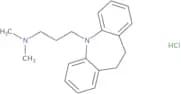
CAS:Produto Controlado<p>Imipramine is a drug that belongs to the class of tricyclic antidepressant drugs. It is used in the treatment of depression and childhood enuresis. It is a potent inhibitor of serotonin and norepinephrine reuptake. Imipramine blocks D-2 receptors, H1 receptors, α-1 and α-2 adrenergic receptors and muscarinic receptors. Also, it is indicated for dysthymia, attention-deficit disorders, agoraphobia and it is effective in treating anxiety and panic disorders.</p>Fórmula:C19H24N2•HClPureza:Min. 95%Cor e Forma:PowderPeso molecular:316.87 g/molNGI1
CAS:<p>A cell permeable inhibitor of oligosaccharyltransferase that interferes with the transfer of mature glycan precursors to recipient proteins. Causes reduced proliferation, G1 arrest and senescence in EGFR- and FGFR-dependent non-small-cell lung carcinoma (NSCLC) cells.</p>Fórmula:C17H22N4O3S2Pureza:Min. 99 Area-%Peso molecular:394.51 g/molTocainide HCl - Bio-X ™
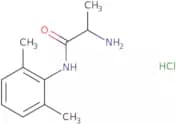
CAS:<p>Tocainide is a class 1b antiarrhythmic agent that is used in the treatment of ventricular arrhythmias. This drug acts on sodium channels to decrease the excitability of myocardial cells. This drug also prevents the depolarization of cardiac muscle cells and prolongs their refractory period.</p>Fórmula:C11H17ClN2OPureza:Min. 95%Cor e Forma:PowderPeso molecular:228.72 g/molNL 1
CAS:<p>Inhibits the mitochondrial outer mebrane protein mitoNEET, anti-leukaemic</p>Fórmula:C18H25NO3SPureza:Min. 95%Cor e Forma:SolidPeso molecular:335.46 g/molRS 127445 hydrochloride
CAS:<p>A selective antagonist of serotonin 5-HT2B receptors, inhibiting inositol phosphate formation and calcium release. Blocks 5-HT-induced contraction in rat stomach fundus. Reduces fecal output in vivo, upon inhibition of 5-HT2B by RS 127445, demonstrating a potential role for this receptor in colonic motility. Inhibits visceral hypersensitivity induced by restraint stress or colonic inflammation.</p>Fórmula:C17H16FN3·HClPureza:Min. 95%Cor e Forma:White To Yellow SolidPeso molecular:317.79 g/mol(S)-Lisinopril - Bio-X ™
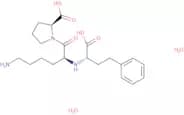
CAS:<p>Lisinopril is a drug that belongs to the group of angiotensin converting enzyme (ACE) inhibitors. It is used to treat hypertension, heart failure and myocardial infarction. Lisinopril binds to the active site of the ACE enzyme, preventing it from converting angiotensin I into angiotensin II.</p>Fórmula:C21H31N3O5Pureza:Min. 95%Cor e Forma:PowderPeso molecular:405.49 g/molAlbuterol sulfate - Bio-X ™
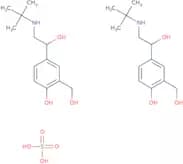
CAS:Produto Controlado<p>Albuterol is a selective beta-2 adrenergic receptor agonist drug that is used to prevent and treat wheezing, shortness of breath, and other breathing difficulties caused by asthma. It relaxes the muscles in the airways, making them more open. Albuterol also has an anti-inflammatory effect.</p>Fórmula:C13H21NO3•(H2O4S)0Pureza:Min. 95%Cor e Forma:PowderPeso molecular:576.7 g/molYPSPV (EYGF-33)
<p>During extraction of lecithin from egg yolk, peptide by-products can be isolated and purified by gel filtration. Within the by-products this has led to the discovery of biologically active value-added products. The egg yolk gel filtration (EFGF) fractions were analysed for their antioxidant and angiotensin converting enzyme (ACE) inhibitory activities. EYGF-33 predominantly contained 3 peptides - KLSDW, YPSPV, and MPVHTDAD). YPSPV in EYGF-33 was found to have minimal antioxidant activity. However, YPSPV showed notably high angiotensin converting enzyme (ACE) inhibitory activity, it exceeded the positive control captopril.</p>Pureza:Min. 95%Peso molecular:560.3 g/molSemagacestat
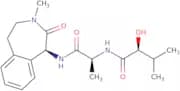
CAS:<p>γ-secretase inhibitor; inhibits notch signaling</p>Fórmula:C19H27O4N3Pureza:Min. 95%Peso molecular:361.44 g/molLofepramine - Bio-X ™
CAS:<p>Lofepramine is a psychoactive drug that belongs to the class of tricyclic antidepressants. It is used to treat depression and anxiety disorders. This drug works by inhibiting the reuptake of neurotransmitters such as serotonin and norepinephrine and as a result these neurotransmitters remain active in the brain for a longer period, which can help improve mood and alleviate symptoms of depression.</p>Fórmula:C26H27ClN2OPureza:Min. 95%Cor e Forma:PowderPeso molecular:418.96 g/molResiniferatoxin
CAS:<p>Resiniferatoxin is a natural chemical found in some plants that activates pain receptors.</p>Fórmula:C37H40O9Pureza:Min. 98.00 Area-%Cor e Forma:White PowderPeso molecular:628.71 g/molPep2-8
<p>Proprotein convertase subtilisin/kexin type 9 (PCSK9) is negative regulator of hepatic low-density lipoprotein (LDL) receptors by promoting their degradation. This leads to an increase in plasma levels of cholesterol-LDL (LDL-c). PCSK9 binds to the LDL receptor at the epidermal growth factor precursor homology domain A (EGF-A) which leads the receptor to be targeted for degradation. Natural loss of function mutations in PCSK9 have been linked to improved coronary health and lower cholesterol levels with reduced risk of coronary heart disease. This has led to further study to find inhibitors of PCSK9 with the hope that they may be clinically relevant in the future.As discussed, PCSK9 binds to EGF-A on the LDL receptor. A peptide named pep 2-8 is a mimic of EGF-A and binds PCSK9 in the same manner observed with the LDL receptor. Pep 2-8 is a potent selective competitive inhibitor of PCSK9. Pep 2-8 restores LDL receptor function and LDL uptake of PCSK9-treated HepG2 cells. This is still an active area of research to optimise inhibition of PCSK9 for cholesterol regulation.Pep 2-8 has also been utilised as an anchor peptide in phage-display experiments to bind an extension peptide library to the groove site.Peptide Ac-TVFTSWEEYLDWV-NH2 is a Research Peptide with significant interest within the field academic and medical research. This peptide is available for purchase at Cymit Quimica in multiple sizes and with a specification of your choice.</p>Pureza:Min. 95%Peso molecular:1,714.8 g/molPYK2 peptide substrate
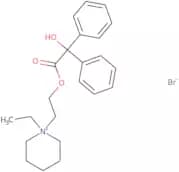
<p>Substrate for proline-rich tyrosine kinase 2 (Pyk2)- can be used for substrate phosphorylation assays. Pyk2 is a member of the focal adhesion kinase (FAK) subfamily of cytoplasmic tyrosine kinases. Pyk2 is also known as: calcium-dependent tyrosine kinase (CADTK)- cellular adhesion kinase β- related adhesion focal tyrosine kinase (RAFTK)- or FAK2.Pyk2 functions as a scaffold protein, and it interacts with cytoplasmic proteins at focal adhesion sites to integrate different environmental signals. Pyk2 is activated by several stimuli, including elevated intracellular calcium levels, protein kinase C activation, and exposure to stress factors. Recently, Pyk2 has become a potentially important new therapeutic target or prognostic marker because overexpression of Pyk2 has been found in many human tumours.</p>Pureza:Min. 95%Peso molecular:1,938.9 g/molPipethanate ethobromide
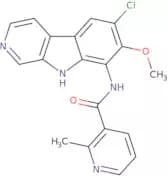
CAS:<p>Prostaglandin E2 (EP2) receptor antagonist</p>Fórmula:C23H30NO3•BrPureza:Min. 95%Cor e Forma:White PowderPeso molecular:448.39 g/molMLN120B
CAS:<p>Inhibitor of IKKβ serine kinase</p>Fórmula:C19H15ClN4O2Pureza:Min. 95%Cor e Forma:PowderPeso molecular:366.8 g/molRosuvastatin lactone
CAS:<p>HMG-CoA reductase inhibitor</p>Fórmula:C22H26FN3O5SPureza:Min. 98%Cor e Forma:PowderPeso molecular:463.52 g/molMLi-2
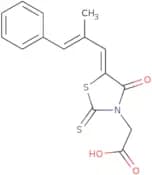
CAS:<p>A brain-penetrant inhibitor of leucin-rich repeat kinase 2 (LRRK2) with IC50 = 0.76 nM and anti-parkinsonian activity. Gain-of-function mutations in LRRK2 gene lead to increased familial and idiopathic risk of developing the disease. The inhibitors of the kinase activity have therapeutic potential against Parkinson’s disease.</p>Fórmula:C21H25N5O2Pureza:Min. 98 Area-%Cor e Forma:PowderPeso molecular:379.46 g/molEpalrestat - Bio-X ™
CAS:<p>Epalrestat is a carboxylic acid derivative that is used for the treatment of diabetic neuropathy. This drug is an aldose reductase inhibitor and aims to reduce the accumulation of intracellular sorbitol. Studies in rats have shown this drug to improve morphological abnormalities of nerves.</p>Fórmula:C15H13NO3S2Pureza:Min. 95%Cor e Forma:PowderPeso molecular:319.4 g/molTenatoprazole
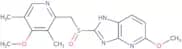
CAS:<p>H+/K+ ATPase inhibitor</p>Fórmula:C16H18N4O3SPureza:Min. 95%Cor e Forma:PowderPeso molecular:346.41 g/molAlfuzosin - Bio-X ™
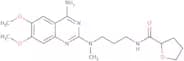
CAS:<p>Alfuzosin is an alpha-1 adrenoreceptor antagonist drug that is used in treatment and management of benign prostatic hyperplasia. This drug works by relaxing the muscles in the prostate and bladder neck which results in symptom improvement.</p>Fórmula:C19H27N5O4Pureza:Min. 95%Cor e Forma:PowderPeso molecular:389.45 g/molAutocamtide-2 Related Inhibitory Peptide
<p>Autocamtide-2-related inhibitory peptide is a calmodulin-dependent protein kinase II (CaMKII) inhibitor.CAMK represents a class of Ca2+/calmodulin-dependent protein kinase enzymes. CAMKs are activated by increases in the concentration of intracellular calcium ions (Ca2+) and transfers phosphates from ATP to defined serine or threonine residues in other proteins. Activated CAMK is involved in the phosphorylation of transcription factors and therefore, in the regulation of expression of responding genes.</p>Pureza:Min. 95%Cor e Forma:PowderPeso molecular:1,707.1 g/molERKtide amide
<p>ERKtide Substrate Peptide.</p>Pureza:Min. 95%Cor e Forma:PowderPeso molecular:1,674.9 g/molCHZ868
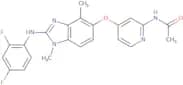
CAS:<p>CHZ868 is a chemical compound primarily used in experimental research settings. It is synthesized through a series of organic reactions, often involving specific reagents to ensure high purity and stability. The compound operates by interacting with specific cellular pathways, influencing key biochemical processes that are crucial for its intended applications.</p>Fórmula:C22H19F2N5O2Pureza:Min. 95%Cor e Forma:PowderPeso molecular:423.42 g/mol[CGG]-GSK3B (Human 359-409)
<p>Amino acids 359-409 of human glycogen synthase kinase 3 β (GSKβ), a multifunctional serine/threonine kinase widely expressed in most mammalian cells. GSKβ is highly active under basal conditions and acts downstream of phosphoinositide 3-kinase (PI3K) signalling. PI3K activation results in Akt phosphorylation and the subsequent phosphorylation of GSKβ at serine-9 and its inactivation. GSKβ in turn activates the production of pro-inflammatory cytokines including IL-1β, IL-6, IL-12, IL-17, TNFalpha and IFNγ, and supresses the production of IL-10, IL-1Ra, and IFNβ by immune cells. Under resting conditions, GSKβ is constitutively active due to tyrosine-216 phosphorylation, and it phosphorylates and inhibits a diverse group of pro-oncogenic substrates, such as: β-catenin- cyclin D1- c-Jun- c-Myc and CREB. GSKβ is also involved in Wnt signalling pathways.Aberrant expression of GSKβ has been shown to promote cell growth in some cancers and to suppress it in others. GSKβ inhibition leads to the accumulation of β-catenin in the nucleus, enhancing the progression of many cancers. However the inhibition of GSKβ also induces apoptosis in various types of cancers, such as pancreatic, colorectal and bladder cancer. Inhibition of GSKβ can also have neuroprotective effects on dopaminergic neurons such as in Parkinson's disease.</p>Pureza:Min. 95%Cor e Forma:PowderPeso molecular:1,658.8 g/molPNU 159682
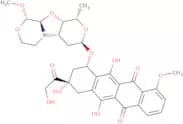
CAS:<p>DNA alkylating agent; highly potent metabolite of nemorubicin</p>Fórmula:C32H35NO13Pureza:Min. 90 Area-%Cor e Forma:Red PowderPeso molecular:641.62 g/molPAC 1
CAS:<p>PAC 1 is a small-molecule apoptosis inducer, derived from synthetic sources, with a unique mode of action targeting the apoptotic pathways in cancer cells. PAC 1 functions by selectively activating procaspase-3, an inactive precursor of the caspase enzymes, which play a crucial role in the execution phase of cell apoptosis. By facilitating the conversion of procaspase-3 to its active form, PAC 1 enhances the apoptotic response in cancer cells, promoting cell death and offering potential therapeutic advantages.</p>Fórmula:C23H28N4O2Pureza:Min. 98 Area-%Cor e Forma:White PowderPeso molecular:392.49 g/molAMG 510
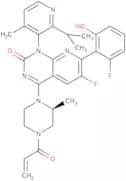
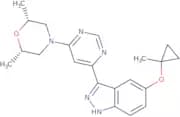
CAS:<p>KRAS G12C inhibitor</p>Fórmula:C30H30F2N6O3Pureza:(%) Min. 98%Cor e Forma:PowderPeso molecular:560.59 g/molGNE 371
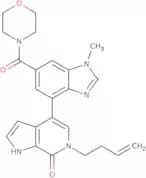
CAS:<p>A chemical probe for the dual bromodomains of human transcription-initiation-factor TFIID subunit 1 (TAF1). GNE 371 binds TAF1 with an IC50 of 10 nM and is selective over other bromodomain family members. Exerts anti-proliferative effects in synergy with BET inhibitor JQ1.</p>Fórmula:C24H25N5O3Pureza:(Hplc-Ms) Min. 98 Area-%Peso molecular:431.49 g/molPentoxifylline
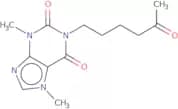
CAS:Produto Controlado<p>Phosphodiesterase inhibitor</p>Fórmula:C13H18N4O3Pureza:Min. 95%Cor e Forma:White PowderPeso molecular:278.31 g/molAPTO 253
CAS:<p>Induces Kruppel like factor 4 (KLF4) and reduces the expression of MYC. Anti-tumor activity of APTO 253 has been demonstrated in AML and haematological malignancies. Inducing KLP4 expression in ovarian cancer cells using APT0 253 sensitises cells to cisplatin and paclitaxel. BRCA1/2-deficient cancer cells are hypersensitive to APTO 253, which mediates its action by causing DNA damage.</p>Fórmula:C22H14FN5Pureza:Min. 95%Cor e Forma:SolidPeso molecular:367.38 g/molIQVPL (EYGF-56)
<p>During extraction of lecithin from egg yolk, peptide by-products can be isolated and purified by gel filtration. Within the by-products this has led to the discovery of biologically active value-added products. The egg yolk gel filtration (EFGF) fractions were analysed for their antioxidant and angiotensin converting enzyme (ACE) inhibitory activities. EYGF-56 predominantly contained 3 peptides - SDNRNQGY, IQVPL, and KGLWE. IQVPL in EYGF-56 was found to have minimal antioxidant activity. YPSPV showed some angiotensin converting enzyme (ACE) inhibitory activity.</p>Pureza:Min. 95%Peso molecular:567.4 g/molKLSDW (EYGF-33)
<p>During extraction of lecithin from egg yolk, peptide by-products can be isolated and purified by gel filtration. Within the by-products this has led to the discovery of biologically active value-added products. The egg yolk gel filtration (EFGF) fractions were analysed for their antioxidant and angiotensin converting enzyme (ACE) inhibitory activities. EYGF-33 predominantly contained 3 peptides - KLSDW, YPSPV, and MPVHTDAD). KLSDW in EYGF-33 was found to have strong antioxidant activity linked to the presence of the tryptophan residue. KLSDW had nearly comparable activity to the synthetic antioxidant BHA. KLSDW did not show any notable angiotensin converting enzyme (ACE) inhibitory activity.</p>Pureza:Min. 95%Peso molecular:646.3 g/molDAPKtide Substrate Peptide
<p>DARKtide is a substrate peptide for death-associated protein kinase (DAPK) for use in kinases assays. DAPK is involved in several cellular pathways including: apoptosis, tumour suppression, stress response, anti-viral immunity and IL-1-associated inflammatory diseases. In C. elegans DAPK-1 regulates epidermal morphogenesis, innate immunity and wound repair.</p>Pureza:Min. 95%Cor e Forma:PowderPeso molecular:1,577.9 g/molGSK 583
CAS:<p>A potent and selective inhibitor of cell death-inducing kinase RIP2 (IC50 = 5 nM). Reduces release of pro-inflammatory cytokines. Inhibits production of TNF-α and IL-6 in intestinal explants from patients with Crohn's disease and ulcerative colitis.</p>Fórmula:C20H19FN4O2SPureza:Min. 95%Cor e Forma:PowderPeso molecular:398.46 g/mol


![[G]-JAK1 peptide (1015-1027)](/_next/image/?url=https%3A%2Fstatic.cymitquimica.com%2Fproducts%2F3D%2Fthumb-webp%2FCRB1000479.webp&w=3840&q=75)













![[CGG]-GSK3B (Human 359-409)](/_next/image/?url=https%3A%2Fstatic.cymitquimica.com%2Fproducts%2F3D%2Fthumb-webp%2FCRB1000551.webp&w=3840&q=75)