Compostos de organossilícico
In questa sezione troverai un gran numero di composti organosiliconici. I composti organosiliconici sono caratterizzati da atomi di carbonio legati ad atomi di silicio. Possono essere presenti anche altri composti non metallici. Questi composti sono ampiamente utilizzati nella sintesi organica, nella scienza dei materiali e nei prodotti farmaceutici grazie alle loro proprietà chimiche uniche. Presso CymitQuimica, offriamo una vasta gamma di composti organosiliconici di alta qualità per supportare le tue ricerche e progetti industriali.
Subcategorias de "Compostos de organossilícico"
Foram encontrados 4325 produtos de "Compostos de organossilícico"
Ordenar por
Pureza (%)
0
100
|
0
|
50
|
90
|
95
|
100
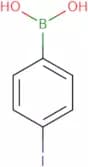
4-Iodophenylboronic acid
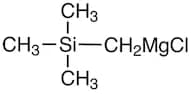
CAS:<p>4-Iodophenylboronic acid is a chemical compound that has been shown to bind to disaccharides and form hydrogen bonding interactions. It has also been shown to enhance the chemiluminescence of ethylene diamine in a light emission assay, which is due to its ability to bind to fatty acids. 4-Iodophenylboronic acid has been used in studies on tumor xenografts and optical properties. 4-Iodophenylboronic acid has also been shown to have vibrational and nmr spectra that differ from other boronic acids. This compound is unique because it binds with water molecules more strongly than any other boronic acid.</p>Fórmula:C6H6BIO2Pureza:Min. 95%Cor e Forma:PowderPeso molecular:247.83 g/molTrimethylsilylmethylmagnesium Chloride (ca. 18% in Tetrahydrofuran, ca. 1mol/L)
CAS:Fórmula:C4H11ClMgSiCor e Forma:LiquidPeso molecular:146.972,5-Bis[(trimethylsilyl)ethynyl]thiophene
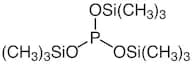
CAS:Fórmula:C14H20SSi2Pureza:>96.0%(GC)Cor e Forma:Light yellow to Yellow to Orange powder to crystalPeso molecular:276.54Tris(trimethylsilyl) Phosphite
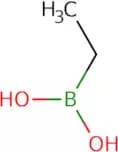
CAS:Fórmula:C9H27O3PSi3Pureza:>95.0%(NMR)Cor e Forma:Colorless to Almost colorless clear liquidPeso molecular:298.54Ethyl boronic acid
CAS:<p>Ethyl boronic acid is a monobasic organic acid that is an important component of the pharmacophore of many antibiotics. It has been shown to have an inhibitory effect on β-lactamase and s. epidermidis. Ethyl boronic acid also inhibits the growth of p. aeruginosa, which is resistant to β-lactams, by binding to the enzyme's active site and preventing it from hydrolyzing penicillin-type antibiotics. This molecule is synthesized from ethyl chloride in a two-step process that involves asymmetric synthesis that results in high melting points and natural compounds with health effects.</p>Fórmula:C2H7BO2Pureza:Min. 95%Cor e Forma:White To Light (Or Pale) Yellow SolidPeso molecular:73.89 g/mol1,3-Dimethyl-1,1,3,3-tetraphenyldisilazane
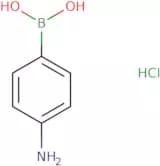
CAS:Fórmula:C26H27NSi2Pureza:>95.0%(GC)Cor e Forma:White to Light yellow powder to crystalPeso molecular:409.684-Aminophenylboronic acid hydrochloride
CAS:<p>4-Aminophenylboronic acid hydrochloride is a fluorescent probe that can be used to detect hydrogen bonds in proteins. It has been used to measure water vapor in human serum and as an electrochemical impedance spectroscopy probe for the detection of ATP levels. This compound has also been used as a fluorescence probe for the detection of viruses and fetal bovine serum, as well as nanomaterials and matrix effect studies. 4-Aminophenylboronic acid hydrochloride is synthesized through the reaction of 4-aminophenylboronic acid with hydrochloric acid in water at high temperature, which produces a white solid. The thermal expansion coefficient of this compound is 2.6 x 10^-5 K^-1.</p>Fórmula:C6H8BNO2•HClPureza:Min. 95%Cor e Forma:PowderPeso molecular:173.4 g/molPoly(methylphenylsiloxane)
CAS:<p>Poly(methylphenylsiloxane) is a polymer that can be synthesized in a number of ways, but the most common method involves the use of an initiator to start the process. This polymerization process begins by adding a phenyl group (a hydrocarbon molecule consisting of a benzene ring with two hydrogens and one or more hydroxyl groups) to a siloxane chain, which is made up of alternating silicon and oxygen atoms. The structure is then extended by adding more phenyl groups in order to build the desired polymer. Poly(methylphenylsiloxane) has been shown to have an activation energy of 22.0 kJ/mol, as determined by electrochemical impedance spectroscopy. It also has optical properties that depend on its molecular weight, with low-molecular weight polymers being transparent while higher-molecular weight polymers become translucent or opaque.</p>Fórmula:(C7H8OSi)nCor e Forma:Clear Liquid2-(Trifluoromethoxy)phenylboronic acid
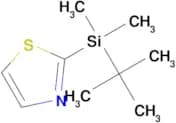
CAS:<p>2-(Trifluoromethoxy)phenylboronic acid (2-TFB) is a boronic acid that is used in cross-coupling reactions. It has been shown to be an effective inhibitor of the Vismodegib pathway, which may offer therapeutic benefits for cancer patients. 2-TFB has also been shown to inhibit the activity of other pathways involved in cancer development, such as the benzamide and suzuki pathways. 2-TFB is metabolized through filtration, which can lead to significant pharmacokinetic properties. This compound can be recycled and reused in cross-coupling reactions, which reduces waste production and costs.</p>Fórmula:C7H6BF3O3Pureza:Min. 95%Cor e Forma:PowderPeso molecular:205.93 g/mol2-(tert-Butyldimethylsilyl)thiazole
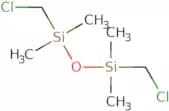
CAS:Fórmula:C9H17NSSiPureza:>97.0%(GC)Cor e Forma:Colorless to Light orange to Yellow clear liquidPeso molecular:199.391,3-Bis(chloromethyl)tetramethyldisiloxane
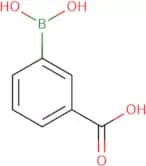
CAS:<p>1,3-Bis(chloromethyl)tetramethyldisiloxane is a reaction component that is used for the synthesis of other chemicals. It has a molecular weight of 172.2 g/mol and a CAS No. of 2362-10-9. This chemical is useful as a scaffold for complex compounds or as an intermediate in the synthesis of speciality chemicals. It is also a versatile building block, which can be used to synthesize many different types of compounds. 1,3-Bis(chloromethyl)tetramethyldisiloxane has been shown to have high purity and quality due to its high reactivity and usefulness in the synthesis of organic compounds.</p>Fórmula:C6H16Cl2OSi2Pureza:Min. 95%Cor e Forma:PowderPeso molecular:231.27 g/mol3-Carboxyphenylboronic acid
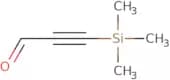
CAS:<p>3-Carboxyphenylboronic acid is a natural compound that is used in the treatment of tumors. It is also used as a starting material for the synthesis of other compounds, such as 3-carboxyphenylboronic acid and 3-carboxyphenylboronic acid hydrochloride. 3-Carboxyphenylboronic acid has been shown to activate signal pathways involved in tumor growth, survival, and metastasis. This drug has low bioavailability and can be excreted through urine or human serum. 3-Carboxyphenylboronic acid contains a pyrazole ring with ester linkages. Hydrogen bonding interactions are also present between this molecule and dopamine, which may account for its antitumor activity.</p>Fórmula:C7H7BO4Pureza:Min. 95%Cor e Forma:White PowderPeso molecular:165.94 g/mol3-(Trimethylsilyl)-2-propynal
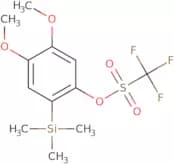
CAS:<p>3-(Trimethylsilyl)-2-propynal is a molecule that has been studied for its potential use as a vitamin D3 analog. It contains a hydroxy group and an asymmetric carbon atom that could allow it to bind to the vitamin D receptor. 3-(Trimethylsilyl)-2-propynal is also an intramolecular hydrogen bond donor, which may play a role in receptor binding. This compound has shown promising results in animal models of inflammatory diseases, such as asthma and arthritis. The compound binds to the receptor with low energy and has a stereoselective orientation of the benzimidazole ring, which may give it an advantage over other compounds that have similar activity.</p>Fórmula:C6H10OSiPureza:Min. 95%Cor e Forma:Colorless Clear LiquidPeso molecular:126.23 g/mol4,5-Dimethoxy-2-(trimethylsilyl)phenyl trifluoromethanesulfonate
CAS:<p>4,5-Dimethoxy-2-(trimethylsilyl)phenyl trifluoromethanesulfonate is a reagent for the synthesis of propiolates. It is prepared by reacting methyl propiolate with tetrachloride, hexachloroethane, or tetrabromide in acetonitrile. The reactants are heated to reflux under argon and then cooled to room temperature. This product is an ionic liquid that can be used as a solvent. 4,5-Dimethoxy-2-(trimethylsilyl)phenyl trifluoromethanesulfonate is a zwitterion and reacts with amines to form quaternary ammonium salts. It can also be used for the synthesis of unactivated transition metal complexes by reacting it with palladium and amines.</p>Fórmula:C12H17F3O5SSiPureza:Min. 95%Cor e Forma:Colorless PowderPeso molecular:358.41 g/mol(2-Fluoro-3-methoxyphenyl)boronic acid
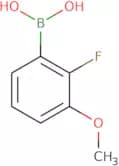
CAS:<p>2-Fluoro-3-methoxyphenylboronic acid is a boronic acid that has been shown to be orally activated. It is a potent inhibitor of the enzyme target, which is involved in the production of estradiol. 2-Fluoro-3-methoxyphenylboronic acid has been found to inhibit cellular growth and induce cancer cell death by targeting estrogen receptor β. This molecule also inhibits the growth factor, leading to inhibition of prostate cancer cells in vitro.</p>Fórmula:C7H8BFO3Pureza:Min. 95%Cor e Forma:White PowderPeso molecular:169.95 g/molDimethylethylsilylimidazole
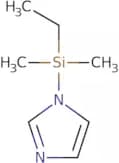
CAS:<p>Dimethylethylsilylimidazole (DMS) is a drug that inhibits the activity of certain enzymes and transporters. It binds to the toll-like receptor and activates downstream signalling pathways, leading to an increased production of reactive oxygen species. DMS also inhibits the activity of DNA polymerase and prevents transcriptional elongation by blocking the dinucleotide phosphate-dependent enzyme. DMS has been shown to be effective in treating chronic cough caused by squamous cell carcinoma. This drug can have adverse effects on other drugs that are metabolized through cytochrome P450 enzymes or are substrates for P-glycoprotein transporters.</p>Fórmula:C7H14N2SiPureza:Min. 95%Peso molecular:154.29 g/molPropylboronic acid
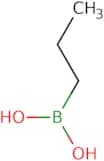
CAS:<p>Propylboronic acid is a chemical compound that is used as a reagent in organic synthesis. It is a carboxylic acid and an aryl halide, which can be easily converted to other compounds by the addition of nucleophiles. Propylboronic acid has been shown to inhibit serine proteases, such as thrombin, which are involved in the coagulation of blood. It also has been shown to have anti-inflammatory properties and can be used as an antiviral agent against hepatitis C virus (HCV). The use of this chemical may lead to autoimmune diseases, such as lupus erythematosus. The mechanism for this effect is not yet clear, but it may involve inhibition of protein synthesis and induction of apoptosis.</p>Pureza:Min. 95%Peso molecular:87.913-Amino-5-nitrophenylboronic acid pinacol ester
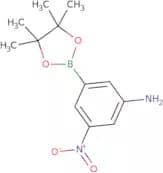
CAS:<p>3-Amino-5-nitrophenylboronic acid pinacol ester is a versatile building block that can be used in the synthesis of complex compounds. This compound has been shown to have useful properties in research chemicals and as reagents or speciality chemicals. Useful intermediates are usually synthesized from 3-Amino-5-nitrophenylboronic acid pinacol ester, which is also a useful scaffold for the synthesis of other compounds.</p>Fórmula:C12H17BN2O4Pureza:Min. 95%Cor e Forma:Yellow PowderPeso molecular:264.09 g/molPotassium Trimethylsilanolate
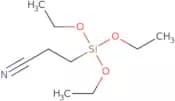
CAS:Fórmula:C3H9KOSiPureza:>95.0%(T)Cor e Forma:White to Almost white powder to crystalPeso molecular:128.292-Cyanoethyltriethoxysilane
CAS:<p>2-Cyanoethyltriethoxysilane is a cross-linking agent that is used in coatings and adhesives. It has been shown to have an adsorption mechanism that is dependent on the pH of the solution, with a maximum adsorption at pH 3.2 and a minimum at pH 11. The rate of adsorption is also dependent on the concentration of 2-cyanoethyltriethoxysilane, with higher concentrations leading to faster adsorption rates. Kinetic data for 2-cyanoethyltriethoxysilane has been shown using gravimetric analysis to show that it has an adsorption rate constant of 1.0 × 10^4 s^(-1) at pH 3.2 and 6.5 × 10^4 s^(-1) at pH 11, which are independent of the concentration of this molecule in solution. Pluronic P123 was used as a model polymer</p>Fórmula:C9H19NO3SiPureza:Min. 97 Area-%Cor e Forma:PowderPeso molecular:217.34 g/mol6-(4,4,5,5-Tetramethyl-[1,3,2]dioxaborolan-2-yl)-isoquinoline
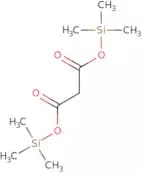
CAS:<p>6-(4,4,5,5-Tetramethyl-[1,3,2]dioxaborolan-2-yl)-isoquinoline is a versatile building block for the synthesis of complex compounds. This product is a reagent that can be used in organic synthesis as a reaction component or as a reagent to form new compounds. 6-(4,4,5,5-Tetramethyl-[1,3,2]dioxaborolan-2-yl)-isoquinoline has shown high quality in research and is useful for the synthesis of fine chemicals and speciality chemicals.</p>Fórmula:C15H18BNO2Pureza:Min. 95%Cor e Forma:White To Beige SolidPeso molecular:255.12 g/molBis(trimethylsilyl)malonate
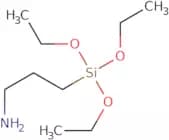
CAS:<p>Bis(trimethylsilyl)malonate is a molecule that is used as a reagent in organic chemistry. It is an ethyl ester of malonic acid and can be synthesized using phosphorus pentoxide and the methyl ketones. The synthesis of covid-19, a pandemic antiviral drug, requires this chemical. Covid-19 has been shown to have anticancer activity in animal studies, as well as clinical chemistry applications for colorectal carcinoma.</p>Fórmula:C9H20O4Si2Pureza:Min. 95%Cor e Forma:Colourless To Yellow LiquidPeso molecular:248.42 g/mol3-Aminopropyltriethoxysilane
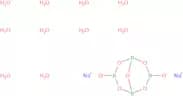
CAS:<p>3-Aminopropyltriethoxysilane is a liquid that has a phase transition temperature of -88.3°C. It is soluble in water at 1 g/L and in ethanol at 0.1 g/L. 3-Aminopropyltriethoxysilane has been shown to inhibit the production of prostaglandin E2 and leukotrienes by inhibiting cyclooxygenase activity in red blood cells, which may be due to its ability to chelate metal ions such as iron or copper. 3-Aminopropyltriethoxysilane also inhibits the production of prostaglandin E2 and leukotrienes by inhibiting cyclooxygenase activity in red blood cells, which may be due to its ability to chelate metal ions such as iron or copper. The compound also inhibits the production of prostaglandin E2 and leukotrienes by inhibiting</p>Fórmula:C9H23NO3SiPureza:Min. 97 Area-%Cor e Forma:Colorless Clear LiquidPeso molecular:221.37 g/molSodium tetraborate decahydrate
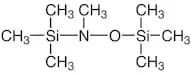
CAS:<p>Sodium tetraborate decahydrate is a boron compound that is used in wastewater treatment. It is a good adsorbent for organic molecules and can be used to remove organic contaminants from wastewater. Sodium tetraborate decahydrate has shown to have good thermal stability, chemical stability, and optical properties. This compound also has the ability to adsorb benzalkonium chloride, which is an antibacterial agent used in hospitals.</p>Fórmula:Na2B4O7·10H2OPureza:Min. 95%Cor e Forma:PowderPeso molecular:381.37 g/molN-Methyl-N,O-bis(trimethylsilyl)hydroxylamine
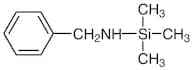
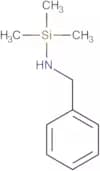
CAS:Fórmula:C7H21NOSi2Pureza:>98.0%(T)Cor e Forma:Colorless to Light yellow to Light orange clear liquidPeso molecular:191.42N-Benzyltrimethylsilylamine
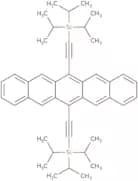
CAS:Fórmula:C10H17NSiPureza:>98.0%(T)Cor e Forma:Colorless to Almost colorless clear liquidPeso molecular:179.346,13-Bis(triisopropylsilylethynyl)pentacene
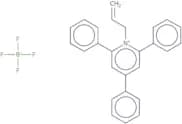
CAS:<p>High performance small molecule for OFET applications</p>Fórmula:C44H54Si2Pureza:Min. 95%Cor e Forma:Blue PowderPeso molecular:639.07 g/molN-Propyl-2-ene-2,4,6-triphenylpyridinium tetrafluoroborate
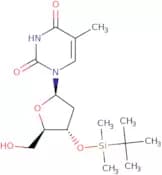
CAS:<p>N-Propyl-2,4,6-triphenylpyridinium tetrafluoroborate (NPPBF) is a versatile building block with a wide range of applications in the synthesis of complex compounds. It is a fine chemical that has been used as a reagent, speciality chemical, and useful scaffold for research chemicals. NPPBF has been shown to be an intermediate in the synthesis of various pharmaceuticals and agrochemicals. It can also be used as a reaction component in organic synthesis. The compound is soluble in polar solvents such as DMF, DMSO, THF, and acetonitrile.</p>Fórmula:C26H22N•BF4Pureza:Min. 95%Peso molecular:435.26 g/mol3’-O-t-Bulyldimethylsilyl thymidine
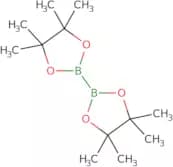
CAS:<p>3’-O-t-Bulyldimethylsilyl thymidine is a nucleoside analog that is chemically stable and has been shown to be a potential biomarker for the diagnosis of fetal bovine spongiform encephalopathy (BSE). 3’-O-t-Bulyldimethylsilyl thymidine binds to basic proteins in the cell nucleus, which can be detected by immunoassay. It also has been shown to inhibit protein synthesis in tubule cells of the kidney and skin cancer cells. The drug is metabolized by dephosphorylation to t-butyldeoxyuridine, which is then converted into thymidine.</p>Fórmula:C16H28N2O5SiPureza:Min. 95%Cor e Forma:White PowderPeso molecular:356.49 g/molBis(pinacolato)diboron
CAS:<p>Bis(pinacolato)diboron is a versatile reagent that is used in organic synthesis. It is a boron-containing compound that inhibits the reaction between amines and hydroxide solutions, forming an intermediate copper complex with a carbonyl group. The mechanism of this inhibition has been explored and found to be due to the presence of a hydroxyl group on the bis(pinacolato)diboron molecule. Bis(pinacolato)diboron reacts with an amine to form an adduct containing a boron-nitrogen double bond. This intermediate then reacts with hydroxide ions from the solution to form the final product, which contains both an amine and hydroxyl groups. The isolated yield of this reaction is typically low, but can be increased by using palladium as a catalyst.</p>Fórmula:C12H24B2O4Pureza:Min. 98 Area-%Cor e Forma:PowderPeso molecular:253.94 g/molDecamethylcyclopentasiloxane
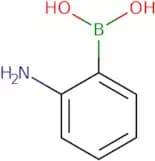
CAS:<p>Decamethylcyclopentasiloxane is a compound that is used in wastewater treatment. It is used as a co-solvent in the removal of fatty acids from wastewater by adsorption on activated carbon. Decamethylcyclopentasiloxane has been shown to be less toxic than other solvents, such as pergolide mesylate, and can be used for the removal of fatty acids from wastewater by adsorption on activated carbon. The process involves the formation of decamethylcyclopentasiloxane-fatty acid complexes at the surface of activated carbon particles. Decamethylcyclopentasiloxane does not cause chronic exposure or emit particles when subjected to high temperatures.</p>Fórmula:C10H30O5Si5Pureza:Min. 95%Cor e Forma:Colorless Clear LiquidPeso molecular:370.77 g/mol2-Aminophenylboronic acid
CAS:<p>2-Aminophenylboronic acid is an organic compound that can be used as a cross-coupling agent in the Suzuki coupling reaction. It has been used to synthesize amides and β-unsaturated ketones. It has also been used to prepare fluorescent molecules for use in clinical diagnostics. The phase transition temperature of 2-aminophenylboronic acid is approximately -6°C, which makes it useful for the synthesis of amides and β-unsaturated ketones at low temperatures. This compound is not reactive towards nucleophiles due to its acidic character, but it can undergo a nucleophilic attack when protonated. Its fluorescence assay can be used to detect the presence of low concentrations of hydrogen sulfide gas in natural gas pipelines.</p>Fórmula:C6H8BNO2Pureza:Min. 95%Cor e Forma:PowderPeso molecular:136.94 g/molIsosilandrin hplc
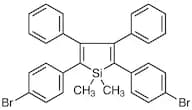
<p>Isosilandrin is a fine chemical that is used as a versatile building block for research chemicals, and can be used as a reaction component in the synthesis of other compounds. It has shown a high reactivity with electron-deficient olefins and aromatic compounds. Isosilandrin is also used as a reagent to synthesize complex compounds, such as 3-aryl-2-oxindoles and 1,3-dihydrobenzofurans. Isosilandrin has been shown to have anti-inflammatory properties in rats, and to inhibit prostaglandin synthesis by inhibiting cyclooxygenase activity.</p>Fórmula:C25H22O9Pureza:Min. 95%Peso molecular:466.44 g/mol2,5-Bis(4-bromophenyl)-1,1-dimethyl-3,4-diphenylsilole
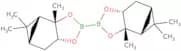
CAS:Fórmula:C30H24Br2SiPureza:>95.0%(GC)Cor e Forma:Light yellow to Yellow powder to crystalPeso molecular:572.42(-)-Bis(pinanediolato)diboron
CAS:<p>(-)-Bis(pinanediolato)diboron is a reactive component that can be used as a reagent. It reacts with alkenes to form pinacolboronates, which are useful for the synthesis of complex compounds. (-)-Bis(pinanediolato)diboron is also an intermediate in the synthesis of diboronic acid and pinacolborane. This compound has broad utility as a building block, scaffold, or intermediate in organic synthesis.<br>-Pinanediolato boron is also a versatile building block that can be used to synthesize many other chemical compounds. For example, it can be used as an intermediate to synthesize (-)-pinanediol and 3-hydroxy-1-methylpyridinium iodide (3HMPI), which are speciality chemicals.<br>-Pinanediolato boron is also an excellent building block for organic synthesis due to its ability</p>Fórmula:C20H32B2O4Pureza:Min. 95%Cor e Forma:White SolidPeso molecular:358.09 g/mol[[(3,5-Dimethyl-1H-pyrrol-2-yl)(3,5-dimethyl-2H-pyrrol-2-ylidene)methyl]methane](difluoroborane)
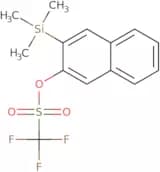
CAS:<p>[[(3,5-Dimethyl-1H-pyrrol-2-yl)(3,5-dimethyl-2H-pyrrol-2-ylidene)methyl]methane](difluoroborane) is a compound that is used in photophysical studies. It has been shown to exhibit low energy levels and fluorescence properties. The chloro atom in this molecule has been shown to have a photostability of approximately 10 μs, which may be due to the lack of electron delocalization that would lead to a significant amount of excited state decay. This compound also exhibits fatty acid microcapsule formation and particle formation, which may be useful for confocal microscopy. [[(3,5-Dimethyl-1H-pyrrol-2-yl)(3,5-dimethyl-2H-pyrrol-2-ylidene)methyl]methane](difluorob</p>Fórmula:C14H17BF2N2Pureza:Min. 95%Cor e Forma:Red PowderPeso molecular:262.11 g/mol3-(Trimethylsilyl)-2-naphthyl trifluoromethanesulfonate
CAS:<p>3-(Trimethylsilyl)-2-naphthyl trifluoromethanesulfonate is a synthetic molecule that is used to synthesize benzofurans. 3-(Trimethylsilyl)-2-naphthyl trifluoromethanesulfonate is activated by reaction with N-bromosuccinimide, which creates an electrophilic carbon center. This electrophilic center reacts with nucleophiles such as alcohols, amines, and thiols to form a new bond. The product of this reaction is benzoylated, which can then undergo further reactions to form other compounds. X-ray crystallography has been used to characterize the structure of 3-(trimethylsilyl)-2-naphthyl trifluoromethanesulfonate.</p>Fórmula:C14H15F3O3SSiPureza:Min. 95%Cor e Forma:Colorless Clear LiquidPeso molecular:348.41 g/mol1-(Trimethylsilyl)-2-naphthyl Trifluoromethanesulfonate
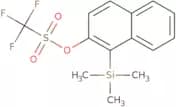
CAS:<p>1-(Trimethylsilyl)-2-naphthyl Trifluoromethanesulfonate is a solvent that has been used for the synthesis of oxygen heterocycles. It is also used as a reagent to cleave bonds in organic molecules, such as alkene, solvents, aldehydes and activated esters. This compound is an unsymmetrical nucleophile that reacts with electron-poor alkenes to generate an unsaturated bond between two carbons. Mechanistic studies have shown that the reaction proceeds through a concerted mechanism involving the formation of a covalent phosphine intermediate.</p>Fórmula:C14H15F3O3SSiPureza:Min. 95%Cor e Forma:PowderPeso molecular:348.41 g/mol4-Fluoro-3-(4,4,5,5-tetramethyl-1,3,2-dioxaborolan-2-yl)aniline
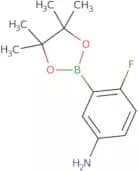
CAS:<p>4-Fluoro-3-(4,4,5,5-tetramethyl-1,3,2-dioxaborolan-2-yl)aniline is a fine chemical and a useful building block. It is used as a reagent in research laboratories and as a speciality chemical. 4-Fluoro-3-(4,4,5,5-tetramethyl-1,3,2-dioxaborolan-2-yl)aniline can be used to synthesize complex compounds that are versatile building blocks for the production of pharmaceuticals.</p>Fórmula:C12H17BFNO2Pureza:Min. 95%Cor e Forma:White Off-White PowderPeso molecular:237.08 g/molN-α,ε-Bis-Boc-L-lysine 4-nitrophenyl ester
CAS:<p>N-alpha,epsilon-Bis-Boc-L-lysine 4-nitrophenyl ester is a chiral compound that has been used as an antigen for the detection of antibodies against lysine. It is a synthetic peptide that can be used as an adjuvant to improve the efficacy of vaccines. The kinetic and orientations of the antigen were determined by electrospray ionization mass spectrometry. The enantiomeric composition was determined using high performance liquid chromatography with chiral stationary phase, followed by thioether cleavage and liquid chromatography.</p>Fórmula:C22H33N3O8Pureza:Min. 95%Cor e Forma:White To Beige To Light (Or Pale) Yellow SolidPeso molecular:467.51 g/molHexadecyltrimethoxysilane
CAS:<p>Hexadecyltrimethoxysilane is a volatile organic compound that has high values in the water vapor range. It is soluble in water and organic solvents, and can be used as a surface treatment agent for hydrophobic surfaces. Hexadecyltrimethoxysilane has been shown to have antimicrobial effects against bacteria such as Staphylococcus aureus and Escherichia coli by disrupting the cell membrane. Hexadecyltrimethoxysilane also inhibits the growth of microorganisms by preventing the synthesis of proteins essential for cellular processes. The transport rate of hexadecyltrimethoxysilane is relatively slow, with an optimum concentration of about 1%. This compound does not react with sodium citrate and has chemical stability.</p>Fórmula:C19H42O3SiPureza:Min. 95%Cor e Forma:Clear LiquidPeso molecular:346.62 g/molDiethylisopropylsilyl Trifluoromethanesulfonate
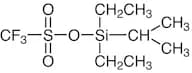
CAS:Fórmula:C8H17F3O3SSiPureza:>98.0%(T)Cor e Forma:Colorless to Light yellow to Light orange clear liquidPeso molecular:278.36Chlorotris(trimethylsilyl)silane
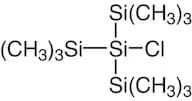
CAS:Fórmula:C9H27ClSi4Pureza:>95.0%(GC)(T)Cor e Forma:White to Almost white powder to lumpPeso molecular:283.111,1,3,3,5,5,7,7,9,9,11,11,13,13,15,15-Hexadecamethyloctasiloxane
CAS:Pureza:98%Peso molecular:579.2490234S-(Octanoyl)mercaptopropyltriethoxysilane
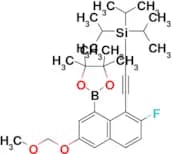
CAS:<p>S25250 - S-(Octanoyl)mercaptopropyltriethoxysilane</p>Fórmula:C17H36O4SSiPureza:95%Cor e Forma:LiquidPeso molecular:364.62((2-Fluoro-6-(methoxymethoxy)-8-(4,4,5,5-tetramethyl-1,3,2-dioxaborolan-2-yl)naphthalen-1-yl)ethynyl)triisopropylsilane
CAS:Pureza:96%Peso molecular:512.539978Ethyl 3-{4-fluoro-1-[tris(propan-2-yl)silyl]-1H-pyrrolo[2,3-b]pyridin-5-yl}propanoate
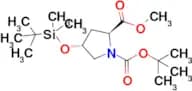
CAS:Pureza:97%Peso molecular:392.58999631-(tert-Butyl) 2-methyl (2S,4R)-4-((tert-butyldimethylsilyl)oxy)pyrrolidine-1,2-dicarboxylate
CAS:Pureza:95+%Peso molecular:359.5379944Trimethylsilylmethyl triflate
CAS:<p>S19825 - Trimethylsilylmethyl triflate</p>Fórmula:C5H11F3O3SSiPureza:98%+(GC-MS);RGCor e Forma:Liquid, ClearPeso molecular:236.28Polydimethylsiloxanes, trimethylsiloxy terminated cSt 3.0
CAS:<p>DMS-T03 - Polydimethylsiloxanes, trimethylsiloxy terminated cSt 3.0</p>Fórmula:(C2H6OSi)nC6H18OSi2Cor e Forma:Viscous Liquid, Clear viscous liquidPeso molecular:236.533Vinyltriisopropenoxysilane
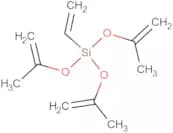
CAS:<p>S25294 - Vinyltriisopropenoxysilane</p>Fórmula:C11H18O3SiPureza:98%Cor e Forma:LiquidPeso molecular:226.3477-((2-(TRIMETHYLSILYL)ETHOXY)METHYL)-7H-IMIDAZO[1,2-C]PYRROLO[3,2-E]PYRIMIDINE
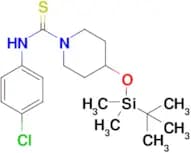
CAS:Fórmula:C14H20N4OSiPureza:95.0%Peso molecular:288.4264-((TERT-BUTYLDIMETHYLSILYL)OXY)-N-(4-CHLOROPHENYL)PIPERIDINE-1-CARBOTHIOAMIDE
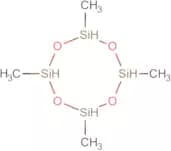
CAS:Fórmula:C13H17ClN2SPureza:95.0%Peso molecular:268.81,3,5,7-Tetramethylcyclotetrasiloxane
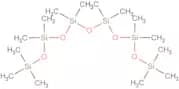
CAS:<p>S15975 - 1,3,5,7-Tetramethylcyclotetrasiloxane</p>Fórmula:C4H16O4Si4Pureza:95%Cor e Forma:Liquid, ClearPeso molecular:240.508Tetradecamethylhexasiloxane
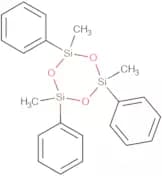
CAS:<p>S25272 - Tetradecamethylhexasiloxane</p>Fórmula:C14H42O5Si6Pureza:97%Cor e Forma:Liquid, ClearPeso molecular:458.995Triphenyltrimethylcyclotrisiloxane,90%
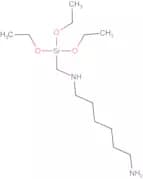
CAS:<p>S25286 - Triphenyltrimethylcyclotrisiloxane,90%</p>Fórmula:C21H24O3Si3Pureza:97%Cor e Forma:Liquid, HazyPeso molecular:408.675N-(6-Aminohexyl)aminomethyltriethoxysilane
CAS:<p>S25035 - N-(6-Aminohexyl)aminomethyltriethoxysilane</p>Fórmula:C13H32N2O3SiPureza:92%Cor e Forma:LiquidPeso molecular:292.495Tri-n-hexylsilane
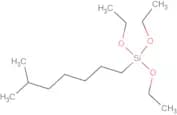
CAS:<p>S17900 - Tri-n-hexylsilane</p>Fórmula:C18H40SiPureza:98%Cor e Forma:Liquid, ClearPeso molecular:284.603Isooctyl triethoxysilane
CAS:<p>S10230 - Isooctyl triethoxysilane</p>Fórmula:C14H32O3SiPureza:97%+Cor e Forma:LiquidPeso molecular:276.492Divinyltetraphenyldisiloxane
CAS:<p>S08430 - Divinyltetraphenyldisiloxane</p>Fórmula:C28H26OSi2Pureza:95% mix TBC as stabilizerCor e Forma:SolidPeso molecular:434.685(S)-3-Bromo-6-((tert-butyldimethylsilyl)oxy)-6,7-dihydro-5H-pyrazolo[5,1-b][1,3]oxazine
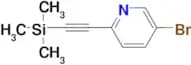
CAS:Pureza:98%Peso molecular:333.30099495-BROMO-2-(2-(TRIMETHYLSILYL)ETHYNYL)PYRIDINE
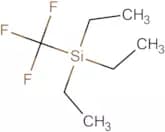
CAS:Fórmula:C10H12BrNSiPureza:95.0%Peso molecular:254.202Trifluoromethyl triethyl silane
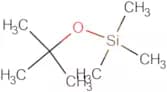
CAS:<p>S17673 - Trifluoromethyl triethyl silane</p>Fórmula:C7H15F3SiPureza:97%Cor e Forma:LiquidPeso molecular:184.277tert-Butoxytrimethylsilane
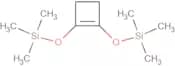
CAS:<p>S03200 - tert-Butoxytrimethylsilane</p>Fórmula:C7H18OSiPureza:98%Cor e Forma:Liquid, ClearPeso molecular:146.305Bis(trimethylsiloxy)cyclobutene
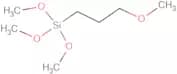
CAS:<p>S02290 - Bis(trimethylsiloxy)cyclobutene</p>Fórmula:C10H22O2Si2Pureza:95%Cor e Forma:Liquid, ClearPeso molecular:230.4543-(Methoxy)propyltrimethoxysilane
CAS:<p>S10950 - 3-(Methoxy)propyltrimethoxysilane</p>Fórmula:C7H18O4SiPureza:95+%Cor e Forma:Liquid, ClearPeso molecular:194.3024-Methoxy-1-((2-(trimethylsilyl)ethoxy)methyl)-5-vinyl-1H-pyrrolo[2,3-b]pyridine
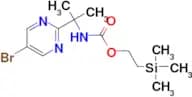
CAS:Pureza:95%Peso molecular:304.46499632-(TRIMETHYLSILYL)ETHYL (2-(5-BROMOPYRIMIDIN-2-YL)PROPAN-2-YL)CARBAMATE
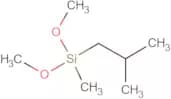
CAS:Fórmula:C13H22BrN3O2SiPureza:95.0%Peso molecular:360.327Isobutylmethyldimethoxysilane
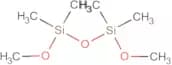
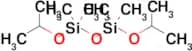
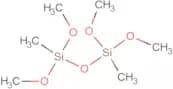
CAS:<p>S25196 - Isobutylmethyldimethoxysilane</p>Fórmula:C7H18O2SiCor e Forma:ClearPeso molecular:162.304Tetramethyl-1,3-dimethoxydisiloxane
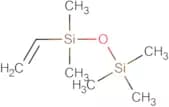
CAS:<p>S16030 - Tetramethyl-1,3-dimethoxydisiloxane</p>Fórmula:C6H18O3Si2Pureza:97%Cor e Forma:Liquid, ClearPeso molecular:194.377Vinylpentamethyldisiloxane
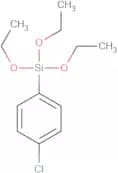
CAS:<p>S21875 - Vinylpentamethyldisiloxane</p>Fórmula:C7H18OSi2Pureza:99%Cor e Forma:ClearPeso molecular:174.39Chlorophenyltriethoxysilane(mixed m.p isomers)
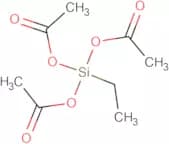
CAS:<p>S04500 - Chlorophenyltriethoxysilane(mixed m.p isomers)</p>Fórmula:C12H19ClO3SiPureza:97%Cor e Forma:LiquidPeso molecular:274.82Ethyltriacetoxysilane
CAS:<p>S08800 - Ethyltriacetoxysilane</p>Fórmula:C8H14O6SiPureza:97%Cor e Forma:ClearPeso molecular:234.2795-(Trimethylsilyl)-4-pentyn-1-ol
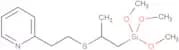
CAS:<p>S19985 - 5-(Trimethylsilyl)-4-pentyn-1-ol</p>Fórmula:C8H16OSiPureza:95%Cor e Forma:Colourless liquidPeso molecular:156.32-(2-Pyridylethyl)thiopropyltrimethoxysilane
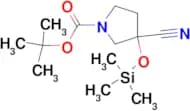
CAS:<p>S25353 - 2-(2-Pyridylethyl)thiopropyltrimethoxysilane</p>Fórmula:C13H23NO3SSiCor e Forma:LiquidPeso molecular:301.48tert-Butyl 3-cyano-3-((trimethylsilyl)oxy)pyrrolidine-1-carboxylate
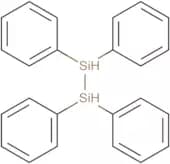
CAS:Fórmula:C13H24N2O3SiPureza:95.0%Cor e Forma:SolidPeso molecular:284.4311,1,2,2,Tetraphenyldisilane
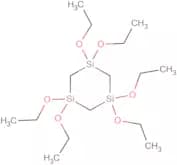
CAS:<p>S16359 - 1,1,2,2,Tetraphenyldisilane</p>Fórmula:C24H22Si2Pureza:97.0%Cor e Forma:SolidPeso molecular:366.611,1,3,3,5,5-Hexaethoxy-1,3,5-trisilacyclohexane
CAS:<p>S25176 - 1,1,3,3,5,5-Hexaethoxy-1,3,5-trisilacyclohexane</p>Fórmula:C15H36O6Si3Pureza:95%Cor e Forma:ClearPeso molecular:396.702Tris(trimethylsiloxy)ethylene
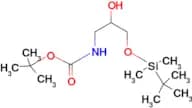
CAS:<p>S21100 - Tris(trimethylsiloxy)ethylene</p>Fórmula:C11H28O3Si3Pureza:>95.0%(GC)Cor e Forma:ClearPeso molecular:292.597TERT-BUTYL 3-(TERT-BUTYLDIMETHYLSILYLOXY)-2-HYDROXYPROPYLCARBAMATE
CAS:Fórmula:C14H31NO4SiPureza:95%Peso molecular:305.492-(Trimethylsilyl)ethyl 3-nitro-1H-1,2,4-triazole-1-carboxylate
CAS:Pureza:95%Peso molecular:258.3089905N,N,N-trimethyl[1-(triisopropylsilyl)-1H-indol-3-yl]methanaminium iodide
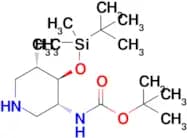
CAS:Fórmula:C21H37IN2SiPureza:95.0%Peso molecular:472.53tert-Butyl ((3R,4R,5S)-4-((tert-butyldimethylsilyl)oxy)-5-methylpiperidin-3-yl)carbamate
CAS:Pureza:97%Peso molecular:344.5710144PHENYLMETHYLSILOXANE-DIMETHYLSILOXANE COPOLYMER, 500 cSt
CAS:<p>PMM-1025 - PHENYLMETHYLSILOXANE-DIMETHYLSILOXANE COPOLYMER, 500 cSt</p>Cor e Forma:LiquidPeso molecular:372.142851004Tris(trimethylsilyl)amine
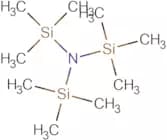
CAS:<p>S21225 - Tris(trimethylsilyl)amine</p>Fórmula:C9H27NSi3Pureza:97%Cor e Forma:SolidPeso molecular:233.577Chloromethyldimethylsilane
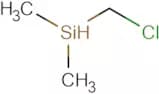
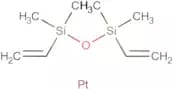
CAS:<p>S04075 - Chloromethyldimethylsilane</p>Fórmula:C3H9ClSiPureza:97%Cor e Forma:Liquid, ClearPeso molecular:108.64Platinum-Divinyltetramethyldisiloxane (in Xylene) low colour (2 -2.2% Platinum concentration)
CAS:<p>S13865 - Platinum-Divinyltetramethyldisiloxane (in Xylene) low colour (2 -2.2% Platinum concentration)</p>Fórmula:C8H18OPtSi2Pureza:95%Cor e Forma:HazyPeso molecular:381.485Lithium Trimethylsilanolate
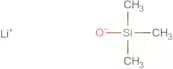
CAS:<p>S25207 - Lithium Trimethylsilanolate</p>Fórmula:C3H9LiOSiCor e Forma:Solid, PowderPeso molecular:96.13Bis(trimethylsilyl sulfide)
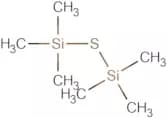
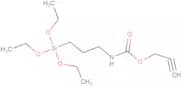
CAS:<p>S02800 - Bis(trimethylsilyl sulfide)</p>Fórmula:C6H18SSi2Pureza:>97.0%(GC)Cor e Forma:LiquidPeso molecular:178.44O-(Propargyl)-N-(triethoxysilylpropyl)carbamate (inhibited with MEHQ)
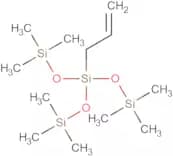
CAS:<p>S25262 - O-(Propargyl)-N-(triethoxysilylpropyl)carbamate (inhibited with MEHQ)</p>Fórmula:C13H25NO5SiPureza:≥95%(GC)Cor e Forma:Liquid, Clear to straw liquidPeso molecular:303.43Allyltris(trimethylsiloxy)silane
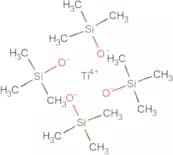
CAS:<p>S00500 - Allyltris(trimethylsiloxy)silane</p>Fórmula:C12H32O3Si4Peso molecular:336.725Tetrakis(trimethylsiloxy)titanium
CAS:<p>S15875 - Tetrakis(trimethylsiloxy)titanium</p>Fórmula:C12H36O4Si4TiPureza:>95%Cor e Forma:Liquid, ClearPeso molecular:404.623Tris(vinyldimethylsiloxy)methylsilane
CAS:<p>S21500 - Tris(vinyldimethylsiloxy)methylsilane</p>Fórmula:C13H30O3Si4Pureza:95% mix TBC as stabilizerCor e Forma:Liquid, ClearPeso molecular:346.72(3-Acryloxypropyl)tris(trimethylsiloxy)silane inhibited with MEHQ tech-95
CAS:<p>S25023 - (3-Acryloxypropyl)tris(trimethylsiloxy)silane inhibited with MEHQ tech-95</p>Fórmula:C15H36O5Si4Pureza:95%Cor e Forma:Liquid, ClearPeso molecular:408.7882,2-dimethoxy-1,6-diaza-2-silacyclooctane
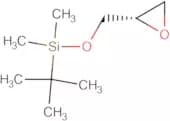
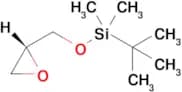
CAS:<p>S25352 - 2,2-dimethoxy-1,6-diaza-2-silacyclooctane</p>Fórmula:C7H18N2O2SiCor e Forma:SolidPeso molecular:190.318(S)-Glycidoxy-t-butyldimethylsilane
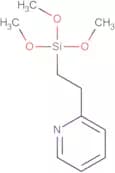
CAS:<p>S25165 - (S)-Glycidoxy-t-butyldimethylsilane</p>Fórmula:C9H20O2SiPureza:98%Cor e Forma:LiquidPeso molecular:188.3422-(2-Pyridyl)ethyltrimethoxysilane
CAS:<p>S14355 - 2-(2-Pyridyl)ethyltrimethoxysilane</p>Fórmula:C10H17NO3SiPureza:97%Cor e Forma:LiquidPeso molecular:227.3351-Naphthyltriethoxysilane
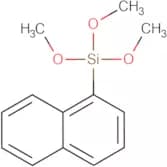
CAS:<p>S25246 - 1-Naphthyltriethoxysilane</p>Fórmula:C13H16O3SiPureza:97%Cor e Forma:ClearPeso molecular:248.353(Methacryloxymethyl)methyldimethoxysilane
CAS:<p>S25224 - (Methacryloxymethyl)methyldimethoxysilane</p>Fórmula:C8H16O4SiPureza:95%Cor e Forma:LiquidPeso molecular:204.297N-Benzyltrimethylsilylamine
CAS:<p>S01075 - N-Benzyltrimethylsilylamine</p>Fórmula:C10H17NSiPureza:>98.0%(T)Cor e Forma:LiquidPeso molecular:179.3389-(TERT-BUTYLDIMETHYLSILYL)OXYMETHYL-2-AMINOFLUORENE
CAS:Fórmula:C20H27NOSiPureza:98.0%Peso molecular:325.5271,3-Dimethyltetramethoxydisiloxane
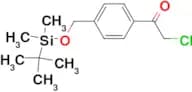
CAS:<p>S07575 - 1,3-Dimethyltetramethoxydisiloxane</p>Fórmula:C6H18O5Si2Pureza:99%Cor e Forma:Liquid, ClearPeso molecular:226.3751-(4-(((TERT-BUTYLDIMETHYLSILYL)OXY)METHYL)PHENYL)-2-CHLOROETHANONE
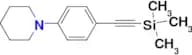
CAS:Fórmula:C15H23ClO2SiPureza:95.0%Peso molecular:298.881-(4-((TRIMETHYLSILYL)ETHYNYL)PHENYL)PIPERIDINE
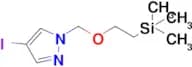
CAS:Fórmula:C16H23NSiPureza:95.0%Peso molecular:257.4525-Chloro-3-iodo-1-{[2-(trimethylsilyl)ethoxy]methyl}-1h-pyrazolo[4,3-b]pyridine
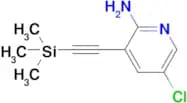
CAS:Pureza:97%Peso molecular:409.7300115-Bromo-3-((trimethylsilyl)ethynyl)pyridin-2-amine
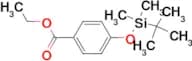
CAS:Fórmula:C10H13BrN2SiPureza:95%Peso molecular:269.217ETHYL 4-((TERT-BUTYLDIMETHYLSILYL)OXY)BENZOATE
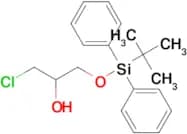
CAS:Fórmula:C15H24O3SiPureza:95.0%Peso molecular:280.4391-((TERT-BUTYLDIPHENYLSILYL)OXY)-3-CHLOROPROPAN-2-OL
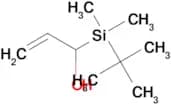
CAS:Fórmula:C19H25ClO2SiPureza:97.0%Peso molecular:348.941-(tert-Butyldimethylsilyl)prop-2-en-1-ol
CAS:Fórmula:C9H20OSiPureza:≥97%Cor e Forma:LiquidPeso molecular:172.3433-[[(1,1-DIMETHYLETHYL)DIMETHYLSILYL]OXY]CYCLOBUTANOL
CAS:Fórmula:C10H22O2SiPureza:97%Peso molecular:202.3693-(Ethoxydimethylsilyl)propyl 2-bromo-2-methylpropionate
CAS:<p>S07252 - 3-(Ethoxydimethylsilyl)propyl 2-bromo-2-methylpropionate</p>Fórmula:C11H23BrO3SiCor e Forma:LiquidPeso molecular:311.2911,1,4,4, Tetramethyl-1,4-disila-5-oxacyclopentane
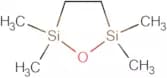
CAS:<p>S16080 - 1,1,4,4, Tetramethyl-1,4-disila-5-oxacyclopentane</p>Fórmula:C6H16OSi2Pureza:95%Cor e Forma:LiquidPeso molecular:160.3631-((2-(Trimethylsilyl)ethoxy)methyl)-1H-imidazole-4-carboxylic acid
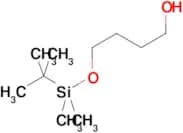
CAS:Pureza:≥95%Peso molecular:242.35000614-(tert-Butyldimethylsilyl)oxy-1-butanol
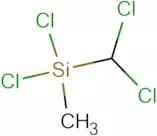
CAS:Fórmula:C10H24O2SiPureza:97%Cor e Forma:LiquidPeso molecular:204.385(Dichloromethyl)methyldichlorosilane
CAS:<p>S06050 - (Dichloromethyl)methyldichlorosilane</p>Fórmula:C2H4Cl4SiPureza:95%Peso molecular:197.945-(TERT-BUTYLDIMETHYLSILYLOXY)-2-FLUOROBENZALDEHYDE
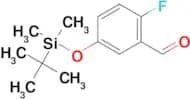
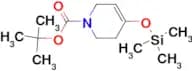
CAS:Fórmula:C13H19FO2SiPureza:≥95%Peso molecular:254.376tert-Butyl 4-((trimethylsilyl)oxy)-5,6-dihydropyridine-1(2H)-carboxylate
CAS:Fórmula:C13H25NO3SiPureza:95.0%Peso molecular:271.432Acetoxymethyl trimethylsilane
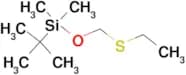
CAS:<p>S00028 - Acetoxymethyl trimethylsilane</p>Fórmula:C6H14O2SiPureza:98%Cor e Forma:LiquidPeso molecular:146.261TERT-BUTYL-(ETHYLSULFANYLMETHOXY)DIMETHYLSILANE
CAS:Fórmula:C9H22OSSiPureza:95.0%Peso molecular:206.42Diethoxymethylphenylsilane
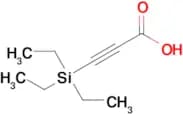
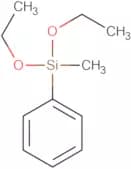
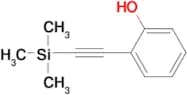
CAS:<p>S06255 - Diethoxymethylphenylsilane</p>Fórmula:C11H18O2SiPureza:95%Peso molecular:210.3482-((Trimethylsilyl)ethynyl)phenol
CAS:Fórmula:C11H14OSiPureza:97%Cor e Forma:LiquidPeso molecular:190.3171,1-Dimethyl-1-silacyclopentane
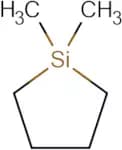
CAS:<p>S07435 - 1,1-Dimethyl-1-silacyclopentane</p>Fórmula:C6H14SiPureza:95%(GC-MS);RGCor e Forma:No data available.Peso molecular:114.2635,5-DIMETHYL-3-((TRIMETHYLSILYL)OXY)TETRAHYDROFURAN-3-CARBONITRILE
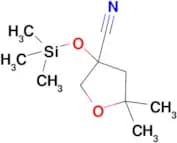
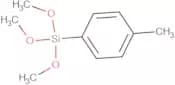
CAS:Fórmula:C12H23NO2SiPureza:90.0%Peso molecular:241.406p-Tolytrimethoxysilane
CAS:<p>S16650 - p-Tolytrimethoxysilane</p>Fórmula:C10H16O3SiPureza:95%Cor e Forma:LiquidPeso molecular:212.324-(tert-Butyldimethylsiloxy)phenyl boronic acid
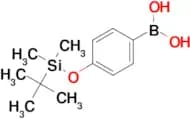
CAS:Fórmula:C12H21BO3SiPureza:95%Cor e Forma:SolidPeso molecular:252.19Methyl 3-(trimethylsilyl)pent-4-enoate
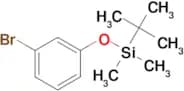
CAS:Fórmula:C9H18O2SiPureza:97%(stabilized with MEHQ)Peso molecular:186.326(3-Bromophenoxy)(tert-butyl)dimethylsilane
CAS:Fórmula:C12H19BrOSiPureza:98%Cor e Forma:LiquidPeso molecular:287.2724,5-Difluoro-1-(triisopropylsilyl)-1H-pyrrolo[2,3-b]pyridine
CAS:Pureza:98%Peso molecular:310.4639893(2R)-2-[Bis[3,5-bis(trifluoromethyl)phenyl]-[(tert-butyldimethylsilyl)oxy]methyl]pyrrolidine
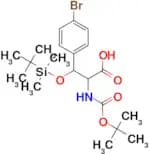
CAS:Pureza:97%Peso molecular:639.60101323-(4-Bromo-phenyl)-2- tert -butoxycarbonylamino-3-( tert -butyl-dimethyl-silanyloxy)-propionic acid
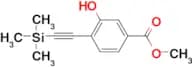
Fórmula:C20H32BrNO5SiPeso molecular:474.467Methyl 3-hydroxy-4-((trimethylsilyl)ethynyl)benzoate
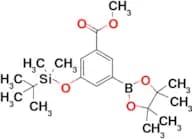
CAS:Fórmula:C13H16O3SiPureza:98%Peso molecular:248.353Methyl 3-((tert-Butyldimethylsilyl)oxy)-5-(4,4,5,5-tetramethyl-1,3,2-dioxaborolan-2-yl)benzoate
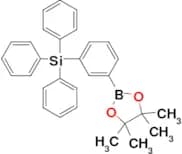
CAS:Pureza:98%Peso molecular:392.3699951Triphenyl(3-(4,4,5,5-tetramethyl-1,3,2-dioxaborolan-2-yl)phenyl)silane
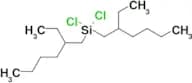
CAS:Pureza:98%Peso molecular:462.4700012Dichlorobis(2-ethylhexyl)silane
CAS:Fórmula:C16H34Cl2SiPureza:95%Cor e Forma:LiquidPeso molecular:325.43Tris(glycidoxypropyldimethylsiloxy)phenylsilane
CAS:<p>S25287 - Tris(glycidoxypropyldimethylsiloxy)phenylsilane</p>Fórmula:C28H50O8Si3Pureza:95%Cor e Forma:Liquid, ClearPeso molecular:598.9554-Chloro-1-((2-(trimethylsilyl)ethoxy)methyl)-1H-pyrazolo[4,3-c]pyridine
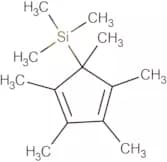
CAS:Pureza:98%Peso molecular:283.8299866Trimethylsilyl-1,2,3,4,5 pentamethyl-1,3-cyclopentadiene
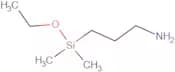
CAS:<p>S19975 - Trimethylsilyl-1,2,3,4,5 pentamethyl-1,3-cyclopentadiene</p>Fórmula:C13H24SiPureza:95%Peso molecular:208.423-Aminopropyldimethylethoxysilane
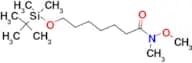
CAS:<p>S00750 - 3-Aminopropyldimethylethoxysilane</p>Fórmula:C7H19NOSiPureza:95%Cor e Forma:ClearPeso molecular:161.327-((TERT-BUTYLDIMETHYLSILYL)OXY)-N-METHOXY-N-METHYLHEPTANAMIDE
Fórmula:C15H33NO3SiPureza:92.0%Peso molecular:303.5182,2,3,3,9,9,10,10-OCTAMETHYL-4,8-DIOXA-3,9-DISILAUNDECAN-6-ONE
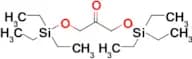
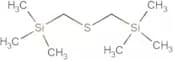
CAS:Fórmula:C15H34O3Si2Pureza:95.0%Peso molecular:318.604Bis(trimethylsilylmethyl) sulphide
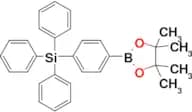
CAS:<p>S02775 - Bis(trimethylsilylmethyl) sulphide</p>Fórmula:C8H22SSi2Pureza:>95.0%(GC)Cor e Forma:LiquidPeso molecular:206.49Triphenyl(4-(4,4,5,5-tetramethyl-1,3,2-dioxaborolan-2-yl)phenyl)silane
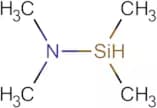
CAS:Pureza:98%Peso molecular:462.4700012Dimethylsilyldimethylamine
CAS:<p>S07525 - Dimethylsilyldimethylamine</p>Fórmula:C4H13NSiPureza:97%Cor e Forma:LiquidPeso molecular:103.24(11bS)-8,9,10,11,12,13,14,15-Octahydro-4-hydroxy-2,6-bis(triphenylsilyl)-4-oxide-dinaphtho[2,1-d:1′,2′-f][1,3,2]dioxaphosphepin
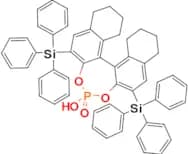
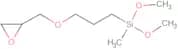
CAS:Pureza:97%Peso molecular:873.148(3-Glycidoxypropyl)methyldimethoxysilane
CAS:<p>S09110 - (3-Glycidoxypropyl)methyldimethoxysilane</p>Fórmula:C9H20O4SiPureza:96%Cor e Forma:LiquidPeso molecular:220.34Hexaethoxydisilane
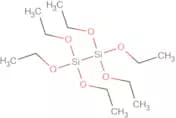
CAS:<p>S25175 - Hexaethoxydisilane</p>Fórmula:C12H30O6Si2Pureza:90%Cor e Forma:Liquid, ClearPeso molecular:326.536TERT-BUTYL 2-(TERT-BUTYLDIMETHYLSILYLOXY) ETHYLCARBAMATE
CAS:Fórmula:C13H29NO3SiPureza:97%Peso molecular:275.4644-(tert-Butyldimethylsilanyloxy)-1H-indole-6-carboxylic acid methyl ester
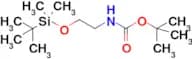
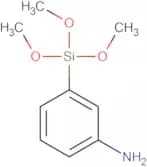
CAS:Fórmula:C16H23NO3SiPeso molecular:305.449m-Aminophenyltrimethoxysilane
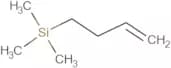
CAS:<p>S00700 - m-Aminophenyltrimethoxysilane</p>Fórmula:C9H15NO3SiPureza:95%Cor e Forma:LiquidPeso molecular:213.3083-Butenyltrimethylsilane
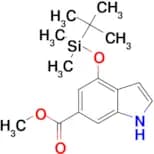
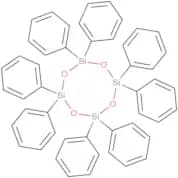
CAS:<p>S03190 - 3-Butenyltrimethylsilane</p>Fórmula:C7H16SiPureza:97%Cor e Forma:Liquid, ClearPeso molecular:128.29Octaphenylcyclotetrasiloxane
CAS:<p>S12525 - Octaphenylcyclotetrasiloxane</p>Fórmula:C48H40O4Si4Pureza:98%Cor e Forma:SolidPeso molecular:793.184Methacryloxypropylbis(trimethylsiloxy)methylsilane
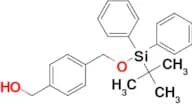
CAS:<p>S10550 - Methacryloxypropylbis(trimethylsiloxy)methylsilane</p>Fórmula:C14H32O4Si3Pureza:95%Cor e Forma:LiquidPeso molecular:348.661(4-(((TERT-BUTYLDIPHENYLSILYL)OXY)METHYL)PHENYL)METHANOL
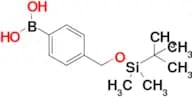
CAS:Fórmula:C24H28O2SiPureza:98%Peso molecular:376.571(4-(((Tert-butyldimethylsilyl)oxy)methyl)phenyl)boronic acid
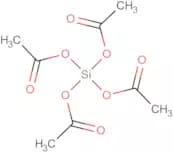
CAS:Pureza:96%Peso molecular:266.2200012Silicon(IV) acetate
CAS:<p>S14500 - Silicon(IV) acetate</p>Fórmula:C8H12O8SiPureza:95%Cor e Forma:Solid, CrystallinePeso molecular:264.261tert-Butyl (2S,3R)-2-(3-aminopropyl)-3-[tert-Butyl(dimethyl)silyl]oxy-piperidine-1-carboxylate
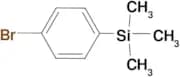
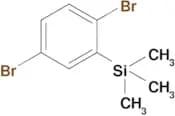
CAS:Pureza:97%Peso molecular:372.625(4-Bromophenyl)trimethylsilane
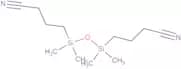
CAS:Fórmula:C9H13BrSiPureza:95%Cor e Forma:Liquid, ClearPeso molecular:229.1921,3-Bis(3-cyanopropyl)tetramethyldisiloxane
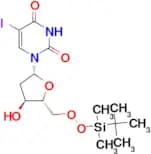
CAS:<p>S01475 - 1,3-Bis(3-cyanopropyl)tetramethyldisiloxane</p>Fórmula:C12H24N2OSi2Pureza:95%Cor e Forma:Liquid, Clear to straw liquidPeso molecular:268.5071-((2R,4S,5R)-5-(((tert-Butyldimethylsilyl)oxy)methyl)-4-hydroxytetrahydrofuran-2-yl)-5-iodopyrimidine-2,4(1H,3H)-dione
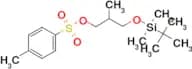
CAS:Pureza:97%Peso molecular:484.3623-(tert-Butyldimethylsilanyloxy)-2-methylpropyl 4-methylbenzenesulfonate
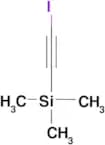
CAS:Fórmula:C17H30O4SSiPeso molecular:358.571-IODO-2-(TRIMETHYLSILYL)ACETYLENE
CAS:Fórmula:C5H9ISiPureza:95%Cor e Forma:Liquid, ClearPeso molecular:224.116(R)-1-(tert-Butoxycarbonyl)-3,3-dimethyl-1,3-azasilolidine-5-carboxylic acid
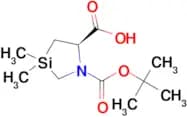
CAS:Fórmula:C11H21NO4SiPureza:95%Peso molecular:259.377


![2,5-Bis[(trimethylsilyl)ethynyl]thiophene](/_next/image/?url=https%3A%2Fstatic.cymitquimica.com%2Fproducts%2F3B%2Fthumb-webp%2FB4240.webp&w=3840&q=75)




![6-(4,4,5,5-Tetramethyl-[1,3,2]dioxaborolan-2-yl)-isoquinoline](/_next/image/?url=https%3A%2Fstatic.cymitquimica.com%2Fproducts%2F3D%2Fthumb-webp%2FFT76191.webp&w=3840&q=75)
![[[(3,5-Dimethyl-1H-pyrrol-2-yl)(3,5-dimethyl-2H-pyrrol-2-ylidene)methyl]methane](difluoroborane)](/_next/image/?url=https%3A%2Fstatic.cymitquimica.com%2Fproducts%2F3D%2Fthumb-webp%2FFD62165.webp&w=3840&q=75)





![Ethyl 3-{4-fluoro-1-[tris(propan-2-yl)silyl]-1H-pyrrolo[2,3-b]pyridin-5-yl}propanoate](/_next/image/?url=https%3A%2Fstatic.cymitquimica.com%2Fproducts%2F10%2Fthumb-webp%2FF626003.webp&w=3840&q=75)


![7-((2-(TRIMETHYLSILYL)ETHOXY)METHYL)-7H-IMIDAZO[1,2-C]PYRROLO[3,2-E]PYRIMIDINE](/_next/image/?url=https%3A%2Fstatic.cymitquimica.com%2Fproducts%2F10%2Fthumb-webp%2FF535118.webp&w=3840&q=75)


![(S)-3-Bromo-6-((tert-butyldimethylsilyl)oxy)-6,7-dihydro-5H-pyrazolo[5,1-b][1,3]oxazine](/_next/image/?url=https%3A%2Fstatic.cymitquimica.com%2Fproducts%2F10%2Fthumb-webp%2FF781577.webp&w=3840&q=75)
![4-Methoxy-1-((2-(trimethylsilyl)ethoxy)methyl)-5-vinyl-1H-pyrrolo[2,3-b]pyridine](/_next/image/?url=https%3A%2Fstatic.cymitquimica.com%2Fproducts%2F10%2Fthumb-webp%2FF784408.webp&w=3840&q=75)



![2-((Trimethylsilyl)methyl)-2H-benzo[d][1,2,3]triazole](/_next/image/?url=https%3A%2Fstatic.cymitquimica.com%2Fproducts%2F10%2Fthumb-webp%2FF731432.webp&w=3840&q=75)

![N,N,N-trimethyl[1-(triisopropylsilyl)-1H-indol-3-yl]methanaminium iodide](/_next/image/?url=https%3A%2Fstatic.cymitquimica.com%2Fproducts%2F10%2Fthumb-webp%2FF359158.webp&w=3840&q=75)









![5-Chloro-3-iodo-1-{[2-(trimethylsilyl)ethoxy]methyl}-1h-pyrazolo[4,3-b]pyridine](/_next/image/?url=https%3A%2Fstatic.cymitquimica.com%2Fproducts%2F10%2Fthumb-webp%2FF719103.webp&w=3840&q=75)



![3-[[(1,1-DIMETHYLETHYL)DIMETHYLSILYL]OXY]CYCLOBUTANOL](/_next/image/?url=https%3A%2Fstatic.cymitquimica.com%2Fproducts%2F10%2Fthumb-webp%2FF468035.webp&w=3840&q=75)





![4,5-Difluoro-1-(triisopropylsilyl)-1H-pyrrolo[2,3-b]pyridine](/_next/image/?url=https%3A%2Fstatic.cymitquimica.com%2Fproducts%2F10%2Fthumb-webp%2FF787848.webp&w=3840&q=75)
![(2R)-2-[Bis[3,5-bis(trifluoromethyl)phenyl]-[(tert-butyldimethylsilyl)oxy]methyl]pyrrolidine](/_next/image/?url=https%3A%2Fstatic.cymitquimica.com%2Fproducts%2F10%2Fthumb-webp%2FF600207.webp&w=3840&q=75)

![4-Chloro-1-((2-(trimethylsilyl)ethoxy)methyl)-1H-pyrazolo[4,3-c]pyridine](/_next/image/?url=https%3A%2Fstatic.cymitquimica.com%2Fproducts%2F10%2Fthumb-webp%2FF783698.webp&w=3840&q=75)


![tert-Butyl (2S,3R)-2-(3-aminopropyl)-3-[tert-Butyl(dimethyl)silyl]oxy-piperidine-1-carboxylate](/_next/image/?url=https%3A%2Fstatic.cymitquimica.com%2Fproducts%2F10%2Fthumb-webp%2FF625795.webp&w=3840&q=75)