Compostos de organossilícico
In questa sezione troverai un gran numero di composti organosiliconici. I composti organosiliconici sono caratterizzati da atomi di carbonio legati ad atomi di silicio. Possono essere presenti anche altri composti non metallici. Questi composti sono ampiamente utilizzati nella sintesi organica, nella scienza dei materiali e nei prodotti farmaceutici grazie alle loro proprietà chimiche uniche. Presso CymitQuimica, offriamo una vasta gamma di composti organosiliconici di alta qualità per supportare le tue ricerche e progetti industriali.
Subcategorias de "Compostos de organossilícico"
Foram encontrados 4325 produtos de "Compostos de organossilícico"
Ordenar por
Pureza (%)
0
100
|
0
|
50
|
90
|
95
|
100
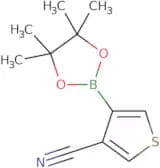
3-Cyanothiophene-4-boronic acid pinacol ester
CAS:<p>Please enquire for more information about 3-Cyanothiophene-4-boronic acid pinacol ester including the price, delivery time and more detailed product information at the technical inquiry form on this page</p>Fórmula:C11H14BNO2SPureza:Min. 95%Peso molecular:235.11 g/molDichlorodiisopropylsilane
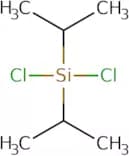
CAS:<p>Dichlorodiisopropylsilane is a cycloaddition process, which is the addition of two molecules to create a new ring. It reacts with an unsaturated organic compound, such as an alkene or alkyne, to produce a reactive functional group. Dichlorodiisopropylsilane has been used in chemistry as a cross-linking agent for proteins and as a solid catalyst. The chemical stability of dichlorodiisopropylsilane makes it useful in the synthesis of model proteins. This compound also has low bioavailability due to its high reactivity with hydrochloric acid found in the stomach.</p>Fórmula:C6H14Cl2SiPureza:Min. 95%Cor e Forma:Clear LiquidPeso molecular:185.17 g/mol4-(Ethoxycarbonyl)phenylboronic acid
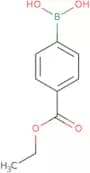
CAS:<p>4-(Ethoxycarbonyl)phenylboronic acid is a potential use for picric acid detection. It has been shown to be a chemosensor with an electrochemical impedance spectroscopy response that is sensitive to chloride ions. 4-(Ethoxycarbonyl)phenylboronic acid can be used as a linker in multigram-scale synthesis of aryl halides, and its reaction mechanism has been elucidated by crystal x-ray diffraction. The synthesis of this compound is scalable and involves the formation of an apical carboxylate from ethoxycarbonyl phenyl boronic acid and an aryl halide.</p>Fórmula:C9H11BO4Pureza:Min. 95%Cor e Forma:PowderPeso molecular:193.99 g/mol2,5-Bis(4-bromophenyl)-1,1-dimethyl-3,4-diphenylsilole
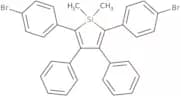
CAS:<p>Please enquire for more information about 2,5-Bis(4-bromophenyl)-1,1-dimethyl-3,4-diphenylsilole including the price, delivery time and more detailed product information at the technical inquiry form on this page</p>Fórmula:C30H24Br2SiPureza:Min. 95%Peso molecular:572.41 g/mol4-(Trifluoromethoxy)phenylboronic Acid (contains varying amounts of Anhydride)
CAS:<p>4-(Trifluoromethoxy)phenylboronic acid is a boron-containing compound that has been shown to be a potent inhibitor of the histone deacetylase (HDAC) enzyme. It also has surfactant properties and can be used as a photochemical reagent. 4-(Trifluoromethoxy)phenylboronic acid is orally bioavailable and may have therapeutic potential for neurodegenerative diseases, such as Alzheimer's disease, Parkinson's disease, and Huntington's disease. It also has the ability to inhibit cancer cell growth by inhibiting HDAC activity. This drug has been found to cross-couple with organosilicon compounds in order to form new compounds with potent inhibitory activity against HDAC enzymes.</p>Fórmula:C7H6BF3O3Pureza:Min. 95%Peso molecular:205.93 g/mol4-(Difluoromethoxy)phenylboronic acid
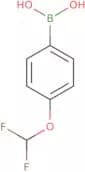
CAS:<p>Please enquire for more information about 4-(Difluoromethoxy)phenylboronic acid including the price, delivery time and more detailed product information at the technical inquiry form on this page</p>Fórmula:C7H7BF2O3Pureza:Min. 95%Peso molecular:187.94 g/mol3-Methyl-1H-indazol-5-yl-5-boronic acid
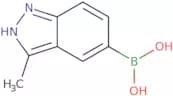
CAS:<p>Please enquire for more information about 3-Methyl-1H-indazol-5-yl-5-boronic acid including the price, delivery time and more detailed product information at the technical inquiry form on this page</p>Fórmula:C8H9BN2O2Pureza:Min. 95%Peso molecular:175.98 g/molPhenylsilane
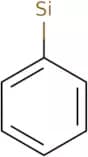
CAS:<p>Phenylsilane is a model system for the study of the reaction mechanism of nucleophilic substitution. It is used to investigate the steric interactions between a substrate molecule and an electrophile that are important in determining the rate of reactivity. Phenylsilane has been shown to have antioxidative properties, which may be due to its ability to scavenge reactive oxygen species (ROS), such as hydroxyl radicals, superoxide ions, and hydrogen peroxide. Phenylsilane also has low kinetic energy and can form hydrogen bonds with carbonyl groups and amines. This chemical substance can react with quinoline derivatives, including benzoquinone, which is a toxic by-product of the metabolism of many drugs.</p>Fórmula:C6H8SiPureza:Min. 95%Cor e Forma:Clear LiquidPeso molecular:108.21 g/molO-Benzyl psilocybin
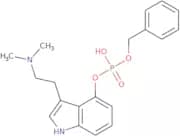
CAS:Produto Controlado<p>O-Benzyl psilocybin is a hydrophobic molecule with an affinity for lipase. It has been shown to exhibit growth inhibition on malignant cells in tissue culture, and has been investigated as a potential anticancer agent. O-Benzyl psilocybin is also able to inhibit the activity of plasminogen activator inhibitor-1 (PAI-1), which is involved in cancer progression and metastasis. This compound may be used as an anticancer drug or as a prophylactic agent against cancer. It may also be useful in treating other conditions such as atherosclerosis and restenosis, where PAI-1 plays a significant role. O-Benzyl psilocybin has been found to have anti-inflammatory properties that may be due to its ability to inhibit the production of prostaglandin E2 from arachidonic acid.</p>Fórmula:C19H23N2O4PPureza:Min. 95%Peso molecular:374.37 g/molPotassium vinyltrifluoroborate
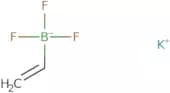
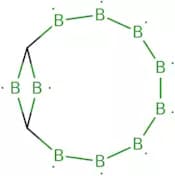
CAS:<p>Potassium vinyltrifluoroborate is a salt that contains the inorganic anion potassium and the organic ligand vinyltrifluoroborate. It is used as an electrolyte in electrochemical cells, such as fuel cells, to increase power output by increasing the conductivity of the electrolyte. This compound has been shown to be effective against chronic kidney disease and infectious diseases such as HIV and malaria. Potassium vinyltrifluoroborate also has anti-cancer properties due to its ability to inhibit cellular proliferation and induce apoptosis in cancer cells. The mechanism of action of this drug is still unclear but may be due to its ability to inhibit proteases, such as ns3 protease found in human erythrocytes.</p>Fórmula:C2H3BF3KPureza:Min. 95%Cor e Forma:PowderPeso molecular:133.95 g/molp-Carborane
CAS:Produto Controlado<p>p-Carborane is a compound that has been used in the palladium-catalyzed coupling of nitrogen atoms. It has been shown to have magnetic resonance spectroscopy, steric interactions, and cross-coupling properties. p-Carborane is stable under mild conditions and can be used as an alternative to other functional assays. p-Carborane also has been shown to inhibit the growth of prostate cancer cells and human leukemia cells (HL60). The redox potentials for this compound are low energy, making it difficult for these compounds to react with other substances.</p>Fórmula:C2H12B10Pureza:Min. 95%Cor e Forma:PowderPeso molecular:144.23 g/mol1,1,3,3-Tetramethyldisiloxane
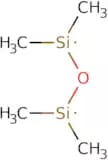
CAS:<p>1,1,3,3-Tetramethyldisiloxane is a chemical compound that belongs to the group of functional groups. It can be isolated from hydrolysis of methyltrichlorosilane with sodium hydroxide and cellulose acetate. 1,1,3,3-Tetramethyldisiloxane has two isomers with different properties: 3-methylsilsesquioxane and 3-ethylsilsesquioxane. The former has an ethyl group at the end of its molecule and the latter has an ethyl group in the middle. The two isomers are not interchangeable because they have different physical properties. The 3-methylsilsesquioxane isomer reacts with aluminium to form a metathesis reaction product containing silanol groups on one side of the aluminum molecule and hydroxy groups on the other side. This product can be used as a catalyst for subsequent reactions in organic synthesis reactions involving</p>Fórmula:C4H14OSi2Pureza:Min. 95%Cor e Forma:Clear LiquidPeso molecular:134.32 g/molPinacol vinylboronate
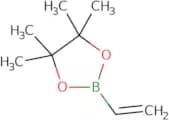
CAS:<p>Pinacol vinylboronate is an anticancer agent that has been shown to inhibit the growth of cancer cells. Pinacol vinylboronate inhibits the activity of cellular targets and generates reactive oxygen species through a hydrogen-bond-mediated mechanism, which eventually leads to cell death. This drug has also been shown to have functional groups that act as pharmacophores for cancer, which may be due to its ability to form hydrogen bonds with the hydroxyl group in DNA.</p>Fórmula:C8H15BO2Pureza:Min. 95%Cor e Forma:Clear LiquidPeso molecular:154.01 g/molTetrahydropyran-3-boronic acid pinacol ester
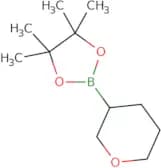
CAS:<p>Please enquire for more information about Tetrahydropyran-3-boronic acid pinacol ester including the price, delivery time and more detailed product information at the technical inquiry form on this page</p>Fórmula:C11H21BO3Pureza:Min. 95%Peso molecular:212.09 g/mol4-Phenoxyphenylboronic acid
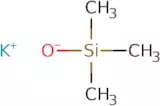
CAS:<p>4-Phenoxyphenylboronic acid is a chemical inhibitor of protein kinase. It binds to the ATP binding site of the enzyme and prevents ATP from binding, thereby inhibiting the phosphorylation of proteins. This inhibition blocks the activation of downstream pathways that are involved in cell proliferation, leading to apoptotic cell death. 4-Phenoxyphenylboronic acid has been shown to inhibit growth of human cancer cells in vitro. This molecule also inhibits root formation and plant growth, which may be due to its ability to selectively inhibit protein kinases found in plant cells.</p>Fórmula:C12H11BO3Pureza:Min. 95%Peso molecular:214.02 g/molPotassium trimethylsilanolate
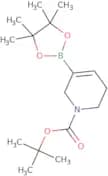
CAS:<p>Potassium trimethylsilanolate is a chemical substance that has inhibitory properties. It is a trifluoroacetic acid derivative that inhibits the activity of certain enzymes, such as proteases and lipases. The compound's inhibitory properties are due to its ability to bind to cytochrome cb2 receptors by means of hydrogen bonding. The binding of potassium trimethylsilanolate to the receptor prevents the activation of apoptosis proteins and protein synthesis in cells. This substance also has an inhibitory effect on water vapor, inhibiting the formation of water molecules from hydrogen atoms and oxygen atoms. Potassium trimethylsilanolate can be used as an anti-cancer agent by preventing cell division in tumor cells and preventing cancer metastasis through inhibition of protease activity.</p>Fórmula:C3H9KOSiPureza:Min. 95%Peso molecular:128.29 g/moltert-Butyl 3-(4,4,5,5-tetramethyl-1,3,2-dioxaborolan-2-yl)-5,6-dihydropyridine-1(2H)-carboxylate
CAS:<p>tert-Butyl 3-(4,4,5,5-tetramethyl-1,3,2-dioxaborolan-2-yl)-5,6-dihydropyridine-1(2H)-carboxylate is a chemical compound that is used as a reagent in organic synthesis. It is also used as a building block for the preparation of other compounds. This compound can be used in the synthesis of complex molecules such as heterocycles and natural products.</p>Fórmula:C16H28BNO4Pureza:Min. 95%Cor e Forma:PowderPeso molecular:309.21 g/molm-Carborane
CAS:Produto Controlado<p>m-Carborane is a molecule that is composed of a chlorine atom and an aromatic hydrocarbon. m-Carborane has been shown to be an estrogen receptor modulator, which may have potential as a drug for the prevention or treatment of hormone-related diseases. This compound has also been shown to act as a fluorophore and to have high melting points. It forms hydrogen bonds with other molecules and can bind to progesterone receptors, which are found in breast cancer cells. These interactions have been studied using x-ray crystal structures and microscopy studies on MCF-7 cells.</p>Fórmula:C2H12B10Pureza:Min. 95%Cor e Forma:White powder(solid)Peso molecular:144.23 g/mol1-(4-Fluorophenyl)pyrazole-4-boronic acid
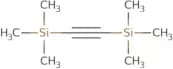
CAS:<p>Please enquire for more information about 1-(4-Fluorophenyl)pyrazole-4-boronic acid including the price, delivery time and more detailed product information at the technical inquiry form on this page</p>Fórmula:C9H8BFN2O2Pureza:Min. 95%Peso molecular:205.98 g/molBis(trimethylsilyl)acetylene
CAS:<p>Bis(trimethylsilyl)acetylene (bis-TMS) is a reactive ancillary that can be used in polymerization reactions as an initiator. The bis-TMS is prepared by reaction of trimethylsilyl chloride with acetylene to form the trimethylsilyl acetylene, which is then reacted with copper to generate the bis-TMS. Bis-TMS reacts with nucleophiles such as alcohols and amines to produce polymers through a nucleophilic attack. It also has been used for sample preparation for NMR spectra. Bis-TMS is a synthetic compound that has been characterized using nmr spectroscopy and analytical methods. The molecular formula of bis-TMS is C8H16Si2 and its molecular weight is 196.13 g/mol. The chemical structure of bis-TMS consists of two benzyl groups connected by a single carbon bond at the 3 o'clock position on the central</p>Fórmula:C8H18Si2Pureza:Min. 95%Cor e Forma:Clear LiquidPeso molecular:170.4 g/molDiethylsilane
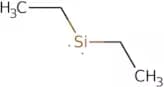
CAS:<p>Diethylsilane is a chemical species that has a high value. It is an inorganic compound that contains silicon and boron, which are both chemical elements. Diethylsilane has been shown to react with hydroxy groups on the surface of many different materials, such as aluminum oxide or steel. The reaction between diethylsilane and the hydroxyl group results in the formation of silicon-hydrogen bonds, which are strong and stable. This reaction mechanism can be used for synthesizing solids with high values, such as boron nitride.</p>Fórmula:C4H12SiPureza:Min. 95%Cor e Forma:Clear LiquidPeso molecular:88.22 g/molTrimethylsilyl isocyanate
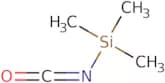
CAS:<p>Trimethylsilyl isocyanate (TMISC) is a 5-membered heteroaryl. It has been shown to bind to the receptor and shows activity in vitro. TMISC has been reported as a potential drug for bowel disease, congestive heart, and inflammatory bowel disease. TMISC binds to the protein receptor with high affinity, but its binding affinity decreases when it is combined with trifluoroacetic acid or palladium-catalyzed coupling. TMISC can be used to synthesize degarelix acetate, which is an anti-androgen drug that is used in the treatment of prostate cancer.</p>Fórmula:C4H9NOSiPureza:Min. 95%Peso molecular:115.21 g/molN,N-Dimethyl 4-boronobenzenesulfonamide
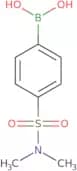
CAS:<p>Please enquire for more information about N,N-Dimethyl 4-boronobenzenesulfonamide including the price, delivery time and more detailed product information at the technical inquiry form on this page</p>Fórmula:C8H12BNO4SPureza:Min. 95%Peso molecular:229.06 g/mol1H-Benzo[d]imidazol-6-ylboronic acid
CAS:<p>Please enquire for more information about 1H-Benzo[d]imidazol-6-ylboronic acid including the price, delivery time and more detailed product information at the technical inquiry form on this page</p>Fórmula:C7H7BN2O2Pureza:Min. 95%Peso molecular:161.95 g/mol(5-Chloropyridin-3-yl)boronic acid
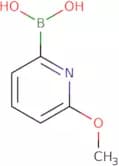
CAS:<p>Please enquire for more information about (5-Chloropyridin-3-yl)boronic acid including the price, delivery time and more detailed product information at the technical inquiry form on this page</p>Fórmula:C5H5BClNO2Pureza:Min. 95%Peso molecular:157.36 g/mol6-Methoxypyridine-2-boronic acid
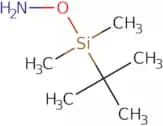
CAS:<p>6-Methoxypyridine-2-boronic acid is a boronate ligand that can be used to form coordination complexes with metals. It has been shown to interact with silver ions, which are the most effective ligands for enhancing the fluorescence of organic dyes. 6-Methoxypyridine-2-boronic acid is able to rigidify organic molecules by binding to their steric and electronic properties, making them more resistant to photodegradation. This property makes it an excellent candidate for the use in the development of fluorescent labels in analytical chemistry.</p>Fórmula:C6H8BNO3Pureza:Min. 95%Peso molecular:152.94 g/molO-(Tert-Butyldimethylsilyl)hydroxylamine
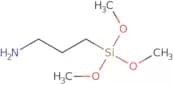
CAS:<p>O-(Tert-butyldimethylsilyl)hydroxylamine is a stereospecific, oxidized, insoluble, tautomeric hydroxamic acid. It is used as a reagent in organic synthesis to form lactams by reaction with hexamethylenetetramine. The compound can be prepared by treatment of hydroxylamine with diacetate in the presence of aluminium chloride. The product is an orange liquid that crystallizes from water, but is not soluble in most organic solvents.</p>Fórmula:C6H17NOSiPureza:Min. 95%Peso molecular:147.29 g/mol3-Aminopropyltrimethoxysilane
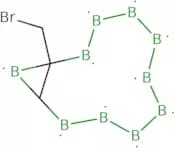
CAS:<p>3-Aminopropyltrimethoxysilane is a chemical that belongs to the group of aminopropyltriethoxysilanes. It is a reactive substance and is commonly used as an additive in adhesives and sealants. 3-Aminopropyltrimethoxysilane has been shown to be an efficient coupling agent for the formation of hydroxyl groups on nanoparticles, which are then used as drug carriers. The optimum concentration of 3-aminopropyltrimethoxysilane lies between 0.01 and 0.1 M, with a pH range of 6 and 8. This chemical can react with hydrochloric acid, resulting in the production of hydrogen gas; with cervical cancer cells in culture, leading to cell death; or with skin cells, causing damage to their transport properties.</p>Fórmula:C6H17NO3SiPureza:Min. 95%Cor e Forma:Clear LiquidPeso molecular:179.29 g/mol1-Bromomethyl-o-carborane
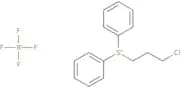
CAS:Produto Controlado<p>1-Bromomethyl-o-carborane is a boron compound that has been used as a cross-coupling reagent for the conversion of terminal alkynes to acetonitrile. This reagent is prepared by the reaction of lithium diisopropylamide with dicarbonyl compounds, followed by desilylation and alkylation. The hydroxy group can be substituted with triflates or monosubstituted groups. The nature of these substituents will depend on the desired product and reaction conditions. 1-Bromomethyl-o-carborane has been shown to form hyaluronic acid in yields of up to 98%.</p>Fórmula:C3B10H13BrPureza:Min. 95%Peso molecular:237.15 g/mol(3-Chloropropyl)diphenylsulfonium tetrafluoroborate
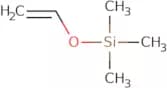
CAS:<p>Please enquire for more information about (3-Chloropropyl)diphenylsulfonium tetrafluoroborate including the price, delivery time and more detailed product information at the technical inquiry form on this page</p>Fórmula:C15H16ClS•BF4Pureza:Min. 95%Peso molecular:350.61 g/molVinyloxytrimethylsilane
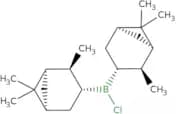
CAS:Produto Controlado<p>Vinyloxytrimethylsilane is an organosilicon compound that is used as a polymerization initiator. It reacts with cyclobutanone to form a ruthenium complex, which can be used to coat surfaces and produce polymers. The use of this compound has been shown to increase the reaction yield and decrease the amount of by-products in the polymerization process. Vinyloxytrimethylsilane is biodegradable, making it an environmentally friendly alternative for coating surfaces or producing polymers.</p>Fórmula:C5H12OSiPureza:Min. 95%Peso molecular:116.23 g/mol(-)-B-Chlorodiisopinocampheylborane, 60% in Hexane, ca. 1.7mol/L
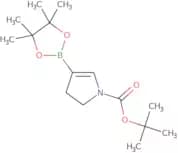
CAS:<p>(-)-B-Chlorodiisopinocampheylborane is a carbonyl group that can be used for asymmetric synthesis. It was synthesized from the reaction of chlorodiisopinocampheylborane with butyllithium and allyl bromide, followed by aqueous workup. The enantiomers were separated through thin layer chromatography on silica gel plates with hexane as the eluent. The resolution of racemic latanoprost lactol was achieved in the same manner. (-)-B-Chlorodiisopinocampheylborane is also a diketone that can be prepared from para-chloroacetophenone and sodium hydroxide in ethanol. This diketone undergoes an intramolecular cyclization to produce noradrenaline (norepinephrine) and hydrochloric acid, which can then be converted into dioxolanes or other products.</p>Fórmula:C20H34BClPureza:Min. 95%Cor e Forma:Clear LiquidPeso molecular:320.75 g/mol1-BOC-2,3-Dihydropyrrole-4-boronic acid, pinacol ester
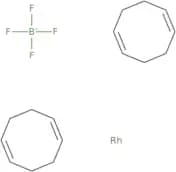
CAS:<p>Please enquire for more information about 1-BOC-2,3-Dihydropyrrole-4-boronic acid, pinacol ester including the price, delivery time and more detailed product information at the technical inquiry form on this page</p>Fórmula:C15H26BNO4Pureza:Min. 95%Peso molecular:295.18 g/molBis (1,5-Cyclooctadiene) rhodium(I)tetrafluoroborate
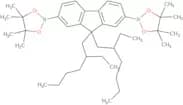
CAS:<p>Bis (1,5-Cyclooctadiene) rhodium(I)tetrafluoroborate (BODIPY) is a catalyst that enhances the rate of hydrosilylation reactions. This catalyst has been shown to be effective in the synthesis of aryl chlorides from amines and aldehydes with high enantioselectivity. BODIPY is also immobilized on silica gel to create an active catalyst for asymmetric synthesis. The immobilization process on silica gel is done by reacting BODIPY with ammonium formate and amines. The resulting catalyst can be used for the synthesis of functionalized organic compounds, such as pyrrolidines, tetrahydrofurans, and thiophenes.</p>Fórmula:C16H24BF4RhPureza:Min. 95%Peso molecular:406.07 g/mol9,9-Bis(2-ethylhexyl)fluorene-2,7-bis(boronic acidpinacolester)
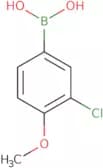
CAS:<p>Please enquire for more information about 9,9-Bis(2-ethylhexyl)fluorene-2,7-bis(boronic acidpinacolester) including the price, delivery time and more detailed product information at the technical inquiry form on this page</p>Fórmula:C41H64B2O4Pureza:Min. 95%Peso molecular:642.57 g/mol3-Chloro-4-methoxyphenylboronic acid
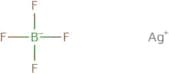
CAS:<p>Please enquire for more information about 3-Chloro-4-methoxyphenylboronic acid including the price, delivery time and more detailed product information at the technical inquiry form on this page</p>Fórmula:C7H8BClO3Pureza:Min. 95%Peso molecular:186.4 g/molSilver tetrafluoroborate
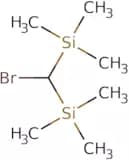
CAS:<p>Silver tetrafluoroborate (AgBF) is a chemical reagent that is used in analytical chemistry and structural analysis. It has shown to be a stable complex with organic molecules, such as fatty acids, and has been used to study the properties of these compounds. AgBF is an inorganic salt that can be synthesized by reacting silver nitrate and barium fluoride in the presence of trifluoroacetic acid. This compound has also been found to form stable complexes with organic molecules containing a hydroxyl group or nitrogen atom. The structure of AgBF has been determined through X-ray crystal structures and electron diffraction patterns. The molecule consists of two symmetric chains joined by a central disulfide bond.</p>Fórmula:AgBF4Pureza:Min. 95%Cor e Forma:PowderPeso molecular:194.67 g/molBis(trimethylsilyl)bromomethane
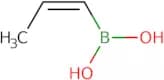
CAS:<p>Bis(trimethylsilyl)bromomethane is an alkali metal compound that is a multinuclear, crystalline solid. It has an x-ray diffraction pattern with peaks at 30, 39, and 44 degrees. The elemental analysis of the compound shows it to be composed of carbon and hydrogen. Bis(trimethylsilyl)bromomethane is a tetrahydrofuran derivative that can be alkylated or silylated with metal compounds. This compound has been shown to have coordination properties when combined with potassium. The molecular structure of bis(trimethylsilyl)bromomethane is composed of two trimethylsiloxy groups linked together by one bromine atom.</p>Fórmula:C7H19BrSi2Pureza:Min. 95%Cor e Forma:Clear LiquidPeso molecular:239.3 g/molcis-1-Propene-1-boronicacid
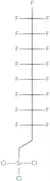
CAS:<p>cis-1-Propene-1-boronicacid is a chiral, pyranoside compound that can be synthesized from the reaction of 2,3,4,5-tetrahydropyran with boron trichloride. cis-1-Propene-1-boronicacid has been shown to be useful for the palladium catalyzed cross coupling reactions. cis-1-Propene-1-boronicacid has been shown to react with cyclopentenone and alkylate different functional groups such as amines and alcohols. cis-1 -Propene 1 boronic acid has been used in peptidomimetics as well as in nature.</p>Fórmula:C3H7BO2Pureza:Min. 95%Peso molecular:85.9 g/molTrichloro(1H,1H,2H,2H-heptadecafluorodecyl)silane
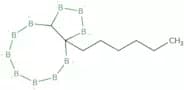
CAS:Produto Controlado<p>Trichloro(1H,1H,2H,2H-heptadecafluorodecyl)silane is a chemical substance that belongs to the group of synthetic substances. It has been shown to have antiviral properties in clinical studies. Trichloro(1H,1H,2H,2H-heptadecafluorodecyl)silane is used to synthesize thymidylate by a two-step process. The first step involves the hydrolysis of sodium hydroxide solution in the presence of hydroxide solution and chemical substances. The second step involves the reaction of synthase enzyme with waveform and water vapor to produce monolayer. This product also has antiviral activity against human pathogens such as HIV and herpes simplex virus type 1 (HSV-1).</p>Fórmula:C10H4Cl3F17SiPureza:Min. 95%Cor e Forma:Clear LiquidPeso molecular:581.56 g/mol1-Hexyl-o-carborane
CAS:Produto Controlado<p>1-Hexyl-o-carborane is a human bioassay that has shown carcinogenic activity. It has been observed to cause cancer in humans through its ability to bind to DNA and alter the cell cycle. 1-Hexyl-o-carborane is an organometallic compound that binds to ferrocene and other organometallic compounds, preventing their use as anticancer drugs. 1-Hexyl-o-carborane can be synthesized by reacting hexylmagnesium bromide with ammonium carbonyl chloride in a one pot reaction.</p>Fórmula:C8B10H24Pureza:Min. 95%Peso molecular:228.39 g/molTetrahydroxydiborane
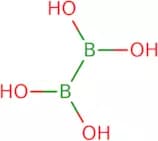
CAS:<p>Tetrahydroxydiborane is an organic compound that contains a hydroxyl group. It has been shown to be an effective nucleophile in the mechanism studies of hydrolysis of halides and nitro compounds. Tetrahydroxydiborane is also used in the Suzuki coupling reaction, which is a chemical reaction between an aryl halide and sodium carbonate, as well as in cationic polymerization. This compound may also have biological applications such as the use of tetrahydroxydiborane as a fluorescence probe for optical sensor detection of autoimmune diseases.</p>Fórmula:H4B2O4Pureza:Min. 95%Cor e Forma:White PowderPeso molecular:89.65 g/molBis(pyridine)iodonium tetrafluoroborate
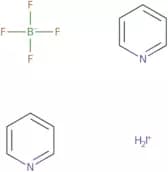
CAS:<p>Bis(pyridine)iodonium tetrafluoroborate is a reagent that can be used to iodinate organic compounds. It is prepared by the reaction of pyridine with iodine and bromine in tetrafluoroboric acid. Bis(pyridine)iodonium tetrafluoroborate is an active compound that can be used for amino acid analysis, optical properties, and functional groups. This compound also can be used for magnetic resonance analysis, palladium-catalyzed coupling, and synthetic reactions. Bis(pyridine)iodonium tetrafluoroborate has been found to have radiation transport properties and a strong reactivity towards acids.</p>Fórmula:C10H10BF4IN2Pureza:Min. 95%Peso molecular:371.91 g/mol5-Fluoropyridine-2-boronic acid
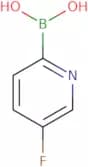
CAS:<p>Please enquire for more information about 5-Fluoropyridine-2-boronic acid including the price, delivery time and more detailed product information at the technical inquiry form on this page</p>Fórmula:C5H5BFNO2Pureza:Min. 95%Peso molecular:140.91 g/molLithium tetrakis(pentafluorophenyl)borate ethyl etherate
CAS:Produto Controlado<p>Lithium tetrakis(pentafluorophenyl)borate ethyl etherate is a lithium salt of the etherate ester of pentafluorophenylboronic acid (B(C6F5)3). The complex is an electron donor and ligand, which can stabilize the high-energy intermediate state in the reaction. Lithium tetrakis(pentafluorophenyl)borate ethyl etherate reacts with magnesium to form a magnesium salt and ethylene. This product can be used as a co-catalyst for coupling reactions, such as the synthesis of cyclic compounds from alkenes.</p>Fórmula:C24BF20·(C4H10O)2·LiPureza:Min. 95%Peso molecular:760.11 g/mol(4-Chloro-3-(methoxycarbonyl)phenyl)boronic acid
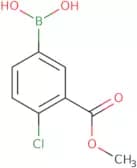
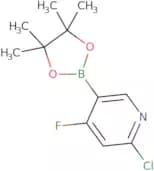
CAS:<p>Please enquire for more information about (4-Chloro-3-(methoxycarbonyl)phenyl)boronic acid including the price, delivery time and more detailed product information at the technical inquiry form on this page</p>Fórmula:C8H8BClO4Pureza:Min. 95%Peso molecular:214.41 g/mol2-Chloro-4-fluoropyridine-5-boronic acid, pinacol ester
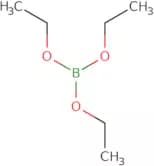
CAS:<p>Please enquire for more information about 2-Chloro-4-fluoropyridine-5-boronic acid, pinacol ester including the price, delivery time and more detailed product information at the technical inquiry form on this page</p>Fórmula:C11H14BClFNO2Pureza:Min. 95%Peso molecular:257.5 g/molTriethyl borate
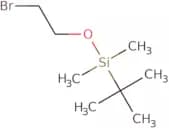
CAS:<p>Triethyl borate is an inorganic acid that is used as a catalyst. It has been shown to react with hydrochloric acid and orthoboric acid to form hydrogen boron hydride (H3BO3) and water. It also reacts with hydrogen chloride, forming hydrogen boron chloride, which can be used to prepare the active form of boric acid. This reaction is reversible and the equilibrium can be shifted by adding a base such as sodium hydroxide or ammonia. Triethyl borate is reactive, so it should only be handled in well-ventilated areas. The structural analysis of this compound reveals that it contains two hydroxyl groups that are involved in intramolecular hydrogen bonding, which helps stabilize its structure. Triethyl borate has been shown to have anti-infectious properties, inhibiting the growth of infectious bacteria such as Staphylococcus aureus and Streptococcus pneumoniae.</p>Fórmula:C6H15BO3Pureza:Min. 95%Peso molecular:145.99 g/mol(2-Bromoethoxy)-tert-butyldimethylsilane
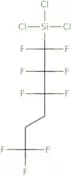
CAS:<p>2-Bromoethoxy-tert-butyldimethylsilane is a conjugate that has been shown to have anticancer efficacy in vivo. It is a pyrimidine derivative and inhibits the viral enzyme RNA polymerase, thereby inhibiting viral replication. 2-Bromoethoxy-tert-butyldimethylsilane also inhibits glyceraldehyde 3-phosphate dehydrogenase, which is an enzyme that catalyzes the conversion of glucose into glyceraldehyde 3-phosphate and plays an important role in glycolysis. The compound has been shown to be active against mouse tumors, which are associated with endogenous retroviruses. The compound has also been shown to inhibit gapdh, an enzyme involved in energy metabolism and cancer therapy.</p>Fórmula:C8H19BrOSiPureza:Min. 95%Cor e Forma:Colorless Clear LiquidPeso molecular:239.23 g/molNonafluorohexyltrichlorosilane
CAS:<p>Nonafluorohexyltrichlorosilane is a silicon-based surfactant that can be used as a surface treatment agent. It is hydrophilic and has excellent wetting properties. Nonafluorohexyltrichlorosilane is also an effective coagulant, which makes it useful for the treatment of wastewater containing suspended solids. This agent can be used to coat surfaces with silicon to make them more hydrophobic, making it useful in the production of photoreceptors, emulsions, and immobilized cell culture. The chemical structure of Nonafluorohexyltrichlorosilane allows it to be easily synthesized by the reaction between chlorosilanes and alcohols.</p>Fórmula:C6H4Cl3F9SiPureza:Min. 95%Cor e Forma:Clear LiquidPeso molecular:381.53 g/mol





![1H-Benzo[d]imidazol-6-ylboronic acid](/_next/image/?url=https%3A%2Fstatic.cymitquimica.com%2Fproducts%2F3D%2Fthumb-webp%2FFH160014.webp&w=3840&q=75)