Haletos orgânicos
Nesta categoria, você encontrará moléculas orgânicas contendo um ou mais átomos de halogênio em sua estrutura. Estes haletos orgânicos incluem compostos bromados, iodados, clorados e haletos cíclicos. Os haletos orgânicos são amplamente utilizados em síntese orgânica, farmacêutica, agroquímica e ciência dos materiais devido à sua reatividade e capacidade de sofrer uma variedade de transformações químicas. Na CymitQuimica, oferecemos uma seleção abrangente de haletos orgânicos de alta qualidade para apoiar suas aplicações de pesquisa e industriais, garantindo desempenho confiável e eficaz em seus projetos sintéticos e analíticos.
Subcategorias de "Haletos orgânicos"
Foram encontrados 20437 produtos de "Haletos orgânicos"
Ordenar por
Pureza (%)
0
100
|
0
|
50
|
90
|
95
|
100
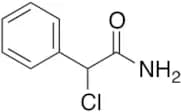
2-Chloro-2-phenylacetamide
CAS:Produto Controlado<p>Applications 2-chloro-2-phenylacetamide (cas# 7462-76-2) is a useful research chemical.<br></p>Fórmula:C8H8ClNOCor e Forma:Off White To Light YellowPeso molecular:169.608ent-Florfenicol Amine Hydrochloride
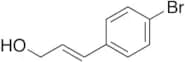
CAS:Produto ControladoFórmula:C10H14FNO3S·HClCor e Forma:NeatPeso molecular:283.7473-(4-Bromophenyl)-2-propen-1-ol
CAS:Produto Controlado<p>Applications 3-(4-Bromophenyl)-2-propen-1-ol (cas# 105515-33-1) is a useful reagent for the preparation of aryltetralin cyclic ether lignans.<br>References Xiang, J. C., et al.: Angew. Chem. Int. Ed., 59, 21195 (2020)<br></p>Fórmula:C9H9OBrCor e Forma:NeatPeso molecular:213.071-Bromo-3-chloropropane
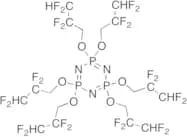
CAS:Produto Controlado<p>Applications 1-Bromo-3-chloropropane can be used safer and equally efficient alternative to chloroform as a phase-separation agent in the 1-step method of RNA isolation from biological samples such as animal and plant tissue.<br>References Chomczynski, P. et al.: Anal. Biochem., 225, 163 (1995); Chey, S. et al.: Anal. Biochem., 411, 164 (2011);<br></p>Fórmula:C3H6BrClCor e Forma:Colourless LiquidPeso molecular:157.442,2,4,4,6,6-Hexakis(2,2,3,3-tetrafluoropropoxy)-2λ5,4λ5,6λ5-1,3,5,2,4,6-triazatriphosphorine
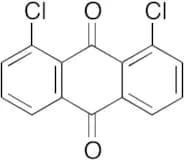
CAS:<p>Stability Hygroscopic<br>Applications 2,2,4,4,6,6-Hexakis(2,2,3,3-tetrafluoropropoxy)-2λ5,4λ5,6λ5-1,3,5,2,4,6-triazatriphosphorine is a component of Ultramark 1621 which is a useful calibration compound for negative and positive ion fast-atom bombardment (FAB) high-resolution mass spectrometry.<br>References Jiang, L., et al.: J. Am. Soc. Mass Spec., 3, 842 (1992)<br></p>Fórmula:C18H18F24N3O6P3Cor e Forma:Off-WhitePeso molecular:921.231,8-Dichloroanthraquinone
CAS:Produto Controlado<p>Applications 1,8-Dichloroanthraquinone is a reagent in the preparation of anthraquinones, which has antitumor activities.<br>References Barasch, D., et al.: Eur. J. Med. Chem., 34, 597 (1999)<br></p>Fórmula:C14H6Cl2O2Cor e Forma:NeatPeso molecular:277.15,6-Dibromonicotinic Acid
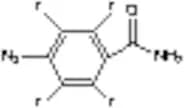
CAS:Produto Controlado<p>Applications 5,6-dibromonicotinic acid (cas# 29241-64-3) is a useful research chemical.<br></p>Fórmula:C6H3Br2NO2Cor e Forma:NeatPeso molecular:280.9014-Azido-2,3,5,6-tetrafluorobenzamide
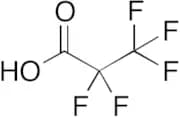
CAS:Produto Controlado<p>Applications 4-Azido-2,3,5,6-tetrafluorobenzamide (cas# 122616-98-2) is a compound useful in organic synthesis.<br></p>Fórmula:C7H2F4N4OCor e Forma:NeatPeso molecular:234.112,2,3,3,3-Pentafluoropropanoic Acid
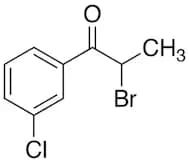
CAS:<p>Stability Volatile<br>Applications Pentafluoropropionic acid (Perfluoropropionic acid) was used in the analysis of gentamicin with Gemini column by liquid chromatographic (LC) methods. It was also used to prepare [(R)-(amino)(oxo)(fluorophenyl)butyl]tetrahydro(fluoroethyl)-1,2,4-triazolo[4,3-a]pyrazine using (fluoro)propanoic acid.<br> Not a dangerous good if item is equal to or less than 1g/ml and there is less than 100g/ml in the package<br>References Manyanga, V., et al.: J. Pharm. Biomed. Analysis, 45, 257 (2007); Kim, D., et al.: J. Med. Chem., 48, 141 (2005)<br></p>Fórmula:C3HF5O2Cor e Forma:ColourlessPeso molecular:164.033’-Chloro-2-bromopropiophenone
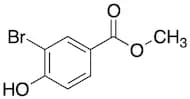
CAS:<p>Impurity Bupropion 2-Bromo Impurity (Related Compound G)<br>Applications 3’-Chloro-2-bromopropiophenone (cas# 34911-51-8) is a compound useful in organic synthesis.<br></p>Fórmula:C9H8BrClOCor e Forma:Light YellowPeso molecular:247.52Methyl 3-bromo-4-hydroxybenzoate
CAS:Produto Controlado<p>Applications Methyl 3-bromo-4-hydroxybenzoate<br> Not a dangerous good if item is equal to or less than 1g/ml and there is less than 100g/ml in the package<br></p>Fórmula:C8H7BrO3Cor e Forma:NeatPeso molecular:231.044-(Dimethylphosphinyl)benzenamine Hydrochloride
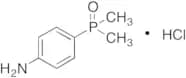
CAS:Produto Controlado<p>Applications 4-(Dimethylphosphinyl)benzenamine Hydrochloride is the salt form of 4-(Dimethylphosphinyl)benzenamine, a reactant in the preparation of 9-(arenethenyl)purines as dual Src/Abl kinase inhibitors.<br>References Huang, Wei-Sheng, et al.: J. of Med. Chem., 52(15), 4743-4756 (2009)<br></p>Fórmula:C8H12NOP•HClCor e Forma:NeatPeso molecular:169.16 + 36.465-Aminolevulinic Acid Hydrochloride
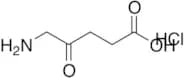
CAS:<p>Applications 5-Aminolevulinic Acid Hydrochloride (cas# CAS:5451-09-2) is a useful research chemical.<br></p>Fórmula:C5H9NO3·ClHCor e Forma:NeatPeso molecular:167.59(3-Azidopropyl)triphenylphosphonium Bromide
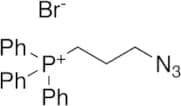
CAS:<p>Applications (3-Azidopropyl)triphenylphosphonium Bromide (cas# 127611-39-6) is a compound useful in organic synthesis.<br></p>Fórmula:C21H21N3P·BrCor e Forma:White To Off-WhitePeso molecular:426.292-Amino-5-chlorobenzenesulfonic Acid
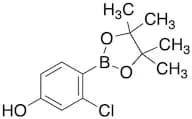
CAS:Produto Controlado<p>Applications 2-Amino-5-chlorobenzenesulfonic Acid can be used as reactant/reagent in determination of the dissociation constants of some newly synthesized arylhydrazones of indane-1,3-dione.<br>References Mahmudov, K. T.: Azerbaidzhanskii Khimicheskii Zhurnal, 4, 92 (2011)<br></p>Fórmula:C6H6ClNO3SCor e Forma:NeatPeso molecular:207.633-Chloro-4-(4,4,5,5-tetramethyl-1,3,2-dioxaborolan-2-yl)phenol
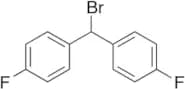
CAS:Produto Controlado<p>Applications 3-Chloro-4-(4,4,5,5-tetramethyl-1,3,2-dioxaborolan-2-yl)phenol<br></p>Fórmula:C12H16BClO3Cor e Forma:NeatPeso molecular:254.524,4'-Difluorobenzhydryl Bromide
CAS:<p>Applications 1,1'-(bromomethylene)bis(4-fluorobenzene) (cas# 345-90-4) is a useful research chemical.<br></p>Fórmula:C13H9BrF2Cor e Forma:Colourless To BeigePeso molecular:283.112-Hydroxy-4-[3-(trifluoromethyl)-3H-diazirin-3-yl]benzoic Acid, Methyl Ester
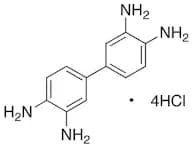
CAS:Produto Controlado<p>Stability Light and Moisture Sensitive<br>Applications A photoaffinity reagent.<br>References Hatanaka, Y. et al: Bioorg. Med. Chem., 2, 1367 (1994); Hatanaka, Y. et al: J. Org. Chem., 59, 383 (1994); Hatanaka, Y. et al: Bioorg. Med. Chem. 2, 1367 (1994)<br></p>Fórmula:C10H7F3N2O3Cor e Forma:NeatPeso molecular:260.173,3’-Diaminobenzidine Tetrahydrochloride
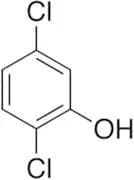
CAS:<p>Stability Hygroscopic<br>Applications A substrate for peroxidase, and a reagent for the spectrophotometric determination of selenium.<br></p>Fórmula:C12H14N4·4ClHCor e Forma:NeatPeso molecular:360.112,5-Dichlorophenol
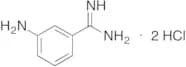
CAS:Produto Controlado<p>Applications 2,5-Dichlorophenol is an intermediates in the manufacture of more complex chemical compounds such as fungicides.<br> Not a dangerous good if item is equal to or less than 1g/ml and there is less than 100g/ml in the package<br>References Wang, F., et al.: Bull. Enviro. Contamin. Toxicol., 89, 316 (2012); Zhong, W., et al.: J. Hazard. Mat., 217, 286 (2012);<br></p>Fórmula:C6H4Cl2OCor e Forma:ColourlessPeso molecular:163.003-Aminobenzamidine Dihydrochloride
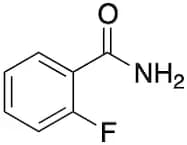
CAS:Produto Controlado<p>Applications 3-Aminobenzamidine Dihydrochloride is a reactant that has been used in the synthesis of N-phenylamidines as selective inhibitors of human neuronal nitric oxide synthase.<br>References Collins, J.L., et. al.: J. Med. Chem., 41, 2858 (1998)<br></p>Fórmula:C7H11Cl2N3Cor e Forma:NeatPeso molecular:208.092-Fluorobenzamide
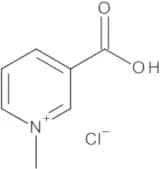
CAS:Produto Controlado<p>Applications 2-Fluorobenzamide (cas# 445-28-3) is a useful research chemical.<br></p>Fórmula:C7H6FNOCor e Forma:White To Off-WhitePeso molecular:139.127Trigonelline Chloride
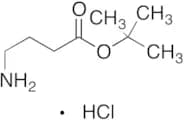
CAS:<p>Applications Trigonelline (chloride) is an alkaloid found in plants and coffee. Trigonelline is a product of niacin metabolism that is excreted in urine.<br></p>Fórmula:C7H8NO2·ClCor e Forma:NeatPeso molecular:173.60tert-Butyl 4-Aminobutanoate Hydrochloride
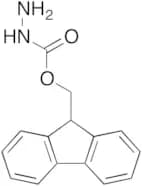
CAS:Produto Controlado<p>Applications Tert-butyl 4-Aminobutanoate Hydrochloride is used as a substance in the prevention of drug-induced memory impairement by immunopharmacotherapy.<br>References Treweek, J. B., et al.: J. Med. Chem., 51, 6866 (2008)<br></p>Fórmula:C8H17NO2·HCiCor e Forma:NeatPeso molecular:159.23 + 36.469-Fluorenylmethyl Carbazate
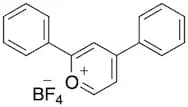
CAS:Produto ControladoFórmula:C15H14N2O2Cor e Forma:NeatPeso molecular:254.282,4-Diphenylpyrylium Tetrafluoroborate
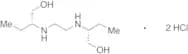
Produto Controlado<p>Applications 2,4-Diphenylpyrylium Tetrafluoroborate is derived from 4-Methoxy-3-buten-2-one (M261350), which is a reactant in the synthesis of hydroisoquinoline derivatives as an intermediate for the synthesis of manzamine.<br>References Mihara, Y., et. al.: Bull. Chem. Soc., 82, 1520 (2009)<br></p>Fórmula:C17H13O·BF4Cor e Forma:YellowPeso molecular:320.09(R,R)-Ethambutol Dihydrochloride
CAS:Produto Controlado<p>Applications (R,R)-Ethambutol Dihydrochloride shows antitumor properties when complexed with platinum. Also an isomer of Ethambutol (E889800), an antibacterial (tuberculostatic).<br>References Coluccia, M. et al.: Anticanc. Res., 11, 281 (1991); Wilkinson, et al.: J. Med. Chem., 5, 835 (1962), Kulig, et al.: Diss. Pharm. Pharmacol., 23, 463 (1971), Lee, C.S., et al.: Anal. Profiles Drug Subs., 7, 231 (1978)<br></p>Fórmula:C10H26Cl2N2O2Cor e Forma:NeatPeso molecular:277.23(6α,11β,16α,17α)-6,9-Difluoro-11-hydroxy-16-methyl-spiro[androsta-1,4-diene-17,5'-[1,3]oxathiolane]-2',3,4'-trione
CAS:<p>(6α,11β,16α,17α)-6,9-Difluoro-11-hydroxy-16-methyl-spiro[androsta-1,4-diene-17,5'-[1,3]oxathiolane]-2',3,4'-trione is a fine chemical that can be used as a building block for the synthesis of complex compounds. This compound is also useful as a reagent and specialty chemical. (6α,11β,16α,17α)-6,9-Difluoro-11-hydroxy-16-methyl spiro[androsta-1,4 diene 17.beta., 5'(1'3'oxathiolane)] 2',3',4'-trione has been shown to be an excellent intermediate for organic reactions and may be used as a scaffold in drug design.</p>Fórmula:C22H24F2O5SPureza:Min. 95%Peso molecular:438.49 g/molTetraphenylphosphonium bromide
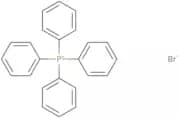
CAS:<p>Tetraphenylphosphonium bromide (TPB) is a quaternary ammonium salt that inhibits bacterial growth. TPB is a membrane-active agent that interacts with the cell nucleus and alters the properties of DNA in the mitochondria. It has shown efficacy against various antimicrobial agents, including antibiotics, by interfering with their transport across the cell membrane. The optimal concentration of TPB is 25-50 μM, which shows the best effect on bacterial growth. In addition to its antimicrobial activity, TPB also has been shown to inhibit drug transporters, such as P-glycoprotein and MRP1, which are involved in transporting drugs out of cells.</p>Fórmula:C24H20BrPCor e Forma:PowderPeso molecular:419.29 g/mol4-(3,4-Dichlorophenyl)-1-tetralone
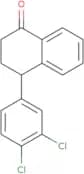
CAS:<p>4-(3,4-Dichlorophenyl)-1-tetralone (4DCP) is a solvent that can be used for the preparation of tetrahydrofuran and benzohydrazide. It is also an important intermediate in organic synthesis. 4DCP is obtained by the reaction of 3,4-dichloroacetophenone with sodium methoxide in methanol. The use of 4DCP as a solvent has been shown to produce significant cytotoxicity against cells in culture. 4DCP has been shown to have antidepressant effects, which may be due to its ability to inhibit monoamine oxidase A (MAO-A).</p>Fórmula:C16H12Cl2OPureza:Min. 95%Cor e Forma:PowderPeso molecular:291.17 g/molSemicarbazide hydrochloride
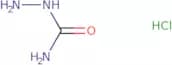
CAS:<p>Semicarbazide hydrochloride (SCH) is a pyrazole compound that has been used as an antimicrobial agent. It is also a potent inhibitor of the enzyme acetylcholinesterase, which is involved in the transmission of nerve impulses to muscles. SCH has been shown to inhibit bacterial growth in vitro and in vivo by interfering with DNA replication and protein synthesis. SCH’s inhibitory properties have been demonstrated using nitrogen atoms as analytical markers. The semicarbazide moiety can be removed from SCH by treatment with anhydrous sodium hydroxide, which leaves the reactive group intact. This process can be used to analyze SCH’s structure and determine its genotoxic activity.</p>Fórmula:CH6ClN3OPureza:Min. 95%Cor e Forma:PowderPeso molecular:111.019944-Fluoro-L-Tryptophan
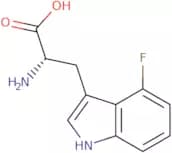
CAS:<p>4-Fluoro-L-tryptophan is an amino acid that is used in the synthesis of proteins. It has a number of uses in molecular biology, including the study of phosphatases, tryptophan synthetase, and mutant strains. 4-Fluoro-L-tryptophan can be used to study the interaction between subunits of these enzymes and to determine kinetic parameters. This compound has been shown to interact with magnetic resonance spectroscopy (NMR) and fluorescence measurements. The biosynthesis of 4-fluoro-L-tryptophan involves two steps: (1) incorporation into protein by tryptophanyl tRNA synthetase; and (2) conversion to tryptamine by phosphatase enzyme.</p>Fórmula:C11H11FN2O2Pureza:Min. 95%Peso molecular:222.22 g/mol4-Bromo-2-fluorobenzoic acid
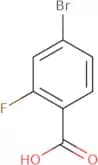
CAS:<p>4-Bromo-2-fluorobenzoic acid is an organic solvent that is used in the introduction of 2-aminoisobutyric acid. The reaction solution is typically heated and contains a small amount of either chloride, sulfoxide, or both. Various analytical methods can be used to determine the yield of the acylation reaction. 4-Bromo-2-fluorobenzoic acid's ligand can be converted to an acid chloride with a Grignard reagent and then reacted with carboxylate to form an ester. This ester reacts with amines to form amides, which are used as pharmaceuticals and intermediates for various other reactions. 4-Bromo-2-fluorobenzoic acid inhibits bacterial growth by binding to glutamine synthetase, thereby inhibiting protein synthesis.</p>Fórmula:C7H4BrFO2Pureza:Min. 95%Cor e Forma:PowderPeso molecular:219.01 g/mol2-Fluoro-4-methoxybenzonitrile
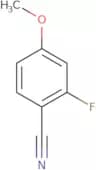
CAS:<p>2-Fluoro-4-methoxybenzonitrile is a tetracyclic molecule with two electron deficient rings. It has intramolecular coupling, yielding four stereoisomers that show different biological activities. 2-Fluoro-4-methoxybenzonitrile is an electron deficient compound that can be synthesized by reacting dioxane with amines. It also reacts with alcohols to form ethers. This heteroaromatic compound has electron withdrawing groups that make it less stable than other heteroaromatic compounds and more reactive. 2-Fluoro-4-methoxybenzonitrile can be used in the Buchwald reaction to produce aryl chlorides from alkyl halides and aryl bromides.</p>Pureza:Min. 95%7-Fluoro-5-Phenyl-1,3-Dihydro-1,4-Benzodiazepin-2-One
CAS:Produto Controlado<p>7-Fluoro-5-phenyl-1,3-dihydro-1,4-benzodiazepin-2-one is a potential drug candidate that has been found to have high affinity for the benzodiazepine receptor. It was synthesized by reacting 7-fluoro-5-(chloromethyl)benzo[b]thiophene with 2,5-dimethoxybenzaldehyde in the presence of sodium hydroxide and acetic acid. The compound was characterized using techniques such as nuclear magnetic resonance (NMR), mass spectrometry (MS) and infrared spectroscopy (IR). The affinity of 7FDBZ was measured at 4 nM. The parameters used for predicting binding affinity were hydrophobicity and hydrogen bond acceptor properties. A predictive model was generated based on these parameters that shows good agreement with experimental data. The probe is hydrophobic in nature and may bind to the receptor due to</p>Fórmula:C15H11FN2OPureza:Min. 95%Peso molecular:254.26 g/mol5-Iodo-2,3-dimethoxybenzaldehyde
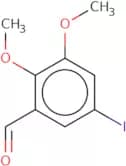
CAS:<p>5-Iodo-2,3-dimethoxybenzaldehyde is a fine chemical that is useful as a scaffold for the synthesis of other compounds. It can be used as an intermediate for research chemicals or as a reaction component in the synthesis of complex compounds. 5-Iodo-2,3-dimethoxybenzaldehyde is used for the manufacture of high quality reagents and building blocks.</p>Fórmula:C9H9IO3Pureza:Min. 95%Cor e Forma:PowderPeso molecular:292.07 g/mol4-Chlorocyclohexene
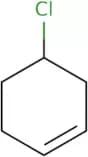
CAS:<p>4-Chlorocyclohexene is a chlorinating agent that has been used in the production of chlorine. It is a colorless liquid with an odor similar to that of chloride. 4-Chlorocyclohexene reacts with hydrogen chloride to form 4-chlorobenzene and hydrogen gas. This reaction is mediated by acid, base, or even metals such as copper. 4-Chlorocyclohexene can be used to produce polyatomic molecules such as carboxylates, chlorides, and sulfides. It has also been used in the synthesis of lipid nanoparticles for use in skincare products.</p>Fórmula:C6H9ClPureza:Min. 95%Cor e Forma:PowderPeso molecular:116.59 g/mol(+/-)-Salsolinol hydrobromide
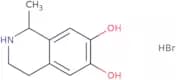
CAS:<p>(+/-)-Salsolinol hydrobromide is a chemical compound derived from the condensation of dopamine and acetaldehyde. This compound occurs naturally in the brain and certain fermented beverages, influencing neurological pathways. As a dopaminergic compound, it affects dopaminergic neurons by stimulating or inhibiting dopamine receptors, depending on the context of its application.The interest in (+/-)-Salsolinol hydrobromide centers around its potential involvement in neurodegenerative conditions such as Parkinson's disease. It is studied for its role in modulating dopamine metabolism and its impact on dopaminergic tone. The compound is also researched for its contribution to the addictive properties observed in alcohol consumption, given its formation during the metabolic processes initiated by alcohol intake.As a research tool, (+/-)-Salsolinol hydrobromide aids in understanding the interactions between neurotransmitter systems and their implications in neuropsychiatric disorders. Ongoing studies aim to elucidate its precise function, contributing to broader insights into the development of therapeutic targets for related pathological states.</p>Fórmula:C10H14BrNO2Pureza:Min. 97 Area-%Cor e Forma:PowderPeso molecular:260.13 g/mol4-Chloro-L-tryptophan
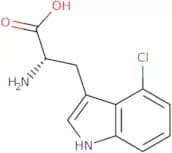
CAS:<p>4-Chloro-L-tryptophan is an indole alkaloid that belongs to the group of 2-d nmr. It has a chiral carbon atom and two enantiomers, D and L. 4-Chloro-L-tryptophan is used in the synthesis of serotonin in the brain. Synthesis of serotonin involves a two-step process: first, L-tyrosine is converted to 4-hydroxyphenylpyruvic acid by an aminotransferase enzyme (e.g., phenylalanine aminotransferase), then 4-hydroxyphenylpyruvic acid is converted to 4-chloro-L-tryptophan by a decarboxylase enzyme (e.g., pyridoxal phosphate). The biosynthesis of serotonin also requires an intermediate molecule called indole pyruvic acid.</p>Fórmula:C11H11ClN2O2Pureza:Min. 94 Area-%Cor e Forma:PowderPeso molecular:238.67 g/mol4-(Bromodifluoromethoxy)Nitrobenzene
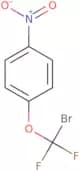
CAS:<p>4-(Bromodifluoromethoxy)Nitrobenzene is a versatile building block that can be used to synthesize a wide variety of organic and inorganic compounds. It is a brominated derivative of nitrobenzene, which is useful for the synthesis of complex compounds and research chemicals. 4-(Bromodifluoromethoxy)Nitrobenzene is also an intermediate for the synthesis of pharmaceuticals and other valuable chemical compounds. This compound has been shown to provide high quality results in reactions with other molecules. 4-(Bromodifluoromethoxy)Nitrobenzene can be used as a scaffold for the construction of more complex molecules.</p>Fórmula:C7H4BrF2NO3Pureza:Min. 95%Cor e Forma:LiquidPeso molecular:268.01 g/mol2,5-Diaminobenzylamine hydrochloride
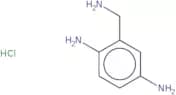
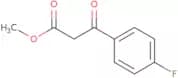
<p>2,5-Diaminobenzylamine hydrochloride is a fine chemical that is used as a versatile building block and research chemicals. This compound has been shown to be an intermediate for the synthesis of other compounds with pharmaceutical properties. 2,5-Diaminobenzylamine hydrochloride can also be used as a reagent in organic chemistry. It has CAS No. 1008-77-4 and is listed on the inventory list of speciality chemicals by the European Commission (EC). 2,5-Diaminobenzylamine hydrochloride is water soluble and has a high quality.</p>Fórmula:C7H12ClN3Pureza:Min. 95%Peso molecular:173.64 g/molMethyl 4-fluorobenzoylacetate
CAS:<p>Methyl 4-fluorobenzoylacetate is a prenyl compound that can be used as an anti-oxidant, hepatoprotective, and regulatory agent. The prenyl group in this molecule is responsible for its antioxidant activity. It also has been shown to have hepatoprotective properties in experimental animals with liver injuries. Methyl 4-fluorobenzoylacetate is used as a synthetic intermediate in the synthesis of coumarin derivatives and phenylcoumarins. This molecule may also have anti-inflammatory properties, which are due to its ability to inhibit cyclooxygenase enzymes. Methyl 4-fluorobenzoylacetate is also an antibacterial agent and has been shown to be a potent inhibitor of bacterial DNA gyrase and topoisomerase IV, which maintain the integrity of bacterial DNA. In addition, methyl 4-fluorobenzoylacetate has anticoagulant</p>Fórmula:C10H9FO3Pureza:Min. 85%Cor e Forma:Colourless To Pale Yellow LiquidPeso molecular:196.18 g/molc2'-Chloro-2-(4-nitrophenyl)cinnamonitrile
CAS:<p>C2'-Chloro-2-(4-nitrophenyl)cinnamonitrile is a fine chemical that is used as a reagent and building block in the synthesis of other compounds. C2'-Chloro-2-(4-nitrophenyl)cinnamonitrile has been shown to react with various reagents to form useful intermediates and speciality chemicals. It can be used as a versatile building block in the synthesis of complex compounds.</p>Fórmula:C27H46O2Pureza:Min. 95%Cor e Forma:PowderPeso molecular:402.65 g/mol2-(2,3-Naphthalimino)ethyl trifluoromethanesulfonate
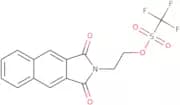
CAS:<p>2-(2,3-Naphthalimino)ethyl trifluoromethanesulfonate (2NTF) is a nonsteroidal anti-inflammatory drug that acts by inhibiting the enzyme cyclooxygenase. It is used as a sample preparation agent for epoxyeicosatrienoic acids (EETs). 2NTF is applied to a hydrophilic interaction chromatography column and then eluted with caproic acid, which selectively binds to the fatty acid component of EETs. The eluate can then be analyzed using a fluorescence detector and chromatographic methods. 2NTF has been shown to have no effect on carnitine levels in human serum.</p>Fórmula:C15H10F3NO5SPureza:Min. 97%Cor e Forma:White PowderPeso molecular:373.3 g/mol2,3-Difluoro-4-methoxybenzonitrile
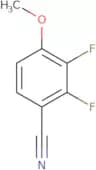
CAS:<p>2,3-Difluoro-4-methoxybenzonitrile is a high quality chemical that can be used as a building block for the synthesis of more complex compounds. The compound has been shown to have useful intermediate properties and is often used in research. It is also a versatile scaffold that has been used to create many different types of chemical compounds. 2,3-Difluoro-4-methoxybenzonitrile can be used in the production of speciality chemicals and reaction components. It is not regulated by the Chemical Weapons Convention or other international treaties, making it an attractive reagent for those who are interested in purchasing this product.</p>Fórmula:C8H5F2NOPureza:Min. 95%Cor e Forma:PowderPeso molecular:169.13 g/mol2-Bromo-6-methyl-4-nitroaniline
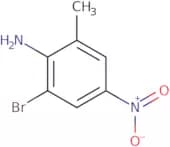
CAS:<p>2-Bromo-6-methyl-4-nitroaniline is a fine chemical that is used in the preparation of other chemicals and as a reagent. It can be used as an intermediate for organic synthesis, such as the conversion of 2-bromoindole to indoxyl, or as a building block for the preparation of more complex compounds. This chemical is also versatile in that it can be used in reactions with different reactants, including amines, carboxylic acids, thiols, and alcohols.</p>Fórmula:C7H7BrN2O2Pureza:Min. 95%Cor e Forma:PowderPeso molecular:231.05 g/molBenzyldodecyldimethylammonium bromide
CAS:<p>Benzyldodecyldimethylammonium bromide (BDDAB) is a versatile building block that can be used in synthesis of complex compounds. It is also a reagent and CAS No. 7281-04-1. BDDAB is a high quality, useful intermediate for the synthesis of useful scaffolds and useful reaction components. This chemical is also useful as a specialty chemical due to its versatility and research chemicals because it can be used in synthesis of new compounds.</p>Fórmula:C21H38BrNPureza:Min. 95%Cor e Forma:White PowderPeso molecular:384.44 g/mol3,5-Dibromo-4-methoxybenzylamine hydrochloride
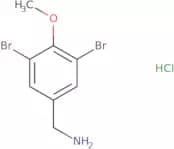
CAS:<p>3,5-Dibromo-4-methoxybenzylamine hydrochloride is a high quality chemical with a CAS number of 1134918-17-4. It is also a versatile building block that can be used as an intermediate or reaction component in research, pharmaceuticals, and other chemical syntheses. This compound is stable and has been shown to react with various functional groups. It is a complex compound that can be used as a useful building block in organic synthesis reactions. The purity of this product is guaranteed at 98%.</p>Fórmula:C8H9Br2NO•HClPureza:Min. 95%Peso molecular:331.43 g/mol2-Amino-4-chlorobenzamide
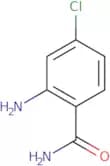
CAS:<p>2-Amino-4-chlorobenzamide is a chemical compound that has been shown to be an effective oxidant in biological systems. It is an oxidative condensation product of 4-chloro-2-nitrobenzoic acid and ammonium chloride, which is formed by the reaction of these two compounds at room temperature. The nature of the functional group on 2-amino-4-chlorobenzamide allows it to be used as a transition state analogue for the study of reactions involving amines and nitrates. This compound can also be used in experiments with isatins, due to its ability to react with ammonia hydroxide to form 2-amino-4,6 dichlorobenzamide.</p>Fórmula:C7H7ClN2OPureza:Min. 95%Cor e Forma:PowderPeso molecular:170.6 g/molN-Dechloroethyl cyclophosphamide
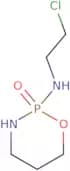
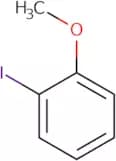
CAS:<p>N-Dechloroethyl cyclophosphamide is a metabolic inhibitor that is used in the treatment of cancer. It is classified as an alkylating agent and inhibits ribonucleotide reductase, which prevents the production of DNA, RNA, and protein. The chemical ionization technique has been used to measure the concentration of this compound in human liver and urine samples. N-Dechloroethyl cyclophosphamide can be analyzed using chromatography or mass spectrometry methods.</p>Fórmula:C5H12ClN2O2PPureza:Min. 95%Cor e Forma:PowderPeso molecular:198.59 g/mol1-Iodo-2-methoxybenzene
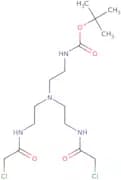
CAS:<p>1-Iodo-2-methoxybenzene is a compound that has shown to have anti-cancer properties. It is an effective inhibitor of protein tyrosine kinases, which are involved in the activation of inflammatory diseases and cancer. The hydroxyl group on the benzenoid ring activates the molecule by hydrogen bonding with the protein target, thereby inhibiting its activity. 1-Iodo-2-methoxybenzene may also be used as a contrast agent for magnetic resonance imaging (MRI) due to its light emission properties.</p>Fórmula:C7H7IOPureza:Min. 95%Cor e Forma:Clear LiquidPeso molecular:234.03 g/mol2N-Boc-2',2''-triaminotriethylamine-bis(chloroacetamide)
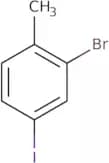
CAS:<p>2N-Boc-2',2''-triaminotriethylamine-bis(chloroacetamide) is a fine chemical and reagent for the synthesis of pharmaceuticals. It is also a useful building block for the synthesis of complex compounds. This product can be used as a reaction component in organic chemistry, or it can be used as a reagent in research or development laboratories.</p>Fórmula:C15H28Cl2N4O4Pureza:Min. 95%Peso molecular:399.31 g/mol2-Bromo-4-iodotoluene
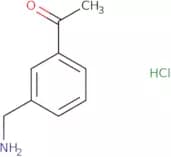
CAS:<p>2-Bromo-4-iodotoluene is a chemical that belongs to the group of useful building blocks. 2-Bromo-4-iodotoluene is a reagent and speciality chemical that can be used as a reactant or intermediate in organic synthesis. It is also a versatile building block for the preparation of complex compounds. 2-Bromo-4-iodotoluene can be used as an intermediate for the synthesis of specialized chemicals, such as pharmaceuticals, dyes, explosives and fragrances. 2-Bromo-4-iodotoluene has been shown to be an effective reagent in organic synthesis and has been used in the preparation of many complex compounds.</p>Fórmula:C7H6BrIPureza:Min. 95%Cor e Forma:PowderPeso molecular:296.93 g/mol3-Acetylbenzylamine hydrochloride
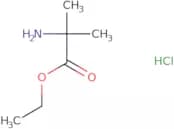
CAS:<p>3-Acetylbenzylamine hydrochloride is a versatile building block that can be used as a reagent, speciality chemical, and useful scaffold. It is a complex compound with CAS No. 149889-64-5 that has been shown to have fine chemical characteristics. 3-Acetylbenzylamine hydrochloride is also a high quality research chemical that has been shown to be useful in the synthesis of various products, such as pharmaceuticals and organic compounds. 3-Acetylbenzylamine hydrochloride can be used as an intermediate for reactions in the production of fine chemicals, such as pharmaceuticals or organic compounds.</p>Fórmula:C9H12ClNOPureza:Min. 95%Cor e Forma:PowderPeso molecular:185.65 g/molEthyl 2-amino-2-methyl-1-propionate hydrochloride
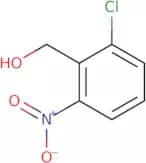
CAS:<p>Ethyl 2-amino-2-methyl-1-propionate hydrochloride is a cyclic compound that is a member of the amide family. It is a herbicide that inhibits the growth of plants by blocking the synthesis of proteins, which are vital for plant growth. This compound may be useful as a preemergence herbicide because it has low toxicity to mammals and insects. Ethyl 2-amino-2-methyl-1-propionate hydrochloride has shown herbicidal activity in wheat, but not in other plants such as corn, tobacco, or rice. The herbicidal activity may be due to the inhibition of protein synthesis.</p>Fórmula:C6H13NO2•HClPureza:Min. 95%Peso molecular:167.63 g/mol2-Chloro-6-nitrobenzyl alcohol
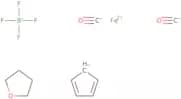
CAS:<p>2-Chloro-6-nitrobenzyl alcohol is a versatile building block that is used as a reactant in chemical synthesis. It is used to synthesize other compounds, such as pharmaceuticals and pesticides. This compound can also be used as an intermediate or scaffold in the synthesis of more complex compounds. 2-Chloro-6-nitrobenzyl alcohol has been shown to have a high quality and is useful for research purposes. It can be used in the production of fine chemicals, useful building blocks, and reagents.</p>Fórmula:C7H6ClNO3Pureza:Min. 95%Cor e Forma:PowderPeso molecular:187.58 g/molCyclopentadienyldicarbonyl(tetrahydrofuran)iron(II) tetrafluoroborate
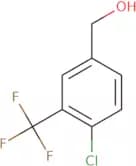
CAS:<p>Cyclopentadienyldicarbonyl(tetrahydrofuran)iron(II) tetrafluoroborate is a chemical that is used as a building block in research and speciality chemical synthesis. The compound has been shown to be versatile, with many possible reactions, including the formation of a complex. This compound can also be used as an intermediate for another chemical or as a scaffold for other compounds. Cyclopentadienyldicarbonyl(tetrahydrofuran)iron(II) tetrafluoroborate is a high quality reagent that can be used in reaction processes with low toxicity.</p>Fórmula:C11H13FeO3•BF4Pureza:Min. 95%Cor e Forma:SolidPeso molecular:335.87 g/mol3-Chloro-4-(trifluoromethyl)benzyl alcohol
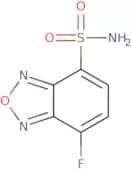
CAS:<p>3-Chloro-4-(trifluoromethyl)benzyl alcohol is a versatile building block for synthesis of various chemical compounds. It is used as a reagent, reaction component, or building block in organic synthesis. It is also useful as a speciality chemical or research chemical. CAS No. 65735-71-9</p>Fórmula:C8H6ClF3OPureza:Min. 95%Cor e Forma:PowderPeso molecular:210.58 g/mol4-(Aminosulfonyl)-7-fluoro-2,1,3-benzoxadiazole
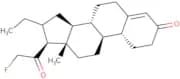
CAS:<p>4-(Aminosulfonyl)-7-fluoro-2,1,3-benzoxadiazole (AFB) is a reagent that has been used to detect the presence of galacturonic acid in cell culture. It is also a potent inhibitor of enzymes such as catalase and peroxidase. AFB binds to the sulfhydryl groups on enzymes, thereby preventing them from performing their catalytic function. The reducing power of AFB can be used as an indicator of the redox potentials in a sample. When AFB reacts with trifluoroacetic acid, it forms a disulfide bond and changes its color from yellow to blue. This change can be detected by UV spectroscopy or other analytical methods.</p>Fórmula:C6H4FN3O3SPureza:Min. 95%Cor e Forma:PowderPeso molecular:217.18 g/mol21-Fluoro-16-Ethyl-19-Norprogesterone
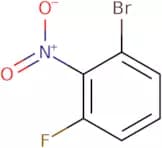
CAS:Produto Controlado<p>21-Fluoro-16-Ethyl-19-Norprogesterone is a glycol ether that has a molecular weight of 462.5 Da. It is an inhibitor of the enzyme activities that cause infectious diseases, such as glycol esterase and protein kinase. 21-Fluoro-16-Ethyl-19-Norprogesterone is used to treat wastewater and magnetic particles. The molecule can be adsorbed onto nanoparticles with a size range of 5 nm to 100 nm, which are then used for drug delivery or targeted cancer therapy.<br>21-Fluoro-16-Ethyl-19-Norprogesterone has been shown to inhibit fatty acid biosynthesis in Escherichia coli cells by inhibiting the activity of 3 enzymes: acetyl CoA carboxylase, thiolase, and enoyl CoA hydratase.</p>Fórmula:C22H31FO2Pureza:Min. 95%Peso molecular:346.48 g/mol1-bromo-3-fluoro-2-nitrobenzene
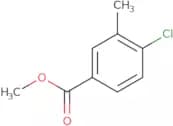
CAS:<p>1-Bromo-3-fluoro-2-nitrobenzene is the target compound in this reaction. The starting materials are triethylamine, trichloride and ethyl alcohol. The reagents are mixed at a high temperature to produce the target product. This procedure can be scaled up for large-scale production using hydrazine as a solvent.</p>Fórmula:C6H3BrFNO2Pureza:Min. 95%Cor e Forma:PowderPeso molecular:220 g/molMethyl 4-chloro-3-methylbenzoate
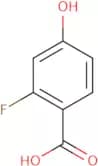
CAS:<p>Please enquire for more information about Methyl 4-chloro-3-methylbenzoate including the price, delivery time and more detailed product information at the technical inquiry form on this page</p>Fórmula:C9H9ClO2Pureza:Min. 95%Peso molecular:184.62 g/mol2-Fluoro-4-hydroxybenzoic acid
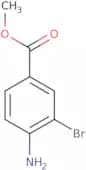
CAS:<p>The 2-fluoro-4-hydroxybenzoic acid (2F4HB) is a naturally occurring substance that has been synthesized by the process of carbon source. It is a member of the class of compounds known as flavonoids, which are found in plants and have many functions such as being an antioxidant, having anti-inflammatory properties, and being a precursor to vitamin K. The 2F4HB has been shown to have antimicrobial activity against various bacterial species including C. parapsilosis and B. cereus, with inhibitory effects on cell growth. This compound also has been shown to have birefringence properties under polarized light microscopy. It may be used as a fluorescent dye to study the structure of polymers or other organic substances that can be dissolved in water or organic solvents. The 2F4HB also shows potential as an electron spin resonance agent for magnetic resonance spectroscopy because it can act as a free radical scavenger</p>Fórmula:C7H5FO3Pureza:Min. 95%Peso molecular:156.11 g/molMethyl 4-amino-3-bromobenzoate
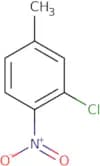
CAS:<p>Methyl 4-amino-3-bromobenzoate is a benzodiazepine derivative that is used as an anxiolytic, sedative, and muscle relaxant. It has also been shown to have anti-convulsant properties. Methyl 4-amino-3-bromobenzoate can be synthesized from the corresponding amino acid. The structure of this compound is similar to that of diazepam, but it does not bind to the benzodiazepine receptor. Methyl 4-amino-3-bromobenzoate has been shown to inhibit protein–protein interactions between cellular proteins by dimerizing them, which may be related to its ability to induce cancer cell death.<br>Methyl 4-amino-3-bromobenzoate has been shown to inhibit protein–protein interactions between cellular proteins by dimerizing them, which may be related to its ability to induce cancer cell death.</p>Fórmula:C8H8BrNO2Pureza:Min. 95%Cor e Forma:Off-White PowderPeso molecular:230.06 g/mol3-Chloro-4-nitrotoluene
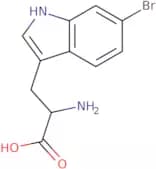
CAS:<p>3-Chloro-4-nitrotoluene (3CNT) is a lactam that is produced from hydrochloric acid and styrene. 3CNT has a reactive nature, as it readily undergoes dehydration to produce benzothiazine. The reaction of 3CNT with hydroxamic acids yields the corresponding nitro compound, which can be used for the synthesis of organic compounds. 3CNT also reacts with protonated amines to form an oxazoline derivative. 3CNT is used in cross-coupling reactions, which are important for the synthesis of complex molecules such as pharmaceuticals and agrochemicals. Kinetic data on 3CNT’s reaction with hydroxamic acids show that it has a high rate of conversion to nitro compounds.</p>Fórmula:C7H6ClNO2Pureza:Min. 95%Cor e Forma:PowderPeso molecular:171.58 g/mol6-Bromo-DL-tryptophan
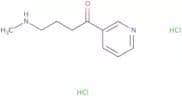
CAS:<p>6-Bromo-DL-tryptophan is an alkylating agent that has been shown to be effective in the treatment of neurodegenerative diseases. 6-Bromo-DL-tryptophan is a natural product that is synthesized from L-tryptophan by the addition of bromine. The biosynthesis of 6-bromo-DL-tryptophan occurs through a two step process, which involves conversion of L-tryptophan to L-3,4,5,6 tetrahydroisoquinoline and then to 6-(2,4dinitrophenyl)-L-tryptophan. This synthetic pathway has been optimized for industrial production using chemical and biochemical methodologies.</p>Fórmula:C11H11BrN2O2Pureza:Min. 98 Area-%Cor e Forma:White PowderPeso molecular:283.12 g/mol4-(Methylamino)-1-(3-pyridyl)-1-butanone dihydrochloride
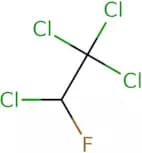
CAS:<p>4-(Methylamino)-1-(3-pyridyl)-1-butanone dihydrochloride (4-MBA) is a natural product that has been shown to have anti-cancer properties in vitro and in vivo. It inhibits the growth of cancer cells by inhibiting DNA synthesis and inducing apoptosis, as well as by inhibiting the production of certain proteins. 4-MBA has been shown to be effective against strains of Escherichia coli and Salmonella typhimurium. This compound is found in honeybush tea, Aspalathus linearis, and other plants, but is not present in humans or animals. 4-MBA has also been shown to inhibit nicotine metabolism in humans and rats.</p>Fórmula:C10H16Cl2N2OPureza:Min. 95%Cor e Forma:SolidPeso molecular:251.15 g/mol1,1,1,2-Tetrachloro-2-Fluoroethane
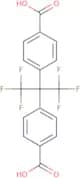
CAS:Produto Controlado<p>1,1,1,2-Tetrachloro-2-Fluoroethane is a chlorofluorocarbon that has a vapor pressure of 0.004 mm Hg at 20°C and a boiling point of -63.3°C. It is soluble in water at concentrations of 1.5 mg/L and has an experimentally determined coefficient of viscosity of 2.8 mPa·s at 20°C. This compound can be found in the group of halocarbons with molecular weight compounds ranging from 78 to 150 g/mol, or approximately between 120 and 230 g/mol. The molecular descriptors for this compound are approximations and are calculated using temperatures from 0 to 100°C, with an approximation error below 5%.</p>Fórmula:C2HCl4FPureza:Min. 95%Peso molecular:185.84 g/mol2,2-Bis(4-carboxyphenyl)hexafluoropropane
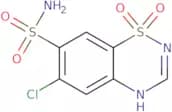
CAS:<p>2,2-Bis(4-carboxyphenyl)hexafluoropropane is a sulfonated derivative of hexafluoropropylene. It is a proton-containing compound that has been studied as a possible replacement for chlorofluorocarbons in refrigeration and insulation. The thermal expansion coefficient and the supramolecular properties of 2,2-bis(4-carboxyphenyl)hexafluoropropane have been investigated by structural analysis. This substance is also soluble in diethyl ether, which can be used to extract it from the reaction mixture. It has high uptake and gel permeation chromatography (GPC) retention times, as well as viscosity and FTIR spectroscopy absorption bands at 2900 cm−1 and 3300 cm−1. The luminescent properties of 2,2-bis(4-carboxyphenyl)hexafluoroprop</p>Fórmula:C17H10F6O4Pureza:Min. 98 Area-%Cor e Forma:White PowderPeso molecular:392.25 g/molChlorothiazide
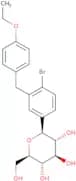
CAS:Produto Controlado<p>Chlorothiazide is a diuretic that is a thiazide. It is used in combination preparations to treat high blood pressure (hypertension) and congestive heart failure. Chlorothiazide is also used to reduce the amount of fluid in the body (edema) and as an adjuvant therapy for kidney disease. This drug has been shown to be safe at therapeutic doses, although it may have some toxic effects on liver function. The toxicity studies on chlorothiazide have demonstrated no carcinogenic effects in either animals or humans, but there are reports of some skin cancer cases among people who have taken this drug for many years.</p>Fórmula:C7H6ClN3O4S2Pureza:Min. 95%Cor e Forma:White/Off-White SolidPeso molecular:295.73 g/mol4-Deschloro-4-bromo dapagliflozin
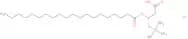
CAS:<p>Please enquire for more information about 4-Deschloro-4-bromo dapagliflozin including the price, delivery time and more detailed product information at the technical inquiry form on this page</p>Fórmula:C21H25BrO6Pureza:Min. 95%Cor e Forma:PowderPeso molecular:453.32 g/molArachidoyl-DL-carnitine chloride
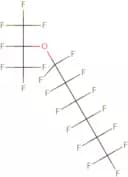
CAS:<p>Please enquire for more information about Arachidoyl-DL-carnitine chloride including the price, delivery time and more detailed product information at the technical inquiry form on this page</p>Fórmula:C27H52ClNO3Pureza:Min. 95%Peso molecular:474.16 g/mol1,1,1,2,2,3,3,4,4,5,5,6,6-Tridecafluoro-6-Propan-2-Yloxyhexane
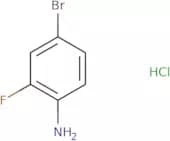
CAS:Produto Controlado<p>1,1,1,2,2,3,3,4,4,5,5,6,6-Tridecafluoro-6-Propan-2-Yloxyhexane (HFPO) is a perfluorinated compound that has been shown to be a potent inhibitor of HIV. It is used in biomedical research as an experimental treatment for HIV infection. HFPO inhibits the activity of phosphatase by binding to the active site and blocking the hydrolysis of phosphate groups from ATP. This prevents the release of energy from ATP and blocks protein synthesis. HFPO also binds to retroviruses and proviruses at their binding sites on RNA polymerase II during transcriptional elongation and inhibits viral replication.</p>Fórmula:C9H7F13OPureza:Min. 95%Peso molecular:378.13 g/mol4-Bromo-2-fluoroaniline hydrochloride
CAS:<p>4-Bromo-2-fluoroaniline hydrochloride is a versatile building block that can be used as a reactant, reagent, or service scaffold. It has been widely used in the synthesis of complex compounds and fine chemicals. The CAS number for 4-Bromo-2-fluoroaniline hydrochloride is 1174029-29-8.</p>Fórmula:C6H5BrFN•HClPureza:Min. 95%Cor e Forma:PowderPeso molecular:226.47 g/mol[5-(4-Amino-2-bromophenyl)-2-furyl]methanol
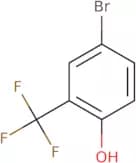
CAS:<p>5-(4-Amino-2-bromophenyl)-2-furyl]methanol (5ABF) is a fine chemical that has been shown to be an effective building block. The compound is used as a reagent in organic synthesis and can be used as a reaction component. 5ABF is also an intermediate, which can be converted into useful building blocks. 5ABF has been shown to have versatile uses in research chemicals and speciality chemicals. This chemical's CAS number is 874592-18-4. 5ABF has a high quality and is a versatile scaffold.</p>Fórmula:C11H10BrNO2Pureza:Min. 95%Cor e Forma:Slightly Yellow PowderPeso molecular:268.11 g/mol4-Bromo-2-(trifluoromethyl)phenol
CAS:<p>4-Bromo-2-(trifluoromethyl)phenol is a compound that belongs to the family of dialdehydes. It has been used in organic chemistry as an assembly reagent, a monomer in polymer synthesis, and as a building block for oligomers and duplexes. 4-Bromo-2-(trifluoromethyl)phenol is stable under basic conditions and can be used in the presence of chloroform. This compound functions as an intermediate for the synthesis of other functionalized molecules such as phosphine oxide, oxide, and diamines.</p>Fórmula:C7H4BrF3OPureza:Min. 95%Cor e Forma:PowderPeso molecular:241.01 g/mol2,4,6-Trifluorophenylacetic acid
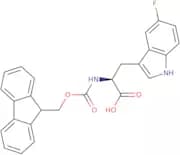
CAS:<p>2,4,6-Trifluorophenylacetic acid is a fluorinated phenylacetic acid that has been shown to inhibit the growth of the fungus Botrytis cinerea. It does this by disrupting the conformation of microtubules and inhibiting cell division. This compound has been synthesized in analogy with other known phenylacetic acids and its structure was confirmed through single-crystal x-ray diffraction studies. The heteroaryl groups on 2,4,6-Trifluorophenylacetic acid disrupt the microtubule polymerization process by binding to tubulin subunits. The fluorine atom also binds to the pyridine ring in this molecule to form an electron-deficient heterocycle.</p>Fórmula:C8H5F3O2Pureza:Min. 95%Cor e Forma:White PowderPeso molecular:190.12 g/molN-Fmoc-5-fluoro-L-tryptophan
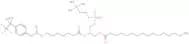
CAS:<p>N-Fmoc-5-fluoro-L-tryptophan is a biologically active form of tryptophan that has been shown to have potent effects on the cardiovascular system. It is used as a tool for studying the function of angiotensin, collagen, and microstructural elements in the heart and lungs. N-Fmoc-5-fluoro-L-tryptophan has been shown to synergize with other heterocycles, maximizing its biological properties. This chemical is also effective at inducing muscle contraction in rats. N-Fmoc-5-fluoro-L-tryptophan binds to cardiothoracic proteins, causing changes in their structure that lead to increased muscle contractility. The covalent bond between this compound and the protein can be cleaved by enzymes such as proteases or nucleases, which can be useful for studying the interactions of drugs with these proteins.</p>Fórmula:C26H21FN2O4Pureza:Min. 98 Area-%Cor e Forma:White PowderPeso molecular:444.45 g/mol1-palmitoyl-2-(10-(4-((trifluoromethyl)diazirinyl)phenyl)-8-oxadecanoyl)-sn-glycero-3-phosphocholine
CAS:<p>1-palmitoyl-2-(10-(4-((trifluoromethyl)diazirinyl)phenyl)-8-oxadecanoyl)-sn-glycero-3-phosphocholine (PPC) is a liposome that induces necrotic cell death. It binds to the mitochondria and inhibits adenine nucleotide translocation, leading to the loss of mitochondrial membrane potential and the release of cytosolic calcium. This leads to activation of proapoptotic proteins, such as Bax and Bak, which initiates caspase-independent apoptosis. PPC also induces light emission from phospholipid hydroperoxide decomposition, which can be used as a biomarker for cellular physiology.</p>Fórmula:C41H68TF3N3O9PPureza:Min. 95%Peso molecular:837.98 g/mol3-Chloro-6-hydrazinopyridazine
CAS:<p>3-Chloro-6-hydrazinopyridazine is a redox potential probe that has high cytotoxicity. It is used in the detection of the redox potential of hydrogen peroxide and nitric oxide by a turbidimetric method. 3-Chloro-6-hydrazinopyridazine can be used as a fluorogenic probe for the detection of chlorine atoms in biological systems. 3-Chloro-6-hydrazinopyridazine has been shown to enhance cancer cell growth and inhibit matrix metalloproteinase (MMP) activity. The biological properties of this compound are due to its ability to form intermolecular hydrogen bonds with nitrogen atoms, which leads to a dihedral angle that favors its binding to proteins.</p>Fórmula:C4H5ClN4Pureza:Min. 95%Cor e Forma:Brown PowderPeso molecular:144.56 g/molSDF-1α (human) trifluoroacetate salt
CAS:<p>Please enquire for more information about SDF-1alpha (human) trifluoroacetate salt including the price, delivery time and more detailed product information at the technical inquiry form on this page</p>Fórmula:C356H578N106O93S4Pureza:Min. 95%Peso molecular:7,959.32 g/molOpiorphin
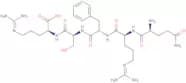
CAS:<p>Opiorphin is a naturally occurring peptide, which is derived from human bodily secretions, particularly from saliva. It acts as an endogenous inhibitor of enkephalin-degrading enzymes, thus enhancing the activity of endogenous opioid peptides by preventing their breakdown. This stabilization of enkephalins contributes to the body's natural pain regulation processes.</p>Fórmula:C29H48N12O8Pureza:Min. 95%Cor e Forma:PowderPeso molecular:692.77 g/mol4-Bromo-7-methylisatin
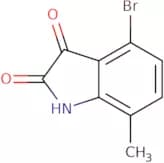
CAS:<p>4-Bromo-7-methylisatin is a chemical compound that is used as a reagent, reaction component, and building block in organic chemistry. 4-Bromo-7-methylisatin is an important intermediate for the synthesis of other compounds and has been shown to have versatile applications in the synthesis of complex compounds. It has also been used as a speciality chemical in research applications and as a fine chemical.</p>Fórmula:C9H6BrNO2Pureza:Min. 95%Cor e Forma:PowderPeso molecular:240.05 g/mol4-[[4-(4-Chlorophenyl)-2-thiazolyl]amino]phenol
CAS:<p>4-[[4-(4-Chlorophenyl)-2-thiazolyl]amino]phenol is a chemical that has been used in analytical and in vitro methods to study the cellular physiology of cells. It was found to inhibit sphingosine kinase, which is an enzyme that is involved in the synthesis of sphingosine. The inhibition of this enzyme leads to decreased levels of sphingosine and the effect on the cell. 4-[[4-(4-Chlorophenyl)-2-thiazolyl]amino]phenol can also affect mitochondrial membrane potential and cyclase activity, which may be useful for treating hyperproliferative diseases such as breast cancer.</p>Fórmula:C15H11ClN2OSPureza:Min. 95%Peso molecular:302.78 g/mol2-(3-Chlorophenyl)thiazole-4-carbaldehyde
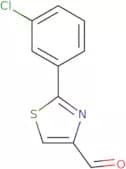
CAS:<p>Please enquire for more information about 2-(3-Chlorophenyl)thiazole-4-carbaldehyde including the price, delivery time and more detailed product information at the technical inquiry form on this page</p>Fórmula:C10H6ClNOSPureza:Min. 95%Cor e Forma:PowderPeso molecular:223.68 g/mol2-Chloro-4-hydroxybenzaldehyde
CAS:<p>2-Chloro-4-hydroxybenzaldehyde is a potent competitive inhibitor of serine proteases, including thrombin. It also has an anticoagulant effect and can be used as an anti-cancer agent. 2-Chloro-4-hydroxybenzaldehyde has been shown to have a strong affinity for the progesterone receptor, which is a protein that regulates the activity of progesterone in cells. 2-Chloro-4-hydroxybenzaldehyde also binds to the formyl group of phenols and quinones, which leads to its use as an antioxidant in various applications. This compound is found in environmental pollution, where it can chelate metal ions such as chloride and lead.</p>Fórmula:C7H5ClO2Pureza:Min. 95%Cor e Forma:PowderPeso molecular:156.57 g/molCefotiam dihydrochloride
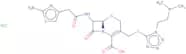
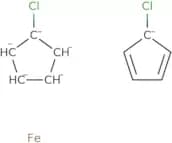
CAS:<p>Cefotiam dihydrochloride is a semisynthetic antibiotic that belongs to the class of cephalosporin antibiotics. It inhibits bacterial growth by binding to penicillin-binding proteins and blocking cell wall synthesis. Cefotiam has been shown to be effective against Gram-positive bacteria, such as Streptococcus pneumoniae, Staphylococcus aureus, and Clostridium perfringens. This drug is used in the treatment of infectious diseases caused by Gram-positive bacteria, including meningitis, endocarditis, osteomyelitis, and peritonitis. The intravenous injection of cefotiam has been shown to be safe and well tolerated in adults with septicemia or bacteremia. Cefotiam is excreted unchanged in the urine.</p>Fórmula:C18H25Cl2N9O4S3Pureza:Min. 95%Cor e Forma:White PowderPeso molecular:598.55 g/mol1,1'-Dichloroferrocene
CAS:<p>1,1'-Dichloroferrocene is a molecule that belongs to the group of benzenes and has a gaseous form. It has potential energy and is an optical active compound. 1,1'-Dichloroferrin can be found in synchrotron radiation and it's optical absorption is dipole. The ligand for 1,1'-dichloroferrocene is ferrocene. This molecule transfers energy through radiation and optical excitation. The parameters for bromoferrocene are similar to those of 1,1'-dichloroferrin except that it does not have the same steric properties.</p>Fórmula:C10H8Cl2FePureza:Min. 95%Cor e Forma:Off-White To Dark Yellow SolidPeso molecular:254.92 g/molN-Ethyl-N-nitroso-1-[3-(trifluoromethyl)phenyl]-2-propanamine
CAS:<p>Usnic acid is a dietary supplement that has been shown to have beneficial effects on the liver, including hepatoprotective and anti-inflammatory properties. Usnic acid prevents mitochondrial membrane potential from decreasing, leading to an increase in adenine nucleotide content and improved mitochondrial function. Usnic acid also reverses the inhibition of monoamine neurotransmitters caused by chemical ionization and pharmacologic agents such as acetaminophen. Usnic acid also has been shown to be effective against hepatitis A virus (HAV) infection in CD-1 mice.</p>Fórmula:C12H15F3N2OPureza:Min. 95%Cor e Forma:Clear LiquidPeso molecular:260.26 g/mol4-[3-(Trifluoromethyl)-3H-diazirin-3-yl]benzenemethanamine hydrochloride
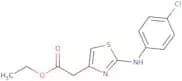
CAS:<p>Please enquire for more information about 4-[3-(Trifluoromethyl)-3H-diazirin-3-yl]benzenemethanamine hydrochloride including the price, delivery time and more detailed product information at the technical inquiry form on this page</p>Fórmula:C9H9ClF3N3Pureza:Min. 95%Cor e Forma:White PowderPeso molecular:251.64 g/molethyl 2-(4-(4-chlorophenylamino)-3,5-thiazolyl)acetate
CAS:<p>Please enquire for more information about ethyl 2-(4-(4-chlorophenylamino)-3,5-thiazolyl)acetate including the price, delivery time and more detailed product information at the technical inquiry form on this page</p>Pureza:Min. 95%S-Propionylthiocholine chloride
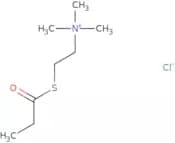
CAS:<p>S-Propionylthiocholine chloride is a pesticide that belongs to the group of organophosphate pesticides. It is used to control pests on fruit, vegetables, and ornamental crops. S-Propionylthiocholine chloride can be detected in the environment for up to 14 days after application. It can be detected in fruits and vegetables for up to 2 weeks after application. This compound has been shown to have a high sensitivity for detecting organophosphate pesticides residues and residuals in the environment.</p>Fórmula:C8H18ClNOSPureza:Min. 95%Cor e Forma:PowderPeso molecular:211.75 g/mol2-Bromo-5-methoxybenzaldehyde
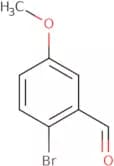
CAS:<p>2-Bromo-5-methoxybenzaldehyde is an organic compound that is used as a synthetic intermediate. It has been shown to be a substrate for the acid transporter SLC26A2, which transports it into cells. This compound has also been found in low levels in human tissues and fluids, where it may play a role in the development of cancer. 2-Bromo-5-methoxybenzaldehyde has been shown to inhibit the growth of cancer cells by uv absorption and terminal alkynes. The anticancer activity of this compound is due to its ability to react with functional groups such as benzyl groups and other alkyl groups.</p>Fórmula:C8H7BrO2Pureza:Min. 95%Cor e Forma:PowderPeso molecular:215.04 g/mol9-Methyl-2,3,7-trihydroxy-6-fluorone
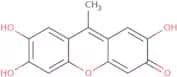
CAS:<p>9-Methyl-2,3,7-trihydroxy-6-fluorone (9MHF) is a natural compound found in honeybee propolis. It has been shown to have anticancer activity against a range of tumour types. 9MHF inhibits the replication of DNA by binding to single-stranded regions in the DNA molecule and preventing the formation of double helices. The optimum concentration for 9MHF is 0.1 μM. At this concentration, it was found that 9MHF had chemoresistance properties and could inhibit replication in staphylococcus cells at concentrations as low as 1 μM. This compound also has antioxidant properties, with redox potentials of -0.09 V and -0.06 V for its oxidized and reduced forms respectively.BR>BR><br>9MHF is an inhibitor that binds to basic dyes such as methylene blue or gentian violet and prevents them from binding to the bacterial cell</p>Fórmula:C14H10O5Pureza:Min. 95%Cor e Forma:Yellow PowderPeso molecular:258.23 g/molN-[(S)-(2,3,4,5,6-Pentafluorophenoxy)phenoxyphosphinyl]-L-alanine 1-methylethyl ester
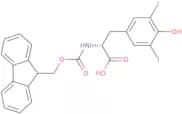
CAS:<p>Intermediate in the synthesis of sofosbubir</p>Fórmula:C18H17F5NO5PPureza:Min. 97 Area-%Cor e Forma:White PowderPeso molecular:453.3 g/molFmoc-3,5-diiodo-D-tyrosine
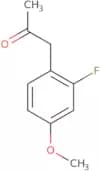
CAS:<p>Please enquire for more information about Fmoc-3,5-diiodo-D-tyrosine including the price, delivery time and more detailed product information at the technical inquiry form on this page</p>Fórmula:C24H19I2NO5Pureza:Min. 95%Cor e Forma:PowderPeso molecular:655.22 g/mol2-Fluoro-4-methoxyphenylacetone
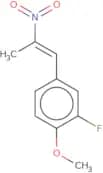
CAS:<p>2-Fluoro-4-methoxyphenylacetone is a high quality chemical that can be used as a reagent, complex compound, and useful intermediate. It is also a fine chemical and speciality chemical with CAS No. 16817-46-2. This product can be used as a reaction component for diverse synthetic reactions in research and development of various types of pharmaceuticals and fine chemicals. It is also versatile building block for the synthesis of valuable products.</p>Fórmula:C10H11FO2Pureza:Min. 95%Peso molecular:182.19 g/mol3'-Fluoro-4'-methoxy-β-methyl-β-nitrostyrene
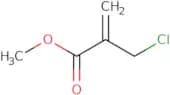
CAS:<p>3'-Fluoro-4'-methoxy-beta-methyl-beta-nitrostyrene is a reactive building block that can be used in the synthesis of many different compounds. It is a fine chemical and a reagent which is useful in organic chemistry. 3'-Fluoro-4'-methoxy-beta-methyl-beta-nitrostyrene is used as a reaction component for the synthesis of many different compounds, including pharmaceuticals, agrochemicals, and other specialty chemicals. It has CAS number 1023717-11-4 and can be used as an intermediate compound or building block for the production of complex compounds.</p>Fórmula:C10H10FNO3Pureza:Min. 95%Cor e Forma:PowderPeso molecular:211.19 g/molMethyl 2-(chloromethyl)acrylate
CAS:<p>Methyl 2-(chloromethyl)acrylate is a monomer for polymerization. It is a low molecular weight compound with an average molecular weight of 120. Methyl 2-(chloromethyl)acrylate is produced by the oxidation of methoxyethane, which is then chlorinated to produce methyl 2-(chloromethyl)acrylate. The main use of this monomer is as a co-monomer in the production of poly(methyl methacrylate), which is also known as plexiglass or acrylic glass.</p>Fórmula:C5H7ClO2Pureza:Min. 94.5 Area-%Cor e Forma:Colorless Clear LiquidPeso molecular:134.56 g/mol




![2-Hydroxy-4-[3-(trifluoromethyl)-3H-diazirin-3-yl]benzoic Acid, Methyl Ester](/_next/image/?url=https%3A%2Fstatic.cymitquimica.com%2Fproducts%2FTR%2Fthumb-webp%2FH971525.webp&w=3840&q=75)
![(6α,11β,16α,17α)-6,9-Difluoro-11-hydroxy-16-methyl-spiro[androsta-1,4-diene-17,5'-[1,3]oxathiolane…](/_next/image/?url=https%3A%2Fstatic.cymitquimica.com%2Fproducts%2F3D%2Fthumb-webp%2FFD103607.webp&w=3840&q=75)



![[5-(4-Amino-2-bromophenyl)-2-furyl]methanol](/_next/image/?url=https%3A%2Fstatic.cymitquimica.com%2Fproducts%2F3D%2Fthumb-webp%2FFA134218.webp&w=3840&q=75)


![4-[[4-(4-Chlorophenyl)-2-thiazolyl]amino]phenol](/_next/image/?url=https%3A%2Fstatic.cymitquimica.com%2Fproducts%2F3D%2Fthumb-webp%2FFC137468.webp&w=3840&q=75)

![N-Ethyl-N-nitroso-1-[3-(trifluoromethyl)phenyl]-2-propanamine](/_next/image/?url=https%3A%2Fstatic.cymitquimica.com%2Fproducts%2F3D%2Fthumb-webp%2FFE96581.webp&w=3840&q=75)
![4-[3-(Trifluoromethyl)-3H-diazirin-3-yl]benzenemethanamine hydrochloride](/_next/image/?url=https%3A%2Fstatic.cymitquimica.com%2Fproducts%2F3D%2Fthumb-webp%2FFT99415.webp&w=3840&q=75)
![N-[(S)-(2,3,4,5,6-Pentafluorophenoxy)phenoxyphosphinyl]-L-alanine 1-methylethyl ester](/_next/image/?url=https%3A%2Fstatic.cymitquimica.com%2Fproducts%2F3D%2Fthumb-webp%2FFP59695.webp&w=3840&q=75)