Haletos orgânicos
Nesta categoria, você encontrará moléculas orgânicas contendo um ou mais átomos de halogênio em sua estrutura. Estes haletos orgânicos incluem compostos bromados, iodados, clorados e haletos cíclicos. Os haletos orgânicos são amplamente utilizados em síntese orgânica, farmacêutica, agroquímica e ciência dos materiais devido à sua reatividade e capacidade de sofrer uma variedade de transformações químicas. Na CymitQuimica, oferecemos uma seleção abrangente de haletos orgânicos de alta qualidade para apoiar suas aplicações de pesquisa e industriais, garantindo desempenho confiável e eficaz em seus projetos sintéticos e analíticos.
Subcategorias de "Haletos orgânicos"
Foram encontrados 20437 produtos de "Haletos orgânicos"
Ordenar por
Pureza (%)
0
100
|
0
|
50
|
90
|
95
|
100
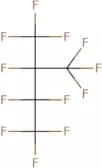
Perfluoro-2-Methylbutane
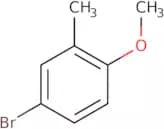
CAS:Produto Controlado<p>Perfluoro-2-methylbutane is a pharmaceutical dosage form of a perfluorinated liquid. It is used in clinical practice for the treatment of chronic obstructive pulmonary disease (COPD), asthma, or other respiratory disorders. This drug is also used as an inhalation agent in the treatment of adults with acute bronchitis, emphysema, or other airway obstruction. Perfluoro-2-methylbutane has shown resistance to bacteria that are resistant to natural and synthetic polymers. The diameter of Perfluoro-2-methylbutane particles is between 2 and 10 micrometers and it has a viscosity of about 5 centipoise. It has been shown that the reaction time for this drug can be reduced by adding hexamer, which acts as a surfactant for the gas phase. The active substances in Perfluoro-2-methylbutane are unsaturated ketones such as 3-pentanone, 3-hex</p>Fórmula:C5F12Pureza:Min. 95%Peso molecular:288.03 g/mol5-Bromo-2-methoxytoluene
CAS:<p>5-Bromo-2-methoxytoluene is a bromoarene that reacts to form aziridines and phosphotungstic acid. It is used in the synthesis of polyaromatic compounds with steric interactions. 5-Bromo-2-methoxytoluene is also a functional group that can be used as an allosteric modulator. This compound also has stereoisomers that are chiral, meaning they have different structures despite being mirror images of each other. The carbonyl group on the 5-bromo compound is polar, which means it has a charge. The hydrogen bonds between this compound and other molecules are nonpolar, which means they do not have a charge and are more likely to form in a nonpolar solvent.</p>Fórmula:C8H9BrOPureza:Min. 95%Cor e Forma:PowderPeso molecular:201.06 g/molEthyl 2-bromoisovalerate
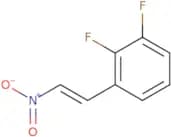
CAS:<p>Ethyl 2-bromoisovalerate is a chemical compound that is used as a vector for DNA. It has been proposed to be used as a means of introducing genes into bacteria, since it can be easily hydrolyzed by lipases. Ethyl 2-bromoisovalerate has been shown to provide efficient transformation rates in E. coli and other Gram-negative bacteria. This chemical compound also has the ability to form racemic mixtures with acrylic acid and thus can be used for the synthesis of optically pure products. The recombinant DNA sequences are synthesized from the desired amino acid sequence using this vector, which is then transformed into cells capable of expressing the protein product.</p>Fórmula:C7H13BrO2Pureza:Min. 95%Cor e Forma:Clear LiquidPeso molecular:209.08 g/mol1-(2',3'-Difluorophenyl)-2-nitroethene
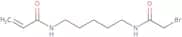
CAS:<p>1-(2',3'-Difluorophenyl)-2-nitroethene (1,2-DFNE) is a speciality chemical that is used as an intermediate for the synthesis of a wide variety of organic compounds. It has been found to be a useful scaffold for the synthesis of complex compounds and can also be used as a building block for the synthesis of fine chemicals, research chemicals, and versatile building blocks. 1,2-DFNE is soluble in many organic solvents and can be handled without special precautions. This reagent is a high quality compound with purity greater than 99%.</p>Fórmula:C8H5F2NO2Pureza:Min. 95%Cor e Forma:PowderPeso molecular:185.13 g/molN-(5-Bromoacetamidylpentyl) acrylamide
CAS:<p>N-(5-Bromoacetamidylpentyl) acrylamide is employed in the synthesis of substrates used for nucleotide sequence determination, covalently linked to polymer coatings such as poly(N-(5-azidoacetamidylpentyl)acrylamide-co-acrylamide) (PAZAM). Polynucleotide-binding substrates find application as molecular arrays and flow cells.</p>Fórmula:C10H17BrN2O2Pureza:Min. 95%Cor e Forma:PowderPeso molecular:277.16 g/molTertiapin-Q trifluoroacetate salt
CAS:<p>A peptide found in honey bee venom; Potassium channel inhibitor</p>Fórmula:C106H175N35O24S4Pureza:Min. 95%Peso molecular:2,452.01 g/mol4-Chloro-3-nitro-5-sulfamoylbenzoic acid
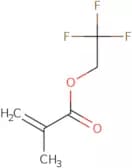
CAS:<p>4-Chloro-3-nitro-5-sulfamoylbenzoic acid is a chemical compound that belongs to the group of speciality chemicals. It is a versatile building block for the synthesis of complex compounds. 4-Chloro-3-nitro-5-sulfamoylbenzoic acid has high quality and can be used as reagents in research or as a building block for the synthesis of new molecules.</p>Fórmula:C7H5ClN2O6SPureza:Min. 95%Cor e Forma:PowderPeso molecular:280.64 g/mol2,2,2-Trifluoroethyl methacrylate
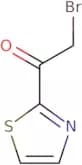
CAS:<p>2,2,2-Trifluoroethyl methacrylate is a monomer that belongs to the class of allyl carbonates. The reaction solution contains copper complex and allyl carbonate. 2,2,2-Trifluoroethyl methacrylate polymerizes when heated in the presence of a radical initiator. Copolymerization of 2,2,2-trifluoroethyl methacrylate with other vinyl compounds produces a copolymer with a variety of properties. This monomer can be polymerized by free radical initiation to produce poly(methyl methacrylate) or it can be copolymerized with other vinyl compounds to produce new materials with different properties. The hydroxyl group in the molecule provides optical activity and increases the kinetic data for each reaction. Copolymers are known to have better chemical stability than homopolymers and are often used as particle stabilizers in paint formulations.</p>Fórmula:C6H7F3O2Pureza:Min. 99 Area-%Cor e Forma:Colorless Clear LiquidPeso molecular:168.11 g/mol1-Bromo-(1,3-thiazole-2-yl)ethane-2-one
CAS:<p>Please enquire for more information about 1-Bromo-(1,3-thiazole-2-yl)ethane-2-one including the price, delivery time and more detailed product information at the technical inquiry form on this page</p>Fórmula:C5H4BrNOSPureza:Min. 95%Peso molecular:206.06 g/mol1,2,2,2-Tetrafluoroethane
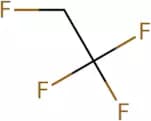
CAS:Produto Controlado<p>1,2,2,2-Tetrafluoroethane (R-134a) is a heat transfer agent that is used in refrigeration systems. It has been shown to be an experimental model system for studying the effects of hydrogen fluoride and water vapor on p450 activity. R-134a has been found to have no long-term toxicity or genotoxic activity in animal studies and has a high thermal expansion coefficient. The compound also has low toxicity when inhaled and can be used as a refrigerant.</p>Fórmula:C2H2F4Pureza:Min. 95%Peso molecular:102.03 g/mol4-Fluoro-3-methoxybenzoic acid
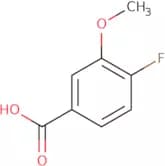
CAS:<p>4-Fluoro-3-methoxybenzoic acid is a chiral, organic compound. It is an estrogen antagonist that binds to the estrogen receptor. 4-Fluoro-3-methoxybenzoic acid has been shown to inhibit tumor growth by blocking the interaction of estradiol with its receptor in the cancer cell line MCF-7. The metabolically active form of this compound is 4′-hydroxymethyl 4′,4″-difluorobenzoate and it can be converted into other metabolites such as 3′,4′,5′,6′-tetrahydroxybenzoic acid. This conversion may be mediated by cytochrome P450 enzymes or through hydrolysis by esterases or glucuronidases. The stereoisomers of 4-fluoro-3 methoxybenzoic acid are erythro and threo forms which have different affinities for</p>Fórmula:C8H7FO3Pureza:Min. 95%Cor e Forma:PowderPeso molecular:170.14 g/molMetoclopramide hydrochloride hydrate
CAS:<p>Dopamine (D2) receptor antagonist; 5-HT4 serotonin receptor agonist</p>Fórmula:C14H22ClN3O2·HCl·H2OCor e Forma:White Off-White PowderPeso molecular:354.27 g/mol2-Amino-5-chlorobenzenesulfonamide
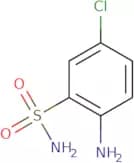
CAS:<p>2-Amino-5-chlorobenzenesulfonamide is a synthetic chemical that is used in the manufacture of amides and diazoxide. It is also found naturally in humans as a metabolite of the amino acid histidine. 2-Amino-5-chlorobenzenesulfonamide has been shown to be a potent receptor for the modulation of acetylcholine release by binding to muscarinic receptors, including M1 and M2 subtypes, and inhibiting the enzyme hydrolysis of acetylcholine. This chemical has been shown to be chemically stable at pH 5 or higher, and it has been found to be resistant to hydrolysis by enzymes such as esterases, glucuronidases, glutathione reductase, and cytochrome P450. 2-Amino-5-chlorobenzenesulfonamide is also an enantiomer that can bind to collagen in the human</p>Fórmula:C6H7ClN2O2SPureza:Min. 95%Cor e Forma:PowderPeso molecular:206.65 g/mol2-(((4-Bromo-2,5-dimethoxyphenyl)amino)methylene)-5,5-dimethylcyclohexane-1,3-dione
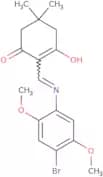
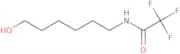
CAS:<p>Please enquire for more information about 2-(((4-Bromo-2,5-dimethoxyphenyl)amino)methylene)-5,5-dimethylcyclohexane-1,3-dione including the price, delivery time and more detailed product information at the technical inquiry form on this page</p>Fórmula:C17H20BrNO4Pureza:Min. 95%Peso molecular:382.25 g/molN-(6-Hydroxyhexyl)trifluoroacetamide
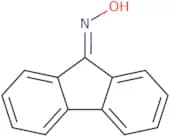
CAS:<p>6-(Trifluoroacetylamino)-1-Hexanol is a magnetic compound that has been shown to bind to liposomes and hydrophobic membranes. It is also amphipathic, meaning it contains both hydrophilic and hydrophobic properties. This compound can be used for the diagnosis of certain diseases, such as cancer, by detecting gadolinium ions in the body. 6-(Trifluoroacetylamino)-1-Hexanol is also an imidazolide ligand that binds to ribonucleotides and nucleic acid matrix proteins. This allows it to be used as a contrast agent in magnetic resonance imaging (MRI).</p>Fórmula:C8H14F3NO2Pureza:Min. 95%Cor e Forma:PowderPeso molecular:213.2 g/mol9-Fluorenone oxime
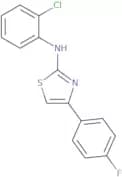
CAS:<p>9-Fluorenone oxime is a pharmacological agent that has been shown to inhibit the activity of proteases. It has been shown to be effective in the treatment of hepatitis caused by radiation and amines, such as fluorenone. 9-Fluorenone oxime binds to the hydroxyl group of the active site on the protease enzyme and forms a covalent bond with it. This prevents hydrolysis of substrate proteins and thus blocks protein synthesis. 9-Fluorenone oxime also has chelate ligand properties, which allow it to bind to metal ions, such as phosphotungstic acid or fluorescence probes, and form complexes. The thermal expansion property of 9-fluorenones can be used for thermometry in biochemistry research.</p>Fórmula:C13H9NOPureza:90%Cor e Forma:PowderPeso molecular:195.22 g/mol(2-chlorophenyl)(4-(4-fluorophenyl)(2,5-thiazolyl))amine
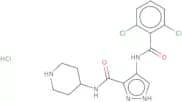
CAS:<p>Please enquire for more information about (2-chlorophenyl)(4-(4-fluorophenyl)(2,5-thiazolyl))amine including the price, delivery time and more detailed product information at the technical inquiry form on this page</p>Pureza:Min. 95%4-(2,6-Dichlorobenzamido)-N-(piperidin-4-yl)-1H-pyrazole-3-carboxamide HCl
CAS:<p>4-(2,6-Dichlorobenzamido)-N-(piperidin-4-yl)-1H-pyrazole-3-carboxamide HCl (PD1693) is a small molecule that has been shown to selectively inhibit the transcriptional coactivator HIF-1α. PD1693 inhibits the hypoxic response in tumor cells by preventing the upregulation of HIF-1α. This leads to an increase in hypoxia-inducible genes, which are involved in the regulation of cell proliferation, angiogenesis and apoptosis. PD1693 also affects the expression of genes involved in metabolism and energy production. The subpopulation algorithm was used to identify differentially expressed transcripts in glioma cells following exposure to PD1693. The data from this algorithm were validated using qRT-PCR and Western blotting on human glioma cells.</p>Fórmula:C16H17Cl2N5O2·HClPureza:Min. 95%Cor e Forma:PowderPeso molecular:418.7 g/mol3-(4-chlorophenyl)spiro[1,3-thiazolidine-2,3'-indoline]-4,7-dione
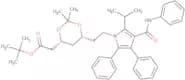
CAS:<p>Please enquire for more information about 3-(4-chlorophenyl)spiro[1,3-thiazolidine-2,3'-indoline]-4,7-dione including the price, delivery time and more detailed product information at the technical inquiry form on this page</p>Fórmula:C16H11ClN2O2SPureza:Min. 95%Cor e Forma:PowderPeso molecular:330.79 g/molDefluoro atorvastatin acetonide tert-butyl ester
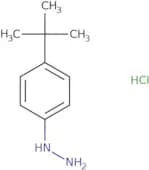
CAS:<p>Please enquire for more information about Defluoro atorvastatin acetonide tert-butyl ester including the price, delivery time and more detailed product information at the technical inquiry form on this page</p>Fórmula:C40H48N2O5Pureza:Min. 95%Cor e Forma:PowderPeso molecular:636.82 g/mol(4-(tert-Butyl)phenyl)hydrazine hydrochloride
CAS:<p>4-(tert-Butyl)phenylhydrazine hydrochloride (BPHH) is a chemical compound that has been used as a synthetic precursor to indole. It has been shown to be synthesized from cycloheptanone and sulfuric acid, with the addition of hydrazine hydrochloride and sodium acetate. BPHH can also be synthesized from 4-nitrobenzaldehyde and hydrazine sulfate, which is then reacted with ethanolamine.</p>Fórmula:C10H16N2•HClPureza:Min. 95%Cor e Forma:Light brown powder.Peso molecular:200.71 g/mol4-[(Methylsulfonyl)methyl]piperidine hydrochloride
CAS:<p>Please enquire for more information about 4-[(Methylsulfonyl)methyl]piperidine hydrochloride including the price, delivery time and more detailed product information at the technical inquiry form on this page</p>Fórmula:C7H15NO2S•HClPureza:Min. 95%Cor e Forma:PowderPeso molecular:213.73 g/mol1-{[1-(2-Chloropyridin-3-yl)-1H-pyrrol-2-yl]carbonyl}-4-(4-fluorophenyl)piperazine
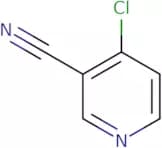
CAS:Produto Controlado<p>Please enquire for more information about 1-{[1-(2-Chloropyridin-3-yl)-1H-pyrrol-2-yl]carbonyl}-4-(4-fluorophenyl)piperazine including the price, delivery time and more detailed product information at the technical inquiry form on this page</p>Fórmula:C20H18ClFN4OPureza:Min. 95%Peso molecular:384.83 g/mol4-Chloronicotinonitrile
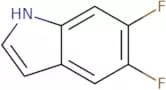
CAS:<p>4-Chloronicotinonitrile is a 4-cyanopyridine compound that is used in the palladium-catalyzed cross-coupling reaction to produce aryl chlorides. The reaction mechanism involves the formation of an organopalladium species through a palladium-catalyzed cross-coupling reaction and subsequent nucleophilic attack by an electrophile, resulting in the formation of an intermediate organopalladium species. The chlorine atom on 4-chloronicotinonitrile can be substituted with other reactive groups such as bromine, iodine, or sulfur. This substitution can lead to isomerization of the product and may affect yields. 4-Chloronicotinonitrile has been shown to cause severe skin burns when exposed to radiation.</p>Fórmula:C6H3ClN2Pureza:Min. 95%Cor e Forma:PowderPeso molecular:138.55 g/mol5,6-Difluoroindole
CAS:<p>5,6-Difluoroindole is a chemical compound that has been studied in biological and chemical research. It is an analog of the neurotransmitter serotonin, which binds to the 5-HT2C receptor and activates phospholipase C (PLC) to produce inositol triphosphate (IP3). This compound may be useful for the treatment of neurodegenerative diseases such as Alzheimer's disease. 5,6-Difluoroindole has been shown to block the activity of acetylcholinesterase (AChE), which is an enzyme that breaks down acetylcholine. This leads to an increase in acetylcholine levels and a decrease in AChE activity. The reaction mechanism for this process is not known.</p>Fórmula:C8H5NF2Cor e Forma:PowderPeso molecular:153.13 g/molTrichlorosan
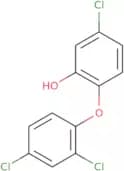
CAS:<p>Trichlorosan is a biocide that is used as a disinfectant and preservative, and has also been shown to have antibacterial properties. It is often used in industrial settings to inhibit the growth of bacteria in process water, cooling towers, and wastewater treatment systems. Trichlorosan has been shown to be genotoxic in rats at high doses. This chemical can be found in personal care products such as soaps, toothpaste, mouthwash, deodorants, or body lotion. It can also be found in some household items such as kitchenware, clothes and bedding. Triclosan is one of the active ingredients in trichlorosan that prevents bacterial growth by binding to the enzyme that catalyzes the conversion of glycerol to fatty acids and lysing cells through cell membrane disruption. The enzyme activity index for triclosan was determined by measuring the amount of time it takes for a solution containing benzalkonium chloride (B</p>Fórmula:C12H7Cl3O2Pureza:Min. 95%Cor e Forma:White PowderPeso molecular:289.54 g/mol4-Chlorophenol
CAS:<p>4-Chlorophenol is a chemical compound that is found as a byproduct in the manufacturing process of phenol and acetone. It has been found to be stable in the presence of nitrogen atoms, which are present in wastewater treatment plants. The optimum concentration for 4-chlorophenol is 0.2 ppm, but it can be reduced to 0.1 ppm with the addition of malonic acid or surfactant sodium dodecyl sulfate. The reaction mechanism for 4-chlorophenol is an oxidation-reduction reaction with oxygen nucleophiles as electron acceptors and surface methodology through electrochemical impedance spectroscopy.</p>Fórmula:C6H5ClOPureza:Min. 98%Cor e Forma:Clear LiquidPeso molecular:128.56 g/molPhosphocholine chloride sodium salt hydrate
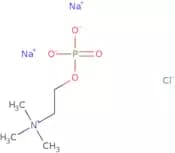
CAS:<p>Phosphocholine chloride sodium salt hydrate is an organic compound that is used as a cross-linking agent in the production of polymers. It is also used as a reactant in ring-opening reactions and as an intermediate in the synthesis of pyridinium salts. This product has been shown to be metabolized by human serum to form fatty acids, which may play a role in metabolic disorders such as obesity and diabetes. The reagent can also be used for the chromatographic determination of cholesterol and other lipids.</p>Fórmula:C5H13ClNNa2O4P·xH2OPureza:Min. 95%Cor e Forma:White PowderPeso molecular:263.58 g/molMethyl 2-chlorobenzoate
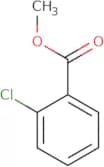
CAS:<p>Methyl 2-chlorobenzoate is a synthetic pesticide that is used as an insecticide. It has been shown to have strong neurotoxic effects on insects and mammals, which are due to its ability to bind with the amine group in the central nervous system. Methyl 2-chlorobenzoate is also used as an organic solvent. It reacts with metal ions such as aluminum, zinc, and iron and forms metal chlorides. This reaction can be observed by using nuclear magnetic resonance spectroscopy. The chemical has been shown to be reactive with aryl chlorides, chloroformate, and methylbenzene. Methyl 2-chlorobenzoate is soluble in water but insoluble in non-polar solvents such as ethers or petroleum ethers. It is stable at room temperature but can react violently if heated or exposed to sunlight. Methyl 2-chlorobenzoate is not toxic to humans at concentrations of up</p>Fórmula:C8H7ClO2Pureza:Min. 95%Cor e Forma:Clear LiquidPeso molecular:170.59 g/mol2-Methyl-2-[3-(trifluoromethyl)phenoxy]propanoic acid
CAS:<p>2-Methyl-2-[3-(trifluoromethyl)phenoxy]propanoic acid is a high quality, reagent, complex compound, useful intermediate, and fine chemical. It can be used as a building block for the synthesis of many other compounds. It is also useful in research to study the mechanism of various reactions. 2-Methyl-2-[3-(trifluoromethyl)phenoxy]propanoic acid is a versatile building block that can be used in many different types of reactions.</p>Fórmula:C11H11F3O3Pureza:Min. 95%Cor e Forma:PowderPeso molecular:248.2 g/mol1-Chloro-1,1,2,3,3,3-Hexafluoropropane
CAS:Produto Controlado<p>1-Chloro-1,1,2,3,3,3-Hexafluoropropane (CFC-114) is a hydrofluorocarbon that is used in refrigeration and air conditioning. It is a colorless liquid with a sweet odor. CFC-114 has been found to be environmentally friendly as it does not deplete the ozone layer and has low global warming potential. The chemical properties of CFC-114 are constant over long periods of time and at different temperatures. This property can be measured using calorimetry and thermodynamics and can be calculated by parameters such as liquid phase and efficiency.</p>Fórmula:C3HClF6Pureza:Min. 95%Peso molecular:186.48 g/mol3-Chlorobenzylamine
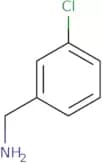
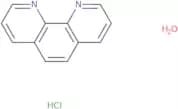
CAS:<p>3-Chlorobenzylamine is a model system for the study of the metabolism of human pathogens. It has been shown to have cytostatic effects in sarcoma cells and pain-relieving properties in animal models. 3-Chlorobenzylamine inhibits the replication of HIV, herpes virus, and adenosine receptor antagonists. This drug has also been found to be an effective anticancer agent. 3-Chlorobenzylamine is structurally similar to other anticancer agents such as methotrexate, mercaptopurine, and pyrimidine analogs.</p>Fórmula:C7H8ClNPureza:Min. 95%Peso molecular:141.6 g/molo-Phenanthroline monohydrochloride monohydrate
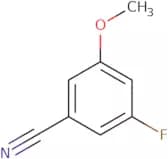
CAS:<p>o-Phenanthroline monohydrochloride monohydrate is a ligand that is used in crystallography to study the crystal structure of metal ions. It has been shown to be an efficient catalyst for the ring-opening of chloroformates, and can also be used as an analytical reagent that is capable of detecting chlorine in organic compounds. The hydrate form of o-phenanthroline monohydrochloride has a molecular formula of C12H14ClN3O4·2H2O and a molecular weight of 392.7 g/mol.</p>Fórmula:C12H8N2·HCl·H2OCor e Forma:PowderPeso molecular:234.68 g/mol3-Fluoro-5-methoxybenzonitrile
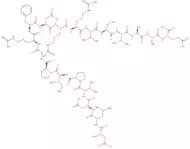
CAS:<p>3-Fluoro-5-methoxybenzonitrile is a useful chemical intermediate that can be used in organic synthesis. It is a versatile building block with a high quality and it is easy to use in the synthesis of complex compounds. 3-Fluoro-5-methoxybenzonitrile has been shown to react as a nucleophile, and it has been used as a reagent for the production of other compounds. This compound also has potential applications in research, such as being an intermediate for the production of pharmaceuticals and agrochemicals. 3-Fluoro-5-methoxybenzonitrile is not classified as hazardous and does not pose any significant risk to human health or the environment.</p>Fórmula:C8H6FNOPureza:Min. 95%Cor e Forma:PowderPeso molecular:151.14 g/molCalcineurin Substrate trifluoroacetate salt H-Asp-Leu-Asp-Val-Pro-Ile-Pro-Gly-Arg-Phe-Asp-Arg-Arg-Val-Ser-Val-Ala-Ala-Glu-OH trifluo roacetate salt
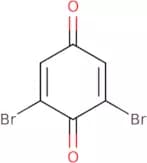
CAS:<p>Please enquire for more information about Calcineurin Substrate trifluoroacetate salt H-Asp-Leu-Asp-Val-Pro-Ile-Pro-Gly-Arg-Phe-Asp-Arg-Arg-Val-Ser-Val-Ala-Ala-Glu-OH trifluo roacetate salt including the price, delivery time and more detailed product information at the technical inquiry form on this page</p>Fórmula:C92H150N28O29Pureza:Min. 95%Peso molecular:2,112.35 g/mol2,6-Dibromo-1,4-benzoquinone
CAS:<p>2,6-Dibromo-1,4-benzoquinone is an organic compound that has been shown to be genotoxic in the bladder. It reacts with hydrochloric acid to form a dibrominated diphenyl ether, which can undergo a number of reactions. 2,6-Dibromo-1,4-benzoquinone produces reactive hydroxyl groups and chemical structures that are carcinogenic. The reaction mechanism is not well understood but it has been shown to inhibit DNA synthesis and cause cancer in laboratory animals. 2,6-Dibromo-1,4-benzoquinone also inhibits RNA synthesis and protein synthesis by forming covalent bonds with amino acids in the ribosome or by reacting with nucleotides in DNA molecules. This leads to cell death as cells are unable to synthesize proteins for growth and repair.</p>Fórmula:C6H2Br2O2Pureza:Min. 95%Cor e Forma:PowderPeso molecular:265.89 g/mol(R)-1-[3,5-Bis(trifluoromethyl)phenyl]ethan-1-ol
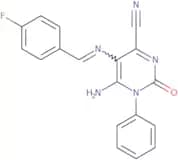
CAS:<p>(R)-1-[3,5-Bis(trifluoromethyl)phenyl]ethan-1-ol is a triazolinone that has been shown to be an efficient contactor for the removal of organic pollutants from water. It is activated by potassium t-butoxide and immobilized on silicone gels. This compound is also active against a broad range of bacteria and fungi.</p>Fórmula:C10H8F6OPureza:Min. 98%Cor e Forma:White PowderPeso molecular:258.16 g/mol5-(1-Aza-2-(4-fluorophenyl)vinyl)-4-imino-2-oxo-3-phenyl-1H-1,3-diazine-6-carbonitrile
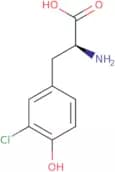
CAS:<p>Please enquire for more information about 5-(1-Aza-2-(4-fluorophenyl)vinyl)-4-imino-2-oxo-3-phenyl-1H-1,3-diazine-6-carbonitrile including the price, delivery time and more detailed product information at the technical inquiry form on this page</p>Fórmula:C18H12FN5OPureza:Min. 95%Cor e Forma:PowderPeso molecular:333.32 g/mol3-Chloro-L-tyrosine
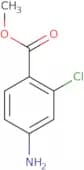
CAS:<p>3-Chloro-L-tyrosine (3CT) is a reactive, nitrogen containing molecule that has been used as a model system to study oxidative injury in the heart. The molecule reacts with the air and oxygen in the environment, producing reactive oxygen species (ROS) that can cause oxidative injury. 3CT has been shown to inhibit ATP binding cassette transporter A1 (ABCA1), which is involved in cholesterol efflux from macrophages. 3CT also promotes the release of eosinophil peroxidase from eosinophils and induces tumor necrosis factor alpha (TNF-α). The analytical method for 3CT includes liquid chromatography-mass spectrometry/mass spectrometry (LC-MS/MS).</p>Fórmula:C9H10NO3ClPureza:Min. 95%Cor e Forma:PowderPeso molecular:215.63 g/mol4-Amino-2-chlorobenzoic acid methyl ester
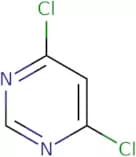
CAS:<p>4-Amino-2-chlorobenzoic acid methyl ester (4ACBME) is a chemical compound that has been used in the treatment of autoimmune diseases. It acts as an immunoreceptor and regulatory molecule by binding to specific receptors on the surface of lymphocytes, which are cells that play a central role in the immune system. 4ACBME also inhibits the production of inflammatory molecules, such as TNF-α, IL-1β, IL-6 and IL-8. The regression of tissue inflammation was observed in animal models after 4ACBME treatment. This compound has been shown to have no genotoxic impurities in vitro studies and its molecular descriptors are consistent with those found for other immunoreceptors.</p>Fórmula:C8H8ClNO2Pureza:Min. 95%Cor e Forma:White PowderPeso molecular:185.61 g/mol4,6-Dichloropyrimidine
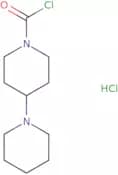
CAS:<p>4,6-Dichloropyrimidine is an intermediate in the production of malonic acid. It is also used as a process optimization agent in the synthesis of hydrochloric acid and water vapor. 4,6-Dichloropyrimidine reacts with hydrogen chloride to form a chlorinating agent that can be used for the chlorination of amines and alcohols. The reaction product is hydrochloric acid and dichloropyrimidine. This intermediate can also be used to synthesize amides through a Suzuki coupling reaction with hydroxyl groups, amines, and n-dimethyl formamide.</p>Fórmula:C4H2Cl2N2Pureza:Min. 95%Cor e Forma:White PowderPeso molecular:148.98 g/mol1,4'-Bipiperidine-1-carboxylic chloride hydrochloride
CAS:1,4'-Bipiperidine-1-carboxylic chloride hydrochloride is a phosphorus pentachloride derivative that is used as a binding agent in the synthesis of cyclic trialkylsilyl compounds. It has been shown to inhibit topoisomerase II and III and may be useful in cancer therapy. 1,4'-Bipiperidine-1-carboxylic chloride hydrochloride binds to the active site of topoisomerase II and inhibits DNA replication, leading to cell death. This compound can also be used as a solvent for acetonitrile and chloroform.Fórmula:C11H19ClN2O·HClPureza:Min. 95%Cor e Forma:PowderPeso molecular:267.19 g/mol(R)-Apomorphine hydrochloride hemihydrate
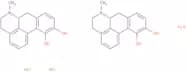
CAS:<p>Apomorphine hydrochloride is the salt form of apomorphine, a morphine derivative D2 dopamine agonist. The high selectivity for D2, D3, D4 and D5 receptors makes apomorphine hydrochloride a possible drug candidate and it is in clinical trials for diagnosis and treatment of Parkinsons disease. Moreover, apomorphine and apomorphine hydrochloride have been investigated in diverse studies for treating movement disorders.</p>Fórmula:C17H17NO2•HCl•(H2O)0Pureza:Min. 95%Cor e Forma:White PowderPeso molecular:312.79 g/molBendamustine hydrochloride
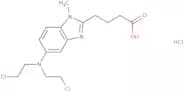
CAS:<p>DNA alkylator; purine analog</p>Fórmula:C16H22Cl3N3O2Pureza:Min. 98 Area-%Cor e Forma:White PowderPeso molecular:394.72 g/mol2,5-Dichloronitrobenzene
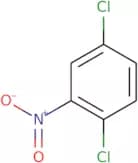
CAS:<p>2,5-Dichloronitrobenzene is a compound that is used to manufacture dyes and pharmaceuticals. It can be synthesized from sodium carbonate, 4-tert-butylbenzoic acid, and sodium hydroxide solution. To produce 2,5-dichloronitrobenzene, the reactants are heated in a reaction vessel with a diphenyl ether as an acid catalyst. The product of this reaction is then dissolved in deionized water or water containing other solvents such as methanol or ethanol. The reaction yield is approximately 95%. The byproducts of this process include 2-chloroacetophenone and hydrogen chloride gas. 2,5-Dichloronitrobenzene reacts with sodium hydroxide solution to form 4-tert-butyl benzoic acid and sodium chloride. This reaction occurs because these compounds have polar functional groups which can form hydrogen bonds with each</p>Fórmula:C6H3Cl2NO2Pureza:Min. 95%Cor e Forma:PowderPeso molecular:192 g/mol2,3,4,6-Tetrachloroanisole
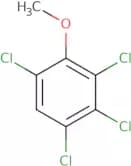
CAS:<p>2,3,4,6-Tetrachloroanisole is a chlorinated aromatic compound that has been used as a chemical intermediate and as an additive to rubber products. It is also used as a precursor to other chemicals. 2,3,4,6-Tetrachloroanisole is found in the environment as contaminants in soil and water and may be present in foodstuffs. This chemical can be detected by gas chromatography with mass spectrometry detection or by liquid chromatography with ultraviolet detection. The matrix effect of samples needs to be considered when using these analytical methods because it can significantly affect the results. Samples need to be prepared carefully before analysis because they are often contaminated with geosmin (a natural organic compound) and carbon tetrachloride (an organic solvent). Solid phase microextraction is a technique for extracting analytes from solid matrices that does not require sample preparation prior to extraction.</p>Fórmula:C7H4Cl4OPureza:Min. 95 Area-%Cor e Forma:White PowderPeso molecular:245.92 g/mol9-Fluoro-10,13,17-Trimethyl-2,3,4,5,6,7,8,11,12,14,15,16-Dodecahydro-1H-Cyclopenta[a]Phenanthrene-3,11,17-Triol
CAS:Produto Controlado<p>9-Fluoro-10,13,17-Trimethyl-2,3,4,5,6,7,8,11,12,14,15,16-Dodecahydro-1H-Cyclopenta[a]Phenanthrene-3,11,17-Triol is a synthetic nucleic acid molecule that can be used for diagnostic purposes. It has been shown to bind to the nucleic acid of human cells. This nucleic acid binds to the antibodies in order to detect and identify different types of RNA sequences. 9F18TMTD has also been shown to target specific sites on the DNA molecule and can be used as a probe for detecting specific sequences of DNA. The synthetic process starts by reacting an aromatic compound with methanol in the presence of a base catalyst to form an intermediate product. The intermediate is then oxidized with nitric acid and hydrogen peroxide in order form the final product.</p>Fórmula:C20H33FO3Pureza:Min. 95%Peso molecular:340.47 g/mol6-Fluoro-1,2,3,4-tetrahydro-2-methylquinoline
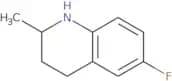
CAS:<p>6-Fluoro-1,2,3,4-tetrahydro-2-methylquinoline is an organocatalytic fluorine compound that has been investigated as a fluoroquinolone antibiotic. It is an enantiopure compound and has been shown to be effective in the treatment of bacterial infections. 6-Fluoro-1,2,3,4-tetrahydro-2-methylquinoline inhibits bacterial growth by binding to DNA gyrase and topoisomerase IV. 6FLMQ is a chiral molecule with two possible configurations (R or S), which can be determined from x-ray crystallography. The S configuration is more potent than the R configuration. 6FLMQ also binds with chloride ions to form a cationic complex that can be used for antibacterial activity against Gram negative bacteria such as Escherichia coli and Pseudomonas aeruginosa.<br>6FLMQ has</p>Fórmula:C10H12FNPureza:Min. 95%Cor e Forma:PowderPeso molecular:165.21 g/mol2-Amino-4-bromocinnamic acid
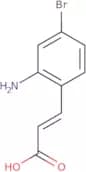
CAS:<p>2-Amino-4-bromocinnamic acid is a fine chemical with a CAS number of 914636-63-8. It is used in the synthesis of complex compounds and useful building blocks, as well as in research. This compound has been shown to be an intermediate for the preparation of derivatives with potential pharmaceutical applications, such as antihistamines, antipsychotics, and antibiotics. 2-Amino-4-bromocinnamic acid is also an important reagent for organic syntheses.</p>Fórmula:C9H8BrNO2Pureza:Min. 98 Area-%Cor e Forma:PowderPeso molecular:242.07 g/mol2-(2-Bromo-4-methoxyphenyl)acetic acid
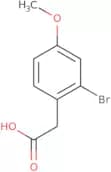
CAS:<p>2-(2-Bromo-4-methoxyphenyl)acetic acid is a versatile building block that is used as a research chemical, reaction component, and reagent. It is also used as a speciality chemical and complex compound. This compound has the CAS number 66916-99-2.</p>Fórmula:C9H9BrO3Cor e Forma:SolidPeso molecular:245.07 g/mol2-[[(Heptadecafluorooctyl)Sulphonyl]Propylamino]Ethyl Methacrylate
CAS:Produto Controlado<p>2-[[(Heptadecafluorooctyl)Sulphonyl]Propylamino]Ethyl Methacrylate is a sulfonate that is used as a crosslinker in various chemical substances. It is also used to connect substances together, such as chemicals. 2-[[(Heptadecafluorooctyl)Sulphonyl]Propylamino]Ethyl Methacrylate has the chemical formula CH2=CFCF2CF(OCH2CH2)SO3H. 2-[[(Heptadecafluorooctyl)Sulphonyl]Propylamino]Ethyl Methacrylate is an oily liquid that is colorless and odorless.</p>Fórmula:C17H16F17NO4SPureza:Min. 95%Peso molecular:653.35 g/molTribromonitromethane
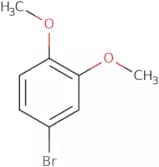
CAS:<p>Tribromonitromethane is a fatty acid that is used in analytical chemistry as a standard for calibrating the linear range of analytical methods. It is also used in specific treatments for cancer, such as treatment of carcinomas. Tribromonitromethane has been shown to have carcinogenic potential and may be harmful to humans when ingested or inhaled. The chemical structure of tribromonitromethane consists of a series of three bromine atoms attached to one carbon atom with two hydroxyl groups at either end. This chemical can be oxidized to form tribromo nitro methane, which is more reactive than tribromonitromethane. Tribromonitromethane has no known biological function and does not occur naturally in the environment. It is also known to be potent inducers of transfer reactions, which are reactions where electrons are transferred from one molecule to another. These reactions are important for the synthesis and degradation of various molecules, including amino</p>Fórmula:CBr3NO2Pureza:Min. 95%Cor e Forma:Clear LiquidPeso molecular:297.73 g/mol4-Bromoveratrole
CAS:<p>4-Bromoveratrole is a triphenylene with a molecular weight of 454.42 g/mol and a melting point of 90°C. It has been shown that this molecule binds to the receptor for acetylcholine, which is found in the central nervous system and on muscles. The binding of 4-bromoveratrole to this receptor leads to the release of chloride ions from the cell, which increases the activity of acetylcholine. The detection sensitivity of 4-bromoveratrole in solution was determined by adding malonic acid or hydrochloric acid, which led to an increase in fluorescence intensity. This molecule also has fatty acid and hydroxyl groups that have been shown to have anti-inflammatory properties.</p>Fórmula:C8H9BrO2Pureza:Min. 95%Cor e Forma:Clear LiquidPeso molecular:217.06 g/molHydroxychloroquine sulfate
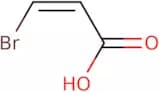
CAS:<p>Hydroxychloroquine is a 4-aminoquinolone that is used to prevent and treat malaria, caused by parasitic protozoan from the Plasmodium genus. Hydroxychloroquine is also used to treat non-infectious diseases such as rheumatoid arthritis and lupus thanks to its immunomodulatory properties. Recent studies revealed that hydroxychloroquine has beneficial effects on COVID-19 patients, as the current evidence shows that hydroxychloroquine inhibits SARS CoV-2 entry in host cells by interfering with endocytosis and affecting the glycoprofile on the spike glycoprotein.</p>Fórmula:C18H26ClN3O•H2SO4Pureza:Min. 95%Cor e Forma:White PowderPeso molecular:433.95 g/mol(Z)-3-Bromoacrylic acid
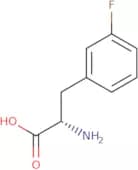
CAS:<p>(Z)-3-Bromoacrylic acid is an organic compound that belongs to the class of terminal alkynes. It has been shown to be a potent irreversible inhibitor of enantiopure propargylation catalyzed by dehalogenases. (Z)-3-Bromoacrylic acid reacts with the active site residues of the enzyme and forms a covalent bond, which prevents the release of acetaldehyde from propargyl alcohol. This reaction is reversible, which may cause some problems in cases where it is necessary to regenerate the enzyme. (Z)-3-Bromoacrylic acid also reacts with phosphite and halides to form five-membered rings, which are not as stable as six-membered rings.</p>Fórmula:C3H3BrO2Pureza:Min. 95%Cor e Forma:SolidPeso molecular:150.96 g/mol3-Fluoro-L-phenylalanine
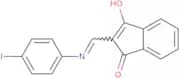
CAS:<p>3-Fluoro-L-phenylalanine is a fluorinated analog of the amino acid phenylalanine. It is an endophytic fungus that has been found in the leaves of wheat and rice plants. 3-Fluoro-L-phenylalanine is synthesized by 4-fluoro-l-phenylalanine, a plant metabolite, through the addition of a fluoride ion. This molecule can be used to produce gels with high glass transition temperatures. The synthesis of 3-fluoro-L-phenylalanine and its derivatives can be studied using NMR spectroscopy because these molecules are acidic and have low energy levels.</p>Fórmula:C9H10FNO2Pureza:Min. 95%Cor e Forma:White/Off-White SolidPeso molecular:183.18 g/mol2-(((4-iodophenyl)amino)methylene)indane-1,3-dione
CAS:<p>Please enquire for more information about 2-(((4-iodophenyl)amino)methylene)indane-1,3-dione including the price, delivery time and more detailed product information at the technical inquiry form on this page</p>Fórmula:C16H10INO2Pureza:Min. 95%Cor e Forma:PowderPeso molecular:375.16 g/mol9-Fluoro-11β,17-Dihydroxy-16α-Methyl-3,20-Dioxopregna-1,4-Dien-21-Yl 2-[2-(2-Ethoxyethoxy)Ethoxy]Acetate
CAS:Produto ControladoMethylprednisolone is a corticosteroid that has been used for the treatment of many conditions, including asthma and arthritis. It is used to reduce inflammation and suppress the immune system. Methylprednisolone can be administered orally or as an injection. It is also used in the diagnosis of tumours, especially those that are difficult to diagnose by other means. Methylprednisolone may be given together with another drug called dexamethasone, which has synergistic effects. These drugs have been shown to cause death in animals with certain types of tumours. In humans, they can cause cutaneous lesions, such as follicle cysts and tnf-α expression in skin cells. This drug also causes a microsporum infection (a type of fungus) on the skin to grow more rapidly when it is applied topically, resulting in a larger diameter section than untreated areas.Fórmula:C30H43FO9Pureza:Min. 95%Peso molecular:566.66 g/molPotassium hexafluoraluminate
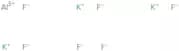
CAS:Potassium hexafluoromalonate is a chemical compound that is used as an intermediate in the production of other chemicals. It has been shown to be a useful building block in organic synthesis and can also be used as a research chemical. Potassium hexafluoromalonate is prepared by reacting fluoroaluminate with potassium hydroxide, producing potassium hexafluoromalonate. This reaction produces hydrogen fluoride gas, which must be removed from the product before use. Potassium hexafluoromalonate is soluble in water and is stable at room temperature for up to one year.Fórmula:K3AlF6Pureza:Min 97%Cor e Forma:Colorless White PowderPeso molecular:258.27 g/mol2-Bromo-5-acetylpyridine
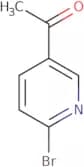
CAS:<p>2-Bromo-5-acetylpyridine is a chemical compound that belongs to the amide class. It has been shown to have an inhibitory effect on amines, which are compounds that are important in the production of urea and other substances. 2-Bromo-5-acetylpyridine can be used as an analog for imatinib, a kinase inhibitor. This compound may also be used as a chloride ion scavenger, which could be useful in the treatment of cancer. 2-Bromo-5-acetylpyridine has been shown to have anticancer activity in molecular modeling studies, but further research needs to be done to see if it is effective against cancer cells.</p>Fórmula:C7H6BrNOPureza:Min. 95%Cor e Forma:PowderPeso molecular:200.03 g/molPerfluoro-N-Methylmorpholine
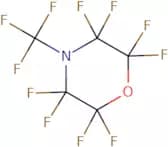
CAS:<p>Perfluoro-N-Methylmorpholine (PMM) is a perfluorinated solvent with high boiling point, which makes it suitable for high temperature and pressure applications. PMM is an acyl halide that can be used as a solvent or in the synthesis of other perfluorinated compounds. The cyclic structure of PMM provides stability and high yields. The oxidation resistance of PMM allows it to be used in harsh environments. Cleavage products from PMM are not toxic, making this compound environmentally friendly. PMM can be used in organic chemistry as a solvent for reactions involving dialkylamino groups, such as the production of cyclic compounds. It can also be used in the synthesis of perfluorinated polymers as well as in the manufacture of coatings, foams, lubricants, and surfactants.</p>Fórmula:C5F11NOPureza:Min. 95%Cor e Forma:Clear LiquidPeso molecular:299.04 g/mol3-Bromo-4-hydroxyphenylacetic acid
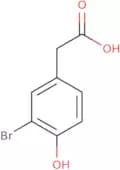
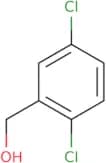
CAS:<p>3-Bromo-4-hydroxyphenylacetic acid is an organic compound that belongs to the class of bromophenols. It can be found in urine samples, and is used as a biomarker for the evaluation of eosinophil peroxidase activity. 3-Bromo-4-hydroxyphenylacetic acid is metabolized through a number of metabolic pathways, including oxidation by hypobromous acid or catalysis by dehalogenase enzymes. This metabolite may also be involved in the pathogenesis of allergic reactions.</p>Fórmula:C8H7BrO3Pureza:Min. 95%Peso molecular:231.04 g/mol2,5-Dichlorobenzyl alcohol
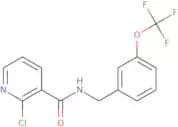
CAS:<p>2,5-Dichlorobenzyl alcohol is a lacteous compound that is used as a herbicide. It inhibits the growth of plants by inhibiting the activity of enzymes that are involved in the biosynthesis of amino acids and fatty acids. 2,5-Dichlorobenzyl alcohol is also used to produce polychlorinated compounds and has significant effects on weed science. 2,5-Dichlorobenzyl alcohol may be used as a linker molecule in chemical reactions. This compound can be catalysed by dioxygenation to produce chlorobenzal or benzaldehyde.</p>Fórmula:C7H6Cl2OPureza:Min. 95%Cor e Forma:PowderPeso molecular:177.03 g/mol(2-chloro(3-pyridyl))-N-((3-(trifluoromethoxy)phenyl)methyl)formamide
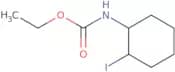
CAS:<p>Please enquire for more information about (2-chloro(3-pyridyl))-N-((3-(trifluoromethoxy)phenyl)methyl)formamide including the price, delivery time and more detailed product information at the technical inquiry form on this page</p>Pureza:Min. 95%(2-Iodocyclohexyl)carbamic acid ethyl ester
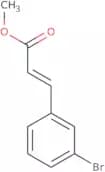
CAS:<p>(2-Iodocyclohexyl)carbamic acid ethyl ester is a fine chemical that can be used as a building block, reagent, or speciality chemical in research. It is soluble in organic solvents and can be used as a reaction component, useful intermediate, or useful scaffold. This compound has been shown to react with various groups including amines, alcohols, phenols and thiols.</p>Fórmula:C9H16INO2Pureza:Min. 95%Cor e Forma:PowderPeso molecular:297.13 g/mol3-Bromocinnamic acid methyl ester
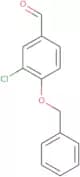
CAS:<p>3-Bromocinnamic acid methyl ester is a chemical compound that belongs to the group of useful scaffolds. It is a versatile building block and can be used as an intermediate in the synthesis of complex compounds. 3-Bromocinnamic acid methyl ester has been found to be a useful research chemical, reaction component, and speciality chemical. This chemical can be used in the production of fine chemicals and other products. 3-Bromocinnamic acid methyl ester is also useful as a reagent for organic reactions.</p>Fórmula:C10H9BrO2Pureza:Min. 95%Cor e Forma:PowderPeso molecular:241.08 g/mol4-Benzyloxy-3-chlorobenzaldehyde
CAS:<p>4-Benzyloxy-3-chlorobenzaldehyde is a chemical intermediate that can be used for the production of a variety of compounds. It is an aromatic compound, with a benzene ring and two oxy groups at each end. The CAS number for 4-benzyloxy-3-chlorobenzaldehyde is 66422-84-2. It is also known as 1,4-dichloroacetophenone. This chemical is useful in the production of speciality chemicals and research chemicals, and it can act as a versatile building block in organic synthesis.</p>Fórmula:C14H11ClO2Pureza:Min. 95%Peso molecular:246.69 g/mol4-Bromophenylhydrazine hydrochloride
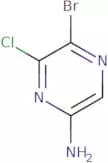
CAS:<p>4-Bromophenylhydrazine hydrochloride is a hydroxylated phenylhydrazine derivative that is used as an inhibitor of the enzyme tyrosinase. It has been shown to have significant antiproliferative activity against various cancer cell lines in vitro. 4-Bromophenylhydrazine hydrochloride has undergone extensive chemical study and its molecular structure has been elucidated by means of computational methods. The compound inhibits human tyrosinase by cleaving the C-C bond between the hydroxyl group and the phenyl ring, inhibiting tyrosinase activity and preventing melanin production. This process is reversible, so it can be used to maintain skin pigmentation at a desired level. 4-Bromophenylhydrazine hydrochloride also inhibits other enzymes that are related to pigment production, such as chymotrypsin and trypsin.</p>Fórmula:C6H7BrN2•HClPureza:Min. 95%Peso molecular:223.5 g/mol5-Bromo-6-chloropyrazin-2-amine
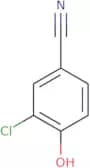
CAS:<p>5-Bromo-6-chloropyrazin-2-amine is a high quality, versatile building block for the synthesis of a variety of chemical compounds. It is also a reagent used in organic chemistry for the conversion of alcohols to alkyl chlorides and bromides. It can be used as an intermediate for the preparation of various complex compounds with potential use as pharmaceuticals or fine chemicals. This compound has been shown to have potential as a useful scaffold for the development of novel drugs which could be used to treat bacterial infections such as tuberculosis. 5-Bromo-6-chloropyrazin-2-amine has also been shown to be an excellent starting material for the synthesis of research chemicals and speciality chemicals.</p>Fórmula:C4H3BrClN3Pureza:Min. 95%Peso molecular:208.44 g/mol3-Chloro-4-hydroxybenzonitrile
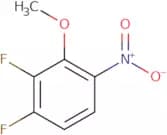
CAS:<p>3-Chloro-4-hydroxybenzonitrile (3CHBZ) is a chemical that contains chlorine and hydroxy groups. It has a basic structure with a proton and two electrons in the outer shell. 3CHBZ is an intermediate in various reactions, including electrochemical studies. 3CHBZ reacts with radiation to form a molecule that can react with other chemicals. This reaction can be used as a method for synthesizing products or destroying unwanted substances. Protonation of 3CHBZ leads to the formation of chloride ions, which are involved in thrombin inhibition.</p>Fórmula:C7H4ClNOPureza:Min. 95%Cor e Forma:PowderPeso molecular:153.57 g/mol2,3-Difluoro-6-nitroanisole
CAS:<p>2,3-Difluoro-6-nitroanisole is a chemical that can be used as a building block for the synthesis of other compounds. It is a versatile intermediate that is useful in the synthesis of a wide variety of compounds. 2,3-Difluoro-6-nitroanisole has been used in research and as a reagent in organic chemistry. The compound has been observed to have high quality and to be stable under most conditions. CAS No. 66684-60-4 is assigned to 2,3-difluoro-6 nitroanisole in the Chemical Abstracts Service registry system.</p>Fórmula:C7H5F2NO3Pureza:Min. 95%Peso molecular:189.12 g/mol3,3-Dibromopiperidin-2-one
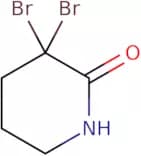
CAS:<p>3,3-Dibromopiperidin-2-one is a synthetic reaction product that is used to synthesize diisobutylaluminum. This compound can be found in the sources methylester chloride, pentachloride, thionyl, phosphorus pentachloride, coniferyl alcohol and ferulic acid. It is also an alkaloid compound that has been reported as a palladium catalyst for coupling reactions. 3,3-Dibromopiperidin-2-one is used to synthesize diisobutylaluminum. This compound can be found in the sources methylester chloride, pentachloride, thionyl, phosphorus pentachloride, coniferyl alcohol and ferulic acid. It is also an alkaloid compound that has been reported as a palladium catalyst for coupling reactions.</p>Fórmula:C5H7Br2NOPureza:Min. 95%Cor e Forma:PowderPeso molecular:256.92 g/mol1-(4,5-dichloroimidazolyl)-2-(hydroxyimino)-3,3-dimethylbutane
CAS:<p>Please enquire for more information about 1-(4,5-dichloroimidazolyl)-2-(hydroxyimino)-3,3-dimethylbutane including the price, delivery time and more detailed product information at the technical inquiry form on this page</p>Pureza:Min. 95%2',7'-Bis(2-carboxyethyl)-5(6)-carboxyfluorescein
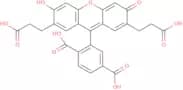
CAS:<p>2',7'-Bis(2-carboxyethyl)-5(6)-carboxyfluorescein (BCECF) is a fluorescent probe that is used to measure the intracellular concentration of Ca2+. BCECF binds to Ca2+ and transfers its energy to a fluorophore. This process results in an increase in fluorescence intensity proportional to the amount of Ca2+ present. The BCECF dye can be used for detecting mitochondrial membrane potential, as well as monitoring changes in cellular metabolism. It has been shown to be effective in mesenchymal cells, blood sampling, and internalization assays.</p>Fórmula:C27H20O11Pureza:Min. 90 Area-%Cor e Forma:PowderPeso molecular:520.44 g/mol8-Chloroguanine
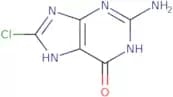
CAS:<p>8-Chloroguanine is a carcinogen that has been shown to cause cancer in laboratory animals. It is a reactive compound with a hydroxyl group and a hydrogen bond that can react with DNA, leading to the formation of 8-chloroadenine (8-CAD) and 8-chloroguanine (8-CG). These compounds are then converted into hypochlorous acid, which has been shown to be an inflammatory agent. The analytical method for quantifying 8-chloroguanine can be done by electrochemical impedance spectroscopy. This method has been used in model studies of inflammatory diseases.</p>Fórmula:C5H4ClN5OPureza:Min. 95 Area-%Cor e Forma:White PowderPeso molecular:185.57 g/mol2-Iodo-6-methylbenzoic acid
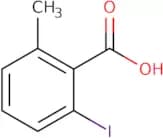
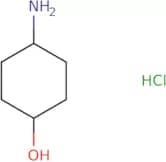
CAS:<p>2-Iodo-6-methylbenzoic acid is a chemical used as an additive in the manufacture of plastics, paints and rubber. It is also a ligand for some transition metals. 2-Iodo-6-methylbenzoic acid has been found to be an active natural product that can be synthesized from phthalimides or other amines. 2-Iodo-6-methylbenzoic acid reacts with donepezil to form a multistep reaction intermediate called A, which is then oxidized by a transition metal to form the final product, aricept. The operational mechanism of this reaction is not yet fully understood, but it may involve an alkene intermediate.</p>Fórmula:C8H7IO2Pureza:Min. 95%Cor e Forma:PowderPeso molecular:262.04 g/moltrans-4-Aminocyclohexanol hydrochloride
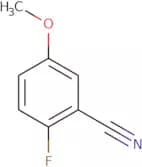
CAS:<p>Trans-4-aminocyclohexanol hydrochloride is a monomer that has been used in the synthesis of polymers, which are used in the production of medical devices. Trans-4-aminocyclohexanol hydrochloride has shown anticancer activity and is used to inhibit the growth of murine leukemia cells. It has also shown uptake in different tissues and amination reaction with amino acids. The melting point of trans-4-aminocyclohexanol hydrochloride is 198°C, constant at 1.0, and impurities are less than 0.2%. Trans-4-aminocyclohexanol hydrochloride has been found to be a colorless solid with a molecular weight of 154.2 g/mol, an amorphous morphology, and a particle size distribution between 5 nm and 10 μm.</p>Fórmula:C6H13NO·HClCor e Forma:White Off-White PowderPeso molecular:151.63 g/mol2-Fluoro-5-methoxybenzonitrile
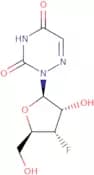
CAS:<p>2-Fluoro-5-methoxybenzonitrile is a metal catalyst that has been shown to be effective in the synthesis of various organic compounds. The use of ultrasound can increase the yields of reactions involving 2-fluoro-5-methoxybenzonitrile. 2-Fluoro-5-methoxybenzonitrile has also been demonstrated as a pharmacological agent with a number of potential applications. It inhibits the activity of phosphodiesterase 4, which may lead to an improved therapeutic profile for conditions such as asthma and erectile dysfunction. 2-Fluoro-5-methoxybenzonitrile is also used in photochemical reactions, where it acts as an inhibitor to prevent the formation of undesired products.</p>Fórmula:C8H6FNOPureza:Min. 95%Cor e Forma:PowderPeso molecular:151.14 g/mol3’-Deoxy-3’-fluoro-6-azauridine
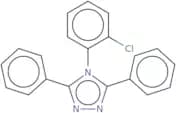
CAS:<p>Please enquire for more information about 3’-Deoxy-3’-fluoro-6-azauridine including the price, delivery time and more detailed product information at the technical inquiry form on this page</p>Pureza:Min. 95%2,5-Diphenyl-1-(2-chlorophenyl)-1,3,4-triazole
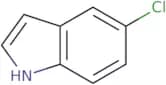
CAS:<p>2,5-Diphenyl-1-(2-chlorophenyl)-1,3,4-triazole is a white powder that is soluble in water and insoluble in organic solvents. It is a high quality reagent for the synthesis of complex compounds, as well as a useful intermediate for the production of fine chemicals and speciality chemicals. 2,5-Diphenyl-1-(2-chlorophenyl)-1,3,4-triazole has been used as a building block for the synthesis of diverse reactions and has been shown to be versatile and useful in reaction components.</p>Fórmula:C20H14ClN3Pureza:Min. 95%Cor e Forma:PowderPeso molecular:331.8 g/mol5-Chloroindole
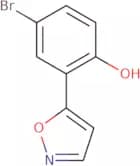
CAS:<p>5-Chloroindole is a molecule that can bind to the CB2 cannabinoid receptor. It has been shown in experiments to be an allosteric modulator of this receptor. 5-Chloroindole has been found to have an inhibitory effect on degenerative diseases, such as Huntington's disease and Alzheimer's disease, and may have therapeutic potential for these disorders. 5-Chloroindole binds to a metal surface by forming hydrogen bonds with the oxygen atom of its carboxyl group and the metal surface. The nucleophilic nature of 5-chloroindole allows it to react with chloride ions present in solution. 5-Chloroindole reacts with the carbon source in tissue culture, which leads to receptor activity and inhibition of cell proliferation.</p>Fórmula:C8H6ClNCor e Forma:White PowderPeso molecular:151.59 g/mol4-Bromo-2-(5-isoxazolyl)phenol
CAS:<p>4-Bromo-2-(5-isoxazolyl)phenol is a fine chemical that is used as a building block in the synthesis of other chemicals. It is also useful as a reagent, speciality chemical, and intermediate to produce complex compounds. This compound has versatile uses as it can be used in reactions involving nucleophilic substitution, electrophilic substitution, and elimination. 4-Bromo-2-(5-isoxazolyl)phenol is also a useful scaffold for the synthesis of new molecules with biological activity.</p>Fórmula:C9H6BrNO2Pureza:Min. 95%Cor e Forma:PowderPeso molecular:240.05 g/molLY2112688 trifluoroacetate
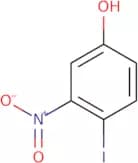
CAS:<p>Please enquire for more information about LY2112688 trifluoroacetate including the price, delivery time and more detailed product information at the technical inquiry form on this page</p>Fórmula:C51H70N18O11S2•(C2HF3O2)xPureza:Min. 95%Cor e Forma:PowderPeso molecular:1,175.35 g/mol4-Iodo-3-nitrophenol
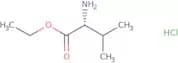
CAS:<p>4-Iodo-3-nitrophenol is a chemical compound that is used in the synthesis of decanoic acid, an ester. It also has pharmacological properties and can be used as a cataleptic or neuroleptic agent. 4-Iodo-3-nitrophenol has been shown to have stimulant effects on the central nervous system, which may be due to its ability to inhibit the metabolism of acetylcholine by blocking cholinesterase enzymes. 4-Iodo-3-nitrophenol is also used in the preparation of analogues and it has been tested for use as a treatment for Parkinson's disease.</p>Fórmula:C6H4INO3Pureza:90%Cor e Forma:Brown Yellow PowderPeso molecular:265.01 g/molD-Valine ethyl ester hydrochloride
CAS:<p>D-Valine ethyl ester hydrochloride is a reagent that is used in the synthesis of complex compounds. It can be used as an intermediate for fine chemicals and research chemicals, or as a building block for versatile building blocks. D-Valine ethyl ester hydrochloride can also be used in reactions to form other compounds, such as pharmaceuticals.</p>Fórmula:C7H15NO2·HClPureza:Min. 95%Cor e Forma:PowderPeso molecular:181.66 g/mol5-Methylpyrimidin-2-ol
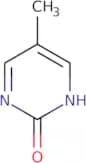
CAS:<p>5-Methylpyrimidin-2-ol is a photophysical, hydroxy group, and hydroxyl group. It has been shown to have an inhibitory effect on DNA methylation by glycosidic bond with the sugar moiety of the nucleotide. 5-Methylpyrimidin-2-ol reacts with the base moiety of the nucleotide to form an analog that inhibits RNA synthesis and is competitive against pyrimidine nucleosides. 5-Methylpyrimidin-2-ol also has a hydrogen bonding property that can react with other molecules such as proteins or sugars to form hydrogen bonds. This reaction rate is increased by fluorescence resonance energy transfer (FRET).</p>Fórmula:C5H6N2OPureza:Min. 95%Cor e Forma:PowderPeso molecular:110.11 g/mol2-Bromo-2-methylpropionic acid
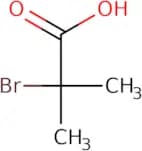
CAS:<p>2-Bromo-2-methylpropionic acid is a chemical compound that is used to stabilize nanoparticles. It also has covalent interactions with the surface of the nanoparticles, which helps to stabilize them and prevent aggregation. 2-Bromo-2-methylpropionic acid can be modified with polymers or other molecules that can help to stabilize the particles. This stabilizer is also able to create magnetic nanoparticles by using a strategy called "magnetic stabilization". In this method, the stabilizer can react with the metal ions in solution and form a stable complex, which will then coat the particles of interest. The stabilizer can also be used to circumvent mesoporous materials, such as silica gel, by coating them with a polymer layer.</p>Fórmula:C4H7BrO2Pureza:Min. 95%Cor e Forma:White Clear LiquidPeso molecular:167 g/mol3-Chloro-5-hydroxybenzoic acid
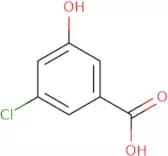
CAS:<p>3-Chloro-5-hydroxybenzoic acid is a fluorescent compound that has been used to study insulin resistance in rats. Using fluorescence resonance energy transfer, this study found that 3-chloro-5-hydroxybenzoic acid increases insulin sensitivity and decreases blood pressure levels. It is hypothesized that the observed effects are due to an increase in the uptake of 3,5-dihydroxybenzoic acid into cells, which helps regulate the release of nitric oxide from afferent arterioles. Increased nitric oxide leads to vasodilation and increased uptake of glucose by muscle cells. This mechanism may be responsible for the observed decrease in blood pressure and improved insulin sensitivity.</p>Fórmula:C7H5ClO3Pureza:Min. 95%Cor e Forma:PowderPeso molecular:172.56 g/mol2-Chloro-N-(2-ethyl-6-methylphenyl)propanamide
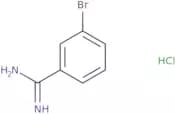
CAS:<p>Please enquire for more information about 2-Chloro-N-(2-ethyl-6-methylphenyl)propanamide including the price, delivery time and more detailed product information at the technical inquiry form on this page</p>Fórmula:C12H16ClNOPureza:Min. 95%Peso molecular:225.71 g/mol3-Bromobenzamidine hydrochloride
CAS:<p>3-Bromobenzamidine hydrochloride is a pyrimidine that has been used as a medicinal agent. It is synthesized by the dehydration of 3-bromoacetamide and coupling with 2,4-dichlorobenzoyl chloride in the presence of silver nitrate. The reaction proceeds via an enaminone intermediate. This product can be used to treat malaria, which is caused by protozoa. 3-Bromobenzamidine hydrochloride also has anti-inflammatory properties and has been shown to inhibit prostaglandin synthesis.</p>Fórmula:C7H7BrN2·HClPureza:Min. 95 Area-%Cor e Forma:PowderPeso molecular:235.51 g/mol4-Bromo-2,6-difluoroaniline
CAS:<p>4-Bromo-2,6-difluoroaniline is an alkali metal that inhibits cancer cells. It has been shown to inhibit the growth of cancer cells in vitro and in vivo by binding to DNA and RNA. This drug also inhibits the activity of a number of enzymes, including carbonic anhydrase, topoisomerase II, glutathione S-transferase, and phospholipases. 4-Bromo-2,6-difluoroaniline is not cytotoxic to normal cells. The anticancer effect of this drug has been demonstrated in both clinical and laboratory settings.</p>Fórmula:C6H4BrF2NPureza:Min. 95%Cor e Forma:White PowderPeso molecular:208 g/mol2,5-Dimethoxy-N-[(2-methoxyphenyl)methyl]-4-(trifluoromethyl)benzeneethanamine
CAS:Produto Controlado2,5-Dimethoxy-N-[(2-methoxyphenyl)methyl]-4-(trifluoromethyl)benzeneethanamine is a synthetic drug that belongs to the group of psychotropic drugs. It has been shown to cause death in rats, which is likely due to its ability to inhibit serotonin uptake by neurons. 2,5-Dimethoxy-N-[(2-methoxyphenyl)methyl]-4-(trifluoromethyl)benzeneethanamine also inhibits the enzyme monoamine oxidase and prevents the breakdown of monoamines such as serotonin. This drug has been shown to have both stimulant and depressant properties. 2,5-Dimethoxy-N-[(2-methoxyphenyl)methyl]-4-(trifluoromethyl)benzeneethanamine can be quantified in human blood samples using liquid chromatography with aFórmula:C19H22F3NO3Pureza:Min. 95%Peso molecular:369.38 g/molAspidosine hydrobromide
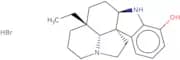
CAS:Produto Controlado<p>Aspidosine hydrobromide is a fine chemical that is used as an intermediate for synthesis of other compounds. The CAS number for this compound is 206196-96-5. This compound can be used as a building block to synthesize more complex compounds, and it has been shown to be useful in the preparation of research chemicals and reaction components. Aspidosine hydrobromide has been shown to have high quality, making it a sought after reagent and speciality chemical. This compound has a versatile scaffold, which makes it useful as a building block in the synthesis of other compounds.</p>Fórmula:C19H26N2O•BrHPureza:Min. 95%Peso molecular:379.33 g/mol2-Chloro-5-isobutyl-1,3,4-thiadiazole
CAS:<p>2-Chloro-5-isobutyl-1,3,4-thiadiazole is a particle that is used as an additive in the production of sodium hydroxide solution and calcium carbonate. It has been shown to have a high viscosity in concentrations up to 15% by weight with glucose solution. 2-Chloro-5-isobutyl-1,3,4-thiadiazole also exhibits hydrogen bonding properties with fatty acids and organic solvents. This chemical is used as a crosslinking agent for the production of conditioners. 2-Chloro-5-isobutyl-1,3,4-thiadiazole can be found in environmental pollution due to its use as an acid catalyst and crosslinking agent.</p>Fórmula:C6H9ClN2SPureza:Min. 95%Cor e Forma:Yellow PowderPeso molecular:176.67 g/molSn(IV) mesoporphyrin IX dichloride
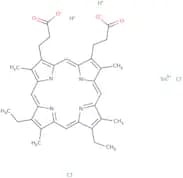
CAS:<p>Sn(IV) mesoporphyrin IX dichloride is a synthetic porphyrin derivative, which is a metalloporphyrin complex formed by the incorporation of tin into the porphyrin structure. This compound originates from the modification of mesoporphyrin IX, a naturally occurring tetrapyrrole, and is further functionalized with chloride ligands. The mode of action of Sn(IV) mesoporphyrin IX dichloride primarily involves the inhibition of heme oxygenase, an enzyme responsible for the catabolism of heme into biliverdin, carbon monoxide, and free iron. This inhibition results in the modulation of heme metabolism, which can have broad implications in various physiological and pathological processes.</p>Fórmula:C34H36Cl2N4O4SnPureza:Min. 95%Cor e Forma:PowderPeso molecular:754.29 g/molSmac-N7 Peptide trifluoroacetate salt
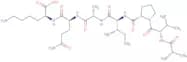
CAS:<p>Smac-N7 is a peptide that binds to the mitochondrial pathway of apoptosis and inhibits the activation of caspase-3. This peptide has been shown to inhibit the death ligand, which would normally trigger the release of cytochrome c from mitochondria and activate other caspases. In addition, Smac-N7 has been shown to induce cleavage activity in cells. It also prevents the protein survivin from binding to cellular receptors, which may be responsible for its ability to inhibit cell proliferation.</p>Fórmula:C33H59N9O9Pureza:Min. 95%Peso molecular:725.88 g/mol2-Bromo-6-methylpyridine
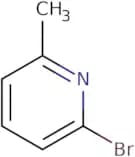
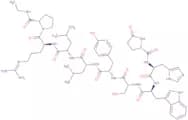
CAS:<p>2-Bromo-6-methylpyridine (2BMPy) is an organic compound that belongs to the group of pyridinium halides. It is soluble in common solvents such as water, ethanol, and acetone. 2BMPy has been shown to act as a glutamate receptor antagonist and has been used in the study of glutamate receptors, including their subtypes. This chemical has also been shown to have antioxidant properties and can be used in the prevention of atherosclerosis.</p>Fórmula:C6H6BrNPureza:Min. 95%Cor e Forma:Clear LiquidPeso molecular:172.02 g/mol(Des-Gly10,D-Ser4,D-Leu6,Pro-NHEt 9)-LHRH trifluoroacetate
CAS:<p>Please enquire for more information about (Des-Gly10,D-Ser4,D-Leu6,Pro-NHEt 9)-LHRH trifluoroacetate including the price, delivery time and more detailed product information at the technical inquiry form on this page</p>Fórmula:C59H84N16O12•(C2HF3O2)xPureza:Min. 98 Area-%Cor e Forma:PowderPeso molecular:1,209.4 g/molDidecyl dimethyl ammonium bromide
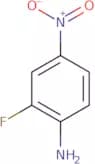
CAS:<p>Didecyl dimethyl ammonium bromide is an antimicrobial peptide that has high resistance to antibiotic-resistant strains. It is a phosphonate compound that is used in the analytical method of titration calorimetry. The didecyl dimethyl ammonium bromide molecule can be seen as having two reactive centers, one on the phosphorus atom and one on the methyl group. These reactive centers are involved in intramolecular hydrogen transfer reactions and transfer reactions with other molecules, leading to its antimicrobial activity. Didecyl dimethyl ammonium bromide can also be used as a disinfectant or as a monoethyl ether for organic synthesis.</p>Fórmula:C22H48BrNPureza:Min. 98%Cor e Forma:PowderPeso molecular:406.53 g/mol2-Fluoro-4-nitroaniline
CAS:<p>2-Fluoro-4-nitroaniline is a molecule that has been shown to have clinical studies in industrialized countries. It is a hydrophobic molecule, which means it does not dissolve in water. 2-Fluoro-4-nitroaniline binds to the 5HT receptor subtype with an energy of -1.89 eV and inhibits cancer cell proliferation by inhibiting the activation of 5HT receptors. The reaction mechanism for this drug involves the transfer of an electron from the hydrogen atom to the nitro group on the compound, which creates a radical cation (R+). This radical cation interacts with oxygen and forms a peroxyl radical, which reacts with nearby molecules and causes damage to them. The molecule is then broken down by enzymes called peroxidases.</p>Fórmula:C6H5FN2O2Pureza:Min. 95%Cor e Forma:PowderPeso molecular:156.11 g/mol





![3-(4-chlorophenyl)spiro[1,3-thiazolidine-2,3'-indoline]-4,7-dione](/_next/image/?url=https%3A%2Fstatic.cymitquimica.com%2Fproducts%2F3D%2Fthumb-webp%2FFC169673.webp&w=3840&q=75)
![4-[(Methylsulfonyl)methyl]piperidine hydrochloride](/_next/image/?url=https%3A%2Fstatic.cymitquimica.com%2Fproducts%2F3D%2Fthumb-webp%2FFM120031.webp&w=3840&q=75)
![1-{[1-(2-Chloropyridin-3-yl)-1H-pyrrol-2-yl]carbonyl}-4-(4-fluorophenyl)piperazine](/_next/image/?url=https%3A%2Fstatic.cymitquimica.com%2Fproducts%2F3D%2Fthumb-webp%2FFC128678.webp&w=3840&q=75)

![2-Methyl-2-[3-(trifluoromethyl)phenoxy]propanoic acid](/_next/image/?url=https%3A%2Fstatic.cymitquimica.com%2Fproducts%2F3D%2Fthumb-webp%2FFM112754.webp&w=3840&q=75)

![(R)-1-[3,5-Bis(trifluoromethyl)phenyl]ethan-1-ol](/_next/image/?url=https%3A%2Fstatic.cymitquimica.com%2Fproducts%2F3D%2Fthumb-webp%2FFB43523.webp&w=3840&q=75)
![9-Fluoro-10,13,17-Trimethyl-2,3,4,5,6,7,8,11,12,14,15,16-Dodecahydro-1H-Cyclopenta[a]Phenanthrene-…](/_next/image/?url=https%3A%2Fstatic.cymitquimica.com%2Fproducts%2F3D%2Fthumb-webp%2FFF103008.webp&w=3840&q=75)
![2-[[(Heptadecafluorooctyl)Sulphonyl]Propylamino]Ethyl Methacrylate](/_next/image/?url=https%3A%2Fstatic.cymitquimica.com%2Fproducts%2F3D%2Fthumb-webp%2FFH97996.webp&w=3840&q=75)


![9-Fluoro-11β,17-Dihydroxy-16α-Methyl-3,20-Dioxopregna-1,4-Dien-21-Yl 2-[2-(2-Ethoxyethoxy)Ethoxy]A…](/_next/image/?url=https%3A%2Fstatic.cymitquimica.com%2Fproducts%2F3D%2Fthumb-webp%2FFF103016.webp&w=3840&q=75)



![2,5-Dimethoxy-N-[(2-methoxyphenyl)methyl]-4-(trifluoromethyl)benzeneethanamine](/_next/image/?url=https%3A%2Fstatic.cymitquimica.com%2Fproducts%2F3D%2Fthumb-webp%2FFD100429.webp&w=3840&q=75)