Haletos orgânicos
Nesta categoria, você encontrará moléculas orgânicas contendo um ou mais átomos de halogênio em sua estrutura. Estes haletos orgânicos incluem compostos bromados, iodados, clorados e haletos cíclicos. Os haletos orgânicos são amplamente utilizados em síntese orgânica, farmacêutica, agroquímica e ciência dos materiais devido à sua reatividade e capacidade de sofrer uma variedade de transformações químicas. Na CymitQuimica, oferecemos uma seleção abrangente de haletos orgânicos de alta qualidade para apoiar suas aplicações de pesquisa e industriais, garantindo desempenho confiável e eficaz em seus projetos sintéticos e analíticos.
Subcategorias de "Haletos orgânicos"
Foram encontrados 20437 produtos de "Haletos orgânicos"
Ordenar por
Pureza (%)
0
100
|
0
|
50
|
90
|
95
|
100
3-(2-Methyl-1H-imidazol-1-yl)propan-1-ol hydrochloride
CAS:<p>Please enquire for more information about 3-(2-Methyl-1H-imidazol-1-yl)propan-1-ol hydrochloride including the price, delivery time and more detailed product information at the technical inquiry form on this page</p>Fórmula:C7H12N2OPureza:Min. 95%Peso molecular:140.18 g/mol2-Fluoropyrazine
CAS:<p>2-Fluoropyrazine is a heterocyclic compound that has been shown to be an efficient catalyst for the palladium-catalyzed cross-coupling reaction. It reacts with nucleophiles such as hydroxy group, chlorine atom, and hydroxyl group. The 2-fluoropyrazine catalyzes the formation of a carbon-nitrogen bond in a nucleophilic attack on an oxadiazole ring. 2-Fluoropyrazine has been found to inhibit the growth of cancer cells and infectious diseases by inhibiting the synthesis of RNA and protein. It also inhibits the replication of viruses by binding to their RNA polymerase.</p>Fórmula:C4H3FN2Pureza:Min. 95%Peso molecular:98.08 g/molDistigmine bromide
CAS:<p>Distigmine bromide is a cholinergic agent that can be used to treat the symptoms of urinary incontinence. It is also used to treat underactive bladders and the symptoms associated with it. Distigmine bromide belongs to pharmacological agents and is an acetylcholinesterase inhibitor. This drug is administered by mouth, and its effects are long-lasting. It can be used for the treatment of psychotic disorders as well as for diagnosis of bladder disease.</p>Fórmula:C22H32N4O4•(Br)2Pureza:Min. 95%Cor e Forma:PowderPeso molecular:576.32 g/mol9-Iodo-1,2-carbarone
CAS:Produto Controlado<p>Please enquire for more information about 9-Iodo-1,2-carbarone including the price, delivery time and more detailed product information at the technical inquiry form on this page</p>Fórmula:IC2B10H11Pureza:Min. 95%Peso molecular:2,431.11 g/mol2-Methyl-4-chlorophenoxyacetic acid
CAS:<p>2-Methyl-4-chlorophenoxyacetic acid is a sodium salt of 2-methyl-4-chlorophenoxyacetic acid. It is a herbicide that inhibits photosynthesis by disrupting the electron transport chain in chloroplasts. The hydroxyl group on the phenoxy ring is responsible for its herbicidal activity. 2-Methyl-4-chlorophenoxyacetic acid has been shown to cause significant cell death in tissue culture, which may be due to its ability to inhibit enzymes such as acetylcholinesterase, phosphodiesterase, and carboxypeptidase A2. This chemical also has carcinogenic potential, but no toxicological studies have been conducted in humans or animals.</p>Fórmula:C9H9ClO3Pureza:Min. 95%Peso molecular:200.62 g/molMAGE-3 Antigen (271-279) (human) trifluoroacetate salt
CAS:<p>ALPHA FACTOR SIGNALING PEPTIDE</p>Fórmula:C53H79N13O10Pureza:Min. 95%Peso molecular:1,058.28 g/molDorzolamide hydrochloride related compound A
CAS:<p>Please enquire for more information about Dorzolamide hydrochloride related compound A including the price, delivery time and more detailed product information at the technical inquiry form on this page</p>Fórmula:C10H16N2O4S3·HClPureza:Min. 95%Peso molecular:360.9 g/molH-Pro-AMC hydrobromide salt
CAS:<p>H-Pro-AMC hydrobromide salt is an enzyme that belongs to the family of proteases. H-Pro-AMC hydrobromide salt has been shown to have carboxypeptidase activity, which cleaves peptides at the C terminus of a single amino acid. It has also been shown to interact with other enzymes and proteins, such as recombinant proteins and enzymes from the ubiquitin-proteasome system. This enzyme's ability to cleave peptides at the C terminus of a single amino acid makes it useful for protein sequencing. H-Pro-AMC hydrobromide salt has also been sequenced and found to share homology with other proteases, such as subtilisin E.</p>Fórmula:C15H16N2O3Pureza:Min. 95%Peso molecular:272.3 g/mol4-(3-Phenyl-1,2,4-oxadiazol-5-yl)piperidine hydrochloride
CAS:<p>Please enquire for more information about 4-(3-Phenyl-1,2,4-oxadiazol-5-yl)piperidine hydrochloride including the price, delivery time and more detailed product information at the technical inquiry form on this page</p>Fórmula:C13H15N3OPureza:Min. 95%Peso molecular:229.28 g/mol3-Bromo-2-methylbenzoic acid methyl ester
CAS:<p>3-Bromo-2-methylbenzoic acid methyl ester is a serotonin transporter and reuptake inhibitor. It has selectivities for serotonin, dopamine and norepinephrine transporters. 3-Bromo-2-methylbenzoic acid methyl ester acts as a linker molecule in the synthesis of complex molecules like neurotransmitters. It is also a bifunctional molecule that can act as an antidepressant or anti-anxiety drug by increasing serotonin levels in the brain. 3-Bromo-2-methylbenzoic acid methyl ester’s function as a ligand is to bind to receptors on cells, which may be linked with its effects on depression and anxiety.</p>Fórmula:C9H9BrO2Pureza:Min. 95%Peso molecular:229.07 g/mol5-Chloro-2-methyl-3-isothiazolone - Active Ingredient >14%, CMI/MI 2.5 - 4.0
CAS:<p>5-Chloro-2-methyl-3-isothiazolone (CMIT) is a highly water-soluble apoptotic agent and preservative with numerous applications. It is used in anti-microbial coatings, latex formulations, hydraulic fracturing fluids, pesticides and cosmetics. CMIT in conjunction with 2-methyl-4-isothiazolin-3-one (MIT) is marketed as Kathon. CMIT is also an allergen. CMIT is active against gram-positive and gram-negative bacteria, yeasts and fungi. CMIT is believed to form mixed disulfides with protein thiol groups which then undergo thiol-disulfide exchange reactions to give mixed protein thiol disulfides leading to cell apoptosis and necrosis.</p>Fórmula:C4H4ClNOSCor e Forma:Yellow Clear LiquidPeso molecular:149.6 g/mol2-Chloro-5-chloromethylthiazole
CAS:<p>2-Chloro-5-chloromethylthiazole is an aliphatic hydrocarbon that has been used to chlorinate a variety of organic compounds. It reacts with hydrochloric acid and chlorine at low energy, producing chloride in the process. This chemical can be synthesized by reacting n-dimethyl formamide with hydrogen chloride. 2-Chloro-5-chloromethylthiazole can also be used as a crosslinking agent to react with the amine groups on proteins.</p>Pureza:Min. 95%Methyl 6-chloro-2-pyridinecarboxylate
CAS:<p>Methyl 6-chloro-2-pyridinecarboxylate is a reactive, organic compound that belongs to the class of monomers. It is a white crystalline solid with a melting point of approximately 130 degrees Celsius. This chemical can be synthesized by reacting 2-chlorobenzothiazole with sodium carbonate in water at temperatures between 100 and 140 degrees Celsius. The reaction yields methyl 6-chloro-2-pyridinecarboxylate as well as chloride and picolinic acid as side products. This compound has been shown to have neurotoxic effects when administered to rats at high doses.</p>Fórmula:C7H6ClNO2Pureza:Min. 95%Peso molecular:171.58 g/mol4-Iodo-2-methoxypyridine-3-carboxaldehyde
CAS:<p>4-Iodo-2-methoxypyridine-3-carboxaldehyde is a disubstituted compound that has insulin-like properties. It inhibits the activity of the insulin receptor, which may contribute to its insulin-like growth factor effects. This inhibitor also targets the protein kinase, which is responsible for the response of cells to insulin. 4-Iodo-2-methoxypyridine 3 carboxaldehyde has been shown to inhibit IGF1R and malonate ion, and it may have potential as an oral treatment for diabetes.</p>Fórmula:C7H6INO2Pureza:Min. 95%Peso molecular:263.03 g/mol[1-(2-Chlorobenzyl)-1H-benzimidazol-2-yl]methanol
CAS:Produto Controlado<p>Please enquire for more information about [1-(2-Chlorobenzyl)-1H-benzimidazol-2-yl]methanol including the price, delivery time and more detailed product information at the technical inquiry form on this page</p>Fórmula:C15H13ClN2OPureza:Min. 95%Peso molecular:272.73 g/molDesmethyl fluorometholone
CAS:Produto Controlado<p>Please enquire for more information about Desmethyl fluorometholone including the price, delivery time and more detailed product information at the technical inquiry form on this page</p>Fórmula:C21H27FO4Pureza:Min. 95%Cor e Forma:SolidPeso molecular:362.44 g/mol[2-(1,2,6-Trimethyl-1H-indol-3-yl)ethyl]amine hydrochloride
CAS:Produto Controlado<p>Please enquire for more information about [2-(1,2,6-Trimethyl-1H-indol-3-yl)ethyl]amine hydrochloride including the price, delivery time and more detailed product information at the technical inquiry form on this page</p>Fórmula:C13H18N2Pureza:Min. 95%Peso molecular:202.3 g/molDL-threo-methylphenidate hydrochloride
CAS:Produto Controlado<p>D-threo-methylphenidate hydrochloride (DL-threo-MPH) is an inorganic acid that has been shown to be effective in the treatment of symptoms associated with attention deficit hyperactivity disorder (ADHD) and narcolepsy. It has long-term efficacy, which means it can be taken for a long time without causing adverse effects. DL-threo-MPH is also used to treat alopecia areata, which is an autoimmune disease that causes hair loss. This drug works by increasing dopamine levels in the brain and blocking the reuptake of dopamine. DL-threo-MPH has been tested on mice and found to have pharmacokinetic properties that are similar to those of dextromethorphan, but is more potent and selective.</p>Fórmula:C14H20ClNO2Pureza:Min. 95%Peso molecular:269.77 g/molManganese dichloride
CAS:<p>Manganese dichloride is a chemical compound that is used as an oxidation catalyst. It has been shown to have the ability to remove nitrogen from wastewater and to be used for the treatment of sodium carbonate in water. Manganese dichloride can also be used as a catalyst for the removal of volatile organic compounds from air or water. Manganese dichloride is also used in x-ray diffraction data, where it was found that this compound has a high crystallinity with α subunit and nitrogen atoms. This substance is not toxic to brain functions and does not react with water, which makes it suitable for use in wastewater treatment plants. Manganese dichloride has also been shown to have an anti-cancer effect on brain tumours and can inhibit epidermal growth factor (EGF).</p>Fórmula:MnCl2Pureza:Min. 95%Cor e Forma:PowderPeso molecular:125.84 g/molMethyl 1-aminocyclohexanecarboxylate hydrochloride
CAS:<p>Please enquire for more information about Methyl 1-aminocyclohexanecarboxylate hydrochloride including the price, delivery time and more detailed product information at the technical inquiry form on this page</p>Fórmula:C8H15NO2Pureza:Min. 95%Peso molecular:157.21 g/molDL-Aspartic acid dimethyl ester hydrochloride
CAS:<p>Please enquire for more information about DL-Aspartic acid dimethyl ester hydrochloride including the price, delivery time and more detailed product information at the technical inquiry form on this page</p>Fórmula:C6H11NO4·HClPureza:Min. 95%Cor e Forma:White PowderPeso molecular:197.62 g/molNe-(trimethyl)-L-lysine chloride
CAS:<p>Please enquire for more information about Ne-(trimethyl)-L-lysine chloride including the price, delivery time and more detailed product information at the technical inquiry form on this page</p>Fórmula:C9H21ClN2O2Pureza:Min. 95%Peso molecular:224.73 g/mol2,7-Dibromo-9,9-dihexylfluorene
CAS:<p>2,7-Dibromo-9,9-dihexylfluorene is a vinyl monomer that can be used for the synthesis of polymers with light emitting properties. It has been shown to be an efficient cross-coupling agent for the synthesis of organic molecules. The monomer also emits light when excited by ultraviolet radiation.</p>Pureza:Min. 95%4-Ethyl-2,5-dimethoxy-benzeneethanamineHydrochloride
CAS:Produto Controlado<p>4-Ethyl-2,5-dimethoxy-benzeneethanamineHydrochloride is a metabolic substrate of CYP2D6. It is also an inhibitor of CYP1A2 and CYP3A4. The class of 4-Ethyl-2,5-dimethoxy-benzeneethanamineHydrochloride is not yet known. 4-Ethyl-2,5-dimethoxy-benzeneethanamineHydrochloride has been shown to cause toxicity in animal studies. Toxicity may be due to its inhibition of cytochrome P450 enzymes, which are involved in metabolism and detoxification.</p>Fórmula:C12H20ClNO2Pureza:Min. 95%Peso molecular:245.75 g/mol3',5'-Dibromo-2'-hydroxyacetophenone
CAS:<p>Please enquire for more information about 3',5'-Dibromo-2'-hydroxyacetophenone including the price, delivery time and more detailed product information at the technical inquiry form on this page</p>Fórmula:C8H6Br2O2Pureza:Min. 95%Peso molecular:293.94 g/mol2-Amino-6-chloropyrazine
CAS:<p>2-Amino-6-chloropyrazine (2ACP) is an inhibitor that binds to the active site on human protein kinase C (PKC). It has been shown to inhibit PKC by hydrogen bonding with the hydroxide ion, which blocks its catalytic activity. 2ACP has been studied for its potential use in treating cancer and for inhibiting amine oxidases, which are enzymes associated with inflammation and chronic obstructive pulmonary disease. The inhibition of these enzymes may help to reduce stenosis in the lungs or other organs. 2ACP also has been shown to have antimycobacterial activity against Mycobacterium tuberculosis, M. avium complex, and M. leprae by inhibiting DNA synthesis and RNA synthesis. 2ACP inhibits the kinase receptor on the cell membrane that phosphorylates a water molecule into a chlorine atom, which then reacts with hydrogen peroxide to form free radicals that can kill bacteria</p>Fórmula:C4H4ClN3Pureza:Min. 95%Peso molecular:129.55 g/mol(R,S)-1,3,4,5-Tetrahydro-5-phenyl-2H-1,4-benzodiazepin-2-one hydrochloride
CAS:Produto Controlado<p>Please enquire for more information about (R,S)-1,3,4,5-Tetrahydro-5-phenyl-2H-1,4-benzodiazepin-2-one hydrochloride including the price, delivery time and more detailed product information at the technical inquiry form on this page</p>Fórmula:C15H14N2O·HClPureza:Min. 95%Peso molecular:274.75 g/mol2-Bromo-4-methoxybenzaldehyde
CAS:<p>2-Bromo-4-methoxybenzaldehyde is a cyclic, stereoselectively eliminable, acrylate that can be used in the asymmetric synthesis of sulfamidate and lactam. It can also be used to synthesize quinoline derivatives with aluminium chloride. This product has been shown to yield good yields when reacted with functional groups such as halides and nature. 2-Bromo-4-methoxybenzaldehyde is found in biomolecular reactions.</p>Fórmula:C8H7BrO2Cor e Forma:PowderPeso molecular:215.04 g/molBis(methyldiphenylphosphine)palladium(II) Dichloride
CAS:Produto Controlado<p>Bis(methyldiphenylphosphine)palladium(II) chloride is an aryl halide catalyst that is used in the preparation of aryl chlorides. It can be used for the synthesis of pharmaceuticals, agrochemicals, perfumes and other chemical compounds. This catalyst has been shown to be effective in the presence of chloride as well as aryl halides. The reaction can be performed in either the presence or absence of solvent. Methyldiphenylphosphine is soluble in organic solvents such as ether, benzene, and toluene.</p>Fórmula:C26H26Cl2P2PdPureza:Min. 95%Peso molecular:577.76 g/mol1-Chloro-2-(ethylthio)ethane
CAS:Produto Controlado<p>1-Chloro-2-(ethylthio)ethane (1,2-ETE) is a reactive oxygen species that inhibits the electron transport chain in mitochondria. 1,2-ETE decreases the mitochondrial membrane potential and causes oxidative damage to proteins, such as recombinant cytochrome P450. 1,2-ETE has been shown to decrease photosynthetic activity by inhibiting the light reactions of photosynthesis. It also inhibits the electron transport chain in mitochondria and causes damage to cells by reacting with sulfide to form sulfhydryl compounds. The toxic effects of 1,2-ETE are due to its ability to cause injury by reacting with other molecules.</p>Fórmula:C4H9ClSPureza:Min. 95%Cor e Forma:Clear Colourless To Pale Yellow LiquidPeso molecular:124.63 g/mol1-(2-Chloropropanoyl)pyrrolidine
CAS:<p>Please enquire for more information about 1-(2-Chloropropanoyl)pyrrolidine including the price, delivery time and more detailed product information at the technical inquiry form on this page</p>Fórmula:C7H12ClNOPureza:Min. 95%Peso molecular:161.63 g/mol2-(4-Bromo-benzyl)-pyrrolidine
CAS:Produto Controlado<p>Please enquire for more information about 2-(4-Bromo-benzyl)-pyrrolidine including the price, delivery time and more detailed product information at the technical inquiry form on this page</p>Fórmula:C11H14BrNPureza:Min. 95%Peso molecular:240.14 g/mol1-(2-Chloropropanoyl)azepane
CAS:<p>Please enquire for more information about 1-(2-Chloropropanoyl)azepane including the price, delivery time and more detailed product information at the technical inquiry form on this page</p>Fórmula:C9H16ClNOPureza:Min. 95%Peso molecular:189.68 g/molCesium bromide
CAS:<p>Cesium bromide is a chemical compound that has a high melting point. It is used as an ionic liquid and as a salt in analytical chemistry. Cesium bromide can be used to measure the thermal expansion of materials or to measure the hydrogen bond strength between two molecules. Cesium bromide is also used in membrane systems for water purification, and it can be used for radiation treatment of cancer cells. Cesium bromide can be found in wastewater treatment plants where it helps to remove halides and other contaminants from water vapor, providing kinetic energy to do so. Cesium bromide is also used as an analytical method for measuring hydrochloric acid, uv absorption, or chelate rings.</p>Fórmula:CsBrPureza:Min. 95%Peso molecular:212.81 g/mol21-Amino-17-hydroxypregna-1,4-diene-3,11,20-trioneHydrochloride
CAS:Produto Controlado<p>Please enquire for more information about 21-Amino-17-hydroxypregna-1,4-diene-3,11,20-trioneHydrochloride including the price, delivery time and more detailed product information at the technical inquiry form on this page</p>Fórmula:C21H28ClNO4Pureza:Min. 95%Peso molecular:393.9 g/mol1-(3-Chlorobenzyl)piperazine
CAS:Produto Controlado<p>1-(3-Chlorobenzyl)piperazine (1CBPZ) is a selective and reversible inhibitor of ns3 protease, which plays an important role in plant resistance. 1CBPZ was found to be effective in controlling the growth of certain bacteria. It also has been shown to be useful for the prevention of liver lesions caused by casein in rats. 1CBPZ has optical properties that are sensitive to boron nitride and can be used as a control analysis for experiments involving this material. This chemical has been shown to inhibit the reaction mechanism of ns3 protease and is being used as an experimental model for studying this enzyme. The detection time for 1CBPZ is 3 hours, which makes it more energy efficient than other compounds.</p>Fórmula:C11H15ClN2Pureza:Min. 95%Peso molecular:210.7 g/mol2-Chloro-4-(tributylstannyl)pyrimidine
CAS:Produto Controlado<p>2-Chloro-4-(tributylstannyl)pyrimidine is a potent inhibitor of activin, an important regulator of bone morphogenetic protein. This drug has been shown to inhibit the production of phosphatase and morphogenetic protein in mouse fibroblasts, as well as inhibiting the growth of cells from patients with fibrodysplasia. 2-Chloro-4-(tributylstannyl)pyrimidine also inhibits metabolic stability and enzyme inhibitory activities.</p>Fórmula:C16H29ClN2SnPureza:Min. 95%Peso molecular:403.58 g/mol3-Bromo-4-oxo-piperidine-1-carboxylic acid ethyl ester
CAS:<p>3-Bromo-4-oxo-piperidine-1-carboxylic acid ethyl ester is a monoclinic crystal of the salt of 3-bromo-4-oxo-piperidine and 1,2-ethanediol. It is used as an intermediate in the synthesis of cisapride, a medication that regulates gastrointestinal motility. 3BOCEP has been shown to hydrolyze in the stomach with a rate constant of 2 x 10 M s. The bromination product is cisapride, which has been shown to regulate gastrointestinal motility by stimulating GI smooth muscle contractions.</p>Fórmula:C8H12BrNO3Pureza:Min. 95%Peso molecular:250.09 g/mol4-Chloro-2-hydroxypyridine
CAS:<p>4-Chloro-2-hydroxypyridine is a chemical substance that has been shown to inhibit the replication of viruses in cell culture. It has demonstrated antiobesity effects in animal studies, but its mechanism is not well understood. This substance may be a thioxanthone derivative, which are heterocyclic compounds containing oxygen and sulfur. 4-Chloro-2-hydroxypyridine can crosslink DNA and form adducts with deoxyribose sugars. It also has affinity for sequences containing pyridones and imidazopyridines.</p>Fórmula:C5H4ClNOPureza:Min. 95%Peso molecular:129.54 g/mol[2-(1-Isobutyl-1H-benzimidazol-2-yl)ethyl]amine dihydrochloride
CAS:Produto Controlado<p>Please enquire for more information about [2-(1-Isobutyl-1H-benzimidazol-2-yl)ethyl]amine dihydrochloride including the price, delivery time and more detailed product information at the technical inquiry form on this page</p>Fórmula:C13H19N3Pureza:Min. 95%Peso molecular:217.31 g/molMethixene hydrochloride hydrate
CAS:Produto Controlado<p>Methixene hydrochloride hydrate is a drug that is used to treat inflammatory bowel disease. It works by inhibiting the activity of enzymes involved in the production of epidermal growth factor, which is a protein that stimulates the growth of cells in the lining of the intestine. Methixene hydrochloride hydrate may also be used for other purposes not listed here. Methixene hydrochloride hydrate can cause liver damage and bone cancer and should not be taken by people with infectious diseases or those who are pregnant. This medication has an effect on dopamine levels and may help with Parkinson's disease. Although methixene hydrochloride hydrate is used to treat many different illnesses, it cannot cure them all.</p>Fórmula:C20H26ClNOSPureza:Min. 95%Cor e Forma:PowderPeso molecular:363.95 g/mol1-(3-Methoxyphenyl)piperazine dihydrochloride
CAS:Produto Controlado<p>Please enquire for more information about 1-(3-Methoxyphenyl)piperazine dihydrochloride including the price, delivery time and more detailed product information at the technical inquiry form on this page</p>Fórmula:C11H18Cl2N2OPureza:Min. 95%Cor e Forma:PowderPeso molecular:265.18 g/mol2-Bromo-5,6-dihydro-8h-imidazo[1,2-a]pyrazine-7-carboxylic acid tert-butyl ester
CAS:<p>Please enquire for more information about 2-Bromo-5,6-dihydro-8h-imidazo[1,2-a]pyrazine-7-carboxylic acid tert-butyl ester including the price, delivery time and more detailed product information at the technical inquiry form on this page</p>Fórmula:C11H16BrN3O2Pureza:Min. 95%Peso molecular:302.17 g/mol1-Chlorobutane
CAS:<p>1-Chlorobutane is an antimicrobial agent that inhibits the growth of bacteria, fungi, and viruses. It binds to the receptor activity and prevents the binding of a ligand to its receptor. This can lead to autoimmune diseases such as hepatic steatosis or HIV infection. 1-Chlorobutane has been shown to inhibit the replication of HIV by preventing the expression of reverse transcriptase and protease enzymes in human serum. The mechanism of 1-chlorobutane is not well understood, but it may be due to its ability to react with chloride ions in water to form hypochlorous acid (HOCl). HOCl reacts with other molecules in solution, including ryanodine receptors and transfer reactions, which may lead to cell death.</p>Fórmula:C4H9ClPureza:Min. 95%Peso molecular:92.57 g/mol1-(3-Chlorophenyl)-1,2-propanedione
CAS:<p>1-(3-Chlorophenyl)-1,2-propanedione is a chiral compound that can be used as an intermediate in the synthesis of bupropion. The purity of 1-(3-Chlorophenyl)-1,2-propanedione is determined by measuring the absorbance at a wavelength of 290 nm. The purity is also validated via gas chromatography with a chiral column and monitored using spectroscopy. It should be noted that the compound has been shown to have pharmacopoeia activity and can be measured at a concentration of 0.02 mg/L in acetonitrile.</p>Fórmula:C9H7ClO2Pureza:Min. 95%Peso molecular:182.6 g/molHafnium(IV) Trifluoromethanesulfonate
CAS:Produto Controlado<p>Hafnium(IV) trifluoromethanesulfonate is a compound that has been used as an inhibitor in carbohydrate chemistry. Hafnium(IV) trifluoromethanesulfonate inhibits the reaction between malonic acid and acetic anhydride in an asymmetric synthesis, which results in a mixture of diastereomers. It also suppresses apoptosis by inhibiting the activation of caspase-3, which is one of the primary pathways for apoptosis. The mechanism behind this inhibition is not entirely clear but may be due to the hydroxyl group present on the aromatic hydrocarbon or its acidic nature. Hafnium(IV) trifluoromethanesulfonate has anticancer activity and has been shown to inhibit tumor growth in vivo with low toxicity.</p>Fórmula:C4F12HfO12S4Pureza:Min. 95%Peso molecular:774.77 g/molTrifluoromethanesulfonyl chloride
CAS:<p>Trifluoromethanesulfonyl chloride is a reactive chemical that reacts with nucleophilic groups in biological molecules. It is used for the treatment of infectious diseases and metabolic disorders. Trifluoromethanesulfonyl chloride has been shown to have receptor activity against various microorganisms, including resistant strains. Structural analysis has shown that the active form of trifluoromethanesulfonyl chloride binds to malonic acid and other coumarin derivatives. This binding prevents the formation of hydrogen bonds, which would otherwise stabilize the molecule, leading to its degradation. Trifluoromethanesulfonyl chloride also reacts with magnesium salt to produce trifluoroacetic acid, which is an organic solvent that can be used as a reaction medium or a reagent in organic synthesis.</p>Fórmula:CClF3O2SPureza:Min. 95%Peso molecular:168.52 g/mol2-Bromopentane
CAS:<p>2-Bromopentane is a thiourea that is synthesized from bromoethane, an enthalpic reaction. The elimination reactions of 2-bromopentane are the reverse of the addition reactions. This product has been shown to be useful in an imaging technique that utilizes the viscosity of solids and liquids. 2-Bromopentane has also been shown to have a high rate of dehalogenase activity, which can be used for the removal of halogens from organic compounds. This product can undergo chromatographic analysis at temperatures up to 150°C and with high concentrations (>1 M).</p>Fórmula:C5H11BrPureza:90%MinPeso molecular:151.04 g/mol3-(4--Chloro-phenyl)-7-hydroxy-chromen-4-one
CAS:<p>3-(4-Chloro-phenyl)-7-hydroxy-chromen-4-one is an intermediate that is used in the research of Alzheimer's disease. It coordinates transition metals, such as copper (Cu), zinc (Zn), and nickel (Ni) to form a pharmacophore. This pharmacophore binds with flavones, which are compounds found in plants that have hypotensive and antihypertensive properties. 3-(4-Chloro-phenyl)-7-hydroxy-chromen-4-one has been shown to be an effective inhibitor of angiotensin II type 1 receptors and has a crystalline structure. 3-(4--Chloro---></p>Fórmula:C15H9ClO3Pureza:Min. 95%Peso molecular:272.68 g/molMethyl 4-chloroacetoacetate
CAS:<p>Methyl 4-chloroacetoacetate is a neutral compound that reacts with hydrochloric acid to produce a salt, chloromethyl acetate. The reaction solution is then heated to evaporate the water and produce an organic solution. This reaction produces a molecular model of the compound, which has potent antibacterial activity against gram-positive and gram-negative bacteria.</p>Fórmula:C5H7ClO3Pureza:Min. 95%Cor e Forma:Clear LiquidPeso molecular:150.56 g/mol2-Chloro-7H-pyrrolo[2,3-d]pyrimidin-4-amine
CAS:<p>Please enquire for more information about 2-Chloro-7H-pyrrolo[2,3-d]pyrimidin-4-amine including the price, delivery time and more detailed product information at the technical inquiry form on this page</p>Fórmula:C6H5ClN4Pureza:Min. 95%Peso molecular:168.58 g/mol2-(Bromomethyl)-1-methyl-1H-benzimidazole hydrobromide
CAS:Produto Controlado<p>Please enquire for more information about 2-(Bromomethyl)-1-methyl-1H-benzimidazole hydrobromide including the price, delivery time and more detailed product information at the technical inquiry form on this page</p>Fórmula:C9H9BrN2Pureza:Min. 95%Peso molecular:225.09 g/mol2-(1,3-Dioxolan-2-yl)ethyltriphenylphosphonium Bromide
CAS:<p>Please enquire for more information about 2-(1,3-Dioxolan-2-yl)ethyltriphenylphosphonium Bromide including the price, delivery time and more detailed product information at the technical inquiry form on this page</p>Fórmula:C23H24BrO2PPureza:Min. 95%Peso molecular:443.31 g/mol(2S,6S)-2-Amino-2-(2-chlorophenyl)-6-hydroxycyclohexan-1-one HCl
CAS:Produto Controlado<p>Please enquire for more information about (2S,6S)-2-Amino-2-(2-chlorophenyl)-6-hydroxycyclohexan-1-one HCl including the price, delivery time and more detailed product information at the technical inquiry form on this page</p>Fórmula:C12H15CI2NO2Pureza:Min. 95%Cor e Forma:PowderPeso molecular:471.07 g/molDiethyl chlorophosphite
CAS:Produto Controlado<p>Building block; reagent for conversion of alcohols to diethylphosphate esters</p>Fórmula:C4H10ClO2PPureza:Min. 95.0 Area-%Cor e Forma:Colorless Clear LiquidPeso molecular:156.55 g/mol(S)-Cetirizine dihydrochloride
CAS:<p>Cetirizine is a levorotatory antihistamine that has been shown to have a linear response to changes in concentration. It is used as an anti-allergic agent for the treatment of allergic conjunctivitis and other allergic disorders. Cetirizine is an H1 receptor antagonist and its activity is due to competitive inhibition of histamine binding at this site. Cetirizine also inhibits the release of inflammatory mediators from mast cells, including histamine, prostaglandin D2, leukotrienes, and interleukins. This drug also has a rapid onset of action and it can be administered on a once-daily schedule.</p>Pureza:Min. 95%Peso molecular:461.81Fluorescent Brightener 135
CAS:<p>Fluorescent Brightener 135 is a reactive dye that is used in coatings, plastics, paper, and textiles. It is often added to products in order to make them more visible under ultraviolet light. The matrix effect of the product can affect the photostability of Fluorescent Brightener 135. This dye has been shown to be reactive with drugs such as phenytoin, carbamazepine, and felbamate; however, this reactivity is not sufficient to cause a significant change in drug efficacy. Preparation of samples for analysis with Fluorescent Brightener 135 should be done by methods that are compatible with the fluorescent properties of this compound. Multiple-reaction monitoring (MRM) techniques are often used for the analysis of this compound because they offer high sensitivity and specificity. The average particle diameter of Fluorescent Brightener 135 is about 100 nm and its optical properties can be affected by the presence of fatty acids such as oleic acid.</p>Fórmula:C18H14N2O2Pureza:Min. 95%Peso molecular:290.32 g/molL-Alanine amide hydrobromide
CAS:<p>L-Alanine amide hydrobromide is a carboxylic acid that can be used as an antibacterial agent. It reacts with the amino group of l-tyrosine and alkylsulfonyl groups to form an amide. L-Alanine amide hydrobromide has been shown to inhibit bacterial growth in vitro, and it also has anti-inflammatory properties. The antibacterial activity of L-alanine amide hydrobromide is activated by reaction time, which may be due to its ability to react with the basic proteins found in bacteria. This drug also interacts with vinyl alcohol, which may be important for its immobilized application.</p>Fórmula:C3H8N2O·HBrPureza:Min. 95%Peso molecular:169.02 g/mol2'-Chloro-2-bromoacetophenone
CAS:<p>2'-Chloro-2-bromoacetophenone is a compound that belongs to the class of methyl ketones. It is known to have a high transfer hydrogenation activity and has been used in the synthesis of phenacyl, which is an important biomolecular. It also has a low toxicity and does not irritate skin or mucous membranes. 2'-Chloro-2-bromoacetophenone can be used as an antiarrhythmic agent for respiratory disorders. This compound can be used for formylation reactions, such as those found in microbial metabolism, due to its ability to transfer hydrogen from organic compounds.</p>Fórmula:C8H6BrClOPureza:Min. 95%Peso molecular:233.49 g/mol4-(Diphenylmethoxy)piperidinium chloride
CAS:<p>Please enquire for more information about 4-(Diphenylmethoxy)piperidinium chloride including the price, delivery time and more detailed product information at the technical inquiry form on this page</p>Pureza:Min. 95%2,3,7,8-Tetrachlorodibenzofuran
CAS:<p>2,3,7,8-Tetrachlorodibenzofuran (2,3,7,8-TCDF) is a congener of polychlorinated dibenzo-p-dioxin. It is found in the environment as a byproduct from the manufacture of chlorophenols and pentachlorophenol. 2,3,7,8-TCDF is an endocrine disruptor that affects cell nuclei and causes oxidative stress to the liver. There are few studies on 2,3,7,8-TCDF because it is not commercially available for use in research or industry. The only study done on this chemical found that it was potent inducer of glucuronide conjugation enzymes and decreased the activity of rat liver microsomes.</p>Fórmula:C12H4Cl4OPureza:Min. 95%Peso molecular:305.97 g/mol3-(Trifluoromethyl)benzaldehyde
CAS:<p>3-(Trifluoromethyl)benzaldehyde is an organic compound that has the chemical formula C8H7FO. It is a trifunctional molecule with three phenolic hydroxyl groups, which makes it a good candidate for drug design. 3-(Trifluoromethyl)benzaldehyde can be synthesized by reacting an imine with a chiral acid chloride in the presence of a base and a catalytic amount of DMAP. The reaction yield is low, but this synthetic method is efficient. 3-(Trifluoromethyl)benzaldehyde has been shown to inhibit the growth of Mycobacterium avium, but not Mycobacterium tuberculosis or other bacteria such as Listeria monocytogenes and Escherichia coli. This might be due to its ability to inhibit protein synthesis by binding to ribosomes. This compound also possesses anti-inflammatory properties and inhibits leukemia Hl-</p>Fórmula:C8H5F3OPureza:Min. 95%Cor e Forma:Clear LiquidPeso molecular:174.12 g/mol3,3-Difluoropentanedioic Acid
CAS:<p>3,3-Difluoropentanedioic Acid is a reagent that is used in organic chemistry. It can be hydrolyzed to give 3,3-difluoro-1,2-propanediol. This chemical reacts with dithianes to give 1,2-dithiane and quantitatively produces 3-fluoro-1,2-propanediol. It is an ester of 3,3-difluoropentanedioic acid and has been shown to have antiinflammatory properties in rats.</p>Fórmula:C5H6F2O4Pureza:Min. 95%Peso molecular:168.1 g/mol5-Chloropentanol
CAS:<p>5-Chloropentanol is a reactive compound that can be used as an epidermal growth factor. It has been shown to have potentiating effects on the production of epidermal growth factor in a biological sample. 5-Chloropentanol has also been shown to increase the rate of cell proliferation, which could be due to its ability to generate reactive chloroform in cells. It is not known whether 5-Chloropentanol has any carcinogenic properties.</p>Pureza:Min. 95%2-(Bromomethyl)acrylic acid
CAS:<p>2-(Bromomethyl)acrylic acid is a monomer that has been synthesized from bromoacetic acid and acrylic acid. It is an efficient method for the synthesis of 2-bromoethyl acrylate, which can be used as a precursor for polyurethanes and other polymers. The 2-bromoethyl acrylate can be obtained through allylation with ethylene glycol, followed by hydrolysis to produce acrylic acid. This monomer reacts with free hydroxyl groups to form esters and ethers. It also reacts with nitrogen atoms to form amides or nitriles. Cell culture studies have shown that this compound has no toxic effects on human erythrocytes or hepatocytes.</p>Fórmula:C4H5BrO2Pureza:Min. 95%Cor e Forma:PowderPeso molecular:164.99 g/molN-[3-Fluoro-4-[(methylamino)carbonyl]phenyl]-2-methylalanine
CAS:<p>Please enquire for more information about N-[3-Fluoro-4-[(methylamino)carbonyl]phenyl]-2-methylalanine including the price, delivery time and more detailed product information at the technical inquiry form on this page</p>Fórmula:C12H15FN2O3Pureza:Min. 95%Peso molecular:254.26 g/mol2-Amino-5-ethylphenol hydrochloride
CAS:<p>Please enquire for more information about 2-Amino-5-ethylphenol hydrochloride including the price, delivery time and more detailed product information at the technical inquiry form on this page</p>Fórmula:C8H12ClNOPureza:Min. 95%Peso molecular:173.64 g/molMethyl 2,6-difluoronicotinate
CAS:<p>Methyl 2,6-difluoronicotinate is a regioselective dopamine receptor antagonist. It is a carboxylic acid that reacts with esters to form a nucleophilic anion. Methyl 2,6-difluoronicotinate has been shown to be an effective dopamine D2 receptor antagonist in rats and monkeys. This drug was also able to inhibit the binding of dopamine to the D3 receptor in rat striatal synaptosomes. The regioselectivity of this drug allows for preferential binding at the D2 receptor over other sites such as the D1 or D4 receptors.</p>Fórmula:C7H5F2NO2Pureza:Min. 95%Peso molecular:173.12 g/molBoc-L-aspartic acid a-9-fluorenylmethyl ester
CAS:<p>Boc-L-aspartic acid a-9-fluorenylmethyl ester is a synthetic compound that mimics the structure of acetylcholine. It has been shown to be an efficient method for generating pseudopeptides and cyclic peptides. This compound may be used as a surrogate for acetylcholine in virus research, since it can bind to the same receptor. Boc-L-aspartic acid a-9-fluorenylmethyl ester has also been used to generate monoclonal antibodies that are neutralizing against foot-and-mouth disease viruses.</p>Fórmula:C23H25NO6Pureza:Min. 97 Area-%Peso molecular:411.45 g/mol5-Bromo-2-(hydroxymethyl)phenol
CAS:<p>5-Bromo-2-(hydroxymethyl)phenol (5-BHP) is a synthetic small molecule that activates the death receptor CD95. It has been shown to induce tumor regression in experimental models of cancer. 5-BHP can be used as a cancer therapeutic or for the treatment of inflammatory conditions such as rheumatoid arthritis and psoriasis. 5-BHP binds to the death protein pd-l1, which initiates downstream signaling pathways that lead to activation of caspases and apoptosis. This agent also interacts with programmed death ligand 1 (PD-L1), which is expressed on activated T cells and may be involved in antitumor responses. These interactions are being investigated for their potential use in drug development, including optimization and biochemical techniques to characterize the binding affinity of 5-BHP with PD-L1.</p>Fórmula:C7H7BrO2Pureza:Min. 95%Peso molecular:203.03 g/molBistrifluoromethanesulfonimide
CAS:<p>Bistrifluoromethanesulfonimide is a cationic ionic liquid that has been shown to have a high thermal expansion coefficient. It has been used in the synthesis of copper chloride and as an electrolyte for electrochemical impedance spectroscopy. The solubility of bistrifluoromethanesulfonimide can be increased by adding lithium ions, which results in a higher activation energy for intramolecular hydrogen bonding interactions. Bistrifluoromethanesulfonimide can also be used as a surfactant in the synthesis of ionic liquids through the addition of sodium dodecyl sulfate, which leads to hydrogen bonding interactions with other molecules.</p>Fórmula:C2HF6NO4S2Pureza:Min. 95%Cor e Forma:PowderPeso molecular:281.16 g/mol1-[(4-Chlorophenyl)phenylmethyl]piperazine
CAS:Produto Controlado<p>1-[(4-Chlorophenyl)phenylmethyl]piperazine is an analytical reagent that is used in the determination of meclozine, a drug used for the treatment of nausea and vomiting. 1-[(4-Chlorophenyl)phenylmethyl]piperazine is a nucleophile, which means that it can donate electrons to other molecules. It can be used as a catalyst to increase the rate of chemical reactions. 1-[(4-Chlorophenyl)phenylmethyl]piperazine may also be used in wastewater treatment because it has been shown to have phospholipidosis inhibiting properties. The levorotatory form (1R-enantiomer) of this compound has been shown to inhibit protein synthesis in vitro and is an amine oxidase inhibitor that binds to proteins with nitrogen atoms. This nucleophilic compound may also be converted into an n-oxide or dinucleotide phosphate by hydrochloric acid and</p>Fórmula:C17H19ClN2Pureza:Min. 95%Peso molecular:286.8 g/mol1-Acetyl-4-(2,4-difluorobenzyl)piperazine
CAS:Produto Controlado<p>Please enquire for more information about 1-Acetyl-4-(2,4-difluorobenzyl)piperazine including the price, delivery time and more detailed product information at the technical inquiry form on this page</p>Fórmula:C13H16F2N2OPureza:Min. 95%Peso molecular:254.28 g/mol1,3-Distearoyl-2-chloropropanediol-d5
CAS:<p>Please enquire for more information about 1,3-Distearoyl-2-chloropropanediol-d5 including the price, delivery time and more detailed product information at the technical inquiry form on this page</p>Fórmula:C39H70D5CIO4Pureza:Min. 95%Peso molecular:751.95 g/molCadmium chloride
CAS:<p>Cadmium chloride is a compound that belongs to the group of inorganic compounds. Cadmium chloride inhibits the activity of c-jun, an important transcription factor involved in cell growth and differentiation. It also affects the activity of other transcription factors, such as NF-κB, and has been shown to induce cell death by inhibiting DNA synthesis. The cytotoxicity of cadmium chloride is related to its ability to interact with hydrogen bonding sites on proteins. In vitro studies have shown that it has significant cytotoxicity against tumor cells with a cell specific response. Cadmium chloride has also been used in therapy groups for patients with inflammatory bowel disease and rheumatoid arthritis.</p>Fórmula:CdCl2Pureza:Min. 95%Peso molecular:183.32 g/molcis-4-Phenylthio-L-prolineHydrochloride
CAS:<p>Zofenopril calcium is a potassium-containing salt of zofenopril, a prodrug that is hydrolyzed in vivo to the active form, 4-phenylthio-L-proline. Zofenopril calcium is used as an antihypertensive agent and has a low incidence of adverse effects. It inhibits the enzyme angiotensin converting enzyme (ACE) in the renin-angiotensin system, which results in decreased levels of angiotensin II and subsequent vasodilation.</p>Fórmula:C11H14ClNO2SPureza:Min. 95%Peso molecular:259.75 g/molHeptafluorobutyric anhydride
CAS:<p>Heptafluorobutyric anhydride (HFBA) is a chemical compound that can be used as a reagent in analytical methods. It is used to prepare derivatives of amines, such as ethyl heptafluorobutyric acid, which are used in plant physiology studies. HFBA has been found to be useful for the detection of gamma-aminobutyric acid (GABA) and amines in wastewater samples by plasma mass spectrometry. The derivative of the molecule, 3-heptafluoropropionic acid, can be used as an antimicrobial agent against bacteria and fungi. The hydroxyl group on the molecule allows it to penetrate fatty acids and water molecules with high permeability. HFBA is also used as a reagent for preparing monoclonal antibodies by conjugating it with bovine serum albumin.</p>Fórmula:C8F14O3Cor e Forma:Clear LiquidPeso molecular:410.06 g/mol3,5-Dibromo-6-methylpyrazin-2-amine
CAS:<p>Please enquire for more information about 3,5-Dibromo-6-methylpyrazin-2-amine including the price, delivery time and more detailed product information at the technical inquiry form on this page</p>Fórmula:C5H5Br2N3Pureza:Min. 95%Peso molecular:266.92 g/molCopper(I) trifluoromethanesulfonate benzene complex
CAS:<p>Copper trifluoromethanesulfonate is a copper complex that inhibits the activity of thrombin receptor and other diazo compounds. It has been shown to inhibit the activity of the cannabinoid receptors, sodium channels, and voltage-gated potassium channels. Copper trifluoromethanesulfonate can be used in organic chemistry as an alkylating agent or to form thioacetals. The activity of this compound is chiral, meaning that it can exist as two different enantiomers: (1) (S)-(+)-Copper(I) trifluoromethanesulfonate benzene complex and (2) (R)-(-)-Copper(I) trifluoromethanesulfonate benzene complex. These two enantiomers have different chemical properties, including their ability to bind to protein receptors.</p>Fórmula:(CF3SO3Cu)2•C6H6Pureza:Min. 95%Cor e Forma:PowderPeso molecular:503.34 g/molL-Glutamic acid γ-tert-butyl ester α-amide hydrochloride
CAS:<p>Please enquire for more information about L-Glutamic acid gamma-tert-butyl ester alpha-amide hydrochloride including the price, delivery time and more detailed product information at the technical inquiry form on this page</p>Fórmula:C9H18N2O3·HClPureza:Min. 95%Peso molecular:238.71 g/molDemethyl chlorpromazine hydrochloride
CAS:<p>Chlorpromazine is a phenothiazine antipsychotic drug that is used to treat schizophrenia and other mental disorders. It is also used in the treatment of nausea, vomiting, and hiccups. Chlorpromazine binds to the D2 receptor in the brain, which blocks dopamine from binding to this receptor. In addition to its effects on dopamine receptors, chlorpromazine also inhibits phosphodiesterase activity and n-oxide formation. These effects are thought to be responsible for chlorpromazine's ability to inhibit tumor growth and prolong survival in some cancer patients. Chlorpromazine has been shown to inhibit filamentous fungi by inhibiting kinesin-like proteins that are essential for cell division. This drug also has low potency against cyclic nucleotide phosphodiesterases (PDEs) and may act as an inhibitor of PDE4B1 which is involved in the inflammatory response.</p>Fórmula:C16H18Cl2N2SPureza:Min. 95%Cor e Forma:White/Off-White SolidPeso molecular:341.3 g/mol3-(2-Chlorophenyl)-1,2-oxazol-5-amine
CAS:<p>Please enquire for more information about 3-(2-Chlorophenyl)-1,2-oxazol-5-amine including the price, delivery time and more detailed product information at the technical inquiry form on this page</p>Fórmula:C9H7ClN2OPureza:Min. 95%Peso molecular:194.62 g/mol4-Bromoisoquinoline
CAS:<p>4-Bromoisoquinoline is an aryl halide that can be used in the cross-coupling reaction with other aryl halides. It has been shown to have anticancer activity and to inhibit the growth of tumour cell lines in vitro. This compound is also efficient for inhibiting leukemia cells. 4-Bromoisoquinoline has been shown to have an inhibitory effect on cancer cells through the inhibition of DNA synthesis and RNA transcription, as well as by inducing apoptosis. The mechanism of action may be due to its ability to bind to aromatic hydrocarbons and halides, which leads to thermodynamic changes and vibrational energy transfer.</p>Fórmula:C9H6BrNPureza:Min. 95%Peso molecular:208.05 g/mol16a-Bromodehydro epiandrosterone
CAS:Produto Controlado<p>Please enquire for more information about 16a-Bromodehydro epiandrosterone including the price, delivery time and more detailed product information at the technical inquiry form on this page</p>Fórmula:C19H27BrO2Pureza:Min. 95%Peso molecular:367.32 g/mol2-Bromo-6-chloropyridine
CAS:<p>2-Bromo-6-chloropyridine is a synthetic, nucleophilic bidentate ligand that is used in the synthesis of vismodegib. It inhibits the growth of cancer cells by inhibiting a pathway that regulates cell division and differentiation. 2-Bromo-6-chloropyridine can be used as a cross-coupling agent for the synthesis of other chemicals. This chemical has pharmacokinetic properties and pharmacokinetic properties and can inhibit chloride channels, which may have an inhibitory effect on cancer cells. 2-Bromo-6-chloropyridine is also an effective inhibitor of nucleophilic substitutions, which are involved in many biological processes, such as DNA replication and protein synthesis.</p>Fórmula:C5H3BrClNPureza:Min. 95%Peso molecular:192.44 g/molPerfluorophenyl 1-Benzyl-1H-Imidazole-4-Carboxylate
CAS:Produto Controlado<p>Please enquire for more information about Perfluorophenyl 1-Benzyl-1H-Imidazole-4-Carboxylate including the price, delivery time and more detailed product information at the technical inquiry form on this page</p>Fórmula:C17H9F5N2O2Pureza:Min. 95%Peso molecular:368.26 g/mol4-Chloro-2-phenylquinazoline
CAS:<p>4-Chloro-2-phenylquinazoline is a ligand that inhibits the growth of bacteria by binding to their DNA. It has a molecular weight of 242.6 g/mol, and can be synthesized in two steps from 2-phenylaniline and o-chloroacetophenone. The pharmacokinetic properties of this compound have been studied using magnetic nanoparticles. 4-Chloro-2-phenylquinazoline has been shown to inhibit cancer cells and also has anti-inflammatory properties, which may be due to its ability to inhibit prostaglandin synthesis. This ligand binds to the nitrogen nucleophiles on the bacterial cell wall (e.g., trichophyton mentagrophytes) and prevents them from reacting with chlorine atoms in the environment, thus inhibiting bacterial growth.</p>Fórmula:C14H9ClN2Pureza:Min. 95%Cor e Forma:White PowderPeso molecular:240.69 g/mol4-Chlorophenylacetylene
CAS:<p>4-Chlorophenylacetylene is a compound that is created by the reaction of chloroform and acetylene. The reaction yield can be increased by using a catalytic amount of silicon, which increases the rate of hydration. Terminal alkynes react with 4-chlorophenylacetylene to form polymers, which are insoluble in most solvents. 4-Chlorophenylacetylene has been shown to have inhibitory activity against the growth of bacteria and fungi when tested in model species such as Escherichia coli and Saccharomyces cerevisiae.</p>Fórmula:C8H5ClPureza:Min. 95%Cor e Forma:PowderPeso molecular:136.58 g/mol(-)-B-Chlorodiisopinocampheylborane, 60% in Hexane, ca. 1.7mol/L
CAS:<p>(-)-B-Chlorodiisopinocampheylborane is a carbonyl group that can be used for asymmetric synthesis. It was synthesized from the reaction of chlorodiisopinocampheylborane with butyllithium and allyl bromide, followed by aqueous workup. The enantiomers were separated through thin layer chromatography on silica gel plates with hexane as the eluent. The resolution of racemic latanoprost lactol was achieved in the same manner. (-)-B-Chlorodiisopinocampheylborane is also a diketone that can be prepared from para-chloroacetophenone and sodium hydroxide in ethanol. This diketone undergoes an intramolecular cyclization to produce noradrenaline (norepinephrine) and hydrochloric acid, which can then be converted into dioxolanes or other products.</p>Fórmula:C20H34BClPureza:Min. 95%Cor e Forma:Clear LiquidPeso molecular:320.75 g/molSodium chlorite
CAS:<p>Sodium chlorite is a disinfectant that is used to reduce the number of bacteria in the air, water, and surfaces. It is acidic and has been shown to be effective against infectious diseases such as tuberculosis, cholera, and malaria. Sodium chlorite can be produced through the oxidation of sodium chloride by chlorite ion at high temperatures. The optimum concentration for sodium chlorite is 10-15%. This agent can also be used as an analytical method for determining the presence of organic compounds that are difficult to measure by other methods. Laser ablation coupled with mass spectrometry is one example of this technique. Sodium chlorite can also be used to treat wastewater and inhibits oxidative injury in cells.</p>Fórmula:NaClO2Pureza:Min. 95%Cor e Forma:White To Yellow SolidPeso molecular:90.44 g/mol1,2-Benzenedisulfonyl Dichloride
CAS:<p>1,2-Benzenedisulfonyl Dichloride is a sulfonamide that has shown to be an effective antagonist of glutamate receptors (N-methyl-D-aspartate) in the central nervous system. The drug binds to the receptor and prevents the binding of glutamate, which is needed for its activation. It also inhibits the production of inflammatory cytokines such as IL-1β, IL-6, and TNFα by blocking proton influx into the cells. 1,2-Benzenedisulfonyl Dichloride has been found to be effective in treating inflammation in animals and humans. It has a short half life in plasma and liver, making it suitable for use with other drugs.</p>Fórmula:C6H4Cl2O4S2Pureza:Min. 95%Cor e Forma:PowderPeso molecular:275.13 g/mol2,4-Difluorobromobenzene
CAS:<p>2,4-Difluorobromobenzene is an efficient method for synthesizing a variety of fluorinated arenes. It is a member of the class of compounds known as fluoroarenes. The synthesis starts with 2-bromobenzene, which reacts with butyllithium in the presence of trifluoroacetic acid to form 2-bromo-4-fluorobenzene. This compound can then be converted to the desired product by treatment with activated carbon or photochromic agents such as benzophenone and tetracyanoethylene. 2,4-Difluorobromobenzene can also be used as a synthetic intermediate for antifungal agents such as fluconazole and it has been shown to have some activity against Cryptococcus neoformans.</p>Fórmula:C6H3BrF2Pureza:Min. 95%Peso molecular:192.99 g/mol(2-{2-[2-(2-Aminoethyl)-4,5-dimethoxybenzyl]-4,5-dimethoxyphenyl}ethyl)amine dihydrochloride
CAS:Produto Controlado<p>Please enquire for more information about (2-{2-[2-(2-Aminoethyl)-4,5-dimethoxybenzyl]-4,5-dimethoxyphenyl}ethyl)amine dihydrochloride including the price, delivery time and more detailed product information at the technical inquiry form on this page</p>Fórmula:C21H30N2O4Pureza:Min. 95%Peso molecular:374.47 g/mol4-Fluorobenzene-1,3-dioyl dichloride
CAS:<p>Please enquire for more information about 4-Fluorobenzene-1,3-dioyl dichloride including the price, delivery time and more detailed product information at the technical inquiry form on this page</p>Fórmula:C8H3Cl2FO2Pureza:Min. 95%Peso molecular:221.01 g/mol2,6-Dichlorophenylacetic acid
CAS:<p>2,6-Dichlorophenylacetic acid is an inhibitor of the enzyme acetylcholinesterase. It has been shown to be effective in a number of functional assays and is efficient at inhibiting the uptake of 2,6-dichlorobenzoic acid in cells. The inhibition of this enzyme by 2,6-dichlorophenylacetic acid may be due to its protonation and binding to the active site. This binding prevents the release of the acetylcholine molecule that has been bound to the enzyme's active site. This results in increased levels of acetylcholine in the synaptic cleft, leading to an increase in neurotransmitter activity, which can have a variety of effects on neuronal function. 2,6-Dichlorophenylacetic acid also inhibits cell proliferation and induces apoptosis (programmed cell death) in Caco-2 cells by inhibiting protein synthesis.</p>Fórmula:C8H6Cl2O2Pureza:Min. 95%Cor e Forma:White Off-White PowderPeso molecular:205.04 g/molCyclobutyl bromide
CAS:<p>Cyclobutyl bromide is a cyclopentyl compound that has an hydroxyl group. It is a potent inhibitor of the CB2 receptor, which is primarily expressed on cells of the immune system. Cyclobutyl bromide has been shown to inhibit the uptake of uv light and also has anti-inflammatory properties. Studies have confirmed that this drug inhibits the production of cytokines and chemokines in chronic bronchitis patients, as well as other inflammatory diseases such as rheumatoid arthritis.</p>Fórmula:C4H7BrPureza:Min. 95%Cor e Forma:Clear LiquidPeso molecular:135 g/mol4-Chloroquinoline-6-carboxylicacid
CAS:<p>Please enquire for more information about 4-Chloroquinoline-6-carboxylicacid including the price, delivery time and more detailed product information at the technical inquiry form on this page</p>Fórmula:C10H6ClNO2Pureza:Min. 95%Peso molecular:207.61 g/mol1-Amino-9-fluorenone
CAS:<p>1-Amino-9-fluorenone is a hydrogen bond acceptor molecule that has been shown to have anticancer activity and rate enhancement. The 1-Amino-9-fluorenone binds to the DNA of cancer cells, inhibiting cell growth and proliferation. This molecule also interacts with the cellular membrane by reversible binding, which leads to an increase in the concentration of intracellular nitric oxide (NO). This increase in NO levels inhibits the growth of cancer cells by blocking their ability to produce ATP. 1-Amino-9-fluorenone has been shown to inhibit hCT116 human colon cancer cells.</p>Fórmula:C13H9NOPureza:Min. 95%Peso molecular:195.22 g/mol(5-bromo-2-fluorophenyl)boronic Acid
CAS:<p>5-Bromo-2-fluorophenyl)boronic acid is a synthetic chemical that is used in the synthesis of pharmaceuticals and pesticides. This compound is an inhibitor of bace1, which is an enzyme involved in the production of amyloid beta peptide (Aβ) and other proteins implicated in Alzheimer's disease. 5-Bromo-2-fluorophenyl)boronic acid has been shown to be effective at reducing Aβ levels in mice with Alzheimer's disease. It also inhibits pyrethroid, a pesticide that is used on crops to control insects, by binding to the active site of the enzyme. 5-Bromo-2-fluorophenyl)boronic acid has been evaluated for use as a cancer treatment, but these studies have not been completed.</p>Fórmula:C6H5BBrFO2Pureza:Min. 95%Peso molecular:218.82 g/molFluorescent Brightener 251
CAS:<p>Fluorescent Brightener 251 is a quaternary ammonium salt that is used as a fluorescent whitening agent. It has been shown to be safe for use with human keratin and can be identified by its ultraviolet-visible spectra. This compound is a polybasic, anionic compound that is neutralized with a diluent and then chloride. The radiation emitted by the compound triggers the emission of visible light, which is what makes it fluorescent. Fluorescent Brightener 251 emits radiation in three wavelengths: 280 nm, 350 nm, and 420 nm. The evaporation rate of this compound depends on the counterions present in the solution. Fluorescent Brightener 251 undergoes a stepwise reaction with reactive compounds.</p>Fórmula:C36H36N12O14S4•Na4Pureza:Min. 95%Cor e Forma:PowderPeso molecular:1,080.97 g/molR-(-)-Apocodeine hydrochloride
CAS:Produto Controlado<p>Apocodeine hydrochloride is a natural product that is used in the treatment of cancer. It has been shown to have antiproliferative effects on cho-k1 cells, which are human colon carcinoma cells. Apocodeine hydrochloride also inhibits the production of dopamine in rat brain and has been shown to inhibit bromocriptine-induced prolactin release from rat pituitary cells in vitro. Apocodeine hydrochloride has been extensively studied in epidemiological studies and has been found to be effective against cancer, with no adverse side effects.</p>Fórmula:C18H20ClNO2Pureza:Min. 95%Cor e Forma:PowderPeso molecular:317.81 g/mol4-(2-Fluorophenyl)-4-piperidinol
CAS:<p>Please enquire for more information about 4-(2-Fluorophenyl)-4-piperidinol including the price, delivery time and more detailed product information at the technical inquiry form on this page</p>Fórmula:C11H14FNOPureza:Min. 95%Peso molecular:195.23 g/molTridecafluoro-N-(2-Hydroxyethyl)-N-Methylhexanesulphonamide
CAS:<p>Please enquire for more information about Tridecafluoro-N-(2-Hydroxyethyl)-N-Methylhexanesulphonamide including the price, delivery time and more detailed product information at the technical inquiry form on this page</p>Fórmula:C9H8F13NO3SPureza:Min. 95%Peso molecular:457.21 g/mol3,5-Dichloroaniline
CAS:<p>3,5-Dichloroaniline is an organic compound that exists in two forms. The form that is of most interest to chemists is the para form, which is also called 3,5-dichloro-4-nitroaniline. It has been shown to be an inhibitor of the P450 enzyme system and can be used as a probe for this enzyme activity. 3,5-Dichloroaniline inhibits the activity of bacterial enzymes such as urease, nitroreductase, and cytochrome C reductase. This compound also inhibits the reaction between hydrochloric acid and ammonia to produce ammonium chloride and water. Solubility data for this compound have been obtained by a variety of methods including in vitro studies and experiments on Sprague-Dawley rats.</p>Fórmula:C6H5Cl2NPureza:Min. 95%Peso molecular:162.02 g/mol1-(2-Chloroethyl)-2-imidazolidinone
CAS:<p>1-(2-Chloroethyl)-2-imidazolidinone is a dopamine receptor agonist that is used as a reagent in the synthesis of other drugs. This compound has been shown to have affinity for 5-HT1A and 5-HT2C receptors, and has been used in vivo studies to assess its effect on serotonin levels. It also binds with high affinity to adrenergic receptors, including the D3 receptor. 1-(2-Chloroethyl)-2-imidazolidinone may be useful as a ligand for studying dopamine D3 receptors.</p>Fórmula:C5H9ClN2OPureza:Min. 95%Peso molecular:148.59 g/molS-Ethylisothio urea, hydrobromide
CAS:<p>S-Ethylisothio urea, hydrobromide is a nitric oxide (NO) synthase inhibitor that prevents the conversion of arginine to NO. It has been shown to inhibit protein synthesis in cells, which may be due to its ability to inhibit guanylate cyclase and intracellular calcium concentrations. S-Ethylisothio urea, hydrobromide has been used in experimental models as an anti-inflammatory drug for the treatment of autoimmune diseases like rheumatoid arthritis. This compound also blocks the production of NO by inhibiting the oxygen transport system in the lungs, which is required for redox potential. S-Ethylisothio urea, hydrobromide is a cyclase inhibitor that prevents the conversion of dehydroascorbic acid to ascorbic acid. It can be used as an antioxidant by scavenging reactive oxygen species and preventing oxidative damage.</p>Fórmula:C3H9BrN2SPureza:Min. 95%Peso molecular:185.09 g/mol(+)-B-Chlorodiisopinocampheylborane - 60-65% in Hexane
CAS:<p>(+)-B-Chlorodiisopinocampheylborane is a chiral organoboron reagent that can be used for the enantioselective synthesis of amines. It is prepared from the reaction of chlorodiphenyl borane with (+)-diaminobenzene in hexane. The product can be purified by column chromatography or recrystallization. (+)-B-Chlorodiisopinocampheylborane can also be used in the synthesis of other compounds, such as pyrroles and pantolactones. It is an excellent catalyst for the dehydration of primary amines to give unsymmetrical ketones. This reagent has been shown to be effective in asymmetric hydrogenation reactions, such as the reduction of chiral secondary alcohols, and is also capable of catalyzing aldol reactions.</p>Fórmula:C20H34BClPureza:Min. 95%Cor e Forma:Clear LiquidPeso molecular:320.75 g/mol1-(2-Chloro-4-fluorobenzyl)piperazine
CAS:Produto Controlado<p>Please enquire for more information about 1-(2-Chloro-4-fluorobenzyl)piperazine including the price, delivery time and more detailed product information at the technical inquiry form on this page</p>Fórmula:C11H14ClFN2Pureza:Min. 95%Peso molecular:228.69 g/mol2-(2-Chlorophenyl)ethylamine
CAS:Produto Controlado<p>2-(2-Chlorophenyl)ethylamine is an amine that inhibits the production of proteins vital for cell division. It binds to bacterial 16S ribosomal RNA and inhibits protein synthesis, leading to cell death by inhibiting the production of proteins vital for cell division. 2-(2-Chlorophenyl)ethylamine has been shown to be effective against methicillin-resistant Staphylococcus aureus (MRSA) and Clostridium perfringens, although is not active against acid-fast bacteria such as Mycobacterium tuberculosis or Mycobacterium avium complex. 2-(2-Chlorophenyl)ethylamine has shown anti-inflammatory properties, which may be due to its inhibition of prostaglandin synthesis.</p>Fórmula:C8H10ClNPureza:Min. 95%Peso molecular:155.62 g/molDichloroacetyl chloride
CAS:<p>Dichloroacetyl chloride is a reactive chlorine compound that is used in the synthesis of pharmaceuticals, dyes, and pesticides. It reacts with hydrochloric acid to produce hydrochloric acid and dichloroacetic acid. Dichloroacetyl chloride can react with zirconium oxide to produce chlorides and zirconates. This reaction can be conducted at room temperature. The reaction mechanism for this reaction is not well understood; however, it has been shown that the hydroxyl group on the dichloroacetyl chloride molecule plays a significant role in this process. The phase transition temperature of dichloroacetyl chloride is -60°C. This compound has physiological activities such as reducing inflammation and fighting autoimmune diseases.</p>Fórmula:C2HCl3OPureza:Min. 95%Peso molecular:147.39 g/mol1H,1H-Nonafluoropentylamine
CAS:<p>Please enquire for more information about 1H,1H-Nonafluoropentylamine including the price, delivery time and more detailed product information at the technical inquiry form on this page</p>Fórmula:C5H4F9NPureza:Min. 95%Cor e Forma:Clear LiquidPeso molecular:249.08 g/mol4-(2,4-Difluorobenzoyl)piperidine hydrochloride
CAS:<p>Iloperidone is a white to off-white crystalline powder that is soluble in water and alcohol. It is used as an antipsychotic drug and belongs to the class of benzamides. Iloperidone has been shown to be effective for schizophrenia, bipolar disorder, and major depressive disorder. The chemical name for iloperidone hydrochloride is 4-(2,4-Difluorobenzoyl)piperidine hydrochloride. This drug also has a high affinity for serotonin 5-HT2A receptors in the brain, which may contribute to its therapeutic effects.</p>Fórmula:C12H14ClF2NOPureza:Min. 95%Cor e Forma:PowderPeso molecular:261.7 g/molN-Desmethyl prochlorperazine dimaleate
CAS:<p>Please enquire for more information about N-Desmethyl prochlorperazine dimaleate including the price, delivery time and more detailed product information at the technical inquiry form on this page</p>Fórmula:C27H30ClN3O8SPureza:Min. 95%Peso molecular:592.06 g/molEthyl 4,6-dichloronicotinate
CAS:<p>Ethyl 4,6-dichloronicotinate (EDCN) is a hybrid drug that can be used as a clinical drug for the treatment of cancers. EDCN has been shown to have an antiproliferative effect in hematopoietic cells and tumor cells. It is also able to inhibit tyrosine kinase activity and cellular proliferation by inducing apoptosis. EDCN has been shown to be a potent inhibitor of cancer cell growth in vitro and in vivo, with IC50 values ranging from 1 to 10 μM. This drug is active against leukemia, lymphoma, breast cancer, prostate cancer, colorectal cancer, and other cancers that are sensitive to inhibition by tyrosine kinase inhibitors. EDCN binds reversibly to DNA with high affinity and specificity through hydrogen bonding interactions between the nucleobases on its aromatic ring system and the purine bases on dsDNA. This binding inhibits transcription by blocking access of RNA polymerase II to DNA templates</p>Fórmula:C8H7Cl2NO2Pureza:Min. 95%Peso molecular:220.05 g/molBoc-4-(4-fluorophenyl)-piperidine-4-carboxylic acid
CAS:<p>Please enquire for more information about Boc-4-(4-fluorophenyl)-piperidine-4-carboxylic acid including the price, delivery time and more detailed product information at the technical inquiry form on this page</p>Fórmula:C17H22FNO4Pureza:Min. 95%Peso molecular:323.36 g/mol3-Bromo-2-nitrophenol
CAS:<p>3-Bromo-2-nitrophenol (3-BNP) is a brominating agent that can be used in the synthesis of a variety of compounds. It is prepared by the refluxing of 3-bromo-2-nitrobenzene with lithium chloride, followed by treatment with trifluoromethanesulfonic anhydride to yield 3-bromo-2-(trifluoromethyl)phenoxyacetic acid. The product can also be obtained from 2,4,6-trinitrophenol and NBS. 3-BNP has shown chemoselectivity for chlorides relative to iodides or fluorides. The yields are higher when it is used in coupling reactions and permutations with lithium or magnesium.</p>Fórmula:C6H4BrNO3Pureza:Min. 95%Peso molecular:218 g/molLithium tetrakis(pentafluorophenyl)borate ethyl etherate
CAS:Produto Controlado<p>Lithium tetrakis(pentafluorophenyl)borate ethyl etherate is a lithium salt of the etherate ester of pentafluorophenylboronic acid (B(C6F5)3). The complex is an electron donor and ligand, which can stabilize the high-energy intermediate state in the reaction. Lithium tetrakis(pentafluorophenyl)borate ethyl etherate reacts with magnesium to form a magnesium salt and ethylene. This product can be used as a co-catalyst for coupling reactions, such as the synthesis of cyclic compounds from alkenes.</p>Fórmula:C24BF20·(C4H10O)2·LiPureza:Min. 95%Peso molecular:760.11 g/molMono[2-(perfluorooctyl)ethyl] phosphate
CAS:Produto Controlado<p>Please enquire for more information about Mono[2-(perfluorooctyl)ethyl] phosphate including the price, delivery time and more detailed product information at the technical inquiry form on this page</p>Fórmula:C10H6F17O4PPureza:Min. 95%Cor e Forma:PowderPeso molecular:544.1 g/mol2-Bromo-2',4'-dichloroacetophenone
CAS:<p>2-Bromo-2',4'-dichloroacetophenone (2BDCA) is a drug that belongs to the class of active substances. 2BDCA has potent inhibitory activity against erythrocytes and is used in the treatment of leukaemia. 2BDCA is also an optical probe, which can be used to detect phosphate groups and dihedral angles in biological systems. It can be used as a fluorescent probe for biological systems, such as cells or proteins, and has been shown to be effective on red blood cells. 2BDCA binds to these molecules by hydrogen bonding and exhibits optical properties through fluorescence resonance energy transfer.</p>Fórmula:C8H5BrCl2OPureza:Min. 95%Cor e Forma:Clear LiquidPeso molecular:267.93 g/mol(R)-2-Chloromandelic acid
CAS:<p>(R)-2-Chloromandelic acid is an organic compound with the formula CHClCOH. It is a mandelonitrile, which is a benzene ring fused to a nitrile. It has an optimal reaction at acidic pH and in organic solvents and is enantiopure. The cell lysis of Escherichia coli can be achieved by this compound, as seen through the use of acid dehydrogenase. (R)-2-Chloromandelic acid has been shown to inhibit platelet aggregation, making it an antiplatelet agent. This product can be synthesized using methods such as the enantioselective synthesis of clopidogrel or the asymmetric synthesis of D-mandelic acid methyl ester. The isolated yield for (R)-2-Chloromandelic acid is about 45%.</p>Fórmula:C8H7ClO3Pureza:Min. 95%Cor e Forma:SolidPeso molecular:186.59 g/mol2-Chloro-1-(1,2,5-trimethyl-1H-indol-3-yl)ethanone
CAS:Produto Controlado<p>Please enquire for more information about 2-Chloro-1-(1,2,5-trimethyl-1H-indol-3-yl)ethanone including the price, delivery time and more detailed product information at the technical inquiry form on this page</p>Fórmula:C13H14ClNOPureza:Min. 95%Peso molecular:235.71 g/molTrichloroacetyl chloride
CAS:<p>Trichloroacetyl chloride is an oxidation catalyst that is used for the synthesis of organic compounds. It is particularly useful in the synthesis of 2-chloropropane from chloropropane and sodium chloride in a reaction solution containing water vapor and hydrogen fluoride. Trichloroacetyl chloride has been shown to be an effective antimicrobial agent against a number of bacterial strains, including Staphylococcus aureus, Salmonella typhimurium, Escherichia coli, and Pseudomonas aeruginosa. This compound also has antibacterial activity against Mycobacterium tuberculosis and Streptococcus pneumoniae. The mechanism of action is not fully understood but may involve the release of chlorine gas and oxidation by oxygen radicals. Trichloroacetyl chloride has been shown to react with magnesium salts to form magnesium trichloride (MgCl2) in an analytical method called "magnesium titration." The reaction between trich</p>Fórmula:C2Cl4OPureza:Min. 95%Cor e Forma:Clear LiquidPeso molecular:181.83 g/mol[1-(4-Chlorobenzyl)-1H-benzimidazol-2-yl]methanol
CAS:Produto Controlado<p>Please enquire for more information about [1-(4-Chlorobenzyl)-1H-benzimidazol-2-yl]methanol including the price, delivery time and more detailed product information at the technical inquiry form on this page</p>Fórmula:C15H13ClN2OPureza:Min. 95%Peso molecular:272.73 g/molDiisopropylammonium dichloroacetate
CAS:Produto Controlado<p>Diisopropylammonium dichloroacetate (DADCA) is a chemical that inhibits the metabolism of glucose. It has been shown to have a hypoglycemic effect in rats and is being investigated as a treatment for metabolic disorders such as diabetes and obesity. DADCA has also been shown to reduce liver lesions in animals with chronic viral hepatitis, and has been found to be effective in reducing tumor growth in mice. This drug can also be used to treat bowel disease by reducing the amount of ammonia released by bacteria. DADCA may also have physiological effects on humans, including an increase in blood pressure and fever, although these effects have not yet been studied.</p>Pureza:Min. 95%1-Butyl-3-methylimidazolium bis(trifluoromethanesulfonyl)imide
CAS:<p>1-Butyl-3-methylimidazolium bis(trifluoromethanesulfonyl)imide (BMIMTFSI) is a cationic electrolyte that is used in a variety of electrochemical applications. BMIMTFSI has been shown to be able to form hydrogen bonds with water and other hydroxyl groups. Hydrogen bonding interactions are important for the ionic conductivity of BMIMTFSI. These interactions allow the formation of an ionic solution in which the ions can conduct electricity. This property of BMIMTFSI makes it useful in electrochemical detectors, such as gas sensors and pH monitors, where it can be used to measure changes in pH or detect gases such as carbon dioxide or ammonia. The frequency shift of this material is due to its ability to undergo an acylation reaction, which is the addition of an acyl group onto a molecule. The activation energies for this process are determined by the chemical interactions between</p>Fórmula:C10H15F6N3O4S2Pureza:Min. 98 Area-%Cor e Forma:Clear LiquidPeso molecular:419.37 g/mol[1,3-Bis(diphenylphosphino)propane]palladium(II) dichloride
CAS:Produto Controlado<p>Please enquire for more information about [1,3-Bis(diphenylphosphino)propane]palladium(II) dichloride including the price, delivery time and more detailed product information at the technical inquiry form on this page</p>Fórmula:C27H26Cl2P2PdPureza:Min. 95%Peso molecular:589.77 g/molOxychlordane
CAS:<p>Oxychlordane is an insecticide that is classified as a chlordane. It is mainly used in agricultural and residential settings to control pests, such as mosquitoes and flies. Oxychlordane has been shown to have dose-dependent effects on rat liver microsomes and mitochondria of humans, with the toxicity being more pronounced in females than males. This chemical also can cause an increase in body mass index for both sexes. Oxychlordane has been shown to decrease the mitochondrial membrane potential, which leads to apoptosis or death of fatty acid cells. Oxychlordane also has a variety of effects on fatty acid synthesis, including inhibiting the activity of enzymes such as phospholipase A2 and acyl-CoA synthetase.</p>Fórmula:C10H4Cl8OPureza:Min. 95%Cor e Forma:PowderPeso molecular:423.76 g/mol(+)-(8,8-Dichlorocamphorylsulfonyl)oxaziridine
CAS:<p>Please enquire for more information about (+)-(8,8-Dichlorocamphorylsulfonyl)oxaziridine including the price, delivery time and more detailed product information at the technical inquiry form on this page</p>Fórmula:C10H13Cl2NO3SPureza:Min. 95%Peso molecular:298.19 g/mol3-Maleimidopropionic acid hydrazonium trifluoroacetate
CAS:<p>Please enquire for more information about 3-Maleimidopropionic acid hydrazonium trifluoroacetate including the price, delivery time and more detailed product information at the technical inquiry form on this page</p>Fórmula:C7H9N3O3·CHF3CO2Pureza:Min. 95%Peso molecular:297.19 g/molTetrafluoroterephthaldehyde
CAS:<p>Tetrafluoroterephthaldehyde (TFPA) is a reactive aldehyde that can be synthesized in the laboratory by the reaction of trifluoromethanesulfonic acid with an aromatic hydrocarbon or ester compound. TFPA has been used to study the synthesis of supramolecular assemblies and supramolecular chemistry. The radiation-induced formation of TFPA is a useful method for the synthesis of polymers, and the thermal expansion of TFPA is high enough to be used as a thermometer. TFPA has shown chemical stability in both acidic and alkaline media, as well as resistance to radiation and oxidation. TFPA also has a high boiling point, making it useful for desolvation during gas chromatography experiments.</p>Fórmula:C8H2F4O2Pureza:Min. 95%Cor e Forma:PowderPeso molecular:206.09 g/mol2,5-Difluoropyridine
CAS:<p>2,5-Difluoropyridine is a ligand that is used in the synthesis of pharmaceuticals and other organic compounds. 2,5-Difluoropyridine is typically activated by a metal ion (e.g., palladium) to form an organometallic complex. The orientation of substituents on the difluoropyridine ring can affect its reactivity and selectivity. For example, chlorine atoms interact with the electrophilic carbon atom in the ring and orientations with electron withdrawing groups are more reactive than those with electron donating groups. 2,5-Difluoropyridine can be used as a cross-coupling reagent for Grignard reactions and nucleophilic substitution reactions. It also has been shown to inhibit human erythrocyte pyruvate kinase activity in vitro and may be useful for the treatment of diabetic complications such as neuropathy or retinopathy.</p>Fórmula:C5H3F2NPureza:Min. 95%Cor e Forma:Clear LiquidPeso molecular:115.08 g/molTrimethylchlorosilane
CAS:<p>Trimethylchlorosilane is a model system for the study of chloride ion transport across lipid membranes. It has been shown that this molecule can form a disulfide bond with glutathione and may have synergistic effects with other drugs, such as metronidazole, to treat bowel disease. Trimethylchlorosilane can also be used in analytical methods for measuring chloride ions in wastewater and other samples. The x-ray crystal structures of trimethylchlorosilane anhydrous sodium salt have been determined at room temperature. The hydrogen fluoride molecule binds to the pyrazole ring and the chlorine atom forms a covalent bond with the hydroxyl group on one of the water molecules. The reaction solution is heated to produce trimethylchlorosilane, which is then cooled to room temperature again, during which time it crystallizes out of solution.</p>Fórmula:C3H9ClSiPureza:Min. 95%Cor e Forma:Clear LiquidPeso molecular:108.64 g/molMethyl malonyl chloride
CAS:<p>Methyl malonyl chloride is an experimental solubility data that is soluble in benzene, toluene, and chloroform. It has been shown to have a receptor activity towards the glycol ester and natural compounds. This compound has also been found to inhibit cervical cancer cells. Methyl malonyl chloride is used as an antimicrobial agent in the food industry and can be used as a natural growth factor inhibitor. The methyl group of this compound reacts with malonic acid to form methylmalonic acid, which inhibits mitochondrial membrane potential in cancer cells.</p>Fórmula:C4H5ClO3Pureza:Min. 95%Peso molecular:136.53 g/molBenzyl N-(2-aminoethyl)carbamate hydrochloride
CAS:<p>Please enquire for more information about Benzyl N-(2-aminoethyl)carbamate hydrochloride including the price, delivery time and more detailed product information at the technical inquiry form on this page</p>Fórmula:C10H15ClN2O2Pureza:Min. 95%Peso molecular:230.69 g/molTin(II) chloride dihydrate
CAS:<p>Tin(II) chloride dihydrate is a white or pale yellow crystalline solid. It is soluble in water and has a relatively low melting point. Tin(II) chloride dihydrate is used as an acid catalyst for the preparation of esters from ethyl trifluoroacetate, and as an intermediate for synthesizing quinoline derivatives. Tin(II) chloride dihydrate can also be used to deactivate fatty acids by reacting with them in the presence of water. The reaction vessel is heated to about 300°C to evaporate the solvent and leave a residue of tin chloride, which can then be recovered by distillation. Tin(II) chloride dihydrate has been shown to have transport properties that are similar to those of other metal chlorides at comparable concentrations.</p>Fórmula:SnCl2•(H2O)2Pureza:Min. 95%Cor e Forma:Colorless Clear LiquidPeso molecular:225.65 g/mol3-Chloro-4-methylaniline
CAS:<p>3-Chloro-4-methylaniline is a chemical compound with a chlorinated aromatic ring. It is a metabolite of the herbicide atrazine, which has been found to produce toxic effects in humans and animals. 3-Chloro-4-methylaniline has been shown to disrupt energy metabolism in mammalian cells through its interaction with mitochondrial respiratory chain complexes I and II. This compound has also been found to cause tubule cell death in the kidneys of rats, as well as liver lesions in mice.</p>Fórmula:C7H8ClNPureza:Min. 95%Peso molecular:141.60 g/mol4-Ethyl-5-fluoropyrimidine
CAS:<p>4-Ethyl-5-fluoropyrimidine is a white solid with a melting point of 258°C. It is soluble in organic solvents such as acetonitrile and methanol. The compound has been shown to have reversed phase chromatographic properties and can be used as a potential impurity in the synthesis of other compounds. 4-Ethyl-5-fluoropyrimidine is not susceptible to photolytic decomposition but can be oxidized by air, which may result in the formation of impurities. 4-Ethyl-5-fluoropyrimidine can be purified using chromatography methods with high sensitivity and low detection limits. The compound has also been shown to have good chemical stability under ambient conditions, making it suitable for storage or shipping.</p>Fórmula:C6H7FN2Pureza:Min. 95%Peso molecular:126.13 g/molWAY 316606
CAS:<p>WAY 316606 is a potent, orally administered small molecule that inhibits the Wnt signaling pathway by blocking the action of β-catenin. It has been shown to have potential for treating eye disorders, including age-related macular degeneration. This drug also has potential for treatment of cell and nervous system diseases such as Alzheimer's disease and Huntington's disease. WAY 316606 inhibits the transcriptional activity of the β-catenin/Tcf4 complex by binding to it and preventing its translocation into the nucleus. In addition, WAY 316606 prevents downstream activation of genes regulated by β-catenin signaling, including c-myc and cyclin D1. This drug also blocks growth factor receptor tyrosine kinases and monoclonal antibodies that activate these receptors.</p>Fórmula:C18H19F3N2O4S2Pureza:Min. 95%Peso molecular:448.48 g/mol3-Desmethylprodine hydrochloride
CAS:Produto Controlado<p>Please enquire for more information about 3-Desmethylprodine hydrochloride including the price, delivery time and more detailed product information at the technical inquiry form on this page</p>Fórmula:C15H22ClNO2Pureza:Min. 95%Peso molecular:283.79 g/mol3-Chloro-N-methylpropan-1-amine HCl
CAS:<p>Please enquire for more information about 3-Chloro-N-methylpropan-1-amine HCl including the price, delivery time and more detailed product information at the technical inquiry form on this page</p>Fórmula:C4H11Cl2NPureza:Min. 95%Peso molecular:144.04 g/mol4-Bromo-4'-methylbiphenyl
CAS:<p>4-Bromo-4'-methylbiphenyl is a nematic liquid crystal that has two conformations: the extended and the collapsed. These conformations are determined by the balance between homologous and heterologous interactions. The transition temperature of 4-Bromo-4'-methylbiphenyl is affected by its alkyl chain length, which determines how many hydrogen bonds are available for cooperative ordering of the molecules. The isotropic phase has a higher transition temperature than the nematic phase.</p>Fórmula:C13H11BrPureza:Min. 95%Peso molecular:247.13 g/mol4-Bromo-3,5-dichlorobenzotrifluoride
CAS:4-Bromo-3,5-dichlorobenzotrifluoride is a molecule that has been used in wastewater treatment. It is also known as BDCTF, which stands for 4-bromo-3,5-dichlorobenzotrifluoride. The molecule can be synthesized by reacting benzonitrile and an azide. BDCTF reacts with the amine group of proteins to form an amide bond, so it can be used to modify protein or peptides for various purposes. This reaction is catalyzed by a nucleophilic agent such as hydroxide ion or cyanide ion. The crystal structure of BDCTF has been determined using X-ray crystallography methods.Fórmula:C7H2BrCl2F3Pureza:Min. 95%Peso molecular:293.9 g/mol4-Bromoindazole
CAS:<p>4-Bromoindazole is an antibacterial agent that binds to the protonated form of the staphylococcal enzyme methicillin-resistant penicillinase (MRP) and prevents the enzyme from participating in the synthesis of cell wall precursors. The molecular modeling studies of 4-bromoindazole have shown that it can bind to pyogenes, a bacterium that causes streptococcal pharyngitis, by hydrogen bonding between its amide group and pyogenes' carboxylic acid group. 4-Bromoindazole also has anticancer activity against cancer cells with v600e mutation. It has been shown that 4-bromoindazole inhibits cancer cell proliferation by binding to the oxacillin site on DNA gyrase and topoisomerase IV, leading to DNA damage and apoptosis.</p>Pureza:Min. 95%2-Chloro-5-methoxyaniline
CAS:<p>2-Chloro-5-methoxyaniline is a primary amine that has structural isomers. It is also a lactam with an aromatic ring. 2-Chloro-5-methoxyaniline can be used as a cytotoxic compound. It can inhibit the uptake of unlabeled chemical ionization by cells and has been shown to have potent inhibition of brain uptake in rats. 2-Chloro-5-methoxyaniline has been shown to be effective against Alzheimer's disease in clinical studies. Chemical ionization mass spectrometry has demonstrated that this compound binds to the molecule acetylcholine, which is involved in the neurotransmitter system.</p>Fórmula:C7H8ClNOPureza:Min. 95%Cor e Forma:Colourless To Yellow To Brown Solid Or Liquid (May Vary)Peso molecular:157.6 g/molDiethylamine hydrochloride
CAS:Produto Controlado<p>Diethylamine hydrochloride is a chemical compound that is used as an intermediate in the manufacture of other chemicals. It can be used to treat metabolic disorders such as diabetes, hypothyroidism, and osteoporosis. Diethylamine hydrochloride has been shown to inhibit group P2 phosphodiesterases (PDEs) and prevent their degradation by the enzyme dipeptidyl peptidase-IV (DPP-IV). This inhibition leads to increased levels of cyclic AMP in cells, which contributes to its anti-inflammatory activity. The structural analysis of diethylamine hydrochloride has been performed using x-ray diffraction data and x-ray crystal structures.</p>Fórmula:C4H12ClNPureza:Min. 95%Peso molecular:109.6 g/mol4-Amino-3-bromoisoquinoline
CAS:<p>4-Amino-3-bromoisoquinoline is an isocyanide that reacts with nucleophilic heteroatoms such as the amino group. It also reacts with bromine to form a bromopyridine. The nitrile group of 4-amino-3-bromoisoquinoline can be reduced with sodium borohydride to produce 4-aminoquinoline. This compound has shown potential for use in chemotherapy and treating bacterial infections.</p>Pureza:Min. 95%Fluorescein-sp-biotin
CAS:<p>Fluorescein-sp-biotin is a biotinylated derivative of fluorescein. The conjugate is used to measure the amount of free d-biotin in samples. Fluorescein-sp-biotin binds to streptavidin, which has a high affinity for biotin, and then emits light at an excitation wavelength of 488 nm when excited with a laser. The intensity of the emitted light is proportional to the concentration of free d-biotin in the sample. The following product descriptions have been generated from this information: Rifapentine Rifapentine is an anti-tuberculosis drug that belongs to the class of rifamycins. It is the most active of the rifamycins for the treatment of tuberculosis. Rifapentine inhibits bacterial growth by binding to DNA-dependent RNA polymerase, thereby preventing transcription and replication.</p>Fórmula:C42H50N6O8S2Pureza:Min. 95%Peso molecular:831.01 g/molLauroyl chloride
CAS:<p>Lauroyl chloride is a hydroxyl containing organic acid that can react with sodium carbonate to form ester hydrochloride. This reaction is used to convert the hydroxyl group into an ester group in organic chemistry. Lauroyl chloride has been shown to have skin cancer inhibiting effects, as well as thermal expansion and phosphorus pentoxide solubility properties. It has also been shown to scavenge anion radicals in a model system and is used for preparative high-performance liquid chromatography (prep-HPLC). The chemical lauroyl chloride is also used for the preparation of amides and water vapor.</p>Fórmula:C12H23CIOPureza:Min. 95%Peso molecular:322.23 g/mol4-Ethylbenzyl chloride
CAS:<p>4-Ethylbenzyl chloride is a fluorophore that absorbs light at 378 nm and emits light at 460 nm. When excited, 4-ethylbenzyl chloride has a half-life of about 2 hours. It can be used for the calibration of pressor or measuring water vapor in the atmosphere. It is also used as an activator for viologen or hydrogen chloride, which are reactive substances. 4-Ethylbenzyl chloride is insoluble in water and reacts with primary alcohols to form esters. The reaction time depends on the type of alcohol and ranges from 24 hours to 3 days. 4-Ethylbenzyl chloride is active in the cytoplasm of cells and can be attached to bioactive molecules to produce new compounds with a variety of properties.</p>Fórmula:C9H11ClPureza:Min. 95%Peso molecular:154.64 g/mol4-(Methylsulfonyl)phenylhydrazine hydrochloride
CAS:<p>4-(Methylsulfonyl)phenylhydrazine hydrochloride is a sulfone that is used as a radiopharmaceutical agent. It can be used in the diagnosis of Alzheimer's disease and other neurodegenerative diseases. 4-(Methylsulfonyl)phenylhydrazine hydrochloride binds to carbonic anhydrase I and II, which are membrane-bound enzymes that catalyze the reversible hydration of carbon dioxide. This inhibition leads to increased blood pressure and decreased production of platelets, which can lead to thrombocytopenia. The inhibitory potency of 4-(methylsulfonyl)phenylhydrazine hydrochloride on Cox-1 and Cox-2 has been shown to be similar to that of aspirin, but it is more selective for Cox-2.</p>Fórmula:C7H10N2O2S•HClPureza:Min. 95%Cor e Forma:PowderPeso molecular:222.69 g/mol(R)-3-Amino-4-(2,4,5-trifluorophenyl)butanoic acid hydrochloride
CAS:<p>Please enquire for more information about (R)-3-Amino-4-(2,4,5-trifluorophenyl)butanoic acid hydrochloride including the price, delivery time and more detailed product information at the technical inquiry form on this page</p>Fórmula:C10H10F3NO2·HClPureza:Min. 95%Peso molecular:269.65 g/mol[(5-Chloro-1-methyl-1H-benzimidazol-2-yl)methyl]amine hydrochloride
CAS:Produto Controlado<p>Please enquire for more information about [(5-Chloro-1-methyl-1H-benzimidazol-2-yl)methyl]amine hydrochloride including the price, delivery time and more detailed product information at the technical inquiry form on this page</p>Fórmula:C9H10ClN3Pureza:Min. 95%Peso molecular:195.65 g/molN-(5-bromo-pyridin-2-yl)-2,2-dimethyl-propionamide
CAS:Please enquire for more information about N-(5-bromo-pyridin-2-yl)-2,2-dimethyl-propionamide including the price, delivery time and more detailed product information at the technical inquiry form on this pageFórmula:C10H13BrN2OPureza:Min. 95%Peso molecular:257.13 g/mol5-Bromo-2,3-dimethoxypyrazine
CAS:<p>Please enquire for more information about 5-Bromo-2,3-dimethoxypyrazine including the price, delivery time and more detailed product information at the technical inquiry form on this page</p>Fórmula:C6H7BrN2O2Pureza:Min. 95%Peso molecular:219.04 g/mol2-Amino-5,6-dichlorobenzothiazole
CAS:<p>2-Amino-5,6-dichlorobenzothiazole is an aminobenzothiazole derivative that has been shown to have antibacterial activity. It is a hydrophobic molecule with a skeleton consisting of alternating amines and carboxylic acids. 2-Amino-5,6-dichlorobenzothiazole binds to the fatty acid ester component of bacterial cell walls by hydrogen bonding or ionic interactions, disrupting the integrity of the cell wall and inhibiting the growth of bacteria. 2-Amino-5,6-dichlorobenzothiazole can be used to decolorize dyes and textiles that have been stained by oily materials. It is also used as a surfactant in personal care products such as shampoos and conditioners.</p>Fórmula:C7H4Cl2N2SPureza:Min. 95%Peso molecular:219.09 g/mol1,3-Difluoro-2-propanol
CAS:<p>1,3-Difluoro-2-propanol is a hydrogen bond donor. It is used as an animal repellent and insecticide. It has been shown to be effective against the larvae of mosquitoes and flies. 1,3-Difluoro-2-propanol has also been found to be effective against some fungi, although it is not active against bacteria. The octanol/water partition coefficient (log Kow) of 1,3-difluoro-2-propanol is -0.86. 1,3-Difluoro-2-propanol has been shown to inhibit biochemical reactions in animals by inhibiting ATPase and phosphate uptake in mitochondria. This inhibition leads to the accumulation of metabolites such as lactic acid and pyruvic acid which are responsible for the symptoms seen with exposure to this chemical. 1,3-Difluoro-2-propanol has also been shown</p>Fórmula:C3H6F2OPureza:Min. 99 Area-%Cor e Forma:Colorless Clear LiquidPeso molecular:96.08 g/mol(E)-5-(2-Bromovinyl)uracil
CAS:<p>(E)-5-(2-Bromovinyl)uracil is a drug that has been shown to be effective against leukemic cells. It is a prodrug of 5-bromouracil, which is an antimetabolite and cytotoxic agent. (E)-5-(2-Bromovinyl)uracil has also been shown to be active against solid tumours, such as metastatic colorectal cancer, and bacteria. The mechanism of action involves the irreversible inhibition of the enzyme thymidylate synthase, which catalyzes the conversion of deoxyuridine monophosphate (dUMP) to thymidine monophosphate (dTMP). The drug binds to the dinucleotide phosphate pocket in the enzyme's active site and blocks access by dUMP. This leads to DNA synthesis errors, causing cell death. As a prodrug, it has low toxicity profiles and does not cause bone marrow suppression like</p>Fórmula:C6H5BrN2O2Pureza:(¹H-Nmr) Min. 95 Area-%Cor e Forma:Off-white to pale orange solid.Peso molecular:217.02 g/mol(17R)-4-Chloro-5-ethyl-9-fluoro-11b-hydroxy-16b-methylspiro[androsta-1,4-diene-17,2(3H)-furan]-3,3-dione
CAS:<p>Clobetasol propionate is an organic acid with a chemical structure that is stable in pharmaceutical preparations. It is used to treat inflammatory skin disorders such as psoriasis and atopic dermatitis. Clobetasol propionate is an impurity of clobetasol, which has been shown to be chemically stable in preparations. The clobetasol propionate compound has been found to be more potent than other topical corticosteroids for the treatment of plaque psoriasis and atopic dermatitis.</p>Fórmula:C25H30ClFO4Pureza:Min. 95%Peso molecular:448.95 g/molClonidine hydrochloride
CAS:<p>Clonidine hydrochloride is a drug used in the treatment of hypertension and other cardiac diseases. It belongs to the class of drugs called centrally acting alpha-2 adrenergic agonists. Clonidine hydrochloride is also used for its antihypertensive effects in patients with neurogenic orthostatic hypotension, diabetic neuropathy, and glomerular filtration rate. The long-term efficacy and safety profile of clonidine hydrochloride has been established in clinical trials that have shown it to be effective in reducing symptoms of chronic pain and opioid withdrawal, as well as improving quality of life. Clonidine hydrochloride may be administered orally or transdermally. Clonidine binds to both alpha-1 and alpha-2 adrenergic receptors, which are responsible for vasoconstriction, inhibition of renin secretion from the kidneys, decreased sympathetic nerve activity, and increased parasympathetic nerve activity. This drug also has a protective effect on bone cancer cells</p>Fórmula:C9H9Cl2N3•HClPureza:Min. 95%Cor e Forma:PowderPeso molecular:266.55 g/mol6-Chloroindole-2-carboxylic acid
CAS:<p>6-Chloroindole-2-carboxylicacid is a potent inhibitor of β-lactamase enzymes. It has been shown to act as a competitive inhibitor with an affinity for the β-lactamase enzyme in the nanomolar range. 6-Chloroindole-2-carboxylicacid is also a potent compound that can be used in experiments and screening. It has been shown to bind to the β-lactamase enzyme, which inhibits its activity, leading to a decrease in fluorescence. 6-Chloroindole-2-carboxylicacid has also been shown to have an inhibitory effect on bacterial cells by inhibiting protein synthesis, DNA replication, and RNA transcription.</p>Fórmula:C9H6ClNO2Pureza:95%NmrPeso molecular:195.6 g/mol5-Amino-2-(trifluoromethyl)isonicotinic acid
CAS:<p>Please enquire for more information about 5-Amino-2-(trifluoromethyl)isonicotinic acid including the price, delivery time and more detailed product information at the technical inquiry form on this page</p>Fórmula:C7H5F3N2O2Pureza:Min. 95%Peso molecular:206.12 g/mol1-Bromo-4-nitrobenzene
CAS:<p>1-Bromo-4-nitrobenzene is a bromonitrile that is used to synthesize optical sensors. It is an intermediate in the synthesis of 1,5-dibromo-4-nitrobenzane, which was used as a model system for the reaction mechanism of coupling reactions. The coupling of 1-bromo-4-nitrobenzane with hydrochloric acid and palladium catalysts leads to the formation of a diazonium salt. This reaction can be analyzed by looking at the nitro group and the halides in the molecule. The nitro group reacts with ammonia to form an aminonitrile and water. Halides react with ammonia to form ammonium salts and hydrogen halides. Diazonium salts are then generated by adding nitrous acid (HNO2) or hydroxylamine (NHOH) to these compounds. Finally, transfer reactions are carried out by heating 1</p>Fórmula:C6H4BrNO2Pureza:Min. 95%Peso molecular:202.01 g/mol(2S,3S)-5-[2-(Dimethylamino)ethyl]-3-hydroxy-2-(4-methoxyphenyl)-2,3-dihydro-1,5-benzothiazepin-4-one hydrochloride
CAS:<p>(2S,3S)-5-[2-(Dimethylamino)ethyl]-3-hydroxy-2-(4-methoxyphenyl)-2,3-dihydro-1,5-benzothiazepin-4-one hydrochloride is a racemic mixture of two enantiomers. It is a prodrug that is hydrolyzed to its active form, diltiazem. The drug has been shown to be effective in the treatment of hypertension and angina pectoris. (2S,3S)-5-[2-(Dimethylamino)ethyl]-3-hydroxy-2-(4-methoxyphenyl)-2,3-dihydro-1,5-benzothiazepin-4-one hydrochloride has been shown to inhibit the activity of the enzyme phosphodiesterase which breaks down cyclic AMP. This inhibition results in an increase in levels of</p>Fórmula:C20H24N2O3S·HClPureza:Min. 95%Peso molecular:408.94 g/mol2-(4-Bromophenyl)-2,2'-dimethylacetic acid
CAS:<p>2-Bromo-2-(4-bromophenyl)-2,2'-dimethylacetic acid (2bpd) is the sodium salt of 2-(4-bromophenyl)-2,2'-dimethylacetic acid. It is a metabolite of terfenadine and thionyl chloride. 2bpd has been shown to be an inhibitor of the histamine H1 receptor. This drug is also a brominated derivative of 2-amino-2-methyl-1-propanol, which has been shown to be an inhibitor of the histamine H1 receptor.</p>Fórmula:C10H11BrO2Pureza:Min. 95%Peso molecular:243.1 g/mol3-Desmethoxy-3-bromo Trimethoprim
CAS:<p>Please enquire for more information about 3-Desmethoxy-3-bromo Trimethoprim including the price, delivery time and more detailed product information at the technical inquiry form on this page</p>Fórmula:C13H15BrN4O2Pureza:Min. 95%Peso molecular:339.19 g/moltert-Butyl 2-(2-chloroethoxy)acetate
CAS:<p>Please enquire for more information about tert-Butyl 2-(2-chloroethoxy)acetate including the price, delivery time and more detailed product information at the technical inquiry form on this page</p>Fórmula:C8H15ClO3Pureza:Min. 95%Cor e Forma:Clear, colourless liquid.Peso molecular:194.66 g/mol[2-(5-Chloro-1H-indol-3-yl)-1-methylethyl]amine hydrochloride
CAS:Produto Controlado<p>Please enquire for more information about [2-(5-Chloro-1H-indol-3-yl)-1-methylethyl]amine hydrochloride including the price, delivery time and more detailed product information at the technical inquiry form on this page</p>Fórmula:C11H13ClN2Pureza:Min. 95%Peso molecular:208.69 g/molEthyl 2-chloroacetoacetate
CAS:<p>Ethyl 2-chloroacetoacetate is an organic compound that is prepared industrially by the chlorination of acetoacetic acid. It has been shown to have antimicrobial activity against human pathogens, such as Staphylococcus aureus and Escherichia coli. The kinetic constants for this reaction are pH dependent and depend on the ionic strength of the solution. Ethyl 2-chloroacetoacetate reacts with hydroxide to form ethyl chlorocarbonate, which is hydrolyzed to give carbon dioxide and hydrogen chloride. The hydrogen bonding interactions between these two molecules are important in the mechanism of this reaction. This reaction also generates a characteristic NMR spectrum in which six peaks can be seen. Ethyl 2-chloroacetoacetate is acidic and hemolytic when dissolved in water, but it does not react with trifluoroacetic acid or low energy radiation.</p>Fórmula:C6H9ClO3Pureza:Min. 95%Cor e Forma:Clear LiquidPeso molecular:164.59 g/molSulfamoyl chloride
CAS:<p>Sulfamoyl chloride is a reactive chemical that can be used in the synthesis of sulfonamides. It is often used as an intermediate in the synthesis of antibiotics and sulfonamides. Sulfamoyl chloride is also a potent antimicrobial agent that has been shown to have antiviral and anticancer activities, as well as being an irreversible inhibitor of the enzyme DNA gyrase. Sulfamoyl chloride is a reversible inhibitor of the enzyme topoisomerase II and has been shown to have anti-inflammatory properties. This chemical binds to dna duplexes through covalent bonds, preventing replication and transcription, which leads to cell death by inhibiting protein synthesis.</p>Fórmula:ClH2NO2SPureza:Min. 95%Cor e Forma:PowderPeso molecular:115.54 g/mol(1S,2R)-2-(2-Benzylamino-1-hydroxyethyl)-6-fluorochromane
CAS:<p>Please enquire for more information about (1S,2R)-2-(2-Benzylamino-1-hydroxyethyl)-6-fluorochromane including the price, delivery time and more detailed product information at the technical inquiry form on this page</p>Fórmula:C18H20FNO2Pureza:Min. 95%Peso molecular:301.36 g/mol4-Chloro-6-Fluoro-Pyrimidine
CAS:<p>Please enquire for more information about 4-Chloro-6-Fluoro-Pyrimidine including the price, delivery time and more detailed product information at the technical inquiry form on this page</p>Fórmula:C4H2ClFN2Pureza:Min. 95%Peso molecular:132.52 g/mol2-Chloro-3,4-dimethoxyphenethylamine HCl
CAS:Produto Controlado<p>2-Chloro-3,4-dimethoxyphenethylamine is an intermediate in the synthesis of zepines. It can be synthesized by reduction of borohydride with 2-chloro-1,2,3,4-tetrahydrobenzaldehyde.</p>Pureza:Min. 95%Dimethylaminoacetic acid hydrazide dihydrochloride
CAS:<p>Please enquire for more information about Dimethylaminoacetic acid hydrazide dihydrochloride including the price, delivery time and more detailed product information at the technical inquiry form on this page</p>Pureza:Min. 95%cis-[2-(2,4-Dichlorophenyl)-2-(1H-imidazol-1-ylmethyl)-1,3-dioxolan-4-yl]methyl p-tolylsulfonate
CAS:<p>Please enquire for more information about cis-[2-(2,4-Dichlorophenyl)-2-(1H-imidazol-1-ylmethyl)-1,3-dioxolan-4-yl]methyl p-tolylsulfonate including the price, delivery time and more detailed product information at the technical inquiry form on this page</p>Fórmula:C21H20Cl2N2O5SPureza:Min. 95%Peso molecular:483.37 g/molThiambutene hydrochloride
CAS:Produto Controlado<p>Thiambutene is a drug that has been used in the past as an anti-anxiety medication, but is now primarily used for controlling seizures. It acts by stimulating the central nervous system and by inhibiting the release of neurotransmitters. Thiambutene also has effects on insulin sensitivity and high cholesterol. The drug is not active orally, but can be administered intravenously or intramuscularly. The onset of action is fast, with peak plasma concentrations occurring within 15 to 30 minutes after administration. Thiambutene's half-life ranges from 1 to 2 hours in humans, but it may be longer in animals.</p>Fórmula:C16H22ClNS2Pureza:Min. 95%Peso molecular:327.94 g/mol1-bromo-2,3,5-trifluorobenzene
CAS:<p>1-bromo-2,3,5-trifluorobenzene (1,2,3-BTFB) is a chemical substance that is used for bromination. It has been shown to be a selective agent for the removal of nitrogen compounds in wastewater. 1,2,3-BTFB can be used to remove pollutants from the environment without causing an increase in pollution levels. It can also be used as a diazotizing agent and a high selectivity reagent.</p>Fórmula:C6H2BrF3Pureza:Min. 95%Peso molecular:210.98 g/mol4-Iodobenzoyl chloride
CAS:<p>4-Iodobenzoyl chloride (4-IB) is a specific agent that is used as a radiopaque contrast agent for X-ray imaging. It binds to cellular chloride ion channels, which are expressed on the cell surface, and allows for the accumulation of intracellular ions. 4-IB is metabolized by the liver and excreted in the bile. This drug has shown no mutagenic or carcinogenic effects in mice. Furthermore, 4-IB has shown an ability to inhibit dopamine uptake into 5HT2A receptors in CD1 mice. Clinical studies have been performed to assess its efficacy in cancer detection with inconclusive results.</p>Fórmula:C7H4ClIOPureza:Min. 95%Peso molecular:266.46 g/mol2,3-Dibromopropanoic acid
CAS:<p>2,3-Dibromopropanoic acid is a carcinogenic chemical that has been shown to cause liver tumors in rats. It is a nucleophile that reacts with amide groups to form an amide bond. The analytical method for 2,3-dibromopropanoic acid is gas chromatography with flame ionization detection. Its structural formula is CHBrCHBrCOH. It has a carbonyl group and acidic properties, as well as a chloride ion present on the molecule. 2,3-Dibromopropanoic acid is an anxiolytic drug that has been shown to have health effects such as drowsiness and headache.</p>Fórmula:C3H4Br2O2Pureza:Min. 95%Cor e Forma:PowderPeso molecular:231.87 g/mol3-(Trifluoromethyl)benzyl chloride
CAS:<p>3-(Trifluoromethyl)benzyl chloride is a chloromethylating agent that reacts with magnesium to form a magnesium chloride solution. 3-(Trifluoromethyl)benzyl chloride is also used in the synthesis of pharmaceuticals, pesticides, and dyes. The reaction produces small amounts of chlorinated byproducts such as chloride, which can be found in wastewater. This chemical has been shown to have adverse effects on the environment through its release into waterways or the atmosphere.</p>Fórmula:C8H6ClF3Pureza:Min. 95%Cor e Forma:Clear LiquidPeso molecular:194.58 g/mol1-fluoro-2-iodobenzene
CAS:<p>1-Fluoro-2-iodobenzene is a reactive compound that can be used in the cross-coupling of terminal alkynes and aldehydes. The reaction rate is dependent on the type of halide, but with an increase in acidity, the rate increases. This reaction is efficient because it does not require any solvents and can be performed at room temperature. 1-Fluoro-2-iodobenzene has been shown to react with many different functional groups, such as alcohols, amines, ethers, nitriles, sulfides, and carboxylic acids.</p>Fórmula:C6H4FIPureza:Min. 95%Peso molecular:222 g/mol8-Bromo-2-methylquinoline
CAS:<p>8-Bromo-2-methylquinoline is a naphthalene derivative that has an oxidant function. It can be used as a solvent for chlorobenzene and as a catalyst for the production of bipyridines and piperazine. 8-Bromo-2-methylquinoline is also used as a ligand in the preparation of metal complexes. This compound reacts with methyl groups, chlorine, and halides to form methyl quinolines and dichloromethanes. 8-Bromo-2-methylquinoline may react with fatty acids to form polyunsaturated acid esters or with polyunsaturated fatty acids to form polyethers.</p>Fórmula:C10H8BrNPureza:Min. 95%Peso molecular:222.08 g/molBis(perfluorohexyl)phosphinic acid sodium salt
CAS:<p>Please enquire for more information about Bis(perfluorohexyl)phosphinic acid sodium salt including the price, delivery time and more detailed product information at the technical inquiry form on this page</p>Fórmula:C12F26NaO2PPureza:Min. 95%Peso molecular:724.05 g/molN-Chlorosuccinimide
CAS:<p>Chlorinating agents are used in the production of pharmaceutical preparations and other chemical products. They react with amines to form diazonium salts, which can then be reduced to azo compounds. N-Chlorosuccinimide is a chlorinating agent that reacts with amines to form diazonium salts. It is used primarily as an injection solution for the treatment of trichomoniasis and other sexually transmitted diseases, but it also has been used in the preparation of pharmaceutical preparations. The reaction mechanism for N-chlorosuccinimide is not well understood, but it may involve a free radical intermediate or electron transfer from the chlorine atom to the carbon atom. Diazonium salts are formed by the reaction between an amine and an acid chloride. The addition of sodium hydroxide produces the corresponding azo compound. The reaction mechanism for N-chlorosuccinimide is not well understood, but it may involve a free radical intermediate or</p>Fórmula:C4H4ClNO2Pureza:Min. 95%Cor e Forma:White PowderPeso molecular:133.53 g/mol1,1,1-Trifluoro-3-iodopropane
CAS:<p>1,1,1-Trifluoro-3-iodopropane is a coordination compound that is used as an additive in the production of polymers. It has been shown to be an effective γ-secretase inhibitor in vitro and in vivo. This drug prevents the formation of β-amyloid protein by blocking proteolytic cleavage of amyloid precursor protein (APP). 1,1,1-Trifluoro-3-iodopropane has also shown potential as a therapeutic agent for Alzheimer’s disease. The toxicity of this drug has been studied using a variety of methods. These studies have shown that this drug is not toxic to cells in culture and does not cause DNA damage or mutagenicity. 1,1,1-Trifluoro-3-iodopropane inhibits the enzyme triazolo metathesis reactions in alkene synthesis and alkylation reactions with pentene.</p>Fórmula:C3H4F3IPureza:Min. 95%Cor e Forma:Colourless To Pink Clear LiquidPeso molecular:223.96 g/mol4-Bromo-2-phenylthiazole
CAS:<p>4-Bromo-2-phenylthiazole is a reactive arylating agent that has been used in the Suzuki reaction to form biaryl compounds. It is also used in the synthesis of heterocycles and alkene cross-coupling reactions. The 4-bromo group can be replaced by other halides, such as chlorides, bromides, or iodides. The substituents on the phenyl ring can be varied to yield different products. Reactive groups are an important factor in optimizing yields and preventing side reactions. This molecule is a useful starting point for the synthesis of complex molecules with functional groups.</p>Fórmula:C9H6BrNSPureza:Min. 95%Peso molecular:240.12 g/mol[2-(4-Chlorophenyl)-1,3-thiazol-4-yl]acetic acid
CAS:<p>[2-(4-Chlorophenyl)-1,3-thiazol-4-yl]acetic acid is a potent antimicrobial agent that inhibits the growth of bacteria by binding to the 50S ribosomal subunit. It has shown antiinflammatory properties in animal models of bowel disease, skin cancer, and autoimmune diseases. This drug has also been shown to have no observable toxicity in humans at doses up to 5000 mg/day for 28 days. The drug binds to a number of enzymes including reactive oxygen species (ROS) scavengers and metabolic enzymes. There are no known drug interactions with this drug and it can be used safely with other nonsteroidal antiinflammatory drugs (NSAIDs).</p>Fórmula:C11H8ClNO2SPureza:Min. 95%Peso molecular:253.71 g/molPoly(2-hydroxypropyldimethylammonium chloride)
CAS:Produto Controlado<p>Poly(2-Hydroxypropyl Dimethylammonium Chloride) is a polymer that has been shown to inhibit the growth of bacteria by forming stable complexes with chloride ions. Its application include water treatment.</p>Fórmula:(C5H12ClNO)nPureza:Min. 95%Cor e Forma:Clear Liquidrac benzphetamine hydrochloride
CAS:Produto Controlado<p>Rac benzphetamine hydrochloride is a repurposed drug that has been shown to have the ability to modulate the activity of various receptors, including the dopamine receptor. Rac benzphetamine hydrochloride is a layered molecule with two stereogenic centers and three chiral centers. It has been shown to have hydroxylase activity, which is catalyzed by the enzyme aryl hydrocarbon hydroxylase. Rac benzphetamine hydrochloride also has potential as an anti-inflammatory agent because it inhibits myelination in mice. Rac benzphetamine hydrochloride was found to be carcinogenic in animal studies, but not in human trials. The drug can be given intravenously or intraperitoneally, depending on the desired effect.</p>Fórmula:C17H22ClNPureza:Min. 95%Peso molecular:275.82 g/mol4-(4-Chlorophenoxy)butyric acid
CAS:Produto Controlado<p>4-(4-Chlorophenoxy)butyric acid (4CBA) is a nitrobenzodiazepine derivative. It has been shown to bind to the benzodiazepine receptor at the same site as benzodiazepines, but with a different conformation. This drug has been shown to be an effective treatment for anxiety, but not depression. In addition, 4CBA has been shown to interact with GABA receptors and modulate their activity. It also appears that this drug may be useful in the treatment of epilepsy and other neurological disorders because it can enhance GABAergic transmission. 4CBA binds to the carboxylate site on GABA A receptors and inhibits chloride ion influx, which leads to membrane hyperpolarization. This binding also causes conformational changes in the receptor protein that have an effect on the binding of other ligands at the same site. The molecular modelling techniques used for this research showed that 4CBA binds in a similar manner as benzod</p>Fórmula:C10H11ClO3Pureza:Min. 95%Peso molecular:214.65 g/mol[3-(1-Piperidin-1-ylcyclohexyl)phenyl]amine hydrochloride
CAS:Produto Controlado<p>3-(1-Piperidin-1-ylcyclohexyl)phenyl]amine hydrochloride is a ligand that binds to the acetylcholine receptor. 3-(1-Piperidin-1-ylcyclohexyl)phenyl]amine hydrochloride is an active analogue and has a high binding affinity for the cholinergic receptor. It has been shown to have a kinetic effect on the excitatory system, enhancing excitatory effects of acetylcholine without affecting inhibitory effects. 3-(1-Piperidin-1-ylcyclohexyl)phenyl]amine hydrochloride also has an antagonistic effect on modifiers of acetylcholine activity such as amantadine, but enhances the effects of other drugs, such as clonidine.</p>Fórmula:C17H26N2Pureza:Min. 95%Peso molecular:258.4 g/mol3,3'4,4'5,5'-Hexabromobiphenyl
CAS:Produto Controlado<p>3,3',4,4',5,5'-Hexabromobiphenyl is a brominated flame retardant that is used in the production of polymers and textiles. It has been detected in human adipose tissue at concentrations of up to 1.2 ng/g dry weight. 3,3',4,4',5,5'-hexabromobiphenyl has been shown to inhibit the production of uridine in mammalian cells. This inhibition may be due to its ability to form a complex with the enzyme uridine phosphorylase or it may be due to an indirect effect on cellular energy metabolism as it has been shown to enhance depression-like behavior in Sprague-Dawley rats and to inhibit liver cell proliferation. 3,3',4,4',5,5'-Hexabromobiphenyl also inhibits the growth of V79 cells and biphenyl uptake into these cells.</p>Fórmula:C12H4Br6Pureza:Min. 95%Peso molecular:627.58 g/molL-Pyroglutamic acid pentachlorophenyl ester
CAS:Produto Controlado<p>Please enquire for more information about L-Pyroglutamic acid pentachlorophenyl ester including the price, delivery time and more detailed product information at the technical inquiry form on this page</p>Fórmula:C11H6Cl5NO3Pureza:Min. 95%Peso molecular:377.43 g/molQuaternary ammonium compounds, bis(hydroxyethyl) methyltallow alkyl, chlorides, salts with bentonite
CAS:<p>Please enquire for more information about Quaternary ammonium compounds, bis(hydroxyethyl) methyltallow alkyl, chlorides, salts with bentonite including the price, delivery time and more detailed product information at the technical inquiry form on this page</p>Pureza:Min. 95%2,4-Dichloro-6-methyl-Benzenesulfonylchloride
CAS:<p>Please enquire for more information about 2,4-Dichloro-6-methyl-Benzenesulfonylchloride including the price, delivery time and more detailed product information at the technical inquiry form on this page</p>Fórmula:C7H5Cl3O2SPureza:Min. 95%Peso molecular:259.54 g/molBeclomethasone-21-Aldehyde
CAS:Produto Controlado<p>Please enquire for more information about Beclomethasone-21-Aldehyde including the price, delivery time and more detailed product information at the technical inquiry form on this page</p>Fórmula:C22H27ClO4Pureza:Min. 95%Cor e Forma:PowderPeso molecular:390.9 g/mol5-Fluoro-2-Indanamine
CAS:Produto Controlado<p>Please enquire for more information about 5-Fluoro-2-Indanamine including the price, delivery time and more detailed product information at the technical inquiry form on this page</p>Fórmula:C9H10FNPureza:Min. 95%Peso molecular:151.18 g/mol5-Chlorofuran-2-carboxylic acid
CAS:<p>5-Chlorofuran-2-carboxylic acid is an unlabeled compound that has been found in the chloroacetate fraction of a crude extract of leaves from the plant Garcinia hombroniana. The compound was evaluated for its potential as a bioactive molecule using acetylation, which led to the formation of 5-chlorofuran-2-carboxylic acid methyl ester. This compound was then analysed for its chemical properties, including sequences and parameters. 5-Chlorofuran-2-carboxylic acid methyl ester had no effects on the growth rate of Escherichia coli, but did inhibit the activity of some enzymes involved in DNA replication and repair. Furan, an anion found in 5-chlorofuran-2-carboxylic acid methyl ester, is also present in many other compounds such as 2,4,6 trichlorophenol and 2,5 dichlorophenol</p>Fórmula:C5H3ClO3Pureza:Min. 95%Peso molecular:146.53 g/molBis(2,2,2-Trifluoroethyl)amine
CAS:<p>Bis(2,2,2-trifluoroethyl)amine is a colorless liquid that is soluble in water. It has a molecular weight of 122.11 and a boiling point of 217°C. Bis(2,2,2-trifluoroethyl)amine reacts with tetramethylammonium to form a dimer. The reaction is reversible and the bis(2,2,2-trifluoroethyl)amine can be regenerated by the addition of fluoride or an acid such as hydrochloric acid or sulfuric acid. Bis(2,2,2-trifluoroethyl)amine has an anion that can accept a proton from another molecule. This anion is also known as the bisulfite ion which reacts with hydrogen peroxide to form bisulfate and water.</p>Fórmula:C4H5F6NPureza:Min. 95%Cor e Forma:PowderPeso molecular:181.08 g/mol17b-Acetoxy 6b-hydroxy Trichloropyridyltentagel
Produto Controlado<p>Please enquire for more information about 17b-Acetoxy 6b-hydroxy Trichloropyridyltentagel including the price, delivery time and more detailed product information at the technical inquiry form on this page</p>Pureza:Min. 95%2-Amino-5-bromobenzonitrile
CAS:<p>2-Amino-5-bromobenzonitrile is a bioactive substance that belongs to the class of amines. It is used as an intermediate in the production of other industrial chemicals, such as polyurethanes and polyamides. 2-Amino-5-bromobenzonitrile can be found in faeces at a concentration of approximately 1 µg/g. The metabolic pathway for 2-amino-5-bromobenzonitrile has been shown to be cyp3a5 dependent.</p>Fórmula:C7H5BrN2Pureza:Min. 95%Cor e Forma:Brown PowderPeso molecular:197.03 g/mol
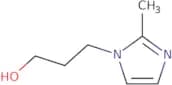

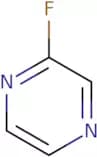
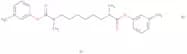
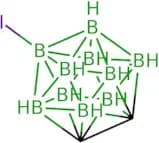
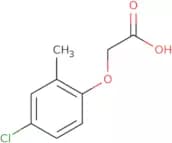
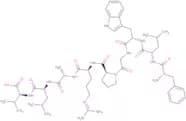
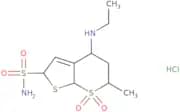
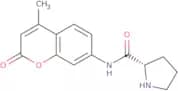


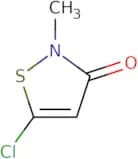
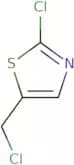
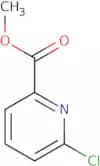
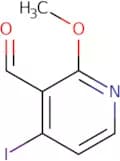
![[1-(2-Chlorobenzyl)-1H-benzimidazol-2-yl]methanol](/_next/image/?url=https%3A%2Fstatic.cymitquimica.com%2Fproducts%2F3D%2Fthumb-webp%2FFC135810.webp&w=3840&q=75)
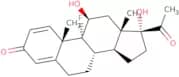
![[2-(1,2,6-Trimethyl-1H-indol-3-yl)ethyl]amine hydrochloride](/_next/image/?url=https%3A%2Fstatic.cymitquimica.com%2Fproducts%2F3D%2Fthumb-webp%2FFT118335.webp&w=3840&q=75)
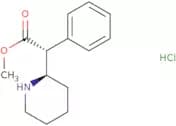


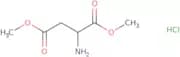
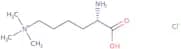

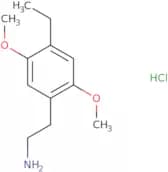
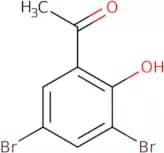
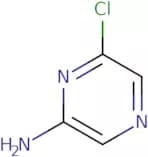
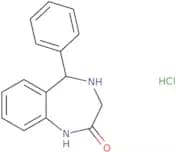
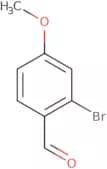
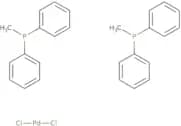

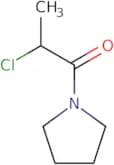
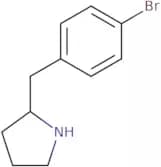
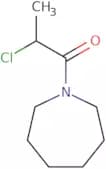
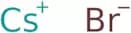
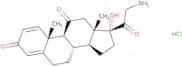
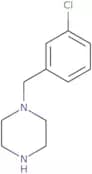
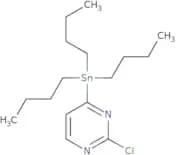
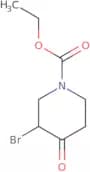
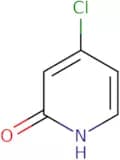
![[2-(1-Isobutyl-1H-benzimidazol-2-yl)ethyl]amine dihydrochloride](/_next/image/?url=https%3A%2Fstatic.cymitquimica.com%2Fproducts%2F3D%2Fthumb-webp%2FFI135795.webp&w=3840&q=75)
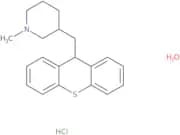
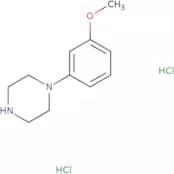
![2-Bromo-5,6-dihydro-8h-imidazo[1,2-a]pyrazine-7-carboxylic acid tert-butyl ester](/_next/image/?url=https%3A%2Fstatic.cymitquimica.com%2Fproducts%2F3D%2Fthumb-webp%2FFB163714.webp&w=3840&q=75)
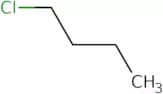
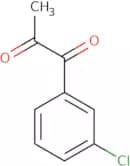
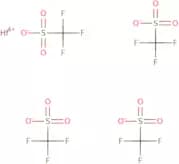
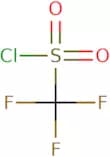
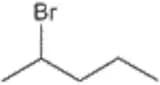
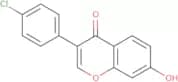
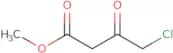
![2-Chloro-7H-pyrrolo[2,3-d]pyrimidin-4-amine](/_next/image/?url=https%3A%2Fstatic.cymitquimica.com%2Fproducts%2F3D%2Fthumb-webp%2FFC63357.webp&w=3840&q=75)
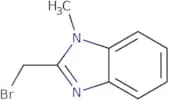
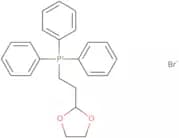
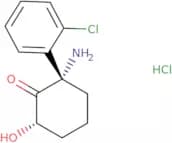
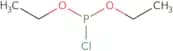
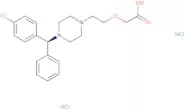
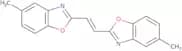


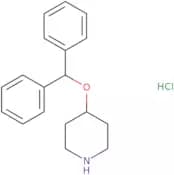
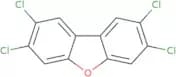
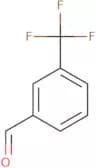
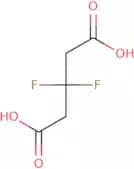

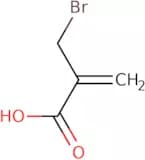
![N-[3-Fluoro-4-[(methylamino)carbonyl]phenyl]-2-methylalanine](/_next/image/?url=https%3A%2Fstatic.cymitquimica.com%2Fproducts%2F3D%2Fthumb-webp%2FFF99416.webp&w=3840&q=75)
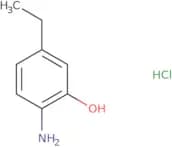
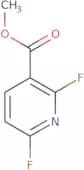
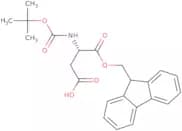
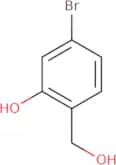
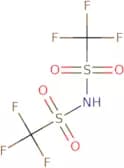
![1-[(4-Chlorophenyl)phenylmethyl]piperazine](/_next/image/?url=https%3A%2Fstatic.cymitquimica.com%2Fproducts%2F3D%2Fthumb-webp%2FFC20350.webp&w=3840&q=75)
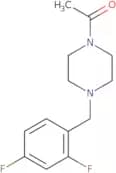


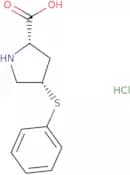
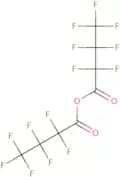
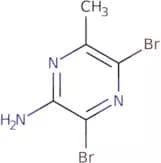
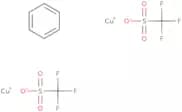

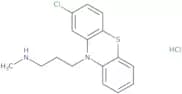
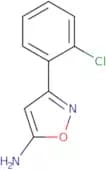

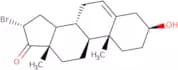
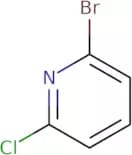
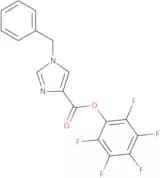
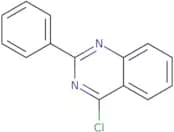
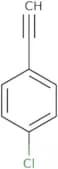
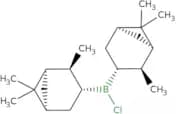

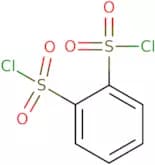
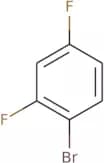
![(2-{2-[2-(2-Aminoethyl)-4,5-dimethoxybenzyl]-4,5-dimethoxyphenyl}ethyl)amine dihydrochloride](/_next/image/?url=https%3A%2Fstatic.cymitquimica.com%2Fproducts%2F3D%2Fthumb-webp%2FFA135464.webp&w=3840&q=75)
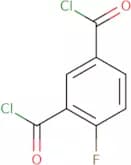
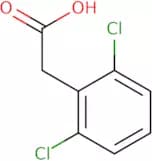
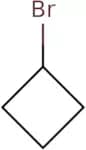
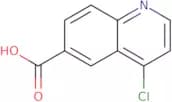
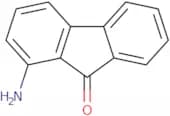
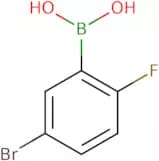
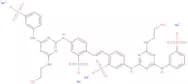

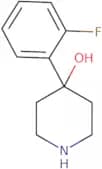
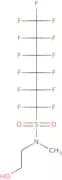

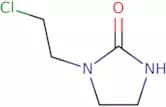
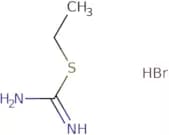
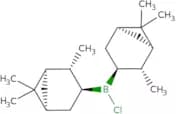
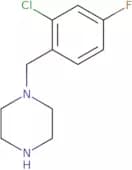
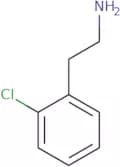
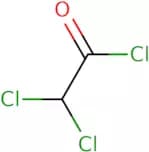
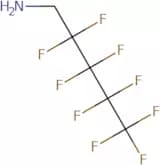


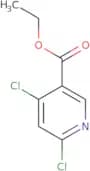
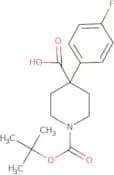
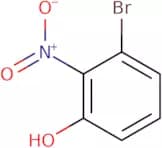

![Mono[2-(perfluorooctyl)ethyl] phosphate](/_next/image/?url=https%3A%2Fstatic.cymitquimica.com%2Fproducts%2F3D%2Fthumb-webp%2FFM26053.webp&w=3840&q=75)
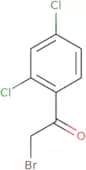
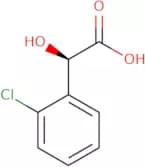
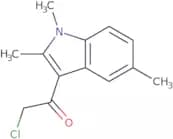
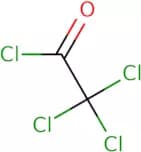
![[1-(4-Chlorobenzyl)-1H-benzimidazol-2-yl]methanol](/_next/image/?url=https%3A%2Fstatic.cymitquimica.com%2Fproducts%2F3D%2Fthumb-webp%2FFC135813.webp&w=3840&q=75)
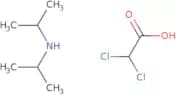

![[1,3-Bis(diphenylphosphino)propane]palladium(II) dichloride](/_next/image/?url=https%3A%2Fstatic.cymitquimica.com%2Fproducts%2F3D%2Fthumb-webp%2FFB46063.webp&w=3840&q=75)
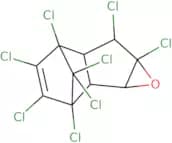
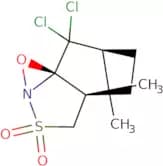
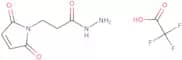
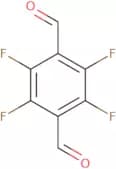

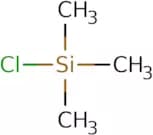

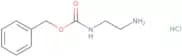
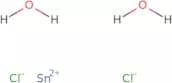
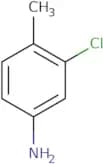
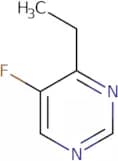


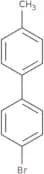
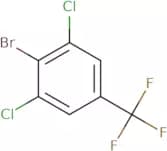

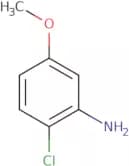
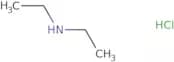
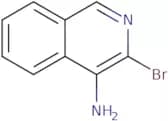


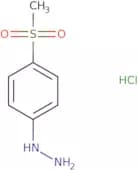
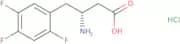
![[(5-Chloro-1-methyl-1H-benzimidazol-2-yl)methyl]amine hydrochloride](/_next/image/?url=https%3A%2Fstatic.cymitquimica.com%2Fproducts%2F3D%2Fthumb-webp%2FFC135791.webp&w=3840&q=75)
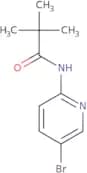

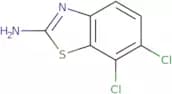
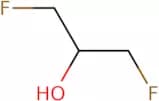
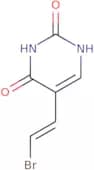
![(17R)-4-Chloro-5-ethyl-9-fluoro-11b-hydroxy-16b-methylspiro[androsta-1,4-diene-17,2(3H)-furan]-3,3…](/_next/image/?url=https%3A%2Fstatic.cymitquimica.com%2Fproducts%2F3D%2Fthumb-webp%2FFF103612.webp&w=3840&q=75)
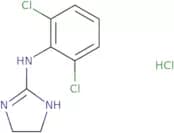

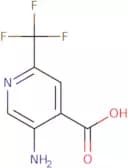
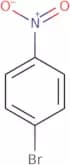
![(2S,3S)-5-[2-(Dimethylamino)ethyl]-3-hydroxy-2-(4-methoxyphenyl)-2,3-dihydro-1,5-benzothiazepin-4-…](/_next/image/?url=https%3A%2Fstatic.cymitquimica.com%2Fproducts%2F3D%2Fthumb-webp%2FFD45531.webp&w=3840&q=75)
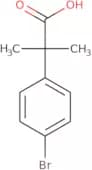
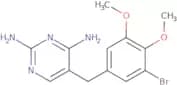
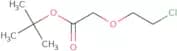
![[2-(5-Chloro-1H-indol-3-yl)-1-methylethyl]amine hydrochloride](/_next/image/?url=https%3A%2Fstatic.cymitquimica.com%2Fproducts%2F3D%2Fthumb-webp%2FFC123633.webp&w=3840&q=75)
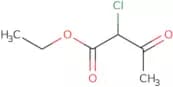
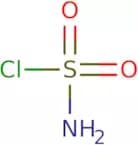
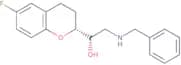
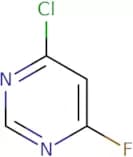

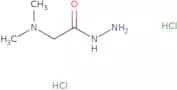
![cis-[2-(2,4-Dichlorophenyl)-2-(1H-imidazol-1-ylmethyl)-1,3-dioxolan-4-yl]methyl p-tolylsulfonate](/_next/image/?url=https%3A%2Fstatic.cymitquimica.com%2Fproducts%2F3D%2Fthumb-webp%2FFD21680.webp&w=3840&q=75)
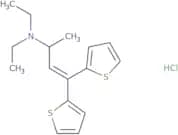
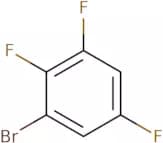
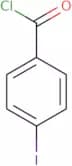
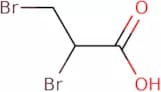
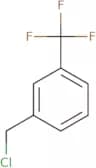
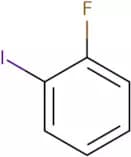


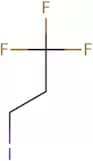

![[2-(4-Chlorophenyl)-1,3-thiazol-4-yl]acetic acid](/_next/image/?url=https%3A%2Fstatic.cymitquimica.com%2Fproducts%2F3D%2Fthumb-webp%2FFC124498.webp&w=3840&q=75)
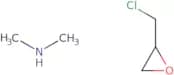
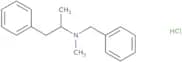
![[3-(1-Piperidin-1-ylcyclohexyl)phenyl]amine hydrochloride](/_next/image/?url=https%3A%2Fstatic.cymitquimica.com%2Fproducts%2F3D%2Fthumb-webp%2FFP120158.webp&w=3840&q=75)