Haletos orgânicos
Nesta categoria, você encontrará moléculas orgânicas contendo um ou mais átomos de halogênio em sua estrutura. Estes haletos orgânicos incluem compostos bromados, iodados, clorados e haletos cíclicos. Os haletos orgânicos são amplamente utilizados em síntese orgânica, farmacêutica, agroquímica e ciência dos materiais devido à sua reatividade e capacidade de sofrer uma variedade de transformações químicas. Na CymitQuimica, oferecemos uma seleção abrangente de haletos orgânicos de alta qualidade para apoiar suas aplicações de pesquisa e industriais, garantindo desempenho confiável e eficaz em seus projetos sintéticos e analíticos.
Subcategorias de "Haletos orgânicos"
Foram encontrados 20440 produtos de "Haletos orgânicos"
Ordenar por
Pureza (%)
0
100
|
0
|
50
|
90
|
95
|
100
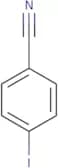
4-Iodobenzonitrile
CAS:<p>4-Iodobenzonitrile is an organic compound with the formula CH(CN)I. It is a colorless liquid that is soluble in water and acetone. 4-Iodobenzonitrile can be prepared by transfer of nitrile to iodide. The product has been used as a synthetic intermediate for pharmaceuticals, including the antibiotic erythromycin. It also has been used in the synthesis of other compounds, such as phenylacetic acid and its derivatives, and aromatic amines.</p>Fórmula:C7H4INPureza:Min. 95%Cor e Forma:PowderPeso molecular:229.02 g/molRef: 3D-FI45417
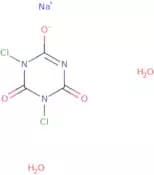
Produto descontinuadoDichloroisocyanuric acid sodium dihydrate
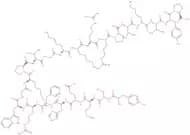
CAS:<p>Dichloroisocyanduric acid sodium salt (DCD) is a disinfectant that is used to control bacteria, fungi, and algae in wastewater treatment plants. DCD has been shown to be an effective antimicrobial agent against bacterial spores and the fungal plant pathogen "Botrytis cinerea" when used at concentrations of 0.1-0.3%. DCD also has a low toxicity for mammals, with LD50 values of 3.5g/kg for rats and 2g/kg for mice. The chemical stability of DCD can be increased by adding sodium carbonate or other alkaline substances in a neutral pH environment.</p>Fórmula:C3HCl2N3O3•(H2O)2•NaPureza:Min. 95%Cor e Forma:PowderPeso molecular:256.98 g/molACTH (2-24) (human, bovine, rat) trifluoroacetate salt
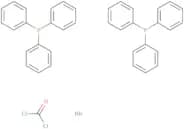
CAS:<p>Please enquire for more information about ACTH (2-24) (human, bovine, rat) trifluoroacetate salt including the price, delivery time and more detailed product information at the technical inquiry form on this page</p>Fórmula:C133H205N39O29SPureza:Min. 95%Peso molecular:2,846.36 g/molCarbonylbis(triphenylphosphine)rhodium(I) Chloride
CAS:Produto Controlado<p>Carbonylbis(triphenylphosphine)rhodium(I) Chloride is a carbonyl compound that is prepared by reacting alcohols with diethyl ether in the presence of rhodium chloride. It is used as a reagent for alkylation, recrystallization, and purification of organic compounds. Carbonylbis(triphenylphosphine)rhodium(I) Chloride has been used to synthesize formaldehyde from ethylene glycol and formaldehyde-based resins. It also has been used as a catalyst in the conversion of aliphatic hydrocarbons to alcohols. This compound is insoluble in water and crystallizes yellow when dried.</p>Fórmula:C37H30ClOP2RhPureza:Min. 95%Peso molecular:690.94 g/molRef: 3D-FC60959
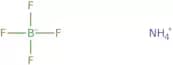
Produto descontinuadoAmmonium tetrafluoroborate
CAS:<p>Ammonium tetrafluoroborate is a salt of the organic compound tetrafluoroborate and ammonium. It is a colorless solid that can be used as a chemical reagent. Ammonium tetrafluoroborate has a higher chemical stability than other salts of tetrafluoroborate, such as ammonium hexafluorophosphate and ammonium hexafluoroarsenate. Ammonium tetrafluoroborate is used to make the dinucleotide phosphate, which is an important component in DNA synthesis. In a redox potential test, ammonium tetrafluoroborate showed no electrochemical activity in water vapor at pH 7. Ammonium tetrafluoroborate reacts with trifluoroacetic acid to produce hydrogen fluoride and ammonium chloride. This reaction is reversible, which means that it can be used for the synthesis of ammonia gas from hydrogen and nitrogen gases or for the</p>Fórmula:NH4BF4Pureza:Min. 98%Cor e Forma:White PowderPeso molecular:104.84 g/molRef: 3D-FA55588
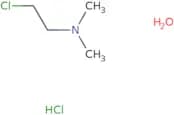
Produto descontinuado2-Chloro-N,N-dimethylethanamine hydrochloride hydrate
Produto Controlado<p>Please enquire for more information about 2-Chloro-N,N-dimethylethanamine hydrochloride hydrate including the price, delivery time and more detailed product information at the technical inquiry form on this page</p>Fórmula:C4H13Cl2NOPureza:Min. 95%Peso molecular:162.06 g/molRef: 3D-FC139987
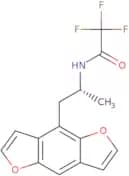
Produto descontinuado(R)-Dragonfly N-trifluoroacetamide
CAS:Produto Controlado<p>Please enquire for more information about (R)-Dragonfly N-trifluoroacetamide including the price, delivery time and more detailed product information at the technical inquiry form on this page</p>Fórmula:C15H12F3NO3Pureza:Min. 95%Peso molecular:311.26 g/molRef: 3D-FD22614
Produto descontinuadoHydrazine Monohydrobromide
CAS:Produto Controlado<p>Hydrazine monohydrobromide is a reactive chemical that is soluble in water and organic solvents. It is a white crystalline solid that exists as polymorphic forms, and has a molecular weight of 121.06. Hydrazine monohydrobromide is an important precursor for the production of other compounds, such as hydrazine sulfate and hydrazine nitrate. It also acts as a pharmacological agent, used to treat heart disease. Hydrazine monohydrobromide reacts with an inorganic acid to produce hydrogen gas and an organic solution containing the reaction products of nitrogen atoms and hydrogen atoms. These particles can be found on metal surfaces such as copper or silver, where they form morphogenetic proteins due to their ability to catalyze reactions.</p>Fórmula:H4N2·HBrPureza:Min. 95%Peso molecular:112.96 g/molRef: 3D-FH61154
Produto descontinuado(17R)-4-Chloro-5-ethyl-9-fluoro-11b-hydroxy-16b-methylspiro[androsta-1,4-diene-17,2(3H)-furan]-3,3-dione
CAS:<p>Clobetasol propionate is an organic acid with a chemical structure that is stable in pharmaceutical preparations. It is used to treat inflammatory skin disorders such as psoriasis and atopic dermatitis. Clobetasol propionate is an impurity of clobetasol, which has been shown to be chemically stable in preparations. The clobetasol propionate compound has been found to be more potent than other topical corticosteroids for the treatment of plaque psoriasis and atopic dermatitis.</p>Fórmula:C25H30ClFO4Pureza:Min. 95%Peso molecular:448.95 g/molRef: 3D-FF103612
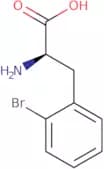
Produto descontinuado2-Bromo-D-phenylalanine
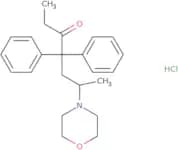
CAS:<p>2-Bromo-D-phenylalanine is a precursor of l-DOPA, which is an amino acid that is used in the synthesis of dopamine. It is also used as a diagnostic agent for bladder cancer, where it is taken up by bladder cells and converted to radioactive 2-bromo-3′-deoxyuridine. This radioactive compound can be detected with a high performance liquid chromatography (HPLC) system. In addition, 2-Bromo-D-phenylalanine has been shown to inhibit the acid transporter in tumor cells, making it useful as an oncologic drug. 2 bromo d phenylalanine inhibits the acid transporter in tumor cells, making it useful as an oncologic drug</p>Fórmula:C9H10BrNO2Pureza:Min. 95%Cor e Forma:White To Off-White SolidPeso molecular:244.09 g/molPhenadoxone hydrochloride
CAS:Produto Controlado<p>Phenadoxone hydrochloride is a synthetic opioid drug with excitatory effects that is structurally related to meperidine. It has been used as an analgesic and antitussive, but is now rarely prescribed due to the high risk of addiction. Phenadoxone hydrochloride is a haloalkyl drug, which means it contains one or more halogen atoms in its chemical structure. These compounds are known to cause physical dependence and withdrawal symptoms when discontinued after prolonged use. Side effects may include nausea, vomiting, dizziness, headache, blurred vision, constipation, dry mouth and urinary retention. The most efficient method of synthesis involves the reaction of dimethylformamide with phenol and formaldehyde in a ring-opening reaction to form dipipanone. Dipipanone is then converted into phenadoxone hydrochloride by reacting with nitroethane and sodium hydroxide in the presence of hydrogen chloride gas.</p>Fórmula:C23H30ClNO2Pureza:Min. 95%Peso molecular:387.94 g/molRef: 3D-FP26861
Produto descontinuado[3-(1-Piperidin-1-ylcyclohexyl)phenyl]amine hydrochloride
CAS:Produto Controlado<p>3-(1-Piperidin-1-ylcyclohexyl)phenyl]amine hydrochloride is a ligand that binds to the acetylcholine receptor. 3-(1-Piperidin-1-ylcyclohexyl)phenyl]amine hydrochloride is an active analogue and has a high binding affinity for the cholinergic receptor. It has been shown to have a kinetic effect on the excitatory system, enhancing excitatory effects of acetylcholine without affecting inhibitory effects. 3-(1-Piperidin-1-ylcyclohexyl)phenyl]amine hydrochloride also has an antagonistic effect on modifiers of acetylcholine activity such as amantadine, but enhances the effects of other drugs, such as clonidine.</p>Fórmula:C17H26N2Pureza:Min. 95%Peso molecular:258.4 g/molRef: 3D-FP120158
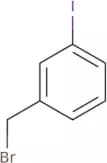
Produto descontinuado3-Iodobenzyl bromide
CAS:<p>3-Iodobenzyl bromide is a potent, selective antagonist of the adenosine A3 receptor. It has been shown to be effective in treating cervical cancer and cancer by inhibiting the growth of cancer cells. 3-Iodobenzyl bromide binds to the adenosine A3 receptor and blocks the binding of adenosine, thereby inhibiting its effects on other tissues. This drug has been shown to have little effect on other cellular receptors, making it a promising candidate for treating cancer without many side effects.</p>Fórmula:C7H6BrIPureza:Min. 95%Cor e Forma:PowderPeso molecular:296.93 g/molRef: 3D-FI63904
Produto descontinuadoPeptide YY (canine, mouse, porcine, rat)
CAS:<p>Peptide YY (PYY) is a peptide hormone that inhibits gastric emptying and increases intestinal transit time. This peptide can be given as an intubation, perfusion, or intravenous infusion to increase the absorption of nutrients. It also has the potential to reduce body weight in obese people. PYY is a potent activator of protein synthesis and it has been shown to stimulate lipolysis in adipocytes. PYY is found in the ileum and colon, where it may have its effects on appetite suppression and regulation of gastrointestinal motility.</p>Fórmula:C190H288N54O57Pureza:Min. 95%Cor e Forma:PowderPeso molecular:4,240.65 g/molRef: 3D-FP109287
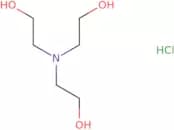
Produto descontinuadoTriethanolamine hydrochloride
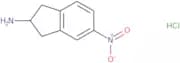
CAS:Produto Controlado<p>Triethanolamine hydrochloride, widely known as TEA-HCl, is a buffer used in biochemistry to maintain a stable pH in the range of 7.3 to 8.3 during processes like protein extraction and purification. They are also used in enzyme assays.</p>Fórmula:C6H15NO3·HClPureza:Min. 95%Cor e Forma:PowderPeso molecular:185.65 g/mol2-Amino-5-nitroindan hydrochloride
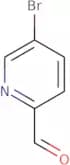
CAS:Produto Controlado<p>Please enquire for more information about 2-Amino-5-nitroindan hydrochloride including the price, delivery time and more detailed product information at the technical inquiry form on this page</p>Fórmula:C9H10N2O2·HClPureza:Min. 95%Peso molecular:214.65 g/mol5-Bromopyridine-2-carbaldehyde
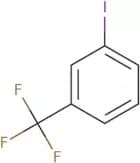
CAS:<p>5-Bromopyridine-2-carbaldehyde is a water soluble organic molecule that has been shown to inhibit the mitochondrial respiratory chain. It is a structural analog of the natural substrate for mitochondrial cytochrome c oxidase, 5-aminolevulinic acid. This compound has been shown to be selective against cancer cells and has anti-viral properties. The photophysical properties of 5-bromopyridine-2-carbaldehyde have been studied extensively. The fluorescence quantum yield of this molecule in aqueous solution is 0.06%.</p>Fórmula:C6H4BrNOPureza:Min. 95%Cor e Forma:White PowderPeso molecular:186.01 g/mol1-iodo-3-(trifluoromethyl)benzene
CAS:<p>1-Iodo-3-(trifluoromethyl)benzene is a reagent used in cross-coupling reactions to form carbon-carbon and carbon-heteroatom bonds. It is soluble in organic solvents, such as benzene and tetrahydrofuran. 1-Iodo-3-(trifluoromethyl)benzene can be used as an organic fluorophore or as an electrophilic halogenating agent. The reaction of 1-iodo-3-(trifluoromethyl)benzene with sodium methoxide yields the corresponding iodonium salt, which has been shown to react with aldehydes, ketones, esters, thiols, and amines to give substituted products. The reaction rate depends on the temperature and the nature of the substrate. 1-Iodo-3-(trifluoromethyl)benzene can also be</p>Fórmula:C7H4F3IPureza:Min. 95%Peso molecular:272.01 g/molRef: 3D-FI106089
Produto descontinuadoDichloro(1,1-bis(diphenylphosphino)ferrocene)palladium(II)acetoneadduct
CAS:Produto Controlado<p>Please enquire for more information about Dichloro(1,1-bis(diphenylphosphino)ferrocene)palladium(II)acetoneadduct including the price, delivery time and more detailed product information at the technical inquiry form on this page</p>Fórmula:C37H34Cl2FeOP2PdPureza:Min. 95%Peso molecular:789.78 g/molRef: 3D-FD152439
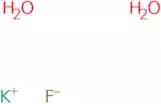
Produto descontinuadoPotassium fluoride dihydrate
CAS:Produto Controlado<p>Potassium fluoride is an inorganic chemical that is used in the water fluoridation process. It is also used as a source of fluoride ions for the synthesis of hydroxyapatite, a mineral found in teeth and bones. Fluoride ions are also used to treat certain infectious diseases, such as malaria. The asymmetric synthesis of potassium fluoride was first reported by M. S. Kharasch and J. A. Fink in 1943 using plasma mass spectrometry. This method has been widely adopted for commercial production of potassium fluoride because it can be scaled up easily and does not require specialized equipment.<br><br>Potassium fluoride has been shown to inhibit viral replication by hydrogen bonding with the guanine-cytosine base pairs on the viral dsDNA, which prevents the DNA from uncoiling and copying its genetic information into new viral particles. Potassium fluoride has also been shown to be effective against hepatitis B virus (HBV) and mammalian cells infected by HB</p>Fórmula:KF·2H2OPureza:Min. 95%Peso molecular:94.13 g/molRef: 3D-FP34794
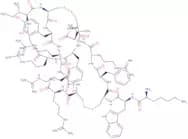
Produto descontinuadoTachyplesin I trifluoroacetate
CAS:<p>Tachyplesin I trifluoroacetate is an antimicrobial peptide with action on bacterial and fungal membranes by disrupting their integrity and is used for research on antimicrobial properties and potential therapeutic applications.</p>Fórmula:C99H151N35O19S4•(C2HF3O2)xPureza:Min. 95%Cor e Forma:PowderPeso molecular:2,263.75 g/molSilver fluoride
CAS:<p>Silver fluoride is a chemical compound that consists of silver and fluoride. It is used in the form of a powder or a solution to sterilize surfaces, and can be applied to skin as an antiseptic. The chemical stability of silver fluoride has been studied using thermodynamic data and biological properties. Silver fluoride is able to inhibit the metabolism of some microorganisms, such as the growth of Staphylococcus aureus and Escherichia coli. Silver fluoride also inhibits the synthesis of DNA and RNA, which are important for cell division.</p>Fórmula:AgFPureza:Min. 95%Cor e Forma:PowderPeso molecular:126.87 g/molPotassium hexafluorophosphate
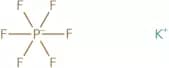
CAS:<p>Potassium hexafluorophosphate is a chemical compound that is used as an antimicrobial agent in the laboratory. It reacts with hydroxyl groups on various surfaces to form potassium hexafluorophosphate and water. The reaction solution can be used to disinfect equipment and surfaces, and is stable at room temperature. Potassium hexafluorophosphate has been shown to have biological properties such as inhibiting the growth of bacteria and fungi, but not viruses. This chemical compound has been shown to be effective against E. coli, Klebsiella pneumoniae, Staphylococcus aureus, Proteus vulgaris, Bacillus subtilis, Pseudomonas aeruginosa, Aspergillus niger, Candida albicans, or Saccharomyces cerevisiae.</p>Fórmula:KPF6Pureza:Min. 95%Cor e Forma:PowderPeso molecular:184.06 g/mol3-fluoroazetidine hydrochloride
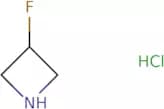
CAS:<p>3-fluoroazetidine hydrochloride is a chemical compound that can be used as a building block, intermediate or reagent in the synthesis of other compounds. It has been shown to be an effective substitute for 3-fluoropyridine in the synthesis of 1,2,4-triazoles. 3-fluoroazetidine hydrochloride is also used as a reaction component in the manufacture of pharmaceuticals, dyes and pesticides.</p>Fórmula:C3H7ClFNPureza:Min. 95%Cor e Forma:White/Off-White SolidPeso molecular:111.55 g/molRef: 3D-FF104364
Produto descontinuado3-Iodo-L-tyrosine
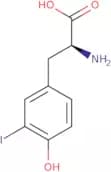
CAS:<p>Please enquire for more information about 3-Iodo-L-tyrosine including the price, delivery time and more detailed product information at the technical inquiry form on this page</p>Fórmula:C9H10INO3Pureza:Min. 96.0 Area-%Cor e Forma:PowderPeso molecular:307.09 g/molRef: 3D-FI12110
Produto descontinuadoZinc bromide dihydrate
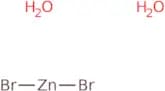
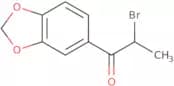
CAS:<p>Zinc bromide dihydrate is a crystalline compound that is used as a catalyst for the conversion of metalloporphyrins to hydroporphyrins. This process is used in the production of vitamin B12. Zinc bromide dihydrate can also be used to inhibit the function of ion pumps, which are proteins that pump ions across membranes. The inhibition of these pumps may lead to a decrease in intracellular calcium levels and an increase in free radicals.<br>Zinc bromide dihydrate has been shown to react with chlorophylls, vinylated heterostructures, and polyvinyl nonmetals. These reactions produce morphology changes in zinc bromide dihydrate crystals</p>Fórmula:ZnBr2•2H2OPureza:Min. 95%Cor e Forma:PowderPeso molecular:261.22 g/mol2-Bromo-3',4'-(methylenedioxy)propiophenone
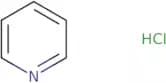
CAS:Produto Controlado<p>Please enquire for more information about 2-Bromo-3',4'-(methylenedioxy)propiophenone including the price, delivery time and more detailed product information at the technical inquiry form on this page</p>Fórmula:C10H9BrO3Pureza:Min. 95%Cor e Forma:PowderPeso molecular:257.08 g/molPyridine hydrochloride
CAS:<p>Pyridine hydrochloride is a white crystalline solid. It has high values for affinity to the CB2 receptor and can be used for the treatment of metabolic disorders, such as diabetes. Pyridine hydrochloride can be synthesized in two ways: by hydrogenation of pyridine with hydrochloric acid or by reacting pyridine with hydrogen fluoride. This compound also has an effect on locomotor activity and increases glutamate levels in the brain, which may contribute to its therapeutic effects. Pyridine hydrochloride is also used as a fluorescent derivative in analytical methods that measure nucleotide levels, such as the phosphorimager technique.</p>Fórmula:C5H5N·HClPureza:Min. 95%Cor e Forma:White To Yellow To Light Brown SolidPeso molecular:115.56 g/molRef: 3D-FP54975
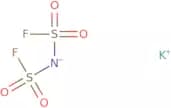
Produto descontinuadoPotassium bis(fluorosulfonyl)imide
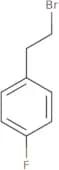
CAS:<p>Potassium bis(fluorosulfonyl)imide (K2FSI) is a reactive chemical that can be used to remove sulfur from petroleum products. It is also used in the manufacturing of ethylene and perovskite solar cells. K2FSI reacts with potassium ions to form potassium hexafluorophosphate (KHF2). This reaction reduces the vapor pressure of KHF2 and increases its solubility in water. The use of K2FSI can reduce the amount of energy needed for desulfurization, as it does not require heating. The following are some uses for potassium bis(fluorosulfonyl)imide: - As a catalyst for production of ethylene - In organic solvent to produce perovskite solar cells - To remove sulfur from petroleum products - To make hydrogen fluoride - For desulfurization</p>Fórmula:F2NO4S2•KPureza:Min. 95%Cor e Forma:White PowderPeso molecular:219.23 g/mol4-Fluorophenethyl bromide
CAS:<p>4-Fluorophenethyl bromide is an antagonist that blocks the binding of agonists to β-adrenoceptors. It has been shown to be a potent and selective antagonist of the β-adrenoceptor, with little effect on other receptors. This compound has been synthesized by reacting 4-fluorobenzeneethanol with ethyl bromoacetate, leading to a product that has a high affinity for β-adrenoceptors. In animal studies, 4-fluorophenethyl bromide was found to be selective for the trachea, inhibiting airway constriction responses in rats. This compound also had high potency, as it was able to produce an increase in heart rate in animals at low dosages.</p>Fórmula:C8H8BrFPureza:Min. 95%Peso molecular:203.05 g/molRef: 3D-FF23447
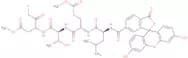
Produto descontinuadoFluorescein-6-carbonyl-Leu-Glu(OMe)-Thr-DL-Asp(OMe)-fluoromethylketone
CAS:<p>Please enquire for more information about Fluorescein-6-carbonyl-Leu-Glu(OMe)-Thr-DL-Asp(OMe)-fluoromethylketone including the price, delivery time and more detailed product information at the technical inquiry form on this page</p>Fórmula:C43H47FN4O15Pureza:Min. 95%Peso molecular:878.85 g/molRef: 3D-FF111108
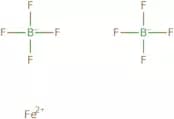
Produto descontinuadoIron(II) tetrafluoroborate - 40-45% aqueous solution
CAS:<p>Iron(II) tetrafluoroborate is a green-yellow crystalline solid that is soluble in water. It has been shown to have structural and optical properties that are similar to those of ferric chloride, but with the advantage of being less toxic. Iron(II) tetrafluoroborate is used as a homogeneous catalyst for organic reactions such as the hydrogenation of nitroarenes and the reduction of ketones. The catalytic activity of Iron(II) tetrafluoroborate arises from its ability to form hydrogen bonding interactions with other molecules and ions in solution.<br>Iron(II) tetrafluoroborate undergoes a number of reactions with other compounds, including cleavage products such as hydrogen sulfate and nitrogen atoms, which may be due to its chelate ligand. In coordination chemistry, Iron(II) tetrafluoroborate can form coordination complexes by reacting with potassium dichromate or calcium carbonate. These complexes are</p>Fórmula:B2F8FePureza:About 45%Cor e Forma:Slightly Green Clear LiquidPeso molecular:229.45 g/molRef: 3D-FI105721
Produto descontinuadoKR-12 (human) trifluoroacetate salt
CAS:<p>Please enquire for more information about KR-12 (human) trifluoroacetate salt including the price, delivery time and more detailed product information at the technical inquiry form on this page</p>Fórmula:C71H127N25O15Pureza:Min. 95%Peso molecular:1,570.93 g/molRef: 3D-FK109932
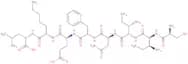
Produto descontinuadoOvalbumin (257-264) (chicken) trifluoroacetate salt
CAS:<p>Please enquire for more information about Ovalbumin (257-264) (chicken) trifluoroacetate salt including the price, delivery time and more detailed product information at the technical inquiry form on this page</p>Fórmula:C45H74N10O13·C2HF3O2Pureza:Min. 95%Peso molecular:1,077.15 g/molRef: 3D-FO109383
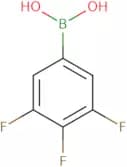
Produto descontinuado(3,4,5-Trifluorophenyl)boronic acid
CAS:<p>The trifluorophenylboronic acid is a boronic acid that has been used in the synthesis of vitamin B12. This compound is often used as a catalyst for the Suzuki coupling reaction. It can also be used to synthesize amides and synthons. The trifluorophenylboronic acid is soluble in water, ethanol, and acetone. The pH of the solution depends on the type of base added. For example, when an amine is added to the solution, it increases to approximately 8-9. When a p-hydroxybenzoic acid is added to the solution, it decreases to approximately 2-3.</p>Fórmula:C6H4BF3O2Pureza:Min. 95%Cor e Forma:PowderPeso molecular:175.9 g/molRef: 3D-FT70125
Produto descontinuado3-Iodo-1H-pyrrolo[2,3-b]pyridine
CAS:<p>3-Iodo-1H-pyrrolo[2,3-b]pyridine (3IOP) is a molecule that has been shown to be cytotoxic against human ovarian carcinoma cells. It induces significant cytotoxicity in cancer cell lines and inhibits the proliferation of lung fibroblasts. 3IOP has been shown to activate cellular signaling pathways and cause multinuclear DNA damage.</p>Fórmula:C7H5IN2Pureza:Min. 95%Cor e Forma:PowderPeso molecular:244.03 g/molRef: 3D-FI42979
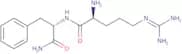
Produto descontinuadoH-Arg-Phe-NH2 hydrochloride salt
CAS:<p>H-Arg-Phe-NH2 hydrochloride salt (H-RF) is a physiological agent that has been shown to have effects on the response element binding protein. H-RF is a small, water soluble molecule that has been shown to act as an agonist for peptides and cation channels in vitro. The peptides are involved in the regulation of cardiac function and locomotor activity, while the cation channel regulates the opening and closing of potassium channels. The binding of H-RF to these receptors leads to positive changes in energy metabolism, which may be due to its ability to activate ATPase. H-RF also binds strongly to disulfide bonds found in proteins such as peptide hormones and enzymes. These disulfide bonds are important for maintaining protein structure and function.</p>Fórmula:C15H24N6O2Pureza:Min. 95%Peso molecular:320.39 g/molRef: 3D-FA107989
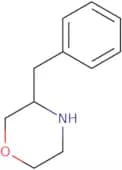
Produto descontinuado3-Benzylmorpholine Hydrochloride
CAS:<p>3-Benzylmorpholine Hydrochloride is a hydroxamate that is used as an acylating agent in organic synthesis. It is also used as a reagent for the preparation of hydroxamic acid and hydroxamic esters. 3-Benzylmorpholine Hydrochloride can be prepared by reacting 3-benzylmorpholine with hydrochloric acid or hydrogen chloride gas in the presence of a base such as triethylamine. The reaction starts by forming a hemiaminal, which reacts with the metal chloride to form the desired product. This reaction follows a kinetic, stereoelectronic, and rationalize mechanism. 3-Benzylmorpholine Hydrochloride has been shown to have chiral properties, which means it has two forms that are non-superimposable mirror images of each other. The enantiomeric purity can be determined using optical rotations or gas chromatography-mass spectrometry.</p>Fórmula:C11H15NO·HClPureza:Min. 95%Peso molecular:213.7 g/molPeptide YY (3-36) (human) trifluoroacetate salt
CAS:<p>Peptide YY (3-36) (human) trifluoroacetate salt H-Ile-Lys-Pro-Glu-Ala-Pro-Gly-Glu-Asp-Ala-Ser-Pro-Glu-Glu-Leu-Asn -Arg -Tyr -Tyr -Ala -Ser -Leu -Arg <br>Peptide YY (3.36) is a peptide hormone that is secreted by L cells in the small intestine and colon. It has been shown to be an effective treatment for obesity, type 2 diabetes, and other metabolic disorders. Peptide YY (3.36) has been shown to increase insulin sensitivity, reduce food intake and body weight, increase metabolic rate, and improve glucose homeostasis in animal studies. In humans, it has been found to have similar effects on postprandial plasma levels of peptide YY (3.</p>Fórmula:C180H279N53O54Pureza:Min. 95%Peso molecular:4,049.47 g/molRef: 3D-FP110326
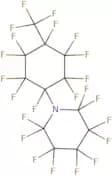
Produto descontinuadoPerfluoro-N-(4-methylcyclohexyl)piperidine
CAS:Produto Controlado<p>Perfluoro-N-(4-methylcyclohexyl)piperidine (4-FPP) is a fluorine compound that has been shown to inhibit the enzymatic activity of tyrosine kinases. It is a potent inhibitor of both human and murine tyrosine kinases, but it does not bind to bacterial tyrosine kinase domains. 4-FPP has been used in clinical studies as an anti-cancer drug, although it's clinical relevance remains unclear. It has also been shown to be effective against the influenza virus by inhibiting the synthesis of viral proteins that are involved in replication. The chemical structure of 4-FPP contains a carbonyl group that can react with other compounds through a photochemical process. This reaction is thought to result in the development of new drugs with similar biochemical properties to 4-FPP.</p>Fórmula:C12F23NPureza:Min. 95%Cor e Forma:Clear LiquidPeso molecular:595.1 g/mol


![(17R)-4-Chloro-5-ethyl-9-fluoro-11b-hydroxy-16b-methylspiro[androsta-1,4-diene-17,2(3H)-furan]-3,3…](/_next/image/?url=https%3A%2Fstatic.cymitquimica.com%2Fproducts%2F3D%2Fthumb-webp%2FFF103612.webp&w=3840&q=75)
![[3-(1-Piperidin-1-ylcyclohexyl)phenyl]amine hydrochloride](/_next/image/?url=https%3A%2Fstatic.cymitquimica.com%2Fproducts%2F3D%2Fthumb-webp%2FFP120158.webp&w=3840&q=75)


![3-Iodo-1H-pyrrolo[2,3-b]pyridine](/_next/image/?url=https%3A%2Fstatic.cymitquimica.com%2Fproducts%2F3D%2Fthumb-webp%2FFI42979.webp&w=3840&q=75)