Bioquímicos e reagentes
Os bioquímicos e reagentes são substâncias fundamentais para a pesquisa e desenvolvimento em campos como biotecnologia, biologia molecular, farmacologia e medicina. Esses produtos são essenciais para uma variedade de aplicações, incluindo a síntese de compostos, a análise de amostras biológicas, a pesquisa de processos metabólicos e a produção de medicamentos. Na CymitQuimica, oferecemos uma ampla seleção de bioquímicos e reagentes de alta qualidade e pureza, adequados para diversas necessidades científicas e industriais. Nosso catálogo inclui enzimas, anticorpos, ácidos nucleicos, aminoácidos e muitos outros produtos, todos projetados para apoiar pesquisadores e profissionais em seus projetos de pesquisa e desenvolvimento, garantindo resultados confiáveis e reproduzíveis.
Subcategorias de "Bioquímicos e reagentes"
- Biomoléculas(99.185 produtos)
- Por Alvo Biológico(99.150 produtos)
- Por uso/Efeitos Farmacológicos(6.789 produtos)
- Compostos relacionados à criopreservação e aos crioconservantes(21 produtos)
- Desinfetantes, aditivos para aquecimento de líquidos de banho e compostos relacionados(28 produtos)
- Hormónios(346 produtos)
- Biologia Vegetal(6.764 produtos)
- Metabólitos secundários(14.307 produtos)
Foram encontrados 130581 produtos de "Bioquímicos e reagentes"
Ordenar por
Pureza (%)
0
100
|
0
|
50
|
90
|
95
|
100
GSK 2141795 hydrochloride
CAS:<p>Inhibitor of AKT kinase</p>Fórmula:C10H16Cl2F2N4O2·HClPureza:Min. 95%Peso molecular:369.62 g/molBAM 15
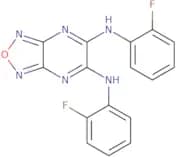
CAS:<p>BAM15 is a pharmacological agent that acts on mitochondrial membrane potential. It binds to the mitochondrial membrane and blocks proton flow, leading to the inhibition of cellular respiration. This leads to an increase in reactive oxygen species (ROS) production and mitochondrial membrane depolarization. BAM15 has been shown to have beneficial effects on hepatic steatosis and physiological changes in rats. It has also been shown to be effective against bowel diseases like colitis and necrotizing enterocolitis in vivo models. BAM15 is a promising drug for the treatment of congestive heart failure due to its ability to inhibit ATP synthesis in cardiac myocytes.</p>Fórmula:C16H10F2N6OPureza:Min. 95%Peso molecular:340.29 g/molTentaGel® B NH2 / Boc Resin (90 um)
<p>TentaGel B resins represent a line of bifunctional resins that are useful for orthogonal synthesis. TentaGel; is a gelatinous resin, an important support for solid phase synthesis. TentaGel resins are constructed with a backbone of low crosslinked polystyrene grafted with polyoxyethylene (polyethylene glycol) as shown below. The typical chain length of POE (n) is approximately 68 ethylene oxide units or an average MW of 3000. This long chain creates a spacer that effectively separates the reactive site (X) from the crosslinked backbone matrix. Particle size 90 µm; capacity: 02-03 meq/g<br>Inside: NH2 Outside: Boc</p>Pureza:Min. 95%5-Bromo-N-(4-nitrophenyl)thiophene-2-sulfonamide
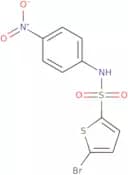
CAS:<p>5-Bromo-N-(4-nitrophenyl)thiophene-2-sulfonamide is an inhibitor of the enzyme synthetase. It has been shown to inhibit the growth of epidermal cells and to have a high resistance to metabolic disorders. The biological properties of 5-bromo-N-(4-nitrophenyl)thiophene-2-sulfonamide are not fully understood, but it has been shown to have an inhibitory effect on the autoimmune diseases, body formation, and viscosity. This drug also has antiinflammatory activities.</p>Fórmula:C10H7BrN2O4S2Pureza:Min. 95%Peso molecular:363.2 g/molMZP-54
CAS:<p>MZP-54 is a natural product that inhibits the HIV virus. It binds to HIV-1 integrase and blocks the integration of viral DNA into the host cell genome. MZP-54 has been shown to inhibit tumor growth in vitro and in vivo, as well as to reduce the number of cancer cells in culture. It also inhibits angiogenesis and has shown activity against a variety of human cancers, including prostate, breast, colon, lung, leukemia, and lymphoma. MZP-54 also inhibits expression of genes regulated by bromodomain proteins. Bromodomain proteins are involved in regulating gene expression by binding to acetylated lysine residues on histones H3 and H4. This protein is expressed at high levels in heart tissue and is associated with cardiotoxicity caused by coronary heart disease or heart failure. In addition, MZP-54 has been found to inhibit renal fibrosis and regulate erythropoietin production.</p>Fórmula:C55H66ClN7O9SPureza:Min. 95%Peso molecular:1,036.67 g/mol1-(2,3-Dihydro-1,4-benzodioxin-6-ylsulfonyl)-4-[(4-methoxyphenyl)sulfonyl]piperazine
CAS:<p>1-(2,3-Dihydro-1,4-benzodioxin-6-ylsulfonyl)-4-[(4-methoxyphenyl)sulfonyl]piperazine is a ligand for the alpha subunit of the NMDA receptor. It selectively interacts with the NR2A subunit and has shown to be an effective inhibitor of the NMDA receptor in rat cortical neurons. This compound has also been shown to have a high binding affinity for the NMDA receptor in rat brain tissue. 1-(2,3-Dihydro-1,4-benzodioxin-6-ylsulfonyl)-4-[(4-methoxyphenyl)sulfonyl]piperazine is used as a research tool in cell biology and pharmacology.</p>Fórmula:C19H22N2O7S2Pureza:Min. 95%Peso molecular:454.5 g/molPi3Kdelta inhibitor 1
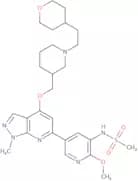
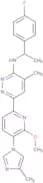
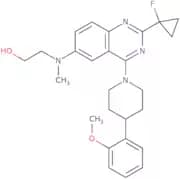
CAS:<p>Pi3Kdelta inhibitor 1 is a potent and selective inhibitor of the lipid kinase, PI3Kdelta. It is used in life science research as a pharmacological tool to study various cellular processes such as receptor-mediated signaling, ion channel activity, and protein-protein interactions. Pi3Kdelta inhibitor 1 binds to the ATP binding site on PI3Kdelta with an IC50 of 3 nM. It has been shown to inhibit the proliferation of human T cells in vitro and is useful for studying the role of PI3Kdelta in T cell activation.</p>Fórmula:C27H38N6O5SPureza:Min. 95%Peso molecular:558.7 g/molD-JNKI-1
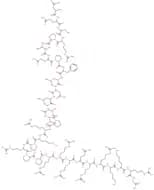
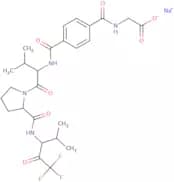
CAS:<p>D-JNKI-1 is a synthetic peptide inhibitor, specifically targeting the c-Jun N-terminal kinase (JNK) pathway. It is developed from a human-derived sequence, incorporating a D-enantiomer configuration to enhance stability and resistance to proteolytic degradation. The mode of action involves the competitive inhibition of JNK's interaction with its substrates, effectively blocking the phosphorylation and subsequent activation of downstream targets. This inhibitory mechanism is achieved by binding directly to the JNK protein, preventing it from executing its usual signaling responsibilities.</p>Fórmula:C164H286N66O40Pureza:Min. 95%Peso molecular:3,822.4 g/molSodium 2-[[4-[[(2S)-3-methyl-1-oxo-1-[(2S)-2-[(1,1,1-trifluoro-4-methyl-2-oxopentan-3-yl)carbamoyl]pyrrolidin-1-yl]butan-2-yl]carbam oyl]benzoyl]amino]acetic acid
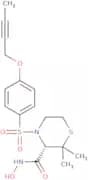
CAS:<p>Sodium 2-[[4-[(2S)-3-methyl-1-oxo-1-[2S]-2-[(1,1,1-trifluoro-4-methyl-2-oxopentan-3-yl)carbamoyl]pyrrolidin-1 -yl]butan-2-yl]carbamoyl]benzoyl]amino]acetic acid is a potent inhibitor of the sodium channel. It blocks the activation of the sodium channel by binding to the receptor site and blocking ion currents. Sodium 2-[4-(2S)-3methyloxo 1-[2S]-2-[(1,1,1trifluoro 4methyl 2oxopentan 3yl) carbamoyl]pyrrolidin 1yl]butan 2yl]carbamoyl]benzoylamino acetic acid has been shown to be an effective inhibitor of peptides</p>Fórmula:C26H32F3N4NaO7Pureza:Min. 95%Peso molecular:592.5 g/molMT-802
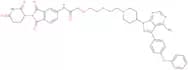
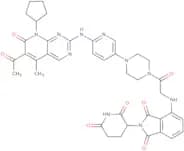
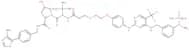
CAS:<p>MT-802 is a small molecule that inhibits the ubiquitin-proteasome system. It has been shown to inhibit tumor xenografts and chronic lymphocytic leukemia in animal models. MT-802 molecule has also shown efficacy in treating autoimmune diseases, such as lupus. The drug works as a covalent inhibitor of polyubiquitin, which is involved in the process of protein degradation by proteasomes. MT-802 binds to polyubiquitin and irreversibly inhibits its function, leading to increased degradation of proteins and inhibition of tumor growth.</p>Fórmula:C41H41N9O8Pureza:Min. 95%Peso molecular:787.8 g/mol(Z)-Fluoxastrobin
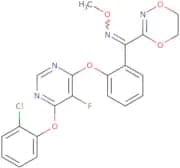
CAS:<p>(Z)-Fluoxastrobin is a potent anticancer agent that has been shown to inhibit tumor growth and promote apoptosis in cancer cells. It is an analog of the natural product strobilurin A, and acts as a kinase inhibitor by binding to the ATP-binding site of protein kinases. (Z)-Fluoxastrobin has been found to be effective against a variety of human cancer cell lines, including Chinese hamster ovary cells and urinary bladder cancer cells. This medicinal compound shows great promise as an anticancer agent due to its ability to selectively target cancer cells while sparing normal cells. Its potent inhibitory effects on protein kinases make it a promising candidate for further development as a targeted therapy for cancer treatment.</p>Fórmula:C21H16ClFN4O5Pureza:Min. 95%Peso molecular:458.8 g/molCGP 48664A
CAS:<p>CGP 48664A is a polyamine analog that selectively inhibits the activity of two enzymes, ornithine decarboxylase and orotate phosphoribosyltransferase. It has been shown to have potent antitumor activity against solid tumours in mice, including metastatic colorectal cancer, and it has also shown to have potent anti-infectious effects against infectious diseases such as malaria. CGP 48664A has been shown to inhibit the growth of carcinoma cells in cell culture. CGP 48664A has been found to be highly selective for inhibiting the enzyme ornithine decarboxylase (ODC) and orotate phosphoribosyltransferase (OPRT), which are involved in polyamine biosynthesis. The enzyme activities of ODC and OPRT were inhibited by up to 90% when incubated with concentrations of 10 μM or higher. When the enzyme activities were inhibited by C</p>Fórmula:C11H16Cl2N6Pureza:Min. 95%Peso molecular:303.19 g/molAnti GLP-2 (14-33) (Rat) Serum
<p>Anti GLP-2 (14-33) (Rat) Serum is an antibody that binds to the GLP-2 receptor and blocks its activity. This peptide can be used in research to study the function of the GLP-2 receptor, and is available as a research tool for cell biology, pharmacology, and other life science applications.</p>Pureza:Min. 95%CRT5
CAS:<p>CRT5 is a ureylene compound that has been shown to be a potent inhibitor of heat-shock protein 90 (HSP90). It acts as a chimaeric antigen receptor and binds to the HSP90, preventing it from interacting with other intracellular targets. This binding prevents HSP90 from activating the signal transduction pathway that is required for dna replication. CRT5 has been shown to have anti-cancer properties in prostate cancer cells and risk group C colon cancer cells.</p>Fórmula:C28H30N4O2Pureza:Min. 95%Peso molecular:454.56 g/molSalviaflaside
CAS:<p>Salviaflaside is a natural compound that belongs to the group of carotenoids. It is a lipid-soluble molecule that can be found in the plant Salvia officinalis. Salviaflaside has been shown to have antioxidative properties, which may be due to its ability to inhibit lipid peroxidation and scavenge free radicals. The antioxidant properties of this molecule have been shown to have an effect on the matrix effect and hydrogen bonding. Salviaflaside also has an effect on energy metabolism, as it was found to increase mitochondrial membrane potential and reduce oxygen consumption rate in cells. The reaction solution for salviaflaside contains pentobarbital sodium, which is used in sample preparation before LC-MS/MS analysis.</p>Fórmula:C24H26O13Pureza:Min. 95%Peso molecular:522.5 g/molMillepachine
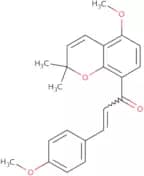
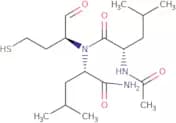
CAS:<p>Millepachine is a novel compound that has been shown to inhibit cancer cells in vitro and in vivo. It is thought to work by inhibiting the NF-κB protein, which is involved in the activation of cancer cells. Millepachine has also been shown to be effective against hepg2 cells, which are liver cells. This drug also inhibits mitochondrial membrane potential and prevents cell cycle progression. Millepachine's antiproliferative effects are multidrug-resistant, although it does not have any known adverse effects on the liver or other organs.</p>Fórmula:C22H22O4Pureza:Min. 95%Peso molecular:350.4 g/molN-Acetyl-L-leucyl-L-leucyl-L-methioninal
CAS:<p>Inhibitor of cathepsin</p>Fórmula:C19H35N3O4SPureza:Min. 95%Peso molecular:401.57 g/molINT 131
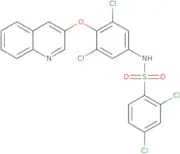
CAS:<p>INT 131 is an estrogen receptor modulator that has been shown to have a proton-pump inhibitor effect. It has the potential to be used in the treatment of bowel disease, cancer, or diabetes. INT 131 inhibits the growth of colon cancer cells in vitro and in vivo by inducing cell lysis and inhibiting inflammatory cytokines. It also has an inhibitory effect on oral hypoglycemic agents and anti-inflammatory drugs. INT 131 is a drug repositioning candidate with possible applications for treating inflammatory diseases such as inflammatory bowel disease or insulin resistance.<br>INT 131 is a drug repositioning candidate with possible applications for treating inflammatory diseases such as inflammatory bowel disease or insulin resistance.</p>Fórmula:C21H12Cl4N2O3SPureza:Min. 95%Peso molecular:514.2 g/molKY-226
CAS:<p>KY-226 is a synthetic chemical compound, which is a derivative developed through organic synthesis techniques. It is designed to function as a targeted enzyme inhibitor, specifically binding to its enzyme of interest to modulate its activity. This interaction is achieved via competitive inhibition, where KY-226 competes with the natural substrate for binding sites on the enzyme's active site.</p>Fórmula:C27H31NO3S2Pureza:Min. 95%Peso molecular:481.7 g/molPKI-166 hydrochloride
CAS:<p>PKI-166 hydrochloride is a peptide that has been generated and characterized to study protein interactions. It is an inhibitor of ion channels and has been shown to inhibit the activity of L-type calcium channels in rat brain synaptosomes. PKI-166 hydrochloride also inhibits the binding of β2 adrenergic receptor ligands to their receptors, as well as inhibiting the phosphorylation of proteins by tyrosine kinase.<br>PKI-166 hydrochloride is a white crystalline powder with a purity of >98%. The molecular weight is 1,494 Da.</p>Fórmula:C20H19ClN4OPureza:Min. 95%Peso molecular:366.8 g/molXY028-140
CAS:<p>XY028-140 is a polypeptide with a molecular weight of 140 kDa. It has been shown to have an efficiency of detection for the recording and identification of specific markers in DNA, RNA, and protein. The peptide has a high affinity for nucleic acids and can be used as a probe to detect specific sequences within DNA or RNA molecules. XY028-140 can also be used as a diagnostic tool for the detection of cancer cells in blood or tissue samples. When irradiated with light at the correct frequency, it emits fluorescence that can be detected by optical equipment for analysis.</p>Fórmula:C39H40N10O7Pureza:Min. 95%Peso molecular:760.8 g/molPhp 501 trifluoroacetate
CAS:<p>Php 501 is a peptide that acts as an activator of ion channels and is used in research. It binds to the receptor and triggers a change in the protein interactions. Php 501 also has an inhibitory effect on ligand binding, which may be due to its ability to bind to receptors and prevent them from being activated by their natural ligands. This product has been shown to increase the permeability of the cell membrane, which is important for ion channel activation.</p>Fórmula:C22H22F3N3O3Pureza:Min. 95%Peso molecular:433.4 g/molAGI 24512
CAS:<p>Methionine adenosyltransferase 2A (MATA2 ) inhibitor</p>Fórmula:C24H24N4O2Pureza:Min. 95%Peso molecular:400.47 g/molCanagliflozin D4
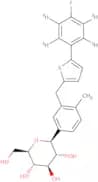
CAS:Produto Controlado<p>Canagliflozin D4 is a synthetic compound that inhibits the SGLT2 transporter and increases the renal excretion of glucose. Canagliflozin D4 is used in the treatment of type 2 diabetes mellitus and is marketed as Invokana. Canagliflozin D4 is a racemic mixture of two enantiomers, with (S)-canagliflozin being more potent than (R)-canagliflozin. The reaction monitoring technique was used to monitor the production of metformin from canagliflozin D4 by extraction with diethyl ether. A validated method for quantification and monitoring was developed using deuterated water for flow rate linearity optimization. This method was applied to plasma samples obtained from healthy Indian subjects who were administered canagliflozin D4 at variable doses over 24 hours. The pharmacokinetic parameters were determined for each subject, resulting in an optimization of this drug dose range.</p>Fórmula:C24H21D4FO5SPureza:Min. 95%Peso molecular:448.54 g/molAnipamil
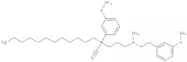
CAS:<p>Anipamil is a drug that activates the calcium-dependent potassium channels in the heart. It has been shown to decrease the use of oxygen and increase the production of ATP, which may help to improve cardiac function. Anipamil has been shown to have beneficial effects on congestive heart failure and isolated heart function in animals. It has also been used for treating metabolic disorders such as diabetes mellitus type II, chronic renal insufficiency, and hepatic cirrhosis.</p>Fórmula:C34H52N2O2Pureza:Min. 95%Peso molecular:520.8 g/molMoracin P
CAS:<p>Moracin P is a prenylated mulberrofuran that is an inhibitor of the enzyme hydroxylase. This leads to decreased production of prostaglandins, which are involved in inflammatory responses and pain. Moracin P has been shown to have anti-cancer properties and inhibitory effects on human immunodeficiency virus (HIV). Moracin P also inhibits oxidative stress and has been shown to be effective for treating diabetic neuropathy. Moracenin, a compound found in Moracin P, has been shown to have significant inhibitory activities against various enzymes such as cyclooxygenase-2, lipoxygenase, nitric oxide synthase, and phospholipase A2.</p>Fórmula:C19H18O5Pureza:Min. 95%Peso molecular:326.34 g/molN1-[2-((1S)-1-[(3-Aminopropyl)amino]-4-[di(3-amino-propyl)amino]butylcarboxamido)ethyl]-3,4-di[oleyloxy]-benzamide
CAS:<p>N1-[2-((1S)-1-[(3-Aminopropyl)amino]-4-[di(3-amino-propyl)amino]butylcarboxamido)ethyl]-3,4-di[oleyloxy]-benzamide is a peptide inhibitor. It is a potent and selective inhibitor of the enzyme protein interactions that belongs to the class of phosphodiesterase 4 (PDE4). The mechanism of action is inhibition of cAMP hydrolysis. N1-[2-((1S)-1-[(3-Aminopropyl)amino]-4-[di(3-amino-propyl)amino]butylcarboxamido)ethyl]-3,4-di[oleyloxy]-benzamide has been shown to bind with high affinity to both the PDE4D5 and PDE4D6 isoforms but not to other PDEs such as</p>Fórmula:C59H116Cl5N7O4Pureza:Min. 95%Peso molecular:1,164.86 g/molAS2863619
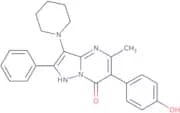
CAS:<p>AS2863619 is a small-molecule drug that activates the phosphoinositide 3-kinase (PI3K) and mitogen activated protein kinase (MAPK) signaling pathways. It has been shown to have a functional effect on inflammatory cytokines, cell function, and hypomethylation of DNA. AS2863619 has also been shown to be able to activate the TGF-β pathway in vitro and in vivo. This compound is selective for certain regulatory kinases, such as PI3K and MAPK, but not others. AS2863619 is also an inhibitor of DNA methyltransferase 1 (DNMT1). As such, it is able to inhibit the expression of genes by preventing methylation of their promoter regions. The activation of these pathways leads to increased proliferation activity.</p>Fórmula:C16H12N8OPureza:Min. 95%Peso molecular:332.32 g/mol4,6-Dichloro-2-(ethoxycarbonyl)-1H-Indole-3-propanoic Acid
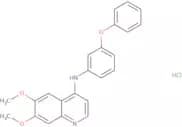
CAS:<p>4,6-Dichloro-2-(ethoxycarbonyl)-1H-Indole-3-propanoic Acid is a synthetic small molecule that activates the GABA receptor. It is a high purity material with a CAS number of 144989-41-3. This compound can be used as an inhibitor to study GABA receptor activation and its effects on ion channels. 4,6-Dichloro-2-(ethoxycarbonyl)-1H-Indole-3-propanoic Acid can also be used as a pharmacology research tool for the study of protein interactions and peptide ligands.</p>Fórmula:C14H13Cl2NO4Pureza:Min. 95%Peso molecular:330.16 g/mol6,7-Dimethoxy-N-(3-phenoxyphenyl)quinolin-4-amine hydrochloride
CAS:<p>6,7-Dimethoxy-N-(3-phenoxyphenyl)quinolin-4-amine hydrochloride is an inhibitor of the N-methyl-D-aspartate receptor, which regulates synaptic transmission. This drug was developed as a research tool to study the function of ion channels and receptors.</p>Fórmula:C23H21ClN2O3Pureza:Min. 95%Peso molecular:408.9 g/molRLN1
<p>The RLN1 gene encodes a protein that is involved in the regulation of cell growth, differentiation, and apoptosis. It interacts with a number of proteins involved in cancer, tumour progression and metastasis. The function of RLN1 is to interact with other proteins, such as p53 and BRCA2, and regulate their activity. The frequency of this gene has been analysed in healthy controls versus patients with cancer. A number of different tissues have been analysed for this gene including testicular tissue from healthy controls versus patients with testicular cancer. There are also data on the expression levels in normal tissue and cancerous tissue from the same individual. This gene has also been shown to be homologous to other genes that are involved in DNA repair and apoptosis.</p>Pureza:Min. 95%Alphos Pd G6 otf
CAS:<p>Alphos Pd G6 otf is a fumigant formulation that releases phosphine gas, sourced from metal phosphides such as aluminum or magnesium phosphide. When exposed to moisture, the product undergoes hydrolysis, liberating phosphine, a potent gaseous phosphine (PH₃) compound. This mode of action is based on phosphine’s ability to disrupt cellular respiration in pests, leading to their effective eradication.</p>Fórmula:C60H71F10O4PPdSPureza:Min. 95%Peso molecular:1,215.65 g/mol[D-Pro2,D-Trp7,9]-Substance P (1ea)
<p>This product is a Substance P antagonist and is available in the Hydrochloride salt form. Substance P is a member of the tachykinin neuropeptide family which is produced in the central nervous system (CNS) and acts through its specific receptor neurokinin 1 receptor (NK-1R). NK-1R is present in neurons and on glial cell types. Substance P is involved in: pain perceptions as a neurotransmitter; gut motility; increased inflammation in the lungs, gastrointestinal tract and the skin and neuroinflammation. Interestingly the levels of Substance P are raised in inflammatory bowel diseases and through its involvement in cytokine release, it contributes to asthma pathology. These diverse selection of functions makes substance P a target for therapeutic research.</p>Fórmula:C74H106N20O13S•3HCI•6H2OPureza:Min. 95%Peso molecular:1,733.3 g/molc4 Topfluor mg
CAS:<p>C4 Topfluor is a peptide used in research. It can activate antibodies and bind to cells, which is used as a research tool. C4 Topfluor can also be used as an inhibitor for ion channels that are involved in the propagation of nerve impulses. C4 Topfluor has been shown to inhibit the binding of ligands to receptors, and is also a ligand for some receptors.</p>Fórmula:C20H27BF2N2O4Pureza:Min. 95%Peso molecular:408.25 g/molCCT251455
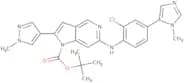
CAS:<p>Tert-butyl 6-[2-chloro-4-(3-methylimidazol-4-yl)anilino]-2-(1-methylpyrazol-4-yl)pyrrolo[3,2-c]pyridine-1carboxylate is a potent and selective activator of the bradykinin B2 receptor. This compound has been shown to inhibit protein interactions in the presence of peptides and antibodies. Tert-butyl 6-[2-chloro-4-(3 methylimidazol-4 yl) anilino]-2-(1 methylpyrazol - 4 yl) pyrrolo[3,2c]pyridine 1 carboxylate is an important research tool for studying cell biology and ion channel function.</p>Fórmula:C26H26ClN7O2Pureza:Min. 95%Peso molecular:504 g/mol2-(2-((5-(Thiophen-2-yl)isoxazol-3-yl)methoxy)acetamido)-4,5,6,7-tetrahydrobenzo[b]thiophene-3-carboxamide
CAS:<p>2-(2-((5-(Thiophen-2-yl)isoxazol-3-yl)methoxy)acetamido)-4,5,6,7-tetrahydrobenzo[b]thiophene-3-carboxamide is a potent and selective inhibitor of the voltage-gated sodium channels which are involved in the generation and propagation of action potentials in excitable cells. It inhibits the activity of these channels by binding to the extracellular domain of their alpha subunit. The affinity of 2-(2-((5-(Thiophen-2-yl)isoxazol-3-yl)methoxy)acetamido)-4,5,6,7-tetrahydrobenzo[b]thiophene 3 carboxamide for its target is about 100 times greater than for other ion channels such as potassium channels. This compound has been shown to be effective against chronic pain</p>Fórmula:C19H19N3O4S2Pureza:Min. 95%Peso molecular:417.5 g/molSERPINA1, AAT, PI MS Calibrator-3 (25nmol)
<p>SERPINA1, AAT, PI MS Calibrator-3 (25nmol) is a peptide mixture. It contains short peptides from alpha-1-antitrypsin, tryptic peptides derived from alpha-1 protease inhibitor and serpin A1. This product is a Proteomics Tools for protein identification and quantification.</p>Pureza:Min. 95%AZD2716
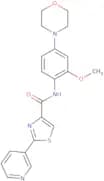
CAS:<p>AZD2716 is a neuroactive pharmaceutical compound, which is a small molecule synthesized through chemical processes targeting the central nervous system. It functions primarily as an agonist for specific neuronal receptors, aiming to enhance synaptic plasticity and improve neurotransmission efficacy within the brain. The specificity of its action allows it to facilitate cognitive processes by modulating the activity of neuroreceptors involved in memory consolidation and retrieval.</p>Fórmula:C24H23NO3Pureza:Min. 95%Peso molecular:373.4 g/molNVP BSK 805
CAS:<p>Inhibitor of non-receptor tyrosine kinase JAK2</p>Fórmula:C27H28F2N6OPureza:Min. 95%Peso molecular:490.55 g/molNocII
CAS:<p>NocII is a protein that is encoded by the NOC2 gene. It has been shown to have locomotor activity, which is linked to its ability to inhibit oxidation of dopamine in the brain. This inhibition of oxidation may be due to its ability to form conjugates with dopamine receptors and other proteins. NocII has also been shown to have antiviral properties, as it has been shown to reactivate latent virus infections in mice. This protein may also play a role in autoimmune diseases and cancer, as it is expressed at high levels in human populations with these conditions. The knockout of this gene results in mice that are susceptible to dopamine-induced locomotion and plate test-induced seizures.</p>Fórmula:C92H141N23O28S2Pureza:Min. 95%Peso molecular:2,081.4 g/molTMI-1
CAS:<p>TMI-1 is a human serum albumin that has been chemically modified to contain an ester linkage. The modification of the protein structure improves its stability and reduces the risk of immunogenicity. TMI-1 has been shown to have antitumor effects in mice, reducing tumor growth by up to 80%. It also has a therapeutic effect on inflammatory skin diseases, such as atopic dermatitis, psoriasis, and rosacea. TMI-1 can be used as a diagnostic agent or as a biocompatible polymer for drug delivery.</p>Fórmula:C17H22N2O5S2Pureza:Min. 95%Cor e Forma:PowderPeso molecular:398.5 g/molDFHO
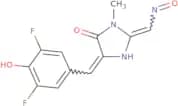
CAS:<p>DFHO is a molecule that has been shown to have fluorescent properties in vitro. It has also been shown to be photostable, which means that it does not break down when exposed to light. DFHO is able to bind with messenger RNA (mRNA) and regulate transcriptional processes in mammalian cells. The fluorescence of DFHO was found to be red in the cellular assay and green in the bacterial strain assay. This molecule has been tested on skin model samples and has shown promise for aiding in the diagnosis of metabolic disorders.</p>Fórmula:C12H9F2N3O3Pureza:Min. 95%Peso molecular:281.21 g/molTD-0212
CAS:<p>TD-0212 is a synthesized small molecule, which is derived from a specialized strain of bacterium engineered for enhanced bioactivity. It functions as an antimicrobial agent, primarily targeting gram-positive bacteria by disrupting cell wall synthesis through the inhibition of peptidoglycan polymerization. This targeted mechanism of action results in cell lysis and effectively curbs bacterial proliferation.</p>Fórmula:C28H34FN3O4SPureza:Min. 95%Peso molecular:527.7 g/molβ-Defensin-1 (Mouse)
<p>Beta-Defensin-1 (BD-1) is an antimicrobial peptide that is produced by various cells and tissues in mice, including epithelial cells in the skin, lungs, and intestines. BD-1 is a member of the beta-defensin family, which are small cationic peptides that play a role in innate immunity by protecting against microbial pathogens, including bacteria, fungi, and viruses.<br>In mice, BD-1 is constitutively expressed, meaning that it is produced at a relatively constant level in healthy animals. Its expression can be induced by various stimuli, including bacterial and viral infections, cytokines, and inflammatory mediators.<br>BD-1 is known to have broad-spectrum antimicrobial activity against a variety of pathogens, including Staphylococcus aureus, Pseudomonas aeruginosa, and Candida albicans. It achieves its antimicrobial activity by disrupting the cell membranes of the pathogens, leading to cell lysis and death.<br>In addition to its antimicrobial activity, BD-1 has been found to have other functions in mice, including promoting wound healing, regulating inflammation, and modulating the immune response.</p>Fórmula:C168H266N52O54S6Pureza:Min. 95%Peso molecular:4,070.6 g/mol3-Cycloheptyl-3H-imidazo[4,5-b]pyridin-2-amine
CAS:<p>3-Cycloheptyl-3H-imidazo[4,5-b]pyridin-2-amine is a ligand that binds to the GABA A receptor and blocks its activation. It is used as a research tool in cell biology and pharmacology. 3-Cycloheptyl-3H-imidazo[4,5-b]pyridin-2-amine has been shown to inhibit the binding of GABA to the receptor, which prevents the opening of ion channels. This inhibition leads to an increase in potassium conductance. The drug also inhibits protein interactions with receptors, such as dopamine D1 and serotonin 5HT 1A .</p>Fórmula:C13H18N4Pureza:Min. 95%Peso molecular:230.31 g/molCK1-IN-1
CAS:<p>CK1-IN-1 is a research tool that can be used to study the function of ion channels and receptors. This compound is a ligand that binds to cell surface receptors and activates them, thereby initiating biological responses. CK1-IN-1 also inhibits the activity of protein kinase C (PKC) by binding to PKC and preventing it from phosphorylating its substrates. It has been shown to inhibit the activity of various ion channels, including sodium channels, potassium channels, calcium channels, and chloride channels. The inhibition of these ion channels leads to an increase in the membrane potential, which can lead to epileptic seizures. This compound is highly pure with a purity level greater than 99%.</p>Fórmula:C24H15F2N3Pureza:Min. 95%Peso molecular:383.39 g/molAnti Chromogranin A (343-360) (Rat) Serum
<p>Anti Chromogranin A (343-360) (Rat) Serum is a high purity antibody that can be used as a research tool in cell biology and pharmacology. It has been shown to inhibit the activation of ion channels, such as sodium channels, which are involved in the transmission of nerve impulses. The antibody also binds to the ligand-binding site of receptors such as acetylcholine and serotonin receptors. Anti-Chromogranin A (343-360) (Rat) Serum is a purified protein that can be used for the detection of specific proteins by Western blotting or immunoprecipitation.</p>Pureza:Min. 95%monoFITC RLN3
<p>MonoFITC RLN3 is a labelled form of relaxin that can be used to measure the clearance of relaxin in tissue culture. It can also be used for quantification and localization of peptide receptors in tissues.</p>Pureza:Min. 95%HSP-70 Cofactor (HSP24) E.coli (recombinant)
<p>HSP-70 Cofactor (HSP24) E.coli (recombinant) is a recombinant protein that can be used as a research tool to investigate protein interactions, receptor binding, and peptide activation. HSP-70 Cofactor (HSP24) E.coli (recombinant) binds to the N terminus of Hsp70, which is involved in the chaperone cycle and facilitates the folding of newly synthesized proteins. It also activates peptides by binding to them and stabilizing their tertiary structure. The protein also plays a role in ion channel activity and ligand binding, thereby affecting cellular processes such as receptor signaling, neurotransmitter release, or memory formation. This product has a CAS number of 628255-27-4.END>></p>Pureza:Min. 95%H 1152 dihydrochloride
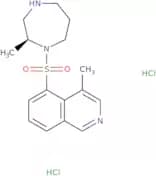
CAS:<p>Inhibitor of Rho-kinase</p>Fórmula:C16H23Cl2N3O2SPureza:Min. 95%Peso molecular:392.34 g/mol16:0 DBCO PE
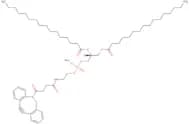
CAS:<p>PEPTIDES: 16:0 DBCO Peptides are a research tool for studying the interactions of proteins with membrane receptors, ion channels, and other proteins. These peptides can be used to study the pharmacology of these receptors and ligands.</p>Fórmula:C56H90N3O10PPureza:Min. 95%Peso molecular:996.3 g/molFERb 033
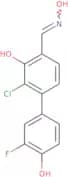
CAS:<p>FERb 033 is a novel estrogen receptor (ER) modulator that can induce cancer cell death. It can also activate the cellular interaction between ER and estrogen, which may lead to the synchronization of cancer cells. FERb 033 has been shown to induce squamous cell carcinoma in mice. FERb 033 is an inhibitor of virus replication and induces cancer cell death by interacting with nuclear receptors. This drug has been studied for its use in treating breast cancer, prostate cancer, and other cancers.</p>Fórmula:C13H9ClFNO3Pureza:Min. 95%Peso molecular:281.66 g/molLipoprotein Lipase , human, recombinant
<p>Lipoprotein Lipase is a type of enzyme that is involved in the breakdown of fats (lipids) into smaller components like free fatty acids and glycerol. This enzyme is made up of two subunits, an alpha subunit and a beta subunit. The alpha subunit has four domains, while the beta subunit has three domains. Lipoprotein Lipase is found in human plasma and tissue, where it performs its function by attaching to the surface of cells or lipoproteins and releasing free fatty acids. It also binds to cholesterol, which may be due to its ability to form hydrogen bonds with this molecule.</p>Pureza:Min. 95%Chikungunya Virus Mutant (A226V) E1 Antigen, Recombinant
<p>Transmitted by mosquito vectors, Chikungunya is a positive-stranded RNA, alpha virus infecting human musculoskeletal tissues. The glycoproteins E1 and E2 of the Chikungunya virus, are responsible for viral entry into host cells and both contain a transmembrane domain. Furthermore E2 has the three globular domains A, B and C which are linked by a β-ribbon connector region. While E2 is essential for mediating viral attachment, E1’s β-sheet structure and class II viral glycoproteins: DI, DII and DIII domains enable the virus to fuse with the host’s membrane. This primarily occurs through the insertion of the DII domain’s fusion loop into the host’s cell membrane.<br>Together E1 and E2 form a viral spike protein which when binding with high affinity to host alphavirus receptors such as Mxra8, allow this receptor to be inserted into E1 and E2. This results in Mxra8 contact between E2’s A and B domains and E1’s fusion loop. Neutralizing antibodies can target these domains, in particular A and B domains within E2, hence preventing viral attachment to host cells. This recombinant antigen can be used in the development of diagnostic assays to detect the presence of the Chikungunya virus.</p>Pureza:≥95% On 12.5% By Sds-Page. Single Band Visible At Approximately 50 Kda.Opicapone
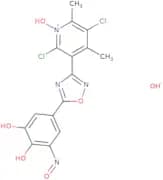
CAS:<p>Opicapone-D6.15N is a unique compound with multiple characteristics. It acts as an antimuscarinic agent and has phosphorescent properties. Opicapone-D6.15N is also known to interact with n-acetylmannosamine, deflazacort, dopamine inhibitors, adjuvant compositions, gambogic acid, diacetone, steroids, alkaloids, catechol-o-methyltransferase, cellulose, and various research chemicals.</p>Fórmula:C15H10Cl2N4O6Pureza:Min. 95%Peso molecular:413.17 g/molIRAK inhibitor 6
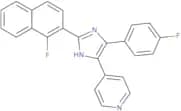
CAS:<p>IRAK inhibitor 6 is a kinase inhibitor that has been shown to be effective in both pre-clinical and clinical trials for cancer therapy. IRAK inhibitor 6 inhibits the activity of protein kinases, which are enzymes that regulate protein synthesis. This inhibition prevents the phosphorylation of proteins, which is required for their function. The inhibition of protein kinases by IRAK inhibitor 6 results in a decrease in cancer-related genes and an increase in normalizing proteins. In pre-clinical trials, this drug was shown to exhibit low toxicity and significant efficacy against cancers such as prostate cancer, colon cancer, and pancreatic cancer. In clinical trials, it was found to be safe at doses that were up to 10 times higher than the effective dose.</p>Fórmula:C20H20N4O3SPureza:Min. 95%Peso molecular:396.46 g/molZ-Leu-Val-Gly-diazomethylketone
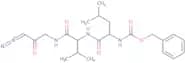
CAS:<p>Z-Leu-Val-Gly-diazomethylketone is a prodrug that is metabolized in vivo to the active form, diazomethyl ketone. This drug has antiviral activity against a number of human pathogens, including poliovirus and herpes simplex virus. It also inhibits proteinase activity, which may be responsible for its anti-bacterial effects. Z-Leu-Val-Gly-diazomethylketone has been shown to inhibit pyogenes and staphylococci by cleavage of their cell walls. The drug also inhibits the replication of viruses such as human immunodeficiency virus (HIV) and influenza A virus.</p>Fórmula:C22H31N5O5Pureza:Min. 95%Cor e Forma:Off-White To Light (Or Pale) Yellow SolidPeso molecular:445.51 g/mol1,2,3,4,8,9,10,10a-Octahydro-7bh-cyclopenta(B)(1,4)diazepino(6,7,1hj)indole
CAS:<p>1,2,3,4,8,9,10,10a-Octahydro-7bh-cyclopenta(B)(1,4)diazepino(6,7,1hj)indole is a Research Tool that can be used for the study of protein interactions and peptide synthesis. It is an inhibitor of the ion channels potassium channel and calcium channel. This compound has a CAS number of 428868-32-0.</p>Fórmula:C14H18N2Pureza:Min. 95%Peso molecular:214.31 g/molCDDO-2P-Im
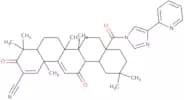
CAS:<p>CDDO-2P-Im is a synthetic compound that has been shown to be detectable in the human body. This drug has the potential use of being an anti-leukemia agent, and it has been shown to induce apoptosis in macrophage-like cells at nanomolar concentrations. CDDO-2P-Im also has proapoptotic activity in leukemia cells and cancer cells. It was not found to be toxic in any tissue types, although it does have carcinogenic properties.</p>Fórmula:C39H46N4O3Pureza:Min. 95%Peso molecular:618.8 g/molMc-Val-Ala-PAB-PNP
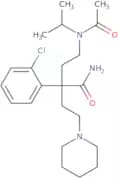
CAS:<p>Mc-Val-Ala-PAB-PNP is a peptide that is used as a research tool in the study of ion channels, receptors and ligands. It has been shown to be an activator of one class of potassium channel and a blocker of another. This peptide is also known to bind to the extracellular domain of the beta 2 adrenergic receptor with high affinity, and can be used as a pharmacological tool for investigating receptor function.</p>Fórmula:C32H37N5O10Pureza:Min. 95%Peso molecular:651.7 g/molAHR 11652
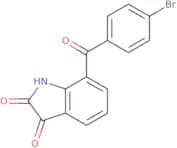
CAS:<p>AHR 11652 is a synthetic chemical compound designed as a research tool, which is derived from laboratory synthesis processes. With its specific mode of action targeting distinct cellular pathways, AHR 11652 is utilized to explore receptor-ligand interactions and to elucidate intracellular signaling mechanisms in various biological systems. Scientists leverage this compound to gain insight into the modulation of physiological responses, such as gene expression and cellular growth.</p>Fórmula:C15H8BrNO3Pureza:Min. 95%Peso molecular:330.13 g/molZzw-115 hydrochloride
CAS:<p>ZZW-115 hydrochloride is a potent NUPR1 inhibitor. NUPR1 (Nuclear Protein 1) has roles in the antioxidant system and is activated under stress conditions by cells, making it a marker for cancer cells. Zzw-115 hydrochloride has antitumor activity by interacting with NUPR1 in cancer cells.</p>Fórmula:C24H34Cl3F3N4SPureza:Min. 95%Peso molecular:574 g/molBPN-15606
CAS:<p>BPN-15606 is a neurofibrillary drug that has been shown to be effective in preventing the formation of amyloid plaques. It has been found to be toxic to cells, which may be due to its ability to induce microgliosis. BPN-15606 is insoluble in water and does not dissolve well in aqueous solutions. This compound is being studied for its potential as a treatment for Alzheimer's disease and other neurodegenerative disorders.</p>Fórmula:C23H23FN6OPureza:Min. 95%Peso molecular:418.5 g/molMu-Conotoxin SIIIA
<p>A synthetic cone snail toxin sourced from the marine snail, Conus striatus. This product is a tetrodotoxin-resistant Na+ channel blocker with analgesic activity, has disulfide bonds between Cys3-Cys13, Cys4-Cys19, and Cys8-Cys20 and is available as a 0.5mg vial.</p>Fórmula:C83H123N33O27S6Pureza:Min. 95%Peso molecular:2,207.5 g/molSBI-553
CAS:<p>SBI-553 is an innovative small-molecule compound, which is a synthetic chemical entity developed through medicinal chemistry techniques. It specifically targets signaling pathways involved in neurological functions, acting as an allosteric modulator of certain neurotransmitter receptors in the central nervous system. This mode of action influences receptor activity, enabling the modulation of signaling pathways implicated in various neurological processes.</p>Fórmula:C26H31FN4O2Pureza:Min. 95%Peso molecular:450.5 g/molProtac fak degrader 1
CAS:<p>Protac Fak Degrader 1 is a research tool for pharmacology and cell biology. It is used to inhibit ion channels, ligands and receptors. Protac Fak Degrader 1 has been shown to be an activator of the G protein-coupled receptor (GPCR) family. Protac Fak Degrader 1 is a peptide that binds to the extracellular domain of the receptor, which prevents it from interacting with other proteins or ligands. Protac Fak Degrader 1 is purified at high purity and can be used as a reagent in life science experiments.</p>Fórmula:C47H56F3N9O8S2Pureza:Min. 95%Peso molecular:996.1 g/molTrimethylethylammonium bromide
CAS:<p>Trimethylethylammonium bromide is a polycarboxylic acid that reacts in solution with the active methylene group of amides to form an amide-polycarboxylic acid complex. Trimethylethyl ammonium bromide also reacts with polyhydric alcohols, such as glycerol, to form polyether-polycarboxylic acids. This reaction is used in cell culture to signify the end of incubation and is often followed by a wash step to remove excess reagent. The pH of the reaction solution should be acidic for optimum results. Trimethylethyl ammonium bromide has been shown to have a high viscosity and can be used as a blood sample additive.</p>Fórmula:C5H14BrNPureza:Min. 95%Peso molecular:168.08 g/molHIV inhibitor 18A
CAS:<p>HIV inhibitor 18A is a research tool that can be used to study the role of ion channels in HIV infection, as well as other diseases. It is a peptide that binds to the HIV receptor and inhibits HIV-1 entry into cells, which can be used to identify new drugs for the treatment of HIV.</p>Fórmula:C14H11N5O2SPureza:Min. 95%Peso molecular:313.33 g/molNF 1819
CAS:<p>NF 1819 is a small-molecule drug that promotes the differentiation of pancreatic β cells into insulin-producing cells. It also prevents the differentiating of stem cells into other cell types. NF 1819 has been shown to be effective in animal models for type 1 diabetes and its complications, such as diabetic kidney disease.</p>Fórmula:C24H22FN5O4Pureza:Min. 95%Peso molecular:463.5 g/molSB 452533
CAS:<p>SB 452533 is a small molecule that binds to the TRPV1 receptor and is used in cancer research. It has been shown to be a potent antagonist of the TRPV1 receptor in vivo, which may be due to its ability to inhibit the activation of cation channels. SB 452533 has also been shown to inhibit collagen-induced platelet aggregation and reduce the number of fibrinogen binding sites on platelets. SB 452533 is currently being investigated for its use in metabolic disorders due to its effect on reducing cholesterol levels and triglycerides.</p>Fórmula:C18H22BrN3OPureza:Min. 95%Peso molecular:376.29 g/molERK-IN-1
CAS:<p>ERK-IN-1 is a selective inhibitor of the mitogen-activated protein kinase. It has been shown to inhibit proliferation of cells in culture and may be useful for treating metastatic melanoma and other cancers. ERK-IN-1 inhibits the activity of CDK4/6, which are enzymes that regulate cell division. This inhibition leads to decreased cell proliferation and tumor growth, which is responsible for its antineoplastic activity. ERK-IN-1 also inhibits signal transduction pathways in cells, which may lead to cancer prevention.</p>Fórmula:C26H27BrF3N5O2Pureza:Min. 95%Peso molecular:578.4 g/mol[Tyr34]-Parathyroid Hormone (Bovine, 1-34 Amide)
<p>Amino acids 1-34 of the Pararthyroid Hormone (PTH) containing a tyrosine residue and disulfide bonds between Cys3-Cys14. This product is of Bovine source and available as a 0.5mg vial. Parathyroid hormone (PTH) is a peptide hormone that regulates calcium and phosphate homeostasis. PTH stimulates the production of active vitamin D, which increases calcium absorption from the gut and promotes reabsorption of calcium in the kidney. The inhibitory effect of PTH on renal phosphate excretion causes hyperphosphatemia and hypocalcemia. PTH also stimulates osteoblasts to produce more bone matrix, resulting in increased bone mineralization and density. It is used as a research tool to study protein interactions, activation, ligand binding, receptor regulation and ion channels. It has been shown to have effects on some cell types such as T-cells, B-cells, neutrophils and mast cells. In addition to its effects on bone metabolism, PTH also has many other functions including vasoconstriction, inhibition of food intake and stimulation of glucose production by the liver.</p>Fórmula:C183H289N55O50S2Pureza:Min. 95%Peso molecular:4,123.7 g/molKIN1148
CAS:<p>KIN1148 is a neutralizing molecule that has been shown to exhibit broad-spectrum antiviral activity against HIV and influenza virus. KIN1148 binds to the hiv envelope protein gp120, thereby inhibiting its interaction with CD4 cells. It also activates the immune system by binding to the HLA-A2 antigen on human dendritic cells. In vitro studies have shown that KIN1148 inhibits the replication of influenza virus in cell culture. This drug also has potential for use as a therapeutic agent in pandemic influenza and avian influenza.</p>Fórmula:C19H11N3OS2Pureza:Min. 95%Peso molecular:361.44 g/molBig Endothelin-2 (Human, 22-37) Antiserum
<p>Big ET-2 (human, 22-37) Antiserum is an antibody that reacts with the Big ET-2 (human, 22-37) peptide. It can be used as a research tool to study the function of Ion channels, Life Science, Receptor, Ligand and Protein interactions. The high purity of this antibody makes it a valuable resource for drug development.</p>Pureza:Min. 95%AS 35
CAS:<p>AS 35 is a new analytical method for the determination of enzyme activities in skin cancer. It is based on the use of human serum and a pharmacological treatment to stimulate the enzyme activity. AS 35 has been shown to be more sensitive than other methods, such as ELISA, and can detect disease activity at an early stage. AS 35 also has physiological effects on cells, including cell lysis, which can be used to study the effects of drugs on cells. The fluorescence probe allows for visualization of cell nuclei and crystal cellulose in vitro, which may be useful in studying autoimmune diseases.</p>Fórmula:C21H20N6O4Pureza:Min. 95%Peso molecular:420.4 g/molCyclooctyne-o-pfp ester
CAS:<p>Cyclooctyne-o-pfp ester is a cyclic compound that binds to and inhibits the activity of protein ligands. It is used for pharmacological research on peptides and proteins. Cyclooctyne-o-pfp ester has been shown to be an activator for some receptors, such as the beta adrenergic receptor. This compound also binds to ion channels, such as potassium channels, and can inhibit their function by blocking potassium ions from passing through. Cyclooctyne-o-pfp ester is available in high purity and can be used in research on life sciences, antibodies, or ion channels.</p>Fórmula:C16H13F5O3Pureza:Min. 95%Peso molecular:348.26 g/molCP-100356 monohydrochloride
CAS:<p>CP-100356 monohydrochloride is a tyrphostin that selectively inhibits the phosphatidylinositol 3-kinase (PI3K) enzyme. Tyrphostins are small molecules that act as potent inhibitors of the PI3K family of enzymes, which regulate cellular proliferation and survival. CP-100356 monohydrochloride has been shown to inhibit cell growth in vitro and to induce autophagy, which helps cells survive under stress conditions. CP-100356 monohydrochloride has been studied in clinical trials for pediatric patients with myeloid leukemia. Patients who were treated with CP-100356 monohydrochloride had improved prognosis compared to those who received chemotherapy alone or other tyrosine kinase inhibitors.</p>Fórmula:C31H36N4O6·HClPureza:Min. 95%Cor e Forma:PowderPeso molecular:597.1 g/molChimeric Chagas Multiantigen (recombinant)
<p>Chagas disease is caused by the parasite Trypanosoma cruzi and is transmitted to humans by the bite of an infected triatomine bug. The Chagas multiantigen (CM) is a recombinant protein that contains the entire sequence of the T. cruzi trypomastigote surface glycoprotein gp41, which plays a critical role in parasite invasion of host cells. CM can be used as a research tool for studying receptor-ligand interactions, ion channels, cell biology, and pharmacology. It also has potential use as an inhibitor of the invasion of mammalian cells by T. cruzi trypomastigotes.</p>Pureza:Min. 95%NNC45-0781
CAS:<p>NNC45-0781 is a potent and selective activator of the GABAA receptor. It is a peptide, which binds to the GABA binding site on the GABAA receptor. NNC45-0781 has been shown to inhibit the growth of cells that are resistant to anti-cancer drugs, such as temozolomide, in vitro and in vivo. NNC45-0781 binds to these cells by activating the GABAA receptor, leading to cell death by inhibiting protein synthesis.</p>Fórmula:C27H29NO3Pureza:Min. 95%Peso molecular:415.5 g/molNVS-CRF-38
CAS:<p>NVS-CRF-38 is a corticotropin-releasing factor (CRF) analog. It is a conjugated form of the CRF-III peptide, which has been modified to contain a phenylalanine residue at position 3 and an arginine residue at position 9. The test compound binds to the CRF receptor and acts as a partial agonist. NVS-CRF-38 has been shown to have pharmacokinetic properties similar to those of native CRF in rats and humans. In rats, plasma protein binding was ˜80% with no effect by deuterium isotope on drug pharmacokinetics. In humans, it was found that NVS-CRF-38 had high oral bioavailability and good absorption in the small intestine.</p>Fórmula:C19H21N5O2Pureza:Min. 95%Peso molecular:351.4 g/molL-798106
CAS:<p>L-798106 is a potent and selective h1 receptor antagonist that blocks the action of histamine. It has been shown to inhibit the intracellular calcium concentration, which may be due to its inhibition of myosin phosphatase activity. L-798106 also inhibits cancer cells by interfering with cell growth and preventing the production of cancerous proteins. Interestingly, this drug also has a pressor effect on blood pressure, which may be due to its ability to increase camp levels in the mesenteric artery. L-798106 is an antagonist of epoxyeicosatrienoic acids (EETs) and 2-aminoethoxydiphenyl borate (2-APB). These compounds are potent agonists for the h1 receptor, which causes vasoconstriction and increases in blood pressure. L-798106 has been shown to inhibit protein synthesis at polymerase chain reaction (PCR) levels in prostate cancer cells. This drug also decreases</p>Fórmula:C27H22BrNO4SPureza:Min. 95%Peso molecular:536.44 g/molFRETS-25Glu (1 umol) (1umol)
<p>Frets-25Glu is a peptide inhibitor of the alpha subunit of the voltage-gated potassium channel. It is a high purity, water-soluble, stable peptide that can be used as a research tool to study the function of ion channels and receptors. Frets-25Glu has been shown to inhibit potassium channel currents in rat dorsal root ganglion neurons and rat dorsal spinal cord neurons. It also binds to the alpha subunit of voltage-gated potassium channels in rat brain tissue.</p>Pureza:Min. 95%Ethyl 4-chloro-2-(ethylthio)pyrimidine-5-carboxylate
CAS:<p>Ethyl 4-chloro-2-(ethylthio)pyrimidine-5-carboxylate is an inhibitor of the enzyme acetylcholinesterase. It is a ligand for nicotinic acetylcholine receptors and has been shown to activate the ion channel TRPV1, which is involved in pain sensation. The compound also inhibits serine proteases and phospholipases. This chemical has been used as a research tool in cell biology, pharmacology, and life sciences.</p>Fórmula:C9H11ClN2O2SPureza:Min. 95%Peso molecular:246.71 g/molGV-196771a
CAS:<p>GV-196771a is a metabotropic glutamate receptor (mGluR) antagonist. It blocks the action of glutamate, a neurotransmitter that activates mGluRs. GV-196771a has been shown to be effective in the treatment of chronic schizophrenia, as well as symptoms such as anxiety, depression and Parkinson's disease. The drug is also neuroprotective and can prevent damage to neurons caused by toxins or strokes. GV-196771a binds to the mGluR5 receptor and blocks activation by glutamate. This prevents the release of other neurotransmitters that are involved in pain transmission, such as dopamine, norepinephrine, serotonin and acetylcholine.</p>Fórmula:C20H13Cl2N2NaO3Pureza:Min. 95%Peso molecular:423.2 g/molBidisomide
CAS:<p>Bidisomide is a drug used to treat bowel disease, such as chronic ulcerative colitis. It is also used in the diagnosis of fatty acid disorders and structural heart disease. Bidisomide has been shown to bind to iron-containing compounds and may be an analog of the amino acid histidine. The absorption enhancer helps with the absorption of bisodomic acid by the small intestine, which helps with its treatment of bowel disease. Bidisomide has been shown to have a toxic effect on rat liver microsomes and can cause aminotransferase activity in the liver. It has also been shown to be effective for inflammatory bowel diseases such as Crohn's Disease.</p>Fórmula:C22H34ClN3O2Pureza:Min. 95%Peso molecular:408 g/molCGP 12177 hydrochloride
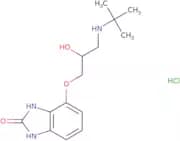
CAS:<p>CGP 12177 hydrochloride is a catecholamine that acts as an agonist at the alpha-1 adrenergic receptor. It has been used to study the pharmacological properties of this receptor and its sensitivity to various drugs. CGP 12177 hydrochloride has shown some antagonist activity against isoprenaline and other catecholamines, but it is not selective for alpha-1 receptors. The imidazolone ring in this agent appears to be important for binding to the receptor, which may be due to its structural similarity to adrenaline. CGP 12177 hydrochloride binds to the agonist binding site on the alpha-1 adrenergic receptor, activating Gs proteins and stimulating adenylyl cyclase. This increases intracellular levels of cyclic AMP (cAMP) and activates protein kinase A (PKA), which phosphorylates proteins such as glycogen synthase kinase 3 (GSK3) and protein kinase C</p>Fórmula:C14H21N3O3·HClPureza:Min. 95%Peso molecular:315.8 g/molTipepidine hibenzate
CAS:<p>Tipepidine hibenzate is an anticancer agent that has been shown to inhibit the growth of cancer cells by inducing apoptosis. It is an analog of indirubin, a potent inhibitor of protein kinases. Tipepidine hibenzate has been found to inhibit the activity of β-glucan kinase, which is involved in the regulation of cell proliferation and differentiation. This drug has been shown to be effective against human cancer cells in vitro and in vivo. It also inhibits the growth of tumors in animal models. Tipepidine hibenzate is excreted mainly in urine and has no significant toxic effects on normal tissues or organs.</p>Fórmula:C29H27NO4S2Pureza:Min. 95%Peso molecular:517.7 g/molBMeS-p-A
CAS:<p>BMeS-p-A is a new antibiotic that has been shown to be effective against gram-negative bacteria, such as E. coli and P. aeruginosa, and carbapenem-resistant bacteria such as K. pneumoniae. BMeS-p-A binds to the bacterial ribosome and prevents protein synthesis by inhibiting the peptidyl transferase activity of the ribosome. BMeS-p-A also appears to have photophysical properties, which may help with its diagnosing potential for bacterial strains and monitoring of fields.</p>Fórmula:C8H12N2O4S2Pureza:Min. 95%Peso molecular:264.31 g/molTrimethoprim-d3 (major)
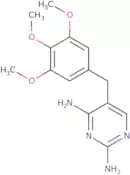
CAS:<p>Trimethoprim-d3 is a major metabolite of trimethoprim, which is a type of antibiotic. It can be used to measure the amount of trimethoprim in the body. Trimethoprim-d3 is a substrate for reductase enzymes and can be used to measure the activity of reductases in wastewater treatment plants. Trimethoprim-d3 also has an effect on muscle function, as it is able to inhibit the activity of enrofloxacin and clarithromycin.</p>Fórmula:C14H18N4O3Pureza:Min. 95%Peso molecular:293.34 g/mol[1-(Benzenesulfonyl)-2-methylpyrrolo[2,3-b]pyridin-4-yl]boronic acid
CAS:<p>[1-(Benzenesulfonyl)-2-methylpyrrolo[2,3-b]pyridin-4-yl]boronic acid is a ligand that binds to and activates the GABA receptor. It has been shown to increase chloride conductance in hippocampal neurons. This ligand also inhibits the activity of the protein kinase C, which plays an important role in neuronal excitation.</p>Fórmula:C14H13BN2O4SPureza:Min. 95%Peso molecular:316.1 g/mol2-Octadecyl-1H-indole-5-carboxylic acid
CAS:<p>2-Octadecyl-1H-indole-5-carboxylic acid is a hypocholesterolaemic drug that is used for the treatment of hypercholesterolaemia. It has been shown to reduce plasma cholesterol and low density lipoprotein (LDL) levels in animals and humans, as well as decrease the size of atherosclerotic lesions in animal models. 2OICC is metabolized by esterases and glucuronidases, which hydrolyze it into octadecanol, indoleacetic acid, and carboxylic acid. The drug binds to human plasma proteins with high affinity and this binding affects its pharmacokinetics. 2OICC has been found to be absorbed through the skin (percutaneous route) after topical application in humans. The compound was also found to have a homologue that was structurally similar with an absorbance at 220 nm. This homologue was also found in rats, rabbits, gu</p>Fórmula:C27H43NO2Pureza:Min. 95%Peso molecular:413.64 g/molα-Defensin-6, human
<p>α-defensin-6 is a human protein that belongs to the α-defensin family. It has been shown to have antibacterial activity against Gram-positive bacteria and is thought to be involved in the innate immune response. α-Defensin-6 has been shown to inhibit ion channels, receptor activation, and cell biology.<br>This product is available as a 0.1mg vial and contains disulfide bonds between Cys4-Cyc31, Cys6-Cys20 and Cys10-Cys30. It can be used as an antimicrobial peptide in Paneth cells.</p>Fórmula:C156H228N46O46S7Pureza:Min. 95%Peso molecular:3,708.2 g/molAS 2863619
CAS:<p>Cyclin-dependent kinase 8 (CDK8) and CDK19 inhibitor</p>Fórmula:C16H14Cl2N8OPureza:Min. 95%Peso molecular:405.24 g/molAcrylic acid-13C3
CAS:<p>Please enquire for more information about Acrylic acid-13C3 including the price, delivery time and more detailed product information at the technical inquiry form on this page</p>Fórmula:C3H4O2Pureza:Min. 95%ML-10
CAS:<p>ML-10 is a molecule that inhibits the growth of cancer cells. It has been shown to reduce tumor size and inhibit tumor growth in various types of cancers, including breast and prostate cancer. ML-10 also reduces the uptake of fatty acids by cancer cells, which leads to apoptosis. This drug has a long safety profile and is well tolerated in clinical trials with no serious adverse effects reported. The best results are obtained when combined with temozolomide chemotherapy. ML-10 binds to cellular membranes, causing changes in cell shape, membrane permeability and metabolic activity.</p>Fórmula:C9H15FO4Pureza:Min. 95%Peso molecular:206.21 g/molTDIF [CLE41/44 Peptide]
CAS:<p>TDIF is a research tool that can be used to study the activation of receptors. It is a ligand that binds to the receptor and activates it. TDIF has been shown to activate ion channels, inhibit cell proliferation, and induce apoptosis in some cancer cells. TDIF is also an inhibitor that prevents protein interactions. This peptide has been shown to be synthesized with high purity and can be used as a research tool for studying cell biology, pharmacology, or life science.</p>Fórmula:C53H82N16O21Pureza:Min. 95%Peso molecular:1,279.3 g/molInsulin, porcine, recombinant
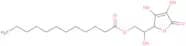
<p>Insulin Porcine is a two chain, glycosylated polypeptide chain containing 51 amino acids and having a molecular mass of 5777 Dalton. The a and b chains are joined by two interchain disulfide bonds with the a chain containing an intrachain disulfide bond. Insulin regulates the cellular uptake, utilization, and storage of glucose, amino acids, and fatty acids and inhibits the breakdown of glycogen, protein, and fat.</p>Pureza:Min. 95%Ascorbyl monolaurate
CAS:<p>Ascorbyl monolaurate is a fat-soluble antioxidant that has the ability to protect cells from damage due to oxidation. It is used in diagnostic agents and as an ingredient in detergent compositions. Ascorbyl monolaurate has been shown to have therapeutic effects on shingles, including the prevention of postherpetic neuralgia and the reduction of pain and discomfort. The mechanism of action appears to be due to its synergic effect with other drugs. The effective dose is still unknown.</p>Fórmula:C18H30O7Pureza:Min. 95%Peso molecular:358.4 g/molCID-797718
CAS:<p>CID-797718 is a synthetic small-molecule compound that functions as a ligand specifically targeting dopamine receptors. It is commonly sourced from laboratories specializing in neurotransmitter research and chemical synthesis. As an agonist or antagonist, its precise mode of interaction with dopamine receptors involves modulation of neuronal signaling pathways, often used to elucidate receptor functions and signaling cascades relevant to neuropharmacology.</p>Fórmula:C12H11NO3Pureza:Min. 95%Peso molecular:217.22 g/molAMG 331
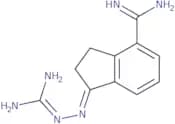
CAS:<p>AMG 331 is a drug that belongs to the class of biguanides. It is used for the treatment of type 2 diabetes and hyperinsulinemia. Inhibition of gluconeogenesis and insulin resistance are thought to be responsible for AMG 331’s therapeutic effects. AMG 331 has been shown to have potent inhibition against the human liver enzyme, glycogen synthase kinase-3β (GSK-3β), which plays a role in cancer cell proliferation, inflammatory bowel disease and blood pressure regulation. This drug also has pharmacokinetic properties, meaning that it is absorbed quickly and eliminated slowly from the body, resulting in a long half-life. AMG331 is metabolized by hydrolysis or oxidation by cytochrome P450 enzymes, reduction by glutathione reductase or conjugation with glucuronic acid. Metformin may also inhibit fatty acid synthesis and enhance peripheral glucose uptake in adipocytes.</p>Pureza:Min. 95%Peso molecular:415.91 g/mol



![1-(2,3-Dihydro-1,4-benzodioxin-6-ylsulfonyl)-4-[(4-methoxyphenyl)sulfonyl]piperazine](/_next/image/?url=https%3A%2Fstatic.cymitquimica.com%2Fproducts%2F3D%2Fthumb-webp%2FMXA86796.webp&w=3840&q=75)


![N1-[2-((1S)-1-[(3-Aminopropyl)amino]-4-[di(3-amino-propyl)amino]butylcarboxamido)ethyl]-3,4-di[ole…](/_next/image/?url=https%3A%2Fstatic.cymitquimica.com%2Fproducts%2F3D%2Fthumb-webp%2FPTA92603.webp&w=3840&q=75)

![[D-Pro2,D-Trp7,9]-Substance P (1ea)](/_next/image/?url=https%3A%2Fstatic.cymitquimica.com%2Fproducts%2F3D%2Fthumb-webp%2FPSP-4113.webp&w=3840&q=75)

![2-(2-((5-(Thiophen-2-yl)isoxazol-3-yl)methoxy)acetamido)-4,5,6,7-tetrahydrobenzo[b]thiophene-3-car…](/_next/image/?url=https%3A%2Fstatic.cymitquimica.com%2Fproducts%2F3D%2Fthumb-webp%2FTKB07558.webp&w=3840&q=75)




![3-Cycloheptyl-3H-imidazo[4,5-b]pyridin-2-amine](/_next/image/?url=https%3A%2Fstatic.cymitquimica.com%2Fproducts%2F3D%2Fthumb-webp%2FJCB64895.webp&w=3840&q=75)







![[Tyr34]-Parathyroid Hormone (Bovine, 1-34 Amide)](/_next/image/?url=https%3A%2Fstatic.cymitquimica.com%2Fproducts%2F3D%2Fthumb-webp%2FPTH-4179-V.webp&w=3840&q=75)







![[1-(Benzenesulfonyl)-2-methylpyrrolo[2,3-b]pyridin-4-yl]boronic acid](/_next/image/?url=https%3A%2Fstatic.cymitquimica.com%2Fproducts%2F3D%2Fthumb-webp%2FPTB66974.webp&w=3840&q=75)



![TDIF [CLE41/44 Peptide]](/_next/image/?url=https%3A%2Fstatic.cymitquimica.com%2Fproducts%2F3D%2Fthumb-webp%2FPBP-4512-V.webp&w=3840&q=75)