Bioquímicos e reagentes
Os bioquímicos e reagentes são substâncias fundamentais para a pesquisa e desenvolvimento em campos como biotecnologia, biologia molecular, farmacologia e medicina. Esses produtos são essenciais para uma variedade de aplicações, incluindo a síntese de compostos, a análise de amostras biológicas, a pesquisa de processos metabólicos e a produção de medicamentos. Na CymitQuimica, oferecemos uma ampla seleção de bioquímicos e reagentes de alta qualidade e pureza, adequados para diversas necessidades científicas e industriais. Nosso catálogo inclui enzimas, anticorpos, ácidos nucleicos, aminoácidos e muitos outros produtos, todos projetados para apoiar pesquisadores e profissionais em seus projetos de pesquisa e desenvolvimento, garantindo resultados confiáveis e reproduzíveis.
Subcategorias de "Bioquímicos e reagentes"
- Biomoléculas(99.116 produtos)
- Por Alvo Biológico(99.075 produtos)
- Por uso/Efeitos Farmacológicos(6.785 produtos)
- Compostos relacionados à criopreservação e aos crioconservantes(21 produtos)
- Desinfetantes, aditivos para aquecimento de líquidos de banho e compostos relacionados(28 produtos)
- Hormónios(346 produtos)
- Biologia Vegetal(6.700 produtos)
- Metabólitos secundários(14.220 produtos)
Foram encontrados 130578 produtos de "Bioquímicos e reagentes"
Ordenar por
Pureza (%)
0
100
|
0
|
50
|
90
|
95
|
100
Cytokeratin AE1+AE3 antibody (Prediluted for IHC)
<p>Mouse monoclonal Cytokeratin AE1+AE3 antibody (Prediluted for IHC)</p>Pureza:Min. 95%CDK9 antibody
<p>The CDK9 antibody is a growth factor that targets specific acid residues to inhibit the activity of cyclin-dependent kinase 9 (CDK9). This monoclonal antibody is designed to specifically bind to CDK9 and prevent its interaction with other proteins, thereby disrupting protein-protein interactions necessary for cell growth and proliferation. The CDK9 antibody can be used in various research applications, such as Western blotting, immunoprecipitation, and immunofluorescence. It has also shown potential therapeutic benefits in the treatment of diseases characterized by abnormal cell growth, such as cancer. Additionally, this antibody has been studied for its anti-angiogenic properties, which may contribute to its ability to inhibit tumor growth by preventing the formation of new blood vessels. With its high specificity and low-molecular-weight design, the CDK9 antibody offers a powerful tool for studying protein function and developing targeted therapies.</p>ZNF550 antibody
<p>ZNF550 antibody was raised in rabbit using the N terminal of ZNF550 as the immunogen</p>Pureza:Min. 95%Mitofusin 2 antibody
<p>Mitofusin 2 antibody was raised using the C terminal of MFN2 corresponding to a region with amino acids LEQEIAAMNKKIEVLDSLQSKAKLLRNKAGWLDSELNMFTHQYLQPSR</p>Pureza:Min. 95%UBE2L6 antibody
<p>UBE2L6 antibody was raised using the middle region of UBE2L6 corresponding to a region with amino acids QVLEALNVLVNRPNIREPLRMDLADLLTQNPELFRKNAEEFTLRFGVDRP</p>CGB antibody
<p>CGB antibody was raised in rabbit using the C terminal of CGB as the immunogen</p>Pureza:Min. 95%IFN β antibody
<p>IFN beta antibody was raised in rabbit using mouse interferon beta as the immunogen.</p>Pureza:Min. 95%JCP174
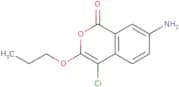
CAS:<p>JCP174 is a small molecule that inhibits the life cycle of Toxoplasma gondii. It encompasses the development of toxoplasmosis, which is a disease caused by this organism. JCP174 has been shown to be an achievable drug candidate for the treatment of toxoplasmosis and other diseases. The nature of JCP174's action against Toxoplasma gondii is unknown, but it may involve the disruption of the parasite's fatty acid synthesis. There are many techniques for profiling JCP174, including fluorogenic substrates and cellular assays. These techniques are useful in determining how to improve its potency, selectivity, and pharmacokinetics.</p>Fórmula:C12H12ClNO3Pureza:Min. 95%Peso molecular:253.68 g/molRabbit anti Goat IgG Fc (HRP)
<p>This antibody reacts with heavy chains on Guinea Pig IgG and light chains on all Guinea Pig immunoglobulins.</p>Pureza:Min. 95%GINS2 antibody
<p>GINS2 antibody was raised using a synthetic peptide corresponding to a region with amino acids VRQQEAHAKLDNLTLMEINTSGTFLTQALNHMYKLRTNLQPLESTQSQDF</p>Pureza:Min. 95%CLPTM1L antibody
<p>CLPTM1L antibody was raised using the middle region of CLPTM1L corresponding to a region with amino acids KAFTYKAFNTFIDDVFAFIITMPTSHRLACFRDDVVFLVYLYQRWLYPVD</p>Pureza:Min. 95%VDAC1 antibody
<p>The VDAC1 antibody is a highly specific and activated antibody that targets the voltage-dependent anion channel 1 (VDAC1). It is commonly used in research and laboratory settings for various applications, including immunoassays, protein detection, and Western blotting. The hydroxy group of the VDAC1 antibody enables it to efficiently bind to its target, providing accurate and reliable results.</p>Cyclin Y-Like 1 antibody
<p>Cyclin Y-Like 1 antibody was raised using the N terminal of CCNYL1 corresponding to a region with amino acids TVKCVTLAIYYHIKNRDANRSLDIFDERSHPLTREKVPEEYFKHDPEHKF</p>Pureza:Min. 95%ALDH5A1 antibody
<p>ALDH5A1 antibody was raised in rabbit using the middle region of ALDH5A1 as the immunogen</p>Pureza:Min. 95%Caspase 10 antibody
<p>Caspase 10 antibody was raised in rabbit using N terminal sequence MKSQGQHWYSSSDKN of all isoforms of human caspase-10 as the immunogen.</p>Pureza:Min. 95%STAT3 antibody
<p>The STAT3 antibody is a highly effective cytotoxic agent used in Life Sciences research. It belongs to the class of Monoclonal Antibodies and is specifically designed to target and inhibit the activity of STAT3, a key protein involved in cell growth and survival. This antibody has been extensively tested and shown to effectively block the activation of STAT3 by growth factors such as helicobacter. By inhibiting STAT3, this antibody prevents the downstream signaling pathways that promote cell proliferation and survival. Additionally, it has been found that the STAT3 antibody can enhance the expression of E-cadherin, an important protein involved in cell adhesion. This monoclonal antibody is available in a convenient microsphere format, making it easy to use in various experimental settings. With its high specificity and potency, the STAT3 antibody is an essential tool for researchers studying signal transduction pathways and developing targeted therapies for cancer and other diseases.</p>NFKB C-rel antibody
<p>NFKB C-rel antibody was raised in rabbit using NFkB cRel peptide corresponding to a region near the C-terminus of the human protein conjugated to KLH as the immunogen.</p>Pureza:Min. 95%SLC35A4 antibody
<p>SLC35A4 antibody was raised in rabbit using the middle region of SLC35A4 as the immunogen</p>Pureza:Min. 95%KITLG Blocking Peptide
<p>A synthetic peptide for use as a blocking control in assays to test for specificity of KITLG antibody, catalog no. 70R-6096</p>Pureza:Min. 95%GPR101 antibody
<p>The GPR101 antibody is a powerful tool in the field of biomedical research. This polyclonal antibody specifically targets GPR101, a surface glycoprotein that plays a crucial role in various physiological processes. The antibody is conjugated with an isothiocyanate, allowing for easy detection and visualization of GPR101 in experimental settings.</p>Chl1 antibody
<p>The Chl1 antibody is a polyclonal antibody that specifically targets β-catenin, a key protein involved in cell adhesion and signaling pathways. This antibody has neutralizing properties, meaning it can block the activity of β-catenin and prevent its interaction with other proteins. It can be used for various applications such as immobilization on surfaces for protein-protein interaction studies or as a tool to detect β-catenin levels in human samples. Additionally, the Chl1 antibody has been shown to have cytotoxic effects on certain cancer cells, making it a potential therapeutic agent. With its specificity and versatility, this antibody is an invaluable tool for researchers in the Life Sciences field.</p>FABP7 antibody
<p>FABP7 antibody was raised in mouse using recombinant human FABP7 (1-132aa) purified from E. coli as the immunogen.</p>CLIC6 antibody
<p>The CLIC6 antibody is a highly specific monoclonal antibody that targets β-catenin, a key protein involved in various cellular processes. This antibody has been developed using cutting-edge technology and has shown exceptional binding affinity and specificity for β-catenin. It is derived from Gynura procumbens, a plant known for its medicinal properties.</p>PDE3A antibody
<p>PDE3A antibody was raised using the N terminal of PDE3A corresponding to a region with amino acids LLADPSLPPNVCTSLRAVSNLLSTQLTFQAIHKPRVNPVTSLSENYTCSD</p>Pureza:Min. 95%ZNF485 antibody
<p>ZNF485 antibody was raised in rabbit using the C terminal of ZNF485 as the immunogen</p>Pureza:Min. 95%TFR2 antibody
<p>TFR2 antibody was raised using the N terminal of TFR2 corresponding to a region with amino acids RAALSRQKLDHVWTDTHYVGLQFPDPAHPNTLHWVDEAGKVGEQLPLEDP</p>Pureza:Min. 95%FCRLA antibody
<p>FCRLA antibody was raised using the middle region of FCRLA corresponding to a region with amino acids PTLNPAPQKSAAPGTAPEEAPGPLPPPPTPSSEDPGFSSPLGMPDPHLYH</p>Pureza:Min. 95%Angiopoietin 2 antibody
<p>Angiopoietin 2 antibody was raised in rabbit using 20-aa peptide from mouse Ang-2 as the immunogen.</p>Pureza:Min. 95%MCOLN3 antibody
<p>MCOLN3 antibody was raised in rabbit using the middle region of MCOLN3 as the immunogen</p>Pureza:Min. 95%GPR158 antibody
<p>The GPR158 antibody is a monoclonal antibody that specifically targets GPR158, a cationic receptor involved in various biological processes. This antibody has been extensively tested and validated for its specificity and effectiveness in scientific research. It can be used in a wide range of applications, including immunohistochemistry, Western blotting, and ELISA.</p>H-SLYNTVATL-OH
<p>HIV-1 p17 Gag (77-85), also called SL9, is a short part of the Human Immunodeficiency Virus 1 especially a short peptide of matrix composed of the viral protein p17 ensuring the integrity of the virion particle. HIV-1 p17 Gag (77-85) HLA-A*02:01-restricted was one of the first cytotoxic T lymphocytes epitope identified for HIV-1. It produces a specific cytotoxic T cells response in 75% of chronically infected adults but a rare activity in acute infection. Therefore, HIV-1 p17 Gag (77-85) may serve as target for anticancer immunotherapeutic strategies especially for vaccine development.<br>Applications of HIV-1 p17 Gag (77-85):<br>HIV-1 p17 Gag (77-85) is used to stimulate CTL responses in peripheral blood mononuclear cells (PBMCs). Then, ELISPOT assay is used to quantify peptide epitope specificity and IFN-γ releasing effector cells.<br>Potential cross-reactivities with FluM1 (58-66) and HCV NS5B (2594-2602):<br>Moreover, HIV-1 p17 Gag (77-85) share similarities with FluM1 (58-66) which can potentially show a cross-reactivity between these epitopes. It has been demonstrated a cross-reactivity and results suggest that immunity following infection by Influenza virus causes specific immune response to HIV-1 p17 Gag (77-85).<br>Similarities between two others HLA-A2-restricted epitopes of two viruses have been demonstrated too: the amino acid sequence of HIV-1 p17 Gag (77-85) (SLYNTVATL) and of HCV NS5B (2594-2602) (ALYDVVTKL). Therefore, researches are conducted to know if during HCV/HIV co-infection it could be exist a T cell cross reactivity.</p>Mouse Brain antibody (FITC)
<p>Mouse brain antibody (FITC) was raised in rabbit using brain tissue from C3H mice as the immunogen.</p>RCC1 antibody
<p>The RCC1 antibody is a crucial tool in the field of Life Sciences. It is an autoantibody that specifically targets RCC1, a nuclear protein involved in cell cycle regulation. This antibody is widely used as a research tool to study the function and localization of RCC1 in various cellular processes. The RCC1 antibody is available as both polyclonal and monoclonal antibodies, allowing researchers to choose the most suitable option for their experiments. It has been extensively validated for its specificity and sensitivity, making it a reliable tool for detecting and quantifying RCC1 levels in different samples. Whether you are studying cell division, chromatin organization, or other related processes, the RCC1 antibody is an essential component of your research toolkit.</p>UCP2 antibody
<p>UCP2 antibody was raised in rabbit using a 14 amino acid peptide from mouse UCP2 as the immunogen.</p>Pureza:Min. 95%CD279 antibody
<p>The CD279 antibody is a polyclonal antibody that targets the growth factor CD279. It plays a crucial role in regulating actin filaments and has cytotoxic and neutralizing properties. This antibody is commonly used in Life Sciences research to study endothelial growth and other related processes. It is available as both polyclonal and monoclonal antibodies, providing researchers with options for their specific needs. The CD279 antibody specifically binds to CD279, inhibiting its function and allowing for further investigation into its role in various biological processes. Whether you are studying actin or glucagon, this antibody is an essential tool for your research.</p>FBXO24 antibody
<p>FBXO24 antibody was raised using the N terminal of FBXO24 corresponding to a region with amino acids MGEKAVPLLRRRRVKRSCPSCGSELGVEEKRGKGNPISIQLFPPELVEHI</p>FABP3 antibody
<p>The FABP3 antibody is a highly specialized monoclonal antibody that plays a crucial role in various biological processes. It acts as a growth factor and is involved in the immobilization of biomolecules. This antibody specifically targets FABP3, also known as alpha-fetoprotein, which is found in human serum. By binding to FABP3, this antibody exhibits cytotoxic effects, making it a valuable tool in research and diagnostics within the Life Sciences field. Its unique composition and histidine amide structure allow for precise targeting and efficient detection of FABP3. Whether you're conducting experiments or developing new therapies, the FABP3 antibody is an essential component for your scientific endeavors.</p>Calmodulin antibody
<p>Calmodulin antibody was raised in mouse using calmodulin purified from Dictyostelium discoideum as the immunogen.</p>E130307M08RIK antibody
<p>E130307M08RIK antibody was raised in rabbit using the middle region of E130307M08RIK as the immunogen</p>Pureza:Min. 95%FUT6 antibody
<p>FUT6 antibody was raised using the C terminal of FUT6 corresponding to a region with amino acids YITEKLWRNALEAWAVPVVLGPSRSNYERFLPPDAFIHVDDFQSPKDLAR</p>Pureza:Min. 95%Afuresertib hydrochloride
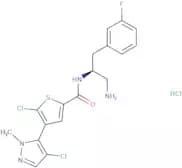
CAS:<p>Afuresertib hydrochloride is a small-molecule inhibitor, which is synthesized as a targeted therapeutic agent. It is specifically designed to inhibit the activity of AKT kinase, a crucial component in the PI3K/AKT/mTOR signaling pathway. This pathway is frequently deregulated in various cancers, contributing to tumor growth, survival, and resistance to conventional therapies.</p>Fórmula:C18H18Cl3FN4OSPureza:Min. 95%Peso molecular:463.78 g/molCfm 1571 hydrochloride
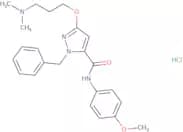
CAS:<p>Cfm 1571 hydrochloride is a cytokine that has been shown to modulate the release of cytokines in various cell types. It also has been shown to have antioxidant properties and can modulate the expression of cytokines.</p>Fórmula:C23H29ClN4O3Pureza:Min. 95%Peso molecular:445 g/mol2-[(1S)-1-[(2-Amino-9H-purin-6-yl)amino]ethyl]-5-methyl-3-(2-methylphenyl)-4(3H)-quinazolinone
CAS:<p>2-((1S)-1-[[2-Amino-9H-purin-6-yl]amino]ethyl)-5-methyl-3-(2-methylphenyl)-4(3H)quinazolinone is a synthetic, high purity, potent and selective agonist at the δ subtype of the GABAA receptor. It has been shown to inhibit calcium influx in cells with no effect on chloride influx.</p>Fórmula:C23H22N8OPureza:Min. 95%Peso molecular:426.5 g/molTH 257
CAS:<p>Potent and selective allosteric LIMK 1/2 inhibitor</p>Fórmula:C24H26N2O3SPureza:Min. 95%Peso molecular:422.54 g/molGW 766994
CAS:<p>GW 766994 is a synthetic chemokine that binds to chemokine receptors and activates them. It has been shown to activate the CCR1 receptor, which is found in human eosinophils. This agent also has been shown to reduce neovascularization and structural damage to the heart by preventing the release of pro-inflammatory cytokines. GW 766994 is a potent inhibitor of inflammatory diseases such as rheumatoid arthritis, Crohn's disease, and psoriasis. It also has been shown to inhibit the production of glucosaminoglycan in cartilage cells. GW 766994 has been shown to be active in animal models for various diseases including asthma, collagen-induced arthritis, colitis, and type 1 diabetes mellitus.</p>Fórmula:C21H24Cl2N4O3Pureza:Min. 95%Peso molecular:451.35 g/molRG3039
CAS:<p>RG3039 is a novel small molecule that has been shown to have anti-leukemic activity in vitro and in vivo. RG3039 binds to the splicing machinery of the RNA spliceosome, which is essential for regulating gene expression. It also inhibits the phosphorylation of eukaryotic translation initiation factor 2α (eIF2α) and reduces global protein synthesis. This drug also has an effect on primary cells from patients with AML or MDS and inhibits leukemia cell proliferation. The effective dose for RG3039 was found to be around 10 μM for human cells, but this may vary depending on the cell type. The safety profile of RG3039 appears to be favorable in preclinical studies, with no signs of toxicity observed up to a dose of 50 μM.<br>RG3039 is a novel small molecule that has been shown to have anti-leukemic activity in vitro and in vivo. RG3039 binds to the splicing machinery of</p>Fórmula:C21H23Cl2N5OPureza:Min. 95%Peso molecular:432.35 g/mol(2S,3R)-3-Hydroxy-2-((R)-5-isobutyryl-1-oxo-2,5-diazaspiro(3.4)octan-2-yl)butanamide
CAS:<p>This is a research tool for the study of ion channels. It is an activator of ligand-gated ion channels and can serve as a substitute for glutamate in experiments on the activation mechanism of ligand-gated ion channels. It also has been shown to be an antagonist at nicotinic acetylcholine receptors and an allosteric modulator at GABA-A receptors. This product is offered in high purity with >99% purity.</p>Fórmula:C14H23N3O4Pureza:Min. 95%Peso molecular:297.35 g/molCarbetocin (acetate)
CAS:<p>Carbetocin, also known as acetate carbetocin, is a potent activator of the mu-opioid receptor. It has been shown to activate ion channels and inhibit ligand-gated ion channels. Carbetocin is an agonist of the mu-opioid receptor, which is responsible for pain relief and a reduction in gastrointestinal motility. The affinity of carbetocin to the mu-receptor is approximately three times greater than morphine. Carbetocin also activates potassium and calcium channels in some neurons. Carbetocin has been used as a research tool to study protein interactions, receptor binding, peptide chemistry, and antibody production.</p>Fórmula:C47H73N11O14SPureza:Min. 95%Peso molecular:1,048.20 g/molSK 609New
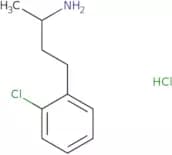
CAS:<p>SK 609New is a dopamine receptor agonist that has been shown to increase locomotor activity in mice. It also binds to the dopaminergic receptors and is able to inhibit the production of hydrogen chloride (HCl) in mammalian cells. SK 609New is not toxic to human cells, which may be due to its ability to bind peptides, but it does show an affinity for S. pyogenes and S. agalactiae, which are streptococcus species. SK 609New has been shown to stimulate the release of dopamine and can reduce locomotor activity in rats with Parkinson's disease-like symptoms.</p>Fórmula:C10H14ClN·HClPureza:Min. 95%Peso molecular:220.14 g/molPROTAC CDK9 Degrader-1
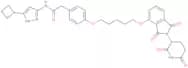
CAS:<p>PROTAC CDK9 Degrader-1 is a combination therapy that includes two different types of drugs. One drug inhibits the activity of cyclin-dependent kinases (CDKs). The other drug inhibits the activity of autophagy enzymes. Together, these drugs inhibit the growth of cancer cells and are currently being investigated as a treatment for leukemia and lymphoma in human patients.</p>Fórmula:C33H35N5O7Pureza:Min. 95%Peso molecular:613.66 g/molFrequentin
CAS:<p>Frequentin is a peptide that is used as a research tool to study protein interactions and protein-protein interactions. It has been shown to inhibit the activity of ion channels such as nicotinic acetylcholine receptor (nAChR) and potassium channels. Frequentin also inhibits the binding of ligands to their receptors, including glutamate and GABA. This peptide can be used in pharmacological studies for its ability to bind to proteins, but it cannot be used therapeutically because it is rapidly degraded by proteases.</p>Fórmula:C14H20O4Pureza:Min. 95%Peso molecular:252.31 g/mol(Dap 22)-Stichodactyla helianthus Neurotoxin (ShK)
CAS:<p>Kv1.3 blocker</p>Fórmula:C166H268N54O48S7Pureza:Min. 95%Peso molecular:4,012.7 g/molPhg-Gly-OH
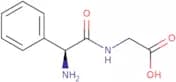
CAS:<p>Please enquire for more information about Phg-Gly-OH including the price, delivery time and more detailed product information at the technical inquiry form on this page</p>Fórmula:C10H12N2O3Pureza:Min. 95%Peso molecular:208.21 g/molBMS-582949
CAS:<p>BMS-582949 is an investigational pharmaceutical compound, specifically a chemokine receptor antagonist, that has been derived through synthetic chemical processes. Its mode of action involves selectively inhibiting the C-C chemokine receptor type 2 (CCR2), a receptor involved in the migration and activation of monocytes and other immune cells. By blocking CCR2, BMS-582949 aims to modulate inflammatory pathways that are implicated in various diseases.</p>Fórmula:C22H26N6O2Pureza:Min. 95%Peso molecular:406.48 g/molPNRI-299
CAS:<p>PNRI-299 is a synthetic small molecule that has been shown to inhibit cancer cell growth by targeting the transcriptional regulator protein, nuclear factor κB (NF-κB). NF-κB is a redox signal that regulates the expression of genes involved in cellular responses to stress. PNRI-299 has been shown to suppress the expression of these genes, leading to decreased proliferation and increased apoptosis. PNRI-299 also inhibits the transition from G1 to S phase in cells; thus it may be used as an anti-cancer drug.</p>Fórmula:C21H15N5O4Pureza:Min. 95%Peso molecular:401.4 g/molAEE 788
CAS:<p>Dual inhibitor of EGFR and VEGR receptor phosphorylation; anti-metastatic</p>Fórmula:C27H32N6Pureza:Min. 95%Peso molecular:440.58 g/molTopfluor pi(4,5)P2
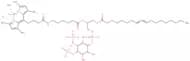
CAS:<p>Topfluor PI(4,5)P2 is a synthetic phosphoinositide, which is chemically modified to include a fluorophore for advanced biological research. It is derived from phosphatidylinositol 4,5-bisphosphate, a critical lipid found in eukaryotic cell membranes. The fluorophore allows researchers to visualize and track the behavior of phosphoinositides in real-time using fluorescence microscopy techniques.</p>Fórmula:C50H78BF2N3O20P3Pureza:Min. 95%Peso molecular:1,182.89 g/molClotrimatrozole imp B ep
CAS:<p>Clotrimatrozole imp B ep is a peptide that is used as a research tool for the study of ion channels and protein interactions. It has been shown to function as an inhibitor of potassium ion channels, which are important in the regulation of nerve and muscle function. Clotrimatrozole imp B ep binds to the extracellular receptor-binding domain (ECD) of its target protein, thereby inhibiting its interaction with ligands or other proteins. Clotrimatrozole imp B ep also inhibits protein interactions with membrane-bound receptors, such as G-protein coupled receptors (GPCRs). This inhibition can be blocked by adding an antibody that binds to the ECD domain.</p>Fórmula:C22H17ClN2Pureza:Min. 95%Peso molecular:344.8 g/molGW-406381
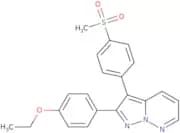
CAS:<p>GW-406381 is a potent and selective agonist for the peroxisome proliferator-activated receptor delta (PPARδ), which is commonly employed in pharmacological research. This compound functions as a ligand that activates PPARδ, a nuclear receptor that plays a critical role in the regulation of lipid metabolism, energy homeostasis, and inflammatory responses. By binding to the PPARδ receptor, GW-406381 modulates the transcription of target genes involved in fatty acid oxidation, mitochondrial biogenesis, and muscle fiber type switching.</p>Fórmula:C21H19N3O3SPureza:Min. 95%Peso molecular:393.46 g/molc-Kit-IN-3
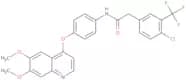
CAS:<p>c-Kit-IN-3 is a peptide that is an inhibitor of protein interactions with the receptor c-kit. It has been shown to act as an activator for Ligand and a ligand for the receptor c-kit. The high purity, pharmacological potency and specificity make this compound suitable for use in research.</p>Fórmula:C26H20ClF3N2O4Pureza:Min. 95%Peso molecular:516.9 g/molTC-2153 hydrochloride
CAS:<p>TC-2153 hydrochloride is a phosphatase inhibitor that is used as an antidepressant drug. TC-2153 hydrochloride inhibits the enzyme phosphatase, which is responsible for the inactivation of neurotransmitters and hormones. It has inhibitory properties on 5-HT1A and 5-HT2A receptors, which are serotonin receptors. TC-2153 hydrochloride also blocks the response element binding protein (RBP) to prevent the transcription of genes that code for various proteins including dopamine, serotonin, and neurotrophic factors. TC-2153 hydrochloride has been shown to reduce locomotor activity in mice and is being studied as a possible treatment for depression.</p>Fórmula:C7H5ClF3NS5Pureza:Min. 95%Peso molecular:355.9 g/molSNAP-94847
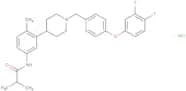
CAS:<p>SNAP-94847 is a cyclic peptide that binds to the D2/D3 receptor. It has shown antidepressant effects in wild-type mice and CD-1 mice. SNAP-94847 also inhibits locomotor activity and reduces symptoms of depression, such as decreased feeding, increased grooming, and weight loss in rats with herpes simplex virus. It has been shown to produce an antidepressant effect in rats by modulating dopamine release.</p>Fórmula:C29H32F2N2O2Pureza:Min. 95%Peso molecular:478.57 g/molL67
CAS:<p>L67 is a monoclonal antibody that binds to the protein gene sequences of herpes simplex virus, which leads to the inhibition of viral replication. It has been shown to have an inhibitory effect on cancer cells, and can also be used as a pharmacological agent. L67 has been shown to have potent inhibition against intracellular calcium levels and kinetic energy in cell culture. This drug is being developed for use in cancer treatment and other diseases with high levels of calcium.</p>Fórmula:C16H14Br2N4O4Pureza:Min. 95%Peso molecular:486.11 g/molPF-04634817
CAS:<p>PF-04634817 is a small molecule that inhibits the activity of VEGF, which is a potent chemoattractant protein. It has been shown to be safe in clinical trials and has shown promising results for the treatment of infectious diseases. PF-04634817 inhibits the production of proteins such as chemokines, which are important in the immune system response. It also blocks the activation of receptors on cells that bind to these proteins. PF-04634817 is currently being investigated for its ability to treat eye diseases such as diabetic retinopathy and age-related macular degeneration.</p>Fórmula:C25H36F3N5O3Pureza:Min. 95%Peso molecular:511.58 g/molCMP3a
CAS:<p>CMP3a is a small molecule that inhibits the activity of tyrosine kinase enzymes. It is used for cancer therapy and to treat hepatitis. CMP3a has been shown to inhibit the replication of various viruses, including HIV-1, herpes simplex virus 1 (HSV-1), and influenza A virus. CMP3a binds to the kinase domain of the enzyme and modifies it, which prevents the enzyme from phosphorylating downstream substrates and initiating signal transduction pathways. Target gene expression was also inhibited in cancer cells treated with CMP3a, suggesting that this drug may be useful for treating cancer.</p>Fórmula:C28H27F3N6O2SPureza:Min. 95%Peso molecular:568.6 g/molDihydrocyclosporin C
CAS:<p>This is a research tool that is commonly used as an inhibitor in pharmacology and cell biology. It has been shown to inhibit ion channels and protein interactions. Dihydrocyclosporin C has a purity of >98% with a CAS number of 63556-15-0.</p>Fórmula:C62H113N11O13Pureza:Min. 95%Peso molecular:1,220.6 g/molXL 647
CAS:<p>Inhibitor of EGFR, HER2 and VEGFR2 tyrosine kinases</p>Fórmula:C24H25Cl2FN4O2Pureza:Min. 95%Peso molecular:491.38 g/molMyxochelin A
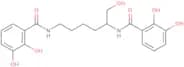
CAS:<p>Myxochelin A is an iron-chelating siderophore, which is a specialized secondary metabolite produced by certain strains of myxobacteria. These microorganisms, often found in soil and decomposing material, synthesize Myxochelin A to scavenge iron from the environment, essential for their survival and growth. The mode of action of Myxochelin A involves the sequestration of ferric iron (Fe^3+) ions through its high-affinity binding sites. This effectively deprives competing microorganisms of the iron required for crucial biological processes, imparting an antimicrobial effect.</p>Fórmula:C20H24N2O7Pureza:Min. 95%Peso molecular:404.4 g/molPrezatide copper acetate
CAS:<p>Prezatide is a peptide that is used as a research tool. It is an activator of ion channels and has been shown to inhibit the activation of these channels by other ligands. Prezatide binds to the receptor and blocks the binding of ligands, which prevents their activation of ion channels. Prezatide copper acetate is purified to high purity and free from contaminants such as endotoxins, pyrogens, or other impurities.</p>Fórmula:C28H45CuN12O8•(C2H4O2)2•HPureza:Min. 95%Peso molecular:862.4 g/mol






















![2-[(1S)-1-[(2-Amino-9H-purin-6-yl)amino]ethyl]-5-methyl-3-(2-methylphenyl)-4(3H)…](/_next/image/?url=https%3A%2Fstatic.cymitquimica.com%2Fproducts%2F3D%2Fthumb-webp%2FGHC69774.webp&w=3840&q=75)