Bioquímicos e reagentes
Os bioquímicos e reagentes são substâncias fundamentais para a pesquisa e desenvolvimento em campos como biotecnologia, biologia molecular, farmacologia e medicina. Esses produtos são essenciais para uma variedade de aplicações, incluindo a síntese de compostos, a análise de amostras biológicas, a pesquisa de processos metabólicos e a produção de medicamentos. Na CymitQuimica, oferecemos uma ampla seleção de bioquímicos e reagentes de alta qualidade e pureza, adequados para diversas necessidades científicas e industriais. Nosso catálogo inclui enzimas, anticorpos, ácidos nucleicos, aminoácidos e muitos outros produtos, todos projetados para apoiar pesquisadores e profissionais em seus projetos de pesquisa e desenvolvimento, garantindo resultados confiáveis e reproduzíveis.
Subcategorias de "Bioquímicos e reagentes"
- Biomoléculas(99.179 produtos)
- Por Alvo Biológico(99.902 produtos)
- Por uso/Efeitos Farmacológicos(6.790 produtos)
- Compostos relacionados à criopreservação e aos crioconservantes(21 produtos)
- Desinfetantes, aditivos para aquecimento de líquidos de banho e compostos relacionados(28 produtos)
- Hormónios(346 produtos)
- Biologia Vegetal(6.846 produtos)
- Metabólitos secundários(14.327 produtos)
Foram encontrados 130590 produtos de "Bioquímicos e reagentes"
Ordenar por
Pureza (%)
0
100
|
0
|
50
|
90
|
95
|
100
DYSFIP1 Blocking Peptide
<p>A synthetic peptide for use as a blocking control in assays to test for specificity of DYSFIP1 antibody, catalog no. 70R-4114</p>Pureza:Min. 95%ATXN7L2 Blocking Peptide
<p>A synthetic peptide for use as a blocking control in assays to test for specificity of ATXN7L2 antibody, catalog no. 70R-4184</p>Pureza:Min. 95%SENP1 antibody
<p>SENP1 antibody was raised using the middle region of SENP1 corresponding to a region with amino acids PQQMNGSDCGMFACKYADCITKDRPINFTQQHMPYFRKRMVWEILHRKLL</p>ISX Blocking Peptide
<p>A synthetic peptide for use as a blocking control in assays to test for specificity of ISX antibody, catalog no. 70R-8693</p>Pureza:Min. 95%PRDX1 antibody
<p>The PRDX1 antibody is a nuclear antibody that is commonly used in the field of Life Sciences. It plays a crucial role in various biological processes, including collagen synthesis and electrode regulation. This antibody has been shown to have neutralizing effects on alpha-fetoprotein, making it an important tool in cancer research. Additionally, the PRDX1 antibody has been used as a monoclonal antibody for anti-mesothelin therapy and as an antiviral agent. It also acts as an inhibitor for certain growth factors in human serum. With its wide range of applications, the PRDX1 antibody is a valuable tool for researchers in various fields.</p>GPCR5A Blocking Peptide
<p>A synthetic peptide for use as a blocking control in assays to test for specificity of GPCR5A antibody, catalog no. 70R-6472</p>Pureza:Min. 95%MCM5 antibody
<p>The MCM5 antibody is a polyclonal antibody that is used for immobilization in various assays. It can be used to detect the presence of MCM5 protein in human serum or other samples. This antibody can be immobilized on an electrode surface, allowing for the detection and quantification of MCM5 protein levels. The MCM5 antibody recognizes specific hormone peptides and fatty acids that are associated with the activation of MCM5. It can also be used as a tool to study the interaction between MCM5 and other molecules, such as tyrosine inhibitors or monoclonal antibodies. Molecular docking studies have shown that this antibody has a high affinity for activated MCM5, making it an effective tool for research purposes. Additionally, colloidal gold-labeled versions of this antibody can be used for immunohistochemical staining to visualize the expression of MCM5 in tissue samples.</p>Factor XIII B Polypeptide Blocking Peptide
<p>A synthetic peptide for use as a blocking control in assays to test for specificity of F13B antibody, catalog no. 70R-5446</p>Pureza:Min. 95%WRNIP1 Blocking Peptide
<p>A synthetic peptide for use as a blocking control in assays to test for specificity of WRNIP1 antibody, catalog no. 70R-5646</p>Pureza:Min. 95%SLC35C1 antibody
<p>SLC35C1 antibody was raised using the N terminal of SLC35C1 corresponding to a region with amino acids TSISMVFLNKYLLDSPSLRLDTPIFVTFYQCLVTTLLCKGLSALAACCPG</p>PARP6 antibody
<p>PARP6 antibody was raised using a synthetic peptide corresponding to a region with amino acids HINISFLDEEVSTAWKVLRTEPIVLRLRFSLSQYLDGPEPSIEVFQPSNK</p>SPATA16 Blocking Peptide
<p>A synthetic peptide for use as a blocking control in assays to test for specificity of SPATA16 antibody, catalog no. 70R-3856</p>Pureza:Min. 95%AKTIP Blocking Peptide
<p>A synthetic peptide for use as a blocking control in assays to test for specificity of AKTIP antibody, catalog no. 70R-2220</p>Pureza:Min. 95%PTK2B Blocking Peptide
<p>A synthetic peptide for use as a blocking control in assays to test for specificity of PTK2B antibody, catalog no. 70R-1706</p>Pureza:Min. 95%TTC12 Blocking Peptide
<p>A synthetic peptide for use as a blocking control in assays to test for specificity of TTC12 antibody, catalog no. 70R-3356</p>Pureza:Min. 95%LRRC8B Blocking Peptide
<p>A synthetic peptide for use as a blocking control in assays to test for specificity of LRRC8B antibody, catalog no. 70R-6875</p>Pureza:Min. 95%JOSD2 Blocking Peptide
<p>A synthetic peptide for use as a blocking control in assays to test for specificity of JOSD2 antibody, catalog no. 70R-4142</p>Pureza:Min. 95%Wdr8 Blocking Peptide
<p>A synthetic peptide for use as a blocking control in assays to test for specificity of Wdr8 antibody, catalog no. 70R-8500</p>Pureza:Min. 95%RPS14 antibody
<p>The 6-Fluoro-3-indoxyl-beta-D-galactopyranoside is a powerful antituberculosis drug that falls under the class of rifamycins. It is known to effectively treat tuberculosis infections by targeting and inhibiting bacterial growth. This active compound works by binding to DNA-dependent RNA polymerase, preventing transcription and replication within bacteria. In addition, it has been extensively studied using advanced techniques such as patch-clamp, which have confirmed its high efficacy in human erythrocytes. The drug undergoes various metabolic transformations, including hydrolysis, oxidation, reduction, and conjugation with glucuronic acid. Moreover, it specifically targets markers expressed in Mycobacterium tuberculosis strains and inhibits their growth. With its bactericidal activity and proven effectiveness, the 6-Fluoro-3-indoxyl-beta-D-galactopyranoside is a reliable choice for combating tuberculosis infections.</p>C20ORF141 Blocking Peptide
<p>A synthetic peptide for use as a blocking control in assays to test for specificity of C20orf141 antibody, catalog no. 70R-3827</p>Pureza:Min. 95%PCDHGB1 Blocking Peptide
<p>A synthetic peptide for use as a blocking control in assays to test for specificity of PCDHGB1 antibody, catalog no. 70R-6147</p>Pureza:Min. 95%IL11 antibody
<p>IL11 antibody was raised in rabbit using highly pure recombinant hIL-11 as the immunogen.</p>14.3.3 epsilon protein
<p>1-255 amino acids: MDDREDLVYQ AKLAEQAERY DEMVESMKKV AGMDVELTVE ERNLLSVAYK NVIGARRASW RIISSIEQKE ENKGGEDKLK MIREYRQMVE TELKLICCDI LDVLDKHLIP AANTGESKVF YYKMKGDYHR YLAEFATGND RKEAAENSLV AYKAASDIAM TELPPTHPIR LGLALNFSVF YYEILNSPDR ACRLAKAAFD DAIAELDTLS EESYKDSTLI MQLLRDNLTL WTSDMQGDGE EQNKEALQDV EDENQ</p>Pureza:Min. 95%Lzts1 Blocking Peptide
<p>A synthetic peptide for use as a blocking control in assays to test for specificity of Lzts1 antibody, catalog no. 70R-7951</p>Pureza:Min. 95%CD298 antibody
<p>The CD298 antibody is a highly specific monoclonal antibody that targets DNA-binding proteins. It is widely used in the field of Life Sciences for various applications, including research and diagnostics. This antibody binds specifically to the surface glycoprotein CD298, forming a specific complex that can be detected using techniques such as electrochemical impedance spectroscopy. The CD298 antibody has been shown to have high affinity and specificity for its target, making it a valuable tool for studying the function and localization of DNA-binding proteins in various biological systems. Additionally, this antibody has been used in studies investigating the role of CD298 in processes such as glutamate signaling and proteolytic activity. With its versatility and reliability, the CD298 antibody is an essential tool for researchers working in the field of DNA-binding proteins.</p>Pureza:Min. 95%CCR10 antibody
<p>The CCR10 antibody is a monoclonal antibody that specifically targets CCR10, a chemokine receptor involved in immune responses. This antibody can be used for various applications in the field of Life Sciences, including research and diagnostics. It has been shown to effectively neutralize the activity of CCR10 by binding to its natural ligand and preventing its interaction with other molecules. The CCR10 antibody can be used in hybridization experiments to detect the presence of CCR10 mRNA or protein in different tissues or cell types. Additionally, it can be used in immunohistochemistry or flow cytometry assays to study the expression pattern of CCR10 in various biological samples. This antibody is highly specific and exhibits low cross-reactivity with other related receptors. It is available as both monoclonal and polyclonal antibodies, providing researchers with options based on their specific experimental needs. The CCR10 antibody is a valuable tool for studying immune responses, inflammation, and adipose tissue biology.</p>PGR antibody
<p>PGR antibody was raised in Mouse using a purified recombinant fragment of PGR(aa730-871) expressed in E. coli as the immunogen.</p>IRS1 antibody
<p>The IRS1 antibody is a highly specialized antibody used in the field of Life Sciences. It acts as a neutralizing agent against cholinergic activity, specifically targeting the β-catenin pathway. This antibody is designed to bind to and inhibit the function of IRS1, a human protein involved in insulin signaling. By blocking IRS1, this antibody disrupts downstream signaling pathways and prevents the activation of key enzymes such as acetyltransferase.</p>ZP2 antibody
<p>ZP2 antibody was raised using a synthetic peptide corresponding to a region with amino acids PDSFPQWNVVVDGCAYDLDNYQTTFHPVGSSVTHPDHYQRFDMKAFAFVS</p>GABRB2 antibody
<p>GABRB2 antibody was raised using a synthetic peptide corresponding to a region with amino acids MWRVRKRGYFGIWSFPLIIAAVCAQSVNDPSNMSLVKETVDRLLKGYDIR</p>FAM20C Blocking Peptide
<p>A synthetic peptide for use as a blocking control in assays to test for specificity of FAM20C antibody, catalog no. 70R-6353</p>Pureza:Min. 95%Bin1 Blocking Peptide
<p>A synthetic peptide for use as a blocking control in assays to test for specificity of Bin1 antibody, catalog no. 70R-9326</p>Pureza:Min. 95%Biotin reagent (Glucose Oxidase)
<p>Glucose Oxidase conjugated biotin labelling reagent</p>Pureza:Min. 95%TMEM195 Blocking Peptide
<p>A synthetic peptide for use as a blocking control in assays to test for specificity of TMEM195 antibody, catalog no. 70R-6813</p>Pureza:Min. 95%C14ORF172 Blocking Peptide
<p>A synthetic peptide for use as a blocking control in assays to test for specificity of C14orf172 antibody, catalog no. 70R-2828</p>Pureza:Min. 95%AES Blocking Peptide
<p>A synthetic peptide for use as a blocking control in assays to test for specificity of AES antibody, catalog no. 70R-7912</p>Pureza:Min. 95%Glycogen Synthase antibody
<p>The Glycogen Synthase antibody is a versatile tool used in various research applications. It plays a crucial role in the regulation of glycogen synthesis, making it an essential factor in understanding metabolic processes and diseases related to glucose metabolism.</p>SCNN1B Blocking Peptide
<p>A synthetic peptide for use as a blocking control in assays to test for specificity of SCNN1B antibody, catalog no. 70R-5194</p>Pureza:Min. 95%eIF4B antibody
<p>The eIF4B antibody is a highly specialized product used in the field of Life Sciences. It is a polyclonal antibody that specifically targets and binds to eIF4B, a protein involved in the regulation of protein synthesis. This antibody has been extensively tested and validated for its specificity and sensitivity.</p>CLIC4 Blocking Peptide
<p>A synthetic peptide for use as a blocking control in assays to test for specificity of CLIon Channel4 antibody, catalog no. 70R-1498</p>Pureza:Min. 95%Akt antibody
<p>Also known as Protein Kinase B (PKB), Akt is a signaling protein in cells that regulates important processes like cell growth, survival, metabolism, and proliferation. It functions within the PI3K/Akt pathway, one of the primary pathways for cell survival and growth. This pathway is activated by growth factors and hormones such as insulin. Upon activation, Akt is recruited to the cell membrane, where it is phosphorylated by kinases like PDK1, triggering its full activation. Akt can then influence downstream processes, inhibiting apoptosis to promote cell survival, supporting cell growth via pathways like mTOR, and enhancing glucose metabolism.Akt plays a key role in diseases like cancer and diabetes. Dysregulation of the Akt pathway is frequently observed in cancer, often due to mutations in pathway components such as PI3K, PTEN, or Akt itself, resulting in increased cell survival, growth, and resistance to therapies. In diabetes, insulin resistance diminishes Akt pathway responsiveness, reducing glucose uptake and leading to elevated blood glucose levels. Thus, the Akt pathway is a focal point in therapeutic research, particularly for diseases where its regulatory effects on cell growth and metabolism are implicated.</p>DGCR6L antibody
<p>DGCR6L antibody was raised in rabbit using the C terminal of DGCR6L as the immunogen</p>Haptoglobin antibody
<p>Haptoglobin antibody is a highly versatile and potent growth factor that acts as an angiogenic inducer. It plays a crucial role in various biological processes such as reactive oxygen species regulation, cytotoxic activity, chemokine modulation, and transmembrane conductance. This polyclonal antibody is specifically designed for use in Life Sciences research, making it an essential tool for scientists studying various aspects of cellular function. In addition to its broad range of applications, haptoglobin antibody has been extensively studied and validated in different experimental settings. Its high specificity and affinity make it a valuable tool for detecting and quantifying haptoglobin levels in various samples. Whether you are conducting basic research or developing diagnostic assays, this monoclonal antibody will provide accurate and reliable results. With its ability to bind to the glycoprotein haptoglobin with exceptional precision, this antibody enables researchers to gain deeper insights into the mechanisms underlying disease progression and therapeutic interventions. Don't miss out on the opportunity to enhance your research capabilities with</p>MIP1 gamma protein (Mouse)
<p>Region of MIP1 gamma protein corresponding to amino acids QITHATETKE VQSSLKAQQG LEIEMFHMGF QDSSDCCLSY NSRIQCSRFI GYFPTSGGCT RPGIIFISKR GFQVCANPSD RRVQRCIERL EQNSQPRTYK Q.</p>Pureza:Min. 95%LRRC8E Blocking Peptide
<p>A synthetic peptide for use as a blocking control in assays to test for specificity of LRRC8E antibody, catalog no. 70R-6993</p>Pureza:Min. 95%CYP4V2 Blocking Peptide
<p>A synthetic peptide for use as a blocking control in assays to test for specificity of CYP4V2 antibody, catalog no. 70R-7012</p>Pureza:Min. 95%TXNIP Blocking Peptide
<p>A synthetic peptide for use as a blocking control in assays to test for specificity of TXNIP antibody, catalog no. 70R-9661</p>Pureza:Min. 95%Donkey anti Sheep IgG (H + L) (Texas Red)
<p>Donkey anti-sheep IgG (H+L) was raised in donkey using sheep IgG whole molecule as the immunogen.</p>Pureza:Min. 95%Goat anti Human IgG (HRP)
Goat anti-human IgG (HRP) was raised in goat using human IgG F(ab')2 fragment as the immunogen.Pureza:Min. 95%GATA1 antibody
<p>The GATA1 antibody is a protein inhibitor that specifically targets the GATA1 element-binding protein. It plays a crucial role in regulating gene expression and cell differentiation in various biological processes. The GATA1 antibody can be used in Life Sciences research to study the function and interactions of GATA1 with other proteins, nucleotides, and elements. It is also being explored for its potential therapeutic applications, such as targeted drug delivery using nanoparticles conjugated with the GATA1 antibody. By inhibiting the activity of GATA1, this antibody offers a promising avenue for developing novel treatments in various fields of medicine.</p>Cystatin B antibody
<p>The Cystatin B antibody is a highly specific and reliable tool for detecting and measuring Cystatin B levels in human serum samples. This polyclonal antibody has been extensively validated and shows excellent performance in various applications, including ELISA, Western blotting, immunohistochemistry, and flow cytometry.</p>Goat anti Rabbit IgG (H + L) (rhodamine)
<p>Goat anti-rabbit IgG (H+L) (Rhodamine) was raised in goat using rabbit IgG whole molecule as the immunogen.</p>Pureza:Min. 95%HS-10296
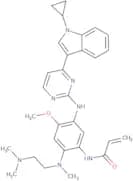
CAS:<p>HS-10296 is a novel pharmaceutical compound that functions as a specific inhibitor of EGFR (epidermal growth factor receptor), which is a key therapeutic target in certain cancer pathways. This compound is derived from a synthetic source, meticulously designed to target and interrupt the signaling pathways involved in tumor proliferation and survival. The mode of action of HS-10296 involves the competitive inhibition of the ATP-binding domain of EGFR tyrosine kinase, thereby preventing phosphorylation and subsequent activation of downstream signaling proteins involved in cell division and survival.</p>Fórmula:C30H35N7O2Pureza:Min. 95%Peso molecular:525.64 g/molCEP-28122
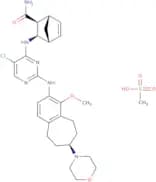
CAS:<p>CEP-28122 is a potent antitumor agent that inhibits the growth of tumors by inhibiting the tyrosine kinase domain of the epidermal growth factor receptor (EGFR). CEP-28122 is activated by cyclin-dependent kinases to inhibit EGFR. It has been shown to be active in clinical studies for colorectal adenocarcinoma and other cancers. CEP-28122 has a high degree of selectivity for tumor cells, which are characterized by activation of the EGFR tyrosine kinase domain, and low toxicity for normal cells. The pharmacokinetic properties and molecular pathogenesis of this drug have been studied in detail.</p>Fórmula:C28H35ClN6O3Pureza:Min. 95%Peso molecular:539.07 g/molCeruloplasmin Light Tryptic Peptide Standard (4nmol)
<p>A Ceruloplasmin Light Tryptic Peptide Standard for use in protein identification and quantitation studies. Ceruloplasmin is a serum ferroxidase key to transporting copper in the blood. It also plays a role in iron metabolism regulation and the pathogenesis of Wilson disease. Furthermore it has been found in elevated levels during inflammation.</p>Pureza:Min. 95%1-(4-Chlorophenyl)-3-((4-methylphenyl)sulfonyl)urea
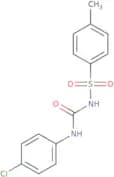
CAS:<p>1-(4-Chlorophenyl)-3-((4-methylphenyl)sulfonyl)urea (L-Ara-C) is an antitumor agent that binds to DNA, forming a covalent bond with the N7 position of guanine. L-Ara-C inhibits the synthesis of nucleic acid and protein. It has been shown to be active against cancer cells in vitro and in vivo, as well as infectious diseases such as HIV. L-Ara-C is also used as a reagent for studying the function of mitochondrial enzymes. The drug is given intravenously or orally to patients with cancer or other diseases who are receiving chemotherapy.</p>Fórmula:C14H13ClN2O3SPureza:Min. 95%Peso molecular:324.8 g/molApolipoprotein A1 Light Tryptic Peptide Standard (4nmol)
<p>Apolipoprotein A1 light tryptic peptide standard for protein identification and quantitation studies. Apolipoprotein A1 is a structural component of high density lipoprotein (HDL) and is involved in cellular cholesterol homeostasis and reverse cholesterol transport.</p>Pureza:Min. 95%Dynamin inhibitory peptide, myristoylated
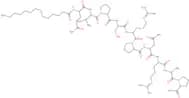
CAS:<p>Dynamin inhibitory peptide is a high purity, myristoylated peptide that inhibits dynamin. It is a research tool for studying the interactions of Dynamin with other proteins, ion channels, and receptors. The CAS number for this product is 251634-22-7.</p>Fórmula:C61H107N19O14Pureza:Min. 95%Peso molecular:1,330.6 g/molChlorogenic acid-13C6
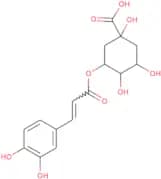
CAS:<p>Please enquire for more information about Chlorogenic acid-13C6 including the price, delivery time and more detailed product information at the technical inquiry form on this page</p>Fórmula:C16H18O9Pureza:Min. 95%Peso molecular:360.26 g/mol(±)-Cannabichromevarinic acid
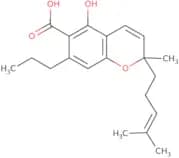
CAS:<p>(±)-Cannabichromevarinic acid is an analog of cannabichromene, a cannabinoid found in cannabis plants. It has been shown to have potential anticancer properties by inhibiting tumor growth and inducing apoptosis in cancer cells. This compound has also been found to inhibit kinase activity, which is involved in cell cycle regulation and proliferation. Studies have shown that (±)-Cannabichromevarinic acid can inhibit the growth of human cancer cells and may be a promising medicinal agent for the treatment of various types of cancer. Additionally, this compound has been detected in Chinese urine samples and may have potential as a protein inhibitor for cancer therapy.</p>Fórmula:C20H26O4Pureza:Min. 95%Peso molecular:330.4 g/molGestodene acetate
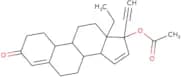
CAS:<p>Gestodene acetate is an analog of the hormone progesterone that has been shown to induce apoptosis in cancer cells. It also inhibits gastrin and tumor kinase activity, which may contribute to its anticancer effects. Gestodene acetate has been studied extensively in Chinese hamster ovary cells and human cancer cell lines, where it has been shown to be a potent inhibitor of various kinases. It has also been found in urine samples of patients receiving nalbuphine, indicating that it may have potential as an anticancer agent.</p>Fórmula:C23H28O3Pureza:Min. 95%Peso molecular:352.5 g/molLipoxin B4 methyl ester
CAS:<p>Lipoxin B4 methyl ester is a vitamin-like compound that has been found to have anticancer properties. This analog of Lipoxin B4 has been shown to induce apoptosis in cancer cells by inhibiting specific kinases and proteins involved in cell division. In addition, it has been found to be an inhibitor of urinary tumor growth in humans. Lipoxin B4 methyl ester has been studied extensively as a potential treatment for various cancers, including breast cancer and prostate cancer. It has also shown promising results as an inhibitor of Chinese hamster ovary cell proliferation. The use of Lipoxin B4 methyl ester may represent a new approach to the treatment of cancer and other diseases associated with abnormal cell growth.</p>Fórmula:C21H34O5Pureza:Min. 95%Peso molecular:366.5 g/molMecoprop-d6
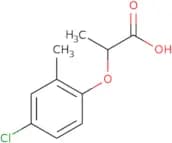
CAS:<p>Mecoprop-d6 is a potent inhibitor of Chinese hamster ovary cell tumor growth. It belongs to the class of tyrosine kinase inhibitors and has been shown to inhibit the activity of several kinases involved in cancer cell proliferation, including secretin receptor kinase, menthol receptor kinase, and human epidermal growth factor receptor 2 (HER2). Mecoprop-d6 is an analog of tylosin and has been shown to induce apoptosis in cancer cells. In addition, it has been detected in urine samples from patients receiving treatment with this drug. This makes it a promising candidate for the treatment of various types of cancer.</p>Fórmula:C10H11ClO3Pureza:Min. 95%Peso molecular:220.68 g/molN-Oleoyl-L-phenylalanine
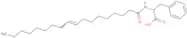
CAS:<p>N-Oleoyl-L-phenylalanine is an analog of apomorphine that has been shown to have potent antitumor activity. It acts as an inhibitor of kinases, which are enzymes that play a key role in cell signaling and regulation. N-Oleoyl-L-phenylalanine has been demonstrated to induce apoptosis (programmed cell death) in various cancer cell lines, including Chinese hamster ovary cells and human urine bladder cancer cells. This compound has also been shown to be effective against nintedanib-resistant tumors, making it a promising candidate for the treatment of cancer. In addition, N-Oleoyl-L-phenylalanine exhibits potent anticancer activities with minimal toxicity, making it a promising candidate for further development as an anticancer drug.</p>Fórmula:C27H43NO3Pureza:Min. 95%Peso molecular:429.6 g/mol3-(Acetyloxy)-1-(2-(dimethylamino)ethyl)-1,3,4,5-tetrahydro-4-(4-methoxyphenyl)-6-(trifluromethyl)-2H-1-benzazepine-2-one
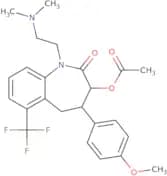
CAS:<p>Carotid stenosis is a narrowing of the carotid artery, which can lead to carotid contractile proteins and blood flow being reduced. This in turn can lead to an increased risk of stroke. Carotid stenosis is treated by widening the narrowed region. Nifedipine is a calcium channel blocker that dilates the vessels by blocking calcium channels, thereby increasing blood flow. It has been shown to be effective for treating carotid stenosis. Nifedipine has also been shown to be useful for preventing heart attacks and stroke as well as for treatment of angina pectoris. Nifedipine is chemically related to other calcium channel blockers such as amlodipine, felodipine, nicardipine, and nimodipine.</p>Fórmula:C24H27F3N2O4Pureza:Min. 95%Peso molecular:464.5 g/molTGSH
CAS:<p>TGSH is a medicinal compound that has shown promise as an anticancer agent. It is an analog of a protein found in human urine and has been shown to induce apoptosis (cell death) in cancer cells. TGSH acts by inhibiting kinases, which are enzymes that play a critical role in cell signaling pathways involved in tumor growth and progression. This inhibitor has been tested against a variety of cancer types, including Chinese hamster ovary (CHO) cells and human tumor cell lines, showing potent activity against these cancerous cells. TGSH holds great potential as a therapeutic agent for the treatment of various types of cancer.</p>Fórmula:C18H18O4SPureza:Min. 95%Peso molecular:330.4 g/molTOP2B Blocking Peptide
<p>A synthetic peptide for use as a blocking control in assays to test for specificity of TOP2B antibody, catalog no. 70R-7968</p>Pureza:Min. 95%Orexin Receptor antibody
<p>The Orexin Receptor antibody is a powerful tool in the field of Life Sciences. It is an antibody that specifically targets and binds to the orexin receptors, which play a crucial role in regulating sleep-wake cycles and energy balance. This antibody has been extensively studied and shown to have a wide range of applications.</p>UAP1 antibody
<p>The UAP1 antibody is a monoclonal antibody used in Life Sciences research. It specifically targets alpha-fetoprotein (AFP), a protein that is often elevated in certain diseases and conditions. This antibody can be used for various applications, including Western blotting, immunohistochemistry, and ELISA assays. The UAP1 antibody has high specificity and affinity for AFP, making it a valuable tool for studying the expression and function of this protein. It is produced using bovine γ-globulin as the host protein and can be conjugated with different tags such as streptavidin or biotin for detection purposes. This antibody has been successfully used in studies involving human hepatocytes, where it has shown inhibitory effects on AFP production. Additionally, it has been used in hybridization experiments to detect anti-glial fibrillary acidic protein (GFAP) antibodies and chimeric proteins. With its versatility and reliable performance, the UAP1 antibody is an essential tool for researchers</p>Atp5f1 antibody
<p>Atp5f1 antibody was raised in rabbit using the N terminal of Atp5f1 as the immunogen</p>Pureza:Min. 95%SDHB antibody
<p>The SDHB antibody is a highly effective neutralizing monoclonal antibody that targets a specific growth factor. It is colloidal in nature and has been extensively studied for its therapeutic potential. This antibody binds to a specific antigen, preventing it from interacting with its receptor and inhibiting the downstream signaling pathway. The SDHB antibody has also been shown to have neurotrophic and neuroprotective effects, making it a promising candidate for the treatment of neurological disorders. Additionally, this antibody has been used in research settings to detect the presence of certain proteins, such as the circumsporozoite protein. Its high specificity and sensitivity make it a valuable tool for various applications in both academic and industrial settings.</p>HSV1 + HSV2 antibody (biotin)
<p>HSV1/HSV2 antibody (biotin) was raised in rabbit using Strain F as the immunogen.</p>Met antibody
<p>Met antibody is a protein that specifically targets the growth factor hepatocyte growth factor (HGF). It is an autoantibody that binds to the Met receptor and inhibits its activation by HGF. This monoclonal antibody has cytotoxic effects on cells expressing high levels of the Met receptor, including cancer cells. The Met antibody can be used in various applications, such as research in the field of Life Sciences or as a potential therapeutic agent for targeting tumors that overexpress c-Met. Its histidine tag allows for easy purification using affinity chromatography techniques. Whether you need a specific monoclonal antibody or polyclonal antibodies, Met antibody is a valuable tool for studying and manipulating cellular signaling pathways involving HGF and the Met receptor.</p>Pureza:Min. 95%CD69 antibody
<p>CD69 antibody was raised in hamster using Y245 murine dendritic epidermal T cell line as the immunogen.</p>GPC3 Blocking Peptide
<p>A synthetic peptide for use as a blocking control in assays to test for specificity of GPC3 antibody, catalog no. 70R-1567</p>Pureza:Min. 95%ATF2 antibody
<p>The ATF2 antibody is a potent diagnostic agent used in Life Sciences research. This polyclonal antibody specifically targets the amino-terminal region of ATF2, a transcription factor that plays a crucial role in regulating gene expression. By binding to ATF2, this antibody inhibits its activity and can be used to study the downstream effects of ATF2 inhibition.</p>PCDHA12 Blocking Peptide
<p>A synthetic peptide for use as a blocking control in assays to test for specificity of PCDHA12 antibody, catalog no. 70R-6159</p>Pureza:Min. 95%FGF14 Blocking Peptide
<p>A synthetic peptide for use as a blocking control in assays to test for specificity of FGF14 antibody, catalog no. 70R-9286</p>Pureza:Min. 95%Beta Tubulin Blocking Peptide
<p>A synthetic peptide for use as a blocking control in assays to test for specificity of TUBB antibody, catalog no. 70R-6025</p>Pureza:Min. 95%NME4 antibody
<p>NME4 antibody was raised using the middle region of NME4 corresponding to a region with amino acids VAMVWEGYNVVRASRAMIGHTDSAEAAPGTIRGDFSVHISRNVIHASDSV</p>NTNG1 antibody
<p>The NTNG1 antibody is a monoclonal antibody that targets the NTNG1 protein. It plays a crucial role in various cellular processes such as fas-mediated apoptosis, collagen synthesis, and iron homeostasis. This antibody specifically binds to the NTNG1 protein, which is involved in cell growth and development. By binding to this target molecule, the NTNG1 antibody induces apoptosis in activated cells and inhibits their growth. Additionally, it has cytotoxic effects on cancer cells and has been used in research studies in the field of Life Sciences. The NTNG1 antibody can also be used for diagnostic purposes to detect autoantibodies or as a tool for studying iron metabolism and ferritin synthesis.</p>SLC25A4 Blocking Peptide
<p>A synthetic peptide for use as a blocking control in assays to test for specificity of SLC25A4 antibody, catalog no. 70R-6504</p>Pureza:Min. 95%Goat anti Human IgG (H + L) (Fab'2) (rhodamine)
<p>Goat anti-human IgG (H + L) (Fab'2) (rhodamine) was raised in goat using human IgG whole molecule as the immunogen.</p>Pureza:Min. 95%CTACK protein
<p>Region of CTACK protein corresponding to amino acids FLLPPSTACC TQLYRKPLSD KLLRKVIQVE LQEADGDCHL QAFVLHLAQR SICIHPQNPS LSQWFEHQER KLHGTLPKLN FGMLRKMG.</p>Pureza:Min. 95%Beta Lactoglobulin antibody
<p>The Beta Lactoglobulin antibody is a polyclonal antibody that is immobilized and used as an inhibitor of CD20 antibodies. It specifically targets the beta lactoglobulin antigen, which is a glycoprotein found in milk. This antibody has been extensively studied in the field of Life Sciences and has shown promising results as a potential therapeutic agent. It can be used in various applications, including research on proproteins, monoclonal antibodies, antibody-drug conjugates, cytotoxicity assays, chemokine studies, and the production of recombinant proteins. With its high specificity and affinity for the target antigen, the Beta Lactoglobulin antibody offers great potential for advancing scientific discoveries in various fields.</p>KCTD7 Blocking Peptide
<p>A synthetic peptide for use as a blocking control in assays to test for specificity of KCTD7 antibody, catalog no. 70R-5085</p>Pureza:Min. 95%PPP2R5E Blocking Peptide
<p>A synthetic peptide for use as a blocking control in assays to test for specificity of PPP2R5E antibody, catalog no. 70R-9425</p>Pureza:Min. 95%NXF5 Blocking Peptide
<p>A synthetic peptide for use as a blocking control in assays to test for specificity of NXF5 antibody, catalog no. 70R-8491</p>Pureza:Min. 95%Ascc1 Blocking Peptide
<p>A synthetic peptide for use as a blocking control in assays to test for specificity of Ascc1 antibody, catalog no. 70R-9441</p>Pureza:Min. 95%Ubiquilin 1 antibody
<p>Ubiquilin 1 antibody was raised using the middle region of UBQLN1 corresponding to a region with amino acids QFGGNPFASLVSNTSSGEGSQPSRTENRDPLPNPWAPQTSQSSSASSGTA</p>LOC344065 Blocking Peptide
<p>A synthetic peptide for use as a blocking control in assays to test for specificity of LOC344065 antibody, catalog no. 70R-9046</p>Pureza:Min. 95%Rabbit anti Sheep IgG (H + L) (FITC)
<p>Rabbit anti-sheep IgG (H+L) (FITC) was raised in rabbit using sheep IgG whole molecule as the immunogen.</p>Pureza:Min. 95%SRPR Blocking Peptide
<p>A synthetic peptide for use as a blocking control in assays to test for specificity of SRPR antibody, catalog no. 70R-5028</p>Pureza:Min. 95%CLCA2 Blocking Peptide
<p>A synthetic peptide for use as a blocking control in assays to test for specificity of CLCA2 antibody, catalog no. 70R-8069</p>Pureza:Min. 95%CENPM antibody
<p>CENPM antibody was raised using the middle region of CENPM corresponding to a region with amino acids CDLEVEGFRATMAQRLVRVLQICAGHVPGVSALNLLSLLRSSEGPSLEDL</p>GPT Blocking Peptide
<p>A synthetic peptide for use as a blocking control in assays to test for specificity of GPT antibody, catalog no. 70R-1194</p>Pureza:Min. 95%YIPF6 Blocking Peptide
<p>A synthetic peptide for use as a blocking control in assays to test for specificity of YIPF6 antibody, catalog no. 70R-7048</p>Pureza:Min. 95%POU2AF1 antibody
<p>The POU2AF1 antibody is a highly specialized growth factor that plays a crucial role in various biological processes. It specifically targets epidermal growth factor receptors in the nucleus, inhibiting their activity and preventing the growth of certain types of cells. This antibody has been extensively studied in the field of Life Sciences and has shown promising results as a potential therapeutic agent against specific antigens.</p>CEACAM6 antibody
<p>CEACAM6 antibody was raised using a synthetic peptide corresponding to a region with amino acids EIQNPASANRSDPVTLNVLYGPDGPTISPSKANYRPGENLNLSCHAASNP</p>TP53I13 antibody
<p>TP53I13 antibody was raised in rabbit using the middle region of TP53I13 as the immunogen</p>Pureza:Min. 95%FLJ37543 antibody
<p>FLJ37543 antibody was raised using the N terminal of FLJ37543 corresponding to a region with amino acids MLAPLFLCCLRNLFRKLISFQPPQLGRTNMHYSKLPRTAIETEFKQNVGP</p>MAGEA6 Blocking Peptide
<p>A synthetic peptide for use as a blocking control in assays to test for specificity of MAGEA6 antibody, catalog no. 70R-3558</p>Pureza:Min. 95%MORF4L1 Blocking Peptide
<p>A synthetic peptide for use as a blocking control in assays to test for specificity of MORF4L1 antibody, catalog no. 70R-1284</p>Pureza:Min. 95%IL4 Blocking Peptide
<p>A synthetic peptide for use as a blocking control in assays to test for specificity of IL4 antibody, catalog no. 70R-6232</p>Pureza:Min. 95%NHLRC2 antibody
<p>NHLRC2 antibody was raised using the N terminal of NHLRC2 corresponding to a region with amino acids YSDKDGLLIIGVHSAKFPNEKVLDNIKSAVLRYNITHPMVNDADASLWQE</p>NR2C2 Blocking Peptide
<p>A synthetic peptide for use as a blocking control in assays to test for specificity of NR2C2 antibody, catalog no. 70R-5229</p>Pureza:Min. 95%Pirimiphos antibody
<p>The Pirimiphos antibody is a medicament that contains a disulfide bond and guanidine. It is a monoclonal antibody that specifically binds to pirimiphos-methyl, an insecticide used in agriculture. This antibody can be used for various applications in the Life Sciences field, such as binding protein detection, immobilization on electrodes or elastomeric surfaces, and fluorescence measurements. It is available in both monoclonal and polyclonal forms, providing options for different experimental setups. The Pirimiphos antibody has been extensively tested and validated for its specificity and sensitivity in various assays. It can be a valuable tool for researchers studying growth factors or conducting immunoassays.</p>KIF23 Blocking Peptide
<p>A synthetic peptide for use as a blocking control in assays to test for specificity of KIF23 antibody, catalog no. 70R-5550</p>Pureza:Min. 95%FAM90A1 Blocking Peptide
<p>A synthetic peptide for use as a blocking control in assays to test for specificity of FAM90A1 antibody, catalog no. 70R-4363</p>Pureza:Min. 95%FBXO31 antibody
<p>FBXO31 antibody was raised in rabbit using the middle region of FBXO31 as the immunogen</p>Pureza:Min. 95%CASP2 antibody
<p>The CASP2 antibody is a polyclonal antibody that specifically targets caspase-2 (CASP2), an enzyme involved in programmed cell death. This antibody has been shown to inhibit the activity of CASP2, thereby preventing apoptosis in various cell types. It has been used in research studies to investigate the role of CASP2 in different biological processes, including cell proliferation, differentiation, and survival. The CASP2 antibody is commonly used in life sciences research and has been validated for use in multiple applications, such as Western blotting and immunohistochemistry. Its high specificity and sensitivity make it a valuable tool for studying the functions of CASP2 and its potential as a therapeutic target.</p>NOX2 antibody
<p>The NOX2 antibody is a highly specialized product used in Life Sciences research. It is available as both a polyclonal antibody and a monoclonal antibody. This antibody is designed to specifically target and neutralize the activity of NOX2, which is an enzyme responsible for the production of hydrogen fluoride and chemokines.</p>RBP1 antibody
<p>The RBP1 antibody is a highly specialized polyclonal antibody that is used in various life sciences assays. It is specifically designed to target and bind to the RBP1 protein, which plays a crucial role in glucose transportation and dopamine regulation. This antibody is produced by immunizing animals with the specific antigen, resulting in the generation of high-affinity antibodies that can recognize and bind to the target protein.</p>CCL16 Blocking Peptide
<p>A synthetic peptide for use as a blocking control in assays to test for specificity of CCL16 antibody, catalog no. 70R-7847</p>Pureza:Min. 95%Leptin antibody
<p>Leptin antibody was raised in mouse using highly pure recombinant human leptin as the immunogen.</p>ZNF276 Blocking Peptide
<p>A synthetic peptide for use as a blocking control in assays to test for specificity of ZNF276 antibody, catalog no. 70R-8119</p>Pureza:Min. 95%Rhebl1 antibody
<p>Rhebl1 antibody was raised in rabbit using the N terminal of Rhebl1 as the immunogen</p>Pureza:Min. 95%RBP1 antibody
<p>The RBP1 antibody is a monoclonal antibody that specifically targets the TGF-beta1 protein. It can be used in various research applications in Life Sciences, such as studying the effects of TGF-beta1 on cellular processes and signaling pathways. The RBP1 antibody has been shown to neutralize the activity of TGF-beta1, which plays a crucial role in cell growth, differentiation, and immune response regulation. Additionally, this antibody can be used in combination with other antibodies or drugs, such as imatinib or interferon, to investigate potential synergistic effects. Its high specificity and affinity make it an excellent tool for studying TGF-beta1-related mechanisms and developing therapeutic interventions.</p>FKBPL Blocking Peptide
<p>A synthetic peptide for use as a blocking control in assays to test for specificity of FKBPL antibody, catalog no. 70R-3368</p>Pureza:Min. 95%Tetranor-pgam
CAS:<p>Tetranor-pgam is an anticancer agent that has been shown to induce apoptosis in cancer cells. It is a protein inhibitor that targets the cell cycle and promotes cell death in tumor cells. Tetranor-pgam has been tested on human cancer cell lines and has shown promising results as a potential treatment for various types of cancer. This compound is derived from urine and has been used in traditional Chinese medicine for its therapeutic properties. With its ability to inhibit cancer cell growth, Tetranor-pgam represents a promising avenue for the development of novel cancer therapies.</p>Fórmula:C16H22O6Pureza:Min. 95%Peso molecular:310.34 g/molTemocapril-d5
CAS:<p>Please enquire for more information about Temocapril-d5 including the price, delivery time and more detailed product information at the technical inquiry form on this page</p>Fórmula:C23H28N2O5S2Pureza:Min. 95%Peso molecular:481.6 g/molRabbit anti Mouse IgM (FITC)
<p>Rabbit anti-mouse IgM (FITC) was raised in rabbit using murine IgM mu chain as the immunogen.</p>Pureza:Min. 95%CDK7 antibody
<p>CDK7 antibody was raised in rabbit using the C terminal of CDK7 as the immunogen</p>Pureza:Min. 95%SLC4A2 Blocking Peptide
<p>A synthetic peptide for use as a blocking control in assays to test for specificity of SLC4A2 antibody, catalog no. 70R-6773</p>Pureza:Min. 95%ANP32A antibody
<p>ANP32A antibody was raised using a synthetic peptide corresponding to a region with amino acids MEMGRRIHLELRNRTPSDVKELVLDNSRSNEGKLEGLTDEFEELEFLSTI</p>AGK Blocking Peptide
<p>A synthetic peptide for use as a blocking control in assays to test for specificity of AGK antibody, catalog no. 70R-9479</p>Pureza:Min. 95%PWWP2B Blocking Peptide
<p>A synthetic peptide for use as a blocking control in assays to test for specificity of PWWP2B antibody, catalog no. 70R-2969</p>Pureza:Min. 95%WNT5B Blocking Peptide
<p>A synthetic peptide for use as a blocking control in assays to test for specificity of WNT5B antibody, catalog no. 70R-5289</p>Pureza:Min. 95%COL1A1 antibody
<p>The COL1A1 antibody is a polyclonal antibody that specifically targets collagen type I alpha 1 chain. It can be used in various research applications, including immunohistochemistry and western blotting. This antibody plays a crucial role in the study of lipoprotein lipase and its interaction with collagen. Additionally, it has been shown to have potential therapeutic applications in diseases such as trastuzumab-resistant breast cancer.</p>