Bioquímicos e reagentes
Os bioquímicos e reagentes são substâncias fundamentais para a pesquisa e desenvolvimento em campos como biotecnologia, biologia molecular, farmacologia e medicina. Esses produtos são essenciais para uma variedade de aplicações, incluindo a síntese de compostos, a análise de amostras biológicas, a pesquisa de processos metabólicos e a produção de medicamentos. Na CymitQuimica, oferecemos uma ampla seleção de bioquímicos e reagentes de alta qualidade e pureza, adequados para diversas necessidades científicas e industriais. Nosso catálogo inclui enzimas, anticorpos, ácidos nucleicos, aminoácidos e muitos outros produtos, todos projetados para apoiar pesquisadores e profissionais em seus projetos de pesquisa e desenvolvimento, garantindo resultados confiáveis e reproduzíveis.
Subcategorias de "Bioquímicos e reagentes"
- Biomoléculas(99.185 produtos)
- Por Alvo Biológico(99.150 produtos)
- Por uso/Efeitos Farmacológicos(6.789 produtos)
- Compostos relacionados à criopreservação e aos crioconservantes(21 produtos)
- Desinfetantes, aditivos para aquecimento de líquidos de banho e compostos relacionados(28 produtos)
- Hormónios(346 produtos)
- Biologia Vegetal(6.764 produtos)
- Metabólitos secundários(14.307 produtos)
Foram encontrados 130581 produtos de "Bioquímicos e reagentes"
Ordenar por
Pureza (%)
0
100
|
0
|
50
|
90
|
95
|
100
Chemokine C-C Motif Ligand 2, CCL2
<p>CCL2 (Chemokine C-C Motif Ligand 2), also known as monocyte chemoattractant protein 1 (MCP1) or small inducible cytokine A2 (SCYA2), is a protein classified as a chemotactic cytokine or chemokine. CCL2 binds to the chemokine receptors CCR2 and CCR5.<br>CCL2 belongs to the CC chemokine family, small soluble proteins whose main function is to regulate cell trafficking and that act as molecular signals to induce cellular migration during inflammation.<br>Chemokines are secreted in response to signals such as proinflammatory cytokines and induce chemotaxis through the activation of G-protein-coupled receptors (GPCRs), which involves adhesion molecules and glycosaminoglycans.<br>CCL2 is produced by a lot of cell types (endothelial, fibroblasts, epithelial, smooth muscle, monocytic, and microglial cells which are important for antiviral immune responses and in tissue), often after induction by oxidative stress, cytokines or growth factors.<br>Unlike other chemokines such as RANTES, CCL2 exhibits a chemotactic activity only for monocytes, T-cells, basophils, NK cells and immature dendritic cells. CCL2 doesn’t attract and activate neutrophils or eosinophils.<br>But like RANTES, CCL2 has the ability to target memory T-cells, which is not the case with other chemokines.</p>SARS-CoV-2 Spike RBD 395-430 peptide
<p>SARS-CoV-2 Spike RBD 395-430 peptide is an epitope of interest of the SARS-CoV-2 Spike S glycoprotein Receptor-Binding Domain (RBD). SARS-CoV-2 Spike RBD 395-430 peptide is useful for vaccine development and for structure-activity relationship studies<br>SARS-CoV-2 Spike (S) glycoprotein<br>Spike (S) glycoprotein corresponds to one of the leading targets for COVID-19 disease. Present on the surface of Sars-CoV-2 virus, Spike S protein is a class I fusion protein that allows the virus to enter host cells.<br>With a 1 273 aa length, Spike protein has 2 subunits : S1 contains the receptor-binding domain RBD and S2 induces the fusion of the viral envelop with the cellular membrane.<br>SARS-CoV-2 Spike RBD:<br>The receptor-binding domain in SARS-CoV-2 Spike protein allows binding to the Angiotensin-Converting Enzyme receptor 2 (ACE2 receptor) which mediates the viral entry.<br>SB-PEPTIDE also offers SARS-CoV-2 Spike RBD 395-430 (Biotin-LC) peptide</p>SARS-CoV-2 Spike RBM 438-458 peptide
SARS-CoV-2 Spike RBM 438-458 peptide is an epitope of interest of the SARS-CoV-2 Spike S glycoprotein Receptor-Binding Motif (RBM). SARS-CoV-2 Spike RBM 438-458 peptide is useful for vaccine development and for structure-activity relationship studies SARS-CoV-2 Spike (S) glycoprotein Spike (S) glycoprotein corresponds to one of the leading targets for COVID-19 disease. Present on the surface of Sars-CoV-2 virus, Spike S protein is a class I fusion protein that allows the virus to enter host cells. With a 1 273 aa length, Spike protein has 2 subunits : S1 contains the receptor-binding domain RBD and S2 induces the fusion of the viral envelop with the cellular membrane. SARS-CoV-2 Spike RBM: The receptor-binding domain in SARS-CoV-2 Spike protein contains a receptor-binding motif RBM. SARS-CoV-2 Spike RBM is the main functional motif in RBD and allows contacts between the S protein and the Angiotensin-Converting Enzyme receptor 2 (ACE2 receptor) which mediates the viral entry. SB-PEPTIDE also offers SARS-CoV-2 Spike RBM 438-458 (Biotin-LC) peptideIAb-restricted PADRE
<p>Universal Major Histocompatibility Complex (MHC) H2 I-Ab epitope for CD4+ T-cell recruitment and activation<br>SB-PEPTIDE offers I-Ab restricted PADRE peptide ak(Cha)VAAWTLKAAa-Ahx-C.<br>Pan DR-binding epitope (PADRE) is a universal synthetic peptide binding Major Histocompatibility Complex (MHC)-II receptors, of which H2 complex (mouse MHC), present on specific immune cells. 4 class II loci exist in the region I of the H2 complex gene (see image below), known as Aa & Ea loci (α encoded) and Ab & Eb loci (β encoded), that are similar to the DR, DP and DQ loci of the Human Leukocyte Antigen (HLA) complex.<br>I-Ab restricted PADRE peptide interacts specifically with mouse H2-I-Ab receptors that activate antigen specific CD4+ T-cells in the same way as PADRE peptide’s interaction with HLA-DR receptors. This feature places I-Ab restricted PADRE as promising adjuvant for immunotherapeutic vaccines against chronicle diseases such as infections, Alzheimer or cancer. Similarly to the original PADRE peptide, the restricted version also acts as a Toll-like receptor (TLR) agonist and was described as alternative carrier, such as KLH/BSA or OVA, for prophylaxis and therapeutic vaccines. An aminocaproic acid (Ahx) linker, attached to an additional C-terminal Cysteine, was added to the sequence to allow both the peptide and its loading to interact independently and freely with molecules exposed to them. This modification is used for the loading of antigenic determinants in solution in order to enhance the immune response against a specific antigen (AG).</p>SARS-CoV-2 Spike RBD 319-335 peptide
<p>SARS-CoV-2 Spike RBD 319-335 peptide is an epitope of interest of the SARS-CoV-2 Spike S glycoprotein Receptor-Binding Domain (RBD). SARS-CoV-2 Spike RBD 319-335 peptide is useful for vaccine development and for structure-activity relationship studies<br>SARS-CoV-2 Spike (S) glycoprotein<br>Spike (S) glycoprotein corresponds to one of the leading targets for COVID-19 disease. Present on the surface of Sars-CoV-2 virus, Spike S protein is a class I fusion protein that allows the virus to enter host cells.<br>With a 1 273 aa length, Spike protein has 2 subunits : S1 contains the receptor-binding domain RBD and S2 induces the fusion of the viral envelop with the cellular membrane.<br>SARS-CoV-2 Spike RBD:<br>The receptor-binding domain in SARS-CoV-2 Spike protein allows binding to the Angiotensin-Converting Enzyme receptor 2 (ACE2 receptor) which mediates the viral entry.<br>SB-PEPTIDE also offers SARS-CoV-2 Spike RBD 319-335 (Biotin-LC) peptide</p>Vanin-1-IN-1
CAS:<p>Vanin-1-IN-1 is an inhibitor, which is a synthetic compound designed to modulate the activity of the Vanin-1 enzyme. As a chemical inhibitor, it is synthetically derived, offering researchers precise control over its biochemical interactions. The mode of action of Vanin-1-IN-1 involves the selective inhibition of the pantetheinase activity of the Vanin-1 enzyme. This inhibition is crucial in understanding the metabolic and regulatory pathways in which Vanin-1 plays a pivotal role.</p>Fórmula:C18H22N6O2Pureza:Min. 95%Peso molecular:354.41 g/molBiotin-SARS-CoV-2 Spike RBD 371-394 peptide
<p>Biotin-SARS-CoV-2 Spike RBD 371-394 peptide is the biotinylated version of SARS-CoV-2 Spike RBD 371-394 peptide. SARS-CoV-2 Spike RBD 371-394 peptide is an epitope of interest of the SARS-CoV-2 Spike S glycoprotein Receptor-Binding Domain (RBD). Biotin-SARS-CoV-2 Spike RBD 371-394 peptide is useful for vaccine development and for structure-activity relationship studies<br>SARS-CoV-2 Spike (S) glycoprotein<br>Spike (S) glycoprotein corresponds to one of the leading targets for COVID-19 disease. Present on the surface of Sars-CoV-2 virus, Spike S protein is a class I fusion protein that allows the virus to enter host cells.<br>With a 1 273 aa length, Spike protein has 2 subunits : S1 contains the receptor-binding domain RBD and S2 induces the fusion of the viral envelop with the cellular membrane.<br>SARS-CoV-2 Spike RBD:<br>The receptor-binding domain in SARS-CoV-2 Spike protein allows binding to the Angiotensin-Converting Enzyme receptor 2 (ACE2 receptor) which mediates the viral entry.</p>Tetanus Toxin (830-844) peptide - QYIKANSKFIGITEL
<p>TET 830/Tetanus Toxin (830-844) peptide – QYIKANSKFIGITEL</p>IITZ-01
CAS:<p>IITZ-01 is a small molecule that induces autophagy by targeting the mitochondrial membrane potential and inhibiting the ubiquitin-proteasome pathway. It has been shown to have anticancer activity against cancer cells in vitro and in vivo. IITZ-01 has been shown to be effective against breast, prostate, pancreatic, colon, liver and lung cancers. The treatment of IITZ-01 sensitizes carcinoma cells to chemotherapeutic agents such as cisplatin or doxorubicin. IITZ-01 also induces autophagosome formation, which may be due to its ability to stabilize mitochondria by preventing the dissipation of mitochondrial membrane potential.</p>Fórmula:C26H23FN8OPureza:Min. 95%Peso molecular:482.51 g/molRANTES
<p>RANTES (or Regulated upon Activation, Normal T-cell Expressed and Secreted), also known as CCL5 (Chemokine (CC chemokine ligand 5), is a protein classified as a chemotactic cytokine or chemokine.<br>Chemokines are small soluble proteins that act as molecular signals to induce cellular migration during inflammation.<br>RANTES is a member of the CC chemokine family and is involved in immunoregulatory and inflammatory processes.<br>RANTES is expressed in a lot of immune cells and acts as a potent chemoattractant for T-cells, basophils, eosinophils, monocytes and other cell types by playing a major role in recruiting leukocytes into inflammatory sites and to activate them. RANTES also induces proliferation and activation of certain natural killer cells.<br>RANTES synthesis is induced by TNF-alpha and IL-1 alpha, interacts with CCR3, CCR1 and CCR5 and activates some G-protein coupled receptors.<br>Many of the biological activities of RANTES (Ca2+ influx, chemotactic response, basophil activation, T-cell signaling) are observed between 40 and 8000 ng/mL.</p>ACE2 biotinylated peptide library
<p>Angiotensin-converting enzyme 2 (ACE2) is an enzyme involved in the cardiovascular system by decreasing arterial pressure by catalyzing the conversion of angiotensin II to angiotensin (1-7). Angiotensin II is a vasoconstrictor and angiotensin (1-7) is a vasodilatator. This effect makes ACE2 a therapeutic target for cardiovascular disease.</p>SARS-CoV-2 Spike RBM 500-509 peptide
<p>SARS-CoV-2 Spike RBM 500-509 peptide is an epitope of interest of the SARS-CoV-2 Spike S glycoprotein Receptor-Binding Motif (RBM). SARS-CoV-2 Spike RBM 500-509 peptide is useful for vaccine development and for structure-activity relationship studies<br>SARS-CoV-2 Spike (S) glycoprotein<br>Spike (S) glycoprotein corresponds to one of the leading targets for COVID-19 disease. Present on the surface of Sars-CoV-2 virus, Spike S protein is a class I fusion protein that allows the virus to enter host cells.<br>With a 1 273 aa length, Spike protein has 2 subunits : S1 contains the receptor-binding domain RBD and S2 induces the fusion of the viral envelop with the cellular membrane.<br>SARS-CoV-2 Spike RBM:<br>The receptor-binding domain in SARS-CoV-2 Spike protein contains a receptor-binding motif RBM. SARS-CoV-2 Spike RBM is the main functional motif in RBD and allows contacts between the S protein and the Angiotensin-Converting Enzyme receptor 2 (ACE2 receptor) which mediates the viral entry.<br>SB-PEPTIDE also offers SARS-CoV-2 Spike RBM 500-509 (Biotin-LC) peptide</p>SARS-CoV-2 Spike RBM 480-496 peptide
<p>SARS-CoV-2 Spike RBM 480-496 peptide is an epitope of interest of the SARS-CoV-2 Spike S glycoprotein Receptor-Binding Motif (RBM). SARS-CoV-2 Spike RBM 480-496 peptide is useful for vaccine development and for structure-activity relationship studies<br>SARS-CoV-2 Spike (S) glycoprotein<br>Spike (S) glycoprotein corresponds to one of the leading targets for COVID-19 disease. Present on the surface of Sars-CoV-2 virus, Spike S protein is a class I fusion protein that allows the virus to enter host cells.<br>With a 1 273 aa length, Spike protein has 2 subunits : S1 contains the receptor-binding domain RBD and S2 induces the fusion of the viral envelop with the cellular membrane.<br>SARS-CoV-2 Spike RBM:<br>The receptor-binding domain in SARS-CoV-2 Spike protein contains a receptor-binding motif RBM. SARS-CoV-2 Spike RBM is the main functional motif in RBD and allows contacts between the S protein and the Angiotensin-Converting Enzyme receptor 2 (ACE2 receptor) which mediates the viral entry.<br>SB-PEPTIDE also offers SARS-CoV-2 Spike RBM 480-496 (Biotin-LC) peptide</p>ACE2 peptide library
<p>Angiotensin-converting enzyme 2 (ACE2) is an enzyme involved in the cardiovascular system by decreasing arterial pressure by catalyzing the conversion of angiotensin II to angiotensin (1-7). Angiotensin II is a vasoconstrictor and angiotensin (1-7) is a vasodilatator. This effect makes ACE2 a therapeutic target for cardiovascular disease.</p>Angiotensin II heavy
<p>Angiotensin II plays an essential role in the maintenance of blood pressure and blood volume. It is a peptide hormone that causes vasoconstriction, a sensation of thirst, and stimulation of the adrenal cortex and aldosterone.<br>Derived from the cleavage of angiotensin I by the angiotensin converting enzyme, angiotensin II is involved in the renin-angiotensin system (RAS).<br>Angiotensin II is the subject of much scientific research and is already the target of many anti-hypertensive drugs (ACE inhibitors, ARBs or AT1 receptor antagonists).</p>Cortisol-3 Antigen
<p>Please enquire for more information about Cortisol-3 Antigen including the price, delivery time and more detailed product information at the technical inquiry form on this page</p>MBP (85-99)
<p>MBP (85-99) peptide competes with Myelin Basic Protein, it inhibits its binding to HLA-DR2 and IL-2. MBP (85-99) peptide is able to suppress experimental autoimmune encephalomyelitis (EAE).</p>NERP-1 - Neuroendocrine regulatory peptide 1
<p>NERP-1 (Human) modulates body fluid homeostasis and suppresses vasopressin release</p>Biotin-FluM1 (58-66)
<p>Biotin-FluM1 (58-66) is the N-ter biotinylated version of FluM1 (58-66). Biotin-FluM1 (58-66) can be used in the analysis of antigen-specific T cells.<br>FluM1 (58-66):<br>FluM1 (58-66) is a short part of the matrix protein of Influenza A virus which is the most abundant component of this enveloped virus localized under the viral lipid envelope. The GILGFVFTL epitope is highly conserved in Influenza A virus strains at a rate of 93% for 69 strains tested. Human Influenza epitopes may bind MHC molecules and then may be recognized by CD8+ cytotoxic T cells.<br>Applications of FluM1 (58-66):<br>FluM1 (58-66) is used to stimulate CTL responses in peripheral blood mononuclear cells (PBMCs). Then, ELISPOT assay is used to quantify peptide epitope specificity and IFN-γ releasing effector cells.<br>FluM1 (58-66) has shown CTL responses qualified of immunodominant with restriction by HLA-A*02:01. It has also been detected CTL responses when FluM1 (58-66) is restricted by all HLA-C. Therefore, FluM1 (58-66) may help to understand the reaction of immune system against Influenza virus of each populations having different HLA type.<br>FluM1 (58-66) has indeed prompted research to develop T-cell vaccine strategies capable of inducing specific CTL responses in patients upon immunization with Influenza M1 antigenic epitope. MVA-NP+M1 vaccine use GILGFVFTL epitope and is tested in clinical trial.<br>Potential cross-reactivity with HIV-1 p17 Gag (77-85):<br>Moreover, FluM1 (58-66) share similarities with HIV-1 p17 Gag (77-85) which can potentially show a cross-reactivity between these epitopes. It has been demonstrated a cross-reactivity and results suggest that immunity following infection by Influenza virus causes specific immune response to HIV-1 p17 Gag (77-85).<br>Sequence: Biotin-GILGFVFTL</p>CMV pp65 (113-121)
<p>CMV pp65 protein:<br>CMV pp65 (113-121) is an epitope of the main component of the enveloped subviral particle pp65 (phosphoprotein ppUL83) of Cytomegalovirus, member of herpes virus group. CMV pp65 antigens are used as target for the diagnosis of concomitant CMV end-organ disease. CMV specific cytotoxic T lymphocyte response is highly focused to pp65 in the context of HLA-A24:02.<br>Applications of CMV pp65 (113-121):<br>CMV pp65 (113-121) is used to stimulate peptide-specific CTL response and to analyze interferon γ production by flow cytometry and ELISPOT assay. CMV pp65 (113-121) contains HLA-A24 binding site and elicits CMV pp65 (113-121)-specific CTL in PBMCs which recognize pp65 expressed on CMV-infected fibroblast of HLA-A24 positive patients. CMV pp65 (113-121) might be implicated in improvement of immunotherapeutic strategies for efficient vaccine development against HCMV.</p>MBP (84-97)
<p>MBP (Myelin Basic Protein – UniProtKB – P04370) is a major constituent of the myelin in nerves. This protein permits the maintain of the myelin structure. MBP contains various epitopes implicated in Multiple Sclerosis.<br>MBP (84-97) induces EAE</p>Neuropeptide RFRP-2 (101-112)
<p>Neuropeptide:<br>Neuropeptides are small signaling molecules produced and released by neurons engaged in many physiological functions. Indeed, neuropeptides act on neural substrates such as G protein-coupled receptors (GPCRs), tyrosine-kinase receptor, insuline-like peptides and also ion channels. Actions of Neuropeptides result in slow-onset, long-lasting modulation of synaptic transmission.<br>Pro-FMRFamide-related neuropeptide VF:<br>Pro-FMRFamide-related neuropeptide VF also called neuropeptide VF precursor are expressed in neurons in mediobasal hypothalamus. Neuropeptide VF precursor is a propeptide which is cleaved in three others peptide: Neuropeptide RFRP-1, RFRP-2 and RFRP-3.<br>Neuropeptide RFRP-2 (101-112):<br>Neuropeptide RFRP-2 (101-112) is very interesting because RFRP-2 shows no inhibitory activity and RFRP-2 sequence is absent in mouse and rat.</p>Scrambled Cathelicidin antimicrobial peptide 18
<p>Scrambled LL-37 has the same peptide sequence as LL-37 but loses helixforming property.<br>Scrambled LL-37 can be used as a negative control of LL-37 studies.</p>Melan-A (26-35) scrambled
<p>SB-peptide offers the scrambled version of Melan-A/MART-1 (26-35). AIEIAGGLTV can be used as a negative control of Melan-A/MART-1 (26-35) studies.<br>SB-peptide offers also Melan-A/MART-1 (26-35) (see section Melan-A/MART-1 (26-35)).<br>Native Melan-A (26-35) decapepetide derives from the melanocyte lineage-specific protein Melan-A/MART-1, which is expressed in almost 75-100% of primary and metastatic melanomas1.</p>Sitamaquine Tosylate
CAS:<p>Sitamaquine Tosylate is an inhibitor of the protein kinase that is involved in the transforming growth factor beta (TGF-β) signaling pathway. It has been shown to inhibit TGF-β-mediated tumor cell proliferation and induce apoptosis in vitro and in vivo. Selumetinib, a drug that inhibits the same protein kinase, has been shown to have synergistic effects when combined with Sitamaquine Tosylate. This combination therapy may be used to treat cancer by inhibiting tumor growth.</p>Fórmula:C21H33N3O·C7H8O3SPureza:Min. 95%Peso molecular:343.51 g/molMouse β-Defensin 3 peptide
<p>mouse Beta-Defensin 3 peptide (mBD3), a homolog of human beta-defensin 2 (hBD2), is a cysteine-rich cationic antimicrobial peptide of 41 amino acids which belongs to the defensins family.<br>Defensin peptides are cationic peptides originally produced in various organs. They are involved in the protection against different kinds of pathogens like bacteria, fungi, and several viruses and play an important role in inflammation and wound repair.<br>mBD3 peptide showed antimicrobial activity against Gram-negative bacteria S.Aureus and S.pyogenes and against Gram-positive bacteria like certain strains of P.Aeruginosa (MIC of 8 µg/mL) and E.coli (MIC of 16 µg/mL). Antimicrobial activity has also been demonstrated against C.Albicans.<br>The in vivo and in vitro efficiency of mBD3 against viruses like influenza was also shown. mBD3 can be interesting for therapeutic use.</p>UPF 648
CAS:<p>UPF 648 is a drug that inhibits the enzyme xanthine oxidase. It has been shown to have neuroprotective and anti-inflammatory properties in animal models. UPF 648 also reduces blood pressure, which may be due to its ability to inhibit the production of pro-inflammatory cytokines. UPF 648 is an inhibitor of 3-hydroxyanthranilic acid synthase (3HAS), which is an enzyme that catalyzes the conversion of 3-hydroxyanthranilic acid into xanthurenic acid. Inhibition of this enzyme reduces the generation of kynurenine, which is a pro-inflammatory molecule. Clinical studies have shown that UPF 648 has no adverse effects on human liver function or on cancer cells.</p>Fórmula:C11H8Cl2O3Pureza:Min. 95%Peso molecular:259.09 g/molMHC II DRB1*03:01 Myoglobin 137-148
<p>Myoglobin<br>Myoglobin 137-148 MHC II DRB1*03:01 is a short part of Myoglobin. Myoglobin is protein which binds oxygen or also iron in the skeletal muscle tissue.<br>Myoglobin 137-148 MHC II DRB1*03:01<br>Myoglobin 137-148 MHC II DRB1*03:01 is a classical peptide reference for the binding avec MHC II DRB1*03:01. Myoglobin 137-148 is often used to be in competition for study of the relative binding affinity.</p>Biotin-Ova (323-339)
<p>Biotin-Ova (323-339) is the N-ter biotinylated version of Ova (323-339). Biotin-Ova (323-339) can be used in the analysis of antigen-specific T cells. Ovalbumin protein:<br>Ova (323-339) is an epitope of interest of the egg white albumen, which is widely used in allergy research. Ovalbumin is a glycoprotein that is sufficiently large and complex to be mildly immunogenic. Indeed, it has been demonstrated that Ovalbumin contains B-cell epitopes which are recognized by specific IgE antibodies and CD4 T cell epitopes restricted by the MHC I-Ad molecule in mice and by HLA-D molecule in human.<br>Applications of Ova (323-339):<br>Ova (323-339) allows to study bindings of class II MHC-peptide and T-cell activation in PBMCs by ELISPOT assays. In fact, this method quantifies peptide epitope specificity and IFN-γ releasing effector cells. It has been shown that Ova (323-339) was responsible for 25-35% of T-cell response of isolated BALB/c mouse. An investigation has demonstrated that Ova and Ova (323-339) induced similar lung inflammation and a Th2-like dominant immune response in mouse model.<br>Sequence: Biotin-ISQAVHAAHAEINEAGR</p>MiniAp-4 peptide
<p>MiniAP-4 peptide is a short nontoxic derivative of apamin (a neurotoxin from bee venom) used as a blood-brain barrier (BBB) shuttle peptide.</p>KLPGF
<p>KLPGF peptide is a sequence from egg white albumen. This peptide have recently shown interest for Alzheimer’s disease.</p>TM5275 sodium
CAS:<p>TM5275 sodium is a polycarboxylic acid that has been synthesized from the reaction of maleic anhydride with styrene. TM5275 sodium is used as a component in coatings, such as pearlescent and olefinic coatings, for its solubility and viscosity. TM5275 sodium is also used as a radiation shielding material due to its ability to absorb high-energy radiation. This polymer can be polymerized by UV light or electron beam irradiation, which leads to increased viscosity and resistance to solvation. TM5275 sodium is used in the production of polymeric organic particles that are resistant to nucleophilic reactions.</p>Fórmula:C28H27ClN3NaO5Pureza:Min. 95%Peso molecular:543.97 g/molDesmethyl cariprazine
CAS:<p>Desmethyl cariprazine is a potent and selective inhibitor of the enzyme catechol-O-methyltransferase, which is responsible for the breakdown of dopamine. It has been shown to have antipsychotic effects in animal models. Desmethyl cariprazine is also a research tool for investigating protein interactions and receptor activation.</p>Fórmula:C20H30Cl2N4OPureza:Min. 95%Peso molecular:413.4 g/molGsMTx4
CAS:<p>GsMTx4 is a ryanodine receptor agonist that binds to the ryanodine receptor and activates signal pathways. It has been shown to activate mechanosensitive channels and regulate intracellular Ca2+ levels by inducing an increase in Ca2+ release from the endoplasmic reticulum. GsMTx4 has also been shown to have pharmacological effects on cells, as well as physiological effects on Grammostola spatulata, such as inhibition of locomotion and increased mortality. GsMTx4 has also been shown to have antiviral properties against infectious diseases such as influenza, herpes simplex virus-1, and West Nile virus.</p>Fórmula:C185H273N49O45S6Pureza:Min. 95%Peso molecular:4,101.89 g/mol2-Phenylpropane-2-d1
CAS:<p>Please enquire for more information about 2-Phenylpropane-2-d1 including the price, delivery time and more detailed product information at the technical inquiry form on this page</p>Fórmula:C9H12Pureza:Min. 95%Peso molecular:121.2 g/molAlclofenac-d5
CAS:<p>Please enquire for more information about Alclofenac-d5 including the price, delivery time and more detailed product information at the technical inquiry form on this page</p>Fórmula:C11H11ClO3Pureza:Min. 95%Peso molecular:231.68 g/molFerredoxin-1, human, recombinant
<p>Ferredoxin-1 is a peptide that belongs to the group of activators. It can be used as an inhibitor, or as a receptor or ligand in pharmacological experiments. Ferredoxin-1 has been shown to inhibit ion channels and protein interactions. This protein may also have implications for cell biology and is used as a research tool for life science. The CAS number for ferredoxin-1 is 107899-38-2.</p>Pureza:Min. 95%Wr99210 hydrochloride
CAS:<p>Wr99210 hydrochloride is an antimicrobial agent that inhibits the biosynthesis of pentose phosphate, which is a major pathway for the synthesis of nucleotides and other cellular building blocks. Wr99210 hydrochloride binds to the enzyme thymidylate synthase, inhibiting DNA synthesis. This drug has been shown to be effective against Mycobacterium tuberculosis, but not against corynebacterium or other bacteria. Wr99210 hydrochloride also binds to wild-type strains of M. tuberculosis by competitive inhibition and may be used as a therapeutic agent in patients with drug-resistant tuberculosis. The interaction between Wr99210 hydrochloride and M. tuberculosis was studied using DNA microarrays to identify genes that are differentially regulated in response to this compound.</p>Fórmula:C14H18Cl3N5O2Pureza:Min. 95%Peso molecular:394.7 g/molAG-1557
CAS:<p>AG-1557 is a synthetic drug that has been shown to modulate the biological function of epidermal growth factor (EGF). It has been shown to increase the number of EGF receptors and protein synthesis in cells, which may lead to increased cellular proliferation. AG-1557 also increases insulin-like growth factor I (IGF-I) levels and decreases IGFBP-1 levels. The effects of this drug on the skin have not yet been determined. In clinical studies, AG-1557 was well tolerated, with no serious adverse events reported.</p>Fórmula:C16H14IN3O2Pureza:Min. 95%Peso molecular:407.21 g/molRas Homolog Enriched in Brain, human, recombinant
<p>Ras Homolog Enriched in Brain, human, recombinant is a research peptide that is derived from Escherichia Coli. This protein is commonly used in scientific research for various applications. It is highly pure and has been produced using advanced recombinant technology. Ras Homolog Enriched in Brain plays a crucial role in cellular signaling pathways and is involved in numerous biological processes. Its high-quality and purity make it an ideal choice for researchers looking to study the functions and mechanisms of this protein.</p>Pureza:Min. 95%EREG Human
<p>EREG Human is a cytokine that belongs to the group of proteins. It is an interleukin-1 receptor antagonist (IL-1Ra) that binds to IL-1 and prevents it from binding with its receptors. EREG Human has been shown to be effective in treatment of inflammatory diseases such as Crohn's disease, rheumatoid arthritis, and ulcerative colitis.</p>Pureza:Min. 95%Broxaterol
CAS:<p>β2-Adrenergic agonist; β1-subtype antagonist; bronchodilator</p>Fórmula:C9H15BrN2O2Pureza:Min. 95%Peso molecular:263.13 g/molNSC348884
CAS:<p>NSC348884 is a novel anti-cancer drug that is an inhibitor of RNA polymerase. It has been shown to inhibit cellular transformation and viability in human leukemia HL-60 cells and prostate cancer cells, as well as inducing apoptosis. The mechanism of action of NSC348884 may be mediated through the induction of reactive oxygen species (ROS), activation of caspases, and modulation of signal transduction pathways. NSC348884 has also been shown to induce a variety of transcriptional effects on tumor cells, including upregulation or downregulation of genes involved in cell cycle regulation and apoptosis. This drug is also efficacious against brain tumors with malignant characteristics and breast cancer cells that are resistant to monoclonal antibody therapy.</p>Fórmula:C38H40N10Pureza:Min. 95%Peso molecular:636.79 g/mol3-[2-[2-[2-[2-[2-(2-Azidoethoxy)ethoxy]ethoxy]ethoxy]ethoxy]ethoxy]prop-1-yne
CAS:<p>3-[2-[2-[2-[2-[2-(2-Azidoethoxy)ethoxy]ethoxy]ethoxy]ethoxy]ethoxy]prop-1-yne is a polyether-based alkyne azide compound, which is a synthetic chemical reagent commonly used within the fields of chemical biology and materials science. This compound is derived from the azide-alkyne Huisgen cycloaddition reaction principles, often known as "click chemistry." Its mode of action involves the azide group, which can participate in efficient and selective reactions with terminal alkynes under copper-catalyzed conditions, leading to the formation of stable 1,2,3-triazole linkages.</p>Fórmula:C15H27N3O6Pureza:Min. 95%Peso molecular:345.39 g/mol2-Iodo-4-methoxy-1-(phenylsulfonyl)-1H-pyrrolo[2,3-b]pyridine
CAS:<p>2-Iodo-4-methoxy-1-(phenylsulfonyl)-1H-pyrrolo[2,3-b]pyridine is a peptide that is used as a research tool in cell biology and pharmacology. It is an activator of ion channels and has been shown to inhibit the binding of ligands to receptors. 2-Iodo-4-methoxy-1-(phenylsulfonyl)-1H-pyrrolo[2,3-b]pyridine binds to the extracellular loop of the L type voltage gated calcium channel (CaV). This binding prevents CaV activation and prevents the influx of Ca2+ ions into cells.</p>Fórmula:C14H11IN2O3SPureza:Min. 95%Peso molecular:414.22 g/molN-[2-Methoxy-4-(4-morpholinyl)phenyl]-6-(1H-pyrazol-3-yl)-2-pyridinecarboxamide
CAS:<p>Acetaminophen is an analgesic and antipyretic medication. It is used to relieve pain and reduce fever, but it has been associated with severe hepatotoxicity. Acetaminophen prevents the formation of prostaglandins in the central nervous system. This can lead to a reduction in inflammation and fever, but it may also cause side effects such as nausea, vomiting, headaches, or stomach irritation. Acetaminophen is also used for the treatment of inflammatory diseases such as multiple sclerosis and arthritis. Studies have shown that acetaminophen inhibits cytokine production by macrophages and myeloid dendritic cells (MDCs). In addition, acetaminophen has been shown to inhibit Toll-like receptor 4 signaling pathways. These pro-inflammatory molecules are involved in cancer progression.</p>Fórmula:C20H21N5O3Pureza:Min. 95%Peso molecular:379.41 g/molTNF a Mouse
<p>TNF-α is a cytokine that is produced by many cells, including macrophages, T cells, mast cells, and synovial cells. It is a pleiotropic proinflammatory cytokine that has been implicated in cancer and other inflammatory diseases. TNF-α is a potent inducer of cell death through activation of the Fas-FasL death pathway or induction of apoptosis. In addition to its role as an anti-tumor agent, TNF-α has been shown to be important in the regulation of immune responses and inflammation. It also plays an important role in bacterial sepsis by suppressing the production of proinflammatory cytokines such as IL-1β and IL-12 by macrophages.</p>Pureza:Min. 95%SNT-207858
CAS:<p>SNT-207858 is an antibody that binds to the N-terminus of the human calcitonin receptor and inhibits its activity. SNT-207858 is a peptide with a molecular weight of about 6 kDa, which is purified by HPLC. This antibody has been synthesized by solid phase synthesis and it has an affinity for the ligand of about 1.5 nM. The purity of this product is greater than 98%.</p>Fórmula:C32H43Cl2N5O3Pureza:Min. 95%Peso molecular:616.6 g/molIGF1 Human, A67T
<p>Insulin-like growth factor 1 (IGF1) is a cytokine that belongs to the family of growth factors. IGF1 is a peptide hormone that mediates its effects by binding to cell surface receptors and activating signal transduction pathways inside cells. IGF1 stimulates glucose uptake, protein synthesis, and lipolysis in muscle and adipose tissue. The A67T variant of IGF1 has been shown to have increased activity in stimulating insulin-like signaling pathways and mediating the effects of IGF1 on glucose metabolism. This variant is associated with increased risk for type 2 diabetes mellitus (DM).</p>Pureza:Min. 95%m-dPEG®24-Lipoamide
CAS:<p>m-dPEG®24-Lipoamide is a PEG molecule conjugated with a lipid moiety. m-dPEG®24-Lipoamide, conjugated to this lipid constituent, is very important especially in drug delivery and vaccine development as it helps improve the stability and circulation time of lipid nanoparticles (LNPs) and liposomes.</p>Fórmula:C35H67NO15S2Pureza:Min. 95%Peso molecular:806.03 g/molS-Acetyl-dPEG®8-OH
CAS:<p>S-Acetyl-dPEG®8-OH is a PEG polymer categorised as monofunctional (OH-PEG-X). Used as a linker, S-Acetyl-dPEG®8-OH is used to attached PEG to proteins, peptides, oligonucleotides, nanoparticles and small molecules via pegylation, a bioconjugation technique.</p>Fórmula:C18H36O9SPureza:Min. 95%Peso molecular:428.54 g/molm-dPEG®4-Lipoamide
CAS:<p>m-dPEG®4-Lipoamide is a PEG molecule conjugated with a lipid moiety. m-dPEG®4-Lipoamide, conjugated to this lipid constituent, is very important especially in drug delivery and vaccine development as it helps improve the stability and circulation time of lipid nanoparticles (LNPs) and liposomes.</p>Fórmula:C41H72N4O18SPureza:Min. 95%Peso molecular:941.09 g/molNHS-dPEG®12 Biotin
CAS:<p>NHS-dPEG®12 Biotin is a PEG compound with two different functional groups (also known as heterobifunctional). Unlike homobifunctional PEG compounds (same functional group on both ends), this type of compounds are more versatile as have two different anchor points. NHS-dPEG®12 Biotin is used as a linker and spacer to add a PEG moiety, via pegylation (a bioconjugation technique) to proteins, peptides, oligonucleotides, small molecules and nanoparticles.</p>Pureza:Min. 95%Peso molecular:941.09 g/molm-dPEG®36-Azide (Azido-m-dPEG®36)
CAS:<p>m-dPEG®36-Azide (Azido-m-dPEG®36) is a PEG compound with two different functional groups (also known as heterobifunctional). Unlike homobifunctional PEG compounds (same functional group on both ends), this type of compounds are more versatile as have two different anchor points. m-dPEG®36-Azide (Azido-m-dPEG®36) is used as a linker and spacer to add a PEG moiety, via pegylation (a bioconjugation technique) to proteins, peptides, oligonucleotides, small molecules and nanoparticles.</p>Pureza:Min. 95%Peso molecular:1,642.95 g/molAmino-dPEG® Acid
CAS:<p>Amino-dPEG® Acid is a PEG compound with two different functional groups (also known as heterobifunctional). Unlike homobifunctional PEG compounds (same functional group on both ends), this type of compounds are more versatile as have two different anchor points. Amino-dPEG® Acid is used as a linker and spacer to add a PEG moiety, via pegylation (a bioconjugation technique) to proteins, peptides, oligonucleotides, small molecules and nanoparticles.</p>Pureza:Min. 95%Peso molecular:441.51 g/molFmoc-N-Amido-dPEG®4-t-boc-Hydrazide
CAS:<p>Fmoc-N-Amido-dPEG®4-t-boc-Hydrazide is a PEG compound with two different functional groups (also known as heterobifunctional). Unlike homobifunctional PEG compounds (same functional group on both ends), this type of compounds are more versatile as have two different anchor points. Fmoc-N-Amido-dPEG®4-t-boc-Hydrazide is used as a linker and spacer to add a PEG moiety, via pegylation (a bioconjugation technique) to proteins, peptides, oligonucleotides, small molecules and nanoparticles.</p>Fórmula:C31H43N3O9Pureza:Min. 95%Peso molecular:601.69 g/molFmoc-N-Amido-dPEG®12-NHS Ester
CAS:<p>Fmoc-N-Amido-dPEG®12-NHS Ester is a PEG compound with two different functional groups (also known as heterobifunctional). Unlike homobifunctional PEG compounds (same functional group on both ends), this type of compounds are more versatile as have two different anchor points. Fmoc-N-Amido-dPEG®12-NHS Ester is used as a linker and spacer to add a PEG moiety, via pegylation (a bioconjugation technique) to proteins, peptides, oligonucleotides, small molecules and nanoparticles.</p>Fórmula:C46H68N2O18Pureza:Min. 95%Peso molecular:937.03 g/molm-dPEG®15-OH
CAS:<p>m-dPEG®15-OH is a PEG polymer categorised as monofunctional (OH-PEG-X). Used as a linker, m-dPEG®15-OH is used to attached PEG to proteins, peptides, oligonucleotides, nanoparticles and small molecules via pegylation, a bioconjugation technique.</p>Fórmula:C31H64O16Pureza:Min. 95%Peso molecular:692.83 g/mol1,2-Dicholesterylhemisuccinoyl-sn-glycero-3-phosphocholine
CAS:<p>1,2-Dicholesterylhemisuccinoyl-sn-glycero-3-phosphocholine is a synthetic molecule that has been shown to be an antigen specific for diagnosis of tuberculosis. It can be used in skin care products because it has high values of oxysterols and mycolic acids. This molecule has a monolayer structure and is activated with various chemical structures.</p>Fórmula:C70H116NO12PPureza:Min. 95%Peso molecular:1,194.64 g/molSPDP-dPEG®24-NHS Ester
CAS:<p>SPDP-dPEG®24-NHS Ester is a PEG compound with two different functional groups (also known as heterobifunctional). Unlike homobifunctional PEG compounds (same functional group on both ends), this type of compounds are more versatile as have two different anchor points. SPDP-dPEG®24-NHS Ester is used as a linker and spacer to add a PEG moiety, via pegylation (a bioconjugation technique) to proteins, peptides, oligonucleotides, small molecules and nanoparticles.</p>Fórmula:C37H60N4O20Pureza:Min. 95%Peso molecular:880.89 g/molCBZ-N-Amido-dPEG®3-Amine
CAS:<p>CBZ-N-Amido-dPEG®3-Amine is a PEG compound with two different functional groups (also known as heterobifunctional). Unlike homobifunctional PEG compounds (same functional group on both ends), this type of compounds are more versatile as have two different anchor points. CBZ-N-Amido-dPEG®3-Amine is used as a linker and spacer to add a PEG moiety, via pegylation (a bioconjugation technique) to proteins, peptides, oligonucleotides, small molecules and nanoparticles.</p>Fórmula:C25H53NO12Pureza:Min. 95%Peso molecular:559.69 g/molNHS-m-dPEG® (MW = 333)
CAS:<p>NHS-m-dPEG® (MW = 333) is a PEG compound with two different functional groups (also known as heterobifunctional). Unlike homobifunctional PEG compounds (same functional group on both ends), this type of compounds are more versatile as have two different anchor points. NHS-m-dPEG® (MW = 333) is used as a linker and spacer to add a PEG moiety, via pegylation (a bioconjugation technique) to proteins, peptides, oligonucleotides, small molecules and nanoparticles.</p>Pureza:Min. 95%Peso molecular:333.33 g/molAnti G-Protein: Galpha i3 (105-127), humanSerum
<p>The anti G-protein: Galpha i3 (105-127) is a recombinant human serum protein. This antibody was raised against the peptide sequence of human Galpha i3 (105-127). It has been purified by Protein A and gel exclusion chromatography. The peptide sequence of this antibody is as follows: YGRKKRRQRRRPPPPPPRRRQRRKSSSSSEEEEDEESDS.</p>Pureza:Min. 95%Amino-dPEG®4 Acid
CAS:<p>Amino-dPEG®4 Acid is a PEG compound with two different functional groups (also known as heterobifunctional). Unlike homobifunctional PEG compounds (same functional group on both ends), this type of compounds are more versatile as have two different anchor points. Amino-dPEG®4 Acid is used as a linker and spacer to add a PEG moiety, via pegylation (a bioconjugation technique) to proteins, peptides, oligonucleotides, small molecules and nanoparticles.</p>Pureza:Min. 95%Peso molecular:265.3 g/molm-dPEG®4-Azide (Azido-m-dPEG®4)
CAS:<p>m-dPEG®4-Azide (Azido-m-dPEG®4) is a PEG compound with two different functional groups (also known as heterobifunctional). Unlike homobifunctional PEG compounds (same functional group on both ends), this type of compounds are more versatile as have two different anchor points. m-dPEG®4-Azide (Azido-m-dPEG®4) is used as a linker and spacer to add a PEG moiety, via pegylation (a bioconjugation technique) to proteins, peptides, oligonucleotides, small molecules and nanoparticles.</p>Pureza:Min. 95%Peso molecular:233.26 g/molm-dPEG®8-Lipoamide
CAS:<p>m-dPEG®8-Lipoamide is a PEG molecule conjugated with a lipid moiety. m-dPEG®8-Lipoamide, conjugated to this lipid constituent, is very important especially in drug delivery and vaccine development as it helps improve the stability and circulation time of lipid nanoparticles (LNPs) and liposomes.</p>Fórmula:C19H35NO7S2Pureza:Min. 95%Peso molecular:453.61 g/molHydroxy-dPEG®24-t-Butyl Ester
CAS:<p>Hydroxy-dPEG®24-t-Butyl Ester is a PEG polymer categorised as monofunctional (OH-PEG-X). Used as a linker, hydroxy-dPEG®24-t-Butyl Ester is used to attached PEG to proteins, peptides, oligonucleotides, nanoparticles and small molecules via pegylation, a bioconjugation technique.</p>Fórmula:C16H26N2O7Pureza:Min. 95%Peso molecular:358.39 g/molFmoc-N-Amido-dPEG®24-Acid
CAS:<p>Fmoc-N-Amido-dPEG®24-Acid is a PEG compound with two different functional groups (also known as heterobifunctional). Unlike homobifunctional PEG compounds (same functional group on both ends), this type of compounds are more versatile as have two different anchor points. Fmoc-N-Amido-dPEG®24-Acid is used as a linker and spacer to add a PEG moiety, via pegylation (a bioconjugation technique) to proteins, peptides, oligonucleotides, small molecules and nanoparticles.</p>Pureza:Min. 95%Peso molecular:1,368.59 g/molBiotin-dPEG®23-MAL
CAS:<p>Biotin-dPEG®23-MAL is a PEG compound with two different functional groups (also known as heterobifunctional). Unlike homobifunctional PEG compounds (same functional group on both ends), this type of compounds are more versatile as have two different anchor points. Biotin-dPEG®23-MAL is used as a linker and spacer to add a PEG moiety, via pegylation (a bioconjugation technique) to proteins, peptides, oligonucleotides, small molecules and nanoparticles.</p>Fórmula:C65H119N5O28SPureza:Min. 95%Peso molecular:1,450.72 g/molMAL-dPEG®24-Acid
CAS:<p>MAL-dPEG®24-Acid is a PEG compound with two different functional groups (also known as heterobifunctional). Unlike homobifunctional PEG compounds (same functional group on both ends), this type of compounds are more versatile as have two different anchor points. MAL-dPEG®24-Acid is used as a linker and spacer to add a PEG moiety, via pegylation (a bioconjugation technique) to proteins, peptides, oligonucleotides, small molecules and nanoparticles.</p>Fórmula:C58H108N2O29Pureza:Min. 95%Peso molecular:1,297.47 g/molt-Boc-N-Amido-dPEG®3-Amine
CAS:<p>t-Boc-N-Amido-dPEG®3-Amine is a PEG compound with two different functional groups (also known as heterobifunctional). Unlike homobifunctional PEG compounds (same functional group on both ends), this type of compounds are more versatile as have two different anchor points. t-Boc-N-Amido-dPEG®3-Amine is used as a linker and spacer to add a PEG moiety, via pegylation (a bioconjugation technique) to proteins, peptides, oligonucleotides, small molecules and nanoparticles.</p>Pureza:Min. 95%Peso molecular:320.43 g/molMAL-dPEG®4- NHS Ester
CAS:<p>MAL-dPEG®4- NHS Ester is a PEG compound with two different functional groups (also known as heterobifunctional). Unlike homobifunctional PEG compounds (same functional group on both ends), this type of compounds are more versatile as have two different anchor points. MAL-dPEG®4- NHS Ester is used as a linker and spacer to add a PEG moiety, via pegylation (a bioconjugation technique) to proteins, peptides, oligonucleotides, small molecules and nanoparticles.</p>Pureza:Min. 95%Peso molecular:513.5 g/molAzido-dPEG®8-NHS ester
CAS:<p>Azido-dPEG®Sub>8-NHS Ester is a PEG compound with two different functional groups (also known as heterobifunctional). Unlike homobifunctional PEG compounds (same functional group on both ends), this type of compounds are more versatile as have two different anchor points. Azido-dPEG®Sub>8-NHS Ester is used as a linker and spacer to add a PEG moiety, via pegylation (a bioconjugation technique) to proteins, peptides, oligonucleotides, small molecules and nanoparticles.</p>Fórmula:C23H40N4O12Pureza:Min. 95%Peso molecular:564.58 g/molm-dPEG®24-Azide (Azido-m-dPEG®24)
CAS:<p>m-dPEG®24-Azide (Azido-m-dPEG®24) is a PEG compound with two different functional groups (also known as heterobifunctional). Unlike homobifunctional PEG compounds (same functional group on both ends), this type of compounds are more versatile as have two different anchor points. m-dPEG®24-Azide (Azido-m-dPEG®24) is used as a linker and spacer to add a PEG moiety, via pegylation (a bioconjugation technique) to proteins, peptides, oligonucleotides, small molecules and nanoparticles.</p>Pureza:Min. 95%Peso molecular:1,142.32 g/molNHS-dPEG®24-Biotin
CAS:<p>NHS-dPEG®24-Biotin is a PEG compound with two different functional groups (also known as heterobifunctional). Unlike homobifunctional PEG compounds (same functional group on both ends), this type of compounds are more versatile as have two different anchor points. NHS-dPEG®24-Biotin is used as a linker and spacer to add a PEG moiety, via pegylation (a bioconjugation technique) to proteins, peptides, oligonucleotides, small molecules and nanoparticles.</p>Fórmula:C9H20O4SPureza:Min. 95%Peso molecular:224.32 g/molAzido-dPEG®12-acid
CAS:<p>Azido-dPEG®12-acid is a PEG compound with two different functional groups (also known as heterobifunctional). Unlike homobifunctional PEG compounds (same functional group on both ends), this type of compounds are more versatile as have two different anchor points. Azido-dPEG®12-acid is used as a linker and spacer to add a PEG moiety, via pegylation (a bioconjugation technique) to proteins, peptides, oligonucleotides, small molecules and nanoparticles.</p>Fórmula:C73H147N3O36Pureza:Min. 95%Peso molecular:1,642.95 g/molm-dPEG®7-Tosylate
CAS:<p>m-dPEG®7-Tosylate is a PEG compound with two different functional groups (also known as heterobifunctional). Unlike homobifunctional PEG compounds (same functional group on both ends), this type of compounds are more versatile as have two different anchor points. m-dPEG®7-Tosylate is used as a linker and spacer to add a PEG moiety, via pegylation (a bioconjugation technique) to proteins, peptides, oligonucleotides, small molecules and nanoparticles.</p>Fórmula:C27H45NO12Pureza:Min. 95%Peso molecular:575.65 g/molBiotin-dPEG®11-Lipoamide
CAS:<p>Biotin-dPEG®11-Lipoamide is a PEG compound with two different functional groups (also known as heterobifunctional). Unlike homobifunctional PEG compounds (same functional group on both ends), this type of compounds are more versatile as have two different anchor points. Biotin-dPEG®11-Lipoamide is used as a linker and spacer to add a PEG moiety, via pegylation (a bioconjugation technique) to proteins, peptides, oligonucleotides, small molecules and nanoparticles.</p>Fórmula:C42H78N4O14SPureza:Min. 95%Peso molecular:959.28 g/molFmoc-N-Amido-dPEG®3-Acid
CAS:<p>Fmoc-N-Amido-dPEG®3-Acid is a PEG compound with two different functional groups (also known as heterobifunctional). Unlike homobifunctional PEG compounds (same functional group on both ends), this type of compounds are more versatile as have two different anchor points. Fmoc-N-Amido-dPEG®3-Acid is used as a linker and spacer to add a PEG moiety, via pegylation (a bioconjugation technique) to proteins, peptides, oligonucleotides, small molecules and nanoparticles.</p>Fórmula:C24H29NO7Pureza:Min. 95%Peso molecular:443.49 g/mol1-(4-Chlorophenyl)-1,5-dihydro-4-(4-morpholinyl)-2H-imidazol-2-one
CAS:<p>1-(4-Chlorophenyl)-1,5-dihydro-4-(4-morpholinyl)-2H-imidazol-2-one is a fatty acid. It has been shown to have clinical relevance in the treatment of epilepsy. The effective dose for this drug is unknown, but it is believed to be between 100 and 200mg per day. Benzalkonium chloride, which is used as a preservative in food products, may interfere with the absorption of 1-(4-chlorophenyl)-1,5-dihydro-4-(4-morpholinyl)-2H-imidazol-2-one. This drug should not be used by pregnant women or children. Long term efficacy studies are unavailable for this drug. Controlled release preparations are available for this medication that can help improve compliance with dosing requirements. Benzodiazepine binding sites are found in the central nervous system and benzodiazepines may bind to</p>Fórmula:C13H14ClN3O2Pureza:Min. 95%Peso molecular:279.72 g/molBis-dPEG®7-PFP Ester
CAS:<p>Bis-dPEG®7-PFP Ester is a PEG polymer categorised as homobifunctional PEG (X-PEG X). Used as a linker, bis-dPEG®7-PFP Ester is used to attached PEG to proteins, peptides, oligonucleotides, nanoparticles and small molecules via pegylation, a bioconjugation technique.</p>Fórmula:C30H32F10O11Pureza:Min. 95%Peso molecular:758.55 g/molm-dPEG®12-MAL
CAS:<p>m-dPEG®12-MAL is a PEG compound with two different functional groups (also known as heterobifunctional). Unlike homobifunctional PEG compounds (same functional group on both ends), this type of compounds are more versatile as have two different anchor points. m-dPEG®12-MAL is used as a linker and spacer to add a PEG moiety, via pegylation (a bioconjugation technique) to proteins, peptides, oligonucleotides, small molecules and nanoparticles.</p>Fórmula:C58H108N2O29Pureza:Min. 95%Peso molecular:1,297.47 g/molBis-dPEG®13-PFP Ester
CAS:<p>Bis-dPEG®13-PFP Ester is a PEG polymer categorised as homobifunctional PEG (X-PEG X). Used as a linker, bis-dPEG®13-PFP Ester is used to attached PEG to proteins, peptides, oligonucleotides, nanoparticles and small molecules via pegylation, a bioconjugation technique.</p>Fórmula:C42H56F10O17Pureza:Min. 95%Peso molecular:1,022.87 g/molNHS-dPEG®4-Biotin
CAS:<p>NHS-dPEG®4-Biotin is a PEG compound with two different functional groups (also known as heterobifunctional). Unlike homobifunctional PEG compounds (same functional group on both ends), this type of compounds are more versatile as have two different anchor points. NHS-dPEG®4-Biotin is used as a linker and spacer to add a PEG moiety, via pegylation (a bioconjugation technique) to proteins, peptides, oligonucleotides, small molecules and nanoparticles.</p>Fórmula:C22H32N2O13Pureza:(%) Min. 98%Peso molecular:532.5 g/molBis-dPEG®21-PFP Ester
CAS:<p>Bis-dPEG®21-PFP Ester is a PEG polymer categorised as homobifunctional PEG (X-PEG X). Used as a linker, bis-dPEG®21-PFP Ester is used to attached PEG to proteins, peptides, oligonucleotides, nanoparticles and small molecules via pegylation, a bioconjugation technique.</p>Fórmula:C58H88F10O25Pureza:Min. 95%Peso molecular:1,375.29 g/molBiotin-dPEG®7-Azide
CAS:<p>Biotin-dPEG®7-Azide is a PEG compound with two different functional groups (also known as heterobifunctional). Unlike homobifunctional PEG compounds (same functional group on both ends), this type of compounds are more versatile as have two different anchor points. Biotin-dPEG®7-Azide is used as a linker and spacer to add a PEG moiety, via pegylation (a bioconjugation technique) to proteins, peptides, oligonucleotides, small molecules and nanoparticles.</p>Fórmula:C26H48N6O9SPureza:Min. 95%Peso molecular:620.32 g/molAzido-dPEG®24-Acid
CAS:<p>Azido-dPEG®24-Acid is a PEG compound with two different functional groups (also known as heterobifunctional). Unlike homobifunctional PEG compounds (same functional group on both ends), this type of compounds are more versatile as have two different anchor points. Azido-dPEG®24-Acid is used as a linker and spacer to add a PEG moiety, via pegylation (a bioconjugation technique) to proteins, peptides, oligonucleotides, small molecules and nanoparticles.</p>Fórmula:C51H101N3O26Pureza:Min. 95%Peso molecular:1,172.35 g/molBis-dPEG®21-Acid
CAS:<p>Bis-dPEG®21-Acid is a PEG polymer categorised as homobifunctional PEG (X-PEG X). Used as a linker, bis-dPEG®21-Acid is used to attached PEG to proteins, peptides, oligonucleotides, nanoparticles and small molecules via pegylation, a bioconjugation technique.</p>Fórmula:C46H90O25Pureza:Min. 95%Peso molecular:1,043.19 g/molFmoc-N-Amido-dPEG®8-NHS Ester
CAS:<p>Fmoc-N-Amido-dPEG®8-NHS Ester is a PEG compound with two different functional groups (also known as heterobifunctional). Unlike homobifunctional PEG compounds (same functional group on both ends), this type of compounds are more versatile as have two different anchor points. Fmoc-N-Amido-dPEG®8-NHS Ester is used as a linker and spacer to add a PEG moiety, via pegylation (a bioconjugation technique) to proteins, peptides, oligonucleotides, small molecules and nanoparticles.</p>Fórmula:C38H52N2O14Pureza:Min. 95%Peso molecular:760.82 g/molAzido-dPEG®8-Alcohol
CAS:<p>Azido-dPEG®8-Alcohol is a PEG polymer categorised as monofunctional (OH-PEG-X). Used as a linker, azido-dPEG®8-Alcohol is used to attached PEG to proteins, peptides, oligonucleotides, nanoparticles and small molecules via pegylation, a bioconjugation technique.</p>Pureza:Min. 95%Peso molecular:395.45 g/molBis-dPEG®7-NHS Ester
CAS:<p>Bis-dPEG®7-NHS Ester is a PEG polymer categorised as homobifunctional PEG (X-PEG X). Used as a linker, bis-dPEG®7-NHS Ester is used to attached PEG to proteins, peptides, oligonucleotides, nanoparticles and small molecules via pegylation, a bioconjugation technique.</p>Fórmula:C26H40N2O15Pureza:Min. 95%Peso molecular:620.6 g/molm-dPEG®24-Azide (Azido-m-dPEG®24)
CAS:<p>m-dPEG®24-Azide (Azido-m-dPEG®24) is a PEG compound with two different functional groups (also known as heterobifunctional). Unlike homobifunctional PEG compounds (same functional group on both ends), this type of compounds are more versatile as have two different anchor points. m-dPEG®24-Azide (Azido-m-dPEG®24) is used as a linker and spacer to add a PEG moiety, via pegylation (a bioconjugation technique) to proteins, peptides, oligonucleotides, small molecules and nanoparticles.</p>Fórmula:C32H44F4N2O13Pureza:Min. 95%Peso molecular:740.69 g/molAmino-dPEG®8-OH
CAS:<p>Amino-dPEG®8-OH is a PEG polymer categorised as monofunctional (OH-PEG-X). Used as a linker, amino-dPEG®8-OH is used to attached PEG to proteins, peptides, oligonucleotides, nanoparticles and small molecules via pegylation, a bioconjugation technique.</p>Fórmula:C16H35NO8Pureza:Min. 95%Peso molecular:369.45 g/molm-dPEG®4-Azide (Azido-m-dPEG®4)
CAS:<p>m-dPEG®4-Azide (Azido-m-dPEG®4) is a PEG compound with two different functional groups (also known as heterobifunctional). Unlike homobifunctional PEG compounds (same functional group on both ends), this type of compounds are more versatile as have two different anchor points. m-dPEG®4-Azide (Azido-m-dPEG®4) is used as a linker and spacer to add a PEG moiety, via pegylation (a bioconjugation technique) to proteins, peptides, oligonucleotides, small molecules and nanoparticles.</p>Fórmula:C72H145N3O36Pureza:Min. 95%Peso molecular:1,628.92 g/molFmoc-N-Lys-(dPEG®4-Biotin)-OH-(Acid)
CAS:<p>Fmoc-N-Lys-(dPEG®4-Biotin)-OH-(Acid) is an ion channel activator with a molecular weight of 921.5 Da. It has been shown to activate the voltage-gated potassium channels Kv1.2 and Kv1.3 in rat cortical neurons, and inhibit the activity of the voltage-gated sodium channels Nav1.6, Nav1.7, and Nav1.8 in rat dorsal root ganglia neurons. In addition, Fmoc-N-Lys-(dPEG®4-Biotin)-OH-(Acid) has been shown to activate the calcium release activated calcium channels (CRACs) in human erythrocytes and induce the release of arachidonic acid from human platelets. It is a high purity reagent for research purposes only, not for use in humans or animals for any reason other than scientific research</p>Fórmula:C89H163F4NO39S2Pureza:Min. 95%Peso molecular:2,011.35 g/molAzido-dPEG®23-Amine
CAS:<p>Azido-dPEG®23-Amine is a PEG compound with two different functional groups (also known as heterobifunctional). Unlike homobifunctional PEG compounds (same functional group on both ends), this type of compounds are more versatile as have two different anchor points. Azido-dPEG®23-Amine is used as a linker and spacer to add a PEG moiety, via pegylation (a bioconjugation technique) to proteins, peptides, oligonucleotides, small molecules and nanoparticles.</p>Fórmula:C48H98N4O23Pureza:Min. 95%Peso molecular:1,099.3 g/molNHS-m-dPEG® (MW = 509)
CAS:<p>NHS-m-dPEG® (MW = 509) is a PEG compound with two different functional groups (also known as heterobifunctional). Unlike homobifunctional PEG compounds (same functional group on both ends), this type of compounds are more versatile as have two different anchor points. NHS-m-dPEG® (MW = 509) is used as a linker and spacer to add a PEG moiety, via pegylation (a bioconjugation technique) to proteins, peptides, oligonucleotides, small molecules and nanoparticles.</p>Pureza:Min. 95%Peso molecular:509.54 g/molBis-dPEG®7-Acid
CAS:<p>Bis-dPEG®7-Acid is a PEG polymer categorised as homobifunctional PEG (X-PEG X). Used as a linker, bis-dPEG®7-Acid is used to attached PEG to proteins, peptides, oligonucleotides, nanoparticles and small molecules via pegylation, a bioconjugation technique.</p>Fórmula:C22H39NO12Pureza:Min. 95%Peso molecular:509.54 g/molBiotin-dPEG®3-MAL
CAS:<p>Biotin-dPEG®3-MAL is a PEG compound with two different functional groups (also known as heterobifunctional). Unlike homobifunctional PEG compounds (same functional group on both ends), this type of compounds are more versatile as have two different anchor points. Biotin-dPEG®3-MAL is used as a linker and spacer to add a PEG moiety, via pegylation (a bioconjugation technique) to proteins, peptides, oligonucleotides, small molecules and nanoparticles.</p>Fórmula:C15H32N2O5Pureza:Min. 95%Peso molecular:320.43 g/molMAL-dPEG®4-Acid
CAS:<p>MAL-dPEG®4-Acid is a PEG compound with two different functional groups (also known as heterobifunctional). Unlike homobifunctional PEG compounds (same functional group on both ends), this type of compounds are more versatile as have two different anchor points. MAL-dPEG®4-Acid is used as a linker and spacer to add a PEG moiety, via pegylation (a bioconjugation technique) to proteins, peptides, oligonucleotides, small molecules and nanoparticles.</p>Pureza:Min. 95%Peso molecular:416.42 g/molm-dPEG®24-Amine
CAS:<p>m-dPEG®24-Amine is a PEG compound with two different functional groups (also known as heterobifunctional). Unlike homobifunctional PEG compounds (same functional group on both ends), this type of compounds are more versatile as have two different anchor points. m-dPEG®24-Amine is used as a linker and spacer to add a PEG moiety, via pegylation (a bioconjugation technique) to proteins, peptides, oligonucleotides, small molecules and nanoparticles.</p>Pureza:Min. 95%Peso molecular:1,088.32 g/molm-dPEG®8-Thiol
CAS:<p>m-dPEG®8-Thiol is a PEG compound with two different functional groups (also known as heterobifunctional). Unlike homobifunctional PEG compounds (same functional group on both ends), this type of compounds are more versatile as have two different anchor points. m-dPEG®8-Thiol is used as a linker and spacer to add a PEG moiety, via pegylation (a bioconjugation technique) to proteins, peptides, oligonucleotides, small molecules and nanoparticles.</p>Fórmula:C34H66N4O13SPureza:Min. 95%Peso molecular:770.97 g/molm-dPEG®15-Amine
CAS:<p>m-dPEG®15-Amine is a PEG compound with two different functional groups (also known as heterobifunctional). Unlike homobifunctional PEG compounds (same functional group on both ends), this type of compounds are more versatile as have two different anchor points. m-dPEG®15-Amine is used as a linker and spacer to add a PEG moiety, via pegylation (a bioconjugation technique) to proteins, peptides, oligonucleotides, small molecules and nanoparticles.</p>Fórmula:C59H109NO28Pureza:Min. 95%Peso molecular:1,280.49 g/molAmino-dPEG®6-acid
CAS:<p>Amino-dPEG®6-acid is a PEG compound with two different functional groups (also known as heterobifunctional). Unlike homobifunctional PEG compounds (same functional group on both ends), this type of compounds are more versatile as have two different anchor points. Amino-dPEG®6-acid is used as a linker and spacer to add a PEG moiety, via pegylation (a bioconjugation technique) to proteins, peptides, oligonucleotides, small molecules and nanoparticles.</p>Fórmula:C15H31NO8Pureza:Min. 95%Peso molecular:353.41 g/molAzido-dPEG®8-Acid
CAS:<p>Azido-dPEG®8-Acid is a PEG compound with two different functional groups (also known as heterobifunctional). Unlike homobifunctional PEG compounds (same functional group on both ends), this type of compounds are more versatile as have two different anchor points. Azido-dPEG®8-Acid is used as a linker and spacer to add a PEG moiety, via pegylation (a bioconjugation technique) to proteins, peptides, oligonucleotides, small molecules and nanoparticles.</p>Pureza:Min. 95%Peso molecular:467.51 g/molm-dPEG®12-Thiol
CAS:<p>m-dPEG®12-Thiol is a PEG compound with two different functional groups (also known as heterobifunctional). Unlike homobifunctional PEG compounds (same functional group on both ends), this type of compounds are more versatile as have two different anchor points. m-dPEG®12-Thiol is used as a linker and spacer to add a PEG moiety, via pegylation (a bioconjugation technique) to proteins, peptides, oligonucleotides, small molecules and nanoparticles.</p>Fórmula:C37H69N3O16SPureza:Min. 95%Peso molecular:844.02 g/molAmino-dPEG®24-OH
CAS:<p>Amino-dPEG®24-OH is a PEG polymer categorised as monofunctional (OH-PEG-X). Used as a linker, Amino-dPEG®24-OH is used to attached PEG to proteins, peptides, oligonucleotides, nanoparticles and small molecules via pegylation, a bioconjugation technique.</p>Fórmula:C48H99NO24Pureza:Min. 95%Peso molecular:1,074.29 g/molFmoc-N-Amido-dPEG®12-Acid
CAS:<p>Fmoc-N-Amido-dPEG®12-Acid is a PEG compound with two different functional groups (also known as heterobifunctional). Unlike homobifunctional PEG compounds (same functional group on both ends), this type of compounds are more versatile as have two different anchor points. Fmoc-N-Amido-dPEG®12-Acid is used as a linker and spacer to add a PEG moiety, via pegylation (a bioconjugation technique) to proteins, peptides, oligonucleotides, small molecules and nanoparticles.</p>Pureza:Min. 95%Peso molecular:839.96 g/molCarboxyl-dPEG®4-(m-dPEG®4)3
CAS:<p>Carboxyl-dPEG®4-(m-dPEG®4)3 is a PEG compound with two different functional groups (also known as heterobifunctional). Unlike homobifunctional PEG compounds (same functional group on both ends), this type of compounds are more versatile as have two different anchor points. Carboxyl-dPEG®4-(m-dPEG®4)3 is used as a linker and spacer to add a PEG moiety, via pegylation (a bioconjugation technique) to proteins, peptides, oligonucleotides, small molecules and nanoparticles.</p>Fórmula:C180H350N6O88Pureza:Min. 95%Peso molecular:4,006.69 g/molAzido-dPEG®12-NHS ester
CAS:<p>Azido-dPEG®12-NHS ester is a PEG compound with two different functional groups (also known as heterobifunctional). Unlike homobifunctional PEG compounds (same functional group on both ends), this type of compounds are more versatile as have two different anchor points. Azido-dPEG®12-NHS ester is used as a linker and spacer to add a PEG moiety, via pegylation (a bioconjugation technique) to proteins, peptides, oligonucleotides, small molecules and nanoparticles.</p>Fórmula:C16H34N4O7Pureza:Min. 95%Peso molecular:394.46 g/molm-dPEG®23-OH
CAS:<p>m-dPEG®23-OH is a PEG polymer categorised as monofunctional (OH-PEG-X). Used as a linker, m-dPEG®23-OH is used to attached PEG to proteins, peptides, oligonucleotides, nanoparticles and small molecules via pegylation, a bioconjugation technique.</p>Fórmula:C47H96O24Pureza:Min. 95%Peso molecular:1,045.25 g/molm-dPEG®4-Tosylate
CAS:<p>m-dPEG®4-Tosylate is a PEG compound with two different functional groups (also known as heterobifunctional). Unlike homobifunctional PEG compounds (same functional group on both ends), this type of compounds are more versatile as have two different anchor points. m-dPEG®4-Tosylate is used as a linker and spacer to add a PEG moiety, via pegylation (a bioconjugation technique) to proteins, peptides, oligonucleotides, small molecules and nanoparticles.</p>Fórmula:C26H44N2O13Pureza:Min. 95%Peso molecular:592.63 g/molBiotin-dPEG®7-NH2
CAS:<p>Biotin-dPEG®7-NH2 is a PEG compound with two different functional groups (also known as heterobifunctional). Unlike homobifunctional PEG compounds (same functional group on both ends), this type of compounds are more versatile as have two different anchor points. Biotin-dPEG®7-NH2 is used as a linker and spacer to add a PEG moiety, via pegylation (a bioconjugation technique) to proteins, peptides, oligonucleotides, small molecules and nanoparticles.</p>Fórmula:C26H50N4O9SPureza:Min. 95%Peso molecular:594.76 g/mol4-Formyl-Benzamido-dPEG®12-TFP Ester
<p>4-Formyl-Benzamido-dPEG®12-TFP Ester is a PEG compound with two different functional groups (also known as heterobifunctional). Unlike homobifunctional PEG compounds (same functional group on both ends), this type of compounds are more versatile as have two different anchor points. 4-Formyl-Benzamido-dPEG®12-TFP Ester is used as a linker and spacer to add a PEG moiety, via pegylation (a bioconjugation technique) to proteins, peptides, oligonucleotides, small molecules and nanoparticles.</p>Fórmula:C41H59F4NO16Pureza:Min. 95%Peso molecular:897.9 g/molSPDP-dPEG®36-Acid
CAS:<p>SPDP-dPEG®36-Acid is a PEG compound with two different functional groups (also known as heterobifunctional). Unlike homobifunctional PEG compounds (same functional group on both ends), this type of compounds are more versatile as have two different anchor points. SPDP-dPEG®36-Acid is used as a linker and spacer to add a PEG moiety, via pegylation (a bioconjugation technique) to proteins, peptides, oligonucleotides, small molecules and nanoparticles.</p>Fórmula:C83H158N2O39S2Pureza:Min. 95%Peso molecular:1,872.26 g/molDOTA-tris(Acid)-Amido-dPEG®3-Bromoacetamide
<p>DOTA-tris(Acid)-Amido-dPEG®3-Bromoacetamide is a PEG compound with two different functional groups (also known as heterobifunctional). Unlike homobifunctional PEG compounds (same functional group on both ends), this type of compounds are more versatile as have two different anchor points. DOTA-tris(Acid)-Amido-dPEG®3-Bromoacetamide is used as a linker and spacer to add a PEG moiety, via pegylation (a bioconjugation technique) to proteins, peptides, oligonucleotides, small molecules and nanoparticles.</p>Pureza:Min. 95%Peso molecular:927.64 g/molNHS-dPEG®4-( m-dPEG®8)3-Este
<p>NHS-dPEG®4-( m-dPEG®8)3-Este is a PEG compound with two different functional groups (also known as heterobifunctional). Unlike homobifunctional PEG compounds (same functional group on both ends), this type of compounds are more versatile as have two different anchor points. NHS-dPEG®4-( m-dPEG®8)3-Este is used as a linker and spacer to add a PEG moiety, via pegylation (a bioconjugation technique) to proteins, peptides, oligonucleotides, small molecules and nanoparticles.</p>Fórmula:C182H347F4N5O86Pureza:Min. 95%Peso molecular:4,057.72 g/molm-dPEG®24-Amido-dPEG®24-DSPE
<p>m-dPEG®24-Amido-dPEG®24-DSPE is a PEG compound with two different functional groups (also known as heterobifunctional). Unlike homobifunctional PEG compounds (same functional group on both ends), this type of compounds are more versatile as have two different anchor points. m-dPEG®24-Amido-dPEG®24-DSPE is used as a linker and spacer to add a PEG moiety, via pegylation (a bioconjugation technique) to proteins, peptides, oligonucleotides, small molecules and nanoparticles.</p>Fórmula:C142H281N2O58PPureza:Min. 95%Peso molecular:2,975.7 g/molAmino-dPEG®12-Tris (m-dPEG®24)3
<p>Amino-dPEG®12-Tris (m-dPEG®24)3 is a PEG compound with two different functional groups (also known as heterobifunctional). Unlike homobifunctional PEG compounds (same functional group on both ends), this type of compounds are more versatile as have two different anchor points. Amino-dPEG®12-Tris (m-dPEG®24)3 is used as a linker and spacer to add a PEG moiety, via pegylation (a bioconjugation technique) to proteins, peptides, oligonucleotides, small molecules and nanoparticles.</p>Fórmula:C187H373N5O91Pureza:Min. 95%Peso molecular:4,147.94 g/molCarboxyl-dPEG®4-(m-dPEG®12)3
CAS:<p>Carboxyl-dPEG®4-(m-dPEG®12)3 is a PEG compound with two different functional groups (also known as heterobifunctional). Unlike homobifunctional PEG compounds (same functional group on both ends), this type of compounds are more versatile as have two different anchor points. Carboxyl-dPEG®4-(m-dPEG®12)3 is used as a linker and spacer to add a PEG moiety, via pegylation (a bioconjugation technique) to proteins, peptides, oligonucleotides, small molecules and nanoparticles.</p>Pureza:Min. 95%Peso molecular:2,323.73 g/molm-dPEG®8-DSPE
m-dPEG®8-DSPE is a PEG compound with two different functional groups (also known as heterobifunctional). Unlike homobifunctional PEG compounds (same functional group on both ends), this type of compounds are more versatile as have two different anchor points. m-dPEG®8-DSPE is used as a linker and spacer to add a PEG moiety, via pegylation (a bioconjugation technique) to proteins, peptides, oligonucleotides, small molecules and nanoparticles.Fórmula:C59H116NO17PPureza:Min. 95%Peso molecular:1,142.52 g/molH-Asp-Glu-OH
CAS:<p>H-Asp-Glu-OH is a molecule that may be a potential biomarker for prostate cancer cells. It was found to affect the brain functions, including the growth of brain cells and neurotransmitter release. H-Asp-Glu-OH has been shown to inhibit the growth of tumor cells in mice, but it is not as potent as other molecules in this class. This compound has also been shown to enhance hematopoietic cell proliferation and suppress the production of Th2 cytokines. Magnetic resonance spectroscopy studies have indicated that H-Asp-Glu-OH binds with low potency to GABA receptors in brain tissue, which may be associated with its ability to regulate neuronal excitability and inhibit epileptic seizures.</p>Fórmula:C9H14N2O7Pureza:Min. 95 Area-%Cor e Forma:White Off-White PowderPeso molecular:262.22 g/molIntermedin (human)
<p>Catalogue peptide; min. 95% purity</p>Fórmula:C219H351N69O66S3Peso molecular:5,102.84 g/molTax8, HTLV-1 (12-19)
<p>Catalogue peptide; min. 95% purity</p>Fórmula:C50H68N8O11Peso molecular:957.15 g/molH-Glu(Gly-OH)-OH
CAS:<p>H-Glu(Gly-OH)-OH is a glutamic acid amide. It is used as a diagnostic reagent for the detection of spontaneous activity in cell cultures. H-Glu(Gly-OH)-OH is synthesized by reaction of glutamic acid with glycine and hydrochloric acid, followed by neutralization with sodium hydroxide. The compound can be analyzed using gel permeation chromatography and mass spectrometry methods. The stability of H-Glu(Gly-OH)-OH in solution has been validated by comparing it to other compounds that have similar properties, such as glutamate and glutamine. This compound has been found to be stable in urine samples at concentrations up to 10 mM for 24 hours at room temperature and pH 7.0.</p>Fórmula:C7H12N2O5Pureza:Min. 95%Peso molecular:204.18 g/molβ-Amyloid (16-26)
<p>Catalogue peptide; min. 95% purity</p>Fórmula:C57H86N12O17Peso molecular:1,211.39 g/molGIP, porcine
<p>Catalogue peptide; min. 95% purity</p>Fórmula:C225H342N60O66SPeso molecular:4,975.66 g/molRnase (90-105)
<p>H-SKYPNCAYKTTQANKH-OH peptide, corresponding to RNase A 90-105 (Chain A of bovine pancreatic ribonuclease); min. 95% purity</p>Fórmula:C80H124N24O25SPeso molecular:1,854.08 g/molβ-Lactoglobulin B, from bovine milk
CAS:<p>Beta-Lactoglobulin B is the major whey protein in cow and sheep milk. Also the main component of milk skin, coagulating and denaturing when the milk boils.</p>Pureza:≥90% By Page.Cor e Forma:Powderβ-Amyloid (30-16)
<p>Catalogue peptide; min. 95% purity</p>Fórmula:C86H126N24O21S2Peso molecular:1,896.22 g/molβ-Amyloid (1-28)
<p>Catalogue peptide; min. 95% purity</p>Fórmula:C145H209N41O46Peso molecular:3,262.53 g/molSaposin C22
<p>Catalogue peptide; min. 95% purity</p>Fórmula:C116H196N28O37SPeso molecular:2,607.02 g/molPigment Yellow 138;3,4,5,6-Tetrachloro-N-[2-(4,5,6,7-tetrachloro-2,3-dihydro-1,3-dioxo-1H-inden-2-yl)-8-Quinolyl]phthalimide
CAS:<p>Pigment Yellow 138 is a polycarboxylic acid with the chemical formula C8H6Cl4O2. Pigment Yellow 138 has a molecular weight of 434.07 and can be used as a yellow pigment in paint, plastics, and textiles. Pigment Yellow 138 has an acidic pH and can be prepared by reacting phthalic anhydride with sodium hydroxide in aqueous solution to produce the sodium salt of pigment yellow 138. Pigment Yellow 138 is also soluble in hydroxide solutions, which makes it an excellent cross-linking agent for polymers. The color of pigments depends on the size of their particles; pigments with larger particle sizes are more opaque than those with smaller particle sizes.</p>Fórmula:C26H6Cl8N2O4Pureza:Strengh Min 95%.Peso molecular:693.96 g/molFibronectin Analog
<p>Catalogue peptide; min. 95% purity</p>Fórmula:C29H51N11O11Peso molecular:729.80 g/mol[D-Ala2] Deltorphin II
<p>Catalogue peptide; min. 95% purity</p>Fórmula:C38H54N8O10Peso molecular:782.90 g/molBTK derived peptide
<p>Catalogue peptide; min. 95% purity</p>Fórmula:C72H115N17O18S2Peso molecular:1,570.95 g/molMarimastat
CAS:<p>Broad spectrum MMP inhibitor</p>Fórmula:C15H29N3O5Pureza:Min. 95%Cor e Forma:PowderPeso molecular:331.41 g/mol[D-Ala2]-β-Casomorphin (1-3) amide
<p>Catalogue peptide; min. 95% purity</p>Fórmula:C21H26N4O4Peso molecular:398.47 g/molOV-2, Sheep
<p>Catalogue peptide; min. 95% purity</p>Fórmula:C84H159N29O14Peso molecular:1,799.39 g/mol[Tyr0]-α-CGRP, [Tyr0]-α-CGRP, rat
<p>Catalogue peptide; min. 95% purity</p>Fórmula:C171H271N51O54S2Peso molecular:3,969.50 g/molACTH (12-39), rat
Catalogue peptide; min. 95% purityFórmula:C145H227N39O41Peso molecular:3,172.66 g/molR18
CAS:<p>R18 is a neuroprotective drug that belongs to the class of drugs called mitochondria-targeted antioxidants. It is a small molecule with a hydroxyl group that can be used as an antioxidant, which prevents oxidative stress and protects cells against various injuries. R18 has been shown to have anti-cancer effects in cell culture experiments and to promote axonal growth in vivo. It also has been shown to inhibit protein synthesis and to induce autophagy, but not at the same time. Toxicity studies have shown that R18 has no effect on the central nervous system or on fetal bovine brain cells.</p>Fórmula:C101H157N27O29S3Pureza:Min. 95%Peso molecular:2,309.69 g/molH-Ile-Gln-OH
CAS:<p>H-Ile-Gln-OH is an amide that is a major metabolite of the hormone prolactin. It is generated by deamination, which converts the amino acid histidine to H-Ile-Gln-OH. H-Ile-Gln-OH has been shown to have an antiinflammatory effect on colitis and cardiac reperfusion injury. Its mechanism of action may be due to its ability to inhibit proinflammatory cytokines such as IL1β and TNFα.</p>Fórmula:C11H21N3O4Pureza:Min. 95%Peso molecular:259.3 g/mol(Nle 35)-Amyloid b-Protein (1-42) ammonium salt
CAS:<p>Please enquire for more information about (Nle 35)-Amyloid b-Protein (1-42) ammonium salt including the price, delivery time and more detailed product information at the technical inquiry form on this page</p>Fórmula:C204H313N55O60Pureza:Min. 95%Peso molecular:4,496 g/molRenoguanylin (eel)
<p>Catalogue peptide; min. 95% purity</p>Fórmula:C66H102N16O22S4Peso molecular:1,599.90 g/molPerakine
CAS:<p>Perakine is an indole alkaloid, which is a naturally occurring compound obtained primarily from the plant Rauvolfia species. As an indole alkaloid, it is synthesized through complex biosynthetic pathways within the plant, involving the secondary metabolism that characterizes many biochemical systems in flora.</p>Fórmula:C21H22N2O3Pureza:Min. 95%Peso molecular:350.4 g/mol(Des-Gly10,D-His(Bzl)6,Pro-NHEt 9)-LHRH acetate
CAS:Produto Controlado<p>Des-Gly10,D-His(Bzl)6,Pro-NHEt 9)-LHRH acetate salt Pyr-His-Trp-Ser-Tyr-D-His(Bzl)-Leu-Arg-Pro-NHEt acetate salt is a long acting analog of LHRH. It is a biocompatible polymeric drug that has been shown to have long term efficacy in treating various autoimmune diseases and infections. The drug's efficacy may be due to its ability to bind to the specific receptors on the surface of cells that are involved in the immune response. DesGly10,D-His(Bzl)6,ProNHEt9)-LHRH acetate salt Pyr His Trp Ser Tyr D His(Bzl)-Leu Arg Pro NHEt acetate salt is an analog of LHRH and has been shown to be effective in treating cancer and allergic symptoms as well.</p>Fórmula:C66H86N18O12•(C2H4O2)xPureza:Min. 95%Peso molecular:1,323.5 g/molPhosphatase Substrate
<p>Catalogue peptide; min. 95% purity</p>Fórmula:C33H65N12O11PPeso molecular:836.95 g/molH-Trp-Phe-Tyr-Ser(PO3H2)-Pro-Arg-AMC trifluoroacetate salt
CAS:<p>Please enquire for more information about H-Trp-Phe-Tyr-Ser(PO3H2)-Pro-Arg-AMC trifluoroacetate salt including the price, delivery time and more detailed product information at the technical inquiry form on this page</p>Fórmula:C53H62N11O13PPureza:Min. 95%Peso molecular:1,092.1 g/molHuman ACTH(18-39) trifluoroacetate
CAS:<p>Please enquire for more information about Human ACTH(18-39) trifluoroacetate including the price, delivery time and more detailed product information at the technical inquiry form on this page</p>Fórmula:C112H165N27O36•(C2HF3O2)x6-FAM-(Glu13·17·20)-Osteocalcin (1-46) (mouse) trifluoroacetate salt
CAS:<p>Please enquire for more information about 6-FAM-(Glu13·17·20)-Osteocalcin (1-46) (mouse) trifluoroacetate salt including the price, delivery time and more detailed product information at the technical inquiry form on this page</p>Fórmula:C247H361N57O80S2Pureza:Min. 95%Peso molecular:5,472.98 g/mol[D-Ala2,Leu5,Arg6] Enkephalin
<p>Catalogue peptide; min. 95% purity</p>Fórmula:C35H51N9O8Peso molecular:725.85 g/molp60c-src Substrate I
Catalogue peptide; min. 95% purityFórmula:C44H60N8O11Peso molecular:877.01 g/molH-Gly-Ala-Asp-OH
CAS:<p>H-Gly-Ala-Asp-OH is a pharmacological treatment for bacterial infection. The drug has been shown to be effective in treating the symptoms of bacterial infections, such as fever and headache, in animal models. H-Gly-Ala-Asp-OH binds to the GABA receptor and inhibits the production of GABA, which is an inhibitory neurotransmitter that regulates neuronal activity. This binding prevents the formation of an inhibitor complex with the enzyme decarboxylase that is required for GABA synthesis and thus inhibits protein synthesis and cell division.</p>Fórmula:C9H15N3O6Pureza:Min. 98 Area-%Cor e Forma:PowderPeso molecular:261.23 g/molAbz-Amyloid β/A4 Protein Precursor770 (708-715)-Lys(Dnp)-D-Arg-D-Arg-D-Arg amide trifluoroacetate salt
CAS:<p>Please enquire for more information about Abz-Amyloid beta/A4 Protein Precursor770 (708-715)-Lys(Dnp)-D-Arg-D-Arg-D-Arg amide trifluoroacetate salt including the price, delivery time and more detailed product information at the technical inquiry form on this page</p>Fórmula:C69H114N26O18Pureza:Min. 95%Peso molecular:1,595.81 g/molAmyloid b-Protein (6-20) trifluoroacetate salt
CAS:<p>Please enquire for more information about Amyloid b-Protein (6-20) trifluoroacetate salt including the price, delivery time and more detailed product information at the technical inquiry form on this page</p>Fórmula:C86H119N23O23Pureza:Min. 95%Peso molecular:1,843.01 g/mol[Des-Asp187]-Melanocyte Protein PMEL 17 (185-193) (human, bovine, mouse)
<p>Catalogue peptide; min. 95% purity</p>Fórmula:C42H67N9O12Peso molecular:890.06 g/molBiotin-PACAP (1-38), amide, human, ovine, rat
<p>Catalogue peptide; min. 95% purity</p>Fórmula:C203H331N63O53S1Peso molecular:4,534.24 g/molAM 4668
CAS:<p>AM 4668 is a biochemical compound, which is derived from synthetic origins with complex organic synthesis processes. Its primary mode of action involves targeted enzymatic inhibition, effectively interacting with specific enzyme active sites to modulate biochemical pathways.</p>Fórmula:C24H19F3O4SPureza:Min. 95%Peso molecular:488.48 g/molβ-Amyloid (12-28) - Cys
<p>Catalogue peptide; min. 95% purity</p>Fórmula:C92H140N26O26SPeso molecular:2,058.36 g/molH-Glu(EDANS)-Lys-Pro-Ala-Lys-Phe-Phe-Arg-Leu-Lys(DABCYL)-NH2 trifluoroacetate salt
CAS:<p>Please enquire for more information about H-Glu(EDANS)-Lys-Pro-Ala-Lys-Phe-Phe-Arg-Leu-Lys(DABCYL)-NH2 trifluoroacetate salt including the price, delivery time and more detailed product information at the technical inquiry form on this page</p>Fórmula:C88H124N22O15SPureza:Min. 95%Peso molecular:1,762.13 g/molLHRH, salmon
<p>Catalogue peptide; min. 95% purity</p>Fórmula:C60H73N15O13Peso molecular:1,212.36 g/molPeptide YY (3-36) (canine, mouse, porcine, rat)
<p>Catalogue peptide; min. 95% purity</p>Fórmula:C190H288N54O57Peso molecular:4,240.64 g/molGrowth Hormone Releasing Factor, GRF, (1-40), human
<p>Catalogue peptide; min. 95% purity</p>Fórmula:C194H317N61O63SPeso molecular:4,544.02 g/mol(Lys(Z)2)-Tuftsin
CAS:<p>Please enquire for more information about (Lys(Z)2)-Tuftsin including the price, delivery time and more detailed product information at the technical inquiry form on this page</p>Fórmula:C29H46N8O8Pureza:Min. 95%Peso molecular:634.72 g/molSomatostatin-14 (2-9)
<p>Catalogue peptide; min. 95% purity</p>Fórmula:C50H67N12O10SPeso molecular:1,028.23 g/molKUNB31
CAS:<p>KUNB31 is a synthetic enzyme inhibitor, which is an engineered compound designed to interfere with the activity of specific enzymes in various biochemical pathways. This product is synthesized through a series of complex chemical reactions, ensuring high specificity and activity against target enzymes. Its mode of action involves binding to the active sites of enzymes, thereby preventing substrates from interacting and altering enzymatic activity.</p>Fórmula:C19H18N2O3Pureza:Min. 95%Peso molecular:322.4 g/molγ-TAC4 (32-50)
<p>Catalogue peptide; min. 95% purity</p>Fórmula:C92H146N24O31Peso molecular:2,084.33 g/mol[D-Arg1,D-Pro2,D-Phe7,D-His9]-Substance P
<p>Catalogue peptide; min. 95% purity</p>Fórmula:C67H102N20O13SPeso molecular:1,427.75 g/molCys-Gly-Lys-Lys-Gly-Amyloid b-Protein (35-40) trifluoroacetate salt
CAS:<p>Please enquire for more information about Cys-Gly-Lys-Lys-Gly-Amyloid b-Protein (35-40) trifluoroacetate salt including the price, delivery time and more detailed product information at the technical inquiry form on this page</p>Fórmula:C43H79N13O12S2Pureza:Min. 95%Peso molecular:1,034.3 g/molβ-Amyloid (15-21)
<p>Catalogue peptide; min. 95% purity</p>Fórmula:C43H65N9O9Peso molecular:852.05 g/molEhrlichia Canis gp19 Antigen, Recombinant
<p>Please enquire for more information about Ehrlichia Canis gp19 Antigen, Recombinant including the price, delivery time and more detailed product information at the technical inquiry form on this page</p>Pureza:Min. 95%IGF-I (30-41)
CAS:<p>Please enquire for more information about IGF-I (30-41) including the price, delivery time and more detailed product information at the technical inquiry form on this page</p>Fórmula:C51H83N19O19Pureza:Min. 95%Peso molecular:1,266.32 g/molCecropin P1 (porcine)
<p>Catalogue peptide; min. 95% purity</p>Fórmula:C147H253N46O43Peso molecular:3,338.93 g/molCalcitonin N-Terminal Flanking Peptide, human
<p>Catalogue peptide; min. 95% purity</p>Fórmula:C264H426N74O97SPeso molecular:6,220.84 g/molAc-Neurotrophin Receptor (368-381) amide (human)
<p>Catalogue peptide; min. 95% purity</p>Fórmula:C69H124N22O19Peso molecular:1,565.89 g/mol



















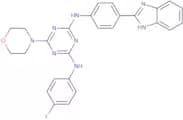























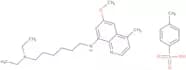




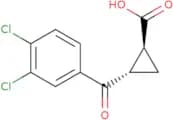





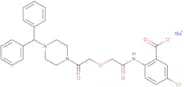
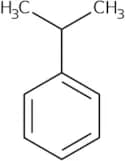
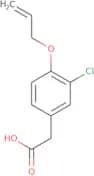

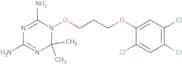
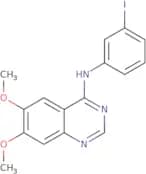
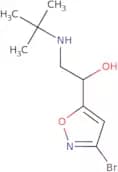
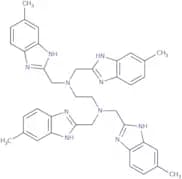
![3-[2-[2-[2-[2-[2-(2-Azidoethoxy)ethoxy]ethoxy]ethoxy]ethoxy]ethoxy]prop-1-yne](/_next/image/?url=https%3A%2Fstatic.cymitquimica.com%2Fproducts%2F3D%2Fthumb-webp%2FYXB08003.webp&w=3840&q=75)
![2-Iodo-4-methoxy-1-(phenylsulfonyl)-1H-pyrrolo[2,3-b]pyridine](/_next/image/?url=https%3A%2Fstatic.cymitquimica.com%2Fproducts%2F3D%2Fthumb-webp%2FRLB57488.webp&w=3840&q=75)
![N-[2-Methoxy-4-(4-morpholinyl)phenyl]-6-(1H-pyrazol-3-yl)-2-pyridinecarboxamide](/_next/image/?url=https%3A%2Fstatic.cymitquimica.com%2Fproducts%2F3D%2Fthumb-webp%2FSRB67320.webp&w=3840&q=75)

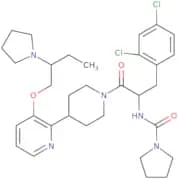


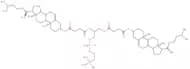


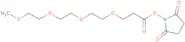






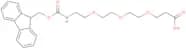
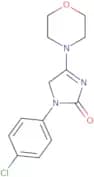













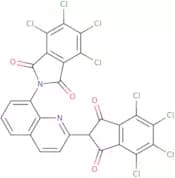

![[D-Ala2] Deltorphin II](/_next/image/?url=https%3A%2Fstatic.cymitquimica.com%2Fproducts%2F3D%2Fthumb-webp%2FVAC-00826.webp&w=3840&q=75)

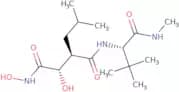
![[D-Ala2]-β-Casomorphin (1-3) amide](/_next/image/?url=https%3A%2Fstatic.cymitquimica.com%2Fproducts%2F3D%2Fthumb-webp%2FVAC-00827.webp&w=3840&q=75)

![[Tyr0]-α-CGRP, [Tyr0]-α-CGRP, rat](/_next/image/?url=https%3A%2Fstatic.cymitquimica.com%2Fproducts%2F3D%2Fthumb-webp%2FVAC-00921.webp&w=3840&q=75)

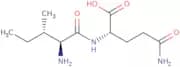


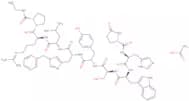

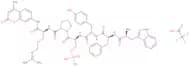
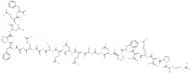
![[D-Ala2,Leu5,Arg6] Enkephalin](/_next/image/?url=https%3A%2Fstatic.cymitquimica.com%2Fproducts%2F3D%2Fthumb-webp%2FVAC-00837.webp&w=3840&q=75)



![[Des-Asp187]-Melanocyte Protein PMEL 17 (185-193) (human, bovine, mouse)](/_next/image/?url=https%3A%2Fstatic.cymitquimica.com%2Fproducts%2F3D%2Fthumb-webp%2FVAC-00513.webp&w=3840&q=75)

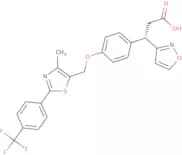




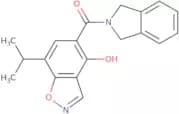

![[D-Arg1,D-Pro2,D-Phe7,D-His9]-Substance P](/_next/image/?url=https%3A%2Fstatic.cymitquimica.com%2Fproducts%2F3D%2Fthumb-webp%2FVAC-00149.webp&w=3840&q=75)