Bioquímicos e reagentes
Os bioquímicos e reagentes são substâncias fundamentais para a pesquisa e desenvolvimento em campos como biotecnologia, biologia molecular, farmacologia e medicina. Esses produtos são essenciais para uma variedade de aplicações, incluindo a síntese de compostos, a análise de amostras biológicas, a pesquisa de processos metabólicos e a produção de medicamentos. Na CymitQuimica, oferecemos uma ampla seleção de bioquímicos e reagentes de alta qualidade e pureza, adequados para diversas necessidades científicas e industriais. Nosso catálogo inclui enzimas, anticorpos, ácidos nucleicos, aminoácidos e muitos outros produtos, todos projetados para apoiar pesquisadores e profissionais em seus projetos de pesquisa e desenvolvimento, garantindo resultados confiáveis e reproduzíveis.
Subcategorias de "Bioquímicos e reagentes"
- Biomoléculas(99.112 produtos)
- Por Alvo Biológico(100.637 produtos)
- Por uso/Efeitos Farmacológicos(6.815 produtos)
- Compostos relacionados à criopreservação e aos crioconservantes(21 produtos)
- Desinfetantes, aditivos para aquecimento de líquidos de banho e compostos relacionados(28 produtos)
- Hormónios(346 produtos)
- Biologia Vegetal(6.727 produtos)
- Metabólitos secundários(14.352 produtos)
Foram encontrados 130624 produtos de "Bioquímicos e reagentes"
Ordenar por
Pureza (%)
0
100
|
0
|
50
|
90
|
95
|
100
WARS2 antibody
<p>WARS2 antibody was raised using the middle region of WARS2 corresponding to a region with amino acids TTKQKHDGTVGLLTYPVLQAADILLYKSTHVPVGEDQVQHMELVQDLAQG</p>Neuropilin antibody
<p>Neuropilin antibody was raised using the N terminal of NETO2 corresponding to a region with amino acids ELSGADGIVRSSQVEQEEKTKPGQAVDCIWTIKATPKAKIYLRFLDYQME</p>Pureza:Min. 95%UCB 35625
CAS:UCB 35625 is a chemokine. Chemokines are small cytokines that play an important role in the chemotaxis of immune cells, including T-cells and monocytes. UCB 35625 binds to chemokine receptors and modulates their activity. UCB 35625 has been shown to be therapeutically useful for age-related macular degeneration (AMD) by reducing the accumulation of inflammatory cells in the retina. It also inhibits the recruitment of monocytes into atherosclerotic lesions, thereby reducing inflammation and inhibiting plaque formation. The binding of UCB 35625 to chemokine receptors may be due to allosteric modulation, which is a change in enzyme activity by binding to an effector molecule at a site other than the active site or substrate binding site. UCB 35625 has been found to inhibit IL-8 production through interaction with CCR2 receptor type, as well as reduce neutrophil migration through interaction with CXCR1Fórmula:C30H37Cl2IN2O2Pureza:Min. 95%Peso molecular:655.4 g/molSLC25A16 antibody
<p>SLC25A16 antibody was raised using the N terminal of SLC25A16 corresponding to a region with amino acids KTTVAPLDRVKVLLQAHNHHYKHLGVFSALRAVPQKEGFLGLYKGNGAMM</p>EGFR antibody
The EGFR antibody is a highly specialized antibody that targets the epidermal growth factor receptor (EGFR). It has been extensively studied and proven to be effective in various research fields. This antibody specifically binds to the nuclear region of cells and can be used for immunohistochemistry and immunofluorescence experiments. The EGFR antibody has been tested and validated for its specificity, ensuring accurate and reliable results.AM 114
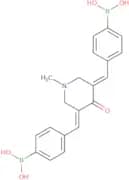
CAS:<p>AM 114 is a hydroxyl-containing compound that has been found to have antibacterial activity. The primary target of AM 114 is the informational molecule in bacteria, RNA polymerase. It binds to the catalytic site of RNA polymerase and inhibits bacterial growth. This binding leads to a decrease in bacterial cell size and a decrease in the production of proteins in the bacterial cells. AM 114 also inhibits penicillin-binding protein (PBP) from Staphylococcus aureus, which may be an additional mechanism for its antibacterial effects.</p>Fórmula:C20H21B2NO5Pureza:Min. 95%Peso molecular:377.01 g/molTunicamycin A1
CAS:Tunicamycin A1 is an analog of a natural product isolated from Chinese medicinal herbs. It is known for its potent anticancer activity, acting as a kinase inhibitor that induces apoptosis in cancer cells. Tunicamycin A1 has been shown to inhibit the growth of tumors and has potential as a therapeutic agent for cancer treatment. This compound is extracted from urine and has been extensively studied for its medicinal properties. Tunicamycin A1 targets specific kinases and proteins involved in cancer cell growth, making it a promising candidate for the development of new anticancer drugs. Its potent inhibitors have shown great promise in preclinical studies as a potential treatment option for various types of cancers.Fórmula:C37H60N4O16Pureza:Min. 95%Peso molecular:816.9 g/molGRL-0667
CAS:GRL-0667 is a medicinal compound with potent anticancer properties. It has been shown to induce apoptosis, or programmed cell death, in various types of cancer cells. GRL-0667 is an analog of a known inhibitor of the kinase protein, which plays a critical role in regulating the cell cycle. This compound has been found to be highly effective in inhibiting the growth and proliferation of cancer cells in both Chinese hamster ovary cells and human tumor cell lines. GRL-0667 also shows promising results as a potential therapeutic agent for various types of cancer due to its ability to selectively target cancer cells while sparing normal cells. Its low toxicity profile makes it an attractive candidate for further development as an anticancer drug.Fórmula:C26H28N2O3Pureza:Min. 95%Peso molecular:416.5 g/molBTN1A1 antibody
The BTN1A1 antibody is a highly effective neutralizing agent that targets the c-myc antigen. This monoclonal antibody is widely used in Life Sciences research and has been proven to have significant therapeutic potential. It specifically binds to BTN1A1, a protein involved in the regulation of low-density lipoprotein (LDL) metabolism. By targeting this protein, the BTN1A1 antibody can effectively modulate LDL levels and potentially serve as a medicament for various cardiovascular disorders.BAY-876
CAS:<p>BAY-876 is a small-molecule inhibitor, which is a synthesized compound with a specific mode of action targeting the glucose transporter 1 (GLUT1). GLUT1 is primarily responsible for glucose uptake across the plasma membranes of mammalian cells, a critical process for cellular metabolism and energy production. BAY-876 inhibits GLUT1 by binding to its active site, thus preventing glucose transport into cells. This inhibition disrupts the metabolic processes within cancer cells, as they heavily rely on glucose for growth and proliferation due to the Warburg effect.</p>Fórmula:C24H23NO3Pureza:Min. 95%Peso molecular:373.4 g/molZT-1a
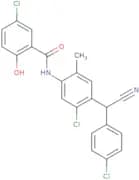
CAS:ZT-1a is a potent inhibitor of protein kinases that play a crucial role in the cell cycle and cancer cell growth. It has been shown to induce apoptosis in human cancer cell lines by inhibiting the phosphorylation of key proteins involved in cell cycle regulation. ZT-1a has been found to be effective against various types of cancer, including breast, lung, and prostate cancer. This inhibitor works by blocking the activity of specific kinases that are overexpressed in cancer cells, causing them to undergo programmed cell death. The unique mechanism of action of ZT-1a makes it a promising candidate for the development of novel cancer therapies.Fórmula:C22H15Cl3N2O2Pureza:Min. 95%Peso molecular:445.7 g/molPNR-7-02
CAS:<p>PNR-7-02 is a predictive biomarker for chemoresistance in cancer cells by measuring the frequency of mutations. It is a ternary complex that binds to DNA and inhibits its replication. PNR-7-02 has been shown to be an effective chemotherapeutic agent against skin cancer and malignant brain tumors. It binds to the polymerase, which prevents it from transcribing DNA, leading to cell death. This drug also inhibits the production of nucleotides and ATP, which may be due to its ability to bind with dna replication proteins. PNR-7-02 has been shown to inhibit cisplatin resistance in human ovarian cancer cells by preventing the formation of ternary complexes with cisplatin and DNA.</p>Fórmula:C24H16ClN3O2SPureza:Min. 95%Peso molecular:445.9 g/molRANTES antibody
<p>RANTES antibody was raised in rabbit using highly pure recombinant rat RANTES as the immunogen.</p>Pureza:Min. 95%TENOVIN-5
CAS:<p>TENOVIN-5 is a peptide inhibitor of the P2X7 receptor. It is a high purity, stable, and water insoluble compound that can be used as a research tool to study protein interactions, ligand binding and activation of the P2X7 receptor. TENOVIN-5 has been shown to bind to the extracellular domain of the P2X7 receptor and inhibit its function. TENOVIN-5 also activates the P2Y1 receptor in a dose-dependent manner.</p>Fórmula:C25H25N3O2SPureza:Min. 95%Peso molecular:431.6 g/molChloramphenicol antibody
The Chloramphenicol antibody is a highly specialized polyclonal antibody used in the field of Life Sciences. It is designed to specifically target and bind to chloramphenicol, a medicament commonly used as an anticoagulant in medical treatments. This antibody is capable of recognizing and binding to the molecule drug with high affinity and specificity.Pureza:Min. 95%Ethynodiol-d6
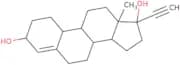
CAS:Produto Controlado<p>Ethynodiol diacetate is a synthetic estrogen that belongs to the estradiol benzoate group. It is used as a progestin in combination with an estrogen for hormonal contraception, and as an antifungal agent in the treatment of vaginal candidiasis. Ethynodiol diacetate has been shown to have a genotoxic activity, which may be due to its ability to inhibit DNA synthesis and repair. It also inhibits protein synthesis in bacteria by binding to 16S ribosomal RNA.</p>Fórmula:C20H28O2Pureza:Min. 95%Peso molecular:300.4 g/molHOXA5 antibody
HOXA5 antibody was raised in rabbit using the C terminal of HOXA5 as the immunogenPureza:Min. 95%H2AFY2 antibody
H2AFY2 antibody was raised using the middle region of H2AFY2 corresponding to a region with amino acids PRIHPELLAKKRGTKGKSETILSPPPEKRGRKATSGKKGGKKSKAAKPRTKv3 modulator 3
CAS:Kv3 modulator 3 is a chemical compound, which is a synthesized small molecule with the capability to modulate voltage-gated potassium channels (Kv3). This product is derived from advanced organic synthesis, utilizing specific functional group manipulations to achieve high affinity and selectivity for Kv3 channels. The mode of action of Kv3 modulator 3 involves binding to the Kv3 channel proteins, stabilizing their open state, and thereby influencing neuronal excitability and signaling properties.Fórmula:C19H18N4O3Pureza:Min. 95%Peso molecular:350.4 g/molSOX13 antibody
<p>The SOX13 antibody is a vasoactive intestinal peptide (VIP) neutralizing monoclonal antibody. It is a low-molecular-weight antibody that has been shown to effectively neutralize VIP in human serum. This monoclonal antibody can also target autoantibodies and has neuroprotective properties. Studies have demonstrated that the SOX13 antibody can protect against neurodegenerative diseases and reduce inflammation. Additionally, it has been found to enhance the effects of ketamine and interferon therapy. The electrode immobilization technique can be used to deliver the SOX13 antibody directly to target cells for optimal therapeutic results. If you are looking for high-quality antibodies for life sciences research, the SOX13 antibody is an excellent choice.</p>rac Erythro-dihydro bupropion-d9
CAS:Produto Controlado<p>Rac Erythro-dihydro bupropion-d9 is a novel, potent inhibitor of the human dopamine transporter. Rac Erythro-dihydro bupropion-d9 is a racemic mixture with an enantiomeric ratio of 1:1. Rac Erythro-dihydro bupropion-d9 has been shown to inhibit the dopamine transporter and to be selective for the D2 receptor. Rac Erythro-dihydro bupropion-d9 may also be used as a research tool in cell biology, pharmacology, and cell biology.</p>Fórmula:C13H20ClNOPureza:Min. 95%Peso molecular:250.81 g/mol2-(2-Ethylaminobenzylsulfinyl)-5,6-dimethoxybenzimidazole
CAS:<p>2-(2-Ethylaminobenzylsulfinyl)-5,6-dimethoxybenzimidazole is a potent inhibitor of the human erythrocyte acetylcholinesterase (AChE) and butyrylcholinesterase (BChE). This inhibitor binds to the active site of both enzymes. The IC50 for AChE inhibition is about 5 nM and for BChE inhibition is about 1 μM. 2-(2-ethylaminobenzylsulfinyl)-5,6-dimethoxybenzimidazole has been shown to be an activator of protein interactions in a cell-free system. It also has been used as a ligand in receptor binding assays. In addition, this inhibitor can be used as a research tool to study ion channels and antibodies.</p>Fórmula:C18H21N3O3SPureza:Min. 95%Peso molecular:359.4 g/molULK 101
CAS:ULK 101 is a molecule that inhibits autophagy. The research into the ULK-ATG pathway has been mainly focused on its role in cancer, but it is also involved in other diseases such as nematodes. This molecule was designed using computational chemistry and is able to inhibit autophagy selectively by targeting ATG3. ULK 101 has shown anthelmintic activity against nematodes and selectivity for the inhibition of autophagy in mammalian cells.Fórmula:C22H16F4N4OSPureza:Min. 95%Peso molecular:460.45 g/molNormal Chicken Serum
<p>Normal Chicken Serum is a versatile biospecimen that can be used in various life science and veterinary applications. It contains a rich mixture of proteins, growth factors, and antibodies that are naturally present in chicken blood. This serum is commonly used as a control or reference sample in experiments involving liver microsomes, dopamine, TGF-beta, interleukin-6, teriparatide, epidermal growth factor, and other biomolecules.</p>Pureza:Min. 95%(S)-Bicalutamide
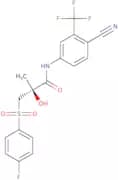
CAS:<p>Androgen receptor antagonist; anti-cancer agent</p>Fórmula:C18H14F4N2O4SPureza:Min. 97 Area-%Peso molecular:430.37 g/molTyr-Gly-Gly-Phe-Leu-Lys
CAS:Produto Controlado<p>Tyr-Gly-Gly-Phe-Leu-Lys is a synthetic peptide that has been shown to act as an activator of ion channels and as an inhibitor of protein interactions. It is also capable of binding to the receptor, ligand, or pharmacology. Tyr-Gly-Gly-Phe-Leu-Lys has been tested on a variety of cell types including rat primary neurons, CHO cells, COS cells, and human embryonic kidney (HEK) 293 cells. This peptide has shown the ability to inhibit the activity of ion channels such as voltage sensitive sodium channels and calcium channels in rat primary neurons. In CHO cells, Tyr-Gly-Gly-Phe-Leu-Lys was found to inhibit the binding of acetylcholine receptors to their ligands. In HEK 293 cells, this peptide inhibited the binding of dopamine D2 receptors with their ligands.</p>Fórmula:C34H49N7O8Pureza:Min. 95%Peso molecular:683.8 g/molUBTD1 antibody
<p>UBTD1 antibody was raised in rabbit using the middle region of UBTD1 as the immunogen</p>Pureza:Min. 95%Acremine I
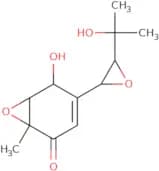
CAS:Acremine I is a potent medicinal compound that exhibits anticancer properties. It acts as a kinase inhibitor and has been found in the urine of Chinese cancer patients. Acremine I has been shown to induce cell cycle arrest and apoptosis in cancer cells, making it a promising candidate for cancer treatment. It inhibits the activity of elastin, a protein that plays a role in tumor progression and metastasis. Acremine I is an exciting new addition to the arsenal of cancer inhibitors, with significant potential for future use in cancer therapy.Fórmula:C12H16O5Pureza:Min. 95%Peso molecular:240.25 g/molAMG-511
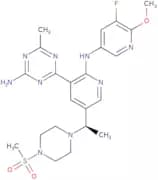
CAS:<p>AMG-511 is a drug that inhibits the activity of growth factors, such as vascular endothelial growth factor (VEGF) and hepatocyte growth factor (HGF), which are important for the development of cancer. AMG-511 has been shown to inhibit endothelial cell proliferation in vitro and tumor growth in vivo. It also has anti-apoptotic effects in human cells. AMG-511 is a small molecule inhibitor that targets proteins involved in inflammation, including toll-like receptor 4.</p>Fórmula:C21H26FN9O3SPureza:Min. 95%Peso molecular:503.55 g/molDiacetylbiopterin
CAS:Diacetylbiopterin is an anticancer drug that acts as an inhibitor of kinases. It is an analog of biopterin, a natural compound found in human urine. Diacetylbiopterin has been shown to inhibit the growth of cancer cells by blocking the activity of certain kinases that are involved in tumor growth and progression. This drug has been tested in Chinese hamster ovary cells and has been found to induce apoptosis, or programmed cell death, in cancer cells. Diacetylbiopterin may also be used in combination with other protein kinase inhibitors, such as nintedanib, for enhanced anticancer effects.Fórmula:C13H15N5O5Pureza:Min. 95%Peso molecular:321.29 g/molFBXW8 antibody
FBXW8 antibody was raised using the middle region of FBXW8 corresponding to a region with amino acids MNQKLWEVYSGHPVQHISFSSHSLITANVPYQTVMRNADLDSFTTHRRHREzeprogind disulfate
CAS:Ezeprogind disulfate is a peptide that is used for research purposes. It is a potent inhibitor of protein interactions, an activator of ligand receptors, and a receptor for antibodies. Ezeprogind disulfate has been shown to be a useful tool in the study of ion channels.Fórmula:C25H48N6O8S2Pureza:Min. 95%Peso molecular:624.8 g/molMPPE1 antibody
MPPE1 antibody was raised using the N terminal of MPPE1 corresponding to a region with amino acids WLLQPEVVFILGDIFDEGKWSTPEAWADDVERFQKMFRHPSHVQLKVVAGPureza:Min. 95%ELF2 antibody
ELF2 antibody was raised in mouse using recombinant Human E74-Like Factor 2 (Ets Domain Transcription Factor) (Elf2)