Bioquímicos e reagentes
Os bioquímicos e reagentes são substâncias fundamentais para a pesquisa e desenvolvimento em campos como biotecnologia, biologia molecular, farmacologia e medicina. Esses produtos são essenciais para uma variedade de aplicações, incluindo a síntese de compostos, a análise de amostras biológicas, a pesquisa de processos metabólicos e a produção de medicamentos. Na CymitQuimica, oferecemos uma ampla seleção de bioquímicos e reagentes de alta qualidade e pureza, adequados para diversas necessidades científicas e industriais. Nosso catálogo inclui enzimas, anticorpos, ácidos nucleicos, aminoácidos e muitos outros produtos, todos projetados para apoiar pesquisadores e profissionais em seus projetos de pesquisa e desenvolvimento, garantindo resultados confiáveis e reproduzíveis.
Subcategorias de "Bioquímicos e reagentes"
- Biomoléculas(99.130 produtos)
- Por Alvo Biológico(99.159 produtos)
- Por uso/Efeitos Farmacológicos(6.787 produtos)
- Compostos relacionados à criopreservação e aos crioconservantes(21 produtos)
- Desinfetantes, aditivos para aquecimento de líquidos de banho e compostos relacionados(28 produtos)
- Hormónios(346 produtos)
- Biologia Vegetal(6.747 produtos)
- Metabólitos secundários(14.222 produtos)
Foram encontrados 130579 produtos de "Bioquímicos e reagentes"
Ordenar por
Pureza (%)
0
100
|
0
|
50
|
90
|
95
|
100
ID1 antibody
<p>ID1 antibody was raised in mouse using recombinant Human Inhibitor Of Dna Binding 1, Dominant Negative Helixloop-Helix Protein (Id1)</p>IL2 antibody
<p>The IL2 antibody is a powerful tool in the field of Life Sciences. It is a monoclonal antibody that specifically targets and binds to IL2, a cytokine involved in immune responses. This antibody has been extensively studied and proven to have numerous applications.</p>COL3A1 antibody
<p>The COL3A1 antibody is a highly specialized immunoassay tool used for the detection and analysis of autoantibodies in human serum samples. This monoclonal antibody specifically targets COL3A1, a protein involved in the synthesis of collagen type III. The COL3A1 antibody can be used in various applications, including lysis assays and electrode-based immunoassays, to study the expression and function of this protein.</p>PDE6A antibody
<p>PDE6A antibody was raised in rabbit using a synthetic peptide conjugated to KLH as the immunogen.</p>Pureza:Min. 95%CRP antibody
<p>CRP antibody was raised in Mouse using Human C-reactive protein as the immunogen.</p>CDC6 antibody
<p>The CDC6 antibody is a powerful tool used in the field of Life Sciences. It is an antibody that specifically targets CDC6, a protein involved in DNA replication and cell cycle regulation. This antibody has been extensively tested and validated for use in various applications, including immunohistochemistry, western blotting, and flow cytometry.</p>PRL antibody
<p>The PRL antibody is a monoclonal antibody known as trastuzumab. It is used in the treatment of certain types of cancer, particularly breast cancer that overexpresses the HER2 protein. This antibody works by binding to the HER2 receptors on cancer cells, inhibiting their growth and promoting cell death. In addition to its anti-cancer properties, trastuzumab has been shown to have other therapeutic effects. It can enhance the activity of lysozyme, an enzyme involved in immune defense, and stimulate tyrosine kinase receptors, which play a role in cell growth and development. Furthermore, trastuzumab has been found to inhibit insulin-like growth factor signaling and dopamine release, both of which are implicated in tumor progression. Overall, this monoclonal antibody offers targeted therapy for HER2-positive cancers and holds promise for improving patient outcomes.</p>SNIP1 antibody
<p>SNIP1 antibody was raised in rabbit using the middle region of SNIP1 as the immunogen</p>Pureza:Min. 95%Aquaporin 5 antibody
<p>Aquaporin 5 antibody is a polyclonal antibody that specifically targets the Aquaporin 5 protein. Aquaporins are a family of integral membrane proteins that facilitate the transport of water across cell membranes. Aquaporin 5 is primarily found in the salivary glands, lungs, and lacrimal glands, where it plays a crucial role in regulating fluid secretion.</p>Rabbit anti Goat IgG (H + L) (rhodamine)
<p>This antibody reacts with heavy chains on Goat IgG and light chains on all Goat immunoglobulins.</p>Pureza:Min. 95%Adrenomedullin antibody
<p>The Adrenomedullin antibody is a highly specialized monoclonal antibody used in the field of Life Sciences. It is designed to target and neutralize the activity of Adrenomedullin, a glycopeptide hormone involved in various physiological processes. This antibody specifically binds to Adrenomedullin dimers and prevents their interaction with receptors, thereby blocking the downstream signaling pathways.</p>HBP1 antibody
<p>HBP1 antibody was raised in rabbit using the middle region of HBP1 as the immunogen</p>Pureza:Min. 95%TMLHE antibody
<p>TMLHE antibody was raised using the middle region of TMLHE corresponding to a region with amino acids PWNKELYLIRYNNYDRAVINTVPYDVVHRWYTAHRTLTIELRRPENEFWV</p>BACH1 antibody
<p>The BACH1 antibody is a polyclonal antibody commonly used in Life Sciences research. It is specifically designed to target and bind to the activated form of BACH1, a human protein involved in various cellular processes. This antibody is highly reactive and can be used in immunoassays to detect and quantify BACH1 levels in biological samples.</p>KRT8 antibody
<p>The KRT8 antibody is a growth factor that belongs to the class of monoclonal antibodies. It is designed to specifically target and bind to keratin 8, a protein found in various tissues. This antibody can be used for research purposes, such as detecting and quantifying levels of keratin 8 in samples. The KRT8 antibody is conjugated with magnetic particles, allowing for easy separation and purification of the target protein. With its high specificity and affinity, this monoclonal antibody ensures accurate and reliable results in various applications within the life sciences field. Additionally, it has been shown to have erbb2 inhibitory properties and interacts with spleen ferritin, a metal-binding protein. Its multispecific nature allows for versatility in experimental designs.</p>IFN γ antibody
<p>IFN Gamma antibody was raised in mouse using recombinant interferon gamma as the immunogen.</p>ODC1 antibody
<p>The ODC1 antibody is a cytotoxic conjugate that targets the growth factor ODC1. It is a monoclonal antibody that specifically binds to ODC1, inhibiting its activity and preventing cell growth. This antibody has been extensively studied and shown to have potent cytotoxic effects on cancer cells. It is also glycosylated, which enhances its stability and binding affinity. The ODC1 antibody has been used in various research applications, including the development of targeted therapies for cancer treatment. Additionally, it has been investigated as a potential diagnostic tool for detecting autoantibodies against ODC1 in human serum. This antibody shows promise in combination with other therapeutic agents, such as anti-CD20 antibodies or anti-CD33 antibodies, as well as inhibitors of epidermal growth factor (EGF) signaling pathways. Its unique mechanism of action makes it a valuable tool for researchers and clinicians working in the field of oncology.</p>KRT3 antibody
<p>KRT3 antibody was raised in rabbit using the C terminal of KRT3 as the immunogen</p>Pureza:Min. 95%Caspase 8 antibody
<p>The Caspase 8 antibody is a highly specific monoclonal antibody that binds to caspase 8, a protein involved in the regulation of cell death. This antibody is commonly used in research and diagnostics within the field of Life Sciences. It has been shown to effectively detect and quantify caspase 8 levels in various samples, including human serum and tissue lysates. The Caspase 8 antibody can be used in applications such as Western blotting, immunohistochemistry, and flow cytometry. Its high affinity binding to caspase 8 allows for accurate detection and analysis of this important protein complex. With its neutralizing properties, this antibody provides valuable insights into the mechanisms of cell death and apoptosis regulation. Trust the Caspase 8 antibody for reliable results in your research endeavors within the Life Sciences field.</p>Mioflazine
CAS:<p>Mioflazine is a ligand that binds to the ion channels and induces a conformational change in the protein. It has been used as a pharmacological tool in the study of ion channels, a research tool in cell biology, and as an inhibitor of peptide-mediated reactions. Mioflazine is a high-purity product that is supplied at > 99% purity.</p>Fórmula:C29H30Cl2F2N4O2Pureza:Min. 95%Peso molecular:575.5 g/mol4-(2-(1H-Imidazol-1-yl)ethoxy)benzoic acid hydrochloride
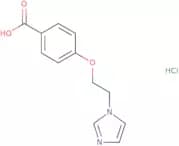
CAS:<p>4-(2-(1H-Imidazol-1-yl)ethoxy)benzoic acid hydrochloride is a synthetic chemical compound, which is typically sourced through organic synthesis methods. This compound is characterized by its unique structure featuring an imidazole group linked to a benzoic acid moiety via an ethoxy bridge. The mode of action of this compound predominantly involves interactions at a molecular level with various biological targets, potentially influencing biochemical pathways by mimicking or inhibiting natural biological molecules.</p>Fórmula:C12H13ClN2O3Pureza:Min. 95%Peso molecular:268.69 g/molAZD 5597
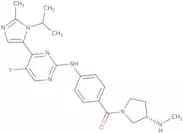
CAS:<p>Inhibitor of cyclin-dependent kinases CDK1 and CDK2</p>Fórmula:C23H28FN7OPureza:Min. 95%Peso molecular:437.51 g/molWP 1130
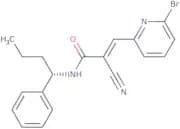
CAS:<p>Inhibits deubiquitinase</p>Fórmula:C19H18BrN3OPureza:Min. 95%Peso molecular:384.27 g/molTRPC3 Channel Inhibitor, Pyr3
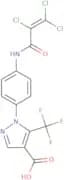
CAS:<p>Pyr3 is a TRPC3 channel inhibitor. It selectively blocks the TRPC3 channel, which is involved in regulating mitochondrial membrane potential and ion homeostasis. Pyr3 also has anti-inflammatory properties and may be useful for the treatment of hepatic steatosis or neurodegenerative diseases. The drug can reduce neuronal death by inhibiting the release of neurotransmitters such as neurokinin-1 receptor. Pyr3 also inhibits cardiac contractility, cyclase activity, and disulfide bond formation at low concentrations. This agent also has a potential use as an anti-tumor drug due to its ability to inhibit toll-like receptor signaling pathways that are important in tumor cell proliferation.</p>Fórmula:C16H11Cl3F3N3O3Pureza:Min. 95%Peso molecular:456.63 g/molAZD5718
CAS:<p>AZD5718 is a selective inhibitor of the TRPV1 ion channel. It binds to the receptor and blocks its activity. The TRPV1 ion channel is activated by various stimuli, including capsaicin, heat, low pH, and the endogenous ligand anandamide. AZD5718 has been shown to inhibit pain in animal studies.</p>Fórmula:C24H26N6O3Pureza:Min. 95%Peso molecular:446.5 g/molMHY 553
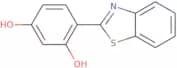
CAS:<p>MHY 553 is a pharmaceutical preparation that contains propranolol hydrochloride. It has been shown to inhibit the growth of human breast cancer cells in culture by lowering camp levels and reducing the number of fatty acids. MHY 553 also inhibits tumor growth in mice with MDA-MB-231 breast cancer and decreases diastolic blood pressure in rats. MHY 553 has been shown to have a protective effect on experimental models of light-induced skin cancer and to bind DNA, inhibiting transcription and replication.</p>Fórmula:C13H9NO2SPureza:Min. 95%Peso molecular:243.28 g/molMurraxocin
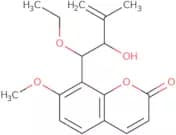
CAS:<p>Murraxocin is an anxiolytic drug that belongs to the class of enantiomer. It has been shown to have a strong effect on the central nervous system, and is used in the treatment of anxiety disorders. Murraxocin has been shown to be effective against viruses such as albiflora and murralongin, which cause symptoms such as skin care, s. aureus, and cell culture. Murraxocin also inhibits the production of prostaglandins and other inflammatory mediators in cells. This inhibition can lead to cell apoptosis by preventing cellular proliferation. Murraxocin is not active against bacteria or fungi.</p>Fórmula:C17H20O5Pureza:Min. 95%Peso molecular:304.34 g/molTenuazonic acid copper salt
CAS:<p>Tenuazonic acid copper salt is a research tool that is used as an activator and ligand for various receptors. It has been shown to activate ion channels in cells, resulting in the opening of ion channels and an influx of ions. Tenuazonic acid copper salt also binds to the receptor on the cell membrane and forms a complex with it. This complex can then be recognized by other molecules, such as antibodies or peptides, which can bind to this complex. The binding of these molecules may result in changes in the function of the receptor and subsequent effects on cell biology.</p>Fórmula:C20H28CuN2O6Pureza:Min. 95%Peso molecular:456 g/molTriazadodecanoic acid methyl ester
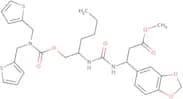
CAS:<p>Please enquire for more information about Triazadodecanoic acid methyl ester including the price, delivery time and more detailed product information at the technical inquiry form on this page</p>Fórmula:C29H35N3O7S2Pureza:Min. 95%Peso molecular:601.7 g/molPoly(vinyl sulfate) potassium
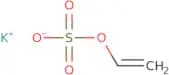
CAS:<p>Polyvinyl sulfate potassium (PVS) is a polymer that is soluble in water and organic solvents. It has been shown to be an effective inhibitor of the ryanodine receptor, which is responsible for calcium release from the sarcoplasmic reticulum of skeletal and cardiac muscle cells. PVS has also been found to decrease viral life by binding to the surface glycoprotein of HIV-1. This polymer can be used as a cholesterol-lowering agent by binding with cholesterol at high concentrations and preventing its absorption into the bloodstream. PVS has also been shown to have a high resistance to chemical degradation, making it an excellent candidate for use in biomedical devices such as catheters, vascular grafts, and implants.</p>Fórmula:C2H3KO4SPureza:Min. 95%Peso molecular:162.21 g/molOATD-01
CAS:<p>OATD-01 is a small molecule that has been shown to activate the Ligand-Gated Ion Channel (LGIC) receptor. This receptor regulates the flow of ions and regulates cell membrane potential, which is important in maintaining cell homeostasis. OATD-01 has been shown to be a potent activator of LGIC receptors, inducing ion flux and membrane depolarization.</p>Fórmula:C19H27ClN6OPureza:Min. 95%Peso molecular:390.9 g/molAZ-PFKFB3-67
CAS:<p>AZ-PFKFB3-67 is a small molecule that inhibits the activity of the regulatory enzyme phosphofructokinase-2 (PFK2). PFK2 catalyzes the conversion of fructose-6-phosphate to fructose 1,6 bisphosphate in glycolysis. AZ-PFKFB3-67 inhibits the activity of PFK2, which results in decreased production of ATP and may lead to cell death. This compound has also been shown to disrupt blood vessel formation by inhibiting vascular endothelial growth factor receptor 2 signaling.</p>Fórmula:C26H25N5O3Pureza:Min. 95%Peso molecular:455.51 g/mol