Bioquímicos e reagentes
Os bioquímicos e reagentes são substâncias fundamentais para a pesquisa e desenvolvimento em campos como biotecnologia, biologia molecular, farmacologia e medicina. Esses produtos são essenciais para uma variedade de aplicações, incluindo a síntese de compostos, a análise de amostras biológicas, a pesquisa de processos metabólicos e a produção de medicamentos. Na CymitQuimica, oferecemos uma ampla seleção de bioquímicos e reagentes de alta qualidade e pureza, adequados para diversas necessidades científicas e industriais. Nosso catálogo inclui enzimas, anticorpos, ácidos nucleicos, aminoácidos e muitos outros produtos, todos projetados para apoiar pesquisadores e profissionais em seus projetos de pesquisa e desenvolvimento, garantindo resultados confiáveis e reproduzíveis.
Subcategorias de "Bioquímicos e reagentes"
- Biomoléculas(99.118 produtos)
- Por Alvo Biológico(99.156 produtos)
- Por uso/Efeitos Farmacológicos(6.788 produtos)
- Compostos relacionados à criopreservação e aos crioconservantes(21 produtos)
- Desinfetantes, aditivos para aquecimento de líquidos de banho e compostos relacionados(28 produtos)
- Hormónios(346 produtos)
- Biologia Vegetal(6.748 produtos)
- Metabólitos secundários(14.233 produtos)
Foram encontrados 130579 produtos de "Bioquímicos e reagentes"
Ordenar por
Pureza (%)
0
100
|
0
|
50
|
90
|
95
|
100
IgG2 heavy chain Heavy
<p>Peptide derived from the heavy chain of immunoglobulin G2 (IgG2). Ig or antibodies are made up of two heavy and two light chains both of which have a constant region and a variable region. The variable region, the antigen binding site, is composed of three complementarity determining regions (CDRs) from the variable heavy chain and three CDRs from the variable light chains. The amino acid sequences of the variable region differ between each antibody allowing Ig to bind to specific antigens.The Ig heavy chain can be classed as being either: IgM, IgG, IgA, IgD or IgE each of which change the function of the antibody. Furthermore IgG can be classed as either IgG1, IgG2, IgG3 or IgA2 and again each class exerts a different functional antibody.Class-switching to the IgG2 class usually occurs in response to bacterial capsular polysaccharide antigens. Consequently during IgG2 deficiency there is an increased risk of bacterial infections.The lysine residue is isotopically labelled at position 16 with carbon-13(6) and nitrogen-15(2).</p>Pureza:Min. 95%Peso molecular:1,801 g/molAdrenomedullin 2 (Human, 1-7) Antiserum
<p>Adrenomedullin 2 (Human, 1-7) Antiserum is a research tool that is an antibody. This antibody is used to detect the presence of adrenomedullin 2 in human serum and tissue. It has been shown to inhibit ion channels, activate receptors, and bind to cell surface proteins. This antibody can also be used as a ligand for receptor binding studies or in assays for protein interactions.</p>Pureza:Min. 95%C-Terminal Sortagging-[Lys(Biotin]
<p>This peptide is recognised and cleaved by the enzyme Sortase A (SrtA) from-Staphylococcus aureus. The catalytic cysteine residue in the active site of SrtA, serves as a nucleophile to cleave the peptide bond between threonine and glycine. Cleavage results in the formation of a thioacyl intermediate between the peptide and SrtA. This intermediate is then resolved by the N-terminus of an (oligo)glycine nucleophile, resulting in the creation of a new peptide bond that links the peptide and its biotin tag to the incoming nucleophile.- This method of protein labelling is known as sortagging.This peptide contains an C-terminal biotin tag for detection and purification.</p>Cor e Forma:PowderPeso molecular:542.3 g/molATP synthase subunit f Heavy
<p>ATP synthase subunit f Heavy is derived from ATP Synthase (the adenosine triphosphate synthase enzymatic complex) which uses the proton-motive force produced by the electron transfer chain to synthesise ATP from ADP and inorganic phosphate. It functions in the inner mitochondrial membrane, prokaryotic members and chloroplasts.Structurally bacterial ATP synthase contains two multisubunit domains called F1 and F0. F1 which is responsible for the catalytic activity of the ATP synthase is made up of the 5 subunits α3, β3, γ, δ, ε and F0 contains a membrane bound sector which creates a proton channel. F1 and F0 are connected by a peripheral stalk and a central stalk which links proton translocation and catalysis. Eukaryotic ATP synthase is similar to that of bacteria in terms of topology, structure and subunit composition.The Proline residue at position 8 has been isotopically labelled with carbon-13 (5) and nitrogen-15 (1), giving this peptide a mass increase of 6 compared to the unlabelled peptide.</p>Pureza:Min. 95%Peso molecular:1,083.6 g/molH-IP^TTFENGR^-OH
<p>Peptide H-IP^TTFENGR^-OH is a Research Peptide with significant interest within the field academic and medical research. This peptide is available for purchase at Cymit Quimica in multiple sizes and with a specification of your choice.</p>Aoa-KKSL-OH
<p>Peptide Aoa-KKSL-OH is a Research Peptide with significant interest within the field academic and medical research. This peptide is available for purchase at Cymit Quimica in multiple sizes and with a specification of your choice.</p>polyalanine peptide (pALA)
<p>The rise of antibiotic resistance has led to the search for new drug alternatives. Antimicrobial peptides (AMPs) have been identified as a lucrative area for molecule design. The polar fish Pleuronectes americanus expresses polyalanine peptide (pALA) which has been shown to be an AMP against biofilms, and gram-negative bacteria, while not being toxic to mammalian cells. pALA forms an alpha helical conformation that is effective at permeabilising the gram-negative bacteria membrane inducing fatal cell leakage. pALA provides a suitable model for molecule design to hopefully provide new drugs as we enter the post-antibiotic era.</p>Peso molecular:743.4 g/molPalmitoyl GHK tripeptide
<p>The GHK tripeptide has many attributes which can positively impact human health. GHK can improve tissue repair, exhibit anti-cancer and anti-inflammatory properties, suppress age related molecules and restore chronic obstructive pulmonary disease fibroblasts.The GHK tripeptide is found in the human plasma and binds copper. It exerts its effects through its ability to up regulate and downregulate 4,000 human genes. Due to its ability to protect and regenerate aspects of human health, GHK-Cu can be used in products for skin and hair.Specifically during skin regeneration GHK-Cu can promote the synthesis of collagen and glycosa-minoglycans, increase the rate of wound healing and the formation of blood vessels.A palmitoyl group is present on the N-terminus.</p>Peso molecular:578.4 g/molBNP-32, porcine
<p>BNP-32, porcine is an N-terminal six amino acid extended form of BNP and henceforth is designated BNP-32. BNP and BNP-32 are found to be the major forms of BNP family in porcine brain.BNP-32 is a cardiac neurohormone and is secreted from the myoendocrine cells of the ventricles of the heart in response to volume expansion and pressure overload it has natriuretic, vasodilatory and cardiovascular homeostatic effects and suppresses the renin-angiotensin-aldosterone system.</p>Peso molecular:3,569.8 g/molBAM (8-22)
<p>BAM (8-22), the Bovine adrenal medulla 8-22 peptide is synthesised from proekephalin after it has undergone proteolytic cleavage. It can induce what is known as the 'itching' or 'scratching' response through activating, using an opioid independent mechanism, the G-protein coupled receptor MRGPRX1. This subsequently activates the Gαq/11 pathway and the cation channel TRPA1 histamine independent itch pathways.It is believed that BAM 8-22 can contribute to chronic itching in diseases such as cholestasis-related pruritus, in which patients are commonly diagnosed as having a reduction in bile flow.</p>Peso molecular:1,971.2 g/molAngiotensin II Antipeptide
<p>An angiotensin II (Ang-II) receptor antagonist, the sequence of the angiotensin II anti-peptide has been derived from the anti-sense mRNA complementary to the human Ang-II mRNA. The anti-peptide shares 50% sequence homology with Ang-II and acts to inhibit some of Ang-II's biological activities.Ang-II is a key signalling peptide of the renin angiotensin system (RAS), which is involved in regulating blood pressure, cardiovascular function and energy balance. RAS activity is elevated in obesity and is widely studied in relation to lifestyle-related diseases. Ang-II is produced from angiotensinogen (AGT) via the intermediate angiotensin I (Ang-I). AGTis cleaved by the aspartyl-protease, renin, to produce Ang-I, which is then cleaved by the dicarboxyl-peptidase angiotensin converting enzyme (ACE). ACE removes a histidine and a leucine, from the C-terminus of Ang-I to form Ang-II.Ang-II exerts its affect by binding to the G-protein-coupled receptors- Ang II type 1 (AT1) and Ang II type 2 (AT2) receptors. Ang-II plays central roles in glucose metabolism and blood pressure. Increased levels of Ang-II have also been associated with Alzheimer's disease, and certain cancers including oesophageal squamous cell carcinoma (ESCC), brain cancers and breast cancer. The effects of Ang-II appear to be supressed by another branch of the RAS- the ACE2/Ang-(1-7)/Mas pathway.</p>Peso molecular:898.5 g/molLeuprolide Human
<p>Leuprolide is a synthetic hormone that is used for the treatment of prostate cancer. It works by blocking the production of hormones called luteinizing hormone and follicle-stimulating hormone in the body. Leuprolide is also used to treat endometriosis, uterine fibroids, and early puberty. This drug has been shown to have an inhibitory effect on prostate cancer cells in vitro and in vivo.</p>Fórmula:C59H84N16O12Pureza:Min. 95%Peso molecular:1208.64546NT-proBNP protein
<p>NT-proBNP protein is a vital component in the field of Life Sciences. It is an activated protein that is commonly used in research and diagnostic applications. NT-proBNP can be detected using both monoclonal and polyclonal antibodies, making it a versatile tool for scientists. This protein is often used as a growth factor in cell culture experiments, stimulating cellular proliferation and differentiation. Additionally, NT-proBNP has been found to be associated with certain autoimmune conditions, leading to the production of autoantibodies. Its ability to bind to globulin receptors on cells can also make it cytotoxic in certain circumstances.</p>Pureza:>85% By Sds-PageH-LNVQGDTK^-OH
<p>Peptide H-LNVQGDTK^-OH is a Research Peptide with significant interest within the field academic and medical research. This peptide is available for purchase at Cymit Quimica in multiple sizes and with a specification of your choice.</p>LDHA antibody
<p>LDHA antibody was raised in mouse using recombinant human LDHA (1-332aa) purified from E.coli as the immunogen.</p>H-STRDPLSEITK^-OH
<p>Peptide H-STRDPLSEITK^-OH is a Research Peptide with significant interest within the field academic and medical research. This peptide is available for purchase at Cymit Quimica in multiple sizes and with a specification of your choice.</p>CREB327/active transcription factor CREB-A (113-126), human
<p>CREB327/active transcription factor CREB-A (113-126), human.</p>Peso molecular:1,730 g/mol[5-FAM] Antennapedia peptide amide
<p>Identification of cell penetrating conjugates has aided numerous areas of scientific development. The Drosophila transcription factor Antennapedia contains a homeodomain that can be internalised by cells to the cytoplasm and to the nucleus in a receptor-independent mechanism. The key residues for internalisation have been sequenced (RQIKIWFQNRRMKWKK), named penetratin, and used in several studies to aid entry of fusion proteins into cells.The full 60 amino acid homeodomain was fused to a T cell epitope of the influenza nucleoprotein and successfully internalised into T cells for presentation. The fragment known as penetratin was fused to a ligand for Grb-2 resulting in inhibition of downstream Grb-2 signalling events. Penetratin has also been used in vivo to prime cytotoxic T lymphocytes by conjugating short antigenic peptides to the CPP. Penetratin is provided here as a C-terminal amide with a C-terminal 5-carboxyfluorescein (5-FAM), a widely used green fluorescent tag often preferred over FITC due to its high stability- absorbance 492 (nm), 518 emission (nm).</p>Peso molecular:2,604.04 g/molH-GEGIEEFLR-OH
<p>Peptide H-GEGIEEFLR-OH is a Research Peptide with significant interest within the field academic and medical research. This peptide is available for purchase at Cymit Quimica in multiple sizes and with a specification of your choice.</p>Fórmula:C46H72N12O16Peso molecular:1,049.16 g/molAngiotensin II dual heavy
<p>Angiotensin II (Ang-II) is a key signalling peptide of the renin angiotensin system (RAS). The RAS is involved in regulating functions such as blood pressure, cardiovascular function and energy balance. RAS activity is elevated in obesity is widely studied in relation to lifestyle-related diseases.Ang-II is produced from angiotensinogen (AGT) via the intermediate angiotensin I (Ang-I). AGTis cleaved by the aspartyl-protease, renin, to produce Ang-I, which is then cleaved by the dicarboxyl-peptidase angiotensin converting enzyme (ACE), which removes a histidine and a leucine, from the C-terminus of Ang-I to form Ang-II.Ang-II exerts its affect by binding to the G-protein-coupled receptors- Ang-II type 1 (AT1) and Ang-II type 2 (AT2) receptors. Ang-II plays central roles in glucose metabolism and blood pressure. Increased levels of Ang-II have also been associated with Alzheimer's disease, and certain cancers including oesophageal squamous cell carcinoma (ESCC), brain cancers and breast cancer. The effects of Ang-II appear to be supressed by another branch of the RAS- the ACE2/Ang-(1-7)/Mas pathway.The valine residue at position 3 and the isoleucine residue at position 5 of this peptide are isotopically labelled with carbon-13 (11) and nitrogen-15 (2), giving this peptide a mass increase of 13 compared to the unlabelled peptide.</p>Pureza:Min. 95%Cor e Forma:PowderPeso molecular:1,058.5 g/molHistone H3 (32-47)
<p>Histone H3 (32-47) is derived from Histone 3 (H3) which is one of the four core histones (H2A, H2B, H3 and H4) fundamental in compacting eukaryotic DNA into a structure known as the nucleosome. The nucleosome arises when 147 base pairs of DNA wrap around a H3-H4 tetramer and two H2A-H2B dimers, forming the histone octamer core. Both H4 and H3 are highly conserved and perform roles in binding to segments of DNA which enter and leave the nucleosome and in chromatin formation. Similar to the other core histone, H3 has a globular domain and a flexible N-terminal domain, 'histone tail' which can undergo modifications such as acetylation, methylation, phosphorylation and ubiquitination. Due to histones containing a large number of lysine and arginine residues they have a positive net charge which interacts in an electrostatic manner with the negatively charged phosphate groups in DNA. The transcriptional activation or silencing of the chromatin is controlled by ATP-dependent chromatin remodelling factors and histone modifying enzymes which target histone proteins. Both processes function to alter the positioning of the nucleosome, allowing the DNA it to be either available or inaccessible to the transcription machinery.</p>Peso molecular:1,723 g/molCREB327/active transcription factor CREB-A (113-126) Biotinyl, human
<p>CREB327/active transcription factor CREB-A (113-126) Biotinyl, human.</p>Peso molecular:2,069.2 g/molAc-CS-NH2
<p>Peptide Ac-CS-NH2 is a Research Peptide with significant interest within the field academic and medical research. This peptide is available for purchase at Cymit Quimica in multiple sizes and with a specification of your choice.</p>MOG (35-55) amide Mouse, Rat
<p>Myelin oligodendrocyte glycoprotein (MOG) is a member of the immunoglobulin (Ig) protein superfamily and is expressed exclusively in the central nervous system (CNS) on the surface of myelin sheaths and oligodendrocyte processes. MOG is expressed at the onset of myelination, and therefore is a potential marker for oligodendrocyte maturation.MOG contains an extracellular domain, a transmembrane domain, a cytoplasmic loop, a membrane-associated region and a cytoplasmic tail. MOG may function as a cell surface receptor or cell adhesion molecule. Fifteen different alternatively spliced isoforms have been detected in humans. These are present either on the cell surface, the endoplasmic reticulum in the endocytic system, or in secreted form.The secreted form of MOG may trigger autoimmunity if released into the cerebrospinal fluid and periphery. MOG is thought to be a key target for auto-antibodies and cell-mediated immune responses in inflammatory demyelinating diseases such as multiple sclerosis (MS) and is therefore widely studied in this field.The MOG (35-55) fragment is the most potent auto-antigenic region of MOG, and the most effective at inducing experimental autoimmune/allergic encephalomyelitis (EAE), an animal model that resembles MS. This peptide has an uncharged C-terminal amide, an acid form is also available in our catalogue.</p>Cor e Forma:PowderPeso molecular:2,579.3 g/molMycoplasma pneumoniae antibody
<p>Mycoplasma pneumoniae antibody was raised in rabbit using purified Mycoplasma pneumoniae as the immunogen.</p>Pureza:Min. 95%Ara h 6 (120-131) peanut Allergen
<p>Ara h 6 is one of the major allergenic proteins from peanut (Arachis hypogaea) which contains approximately 13 potential allergenic proteins. Ara h 6 is a member of the 2S albumins (conglutinins) belonging to the prolamin superfamily which also includes Ara h 2. 2S albumins contain major food allergens from seeds of many mono- and dicotyledon plants and share a common compact structure that renders the proteins highly resistant to proteolysis.Ara h 6 contains multiple disulphide-bridged cysteine residues, resulting in a tightly coiled, heat-stable, protease resistant core structure that may be important for allergenicity. In mouse models Ara h 2 and Ara h 6 are the main cause of effector responses such as mast cell degranulation and anaphylaxis.This peptide represents a tryptic peptide of Ara h 6. The phenylalanine residue at position 11 of this peptide is isotopically labelled with carbon-13 (9) and nitrogen-15 (1), giving this peptide a mass increase of 10 compared to the unlabelled peptide.</p>Cor e Forma:PowderPeso molecular:1,491.7 g/molH-SAYLSRPSPFDLFGGC-OH
<p>H-SAYLSRPSPFDLFGGC-OH is a custom peptide that can be synthesized rapidly by our peptide experts in under 2 weeks. H-SAYLSRPSPFDLFGGC-OH is provided at greater that >95% purity (HPLC) from Cymit Quimica for a variety of research applications. We also offer H-SAYLSRPSPFDLFGGC-OH in bulk quantities in addition to our standard pack sizes.Please enquire for more information about H-SAYLSRPSPFDLFGGC-OH at the technical inquiry form on this page</p>Pureza:Min. 95%[5-FAM]-MAP
<p>Amphipathic alpha-helical cationic antimicrobial peptides (AMPs) are rapidly bactericidal and have broad spectrum activity. As AMPs have non-specific modes of action involving membrane disruption, bacteria are less likely to develop resistance to them (unlike traditional antibiotics). KLAL is a model compound to form amphipathic helices that are able to bind to membranes and increase the membrane permeability. KLAL model peptides may also form a β-structure under appropriate conditions. Peptide is labelled with an N-terminal 5-carboxyfluorescein (5-FAM), a widely used green fluorescent tag.</p>Peso molecular:2,234.76 g/molRenin substrate
<p>Residues 1-14 of the plasma glycoprotein angiotensinogen (ANG). ANG is a macromolecular precursor of angiotensin I and subsequent angiotensin family members. Angiotensins regulate blood pressure and electrolyte balance. ANG is selectively cleaved by the aspartic protease, renin, to initiate the angiotensin-processing cascade.This region represents the renin cleavage site of ANG, also known as renin substrate.</p>Cor e Forma:PowderPeso molecular:1,758.9 g/molH-LDTLAQEVALLK^-OH
<p>Peptide H-LDTLAQEVALLK^-OH is a Research Peptide with significant interest within the field academic and medical research. This peptide is available for purchase at Cymit Quimica in multiple sizes and with a specification of your choice.</p>Thrombopoietin protein
<p>Region of Thrombopoietin protein corresponding to amino acids SPVAPACDPR LLNKLLRDSH LLHSRLSQCP DVDPLSIPVL LPAVDFSLGE WKTQTEQSKA QDILGAVSLL LEGVMAARGQ LEPSCLSSLL GQLSGQVRLL LGALQGLLGT QLPLQGRTTA HKDPNALFLS LQQLLRGKVR FLLLVEGPTL CVRRTLPTTA VPSSTSQLLT LNKF.</p>Pureza:Min. 95%SSG tripeptide
<p>SSG-acid tripeptide consists of two serines and one glycine residue, this was synthesised from the dipeptide L-Seryl-L-glycine- the dipeptide SG-acid is also available in our catalogue. SSG-acid has a net charge of 0, it can act as a Bronsted base by accepting a hydron from a donor thus giving it diverse biological and chemical uses.Glycosylated SSG tripeptide was found to act as a competitive ATPase inhibitor produced by the fungal pathogen Mycosphaerella pinodes, named Supprescin A.</p>Peso molecular:249.1 g/molBiotin phosphorylated CDK7 (157-169)
<p>Cyclin-dependent kinases (CDKs) are a family of kinases that regulate the cell cycle and gene transcription. Cyclin-dependent kinase 7 (CDK7) forms a trimeric complex with cyclin H and MAT1, which functions as a Cdk-activating kinase (CAK) and promotes cell cycle progression. CDK7 is an essential component of the transcription factor TFIIH, involved in DNA repair. CDK7 is also implicated in mRNA processing, transcription activation, pause induction, and pause release.Cyclin-dependent kinases play key roles in cancer development and metastasis. CDK7 is over expressed in many types of cancer such as breast cancer and renal cell carcinoma (RCC). High CDK7 expression is often seen in more advanced stage tumours, is associated with poor prognosis and is correlated with poor response to endocrine treatment. This peptide contains an N-terminal biotin tag for simple detection and purification.</p>Cor e Forma:PowderPeso molecular:1,672.7 g/molbiotin-aMptD
<p>Biotinylated aMptD, a Mycobacterium avium subsp. Paratuberculosis (MAP) specific ligand. MAP can cause Johne disease (the wasting disease) in livestock. It is important therefore to detect the presence of MAP in animal milk and faeces.Biotinylated aMptD can be used (along with biotinylated aMp3) to detect the viability of MAP cells in infected livestock through combined peptide-mediated magnetic separation phage display due to their high affinity for MAP. The addition of biotin to aMptD glycine residue, changes the orientation of aMptD so that it can bind to the target bacteria with increased stability, thus achieving a high capture efficiency. A similar effect is observed on the addition of biotin to aMp3 asparagine residue.</p>Peso molecular:1,737.8 g/molAcrAP2a
<p>Venom peptidomes and proteomes have the potential for significant inroads to novel drug discovery. The non-disulphide bridge peptides (NDBPs) have become a particular focus due to their large range of apparent structures as well biological activity while retaining high specificity.Within the peptidome AcrAP2 was identified in the NDBP as having antimicrobial and bactericidal activity. The nascent peptide contains a predicted hydrophobic region, this was altered to lysine residues generating a hydrophilic region, AcrAP1a. This cationic enhancement markedly increases their antibacterial potency against bacteria and yeast. Furthermore, at all concentrations it inhibited proliferation of the cancer cell lines tested. The duality of AcrAP2a on growth modulation in cancer cell lines as well as having potent antimicrobial activity suggests it is a useful analogue for further research in bacteria and eukaryotes.</p>Peso molecular:2,075.67 g/molAFP antibody (HRP)
<p>AFP antibody (HRP) was raised in mouse using human AFP from umbilical cord serum as the immunogen.</p>Ac-QVPLRPMTYK-NH2
<p>Peptide Ac-QVPLRPMTYK-NH2 is a Research Peptide with significant interest within the field academic and medical research. This peptide is available for purchase at Cymit Quimica in multiple sizes and with a specification of your choice.</p>L 755507
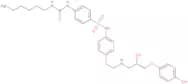
CAS:<p>β3-adrenoceptor agonist</p>Fórmula:C30H40N4O6SPureza:Min. 95%Peso molecular:584.73 g/molH-NSPRMGQPGSGSMPSRSTSH-OH
<p>H-NSPRMGQPGSGSMPSRSTSH-OH is a custom peptide that can be synthesized rapidly by our peptide experts in under 2 weeks. H-NSPRMGQPGSGSMPSRSTSH-OH is provided at greater that >95% purity (HPLC) from Cymit Quimica for a variety of research applications. We also offer H-NSPRMGQPGSGSMPSRSTSH-OH in bulk quantities in addition to our standard pack sizes.Please enquire for more information about H-NSPRMGQPGSGSMPSRSTSH-OH at the technical inquiry form on this page</p>Pureza:Min. 95%BCL-6 corepressor Human (BCOR) (498-514) C-terminal Biotin
<p>Fragment 498-514 of the BCL6-interacting co-repressor (BCoR) C-terminally labelled with biotin.</p>Cor e Forma:PowderPeso molecular:2,051.37 g/molC-telopeptide
<p>C-terminal telopeptide is produced when type I collagen in the bone is degraded and so released into the blood. Within collagen structure, made up of a triple helix of 3 amino acid chains, C-telopeptide is located at the C-terminus, and at the N-terminus there is an N-telopeptide. Both the N and the C-telopeptides are involved in the formation of collagen enzymatic cross links which are crucial for Collagen properties in the connective tissues of the body such as the bone and skin. Collagen properties allow connective tissues to be strong, stiff and maintain their structural integrity. Furthermore collagen acts as a scaffold for other extracellular matrix proteins.Due to the presence of C-telopeptide in the blood following the degradation of type 1 collagen, C-telopeptide can be used to monitor the progression of bone diseases where the pathogenesis commonly involves bone degradation.</p>Cor e Forma:PowderPeso molecular:868.4 g/molSARS-CoV-2 Nucleoprotein (126-140)
<p>The coronavirus (CoV) nucleoprotein is the major component of CoV structural proteins. Also known as the nucleocapsid protein, it is an abundant RNA-binding protein critical for viral genome packaging. These factors make nucleoprotein a good target for developing new antiviral drugs. In addition, the identification of epitopes within the nucleoprotein sequence can help design more effective SARS-CoV-2 vaccines.Models have predicted epitopes exhibiting antigenicity, stability and interactions with MHC class-I and class-II molecules. Nucleoprotein (56-70) is an epitope candidate with various HLA restrictions. This epitope can be used to better vaccine design for more durable CD4+ and CD8+ T cell responses for long-lasting immunity.</p>Peso molecular:1,599.8 g/molCA 15-3 Grade II (Low Cross-reactivity), Part Purified
<p>CA 15-3 Grade II (Low Cross-reactivity), Part Purified is a life science tool for use in pharmaceutical and diagnostic applications. Please enquire for more information about CA 15-3 Grade II (Low Cross-reactivity), Part Purified including the price, delivery time and more detailed product information at the technical inquiry form on this page.</p>Phosphorylated EGFR peptide substrate
<p>Phosphorylated EGFR peptide substrate.</p>Pureza:Min. 95%Peso molecular:1,700.8 g/molACTH (1-10) Human
<p>Amino acids 1-10 of human adrenocorticotropic hormone (ACTH). ACTH, also known as corticotropin, is a tropic hormone produced and secreted by the anterior pituitary gland and member of the melanocortins peptide family. ACTH is cleaved from the precursor proopiomelanocortin (POMC). ACTH is an important component of the hypothalamic-pituitary-adrenal (HPA) axis and is often produced in response to biological stress. ACTH acts to increase the production and release of cortisol via its interaction with the ACTH receptor- ACTHR, also known as melanocortin type 2 receptor (MC2R). Receptor activation increases the intracellular concentration of cAMP via adenylyl cyclase.Abnormal ACTH levels in the body has been linked to primary adrenal insufficiency/Addison's disease, Cushing's disease and secondary adrenal insufficiency.</p>Peso molecular:1,299.41 g/molPEN (Mouse)
<p>Endogenous peptide GPR83 agonist derived from processing of precursor protein, proSAAS, a 26-kDa protein encoded by the PCSK1N gene (chromosomal localization Xp11.3 in humans). It is widely expressed in a number of species where it is involved in feeding, stress modulation and addiction and reward circuits.</p>Peso molecular:2,316.2 g/molAF594 Donkey anti Rat IgG (H + L)
<p>Donkey anti-rat IgG (H + L) (AF594) was raised in donkey using Rat IgG (H&L) as the immunogen.</p>Pureza:Min. 95%HSP70/DnaK Substrate Peptide
<p>Model substrate peptide for heat shock protein 70 (HSP70)/ Chaperone protein DnaK. Binds to the substrate binding domain of DnaK and is used in co-crystallisation assays. DnaK is the most well studied heat shock proteins and is central in protein folding and in shuttling misfolded peptides to other chaperones and proteases for resolution. In the presence of ADP, this substrate peptide interacts with DnaK with high affinity, however when ATP is bound to DnaK, substrate binding is far weaker.</p>Peso molecular:785.5 g/mol


![C-Terminal Sortagging-[Lys(Biotin]](/_next/image/?url=https%3A%2Fstatic.cymitquimica.com%2Fproducts%2F3D%2Fthumb-webp%2FCRB1000649.webp&w=3840&q=75)




![[5-FAM] Antennapedia peptide amide](/_next/image/?url=https%3A%2Fstatic.cymitquimica.com%2Fproducts%2F3D%2Fthumb-webp%2FCRB1100181.webp&w=3840&q=75)



![[5-FAM]-MAP](/_next/image/?url=https%3A%2Fstatic.cymitquimica.com%2Fproducts%2F3D%2Fthumb-webp%2FCRB1100286.webp&w=3840&q=75)