Bioquímicos e reagentes
Os bioquímicos e reagentes são substâncias fundamentais para a pesquisa e desenvolvimento em campos como biotecnologia, biologia molecular, farmacologia e medicina. Esses produtos são essenciais para uma variedade de aplicações, incluindo a síntese de compostos, a análise de amostras biológicas, a pesquisa de processos metabólicos e a produção de medicamentos. Na CymitQuimica, oferecemos uma ampla seleção de bioquímicos e reagentes de alta qualidade e pureza, adequados para diversas necessidades científicas e industriais. Nosso catálogo inclui enzimas, anticorpos, ácidos nucleicos, aminoácidos e muitos outros produtos, todos projetados para apoiar pesquisadores e profissionais em seus projetos de pesquisa e desenvolvimento, garantindo resultados confiáveis e reproduzíveis.
Subcategorias de "Bioquímicos e reagentes"
- Biomoléculas(99.117 produtos)
- Por Alvo Biológico(99.161 produtos)
- Por uso/Efeitos Farmacológicos(6.787 produtos)
- Compostos relacionados à criopreservação e aos crioconservantes(21 produtos)
- Desinfetantes, aditivos para aquecimento de líquidos de banho e compostos relacionados(28 produtos)
- Hormónios(346 produtos)
- Biologia Vegetal(6.710 produtos)
- Metabólitos secundários(14.222 produtos)
Foram encontrados 130581 produtos de "Bioquímicos e reagentes"
Ordenar por
Pureza (%)
0
100
|
0
|
50
|
90
|
95
|
100
Ac-CSHRKSLPKAD-OH
<p>Peptide Ac-CSHRKSLPKAD-OH is a Research Peptide with significant interest within the field academic and medical research. This peptide is available for purchase at Cymit Quimica in multiple sizes and with a specification of your choice.</p>GRGD-[Cys(AF647)]
<p>GRGD-acid is a cell adhesive peptide containing the RGD motif. This enables it the ability to increase cell adhesion and rates of cell growth, differentiation and proliferation.When immobilised onto a Poly(etheretherketone) (PEEK) surface it has been shown to increase cell adhesion and proliferation in MC3T3-E1 cells. GRGD could therefore be used in dental implants.This peptide contains a C-terminal Alexa Fluor 647 florescent dye. A cysteine residue has been added to the C-terminus for conjugation of the dye via the cysteine thiol moiety. AF647 is a bright, far-red-fluorescent dye with excitation between 594 nm and 633 nm, and is pH-insensitive over a wide molar range.</p>Cor e Forma:PowderPeso molecular:1,486.2 g/molBiotin-β Amyloid (1-42) Human
<p>Amyloid β-protein (Aβ) has been identified as the key subunit of the extracellular plaques found in the brains of patients with Alzheimer's disease (AD) and Down's syndrome (DS). Aβ has therefore been extensively studied as a potential target for treatment of AD.Aβ is formed from the cleavage of the large, transmembrane protein- APP (amyloid precursor protein). Cleavage of APP by β- and then γ-secretases results in the formation of Aβ. Aβ can aggregate to produce amyloid-β oligomers, which are thought to be highly neurotoxic. Over time Aβ can further aggregate to produce the characteristic senile plaques present in AD and DS. Aβ can be degraded by enzymes such as neprilysin, insulin degrading enzyme or endothelin converting enzyme. At physiological levels Aβ may be involved in controlling synaptic activity and neuronal survival.This peptide contains a covalently attached N-Terminal biotin tag for convenient detection and purification.</p>Pureza:Min. 95%Cor e Forma:PowderGS dipeptide
<p>Dipeptide consisting of one glycine and one serine residue with diverse uses. Primary metabolite and bronsted base, forms a complex with Cu(II) acting as a tridentate ligand.Primary metabolites are metabolically or physiologically essential and are directly involved in an organism's development, growth, or reproduction.</p>Peso molecular:162.1 g/molEST Ubiquitin (64-72) Heavy
<p>Ubiquitin (64-72) is derived from ubiquitin, a protein which is added through a catalytic process to target proteins to initiate processes such as protein degradation, DNA repair, protein kinase activation and vesicle trafficking.When ubiquitin is added to a target molecule, it is first activated by an ubiquitin-activating enzyme E1 resulting in the formation of the E1-Ub thioester. It is then received by the E2 ubiquitin conjugating enzyme and then transferred onto a lysine residue of the target protein by the E3 ubiquitin ligase.Ubiquitin plays a major role in protein degradation due to the formation of a polyubiquitin chain. This is produced when the lysine-48 residue on ubiquitin is itself ubiquitinated and sequentially followed by the further addition of ubiquitin molecules. The target protein which now contains the polyubiquitinated chain is recognised by the 26s proteasome and degraded.Alternatively monoubiquitination signals can initiate processes such as receptor internalisation and DNA repair. Specifically polyubiquitin chains on lysine 63 residues can regulate processes such as protein kinase activation and vesicle trafficking.The arginine residue at position 12 is isotopically labelled with carbon-13 (6) and nitrogen-15 (4).</p>Pureza:Min. 95%Peso molecular:1,393.7 g/molIgG2 heavy chain Heavy
<p>Peptide derived from the heavy chain of immunoglobulin G2 (IgG2). Ig or antibodies are made up of two heavy and two light chains both of which have a constant region and a variable region. The variable region, the antigen binding site, is composed of three complementarity determining regions (CDRs) from the variable heavy chain and three CDRs from the variable light chains. The amino acid sequences of the variable region differ between each antibody allowing Ig to bind to specific antigens.The Ig heavy chain can be classed as being either: IgM, IgG, IgA, IgD or IgE each of which change the function of the antibody. Furthermore IgG can be classed as either IgG1, IgG2, IgG3 or IgA2 and again each class exerts a different functional antibody.Class-switching to the IgG2 class usually occurs in response to bacterial capsular polysaccharide antigens. Consequently during IgG2 deficiency there is an increased risk of bacterial infections.The lysine residue is isotopically labelled at position 16 with carbon-13(6) and nitrogen-15(2).</p>Pureza:Min. 95%Peso molecular:1,801 g/molUbiquitin antibody
<p>Ubiquitin antibody was raised in rabbit using human ubiquitin as the immunogen.</p>Pureza:Min. 95%C-Terminal Sortagging-[Lys(Biotin]
<p>This peptide is recognised and cleaved by the enzyme Sortase A (SrtA) from-Staphylococcus aureus. The catalytic cysteine residue in the active site of SrtA, serves as a nucleophile to cleave the peptide bond between threonine and glycine. Cleavage results in the formation of a thioacyl intermediate between the peptide and SrtA. This intermediate is then resolved by the N-terminus of an (oligo)glycine nucleophile, resulting in the creation of a new peptide bond that links the peptide and its biotin tag to the incoming nucleophile.- This method of protein labelling is known as sortagging.This peptide contains an C-terminal biotin tag for detection and purification.</p>Cor e Forma:PowderPeso molecular:542.3 g/molATP synthase subunit f Heavy
<p>ATP synthase subunit f Heavy is derived from ATP Synthase (the adenosine triphosphate synthase enzymatic complex) which uses the proton-motive force produced by the electron transfer chain to synthesise ATP from ADP and inorganic phosphate. It functions in the inner mitochondrial membrane, prokaryotic members and chloroplasts.Structurally bacterial ATP synthase contains two multisubunit domains called F1 and F0. F1 which is responsible for the catalytic activity of the ATP synthase is made up of the 5 subunits α3, β3, γ, δ, ε and F0 contains a membrane bound sector which creates a proton channel. F1 and F0 are connected by a peripheral stalk and a central stalk which links proton translocation and catalysis. Eukaryotic ATP synthase is similar to that of bacteria in terms of topology, structure and subunit composition.The Proline residue at position 8 has been isotopically labelled with carbon-13 (5) and nitrogen-15 (1), giving this peptide a mass increase of 6 compared to the unlabelled peptide.</p>Pureza:Min. 95%Peso molecular:1,083.6 g/molα-Defensin-4 (Human)
<p>Antimicrobial peptide consisting of disulfide bonds between Cys2-Cys30, Cys4-Cys19, and Cys9-Cys29. Alpha-defensin-4 is a small, cationic peptide that is part of the alpha-defensin family of antimicrobial peptides in humans. It is primarily produced by neutrophils, which are a type of white blood cell that plays a critical role in the immune response to bacterial infections.<br>Alpha-defensin-4 is known to have broad-spectrum antimicrobial activity against a wide range of bacterial pathogens, including both Gram-positive and Gram-negative bacteria. Like other alpha-defensins, alpha-defensin-4 achieves its antimicrobial activity by disrupting the cell membranes of the pathogens, leading to cell lysis and death.<br>In addition to its antimicrobial activity, alpha-defensin-4 has been found to have other functions in the body, including modulating the immune response and promoting tissue repair. It has also been implicated in the pathogenesis of certain inflammatory and autoimmune diseases, including rheumatoid arthritis and psoriasis.<br>Alpha-defensin-4 is typically found in various bodily fluids, including blood, urine, and semen, and its levels can be used as a diagnostic marker for certain conditions. For example, elevated levels of alpha-defensin-4 in joint fluid can be indicative of a bacterial infection in the joint, which can help to guide treatment decisions.</p>Fórmula:C157H255N49O43S6Pureza:Min. 95%Peso molecular:3,709.4 g/molRabbit anti Sheep IgG (H + L) (Alk Phos)
<p>Rabbit anti-sheep IgG (H+L) (Alk Phos) was raised in rabbit using sheep IgG whole molecule as the immunogen.</p>Pureza:Min. 95%TG3 protein (His tag)
<p>Purified recombinant Transglutaminase 3 (TG3) protein (His tag)</p>Pureza:Min. 95%H-NAVPITPTLNR^-OH
<p>Peptide H-NAVPITPTLNR^-OH is a Research Peptide with significant interest within the field academic and medical research. This peptide is available for purchase at Cymit Quimica in multiple sizes and with a specification of your choice.</p>PF 05214030
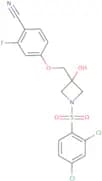
CAS:<p>PF 05214030 is a biosimilar monoclonal antibody, which is sourced from recombinant DNA technology and designed to inhibit tumor necrosis factor-alpha (TNF-α). This product functions by binding to TNF-α, a cytokine that plays a critical role in mediating inflammation. By preventing TNF-α from interacting with its receptors on cell surfaces, PF 05214030 effectively reduces the inflammatory response associated with various autoimmune and inflammatory conditions.</p>Fórmula:C17H13Cl2FN2O4SPureza:Min. 95%Cor e Forma:PowderPeso molecular:431.3 g/molHSA antibody
<p>The HSA antibody is a highly specialized monoclonal antibody that targets specific proteins and molecules in the human body. It has been extensively studied for its ability to neutralize influenza hemagglutinin, adeno-associated virus, and other viral antigens. Additionally, this antibody has shown promising results in targeting anti-mesothelin, activated fibrinogen, alpha-fetoprotein, and chemokine receptors. One of the key features of the HSA antibody is its antiviral activity. It has been found to effectively inhibit viral replication and prevent viral entry into host cells. This makes it a valuable tool in the development of antiviral therapies and vaccines. Moreover, the HSA antibody has been used in various research applications involving mesenchymal stem cells. It can be utilized to identify and isolate these cells from human serum or other biological samples. The antibody's specificity ensures accurate detection and characterization of mesenchymal stem cells for further study or therapeutic purposes. Additionally</p>polyalanine peptide (pALA)
<p>The rise of antibiotic resistance has led to the search for new drug alternatives. Antimicrobial peptides (AMPs) have been identified as a lucrative area for molecule design. The polar fish Pleuronectes americanus expresses polyalanine peptide (pALA) which has been shown to be an AMP against biofilms, and gram-negative bacteria, while not being toxic to mammalian cells. pALA forms an alpha helical conformation that is effective at permeabilising the gram-negative bacteria membrane inducing fatal cell leakage. pALA provides a suitable model for molecule design to hopefully provide new drugs as we enter the post-antibiotic era.</p>Peso molecular:743.4 g/molPalmitoyl GHK tripeptide
<p>The GHK tripeptide has many attributes which can positively impact human health. GHK can improve tissue repair, exhibit anti-cancer and anti-inflammatory properties, suppress age related molecules and restore chronic obstructive pulmonary disease fibroblasts.The GHK tripeptide is found in the human plasma and binds copper. It exerts its effects through its ability to up regulate and downregulate 4,000 human genes. Due to its ability to protect and regenerate aspects of human health, GHK-Cu can be used in products for skin and hair.Specifically during skin regeneration GHK-Cu can promote the synthesis of collagen and glycosa-minoglycans, increase the rate of wound healing and the formation of blood vessels.A palmitoyl group is present on the N-terminus.</p>Peso molecular:578.4 g/molH-AQMLSENGELKFPEKMGLPA-OH
<p>H-AQMLSENGELKFPEKMGLPA-OH is a custom peptide that can be synthesized rapidly by our peptide experts in under 2 weeks. H-AQMLSENGELKFPEKMGLPA-OH is provided at greater that >95% purity (HPLC) from Cymit Quimica for a variety of research applications. We also offer H-AQMLSENGELKFPEKMGLPA-OH in bulk quantities in addition to our standard pack sizes.Please enquire for more information about H-AQMLSENGELKFPEKMGLPA-OH at the technical inquiry form on this page</p>Pureza:Min. 95%BNP-32, porcine
<p>BNP-32, porcine is an N-terminal six amino acid extended form of BNP and henceforth is designated BNP-32. BNP and BNP-32 are found to be the major forms of BNP family in porcine brain.BNP-32 is a cardiac neurohormone and is secreted from the myoendocrine cells of the ventricles of the heart in response to volume expansion and pressure overload it has natriuretic, vasodilatory and cardiovascular homeostatic effects and suppresses the renin-angiotensin-aldosterone system.</p>Peso molecular:3,569.8 g/molBAM (8-22)
<p>BAM (8-22), the Bovine adrenal medulla 8-22 peptide is synthesised from proekephalin after it has undergone proteolytic cleavage. It can induce what is known as the 'itching' or 'scratching' response through activating, using an opioid independent mechanism, the G-protein coupled receptor MRGPRX1. This subsequently activates the Gαq/11 pathway and the cation channel TRPA1 histamine independent itch pathways.It is believed that BAM 8-22 can contribute to chronic itching in diseases such as cholestasis-related pruritus, in which patients are commonly diagnosed as having a reduction in bile flow.</p>Peso molecular:1,971.2 g/molMax-1
<p>Custom research peptide; min purity 95%. For different specs please use the Peptide Quote Tool</p>Fórmula:C107H201N29O21Peso molecular:2,230 g/molH-ALQDQLVLVAA^K^-OH
<p>Peptide H-ALQDQLVLVAA^K^-OH is a Research Peptide with significant interest within the field academic and medical research. This peptide is available for purchase at Cymit Quimica in multiple sizes and with a specification of your choice.</p>Angiotensin II Antipeptide
<p>An angiotensin II (Ang-II) receptor antagonist, the sequence of the angiotensin II anti-peptide has been derived from the anti-sense mRNA complementary to the human Ang-II mRNA. The anti-peptide shares 50% sequence homology with Ang-II and acts to inhibit some of Ang-II's biological activities.Ang-II is a key signalling peptide of the renin angiotensin system (RAS), which is involved in regulating blood pressure, cardiovascular function and energy balance. RAS activity is elevated in obesity and is widely studied in relation to lifestyle-related diseases. Ang-II is produced from angiotensinogen (AGT) via the intermediate angiotensin I (Ang-I). AGTis cleaved by the aspartyl-protease, renin, to produce Ang-I, which is then cleaved by the dicarboxyl-peptidase angiotensin converting enzyme (ACE). ACE removes a histidine and a leucine, from the C-terminus of Ang-I to form Ang-II.Ang-II exerts its affect by binding to the G-protein-coupled receptors- Ang II type 1 (AT1) and Ang II type 2 (AT2) receptors. Ang-II plays central roles in glucose metabolism and blood pressure. Increased levels of Ang-II have also been associated with Alzheimer's disease, and certain cancers including oesophageal squamous cell carcinoma (ESCC), brain cancers and breast cancer. The effects of Ang-II appear to be supressed by another branch of the RAS- the ACE2/Ang-(1-7)/Mas pathway.</p>Peso molecular:898.5 g/molH-Arg(Pbf)-2-ClTrt-Resin (200-400 mesh) 1% DVB
<p>H-Arg(Pbf)-2-ClTrt-Resin (200-400 mesh) 1% DVB is an alcohol resin that is used as a building block in peptide synthesis. It can be used with other alcohol resins, amines and thiols to synthesize peptides. The resin is also compatible with a variety of functional groups including carboxylic acids, amino acids and thiols. H-Arg(Pbf)-2-ClTrt-Resin (200-400 mesh) 1% DVB has been shown to be effective in the synthesis of peptides containing Arg, Lys, Trp and Tyr. This resin is soluble in organic solvents such as dichloromethane and ether.</p>Pureza:Min. 95%Oxidised α-synuclein (1-13)
<p>Alpha-synuclein (1-13) is derived from the alpha-synuclein intrinsically disordered protein which is found in the neurons and presynaptic terminals. Encoded by the SNCA1/PARK1 gene alpha-synclein is structurally composed of 140 amino acids, making up the three domains: N-terminal membrane binding domain, a hydrophobic non-amyloid-β component domain and a hydrophilic C-terminal domain. Usually alpha-synuclein plays a role in protecting neurons from apoptotic stimuli and is involved in synaptic vesical trafficking.Accumulation of alpha-synuclein aggregates can lead to neurodegenerative diseases such as Parkinson disease, dementia with Lewy bodies and multiple system atrophy. It is further involved in the fibrilisation of amyloid-b and tau which play a major role in Alzheimer disease. Amyloid fibrils are formed from alpha synuclein monomers within the cytosol and when bound to membranes these monomers can undergo conformational changes to form protofibrils and then ring like oligomers. This can result in the formation of transmembrane pores which disrupts the membrane, calcium homeostasis and signalling.In familial Parkinson disease the SNCA1 gene, can be subjected to point mutations such as A30P, E46K and A53T, or over expression. These can result in the increased aggregation of alpha-synuclein.The methionine at position 5 is oxidised and the oxidation of methionine is common in neurodegenerative diseases and promotes the accumulation of altered α-synuclein. Furthermore when these methionine residues are oxidised, methionine sulfoxides are produced.</p>Cor e Forma:PowderPeso molecular:1,498.8 g/molAcetyl-ccbeta
<p>The ccβ peptide has been used to study conformational changes in response to stimuli such as temperature and salt. The ccβ peptide adopts a three-stranded alpha-helical coiled-coil structure at low temperature and changes to an amyloid conformation with increasing temperature. The ccβ peptide can be used as a model for prion diseases and in amyloid studies.</p>Peso molecular:2,093.2 g/molNimustine HCl - Bio-X ™
CAS:<p>Nimustine is an antineoplastic agent that is being studied for use in treating Glioblastomas. It is suggested to be a DNA alkylating agent although, its exact mechanism is still unknown.</p>Fórmula:C9H13ClN6O2•HClPureza:Min. 95%Cor e Forma:PowderPeso molecular:309.15 g/molBetrixaban - Bio-X ™
CAS:<p>This product is part of our Bio-X ™ Range. These products are aimed at life science researchers who need high quality ready-to-use products for assay development, screening or other R&D work. With a solubility datasheet and convenient vials, all of our Bio-X ™ products are in stock across our global warehouses for rapid delivery and ease of use.</p>Fórmula:C23H22ClN5O3Pureza:Min. 95%Cor e Forma:PowderPeso molecular:451.91 g/molCyclosporin A antibody
<p>Cyclosporin A antibody was raised in mouse using cyclosporin A as the immunogen.</p>Mycophenolic acid - Bio-X ™
CAS:<p>Mycophenolic acid is an immunosuppressant metabolite present in drug formulations that are used to prevent rejections after organ transplants. Mycophenolic acid is a selective inhibitor of inosine monophosphate dehydrogenase (IMPDH) which blocks the conversion of inosine-5-phosphate and xanthine-5-phosphate to guanosine-5-phosphate. This drug inhibits de novo purine biosynthesis. It has also shown to have antibacterial and antifungal properties.</p>Fórmula:C17H20O6Pureza:Min. 95%Cor e Forma:PowderPeso molecular:320.34 g/molH-PENGFFGVAPGTSASTNPNA-OH
<p>H-PENGFFGVAPGTSASTNPNA-OH is a custom peptide that can be synthesized rapidly by our peptide experts in under 2 weeks. H-PENGFFGVAPGTSASTNPNA-OH is provided at greater that >95% purity (HPLC) from Cymit Quimica for a variety of research applications. We also offer H-PENGFFGVAPGTSASTNPNA-OH in bulk quantities in addition to our standard pack sizes.Please enquire for more information about H-PENGFFGVAPGTSASTNPNA-OH at the technical inquiry form on this page</p>Pureza:Min. 95%H-FESNF^NTQATNR^-OH
<p>Peptide H-FESNF^NTQATNR^-OH is a Research Peptide with significant interest within the field academic and medical research. This peptide is available for purchase at Cymit Quimica in multiple sizes and with a specification of your choice.</p>Histone H3 (1-20) K4Me3-GG-[Lys(5-FAM)]
<p>Histone H3 (1-20) K4Me3-GG-[Lys(5-FAM)] is derived from Histone 3 (H3) which is one of the four core histones (H2A, H2B, H3 and H4) fundamental in compacting eukaryotic DNA into the nucleosome. The nucleosome arises when 147 base pairs of DNA wrap around a H3-H4 tetramer and two H2A-H2B dimers, forming the histone octamer core. Both H4 and H3 are highly conserved and perform roles in binding to segments of DNA which enter and leave the nucleosome and in chromatin formation. Similar to the other core histone, H3 has a globular domain and a flexible N-terminal domain, 'histone tail' which can undergo modifications such as acetylation, methylation, phosphorylation and ubiquitination. Due to histones containing a large number of lysine and arginine residues they have a positive net charge which interacts in an electrostatic manner with the negatively charged phosphate groups in DNA. The transcriptional activation or silencing of the chromatin is controlled by ATP-dependent chromatin remodelling factors and histone modifying enzymes which target histone proteins. Both processes function to alter the positioning of the nucleosome, allowing the DNA it to be either available or inaccessible to the transcription machinery.The lysine at position 4 of this peptide has been tri-methylated and it is implicated in studies that this modification may remodel the chromatin so that it is more accessible to transcription factors, which may ultimately increase the level of gene expression.Additionally, Histone H3 (1-20) K4Me3-GG-[Lys(5-FAM)] has a C-terminal GKK linker labelled with 5-Carboxyfluorescein (5-FAM), a widely used green fluorescent tag. This peptide also has an uncharged C-terminal amide.</p>Peso molecular:2,824.5 g/molHSP90α (447-456) Heavy
<p>Heat shock protein 90alpha is a molecular chaperone which protects tissues from stress stimuli and is involved in repairing damaged tissue. The arginine residue at position 10 is isotopically labelled with carbon-13 (6) and nitrogen-15 (4).</p>Pureza:Min. 95%Peso molecular:1,177.6 g/molOsteogenic Growth Peptide (OGP)
<p>Osteogenic Growth Peptide (OGP) is derived from the C-terminal sequence ALKRQGRTLYGFGG of Histone H4. This 14-aa peptide is produced from alternative translation of Histone H4 mRNA.</p>Cor e Forma:PowderPeso molecular:1,522.8 g/mol[Ala144]-PLP (139-151)
<p>[Ala144]-PLP (139-151) is the Ala 144 form of Proteolipid protein (PLP), an epitope of immunodominant encephalitogenic PLP and is involved in promoting encephalomyelitis.</p>Cor e Forma:PowderPeso molecular:1,405.6 g/molFSH antibody
<p>FSH antibody is a monoclonal antibody that specifically targets follicle-stimulating hormone (FSH). It binds to FSH and inhibits its activity, which plays a crucial role in the regulation of the reproductive system. This antibody has been extensively used in immunoassays to detect and quantify FSH levels in human serum. Additionally, FSH antibody has shown potential therapeutic applications in various conditions such as cancer and autoimmune diseases. Its cytotoxic properties make it an effective tool for targeted therapy against FSH receptor-expressing cells. Furthermore, FSH antibody has been studied for its role in melanogenesis, as it inhibits tyrosinase activity and reduces the production of melanin.</p>Troponin I antibody
<p>Troponin I antibody is a neutralizing antibody that targets β-catenin, a key protein involved in various cellular processes. This antibody is widely used in Life Sciences research to study the function and regulation of β-catenin. It has been shown to inhibit the activity of transforming growth factor-beta 1 (TGF-β1), an important growth factor involved in cell proliferation and differentiation. Additionally, troponin I antibody can be used to detect and measure the levels of fibronectin, an extracellular matrix protein, which is often associated with tissue remodeling and wound healing. This monoclonal antibody is highly specific and has been extensively validated for its use in various experimental techniques. Researchers can rely on troponin I antibody to accurately detect and quantify their target proteins of interest, making it an essential tool in molecular biology and biomedical research.</p>Pureza:Min. 95%Leu-AFC.HCl
<p>Aminopeptidase fluorogenic substrate. Upon cleavage of the bond between leucine and the 7-amino-4-trifluoromethylcoumarin (AFC) group an increase in fluorescence between 495-505nm can be detected using an excitation wavelength of 395-400nm.</p>Peso molecular:378.77 g/molComplement C3 (1304-1320) Heavy
<p>Complement C3 is a fundamental factor featured in all three complement system pathways: the classical, lectin and alternative. To activate the complement cascade C3 associates with C3 convertase to produce C3a and C3b. It is also thought that C3 can be cleaved by proteases outside of the complement cascade. C3b can bind to carbohydrate and protein hydroxyl groups through a thioester bond generated by C3 convertase cleavage. This action allows C3b to be used as a 'marker of foreign molecules such as pathogens and ultimately leads to the assembly of the membrane attack complex (MAC) and anaphylatoxin production.Overall the main functions of the complement system are to mark cells for phagocytosis, the recruitment of inflammatory cells and the cell lysis of bacteria cell by the MAC. The anaphylatoxins C3a and C5a recruit neutrophils and causes the inflammatory response while the MAC produces pores in the bacterial membrane thus causing a Ca2+ influx into the cell and bacterial cell death.The complement system as a whole can be associated with the neurological diseases, bacterial meningitis, thrombotic disorders, neurological and autoimmune diseases.The Leucine residue at position 16 of Complement C3 (1304-1320) has been isotopically labelled with carbon-13 (6) and nitrogen-15 (1).</p>Pureza:Min. 95%Cor e Forma:PowderPeso molecular:2,027.1 g/mol[5-FAM]-RKOpep
<p>Peptide identified through phage display that binds to colorectal cancer cell line RKO cells, as well as other cancer cells including Caco-2, HCT 116 and HCT-15, but not to normal cells, possibly through targeting the monocarboxylate transporter 1, which has been implicated in colorectal cancer progression and prognosis. It contains 5-carboxyfluorescein (5-FAM), a widely used green fluorescent tag.</p>Peso molecular:1,278.4 g/molVildagliptin - Bio-X ™
CAS:<p>Vildagliptin is an antihyperglycemic agent that is used for the management of type 2 diabetes mellitus. This drug is a dipeptidyl peptidase 4 inhibitor and prevents the degradation of glucagon-like peptide 1 (GLP-1) and glucose-dependent insulinotropic polypeptide (GIP). This leads to improved glycemic control.</p>Fórmula:C17H25N3O2Pureza:Min. 95%Cor e Forma:PowderPeso molecular:303.4 g/molAYPGFK Protease-Activated Receptor-4 (PAR-4)
<p>Protease activated receptors (PARs) are a distinctive four-member family of seven transmembrane G protein-coupled receptors (GPCRs) widely expressed in inflammatory cells. PARs are cleaved by certain serine proteases to expose a tethered ligand domain, this ligand domain then binds to and activates the receptors to initiate multiple signalling cascades. These PAR-activating proteases therefore represent PAR agonists. This PAR-4 agonist peptide represents the N-terminal sequence of the 'tethered ligand' and is therefore capable of activating the receptor independently of N-terminal proteolysis.</p>Peso molecular:680.4 g/molHSV1 gD protein
<p>The HSV1 gD protein is a molecule drug that plays a crucial role in the endogenous hematopoietic system. It is involved in various biological processes, including fatty acid metabolism and regulation of cell growth. In the field of Life Sciences, the HSV1 gD protein has been extensively studied for its potential therapeutic applications. One notable application of the HSV1 gD protein is its anti-VEGF (vascular endothelial growth factor) activity. VEGF is a key regulator of angiogenesis, the formation of new blood vessels. By inhibiting VEGF, the HSV1 gD protein can help control abnormal blood vessel growth associated with diseases like cancer and macular degeneration. Additionally, the HSV1 gD protein exhibits anticoagulant properties by interacting with fibrinogen and preventing clot formation. This characteristic makes it a promising candidate for developing novel anticoagulant therapies. The HSV1 gD protein can also be used in research settings as a tool for studying various</p>Pureza:>95% By Sds-PageH-GTVSGTLIGLEFIR^-OH
<p>Peptide H-GTVSGTLIGLEFIR^-OH is a Research Peptide with significant interest within the field academic and medical research. This peptide is available for purchase at Cymit Quimica in multiple sizes and with a specification of your choice.</p>AIP-I
<p>Auto-inducing peptide (AIP) is a cyclic thiolactone quorum sensing peptide from Staphylococcus aureus which is responsible for activating the agr response. AIP is released from the bacteria and its extracellular concentration is then sensed by a two-component system on the bacterial surface, AgrC and AgrA. AgrC is the membrane histidine kinase receptor and AgrA is a response regulator- upon binding of AIP, AgrC phosphorylates AgrA.AIP accumulates during growth activating an AgrC and AgrA cascade when it reaches a critical signal level. This cascade activates P2 and P3 promoters which autoactivate the agr system and upregulate RNAIII transcription. RNAIII regulates the expression of virulence factors including toxins, super-antigens, and exo-enzymes. Extensive research to identify AIP:AgrC inhibitors aims to find therapeutics against pathogens.AgrD is the precursor peptide of AIP, and AgrB is an integral membrane endopeptidase essential to biosynthesize AIP. This AIP system is conserved among many Gram-positive bacteria. S. aureus strains are categorized into four groups (I-IV) according to their AIP signal and cognate extracellular receptor, AgrC. AIP-I has the characteristic five-residue thiolactone ring with a short N-terminal extension. AIP-I has been used to generate a biosensor for the detection of S. aureus in nanomolar range for use in hospital settings.</p>Fórmula:C43H60N8O13S2Cor e Forma:PowderPeso molecular:961.11 g/mol[Cys(Npys)]-TKD (450-463)
<p>TKD (450-463) is an immunogenic heat shock protein 70 peptide which has been labelled at the N-terminus with Cys(Npys).</p>Peso molecular:1,821.87 g/molMalaria Pan Plasmodium LDH Mouse Monoclonal Antibody
<p>Malaria Pan Plasmodium LDH Mouse Monoclonal Antibody is a life science tool for use in pharmaceutical and diagnostic applications. Please enquire for more information about Malaria Pan Plasmodium LDH Mouse Monoclonal Antibody including the price, delivery time and more detailed product information at the technical inquiry form on this page.</p>Pureza:>98% By Sds-Page. Two Distinct Bands At 25 Kda And 50 Kda.ACTH (1-39) Human
<p>Human adrenocorticotropic hormone (ACTH) also known as corticotropin. ACTH is a tropic hormone produced and secreted by the anterior pituitary gland and member of the melanocortins peptide family. ACTH is cleaved from the precursor proopiomelanocortin (POMC). ACTH is an important component of the hypothalamic-pituitary-adrenal (HPA) axis and is often produced in response to biological stress. ACTH acts to increase the production and release of cortisol via its interaction with the ACTH receptor ACTHR, also known as melanocortin type 2 receptor (MC2R). Receptor activation increases the intracellular concentration of cAMP via adenylyl cyclase.Abnormal ACTH levels in the body has been linked to primary adrenal insufficiency/Addison's disease, Cushing's disease and secondary adrenal insufficiency</p>Cor e Forma:PowderPeso molecular:4,541.07 g/mol

![GRGD-[Cys(AF647)]](/_next/image/?url=https%3A%2Fstatic.cymitquimica.com%2Fproducts%2F3D%2Fthumb-webp%2FCRB1110931.webp&w=3840&q=75)

![C-Terminal Sortagging-[Lys(Biotin]](/_next/image/?url=https%3A%2Fstatic.cymitquimica.com%2Fproducts%2F3D%2Fthumb-webp%2FCRB1000649.webp&w=3840&q=75)








![Histone H3 (1-20) K4Me3-GG-[Lys(5-FAM)]](/_next/image/?url=https%3A%2Fstatic.cymitquimica.com%2Fproducts%2F3D%2Fthumb-webp%2FCRB1101261.webp&w=3840&q=75)

![[Ala144]-PLP (139-151)](/_next/image/?url=https%3A%2Fstatic.cymitquimica.com%2Fproducts%2F3D%2Fthumb-webp%2FCRB1000329.webp&w=3840&q=75)



![[5-FAM]-RKOpep](/_next/image/?url=https%3A%2Fstatic.cymitquimica.com%2Fproducts%2F3D%2Fthumb-webp%2FCRB1101540.webp&w=3840&q=75)



![[Cys(Npys)]-TKD (450-463)](/_next/image/?url=https%3A%2Fstatic.cymitquimica.com%2Fproducts%2F3D%2Fthumb-webp%2FCRB1000426.webp&w=3840&q=75)