Bioquímicos e reagentes
Os bioquímicos e reagentes são substâncias fundamentais para a pesquisa e desenvolvimento em campos como biotecnologia, biologia molecular, farmacologia e medicina. Esses produtos são essenciais para uma variedade de aplicações, incluindo a síntese de compostos, a análise de amostras biológicas, a pesquisa de processos metabólicos e a produção de medicamentos. Na CymitQuimica, oferecemos uma ampla seleção de bioquímicos e reagentes de alta qualidade e pureza, adequados para diversas necessidades científicas e industriais. Nosso catálogo inclui enzimas, anticorpos, ácidos nucleicos, aminoácidos e muitos outros produtos, todos projetados para apoiar pesquisadores e profissionais em seus projetos de pesquisa e desenvolvimento, garantindo resultados confiáveis e reproduzíveis.
Subcategorias de "Bioquímicos e reagentes"
- Biomoléculas(99.118 produtos)
- Por Alvo Biológico(99.156 produtos)
- Por uso/Efeitos Farmacológicos(6.788 produtos)
- Compostos relacionados à criopreservação e aos crioconservantes(21 produtos)
- Desinfetantes, aditivos para aquecimento de líquidos de banho e compostos relacionados(28 produtos)
- Hormónios(346 produtos)
- Biologia Vegetal(6.748 produtos)
- Metabólitos secundários(14.233 produtos)
Foram encontrados 130579 produtos de "Bioquímicos e reagentes"
Ordenar por
Pureza (%)
0
100
|
0
|
50
|
90
|
95
|
100
Prepro-Neuropeptide Y antibody
<p>Prepro-neuropeptide Y antibody was raised in rabbit using a synthetic Prepro-NPY 68-97 (C-PON) as the immunogen.</p>Pureza:Min. 95%TDO2 antibody
<p>TDO2 antibody was raised using the N terminal of TDO2 corresponding to a region with amino acids LFIITHQAYELWFKQILWELDSVREIFQNGHVRDERNMLKVVSRMHRVSV</p>OSM antibody
<p>The OSM antibody is a highly effective monoclonal antibody that specifically targets oncostatin M (OSM), a biochemical involved in various cellular processes. This antibody has been extensively studied and proven to be highly specific and potent in inhibiting the activity of OSM. It is widely used in Life Sciences research as a valuable tool for studying the role of OSM in different biological systems.</p>Troponin I antibody (Dephospho) (Cardiac)
<p>Troponin I antibody (Phospho/Cardiac) was raised in mouse using a phosphorylated form of human TnC as the immunogen.</p>VASP antibody
<p>The VASP antibody is a highly effective monoclonal antibody that acts as an antibiotic and growth factor in various biological processes. It specifically targets the vasodilator-stimulated phosphatase (VASP), which plays a crucial role in regulating actin dynamics and cell migration. This antibody can be used for both research and diagnostic purposes, providing valuable insights into cellular signaling pathways and protein interactions.</p>β actin antibody
<p>The Beta actin antibody is a highly effective neutralizing agent that targets telomerase, an enzyme involved in cell division and aging. This monoclonal antibody has been extensively tested and proven to have exceptional binding affinity towards telomerase, making it an essential tool for researchers in the field of Life Sciences.</p>Leptin antibody
<p>Leptin antibody was raised in mouse using highly pure recombinant human leptin as the immunogen.</p>Epsin 2 antibody
<p>Epsin 2 antibody was raised using the middle region of EPN2 corresponding to a region with amino acids SHSEQEYGKAGGSPASYHGSTSPRVSSELEQARPQTSGEEELQLQLALAM</p>GPR27 antibody
<p>GPR27 antibody was raised using the middle region of GPR27 corresponding to a region with amino acids AVTLLFLLLWGPYVVASYLRVLVRPGAVPQAYLTASVWLTFAQAGINPVV</p>Pureza:Min. 95%Bapx1 antibody
<p>Bapx1 antibody was raised in rabbit using the N terminal of BAPX1 as the immunogen</p>Pureza:Min. 95%PDCD11 antibody
<p>PDCD11 antibody was raised in mouse using recombinant Human Programmed Cell Death 11</p>HHEX antibody
<p>HHEX antibody was raised in mouse using recombinant Homeobox, Hematopoietically Expressed</p>PDSS1 antibody
<p>PDSS1 antibody was raised using a synthetic peptide corresponding to a region with amino acids VIDDASSRRGKHTVNKIWGEKKAVLAGDLILSAASIALARIGNTTVISIL</p>PPARG antibody
<p>The PPARG antibody is a highly specialized polyclonal antibody used in the field of Life Sciences. It is designed to target and bind to PPARG, a protein involved in various cellular processes. This antibody has been extensively tested and validated using human serum samples, ensuring its reliability and accuracy.</p>Pureza:Min. 95%GPR1 antibody
<p>The GPR1 antibody is a monoclonal antibody that specifically targets the epidermal growth factor receptor (EGFR). It belongs to the family of EGFR-like antibodies and has been shown to have neutralizing effects on the activity of EGFR. This antibody can be used in various research applications, including immunohistochemistry and Western blotting, to study the role of EGFR in cell signaling pathways. Additionally, the GPR1 antibody has been used to investigate the interactions between EGFR and other molecules, such as fibronectin and chemokines. Its high specificity and affinity make it a valuable tool for researchers in the field of life sciences studying growth factors and their associated signaling pathways.</p>Theophylline antibody
<p>The Theophylline antibody is a polyclonal antibody that targets the growth factor and multidrug resistance protein known as Theophylline. This glycopeptide is involved in various biological processes, including epidermal growth factor signaling, collagen synthesis, and glycosylation. The Theophylline antibody has been extensively tested and validated for its specificity and sensitivity in detecting Theophylline in various samples. It can be used in immunoassays such as ELISA or Western blotting to quantify the levels of Theophylline or to study its interactions with other proteins or receptors. Researchers have also used this antibody to investigate the role of Theophylline in erythropoietin activation and signaling through the erythropoietin receptor. Additionally, monoclonal antibodies against Theophylline have been developed for therapeutic applications, such as targeting interleukin-6 or helicobacter infections. With its high affinity and selectivity, the Theophylline antibody</p>Pureza:Min. 95%Lactoferrin antibody
<p>Lactoferrin antibody was raised in Mouse using purified human lactoferrin as the immunogen.</p>SIGLEC12 antibody
<p>SIGLEC12 antibody was raised using the N terminal of SIGLEC12 corresponding to a region with amino acids GRFLLLGDPQTNNCSLSIRDARKGDSGKYYFQVERGSRKWNYIYDKLSVH</p>Pureza:Min. 95%Chicken RBC antibody (Texas Red)
<p>Chicken RBC antibody (Texas Red) was raised in rabbit using chicken erythrocytes as the immunogen.</p>NSUN3 antibody
<p>NSUN3 antibody was raised using the middle region of NSUN3 corresponding to a region with amino acids GGKSIALLQCACPGYLHCNEYDSLRLRWLRQTLESFIPQPLINVIKVSEL</p>RAN antibody
<p>The RAN antibody is a versatile tool used in life sciences research. It is an antibody that specifically targets the RAN protein, which plays a crucial role in various cellular processes such as signal transduction, nucleocytoplasmic transport, and cell cycle regulation. This antibody has been extensively characterized using mass spectrometric methods to ensure its specificity and reliability.</p>Human Serum Albumin antibody (HRP)
<p>Human serum albumin antibody (HRP) was raised in rabbit using human serum albumin as the immunogen.</p>D-dimer antibody
<p>D-dimer antibody is a monoclonal antibody that specifically targets D-dimer, a protein fragment that is produced when blood clots are broken down. This antibody has antiviral properties and can neutralize the activity of D-dimer, preventing excessive blood clot formation. In addition to its therapeutic use, this antibody is also used in research and diagnostics in the field of Life Sciences. It can be used to study the role of D-dimer in various biological processes, such as wound healing and thrombosis. The formulation of this antibody includes excipients like histidine and insulin to ensure stability and enhance its efficacy.</p>ATF3 antibody
<p>ATF3 antibody was raised in mouse using recombinant Human Activating Transcription Factor 3</p>C9 antibody
<p>The C9 antibody is a potent inhibitor that belongs to the group of monoclonal antibodies. It is commonly used in cytometry analysis and has been shown to be effective in neutralizing endothelial growth factors. This antibody is particularly useful in the field of Life Sciences, as it can be used for drug preparation and has antiviral properties. Additionally, the C9 antibody is a powerful inhibitor of choroidal neovascularization, making it a valuable tool in the treatment of various eye disorders. Its strong neutralizing activity against human serum proteins further enhances its effectiveness as an inhibitor.</p>AFP antibody
<p>The AFP antibody is a monoclonal antibody that targets the alpha-fetoprotein (AFP), a glycoprotein that is involved in various biological processes. This antibody specifically binds to AFP and can be used for diagnostic purposes, such as detecting the presence of AFP in blood samples. Additionally, the AFP antibody has shown potential therapeutic applications, particularly in the field of cancer treatment. It has been studied as an anti-HER2 antibody, inhibiting the growth factor receptor HER2 and potentially offering targeted therapy for HER2-positive cancers. The AFP antibody can also be used in research settings to study other proteins, such as alpha-synuclein or epidermal growth factor receptors. With its specificity and versatility, the AFP antibody holds promise in both diagnostics and therapeutics for various diseases and conditions.</p>XPA antibody
<p>The XPA antibody is a polyclonal antibody used in Life Sciences research. It is specifically designed to target and bind to the XPA protein, which plays a crucial role in DNA repair. This antibody is commonly used in studies involving mesenchymal stem cells, as well as in investigations related to thrombocytopenia and growth factors. The XPA antibody can also be utilized for the detection and quantification of various chemokines, antibodies, inhibitors, collagens, and other proteins of interest. Its high specificity and affinity make it an invaluable tool for researchers looking to understand the molecular mechanisms underlying different biological processes. With its colloidal properties and ability to bind to specific epitopes, this monoclonal antibody offers accurate and reliable results. Additionally, its low viscosity allows for easy handling and efficient use in various experimental protocols.</p>Cyclobenzaprine-D3 hydrochloride
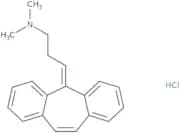
CAS:<p>Cyclobenzaprine-D3 hydrochloride is a synthetic tricyclic compound that has been used as a research tool in the field of pharmacology and cell biology. Cyclobenzaprine-D3 hydrochloride is a potent ligand for the alpha-2A receptor, but it also inhibits the binding of serotonin to its receptors. Cyclobenzaprine-D3 hydrochloride binds to the receptor and can be used as an activator or inhibitor, depending on the type of experiment being run. Cyclobenzaprine-D3 hydrochloride is a high purity reagent.</p>Fórmula:C20H22ClNPureza:Min. 95%Peso molecular:314.9 g/molCaspase 6 antibody
<p>The Caspase 6 antibody is a highly effective monoclonal antibody used in Life Sciences. This glycoprotein antibody specifically targets caspase 6, an enzyme involved in programmed cell death. By binding to caspase 6, this antibody inhibits its activity and prevents the initiation of apoptosis.</p>RPA1 antibody
<p>The RPA1 antibody is a monoclonal antibody that targets fatty acids and has antiviral properties. It specifically binds to cellulose and lipoprotein lipase, inhibiting their activity. This antibody also interacts with interferons, playing a role in immune response modulation. In the field of Life Sciences, RPA1 antibody is widely used for its neutralizing effects on various growth factors. Additionally, it has been found to have potential therapeutic applications in the treatment of autoimmune diseases due to its ability to target autoantibodies. With its acid modifications, this antibody offers enhanced stability and efficacy in research and diagnostic applications.</p>ZNF252 antibody
<p>ZNF252 antibody was raised in rabbit using the middle region of ZNF252 as the immunogen</p>Pureza:Min. 95%DLL1 antibody
<p>DLL1 antibody was raised using a synthetic peptide corresponding to a region with amino acids GSRCALALAVLSALLCQVWSSGVFELKLQEFVNKKGLLGNRNCCRGGAGP</p>Pureza:Min. 95%Androgen receptor antibody
<p>The Androgen Receptor Antibody is a highly specialized monoclonal antibody used in the field of Life Sciences. This antibody specifically targets and binds to the androgen receptor, a protein that plays a crucial role in cell growth and development. By binding to the androgen receptor, this antibody inhibits its activation, thereby preventing the downstream signaling pathways involved in cell proliferation.</p>TMEM91 antibody
<p>TMEM91 antibody was raised using the N terminal of TMEM91 corresponding to a region with amino acids MDSPSLRELQQPLLEGTECETPAQKPGRHELGSPLREIAFAESLRGLQFL</p>Pureza:Min. 95%GPR81 antibody
<p>GPR81 antibody was raised in rabbit using a synthetic peptide conjugated to KLH as the immunogen.</p>Pureza:Min. 95%12:0 N-Biotinyl fatty acid, NHS
CAS:<p>Biotin is a coenzyme that is used to attach other molecules, such as proteins, to other molecules. Biotinylated fatty acids are used in the production of biotin-binding peptides and cell surface receptors for protein-protein interactions. Biotinylated fatty acids are also used as research tools in pharmacology and cell biology.</p>Fórmula:C26H42N4O6SPureza:Min. 95%Peso molecular:538.7 g/molCD42b antibody
<p>The CD42b antibody is a highly specific monoclonal antibody that targets nuclear β-catenin. It is widely used in Life Sciences research for its neutralizing properties and ability to detect and quantify β-catenin levels. This antibody can be used in various applications, including flow cytometry, immunohistochemistry, and Western blotting.</p>PD1 antibody
<p>The PD1 antibody is a monoclonal antibody that has been developed as a pneumococcal vaccine. It works by targeting and binding to the PD1 receptor on immune cells, which helps to enhance the body's immune response against pneumococcal infections. In addition to its role in immunity, the PD1 antibody also has other potential applications in the field of life sciences.</p>KI67 antibody
<p>The 6-Fluoro-3-indoxyl-beta-D-galactopyranoside is a powerful antituberculosis drug belonging to the rifamycin class. It is specifically designed to combat tuberculosis infections by targeting active compounds and exhibiting potent bactericidal activity. This drug works by binding to DNA-dependent RNA polymerase, preventing transcription and replication, thus inhibiting bacterial growth. Its efficacy has been extensively studied using advanced techniques like the patch-clamp technique on human erythrocytes. Additionally, it undergoes various metabolic transformations including hydrolysis, oxidation, reduction, and conjugation with glucuronic acid. Furthermore, this medication selectively binds to markers expressed in Mycobacterium tuberculosis strains and effectively inhibits their growth in culture.</p>COLEC12 antibody
<p>COLEC12 antibody was raised in rabbit using the middle region of COLEC12 as the immunogen</p>Pureza:Min. 95%LRRC8B Blocking Peptide
<p>A synthetic peptide for use as a blocking control in assays to test for specificity of LRRC8B antibody, catalog no. 70R-6538</p>Pureza:Min. 95%TRPV3 antibody
<p>The TRPV3 antibody is a highly specialized antibody that targets the cation channel TRPV3. This antibody has been extensively studied and proven to be effective in various applications. It can be used as a colloidal or cross-linking agent in experiments involving TNF-α activation. The TRPV3 antibody is available in both monoclonal and polyclonal forms, providing researchers with options for their specific needs.</p>TOX antibody
<p>TOX antibody was raised in rabbit using the N terminal of TOX as the immunogen</p>Pureza:Min. 95%KCNMA1 antibody
<p>KCNMA1 antibody was raised using the middle region of KCNMA1 corresponding to a region with amino acids CFGIYRLRDAHLSTPSQCTKRYVITNPPYEFELVPTDLIFCLMQFDHNAG</p>Pureza:Min. 95%FAM55D Blocking Peptide
<p>A synthetic peptide for use as a blocking control in assays to test for specificity of FAM55D antibody, catalog no. 70R-1827</p>Pureza:Min. 95%Giredestrant
CAS:<p>Giredestrant is a synthetic peptide that can be used as a research tool in pharmacology and cell biology. Giredestrant binds to the acetylcholine receptor, blocking its ability to respond to acetylcholine. Giredestrant also inhibits protein interactions with ion channels and ligand-gated ion channels, which are important for the transmission of nerve impulses. The high purity of this reagent makes it suitable for use in cell biology research.</p>Fórmula:C27H31F5N4OPureza:Min. 95%Peso molecular:522.6 g/molTBC1D10C antibody
<p>TBC1D10C antibody was raised using the N terminal of TBC1D10C corresponding to a region with amino acids MAQALGEDLVQPPELQDDSSSLGSDSELSGPGPYRQADRYGFIGGSSAEP</p>ADRA1B antibody
<p>ADRA1B antibody was raised in rabbit using a synthetic peptide conjugated to KLH as the immunogen.</p>Pureza:Min. 95%ALOX15B antibody
<p>ALOX15B antibody was raised using the N terminal of ALOX15B corresponding to a region with amino acids MAEFRVRVSTGEAFGAGTWDKVSVSIVGTRGESPPLPLDNLGKEFTAGAE</p>GHRHR antibody
<p>GHRHR antibody was raised using the C terminal of GHRHR corresponding to a region with amino acids YWWIIKGPIVLSVGVNFGLFLNIIRILVRKLEPAQGSLHTQSQYWYCVFV</p>Pureza:Min. 95%Catalase antibody
<p>Catalase antibody was raised using the middle region of CAT corresponding to a region with amino acids LKDAQIFIQKKAVKNFTEVHPDYGSHIQALLDKYNAEKPKNAIHTFVQSG</p>SH3BP5 antibody
<p>The SH3BP5 antibody is a powerful tool used in life sciences research. It is a monoclonal antibody that specifically targets and binds to SH3BP5, an important protein involved in various cellular processes. This antibody has been extensively studied for its role in interferon signaling and apoptosis induction.</p>LTA4H antibody
<p>The LTA4H antibody is a highly effective test substance used in various applications such as electrophoresis, erythropoietin analysis, and phalloidin staining. This antibody specifically targets LTA4H, an enzyme involved in the synthesis of leukotriene B4 (LTB4), which plays a crucial role in inflammation and immune response. The LTA4H antibody is widely used in the field of Life Sciences for research purposes, including the study of actin filaments, growth factors, chemokines, and monoclonal antibodies. It is also utilized as a neutralizing agent or medicament for therapeutic applications. With its high specificity and reliability, the LTA4H antibody is an essential tool for scientists and researchers in their pursuit of understanding complex biological processes.</p>HSP90AB1 antibody
<p>The HSP90AB1 antibody is a monoclonal antibody used in Life Sciences research. It is specifically designed to target and bind to the HSP90AB1 protein, which plays a crucial role in various cellular processes. This antibody has been extensively studied and validated for its high specificity and sensitivity.</p>SF4 antibody
<p>SF4 antibody was raised in rabbit using the C terminal of SF4 as the immunogen</p>Pureza:Min. 95%MEMO1 antibody
<p>MEMO1 antibody was raised using the middle region of MEMO1 corresponding to a region with amino acids AMESHKDEFTIIPVLVGALSESKEQEFGKLFSKYLADPSNLFVVSSDFCH</p>ADAM19 antibody
<p>ADAM19 antibody was raised using a synthetic peptide corresponding to a region with amino acids GRELILDLEKNEQLFAPSYTETHYTSSGNPQTTTRKLEDHCFYHGTVRET</p>Pureza:Min. 95%RPA4 antibody
<p>RPA4 antibody was raised using the middle region of RPA4 corresponding to a region with amino acids VPVSPSEVNDAGDNDESHRNFIQDEVLRLIHECPHQEGKSIHELRAQLCD</p>Pureza:Min. 95%