Bioquímicos e reagentes
Os bioquímicos e reagentes são substâncias fundamentais para a pesquisa e desenvolvimento em campos como biotecnologia, biologia molecular, farmacologia e medicina. Esses produtos são essenciais para uma variedade de aplicações, incluindo a síntese de compostos, a análise de amostras biológicas, a pesquisa de processos metabólicos e a produção de medicamentos. Na CymitQuimica, oferecemos uma ampla seleção de bioquímicos e reagentes de alta qualidade e pureza, adequados para diversas necessidades científicas e industriais. Nosso catálogo inclui enzimas, anticorpos, ácidos nucleicos, aminoácidos e muitos outros produtos, todos projetados para apoiar pesquisadores e profissionais em seus projetos de pesquisa e desenvolvimento, garantindo resultados confiáveis e reproduzíveis.
Subcategorias de "Bioquímicos e reagentes"
- Biomoléculas(99.130 produtos)
- Por Alvo Biológico(99.159 produtos)
- Por uso/Efeitos Farmacológicos(6.787 produtos)
- Compostos relacionados à criopreservação e aos crioconservantes(21 produtos)
- Desinfetantes, aditivos para aquecimento de líquidos de banho e compostos relacionados(28 produtos)
- Hormónios(346 produtos)
- Biologia Vegetal(6.747 produtos)
- Metabólitos secundários(14.222 produtos)
Foram encontrados 130579 produtos de "Bioquímicos e reagentes"
Ordenar por
Pureza (%)
0
100
|
0
|
50
|
90
|
95
|
100
Goat anti Mouse IgG (H + L) (rhodamine)
<p>This antibody reacts with heavy (gamma) chains on mouse IgG and light chains on all mouse immunoglobulins.</p>Pureza:Min. 95%LIN7C antibody
<p>LIN7C antibody was raised using a synthetic peptide corresponding to a region with amino acids MAALGEPVRLERDICRAIELLEKLQRSGEVPPQKLQALQRVLQSEFCNAV</p>SMC3 antibody
<p>SMC3 antibody was raised in Rat using Mouse SMC3 and GST fusion protein as the immunogen.</p>PCSK5 antibody
<p>PCSK5 antibody was raised using the middle region of PCSK5 corresponding to a region with amino acids CAGAGADGCINCTEGYFMEDGRCVQSCSISYYFDHSSENGYKSCKKCDIS</p>Pureza:Min. 95%Mouse Serum Albumin antibody
<p>Mouse serum albumin antibody was raised in goat using mouse serum albumin as the immunogen.</p>Pureza:Min. 95%TEX14 antibody
<p>The TEX14 antibody is a protein that acts as a growth factor, specifically targeting epidermal growth factor and hepatocyte growth inhibitory factor. It is an essential component in the field of Life Sciences and is widely used in research studies. The TEX14 antibody can be utilized as both a monoclonal and polyclonal antibody, making it versatile for various applications. Its high specificity allows for accurate detection and analysis of c-myc expression levels. Additionally, the TEX14 antibody has been found to be effective in detecting autoantibodies, making it valuable in diagnostic testing. With its robust capabilities, this antibody is an indispensable tool for researchers in the field.</p>Fn14 antibody
<p>The Fn14 antibody is a specific antiserum that has chemotactic activity and can target opioid peptides. It is a monoclonal antibody that is widely used in the field of Life Sciences. The Fn14 antibody has been shown to inhibit androgen biosynthesis, making it a valuable tool in research related to hormone regulation. This antibody specifically binds to the antigen binding domain of Fn14, a protein involved in various cellular processes. It has also been used in studies on steroid metabolites and pleomorphic adenoma. Additionally, the Fn14 antibody can be conjugated to a carbon electrode for electrochemical detection methods, such as phenyl phosphate assays.</p>Parainfluenza type 3 antibody
<p>Parainfluenza type 3 antibody was raised in mouse using parainfluenza virus, type 3 as the immunogen.</p>VCAM1 antibody
<p>The 6-Fluoro-3-indoxyl-beta-D-galactopyranoside is a powerful antituberculosis drug belonging to the class of rifamycins. With its bactericidal activity, it effectively treats tuberculosis infections. This active compound inhibits bacterial growth by binding to DNA-dependent RNA polymerase, preventing transcription and replication. Its high frequency of human activity has been demonstrated using a patch-clamp technique on human erythrocytes. Metabolized through various transformations, including hydrolysis, oxidation, reduction, and conjugation, this drug specifically targets markers expressed in Mycobacterium tuberculosis strains and inhibits cell growth in culture.</p>ARF6 antibody
<p>ARF6 antibody was raised using the middle region of ARF6 corresponding to a region with amino acids REMRDAIILIFANKQDLPDAMKPHEIQEKLGLTRIRDRNWYVQPSCATSG</p>Pureza:Min. 95%CD4 antibody
<p>The CD4 antibody is a highly specific monoclonal antibody that targets the CD4 protein, which is expressed on the surface of certain immune cells. This antibody has been extensively studied and has shown various biological effects. It has been found to inhibit syncytia formation, a process in which infected cells fuse together to form giant multinucleated cells. Additionally, the CD4 antibody can block the interaction between CD4 and its ligands, such as the IL-2 receptor, thereby modulating immune responses.</p>Goat anti Human κ Chain (Fab'2) (FITC)
<p>Goat anti-human kappa chain (Fab'2) (FITC) was raised in goat using human kappa light chain as the immunogen.</p>Pureza:Min. 95%FSH protein
<p>FSH protein is a multifunctional protein with various characteristics. It acts as a natriuretic factor, promoting the excretion of sodium in the kidneys. Additionally, it functions as a growth factor and chemokine, playing a role in cell proliferation and migration. FSH protein is widely used in research and diagnostic applications as it can be used to generate neutralizing antibodies for various studies. The amino-terminal of FSH protein has been found to have specific binding properties with human serum, making it an essential component in the production of recombinant proteins and antigens. FSH protein can exist in both activated and dimers forms, allowing for different physiological functions depending on its conformation. It has also shown potential therapeutic effects in conditions such as TNF-α-induced inflammation and creatine kinase-related disorders. Researchers often utilize polyclonal and monoclonal antibodies targeting FSH protein to study its expression patterns and biological functions.</p>Pureza:TbdcRel antibody
<p>The cRel antibody is a monoclonal antibody that specifically targets the nuclear factor cRel. This protein plays a crucial role in various cellular processes, including the regulation of gene expression and immune responses. The cRel antibody can be used in a variety of assays to study the function and localization of this protein. Additionally, it has been shown to have potential therapeutic applications in the field of life sciences. By targeting cRel, this antibody may help researchers gain valuable insights into diseases such as cancer, autoimmune disorders, and inflammatory conditions. Its high specificity and affinity make it a valuable tool for scientists working in the field of molecular biology and immunology.</p>TMEM9 antibody
<p>TMEM9 antibody was raised using the C terminal of TMEM9 corresponding to a region with amino acids DARSMAAAAASLGGPRANTVLERVEGAQQRWKLQVQEQRKTVFDRHKMLS</p>Pureza:Min. 95%HPD antibody
<p>HPD antibody was raised using the middle region of HPD corresponding to a region with amino acids EMIDHIVGNQPDQEMVSASEWYLKNLQFHRFWSVDDTQVHTEYSSLRSIV</p>TGF α antibody
<p>The TGF alpha antibody is a highly effective monoclonal antibody that is used in Life Sciences research. It has been shown to neutralize the activity of TGF-alpha, a potent chemokine that plays a crucial role in cell growth and development. This antibody binds to TGF-alpha and prevents it from activating its receptors, thereby inhibiting downstream signaling pathways. The TGF alpha antibody is colloidal in nature, allowing for easy and efficient delivery into cells. It can be used in various applications such as Western blotting, immunohistochemistry, and flow cytometry. Additionally, this antibody has been found to have potential therapeutic applications in diseases involving abnormal TGF-alpha signaling, such as certain types of cancer and neurodegenerative disorders. Its high specificity and affinity make it an invaluable tool for researchers studying the role of TGF-alpha in various biological processes.</p>ZNF326 antibody
<p>ZNF326 antibody was raised in rabbit using the N terminal of ZNF326 as the immunogen</p>Pureza:Min. 95%ANTXR1 antibody
<p>The ANTXR1 antibody is a highly specific monoclonal antibody used in Life Sciences research. It targets the ANTXR1 protein, which plays a crucial role in collagen metabolism and liver microsome function. This antibody can be utilized in various applications such as immunohistochemistry, western blotting, and enzyme-linked immunosorbent assays (ELISA). It has been proven to be effective in identifying and quantifying ANTXR1 expression levels in different cell types and tissues.</p>MPZL1 antibody
<p>MPZL1 antibody was raised using the middle region of MPZL1 corresponding to a region with amino acids ISWAGDLDKKDASINIENMQFIHNGTYICDVKNPPDIVVQPGHIRLYVVE</p>Pureza:Min. 95%FGF21 protein
<p>FGF21 protein is a growth factor that plays a crucial role in various biological processes. It acts as a chemokine and has anti-VEGF (vascular endothelial growth factor) properties, making it an important molecule for regulating endothelial growth. FGF21 protein is widely used in the field of Life Sciences, particularly in research related to adipose tissue and metabolic disorders.</p>Pureza:Min. 95%UFD1L antibody
<p>UFD1L antibody was raised in rabbit using the middle region of UFD1L as the immunogen</p>Pureza:Min. 95%MAP4K5 antibody
<p>MAP4K5 antibody was raised using the middle region of MAP4K5 corresponding to a region with amino acids QGKSFKSDEVTQEISDETRVFRLLGSDRVVVLESRPTENPTAHSNLYILA</p>Pureza:Min. 95%QSOX1 antibody
<p>The QSOX1 antibody is a powerful tool in the field of life sciences. It is a polyclonal antibody that can neutralize the activity of QSOX1, an enzyme involved in the formation of disulfide bonds in proteins. This antibody recognizes a conformational epitope on QSOX1 and inhibits its function as a topoisomerase inhibitor.</p>TNKS1BP1 antibody
<p>TNKS1BP1 antibody was raised using the middle region of TNKS1BP1 corresponding to a region with amino acids DGEASQTEDVDGTWGSSAARWSDQGPAQTSRRPSQGPPARSPSQDFSFIE</p>CYP2J2 antibody
<p>The CYP2J2 antibody is a highly specialized monoclonal antibody that targets β-catenin, a key protein involved in cell adhesion and signaling pathways. This antibody specifically inhibits the activation of chemokine receptors, which are important for immune cell recruitment and inflammation. It has been extensively studied as a potential therapeutic target for various diseases, including cancer and cardiovascular disorders.</p>Cited4 antibody
<p>Cited4 antibody was raised in rabbit using the middle region of Cited4 as the immunogen</p>Pureza:Min. 95%RNP protein
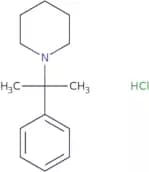
<p>RNP protein is a recombinant protein produced in E. coli, which is used as a marker for mixed connective tissue disease (MCTD). It is a component of U1-RNP, a ribonucleoprotein complex that contains the antigen recognized by anti-U1-ribonucleoprotein antibody. RNP protein can be used to detect and quantify MCTD in serum samples. This purified recombinant protein is suitable for use in Life Sciences research, Proteins and Antigens applications.</p>1-(2-Phenylpropan-2-yl)piperidine hydrochloride
CAS:<p>1-(2-Phenylpropan-2-yl)piperidine hydrochloride is a chemical compound categorized as a piperidine derivative. Piperidines are a class of organic compounds based on a six-membered ring containing five carbon atoms and one nitrogen atom. This particular compound is synthesized through a series of chemical reactions involving its precursor piperidine, and then combined with hydrochloric acid to form its hydrochloride salt, which increases its solubility and stability.</p>Fórmula:C14H22ClNPureza:Min. 95%Peso molecular:239.78 g/molABAT antibody
<p>ABAT antibody was raised using the middle region of ABAT corresponding to a region with amino acids YRSKERGQRGFSQEELETCMINQAPGCPDYSILSFMGAFHGRTMGCLATT</p>CD11a antibody
<p>The CD11a antibody is a monoclonal antibody that specifically targets the CD11a protein. CD11a is an activated growth factor that plays a crucial role in various biological processes. This antibody has been extensively studied and has shown high affinity and specificity for CD11a.</p>GPR120 modulator 1
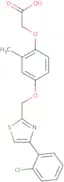
CAS:<p>GPR120 modulator 1 is a peptide that belongs to the class of protein interactions. It is an inhibitor that functions by binding to the receptor for G-protein coupled receptors 120 (GPR120) and blocking its activation. This product can be used as a research tool or as an antibody. GPR120 modulator 1 has been shown to inhibit ion channels and activate GPR120.</p>Fórmula:C19H16ClNO4SPureza:Min. 95%Peso molecular:389.85 g/molRPE65 antibody
<p>The RPE65 antibody is a monoclonal antibody that has been extensively used in Life Sciences research. It specifically targets the RPE65 protein, which plays a crucial role in the visual cycle and is involved in the regeneration of visual pigments. The RPE65 antibody has been proven to be highly specific and sensitive in detecting RPE65 expression in various tissues and cell types.</p>IL17F antibody
<p>IL17F antibody was raised in rabbit using highly pure recombinant human IL-17F as the immunogen.</p>Pureza:Min. 95%EIF4E antibody
<p>The EIF4E antibody is a highly specialized monoclonal antibody that targets the eukaryotic translation initiation factor 4E (EIF4E). This glycoprotein plays a crucial role in the regulation of protein synthesis and is involved in various cellular processes. The antibody specifically recognizes and binds to EIF4E dimers, inhibiting its activity and preventing the initiation of translation.</p>Rabbit anti Goat IgG (H + L) (FITC)
<p>This antibody reacts with heavy chains on Goat IgG and light chains on all Goat immunoglobulins.</p>Pureza:Min. 95%Cry1Ab antibody
<p>The Cry1Ab antibody is a cytotoxic monoclonal antibody that targets the tyrosine kinase activity of the glucose transporter. It has been extensively studied in Life Sciences and has shown promising results in various applications. The Cry1Ab antibody specifically binds to activated protein kinases and inhibits their function, leading to a decrease in cell proliferation and survival. Additionally, this antibody has been shown to inhibit collagen synthesis, making it a potential therapeutic option for diseases characterized by excessive collagen production. Furthermore, the Cry1Ab antibody has also demonstrated efficacy as an anti-CD20 antibody in preclinical studies, suggesting its potential use in treating B-cell malignancies. In vitro experiments have shown that this antibody effectively neutralizes its target and exhibits minimal cross-reactivity with other proteins present in human serum. With its unique mechanism of action and promising preclinical data, the Cry1Ab antibody holds great potential for future therapeutic development.</p>Goat anti Human IgE (ε chain) (FITC)
<p>This antibody reacts with heavy chains on human IgE (epsilon chain).</p>Pureza:Min. 95%CREB antibody
<p>The 6-Fluoro-3-indoxyl-beta-D-galactopyranoside is a powerful antituberculosis drug that falls under the class of rifamycins. It is highly effective in treating tuberculosis infections due to its bactericidal activity. This active compound works by inhibiting bacterial growth through binding to DNA-dependent RNA polymerase, preventing transcription and replication. Extensive research has demonstrated its high efficacy on human erythrocytes using a patch-clamp technique. The drug undergoes various metabolic transformations, including hydrolysis by esterases or glucuronidases, oxidation by cytochrome P450 enzymes, reduction by glutathione reductase, or conjugation with glucuronic acid. Moreover, it specifically targets markers expressed at high levels in Mycobacterium tuberculosis strains, inhibiting their cell growth in culture.</p>TMEM173 antibody
<p>TMEM173 antibody is a polyclonal antibody used in life sciences research. It is commonly used to detect and study the role of TMEM173 (also known as STING) in various biological processes. This antibody specifically recognizes TMEM173 and can be used in assays such as immunohistochemistry, Western blotting, and ELISA. TMEM173 is involved in the regulation of immune responses and has been linked to diseases such as cancer, autoimmune disorders, and viral infections. By targeting TMEM173 with this antibody, researchers can gain insights into its function and potential therapeutic applications.</p>ZNF660 antibody
<p>ZNF660 antibody was raised in rabbit using the N terminal of ZNF660 as the immunogen</p>Pureza:Min. 95%CDC42 protein (T7 tag)
<p>1-188 amino acids: MASMTGGQQM GRGSHMQTIK CVVVGDGAVG KTCLLISYTT NKFPSEYVPT VFDNYAVTVM IGGEPYTLGL FDTAGQEDYD RLRPLSYPQT DVFLVCFSVV SPSSFENVKE KWVPEITHHC PKTPFLLVGT QIDLRDDPST IEKLAKNKQK PITPETAEKL ARDLKAVKYV ECSALTQKGL KNVFDEAILA ALEPPEPKKS RRC</p>Pureza:Min. 95%USP2 antibody
<p>USP2 antibody was raised in rabbit using the middle region of USP2 as the immunogen</p>Pureza:Min. 95%IFIT3 protein
<p>IFIT3 protein is an interferon-induced protein that plays a crucial role in the immune response against viral infections. It has been shown to have anti-glial fibrillary acidic properties, making it a valuable target for research in the field of Life Sciences. IFIT3 protein can be inhibited using monoclonal antibodies or other inhibitors, which can help in studying its functions and interactions. Researchers often use immobilization techniques, such as conjugated proteins or electrode-based methods, to study the binding and neutralizing capabilities of IFIT3 protein. This protein is commonly used in experiments involving human serum and has been extensively studied with monoclonal antibody approaches.</p>Pureza:Min. 95%ABCC11 antibody
<p>ABCC11 antibody was raised using a synthetic peptide corresponding to a region with amino acids NSKIILIDEATASIDMETDTLIQRTIREAFQGCTVLVIAHRVTTVLNCDH</p>Pureza:Min. 95%TSPYL6 antibody
<p>TSPYL6 antibody was raised using the N terminal of TSPYL6 corresponding to a region with amino acids TDGSLKNGFPGEETHGLGGEKALETCGAGRSESEVIAEGKAEDVKPEECA</p>ZCCHC12 antibody
<p>ZCCHC12 antibody was raised using the middle region of ZCCHC12 corresponding to a region with amino acids EKASLYVIRLEVQLQNAIQAGIIAEKDANRTRLQQLLLGGELSRDLRLRL</p>Goat anti Rabbit IgG (H + L) (FITC)
<p>This antibody reacts with heavy (gamma) chains on rabbit IgG and light chains on all rabbit immunoglobulins.</p>Pureza:Min. 95%AGR 2 protein (His tag)
<p>21-175 amino acids: MRGSHHHHHH GMASMTGGQQ MGRDLYDDDD KDRWGSMRDT TVKPGAKKDT KDSRPKLPQT LSRGWGDQLI WTQTYEEALY KSKTSNKPLM IIHHLDECPH SQALKKVFAE NKEIQKLAEQ FVLLNLVYET TDKHLSPDGQ YVPRIMFVDP SLTVRADITG RYSNRLYAYE PADTALLLDN MKKALKLLKT EL</p>Pureza:Min. 95%EIF4A2 antibody
<p>EIF4A2 antibody was raised using the N terminal of EIF4A2 corresponding to a region with amino acids MSGGSADYNREHGGPEGMDPDGVIESNWNEIVDNFDDMNLKESLLRGIYA</p>GPR75 antibody
<p>GPR75 antibody was raised using the middle region of GPR75 corresponding to a region with amino acids GQSSSTPINTRIEPYYSIYNSSPSQEESSPCNLQPVNSFGFANSYIAMHY</p>Pureza:Min. 95%Desmin antibody
<p>Desmin antibody is a monoclonal antibody that specifically targets desmin, a protein found in muscle cells. This antibody is widely used in life sciences research to study the structure and function of muscle tissues. Desmin antibody can be used for various applications, including immunohistochemistry, western blotting, and flow cytometry. It has been shown to effectively detect desmin in different cell types, including MCF-7 cells. Additionally, this antibody has been used in studies investigating the role of desmin in various cellular processes, such as cell growth and differentiation. Its high specificity and sensitivity make it a valuable tool for researchers studying muscle-related disorders or exploring potential therapeutic targets.</p>TCOF1 antibody
<p>The TCOF1 antibody is a powerful tool in the field of Life Sciences. It is a monoclonal antibody that specifically targets and binds to TCOF1, a protein involved in the development of mesenchymal stem cells. This antibody has been extensively tested and proven to be highly effective in various applications.</p>PF 06250112
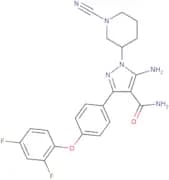
CAS:<p>PF 06250112 is a drug that binds to the enzyme protein kinase C, which is involved in many cellular processes. It has been shown to be effective in treating hemophilia, proteinuria and glomerulonephritis in animal models. The mechanism of action of PF 06250112 is not yet known, but it is thought to inhibit the transfer of phosphatidylserine from the inner to outer leaflet of the plasma membrane in kidney cells and cause adverse effects on erythematosus. This drug has also been implicated in inhibiting the pathogenesis of this disease by decreasing levels of inflammatory cytokines such as tumor necrosis factor-α (TNF-α).</p>Fórmula:C22H20F2N6O2Pureza:Min. 95%Peso molecular:438.4 g/molOxycodone antibody
<p>The Oxycodone antibody is a highly specialized monoclonal antibody that has been developed for the neutralization of activated tyrosine kinase receptors. It acts by inhibiting the growth factor signaling pathway, preventing the activation of downstream pathways involved in cell proliferation and survival. This antibody is particularly effective against autoantibodies targeting tyrosine kinases, which are known to play a critical role in various diseases, including cancer and autoimmune disorders.</p>NEK6 antibody
<p>NEK6 antibody was raised using a synthetic peptide corresponding to a region with amino acids FRCSLADFQIEKKIGRGQFSEVYKATCLLDRKTVALKKVQIFEMMDAKAR</p>Pureza:Min. 95%CBP antibody
<p>The CBP antibody is a highly potent and cytotoxic inhibitor that has been widely used in Life Sciences research. It is a monoclonal antibody specifically designed to target and neutralize the activity of CBP (cAMP response element-binding protein-binding protein), a key regulator of gene expression. This antibody has shown excellent binding affinity to CBP, making it an ideal tool for studying its role in various cellular processes.</p>TRKB antibody
<p>The TRKB antibody is a highly specialized protein that plays a crucial role in various biological processes. It is commonly used in Life Sciences research and has been extensively studied for its therapeutic potential. This antibody specifically targets the TRKB receptor, which is a key player in the epidermal growth factor (EGF) signaling pathway.</p>LZTR1 antibody
<p>LZTR1 antibody was raised in rabbit using the N terminal of LZTR1 as the immunogen</p>Pureza:Min. 95%GPD2 antibody
<p>GPD2 antibody was raised using a synthetic peptide corresponding to a region with amino acids DILVIGGGATGSGCALDAVTRGLKTALVERDDFSSGTSSRSTKLIHGGVR</p>Pureza:Min. 95%